- Select Language
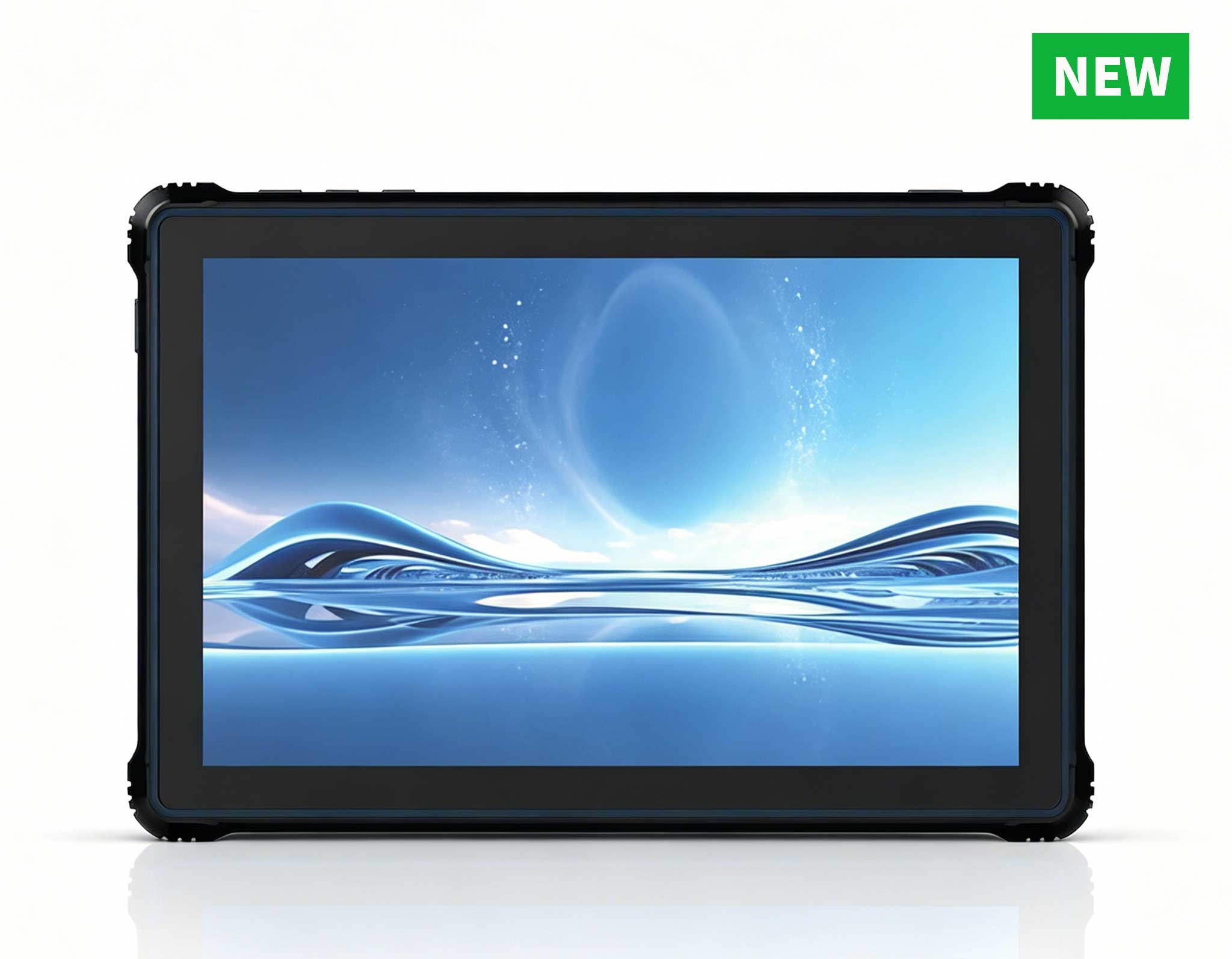
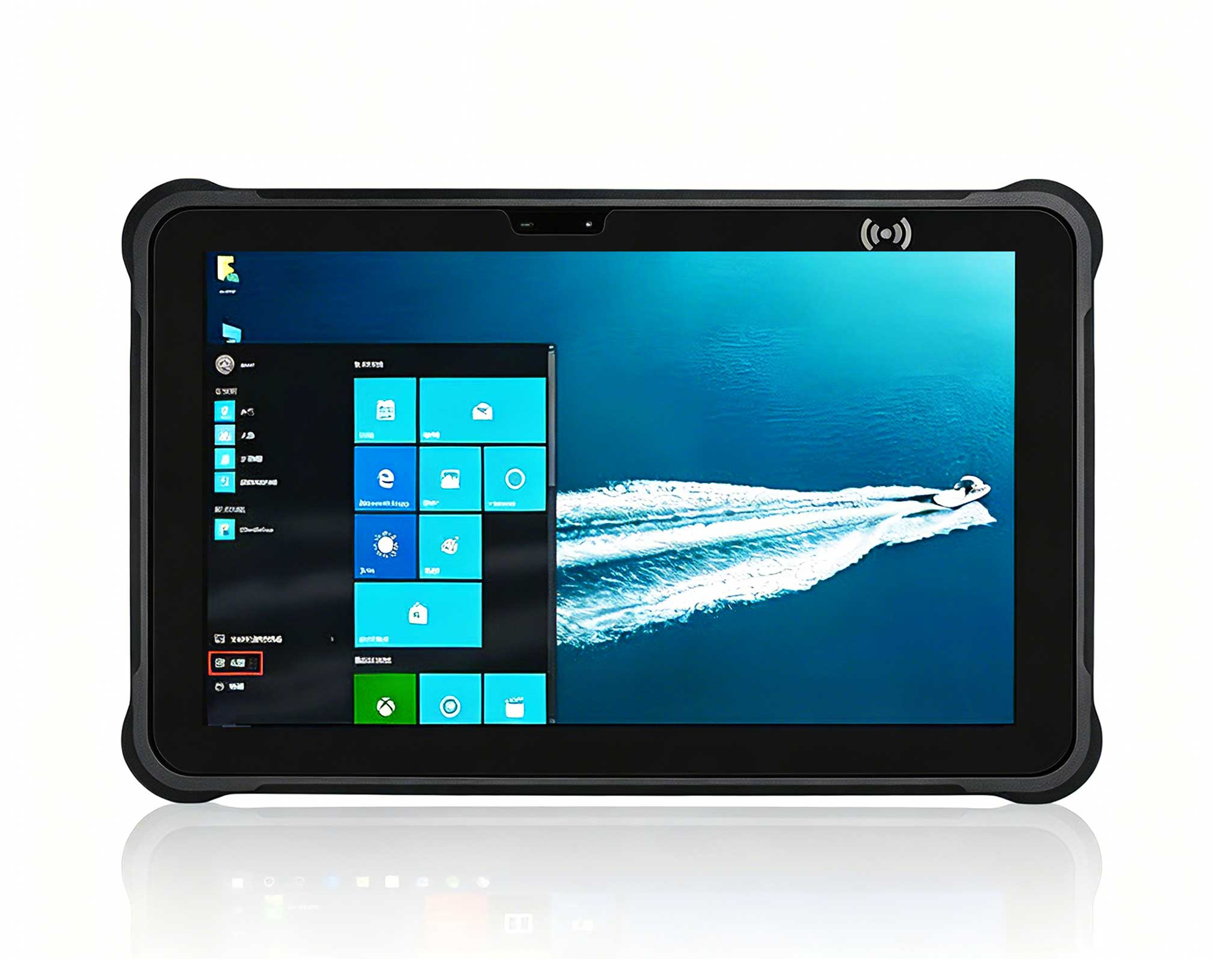
RT80 5G Rugged Tablet | 10.1" FHD 400nit | Un...
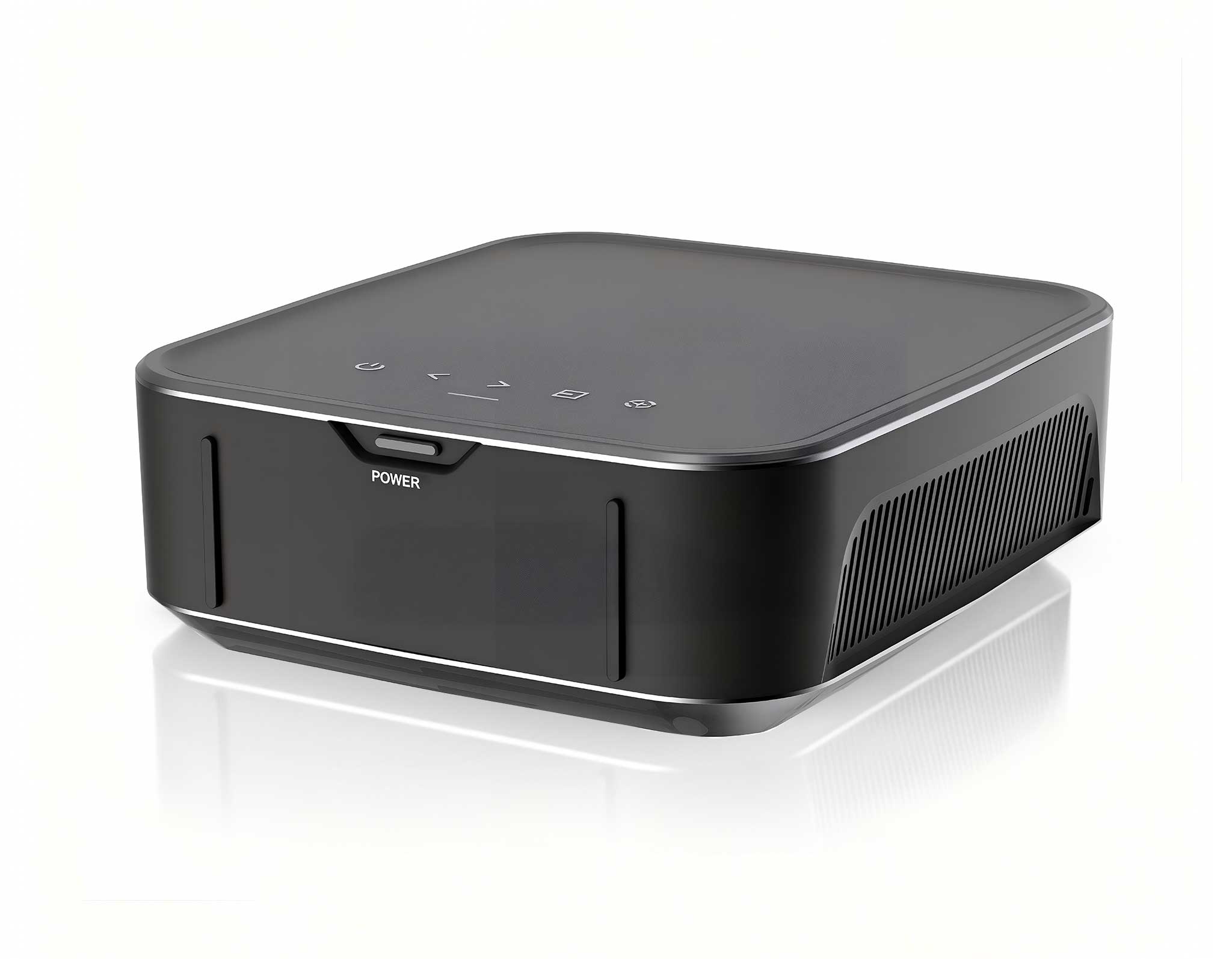
Technical SpecificationsModel: Palm-sized miniPCTy...
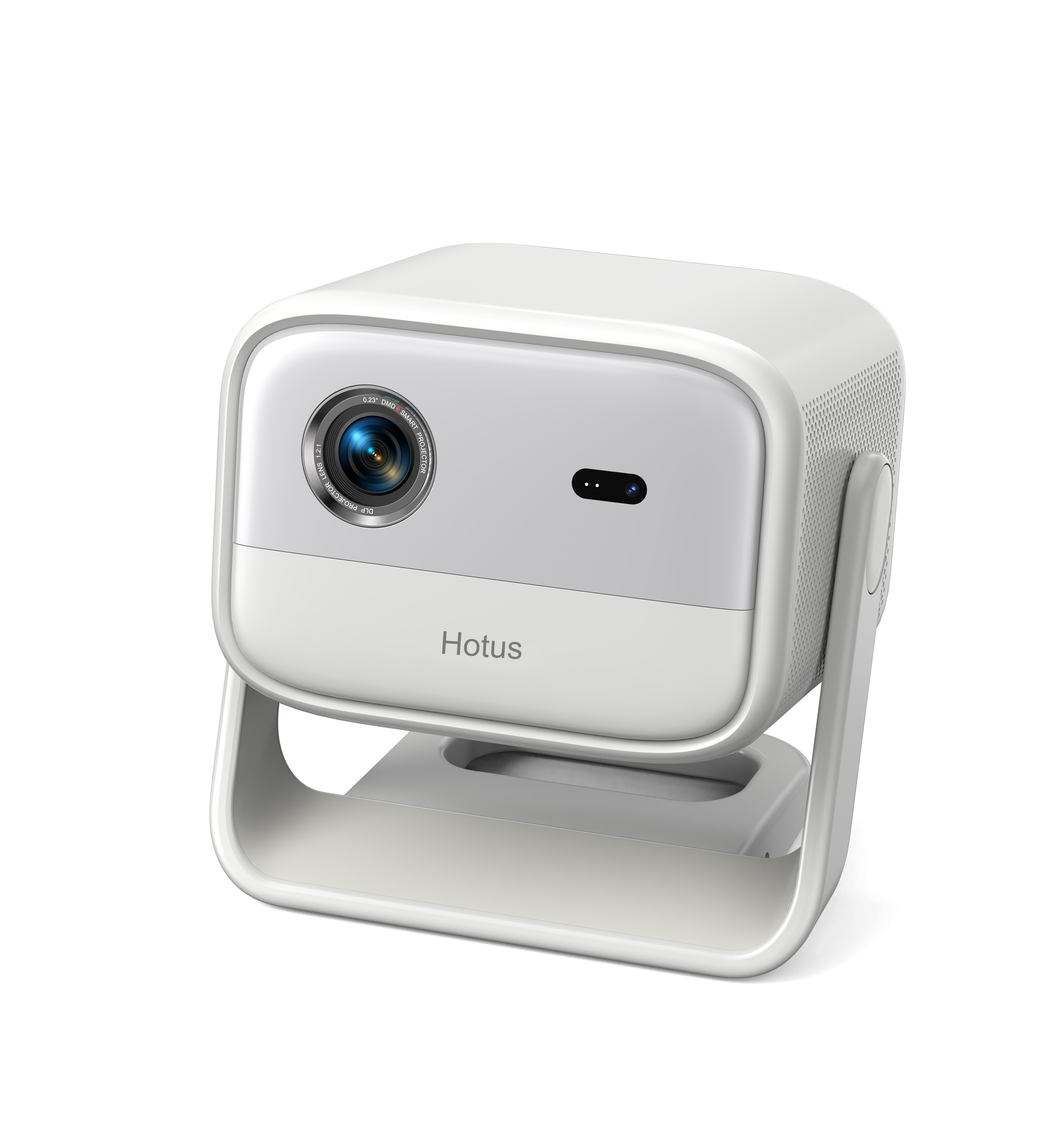
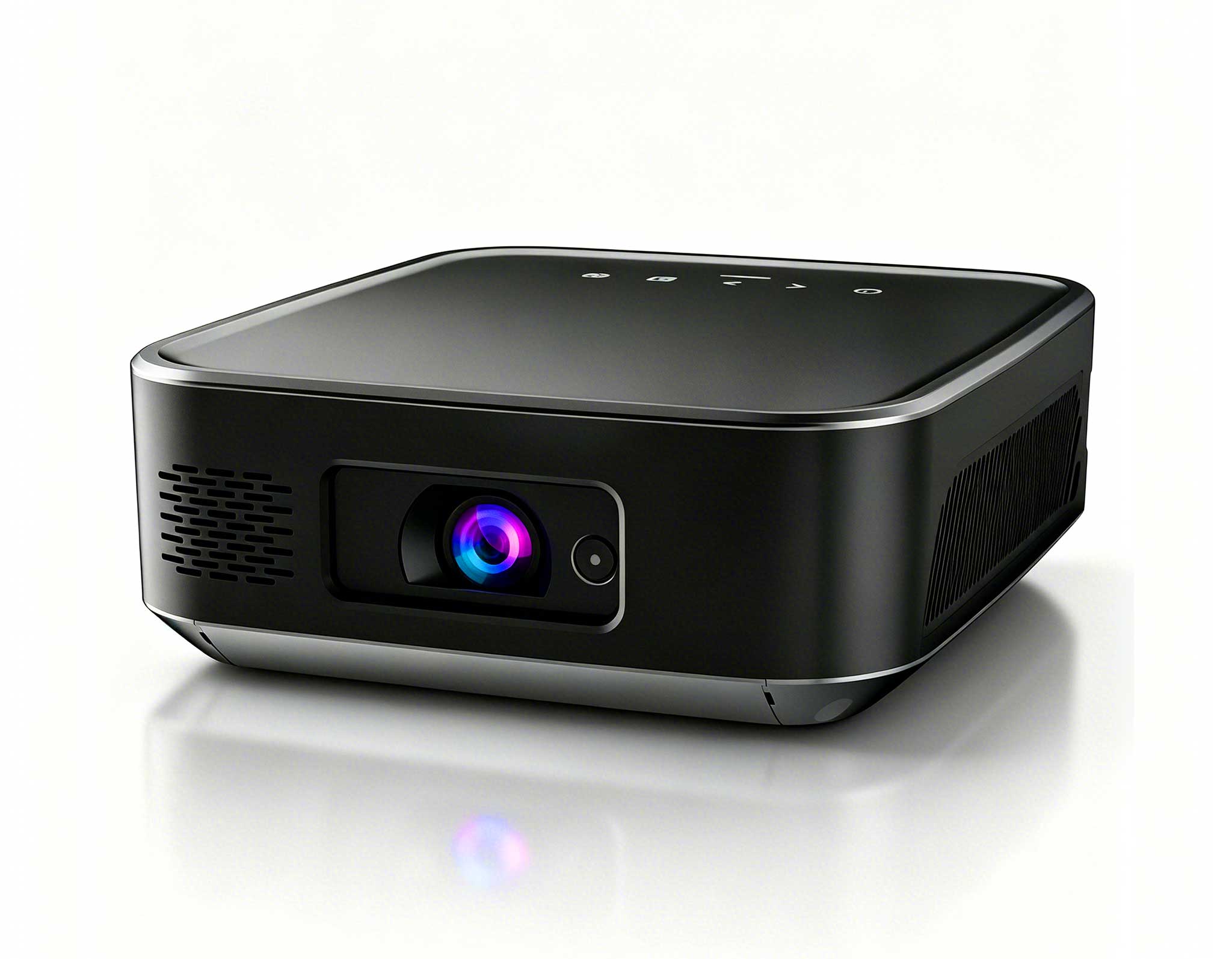
One Device, Dual Functions – A Projector and a Com...
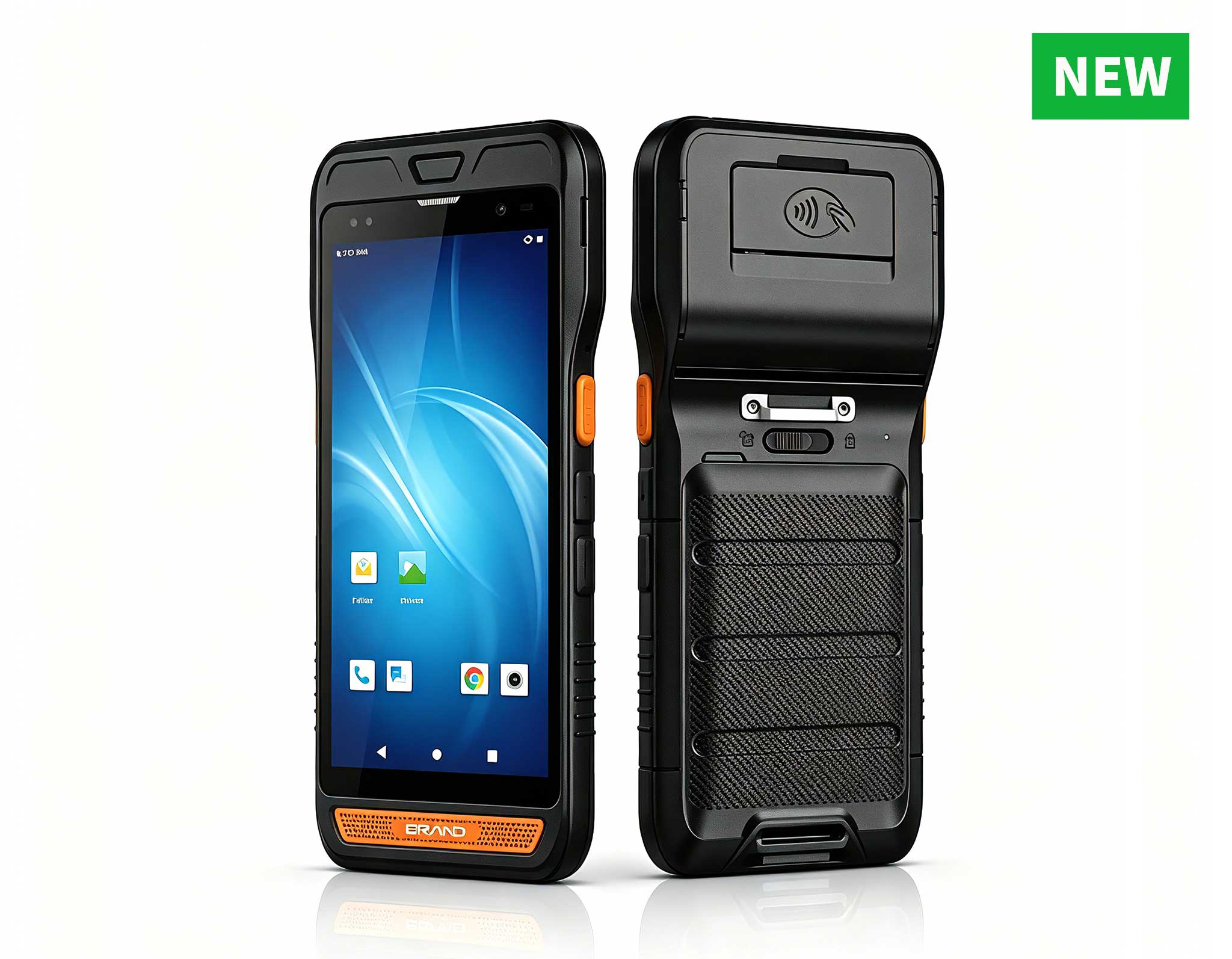
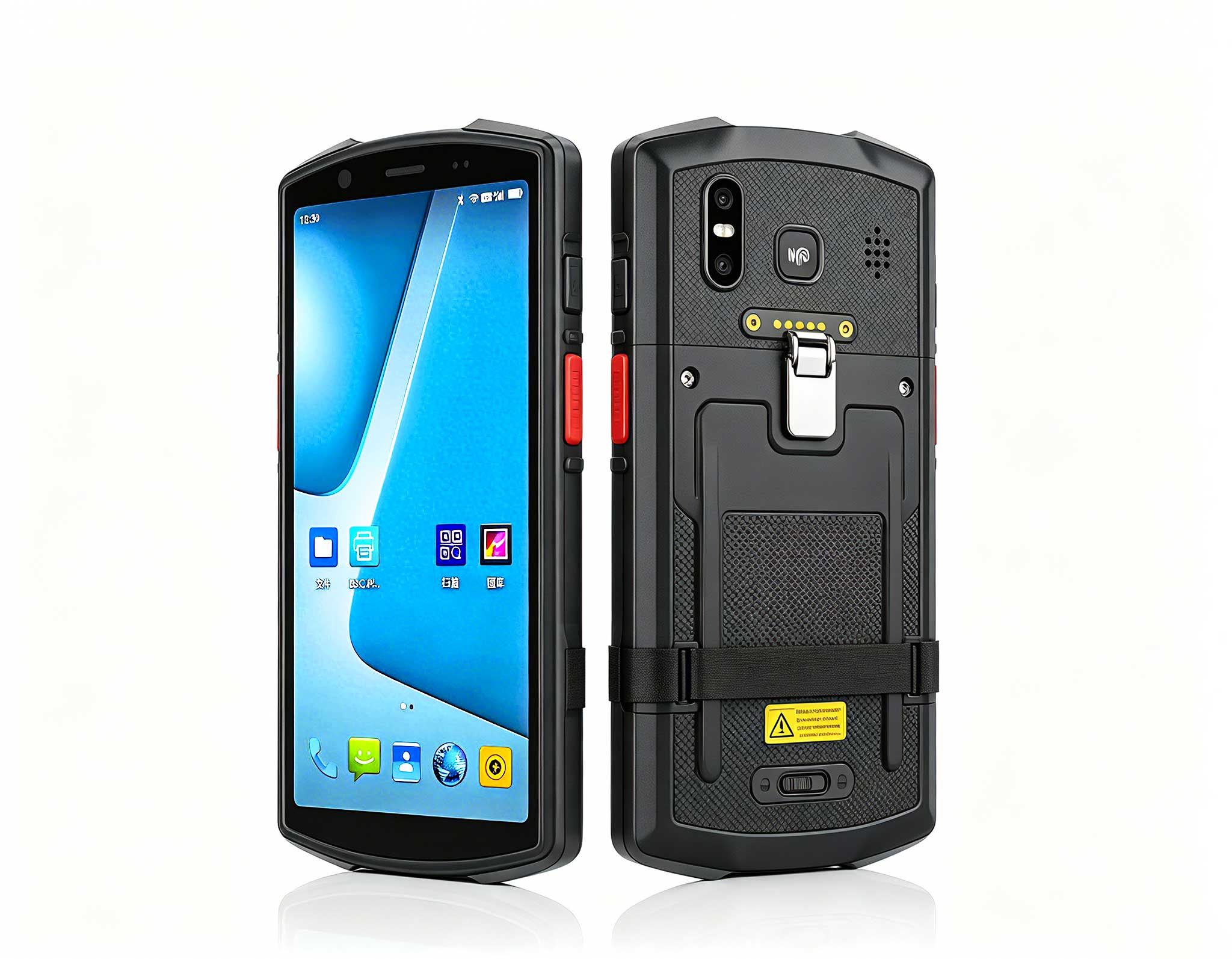
R860-S 5.5-inch Industrial PDA with Thermal Printe...
RT81 4G Rugged Tablet | 10.1" FHD 400nit | Qu...
One Device, Dual Functions – A Projector and a Com...
Full SpecificationsModelHotus ST11‑JOSWindows 10 P...
The N60 PDA is a cutting-edge device for inventory...
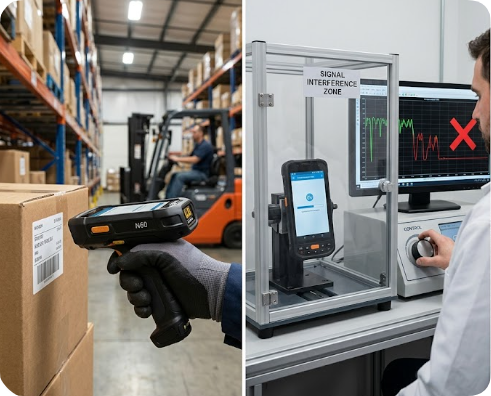
In the fast-paced world of logistics, where precision and speed are non-negotiable, the choice between software optimization and hardware upgrades often defines operational success. The T80 Handheld PDA—known for its barcode scanning & RFID reading capabilities—has become a staple in warehouses across the United States. However, as demand for faster picking and sorting grows, so do the performance challenges. A recent analysis from a major distribution hub in the Pacific Northwest compared two approaches to resolving slowdowns in warehouse outbound sorting: Android system optimization versus hardware replacement. This report highlights the findings, offering insights for logistics managers evaluating their technology stack, including alternatives like ruggedized handhelds or a high-performance Mini PC for fixed stations.
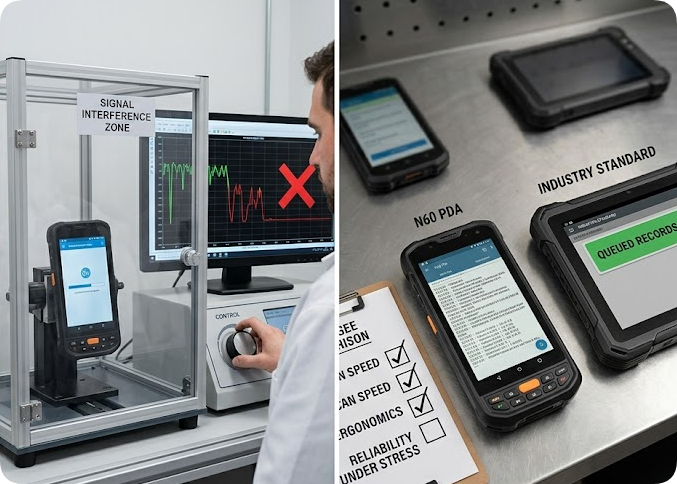
The study focused on a facility processing 3,200 outbound parcels per shift across 15 dock doors. Operators using T80 Handheld PDA units reported consistent performance drops after two to three hours of intensive use, particularly during RFID scanning and batch barcode processing. Unlike a typical hardware failure, the degradation was gradual and uniform across all devices, suggesting a software bottleneck. The warehouse team implemented a side-by-side test: five units received a full Android OS optimization—including kernel tuning and cache management—while five others were replaced with newer ruggedized handhelds. The remaining five served as a control group with standard factory settings.
The optimization process began with a deep dive into Android performance metrics using tools like Android Studio Profiler and logcat. Key findings included excessive background processes—such as system_server and Google Play Services—consuming 25% of CPU cycles during RFID operations. Additionally, the device's thermal throttling was triggered after prolonged scanning, reducing clock speeds by 30% to prevent overheating. The optimized units benefited from disabling non-essential services, adjusting I/O scheduler settings for flash storage, and implementing a custom memory management policy that prioritized scanner and RFID drivers. These changes extended the PDA's effective operational window from 2.5 hours to over 6 hours without performance degradation.
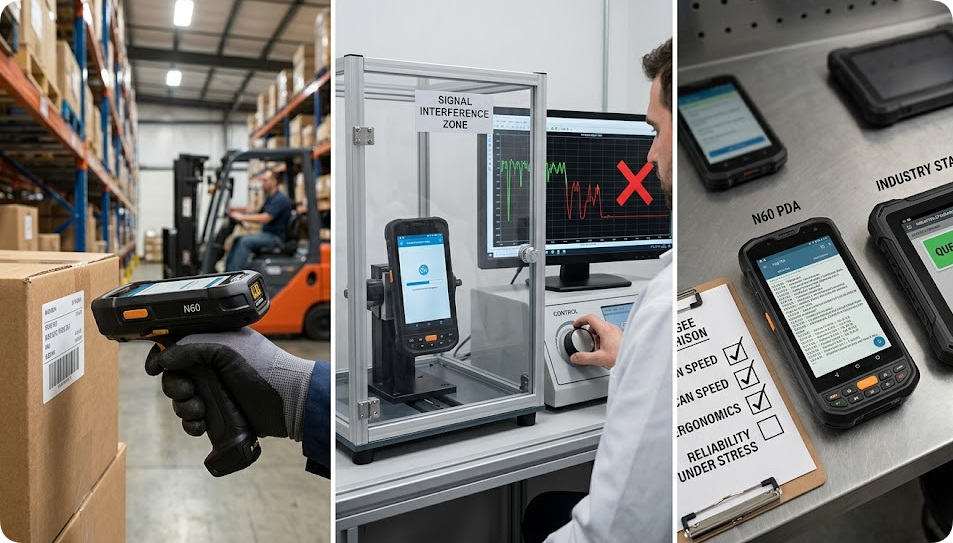
One operator, James, noted: "After the software update, it felt like a different device. I could scan 700 items per hour without any stutter. The screen refreshed instantly, and the RFID range stayed consistent at 3 meters." This feedback underscores the potential of Android performance optimization to bridge the gap between aging hardware and modern logistics demands.
For warehouses operating on tight budgets, the choice between optimizing existing T80 Handheld PDA units and purchasing new hardware is critical. The optimization required an initial investment of $200 per unit for professional tuning and monitoring software, compared to $1,200 per unit for new devices. Over a fleet of 15 units, this represented a savings of $15,000, with only a 10% degradation in peak performance compared to new hardware. Moreover, the optimized units outperformed the control group by 35% in throughput during high-volume sorting periods.
However, the study also identified limits: after 18 months of continuous use, software optimization alone could not compensate for battery wear and memory degradation. At that point, hardware upgrades became necessary. For facility managers, this suggests a phased approach—immediate software tuning followed by gradual hardware refresh—as the most cost-effective strategy. A related case study on Warehouse Management Case with PDA further illustrates how similar facilities have balanced these factors.
The T80 Handheld PDA remains a capable tool in warehouse outbound sorting, but its performance is heavily influenced by Android system configuration. The comparison between software optimization and hardware replacement reveals that tuning existing devices can deliver substantial improvements for most operations, delaying the need for costly upgrades. For those evaluating technology investments, combining optimized handhelds with fixed logistics terminals like a Mini PC for high-volume stations can create a hybrid system that maximizes efficiency. Ultimately, the key is to monitor Android performance metrics proactively and adjust configurations to match specific workflow demands—ensuring that every scan counts in the race against time. For further reading on industrial handheld applications, see this T80 PDA Retail Cashier Case.