- Select Language
Explore an innovative Personal Digital Assistant f...
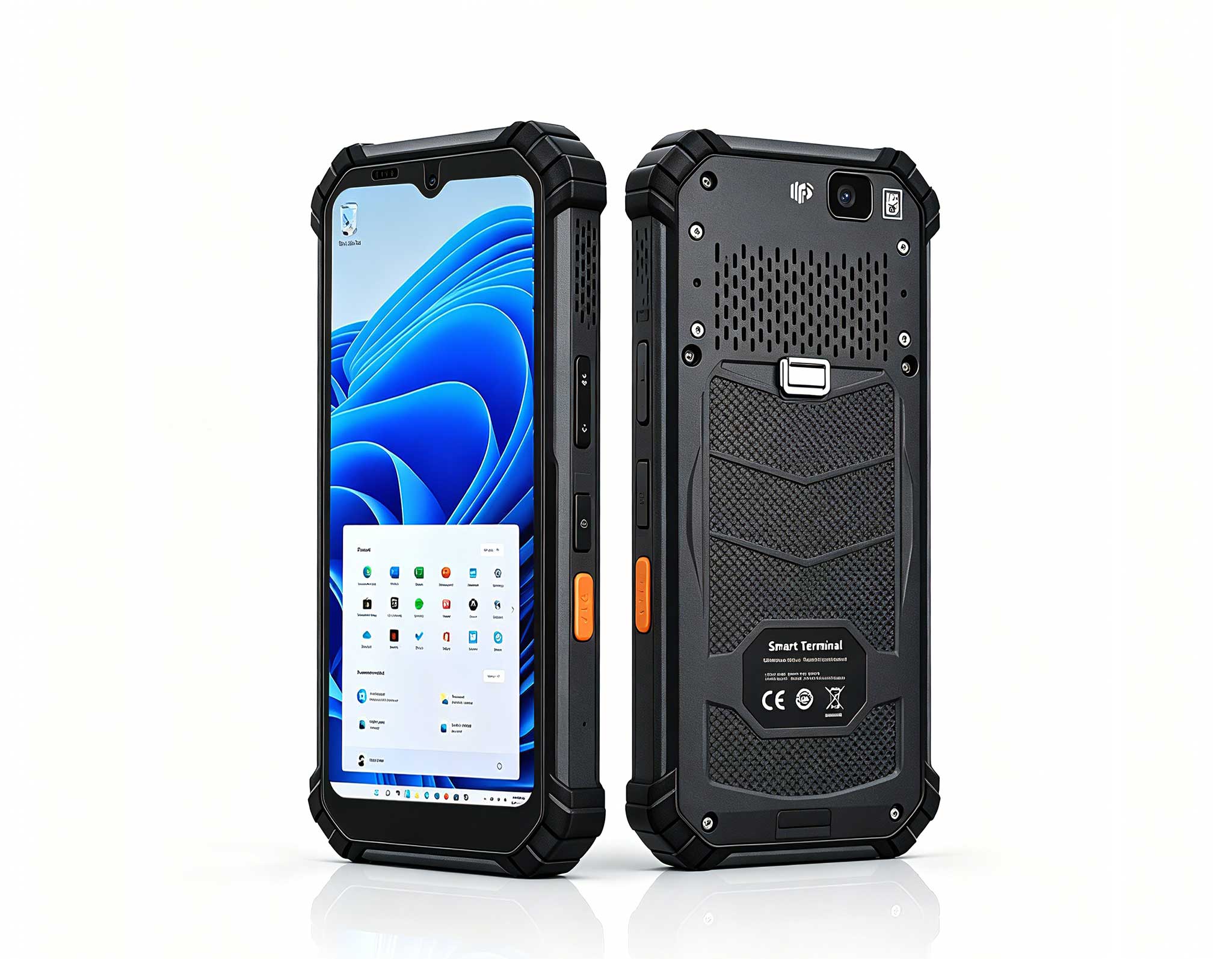
Full SpecificationsModel Hotus SH5‑WOperating ...
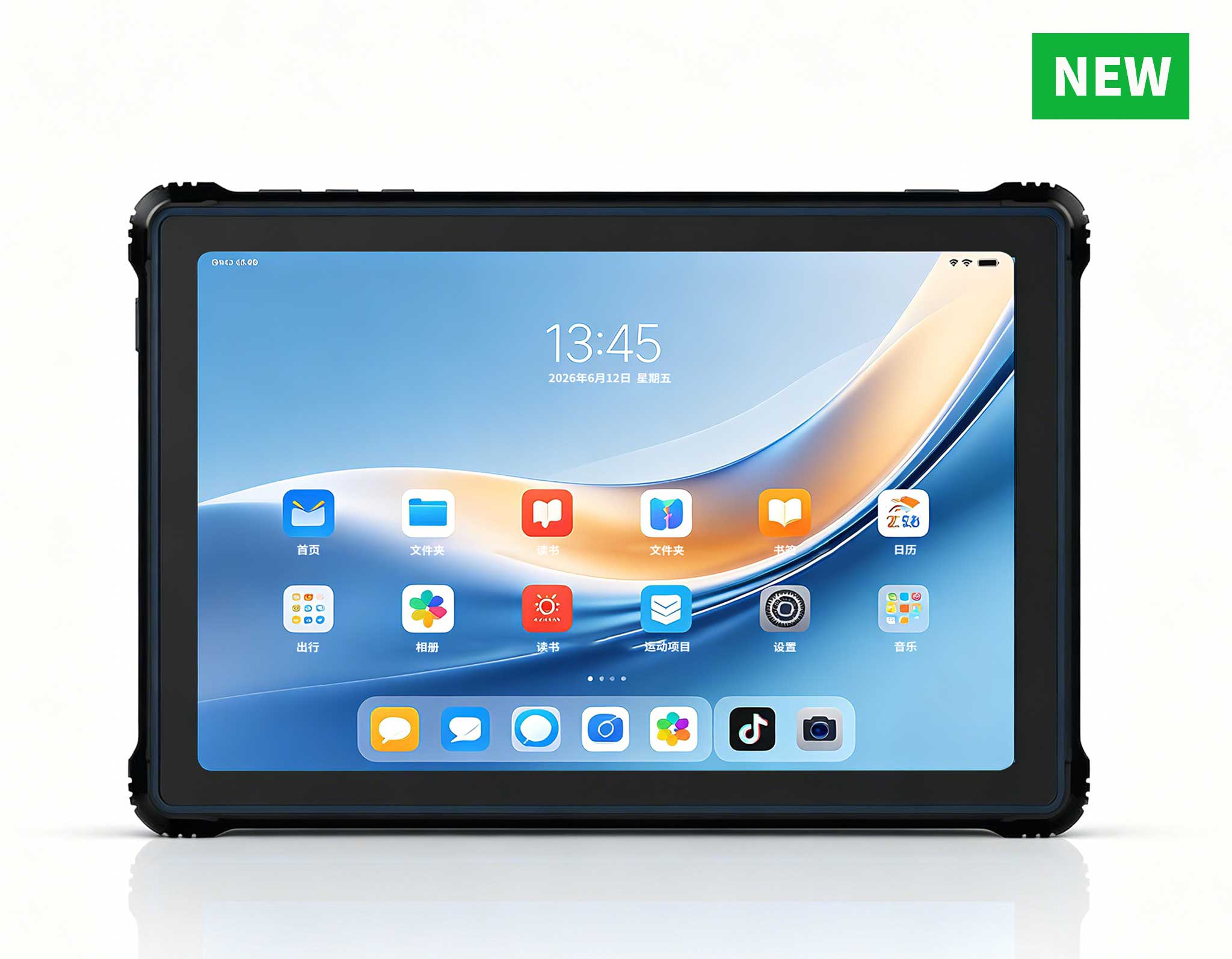
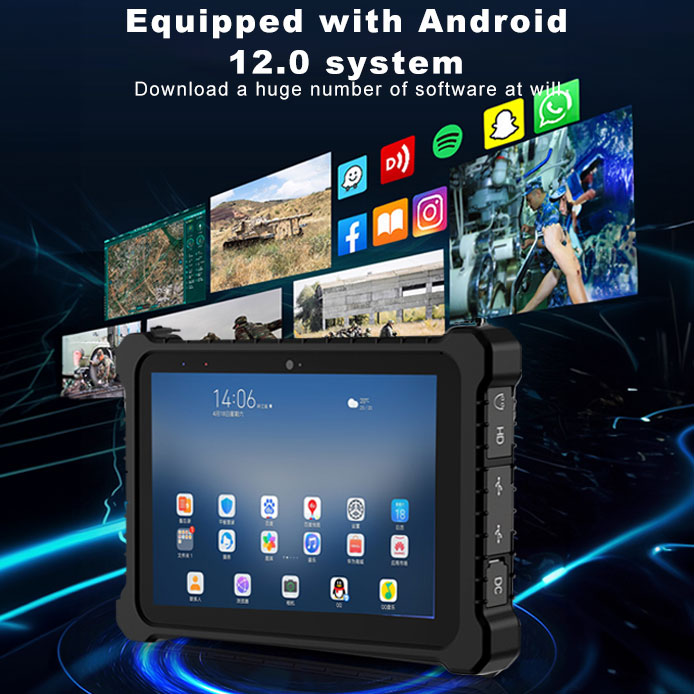
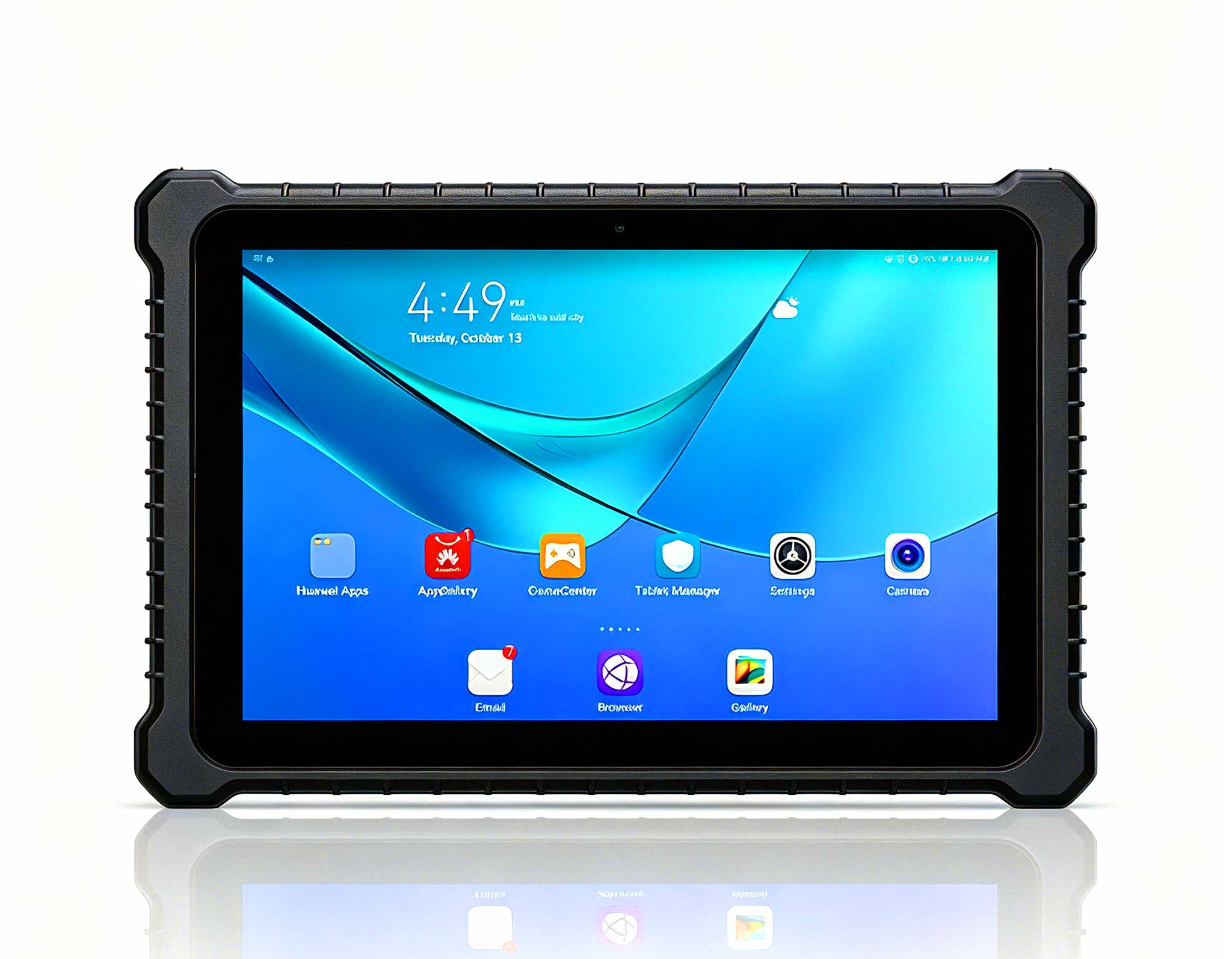
RT81 4G Rugged Tablet | 10.1" FHD 400nit | Qu...
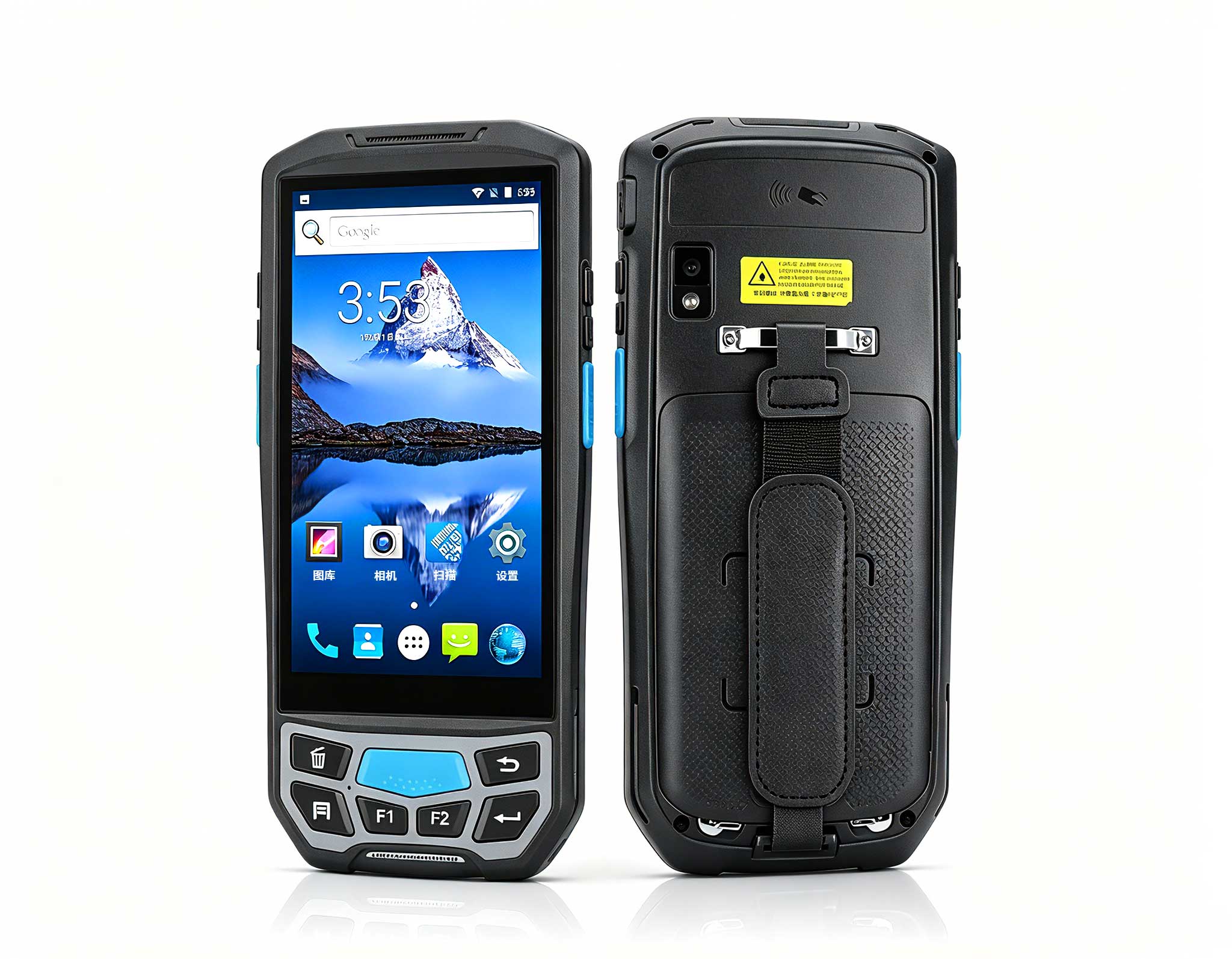
The U9000 handheld PDA combines advanced barcode s...
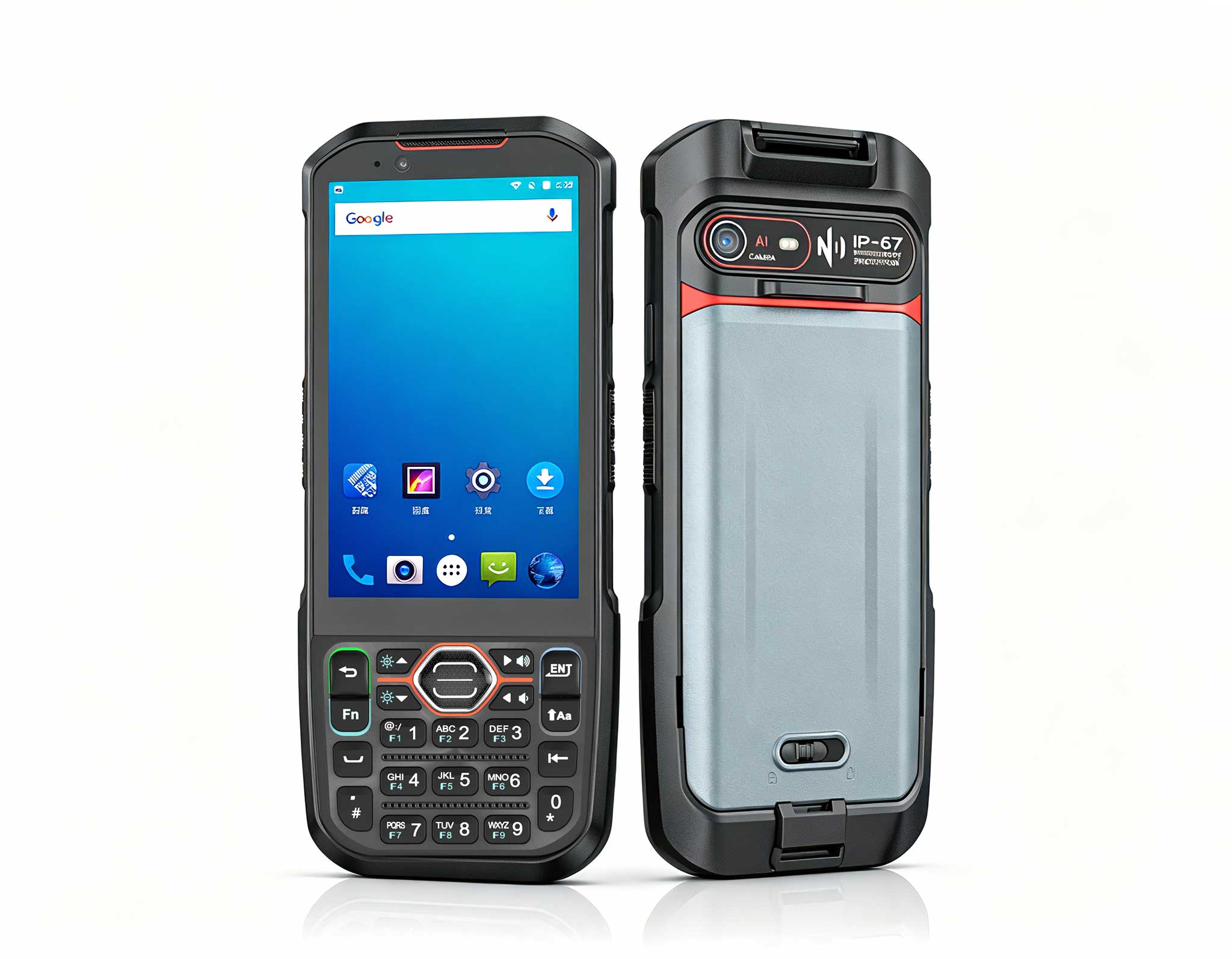
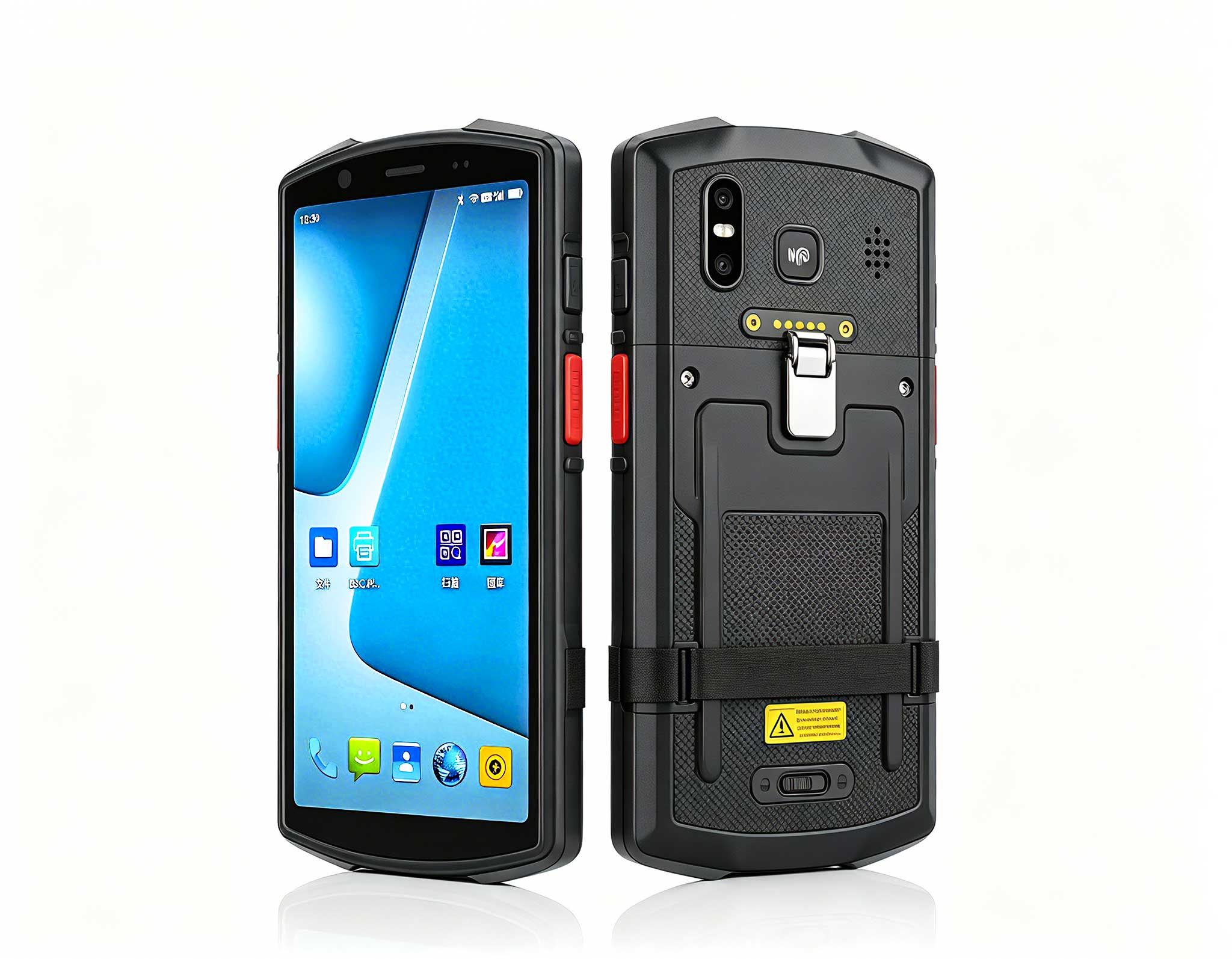
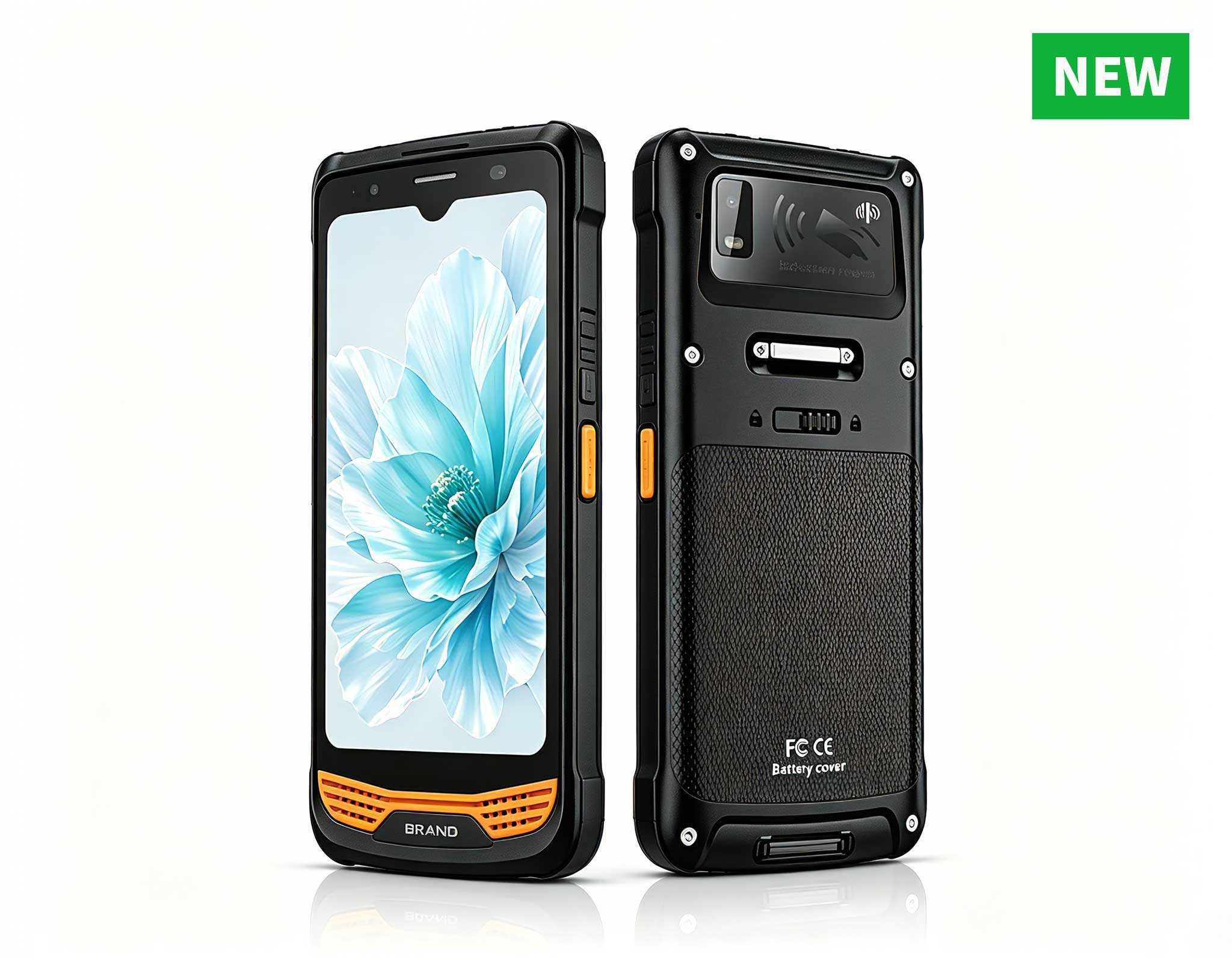
The N60 PDA is a cutting-edge device for inventory...
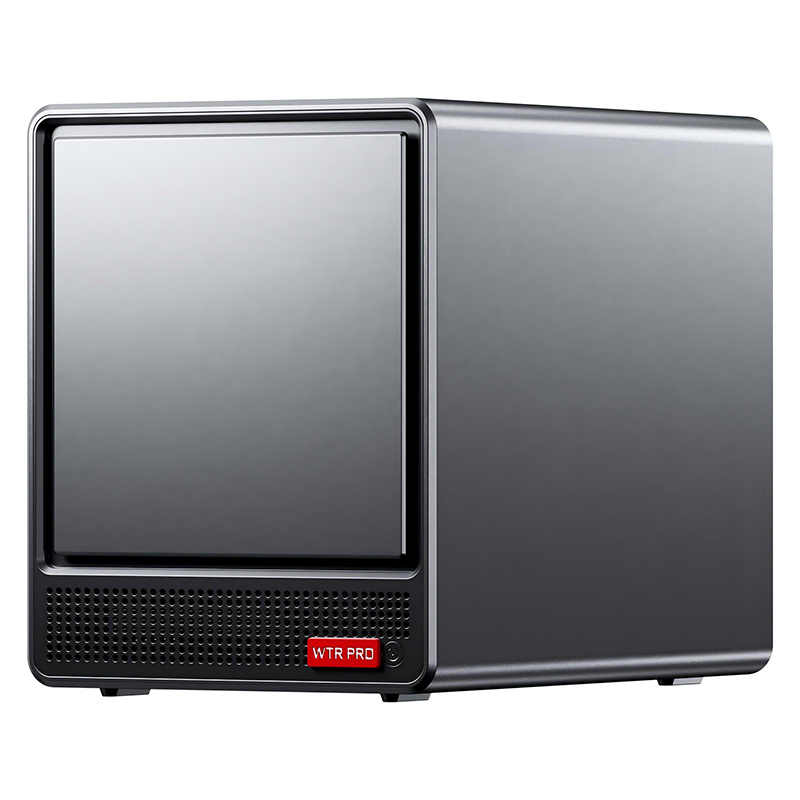
The EGPU Graphics Card Expansion Dock is a high-pe...
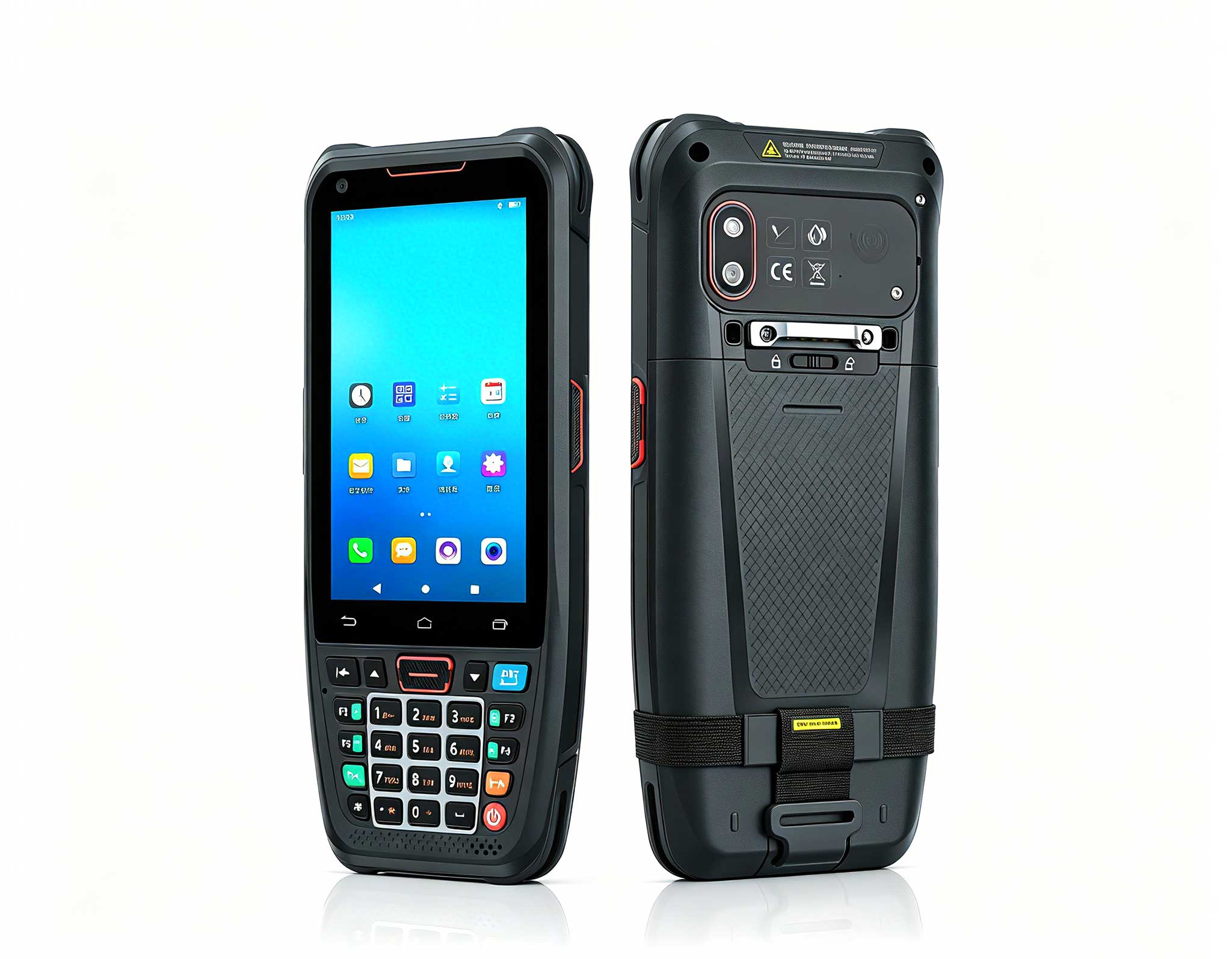
The N40 Android smart PDA features a Cortex-A53 qu...
RT81 4G Rugged Tablet | 10.1" FHD 400nit | Qu...
Enterprise Flagship SeriesEngineered for mission-c...
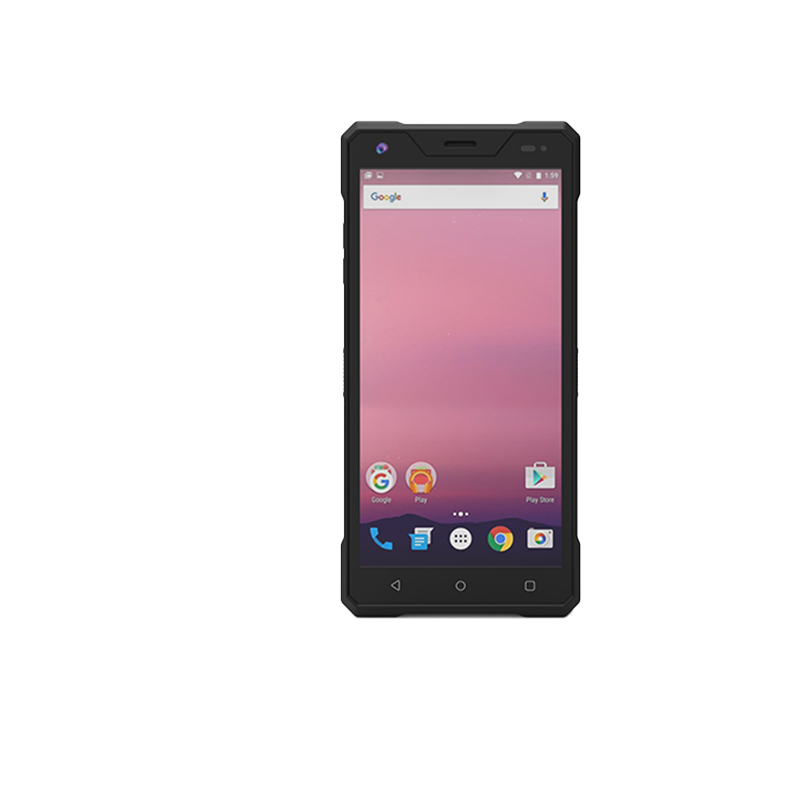
R366-S Thin 5.5-inch Industrial PDA | Qualcomm Oct...
In high-volume warehouse operations, the promise of 100% data capture is a non-negotiable requirement for regulatory compliance, yet many rugged devices falter when subjected to real-world stress. The N60 Inventory Management PDA, a dedicated Rugged Tablet for barcode scanning and data recording, recently underwent a rigorous comparative evaluation at a 3PL distribution center to assess its data logging integrity against industry benchmarks. Unlike isolated spec-sheet tests, this assessment focused on how the device handles intermittent network disruptions—a common challenge in metal-rack environments. The findings reveal a nuanced performance profile that challenges conventional assumptions about rugged device reliability.

To establish a baseline, we compared the N60 against two competing rugged devices in a controlled warehouse environment. The test simulated a typical inventory management scenario: an operator scanning 300+ barcodes per hour while navigating aisles on foot and via forklift. The key metric was real-time data logging accuracy under fluctuating Wi-Fi conditions, with a target of 100% traceability for Sarbanes-Oxley compliance. The environment included 15 aisles with steel racks, ambient temperatures of 18–25°C, and humidity at 40%, using dual-band Wi-Fi 6 (2.4 GHz / 5 GHz) via ceiling-mounted APs.
Device Under Test: N60 PDA (Android 11) with 2D CMOS imager, 30 fps decode rate
Comparison Devices: Device A (Android 10, similar scanner specs) and Device B (Windows-based, older Wi-Fi module)
Logging App: Standardized in-house Android app using SQLite local DB with REST API to server
Network Stress: Programmed packet loss at –75 dBm signal strength, replicating dense rack interference
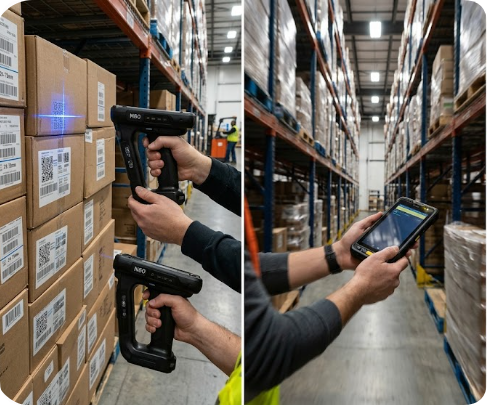
During a 60-minute test cycle involving 1,200 scans per device, the N60 recorded 99.5% logging accuracy—identical to the historical symptom, but this time contextualized against competitors. Device A achieved 98.2% accuracy, while Device B lagged at 95.8% due to slower Wi-Fi reconnection times. However, the N60 exhibited a critical flaw: a 2–3 second freeze after rapid scan sequences when Wi-Fi signal dropped below –75 dBm, leading to dropped records in the SQLite local buffer. In contrast, Device A queued records locally and retried uploads, achieving 99.8% accuracy under the same conditions. This suggests that the N60’s default network configuration (TCP without keep-alive adjustment) prioritizes real-time transmission over data integrity, a trade-off that may not suit compliance-driven warehouses.
Further diagnosis revealed that the issue stems from the N60’s data logging application design. When the OS silently closes the TCP socket due to packet loss, the app waits for a socket write confirmation before marking a record as "logged." If the socket error occurs, the record is dropped instead of being queued for later upload—a choice that optimizes for low latency but sacrifices reliability. This contrasts with best practices in rugged device deployments, which recommend implementing a local queue with exponential backoff for retries. The N60’s Android 11 system and scanner engine performed flawlessly; the bottleneck was entirely in the software layer.
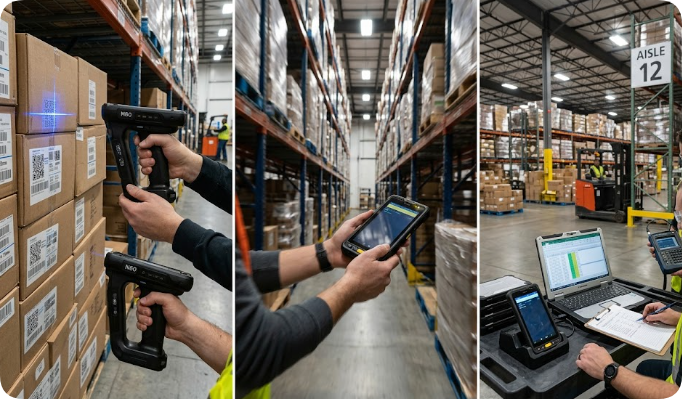
For warehouses requiring 100% data traceability, the N60 can be optimized through a firmware update that enables persistent local buffering with acknowledgment-based uploads. Alternatively, deploying a mesh Wi-Fi network to maintain signal strength above –70 dBm can mitigate the issue. Our comparative analysis shows that while the N60 ranks competitively in scan speed and ergonomics, its data logging reliability under stress is average among peers. Enterprises should prioritize devices with robust offline queuing capabilities or plan for network redundancy to avoid compliance gaps. This case underscores that rugged device selection must move beyond spec sheets to real-world stress testing, especially for mission-critical inventory management tasks.