- Select Language
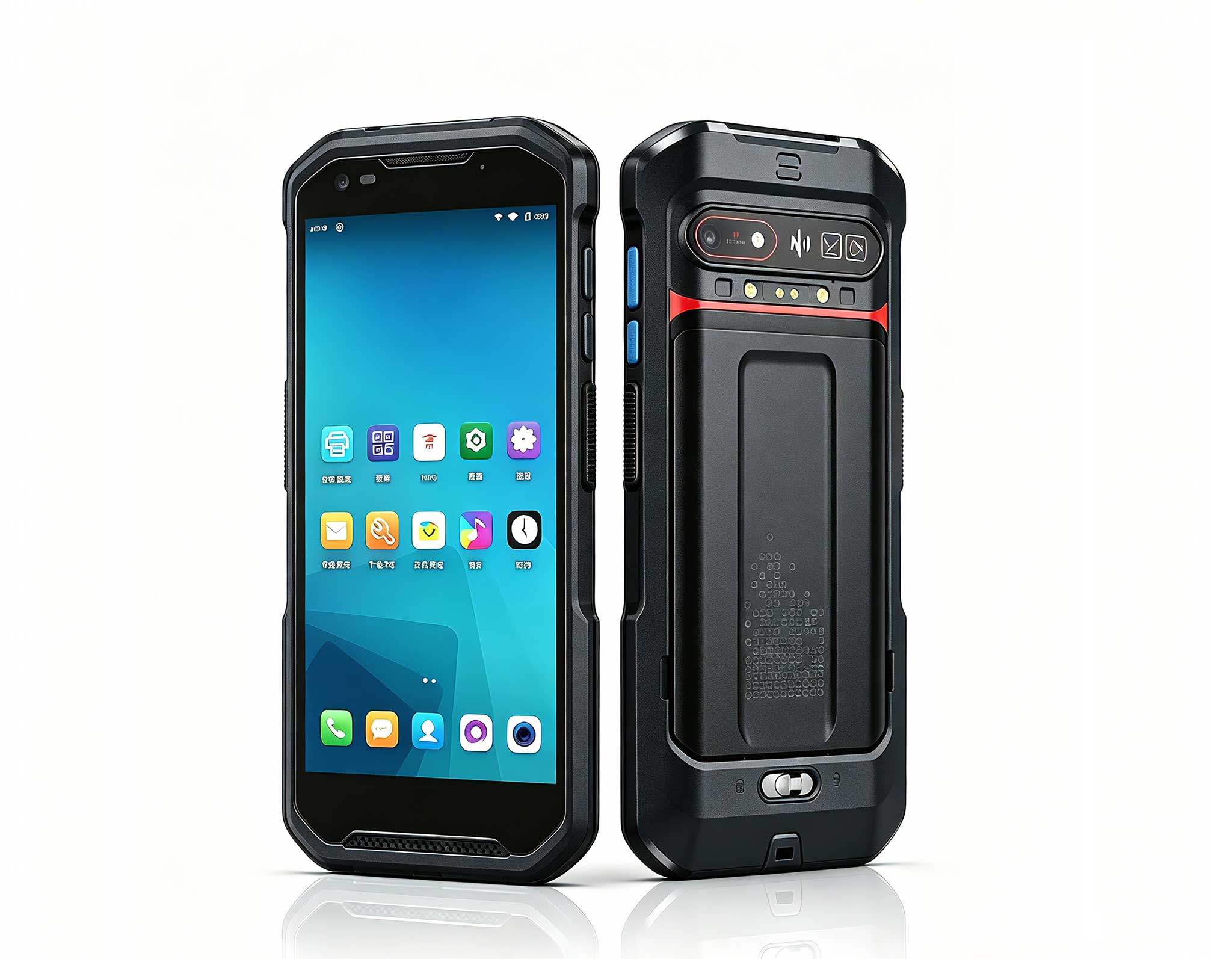
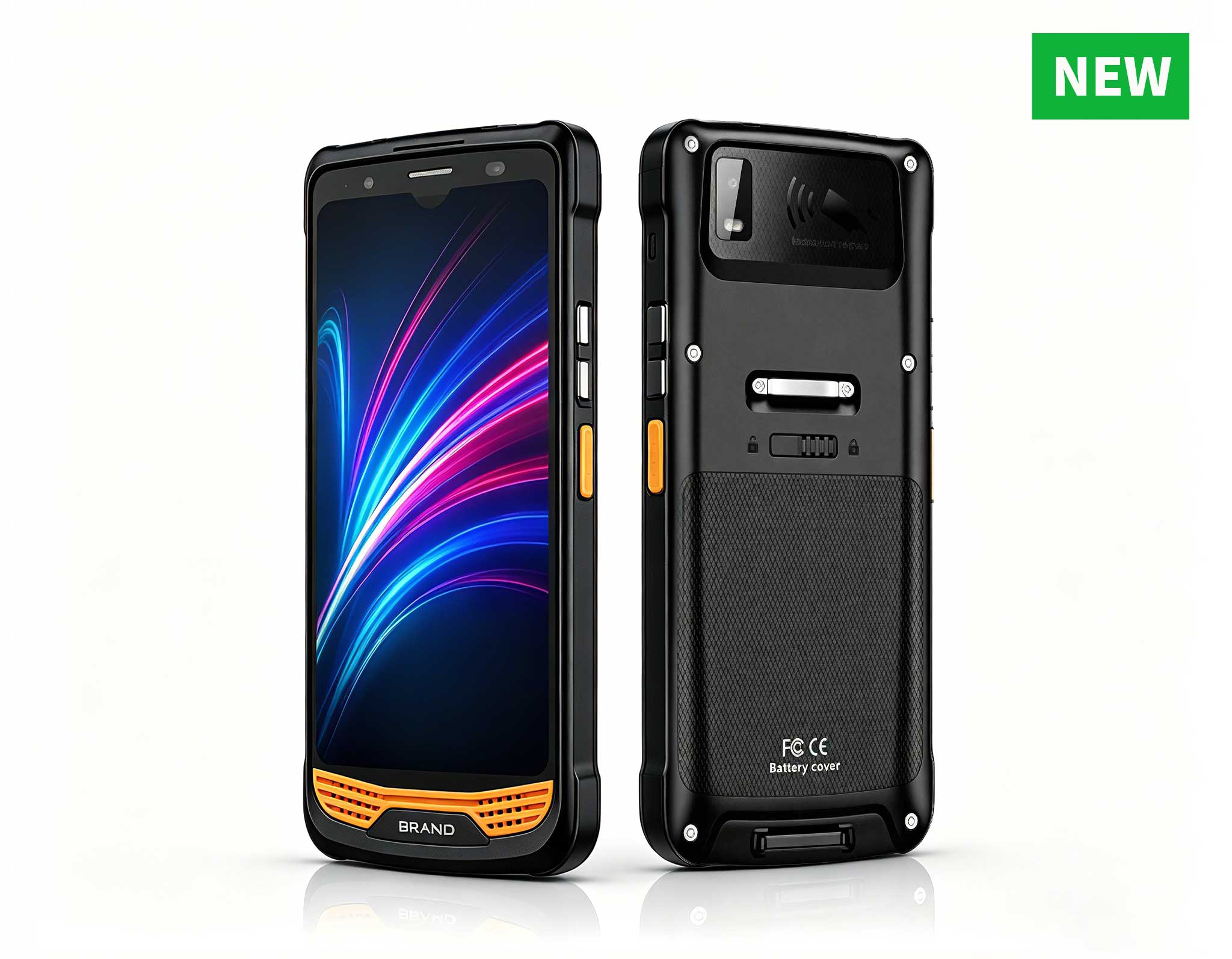
The F505 Handheld PDA is a compact, high-performan...
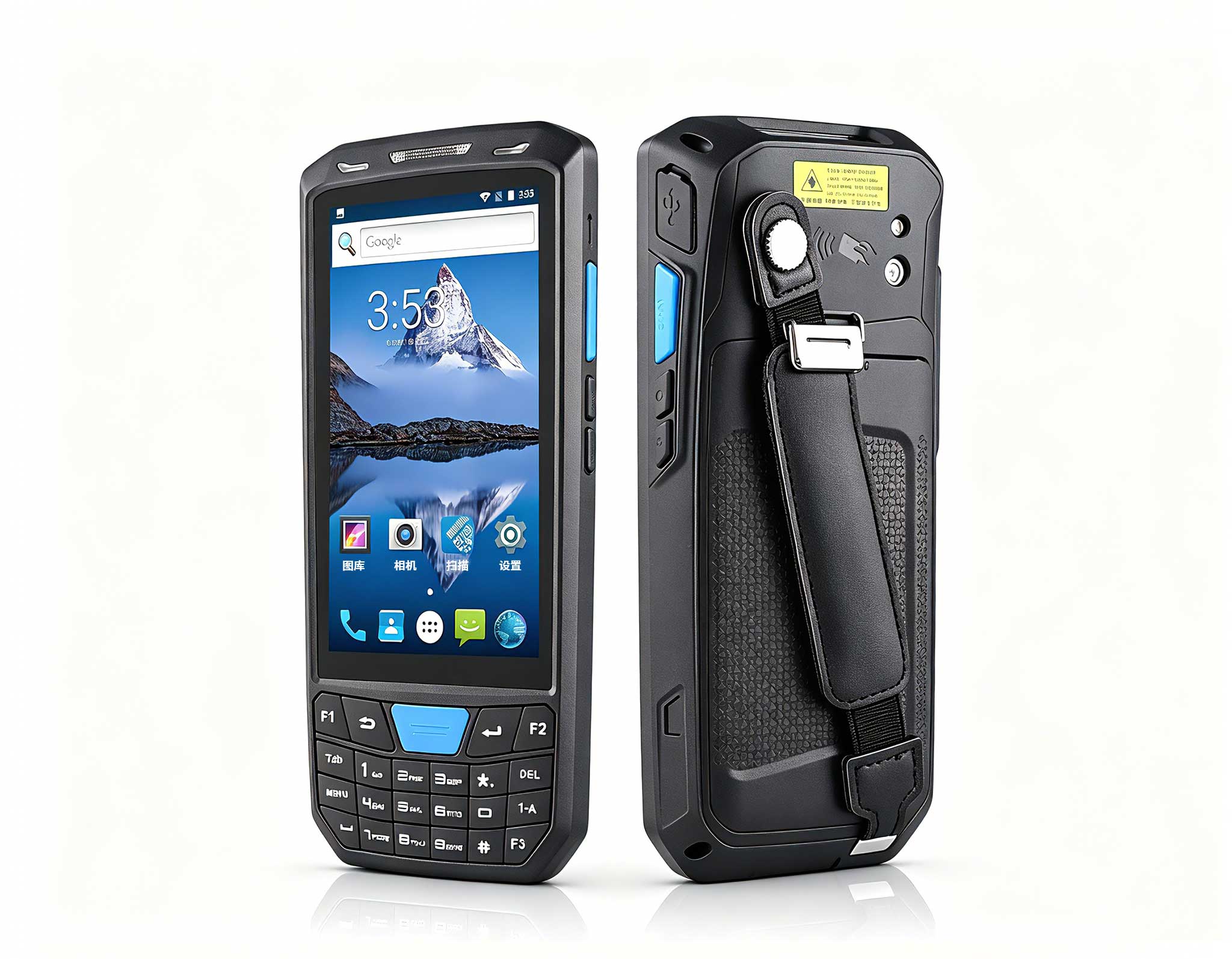
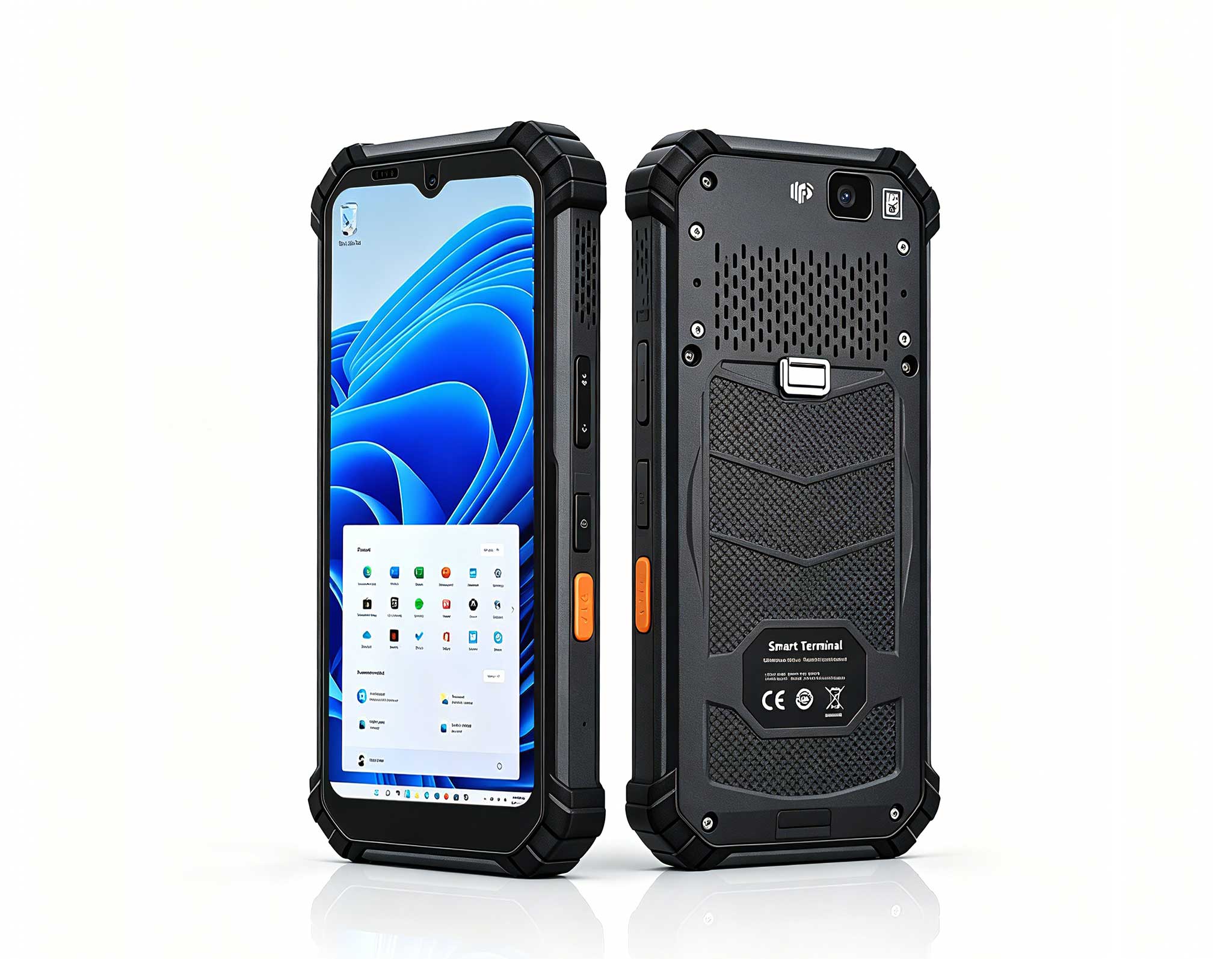
The T80 handheld PDA combines advanced barcode sca...
R366-S 5.5-inch Industrial PDA | Qualcomm Octa-cor...
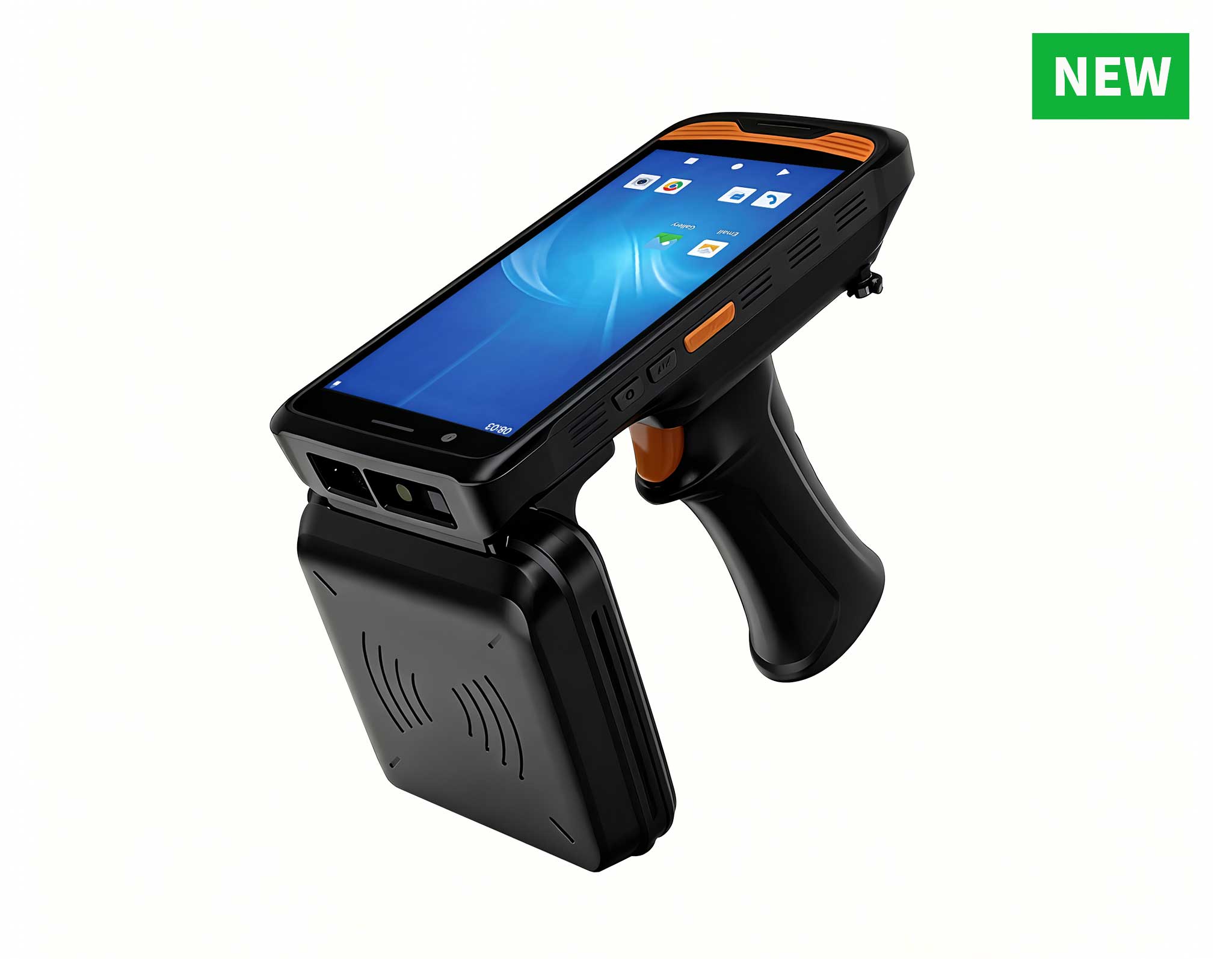
R366C-S 5.5-inch Industrial UHF RFID Reader | Qual...
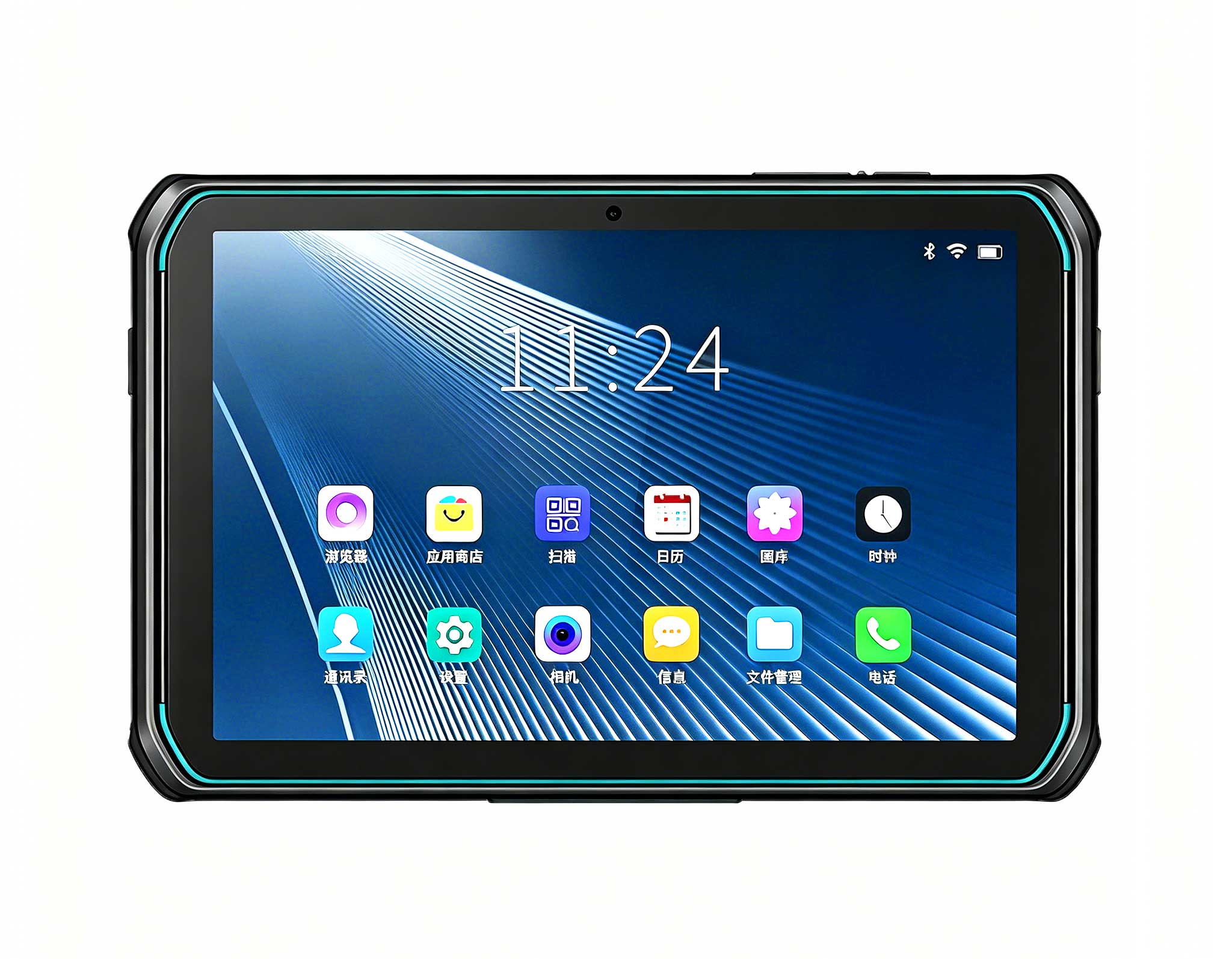
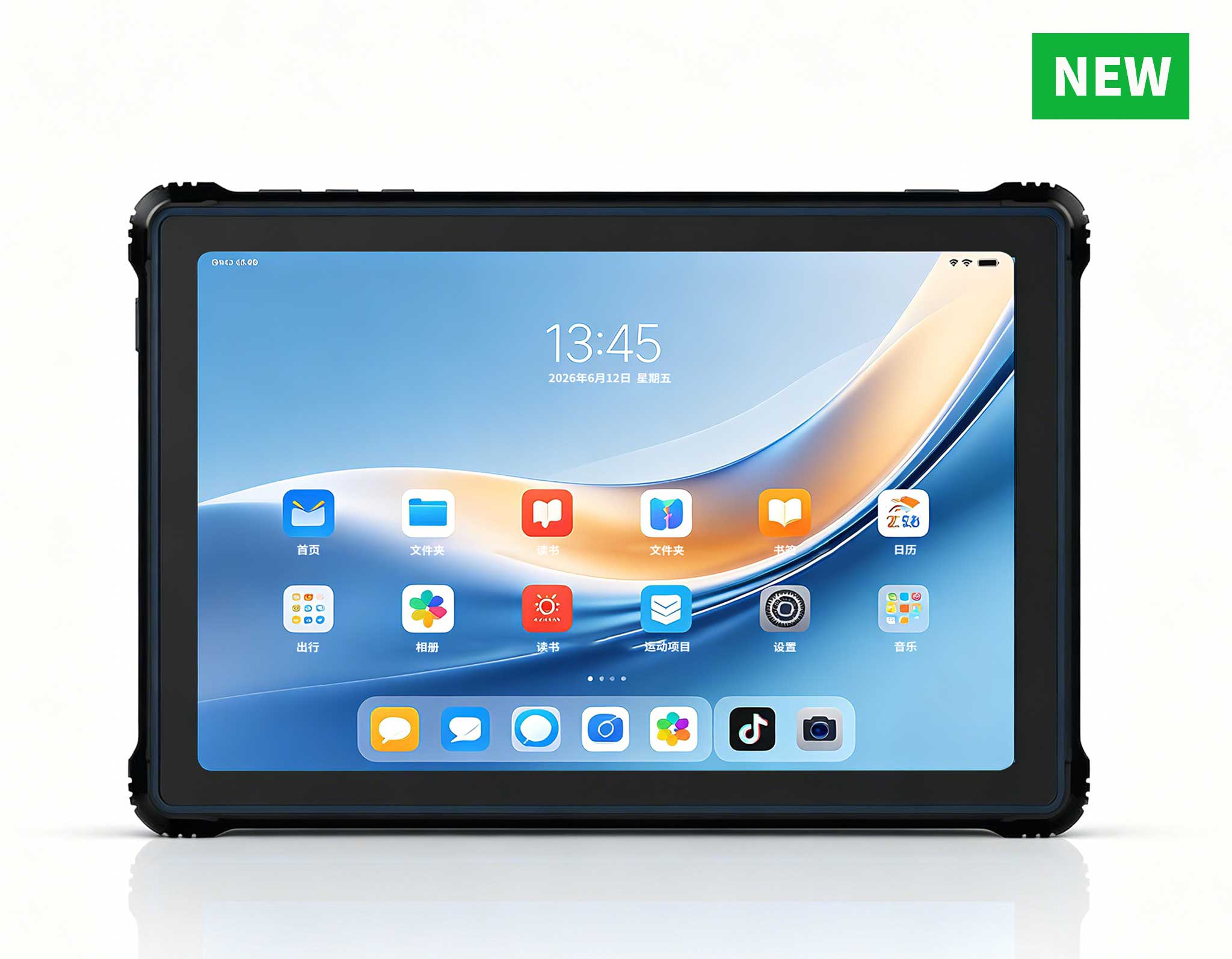
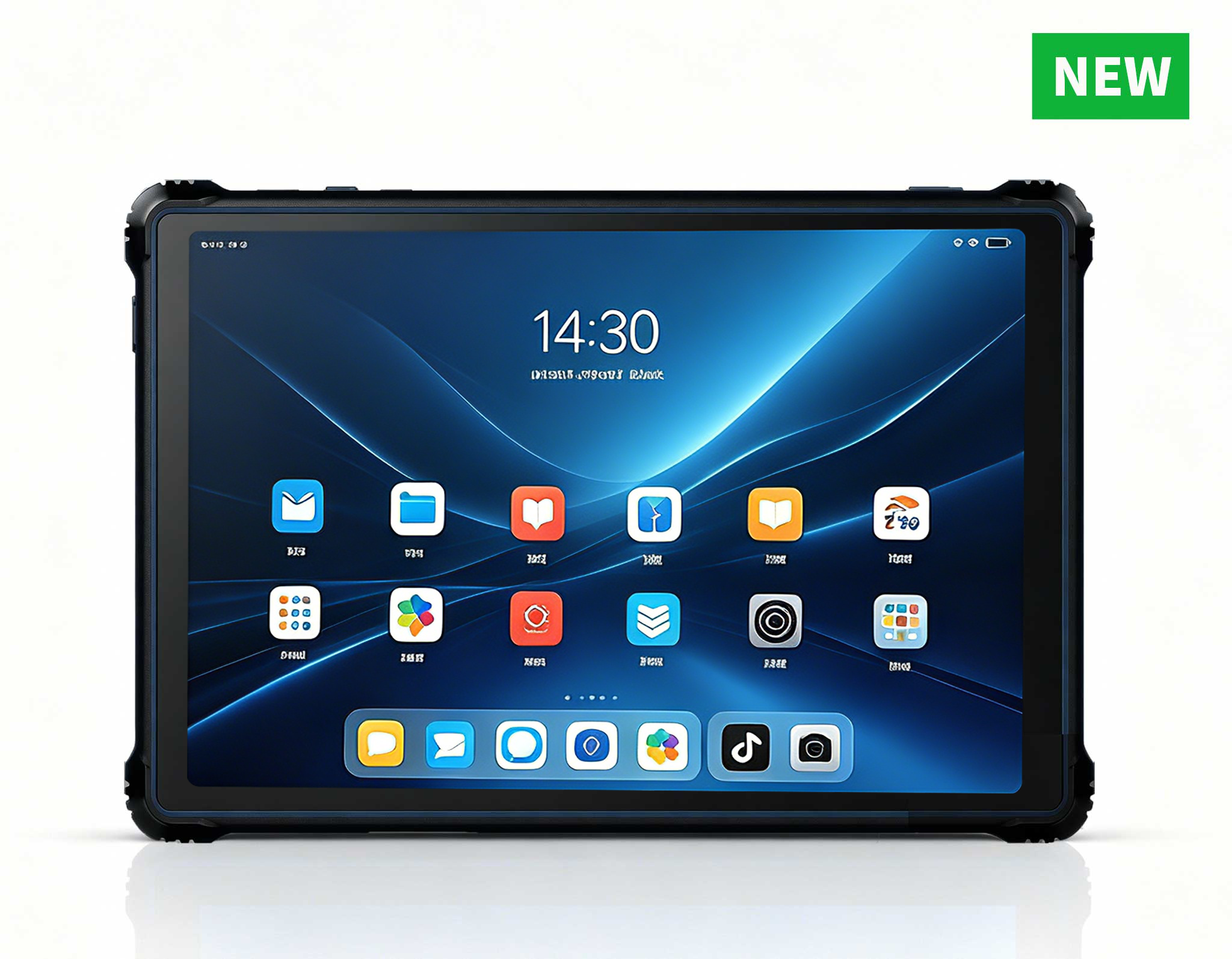
RT81 4G Rugged Tablet | 10.1" FHD 400nit | Qu...
From the unknown so simpleUsed for mobile phones, ...
The T80 handheld PDA combines advanced barcode sca...
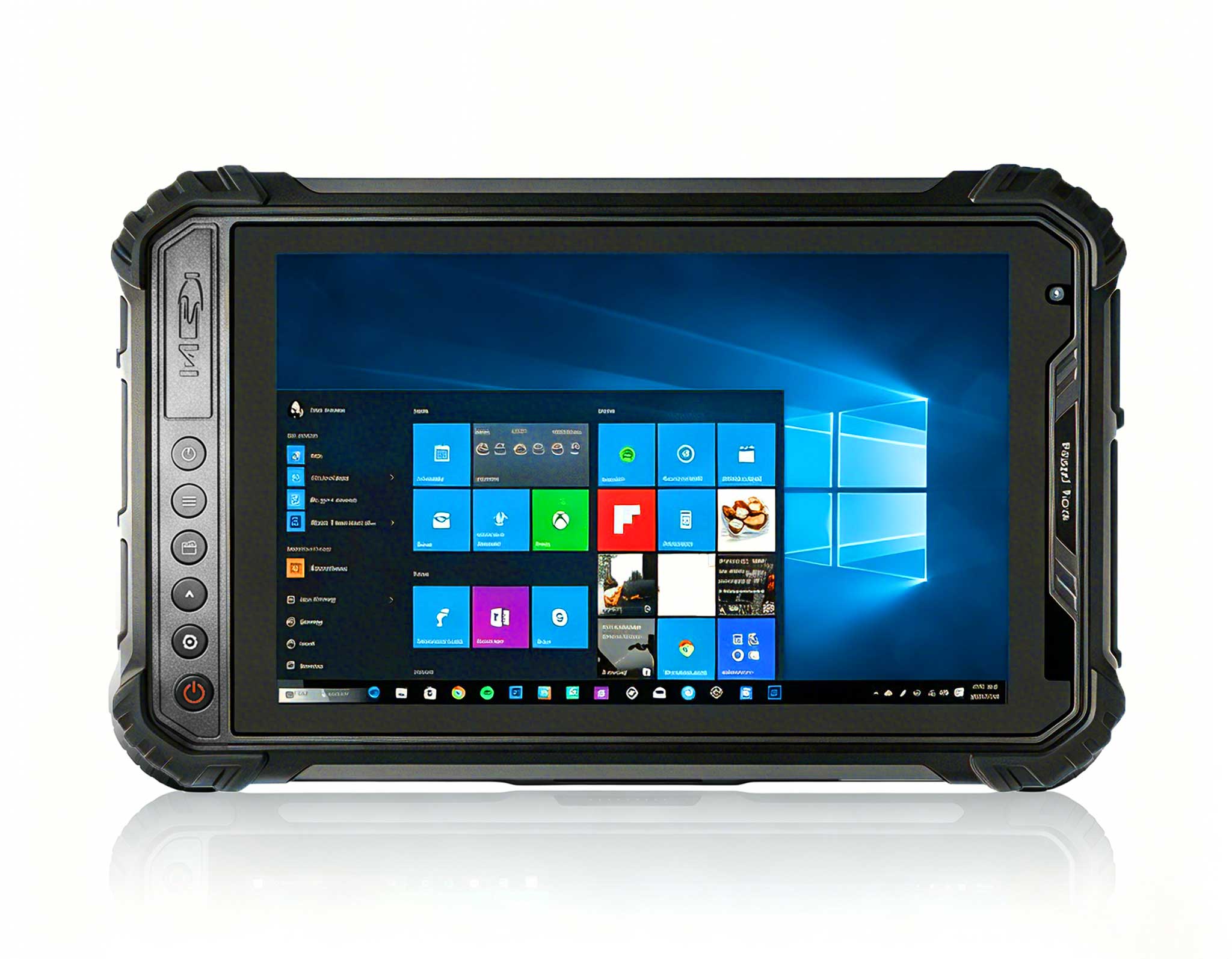
Full SpecificationsModelHotus ST9‑JOSWindows 10 Pr...
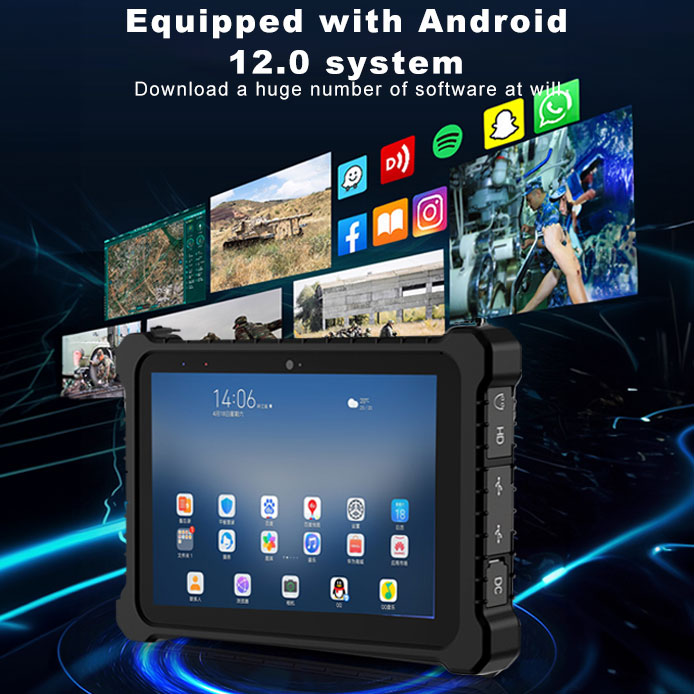
RT82 5G Rugged Tablet | 10.1" FHD 400nit | Qu...
When field inspection teams evaluate the ST11-J 10.1" Windows Rugged Industrial Tablet against the R501 Tag RFID Android handheld, procurement managers often face a decision that goes beyond simple hardware specs. These two devices from Hotus represent fundamentally different approaches to field data collection, and choosing between them requires understanding how each tool fits into specific operational workflows. This guide provides a structured comparison based on real-world inspection scenarios, helping you identify which device aligns with your team's daily tasks, cost constraints, and long-term scalability needs.
Both devices share Hotus's commitment to industrial durability, but their design philosophies diverge sharply. The ST11-J is a full-Windows workstation in a rugged tablet form, built for complex data processing and multi-application field work. The R501 Tag RFID is a lightweight, purpose-built handheld optimized for high-speed scanning and simple data capture. The choice between them often determines whether your team gains operational efficiency or struggles with tool-task mismatch. For teams exploring broader rugged tablet solutions, understanding these core differences is the first step toward workflow optimization.
The most critical factor in device selection is how well the tool supports your team's actual field inspection workflows. The ST11-J excels in scenarios requiring complex data entry, real-time GIS mapping, and multi-tasking across enterprise applications. Field inspectors who need to run Esri ArcGIS, SAP GUI, or custom .NET-based inspection forms will find the Windows environment indispensable. The 10.1-inch sunlight-readable display (1000 nits) allows operators to view detailed schematics and digital checklists even under direct sun, while the IP67 sealing and MIL-STD-810G compliance ensure survival in harsh conditions.
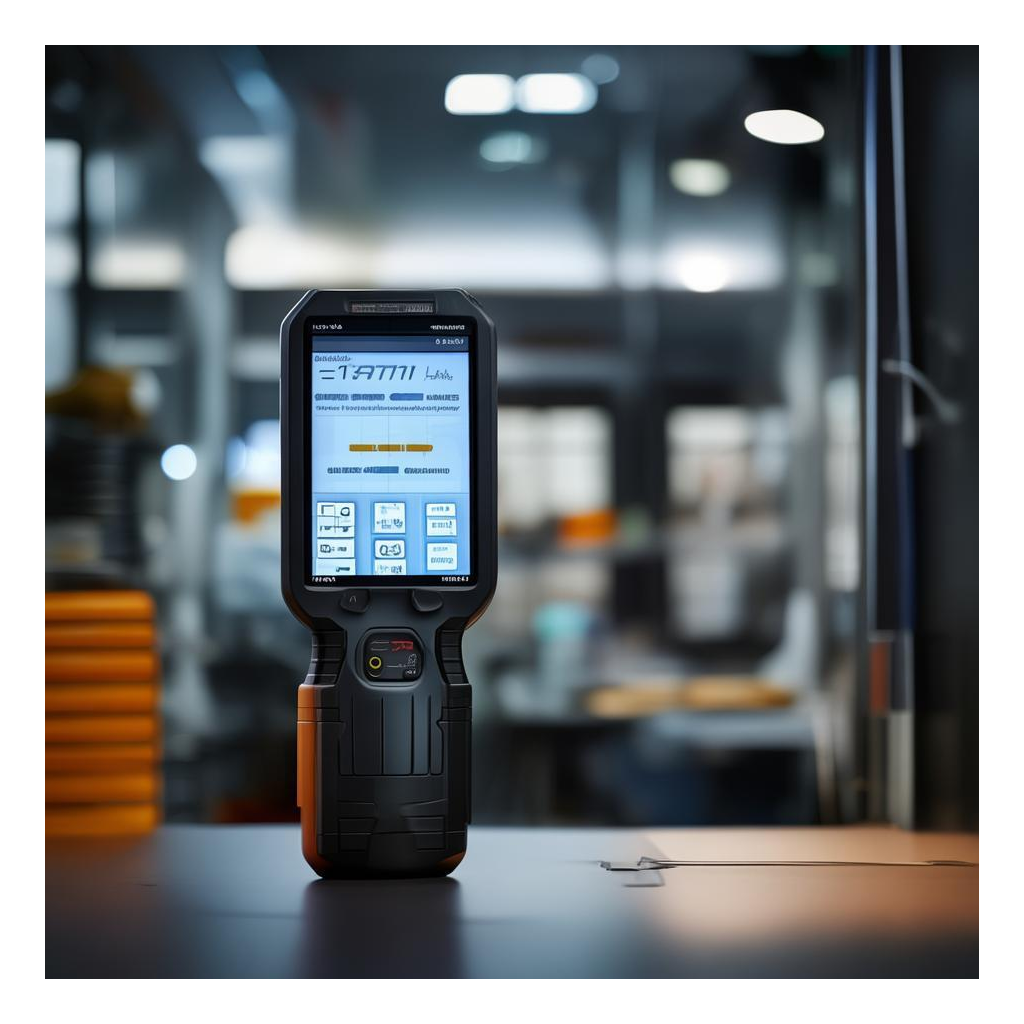
In contrast, the R501 Tag RFID is designed for high-volume, repetitive scanning tasks where speed and portability are paramount. Its integrated UHF RFID reader (range up to 8 meters) and 1D/2D barcode scanner allow operators to process assets rapidly without needing to dock or connect external peripherals. The Android operating system enables quick deployment of scanning apps and asset tracking tools, making it ideal for inventory counts, asset verification, and simple inspection checklists. The device's lightweight design (roughly half the ST11-J's weight) means operators can carry it for entire shifts without fatigue.
For teams that need both capabilities, the ST11-J can pair with external RFID and barcode readers via USB or Bluetooth, offering a hybrid approach. However, this adds equipment weight and complexity, which may offset the benefits of a single integrated device.
The ST11-J runs on a Windows operating system, providing full compatibility with enterprise asset management software, GIS applications, and custom inspection platforms. This is a non-negotiable requirement for many field inspection teams that rely on Windows-only tools. The tablet features dual-band Wi-Fi 6, Bluetooth 5.2, optional 4G LTE (with 5G SKUs on the roadmap), and full-size ports including USB 3.0, HDMI-out, and RJ45 Ethernet for docking stations. These connectivity options enable seamless integration with field office networks, cloud databases, and peripheral devices.
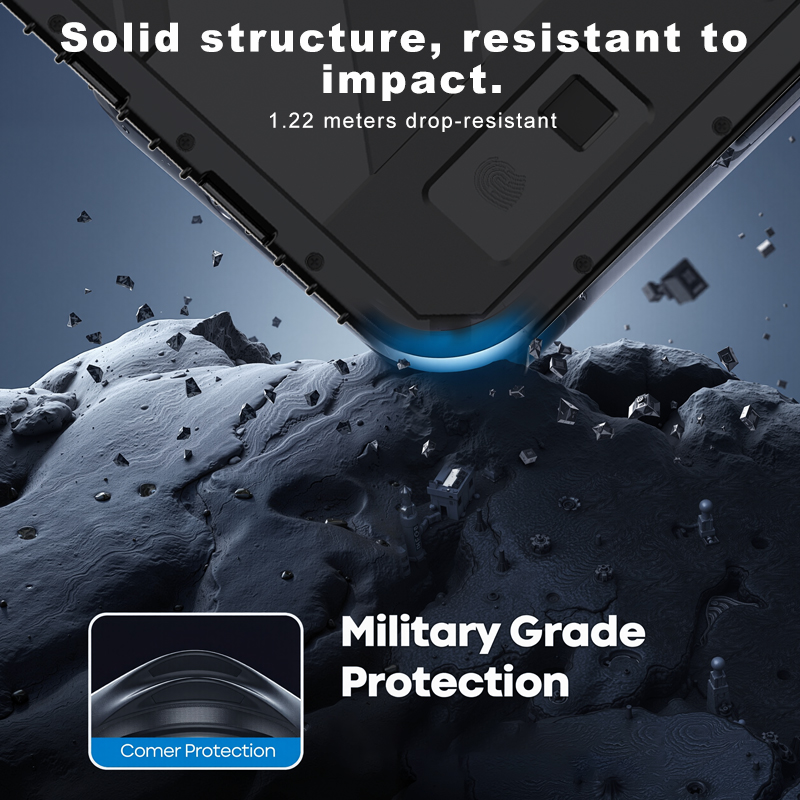
The 10.1-inch touchscreen, with its 1000-nit brightness, ensures readability in direct sunlight—a critical feature for outdoor inspection work. The device's rugged design includes IP67 waterproofing and MIL-STD-810G certification, surviving drops from 1.2 meters onto concrete and full immersion in water. This makes the ST11-J suitable for construction sites, oil and gas facilities, and other harsh environments.
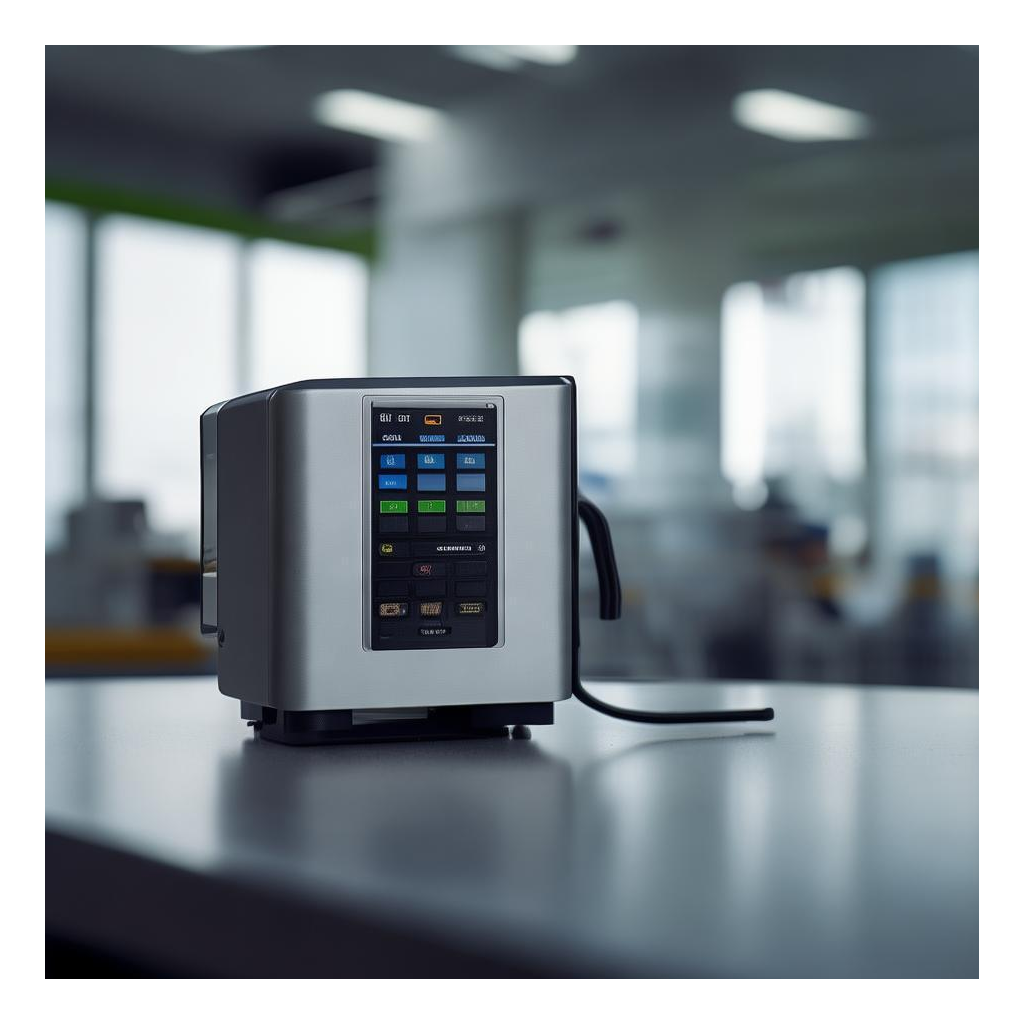
The R501 Tag RFID runs Android 12 and is engineered around its scanning capabilities. The integrated UHF RFID module supports tag reading and writing at ranges up to 8 meters, while the barcode scanner handles damaged codes reliably. This device is optimized for one-handed operation, allowing inspectors to scan assets while carrying clipboards, tools, or other equipment. The smaller display (typically 4 to 5 inches) is bright enough for outdoor use and consumes less power, contributing to longer battery life during full-shift operations.
While the R501 lacks the ST11-J's large screen and full Windows environment, it compensates with rapid deployment capabilities. Android apps for asset tracking, inventory management, and simple inspection forms can be installed and configured quickly, reducing IT overhead. The device's rugged construction ensures it can survive multiple drops onto concrete, matching the ST11-J's durability in a more compact form factor. For high-volume scanning tasks, the R501 Tag RFID handheld offers a dedicated solution that minimizes operational steps.
When evaluating total cost of ownership (TCO), procurement managers must consider not just the upfront hardware price but also software licensing, training, support, and replacement costs. The ST11-J typically has a higher initial hardware cost due to its larger display, Windows license, and more powerful processing components. However, for teams that already use Windows-based enterprise software, this investment eliminates the need for software migration or customization. The device's modular design allows for easier repairs and upgrades, potentially extending its useful life.
The R501 Tag RFID generally has a lower upfront cost, making it attractive for large-scale deployments where dozens or hundreds of devices are needed. The Android operating system reduces software licensing costs, and the device's simplicity minimizes training requirements. However, the smaller form factor and limited processing power may require more frequent upgrades as inspection workflows evolve. For teams that primarily need scanning capabilities, the R501's lower TCO often justifies the investment.
Both devices benefit from Hotus's industrial-grade support, including warranty options, repair services, and accessories. The choice between them ultimately depends on whether your team's workflow demands the ST11-J's full Windows capabilities or the R501's scanning efficiency.
Consider a field inspection team responsible for maintaining a large pipeline network. Inspectors need to access GIS maps showing pipeline routes, input detailed inspection reports with photos and notes, and run custom analysis software to detect corrosion patterns. The ST11-J's large display allows them to view maps and schematics simultaneously, while the Windows environment supports their enterprise software stack. The tablet's rugged design ensures it survives rain, dust, and accidental drops. In this scenario, the ST11-J is the clear choice, as the R501's smaller screen and Android OS would create workflow bottlenecks.
Now consider a warehouse inventory team that needs to scan thousands of RFID-tagged assets daily. Inspectors move quickly through aisles, scanning pallets and updating inventory databases in real time. The R501's integrated RFID reader and barcode scanner allow them to process assets without stopping to dock or connect external devices. The lightweight design reduces fatigue during long shifts, and the Android operating system supports rapid deployment of inventory management apps. In this scenario, the R501 outperforms the ST11-J due to its scanning efficiency and portability.
Some organizations find that a combination of both devices optimizes their field inspection operations. The ST11-J serves as a central workstation for complex data analysis, report generation, and real-time mapping, while the R501 Tag RFID handles high-volume scanning tasks in the field. Data synchronization between devices can be achieved through cloud-based platforms, ensuring that inspection records are updated in real time. This approach maximizes the strengths of each device while minimizing their weaknesses.
To simplify the selection process, ask these five questions:
The ST11-J and R501 Tag RFID represent two ends of the rugged mobile computing spectrum. The ST11-J is a full-Windows workstation that excels in complex field inspection tasks requiring large displays, multi-application support, and enterprise software compatibility. The R501 Tag RFID is a lightweight, purpose-built scanning tool optimized for high-speed barcode and RFID data capture. Both devices carry Hotus's reputation for industrial durability, but they serve different operational needs.
For procurement decision-makers, the key is to map your team's workflows to the device's capabilities. If your inspection processes involve extensive data analysis, GIS mapping, and custom software, the ST11-J 10.1" Windows Rugged Industrial Tablet is the clear choice. If your primary needs are rapid scanning, portability, and lower upfront costs, the R501 Tag RFID Android handheld offers an efficient solution. In either case, Hotus provides the rugged reliability and support needed for field inspection environments.
Ultimately, the best device is the one that minimizes operational friction and maximizes productivity. By aligning device selection with workflow requirements, procurement teams can avoid costly mismatches and ensure their field inspectors have the right tools for the job. For more information on Hotus's rugged tablet manufacturing applications, including the ST11-J and R501 Tag RFID, consult with Hotus's technical support team to discuss your specific inspection scenarios and deployment needs.