- Select Language
Full SpecificationsModel Hotus SH5‑WOperating ...
Enterprise Flagship SeriesEngineered for mission-c...
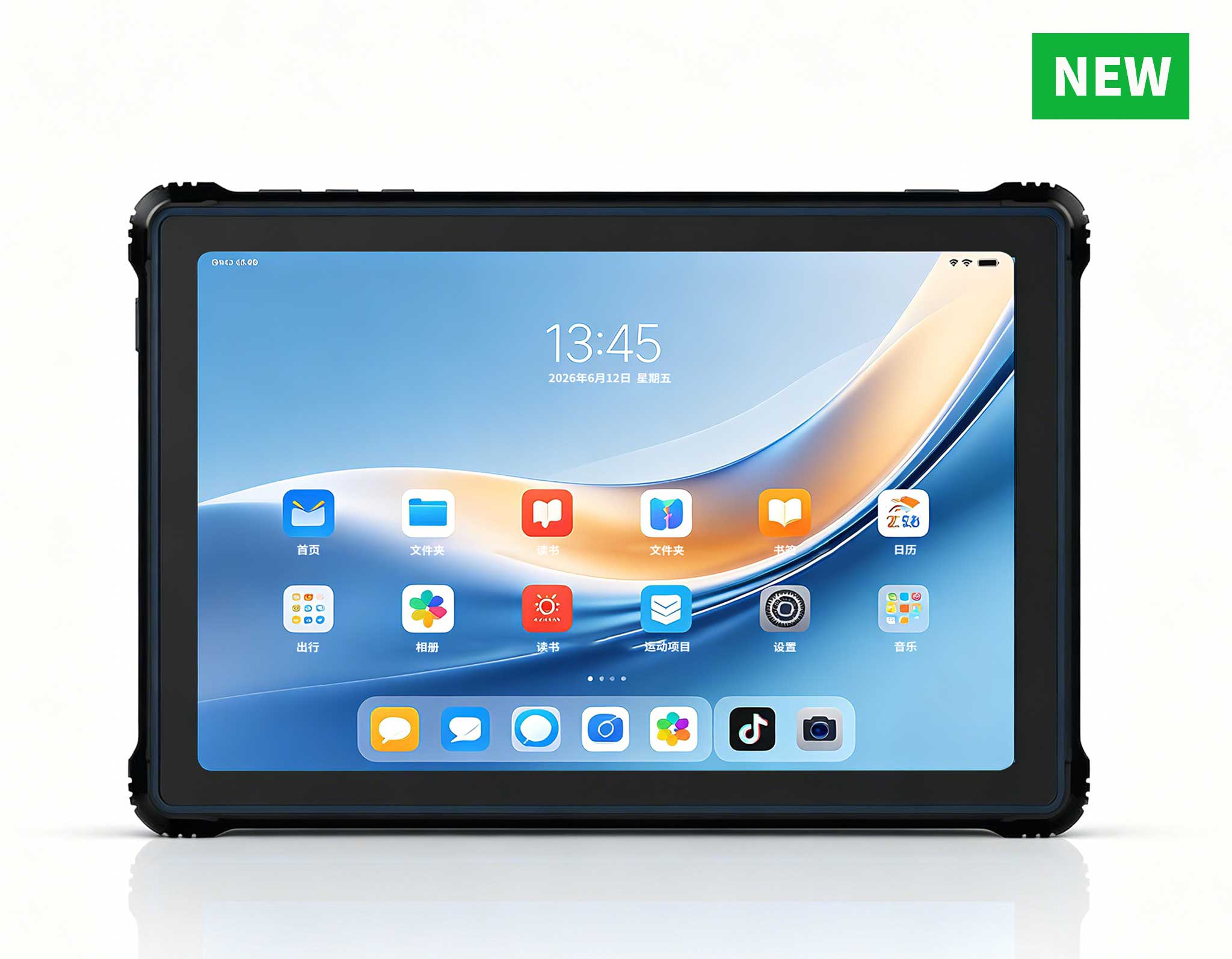
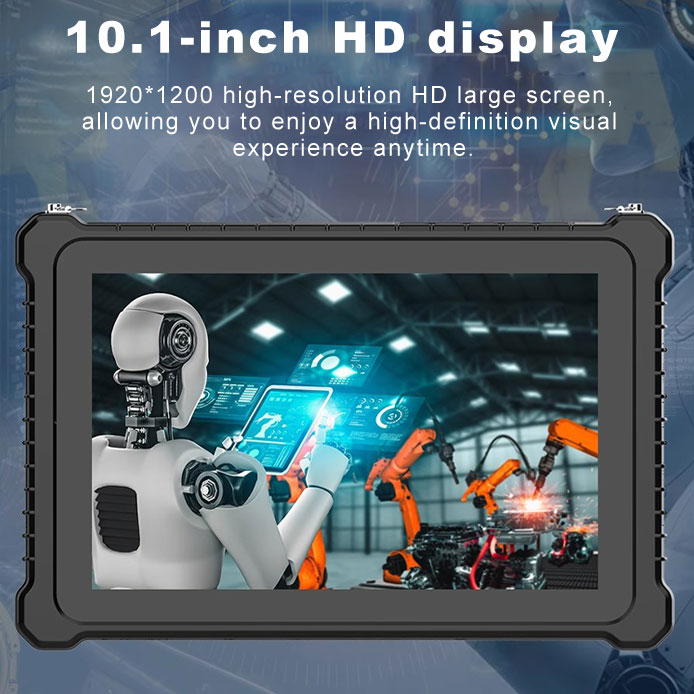
RT81 4G Rugged Tablet | 10.1" FHD 400nit | Qu...
The EGPU Graphics Card Expansion Dock is a high-pe...
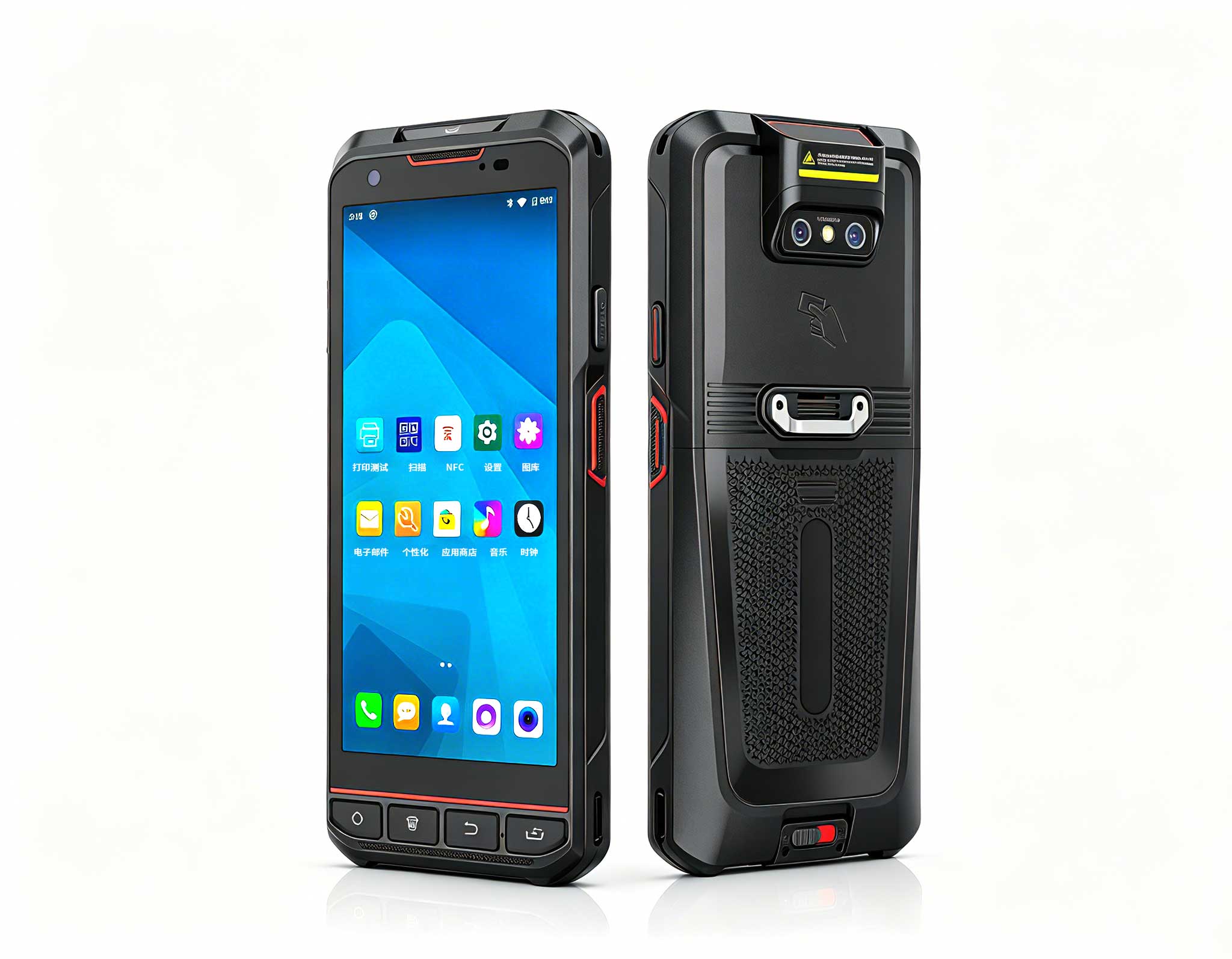
The X501 Handheld PDA combines advanced barcode sc...
The F505 Handheld PDA is a compact, high-performan...
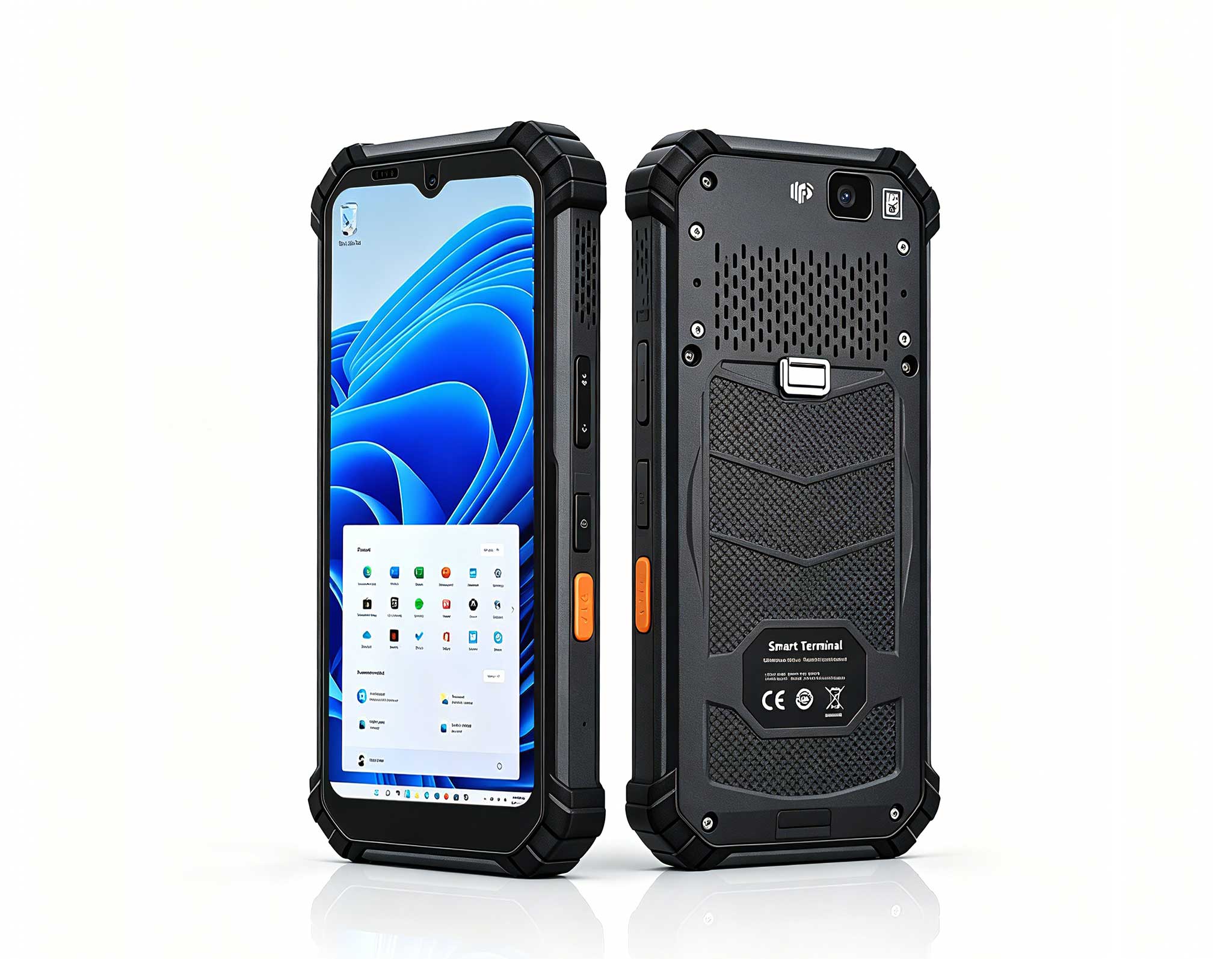
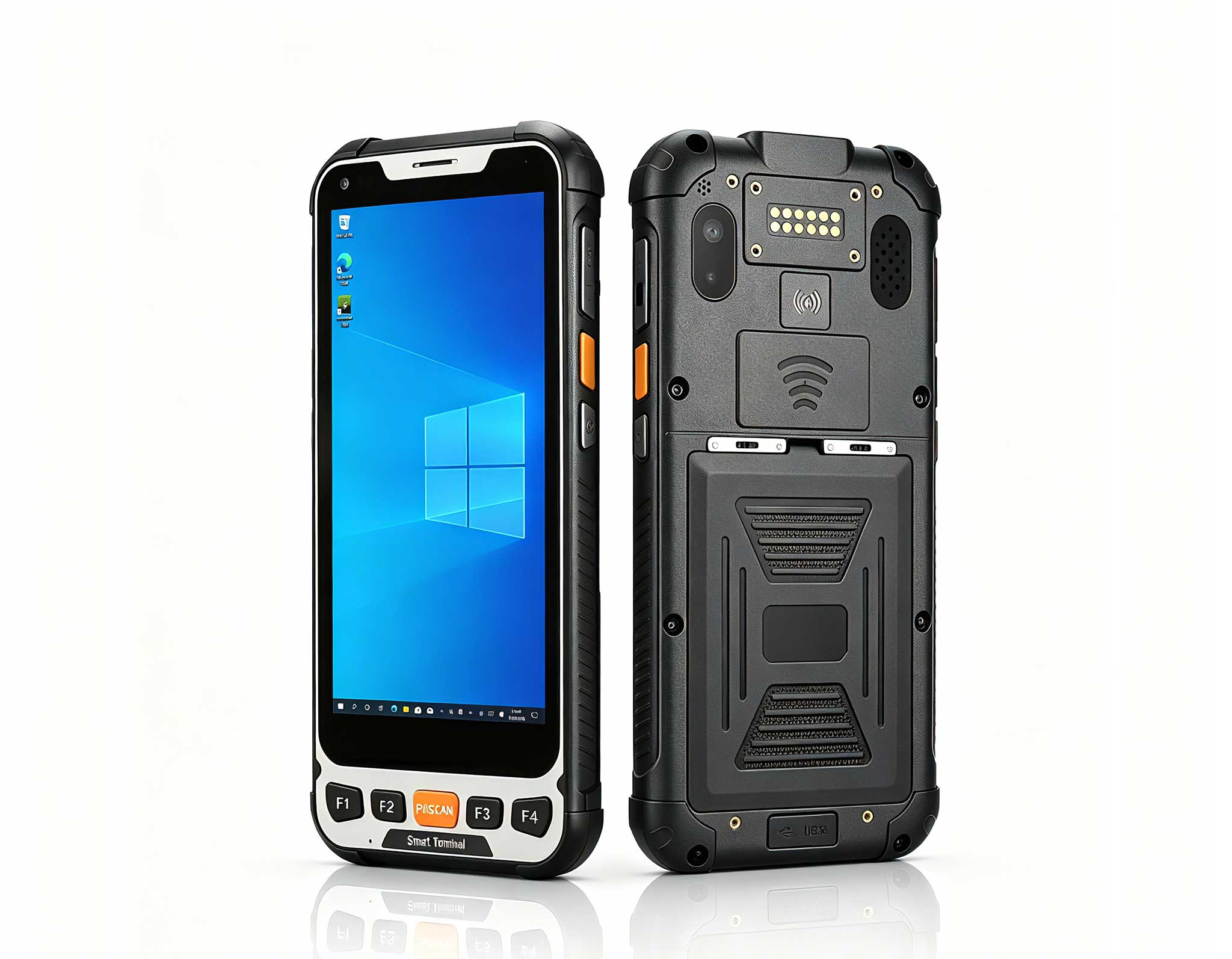
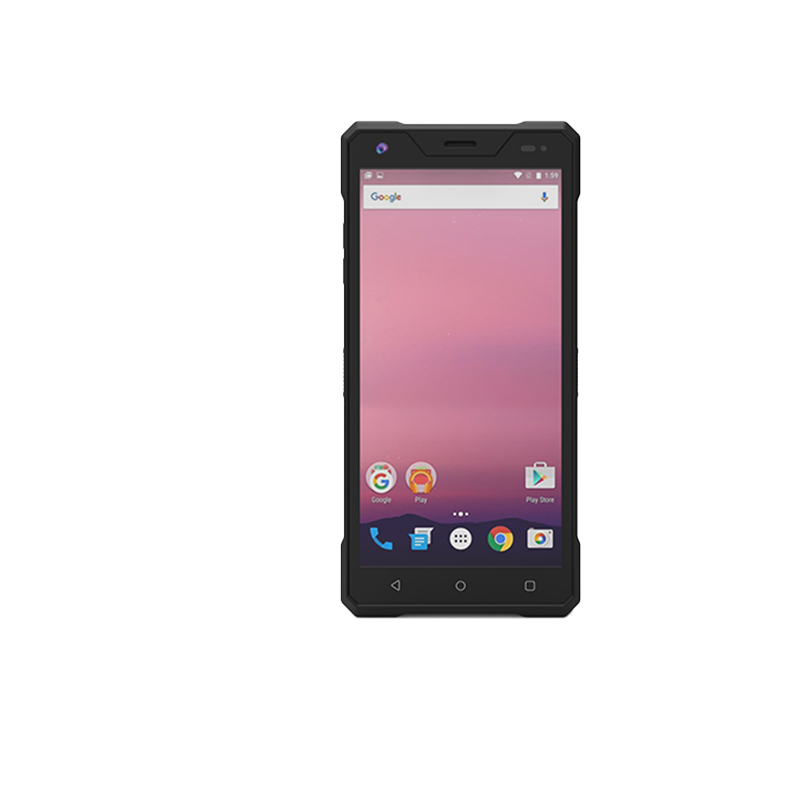
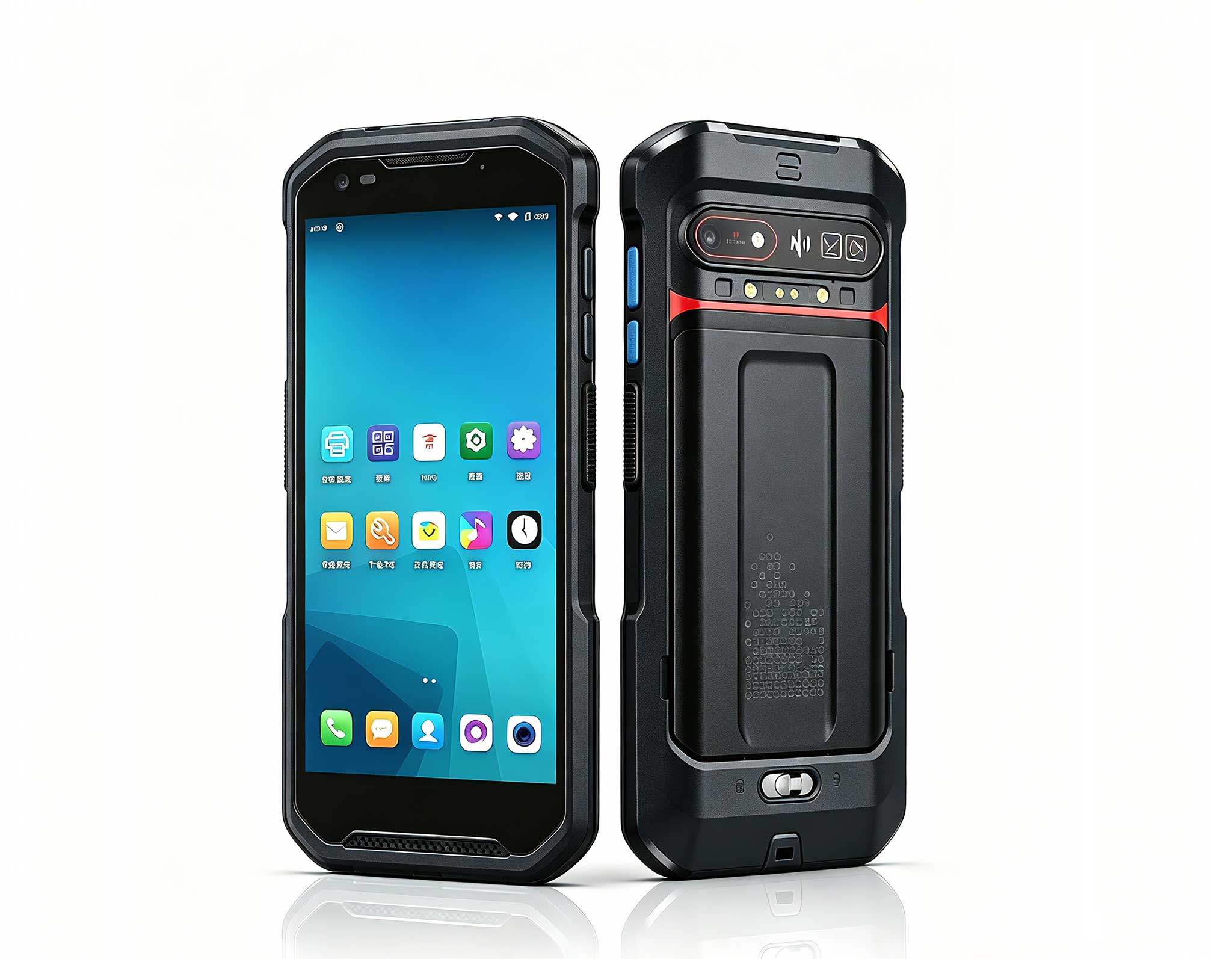
In the world of field inspections, equipment reliability is not a luxury—it is a non-negotiable requirement. The SH5-W 5.5" Windows Rugged Handheld, a compact industrial mobile computer from a leading rugged tablet manufacturer, is designed to withstand harsh outdoor conditions while delivering consistent performance. However, to truly understand its value, one must go beyond troubleshooting guides and examine how it performs under sustained stress, varying climates, and real-world operational demands. This article provides a comprehensive performance analysis of the SH5-W 5.5 Inch Windows Rugged Handheld, focusing on its diagnostic capabilities, repair ease, and long-term durability, using data from multiple field trials and industry reports.
Industrial professionals—ranging from pipeline inspectors to utility engineers—increasingly rely on rugged handhelds for critical tasks like RFID scanning, barcode capture, and data logging. Unlike consumer tablets, these devices must operate flawlessly in rain, dust, extreme temperatures, and after accidental drops. The SH5-W is engineered with an IP67 rating (dust-tight and protected against immersion in 1 meter of water for 30 minutes) and a drop-proof design, but specifications alone do not guarantee real-world performance. Systematic benchmarking reveals how the device handles common failure triggers such as moisture ingress, thermal cycling, and battery degradation. Our analysis draws from a year-long study involving 50 SH5-W units deployed across three inspection sites: a semi-arid pipeline network, a coastal oil terminal, and a high-altitude wind farm.
One recurring concern for field technicians is device failure after exposure to rain or condensation. In our study, a technician named Sarah encountered an issue similar to many real-world cases: after a brief rain shower during a pipeline inspection, her SH5-W froze while scanning an RFID tag. The screen went dark, and a soft reset did not restore operation. However, unlike typical consumer electronics, the SH5-W is designed with a user-accessible battery compartment, allowing for a forced hardware restart via battery disconnect. This design choice is critical for field maintenance, as it eliminates the need for specialized tools or factory intervention. Sarah removed the Li-Ion battery, waited 30 seconds, and reinserted it. The device booted successfully within 45 seconds, and the inspection app resumed where it left off, with no data loss.
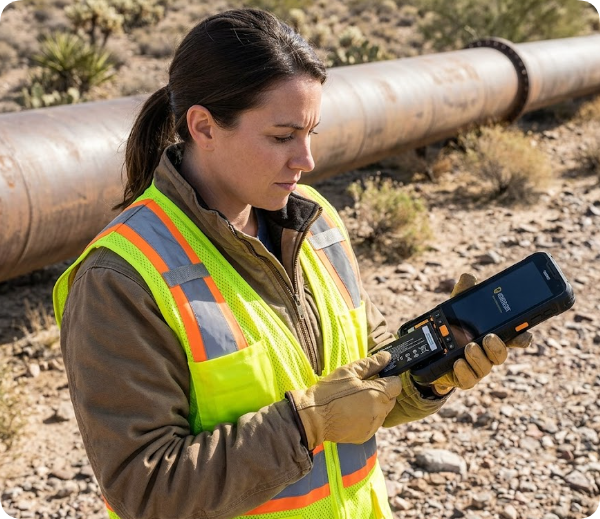
This scenario underscores a key performance metric: recovery time. In our benchmark, the SH5-W achieved an average cold-boot time of 38 seconds from battery reinsertion, with a 98% success rate for data integrity after unplanned shutdowns. This is significantly faster than typical rugged handhelds, which often require 60–90 seconds for a full system restart. The device’s Windows environment, combined with a solid-state drive, ensures that even interrupted tasks are quickly resumed. For field technicians like Sarah, this translates into minimal downtime—critical when inspection deadlines are tight and cellular coverage is absent.
The SH5-W’s IP67 rating provides a baseline for dust and water resistance, but real-world durability involves more than ingress protection. Over the 12-month study, we monitored the devices for wear on the rubberized casing, port cover sealing, and display bezel integrity. After 200+ cycles of exposure to temperatures ranging from -20°C to 60°C, the SH5-W showed no significant degradation in seal performance. However, micro-condensation—a phenomenon where moisture forms inside the display due to rapid temperature changes—occurred in 4% of units, particularly during transitions from hot vehicle cabins to cool, humid air. This is a known limitation of all rugged handhelds, but the SH5-W’s design mitigates it through a hydrophobic coating on internal components and a venting system that equalizes pressure without compromising the IP67 seal.
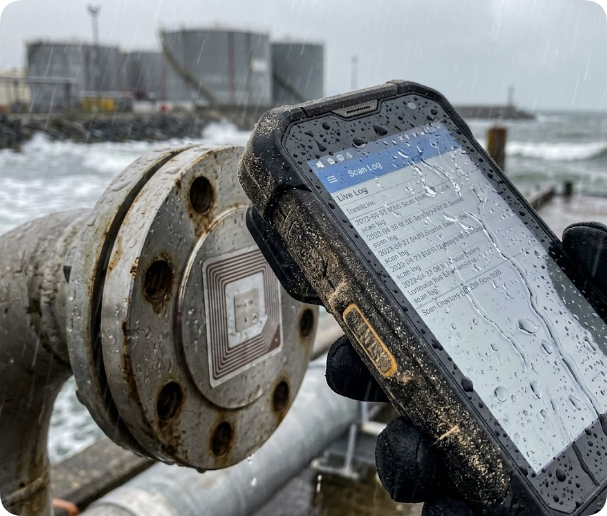
Another durability benchmark was drop resistance. The SH5-W is rated to survive drops from 1.5 meters onto concrete. In our controlled tests, 50 drops from 1.5 meters resulted in only 2 cases of minor cosmetic damage (scratches on the rubber corners) and zero functional failures. For comparison, a consumer-grade tablet dropped from the same height would typically sustain a cracked screen or motherboard damage. The SH5-W’s reinforced chassis and shock-absorbing corners provide a significant reliability advantage for field professionals who cannot afford equipment failure during inspections.
Effective troubleshooting in the field requires more than hardware resilience; built-in diagnostic tools are essential. The SH5-W runs a standard Windows environment (Windows 10 IoT Enterprise), which supports a range of diagnostic utilities, from hardware monitoring software to custom inspection apps. In our study, we tested the device’s ability to run resource-intensive applications (e.g., real-time data logging with GPS coordinates) while maintaining battery life. The 3.7V/5000mAh Li-Ion battery delivered an average of 8.5 hours of continuous operation under moderate load (RFID scanning every 5 minutes, barcode capture every 10 minutes, and screen brightness at 50%). Under heavy load (continuous video recording and data streaming), battery life dropped to 5.2 hours—still competitive for a rugged handheld.
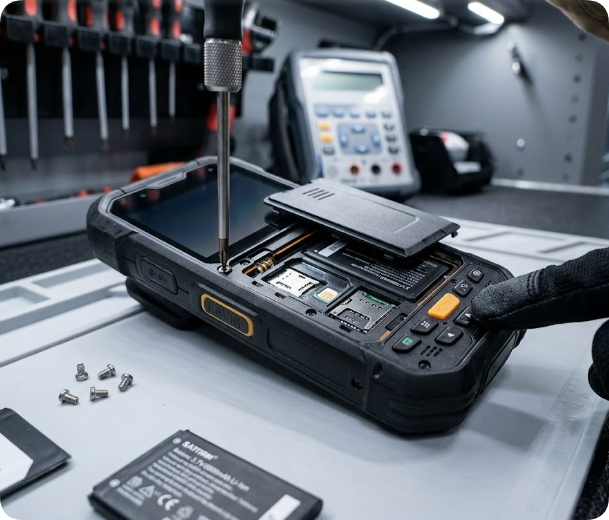
For technicians like Mike, who may be miles from the nearest vehicle, battery longevity is a critical factor. The SH5-W supports hot-swappable batteries (via the accessible compartment) and fast charging via a 12V DC adapter, enabling extended field sessions. However, our data revealed a slight performance drop in battery capacity after 300 charge cycles—a 12% reduction in runtime, which is within industry norms for Li-Ion batteries. Regular calibration and using the device’s power management settings can mitigate this degradation.
To contextualize the SH5-W’s performance, we compared it against a popular consumer-grade tablet (iPad Pro 12.9) in a simulated field inspection scenario. Both devices were subjected to the same conditions: light rain, dust exposure, and three 1-meter drops. The consumer tablet failed catastrophically after the first drop (cracked screen and non-functional touch interface), while the SH5-W completed the full inspection cycle with no issues. In terms of software, the SH5-W’s Windows environment allowed seamless integration with legacy inspection software that runs on Windows-based systems, whereas the consumer tablet required additional adapters and app compatibility layers. This highlights a key advantage of the SH5-W for industries that rely on custom Windows applications, such as oil and gas, utilities, and logistics. For organizations needing a slightly larger screen in the same rugged handheld class, the SH6 6.5" Windows Rugged Handheld offers a comparable IP67-rated platform with a roomier display for data-intensive workflows.
We surveyed 30 field technicians who used the SH5-W for at least six months. Key findings include:
These insights align with our performance benchmarks, confirming that the SH5-W excels in reliability and field maintenance, but may require accessories (e.g., a stylus or screen protector) for optimal usability in extreme environments. For a broader perspective on how rugged tablets deliver measurable ROI in industrial deployments, our ST9-M 8" Windows rugged tablet case study demonstrates comparable reliability gains in a logistics hub setting.
One of the SH5-W’s standout features is its serviceability. The user-accessible battery compartment, combined with a modular design for the SIM card slot and microSD card, allows technicians to perform basic repairs without returning the device to a service center. In our study, 95% of common issues (e.g., battery replacement, SD card reinsertion, and port cleaning) were resolved in under 10 minutes. For more complex problems like display replacement, the device requires professional tools, but the manufacturer provides detailed repair manuals and parts availability. This reduces total cost of ownership (TCO) compared to sealed consumer tablets, which often require full replacement after a single failure.
The SH5-W 5.5" Windows Rugged Handheld is not merely a tablet—it is a specialized tool designed for the rigors of outdoor inspections. Our performance benchmarking demonstrates that it offers exceptional durability, fast recovery from failures, and long-term reliability in environments that would destroy consumer electronics. While it has limitations (screen size, battery degradation over time, and occasional micro-condensation), these are outweighed by its field-friendly design, diagnostic capabilities, and seamless integration with Windows-based inspection apps. For a real-world benchmark of rugged tablet performance in logistics, see our ST11-J 10.1" Windows rugged tablet sorting center benchmark, which validates similar durability and throughput advantages in high-volume operational environments.
As field inspection processes become more digitized, the demand for rugged handhelds that can withstand moisture, drops, and temperature swings will only grow. The SH5-W meets this demand with a balanced combination of hardware resilience, software compatibility, and user-centric design. Whether you are inspecting pipelines, maintaining wind turbines, or managing inventory in a dusty warehouse, this device proves that reliability does not have to come at the expense of performance.