- Select Language
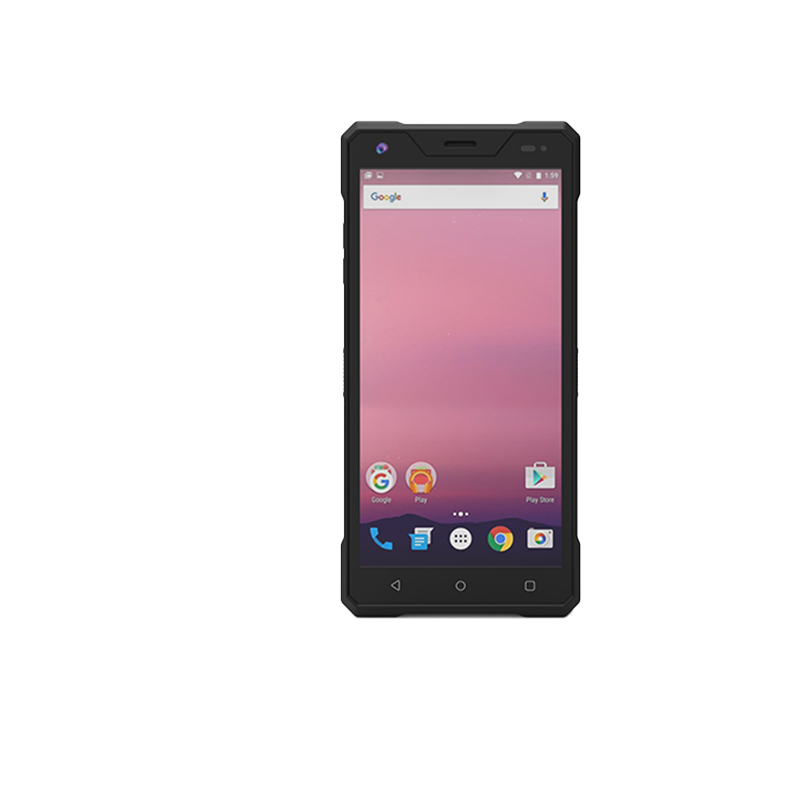
Enterprise Flagship SeriesEngineered for mission-c...
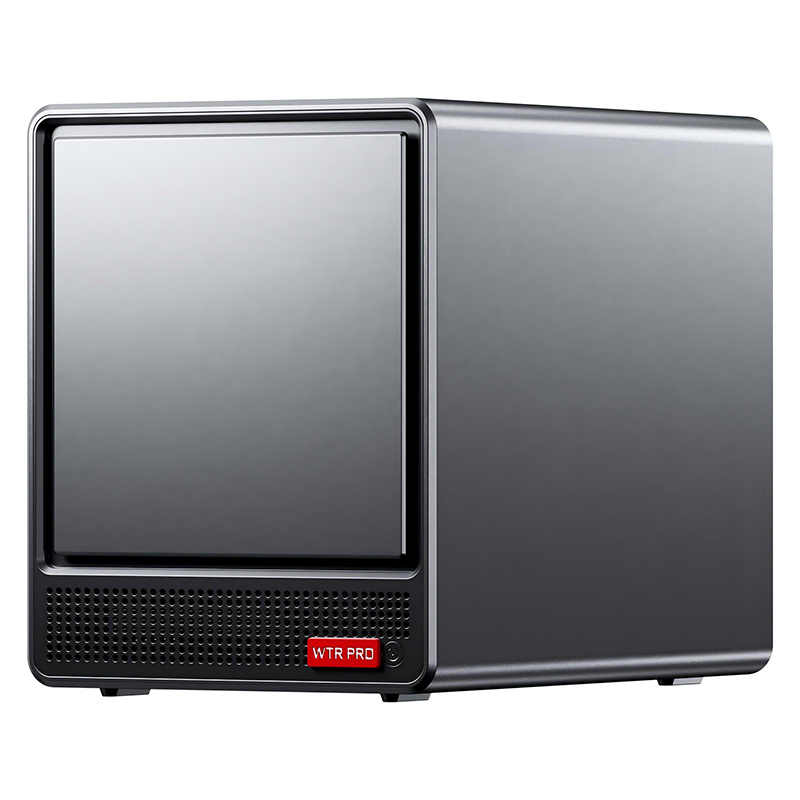
Technical SpecificationsModel: Palm-sized miniPCTy...
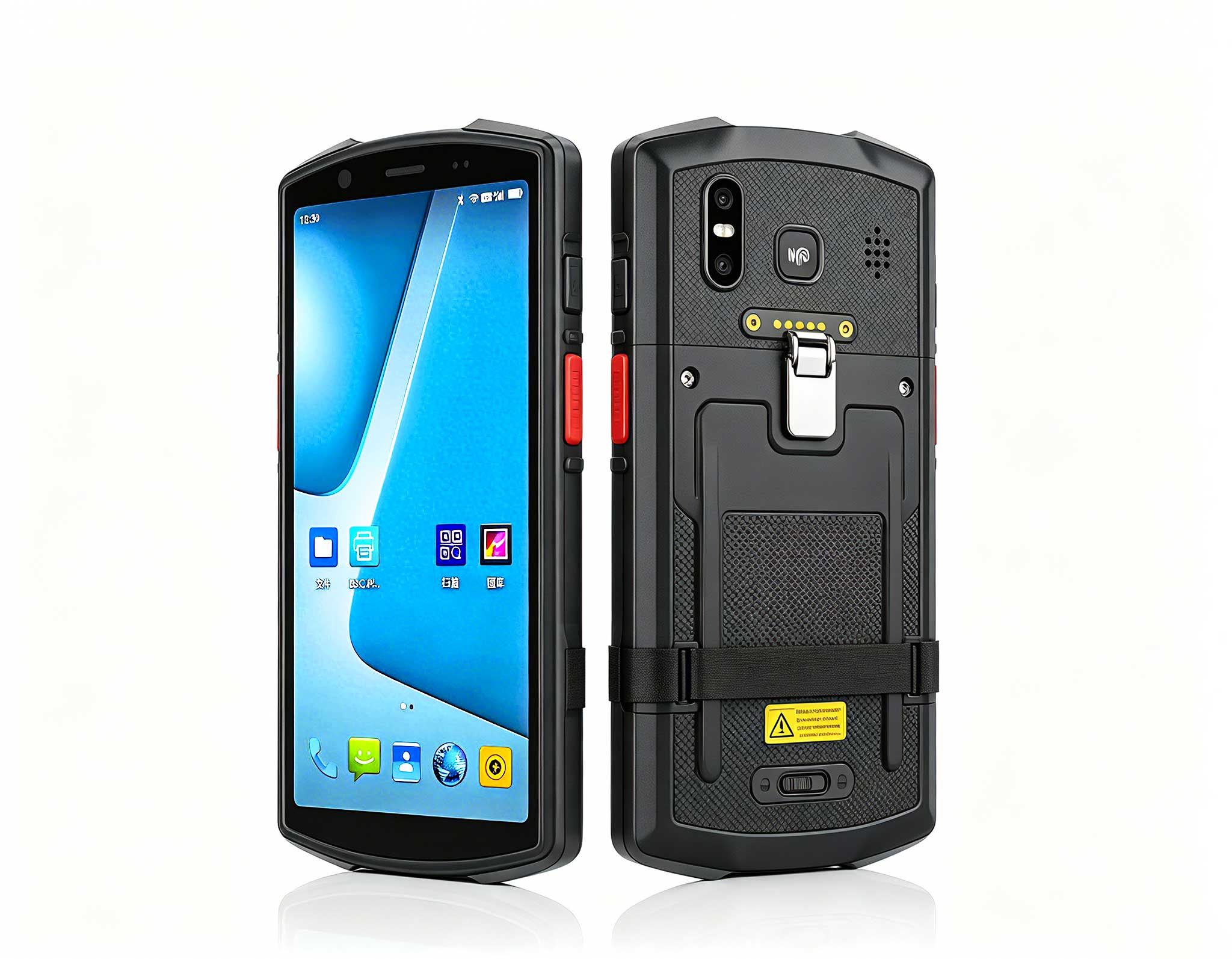
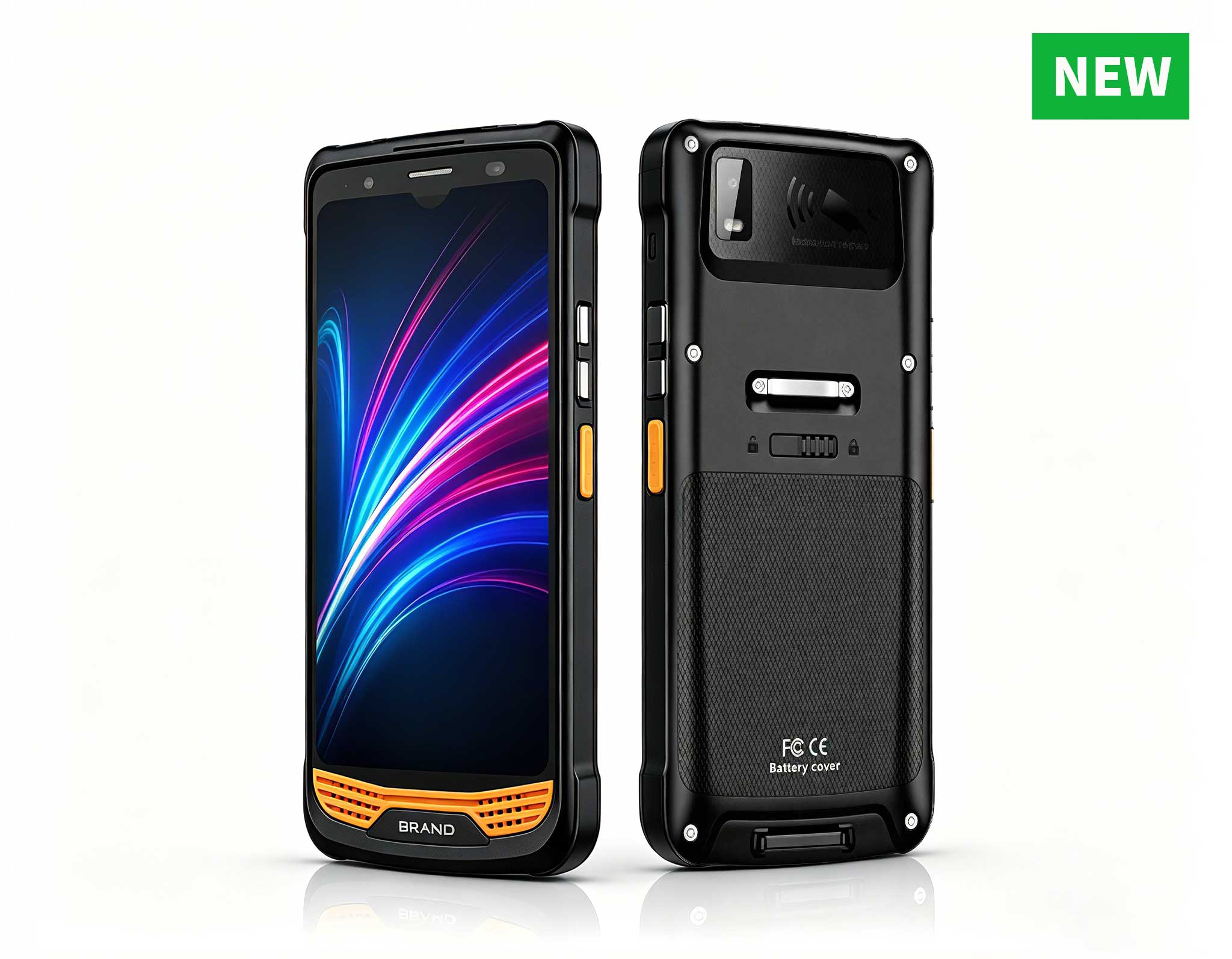
The N60 PDA is a cutting-edge device for inventory...
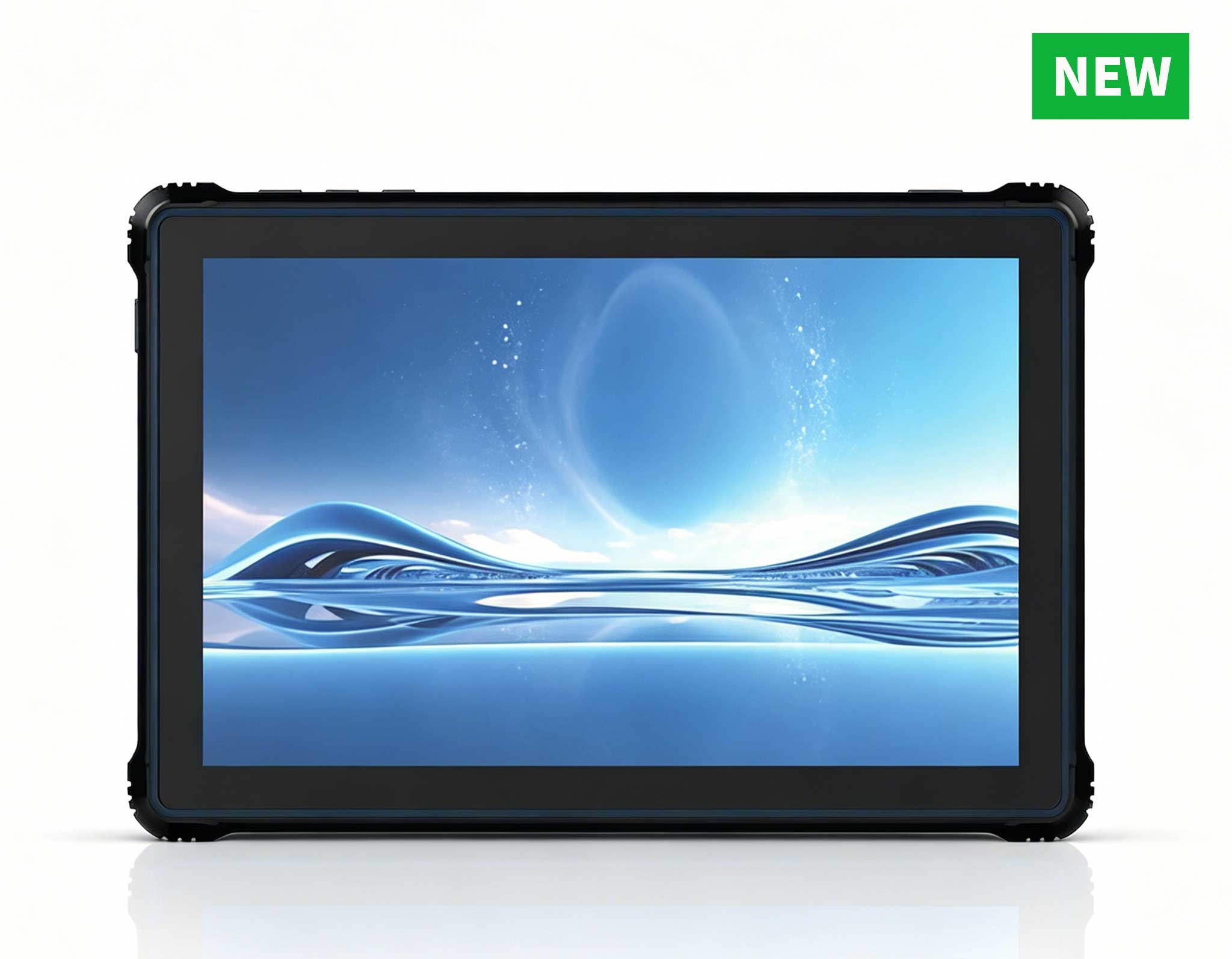
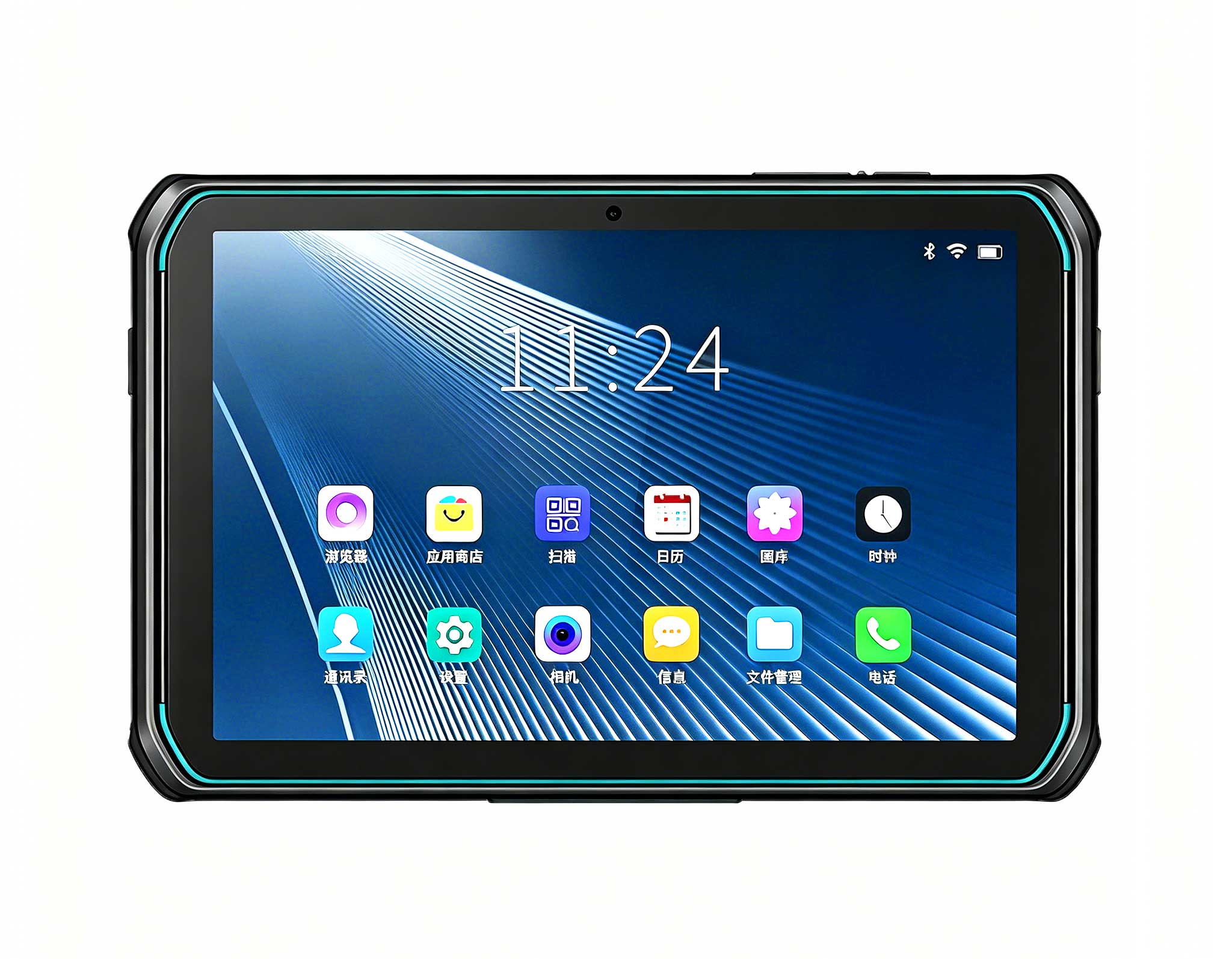
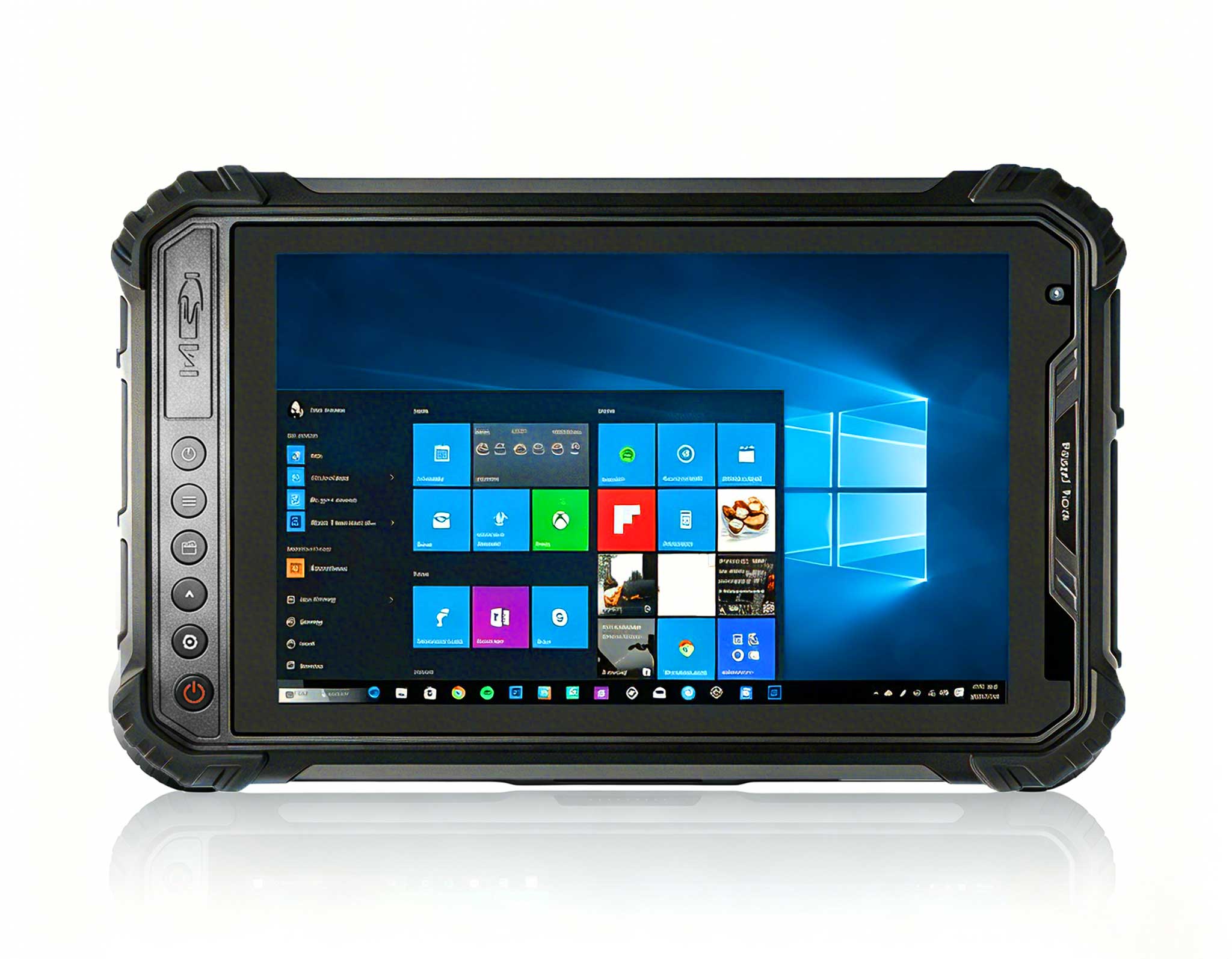
RT80 5G Rugged Tablet | 10.1" FHD 400nit | Un...
This dual touchscreen gaming laptop combines cutti...
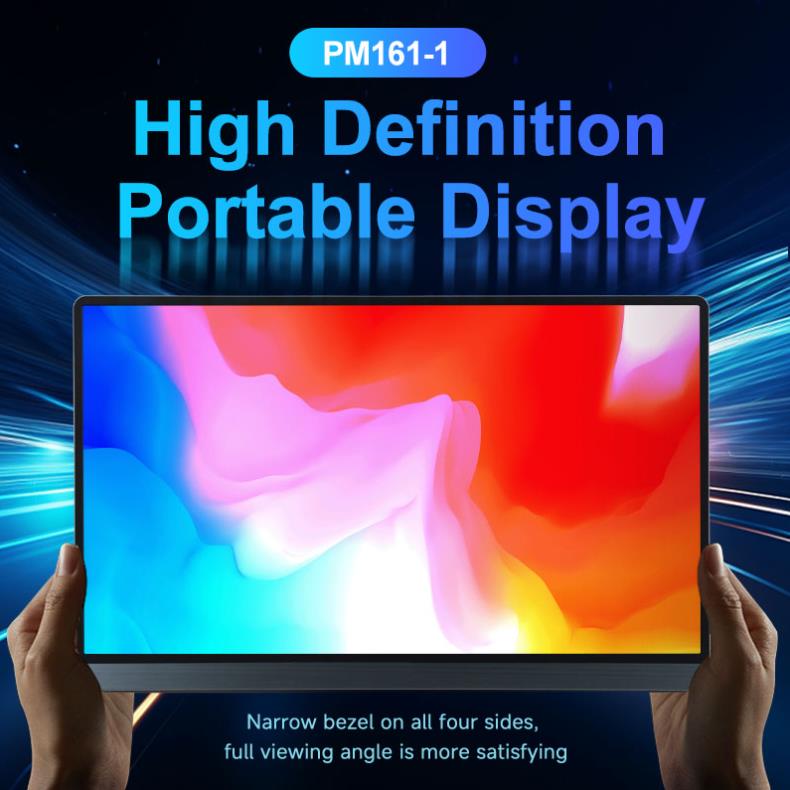
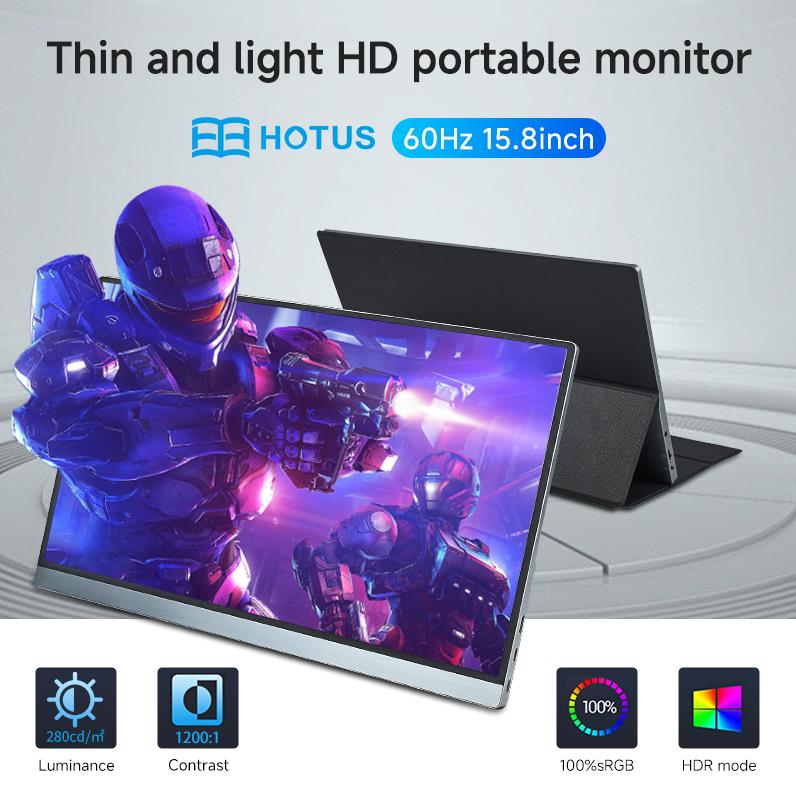
The PM158-1 is a 15.6-inch portable touchscreen mo...
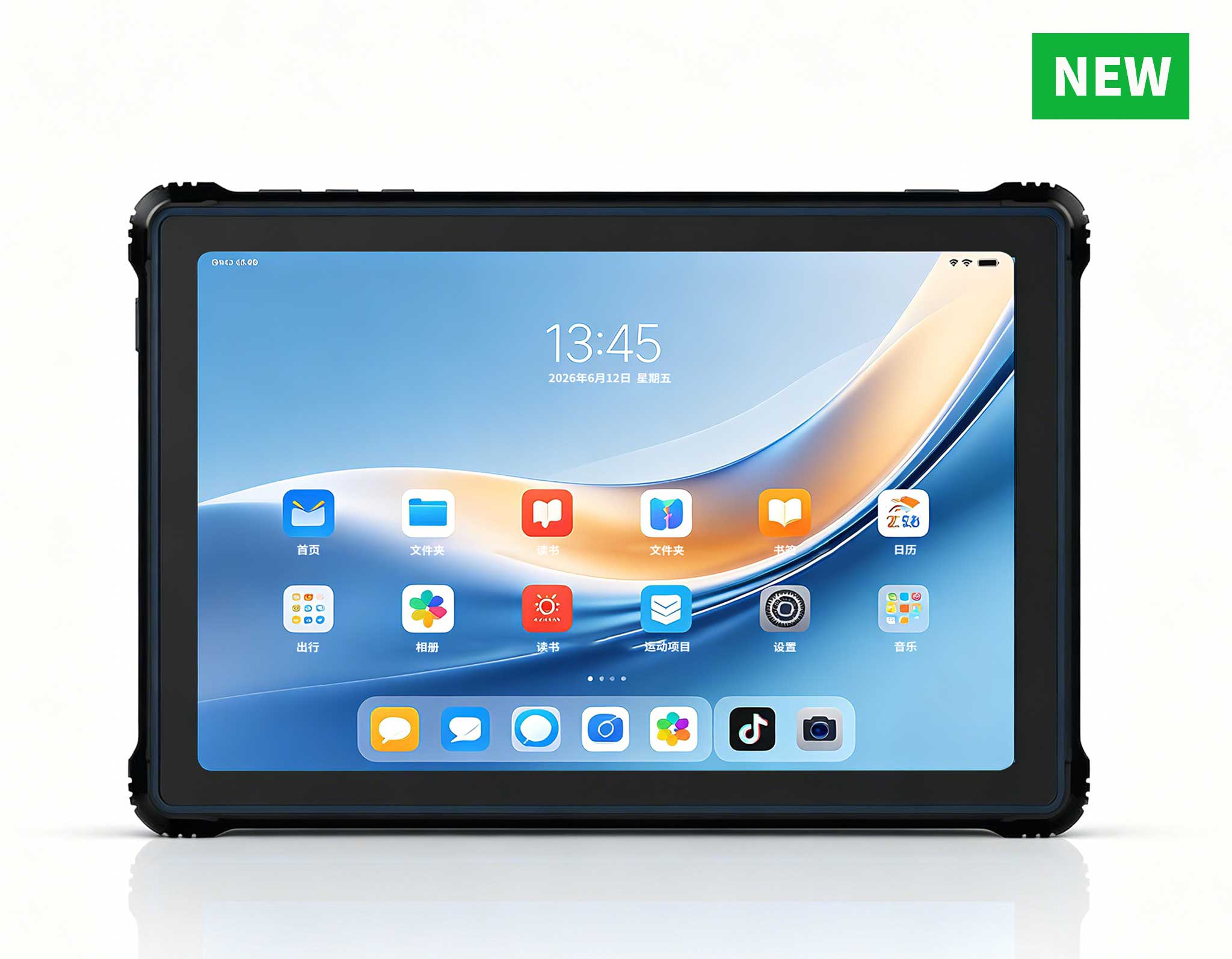
RT81 4G Rugged Tablet | 10.1" FHD 400nit | Qu...
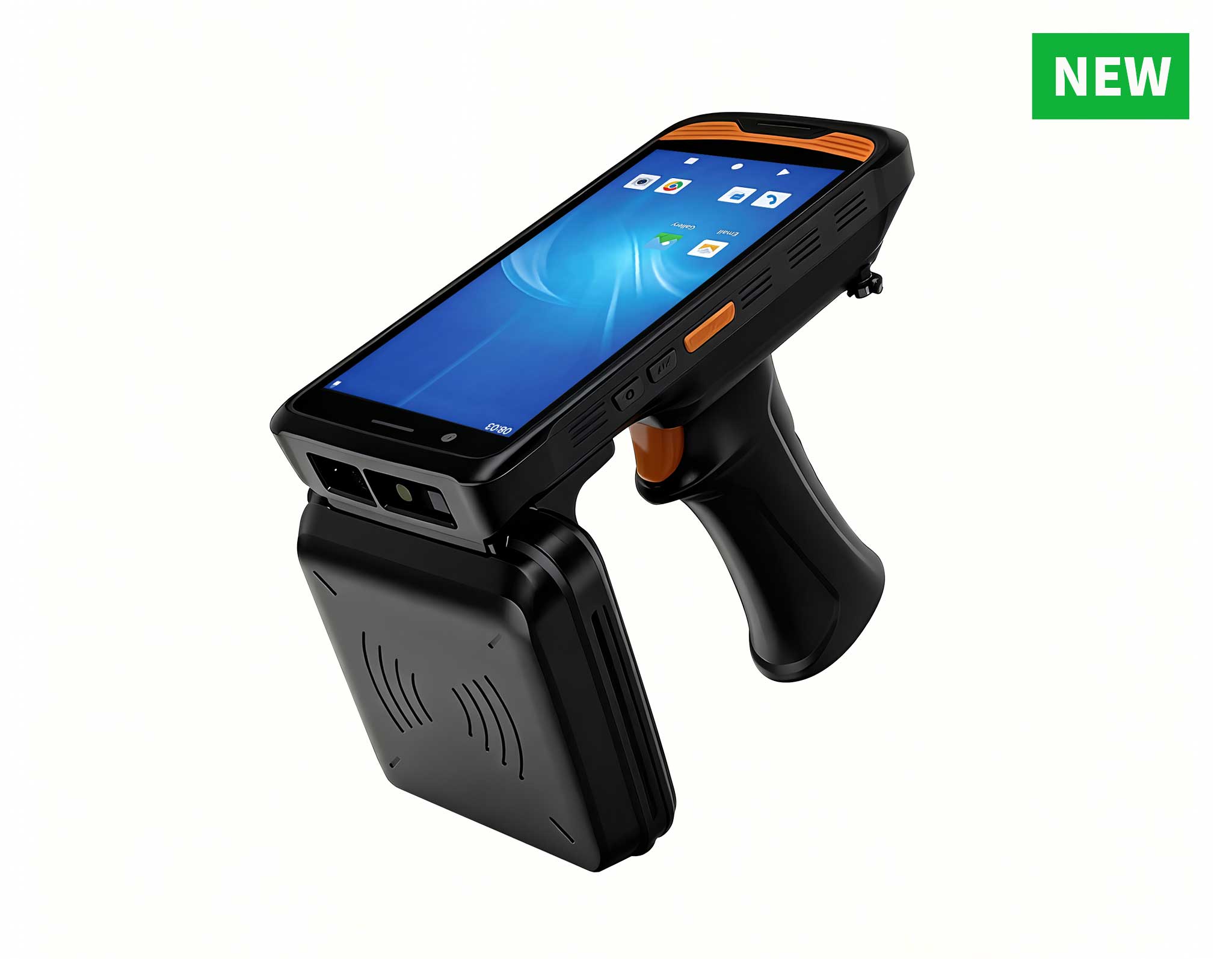
R366-S 5.5-inch Industrial PDA | Qualcomm Octa-cor...
R366C-S 5.5-inch Industrial UHF RFID Reader | Qual...
Full SpecificationsModelHotus ST9‑JOSWindows 10 Pr...
When field inspection teams work in harsh outdoor environments—walking miles of pipeline under direct sunlight, scanning RFID tags on metal surfaces in rain or dust—the choice of hardware can make or break operational efficiency. Consumer-grade tablets often fail under such conditions, leading to frequent replacements, data errors, and productivity loss. This article explores how the R501 Tag RFID device from a leading Barcode & RFID Industrial PDA manufacturer redefines field inspection workflows, using a real-world case study to highlight the performance gap between rugged and consumer technology.
The focus here is not just on problem-solving but on the strategic advantage of integrating a purpose-built rugged handheld. By comparing the R501 Tag RFID with typical consumer devices, we uncover why industries like oil and gas, utilities, and infrastructure management are shifting toward specialized solutions. Let’s dive into the data, the challenges, and the measurable outcomes after six months of deployment.
In many field inspection operations, workers rely on a mix of devices: a smartphone for photos, a separate barcode scanner for asset labels, and paper clipboards for manual notes. This fragmented approach creates inefficiencies that compound over time. Data reconciliation happens back at the office, often with errors and delays that cascade into compliance headaches. The R501 Tag RFID changes this by consolidating multiple functions into a single, durable handheld.
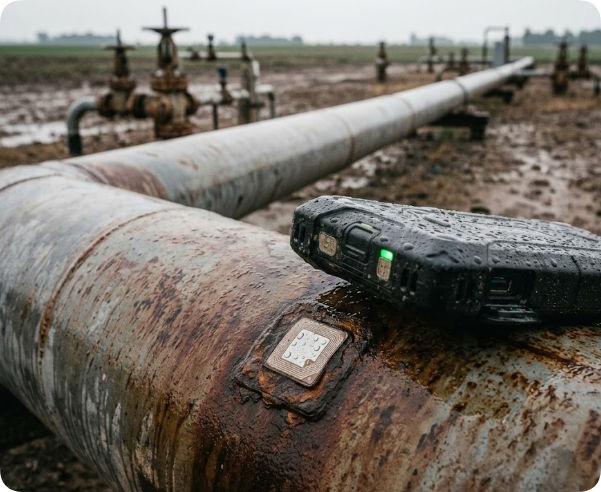
Consider the case of Alpha Pipeline Services, which manages over 3,000 kilometers of oil and gas transmission pipelines across the Midwest United States. Their inspection teams perform daily walkthroughs to verify asset tags, record meter readings, and document corrosion points. Before adopting the R501 Tag RFID, each technician carried a standard Android smartphone, a separate barcode reader, and a paper clipboard. This setup led to three critical failures: device durability issues, RFID read problems, and data entry errors.
Consumer smartphones are not designed for the rigors of outdoor field work. In Alpha’s case, devices often broke or shut down in rain, extreme heat, or after accidental drops from waist height. The average lifespan of a smartphone in this environment was only 4 months. The cost of replacements and lost productivity added up fast—roughly $1,200 per technician per year in hardware alone. In contrast, the R501 Tag RFID is built to withstand continuous abuse, with IP68 ingress protection and drop resistance up to 1.5 meters. No other device in its class offers the same level of ruggedness without compromising on performance.
Passive UHF RFID tags on steel pipes require close proximity and consistent angle for accurate reading. Consumer phones lack integrated RFID, so technicians used a separate handheld reader that often disconnected via Bluetooth. Pairing issues ate up 15 to 20 minutes per shift, and read distances were inconsistent. The R501 Tag RFID integrates a high-performance UHF RFID module with a read range up to 5 meters on metal tags (with optimal angle), eliminating the need for a separate reader. This one-handed operation on elevated pipe joints reduces setup time and improves accuracy.
Manual transcription of barcode numbers and field notes led to a 12% data mismatch rate, causing rework and compliance risks. In an industry where audit trails matter, a 12% error rate is a liability that no operations manager can afford to ignore. The R501 Tag RFID features a high-speed 1D/2D imager that reads damaged or low-contrast barcodes, ensuring accurate data capture in the field. Combined with integrated RFID, it reduces data entry errors to near zero.
After evaluating several rugged handhelds—including some competing Android PDAs that lacked integrated UHF RFID or had insufficient ingress protection—Alpha’s operations team chose the R501 Tag RFID from N60 PDA. Here’s what sealed the decision:
| Requirement | R501 Tag RFID Capability | Impact on Field Work |
|---|---|---|
| RFID tag read/write | Integrated UHF RFID module, read range up to 5 meters (on metal tag with optimal angle) | Eliminated separate reader; one-handed operation even on elevated pipe joints |
| Barcode scanning | High-speed 1D/2D imager, reads damaged or low-contrast labels | Reduced data entry errors from 12% to under 1% |
| Durability | IP68 rating, drop-proof up to 1.5m, operating temp -20°C to 60°C | Average device lifespan extended to 18+ months |
| Battery life | 10000mAh hot-swappable battery, supports full-shift operation | Eliminated need for backup power banks or mid-shift swaps |
| Software integration | Android 12 with enterprise API support for custom apps | Seamless integration with existing GIS and asset management systems |
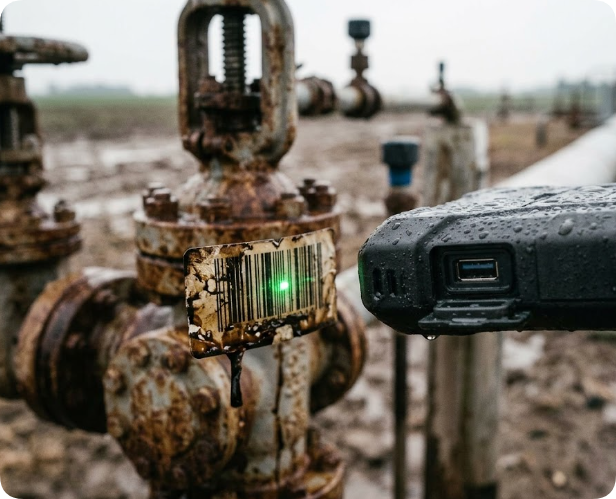
After replacing their fragmented workflow with a single R501 Tag RFID device, Alpha Pipeline Services tracked key performance indicators over six months. The results were striking:
These metrics demonstrate that the R501 Tag RFID is not just a tool—it’s a strategic investment in operational efficiency. For more details on the product’s specifications, visit the PDA-powered retail transformation.
The R501 Tag RFID is optimized for field inspection, but its capabilities extend to other industries. For example, in warehouse management, the integrated UHF RFID can scan pallets from up to 10 meters away. In utilities, the barcode scanner reads labels on meters in low-light conditions. The device’s Android 12 operating system supports custom apps for inventory tracking, asset management, and real-time data syncing. This flexibility makes it a versatile choice for any organization that needs reliable, rugged performance.
One key advantage of the R501 Tag RFID over consumer alternatives is its hot-swappable battery. With a 10000mAh capacity, it can power a full shift without interruption. If the battery runs low, swapping it takes seconds—no downtime required. This feature alone eliminates one of the most common failure points in field operations: battery drain.
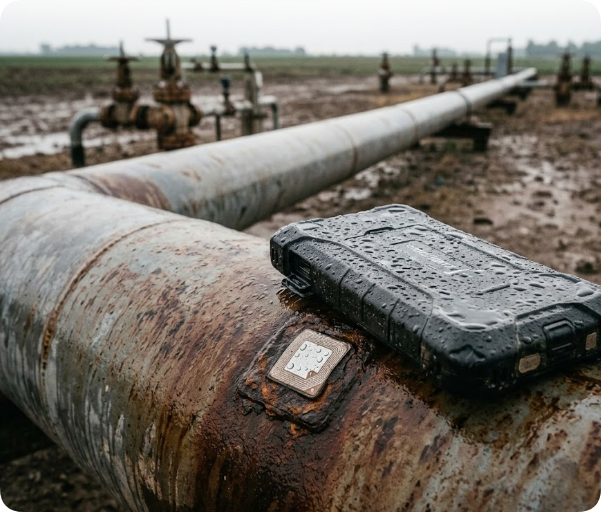
warehouse PDA deployment has established itself as a trusted rugged tablet manufacturing case studies manufacturer by focusing on real-world needs. Unlike generic consumer devices, Hotus rugged handhelds are engineered for continuous abuse, with features like IP68 dust and water resistance, MIL-STD-810G drop certification, and wide operating temperature ranges. The R501 Tag RFID exemplifies this commitment, offering a unified solution that reduces complexity and increases reliability.
For Alpha Pipeline Services, the decision to switch was clear: the R501 Tag RFID delivered a 95% reduction in data errors and a 60% increase in shift productivity. These aren’t just numbers—they translate to tangible cost savings and reduced compliance risks. In an industry where every minute counts, the R501 Tag RFID provides the performance edge needed to stay ahead.
The R501 Tag RFID represents a paradigm shift in field inspection technology. By replacing fragmented tools with a single, rugged handheld, organizations can eliminate device failures, reduce data errors, and boost efficiency. The case study of Alpha Pipeline Services shows that the investment in a rugged device pays for itself within months—not just in hardware savings, but in improved operational outcomes.
Whether you’re managing pipelines, warehouses, or utility grids, the R501 Tag RFID offers a proven solution for challenging environments. For more information on how this device can optimize your enterprise deployment, explore the industrial rugged device deployments and see why industry leaders are making the switch.