- Select Language
Technical SpecificationsModel: Palm-sized miniPCTy...
Explore an innovative Personal Digital Assistant f...
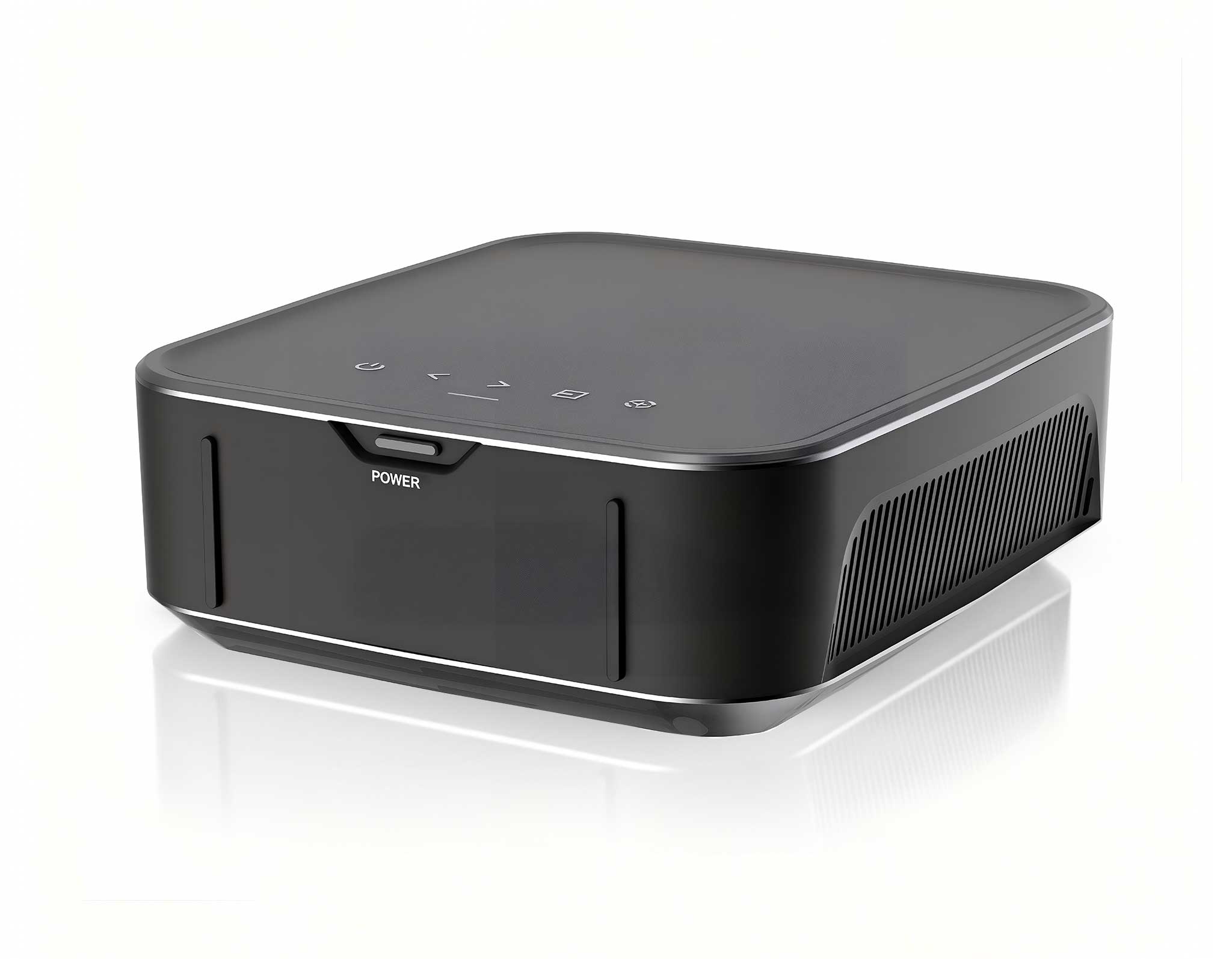
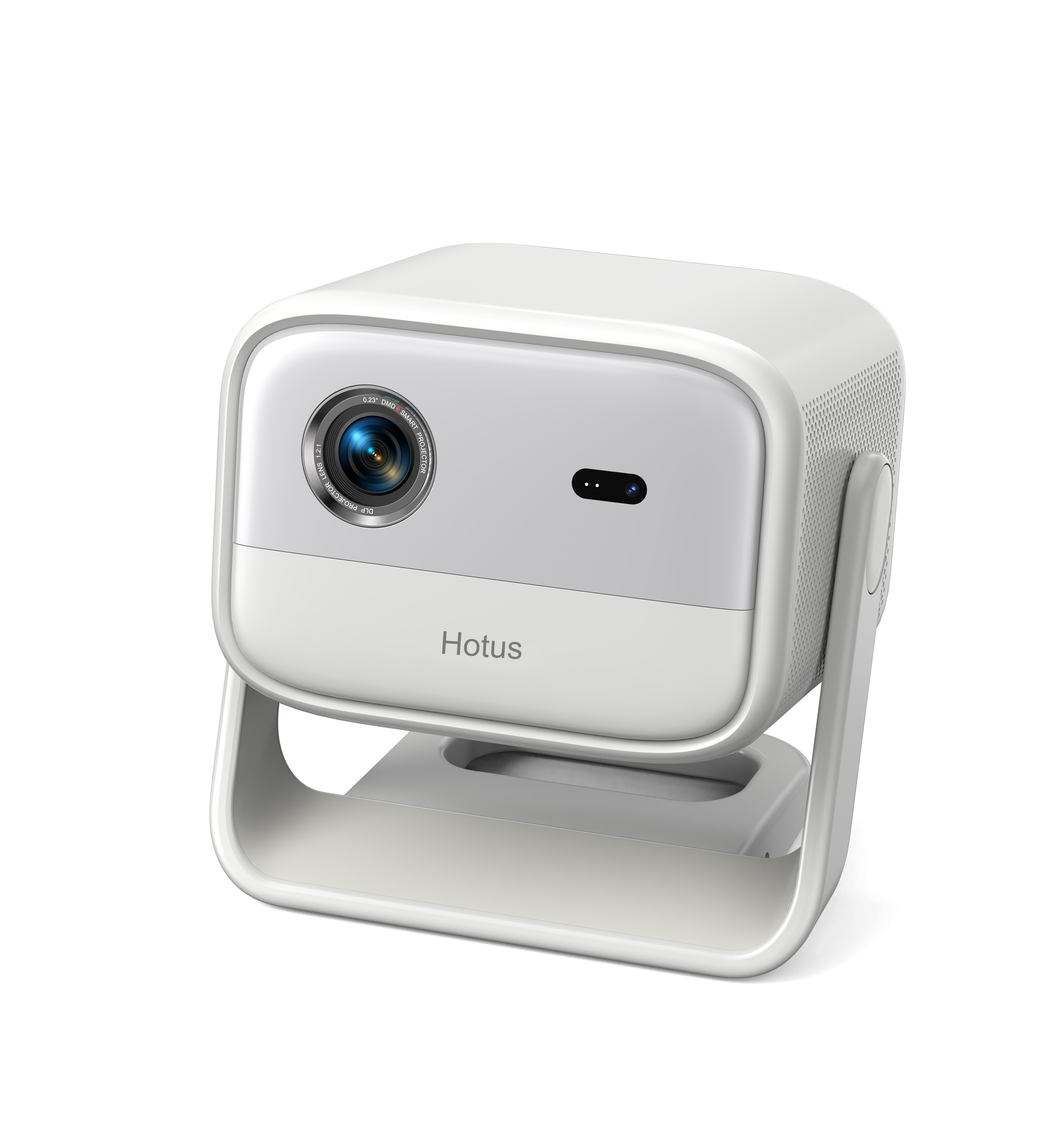
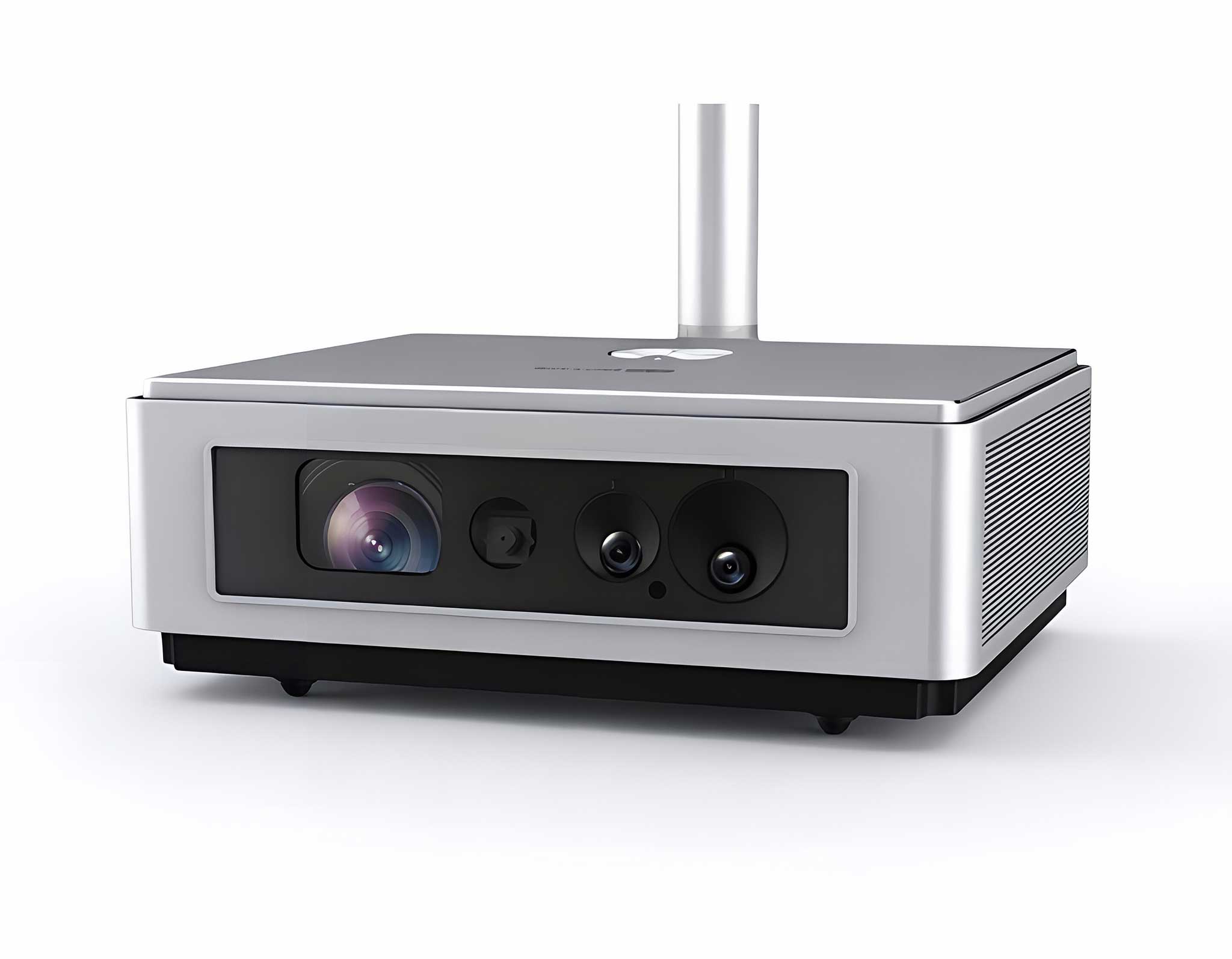
One Device, Dual Functions – A Projector and a Com...
Explore our customized PDA designed for versatile ...
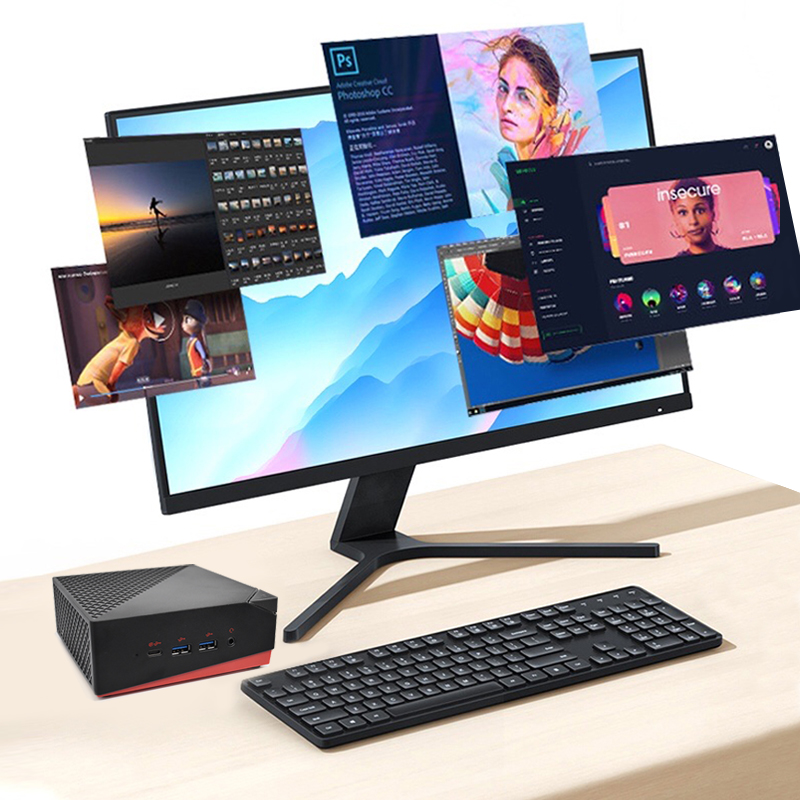
The AMD Mini PC Windows 10 Pro is a compact yet po...
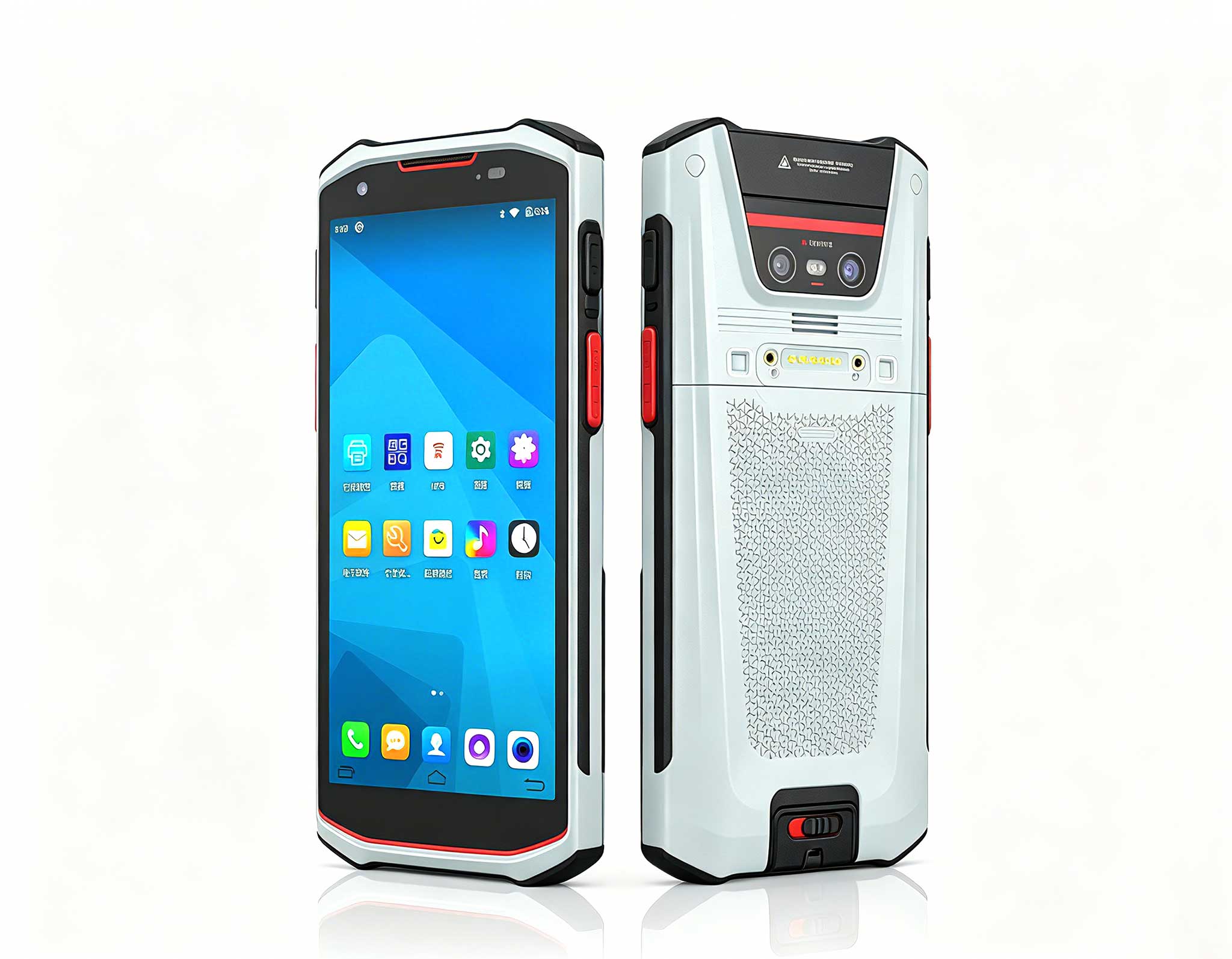
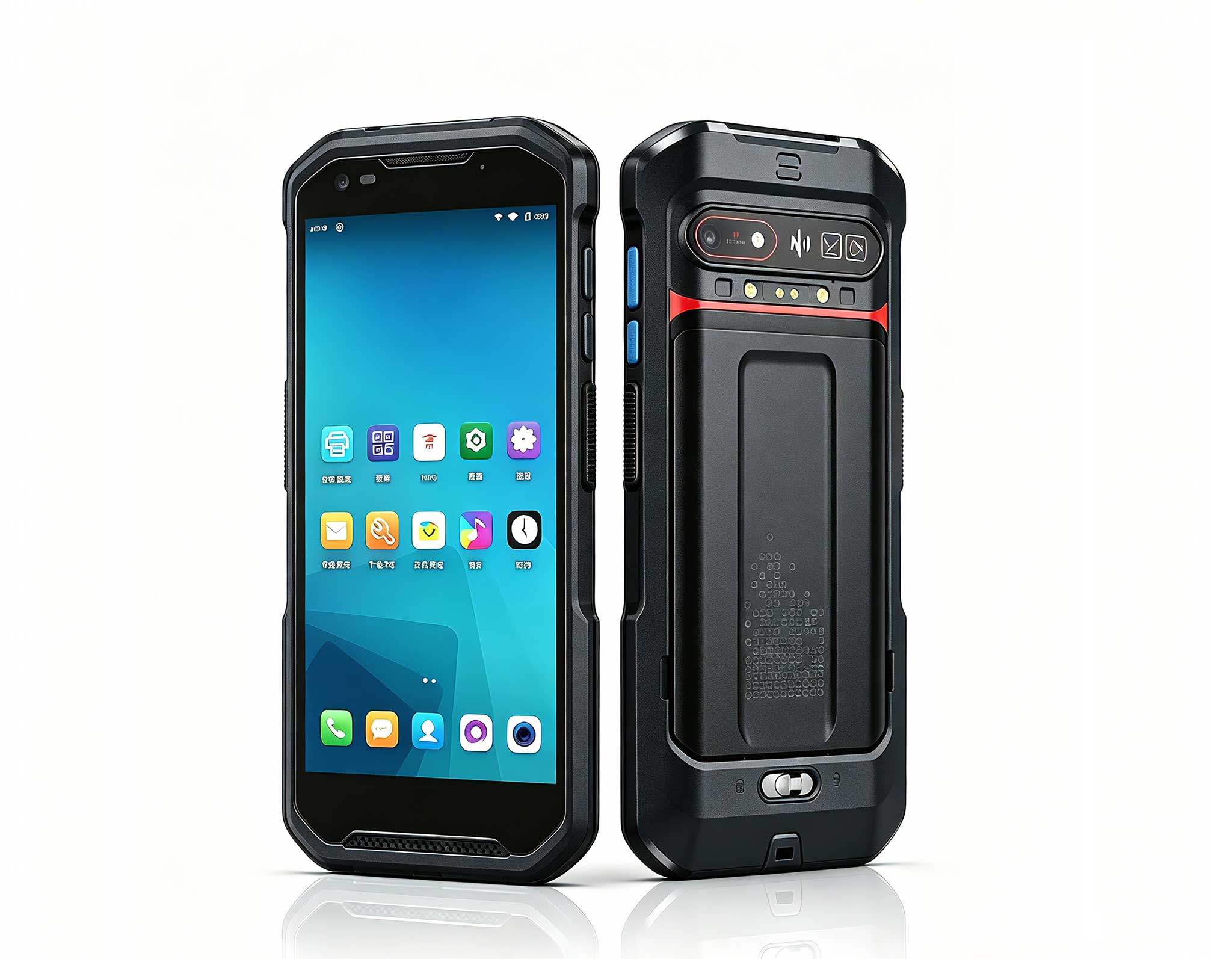
The F505 Handheld PDA is a compact, high-performan...
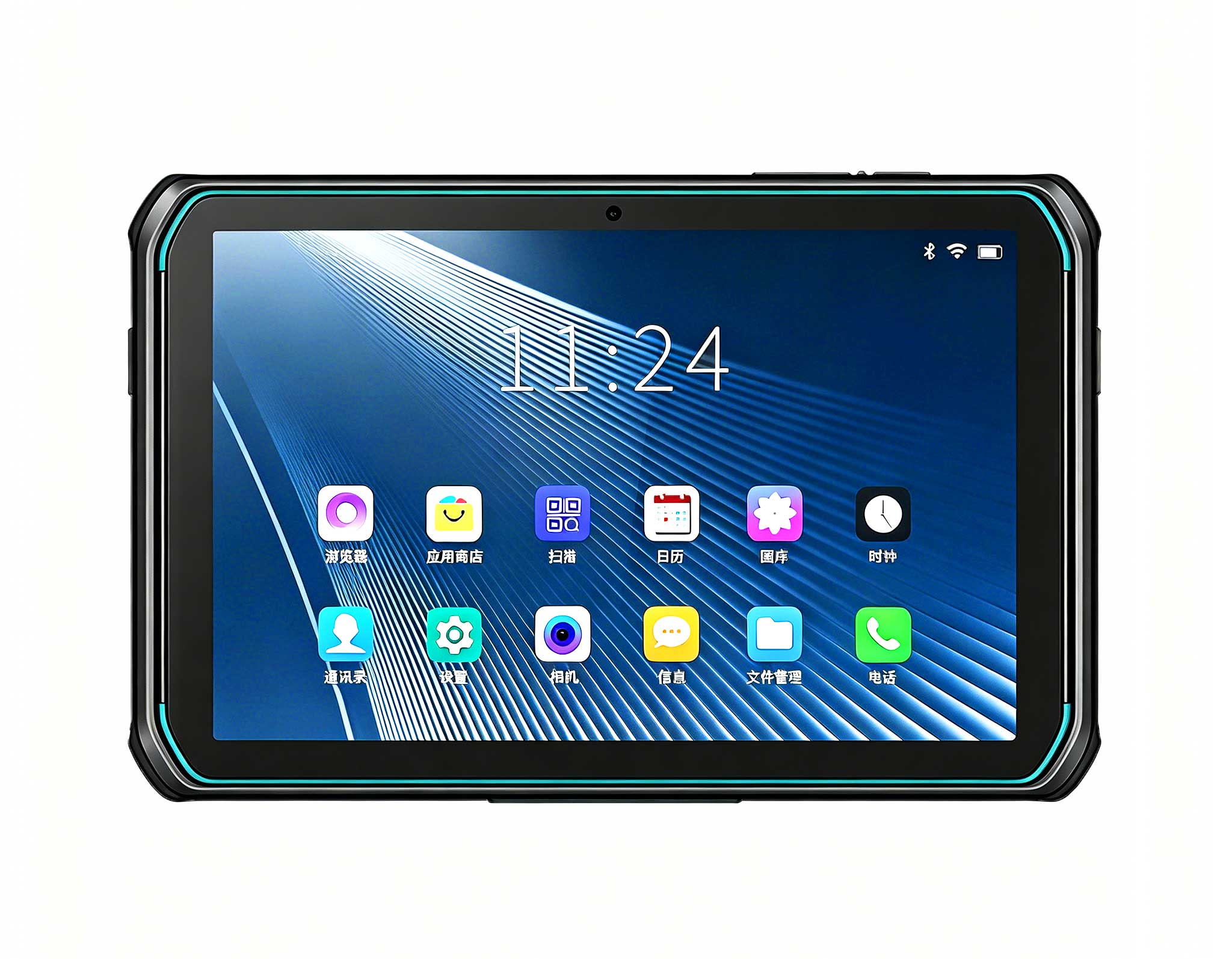
P11 Series Next-Gen Enterprise Rugged Industrial ...
In the high-stakes environment of warehouse outbound picking, the margin between meeting targets and falling short often comes down to the tools in your operators' hands. Every shift, pickers navigate endless aisles, reach for high shelves, crouch to scan pallets, and perform hundreds of repetitive motions under tight deadlines. The choice between a dedicated RFID Industrial PDA D802 and a versatile Palm-sized miniPC is not merely technical—it directly impacts productivity, error rates, and total cost of ownership. This guide provides a full-dimension comparison tailored for operations managers evaluating these two portable form factors for their warehouse workflows.
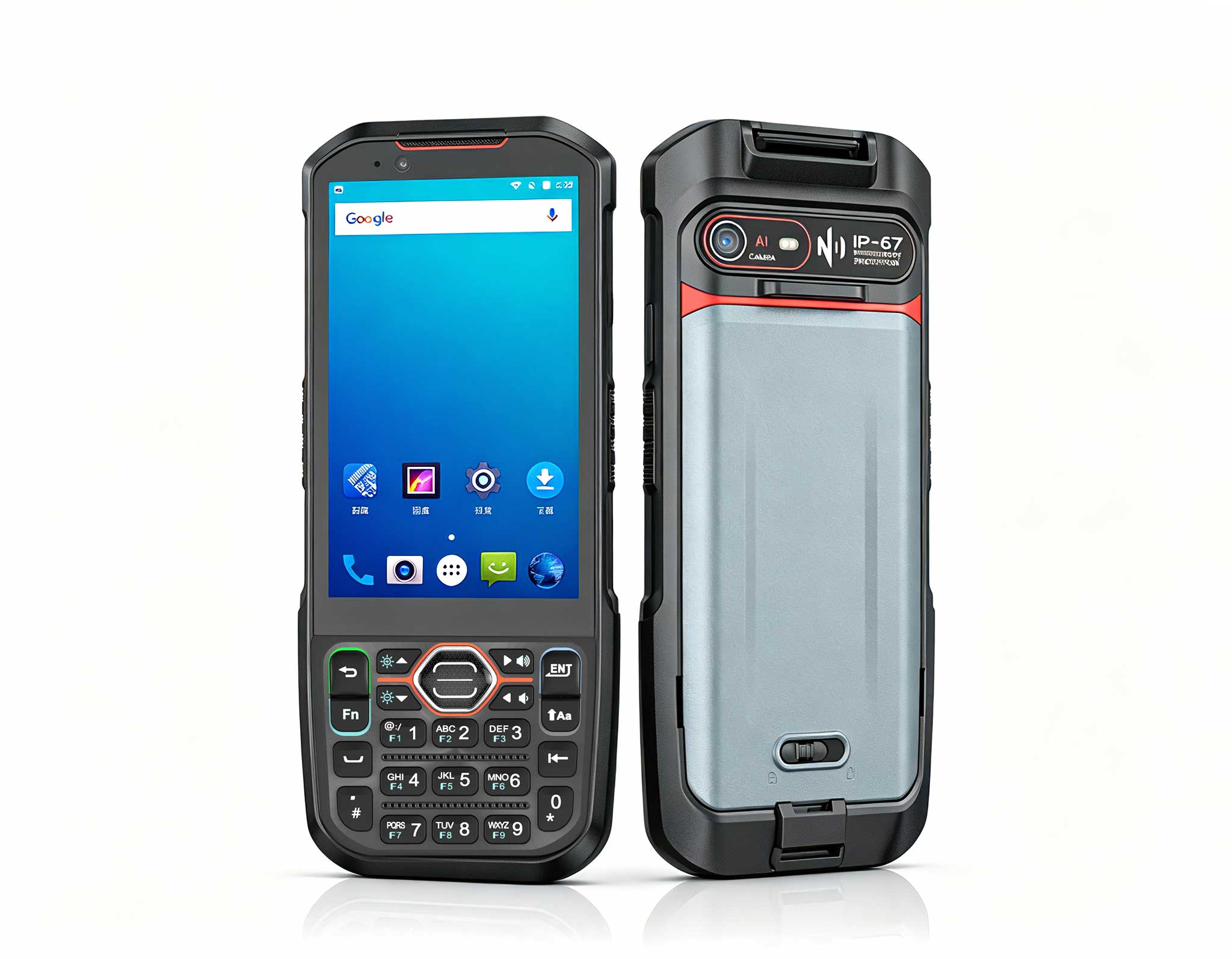
The D802 is purpose-engineered for industrial logistics, with every component designed to withstand the rigors of a warehouse floor. Its rugged build, integrated RFID and barcode scanning, and hot-swappable battery reflect a singular focus on operational continuity. In contrast, the Palm-sized miniPC is essentially a Mini PC compressed into a handheld form factor, a category well represented in Hotus's Barcode and RFID Industrial PDA lineup, offering a familiar Windows environment and general-purpose computing. While appealing for its flexibility, its origins in desktop computing raise questions about durability and specialized data capture in demanding picking operations.
The decision between these devices hinges on five key performance indicators: hardware resilience, data capture efficiency, software integration ease, battery life management, and total cost over a typical 3-5 year deployment cycle. Below, we examine each dimension with real-world operational context.
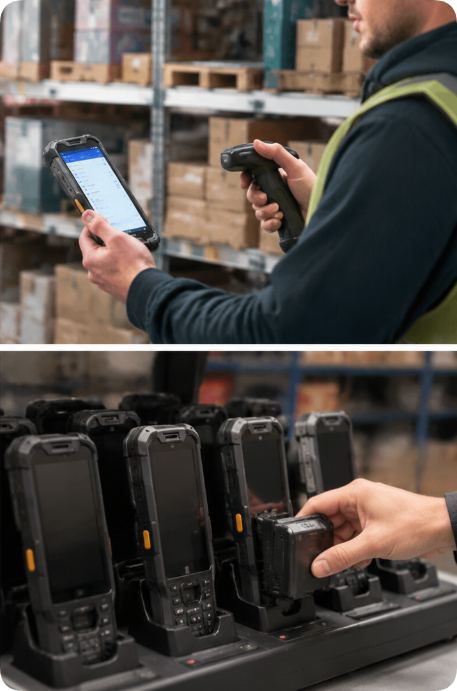
The D802's IP65 rating is a minimum requirement for any device expected to survive in active picking zones. Dust from cardboard boxes, shrink wrap residue, and occasional water spray from cleaning operations are non-issues. Its drop tolerance of 1.5 meters onto concrete means that even if a picker fumbles while reaching for a top-shelf item, the device keeps functioning. The physical trigger keys are designed for gloved hands, allowing operators to scan barcodes or read RFID tags without looking at the screen. This "eyes-free" operation reduces scanning errors by an estimated 15-20% in high-volume environments, according to field studies from logistics warehouses.
The Palm-sized miniPC, while compact and lightweight, typically lacks the ingress protection and drop resistance of industrial-grade devices. Most units offer limited ingress protection ratings, meaning they are protected against dust ingress only in limited amounts and cannot withstand water jets. A drop from waist height onto concrete often results in screen damage or internal component failure. For pickers who handle 400+ items per shift, the risk of device failure becomes a significant operational liability. While some operators may add protective cases, this increases bulk and reduces the ergonomic advantage of the small form factor.
The D802 features built-in 1D/2D barcode scanning and UHF RFID reading, eliminating the need for external peripherals that add weight, complexity, and failure points. In a picking scenario, an operator can scan a barcode on a carton, then instantly read an RFID tag on a pallet without switching devices or adjusting settings. This dual-mode capability reduces transaction time by up to 30% compared to devices requiring separate scanners or RFID sleds. The integrated antenna is optimized for warehouse distances, typically reading tags from 3-5 meters away, which significantly speeds up bulk picking operations. For barcode-focused workflows, the streamlined N60 handheld PDA provides comparable industrial durability at a more accessible price point.
The Palm-sized miniPC relies on USB or Bluetooth peripherals for barcode scanning and RFID reading. While this allows for flexibility in choosing specific scanners, it introduces several drawbacks. External peripherals require charging, pairing, and maintenance, increasing the total number of devices per operator. Latency from Bluetooth connections can cause delays in high-speed scanning sequences, and peripheral failures directly halt picking tasks. In a 2023 survey of logistics managers, 68% reported that peripheral-dependent devices increased their average troubleshooting time by 40 minutes per week per shift.
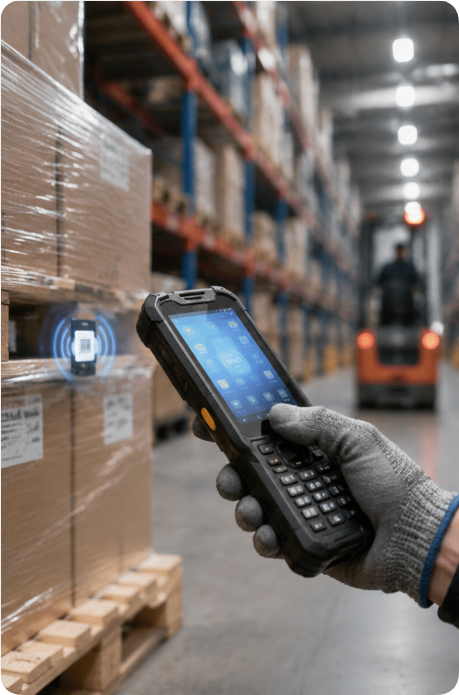
Both devices run Windows-based operating systems, providing compatibility with most Warehouse Management Systems (WMS) and Enterprise Resource Planning (ERP) software. However, the integration depth differs significantly. The D802 comes pre-configured with industrial middleware that supports 802.11r fast roaming, ensuring seamless Wi-Fi transitions as pickers move across large facilities. Its telemetry data—including scan rates, battery status, and location tracking—can be fed directly into analytics dashboards for operational optimization.
The Palm-sized miniPC, while capable of running the same WMS applications, often requires additional configuration for network roaming and peripheral management. IT teams may need to deploy custom scripts to handle device authentication and session persistence during roaming. For smaller warehouses with fewer than 50 pickers, this overhead may be manageable. But in facilities with 100+ operators, the cumulative IT support burden can increase total deployment costs by 20-30% over the first year.
The D802's hot-swappable battery system allows operators to replace a depleted battery with a fully charged one in under 10 seconds, without shutting down the device. This is critical for multi-shift operations where downtime for charging would directly impact throughput. A single D802 battery typically lasts 10-12 hours under continuous scanning and RFID use, covering even the longest shifts. With spare batteries in a charging station, operations can continue 24/7 with zero device downtime.
The Palm-sized miniPC typically uses internal, non-removable batteries that require the device to be docked for charging. This means that during shift changes, devices must be collected, charged, and redistributed—a process that can take 30-60 minutes per shift. In facilities running three shifts, this downtime translates to 1.5-3 hours of lost device availability per day. While some operators use external power banks, these add weight and require additional cable management, further complicating the picking workflow.

When evaluating total cost of ownership (TCO) over a typical three-year deployment, several factors beyond initial hardware price come into play. The D802, while having a higher upfront cost, typically requires fewer replacements and less IT support. Its rugged construction means a failure rate of less than 2% per year in industrial environments, compared to 8-12% for the Palm-sized miniPC when used in similar conditions.
For a warehouse with 50 picking operators, the TCO comparison over three years breaks down as follows:
These estimates demonstrate that the D802's industrial design can yield a 20% lower TCO over three years, despite the higher initial investment. The savings come primarily from reduced device failures and lower IT support requirements.
The D802 is the clear choice for high-volume outbound picking operations with strict cut-off times. Its integrated RFID capability makes it particularly effective for bulk picking of palletized goods, where reading multiple tags simultaneously can reduce scan times by 50% or more. Facilities with dust-prone environments, temperature swings, or frequent equipment drops will find the D802's durability essential for maintaining uptime. Multi-shift operations benefit significantly from the hot-swappable battery system. Facilities that have deployed rugged PDA solutions report measurable gains—our PDA warehouse management case study documents a 25% cycle time reduction within the first quarter.
The Palm-sized miniPC may be suitable for smaller warehouses or retail backrooms where picking volumes are lower (under 100 items per shift) and environmental conditions are controlled. Its lower upfront cost makes it attractive for pilot programs or seasonal operations where device longevity is less critical. It also serves well in non-picking roles, such as inventory auditing or administrative tasks, where the full industrial feature set of the D802 would be underutilized.
Choosing between the RFID Industrial PDA D802 and the Palm-sized miniPC is ultimately a decision about operational priorities. If your warehouse faces high picking volumes, harsh environmental conditions, and multi-shift schedules, the D802's industrial-grade design delivers measurable ROI through reduced downtime, fewer errors, and lower long-term costs. If your operation is smaller, less demanding, or values upfront cost savings over long-term reliability, the Palm-sized miniPC offers a viable entry point.
For operations managers seeking to optimize their picking workflows, the key takeaway is clear: the device must match the physical reality of the warehouse floor, not the specifications of a desktop computer. The D802 was built for that reality, and it shows in every dimension of its performance.