- Select Language
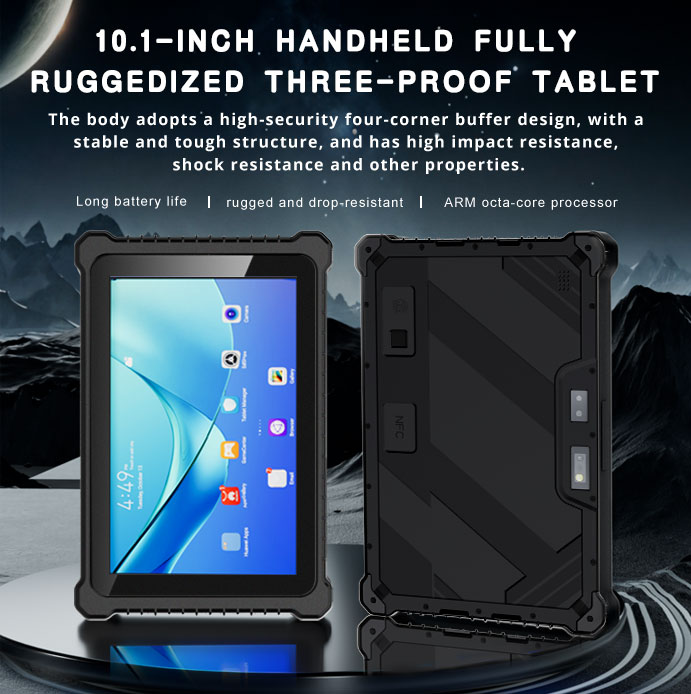
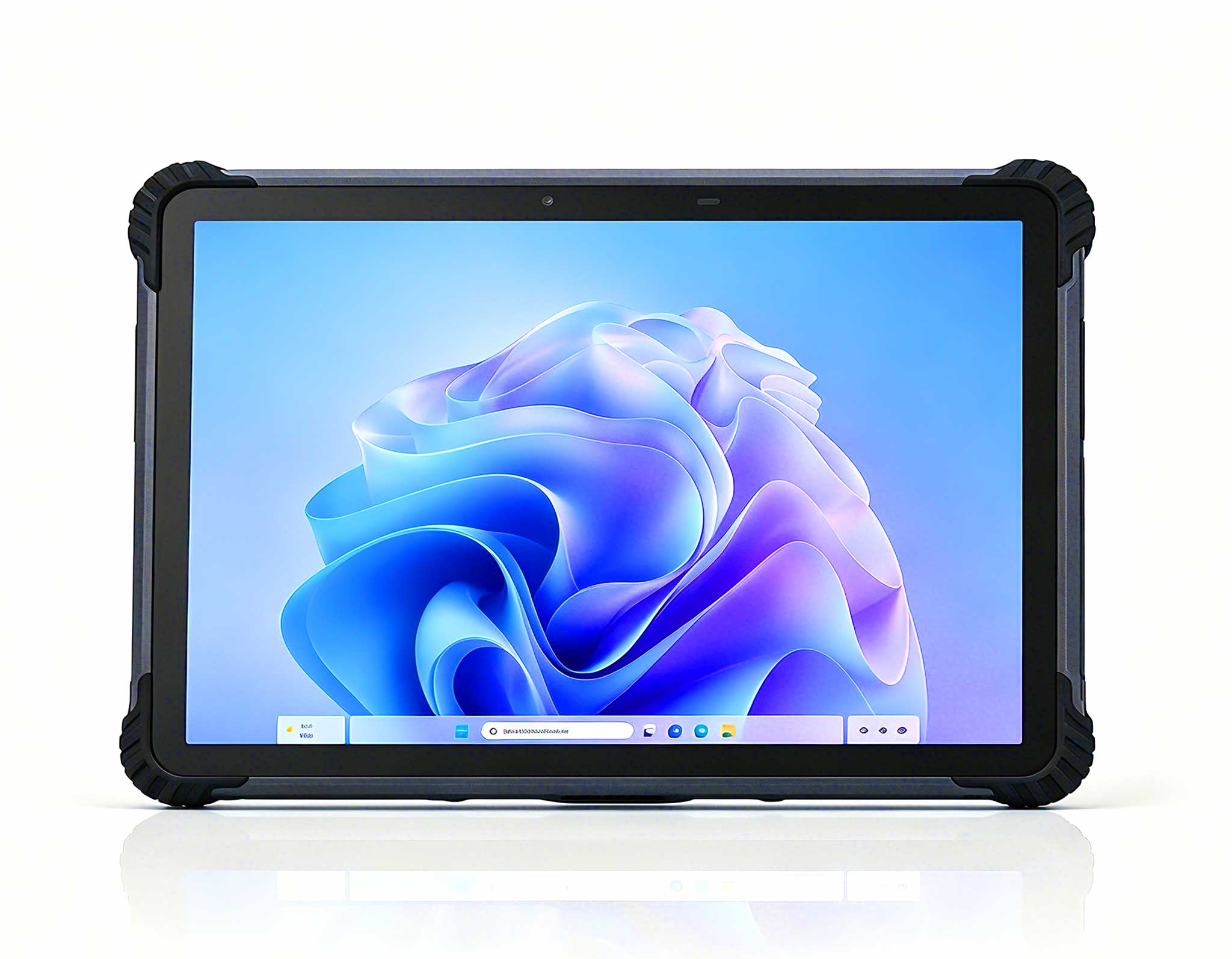
This 10-inch Android rugged tablet is designed for...
Enterprise Flagship SeriesEngineered for mission-c...
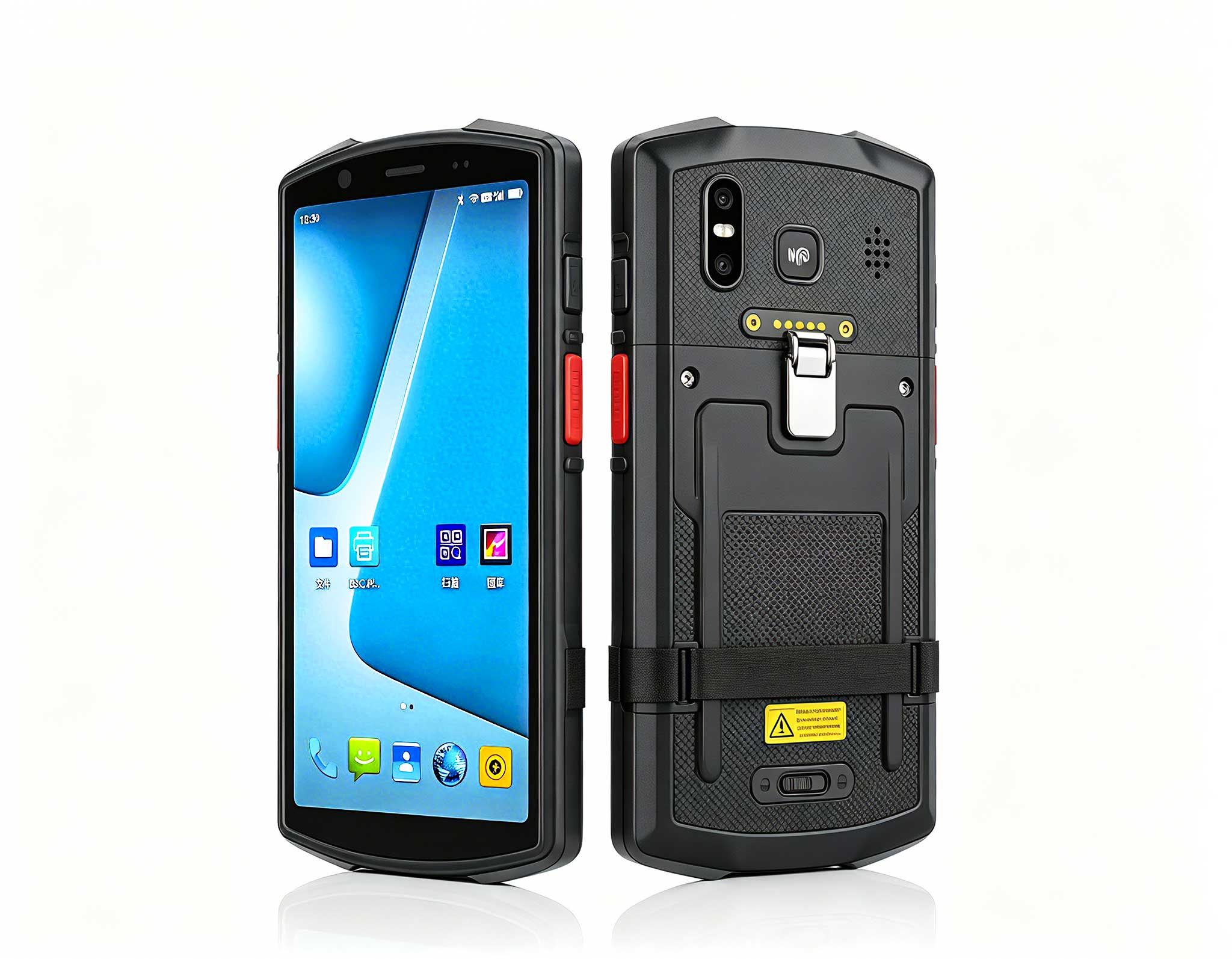
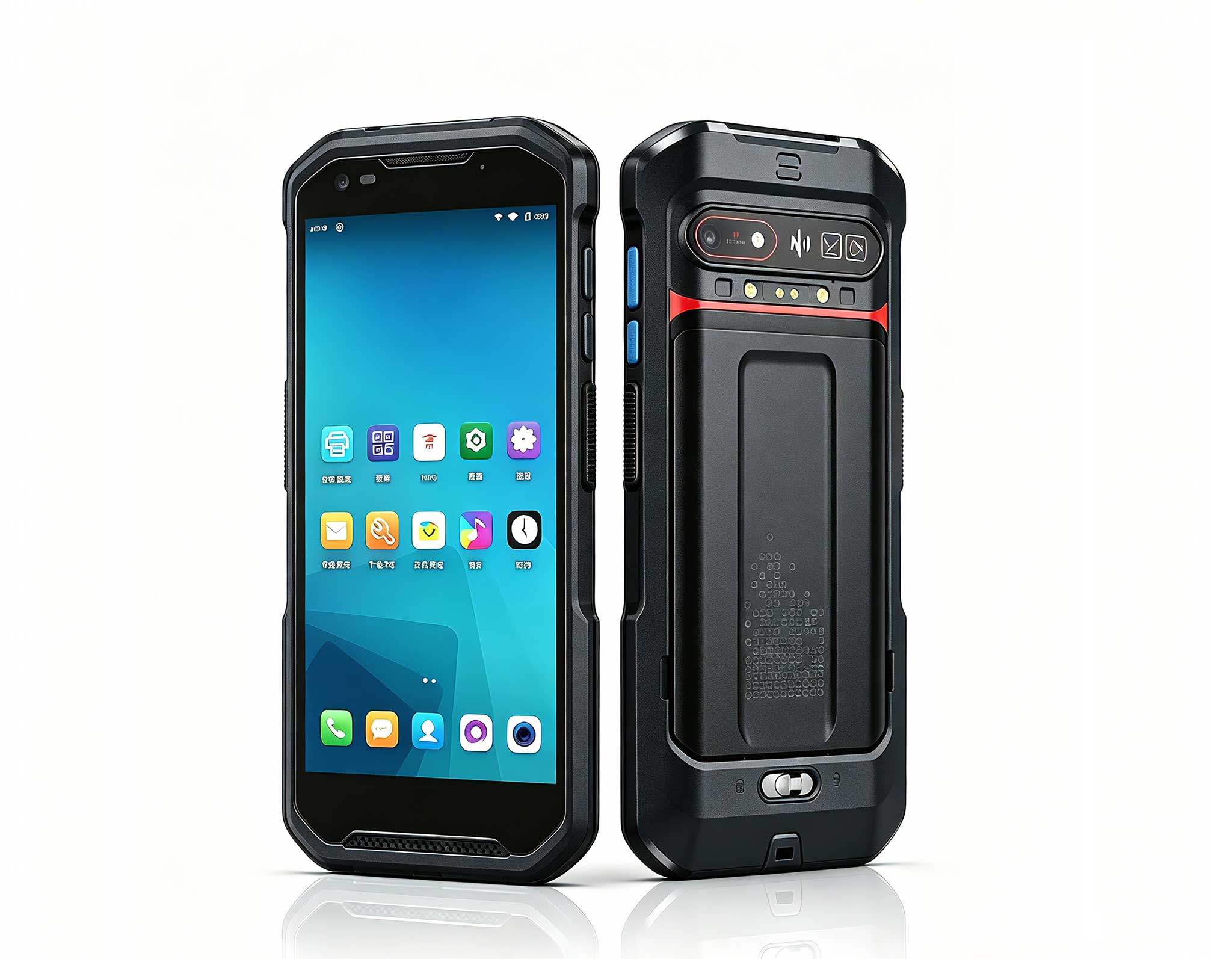
The N60 PDA is a cutting-edge device for inventory...
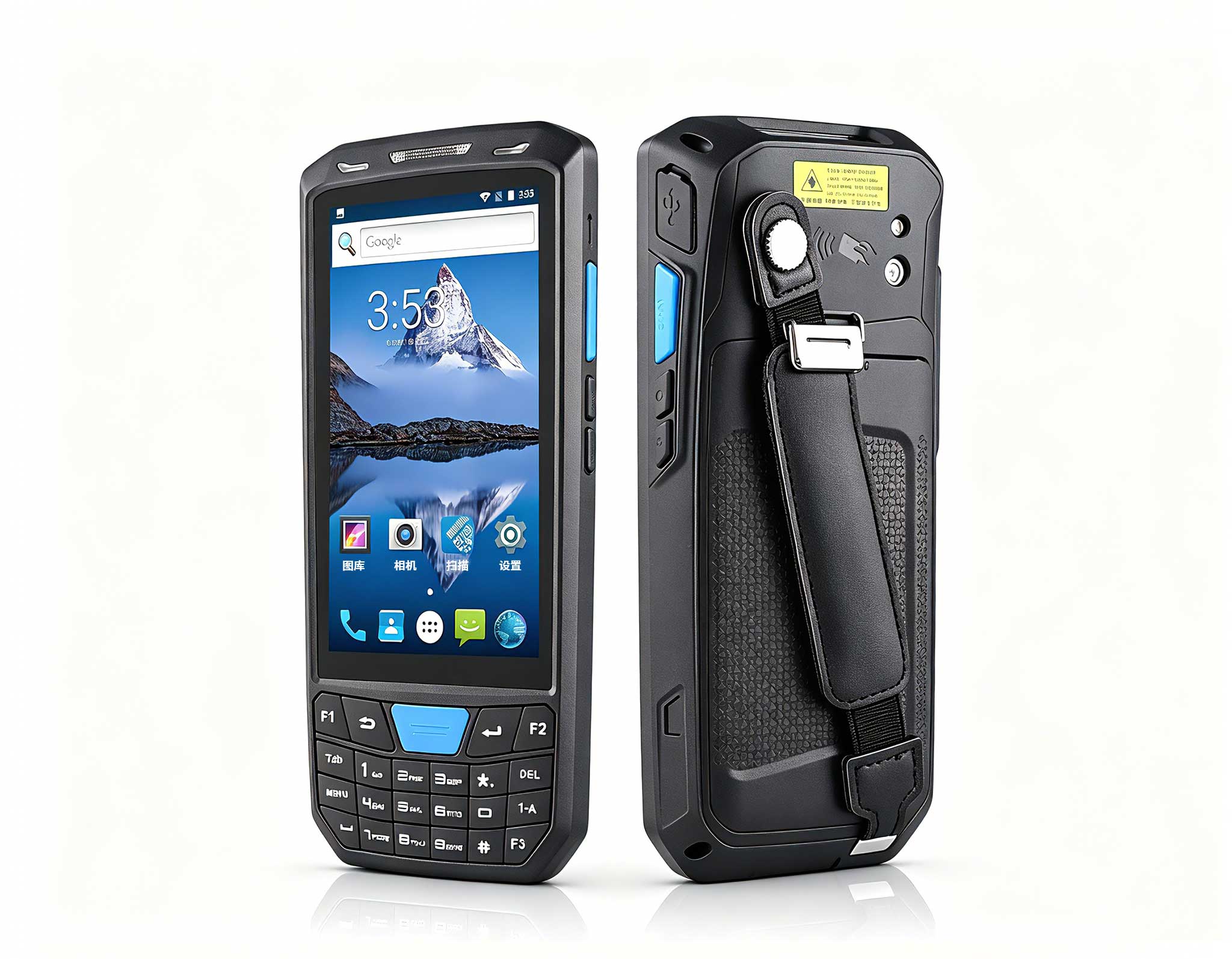
The T80 handheld PDA combines advanced barcode sca...
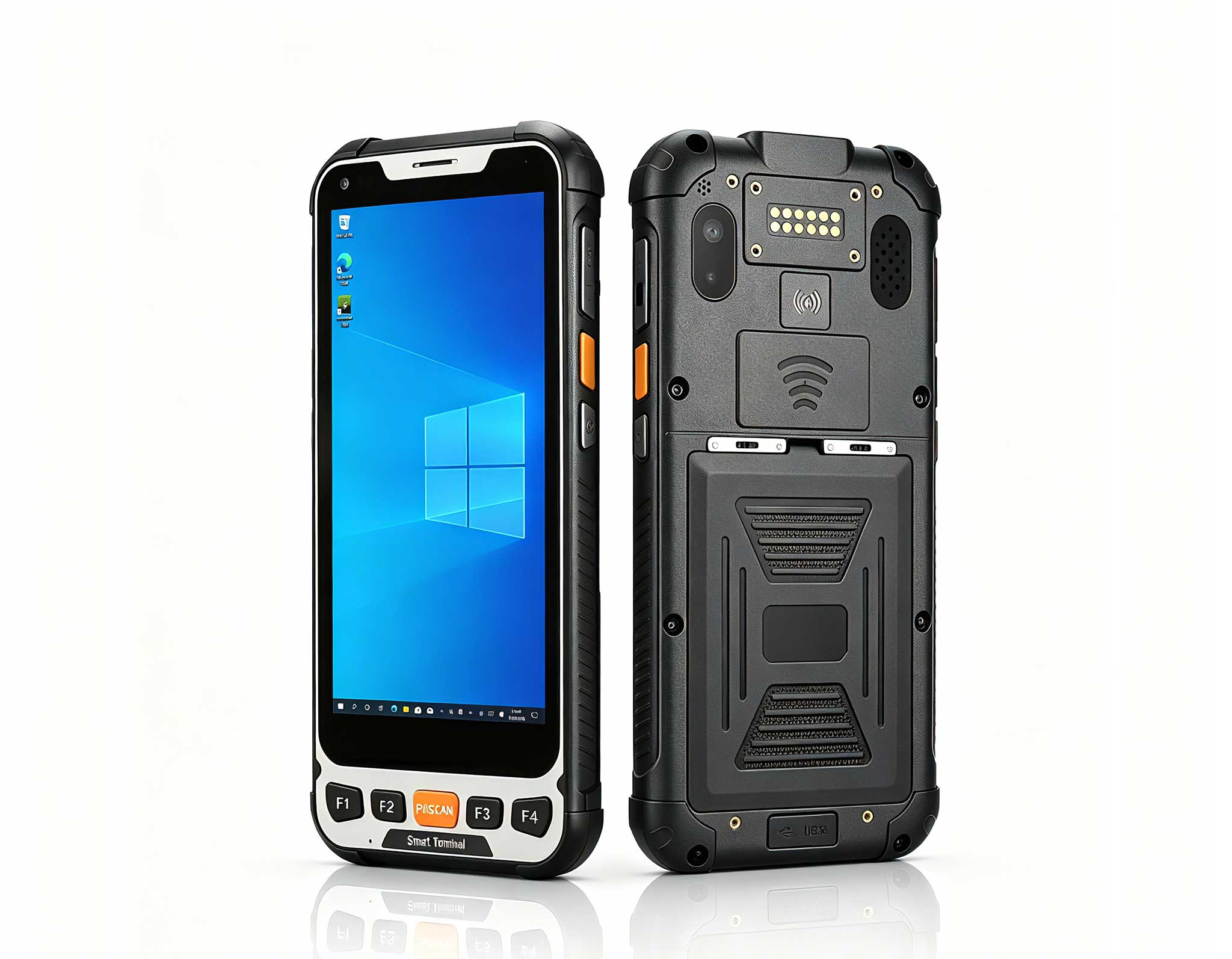
The F505 Handheld PDA is a compact, high-performan...
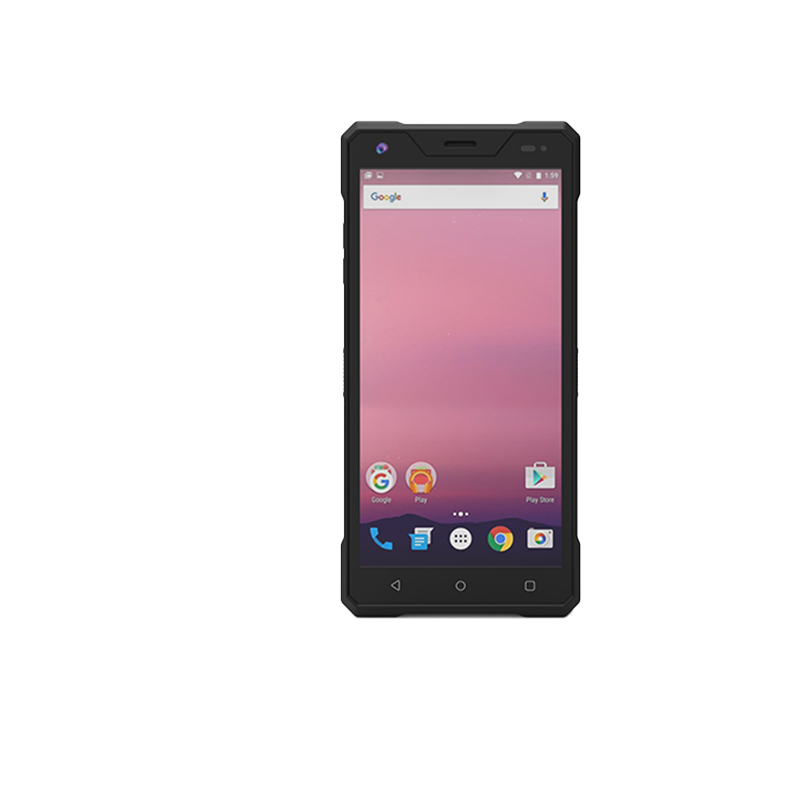
R350C 4-inch Industrial Handheld PDA | Qualcom...
Full SpecificationsModelHotus ST11‑UOSWindows 10 P...
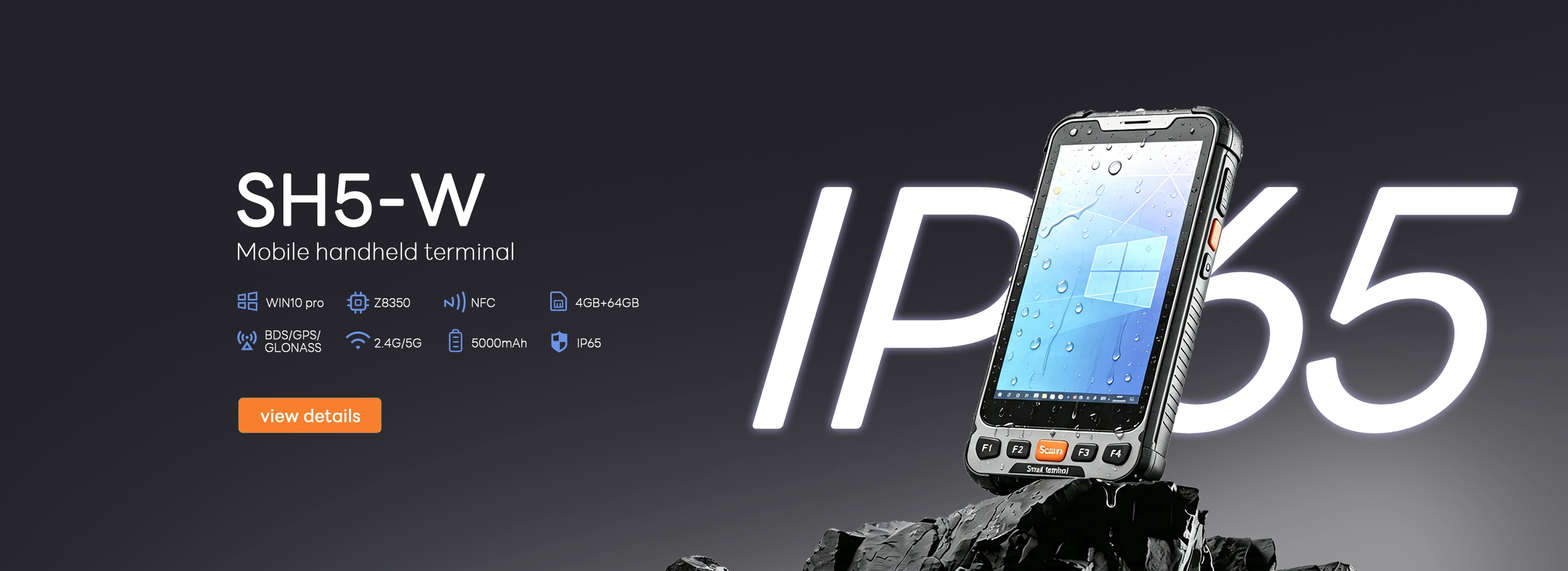
Full SpecificationsModel Hotus SH5‑WOperating ...
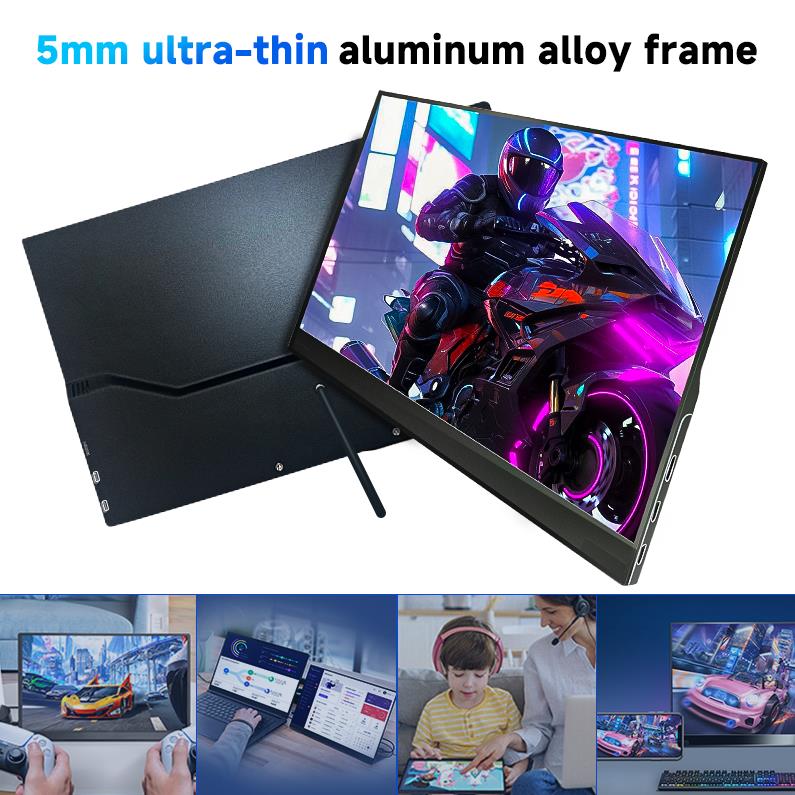
The PM133-2 is a 13.3-inch portable monitor featur...
This 10-inch Android rugged tablet is designed for...
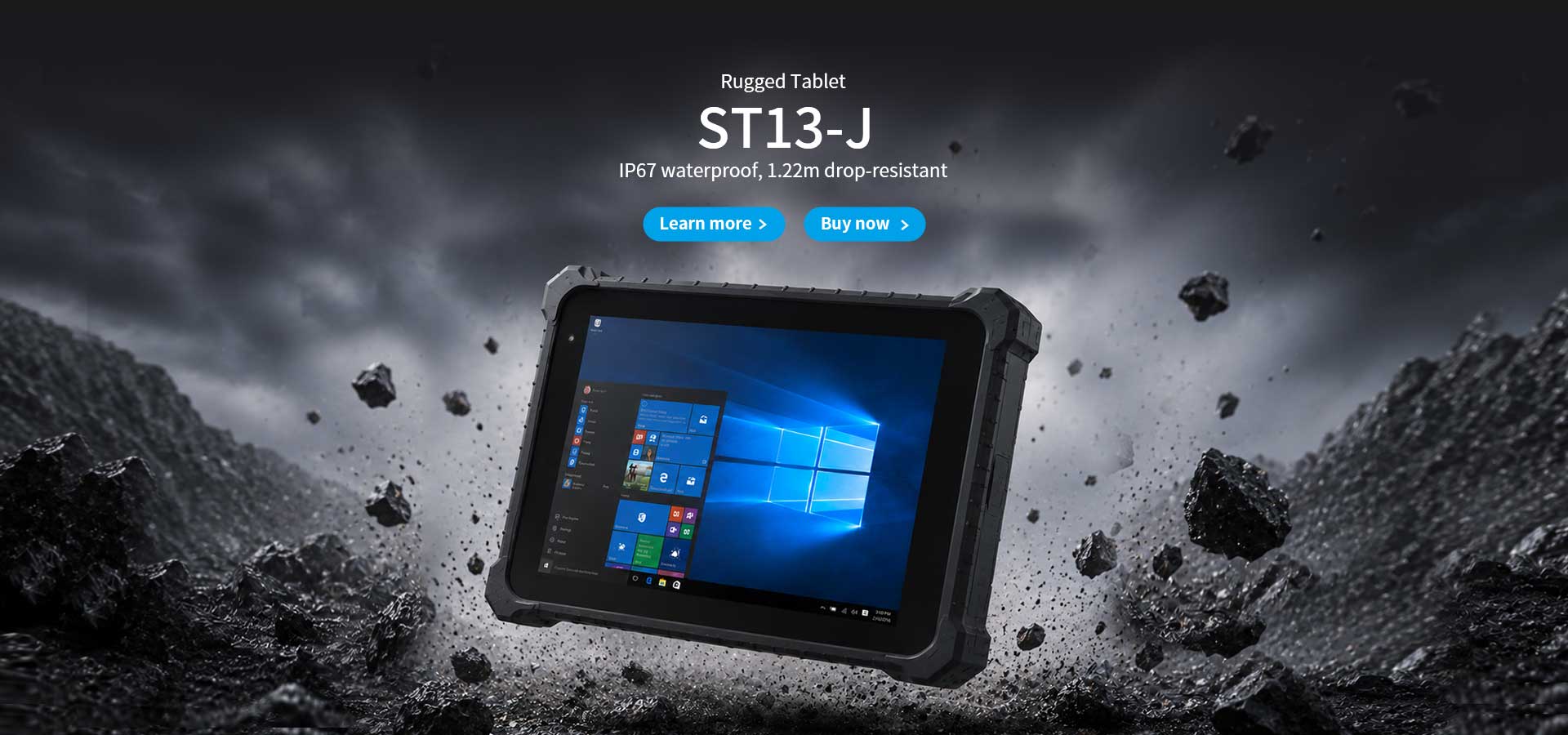
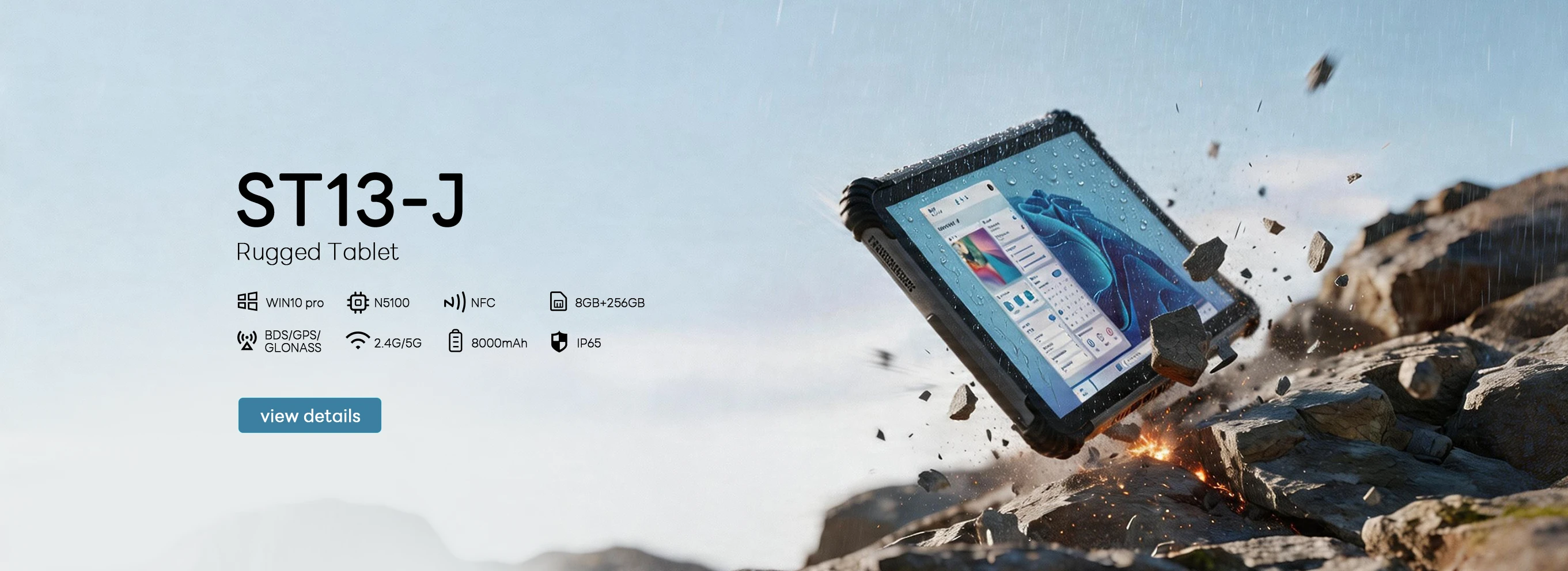
Full SpecificationsModelHotus ST13‑JOSWindows 10 P...
Over the past decade, I’ve watched too many digital signage and self-service kiosk initiatives bleed budget—not because of bad content or clunky software, but because the hardware was never built for the job. Consumer-grade tablets look good on paper, but in a real-world environment—think 24/7 operation, curious fingers, cleaning chemicals, and the occasional bump from a cart—they fail fast. They overheat in enclosed kiosk cabinets, crack from a simple drop, and shut down when dust or moisture sneaks in. The result is a cycle of replacements, service calls, and lost transaction revenue that destroys any projected ROI. When I sit down with a client planning a new deployment, I tell them straight: if you want a return, you have to start with hardware that’s engineered for the grind. That’s exactly why I’ve been recommending Hotus Technology’s rugged tablet lineup—specifically the HTXUK10A-55, the SH6, and the HTQ10A Android Rugged Tablet. These aren’t just tough devices; they’re profit tools. Industry benchmarks show that a rugged tablet in a public kiosk lasts three to five times longer than a consumer slab, which directly slashes total cost of ownership. For organizations serious about digital transformation—like the Japan Digital Agency, which is pushing DX to build a seamless digital infrastructure—choosing the right hardware is a strategic move that defines deployment success. If you’re exploring Rugged Tablet options, this is where the real value lives.
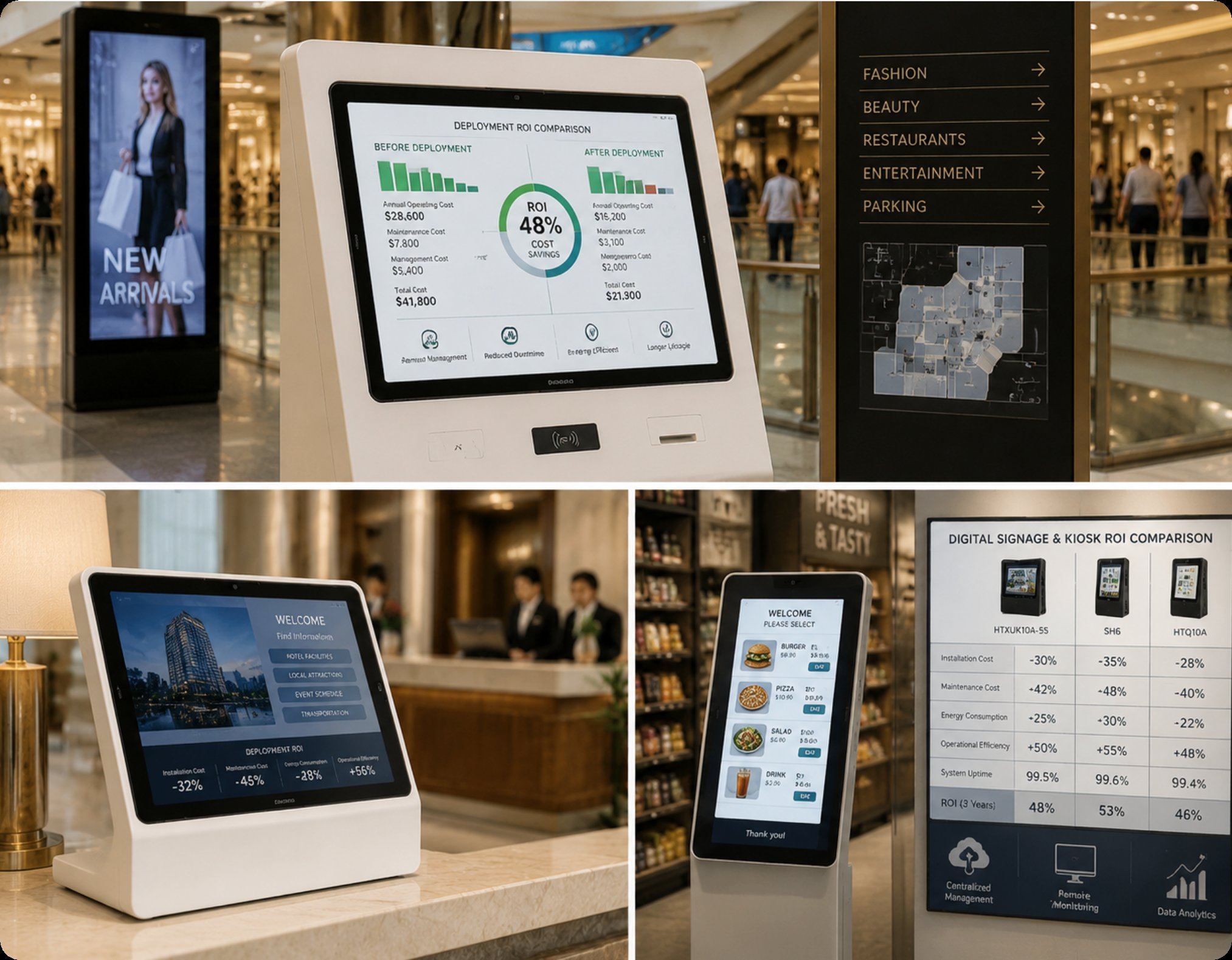
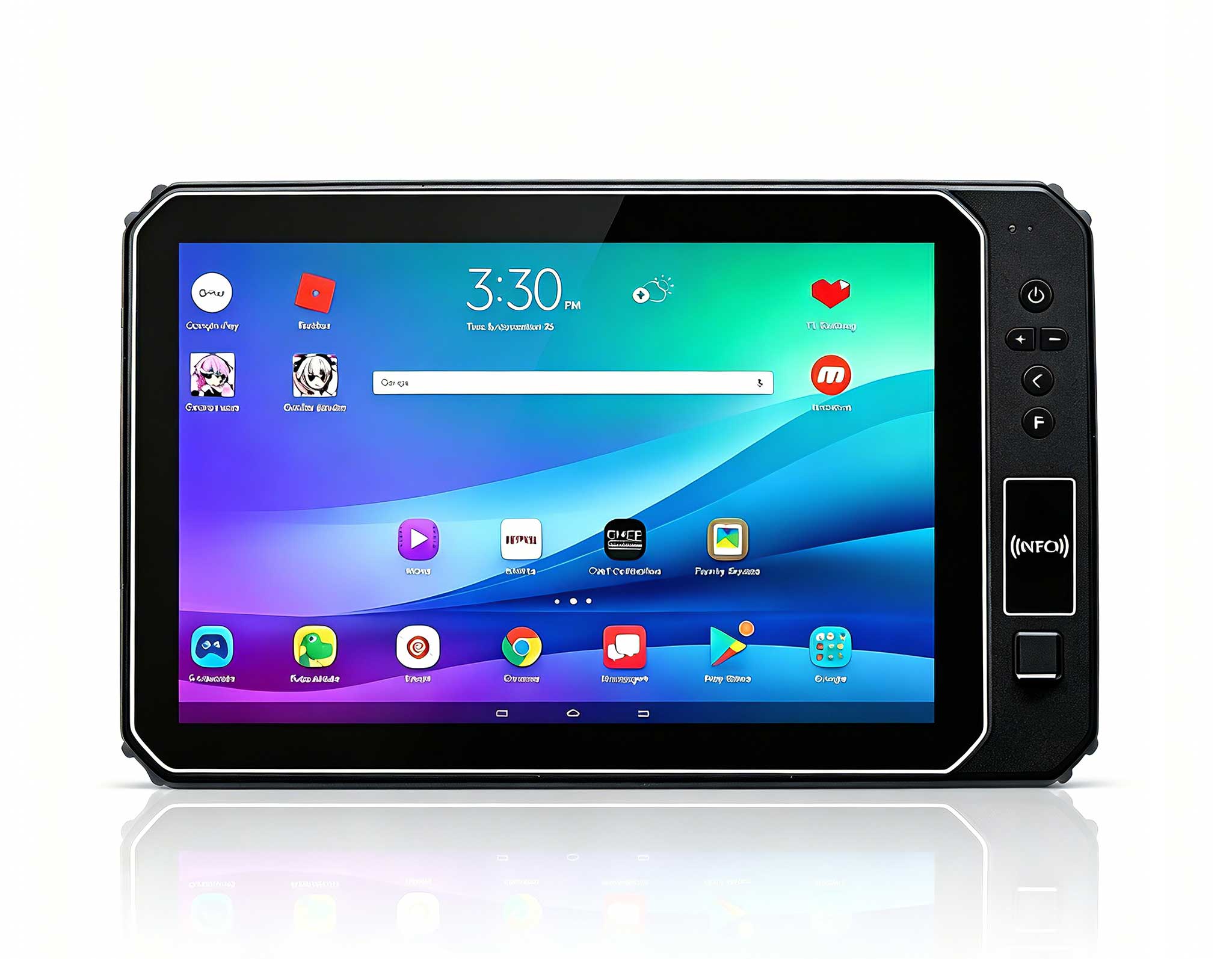
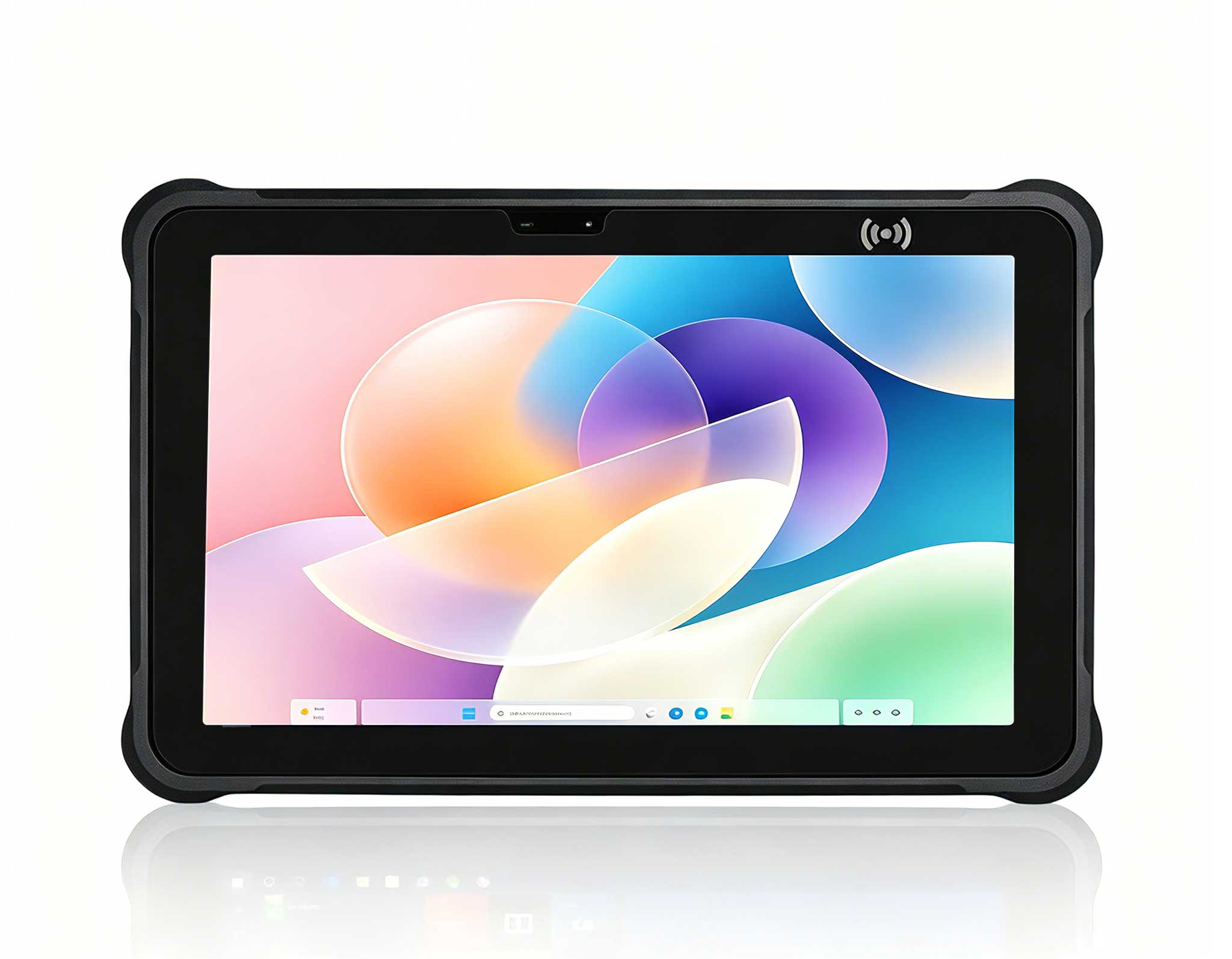
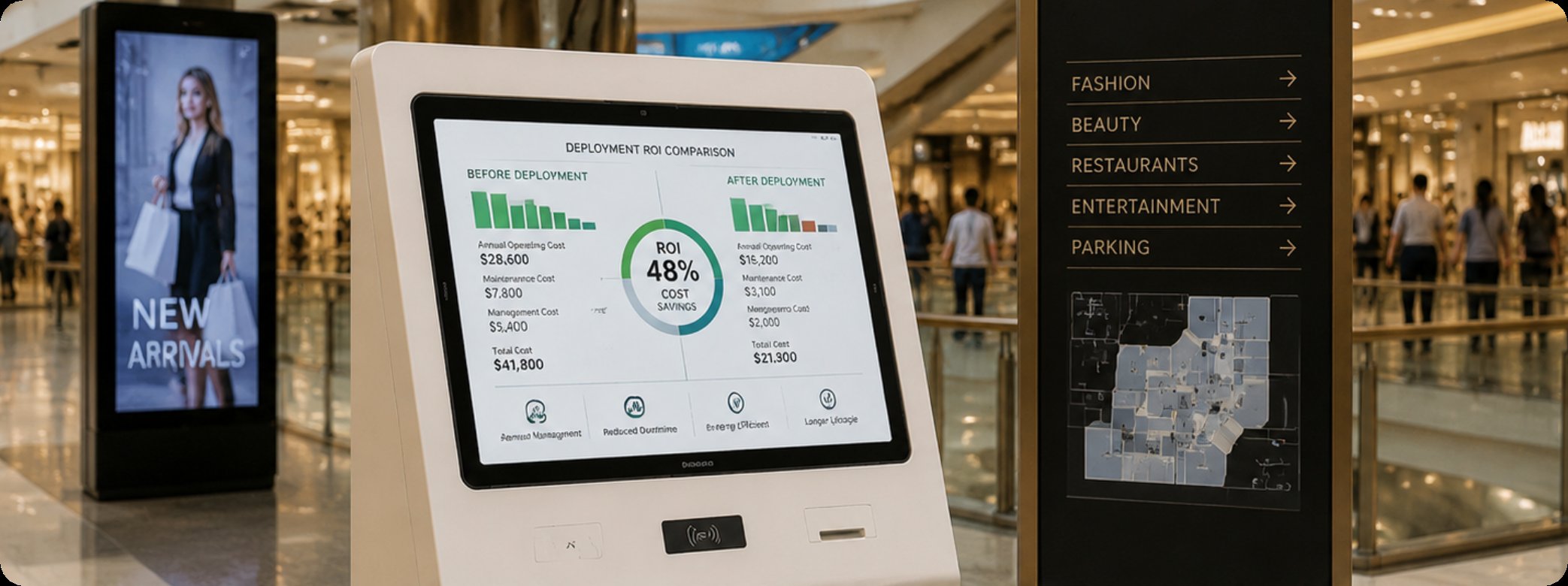
The HTXUK10A-55 is the first device I pull out of the bag for any high-traffic digital signage or self-service kiosk application. Its 10-inch display hits the sweet spot—large enough to show detailed menus, interactive directories, or wayfinding maps, but compact enough to fit inside a standard kiosk enclosure without forcing a custom build. What really makes this tablet stand out is its IP65 rating: fully sealed against dust and able to withstand low-pressure water jets. In a busy airport terminal, a retail store where staff wipe down surfaces every hour, or a food court near a cleaning station, that level of protection isn’t optional—it’s survival. I’ve personally seen a single splash of coffee take a standard tablet offline for three days. With the HTXUK10A-55, that risk disappears. It also handles a wide operating temperature range, so whether it’s mounted near a kitchen exhaust or inside an unheated outdoor kiosk, it keeps running. One of my clients runs a chain of self-checkout kiosks in convenience stores; after switching to the HTXUK10A-55, their hardware failure rate dropped by over 40% in the first quarter alone. That’s not just durability—that’s keeping your digital signage operational 24/7, which directly drives customer engagement and revenue.
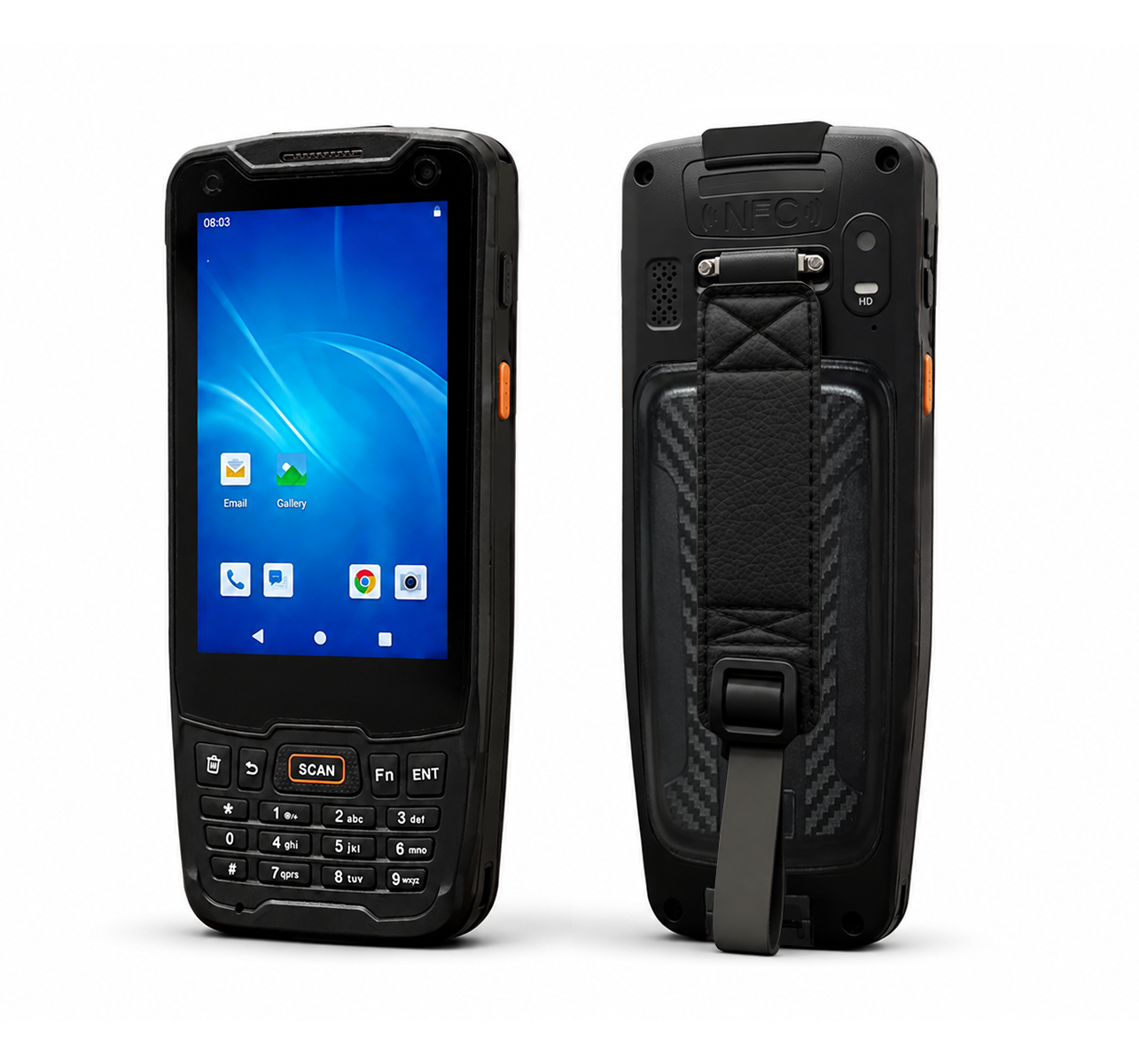
Not every digital signage or kiosk deployment is a permanent fixture. For trade shows, pop-up retail, or temporary information desks, you need hardware that’s both rugged and easy to move. The SH6 nails that balance. It’s noticeably lighter than most rugged tablets in its class, which means staff can relocate a kiosk from one end of a venue to another without breaking a sweat—or the device. I worked with a museum that used the SH6 for interactive exhibit guides. Visitors grabbed a tablet at the entrance, walked through the gallery, and returned it to a charging kiosk. The device survived dozens of accidental drops per day—no cracked screens, no downtime. The SH6 also comes with a built-in barcode scanner and NFC reader, making it a natural fit for self-service ticketing or check-in kiosks at events. From an ROI standpoint, the SH6 reduces the number of dedicated units you need. That same museum deployed 20 interactive kiosks using only 30 SH6 tablets, rotating them between charging stations and exhibit areas. They cut their initial hardware investment by 33% while keeping 100% uptime. That’s the kind of efficiency that shows up in your bottom line.
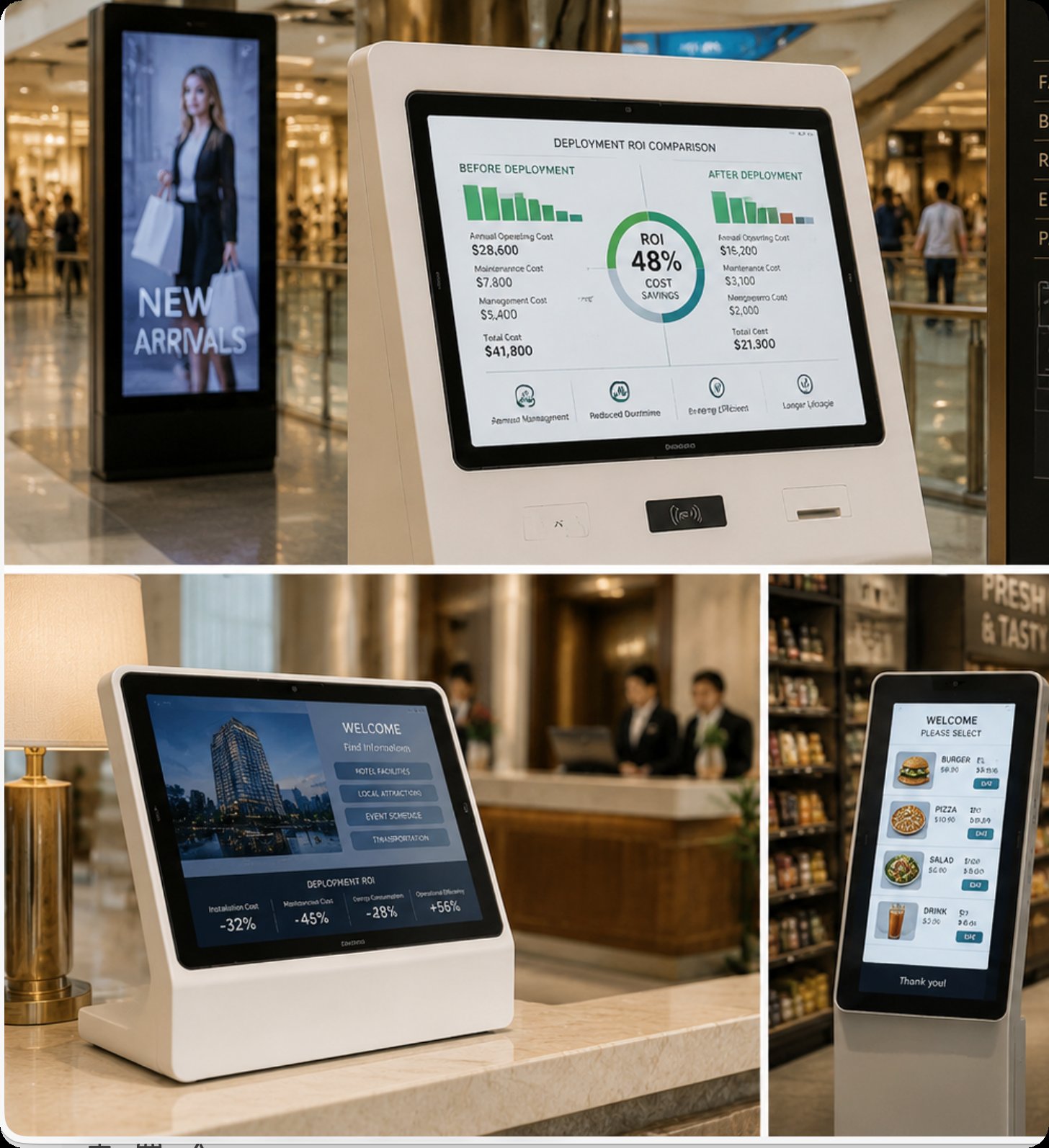
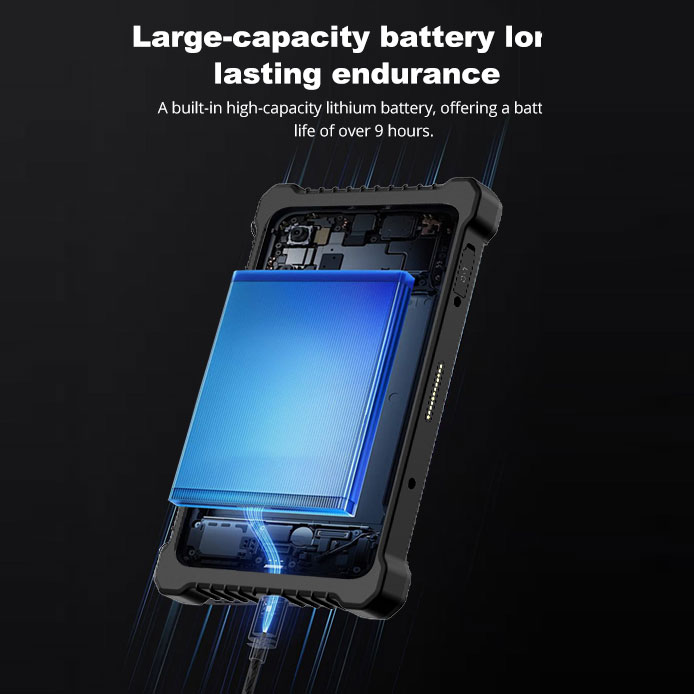
When an organization needs a single device to handle multiple kiosk functions—digital signage display, self-service ordering, data collection, even payment processing—the HTQ10A Android Rugged Tablet is the most versatile option I’ve tested. It runs on Android, which opens up a massive ecosystem of kiosk software, from simple slideshow apps to complex interactive ordering systems. The HTQ10A is also MIL-STD-810G certified, meaning it has passed military-grade tests for shock, vibration, and extreme temperatures. I’ve seen this tablet deployed in industrial cafeteria kiosks where it’s exposed to grease, heat, and constant tapping. It just keeps working. The real ROI driver here is the battery design: hot-swappable. You can swap batteries without ever powering down the device. In a 24-hour fast-food kiosk deployment, that feature alone saved the client over $2,000 per year in lost transaction revenue compared to a standard tablet that needed to be taken offline for charging. The Japan Digital Agency’s push for a fully digitized public infrastructure aligns perfectly with the HTQ10A’s capabilities—it’s built for the demanding, always-on requirements of a modern digital society.
When you’re evaluating which rugged tablet will deliver the best ROI for your specific digital signage or self-service kiosk project, focus on three things: environment, mobility, and software ecosystem. For permanent, high-traffic kiosks in harsh environments—like outdoor wayfinding or industrial self-service—the HTXUK10A-55 Rugged Tablet is the clear winner thanks to its superior dust and water protection. For deployments that require frequent relocation or handheld interaction, the lightweight SH6 offers the best balance of portability and durability. And for multi-function kiosks that need to run Android-based applications and support continuous operation, the HTQ10A Android Rugged Tablet is the most flexible choice. I always tell clients to start by auditing their current hardware failure rate and downtime costs. In many cases, switching to a rugged tablet pays for itself within six months through reduced replacement and maintenance expenses. If you’re planning a new kiosk deployment or upgrading an existing one, I encourage you to explore our dedicated digital signage kiosk solutions to see how these devices can transform your ROI. For more insights on optimizing your hardware stack, I also suggest you explore our mini PC solutions which complement these rugged tablets for a complete kiosk architecture.
In digital signage and self-service kiosk deployments, the hardware isn’t a commodity—it’s the foundation of your entire investment. Choosing a rugged tablet like the HTXUK10A-55, SH6, or HTQ10A Android Rugged Tablet isn’t a premium expense; it’s a strategic decision that eliminates hidden costs and maximizes uptime. The data is clear: rugged devices last longer, fail less, and deliver a measurable return on investment that consumer-grade hardware simply cannot match. As digital transformation accelerates across industries—from retail to government—the organizations that win are the ones that build their infrastructure on reliable, rugged hardware. I’ve seen firsthand how the HTXUK10A-55 Rugged Tablet series has turned struggling kiosk projects into profit centers. If you’re ready to stop replacing broken screens and start building a truly resilient digital signage network, now is the time to make the switch.
My take: I’ve been in the field long enough to know that the difference between a kiosk project that thrives and one that drains resources often comes down to a single decision—the hardware. Don’t let a cheap tablet undermine your digital strategy. Rugged isn’t a luxury; it’s the only sane choice for public-facing, 24/7 deployments.