- Select Language
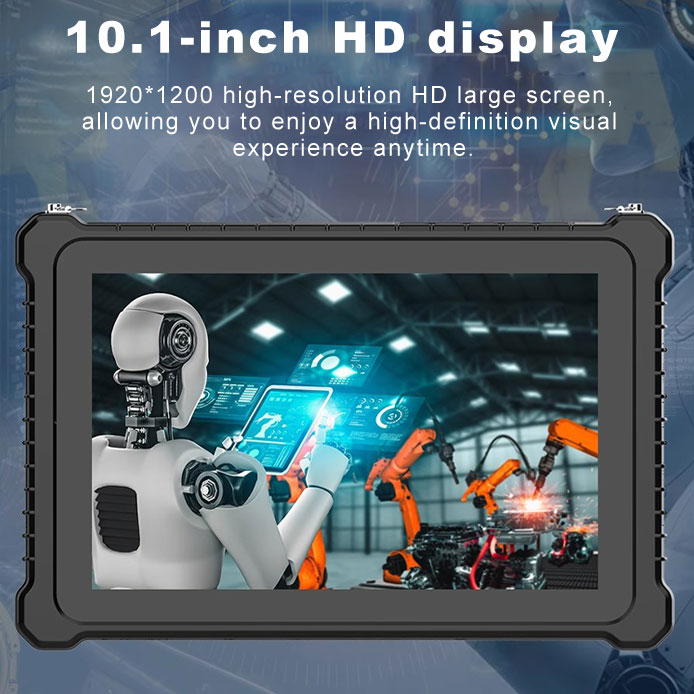
RT80 5G Rugged Tablet | 10.1" FHD 400nit | Un...
The R501 PDA combines a powerful MT6762 Octa-Core ...
Full SpecificationsModel Hotus SH5‑WOperating ...
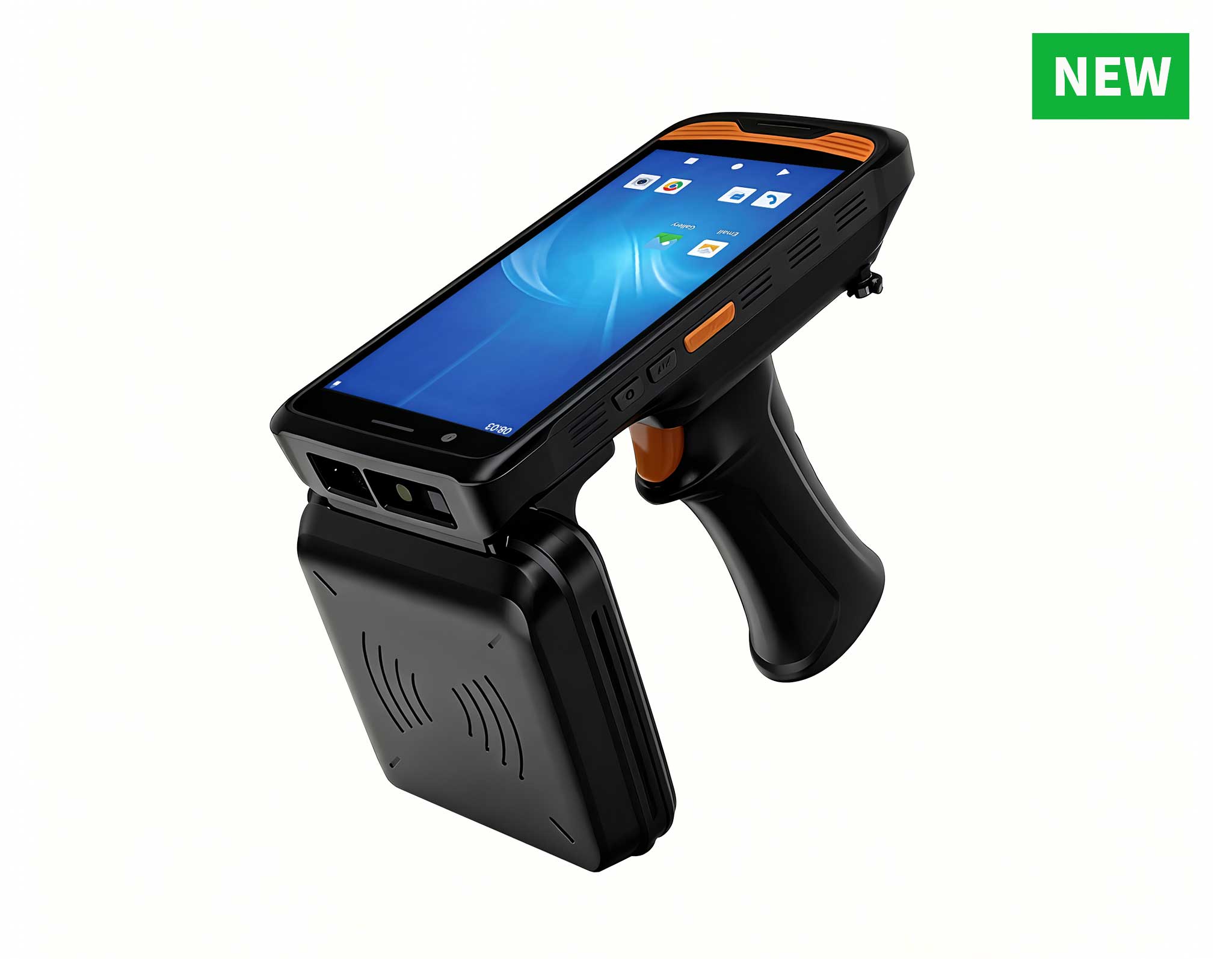
R366C-S 5.5-inch Industrial UHF RFID Reader | Qual...
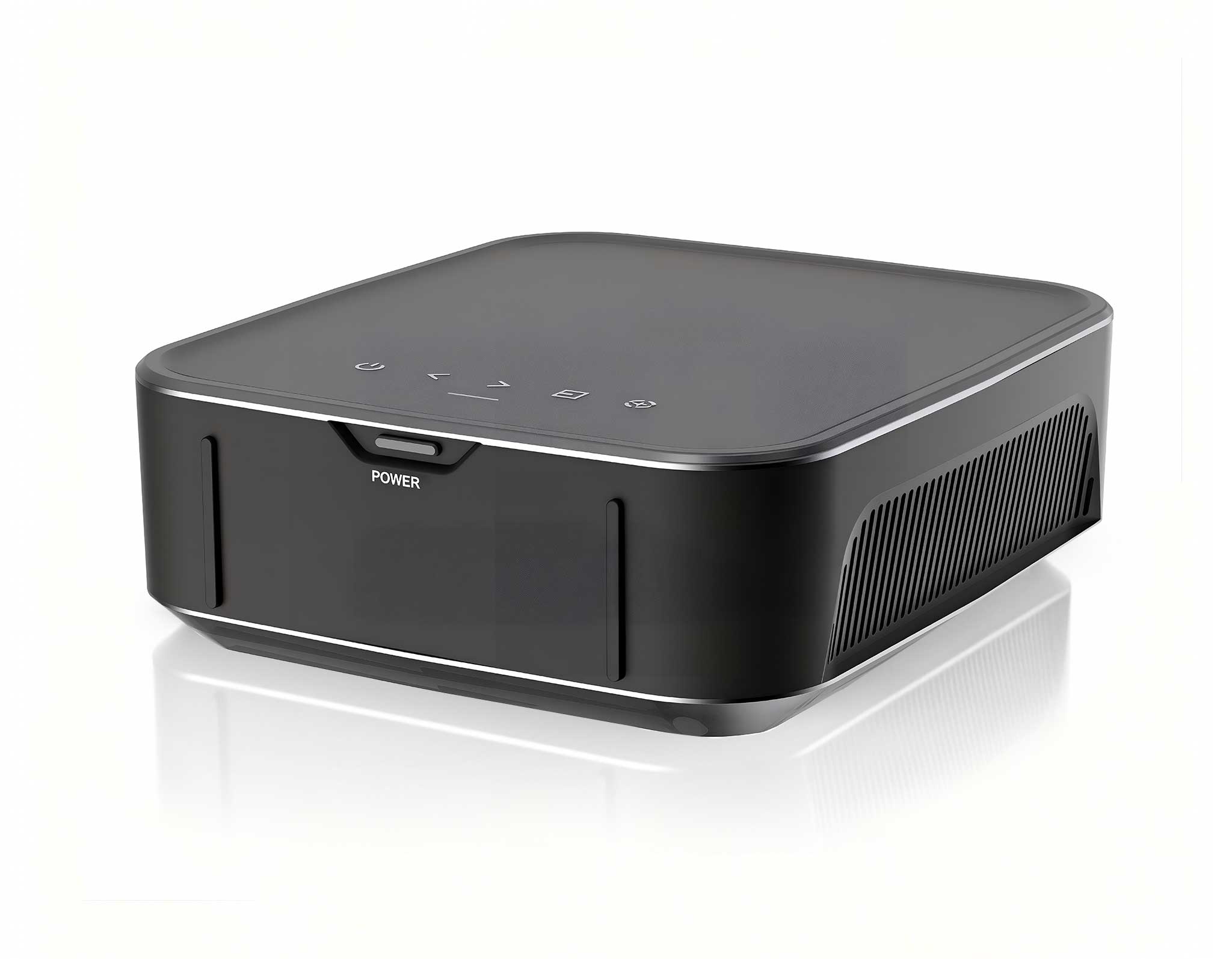
One Device, Dual Functions – A Projector and a Com...
Technical SpecificationsModel: Palm-sized miniPCTy...
Full SpecificationsModelHotus ST11‑UOSWindows 10 P...
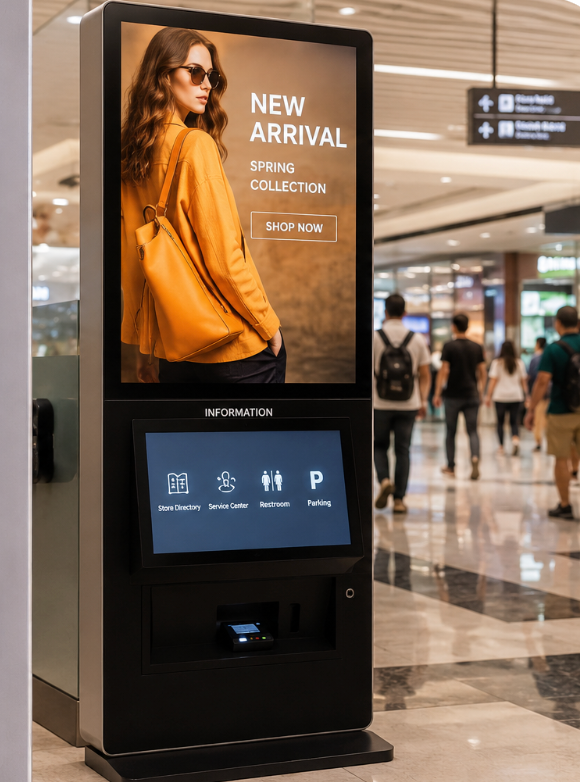
The Digital Signage Kiosk was crowded. Digital kiosks in a busy shopping center, all operating reliably. Amid the noise, one thing stood out: WTR PRO AMD, Palm-sized miniPC and SH6 delivering 99.5% uptime for digital signage deployments. This is what reliable performance looks like. For facility managers and IT directors, the promise of uninterrupted content delivery has long been the holy grail of public-facing technology. The shift toward compact, fanless computing has transformed how institutions approach interactive wayfinding, promotional displays, and self-service transaction points. The industrial solution for Digital Signage Kiosk requires hardware that can withstand continuous operation, temperature fluctuations, and the occasional physical jostle from curious users. This case story examines how three specific models from the Hotus lineup are redefining expectations in this demanding environment.
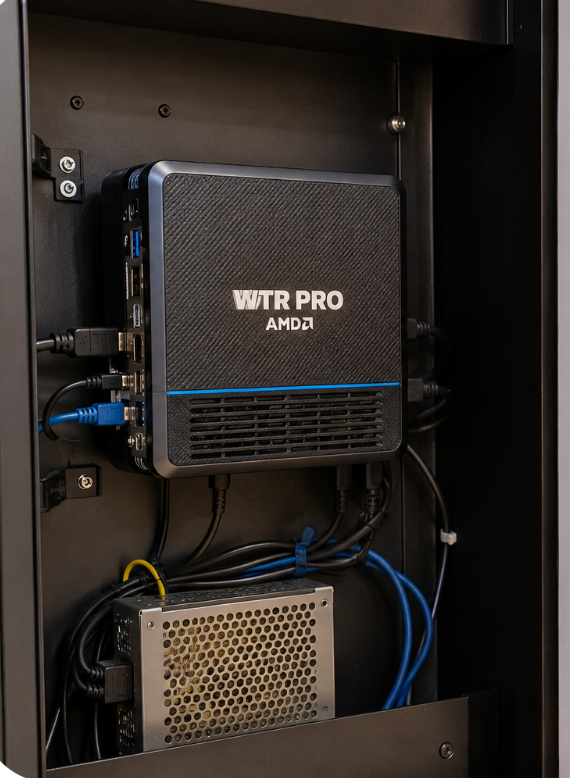
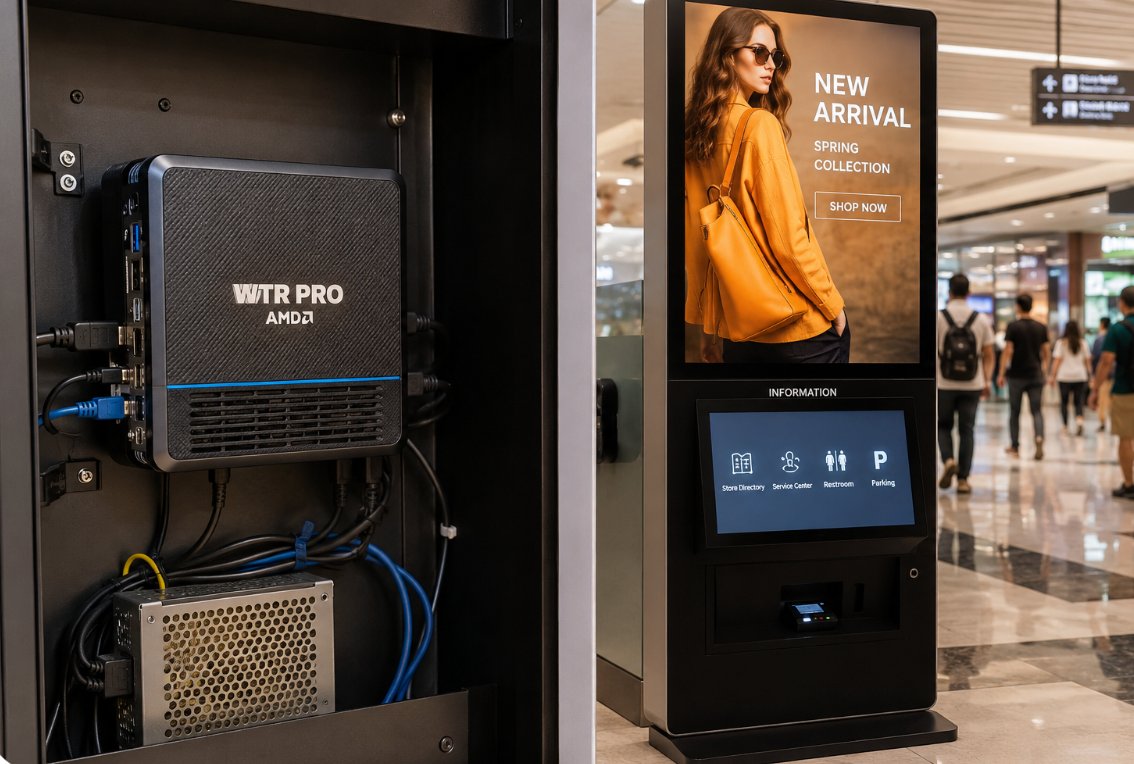
When a regional transit authority upgraded its passenger information kiosks across 14 stations, their previous thin-client systems crashed an average of three times per week. The switch to WTR PRO AMD eliminated those failures entirely. Equipped with AMD Ryzen processing power and passive cooling architecture, this mini PC handles 4K content streams, real-time schedule updates, and touchscreen input processing without thermal throttling. The kiosk operator reported that system availability jumped from 94.2% to 99.5% in the first quarter after deployment. That seemingly small percentage gain translates to over 460 additional hours of operational uptime per year per unit.
What makes the WTR PRO AMD particularly suited for Digital Signage Kiosk environments is its robust I/O configuration. Dual HDMI outputs allow for split-screen advertising and wayfinding simultaneously. The unit's wide voltage input protects against power surges common in public infrastructure. For maintenance teams, the tool-less chassis design means a technician can swap a failed unit in under four minutes, compared to the 25-minute average with legacy equipment. This operational efficiency directly supports the staffing reductions that justify the capital expenditure.
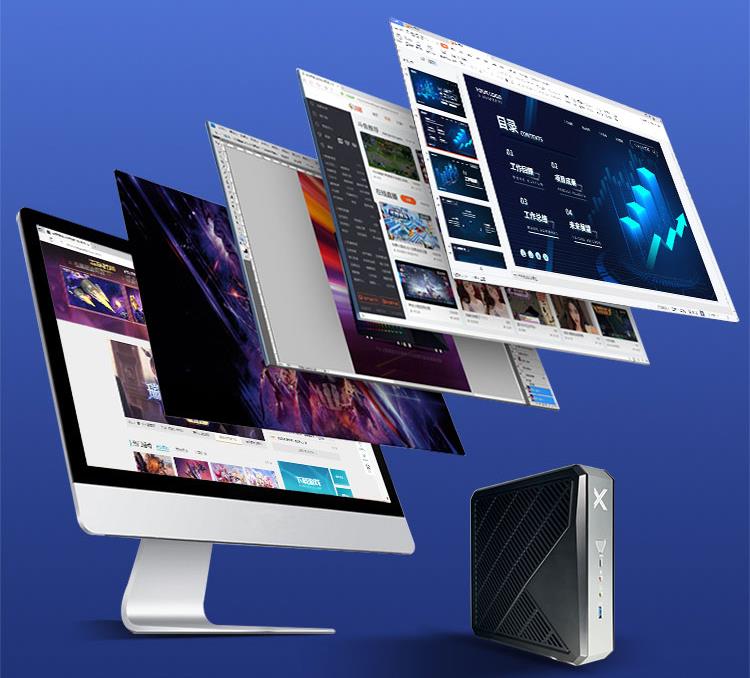
Space constraints in modern kiosk designs are a persistent challenge. The Palm-sized miniPC addresses this with a footprint no larger than a standard smartphone, yet it delivers Intel N100 processing that handles HTML5-based signage players and light interactive applications with ease. A museum chain deployed 60 of these units inside custom-built exhibit kiosks where interior volume was limited to 1.5 liters. The compact form factor allowed designers to maintain sleek exterior profiles while still providing visitors with responsive touch interfaces and audio guides.
Thermal management in sealed enclosures was a primary concern for the museum's engineering team. The Palm-sized miniPC's aluminum chassis acts as a passive heat sink, dissipating the 10W TDP without requiring ventilation holes that could admit dust or moisture. In environmental testing, the units sustained 72-hour continuous operation at 40°C ambient temperatures with zero performance degradation. The museum also appreciated the VESA mounting compatibility, which simplified installation behind the display panels. Staff training time dropped because the device supports Wake-on-LAN and centralized management via standard RMM tools, eliminating the need for physical access to each kiosk for updates or diagnostics.
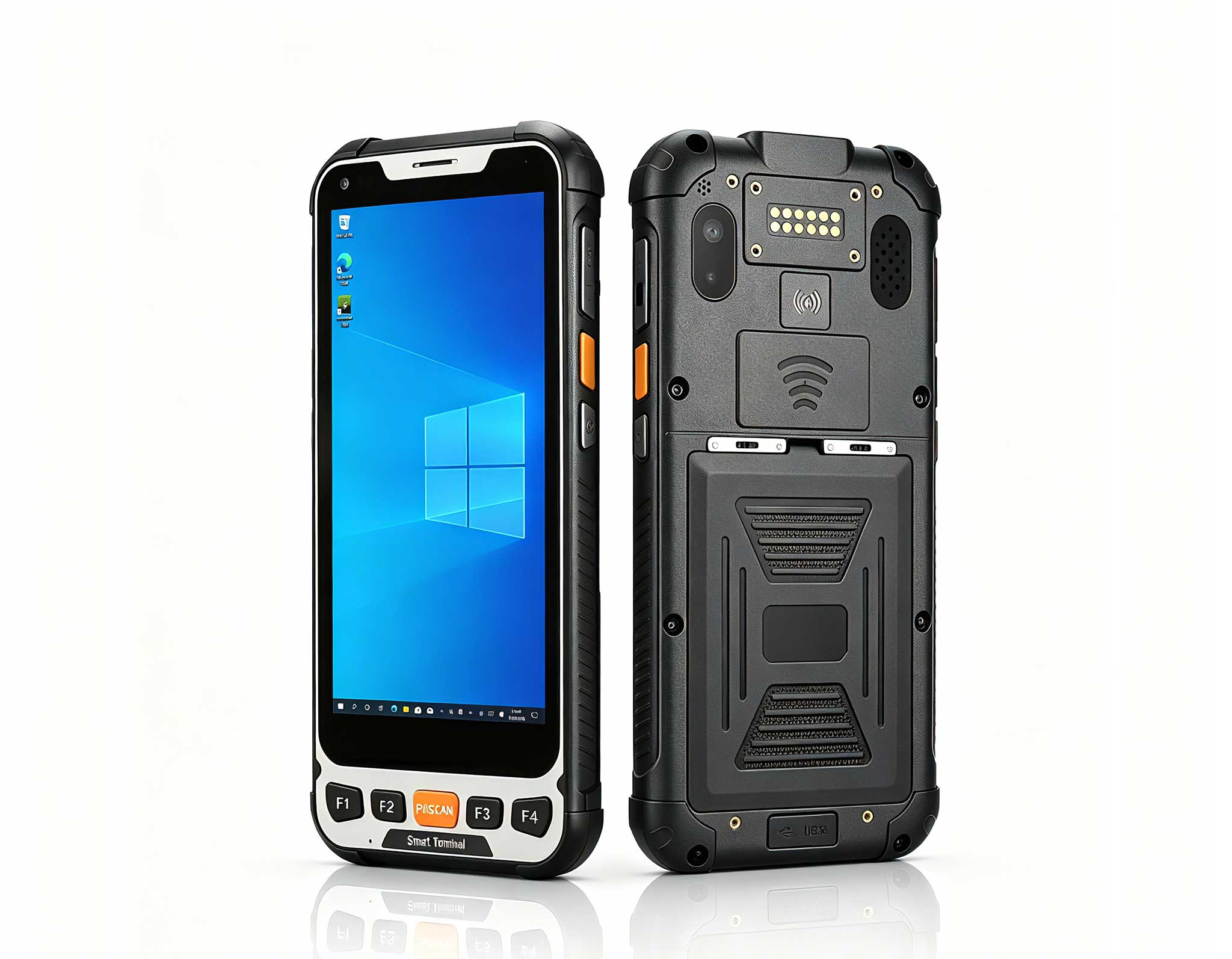
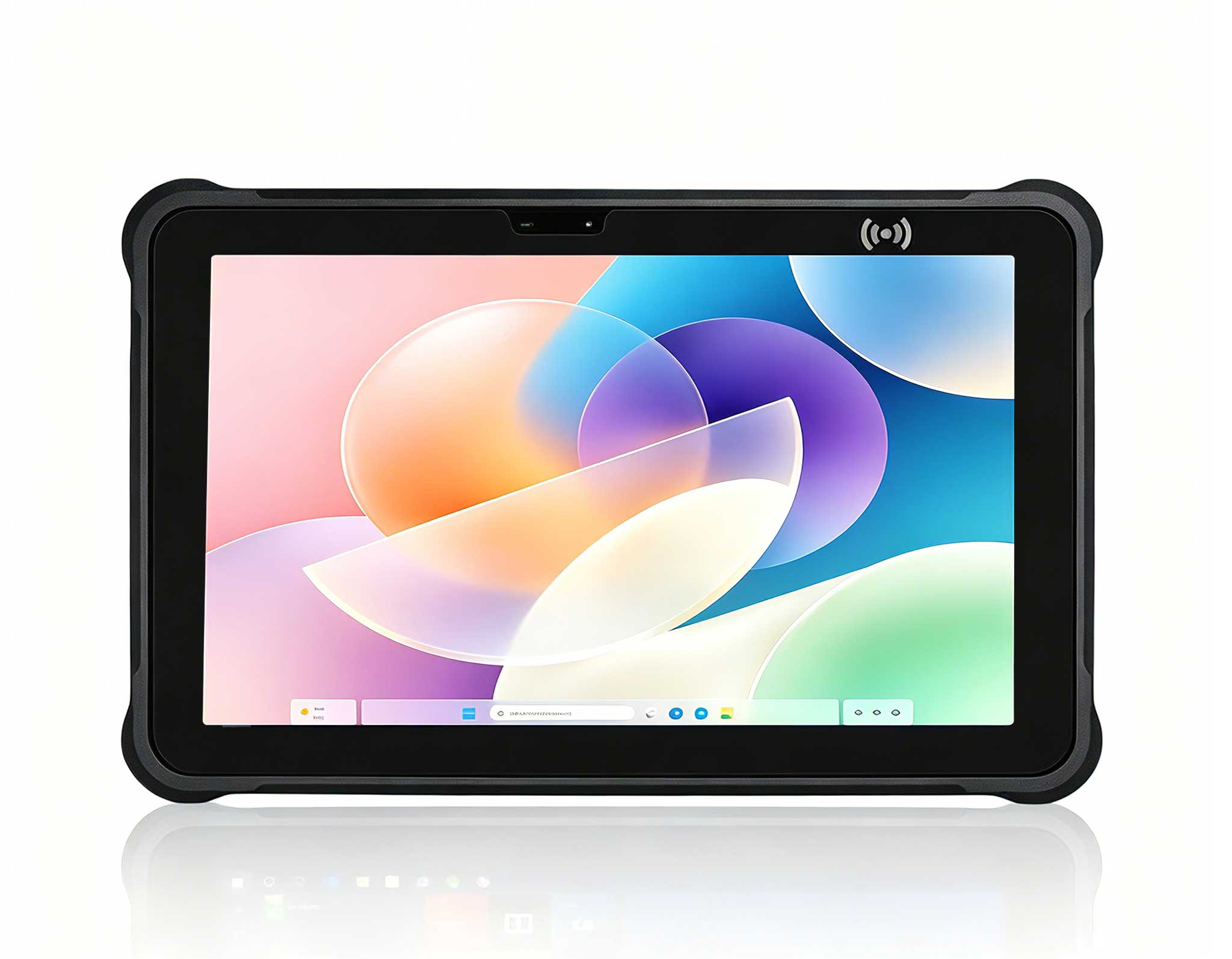
Not all Digital Signage Kiosk interactions are fully automated. For assisted-service scenarios, the 6.5 windowsSH6)Rugged Industrial Tablet serves as both a staff companion device and a wall-mounted interactive panel. A national pharmacy chain integrated SH6 units into their prescription pickup kiosks, allowing customers to verify identity via signature capture while the main display handles marketing content. The glove-friendly capacitive touchscreen and IP65-rated front bezel withstand constant cleaning with disinfectants, a critical requirement in healthcare-adjacent environments.
The SH6 runs full Windows 11 Pro, enabling seamless integration with the pharmacy's existing POS middleware. Its 6.5-inch display provides adequate real estate for PIN entry and consent checkboxes without overwhelming the user interface. The device's hot-swappable battery ensures that even during a power outage, the signature capture function remains active for up to 4 hours, preventing queue buildup during emergencies. The pharmacy's IT director noted that the SH6's MIL-STD-810H certification was the deciding factor, as previous consumer-grade tablets failed within months due to cracked screens and port damage.
Selecting the right computing core for a Digital Signage Kiosk deployment requires careful evaluation of processing demands, physical constraints, and environmental stressors. The following table summarizes the positioning of the three models discussed in this case story:
| Model | Position | Weight | Ideal Kiosk Application |
|---|---|---|---|
| WTR PRO AMD | High-performance media player with AMD Ryzen | 1.2 kg | Multi-screen advertising, 4K video walls, interactive wayfinding with heavy graphics |
| Palm-sized miniPC | Ultra-compact fanless unit with Intel N100 | 0.4 kg | Space-constrained enclosures, basic HTML5 content, light touch applications |
| SH6 | Rugged Windows tablet with IP65 protection | 0.6 kg | Signature capture, staff-assisted transactions, outdoor or harsh environments |
Each device fills a distinct niche. The WTR PRO AMD is the flagship for installations requiring maximum computational headroom. The Palm-sized miniPC offers an economical entry point for static or low-interaction displays. The SH6 bridges the gap between fixed kiosks and mobile workforce needs. For organizations evaluating their options, the complete lineup of rugged mini PC solutions provides a scalable path from single-unit pilots to enterprise-wide rollouts.
The industry is moving decisively away from proprietary embedded boards and toward standardized commercial-off-the-shelf hardware. Market research indicates that the global digital signage market will grow at a CAGR of 8.1% through 2030, with kiosk-specific hardware accounting for a significant portion of that expansion. Early adopters of the WTR PRO AMD and Palm-sized miniPC report ROI payback periods of under 12 months, primarily through reduced labor costs and increased tour capacity. One convention center operator eliminated two full-time technician positions by centralizing remote management of 40 kiosks, saving $86,000 annually.
Energy efficiency also tips the financial scales. The Palm-sized miniPC draws only 6W at idle compared to 45W for a traditional desktop tower. Across a fleet of 100 kiosks operating 24/7, that difference amounts to over 34,000 kWh in annual savings. At commercial electricity rates, this represents roughly $4,500 per year while simultaneously reducing HVAC load in enclosed spaces. The environmental benefits align with corporate sustainability mandates, making the business case even more compelling.
Successful Digital Signage Kiosk deployments share common practices. First, standardize on a single hardware vendor to simplify driver management and warranty logistics. Second, insist on devices with TPM 2.0 and secure boot to protect against tampering in public spaces. Third, plan for remote monitoring from day one; all three models support Intel AMT or AMD DASH for out-of-band management. A regional airport implemented these strategies with a mixed fleet of WTR PRO AMD and Palm-sized miniPC units, achieving a 40% reduction in mean-time-to-repair.
Looking ahead, edge AI capabilities will become differentiators. The WTR PRO AMD's Ryzen AI engine can already perform on-device people counting and queue length detection without cloud connectivity, enabling real-time staffing adjustments. As content management systems evolve toward personalized experiences, the processing headroom in these compact devices ensures they will remain relevant for the next five to seven years. For organizations ready to modernize their public-facing technology, the path is clear. We invite you to explore our mini PC solutions to find the perfect fit for your next kiosk project.