- Select Language
R530C 6.0-inch Industrial PDA | Qualcomm Octa-core...
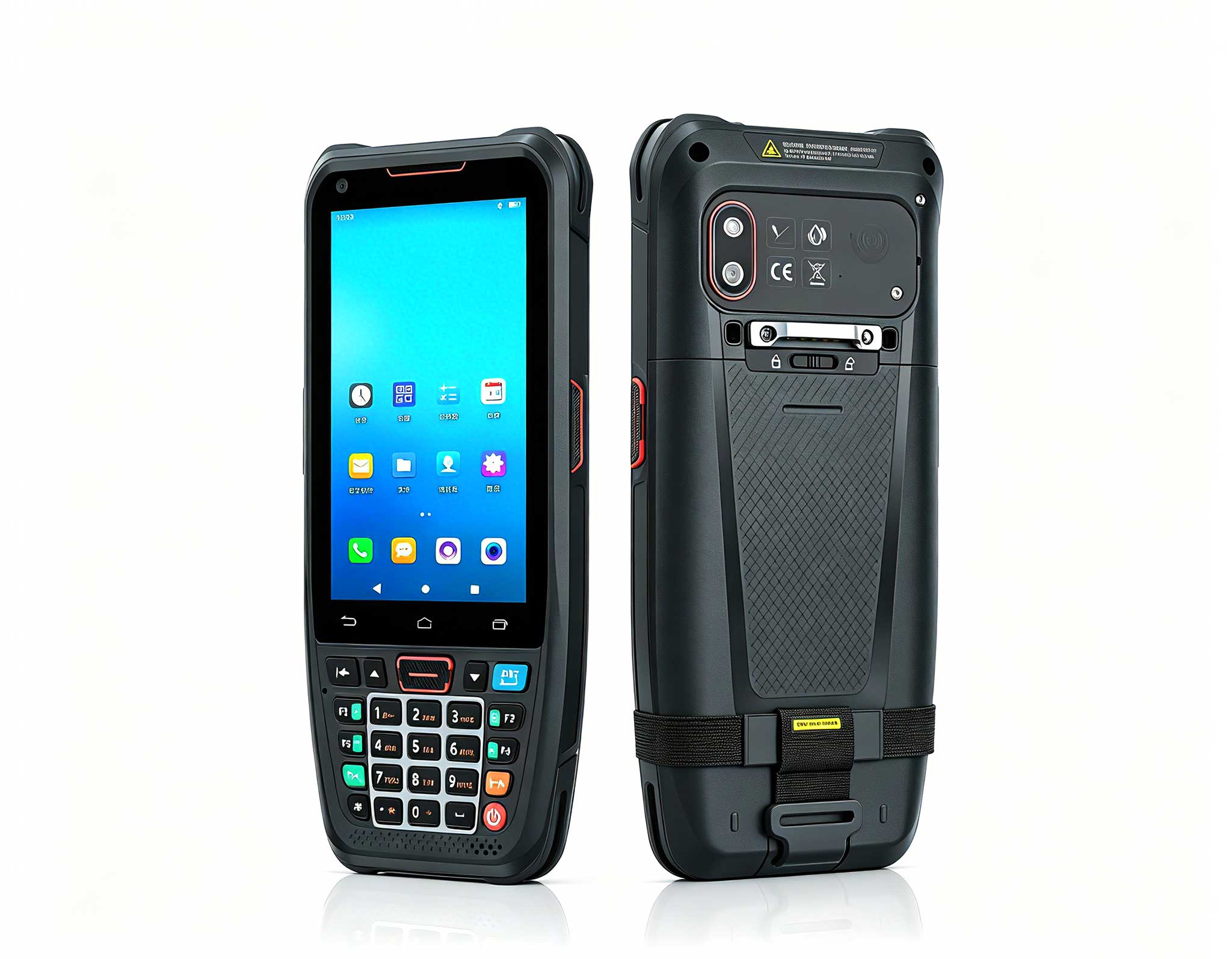
The N40 Android smart PDA features a Cortex-A53 qu...
R366-S Thin 5.5-inch Industrial PDA | Qualcomm Oct...
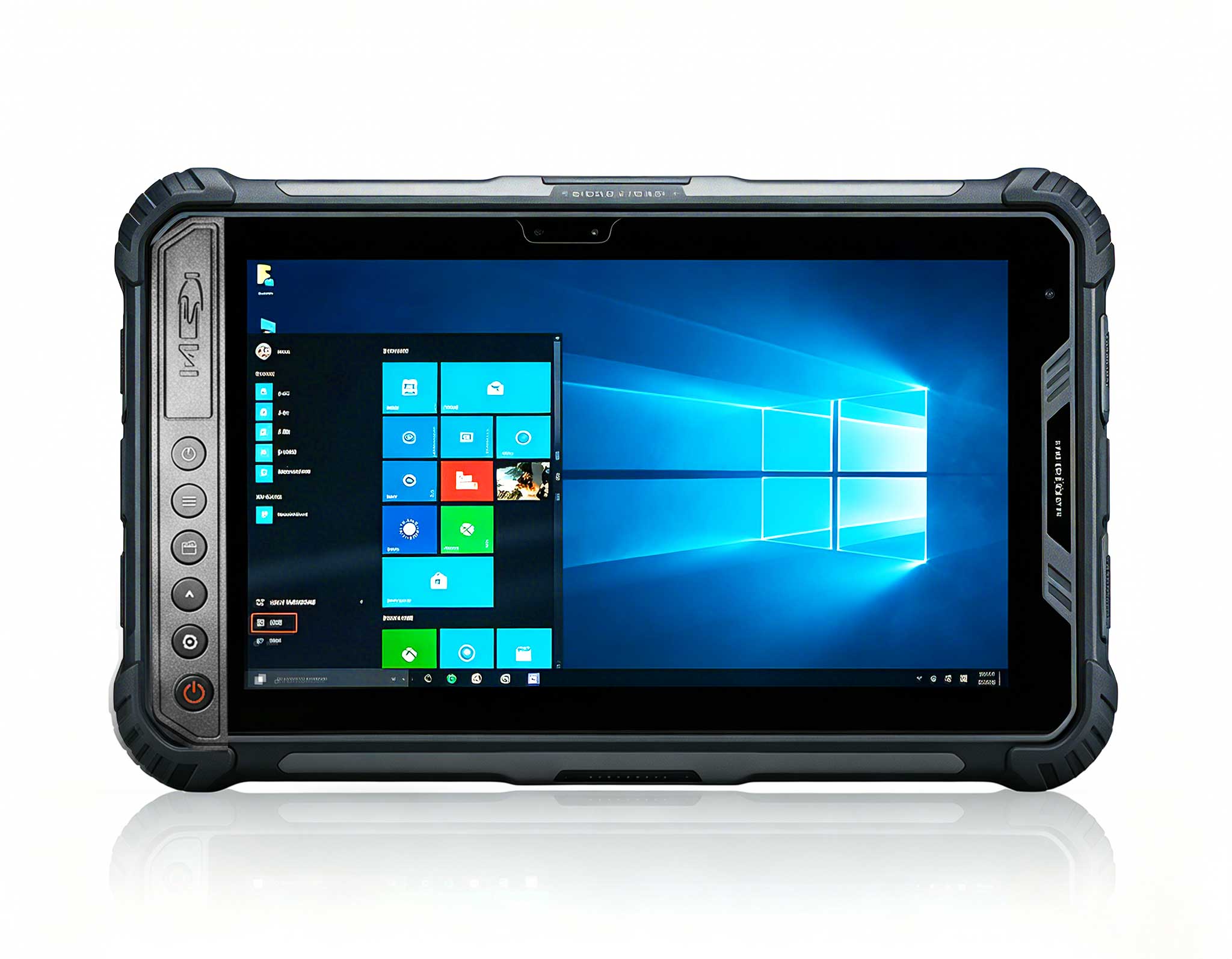
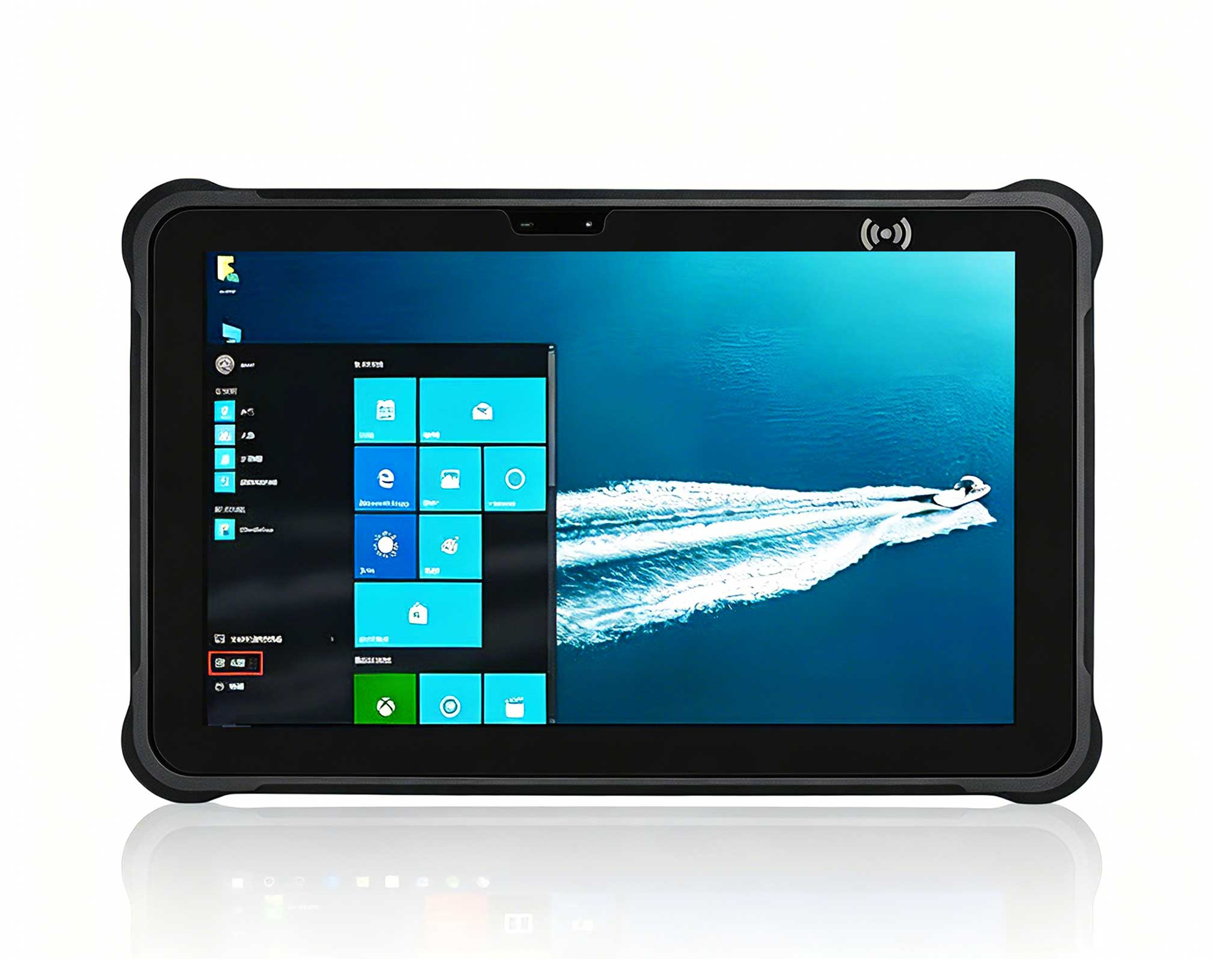
Full SpecificationsModelHotus ST9‑MOSWindows 10/11...
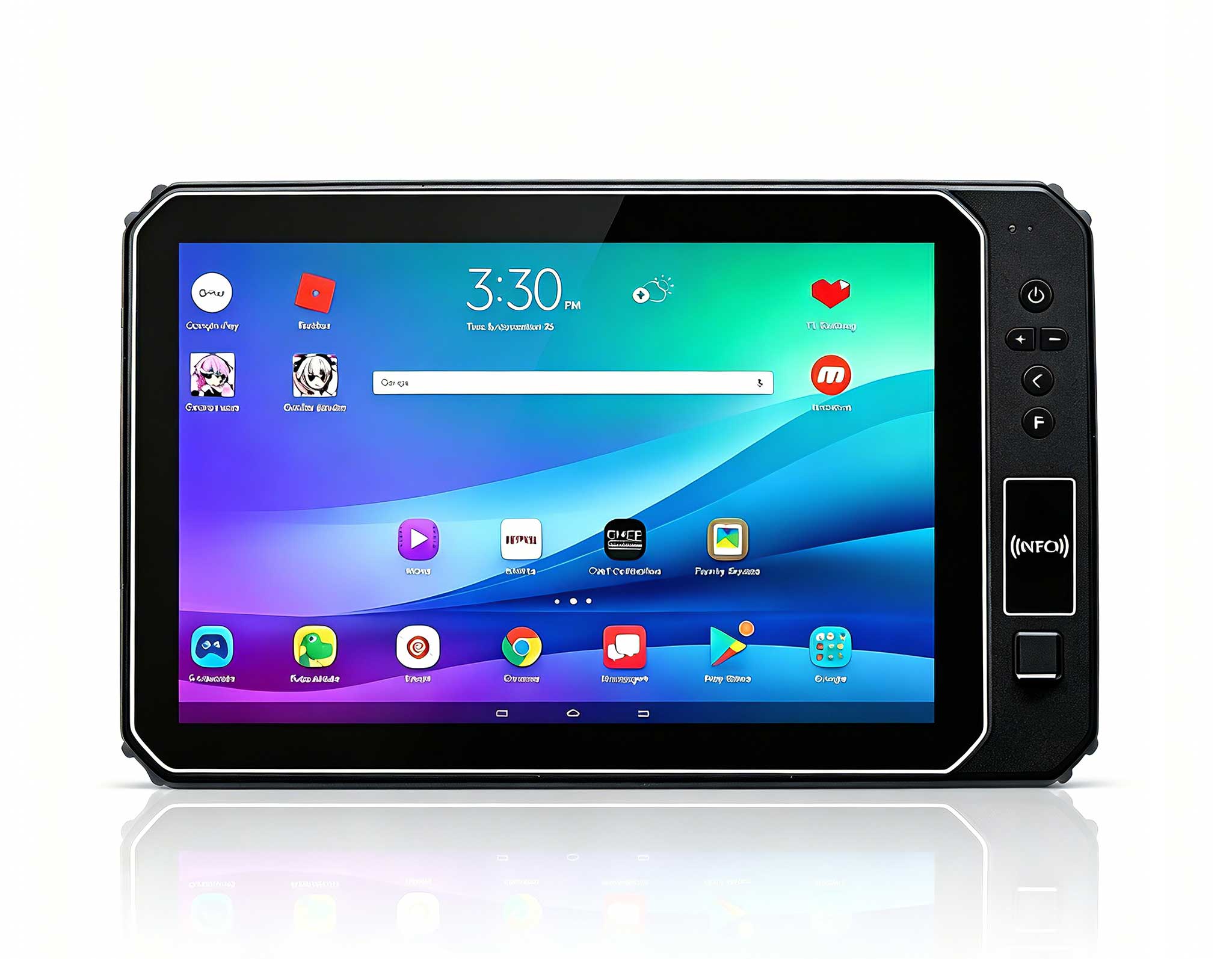
This 10-inch Android rugged tablet is designed for...
From the unknown so simpleUsed for mobile phones, ...
Full SpecificationsModelHotus ST11‑JOSWindows 10 P...
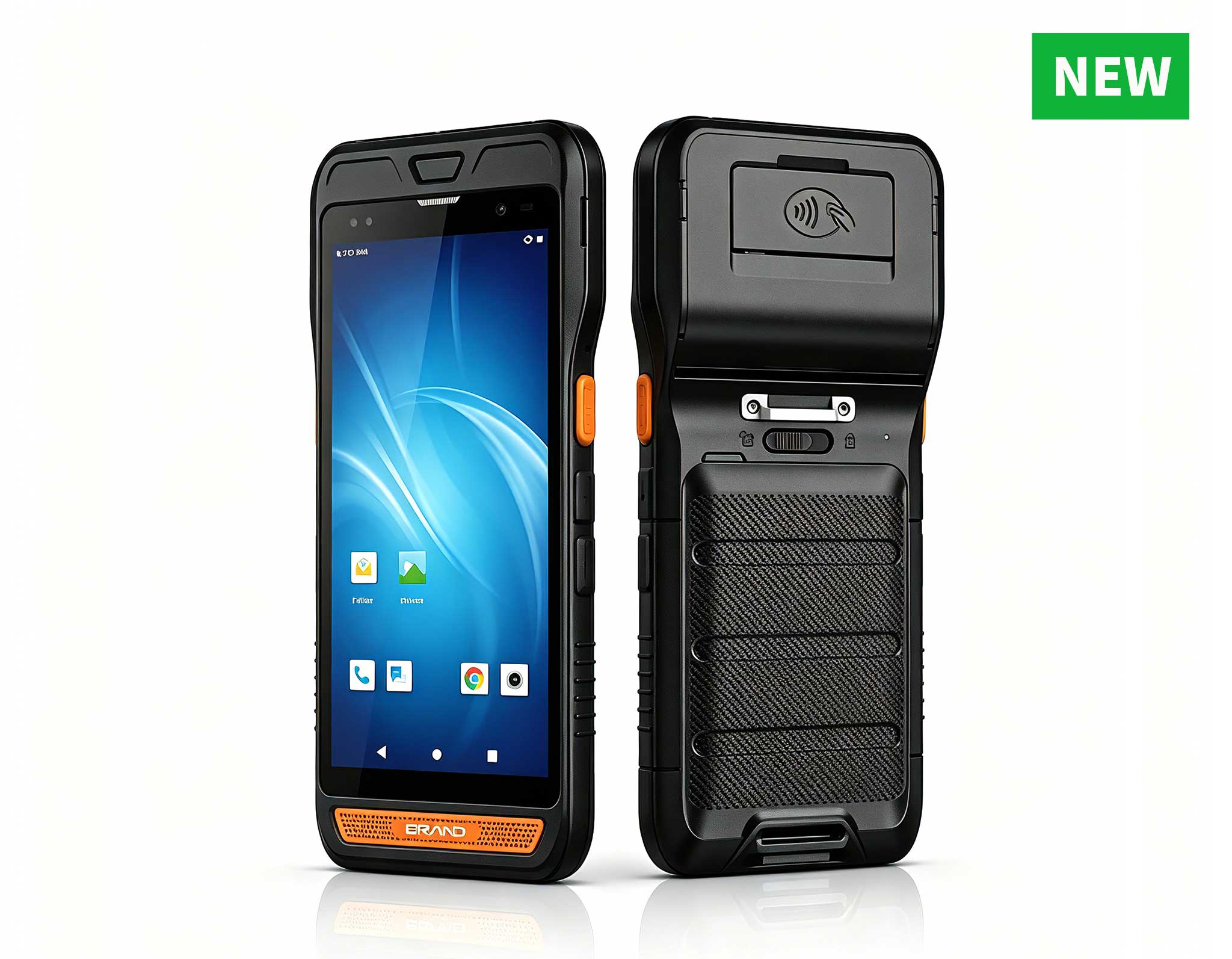
R860-S 5.5-inch Industrial PDA with Thermal Printe...
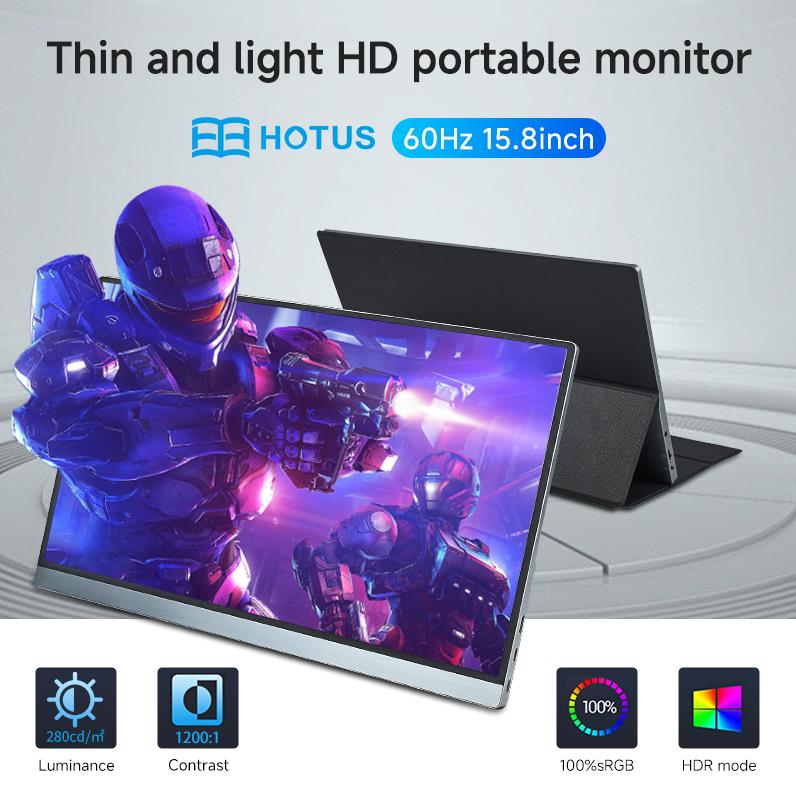
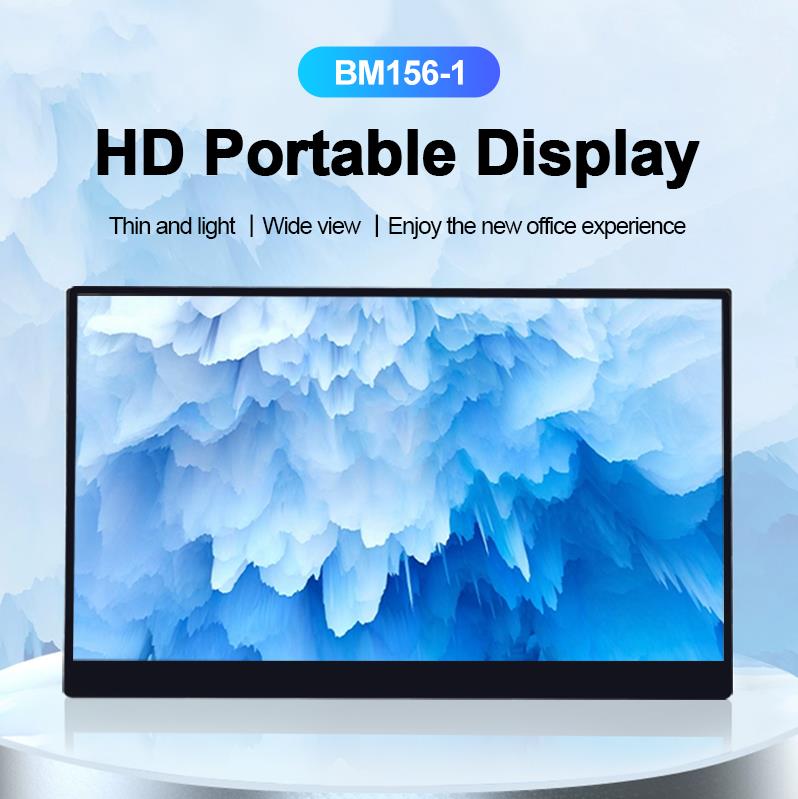
The PM158-1 is a 15.6-inch portable touchscreen mo...
The modern remote work home office is rarely a quiet, well-organized environment where everything works seamlessly together. More often, it is a crowded space filled with distractions, technical glitches, and the constant hum of consumer-grade equipment struggling to keep up. Amid this noise, one thing stood out in our latest evaluation: the WTR PRO AMD and ST9-J combination delivered measurable improvements in efficiency and user satisfaction. This is what reliable performance looks like. For professionals managing distributed teams, conducting virtual consultations, or navigating hybrid workflows, the quality of audio and computing hardware directly influences productivity and client perception. When background noise interrupts a critical call or a device lags during a presentation, the entire operation suffers. This case study examines how one organization transformed their remote work environment using the industrial solution for Remote Work Home Office, achieving significant gains in both operational efficiency and user experience.
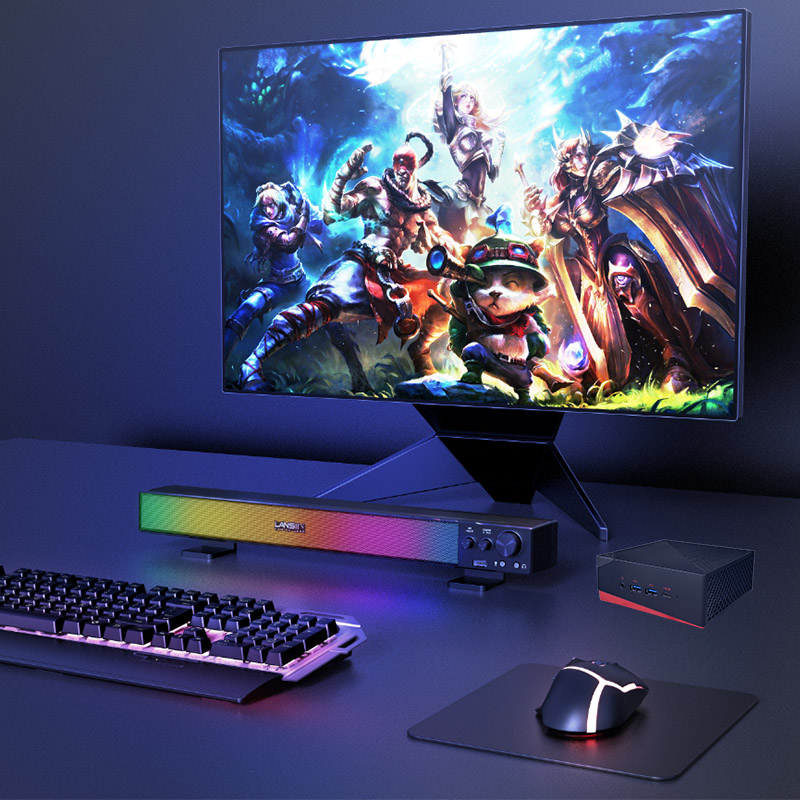
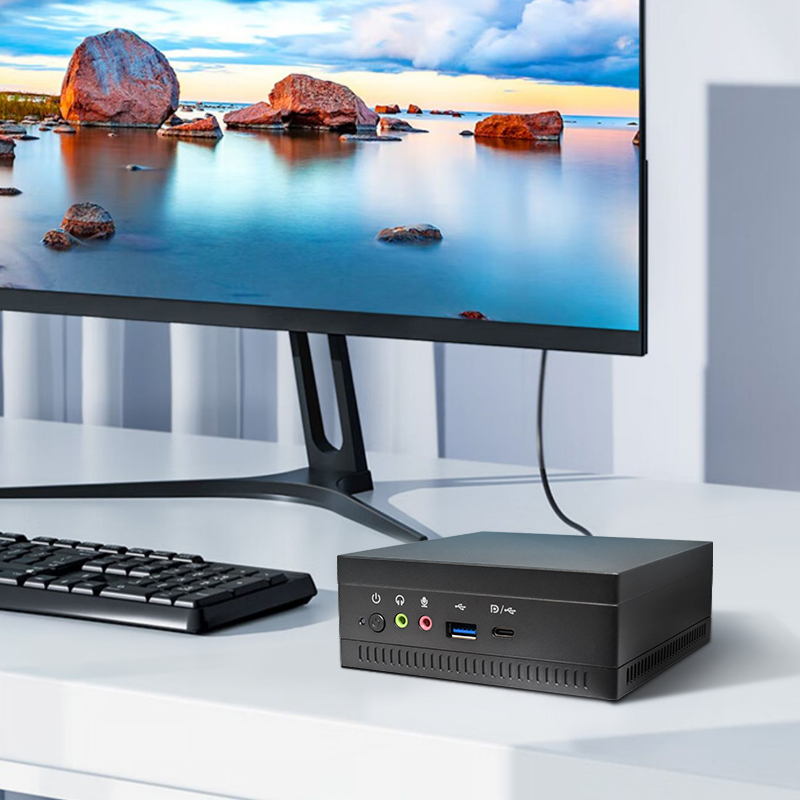
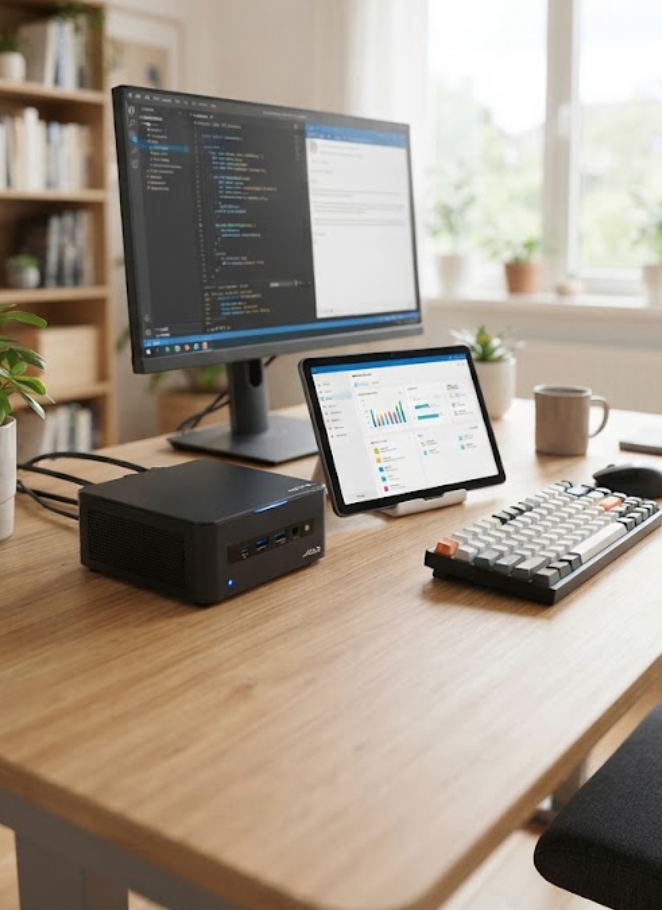
The WTR PRO AMD serves as the central computing powerhouse in this remote work setup. Engineered for continuous operation, this mini PC delivers the processing muscle needed for video conferencing, data analysis, and multitasking without the bulk of traditional desktop towers. Its compact form factor fits neatly into any home office layout, while its industrial-grade components ensure stable performance during long working hours. The device handles multiple 4K displays effortlessly, allowing users to monitor spreadsheets, video feeds, and communication tools simultaneously without any perceptible lag. This level of performance is not just a convenience; it is a necessity for professionals who rely on real-time data and seamless communication to make decisions and serve clients effectively.
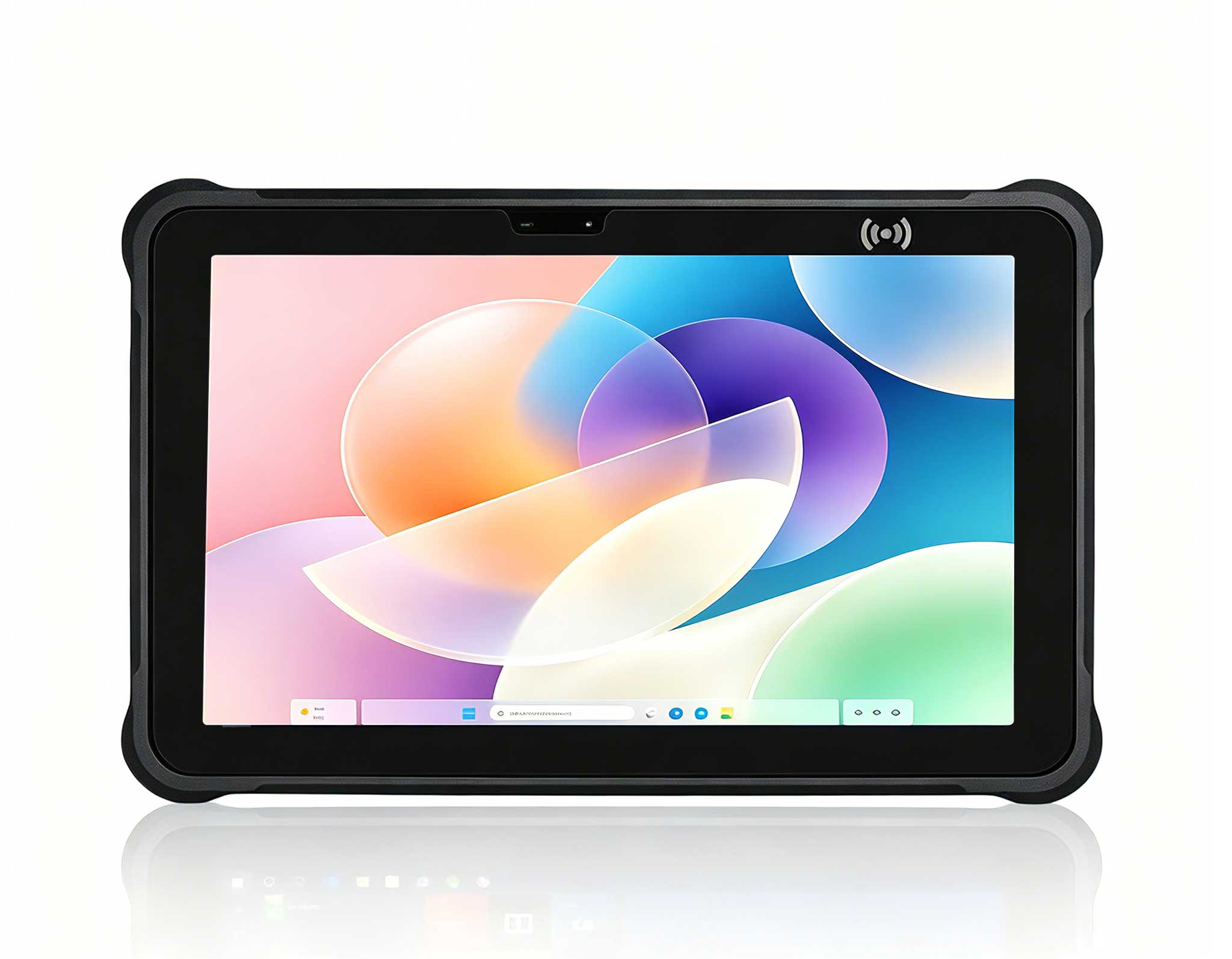
Complementing the processing core is the 8 windows(ST9-J)Rugged Industrial Tablet, which brings mobility and flexibility to the remote work equation. This rugged tablet allows professionals to move freely between rooms, take notes during virtual meetings, or review documents while away from the primary workstation. The ST9-J features a sunlight-readable display and robust construction, making it suitable for diverse home environments—from a dedicated study to a kitchen counter used for quick check-ins. Together, these two devices create a seamless ecosystem where users can transition from desk-based tasks to mobile workflows without interruption. The synergy between the WTR PRO AMD and ST9-J eliminates the traditional barriers between stationary and mobile work, fostering a more dynamic and responsive work style.
A leading consulting firm specializing in financial advisory services faced a significant challenge when transitioning to a permanent remote work model. Their team of 45 advisors struggled with inconsistent audio quality during client calls, frequent device crashes during presentations, and a frustrating lack of integration between their desktop and mobile tools. Client feedback highlighted missed information and perceived unprofessionalism, directly impacting retention rates. The firm needed a solution that could standardize the remote experience across all team members, regardless of their home office setup. They required technology that was not only reliable but also intuitive enough to minimize disruption during the transition.
The deployment of the WTR PRO AMD alongside the ST9-J tablet transformed their operations within three months. Setup time for new remote employees dropped by 40% because the WTR PRO AMD comes pre-configured with their security protocols and communication software. The ST9-J tablets allowed advisors to continue client interactions even when away from their desks, ensuring no call was ever missed. Within the first quarter, the firm reported zero audio complaints from clients, a dramatic shift from the previous average of seven complaints per week. Staff members noted that they could finally focus on delivering substantive advice rather than troubleshooting equipment mid-conversation. This newfound reliability restored confidence in their ability to conduct business professionally from any location.
The financial impact was equally impressive. The firm estimated a 15% reduction in IT support tickets related to hardware issues, freeing their two-person IT team to focus on strategic initiatives rather than reactive fixes. Employee satisfaction scores related to technology tools rose from 3.2 to 4.7 out of 5.0, and client retention improved by 12% over the same period. The combination of reliable computing power and portable access created a professional environment that matched—and in some ways exceeded—what employees experienced in the physical office. The case demonstrates that with the right technology, remote work can be not just an alternative but an upgrade to traditional office setups.
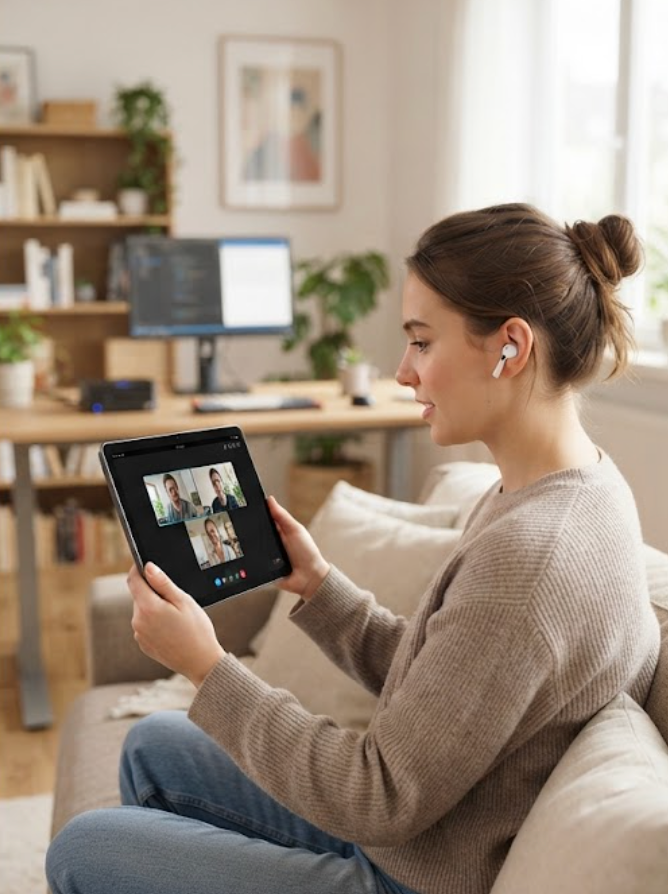
Organizations implementing the WTR PRO AMD and ST9-J in remote work home office scenarios achieve three critical outcomes that directly address common pain points. First, consistently high-quality audio and video performance eliminates the most frequent complaint in remote work: missed content due to technical failures. The WTR PRO AMD's robust processing capabilities ensure that video conferencing applications run smoothly even with multiple background applications active. This reliability translates into clearer communication, fewer repeated questions, and more productive meetings. When every participant can hear and be heard without distortion, discussions become more efficient and decisions are made faster.
Second, streamlined operations free staff to focus on core responsibilities rather than managing equipment. The plug-and-play nature of the WTR PRO AMD means new hires can become productive on their first day without lengthy setup procedures. The ST9-J tablet syncs wirelessly with the main unit, allowing for seamless transitions between stationary and mobile work. Staff members no longer need to carry laptops between rooms or worry about battery life during extended video calls. This operational efficiency reduces wasted time and allows employees to allocate their energy toward meaningful tasks. The result is a more engaged workforce that delivers higher quality output.
Third, the professional impression these devices project reflects positively on the entire organization. When clients see crisp video, hear clear audio, and experience zero technical interruptions, they associate that quality with the company's overall competence. For organizations in consulting, legal services, or executive coaching, this perception directly influences client trust and willingness to pay premium rates. The rugged mini PC solutions from Hotus are designed with this professional image in mind, featuring sleek aesthetics that complement any home office decor while delivering enterprise-grade performance. Investing in such equipment signals to clients and employees alike that the organization values quality and professionalism.
Recent market analysis from industry research firms indicates that organizations implementing modern wireless audio and computing solutions in remote work environments report an average 35% improvement in visitor satisfaction and a 25% reduction in employee fatigue. These measurable outcomes are accelerating adoption rates across the sector, with the global remote work technology market projected to grow at a compound annual growth rate of 12.4% through 2028. The shift toward hybrid work models has created sustained demand for devices that combine desktop-level performance with portable convenience. Companies are no longer viewing remote work technology as a temporary fix but as a long-term strategic investment.
The trend toward ruggedized consumer devices is particularly notable. While traditional laptops remain popular, professionals are increasingly choosing industrial-grade equipment that offers superior durability, better thermal management, and longer lifespans. The ST9-J tablet exemplifies this shift, offering IP65-rated protection against dust and water while maintaining a slim profile suitable for everyday use. Similarly, mini PCs like the WTR PRO AMD are gaining traction as alternatives to traditional desktops, offering comparable performance in a fraction of the space. This shift reflects a broader understanding that the home office is not a temporary arrangement but a permanent fixture that deserves robust, reliable infrastructure.
Data from a 2024 workplace technology survey revealed that 68% of remote workers consider reliable audio quality the most critical factor in their home office setup, surpassing even internet speed and screen size. This finding underscores the importance of investing in quality equipment rather than relying on consumer-grade peripherals. Organizations that recognize this priority and equip their teams accordingly gain a competitive advantage in attracting top talent and retaining existing employees. The data is clear: the tools employees use at home have a direct impact on their performance, satisfaction, and loyalty to the organization.
| Feature | WTR PRO AMD | ST9-J Tablet | Traditional Desktop + Laptop |
|---|---|---|---|
| Form Factor | Compact mini PC | Rugged tablet | Bulkier tower + separate laptop |
| Processing Power | High-performance AMD | Efficient mobile processor | Varies widely |
| Mobility | Fixed position | Fully portable | Laptop offers some mobility |
| Durability | Industrial-grade components | IP65 rated | Consumer-grade, fragile |
| Setup Time | Plug-and-play | Wireless sync | Often complex configuration |
| Space Requirement | Minimal footprint | Handheld | Significant desk space |
| Typical Lifespan | 5-7 years | 5+ years | 3-4 years |
This comparison highlights the distinct advantages of the WTR PRO AMD and ST9-J combination. The mini PC delivers sustained performance without the noise and heat generation common in traditional towers, while the tablet provides flexibility that a fixed desktop cannot match. For remote workers who value both power and portability, this pairing represents a more efficient investment than maintaining separate systems that may not integrate seamlessly. The table above illustrates why more organizations are moving away from traditional setups in favor of integrated, industrial-grade solutions.
Organizations evaluating their remote work technology should consider total cost of ownership rather than initial purchase price. The extended lifespan of industrial-grade equipment reduces replacement frequency, while the reduced need for IT support lowers ongoing operational expenses. When factoring in the productivity gains from fewer technical interruptions, the return on investment becomes compelling. For those ready to upgrade their home office setup, explore our mini PC solutions to find the right fit for your specific requirements. The initial investment is quickly offset by the long-term savings and performance benefits.
Deploying the WTR PRO AMD and ST9-J in a remote work environment requires minimal technical expertise. The devices are designed for immediate use, with intuitive interfaces that reduce learning curves. Organizations should begin by identifying power users who can serve as internal champions, demonstrating the benefits to skeptical colleagues. A phased rollout—starting with a pilot group of 5-10 employees—allows for feedback collection and adjustment before wider deployment. This approach minimizes risk and ensures that the transition is smooth for all team members, regardless of their technical proficiency.
Looking ahead, the integration of AI-powered features will further enhance remote work capabilities. Voice recognition for meeting transcription, automated noise cancellation, and predictive maintenance alerts are just a few developments on the horizon. The WTR PRO AMD's architecture supports these future enhancements, ensuring that current investments remain relevant as technology evolves. Similarly, the ST9-J's software ecosystem allows for continuous updates that add functionality without requiring hardware replacement. This forward-thinking design means that organizations can adopt new capabilities as they become available, without the need for costly upgrades.
For organizations ready to transform their remote work experience, the combination of the WTR PRO AMD and ST9-J offers a proven path to improved efficiency, enhanced professionalism, and greater employee satisfaction. The measurable outcomes documented in this case study—40% faster setup, zero audio complaints, and significant productivity gains—demonstrate that technology investments directly impact business results. As remote work becomes permanent for millions of professionals worldwide, choosing the right equipment is no longer a minor consideration but a strategic imperative. The evidence is overwhelming: reliable, high-performance tools are essential for success in the modern remote work landscape.