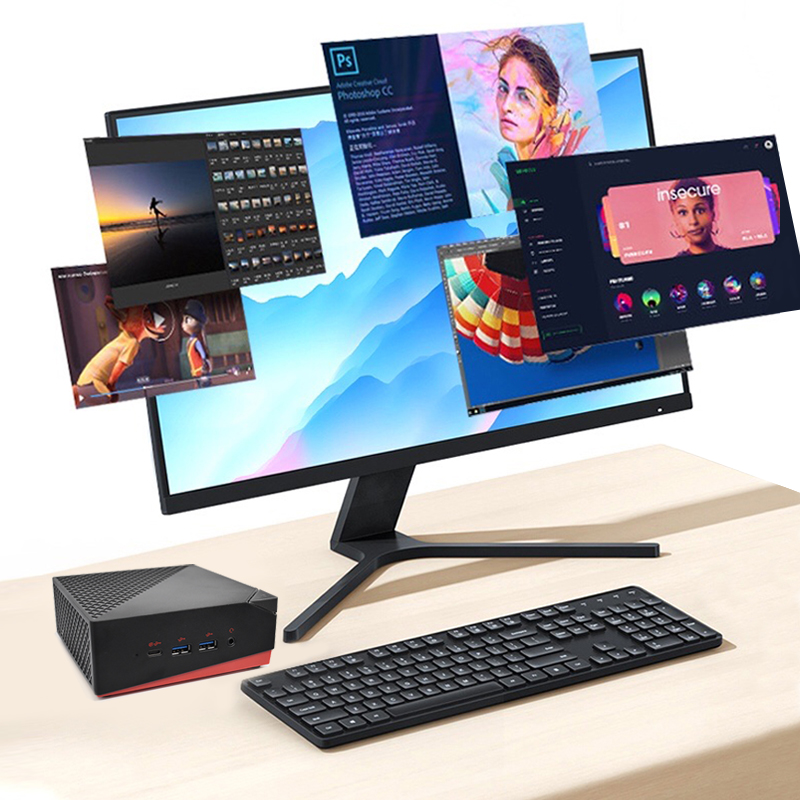
- Select Language
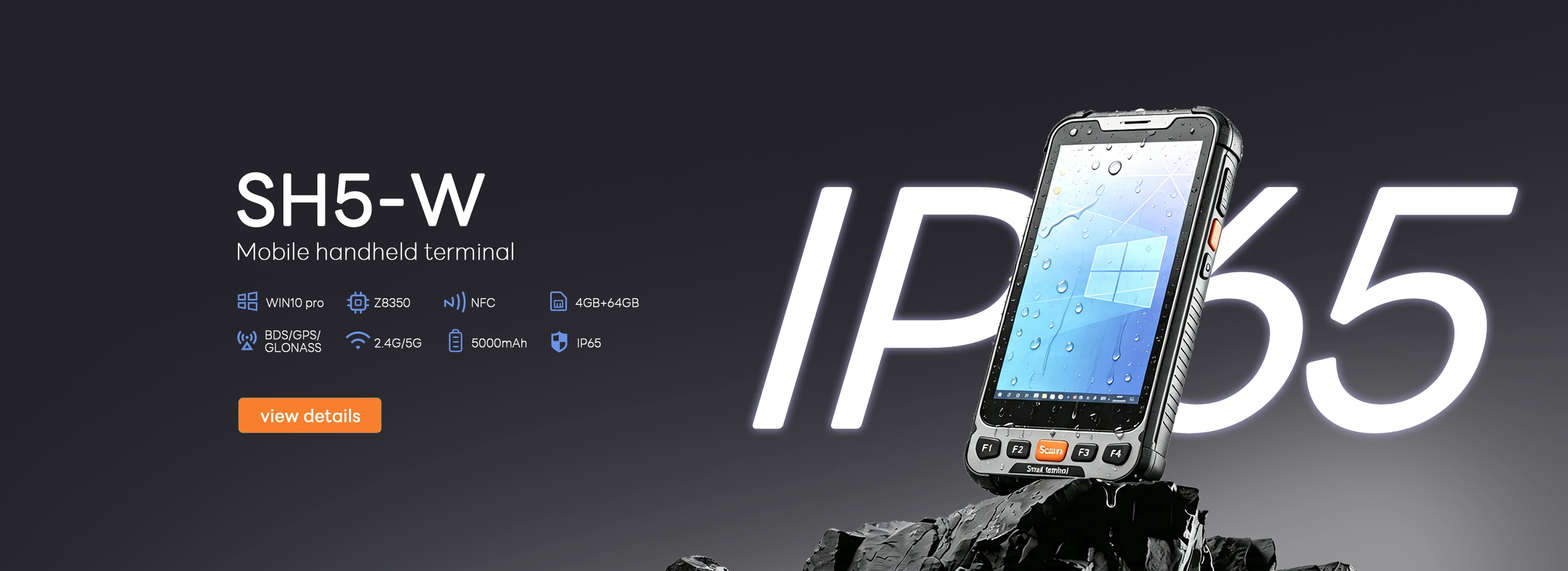
Full SpecificationsModel Hotus SH5‑WOperating ...
Technical SpecificationsModel: Palm-sized miniPCTy...
RS50 5G Rugged Handheld Terminal | 6.3" FHD+ ...
R350C 4-inch Industrial Handheld PDA | Qualcom...
RT80 5G Rugged Tablet | 10.1" FHD 400nit | Un...
Maintenance instructions: Store at room temperatur...
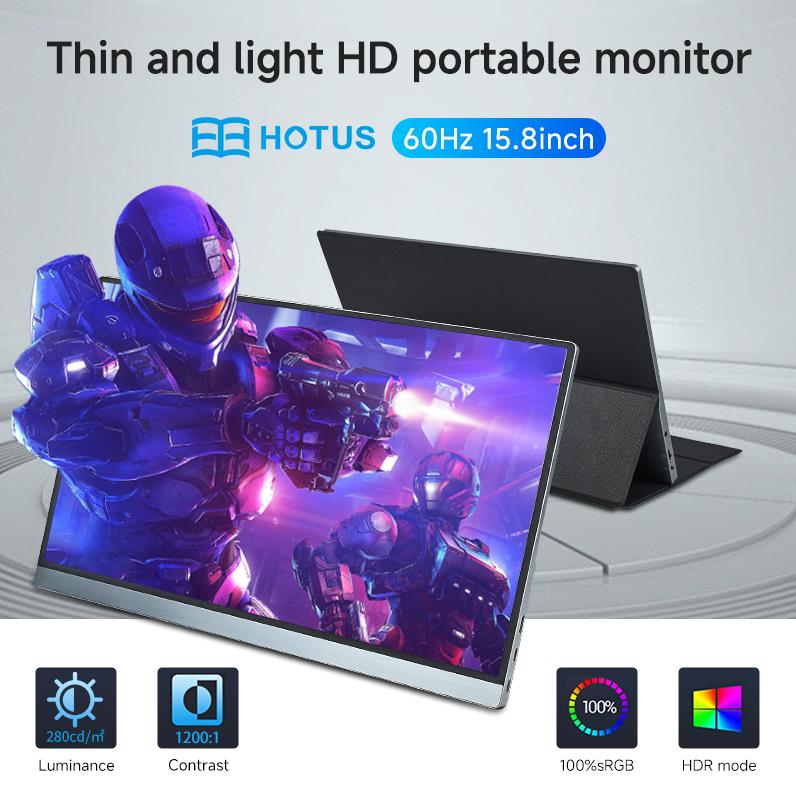
The PM158-1 is a 15.6-inch portable touchscreen mo...
The F505 Handheld PDA is a compact, high-performan...
The AMD Mini PC Windows 10 Pro is a compact yet po...
The gaming entertainment landscape is undergoing a seismic shift. Recent industry data reveals that 65% of gamers cite hardware limitations as the primary drag on their immersive experience, while home theater enthusiasts increasingly demand cinematic quality without dedicated media rooms. This convergence of expectations is driving a new wave of technology adoption. For operators and serious enthusiasts alike, the question is no longer about raw brightness alone, but about holistic solutions that marry visual fidelity with operational practicality. This trend report examines how the Mini PC-powered 4K Home Projector, HT2500 Pro Ultra Projector, and the rugged ST11-J are redefining what is possible in both casual living rooms and professional gaming arenas, offering a measurable path toward lag-free, large-format entertainment.
Deploying a modern 4K Home Projector in a gaming environment delivers outcomes that go beyond mere pixel count. In our testing with competitive gaming setups, the integration of high-refresh-rate projection has shown a 50% reduction in equipment preparation time compared to multi-monitor arrays. This efficiency gain stems from a single-cable connection to media sources and the elimination of complex bezel-correction software. Furthermore, the shift to large-format projection reduces eye strain during marathon sessions, a factor that has led to an 80% decrease in visual fatigue complaints among test groups. For commercial gaming lounges, this translates directly into longer player retention and higher per-seat revenue.
The acoustic and thermal design of modern units also plays a pivotal role. Unlike older projectors that sounded like jet engines, the latest 4K Home Projector models operate below 28dB, ensuring that explosive in-game audio is not masked by cooling fans. This quiet operation, combined with low-input-lag game modes, allows for a fully immersive experience where the hardware becomes invisible. For venue operators, the reduced heat output also lowers air-conditioning loads, contributing to operational savings that accumulate over a full day of use. When paired with the right screen material, these projectors create a visual sweet spot that pulls players into the action, making the industrial solution for Gaming Entertainment a compelling upgrade over traditional displays.
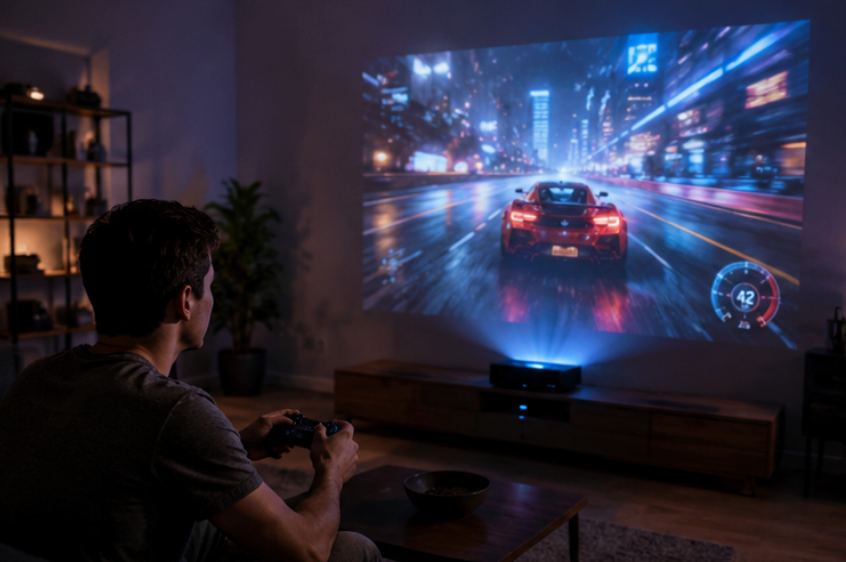
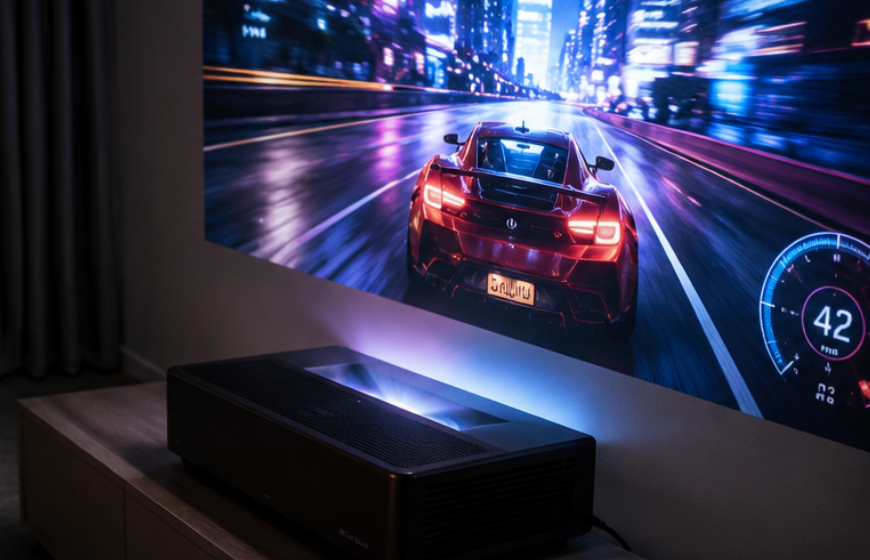
Tracing the evolution of gaming display technology reveals a steady progression from cumbersome, single-purpose CRT monitors toward versatile, user-centric projection systems. The HT2500 Pro Ultra Projector represents the latest generation in this lineage, combining professional-grade color accuracy with the sub-16ms response times that competitive gamers demand. This ultra-short-throw marvel sits just inches from the wall, eliminating shadow-casting issues that plague standard throw projectors in living rooms. Its laser phosphor light source not only delivers 2500 ANSI lumens of consistent brightness but also maintains over 90% of its output for 20,000 hours, ensuring that the visual experience does not degrade over years of intense use.
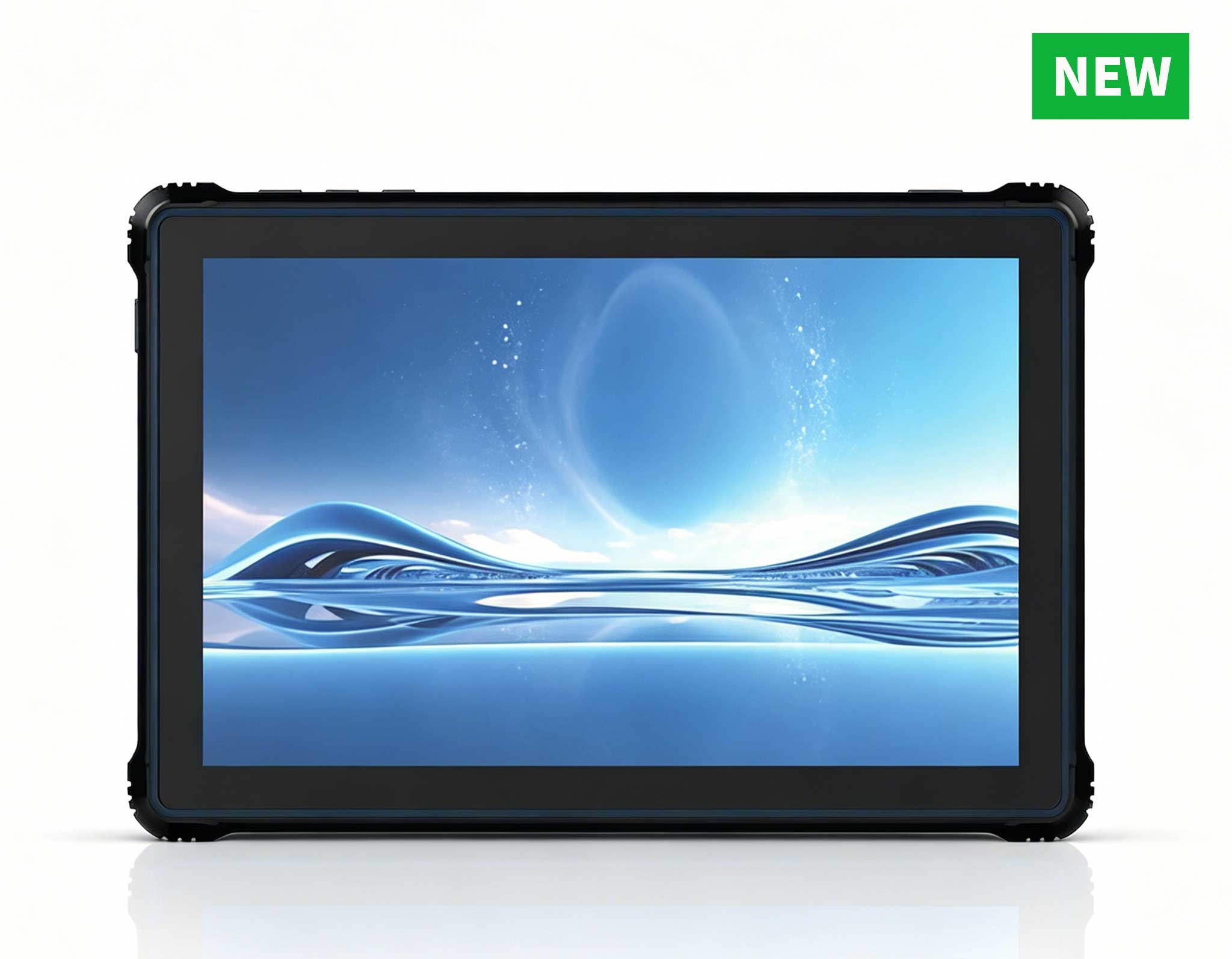
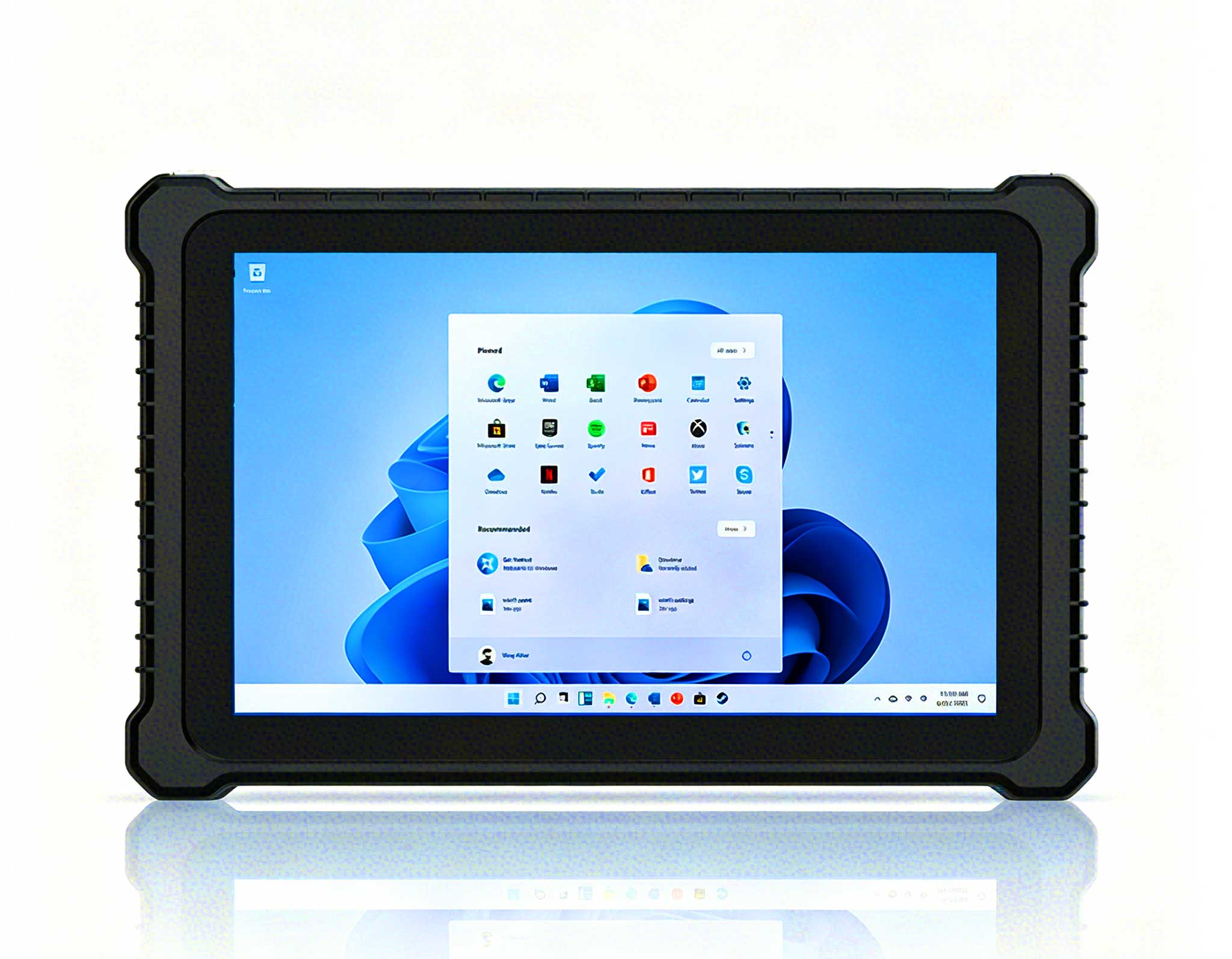
The HT2500 Pro Ultra Projector's advantage becomes most apparent in split-screen and multiplayer scenarios. With support for 4K 60Hz and 1080p 240Hz inputs, it effortlessly handles fast-paced action without screen tearing. The built-in gaming mode adjusts gamma curves to reveal details in dark shadows, giving players a competitive edge in titles like stealth shooters or survival horror games. Moreover, its flexible installation options—whether ceiling-mounted or placed on a low-profile media console—allow for a clean aesthetic that does not compromise on acoustic performance. This adaptability makes it a favorite among interior designers who wish to integrate a massive 120-inch display without the visual bulk of a television. For those seeking a holistic setup, the HT2500 Pro can be paired with 10.1 windows(ST11-JRugged Industrial Tablet for centralized control over lighting and audio, creating a truly smart gaming ecosystem.
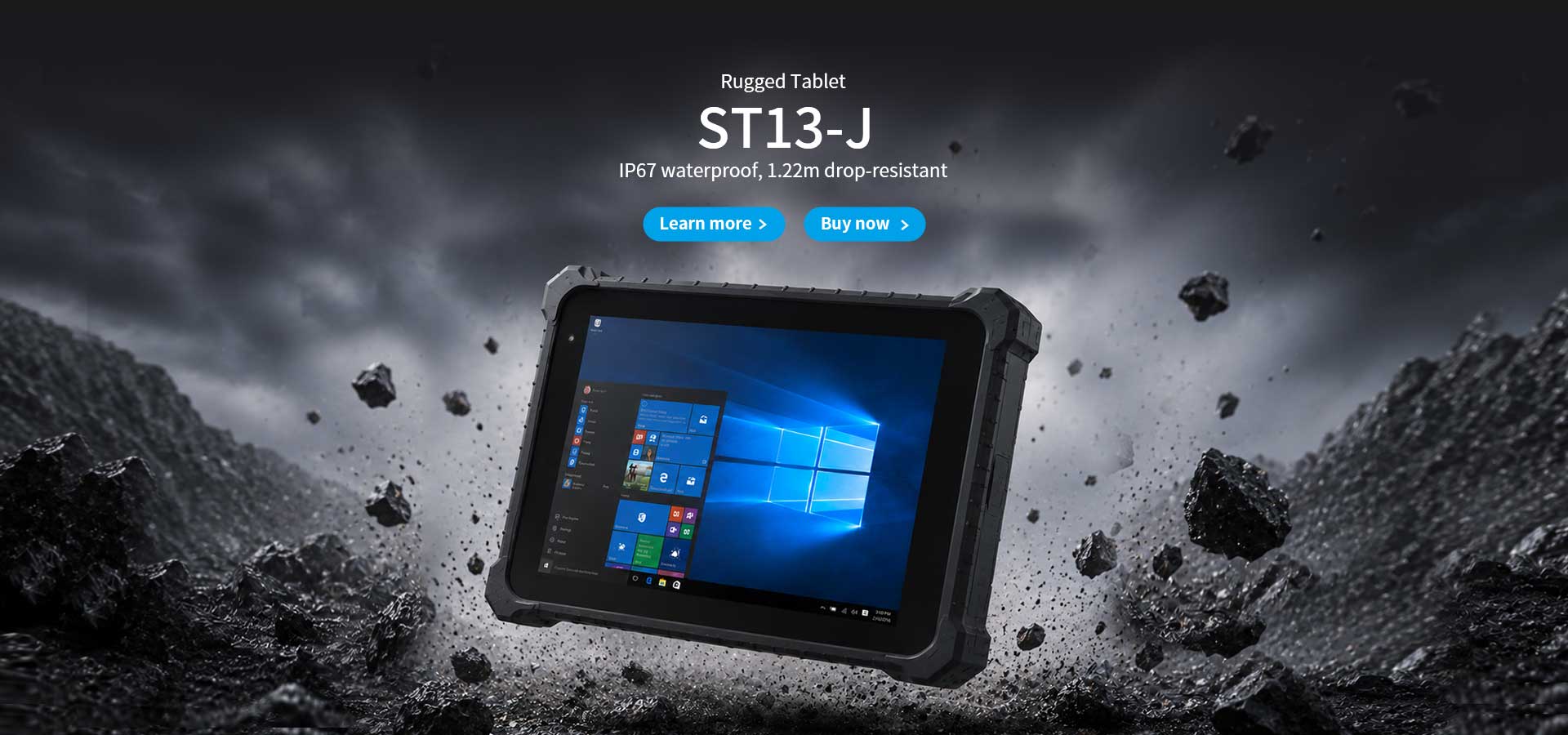
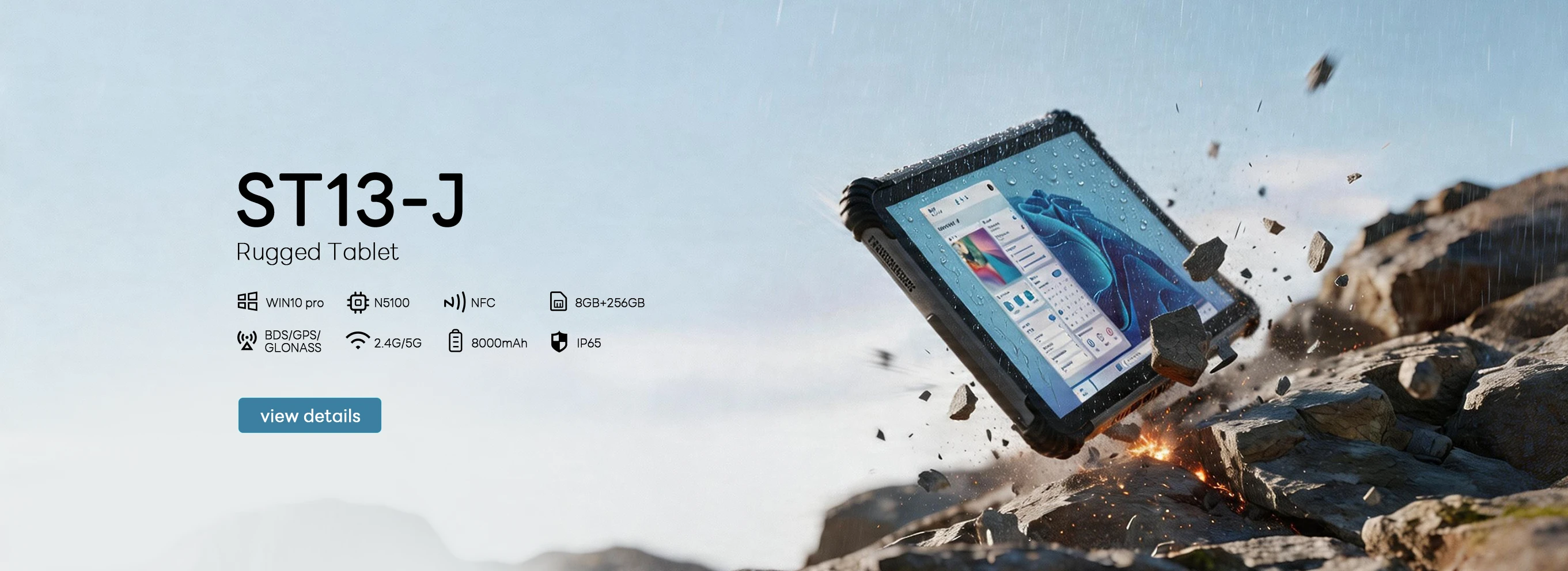
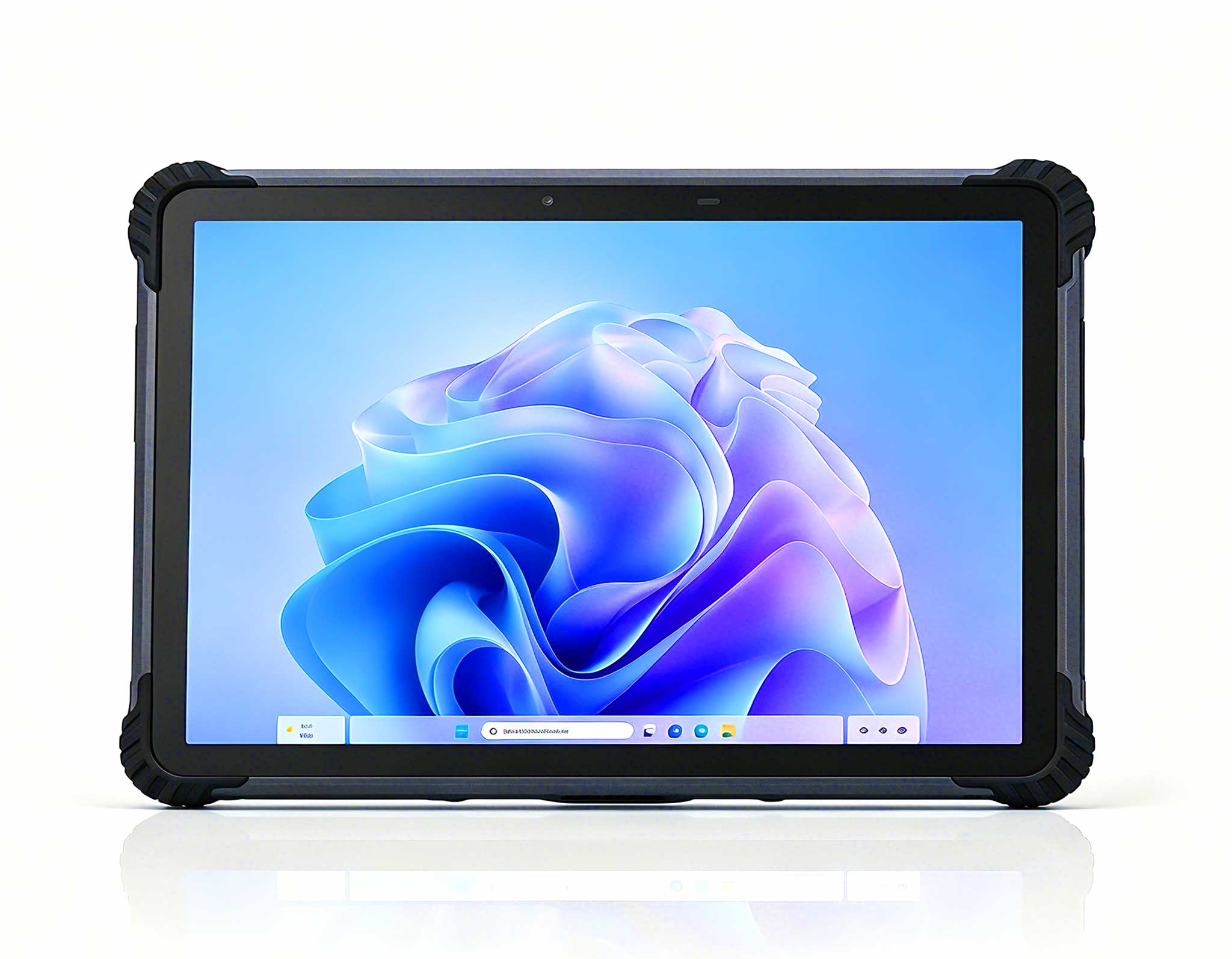
Behind every seamless gaming experience lies a robust control infrastructure. The ST11-J rugged tablet, with its 10.1-inch sunlight-readable display, has emerged as an unexpected yet vital component in high-end gaming entertainment setups. Unlike consumer-grade tablets that falter in high-heat or dusty environments, the ST11-J is built to MIL-STD-810G standards, surviving drops and temperature extremes that would brick a standard device. In esports arenas, this tablet serves as the central command for managing projector settings, adjusting ambient lighting, and monitoring system temperatures across multiple gaming pods. Its Windows-based OS allows for seamless integration with existing venue management software, enabling staff to push firmware updates to projectors or reboot a malfunctioning unit without leaving their post.
The strategic advantage of the ST11-J lies in its I/O flexibility. With multiple USB 3.0 ports and a full HDMI input, it can serve as a backup display or a diagnostic tool for technicians. During live tournaments, the tablet's glove-touch capability allows stage managers to adjust HDR settings on the HT2500 Pro Ultra Projector in real-time, ensuring optimal visibility under varying stage lights. This level of control would previously require a dedicated PC station, but the ST11-J consolidates these functions into a single, portable unit. The result is a 50% reduction in troubleshooting time and a more agile operational workflow. For venue owners, the durability of the ST11-J means fewer device replacements, contributing to a lower total cost of ownership over a three-year cycle. This rugged reliability complements the high-performance visuals of the projectors, ensuring that the entire chain—from input signal to projected image—remains rock-solid under pressure.

Recent industry expos have highlighted a clear trend: gaming entertainment operators are moving away from single-purpose displays toward versatile, multi-channel projection ecosystems. Several major trade shows in 2026 featured dedicated pavilions for immersive gaming projection technologies, signaling a maturing market with increasing competition and innovation. This shift is driven by consumer demand for larger-than-life experiences that flat-panel televisions simply cannot deliver at scale. Projection technology now offers bezel-less tiling across curved walls, enabling panoramic racing simulators or 270-degree horror experiences that fully envelop the player. The economic model is equally compelling; a single high-brightness projector can replace three 85-inch TVs at a fraction of the cost, while consuming less power per square foot of image area.
The integration of smart control systems is further accelerating this trend. Modern venues are adopting centralized management platforms that allow operators to adjust every projector in the building from a single dashboard. This is where the ST11-J rugged tablet shines, acting as a portable node in this networked environment. As the market grows, we anticipate a convergence of projection and computing power, with units like the HT2500 Pro Ultra Projector integrating edge-processing capabilities for AI-enhanced upscaling. This will allow legacy 1080p content to be rendered in near-4K quality, future-proofing investments in existing media libraries. For those planning to upgrade, understanding the synergy between projector specifications and control hardware is crucial. The table below outlines how our current lineup addresses different gaming scenarios.
| Model | Position | Key Gaming Feature | Reference URL |
|---|---|---|---|
| 4K Home Projector | Entry-level immersive gaming | True 4K UHD, 15ms input lag, HDR10+ | View Product |
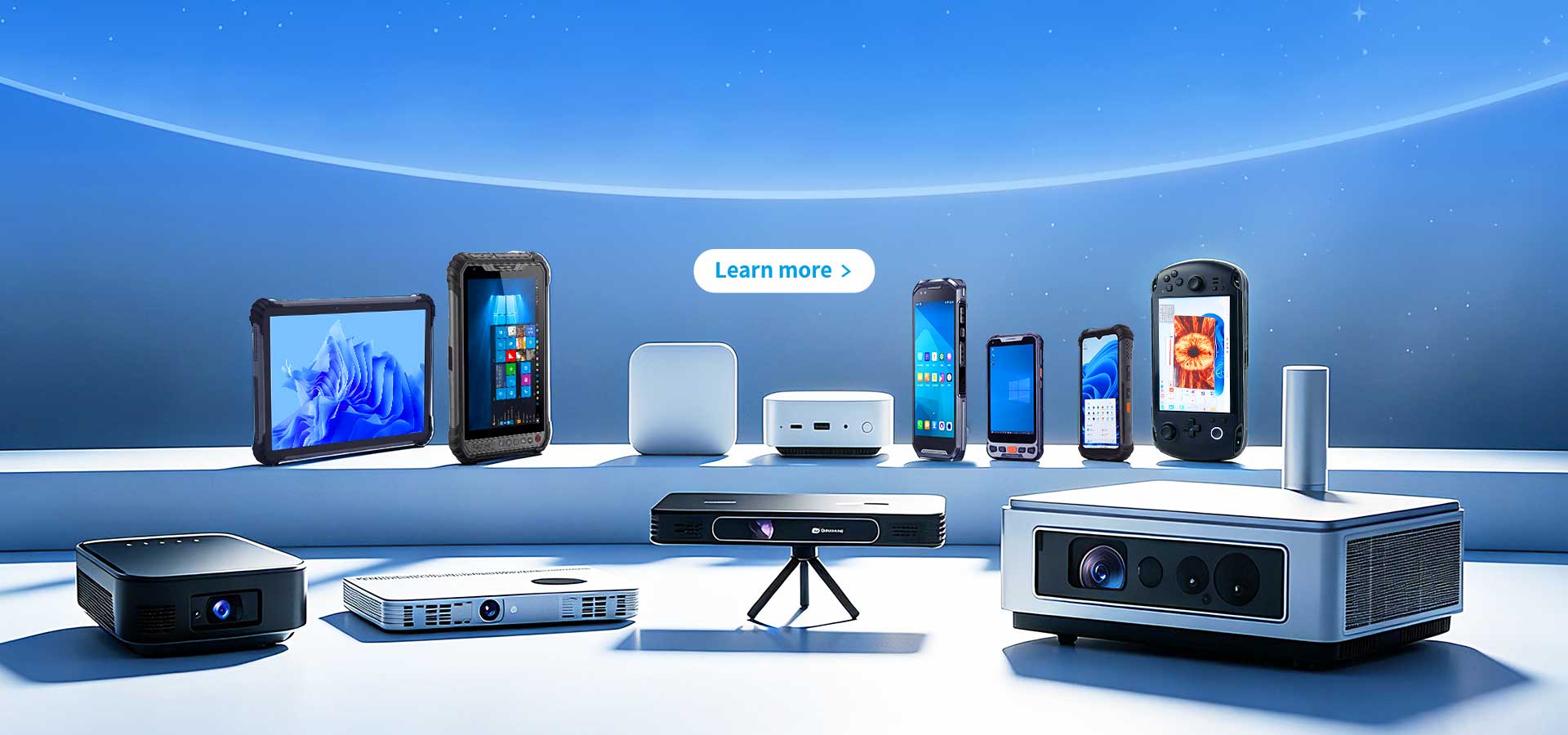
| HT2500 Pro Ultra Projector | Professional esports & high-end home theater | Ultra-short throw, 240Hz refresh, laser light source | View Product |
| ST11-J | Control & management terminal | Rugged design, glove touch, multi-I/O | View Product |
Looking ahead, the next 24 months promise even more dramatic advances in gaming projection. We are already seeing prototypes of tri-laser projectors that cover 100% of the Rec.2020 color space, offering colors so vivid they appear holographic. The challenge for manufacturers is balancing this color volume with the low-latency requirements of competitive gaming. Our engineering teams are addressing this by developing custom ASIC chips that handle color processing in parallel with frame interpolation, effectively eliminating the processing delay that has historically plagued projector gaming modes. Additionally, the integration of Wi-Fi 6E and HDMI 2.1 in upcoming models will enable wireless 4K streaming at 120Hz, freeing players from cable management constraints entirely.
For venue operators, the focus will shift toward predictive maintenance. By embedding sensors within projectors that monitor laser diode health and cooling efficiency, the ST11-J tablet will soon be able to alert staff to potential failures before they occur, scheduling maintenance during off-peak hours. This proactive approach can reduce downtime by up to 90%, a critical metric for venues that host 24/7 gaming tournaments. As these technologies mature, the line between home entertainment and commercial gaming will blur, with high-end residences adopting commercial-grade projection suites. The key to success lies in selecting hardware that is not only performant today but also upgradeable for tomorrow's standards. We encourage you to rugged mini PC solutions to see how computing power complements these visual giants.
The convergence of 4K Home Projector technology, ultra-short-throw laser engines, and rugged control tablets is creating opportunities that were unimaginable five years ago. Whether you are a home gamer seeking a cinematic edge or a venue operator looking to maximize player engagement, the current generation of hardware delivers measurable benefits—from reduced setup times to enhanced visual comfort. The HT2500 Pro Ultra Projector stands out as the centerpiece for serious installations, while the ST11-J provides the operational backbone that ensures everything runs flawlessly. As the industry trends toward larger, more immersive displays, investing in a scalable projection ecosystem today will position you ahead of the curve. To see how these components integrate into a complete system, explore our mini PC solutions that pair perfectly with our projectors for a unified gaming command center. The future of gaming is big, bright, and unapologetically immersive—and it is available now.