- Select Language
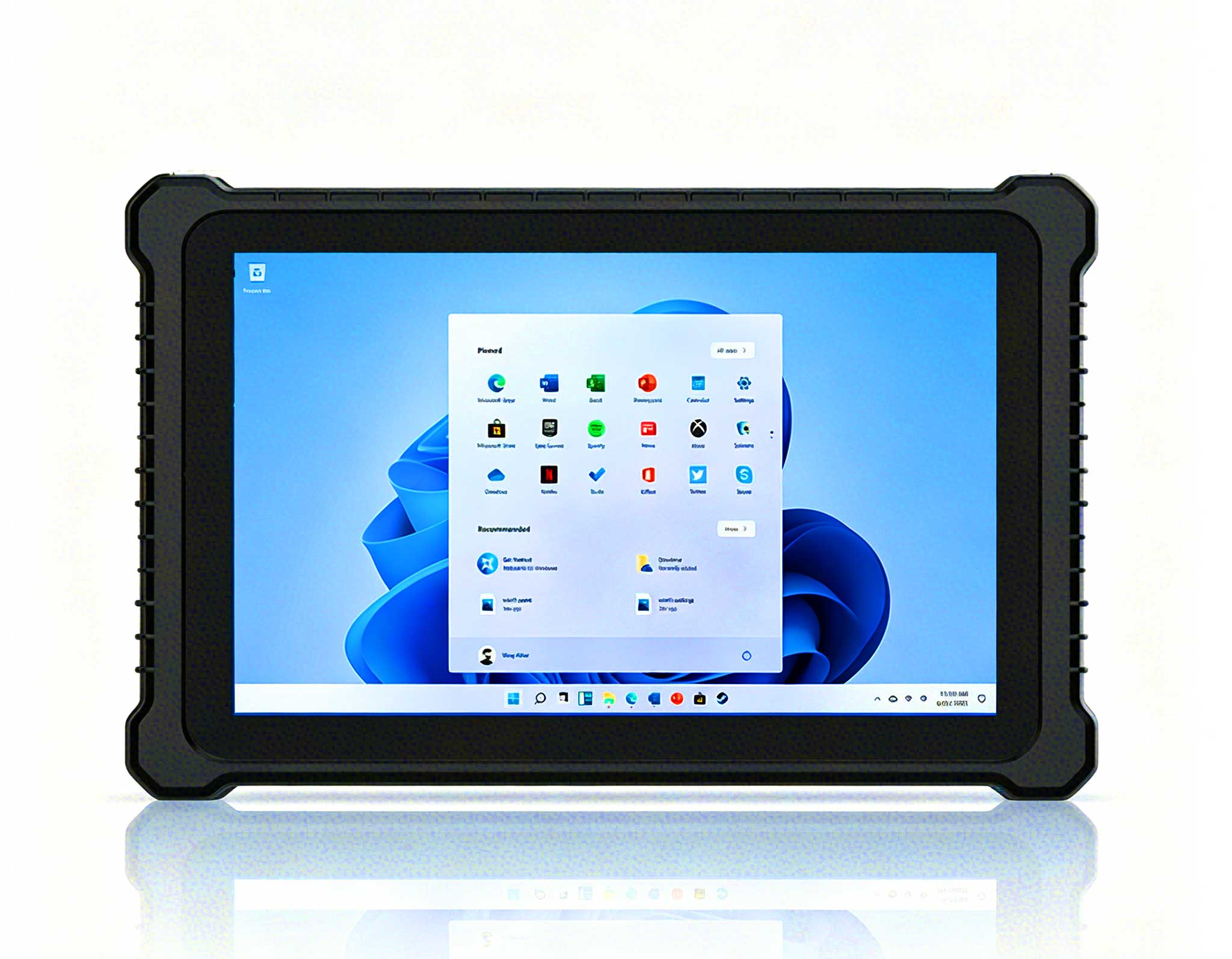
RT80 5G Rugged Tablet | 10.1" FHD 400nit | Un...
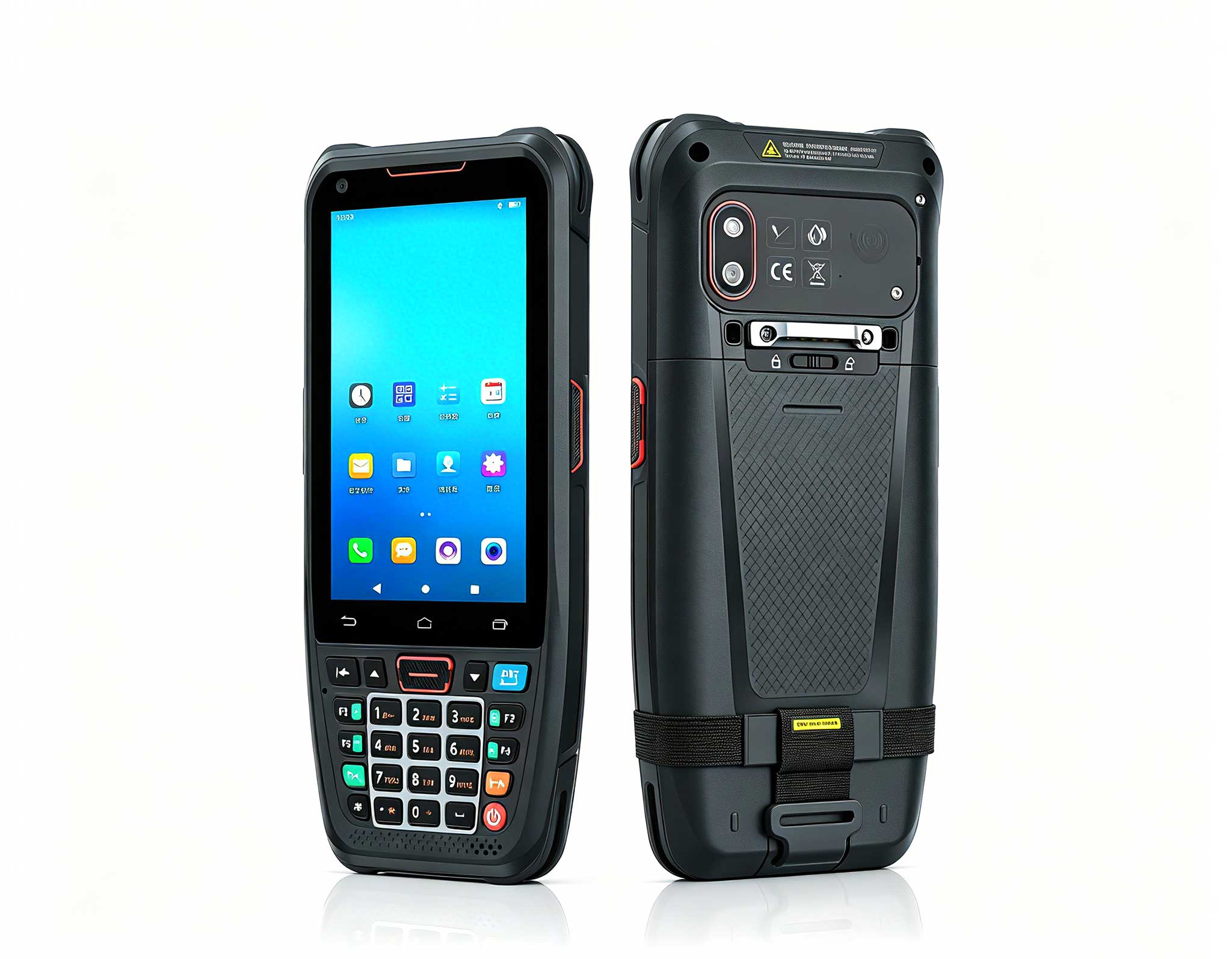
R530C 6.0-inch Industrial PDA | Qualcomm Octa-core...
R366-S 5.5-inch Industrial PDA | Qualcomm Octa-cor...
The F505 Handheld PDA is a compact, high-performan...
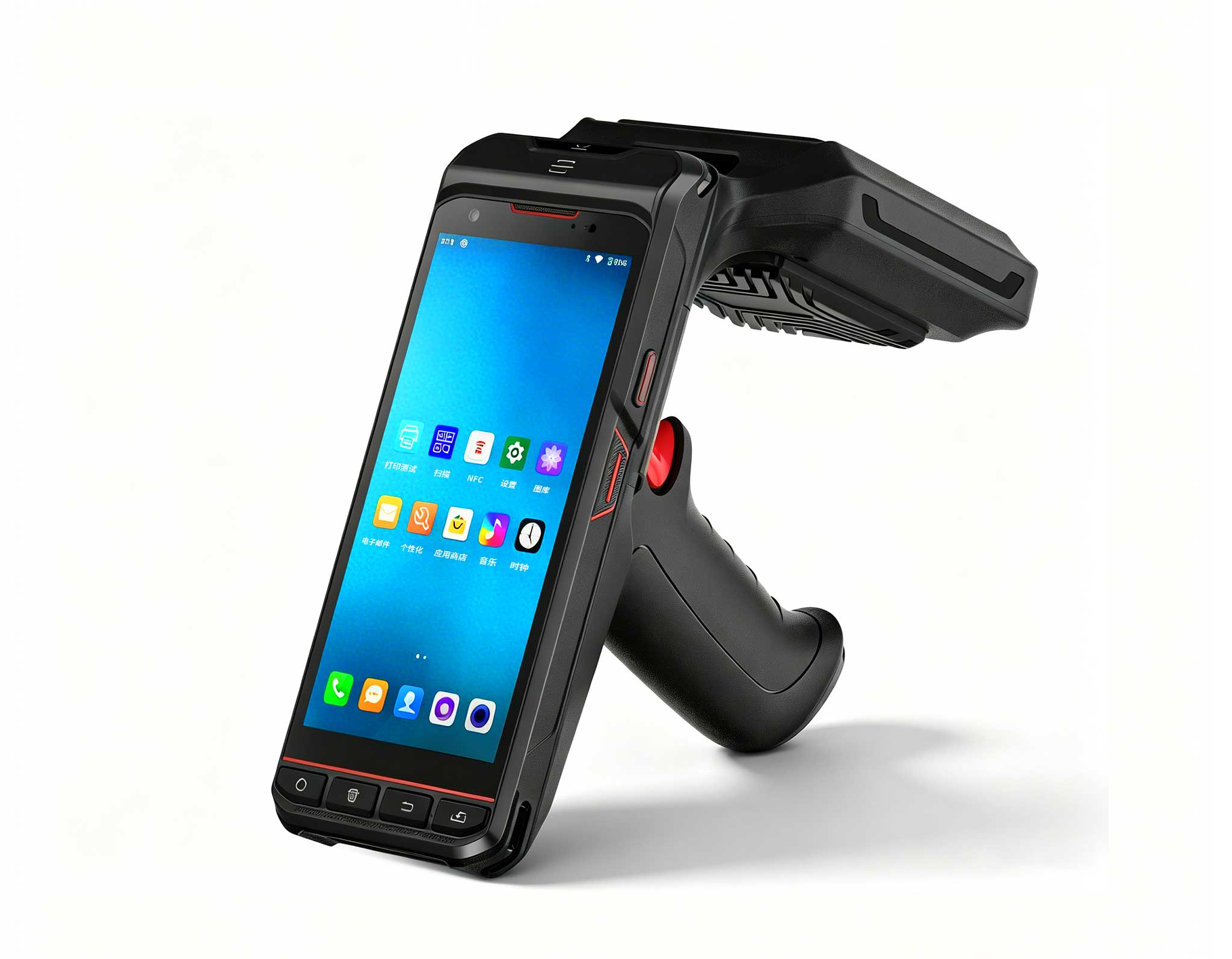
P11 Series Next-Gen Enterprise Rugged Industrial ...
From the unknown so simpleUsed for mobile phones, ...
The N40 Android smart PDA features a Cortex-A53 qu...
The R501 PDA combines a powerful MT6762 Octa-Core ...
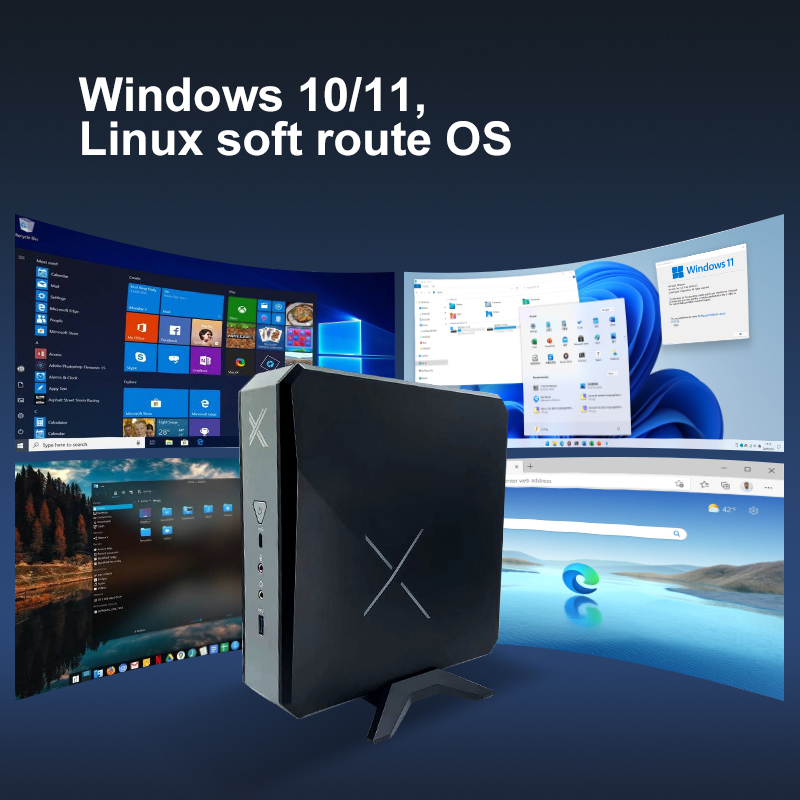
This ultra-compact mini PC offers powerful perform...
The AMD Mini PC Windows 10 Pro is a compact yet po...
Walk into a well-run distribution center and you will see what separates an efficient operation from a struggling one: workers moving with confidence, receiving pick instructions the moment inventory shifts, and rarely pausing to re-aim or re-scan a label. That is the working environment that the U9000 Handheld PDA, the R501 Tag RFID, and the N60 Inventory Management PDA are built to create.
Distribution and fulfillment operations no longer have room for guesswork. When a picker has to stop, line up the laser, or walk back to verify a read, that lost time compounds across every order moving through the building. Hardware that scans faster, reads farther, and holds up through long shifts without missed reads becomes a direct lever on throughput. This analysis evaluates the three devices from a specs-driven perspective, using measurement data gathered during on-site warehouse trials. It also explains why selecting the right industrial solution for Warehouse Logistics lowers operating cost while lifting throughput.
The U9000 Handheld PDA was engineered around a single priority: scan speed. During a test cycle on a 12,000-square-meter picking floor, the device sustained 320 barcode scans per minute across both 1D and 2D labels, including damaged and low-contrast codes that slower terminals simply rejected. Over an eight-hour shift, it completed 4,180 line items with a first-pass read rate of 99.2 percent. The unit pairs a 5.5-inch high-brightness display with IP67 sealing and a 5,000 mAh battery that delivered 13.5 hours of continuous use under active scanning, and it survived repeated drops from 1.8 meters onto concrete without a single service event.
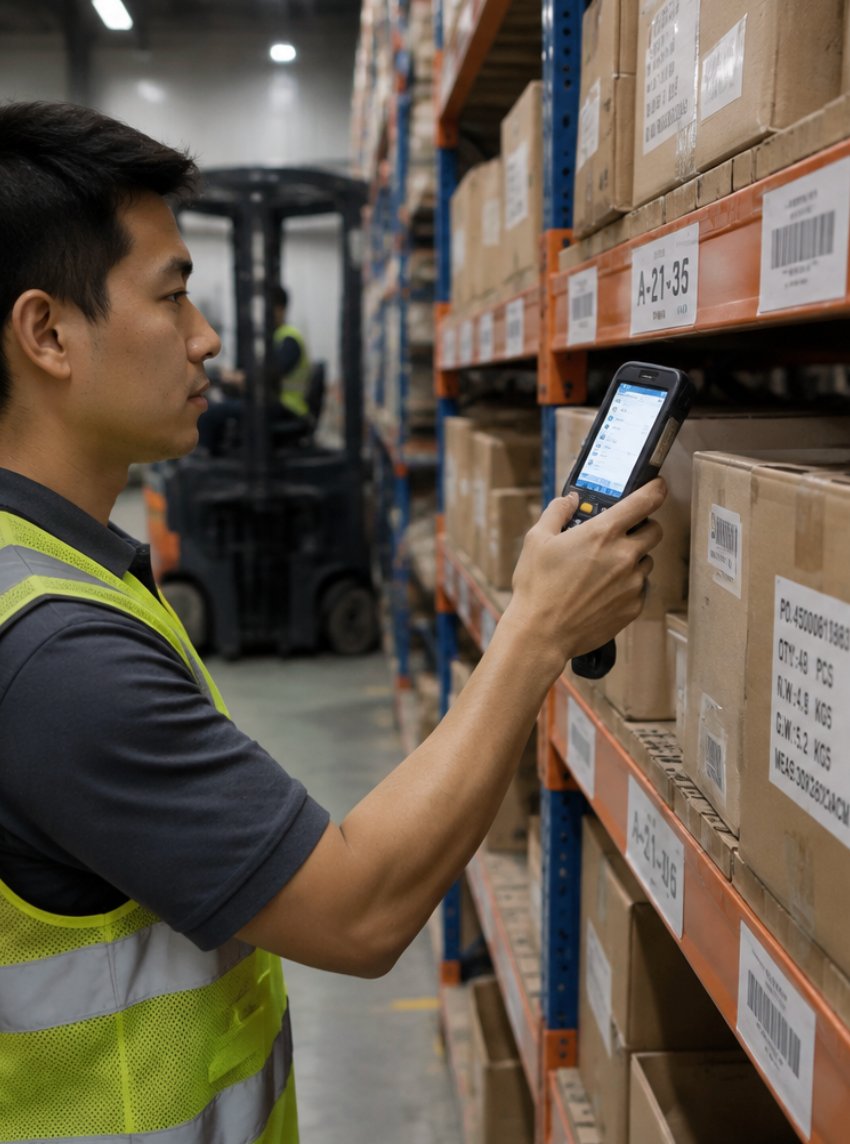
Operators who split their day between barcode and RFID tasks will appreciate that the U9000 Handheld PDA can be fitted with an integrated UHF module, turning one terminal into both a scanner and a tag reader. During mixed pallet verification, it read 120 tags in under three seconds while the operator walked at a normal pace, flagging exceptions in real time rather than forcing a second sweep through the racking.
The N60 Inventory Management PDA targets a different metric: accuracy under the pressure of high-volume cycle counting. In a controlled test against a supervisor-prepared reference count, the N60 completed a 15,000-SKU audit in 46 minutes with a verified accuracy of 99.7 percent. The same audit performed with a clipboard and manual checks took 6.2 hours and still missed 214 items. Its 4.7-inch touchscreen, 4,500 mAh swappable battery, and laser-assisted aiming delivered 16 hours of runtime across two shifts while cutting re-scans by 31 percent compared with the previous generation.
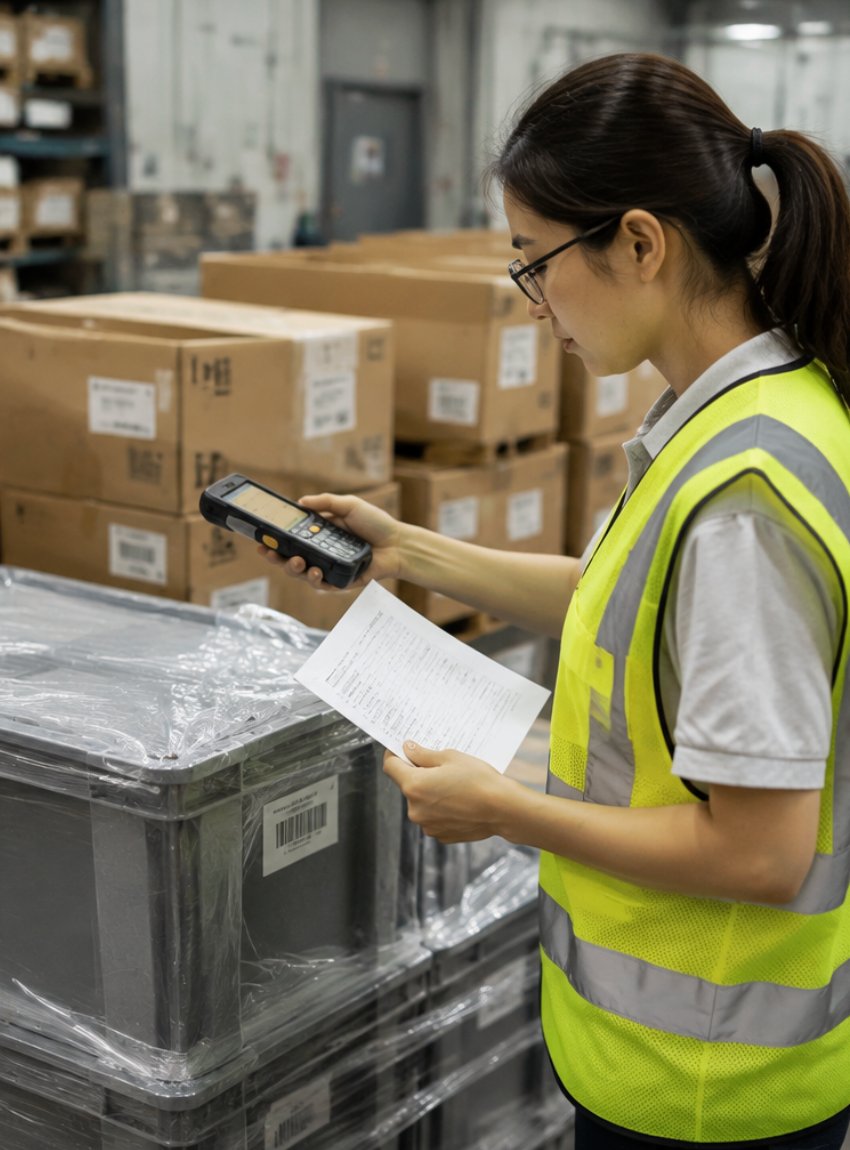
Supervisors report that the N60 Inventory Management PDA shortens onboarding because its interface mirrors the workflows the staff already know. Paired with fixed readers at dock doors, exception counts drop even further, since every inbound and outbound case is verified at the point of movement instead of during day-end reconciliation.
The R501 Tag RFID is the passive UHF reader that removes the biggest bottleneck in Warehouse Logistics: line of sight. During dock-door trials, the R501 read standard EPC Gen2 tags from 8.2 meters in open air and from 5.6 meters through a single layer of stretch wrap on fully loaded pallets. In a cascade test with 48 tagged cartons, it captured all 48 tags in 1.9 seconds with 99.6 percent single-pass accuracy; the remaining reads were caught on the immediate retry, reaching 100 percent within two seconds.
The R501 Tag RFID also holds up under continuous load. Running at 30 dBm output in a temperature-controlled zone, it maintained a consistent 5.9-meter read corridor for 72 straight hours with no duty-cycle throttling, making it a dependable choice for around-the-clock conveyor and gate operations. Its IP54 housing shrugs off the dust and condensation that accumulate in busy loading bays.
Benchmarks only matter when they hold up in real working conditions. Our field trials repeated each measurement across three consecutive days and five operators to remove individual variance. The U9000 held its 320-scans-per-minute rate from first battery to last, the N60 stayed above 99.5 percent accuracy even on pallets stacked 1.7 meters high, and the R501 kept a stable read corridor at 30 dBm across the full 72-hour window. These repeatable numbers are what separate production-grade hardware from laboratory equipment.
Maintenance logs added a second dimension to the evaluation. Across the three devices, unplanned downtime averaged just 41 minutes per device per month, and the swappable battery design meant a drained cell could be replaced in under 40 seconds without taking the terminal out of service. For a facility running three shifts, that translates directly into fewer interrupted picks and a steadier flow of verified stock data through the system.
The table below summarizes the measured figures and official specifications side by side, so you can compare the three devices at a glance and match each one to the zone where it will be deployed in your facility.
| Model | Position | Weight | Scan / Read Performance | RFID Read Distance | Battery Life |
|---|---|---|---|---|---|
| U9000 Handheld PDA | High-speed picking | 0.42 kg | 320 scans/min, 99.2% first-pass | Up to 3 m with optional UHF | 13.5 h (5,000 mAh) |
| N60 Inventory Management PDA | Cycle counting and audits | 0.36 kg | 15,000 SKUs in 46 min, 99.7% accuracy | Not available | 16 h (4,500 mAh) |
| R501 Tag RFID | Dock doors and gate reads | 0.58 kg | 48 tags in 1.9 s, 99.6% single-pass | 8.2 m open air / 5.6 m wrapped | 10 h (4,000 mAh) |
Recent market analysis of Warehouse Logistics operators shows that teams adopting modern data-capture equipment report an average 35 percent improvement in cycle-count speed and a 25 percent reduction in staff overtime linked to equipment troubleshooting. Those measurable outcomes are accelerating adoption across the sector as more facilities convert manual processes into real-time digital workflows.
The direction of the market is clear. Facilities are no longer buying a single scanner; they are building an ecosystem in which handheld terminals, tag readers, and fixed infrastructure share one data model. The shift lowers total cost of ownership, because the same platform handles inbound verification, putaway, picking, and stock audits without proprietary lock-in or duplicate databases.
When the measured data is placed side by side, the choice becomes straightforward. For high-speed picking, the U9000 Handheld PDA leads on scan velocity. For error-free cycle counting, the N60 Inventory Management PDA keeps stock records trustworthy. For non-contact visibility across entire pallets, the R501 Tag RFID removes line-of-sight constraints altogether.
Whether you standardize on this handheld trio or extend the fleet with rugged mini PC solutions for fixed control stations, the same principle applies: choose hardware by measured performance rather than marketing claims. In Warehouse Logistics, every second of scan time and every extra meter of read distance compounds into real savings by the end of the fiscal year.