- Select Language
Technical SpecificationsModel: Palm-sized miniPCTy...
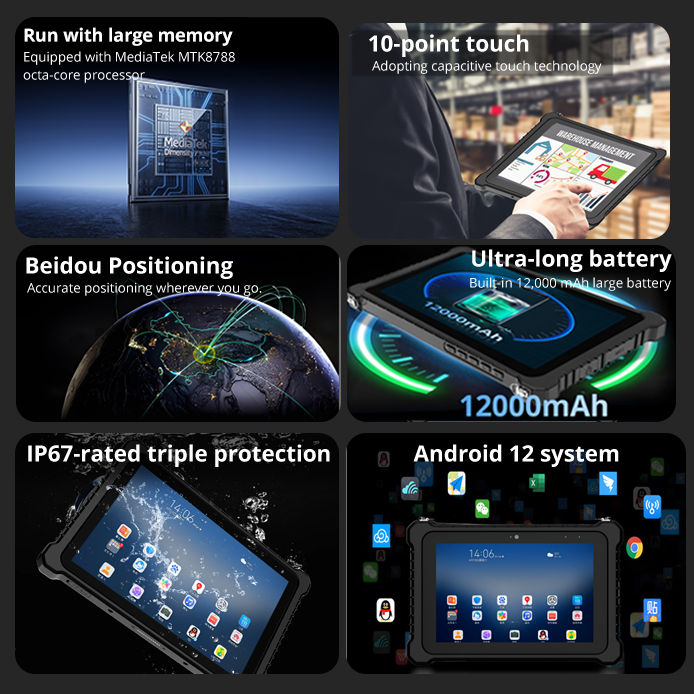
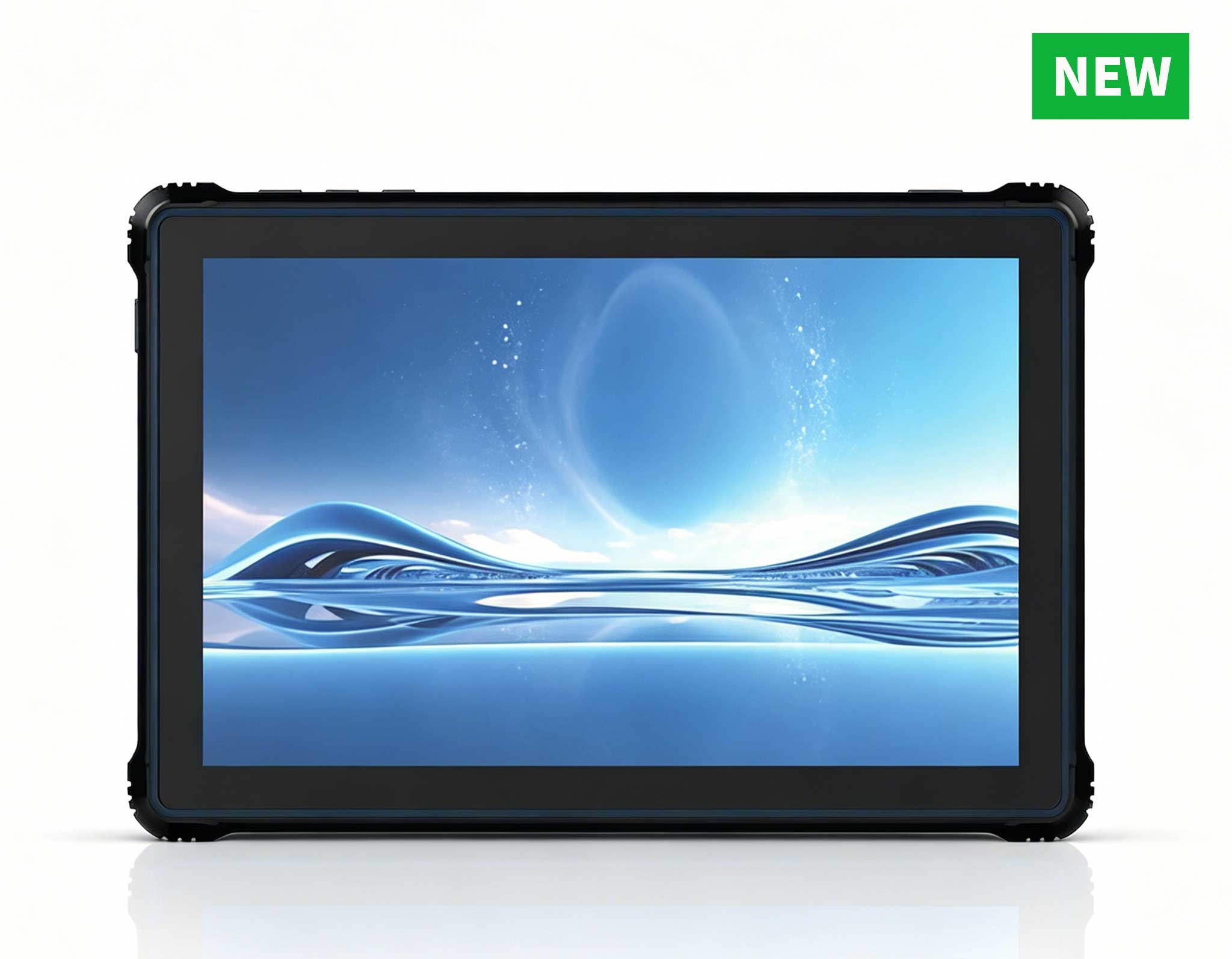
RT80 5G Rugged Tablet | 10.1" FHD 400nit | Un...
Technical SpecificationsModel: Palm-sized miniPCTy...
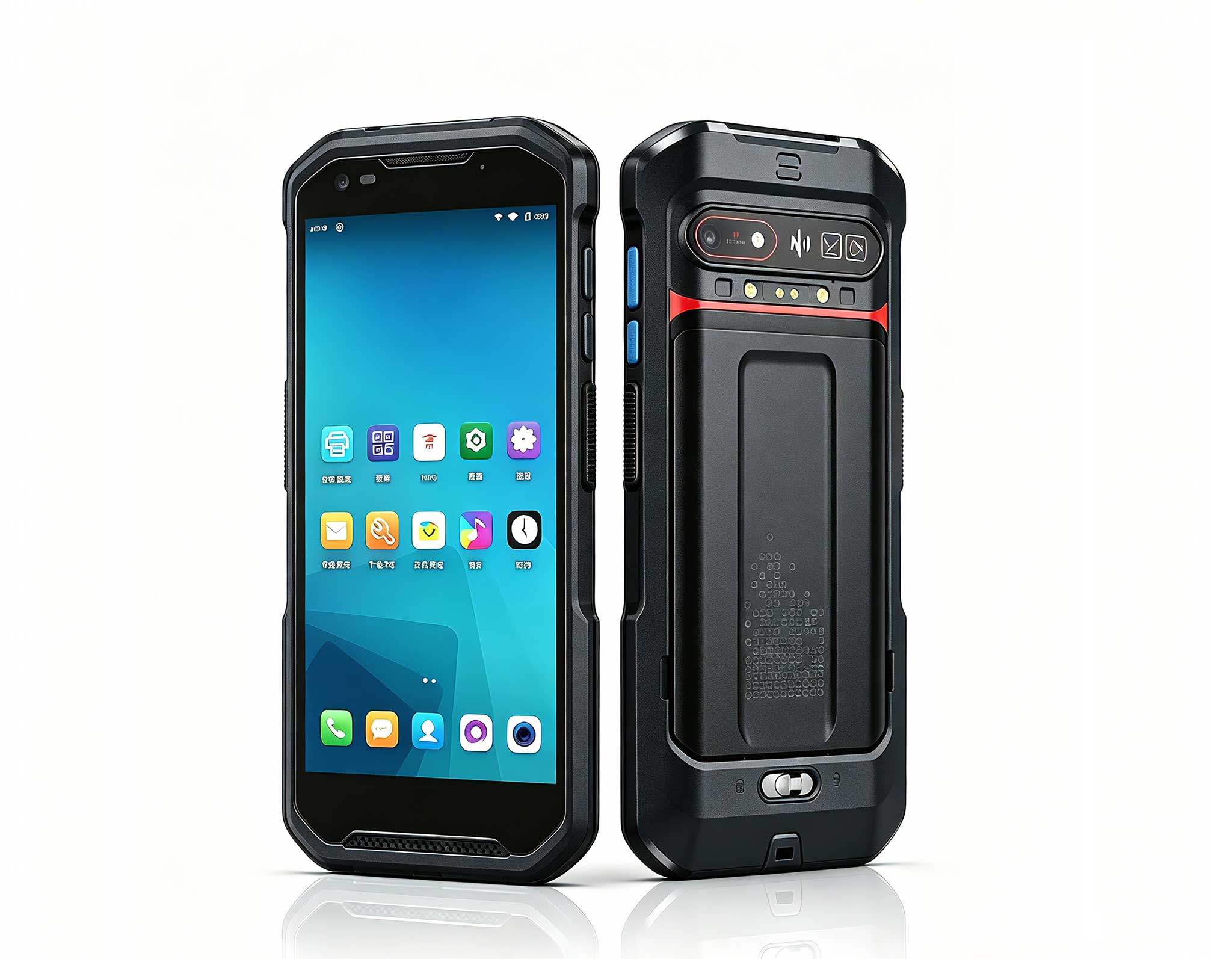
The F505 Handheld PDA is a compact, high-performan...
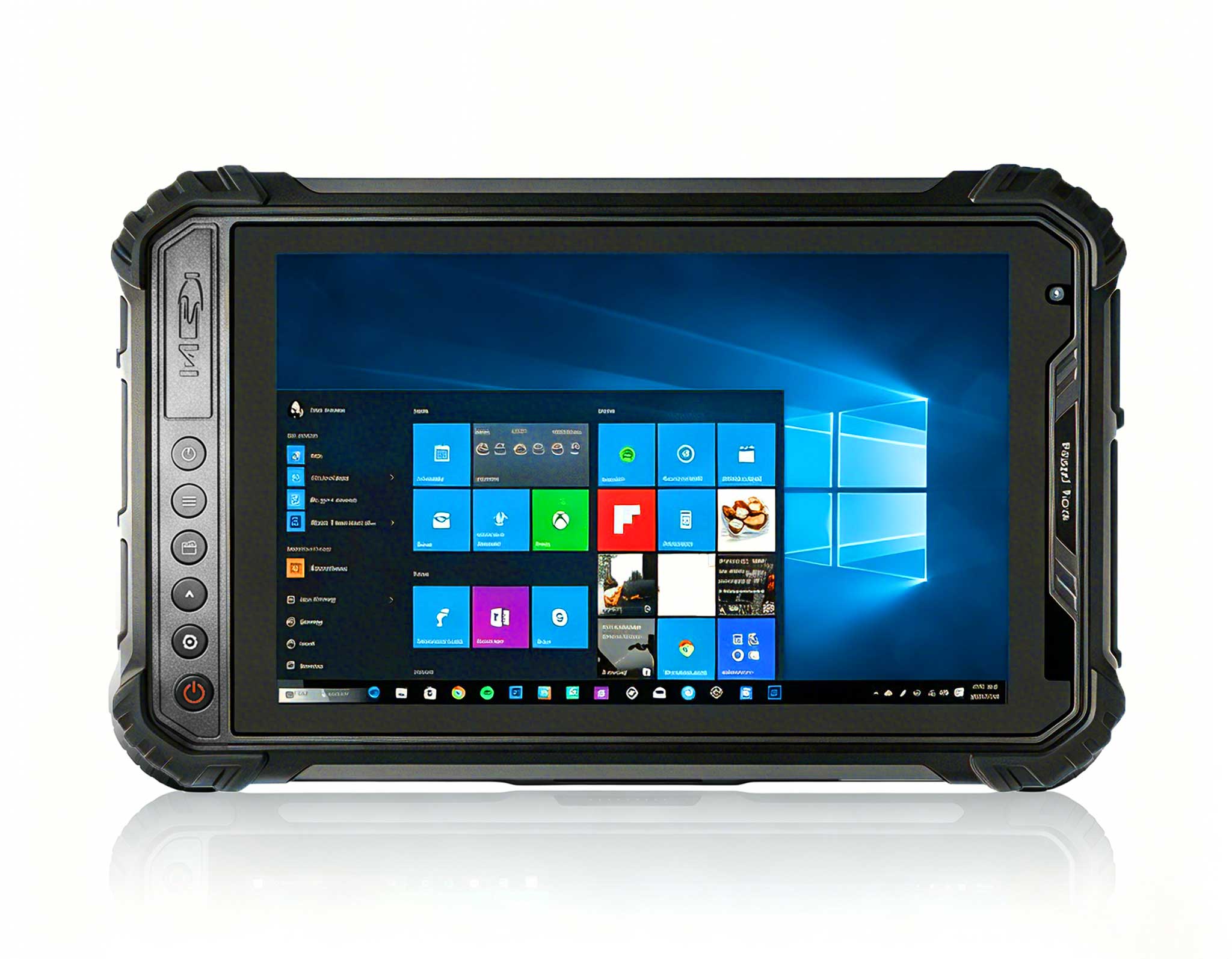
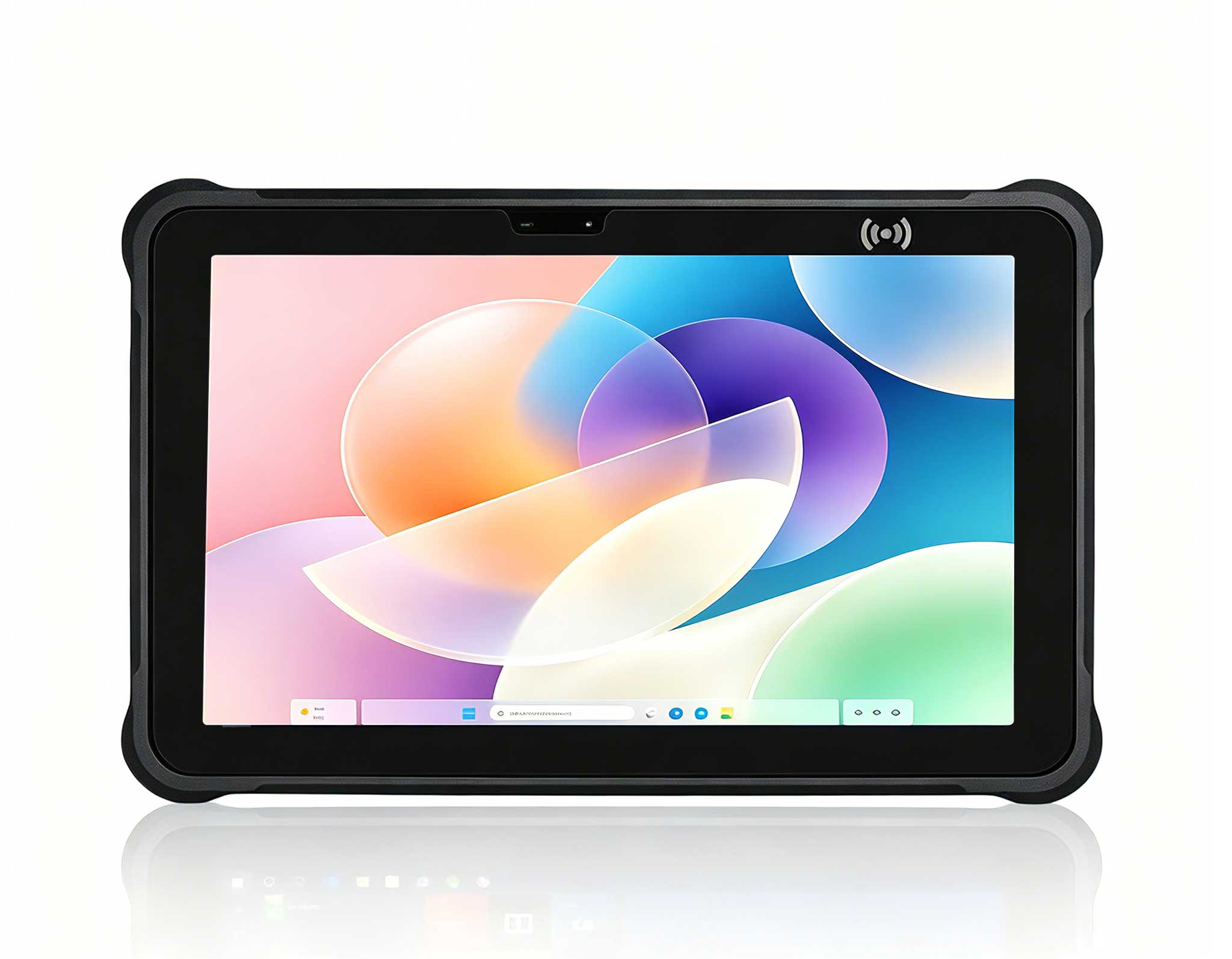
Full SpecificationsModelHotus ST11‑UOSWindows 10 P...
Picture a video conferencing room that works the way it should: calls connect on time, audio stays clear, and the technology keeps quietly out of the way. That is the experience the Palm-sized miniPC and SH6 are designed to deliver. Behind that seamless experience lies the disciplined process of selecting hardware that meets regulatory standards and integrates cleanly into a professional AV environment.
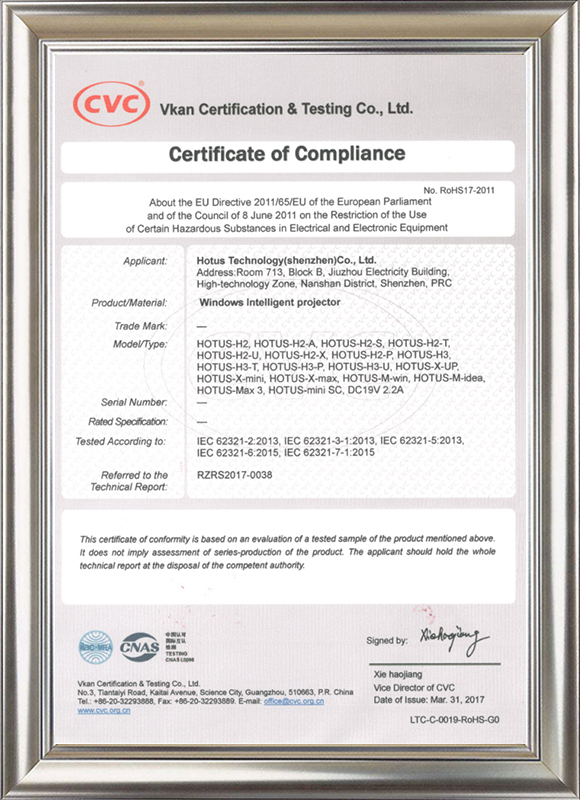
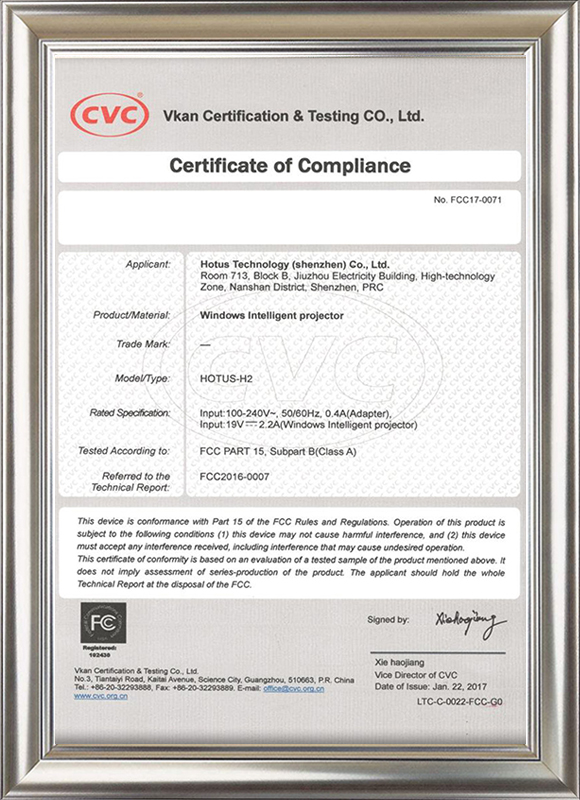
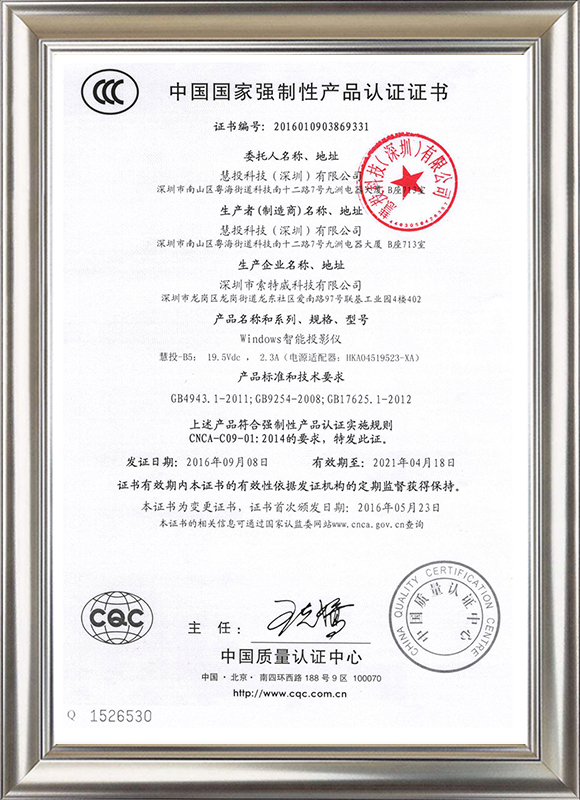
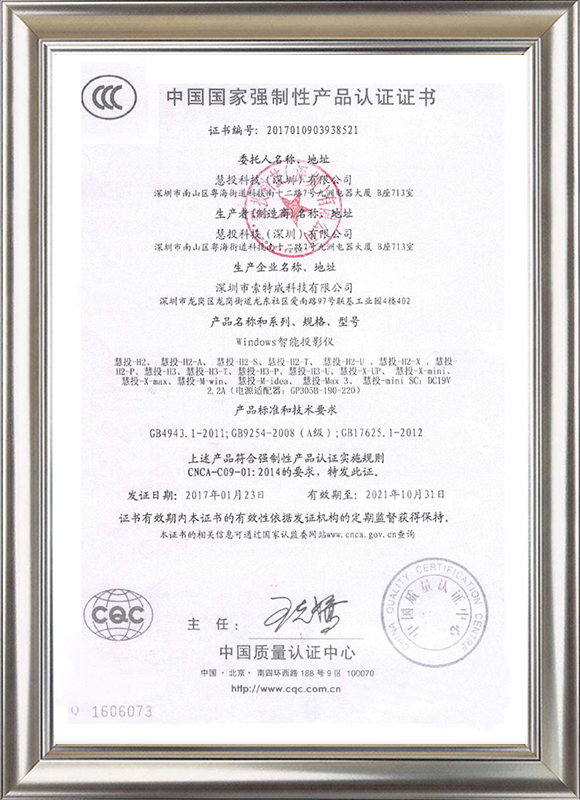
Organizations deploying video conferencing all-in-one systems face a growing list of regulatory requirements long before the first camera goes online. From CE marking in the European union to FCC certification in the United States, every component connected to the network or the power grid must satisfy strict conformity requirements that vary by market. For system integrators, choosing an industrial solution for Video Conferencing with documented certification evidence reduces project risk and shortens time to deployment.
The video conferencing technology landscape is shifting rapidly. Traditional wired systems are being phased out in favor of digital wireless solutions, with early adopters reporting ROI payback periods of under 12 months — primarily through reduced labor costs and increased room utilization. At the same time, compliance obligations are tightening: energy efficiency directives, electromagnetic compatibility (EMC) limits, and data protection laws now apply directly to meeting room hardware.
Operational pain points in video conferencing deployments typically fall into a few recognizable categories — hardware that fails in demanding environments, maintenance interruptions that disrupt busy meeting schedules, and wireless dead zones that leave remote participants dropping in and out. Equipment built to recognized standards addresses each of these categories at the root.
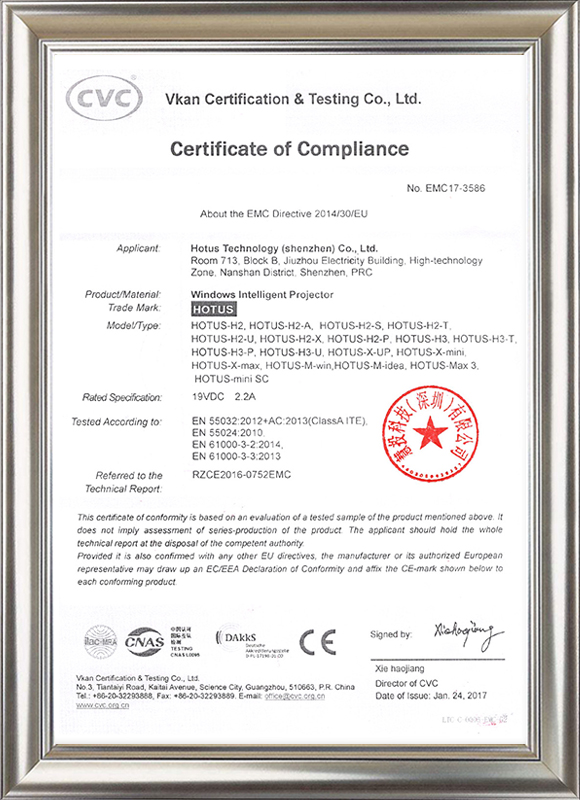
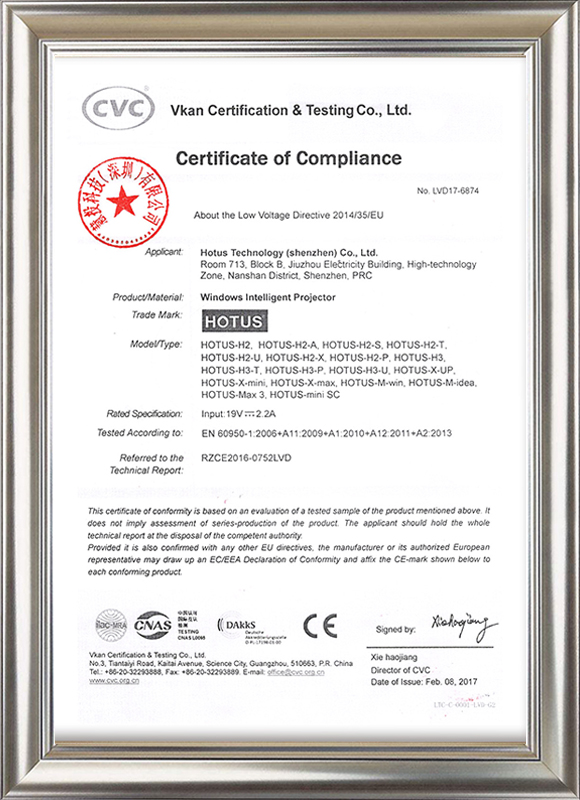
CE marking confirms that a product meets the essential requirements of applicable EU directives, including the Low Voltage Directive, the Electromagnetic Compatibility Directive, and the Restriction of Hazardous Substances (RoHS) Directive. For a video conferencing all-in-one station, this means power supplies, processors, and displays must operate safely under normal and fault conditions, and that hazardous materials stay out of the supply chain. FCC certification, by contrast, governs radio frequency emissions and interference in the United States, ensuring that devices do not disrupt other wireless equipment sharing the meeting room spectrum. Together, the two marks represent the baseline most global organizations expect from conference room hardware.
Deploying certified devices matters because meeting rooms are dense radio environments. Wi-Fi access points, Bluetooth peripherals, wireless presentation systems, and mobile phones all compete for the same spectrum. A non-certified host computer can generate spurious emissions that degrade camera feeds or drop audio bridges mid-meeting — precisely the failure a compliance-first procurement strategy avoids.
Electromagnetic compatibility compliance has two directions. Emissions testing ensures the device does not interfere with other electronics, while immunity testing confirms the device continues to operate correctly when exposed to external interference such as lighting ballasts, HVAC controllers, and power line noise. Industrial-grade hardware is typically designed with shielding, filtered ports, and grounded enclosures that satisfy both requirements simultaneously.
Energy efficiency is a second, increasingly visible compliance area. Video conferencing systems in modern offices run across many rooms and remain partially powered around the clock. Low-power processors, efficient power adapters, and the ability to enter low-power states when idle reduce cumulative energy consumption across an entire facility. This aligns with corporate sustainability reporting and, in many regions, with energy labeling requirements.
Modern privacy regulations, such as the EU General Data Protection Regulation (GDPR) and the California Consumer Privacy Act (CCPA), treat meeting recordings, transcripts, and attendee metadata as personal data. A compliant video conferencing system must therefore support clear consent indicators, local processing where possible, and secure storage of any recorded content. Physical controls such as camera covers and microphone mute switches are increasingly treated as a compliance feature rather than an accessory.
Secure boot, encrypted storage, and verified firmware updates are also part of the security baseline. Devices that boot from a controlled chain of trust and sign every update reduce the risk of tampered installations in conference rooms, which remain physically accessible to many people throughout a normal working day.
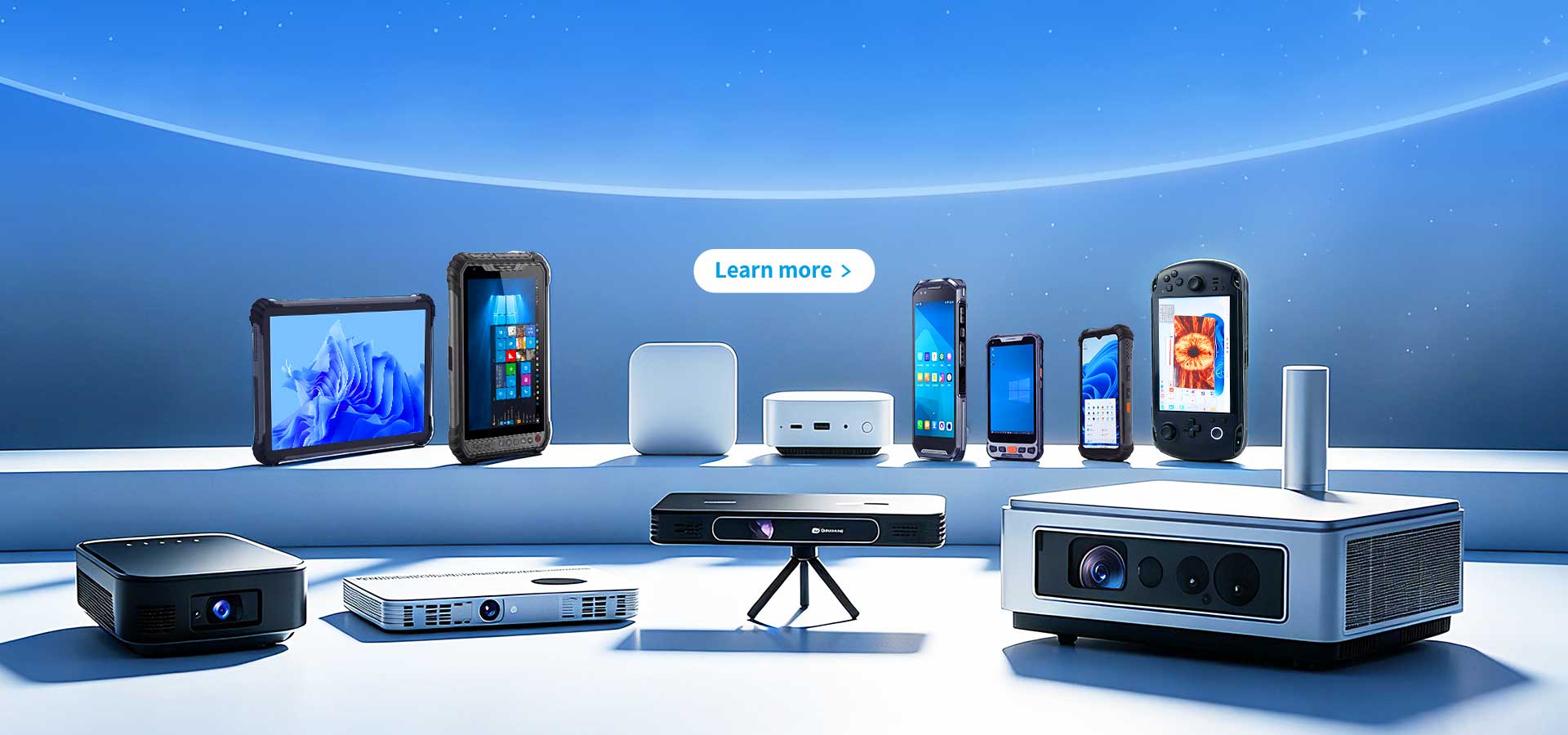
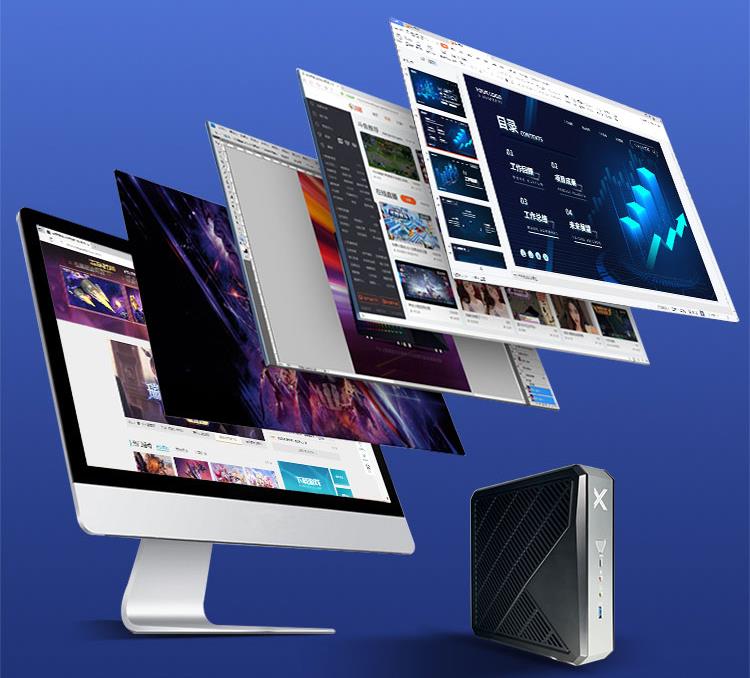
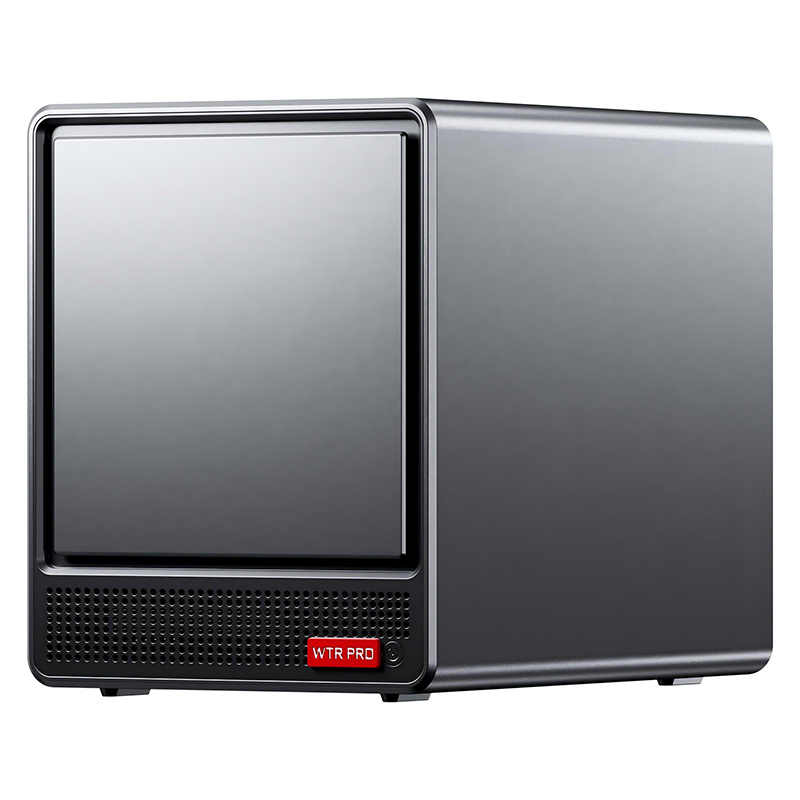
Meeting room environments impose their own compliance-oriented requirements on computing hardware. Ambient temperatures rise quickly in enclosed AV racks, ventilation is often limited, and equipment must tolerate the vibration of wall-mounted displays and moving furniture. Compact, fan-less designs with wide operating temperature ranges handle these conditions without the maintenance burden of desktop-class systems. The Palm-sized miniPC is engineered for exactly this role, fitting behind displays or inside equipment cabinets while running the video conferencing codec, camera control, and presentation software without audible noise.
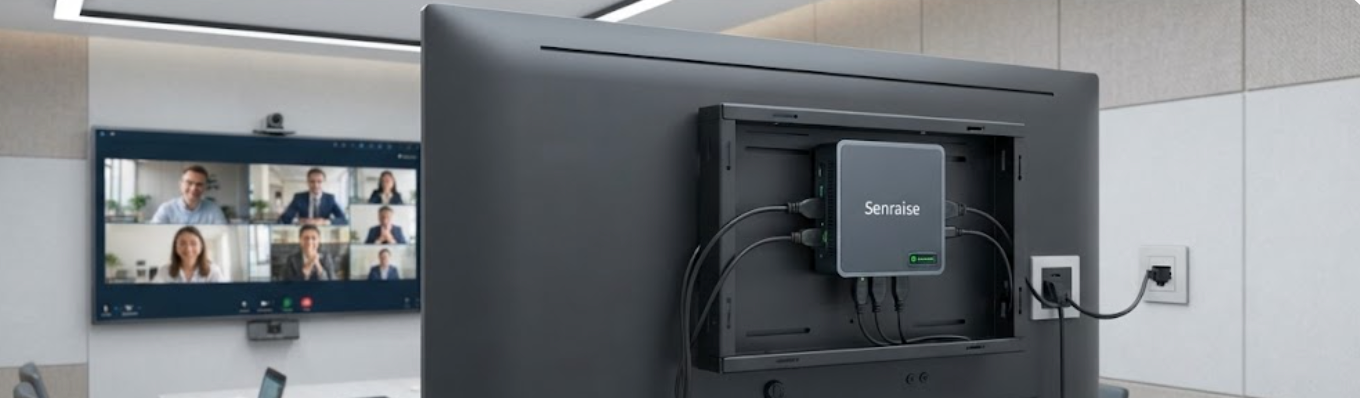
From a compliance perspective, a compact form factor helps meeting room builders keep cables organized and grounded, reducing the chance of EMC problems caused by long, unshielded signal runs. Low power draw also simplifies the sizing of power distribution and uninterruptible power supplies across an entire room.
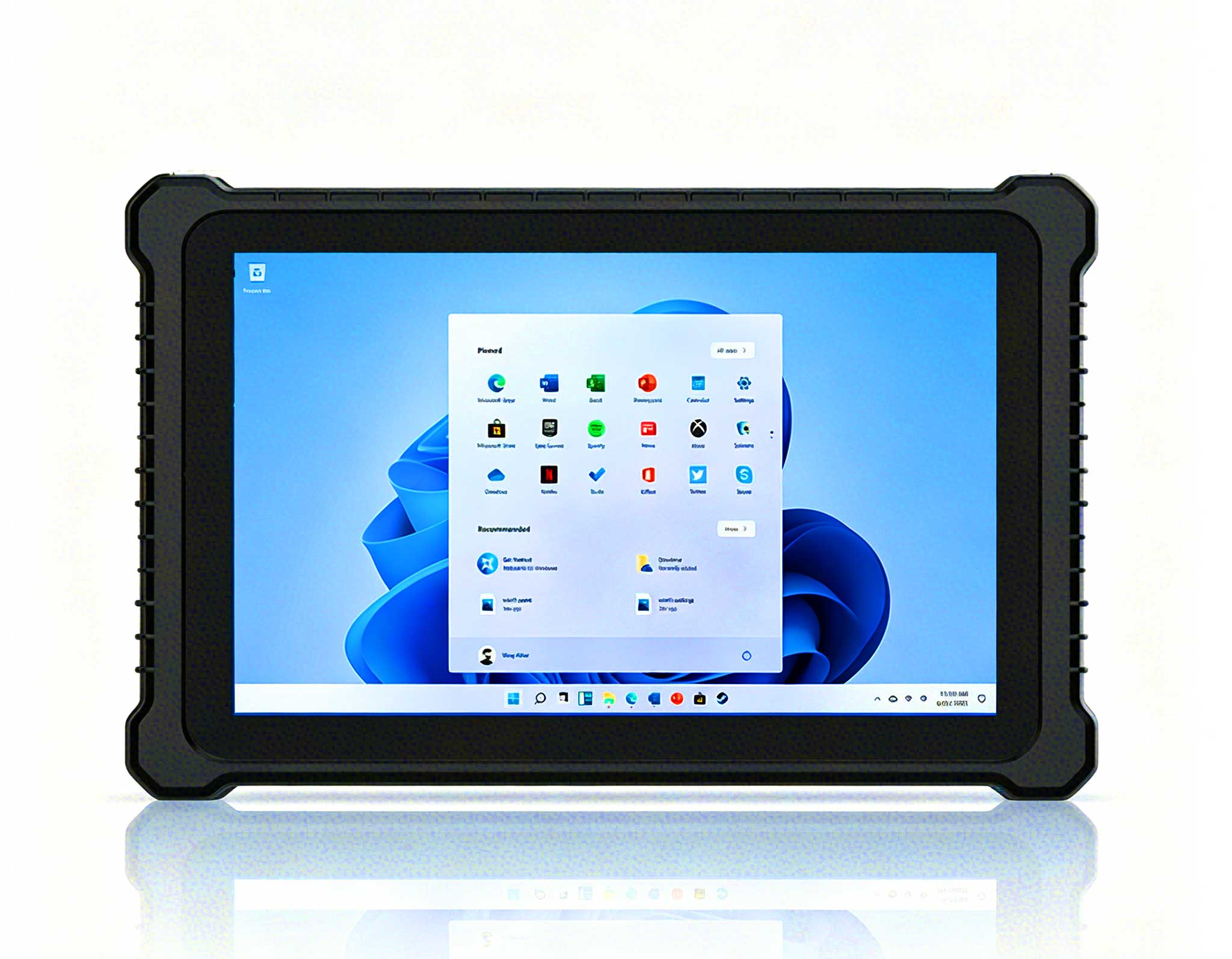
While the host computer handles processing, video conferencing rooms frequently need a rugged operator interface for scheduling, camera presets, and room control. The 6.5-inch Windows SH6 Rugged Industrial Tablet provides a touchscreen control surface that meets the durability expectations of continuously used meeting room furniture. Its Windows platform runs standard room control software, while its industrial construction tolerates frequent handling, cleaning with standard disinfectants, and installation in shared spaces where accidental impact is a daily risk.
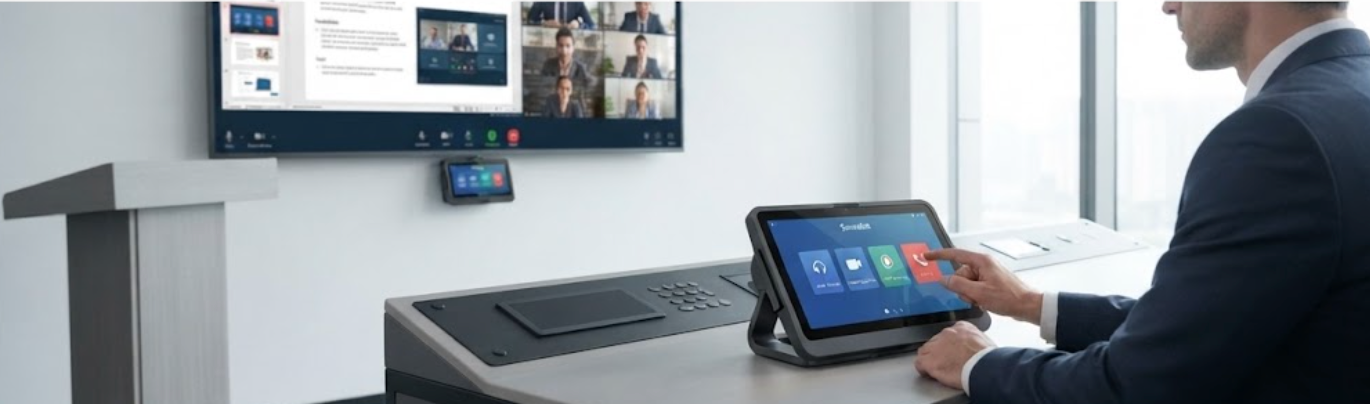
For compliance programs, the SH6 adds an auditable control layer. Room managers can enforce meeting policies at the device, record system health data, and keep the control surface out of reach of unauthorized network changes. Combined with the Palm-sized miniPC, it forms a complete, certifiable video conferencing station.
| Specification | Palm-sized miniPC | SH6 |
|---|---|---|
| Product type | Compact industrial mini PC | Rugged industrial tablet |
| Position in the meeting room | Host processing behind display or in AV cabinet | Operator touch control at the podium or wall |
| Weight | Ultra-light palm-sized chassis | Lightweight rugged handheld form factor |
| Compliance focus | CE/FCC certification, EMC, low-energy operation | Durable housing, touch security, data protection |
| Primary deployment | Video conferencing codec and presentation host | Room scheduling, camera presets, control panel |
Both devices belong to the rugged mini PC solutions family designed for professional environments where certification documents, long service life, and predictable behavior matter more than consumer specifications.
A compliant video conferencing deployment is not a single product decision but a systems decision. Certifications such as CE and FCC establish the regulatory baseline, EMC testing keeps the room interference-free, energy efficiency supports sustainability goals, and data protection measures safeguard the conversations themselves. Hardware selection determines how easily all of these obligations are met.
With the Palm-sized miniPC as the processing core and the SH6 as the operator interface, integrators can assemble a video conferencing station that is certifiable, serviceable, and ready for continuous duty. To see the full range of options and supporting documentation, explore our mini PC solutions and start planning your compliant meeting room today.