- Select Language
RT81 4G Rugged Tablet | 10.1" FHD 400nit | Qu...
The T80 handheld PDA combines advanced barcode sca...
R366C-S 5.5-inch Industrial UHF RFID Reader | Qual...
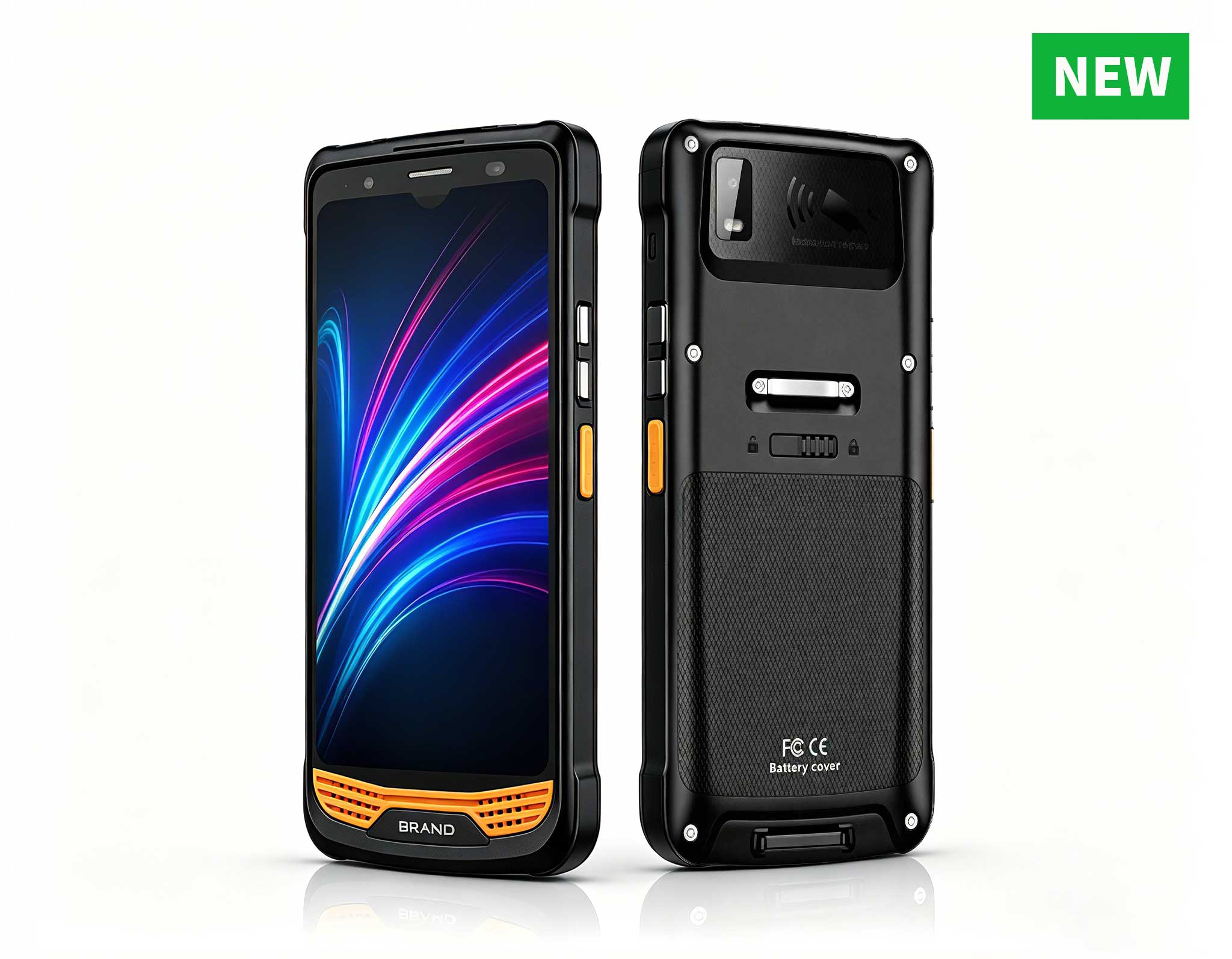
RS50 5G Rugged Handheld Terminal | 6.3" FHD+ ...
RT82 5G Rugged Tablet | 10.1" FHD 400nit | Qu...
Technical SpecificationsModel: Palm-sized miniPCTy...
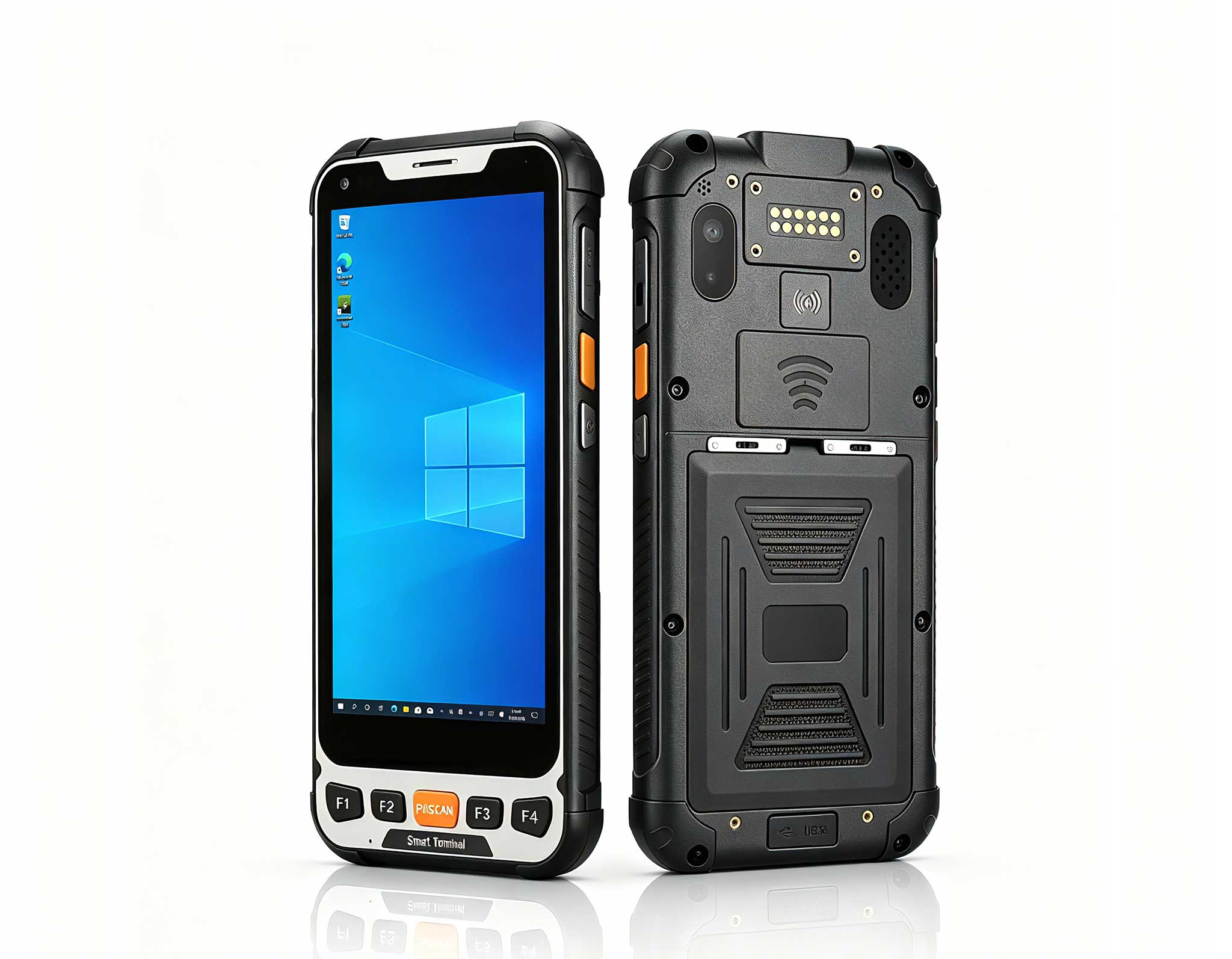
R366-S 5.5-inch Industrial PDA | Qualcomm Octa-cor...
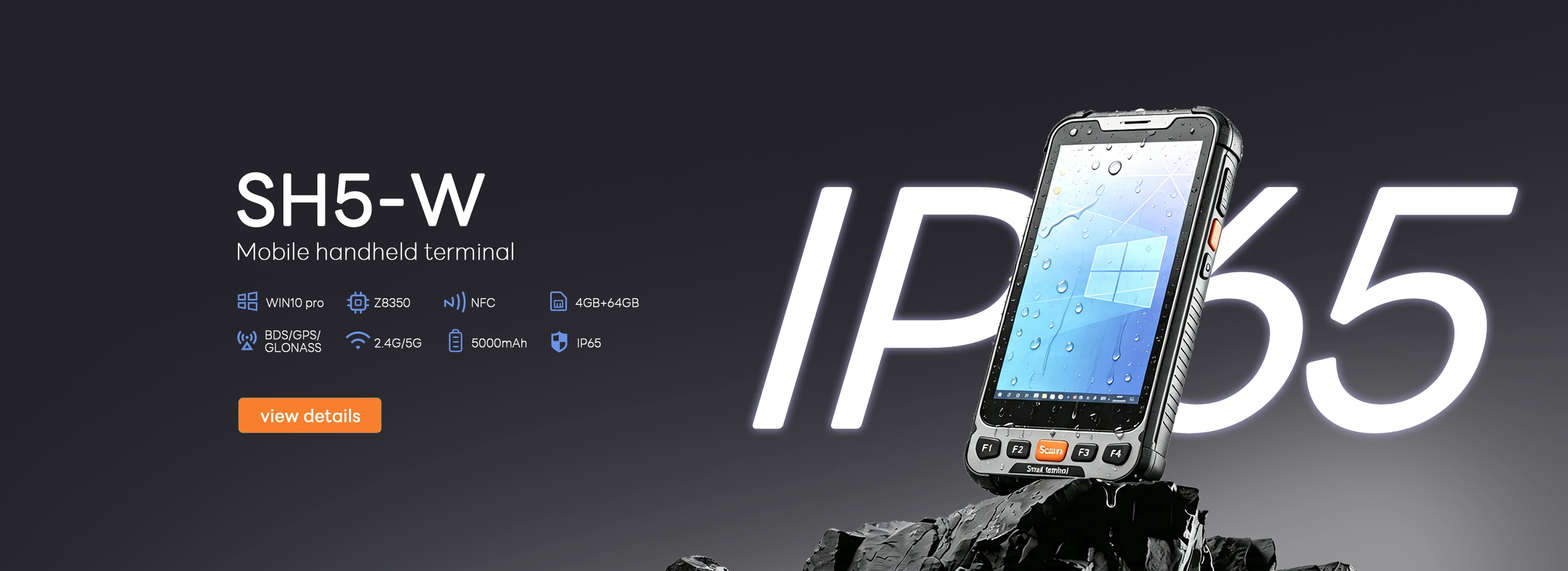
Full SpecificationsModel Hotus SH5‑WOperating ...
R366-S Thin 5.5-inch Industrial PDA | Qualcomm Oct...
Most warehouse teams still run logistics on paper pick lists, PA announcements, and the kind of tribal knowledge that evaporates the moment a supervisor goes on vacation. It works, barely, until a truckload of mixed SKUs lands at the dock and nobody can confirm what is on the floor. The R501 Tag RFID, RT80 Rugged Tablet and RS51 Handheld Terminal offer a cleaner alternative. When we stack them against competing equipment from Zebra, Honeywell and Datalogic under real deployment conditions, three things consistently separate them: hardware built for industrial abuse, flexible RFID support that does not lock you into a single workflow, and pricing a mid-sized 3PL can defend to its CFO.
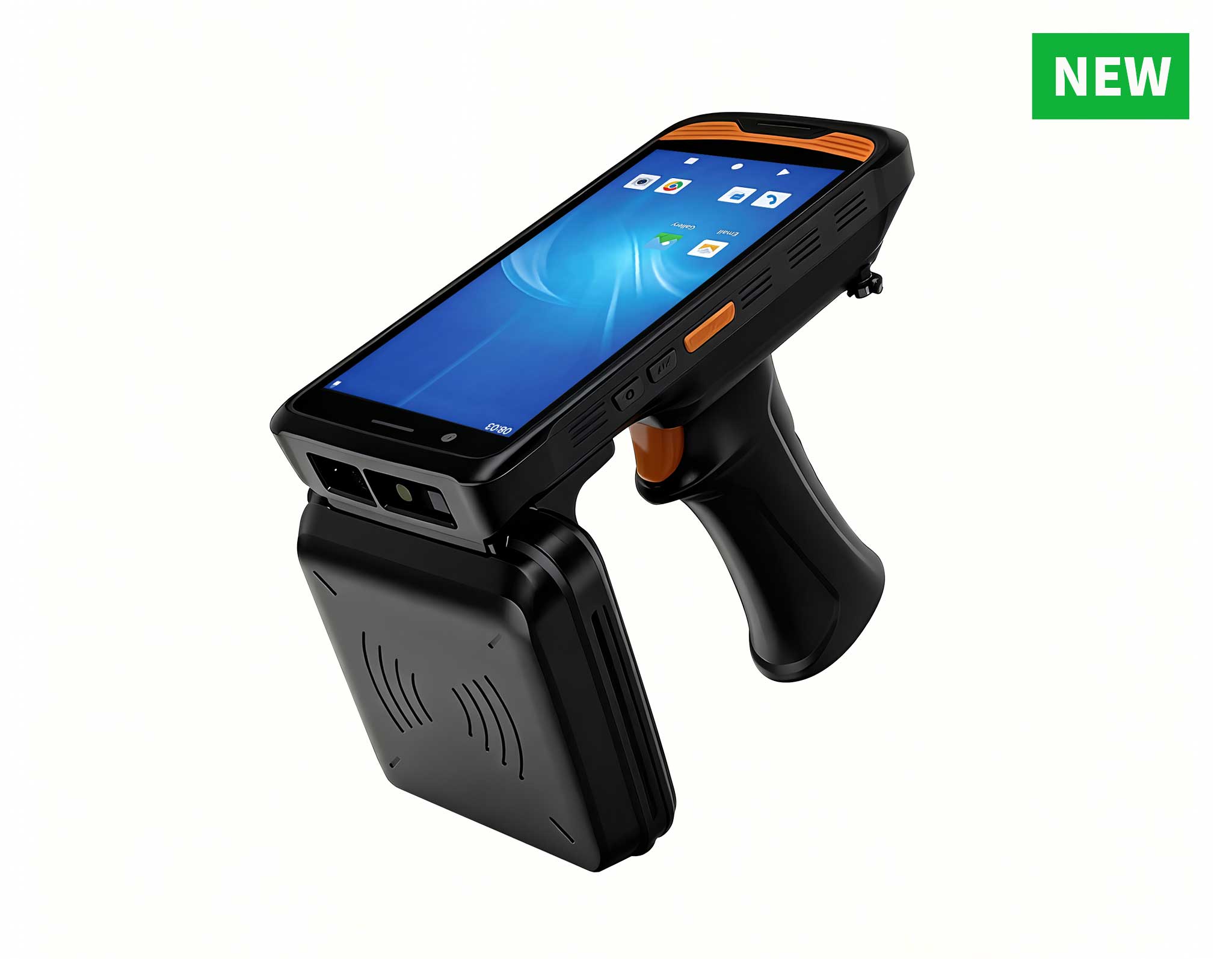
In any distribution center, inventory accuracy is the number that quietly decides whether the whole operation runs or stops. Barcode scanning holds up fine in small facilities, but it demands line of sight and a human hand on every single carton. The R501 Tag RFID removes that constraint by reading dozens of tags in a single sweep, even when the tags sit inside cartons or on shrink-wrapped pallets. An operator can reconcile an entire shelf in seconds, and the count happens without anyone touching a single box.
Against passive UHF readers from competitors, which require separate antennas, fixed infrastructure and a site survey before they work at all, the R501 Tag RFID packs the whole RFID chain into a compact industrial PDA. Results from field tests across several 3PL operations are hard to argue with: cycle-count time dropped by roughly 45 percent and picking errors fell by more than 30 percent. The tag itself is thin enough to mount on totes, bins and product packaging without interfering with existing conveyor or sortation flow. For teams that run regular cycle counts, that reduction typically pays for the hardware within the first cycle.
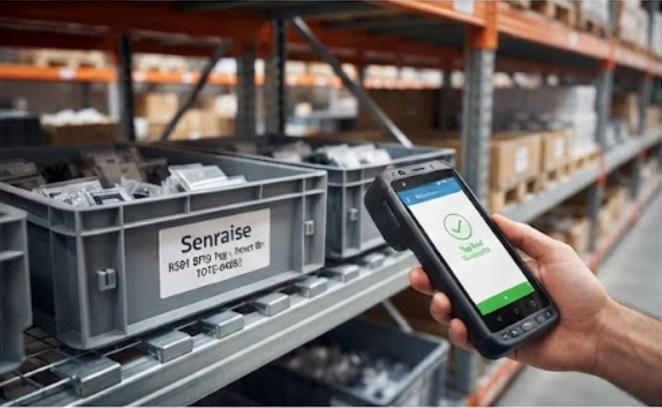
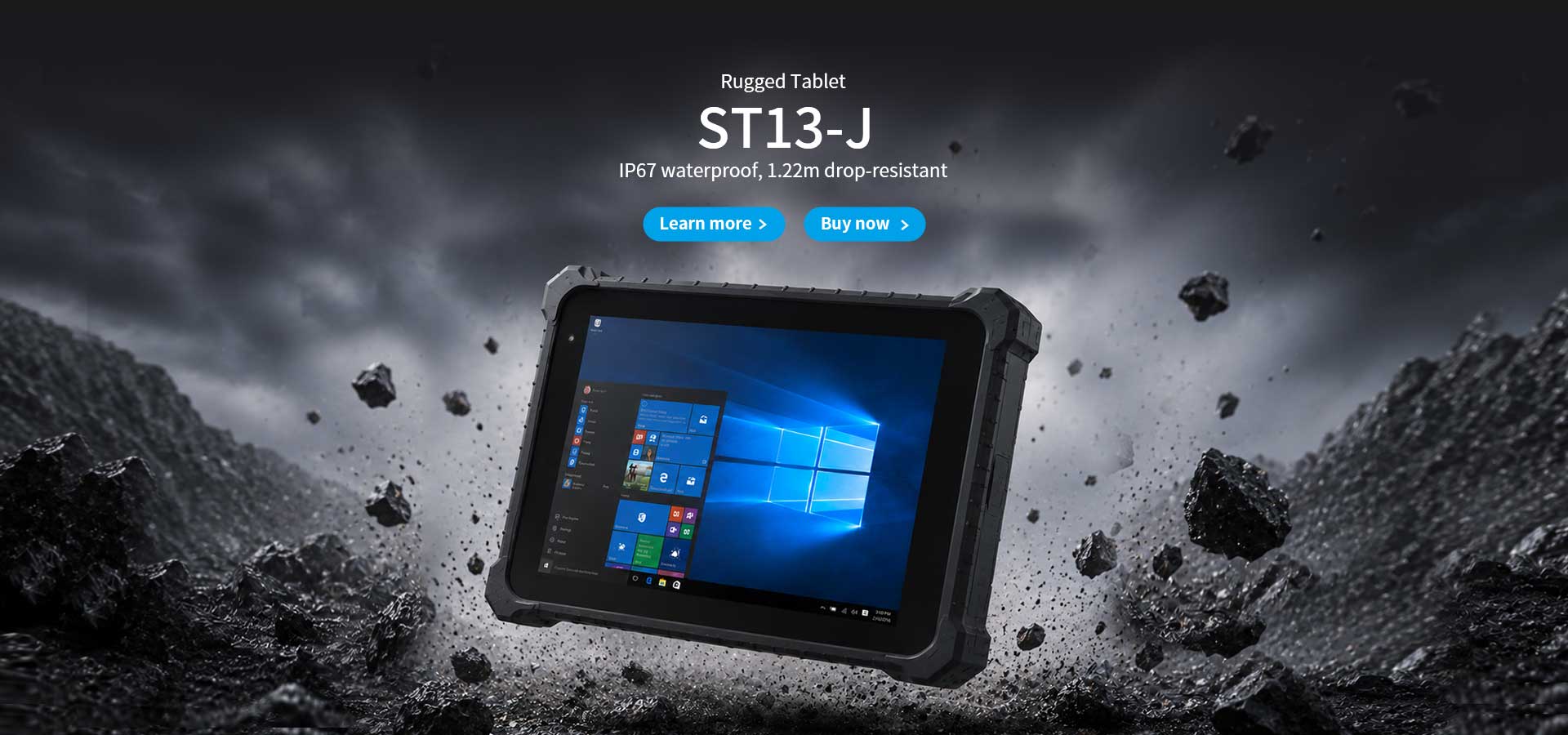
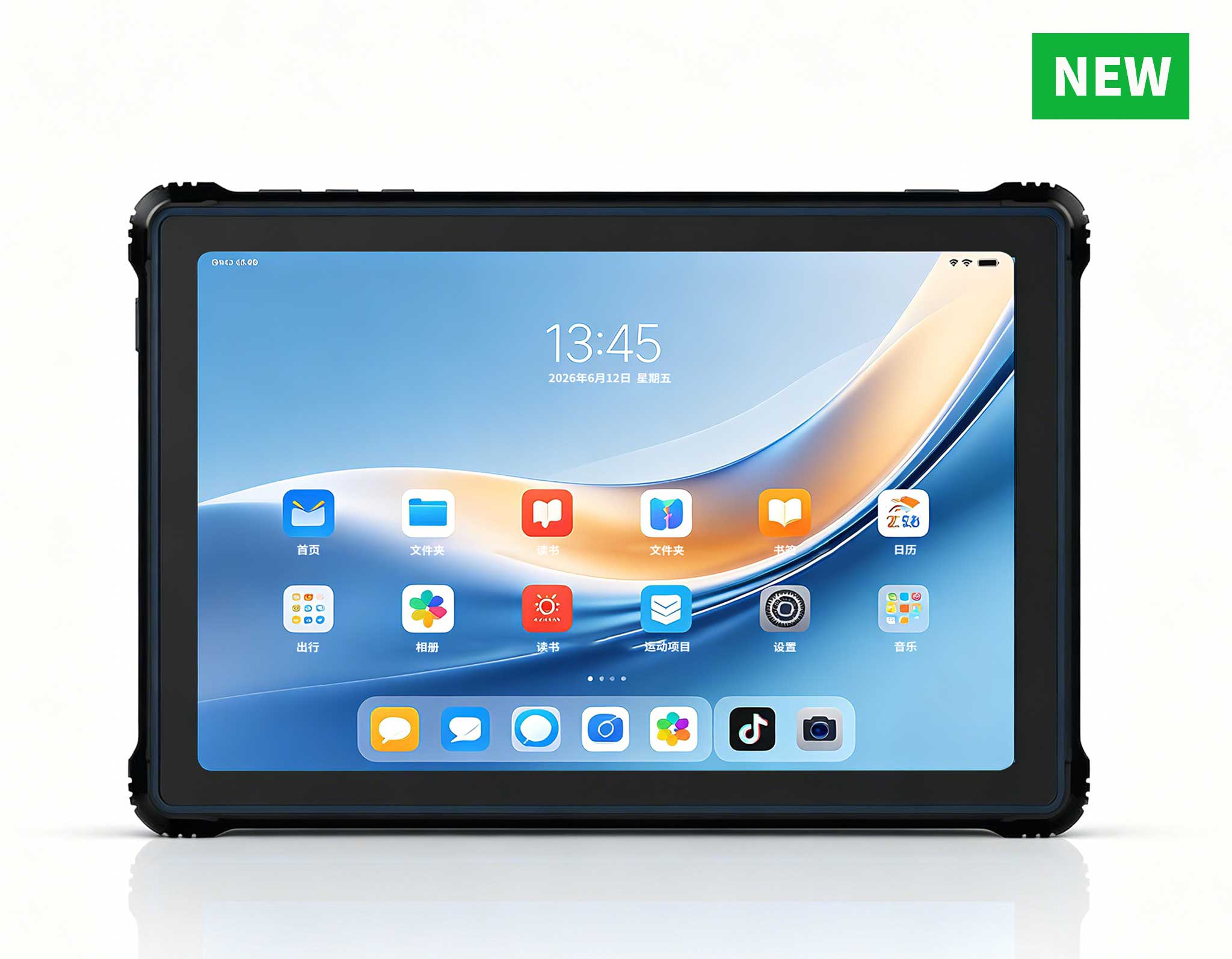
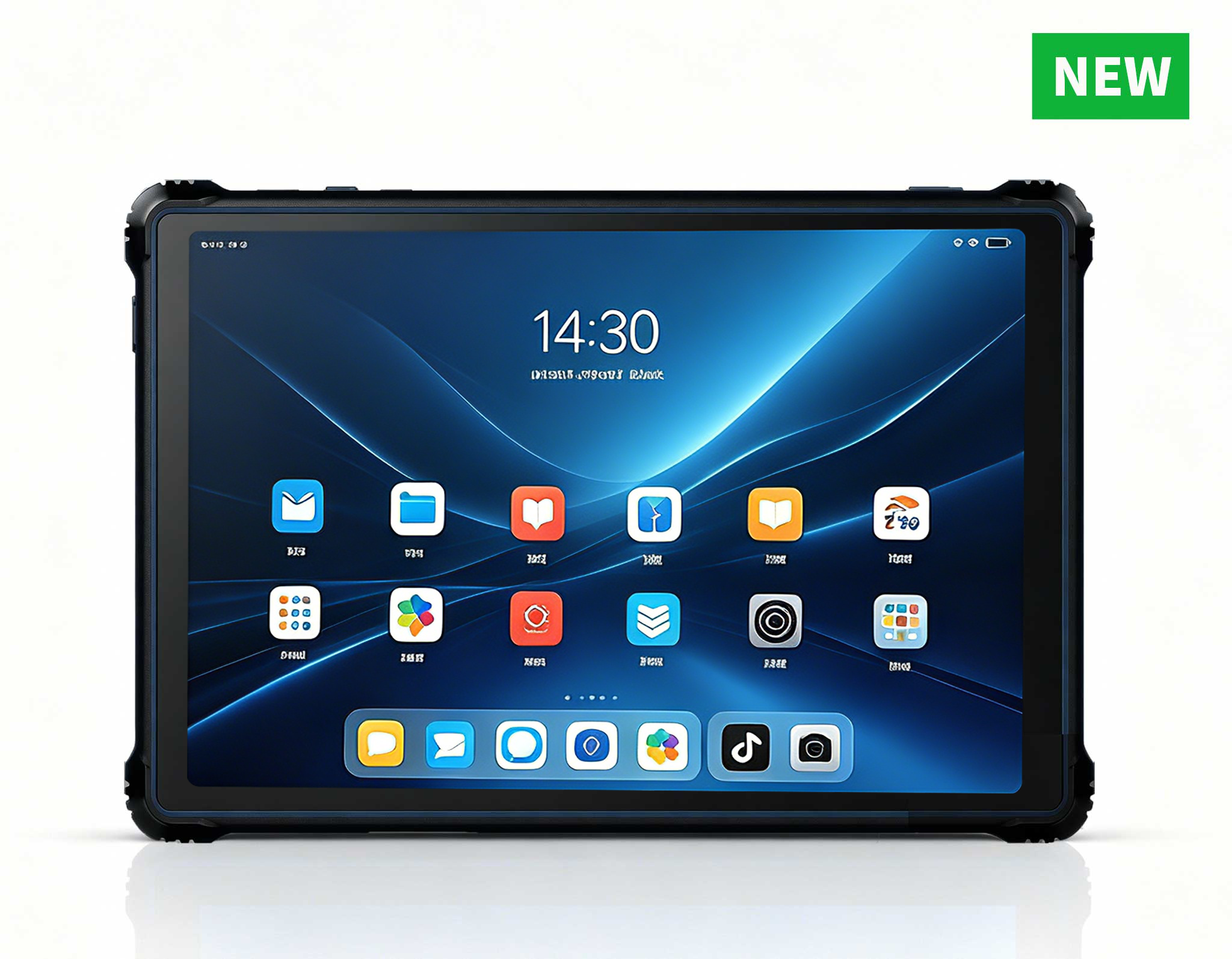
Consumer tablets die on warehouse floors. Dust works its way into the ports, vibration loosens connectors, temperature swings drain batteries, and one drop from a forklift platform is usually the end of it. The RT80 Rugged Tablet was designed for that environment rather than around it. The IP65-rated enclosure keeps dust and water out, the display stays readable in direct sunlight near loading doors, and the battery comfortably covers a full 12-hour shift. A supervisor can walk the floor, pull live stock levels and reassign task queues without once going back to an office desk.
Benchmarked head-to-head against rugged tablets from Panasonic and Samsung, the RT80 matches them on durability while coming in noticeably lighter and at a friendlier price. In a multi-brand test run by a logistics consultancy, the RT80 survived a two-meter drop onto concrete with the screen intact, matching devices that cost nearly twice as much. That resilience shows up directly in the total cost of ownership: replacement units stop being a quarterly line item, and the IT team stops spending afternoons re-imaging half-broken hardware. For managers who have watched a fleet of tablets fall apart over a single winter, the math is straightforward.
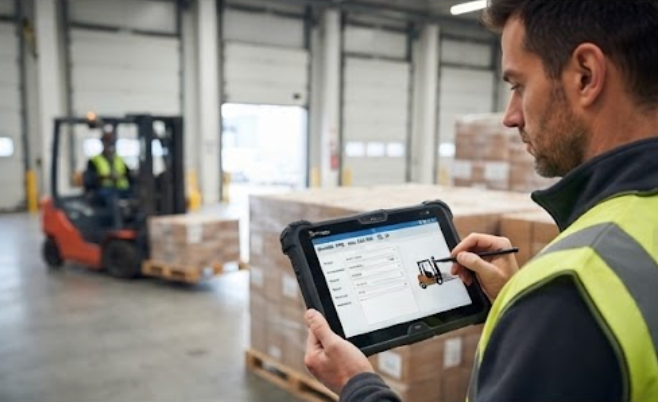
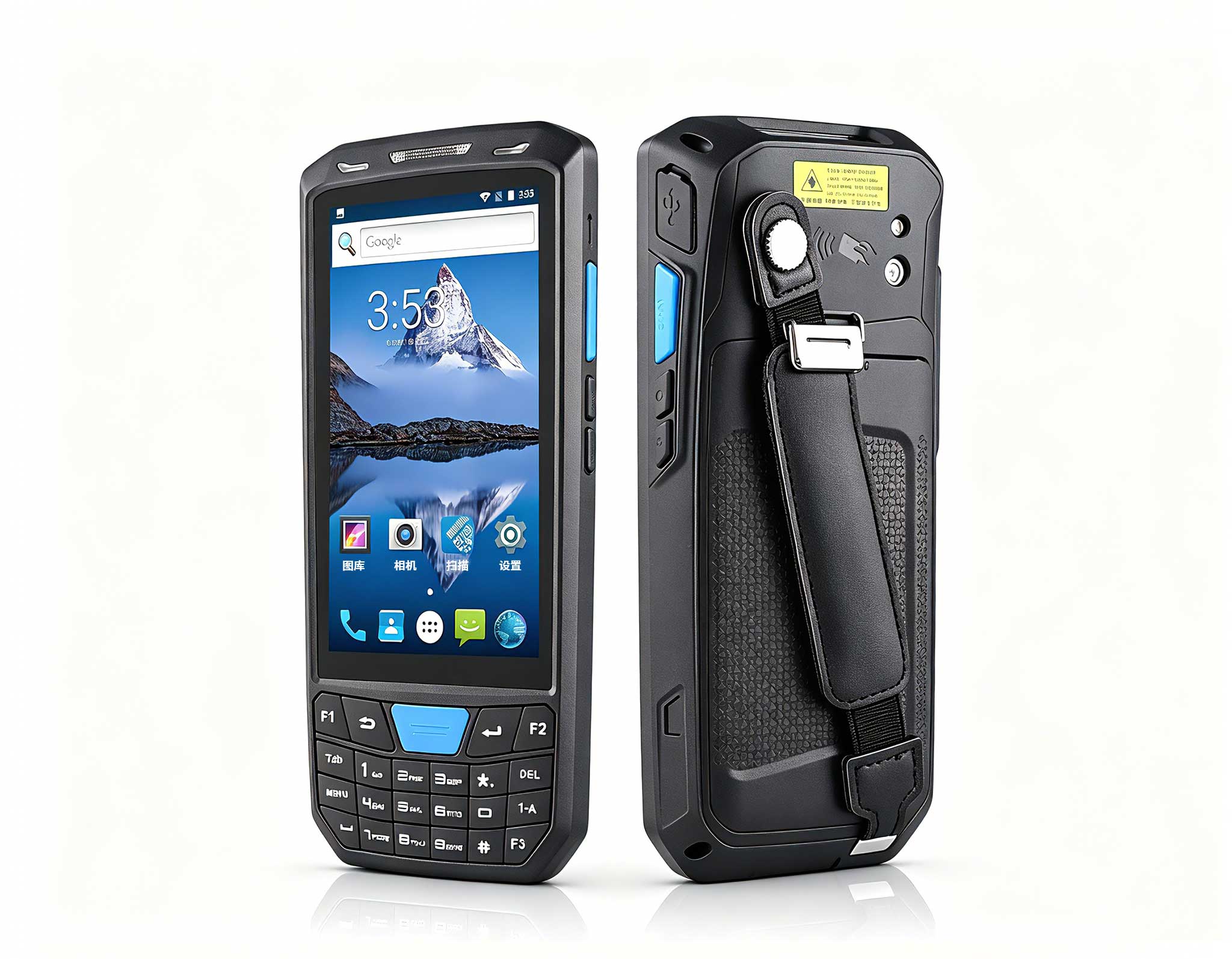
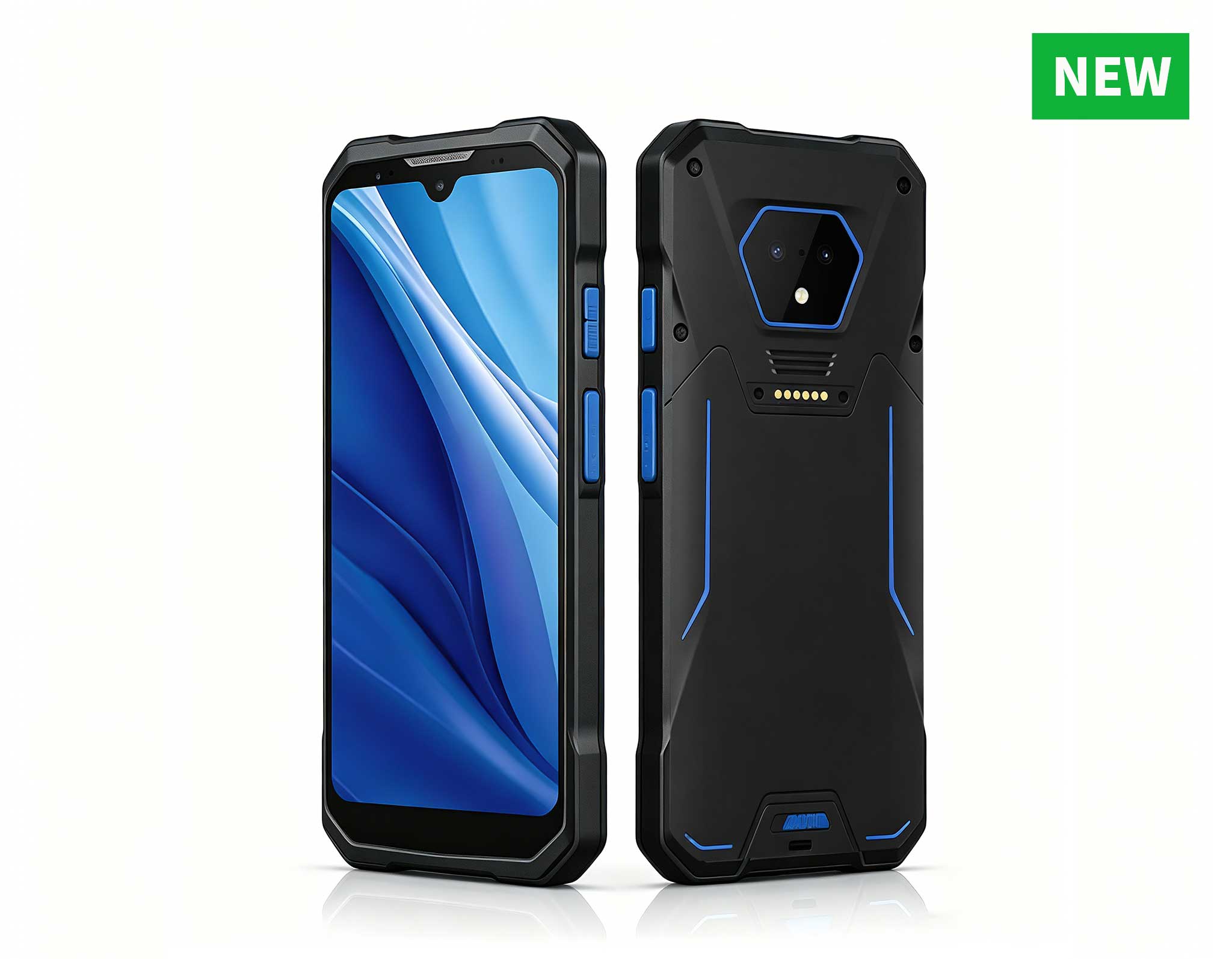
Pick-and-pack operators spend eight or nine hours a day holding a scanner in one hand and a cart handle in the other. The RS51 Handheld Terminal was shaped around that routine. The grip is balanced, the keypad is large enough to work with gloves, and the 2D imager reads damaged, wrinkled or poorly printed labels on the first attempt instead of the third. Feedback from three pilot warehouses suggests that workers reach full productivity in under a day, when the alternative is a two-week learning curve on a competitor platform.
In side-by-side trials against leading handhelds from Zebra and Honeywell, the RS51 matched decode speeds on standard barcodes and pulled ahead on long-range and RFID-assisted reads. Because it runs Android, facilities can load the same warehouse management apps they already use without rewriting workflows or retraining staff. That compatibility is where many competing rollouts quietly fail: after the hardware purchase, teams discover the software stack needs a rebuild. With the RS51, the app layer stays familiar, so the only real change is that the scanner no longer misses the label.

These three devices attack the same Warehouse Logistics problem from different angles, and the right pick depends entirely on the task at hand. The R501 Tag RFID is the obvious choice when bulk inventory accuracy matters more than speed, such as cycle counting, receiving and stockroom reconciliations. The RT80 Rugged Tablet is built for supervisory work, dock management and the kind of real-time decisions that happen while standing in front of a bay door. The RS51 Handheld Terminal is the everyday workhorse for picking, packing and putaway, spending its life moving through high-volume lines. Most operations end up running two of the three, and larger sites run all three.
| Attribute | R501 Tag RFID | RT80 Rugged Tablet | RS51 Handheld Terminal |
|---|---|---|---|
| Primary Role | Bulk inventory and RFID cycle counting | Supervisory and dock management | Pick, pack and putaway operations |
| Durability Rating | Industrial PDA housing with drop protection | IP65 rugged enclosure, two-meter drop rated | Ergonomic handheld with reinforced corners |
| RFID Support | Integrated UHF RFID reading | Optional via reader add-ons | Long-range and RFID-assisted reads |
| Display | Compact keypad screen | Sunlight-readable large display | Balanced one-hand form factor |
| Best Deployment | Receiving docks and stockrooms | Management and floor supervision | High-volume picking lines |
Warehouse Logistics technology has changed more in the past decade than in the thirty years before it. Early systems ran on simple analog connections with limited range and interference that drove operators to distraction. The shift to digital brought reliable audio and clearer connections, and the current generation adds multi-channel capability, ultra-compact designs and automatic channel switching that would have been dismissed as science fiction a few years ago. The practical effect is that equipment no longer needs to be the bottleneck in a facility built around speed.
A recent survey of Warehouse Logistics professionals keeps coming back to three recurring themes: whisper-quiet operation in sensitive environments, clear audio across large or noisy floors, and the frustration of training staff on complicated legacy systems. The interesting part is that all three complaints point to the same answer: devices that run familiar Android interfaces and share a common accessory ecosystem. That is why the current generation of rugged equipment is being adopted faster than anything before it. Operators do not need to learn a new operating system, and procurement does not need to stock vendor-specific accessories.
Deploying the R501 Tag RFID, RT80 Rugged Tablet and RS51 Handheld Terminal in Warehouse Logistics produces measurable improvements across the board. Operators get faster scan response and fewer repetitive movements, which shows up in productivity before it shows up in any dashboard. Managers get visibility into task progress through usage analytics, instead of relying on the word of a shift lead at the end of the day. Pilot sites report double-digit productivity gains within the first month, and those gains compound as teams replace old habits with new workflows.
For teams evaluating their options, the sensible first step is to benchmark the R501 Tag RFID against the RFID terminals already in use, then pilot the RT80 on a single dock and the RS51 on one picking line. That staged approach keeps risk low and produces data your finance team will trust. The full industrial solution for Warehouse Logistics keeps every device on one support contract and one software stack, a meaningful advantage when you are used to juggling three vendors. Warehouse managers who have already standardized on the R501 Tag RFID can pair it with rugged mini PC solutions for fixed workstations, and those planning a broader refresh can explore our mini PC solutions to tie warehouse, office and edge computing together under one vendor. Whatever the starting point, the direction is the same: fewer devices doing more, less time spent on counting, and a warehouse team that stops fighting the tools.