- Select Language
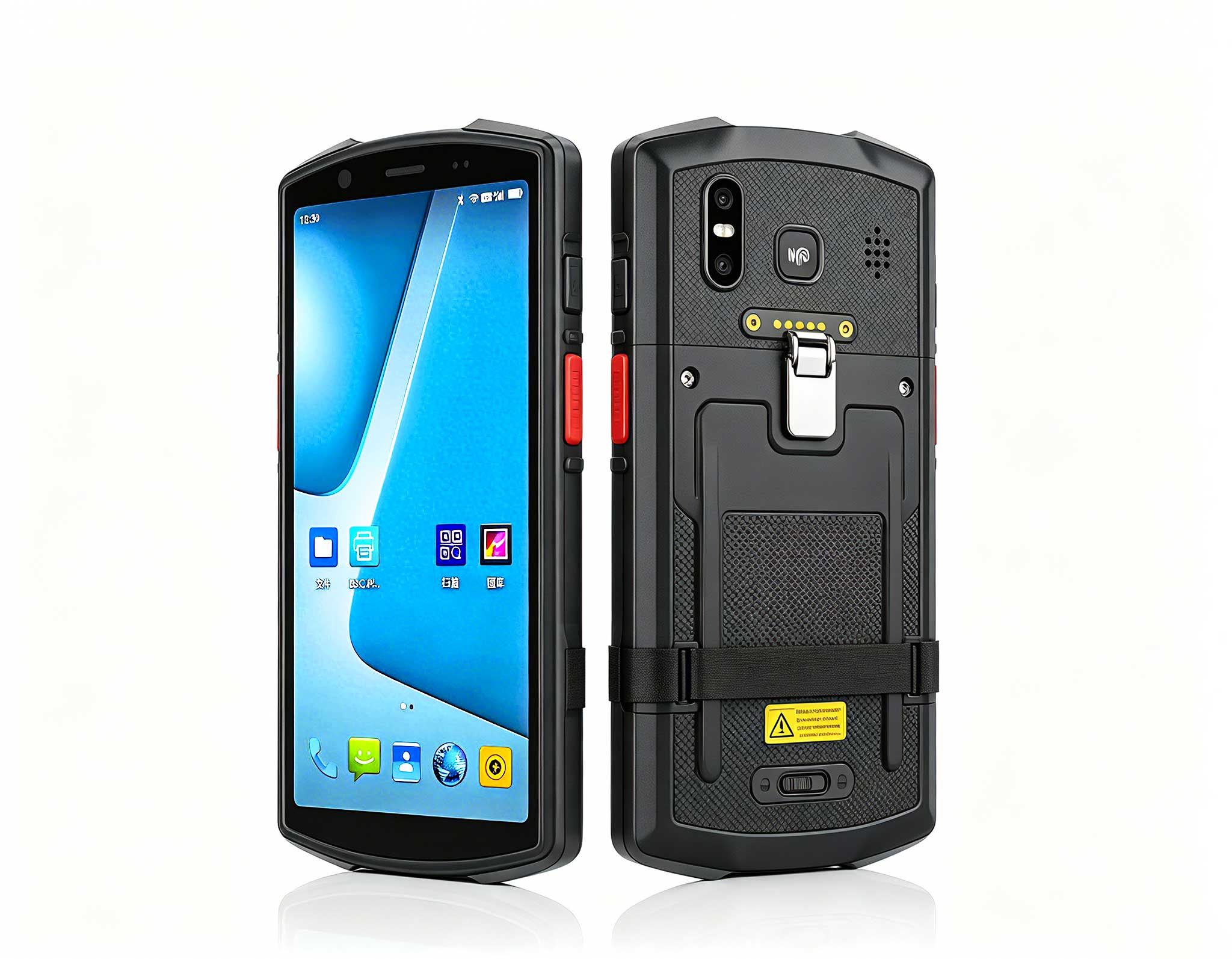
The N40 Android smart PDA features a Cortex-A53 qu...
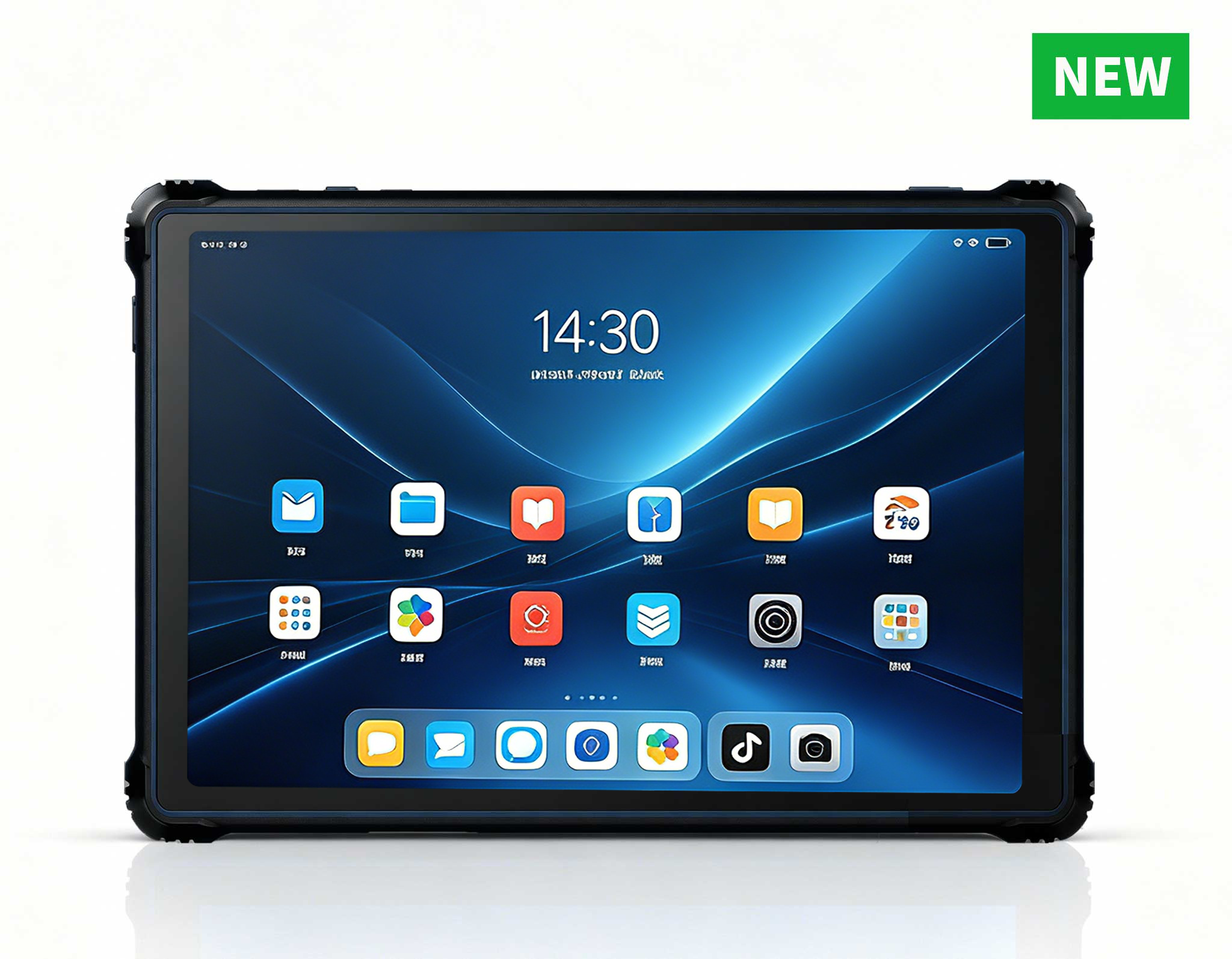
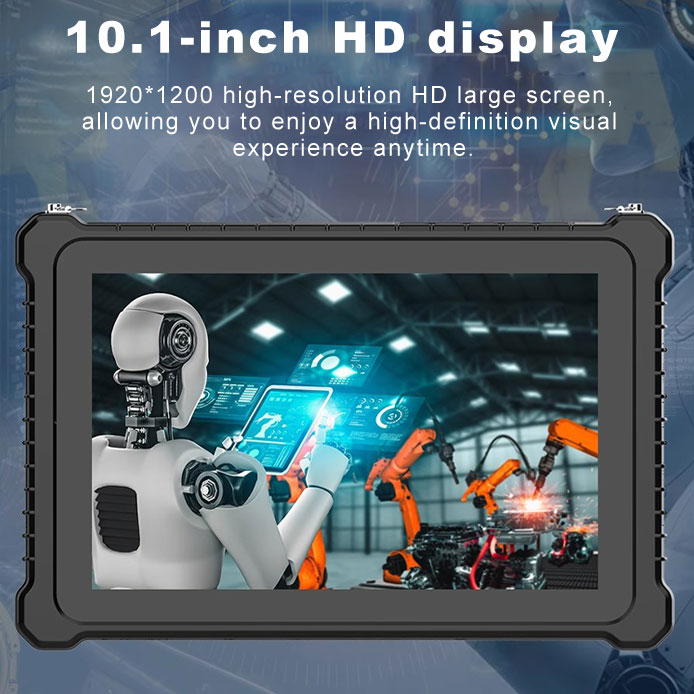
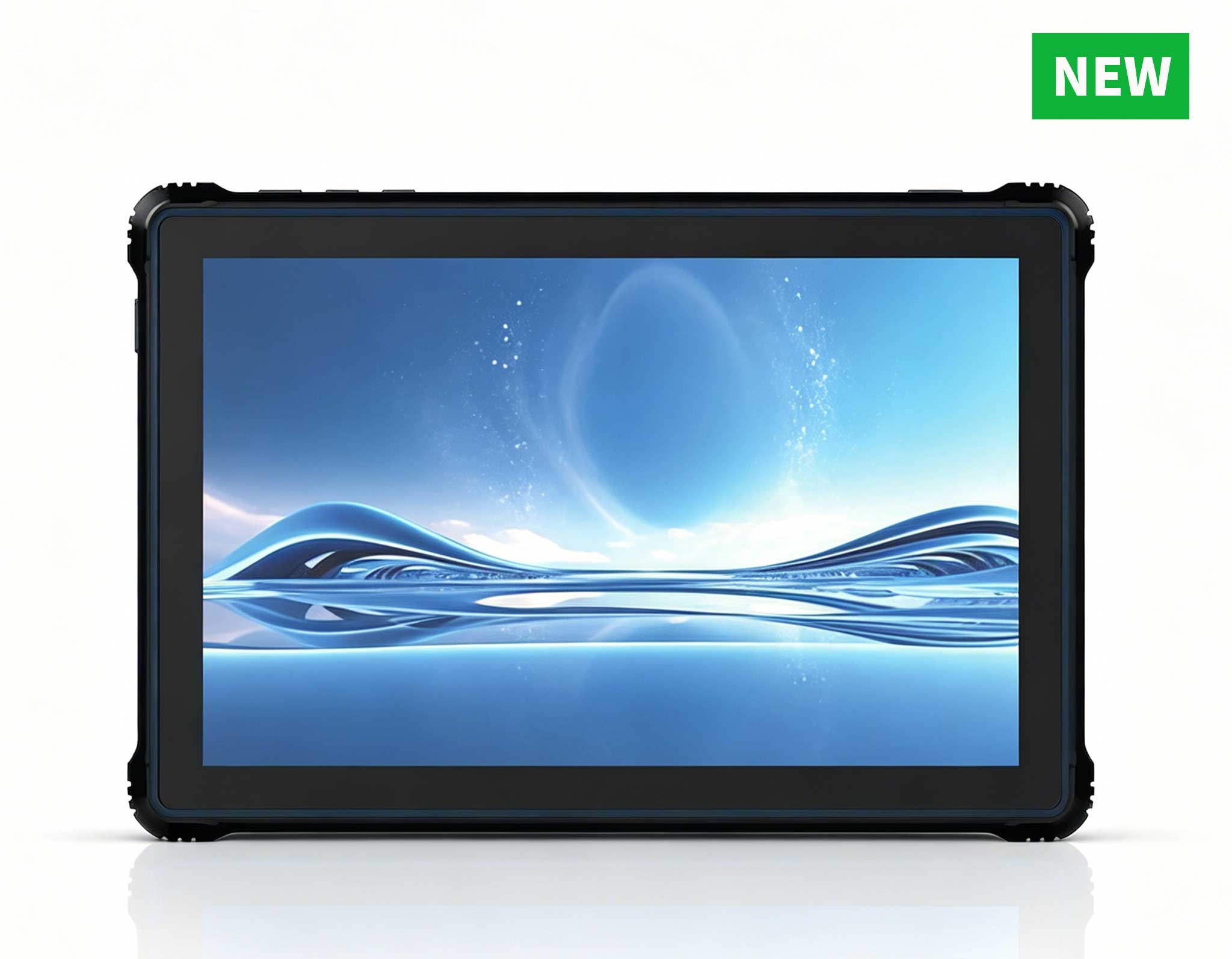
RT82 5G Rugged Tablet | 10.1" FHD 400nit | Qu...
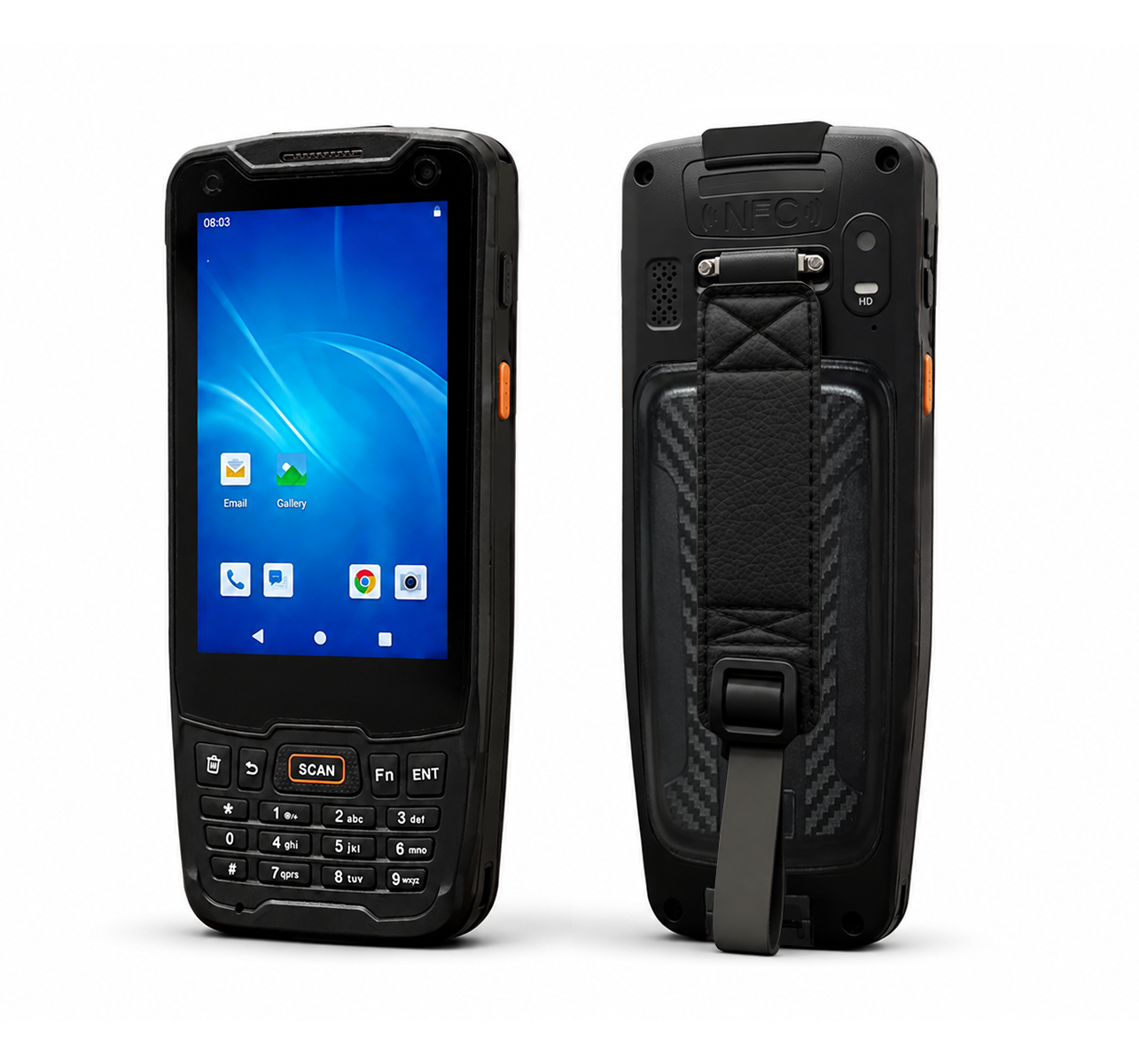
R350C 4-inch Industrial Handheld PDA | Qualcom...
Technical SpecificationsModel: Palm-sized miniPCTy...
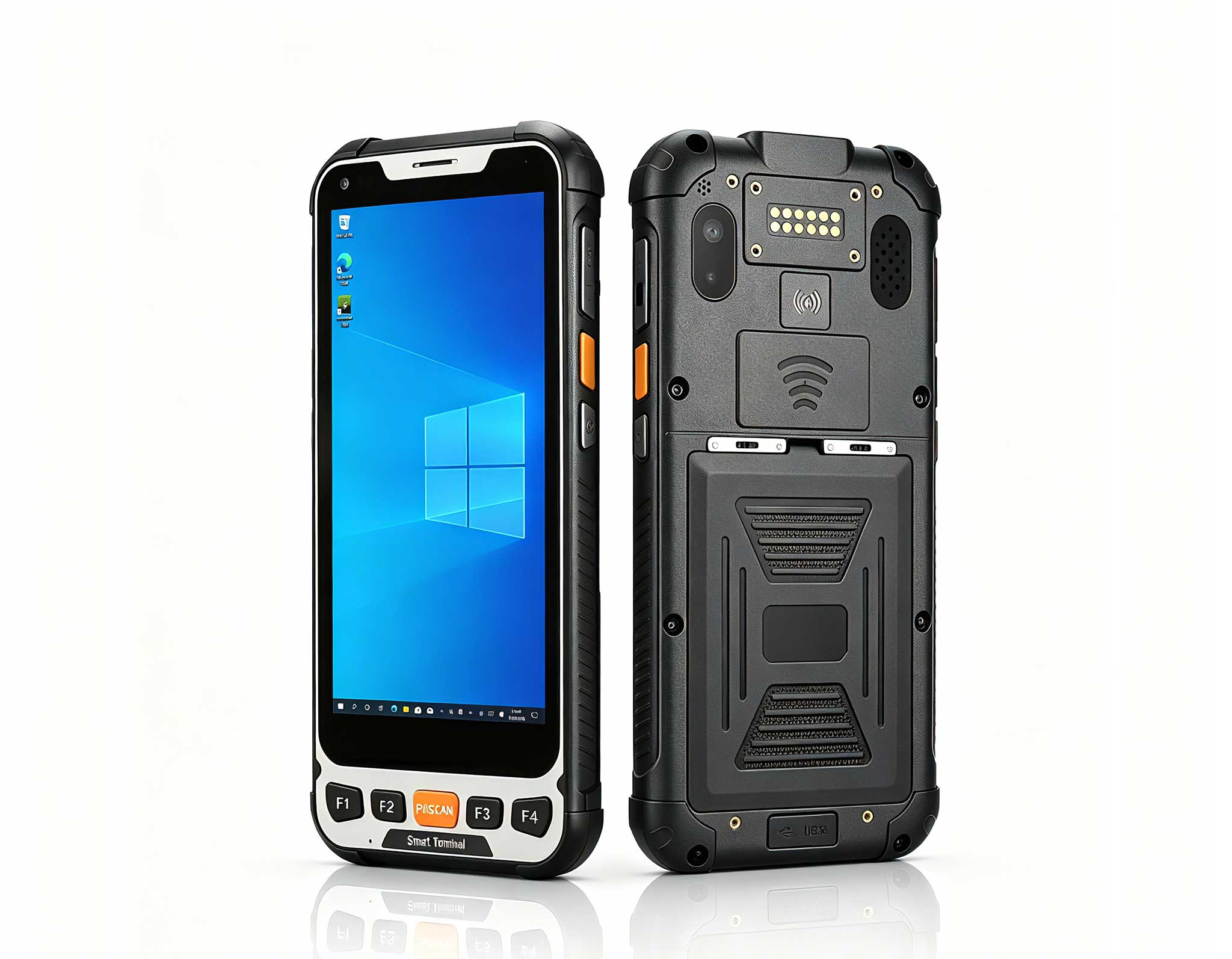
The F505 Handheld PDA is a compact, high-performan...
Full SpecificationsModelHotus ST11‑MOSWindows 10/1...
RT80 5G Rugged Tablet | 10.1" FHD 400nit | Un...
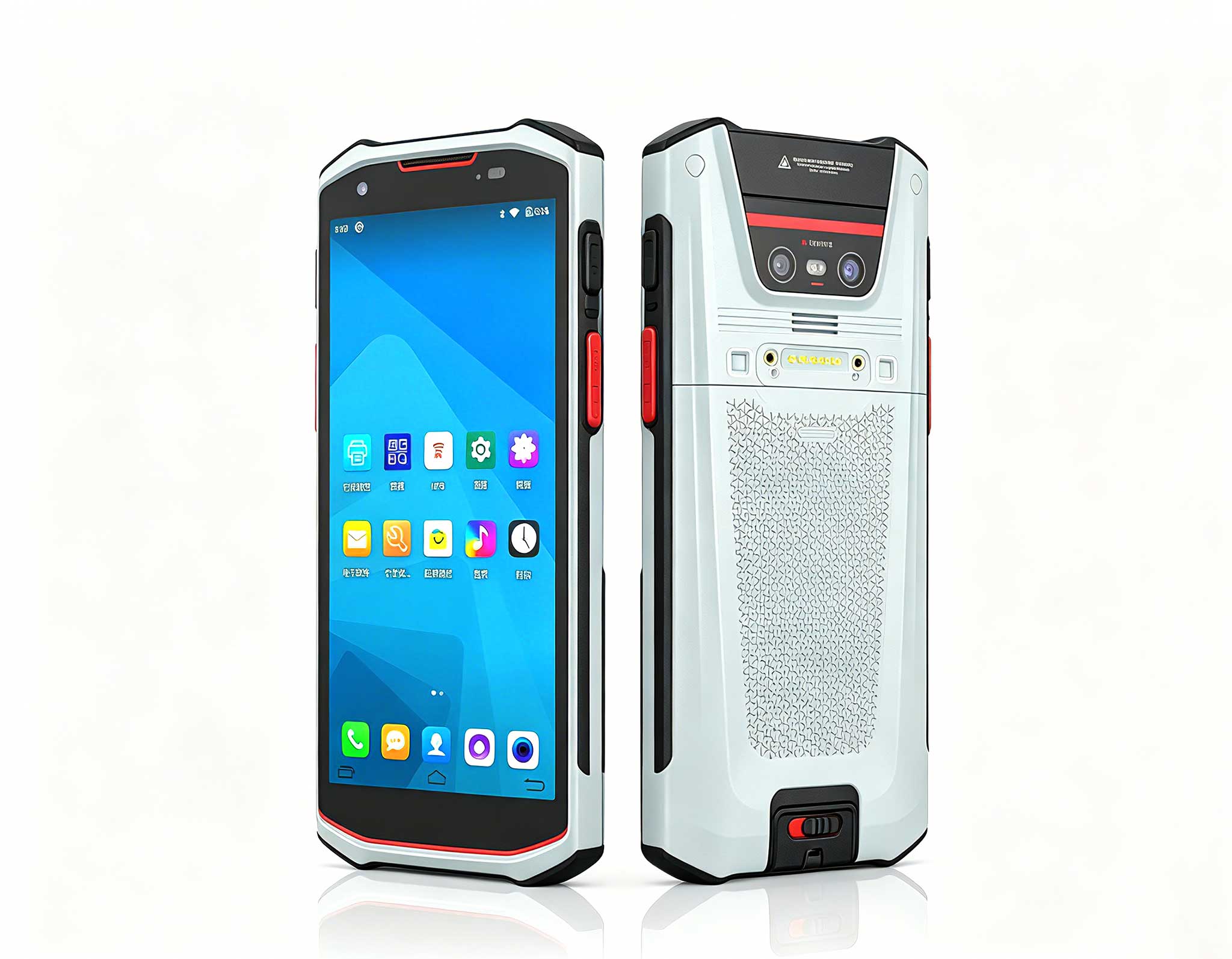
The N60 PDA is a cutting-edge device for inventory...
Full SpecificationsModel Hotus SH5‑WOperating ...
Explore our customized PDA designed for versatile ...
The PM156-1 is a 15.6-inch portable PC monitor fea...
A produce dock generates more readings per hour than most plants record in a week. Every pallet that comes off a trailer carries a gross weight from the scale, a count from the pallet label, a temperature from the probe, a timestamp from the scanner and a grade from whoever looked at the box. None of those five numbers is wrong. The failure is almost always in the gap between them, because each one is written by a different person on a different device, and the question a recall later asks is not what the weight was but who recorded it.
That question sounds administrative until a buyer opens a claim. Then the dock has to reconstruct a single pallet's history from three handhelds, two printers and a clipboard, and the reconstruction is only as good as the field each device was told to fill in. Three industrial PDAs sit on most fresh-produce docks for this reason, and they are not interchangeable. The R366-S is built for the person who walks the line, the N60 for the person who stays at the desk, and the F505 for the person who has to do both without being told which one they are doing that shift.
The rest of this article works through what each of those three people actually writes, where the fields overlap, and the four questions a produce buyer asks before trusting any of it. The warehouse operations application page covers the wider flow these devices sit inside.
On a dock that runs three handheld terminals and a paper scale ticket, the weight is usually the least contested number on the pallet. It is also the one most often orphaned. The scale prints a ticket, the ticket gets clipped to the pallet manifest, and from that point the weight exists as a piece of paper in a clip. Nobody typed it into a system, so when a buyer asks for the gross on lot 4471 twelve days later, the answer requires someone to walk to the clipboard rack and find the right sheet.
This is where the difference between a device that scans and a device that records becomes operational rather than technical. A scanner produces a read; a recorder produces a read plus a field name, a timestamp and an operator identity attached to it. Both look identical on the dock floor, because both beep when the label passes. The difference only surfaces when someone has to answer a question three weeks later, and by then the beeping device and the recording device are the same physical unit with different firmware habits.
The practical test is simple enough to run in one shift: pick ten pallets from last week, pick any field other than the pallet ID, and see how many of the ten you can retrieve without the paper. On most docks the answer is zero for weight and grade, and roughly seven out of ten for arrival time. That gap is not a scanning failure. It is a field-design decision that was never made deliberately.
The three units on this dock are not a good-better-best ladder. They are three answers to three separate questions, and buying one model for all three jobs is the most common sourcing mistake on a produce dock.
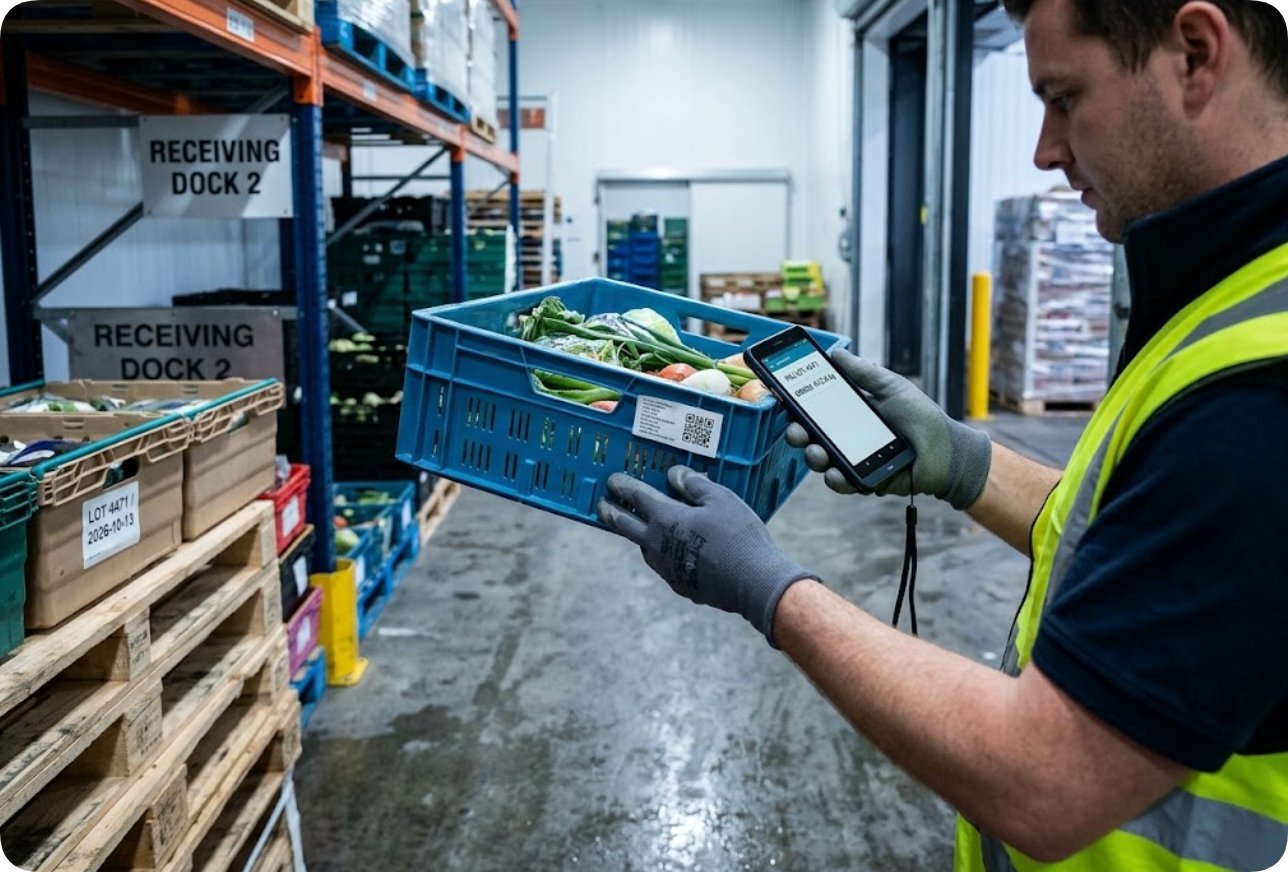
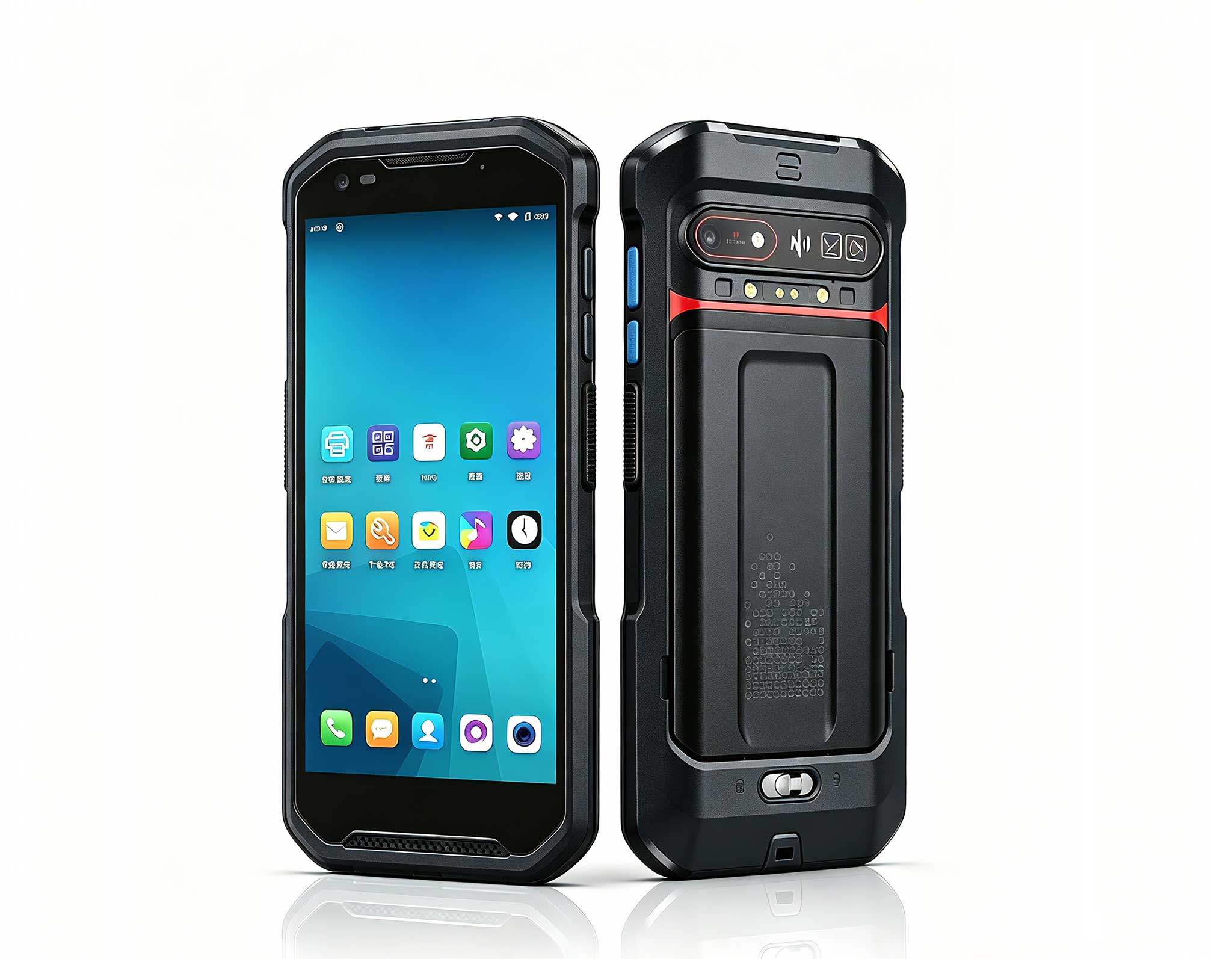
The R366-S answers the walking question. It weighs under 300g at 170mm by 79mm by 17.6mm, which matters when the person carrying it is also carrying a tote of product samples up eight steps to the second-level inspection bench. It runs a Qualcomm SM6115 octa-core at 2.0GHz on Android 16 with 4GB of RAM, has a detachable 4600mAh battery rated at 3.8V, and carries a detachable-battery charging cradle option that charges the main unit and one spare at once. The 5.5in IPS HD+ panel at 720 by 1440 resolution is small by modern standards, which is the point: it stays out of the way of a gloved hand holding a crate lid.
Two optional modules decide what this unit can record rather than merely read. The 2D imager is specified at accuracy of 3mil or better, and the NFC reader covers 13.56MHz across ISO14443A/B and ISO15693 with a read distance of 2 to 3cm. The PSAM slot comes in a two-slot ISO/IEC 7816 compliant version. For a produce dock, the practical combination is the 2D imager plus NFC, because the pallet label is a 2D code and the reusable crate tag is an M1 or S70 card. The full handheld range covers the alternatives when a dock runs a different tag standard.
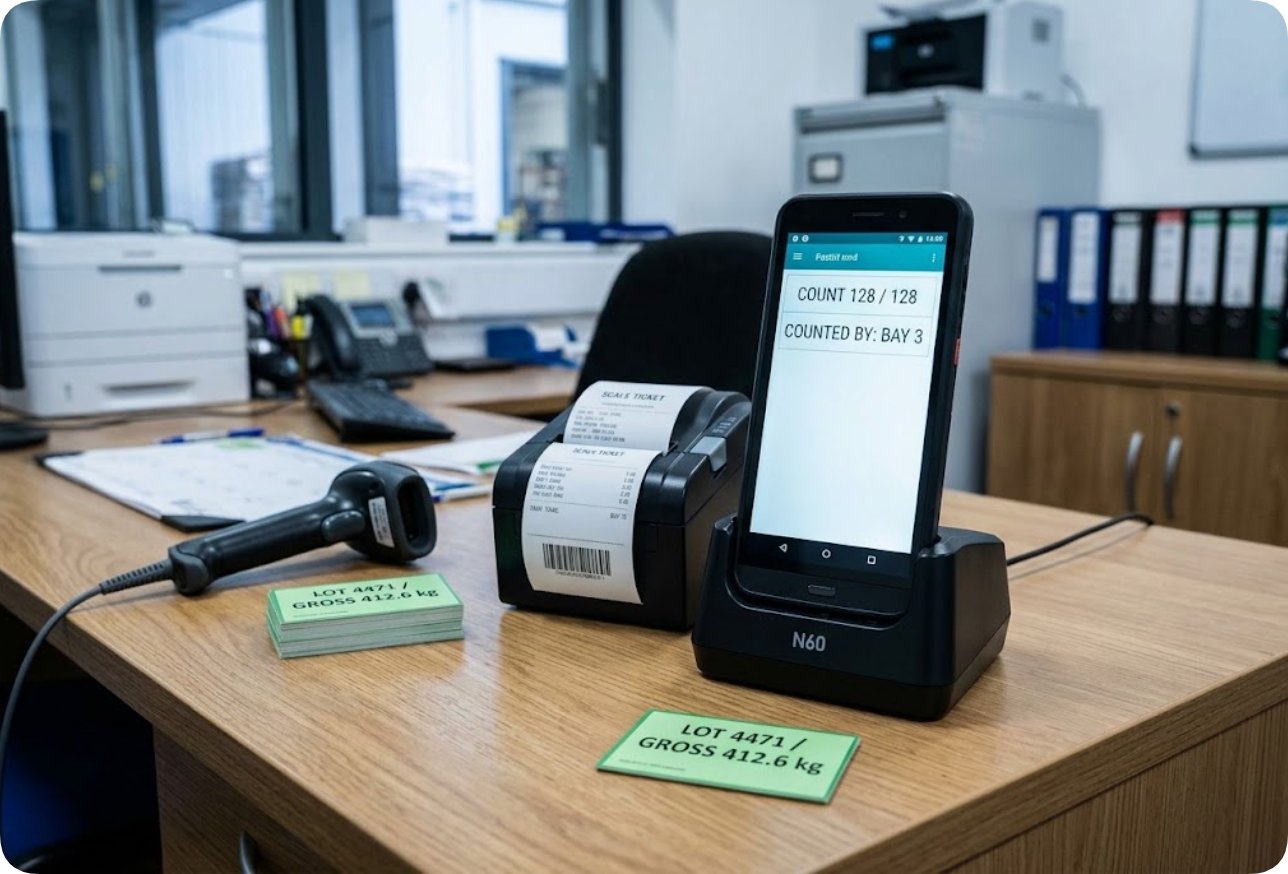
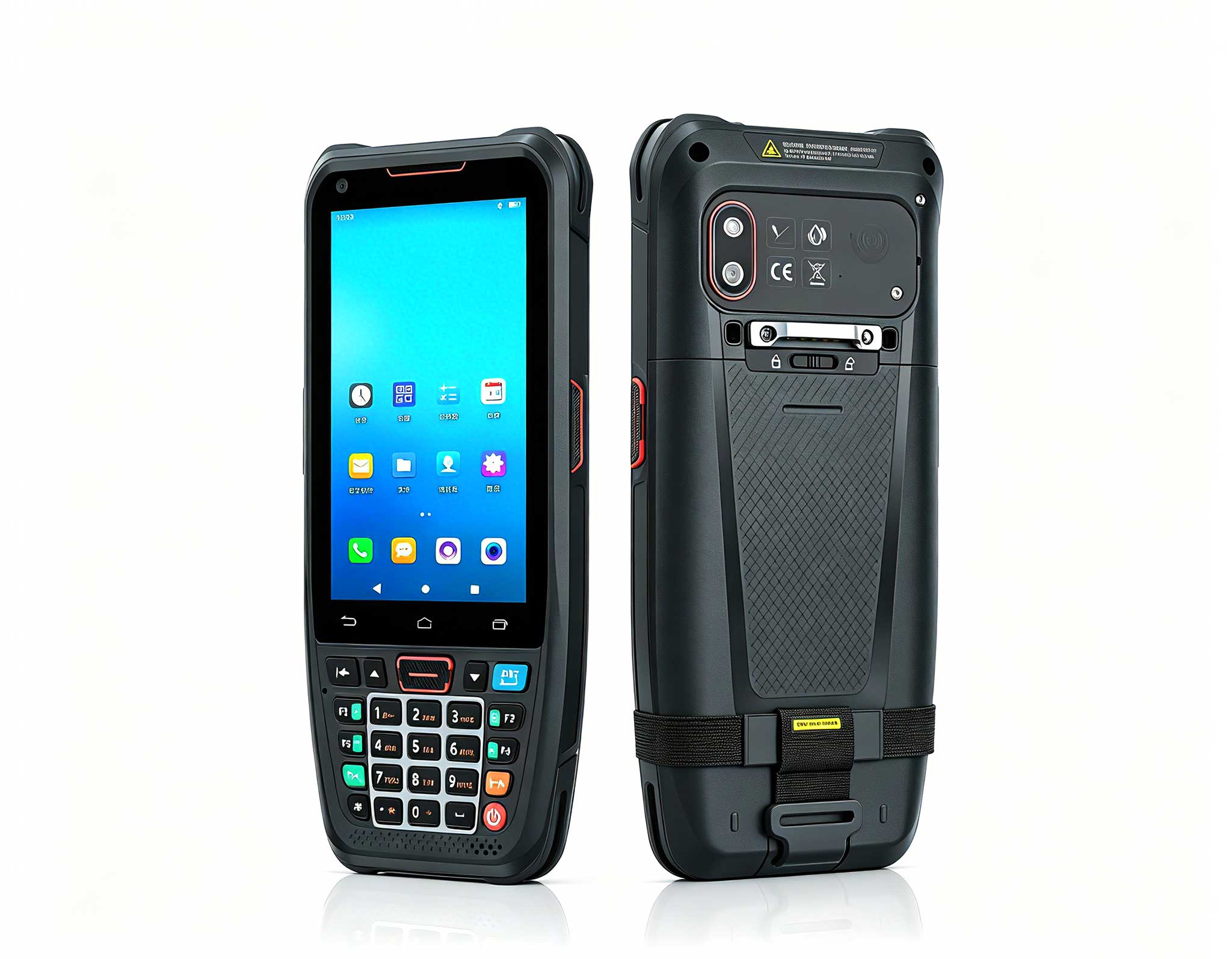
The N60 stays plugged in at the desk and behaves more like a small terminal than a handheld. It runs a Cortex-A76/A53 octa-core at 2.0GHz on Android 10.0 with 4GB RAM and 64GB ROM, expandable to 6GB and 128GB, and its 5.99in IPS panel runs at 1080 by 2160 resolution with glove and wet-hand support. The screen size is the reason it belongs at the desk: an operator comparing a weigh ticket against a purchase order does that comparison on a screen, not on a label.
Two details decide whether it can serve as the dock's system of record. The removable 4200mAh battery is quoted at more than 12 hours of working time, which means the unit survives a full double shift without a cradle and can be carried to the far dock when the second station is unmanned. And the optional Honeywell N6703 2D imager reads QR, PDF417 and Data Matrix, which covers the printed and label formats a produce supplier actually ships. Connectivity includes 5G, 4G, 3G and 2G plus dual-frequency WLAN at 2.4GHz and 5GHz, so a desk unit in a steel-sided dock building keeps its link when a cheaper unit would drop to 4G. Dimensions are 164.5mm by 79.4mm by 12.3mm.
Its limitation is equally concrete. The page does not publish an IP rating or an operating-temperature range, so a dock that washes down the receiving area cannot confirm from the published data that this unit belongs there. That is a question for the supplier rather than a specification, and it is worth asking before a unit is placed under a spray header.
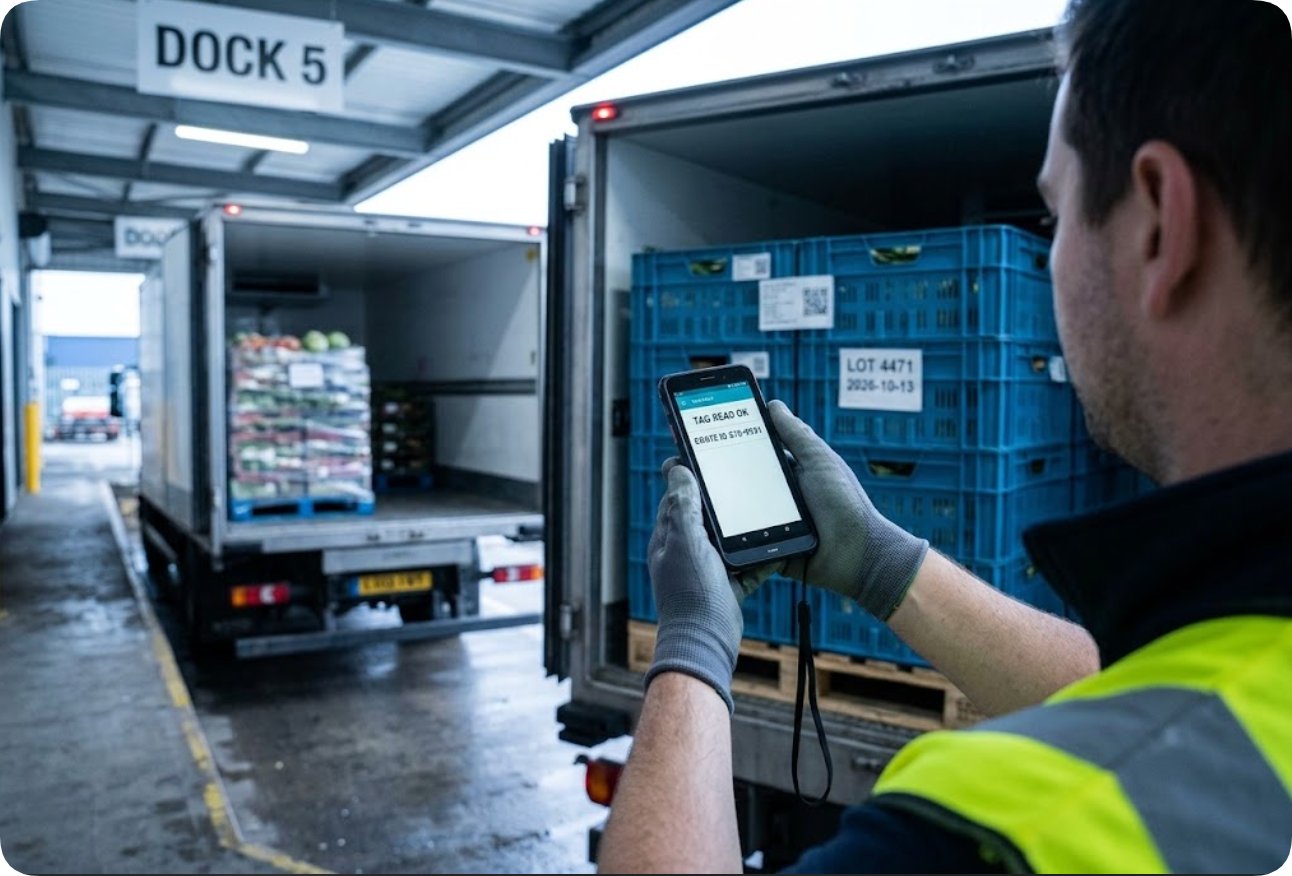
The F505 is the interesting case because its published specification is almost entirely qualitative. It runs Android 13 on a multi-core industrial SoC, has a 5.5in capacitive multi-touch panel rated for gloved and wet operation, integrates both a 1D linear and 2D omnidirectional imaging engine alongside a long-range RFID module, and its housing is described as sealed against solid particulates, liquid submersion and multi-directional shock. Battery life is quoted at 12 hours of continuous field shift work.
Those last two claims are the ones a buyer should press on, because they are the only two that are not marketing adjectives. No IP rating is published. No battery capacity in mAh is published. No dimensions or weight are published. A dock that has to justify a purchase against two fully specified units will treat that gap as a risk, and it is a legitimate gap rather than a defect: the dual 1D-plus-2D-plus-RFID convergence is genuinely unusual, and the cost of publishing a full datasheet for it was evidently judged not worth paying.
The operational consequence is specific. If the F505 is the only terminal issued to a dock, then the fields it does not record are fields nobody records, and the claim file three weeks later will be exactly as thin as the published specification. If it is issued alongside a desk unit, its job is narrower: it is the device that goes out to the truck, reads the pallet, and comes back, and the desk unit is what writes the permanent record. The logistics and warehouse solution page sets out how these roles are usually split.
| Field on the pallet record | R366-S | N60 | F505 |
|---|---|---|---|
| Processor and OS | Qualcomm SM6115 octa-core 2.0GHz, Android 16 | Cortex-A76/A53 octa-core 2.0GHz, Android 10.0 | Multi-core industrial SoC, Android 13 |
| Display | 5.5in IPS HD+ 720 by 1440 | 5.99in IPS 1080 by 2160, glove and wet-hand | 5.5in capacitive multi-touch, glove and wet operation |
| Memory | 4GB RAM plus 64GB ROM, TF to 256GB | 4GB plus 64GB, expandable to 6GB plus 128GB | Not published |
| Battery | 4600mAh at 3.8V, detachable, hot-swap | 4200mAh removable, over 12 hours | 12-hour field shift, capacity not published |
| Dimensions | 170 by 79 by 17.6mm, under 300g | 164.5 by 79.4 by 12.3mm | Not published |
| Barcode and RFID | Optional 2D imager at 3mil accuracy, NFC 13.56MHz, PSAM 2-slot optional | Honeywell N6703 2D imager optional, NFC 13.56MHz optional | 1D and 2D engine plus long-range RFID, integrated |
| Environmental | Operating -10 to 50C, storage -40 to 70C, humidity 5 to 95 percent | Rugged housing, IP rating not published | Sealed against particulates, submersion and shock, IP not published |
Two columns in this table are incomplete and that incompleteness is the finding. The F505 column reads Not published in three places, and the N60 column reads Not published in one. A buyer comparing these three on paper will find that only the R366-S lets them verify drop, temperature and humidity claims independently. That is not an argument against the other two; it is an argument for asking the supplier for the numbers before the unit is signed for, and for keeping the permanent record on whichever unit publishes the most.
Four failure patterns show up repeatedly, and none of them is a hardware fault.
The first is the untimed read. A scanner logs the arrival when the label is read, but a produce dock reads labels twice: once at the gate and once at the inspection bench. If the second read is not given its own field, the record carries the gate time and loses the inspection time, and the two-hour gap between them is invisible to anyone reviewing the file later.
The second is the shared device. When one terminal is handed between the gate clerk and the floor inspector, the operator identity field becomes unreliable, because the device was not handed over as a login. The fix is procedural rather than technical, and it costs about four seconds per handover, which is why it is the first thing to erode under pressure.
The third is the offline write. A dock building with steel walls will drop the link, and the 5G and dual-frequency WLAN support on the N60 make the drop less frequent without eliminating it. The failure is not the drop; it is a device that buffers a read and later uploads it under a batch timestamp instead of the original one.
The fourth is the grade field. Grade is written by a person looking at a box, it is the field most likely to be left out of a template because it is the hardest to make mandatory, and it is the first thing a buyer disputes. A template that offers a grade field is not solving the dispute, but it at least puts the disagreement on the record where it can be argued rather than remembered.
Four checks, each of which can be completed inside one shift and each of which changes what the record will be worth later.
Pull ten pallets processed last week and count how many fields beyond the pallet identifier you can retrieve without the paper. Anything at or near zero is a template problem, and no hardware purchase fixes it.
Confirm which device writes the permanent record and which device only reads. If the answer is that one device does both, the record lives and dies on that unit's uptime, and the spare in the drawer is not a spare.
Ask each supplier for the numbers the pages do not carry: IP rating, battery capacity in mAh, dimensions and weight for the F505, and the IP rating and temperature range for the N60. A supplier who cannot supply these has not tested them, and that is worth knowing before the unit is on a wash-down dock.
Decide where the offline buffer writes its timestamp. If the answer is that the batch time is used, then every offline read in the log is worth less than it appears, and the receiving gate needs a documented fallback for the minutes when the link is down.
Three terminals on one dock is a reasonable arrangement, and the argument for buying all three at once is weaker than it looks, because the deciding factor is not capability but which fields each unit is trusted to write. The R366-S publishes enough to be verified independently and is light enough for the walking role. The N60 has the screen and the connectivity for the desk. The F505 has the sensor convergence but the thinnest published data of the three, which makes it the right device to issue to someone who does both jobs and the wrong device to make the permanent record on.
None of that is decided by the specification sheet alone. It is decided by asking, once per shift, which fields the record would still contain if the paper disappeared tomorrow, and then putting the device that writes the most of them at the desk.