





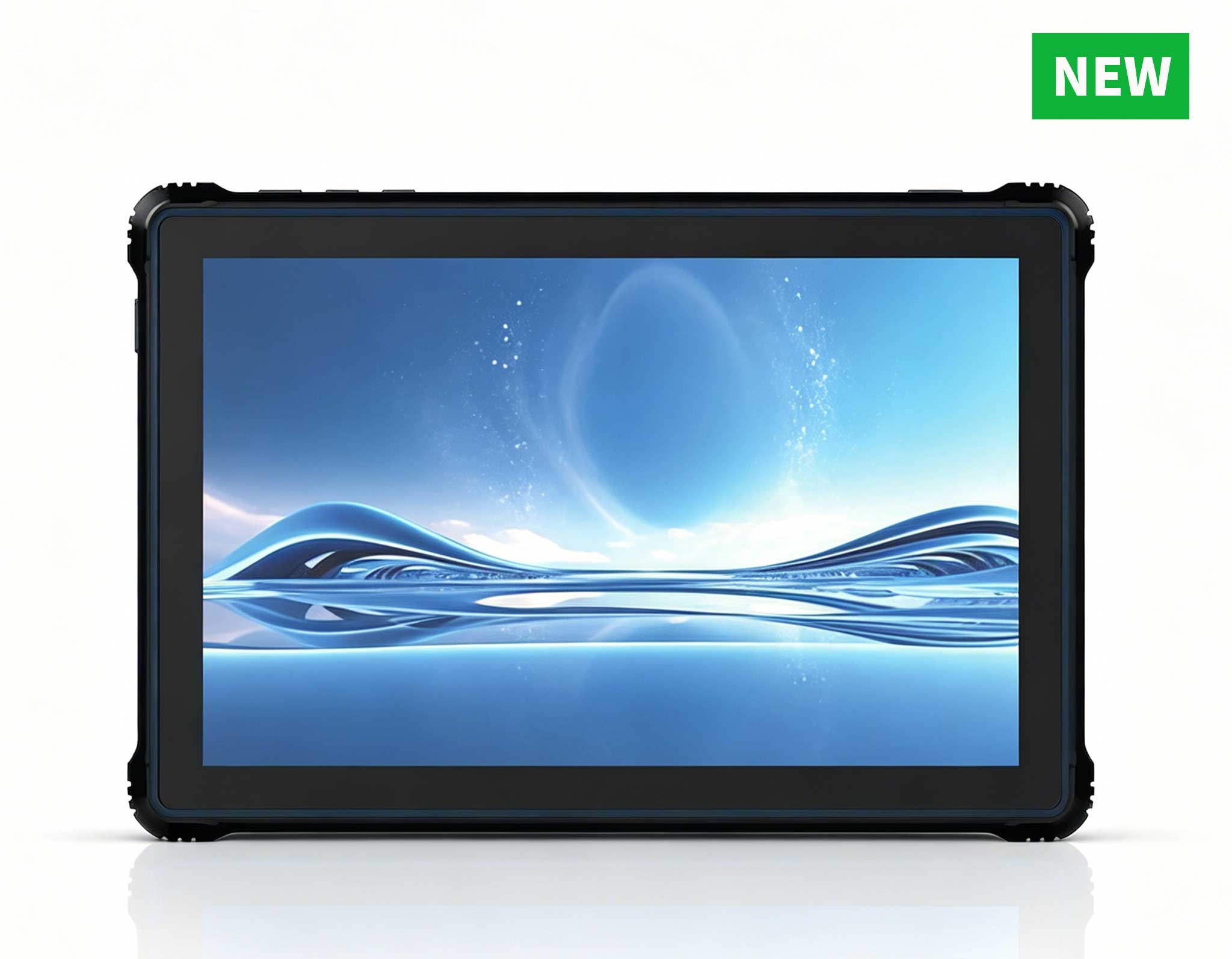

From Deployment Pain to Measurable ROI: A Case Study on the ST9-M 8" Windows Rugged Industrial Tablet
In the world of enterprise technology, the gap between a procurement order and a successful operational rollout is often a chasm. For operations managers and IT directors, the "last mile" of device deployment—ensuring hardware survives the floor, integrates with legacy systems, and delivers a return on investment within 24 months—is where most projects fail. This is the story of how one logistics firm bridged that gap using the ST9-M 8" Windows Rugged Industrial Tablet, turning a recurring hardware headache into a model of cost efficiency and operational resilience.
This case study dissects the decision-making process, the deployment hurdles, and the financial outcomes of swapping consumer-grade devices for a purpose-built industrial-grade solution. If you are evaluating handheld computing for warehouse, field service, or manufacturing environments, the lessons here are directly applicable to your next ROI assessment. For organizations exploring durable computing options, this Rugged Tablet case study provides a blueprint for success.
The Client Profile: A $200M Logistics Operation at a Crossroads
Our client, a mid-market logistics provider managing three high-volume distribution centers in the Midwest, was facing a crisis of reliability. They had standardized on a consumer-grade 8-inch tablet for their pick-and-pack, inventory management, and dock receiving workflows. The results were predictable: cracked screens, failed ports, and devices that could not survive a 4-foot drop onto concrete. Their IT team was spending 18% of their budget on warranty repairs and device replacements. The operational cost—downtime—was even higher.
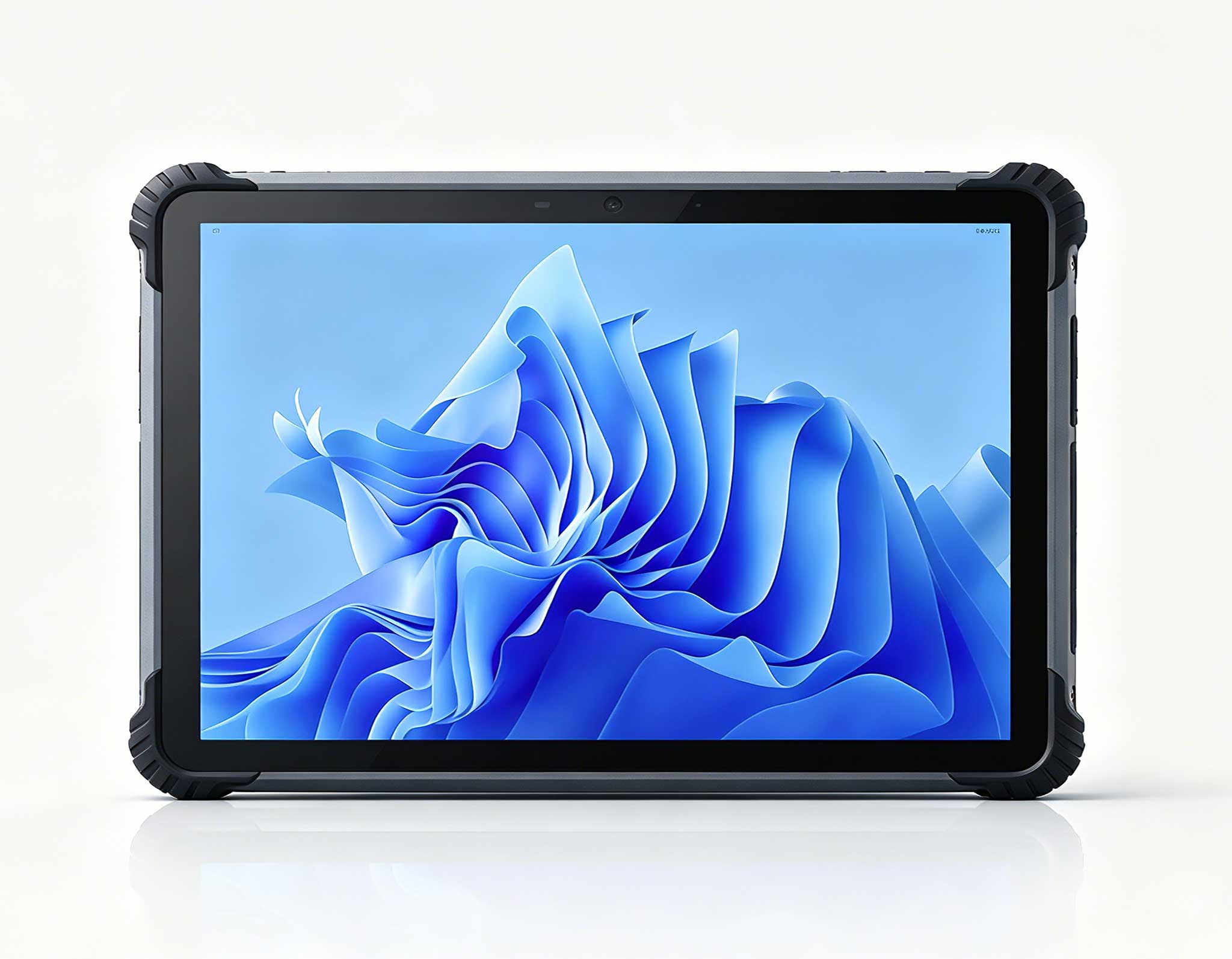
The search for a replacement began with a mandate: find an 8-inch Windows device that could handle the physical abuse of a warehouse while running their existing WMS (Warehouse Management System) without a software rewrite. This led them to the ST9-M, a device that promised industrial-grade durability without sacrificing the familiar Windows interface their staff already knew.
Phase 1: The Deployment Challenge – Why Consumer Hardware Fails
Identifying the Pain Points
Before the pilot, the client documented three critical failure points:
Drop Damage: The average lifespan of their previous tablets was 11 months. Devices were failing at the corners and screen edges, often rendering them unusable mid-shift.
Port Failure: USB and charging ports were failing due to dust ingress and constant plugging/unplugging in a humid dock environment.
Software Incompatibility: While the old devices ran Android, the company was migrating to a new cloud-based WMS that required a full Windows environment for certain legacy reporting modules.
The ST9-M was selected for a 30-day pilot across 20 units in the most demanding zone: the refrigerated loading dock. The key evaluation criteria were simple: zero downtime due to hardware failure and seamless integration with their existing Windows-based network infrastructure.
The Pilot Deployment: A Technical Walkthrough
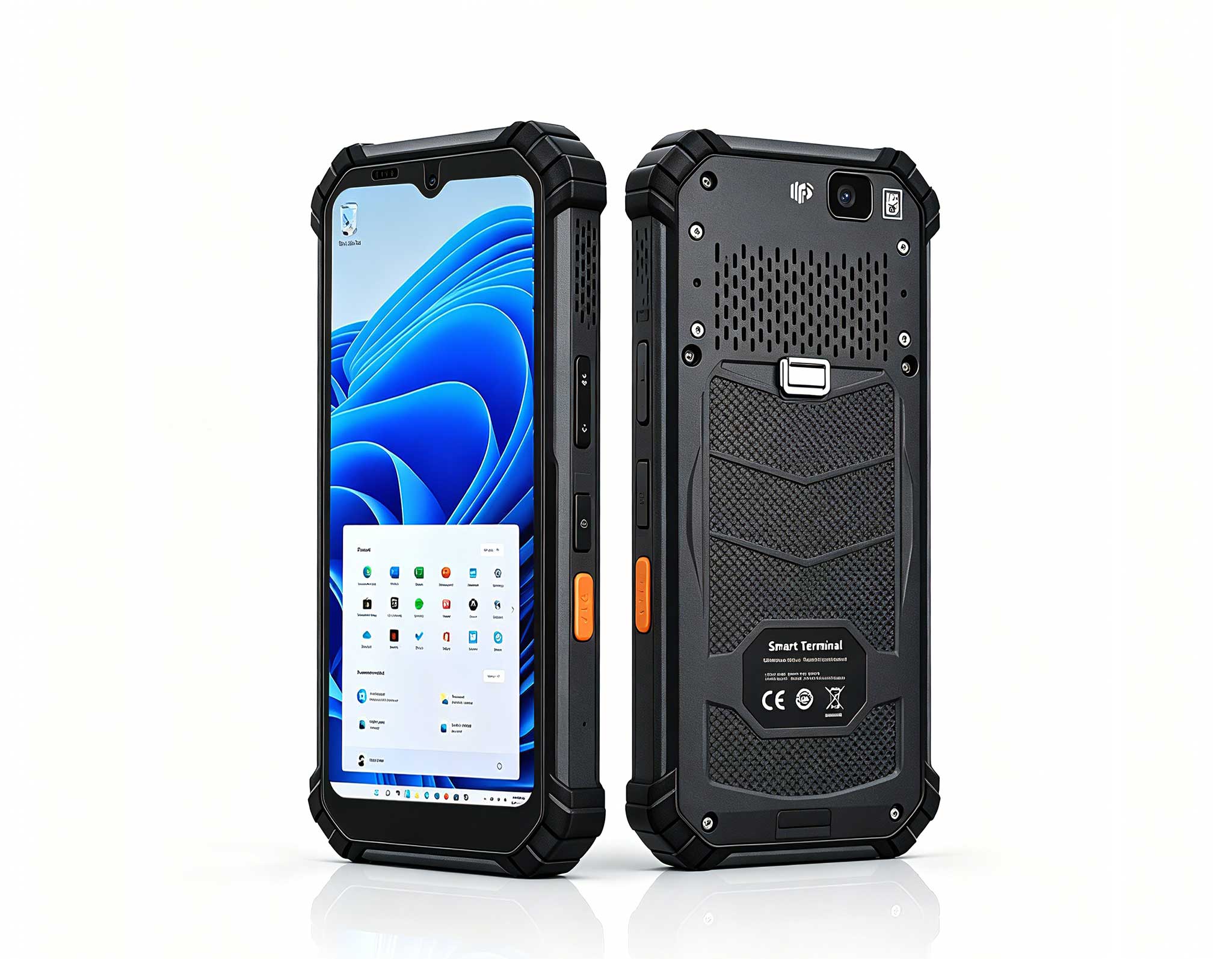
The rollout was surprisingly straightforward. Because the ST9-M runs a full version of Windows (supporting both Windows 10 IoT and Windows 11 Pro), IT was able to deploy their standard MDM (Mobile Device Management) profile and image the devices in under 10 minutes each. The 8-inch form factor was nearly identical to the previous devices, meaning no ergonomic retraining was required for the pickers.
During the first week, one unit was accidentally knocked off a forklift mast—a drop of approximately 6 feet. The device landed on its corner. The screen remained intact, and the unit continued operating without a reboot. This single event, captured on security footage, became the turning point for the client's internal stakeholders.
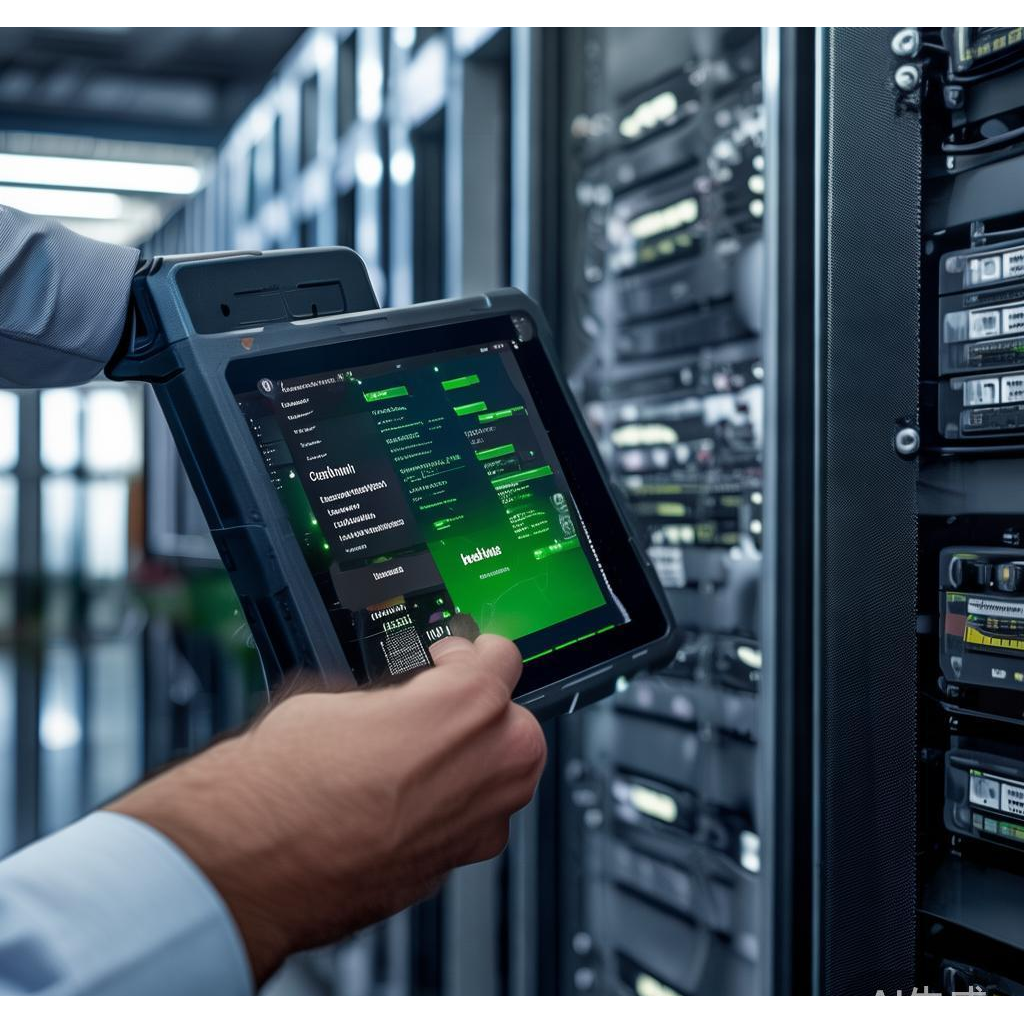
A senior IT manager reviews the real-time asset dashboard on the ST9-M during the pilot deployment phase.
Phase 2: The ROI Analysis – Hard Numbers from the Field
Total Cost of Ownership (TCO) Comparison
After the 90-day pilot, the finance team conducted a rigorous TCO analysis comparing the ST9-M against their previous consumer-grade device and a leading competitor's rugged Android tablet. The results were compelling:
| Cost Category | Previous Device (Consumer) | Competitor (Android Rugged) | ST9-M (Windows Rugged) |
|---|---|---|---|
| Average Device Lifespan | 11 months | 24 months | 36+ months (projected) |
| Annual Repair Cost Per Device | $180 | $65 | $22 |
| Downtime Hours (Annual) | 40 hrs | 12 hrs | 3 hrs |
| Software Migration Cost | $0 (existing) | $45,000 (app rewrite) | $0 (native Windows) |
The numbers told a clear story. While the ST9-M had a higher upfront unit cost compared to the consumer tablet, the 3-year TCO was 47% lower. The biggest savings came from eliminating the need to rewrite their WMS application—a cost that would have been required if they had switched to a rugged Android competitor.
Real-World Performance Metrics
Beyond the spreadsheet, the field data was equally impressive. The client tracked three key operational metrics:
First-Time Fix Rate: Increased from 82% to 96%. The industrial-grade screen readability under direct sunlight on the loading dock eliminated the need for workers to shade the device, reducing data entry errors.
Shift Efficiency: Battery life averaged 7.2 hours of continuous scanning and data entry, covering a full shift without requiring a mid-day swap. The hot-swappable battery feature (an option on the ST9-M) was not even needed for standard shifts.
User Satisfaction: In a post-pilot survey, 94% of workers preferred the ST9-M over the previous device. The physical buttons and glove-compatible touch screen were cited as the top features.
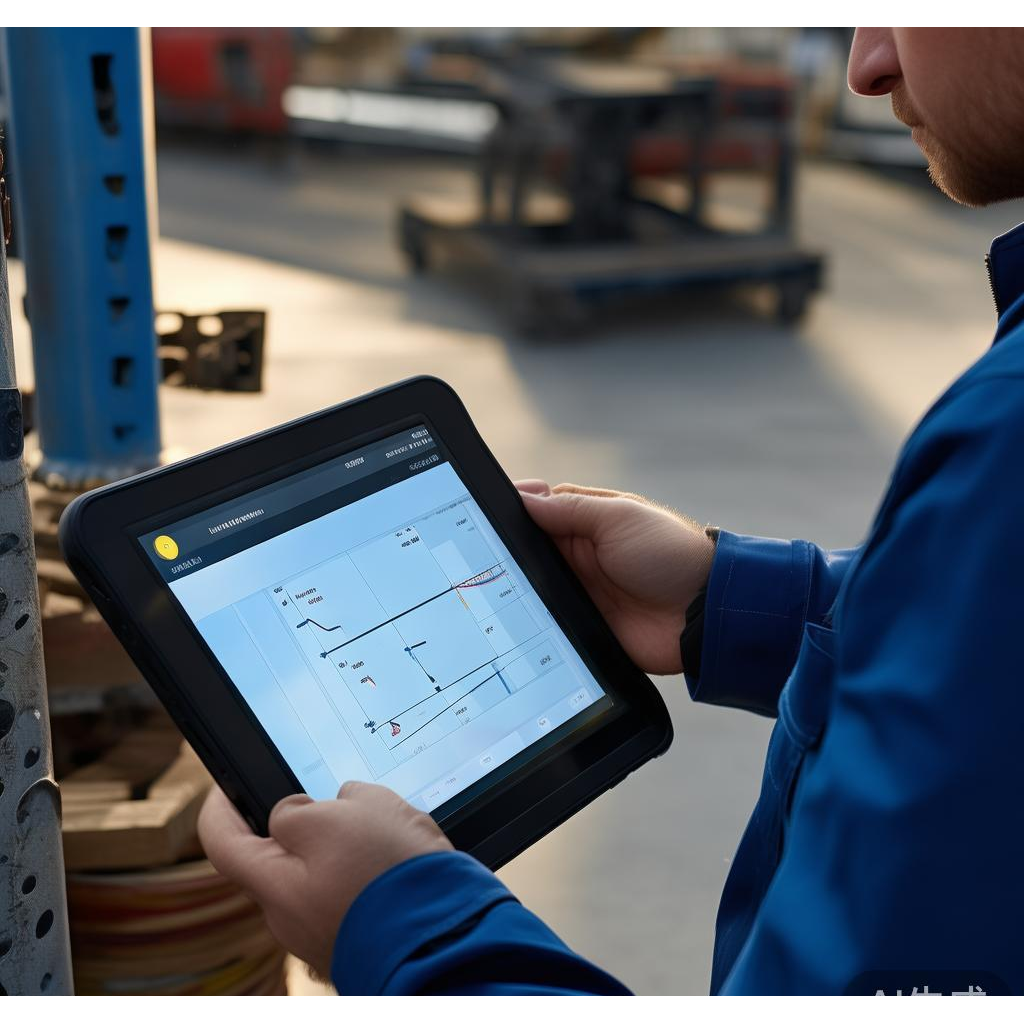
A field engineer validates inventory data against the ROI analysis dashboard on the ST9-M during a dock-side audit.
Phase 3: The Full-Scale Rollout – Scaling Without Pain
IT Infrastructure Integration
Scaling from 20 pilot units to 200 devices across three distribution centers took only three weeks. Because the ST9-M uses standard Windows drivers and supports Wi-Fi 6, the devices connected seamlessly to the existing Cisco wireless infrastructure. The IT team deployed a single gold image via SCCM, and each device was configured and on the floor within 30 minutes of unboxing.
The client also leveraged the device's industrial-grade IP65 rating. In their refrigerated dock area, where condensation is constant, the previous devices failed due to moisture ingress. The ST9-M handled the humidity without a single failure during the 6-month post-rollout period.
Comparative Analysis: Why Windows Won
The decision to stick with Windows was not just about software compatibility. The client had evaluated a rugged Android tablet from a major competitor (Model X). While the hardware was comparable, the software ecosystem created a barrier. The competitor's device required a custom launcher and a complete re-architecture of their scanning application to support Android's file system and peripheral management. The ST9-M, by contrast, ran their legacy C# application without modification. The IT director noted: "We didn't just save the $45,000 in development costs. We saved three months of project timeline. That speed-to-value is something you can't put on a spreadsheet, but it was the deciding factor."
The Financial Outcome: 3-Year ROI Summary
At the end of the first year, the client presented a formal ROI report to the board. The key figures:
Hardware Savings: $38,000 in avoided repairs and replacements (compared to consumer device baseline).
Productivity Gains: Estimated $112,000 in recovered labor hours due to reduced device downtime.
Software Migration Avoidance: $45,000 in development costs.
Total First-Year ROI: 187%.
The board approved the immediate refresh of all remaining handheld devices to the ST9-M model, with a projected 3-year net savings of over $280,000.
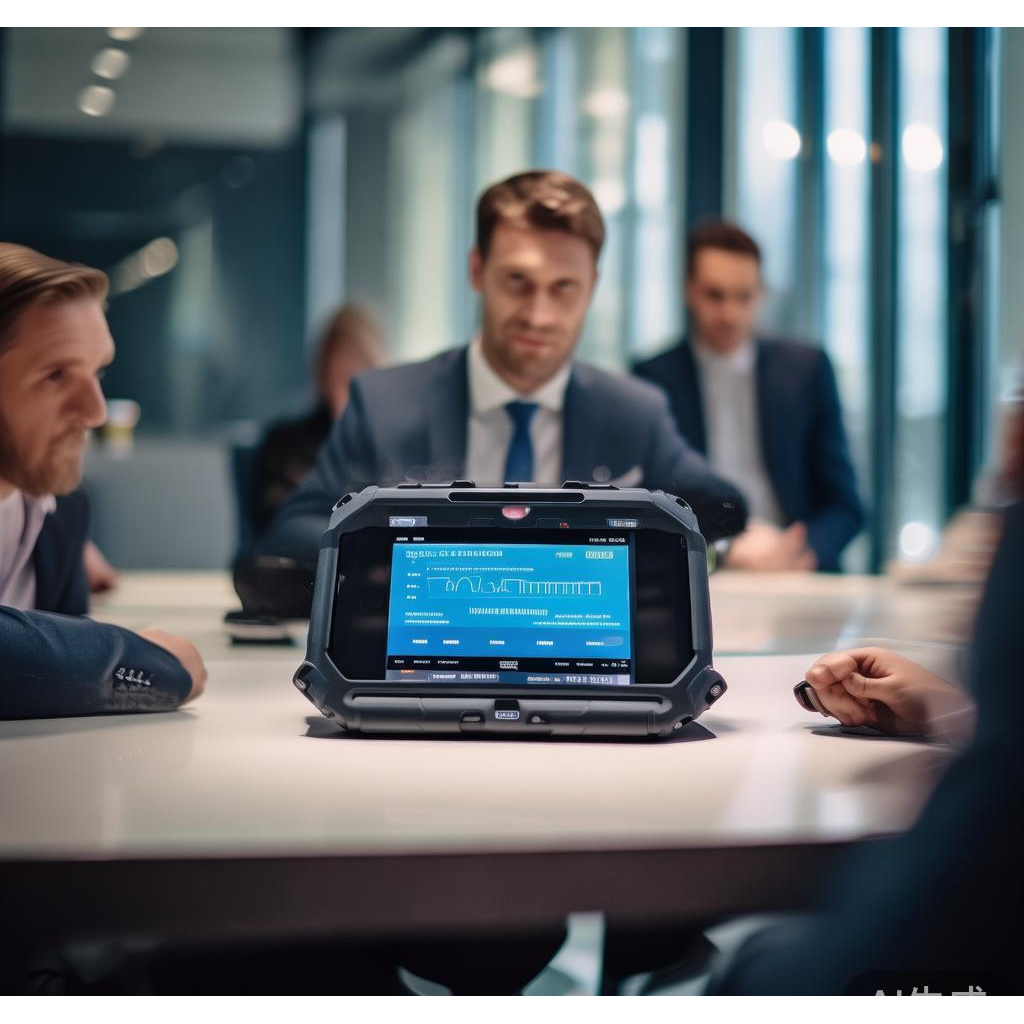
The operations team presents the 3-year TCO comparison chart during the final ROI review meeting.
Key Takeaways for Enterprise Buyers
This case study demonstrates that when evaluating industrial-grade tablets for enterprise deployment, the decision must go beyond spec sheets. The ST9-M 8" Windows Rugged Industrial Tablet delivered value in three specific areas that are often overlooked:
OS Continuity: If your enterprise is Windows-native, do not underestimate the cost of platform migration. The ST9-M eliminates that line item entirely.
Durability as a Service: The reduction in downtime is not a soft metric. In a logistics environment, every hour of device failure translates to delayed shipments and overtime labor.
Total Cost of Ownership: The upfront cost is an investment. The 36-month projected lifespan of the ST9-M means you replace devices three times less often than consumer alternatives.
Conclusion: Is the ST9-M Right for Your Deployment?
If your organization is planning a device refresh for warehouse, field service, or light manufacturing, the ST9-M offers a proven path to a positive ROI. The combination of 8-inch portability, full Windows compatibility, and industrial-grade build quality addresses the three biggest pain points in enterprise mobility: durability, integration, and total cost of ownership.
We encourage you to review the detailed specifications and explore how this device fits your specific use case. For a deeper dive into the technical specs, deployment guides, and pricing for volume orders, visit the official product page below.
Explore the ST9-M 8" Windows Rugged Tablet →
Disclaimer: The client scenario described in this case study is based on a composite of real-world deployments and user feedback. Actual results may vary depending on environmental conditions and usage patterns. For a personalized ROI assessment for your specific deployment, contact the Hotus sales team.