- Select Language
The N60 PDA is a cutting-edge device for inventory...
The EGPU Graphics Card Expansion Dock is a high-pe...
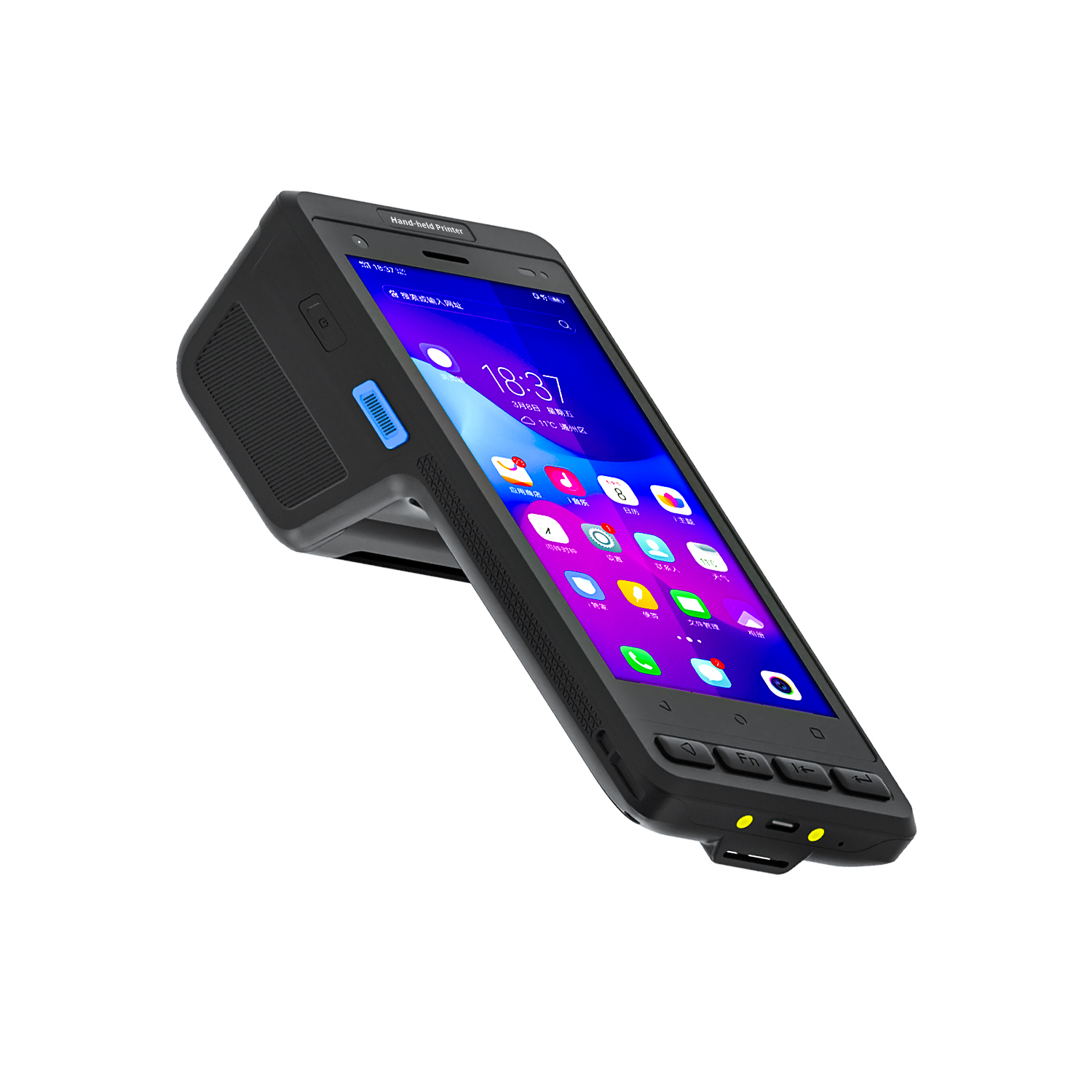
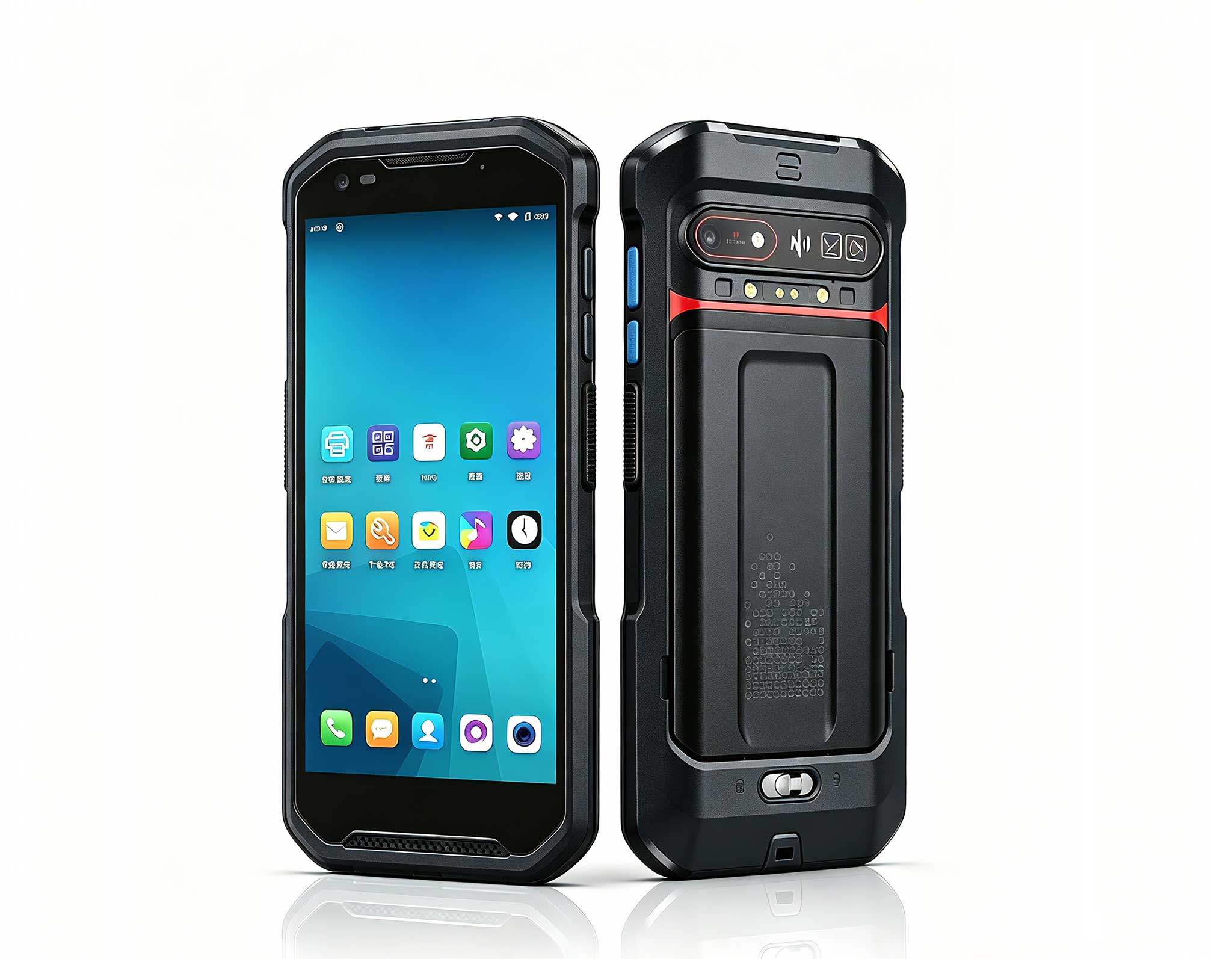
The F505 Handheld PDA is a compact, high-performan...
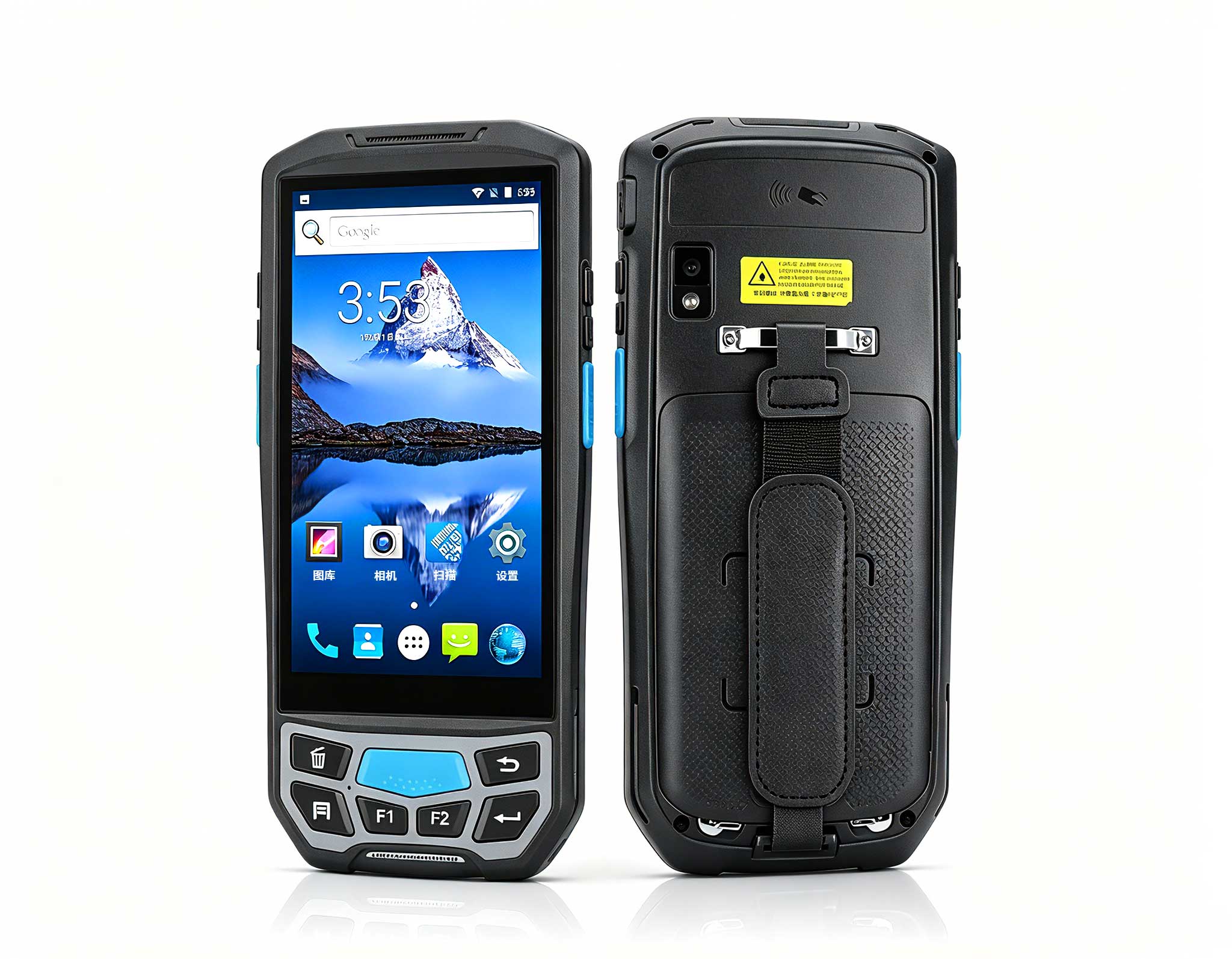
The U9000 handheld PDA combines advanced barcode s...
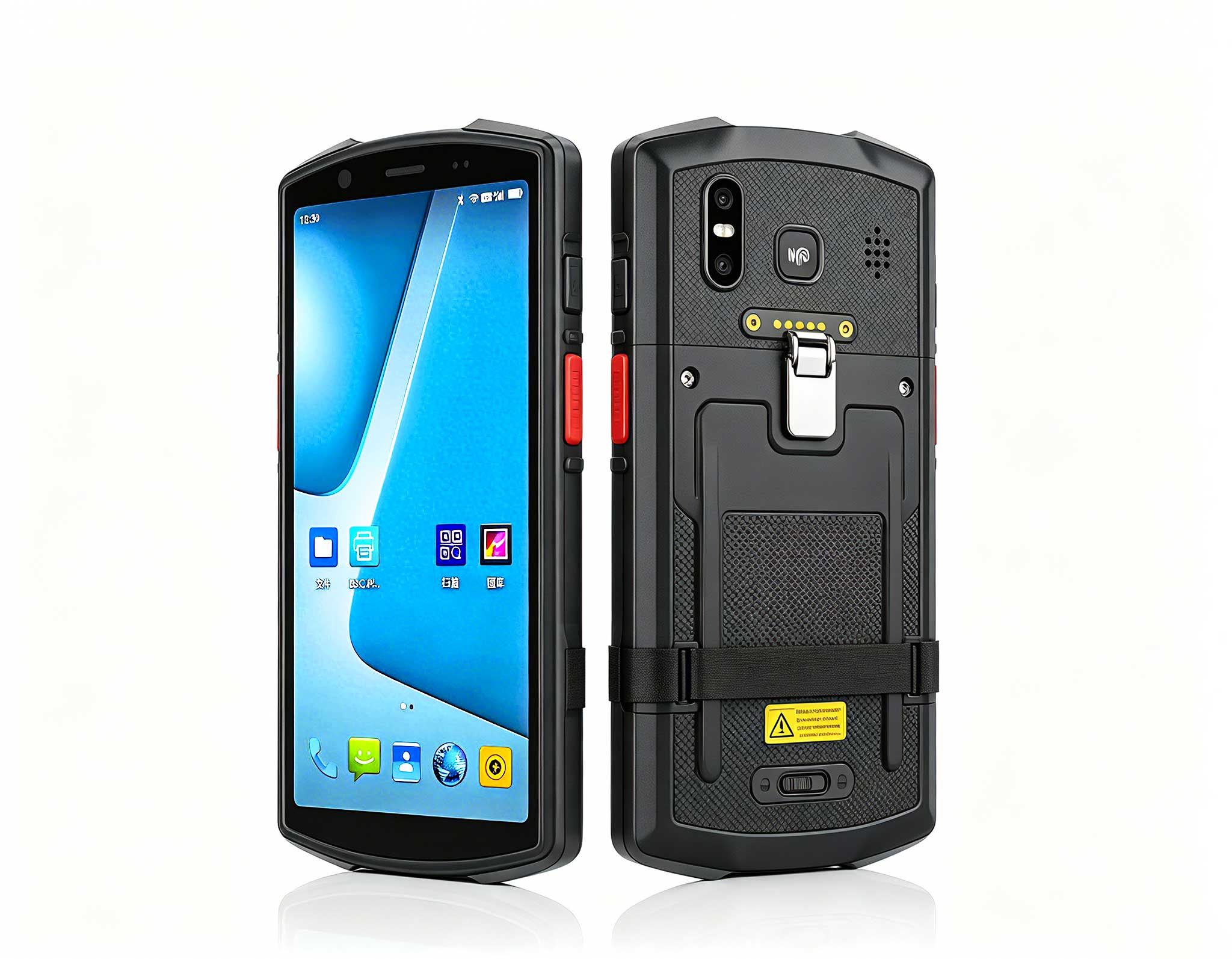
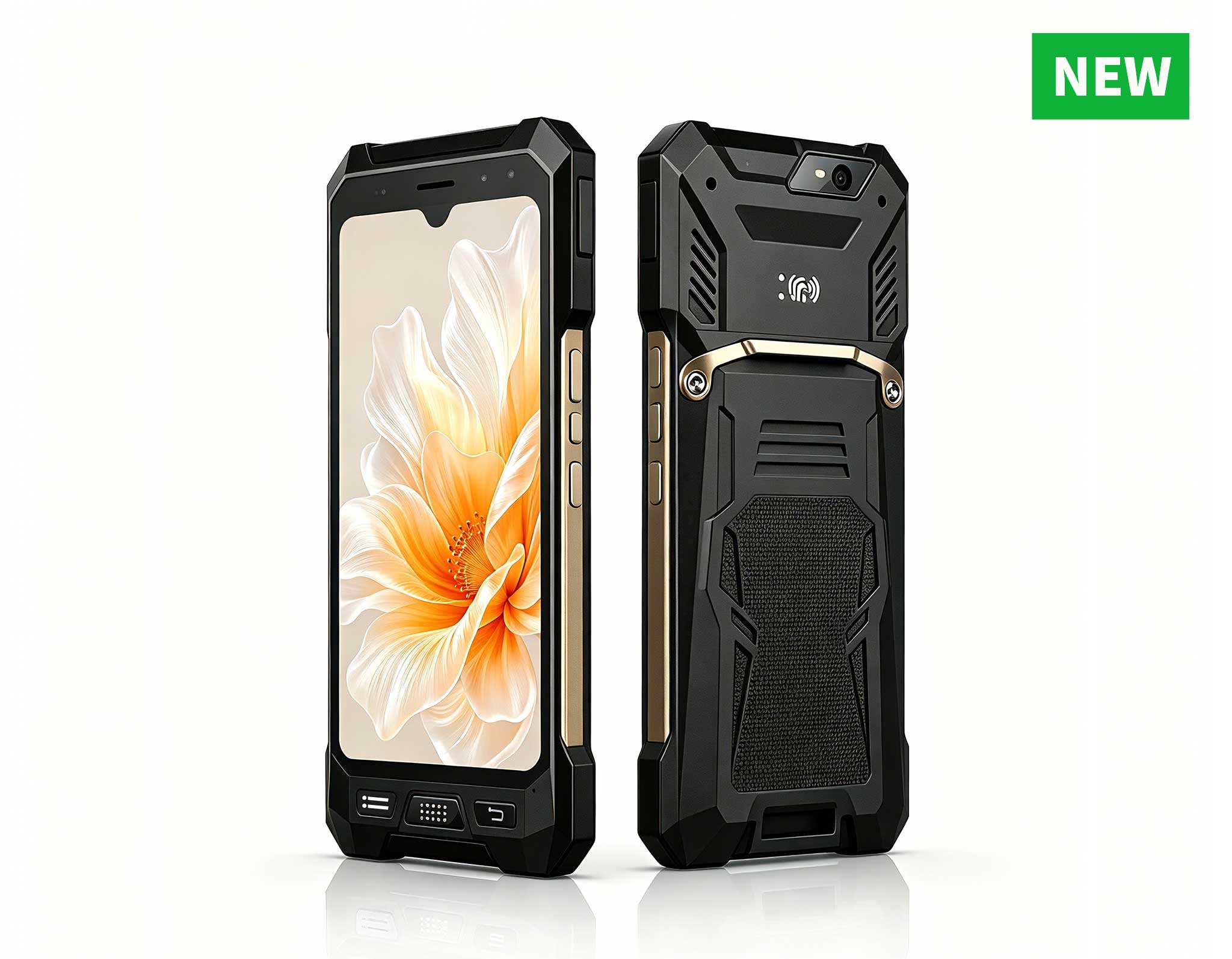
R530C 6.0-inch Industrial PDA | Qualcomm Octa-core...
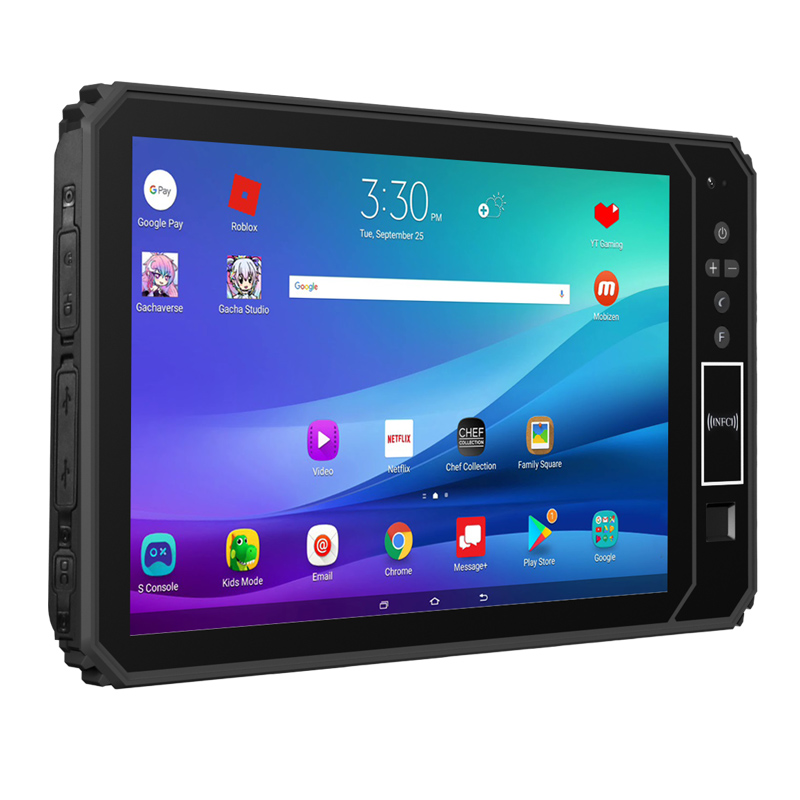
Hotus medical‑grade tablet — powering telemedicine kiosks in remote communities
By HOTUS Technology | April 2026
The global telemedicine cart market is expanding at breakneck speed. Forecast to grow from $2.04 billion in 2025 to $2.42 billion in 2026 (CAGR 18.6%), it is projected to reach $4.76 billion by 2030 at an 18.4% CAGR[reference:7]. The broader digital health market — encompassing telemedicine platforms, mobile health applications, wearable devices, and AI‑powered diagnostics — is expected to surpass $1 trillion by 2032[reference:8].
What‘s driving this unprecedented growth? The convergence of several powerful forces: rising demand for remote patient monitoring, increasing chronic disease prevalence, healthcare professional shortages, and widespread adoption of digital health technologies[reference:9]. As rural and underserved areas struggle with limited healthcare infrastructure, governments and health systems are turning to portable digital clinics and telemedicine kiosks to deliver care where it‘s needed most.
Mobile clinics are an “up‑and‑coming area of medicine” that shows tremendous promise for improving medical access in remote and rural areas[reference:10]. Real‑world implementations are already proving the model:
At the heart of every one of these mobile health solutions is rugged, reliable mobile computing — tablets that withstand harsh field conditions, connect via satellite or cellular, and run telemedicine platforms and electronic health record systems.
Mobile telehealth platforms are extending hospital care to ambulances, rural clinics, and homes, utilizing existing hospital HIS/EMR interfaces to reduce deployment costs and staff training requirements[reference:14]. Major trends shaping the telemedicine cart market include:
According to industry forecasts, the number of U.S. home healthcare and personal care aides is expected to increase by 25% to 924,000 by 2031, further driving demand for telemedicine infrastructure[reference:15].
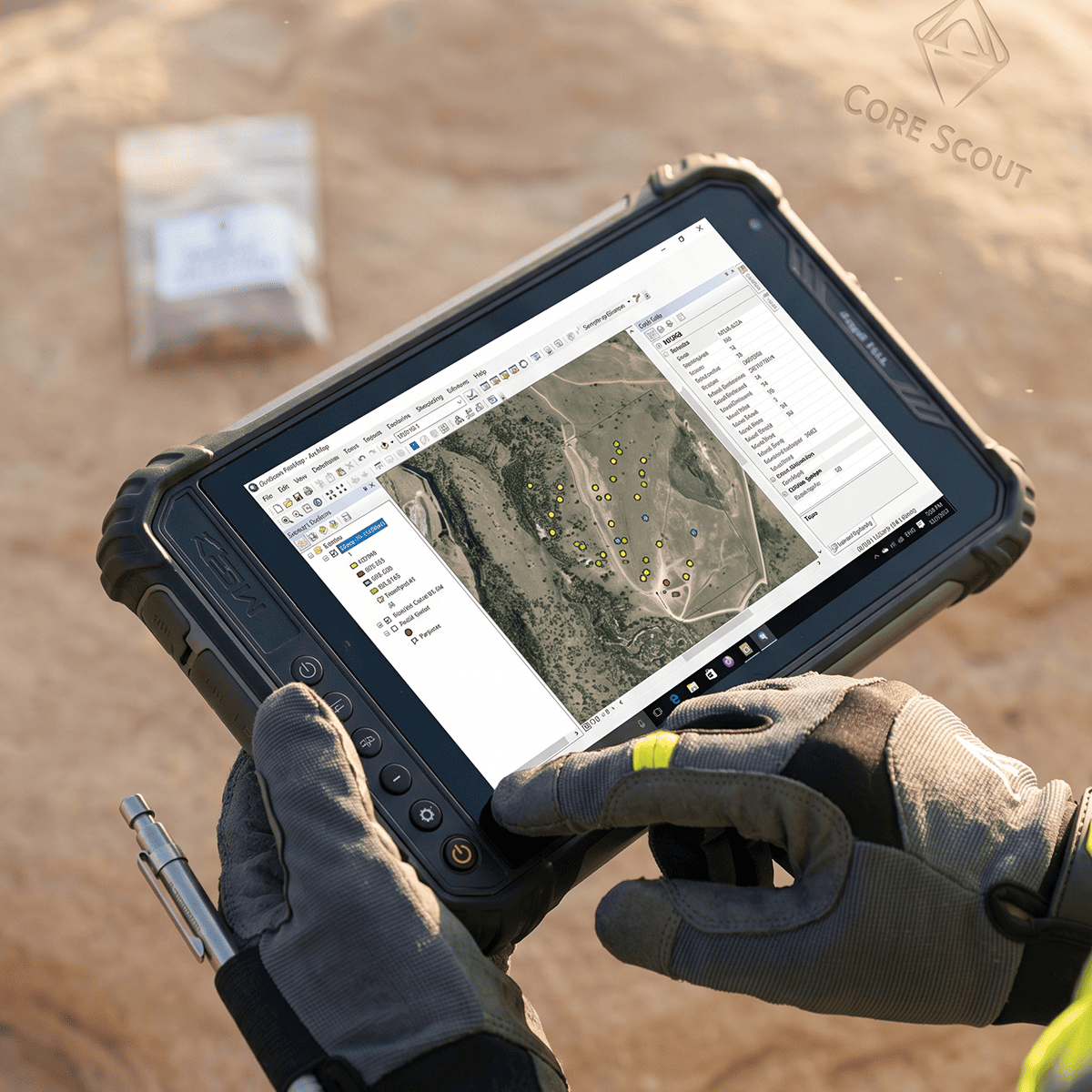
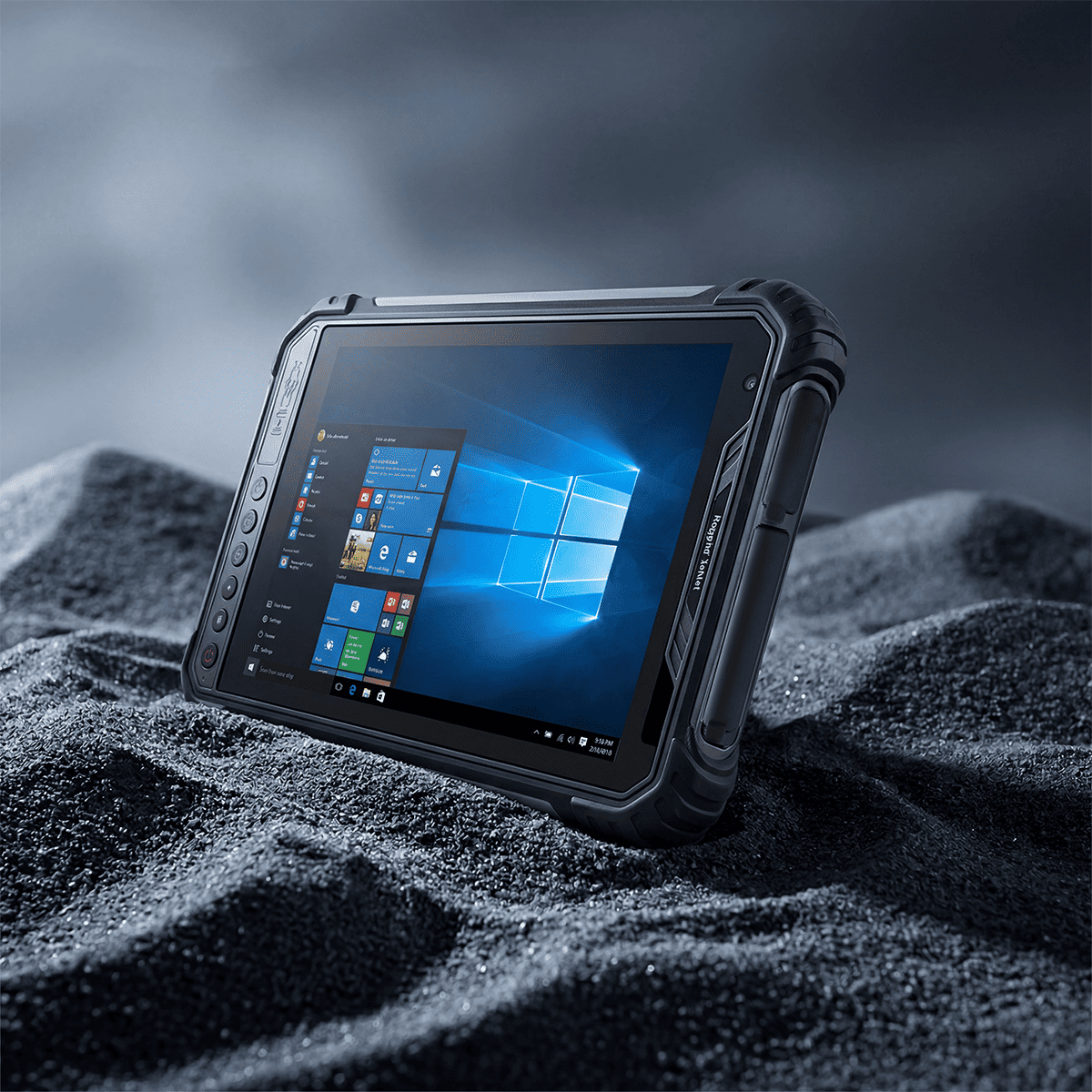
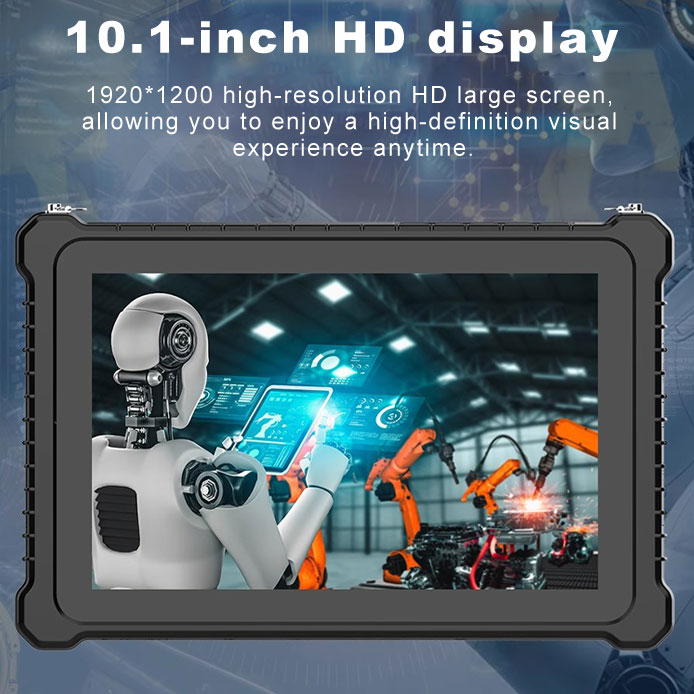
Hotus ST11‑U 10.1″ Windows Rugged Tablet
For field‑deployed telemedicine kiosks and mobile clinics:
Hotus Palm‑sized Mini PC
For fixed telemedicine kiosks and clinic base stations:
A Philippine healthtech organization operating 179 Clinic‑in‑a‑Bag units across remote archipelagos deployed HTQ10A rugged tablets as the core computing platform for each portable clinic. Results:
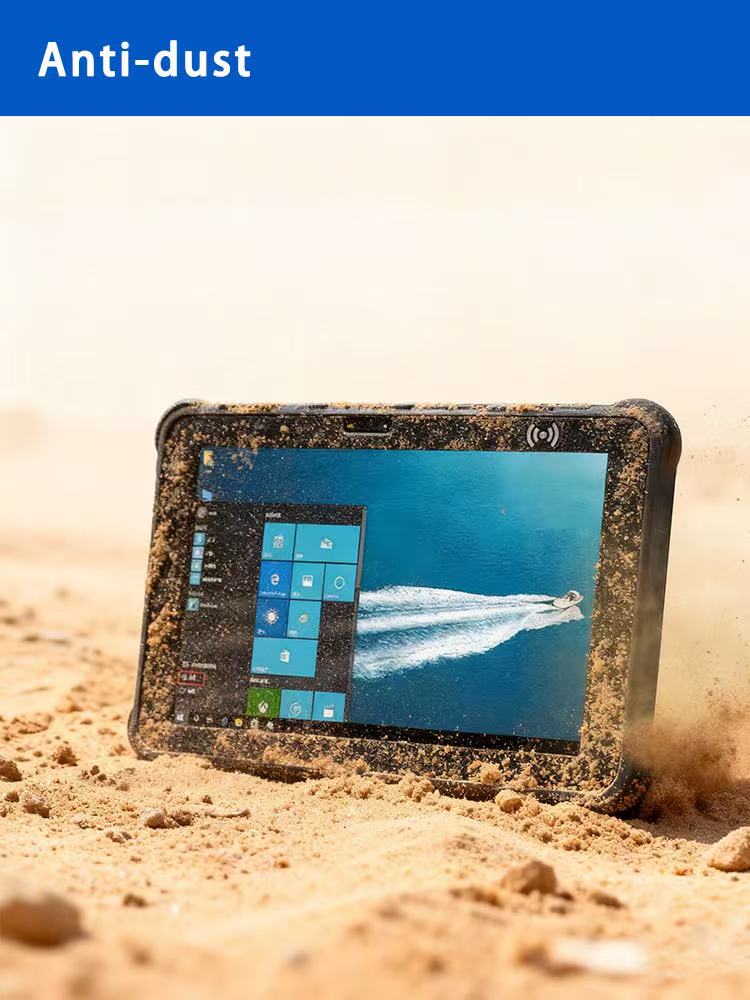
Hotus ST11‑J — rugged tablet for telemedicine kiosks and rural health deployments
Contact HOTUS Technology to discuss your mobile healthcare technology needs, request pilot units, or explore custom rugged tablet and Mini PC solutions for telemedicine kiosks.