- Select Language
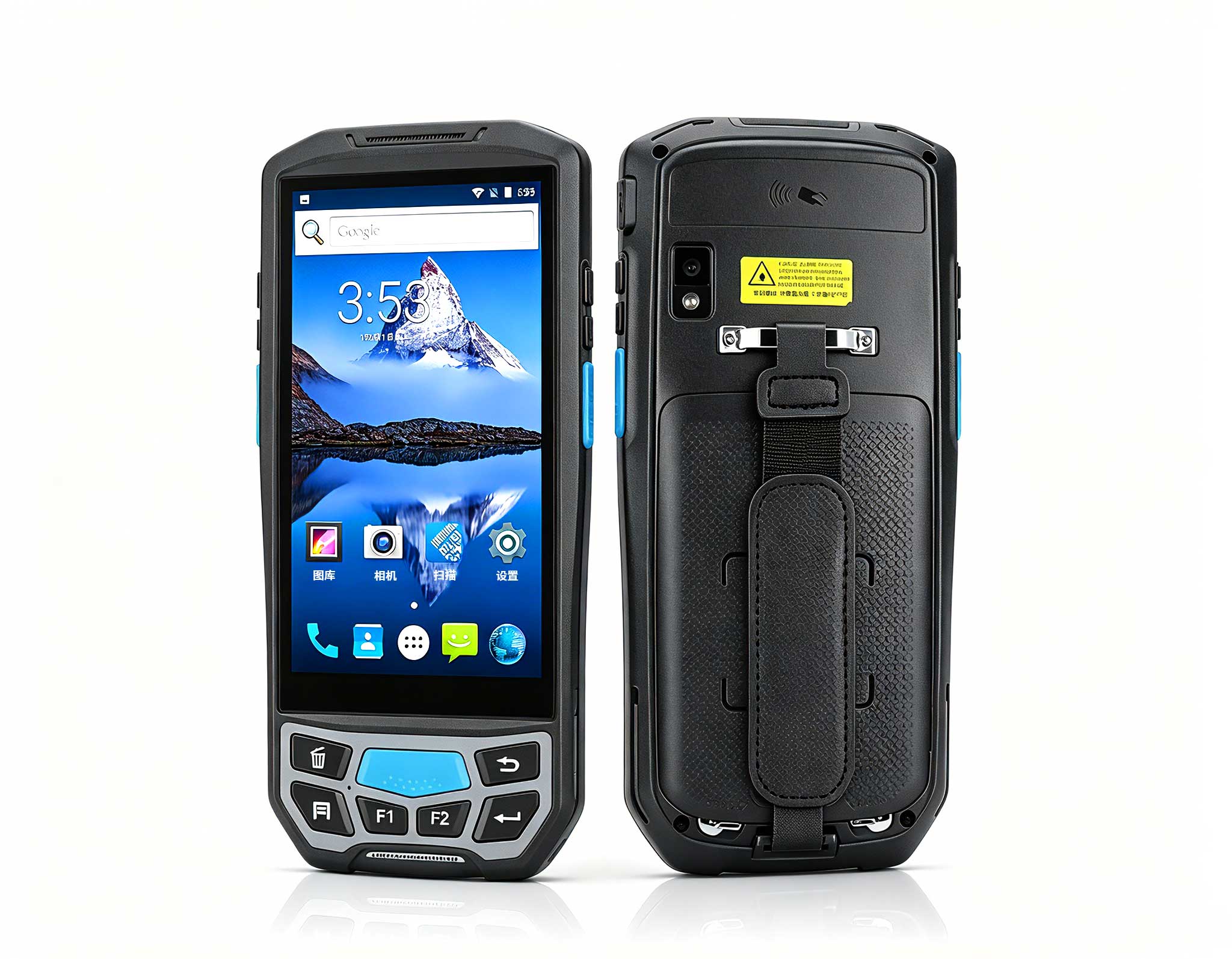
The U9000 handheld PDA combines advanced barcode s...
R530C 6.0-inch Industrial PDA | Qualcomm Octa-core...
Full SpecificationsModelHotus ST9‑JOSWindows 10 Pr...
From the unknown so simpleUsed for mobile phones, ...
RT81 4G Rugged Tablet | 10.1" FHD 400nit | Qu...
Full SpecificationsModelHotus ST11‑UOSWindows 10 P...
Maintenance instructions: Store at room temperatur...
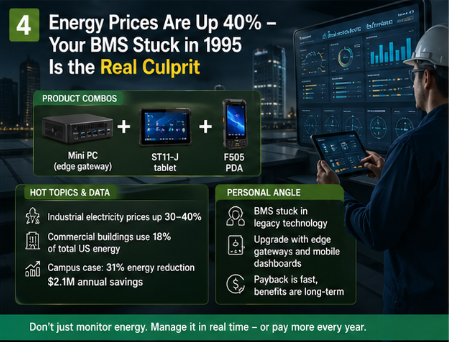
Hotus ST11-J – mobile BMS dashboard for real‑time energy savings
By HOTUS Technology | April 2026
Industrial electricity rates have risen 30‑40% in most regions since 2024, and natural gas prices are even more volatile. Commercial buildings account for 18% of total US energy consumption, with HVAC and lighting the largest loads. Yet the majority of building management systems (BMS) are running on 1995 logic: fixed schedules, static setpoints, no automated fault detection.
I’ve walked through too many facilities where the chiller plant runs at full capacity all night even though the building is empty. Where the air handling units fight each other because the supply and return temperature sensors are drifting. Where the facility manager only discovers a failed VAV box when a tenant calls to complain. This is not just wasteful – it’s embarrassing.
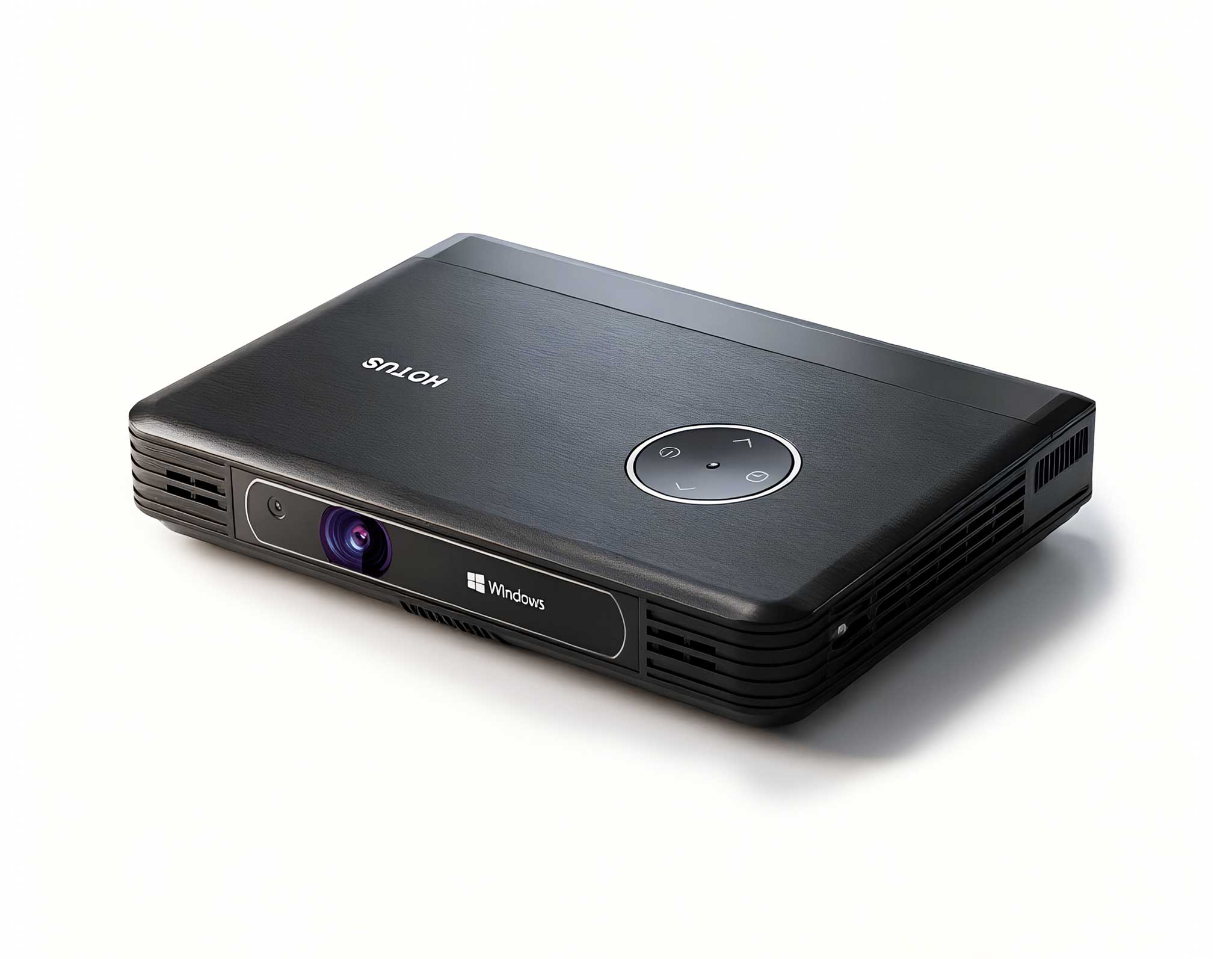
The solution has three layers: edge sensors, a digital twin, and a mobile dashboard. The Hotus Palm‑sized Mini PC serves as the edge gateway in mechanical rooms. It connects to legacy BAS controllers via Modbus or BACnet, collects real‑time temperature, pressure, flow, and power data, and runs local AI models to detect anomalies (e.g., a chiller losing efficiency over time). It filters the data and sends only alerts to the cloud.
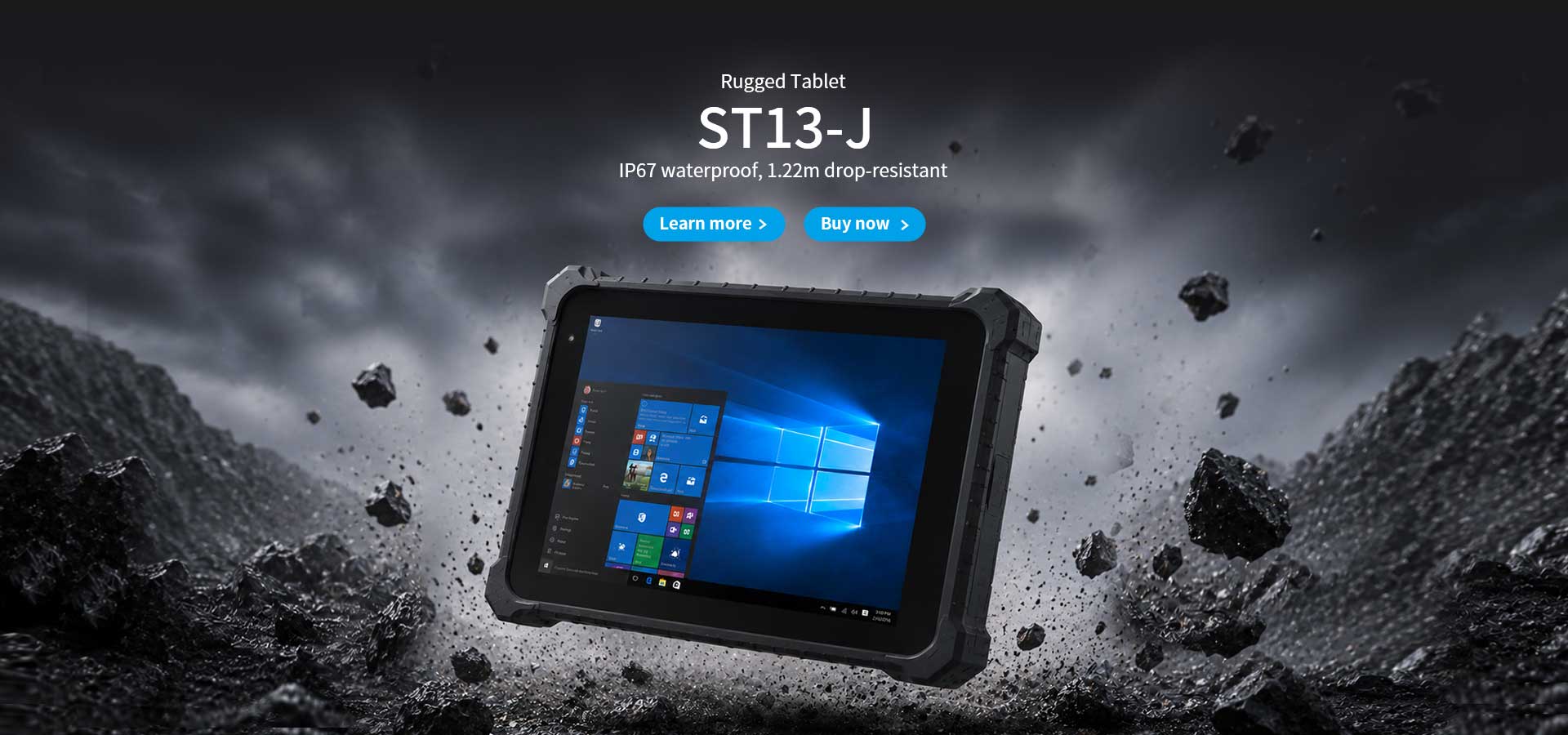
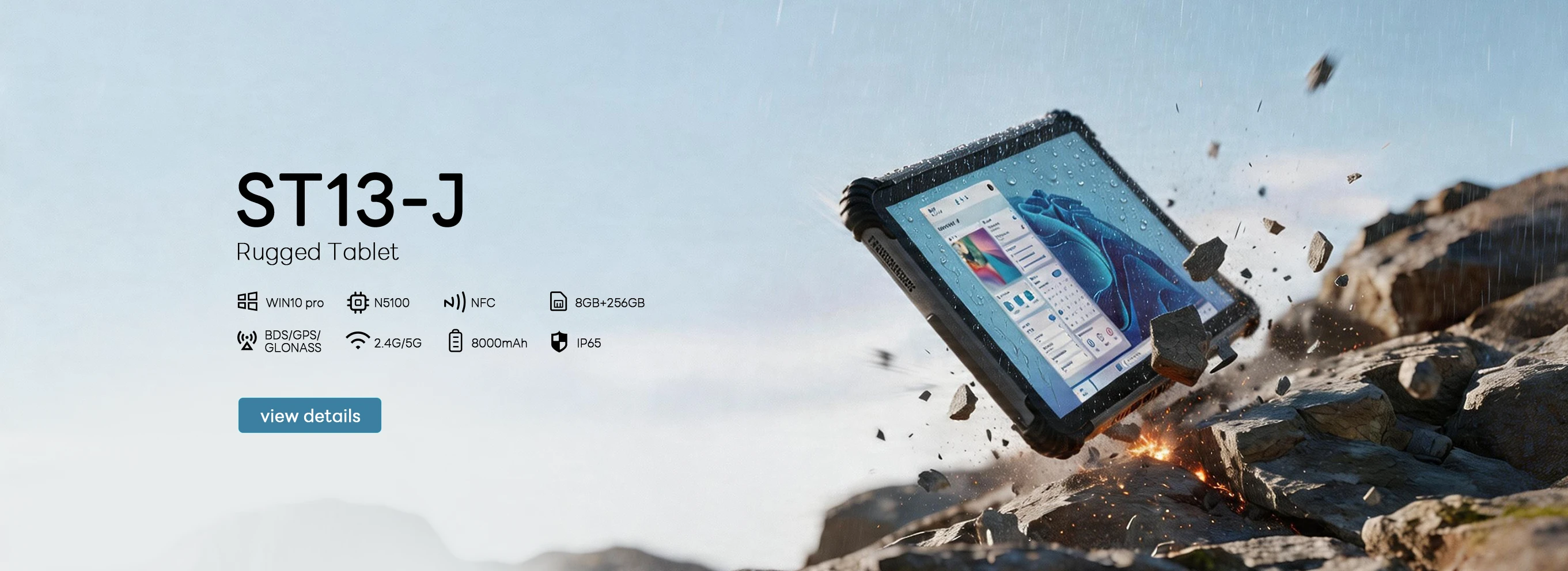
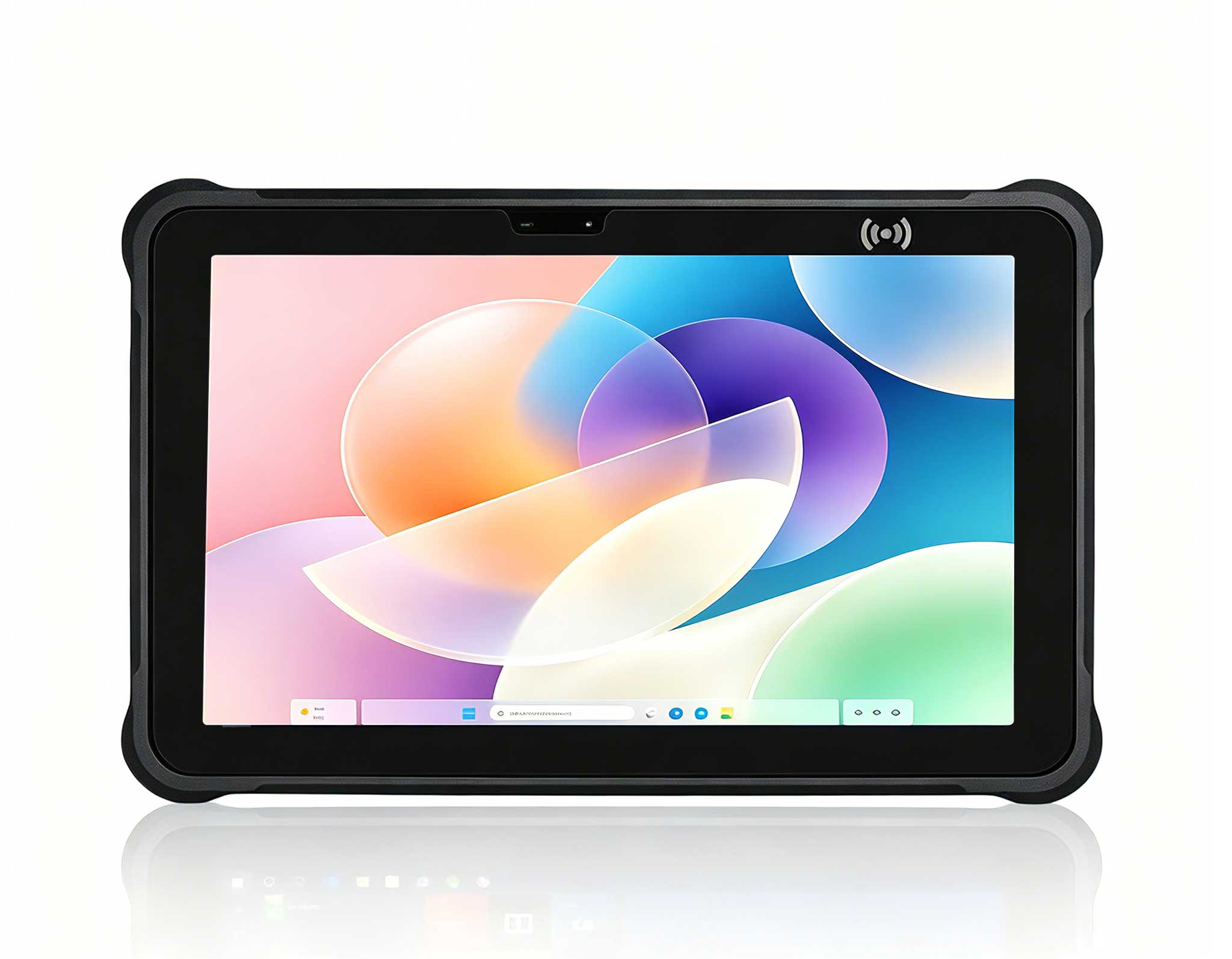
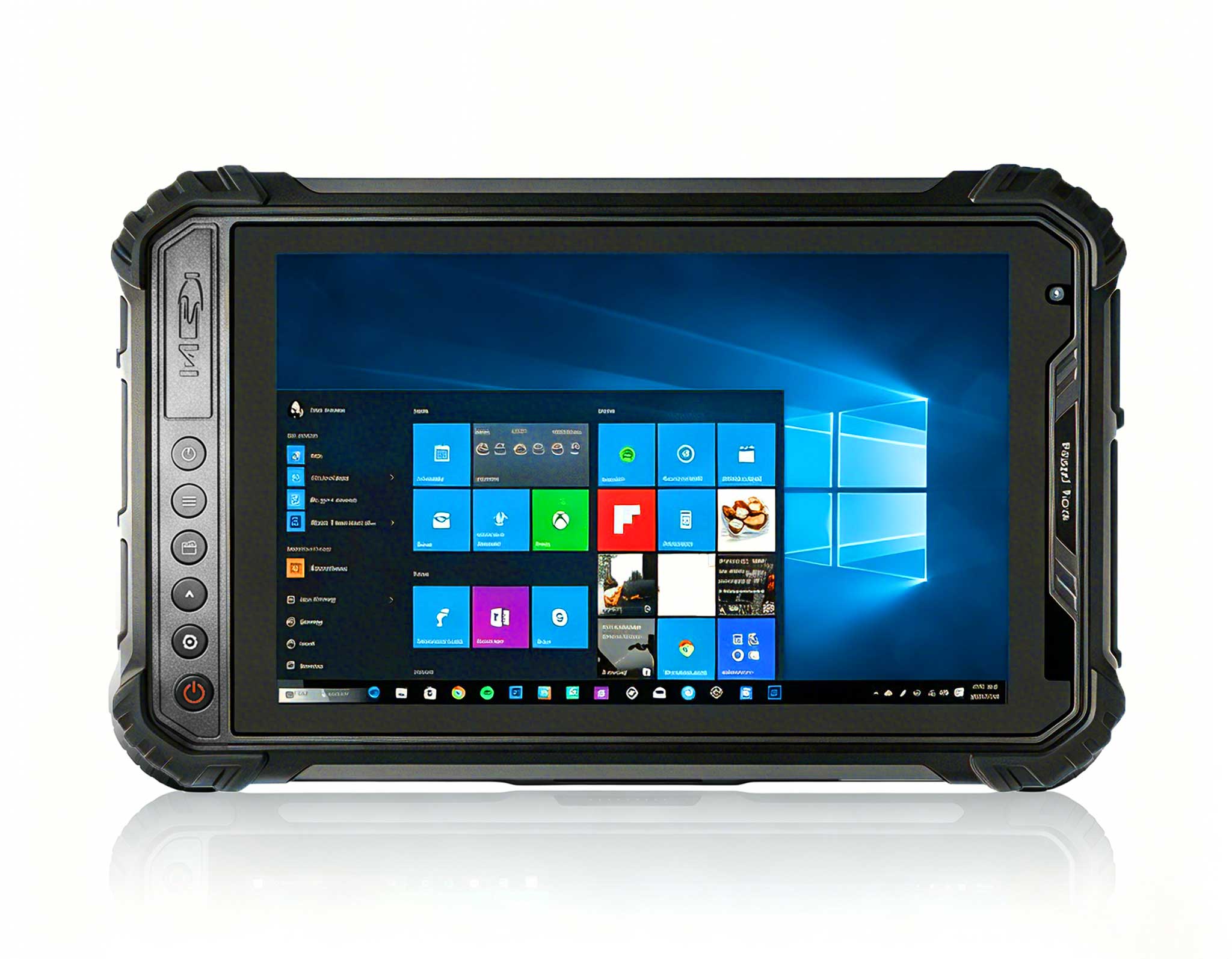
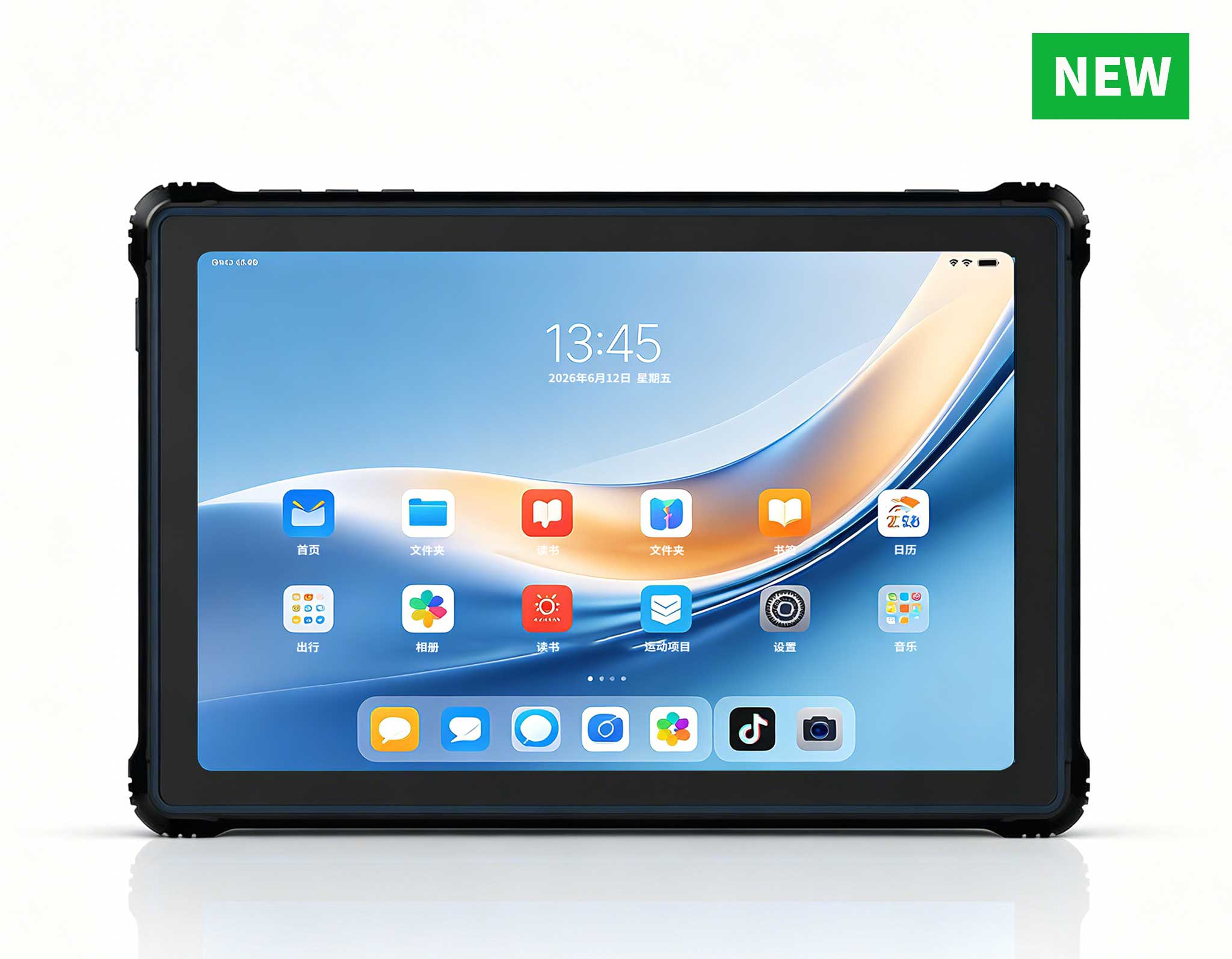
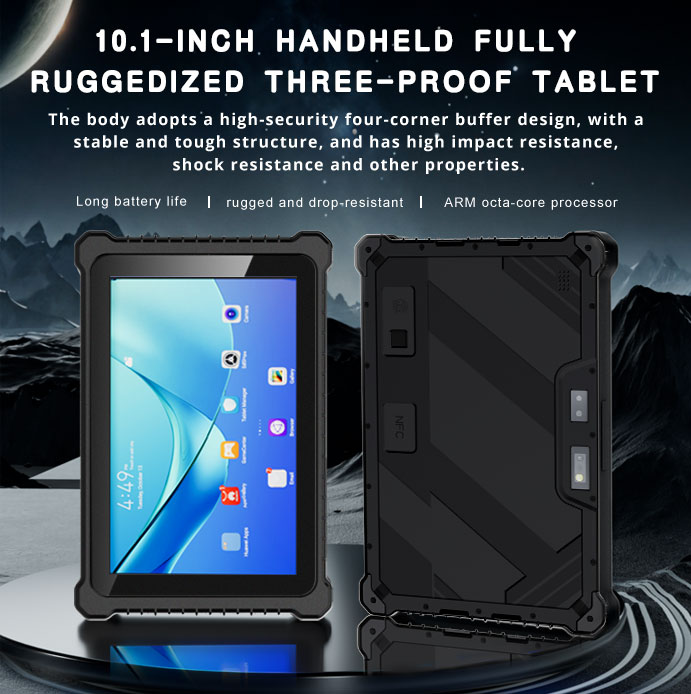
The Hotus ST11‑J 10.1″ Windows rugged tablet puts the digital twin into the hands of the facility manager. With its 1000+ nit display and IP67 protection, it works in mechanical rooms, on rooftops, and in tenant spaces. The ST11‑J runs full BMS visualization software – showing live chiller efficiency, VAV box positions, CO2 levels, and energy use breakdowns. When an anomaly is detected, the tablet alerts the manager with a recommended action: “Chiller approach temperature drifting – schedule maintenance next week.”
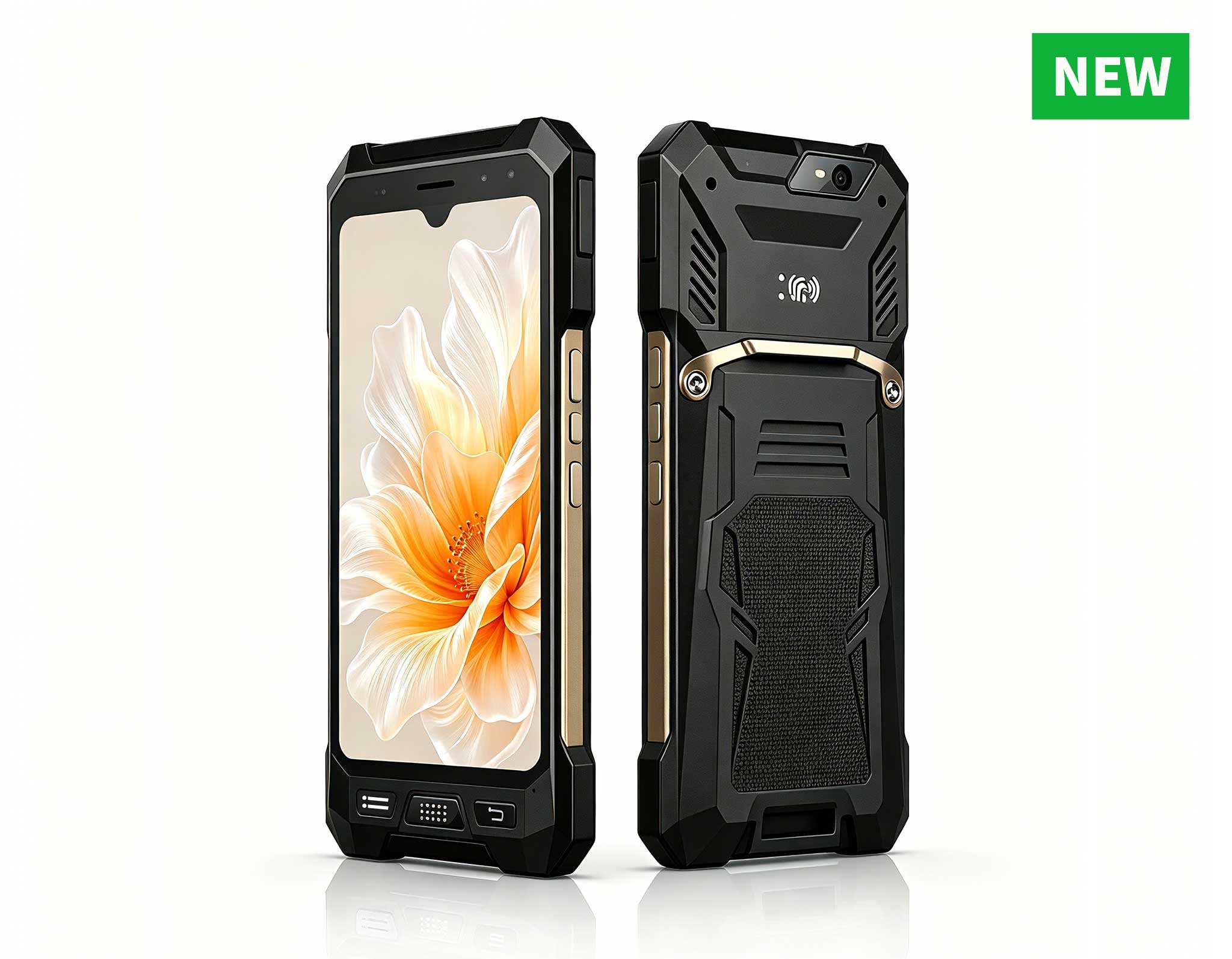
For deeper diagnostics, the Hotus F505 PDA is used for asset scanning. A technician can scan a pump’s RFID tag, pull up its maintenance history, vibration trend, and replacement part number – all from the pocket‑sized device. This closes the loop between digital twin predictions and physical work orders.
A corporate campus of 2.5 million square feet deployed 25 Mini PCs, 50 ST11‑J tablets, and 100 F505 PDAs. Over 12 months, energy consumption dropped 31% – mainly from AI‑driven HVAC scheduling and demand‑based ventilation. Maintenance work order completion time fell 48%. Equipment uptime climbed from 92% to 98%. Annual cost savings: $2.1 million. ROI came in just 14 months.
My take: Upgrading your BMS doesn’t mean ripping out all your old controllers. Start with edge gateways like the Hotus Mini PC, add a digital twin layer, and give your facility managers the mobile dashboards they need. The payback is faster than you think – and energy prices are not going back down.
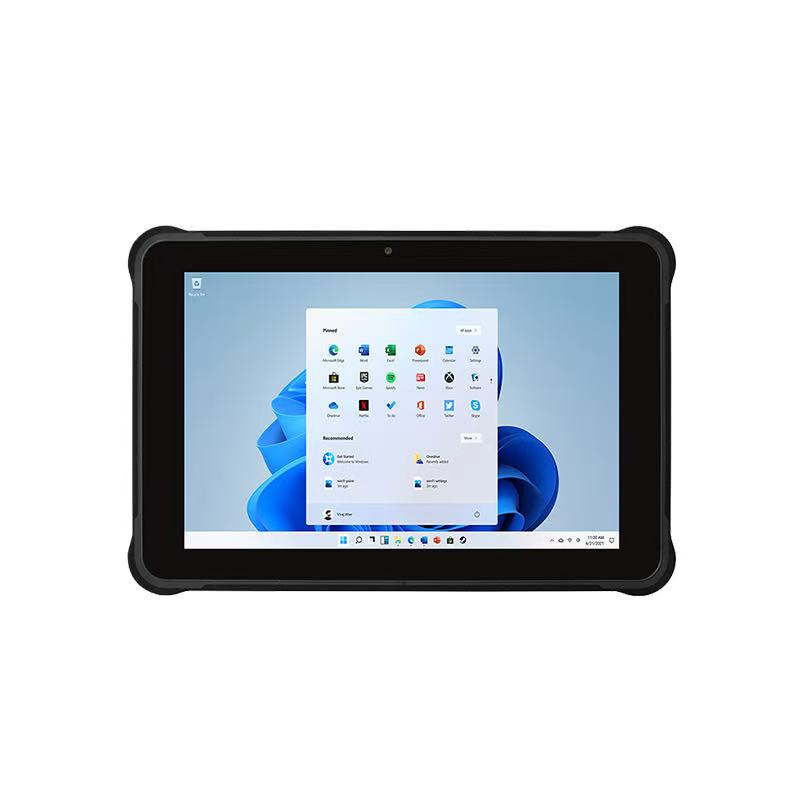
Hotus ST11-U – real‑time BMS dashboards on a rugged tablet
Contact HOTUS Technology to discuss your smart building energy management, request Mini PC edge gateways, or explore ST11‑J tablets for BMS visualization.