- Select Language
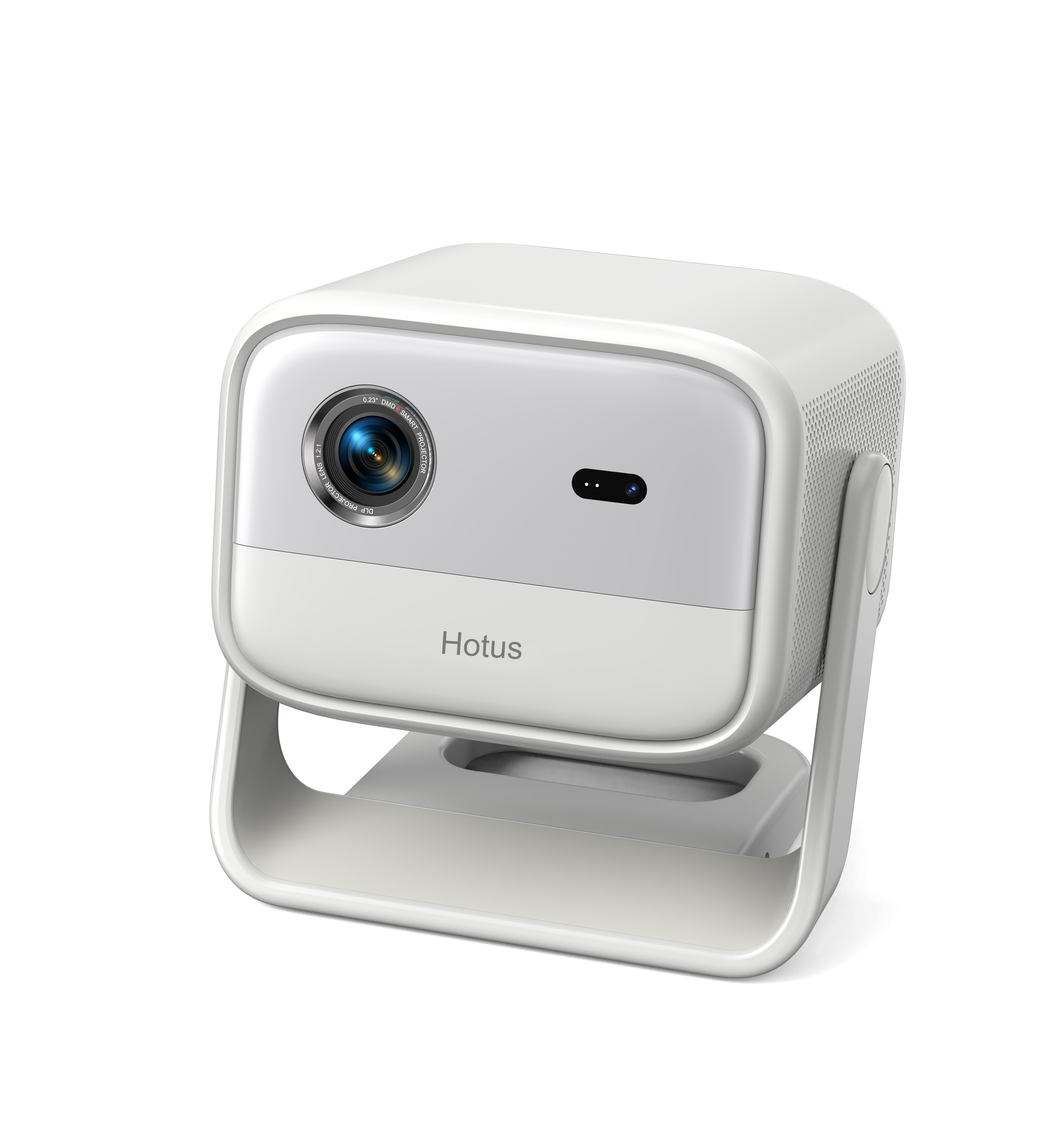
Enterprise Flagship SeriesEngineered for mission-c...
Full SpecificationsModel Hotus SH5‑WOperating ...
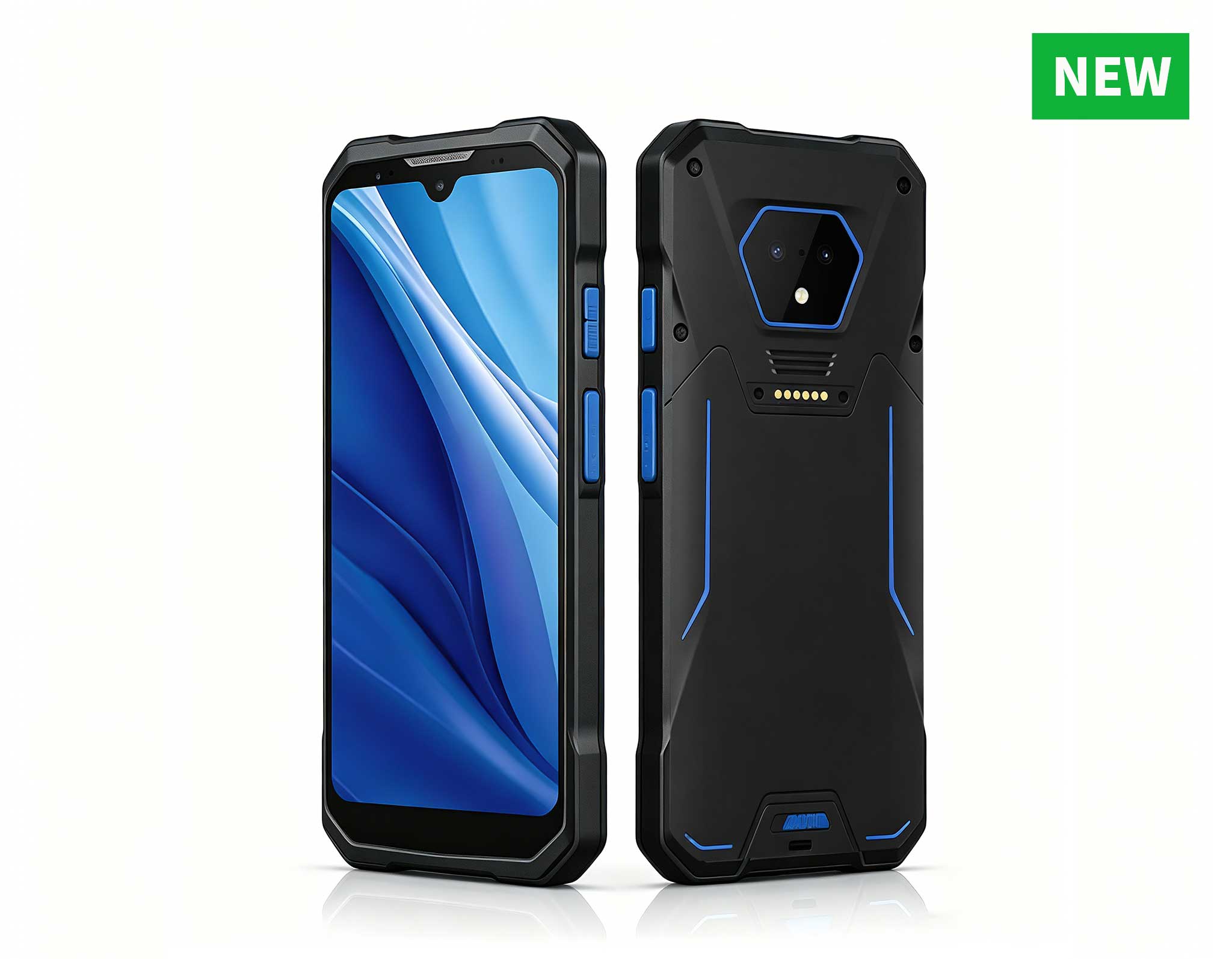
RS50 5G Rugged Handheld Terminal | 6.3" FHD+ ...
The F505 Handheld PDA is a compact, high-performan...
From the unknown so simpleUsed for mobile phones, ...
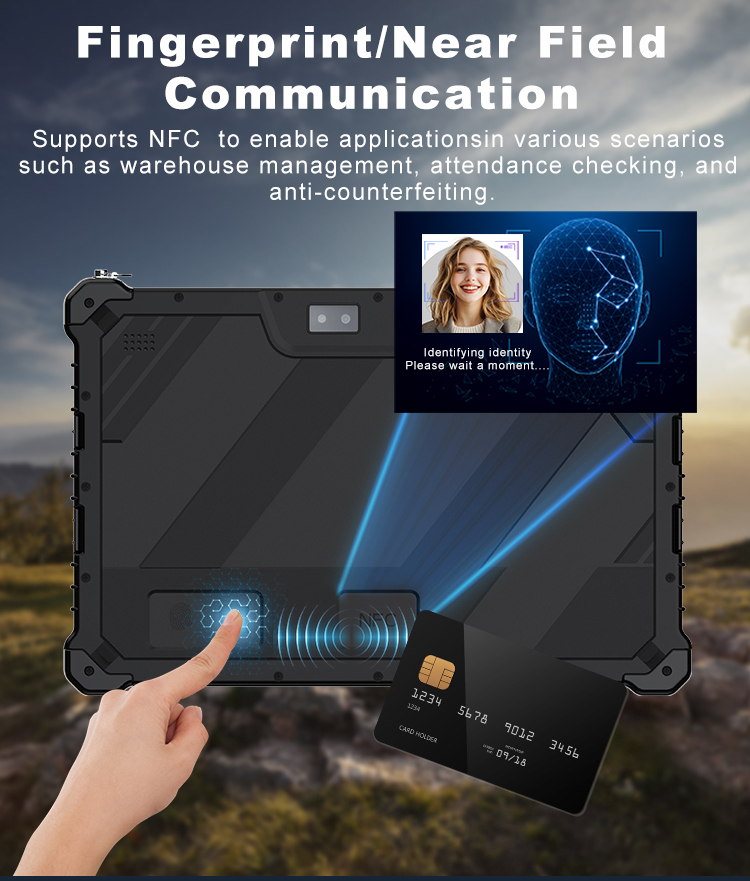
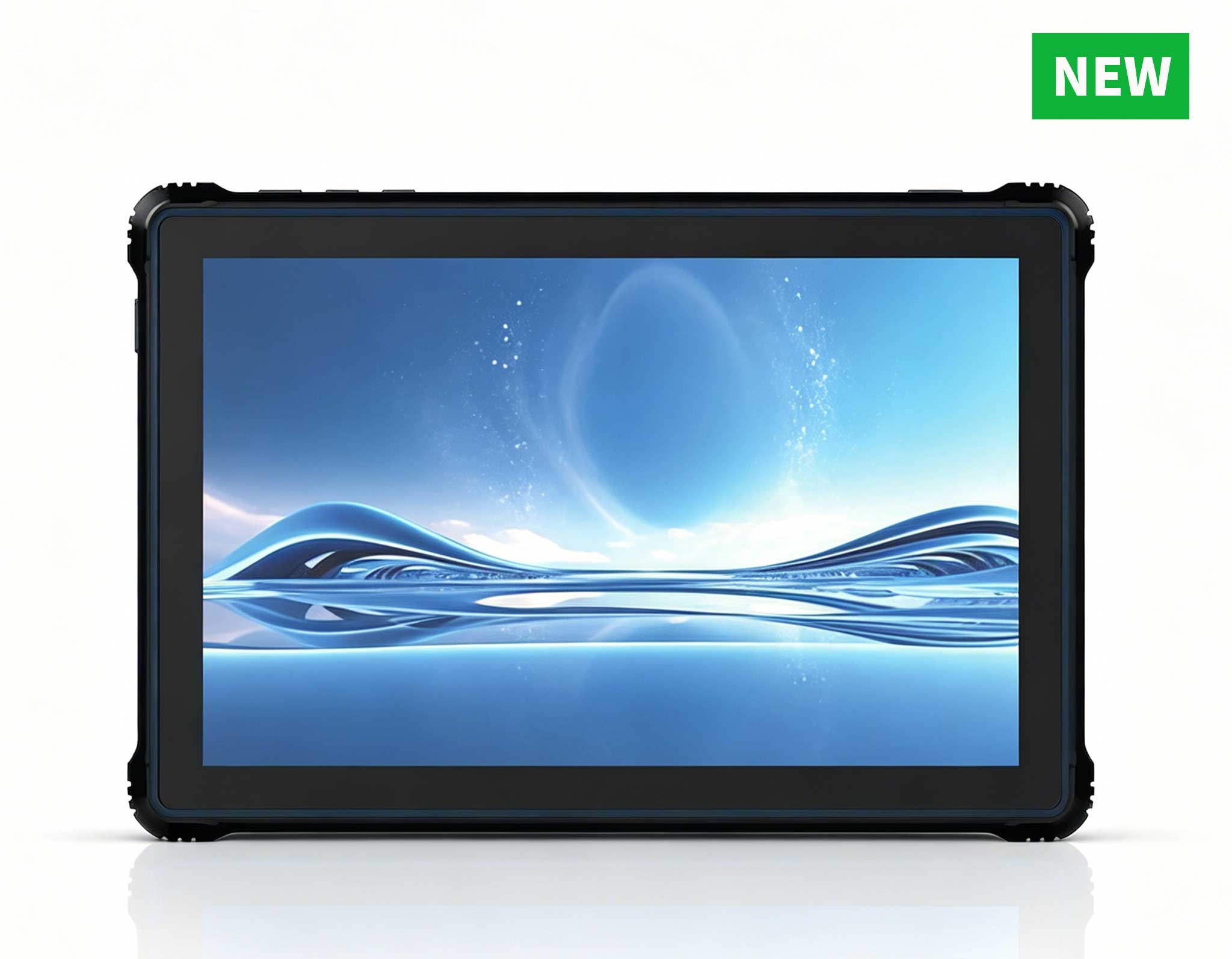
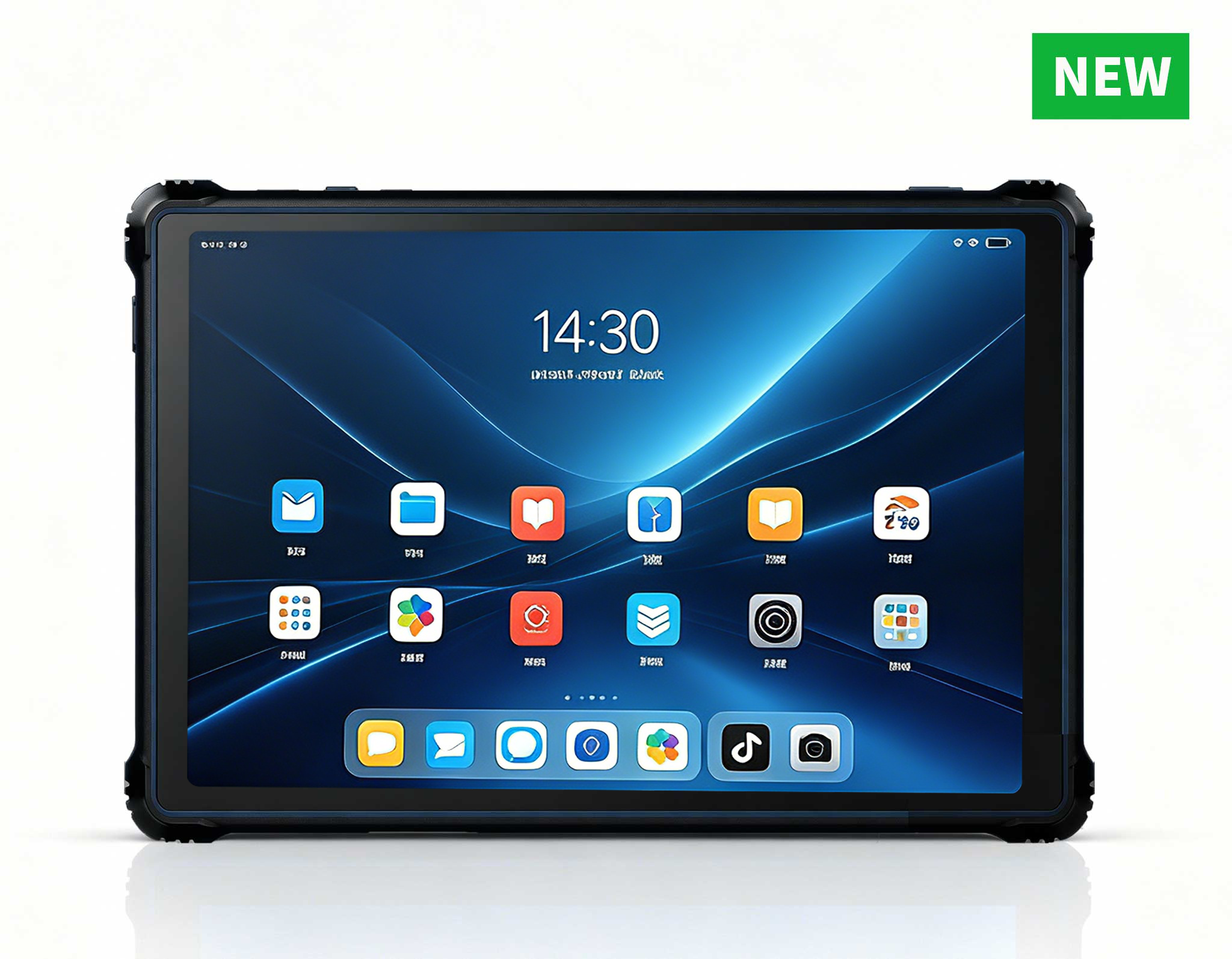
RT80 5G Rugged Tablet | 10.1" FHD 400nit | Un...
RT82 5G Rugged Tablet | 10.1" FHD 400nit | Qu...
Technical SpecificationsModel: Palm-sized miniPCTy...
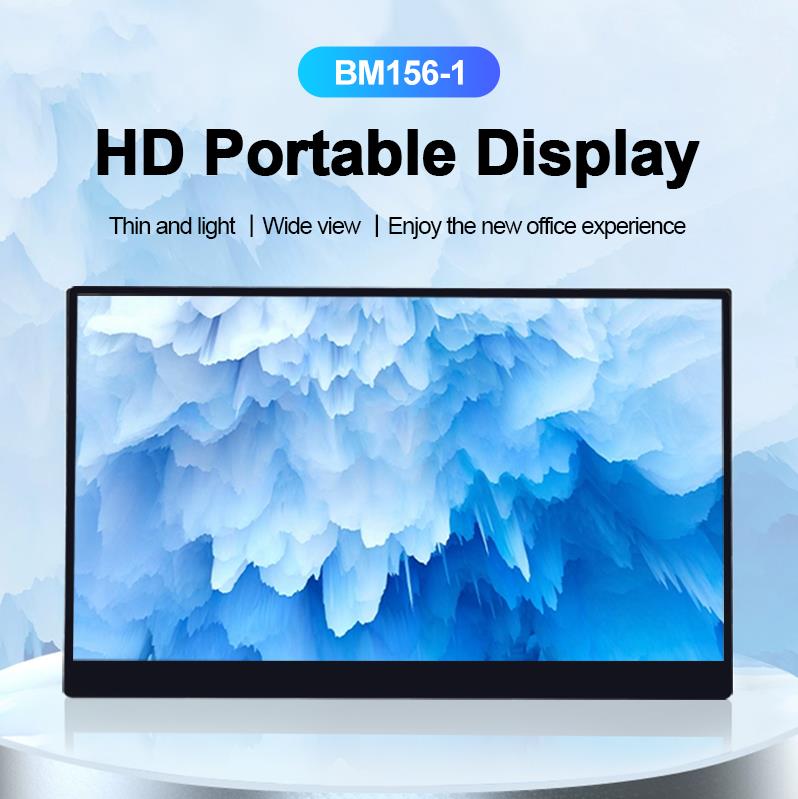
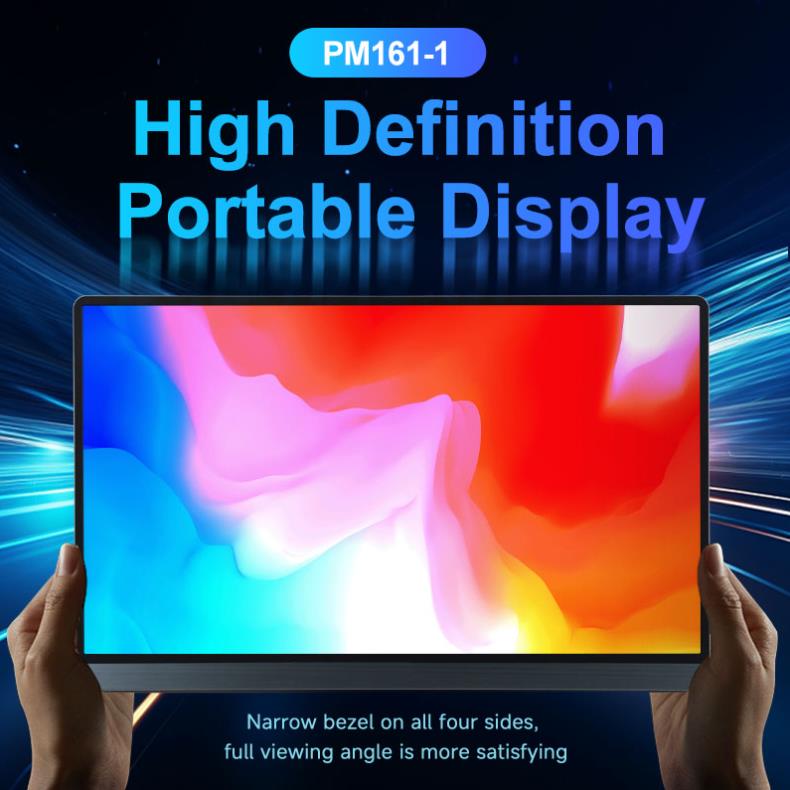
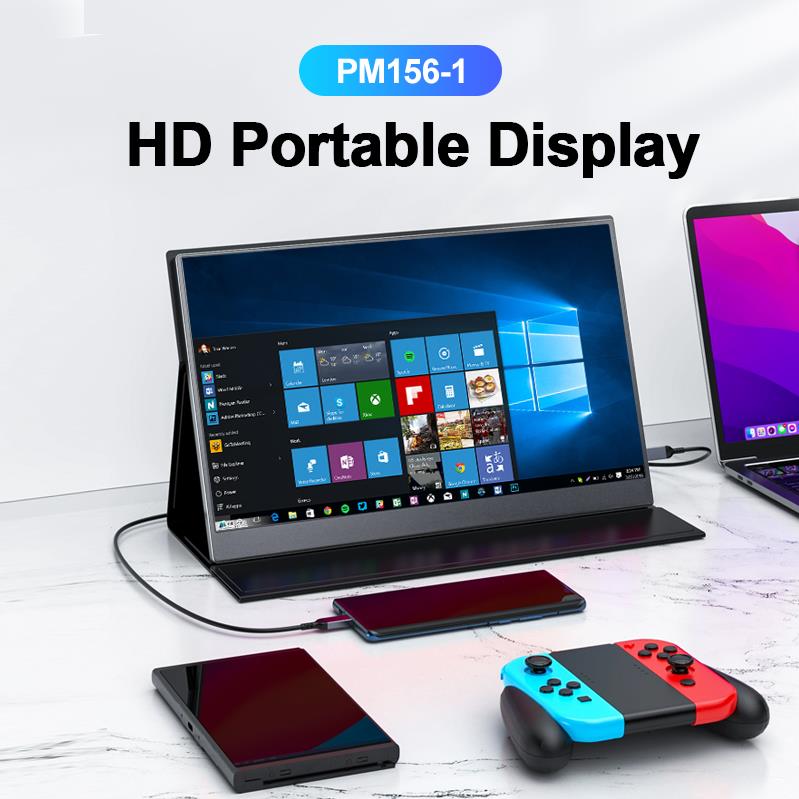
The PM156-1 is a 15.6-inch portable PC monitor fea...
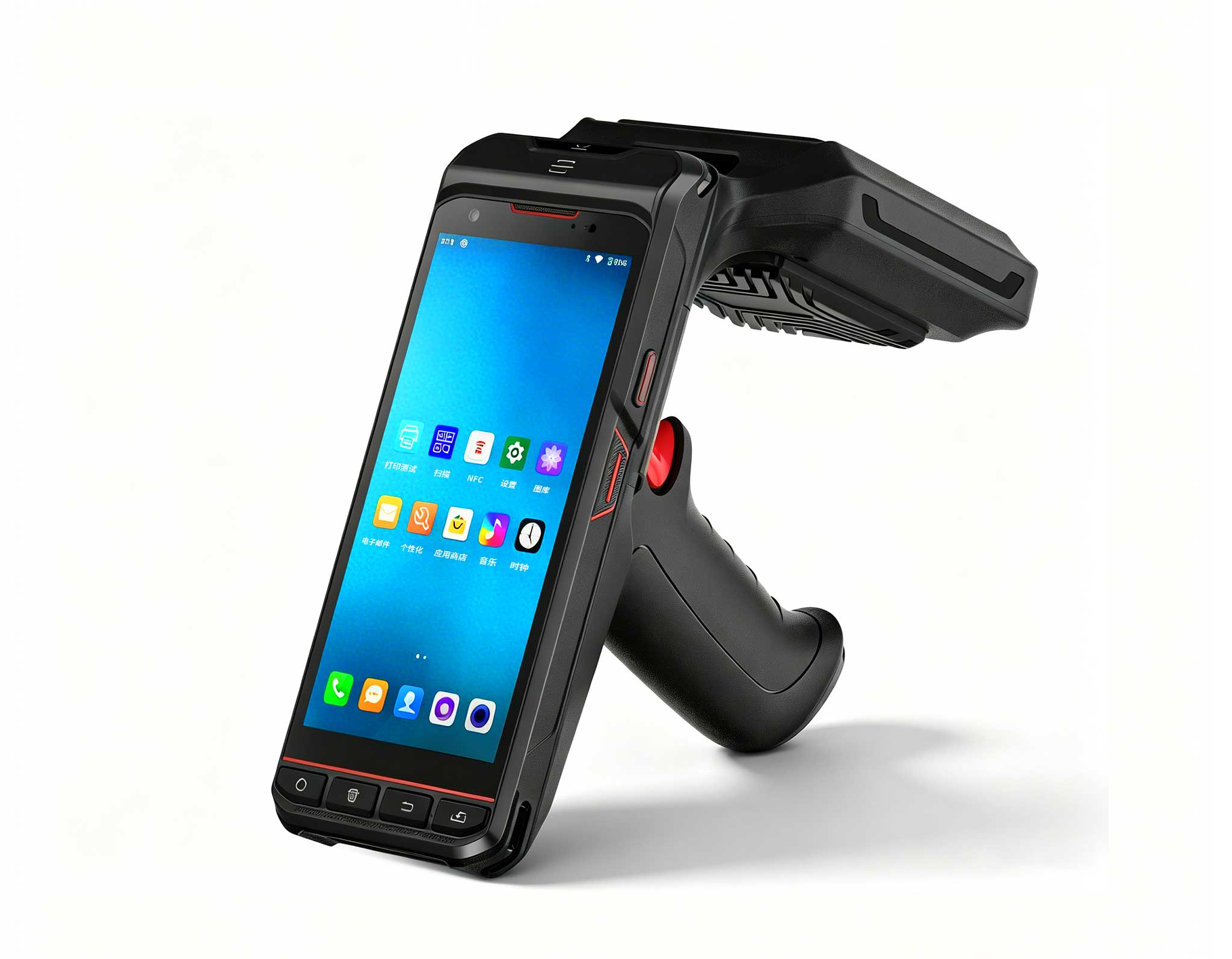
The R501 PDA combines a powerful MT6762 Octa-Core ...
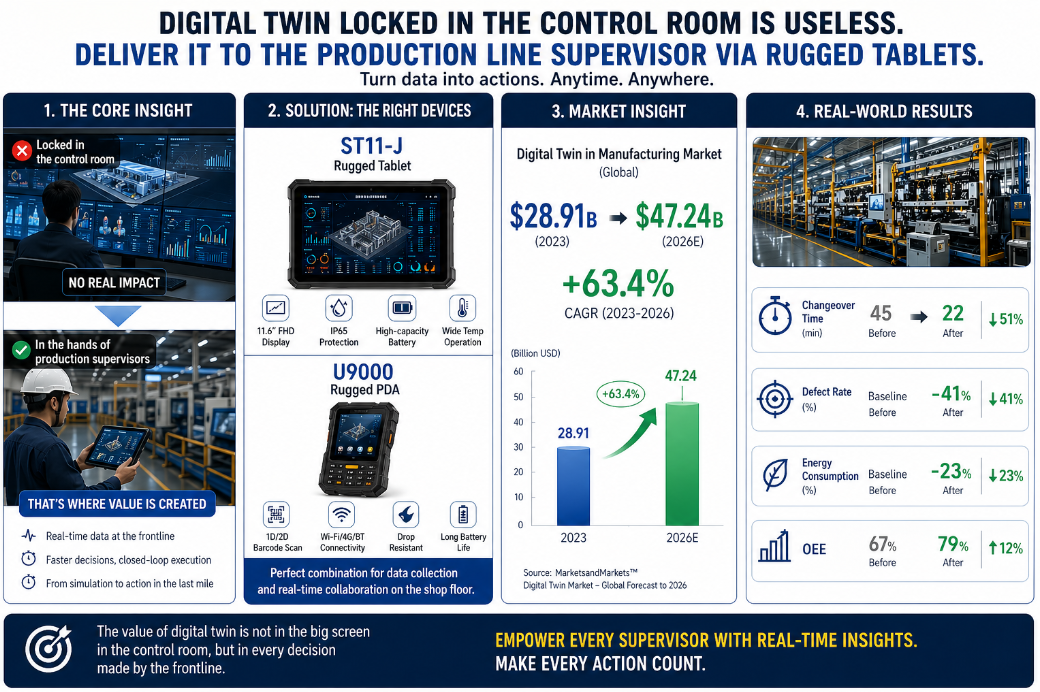
Fig 1 – Hotus ST11‑J: real‑time digital twin visualization on the factory floor
My View: The digital twin market is growing at 63% CAGR, but most factories are still flying blind. Why? Because they’ve locked their digital twins in control rooms instead of putting them into the hands of floor supervisors via rugged Windows tablets. A digital twin that lives on a desktop is a report. A digital twin that lives on a ST11‑J tablet on a forklift is a real‑time decision tool.
By HOTUS Technology | April 2026
The numbers are breathtaking. The digital twin in manufacturing market grew from $28.91 billion in 2025 to $47.24 billion in 2026 – a staggering 63.4% year‑over‑year increase. By 2030, the total digital twin market will exceed $228 billion. Major industrial software vendors are embedding digital twin capabilities into every new release. The technology is mature, the ROI is proven, and the competitive pressure is mounting.
Yet I walk through factories where the digital twin is locked on a desktop in the control room. The production manager sees it during morning stand‑up. The shift supervisor might glance at it once a day. The floor technicians – the people actually touching the machines – never see it at all. This is a strategic failure.
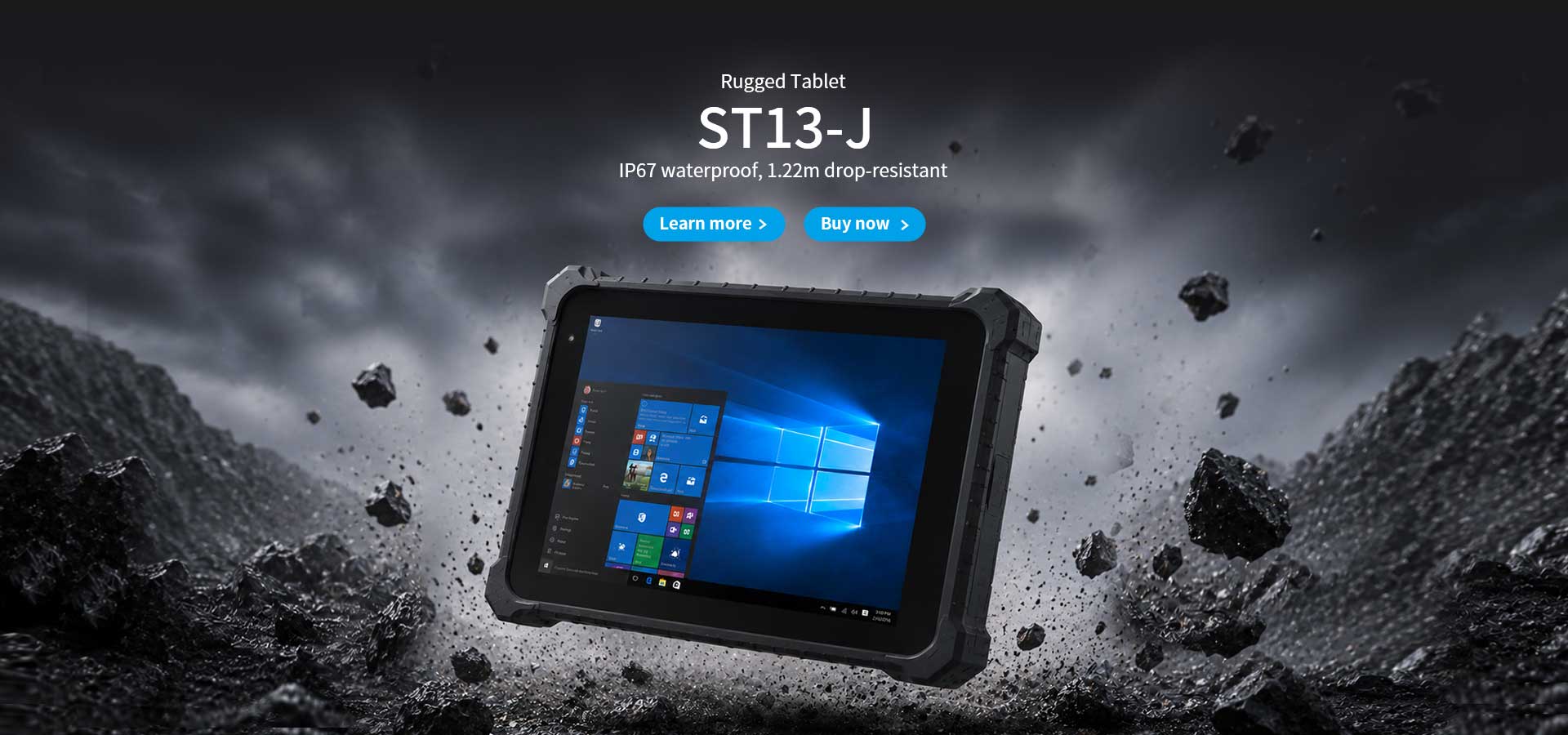
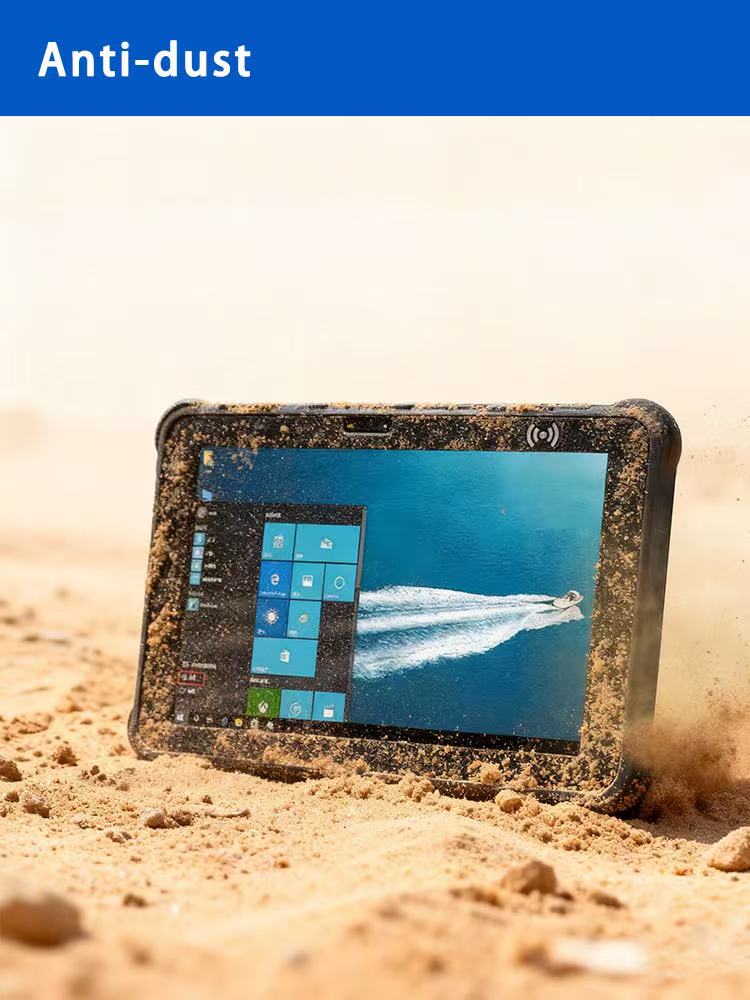
A digital twin disconnected from the point of work is just an expensive dashboard. The real value comes from putting that twin into a rugged, mobile device that follows the supervisor everywhere. The Hotus ST11‑J 10.1″ Windows rugged tablet is purpose‑built for exactly this. With its 1000+ nit display, IP67 protection, and Windows 11 Pro OS, it runs full digital twin software – Siemens Xcelerator, PTC Vuforia, Microsoft Azure Digital Twins – anywhere on the factory floor.
Imagine a quality engineer walking the line with an ST11‑J. When a batch of parts shows dimensional drift, they tap the tablet and see a real‑time overlay of the production line. The digital twin highlights which station, which tool, which operator was active when the drift started. The engineer walks directly to that station, scans the tool’s RFID tag with a Hotus U9000 PDA, pulls up maintenance logs, and discovers a worn spindle bearing – all without a single phone call or trip back to the control room.
This closed‑loop workflow is only possible when the digital twin is mobile. The ST11‑J serves as the visualization layer. The U9000 serves as the data capture layer, scanning assets, logging observations, and closing work orders. Together, they turn a static model into a living, breathing decision support system.
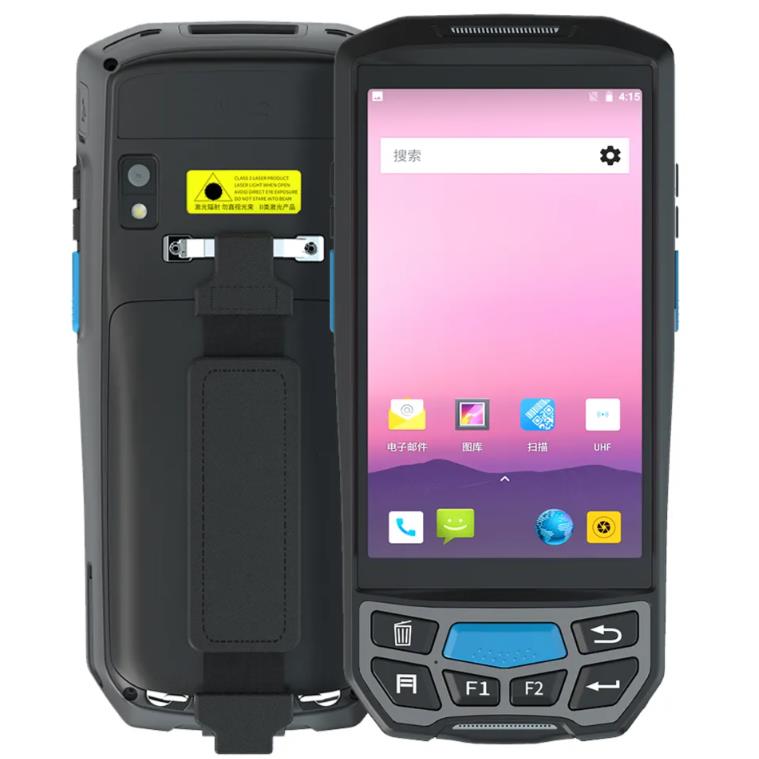
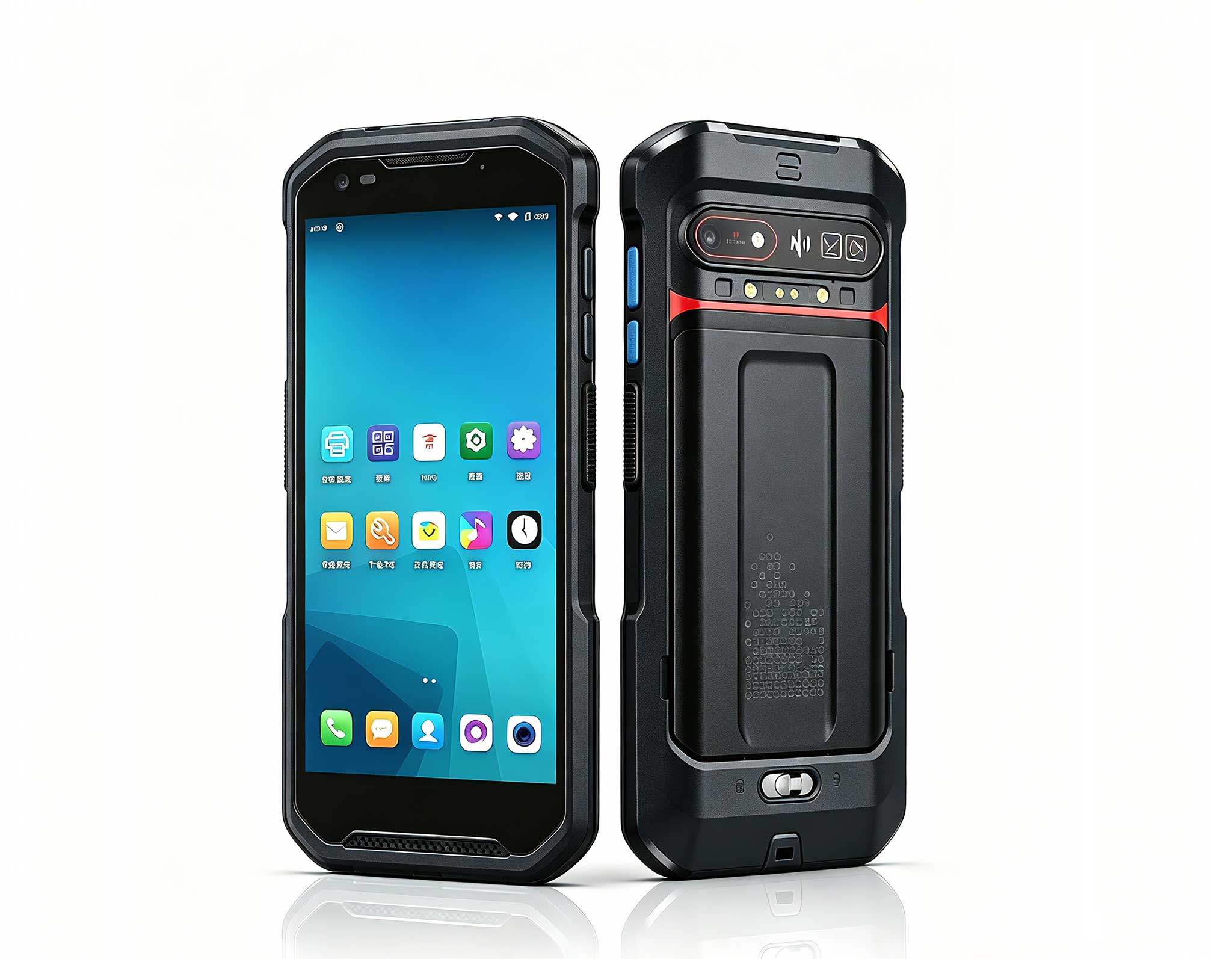
Fig 2 – Hotus U9000: scanning asset tags to feed real‑time data into the digital twin
Consider a real automotive parts plant. They deployed digital twins across five production lines, equipped every shift supervisor with an ST11‑J, and gave quality technicians U9000 PDAs. After 12 months, changeover time fell from 45 minutes to 22 minutes. Quality defect rates dropped 41%. Energy consumption – optimized through digital twin simulations – fell 23%. Overall equipment effectiveness (OEE) climbed from 67% to 79%. The ROI came in just 10 months.
The industrial digital twin market is projected to reach $47.24 billion in 2026, driven by smart factory initiatives, IIoT expansion, and demand for production efficiency. But technology alone is not enough. Putting that technology into the hands of the people who need it – with rugged, mobile Windows devices – is what turns data into action.
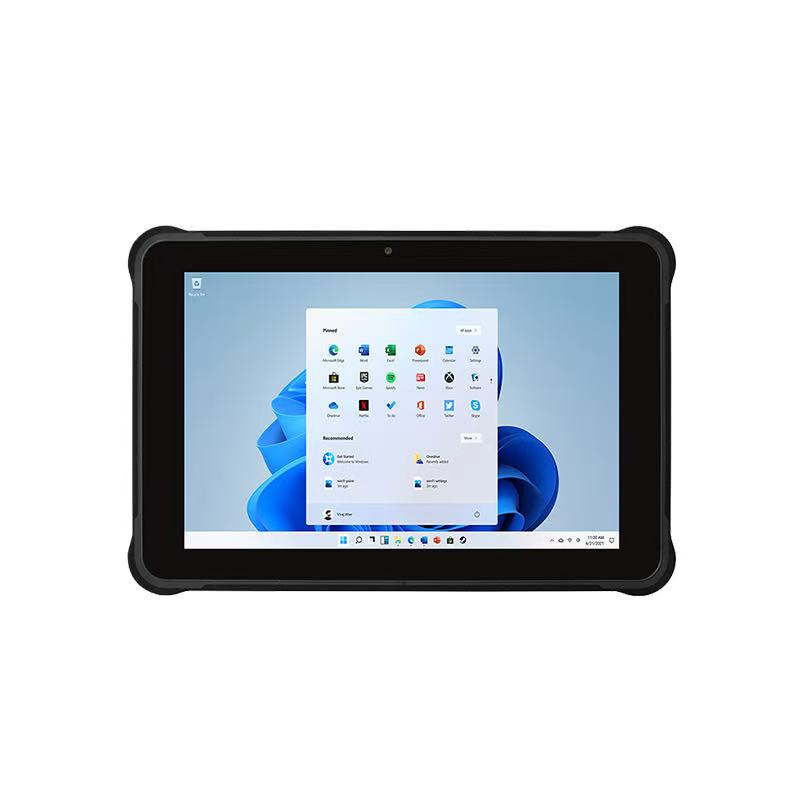
Fig 3 – Hotus ST11‑U: live OEE and line status from the digital twin
Contact HOTUS Technology to discuss your digital twin deployment, request ST11‑J pilot units, or explore U9000 PDA integration for real‑time data capture.