- Select Language
The T80 handheld PDA combines advanced barcode sca...
R350C 4-inch Industrial Handheld PDA | Qualcom...
P11 Series Next-Gen Enterprise Rugged Industrial ...
The PM158-1 is a 15.6-inch portable touchscreen mo...
The EGPU Graphics Card Expansion Dock is a high-pe...
R366-S Thin 5.5-inch Industrial PDA | Qualcomm Oct...

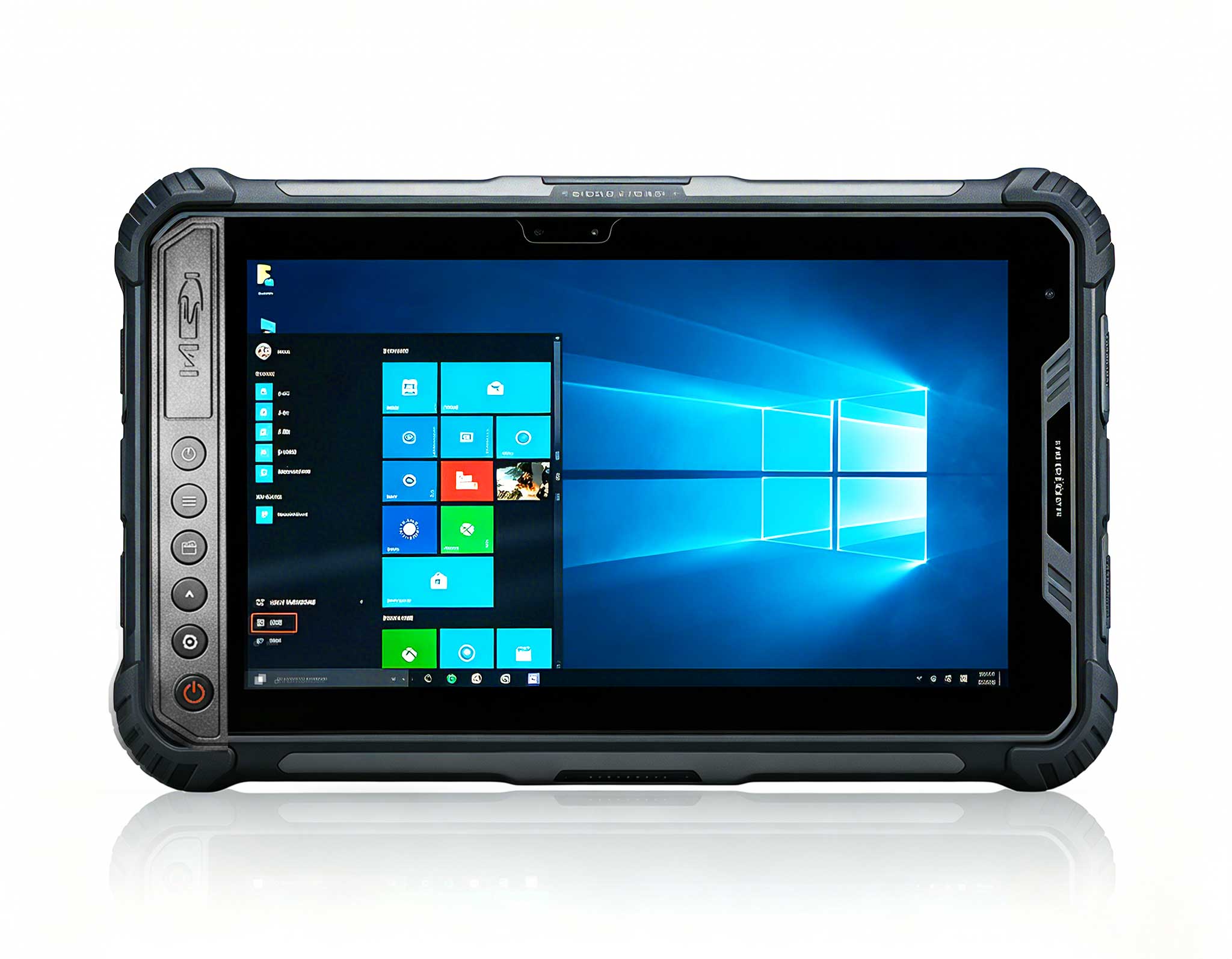
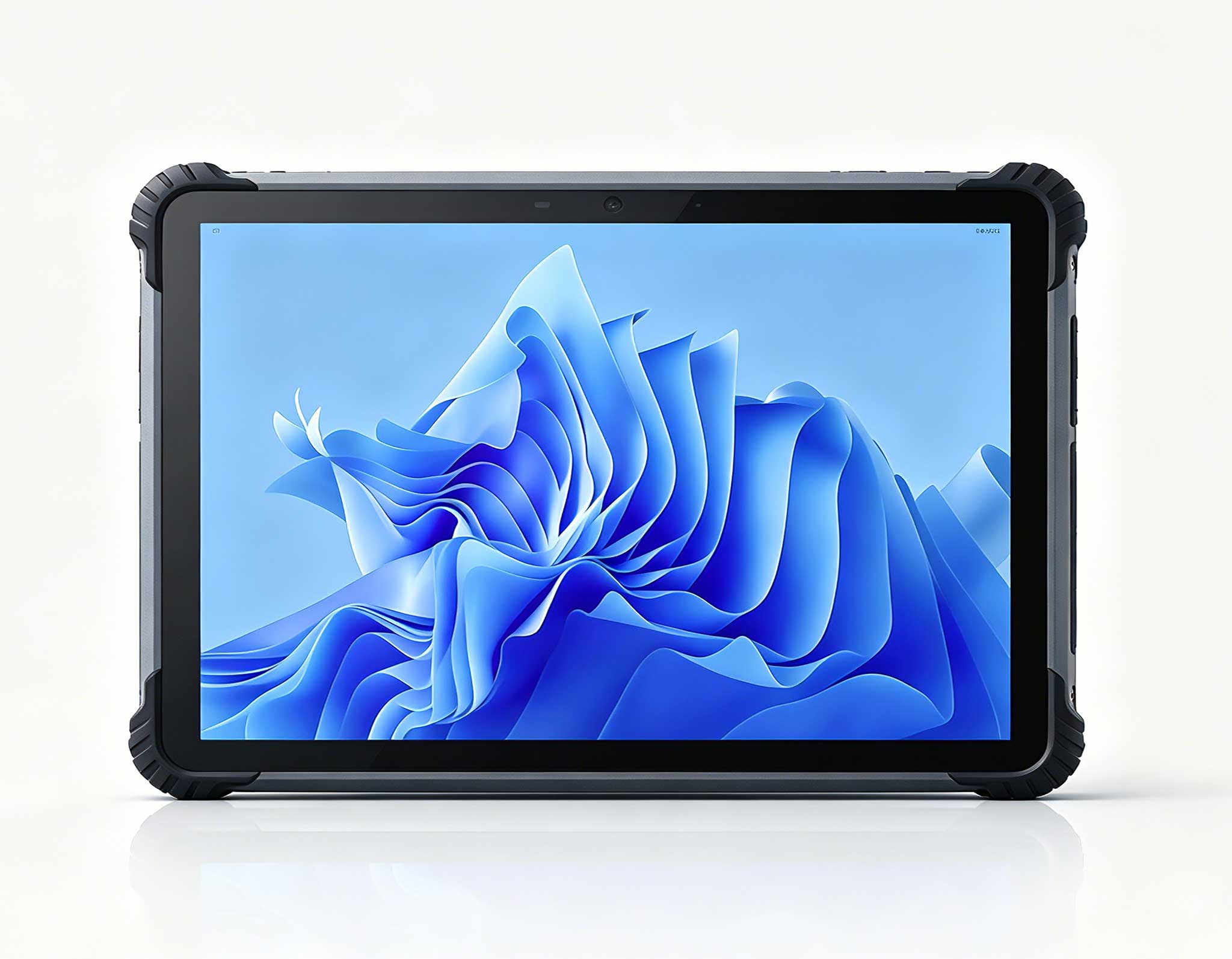
Fig 1 – Rugged tablet supporting remote SMR inspection with satellite connectivity in controlled environments
Remote nuclear sites demand a different class of equipment. Connectivity is limited, environments are controlled but unforgiving, and every inspection step must be verifiable. Standard mobile devices are not built for this reality. Field teams require purpose-built hardware that ensures stable communication, data integrity, and uninterrupted operation.

By HOTUS Technology | May 2026
Small modular reactors (SMRs) are redefining how nuclear energy is deployed. Their compact design enables installation in remote or off-grid locations, supporting mining operations, industrial clusters, and isolated communities. However, this flexibility introduces a new operational challenge: how to maintain visibility and control without conventional network infrastructure.
In these environments, inspection workflows must operate independently while still feeding centralized systems. Data collection, validation, and transmission cannot rely on stable terrestrial networks. Instead, systems must be designed for intermittent connectivity and satellite communication.
The Hotus ST11-J Windows rugged tablet addresses this requirement with support for external antenna integration and reliable field performance. It enables technicians to capture structured inspection data, run monitoring applications, and synchronize records once a secure link is available.
Inspection routines in SMR facilities include equipment verification, environmental readings, and compliance checks. With a rugged tablet, each step is guided digitally, ensuring that procedures are followed consistently. Data is recorded with timestamps and linked to specific assets, improving traceability across the entire operation.
When connectivity is established through satellite systems, inspection results can be transmitted to centralized control centers. Engineers can review data remotely, provide feedback, and support field personnel without requiring additional on-site resources. This reduces operational risk while improving response time.
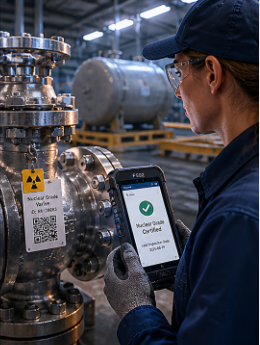
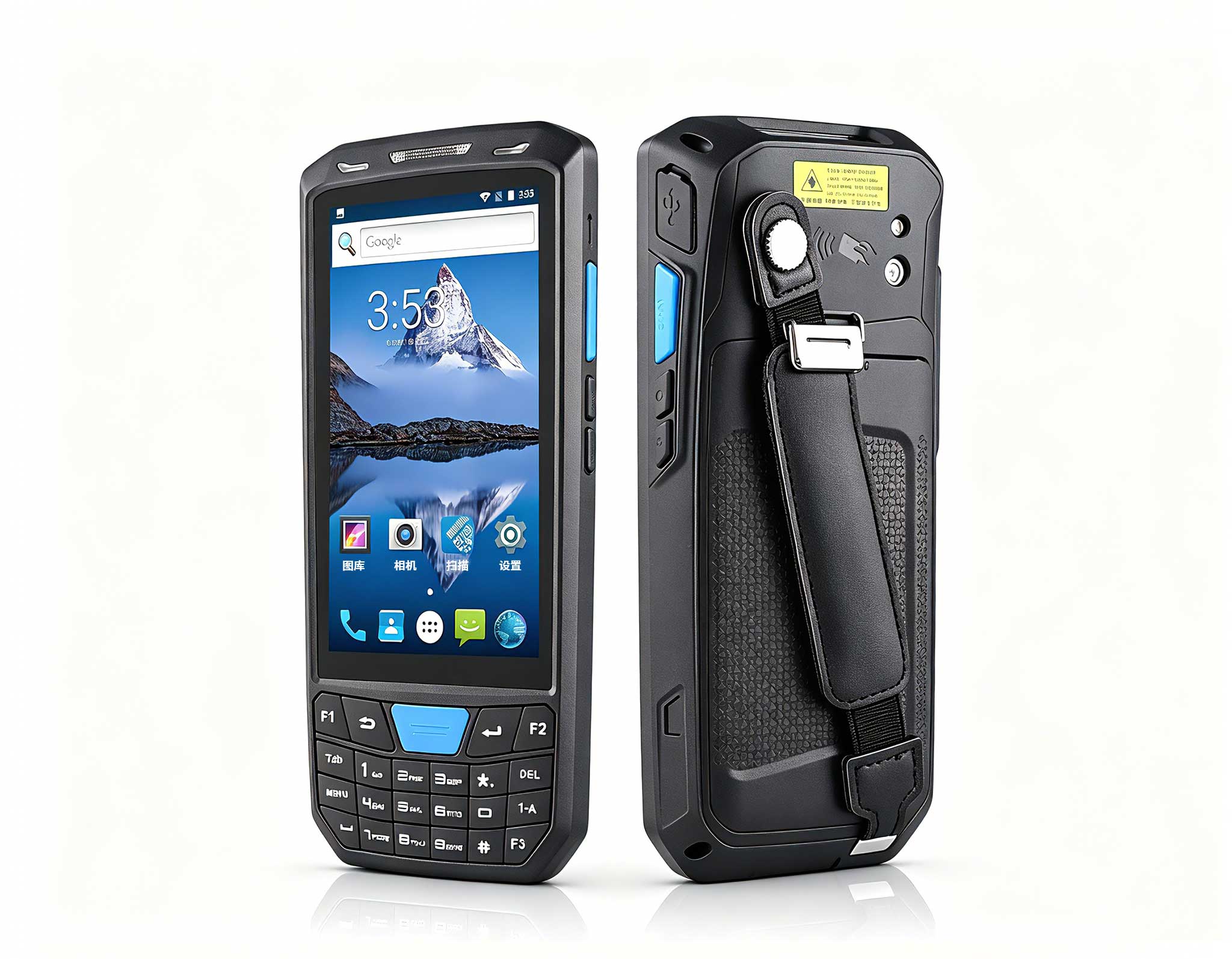
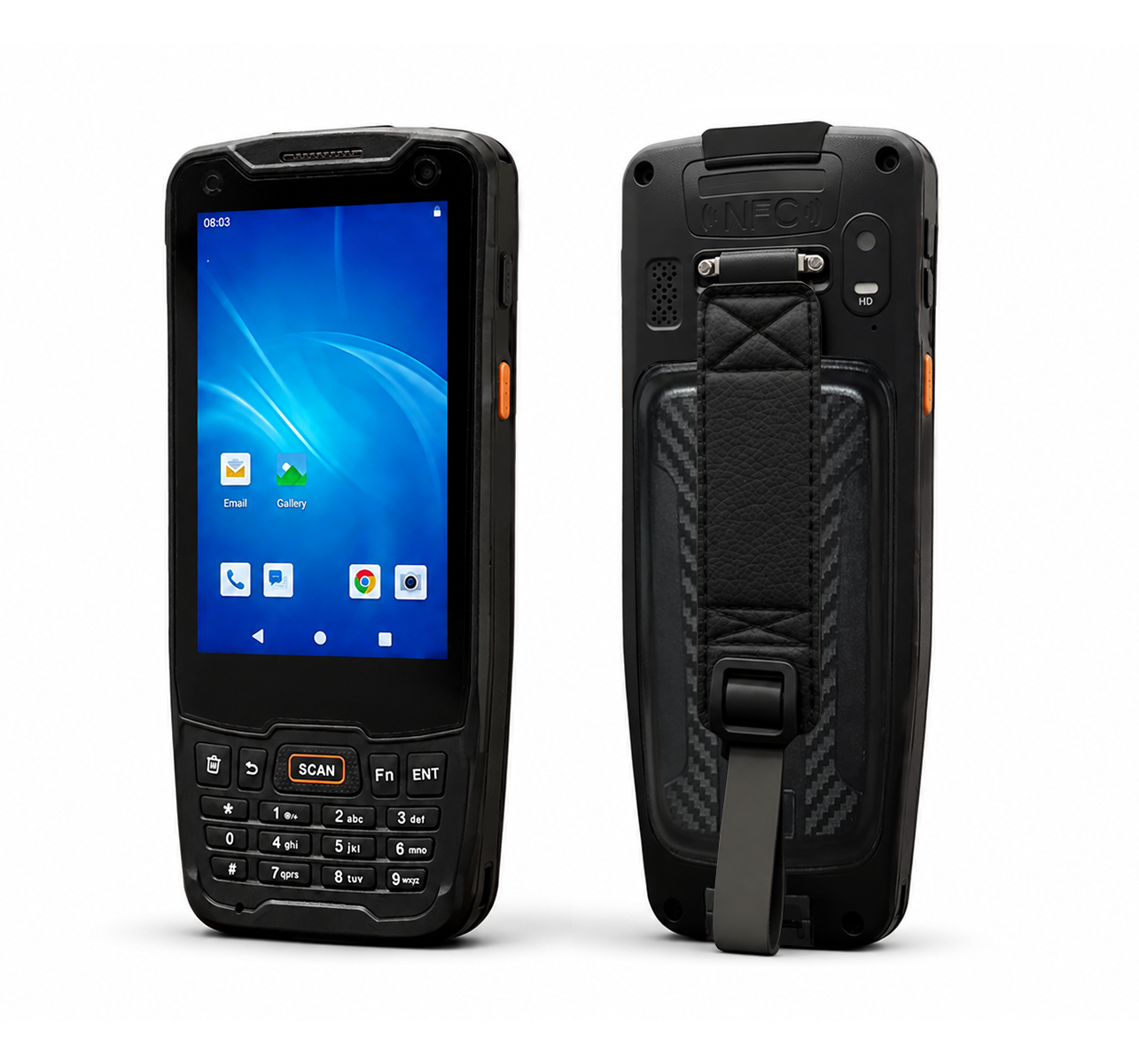
Fig 2 – Digital tracking of certified components using RFID-enabled handheld devices
Managing certified components is equally important in nuclear environments. Each part must be verified, tracked, and linked to inspection records to maintain compliance standards.
The Hotus F502 RFID industrial PDA enables fast identification of components through barcode and RFID scanning. This ensures that only approved parts are used and that their lifecycle is fully documented.
By integrating asset tracking with inspection workflows, operators gain full visibility into equipment status, maintenance history, and certification records. This level of traceability supports both regulatory compliance and long-term operational reliability.
Data collected in the field often needs to be aggregated and processed locally before being transmitted. Edge computing plays a key role in this process, especially when bandwidth is limited.
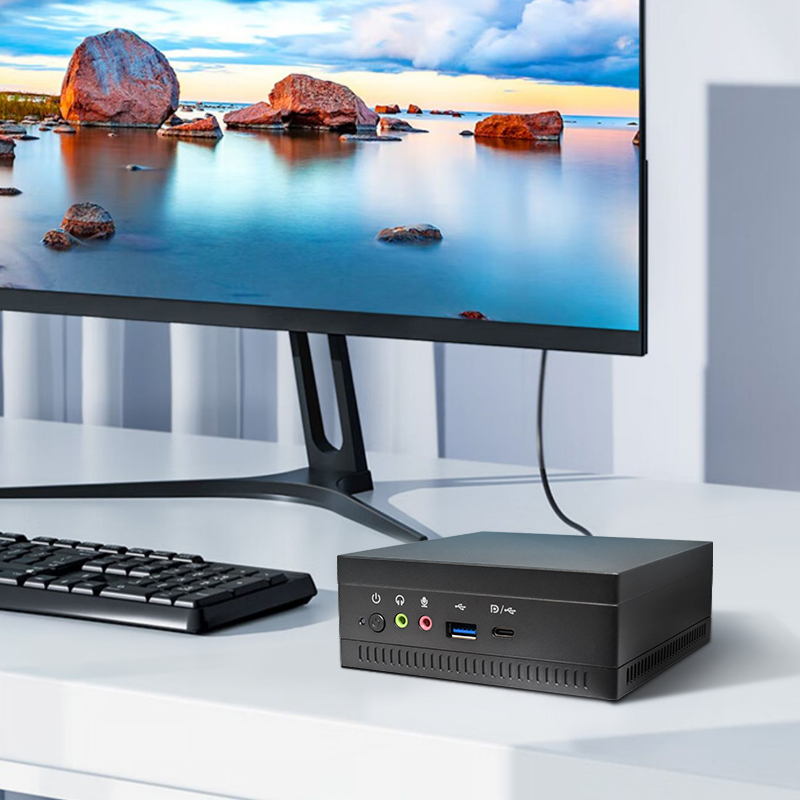
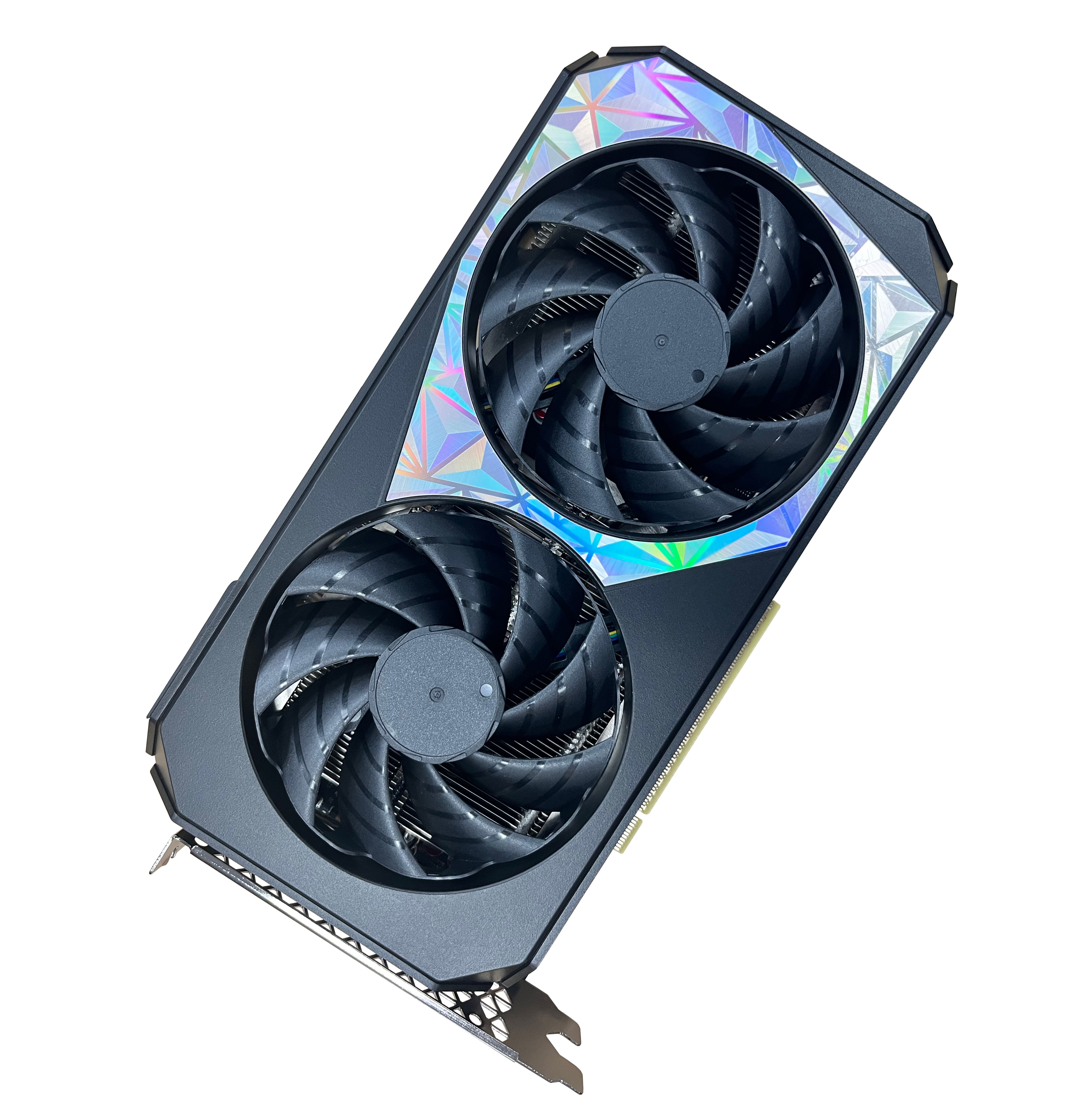
The Hotus Mini PC edge gateway acts as a local data hub, consolidating inspection records and sensor inputs. It performs validation and prepares data for secure transmission, ensuring efficiency even in constrained network conditions.
Organizations adopting rugged, satellite-ready monitoring solutions report improved inspection consistency, stronger data integrity, and reduced dependency on manual processes. These improvements are essential as SMR deployments scale and operational expectations increase.
Reliable monitoring is the backbone of safe nuclear operations. Deploying the right field technology ensures that every inspection, every record, and every decision is backed by accurate, accessible data—regardless of location.

Fig 3 – Edge gateway consolidating inspection and sensor data for remote transmission
Contact HOTUS Technology to implement satellite-ready inspection systems for SMR projects, request ST11-J field evaluation units, or integrate F502 and Mini PC solutions into your remote monitoring architecture.