- Select Language
Technical SpecificationsModel: Palm-sized miniPCTy...
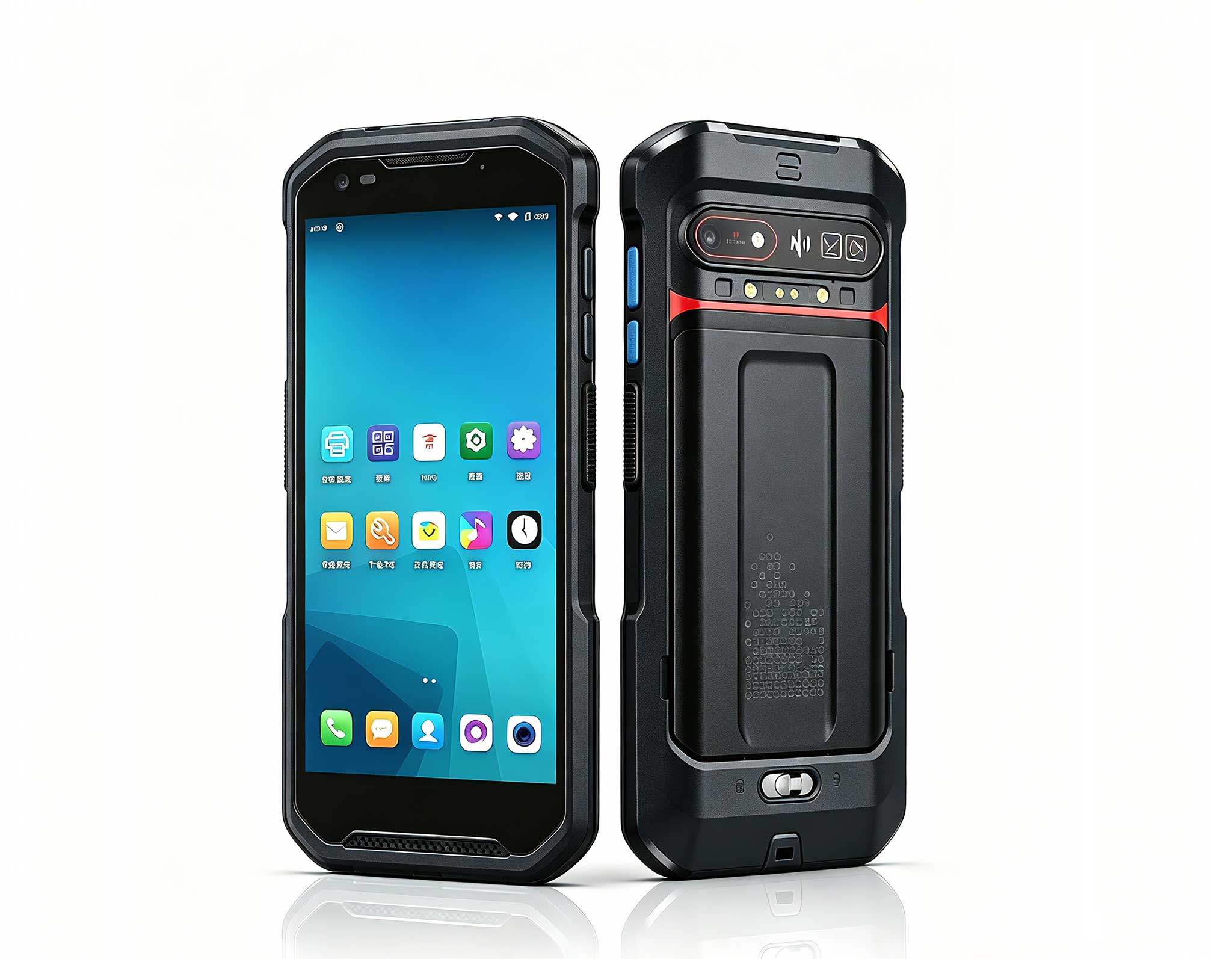
The F505 Handheld PDA is a compact, high-performan...
R366C-S 5.5-inch Industrial UHF RFID Reader | Qual...
The PM133-2 is a 13.3-inch portable monitor featur...
R366-S 5.5-inch Industrial PDA | Qualcomm Octa-cor...
Explore our customized PDA designed for versatile ...
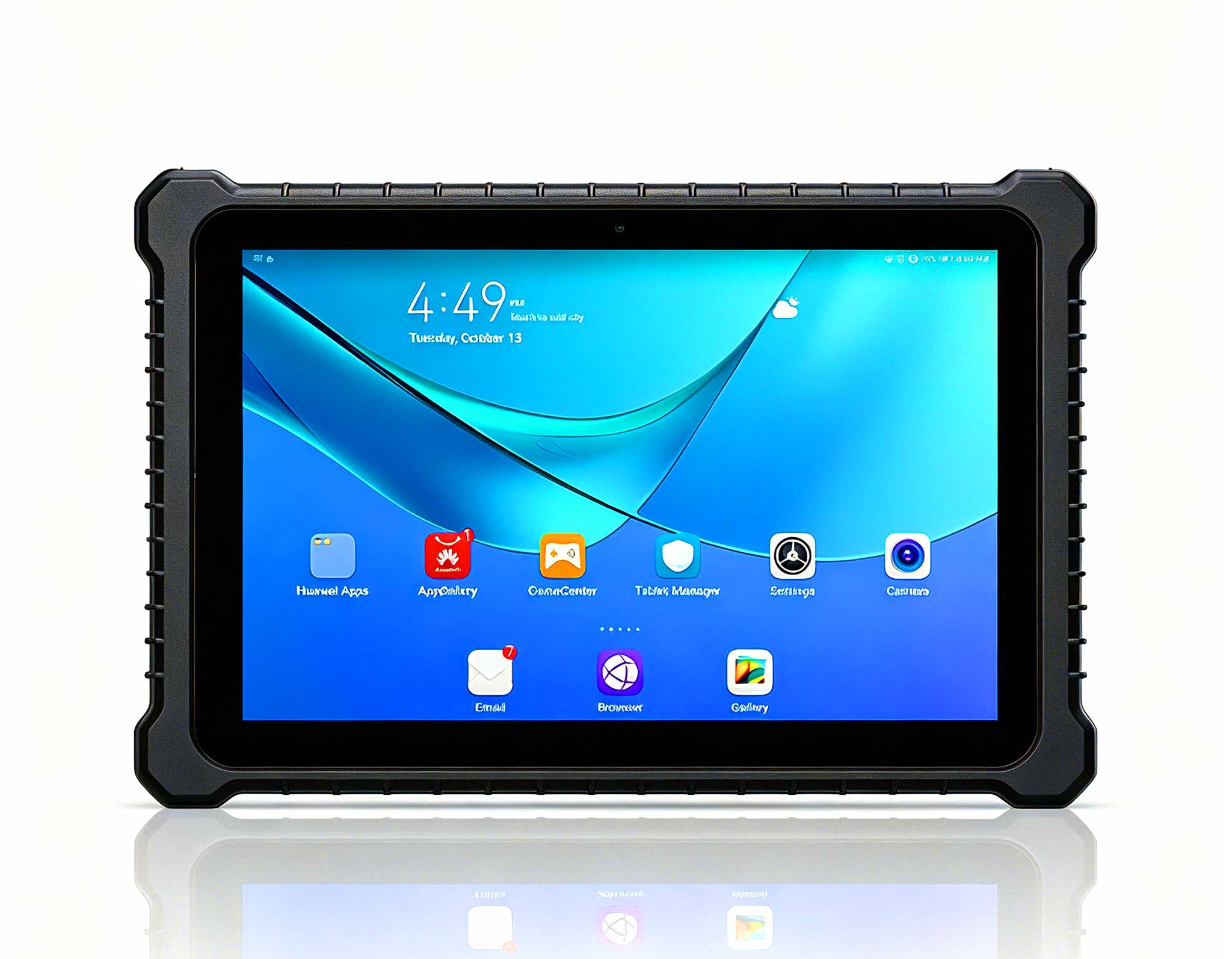
RT82 5G Rugged Tablet | 10.1" FHD 400nit | Qu...
Technical SpecificationsModel: Palm-sized miniPCTy...
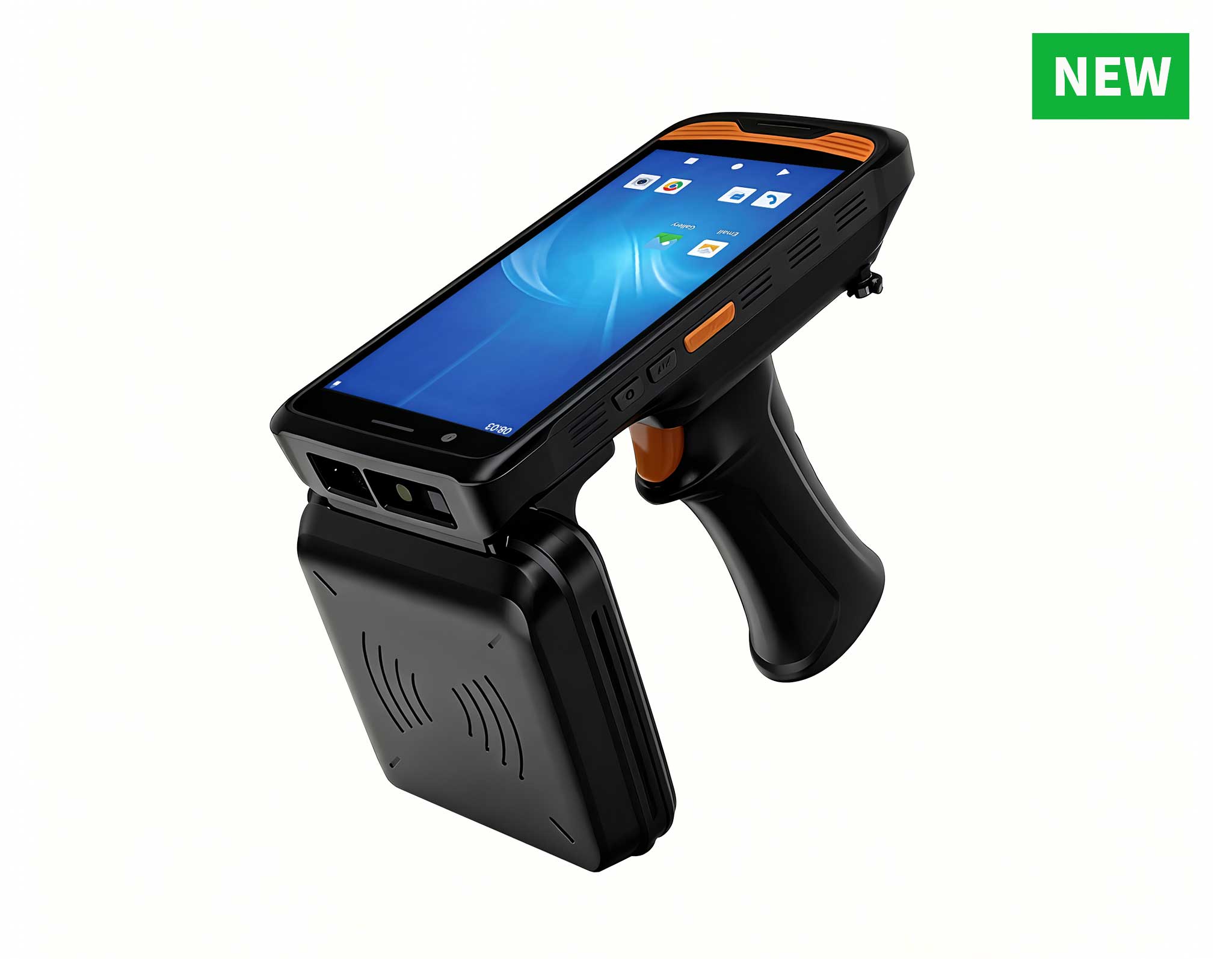
The X501 Handheld PDA combines advanced barcode sc...
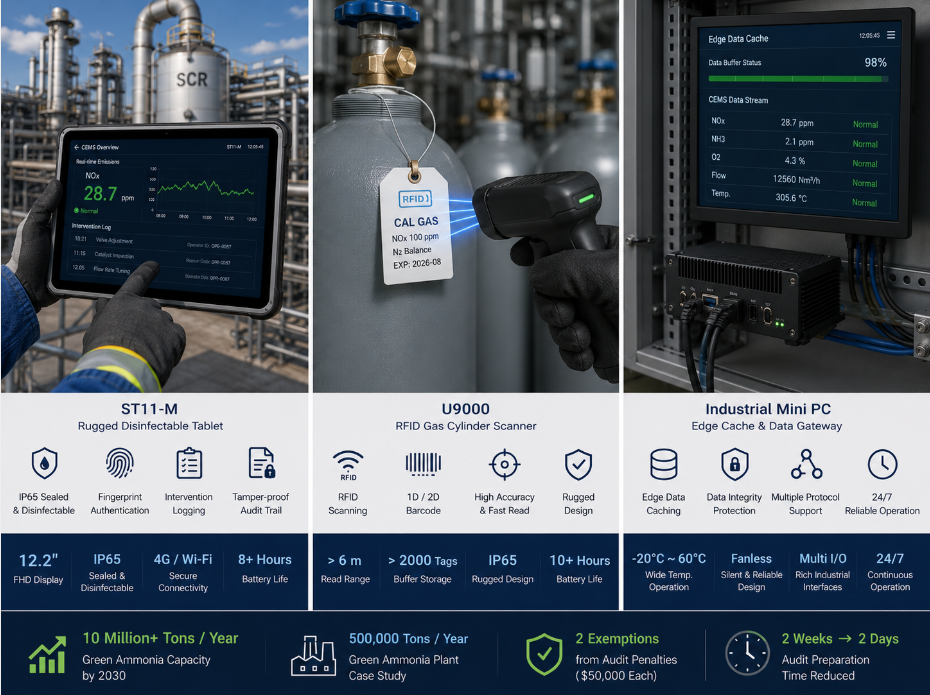
Fig 1 – A district energy technician checks a thermal transfer station beside insulated pipelines carrying recovered server heat from a hyperscale data center into a municipal heating grid. The SH6 displays live flow rate, supply temperature, return temperature, and accumulated energy delivery values in real time.
Industry Perspective: Data centers were once criticized for wasting enormous amounts of heat. That narrative is changing quickly. Across Europe and Northern Asia, recovered server heat now supplies apartments, schools, hospitals, and entire urban districts. But once thermal energy becomes part of a commercial utility contract, every kilowatt-hour of heat must be verified with precision. Utilities and infrastructure operators can no longer rely on handwritten inspection logs or disconnected spreadsheets. Modern district heating networks require rugged mobile devices capable of reading industrial heat meters, validating calibration, capturing geo-tagged inspection evidence, and synchronizing audit records instantly across the energy network.
By HOTUS Technology | Smart Energy Infrastructure & District Heating Solutions | 2026
The economics of district heating are entering a new phase. Instead of rejecting excess thermal energy into the atmosphere, hyperscale data centers now recover server heat through advanced heat exchanger systems and inject it directly into municipal heating infrastructure.
Cities such as Copenhagen, Stockholm, Helsinki, and Amsterdam already use recovered data center heat to support residential and commercial heating demand during winter seasons. Analysts expect the global data center heat recovery market to surpass $10 billion annually before 2030, driven by decarbonization goals, rising electricity prices, and stricter urban sustainability regulations.
However, this growth introduces a critical operational challenge: district heating meter verification and thermal energy accountability.
Thermal energy billing differs fundamentally from electrical metering. Heat delivery calculations depend on:
Even minor meter drift can create substantial revenue discrepancies across an entire heating season. For district utilities, inaccurate measurements can result in lost billing revenue. For data center operators, disputed thermal delivery values may impact long-term energy contracts and sustainability reporting obligations.
Regulatory agencies are also increasing compliance requirements for thermal infrastructure operators. Inspection records now require:
The Hotus SH6 6.5” Windows Rugged Handheld is engineered for industrial thermal metering environments where reliability, mobility, and measurement integrity are essential.
Designed for utility field service operations, the SH6 communicates directly with industrial heat meters using:
Technicians can instantly retrieve critical operational parameters including:
During inspections, the SH6 compares installed heat meter readings against a certified portable ultrasonic reference meter. The system automatically calculates deviation percentages and flags measurements outside utility tolerance thresholds.
The handheld also captures:
Every inspection report is stored together with GPS coordinates, technician identification, and synchronized timestamps, creating a fully traceable audit trail for utility regulators and commercial contract reconciliation.
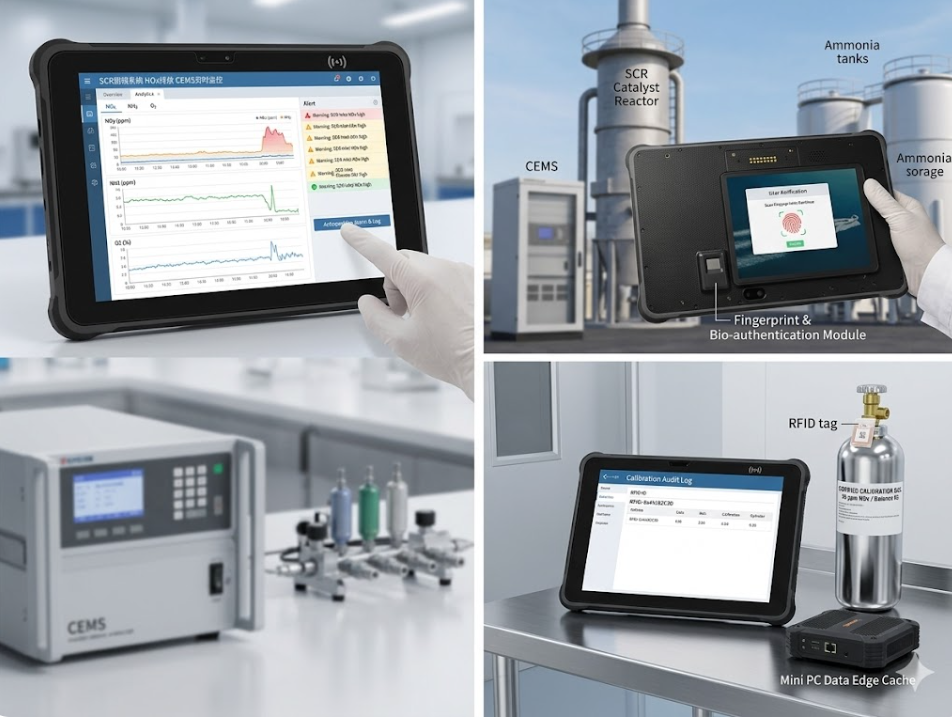
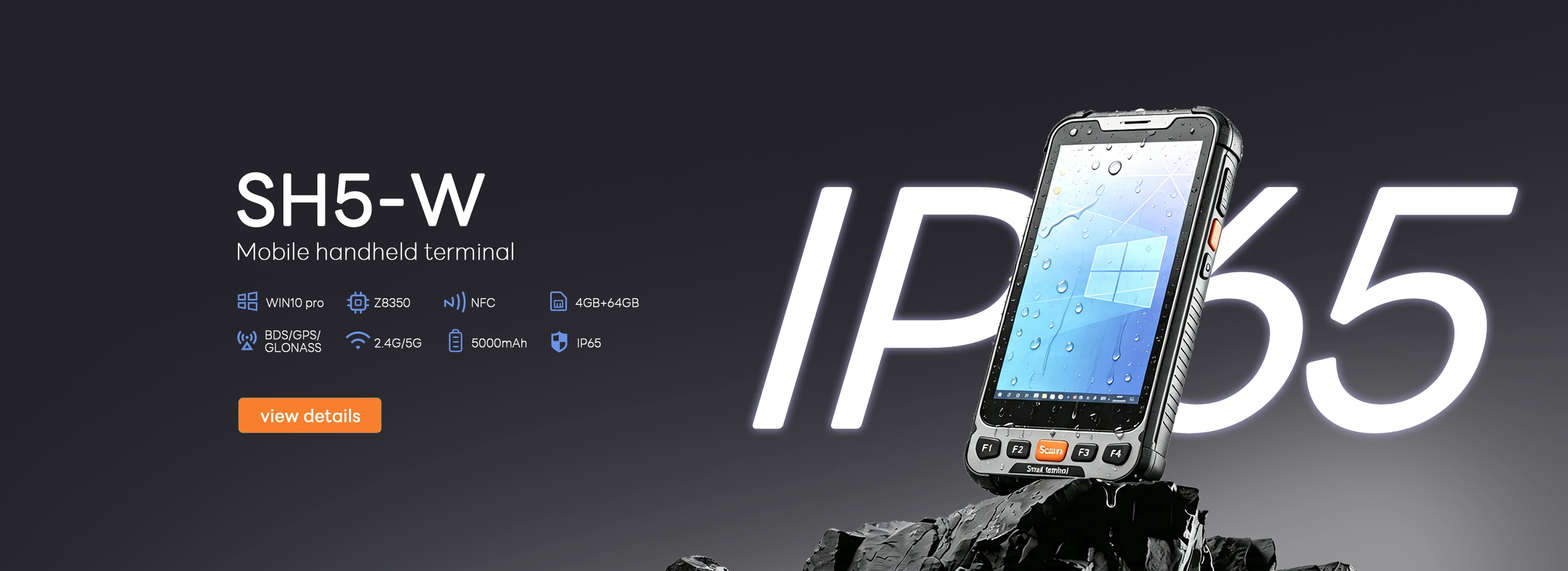
Fig 2 – A field engineer compares live readings between a permanent district heating meter and a portable ultrasonic reference instrument. The SH5-W displays thermal deviation percentage, efficiency trend analysis, and verification approval status.
For technicians performing rapid inspections across multiple substations and heating exchange points, the Hotus SH5-W Windows Rugged Handheld delivers portable thermal diagnostics in a lightweight form factor.
The compact device allows engineers to move efficiently between underground utility tunnels, rooftop heat exchangers, pumping stations, and district connection cabinets while maintaining access to:
The SH5-W is particularly valuable during winter field operations where technicians work in confined environments while wearing insulated gloves and heavy protective clothing.
Its rugged housing supports continuous use in cold-weather utility infrastructure, wet mechanical rooms, and outdoor district energy stations.
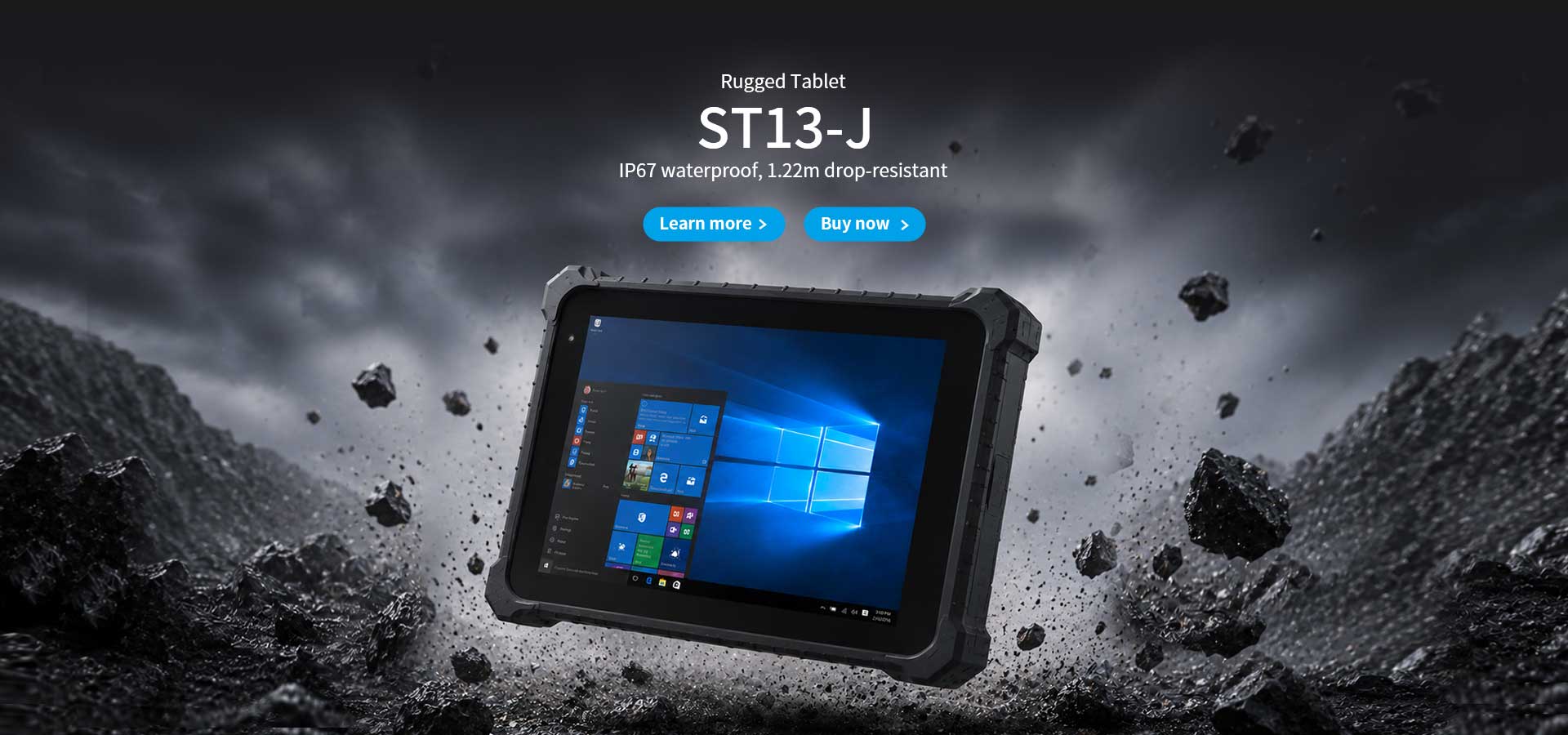
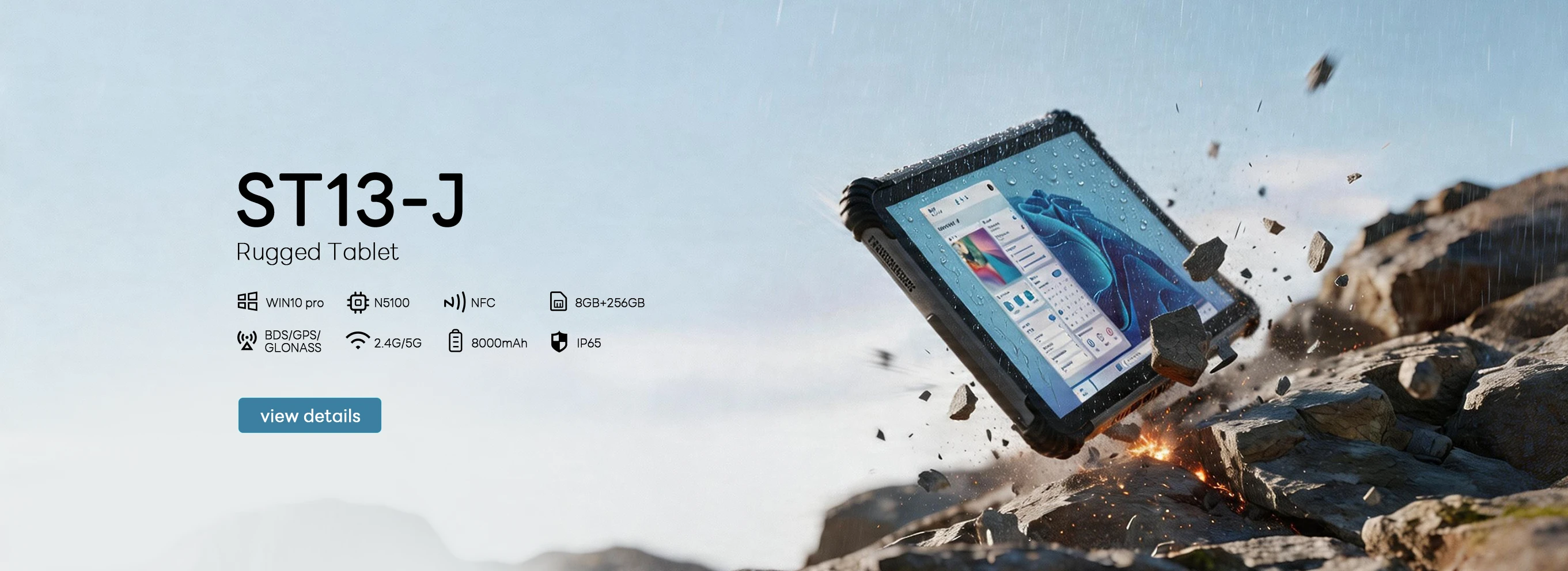
Modern thermal utilities often manage hundreds of distributed metering points across entire cities. The Hotus ST13-J 13.3” Windows Rugged Tablet provides centralized operational visibility for utility managers, compliance officers, and thermal network supervisors.
The ST13-J enables real-time visualization of:
When a heat meter begins drifting outside contractual tolerance, the system automatically flags the location and generates a maintenance workflow for inspection teams.
Utility supervisors can review inspection histories, compare thermal delivery performance across substations, and maintain compliance documentation without relying on fragmented paper records.

Fig 3 – The ST13-J displays a live district heating dashboard with heat meter verification status, thermal delivery zones, maintenance alerts, and calibration schedules across multiple energy exchange stations.
A Northern European district heating operator managing more than 200 MW of recovered data center thermal capacity deployed:
Following one complete heating season, the utility reported:
Operations managers also noted that digital verification records improved confidence during commercial contract reconciliation, where both energy suppliers and utility buyers required transparent thermal delivery evidence.
Data center waste heat recovery is rapidly becoming an essential part of low-carbon urban energy strategy. As thermal energy enters commercial utility markets, precise verification and reliable inspection data become non-negotiable.
Paper inspection sheets can no longer support modern district heating operations.
The SH6, SH5-W, and ST13-J provide utility operators with rugged, field-ready tools for:
In the next generation of smart energy infrastructure, waste heat is no longer excess energy. It is measurable, billable, contract-driven utility infrastructure — and trusted field data is what keeps the system operating efficiently.
Contact HOTUS Technology to discuss district heating verification systems, thermal energy metering workflows, Modbus-integrated utility inspections, or pilot deployments using the SH6, SH5-W, and ST13-J rugged Windows platforms for heat recovery infrastructure.