- Select Language
R366-S 5.5-inch Industrial PDA | Qualcomm Octa-cor...
The N40 Android smart PDA features a Cortex-A53 qu...
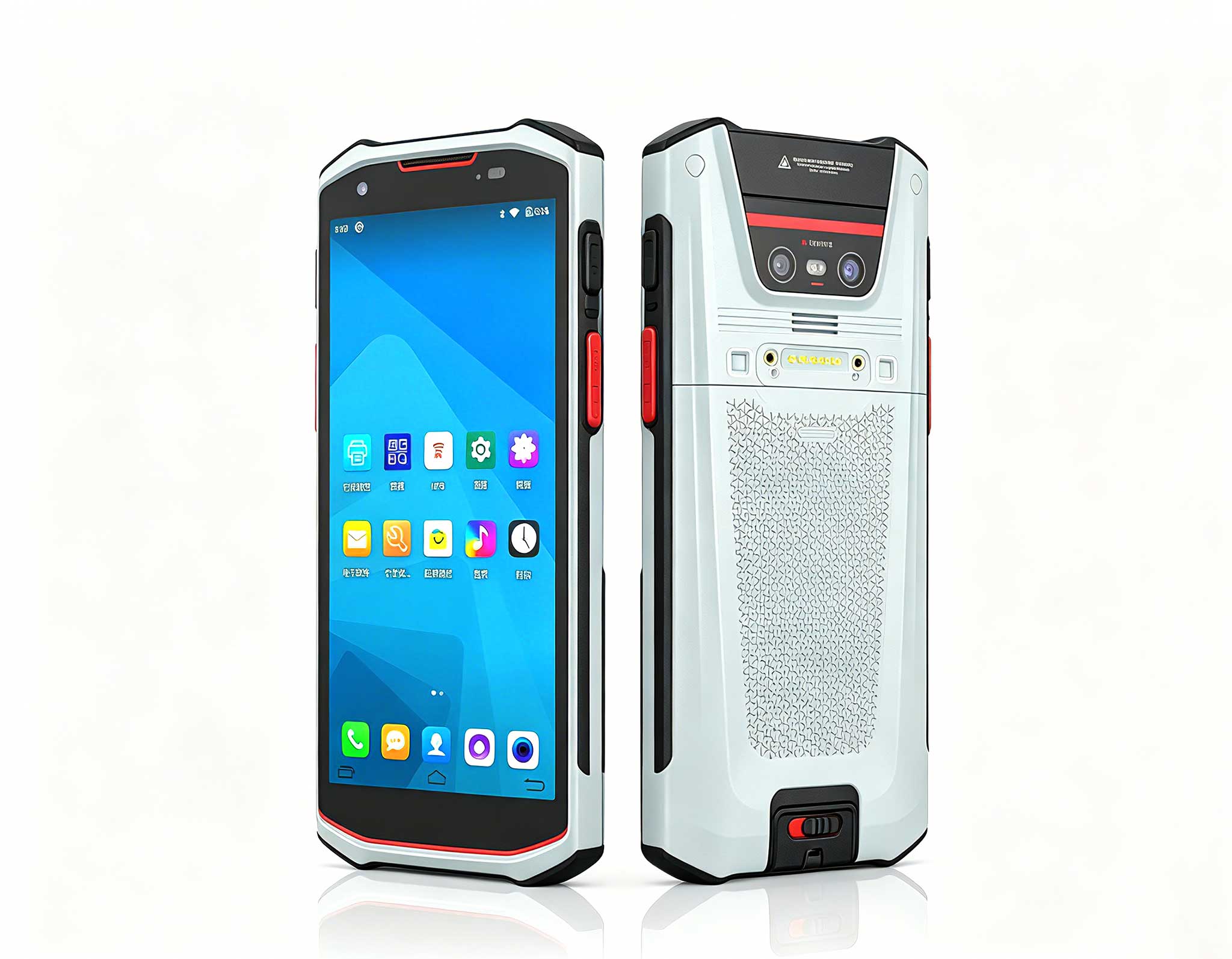
R530C 6.0-inch Industrial PDA | Qualcomm Octa-core...
The T80 handheld PDA combines advanced barcode sca...
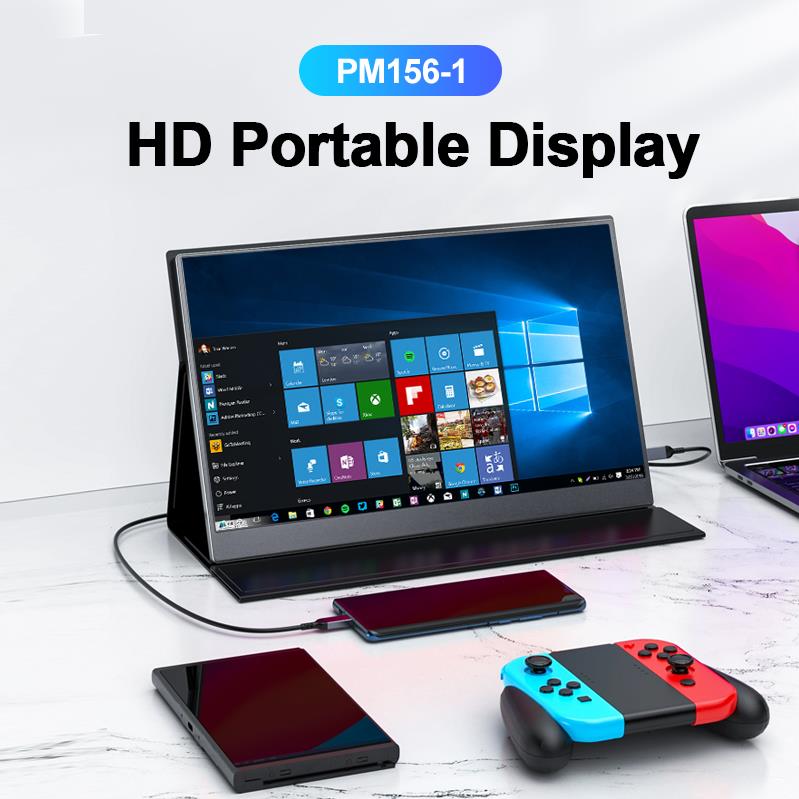
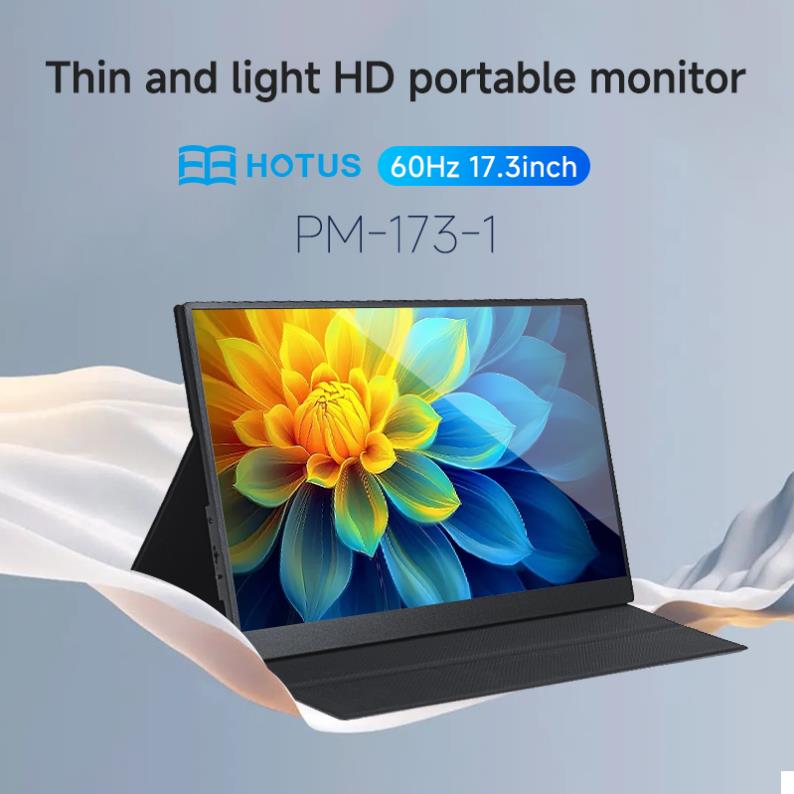
The PM156-1 is a 15.6-inch portable PC monitor fea...
Full SpecificationsModelHotus ST9‑JOSWindows 10 Pr...
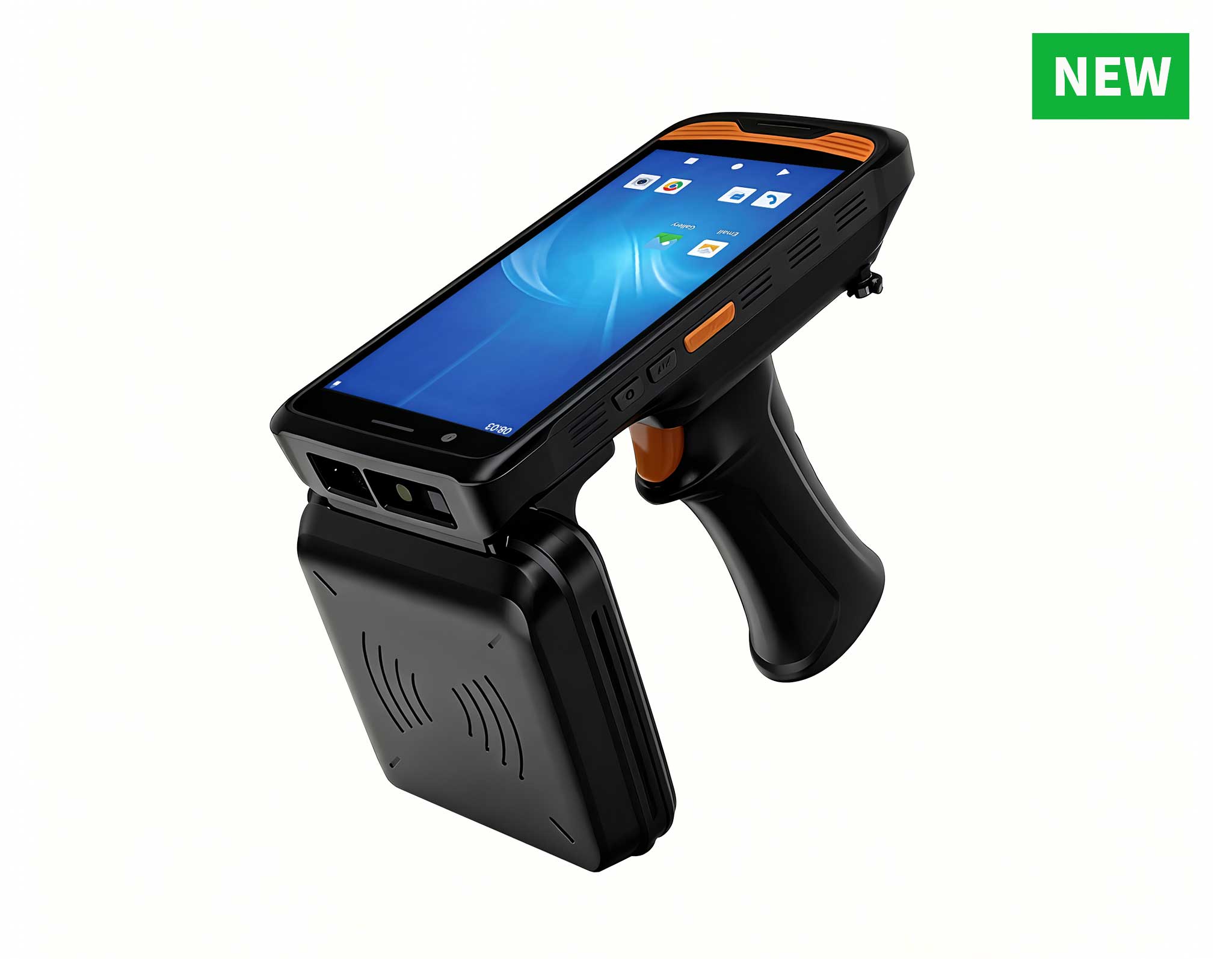
R366C-S 5.5-inch Industrial UHF RFID Reader | Qual...
Explore our customized PDA designed for versatile ...
Remote work hardware is rarely one device. The realistic setup is three: a screen that commutes with you and docks when you are home, a pocket-sized backup that keeps your licensed software one reach away, and a machine at the house that stays on all week — hosting remote desktop, holding your files, and quietly doing the jobs you would rather not leave a laptop running for. Most buying advice collapses these three roles into a single laptop review, which is why the categories feel crowded and the decisions stay hard. This comparison keeps the roles separate and tests two very different competitors against them. Zebra's ET45 is an enterprise Android tablet built for delivery fleets and retail floors, now frequently repurposed for home and field work. GEEKOM's A8 is a consumer mini PC that chases maximum silicon in a 0.47-liter box. Both are excellent at what their makers intended — the honest question is what happens when the job description is a home office instead.
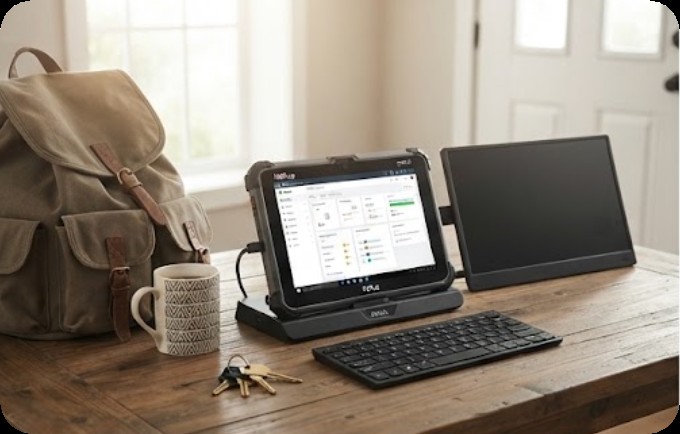
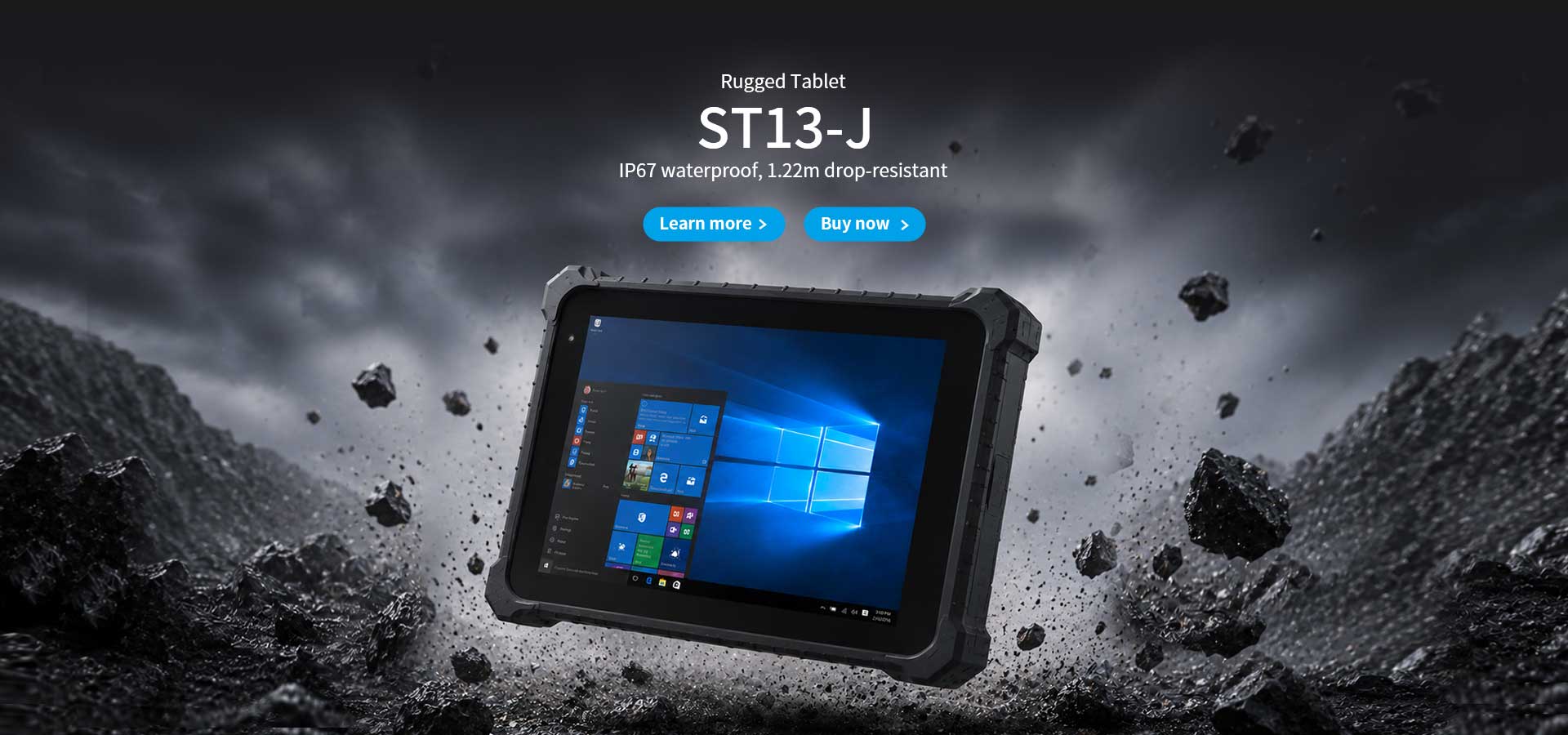
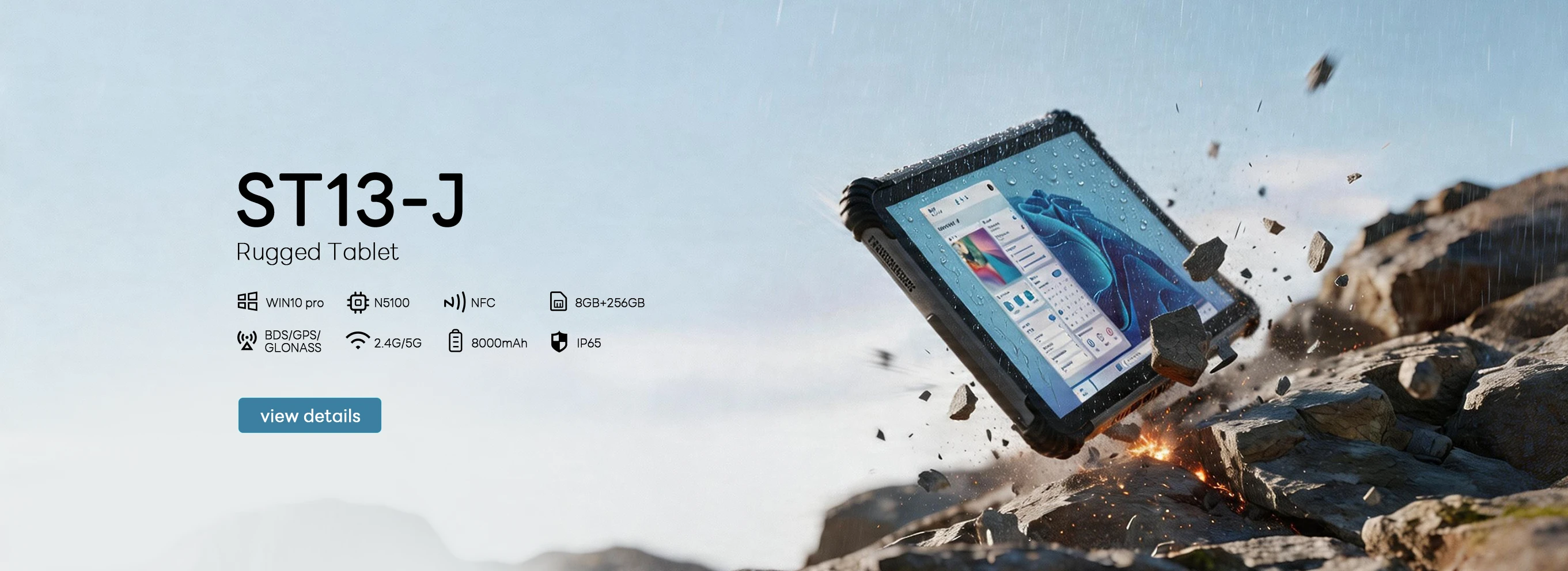
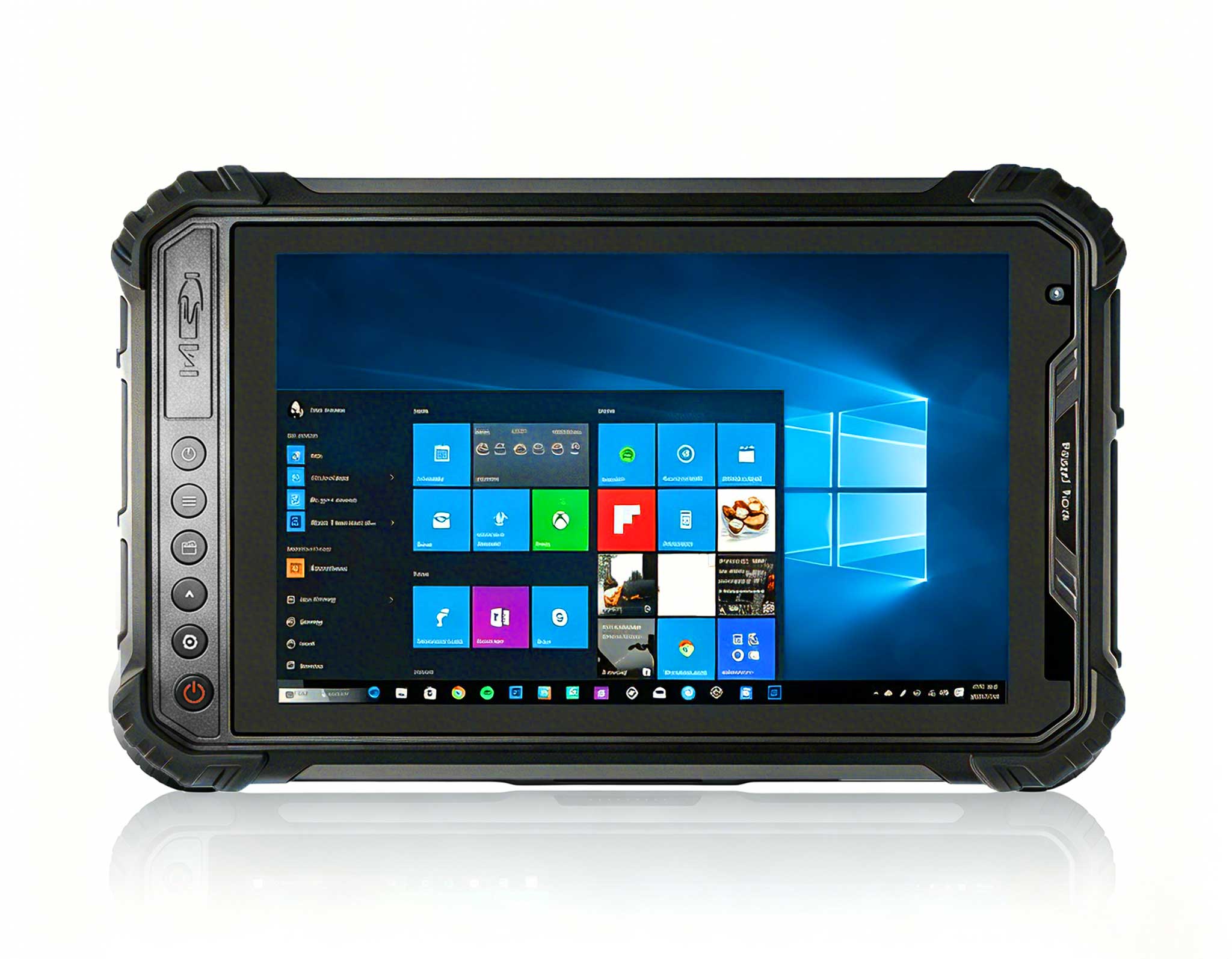
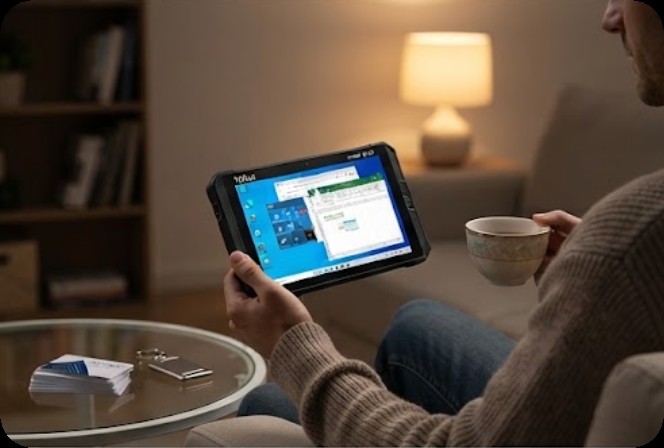
The ST9-M is an 8-inch Windows tablet built around an Intel i5-8200Y, a dual-core x86 chip with a 3.9 GHz turbo that runs the desktop versions of Office, legacy ERP clients, and VPN agents exactly as a company IT department deployed them. Its 1200×1920 display is unusually sharp for the size, rated at 400 nits with a 1000-nit panel optional, and the touch layer accepts wet hands and a stylus — small details that decide whether the device survives a kitchen-table coffee spill. An optional dock turns it into a wired desktop the moment it lands on the desk. The Zebra ET45 8-inch counters with hardware discipline that Hotus cannot match on paper: a Snapdragon SM6375, a Gorilla-glass 500-nit panel, Wi-Fi 6 and 5G, and a 6,100 mAh battery that swaps for a hot-swap spare. But it runs Android 11, upgradeable to 14 — and Android, however polished Zebra's Workstation Connect mode is, executes APKs, not the Win32 line-of-business apps that most employers still require. The sharper display belongs to the Hotus; the sturdier power story belongs to Zebra; the operating system decides the hire.
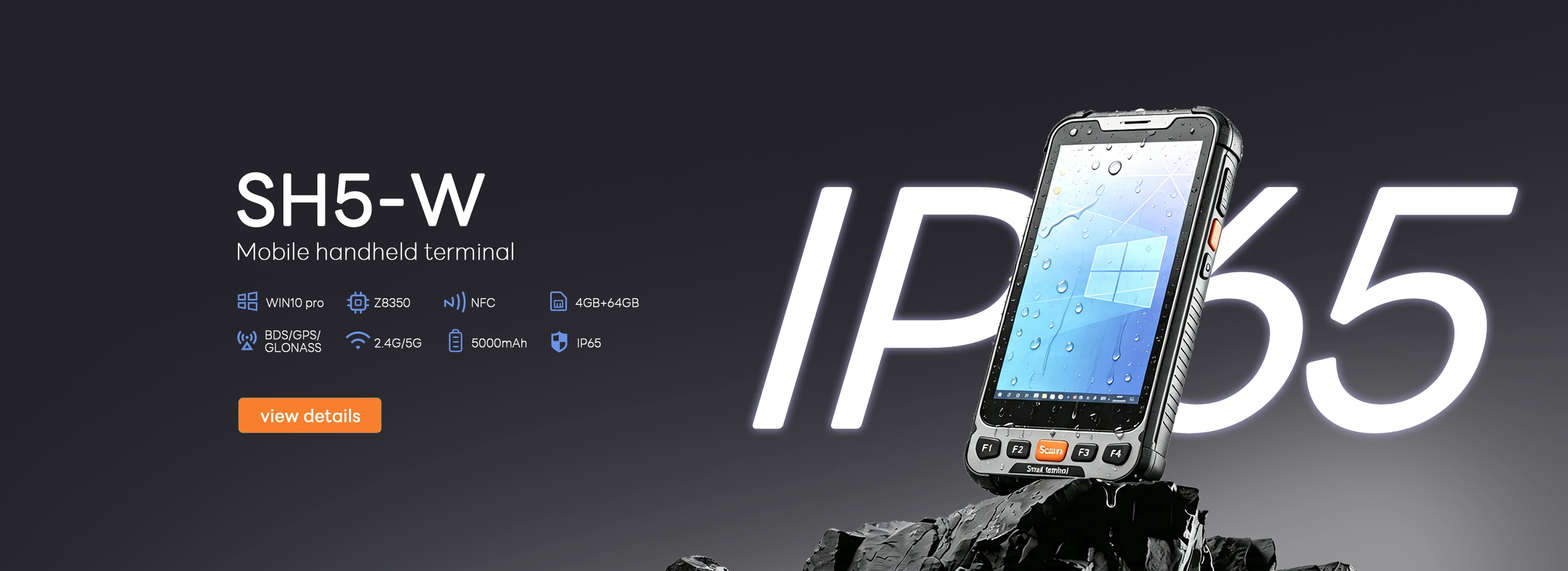
The SH5-W covers a role neither competitor acknowledges: a 350-gram, 5.5-inch Windows handset. Its Cherry Trail Z8350 is an aging quad-core chip, and nobody should buy this device to render video — but as a terminal for remote desktop into a stronger machine, it is precisely sufficient, with a 1080×1920 panel, 4G LTE, and an IP65 body rated for 1.2-meter drops. The NFC reader takes the same building-access and payment cards your phone does, which matters more at the gym and the office lobby than any benchmark. Zebra's closest equivalent is the ET45 shrunk to nothing — the company simply does not build one; its smallest tablet is 485 grams and 11.4 millimeters thick. A phone can remote in too, but it cannot hold the same licensed Windows seat, join the same domain, or hand off to a colleague with its configuration intact. The pocket Windows PC is a niche, and it is the niche this device owns.
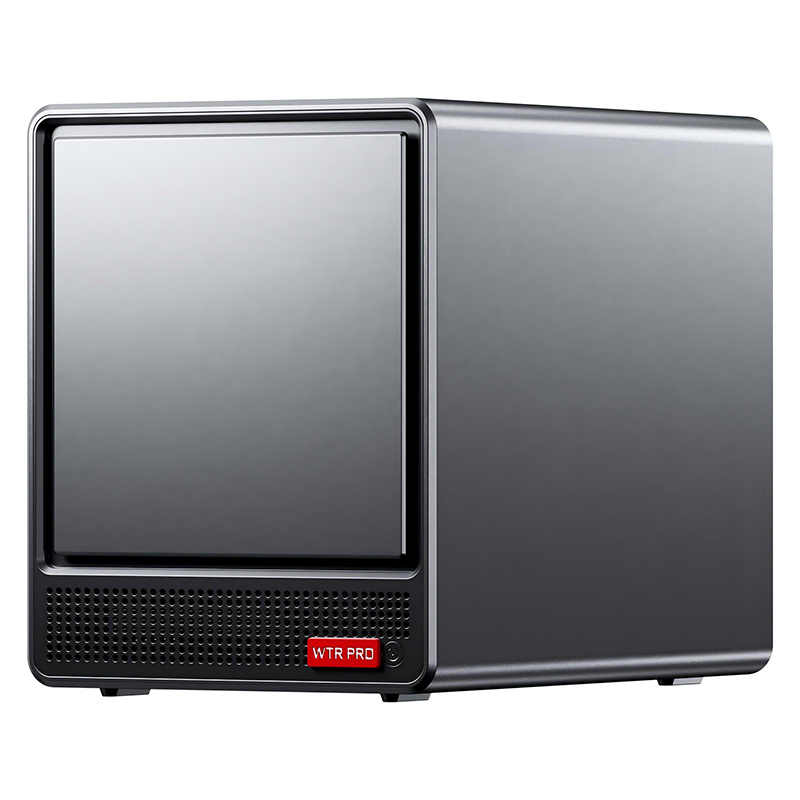
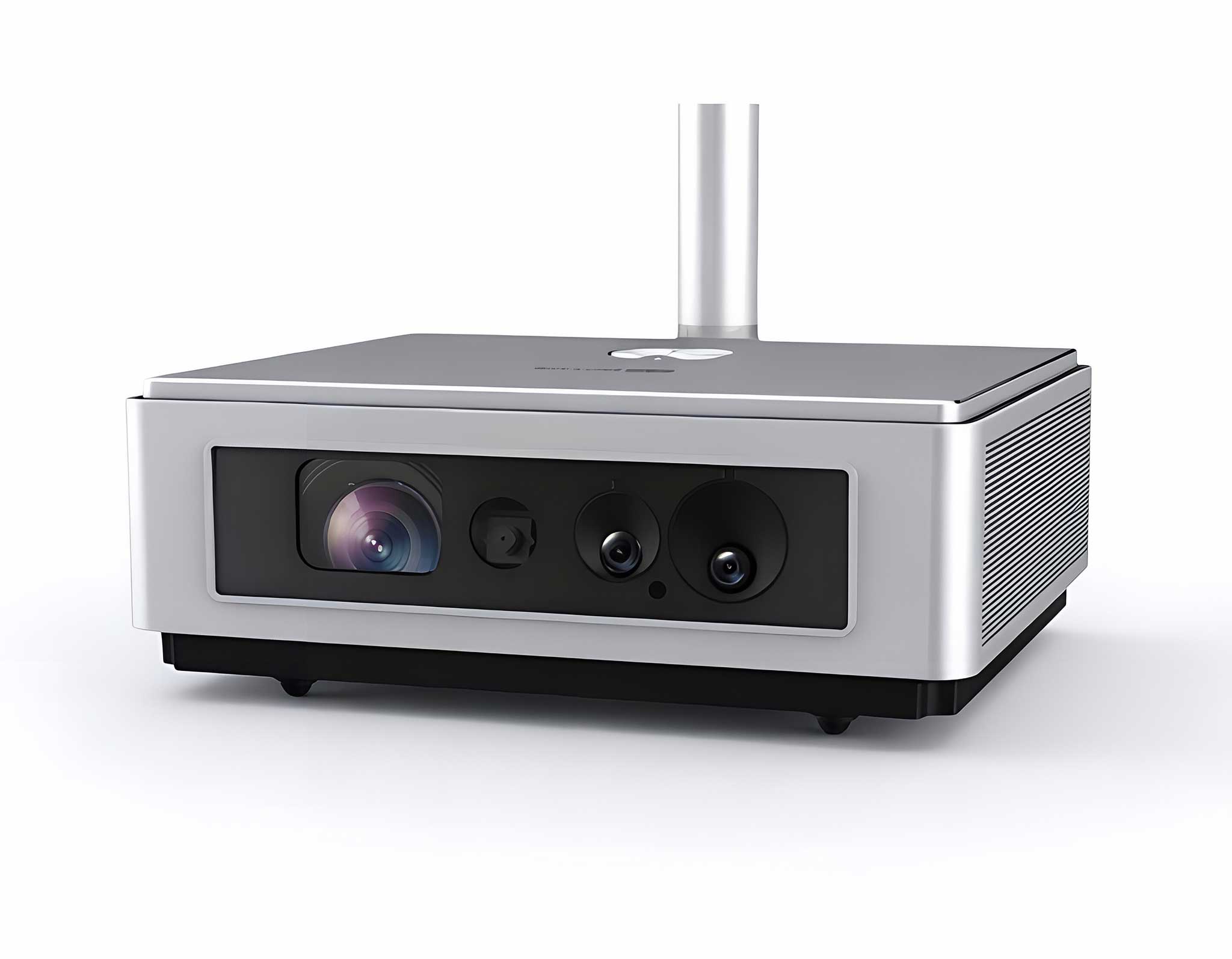
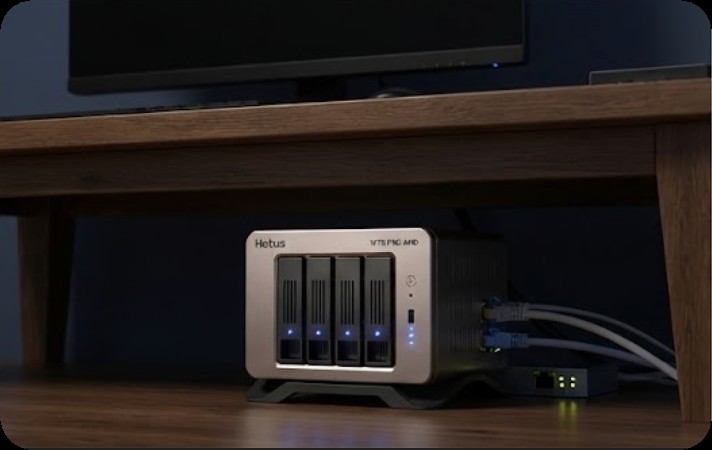
The WTR PRO AMD is the least glamorous and most consequential of the three. Its Ryzen 7 5825U is a Zen 3 generation behind GEEKOM's silicon, and any benchmark chart will show it. What the chart will not show is the chassis: four SATA drive bays behind a metal body, dual 2.5-gigabit Ethernet ports, HDMI plus DisplayPort plus USB-C driving three 4K screens, and a 120-watt supply sized for years of continuous duty. That combination makes it a remote-desktop host that is also a home server — the box you connect to from the commute tablet, the one holding the four-disk mirror of your work. The GEEKOM A8 is the performance pick: a Ryzen 7 8745HS or Ryzen 9 8945HS, DDR5-5600 up to 64 GB, USB4, and an 8K-capable output stack in 0.47 liters. Reviewers document its real cost — 45 to 55 dB(A) under sustained load from a single fan, and storage expansion limited to M.2 slots with no drive bays at all. As a desk-side workstation the A8 wins; as an always-on base station, four spinning disks in the Hotus case answer a question the GEEKOM cannot ask.
| Device | OS / CPU | Display | Battery / Power | Ruggedness / Size |
|---|---|---|---|---|
| Hotus ST9-M | Windows 10/11 Pro; i5-8200Y | 8" 1200×1920, 400 nits (1000 optional) | 5,000 mAh, ~6.5 h | IP65; 236×144×17.4 mm; dock, 4G, TPM2.0 optional |
| Hotus SH5-W | Windows 10 Pro; Z8350 quad | 5.5" 1080×1920, 400 nits | 5,000 mAh, ~5.5 h | IP65, 1.2 m; 180×87×20 mm, 350 g; NFC |
| Hotus WTR PRO AMD | Windows 11; Ryzen 7 5825U | 3× 4K out (HDMI+DP+USB-C) | AC 120 W, always-on | 4× SATA bays, 2× 2.5G LAN; 5 kg metal |
| Zebra ET45 (8") | Android 11→14; Snapdragon SM6375 | 8" 1280×800, 500 nits Gorilla | 6,100 mAh swap + optional hot-swap | IP65, MIL-810H 1.2 m; 485 g; Wi-Fi 6, 5G |
| GEEKOM A8 | Windows 11 Pro; Ryzen 8745HS/8945HS | 4× 4K or 1× 8K (USB4+2× HDMI) | AC; 45–55 dB(A) load fan | 0.47 L, 112×112×38 mm; DDR5-5600; no bays |
Two admissions keep this honest. Zebra's power engineering is ahead of anything here: a user-replaceable 6,100 mAh pack, an optional hot-swap secondary, a six-year support window and a three-year guarantee that the exact model you buy stays purchasable — lifecycle thinking no consumer brand matches. Its scanner options and Wi-Fi 6 radio also outclass the Hotus tablets' 802.11ac. GEEKOM, meanwhile, is simply faster: Zen 4 cores, a 39-TOPS NPU, DDR5 and USB4 are a 2024-generation platform, where the WTR PRO's 5825U is a 2021 design. If your home base must also edit 4K video or run local AI models, the A8 earns its price and its noise. What both lack is the specific bundle this scenario needs — Android where Win32 is mandatory, and raw speed where storage bays and dual uplinks are mandatory.
If your workday is defined by company-issued Windows software and a commute, the ST9-M plus its dock is the direct answer, and the SH5-W earns its 350 grams the moment your evenings involve leaving the desk but not the on-call rotation. If your home runs on files — client archives, video projects, a family backup discipline — the WTR PRO AMD's four bays and twin 2.5-gigabit ports are the reason to accept the older CPU. Choose the ET45 if your employer is a Zebra shop already managing Android fleets, because its battery logistics and support contract will outlive anything else on this page. Choose the A8 if raw compute per liter is the constraint and storage lives in the cloud. The rest of the rugged industrial tablets and mini PC line cover the roles in between, and our other cross-brand comparison guides test the same products against different jobs.