- Select Language
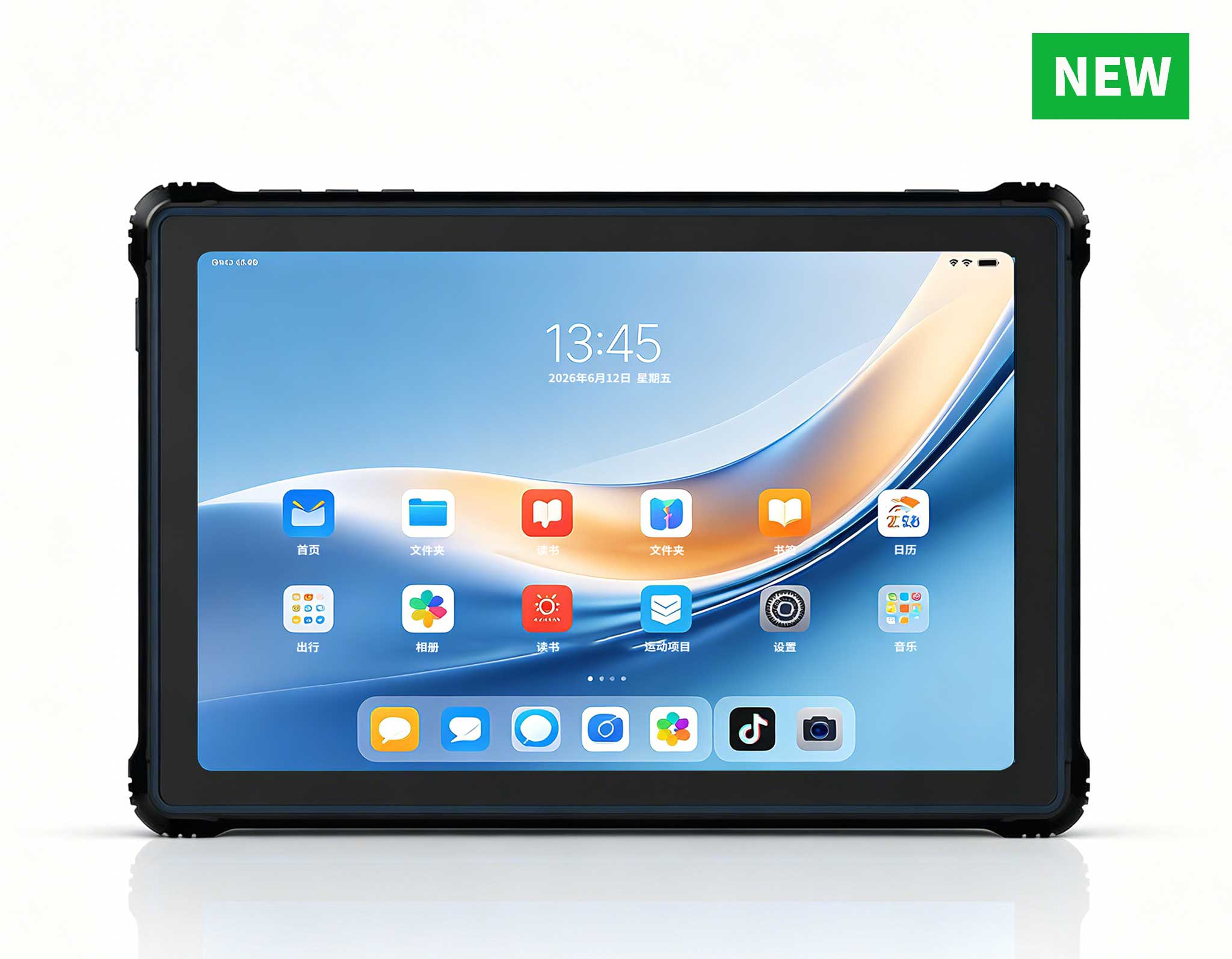
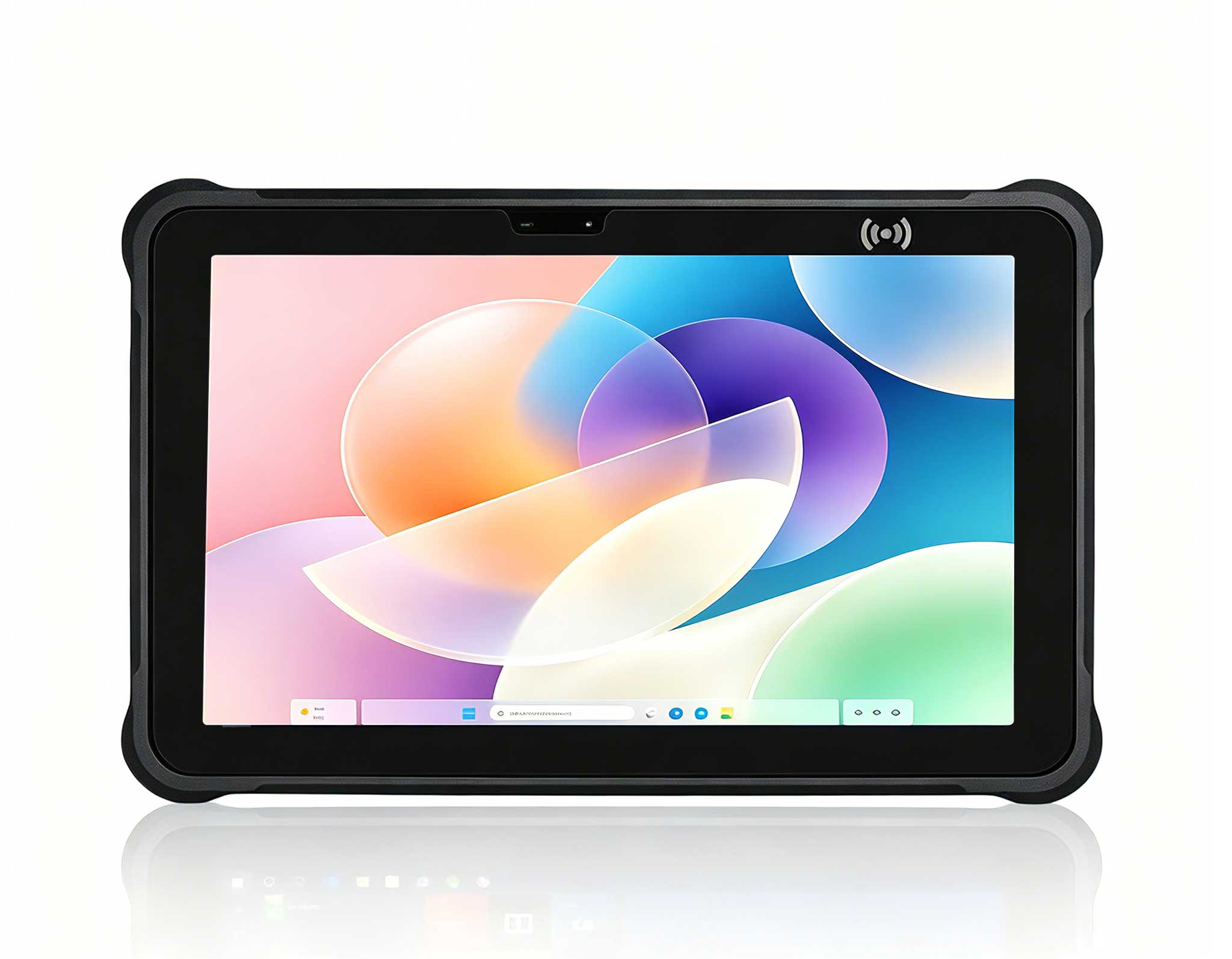
RT81 4G Rugged Tablet | 10.1" FHD 400nit | Qu...
The N60 PDA is a cutting-edge device for inventory...
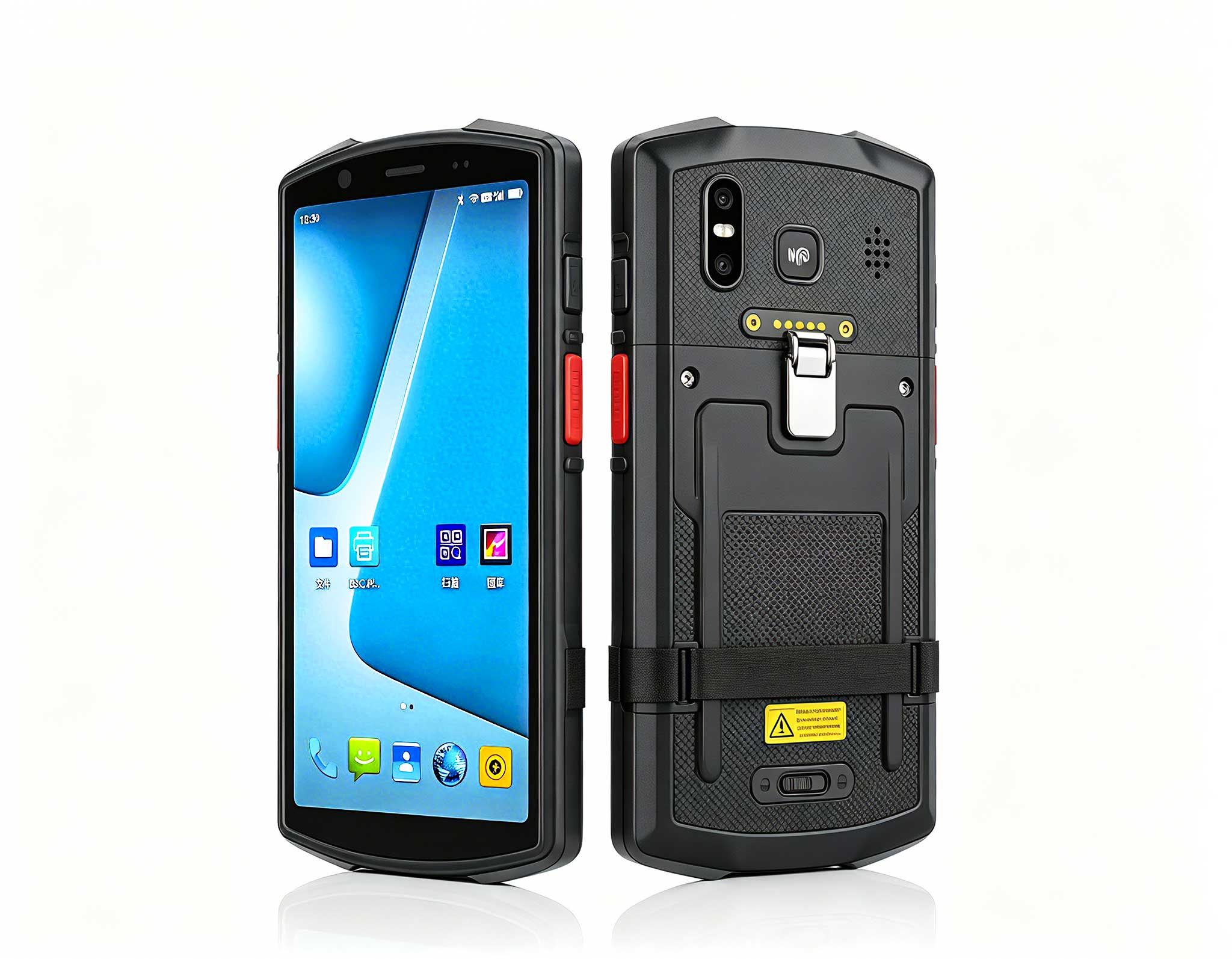
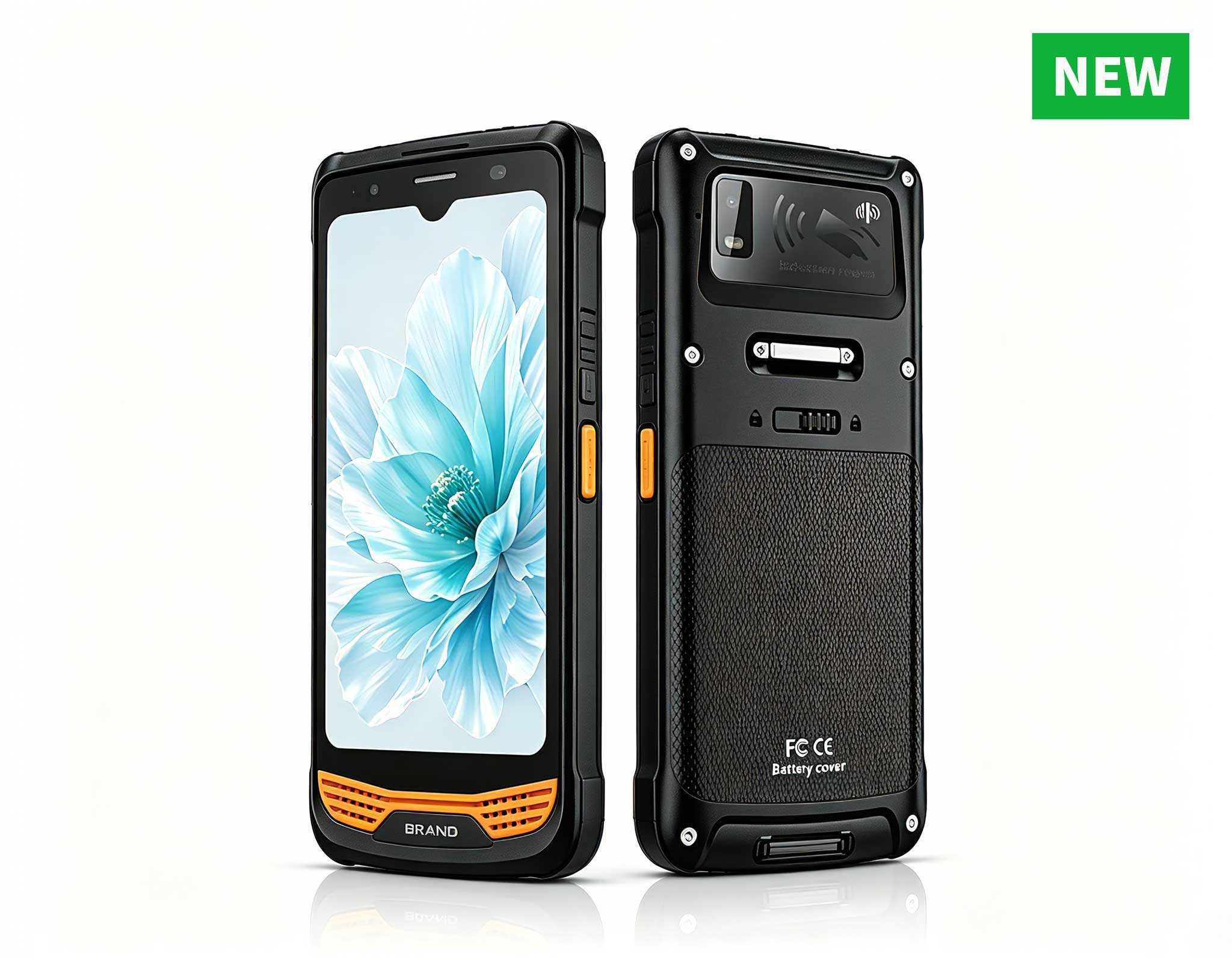
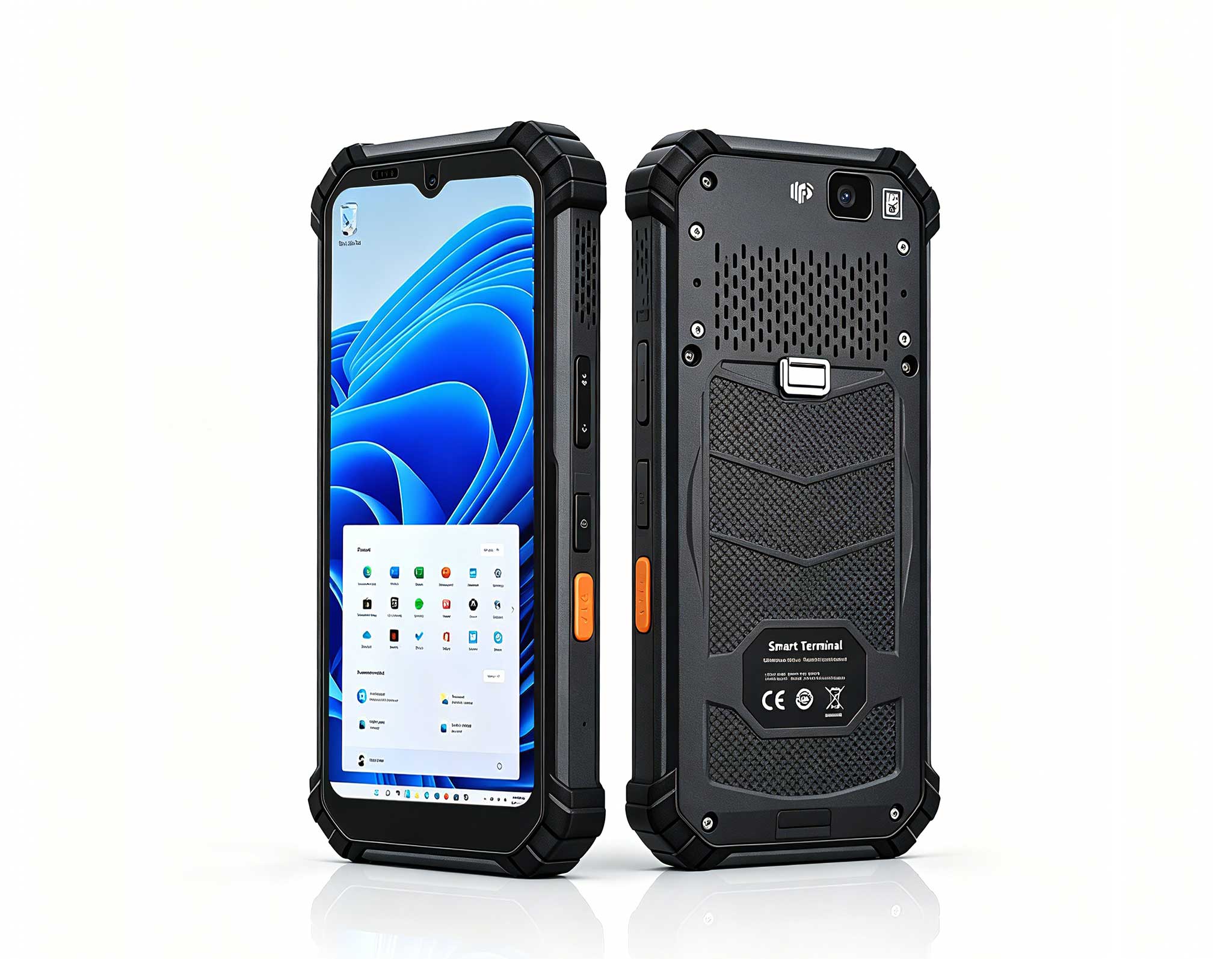
R366-S Thin 5.5-inch Industrial PDA | Qualcomm Oct...
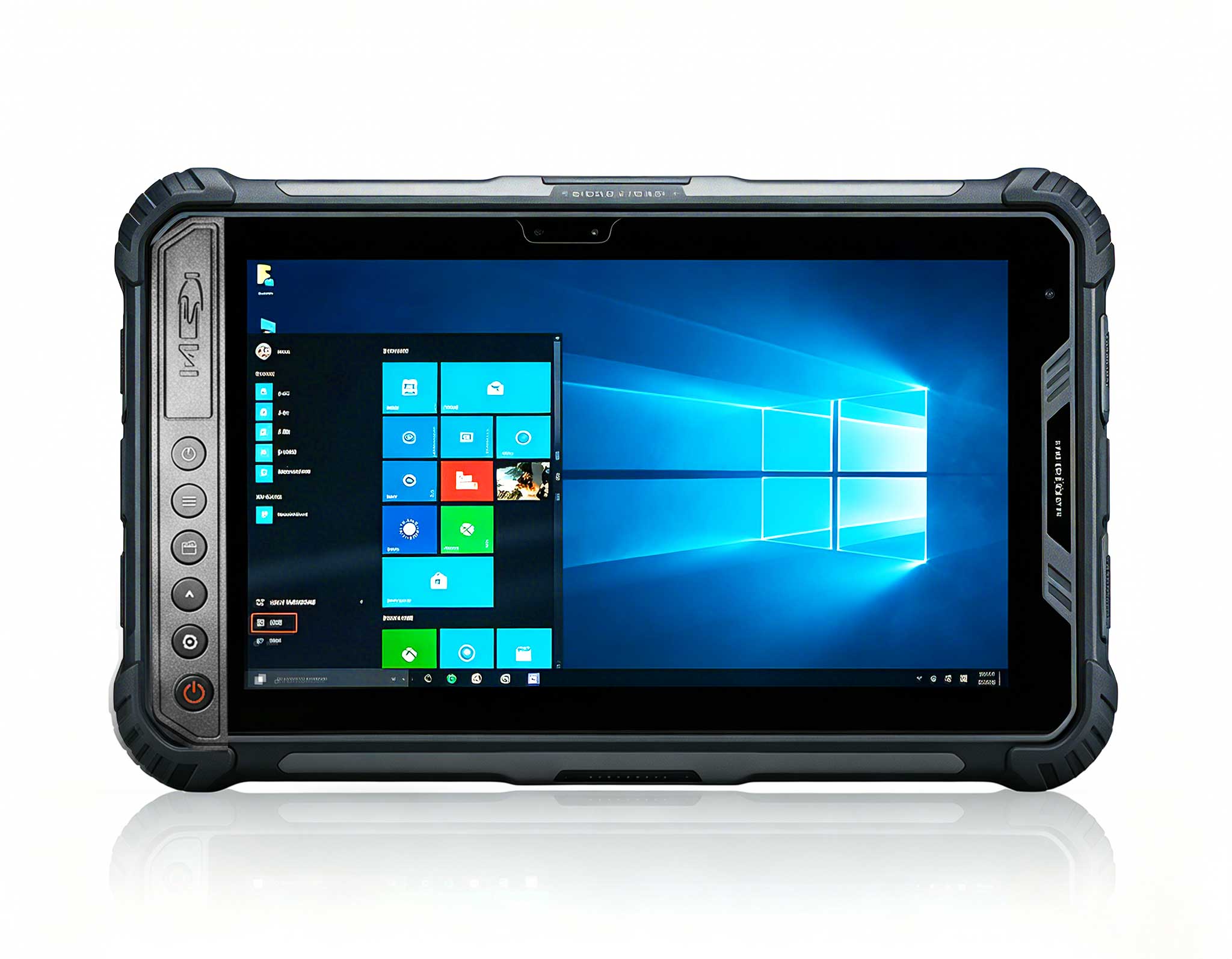
Full SpecificationsModelHotus ST9‑MOSWindows 10/11...
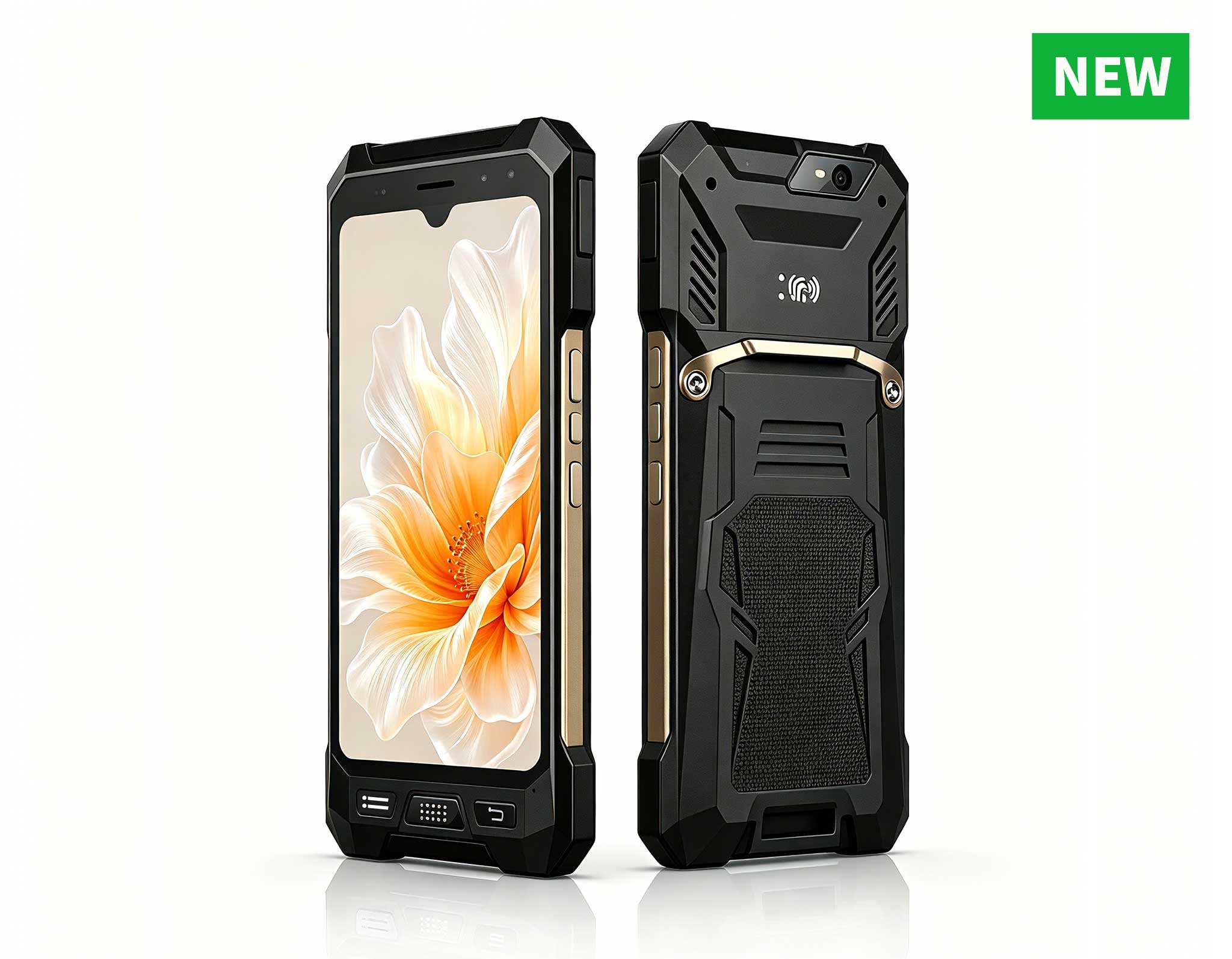
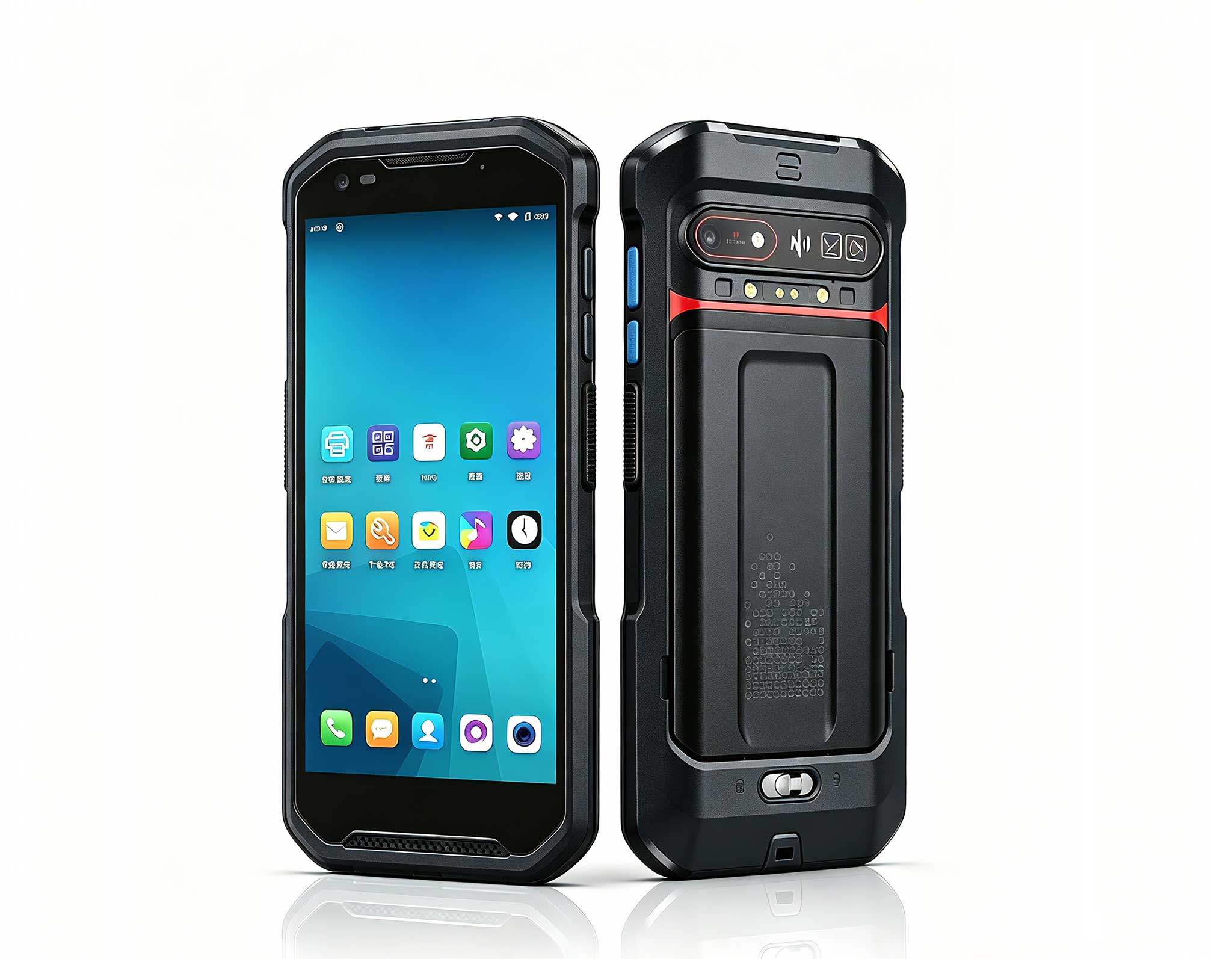
R530C 6.0-inch Industrial PDA | Qualcomm Octa-core...
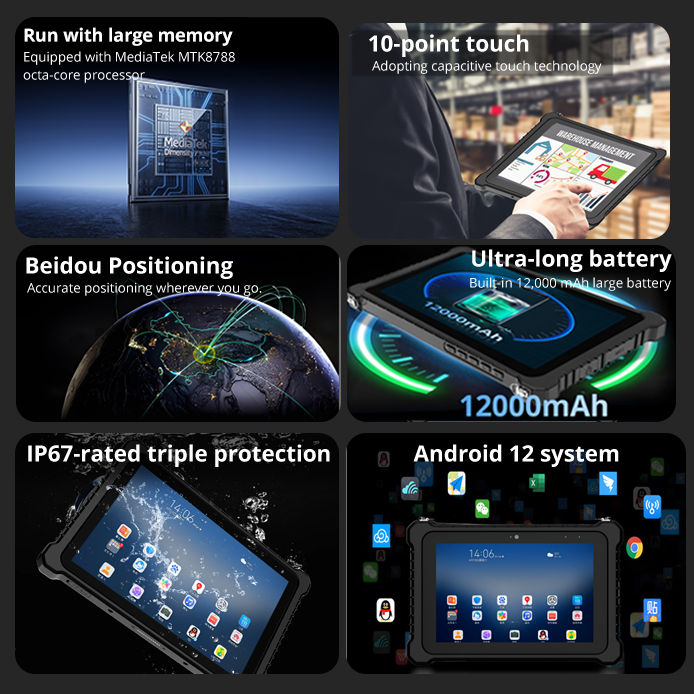
This 10-inch Android rugged tablet is designed for...
Full SpecificationsModelHotus ST11‑UOSWindows 10 P...
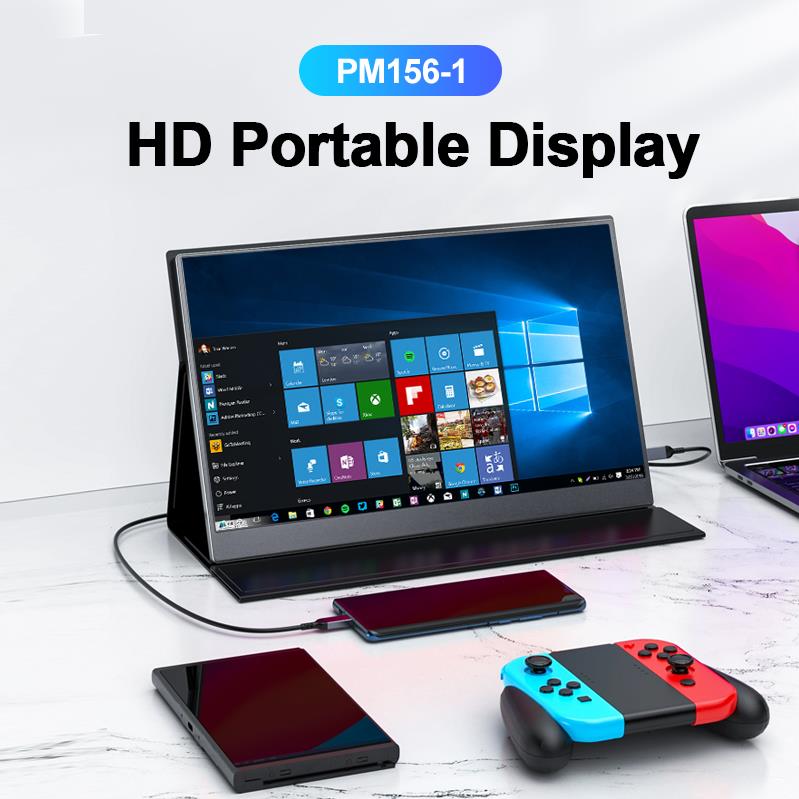
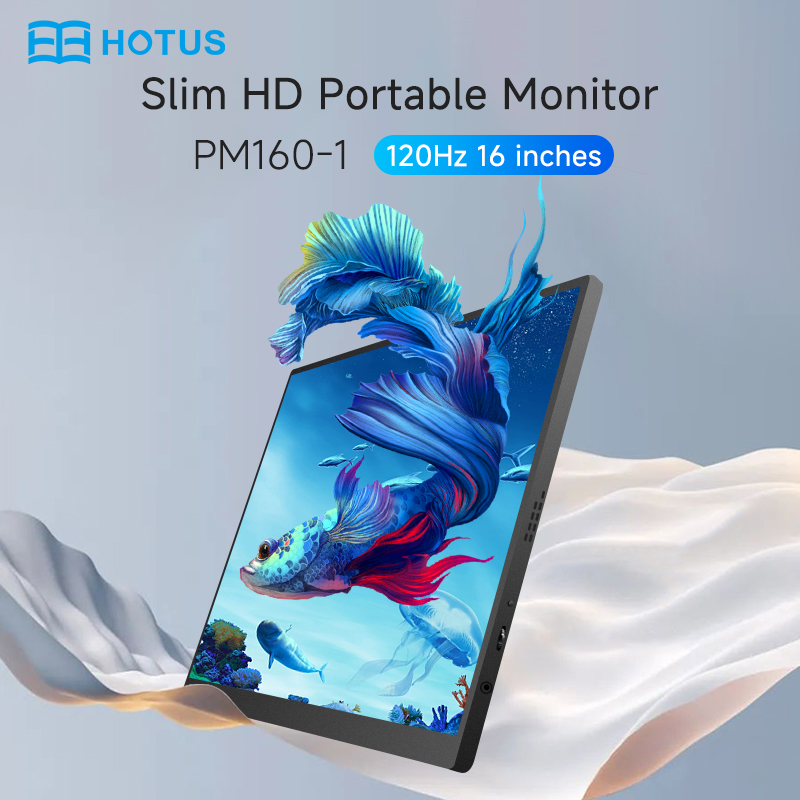
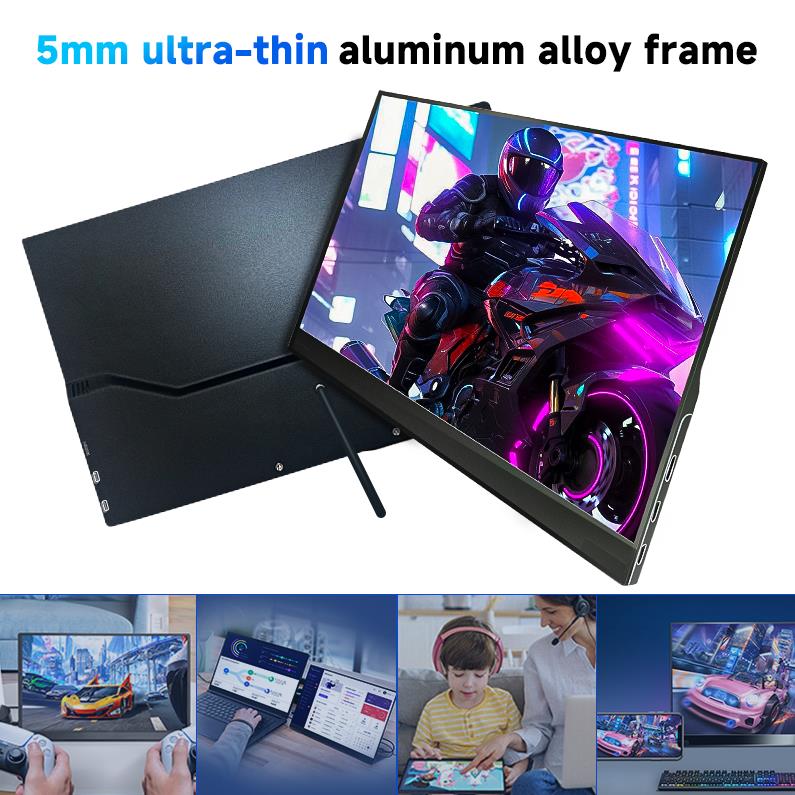
The PM133-2 is a 13.3-inch portable monitor featur...
The F505 Handheld PDA is a compact, high-performan...
A hospital ward does not run on one device. It runs on three jobs: a pharmacy loop where a nurse scans a wristband and a vial with one gloved hand, a bedside round where a clinician opens a legacy EMR client on a cart, and an imaging review desk where a doctor drags CT slices across a second monitor. Medical-grade vendors sell one certified tablet for all three; the ward quietly wants three screens. This comparison puts the Hotus SH6 6.5-inch handheld, the Hotus ST9-J 8-inch tablet and the 10-inch Hotus HTXUK10A-55 against Cybernet's CyberMed Rx tablet and Onyx Healthcare's Venus-244P cart computer, and it is honest about where the certified rivals deserve to win.
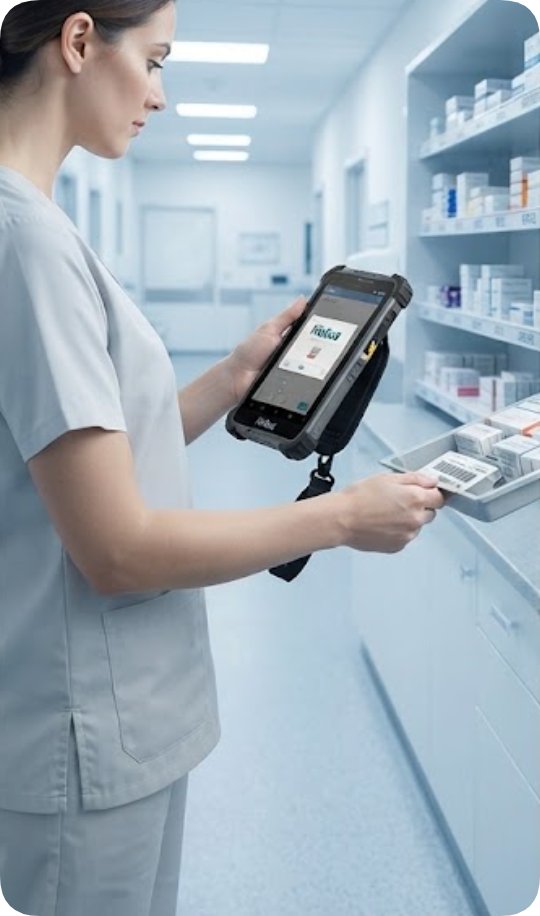
The tiering matters because hand size, cart real estate and desk space are all different constraints. Cybernet answers the whole ward with a single 10.1-inch CyberMed Rx, and Onyx answers it with a 24-inch computer bolted to a cart. Both are coherent strategies. Neither gives a pharmacist something that disappears into one hand, and neither gives a review desk the raw compute headroom of a Core i7 in a tablet body. The Hotus line covers 6.5, 8 and 10 inches on one Windows software stack, so the same clinical app, MDM enrollment and support ticket flow across all three tiers instead of stopping at the device edge.
Medication scanning is a repetition sport. The SH6 pairs a 6.5-inch screen with a body light enough to hold through a full cart fill, running Windows 11 Pro on an Intel N100 with 380-nit brightness for the fluorescent corridors of a central pharmacy. Its IP65 enclosure and 1.2-meter drop rating survive the counter edges and tray drops that end consumer tablets. Cybernet's Rx integrates a 2D scanner and RFID inside the chassis, which is genuinely neater than pairing a Bluetooth ring scanner, and that is a real point in its favor. But the Rx is a 10-inch device; held in one hand at arm's length for two hundred scans, it is simply more arm. On the loop, screen size is ergonomics, not specification.
The ST9-J is the cart workhorse: an 8-inch 1200×1920 panel at 400 nits, with a 1000-nit option for sunlit corridors, an Intel N5100 quad-core, 8 GB of RAM and up to 512 GB of storage. It runs Windows 10 Pro with an 11 upgrade path, which matters because a surprising amount of hospital software is still a Win32 client that will not install on Android or a locked-down web shell. At 700 grams with an IP65 seal, MIL-STD-810G drop testing and a 5000 mAh battery rated around seven hours, it covers a shift and swaps onto cart power overnight. The Rx matches the sealing and exceeds it on batteries, with dual hot-swap packs and a six-bay charger. That hot-swap advantage is real and we do not have an equivalent claim, so a ward that runs thirty-second battery changes will weight Cybernet's way. What the Rx does not change is the 10-inch one-device posture: the nurse holds the same slab for the pharmacy loop and the charting round.
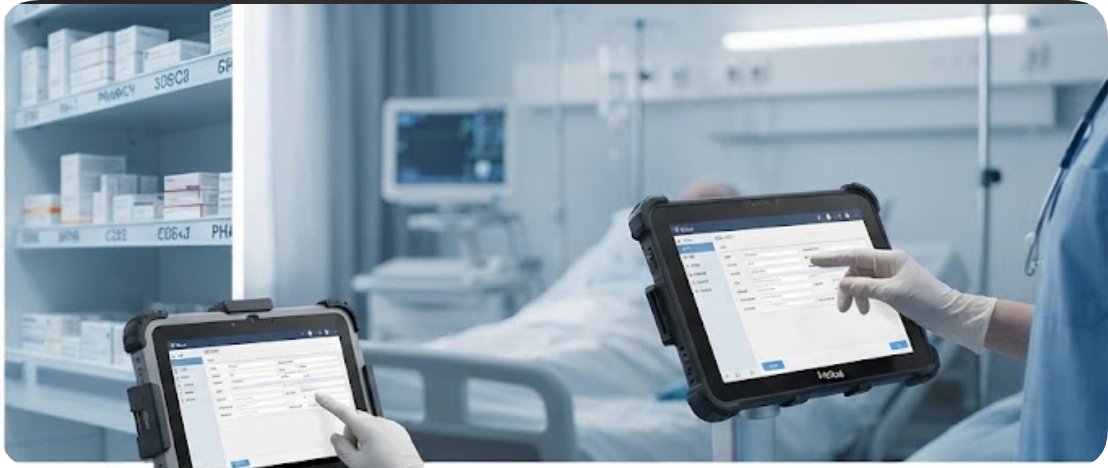
The HTXUK10A-55 is the tier the medical tablet makers mostly skip. It runs a Core i7-1255U with 16 GB of RAM and up to a 1 TB SSD behind a 10-inch 1920×1200 panel at 550 nits, with a 700-nit option, and its 11200 mAh battery carries roughly seven hours away from the desk. A pogo dock and an RJ45 Ethernet port make it a natural fit for a review position where PACS traffic wants wired reliability. Cybernet's own spec table shows the gap between its models honestly: the CyberMed T10C seals only the front bezel, ships without hot-swap batteries, and positions itself as an embedded OEM component, while the Rx tops out at mid-range silicon for its 10.1-inch class. Onyx takes the opposite approach and stops making the point-of-care device portable at all — the Venus-244P is a 24-inch medical cart computer on an Intel Arrow Lake Core Ultra 5, with dual hot-swappable batteries, Wi-Fi 7 and an antibacterial enclosure designed for bedside documentation. It is a superb anchor for a nursing cart, and a poor answer for a clinician walking a ward bay to ward bay.
Credit where it is due, because a ward procurement officer will ask. Both Cybernet and Onyx carry IEC 60601-1 electrical safety certification for near-patient use, and Onyx adds ISO 13485 and FDA registration to its manufacturing story. Both companies build antimicrobial housings and design for wipe-down with hospital disinfectants. The Venus line's dual hot-swappable batteries are engineered for 24/7 cart uptime, and Onyx's ORION platform gives central IT remote management across a fleet. Our tablets are sealed, drop-tested industrial devices running the same Windows Pro images, but they make no 60601-1 claim and no antimicrobial-coating claim, and a hospital that requires the certificate for near-patient mounting will buy the certified device regardless of what our spec sheet says. The honest position is that these are industrial-grade tablets priced and built for clinics, labs and care-adjacent back offices, not certified patient-adjacent hardware.
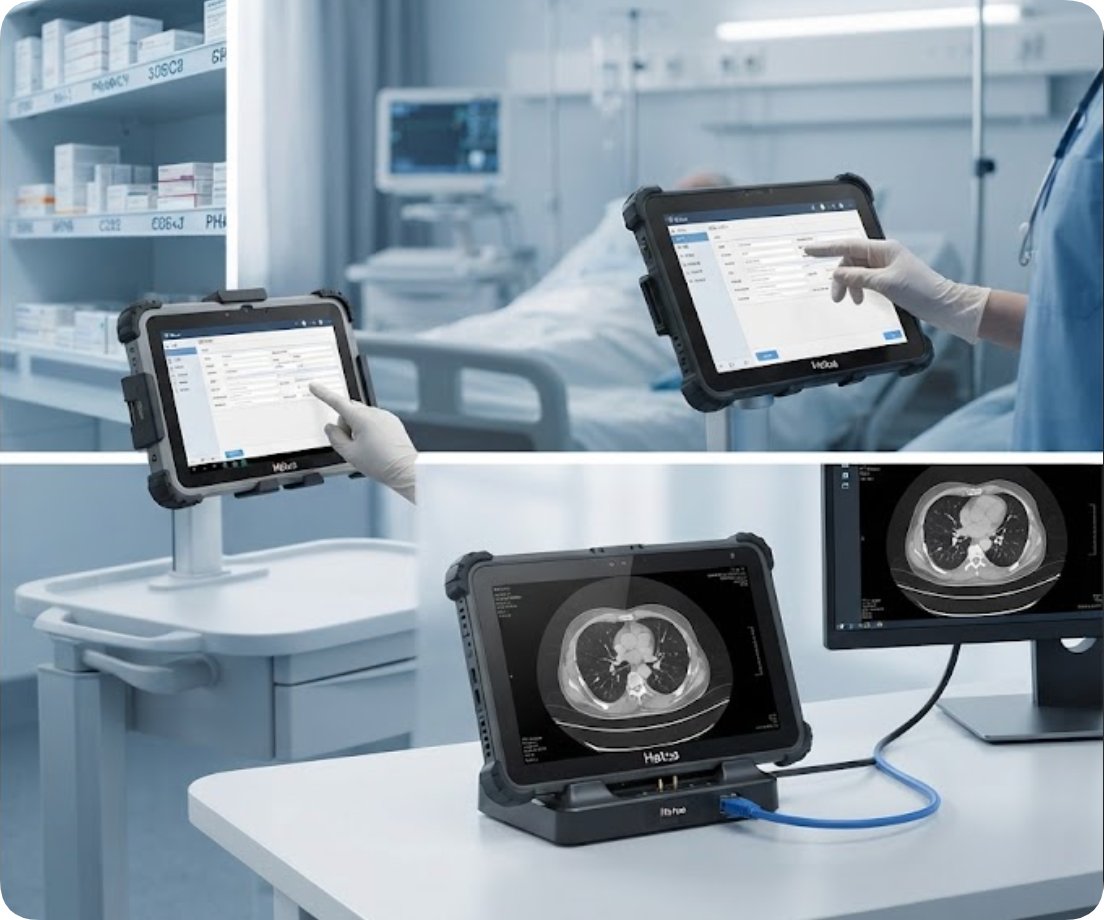
Medical certification is also a tax. Certified medical tablets sit in a bracket where the enclosure, the documentation and the regulatory process are a large share of the invoice, and fleets get expensive in the tens of units. The Hotus tiers split the bill: an SH6 per pharmacist costs a fraction of a certified tablet, the ST9-J covers the cart fleet at an industrial price, and the HTXUK10A-55 concentrates spending where compute actually pays off, at the review desk. Against the Rx one-SKU posture, the ward buys the ergonomics three times in three sizes instead of one size compromising all three jobs. The table below lines the field up.
| Item | Hotus SH6 | Hotus ST9-J | Hotus HTXUK10A-55 | CyberMed Rx | Onyx Venus-244P |
|---|---|---|---|---|---|
| Screen | 6.5 in, 380 nits | 8 in, 400/1000 nits | 10 in, 550/700 nits | 10.1 in, Gorilla Glass | 24 in cart panel |
| Compute | Intel N100 | N5100, 8 GB | i7-1255U, 16 GB | Mid-range x86 | Core Ultra 5 200U |
| OS | Windows 11 Pro | Win 10 Pro, 11 opt. | Windows | Windows | Win 11, IGEL |
| Battery | 5000 mAh, ~4.5 h | 5000 mAh, ~7 h | 11200 mAh, ~7 h | Dual hot-swap | Dual hot-swap |
| Sealing | IP65, 1.2 m | IP65, MIL-810G | IP65 | IP65, antimicrobial | Antibacterial cart |
| Certification | Industrial | Industrial | Industrial | IEC 60601-1 | 60601-1, ISO 13485 |
If a facility needs certified near-patient hardware with hot-swap batteries and antimicrobial housings, Cybernet and Onyx earn the purchase order, and nothing in this comparison pretends otherwise. If a clinic, lab or care-adjacent office needs full Windows on three ergonomics — one hand, one cart, one review desk — the Hotus trio covers the ward in sizes the certified lines do not offer, at prices that let the fleet breathe. The right question is which jobs you are actually staffing, and then which enclosure, certificate and price point each job deserves. To see how these tiers compare across other industries, browse the rugged industrial tablets alongside the mini PC line that anchors fixed workstations, or browse our comparison guides for the rest of the series.