- Select Language
P11 Series Next-Gen Enterprise Rugged Industrial ...
Full SpecificationsModel Hotus SH5‑WOperating ...
The N60 PDA is a cutting-edge device for inventory...
The T80 handheld PDA combines advanced barcode sca...
R860-S 5.5-inch Industrial PDA with Thermal Printe...
Full SpecificationsModelHotus ST11‑JOSWindows 10 P...
Full SpecificationsModelHotus ST11‑UOSWindows 10 P...
A rolling stock depot runs three jobs that look identical on an invoice and behave nothing alike on a shift. At the workbench, a technician needs a large Windows display running the maintenance management client, the wiring diagram and the defect log at the same time, ideally on a machine that can be bolted to a trolley or a vehicle. Between the bench and the underframe, someone walks the length of a trainset with a panel in one hand checking connector codes, seals and corrosion. And once a quarter, an inventory clerk has to prove that every locomotive, signal cabinet and catenary mast still carries the right asset tag — which means reading passive UHF labels from a distance, not photographing serial plates. Europe's depot hardware market answers the first two jobs well. It barely answers the third. This comparison lines up three Hotus units against the two specialist vendors a rail procurement office is most likely to shortlist: the ST13-J 13.3-inch rugged tablet for the bench and the vehicle, the ST9-J 8-inch Windows handheld for the walkaround, and the R530C 6-inch RFID terminal for the tag audit, set against JLT Mobile Computers of Sweden and Kontron of Germany.
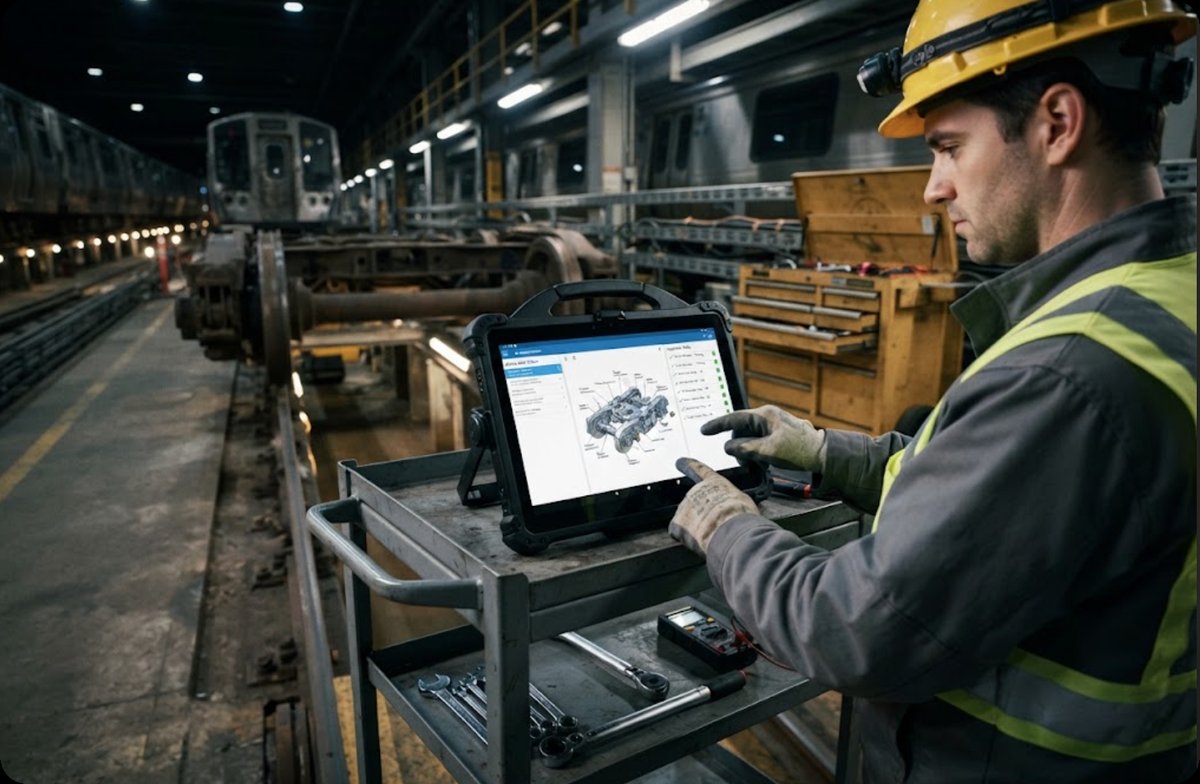
JLT Mobile Computers builds rugged computers for vehicles and warehouse fleets from Sweden, and the JLT1214 and JLT1214N are its 12-inch Windows units: IP65, shock-resistant interfaces, a vehicle dock ecosystem and a published operating range of −30 °C to 55 °C. That range is not a marketing line, it is the difference between a device that survives an unheated northern siding in February and one that does not, and in a cold-climate procurement it is the first specification anyone reads. Kontron's K-Tablet 10G2 takes a different route: a 10-inch Windows unit on an Intel Core i5, IP65, fanless, with an operating range of −20 °C to 60 °C and a dense port selection for cabinet and wayside mounting. Both are serious machines, and both are, in specification terms, tablets — which is exactly the limitation the third job exposes.
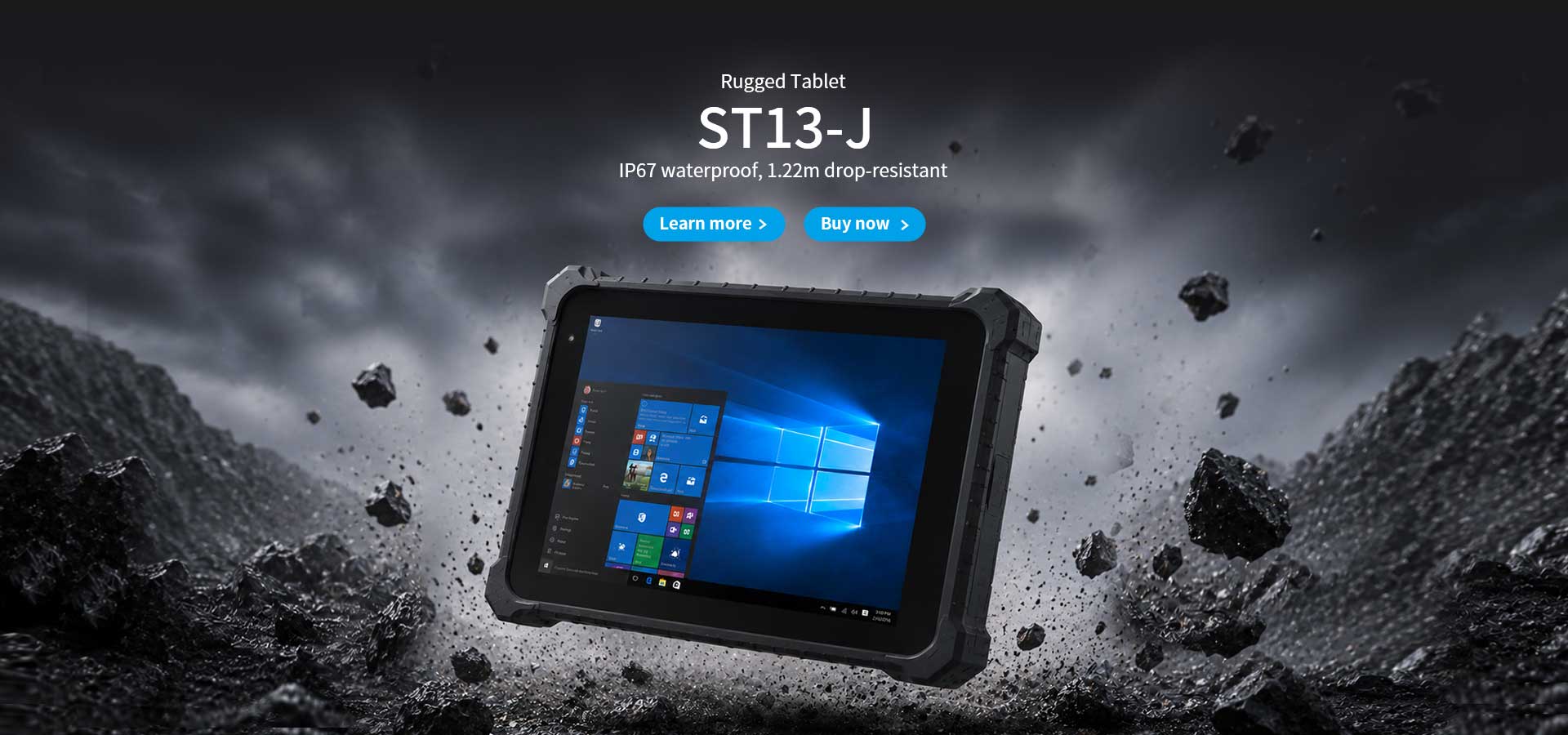
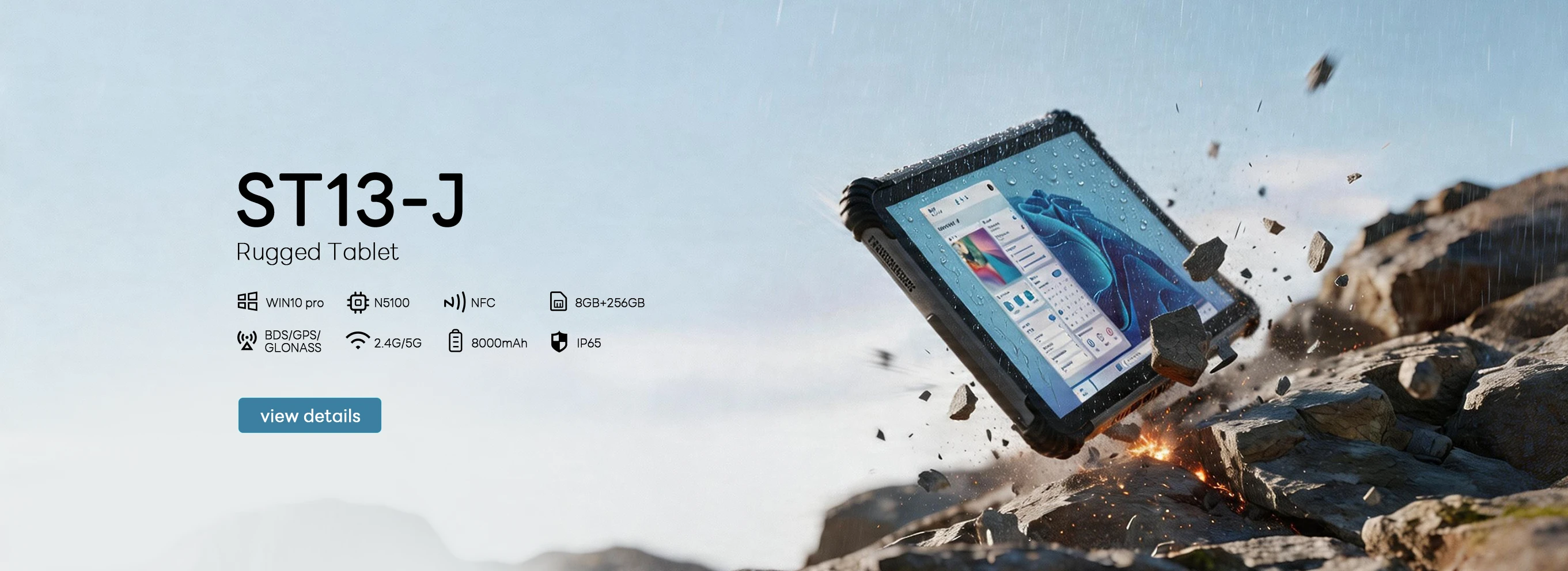
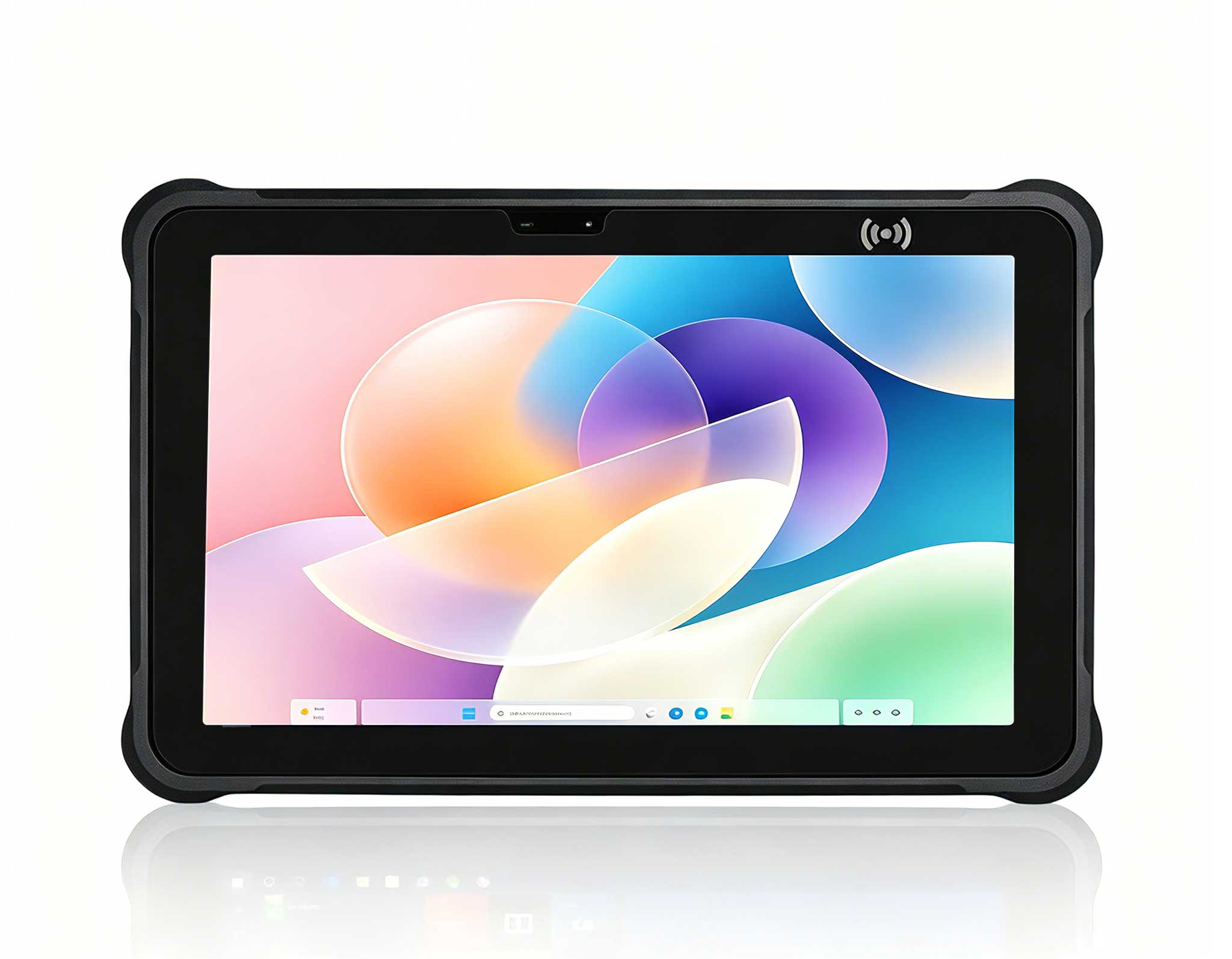
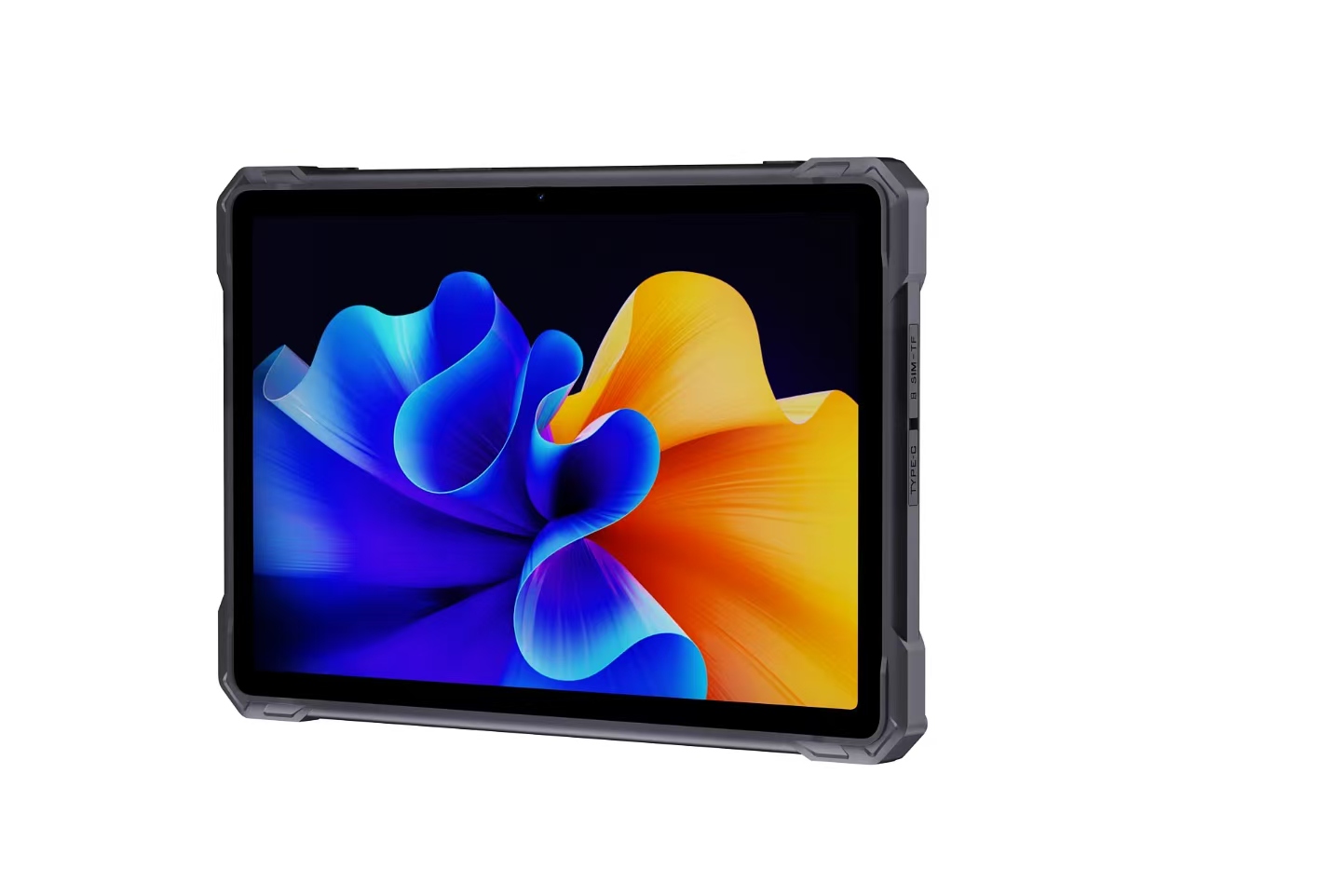
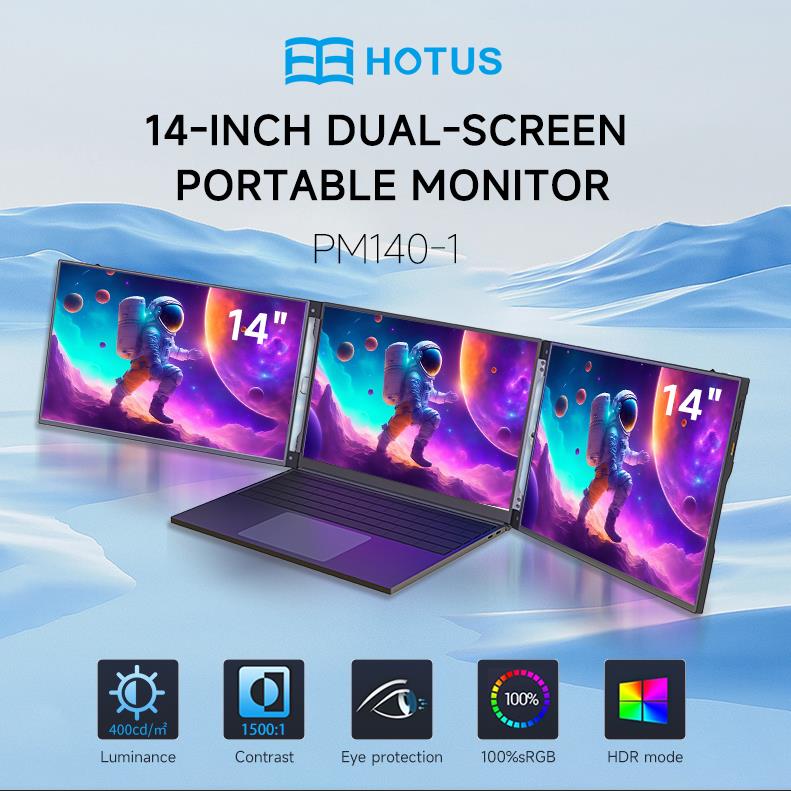
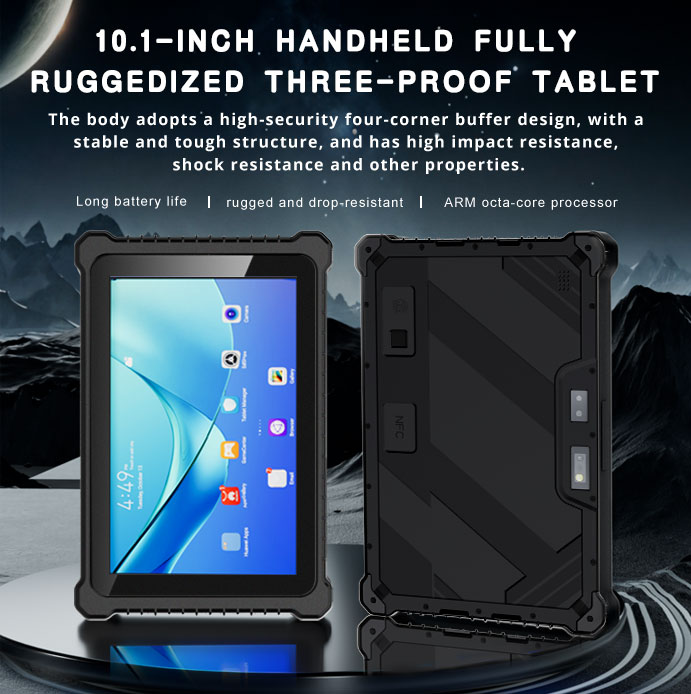
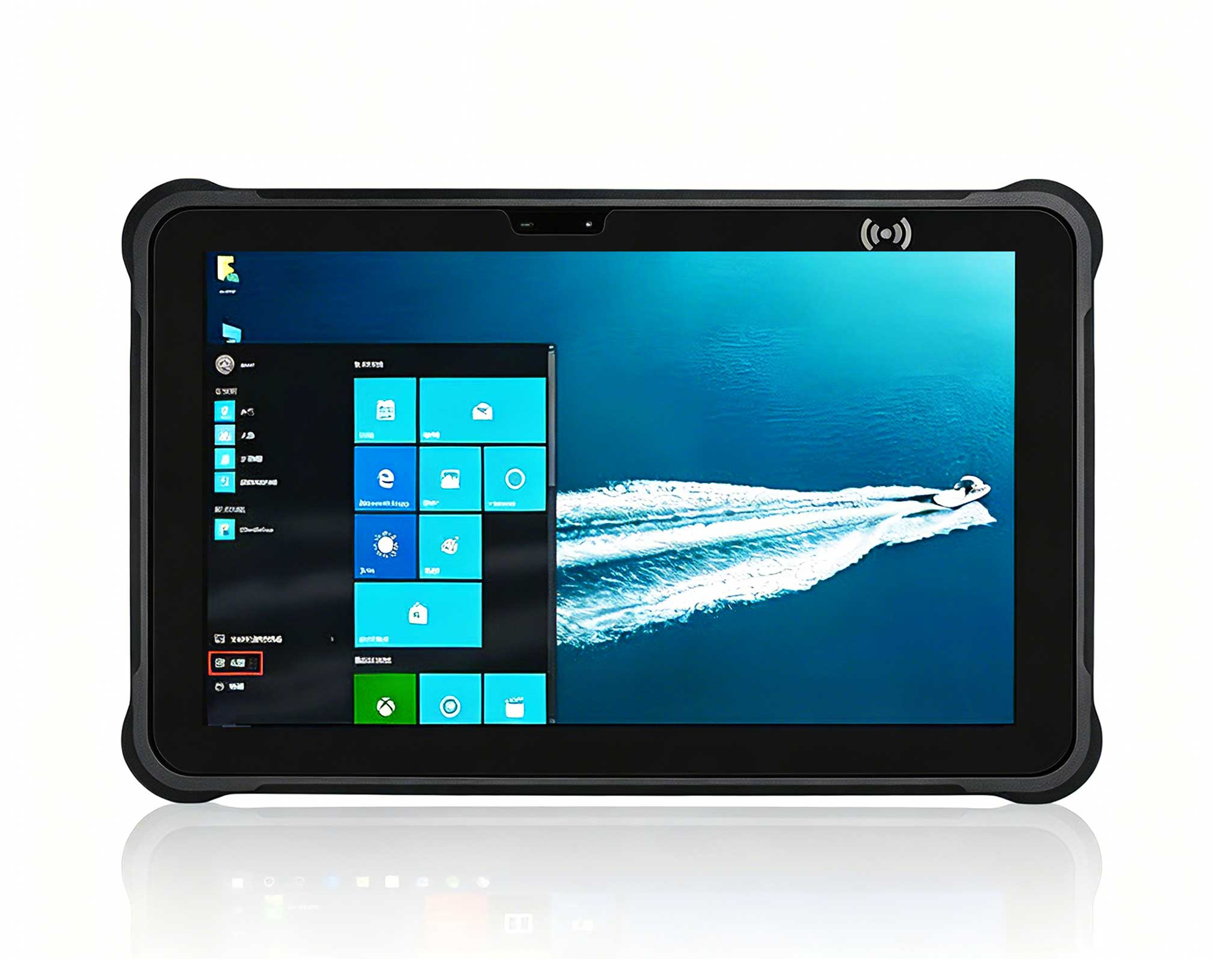
The bench unit is where the two European vendors are strongest. A 12-inch or 10-inch Windows panel running the depot's own client, on the dock, with the connector's I/O — that is a solved problem they have solved for years. Hotus answers with the ST13-J, whose 13.3-inch 1920×1080 IPS panel at 400 nits carries Windows 10 Pro or 11 Pro on an Intel Celeron N5100 quad-core, with 8 GB of RAM and 256 GB of storage, an 8000 mAh battery, IP65 sealing, a 1.2-metre drop rating, front 5 MP and rear 13 MP cameras, Wi-Fi 5, Bluetooth 4.2 and 4G LTE, GPS with BeiDou and GLONASS, NFC, CE, FCC and 3C certification, an operating range of −20 °C to 55 °C, and optional TPM 2.0, scanner, dock and vehicle mount. At 1450 grams and 19.5 millimetres thin it is a bench machine that can be unbolted and carried to the underframe.
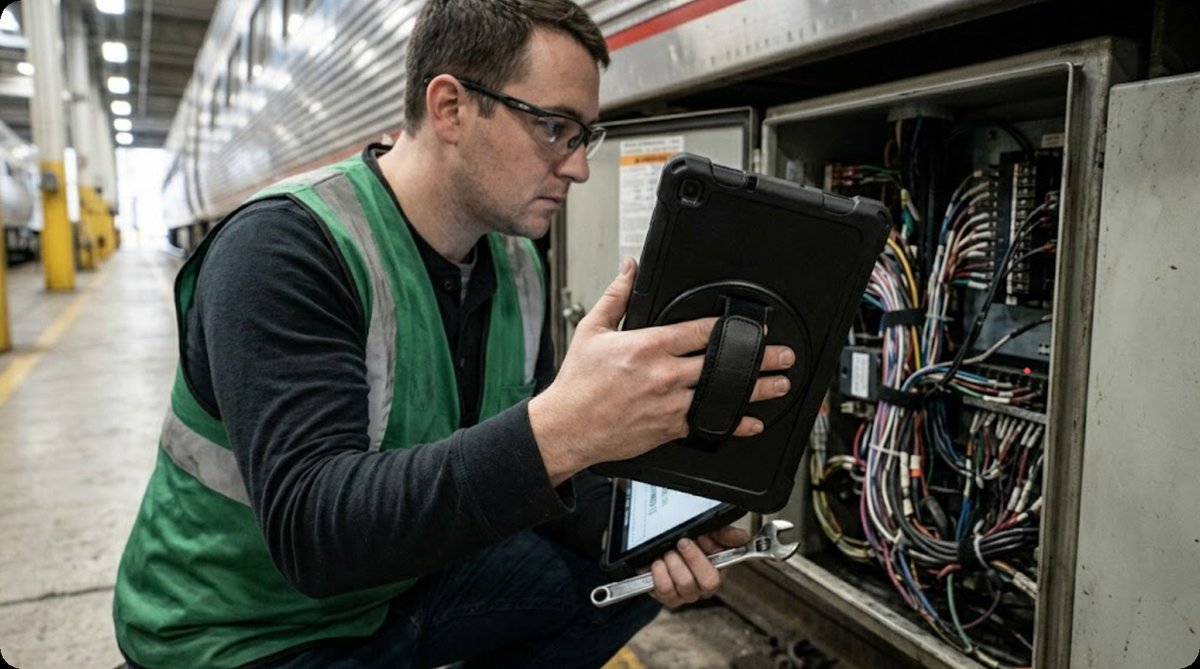
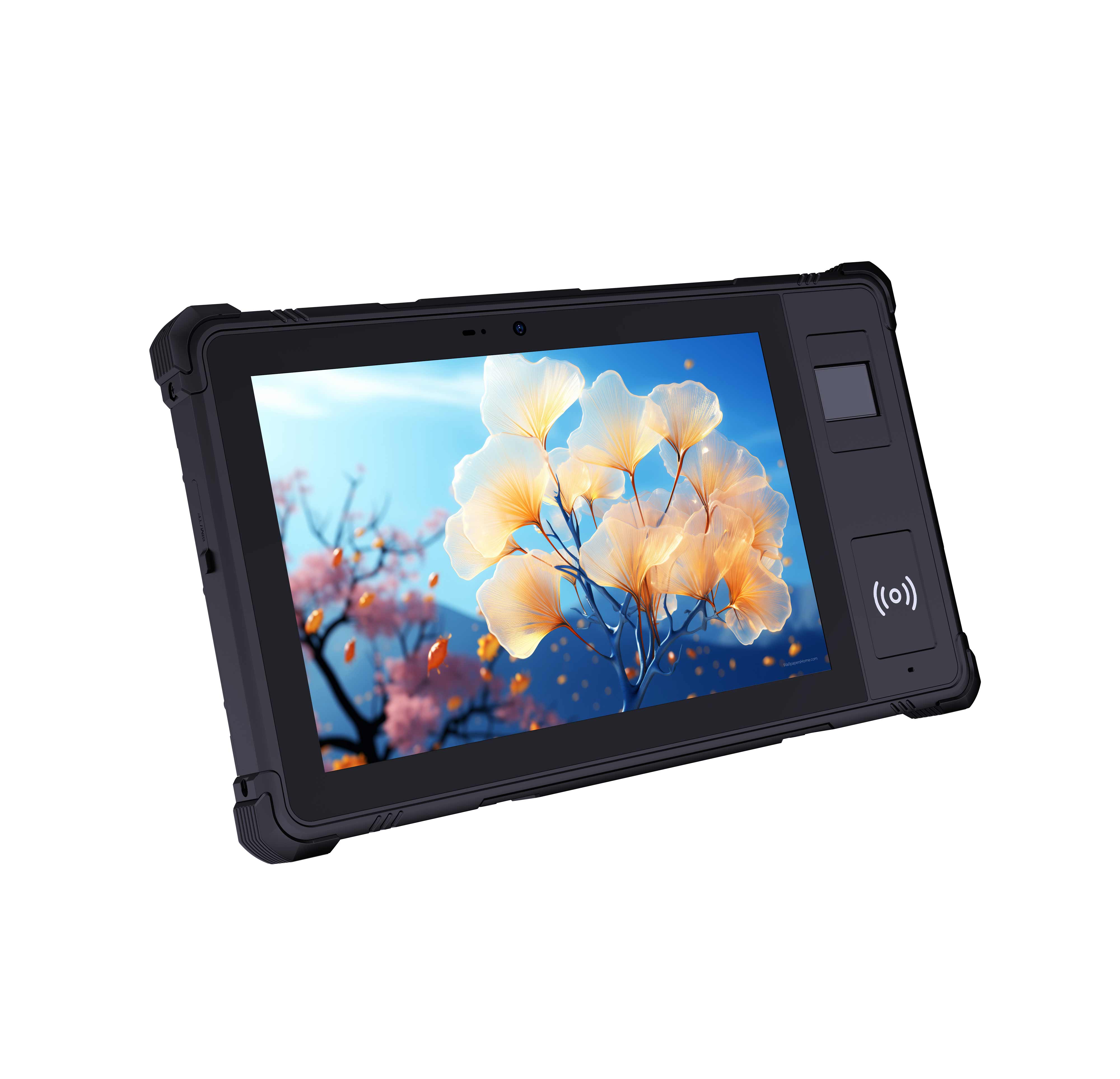
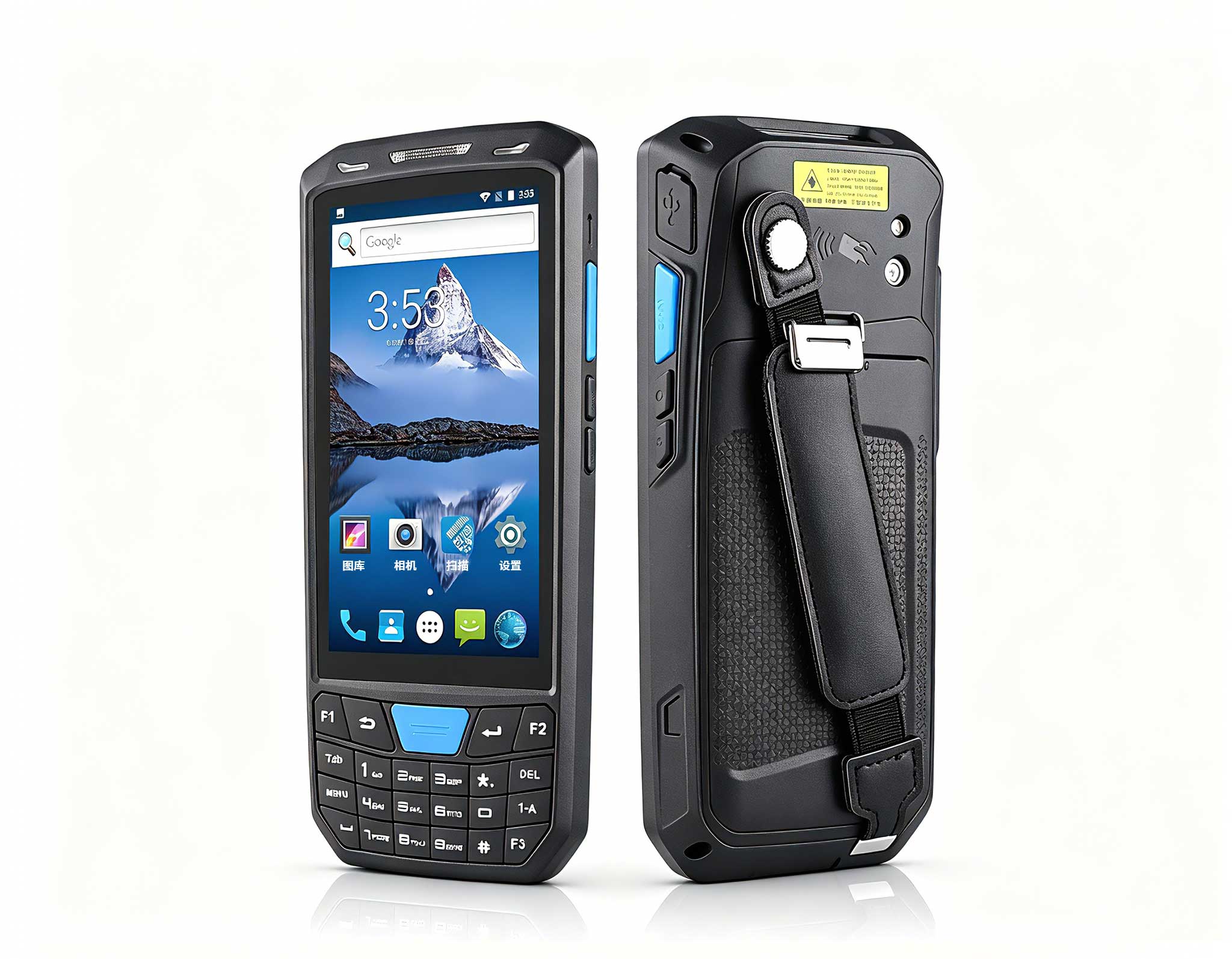
Honesty requires putting JLT's cold advantage on the record first: −30 °C against the ST13-J and ST9-J floor of −20 °C is ten degrees that only matter in winter, and they matter. Kontron holds a wider ceiling at 60 °C, which counts for wayside cabinets and southern climates. What the Hotus units add is certification and endurance rather than thermal range: the ST9-J carries a MIL-STD-810G rating alongside CE, FCC and 3C, runs an eight-hour shift on 5000 mAh, weighs 700 grams, and offers optional UHF, scanner, fingerprint, TPM 2.0, docking and high-precision GPS modules. Its 8-inch 1200×1920 panel reaches 400 nits, with a 1000-nit option for sunlit platform approaches — a specification neither European datasheet in this comparison publishes.
Kontron's real strength is the fanless, wide-port design aimed at fixed installations, and JLT's is the dock ecosystem that has grown up with vehicle fleets rather than being bolted on as an option. A depot standardising on an existing JLT or Kontron estate gets spare-parts and driver continuity for free, and that is a legitimate reason to stay. It is not a reason to skip the one job neither catalogue covers.
| Item | ST13-J | ST9-J | R530C | JLT1214 / 1214N | Kontron K-Tablet 10G2 |
|---|---|---|---|---|---|
| Platform | Win 10/11 Pro, N5100 | Win 10 Pro, N5100 | Android 16, SDM450 | Windows 12" vehicle unit | Windows 10", Core i5 |
| Screen | 13.3" 1080p, 400 nits | 8" 1200×1920, 400/1000 nits | 6.0" FHD+ IPS | 12" Windows | 10" Windows |
| UHF RFID | optional module | optional module | built-in, ≤2 m | not listed | not listed |
| Operating temp | −20 to 55 °C | −20 to 55 °C | −10 to 50 °C | −30 to 55 °C | −20 to 60 °C |
| Battery / weight | 8000 mAh / 1450 g | 5000 mAh, ~7 h / 700 g | 6000 mAh /<500 g | mains or battery options | fanless, fixed install |
| Certification | CE, FCC, 3C | MIL-STD-810G, CE, FCC, 3C | FCC/ETSI/SRRC-MII bands | IP65, vehicle dock | IP65, fanless |
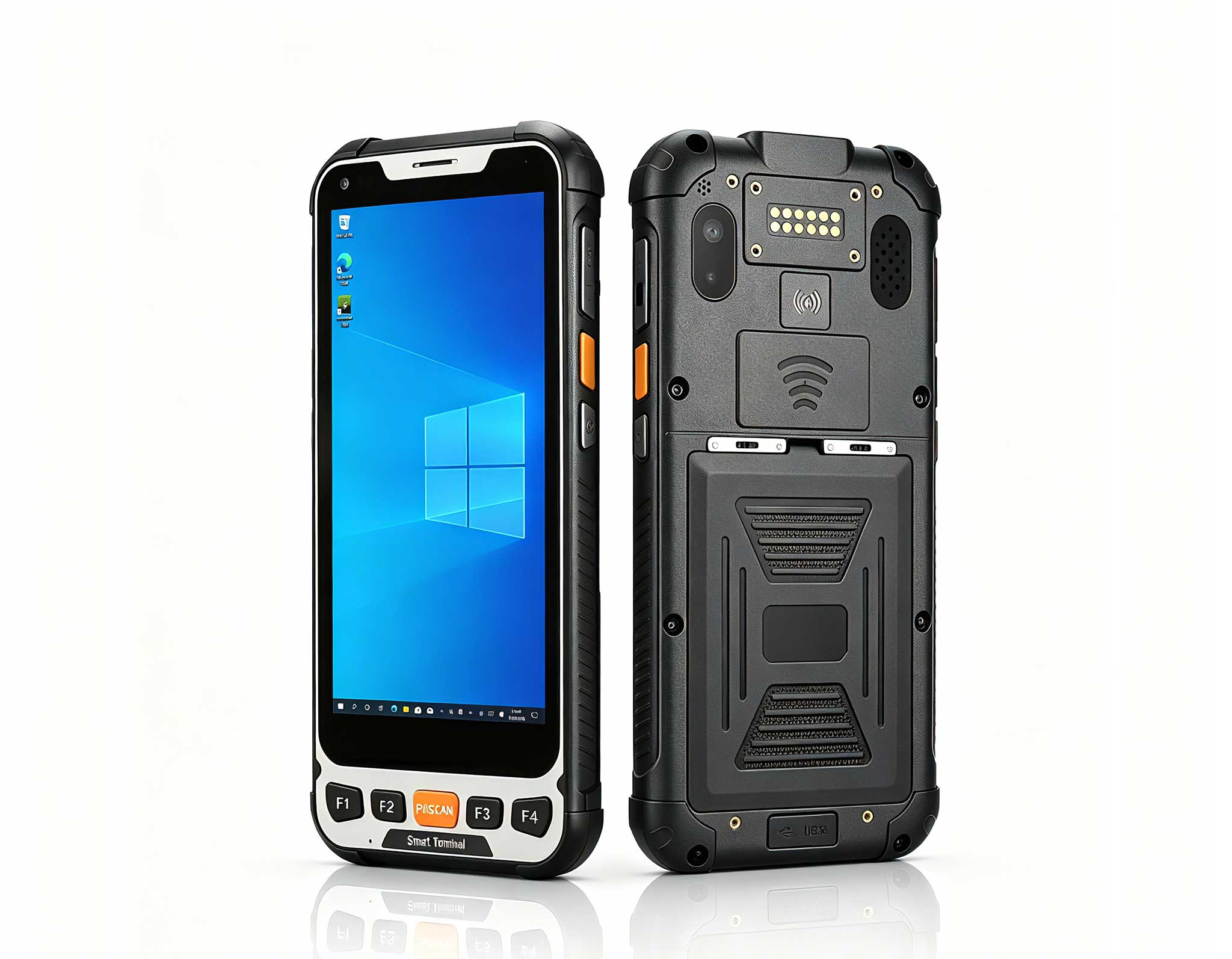
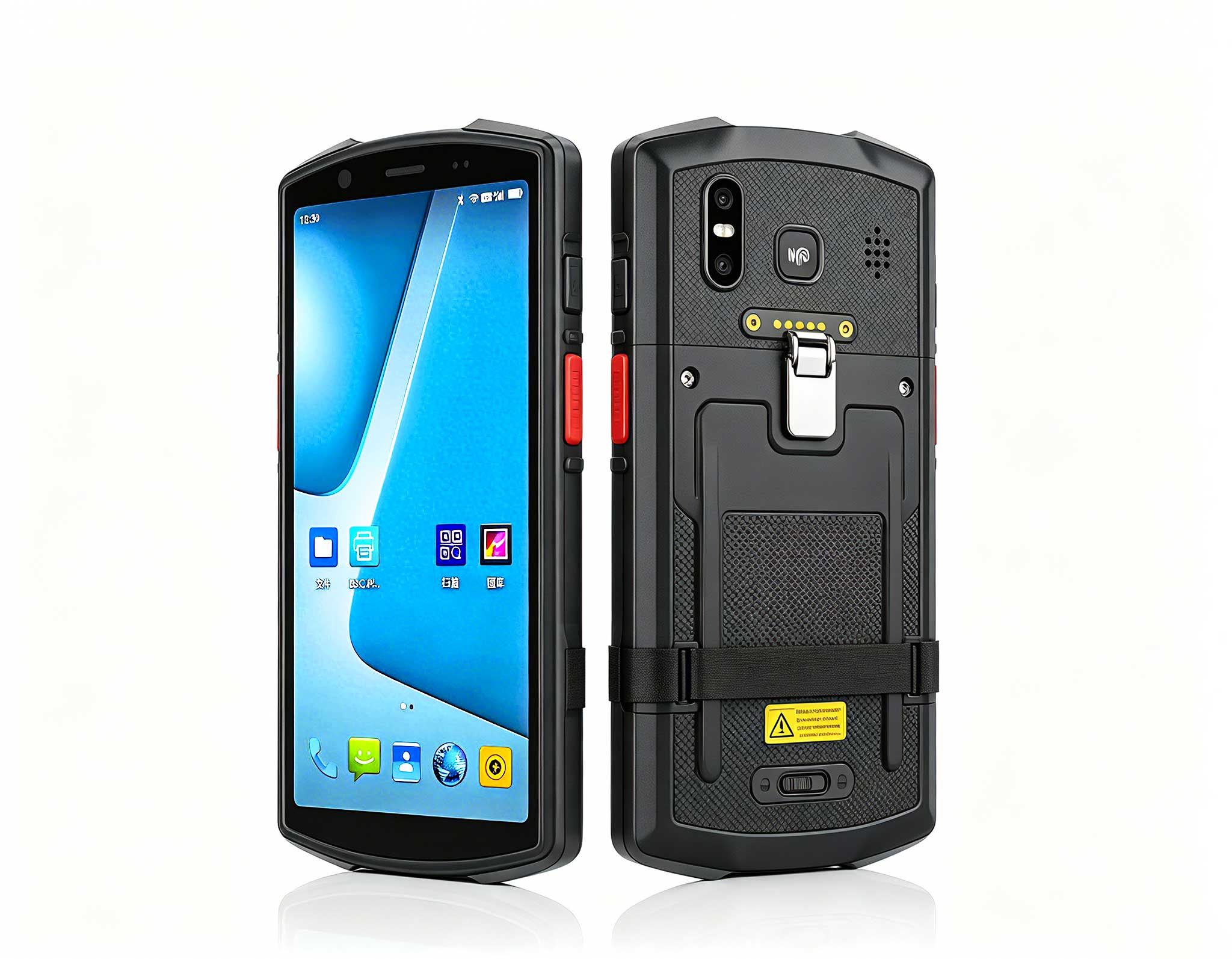
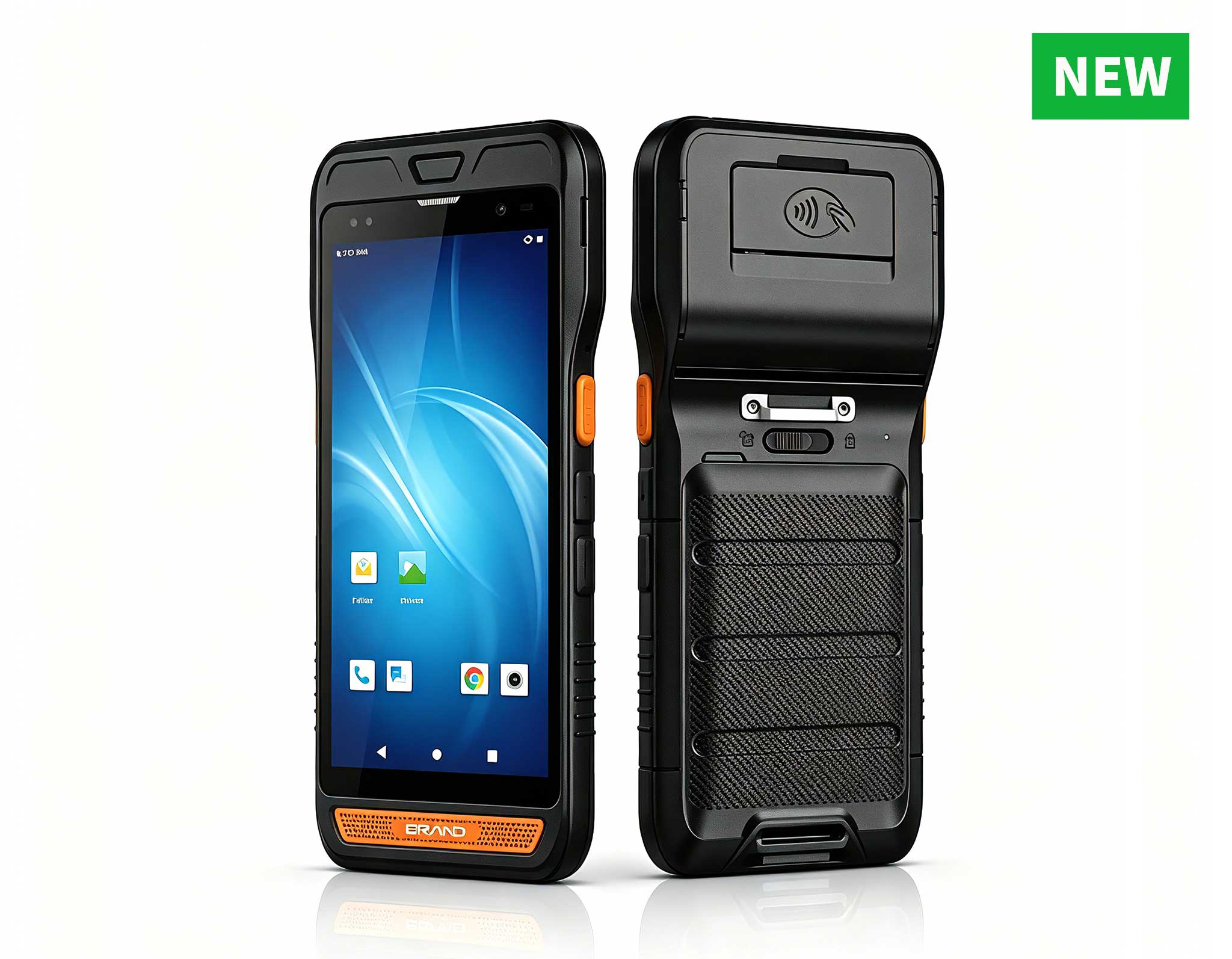
Neither JLT nor Kontron lists an RFID reader, and that is not an oversight to be charitable about — both are screen-first tablets for vehicle and cabinet duty. An asset audit needs a different instrument. The R530C carries a built-in 40×40 millimetre ceramic UHF module across the FCC, ETSI and SRRC-MII bands, reading EPC Class 1 Gen 2 tags to two metres, alongside NFC at 13.56 MHz for ISO14443A and ISO15693 cards, an optional 2D imager accurate to three mil, and an ISO/IEC 7816 PSAM slot for the secure element that depot security regimes increasingly require. It runs on a Qualcomm SDM450 octa-core at 1.8 GHz with Android 16, carries 6000 mAh, weighs under 500 grams, has dual Nano-SIM 4G with GPS, GLONASS, BeiDou and Galileo, and puts two dedicated scan keys plus a volume rocker under a gloved hand. Sixty-four gigabytes of TF storage takes the audit offline; the same discipline is described in the warehouse operations application notes.
Two limits belong in the same paragraph. The R530C's own environmental window is −10 °C to 50 °C, narrower than either tablet, because a handheld terminal is a pocket device with a smaller sealed volume and a smaller battery; it belongs in the cab or the vestibule, not left on an unheated platform. And an Android 16 handheld runs the asset app beautifully but cannot run a decades-old Windows-only depot client, which is precisely why the ST9-J exists alongside it rather than instead of it.
The recommendation is a fleet, not a winner. If the depot runs northern sidings and the existing fleet is already JLT, the −30 °C specification and the mature dock ecosystem justify staying, and the ST13-J's larger 13.3-inch screen and 400-nit panel are the reasons to consider a second source. If wayside cabinets drive the work, Kontron's fanless −20 to 60 °C design is the better box. What neither purchase completes is the tag audit, and that is where the R530C earns its place: a dedicated reader with two-metre UHF range, PSAM and GNSS, matched to an inspection workflow rather than bolted onto a tablet by a dongle.
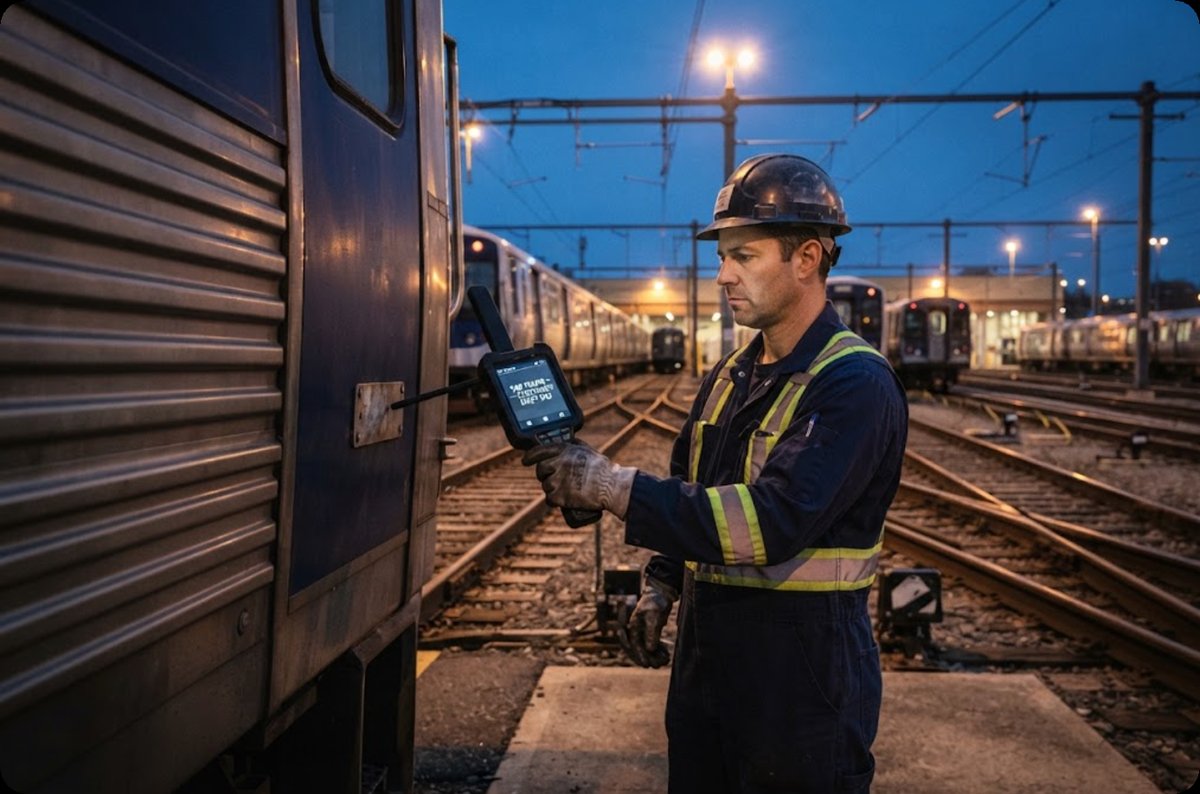
The honest summary is that European vendors won the bench decades ago and own the cold. The three Hotus units are worth pricing not because they beat a JLT1214 on a datasheet, but because they close a gap neither catalogue fills: a MIL-STD-810G Windows handheld that fits one hand, a 13.3-inch Windows panel that also bolts to a trolley, and the only RFID reader in the comparison. Every cross-brand matchup in this archive applies the same rule — check which job the device was actually specified for before deciding which one wins.