- Select Language
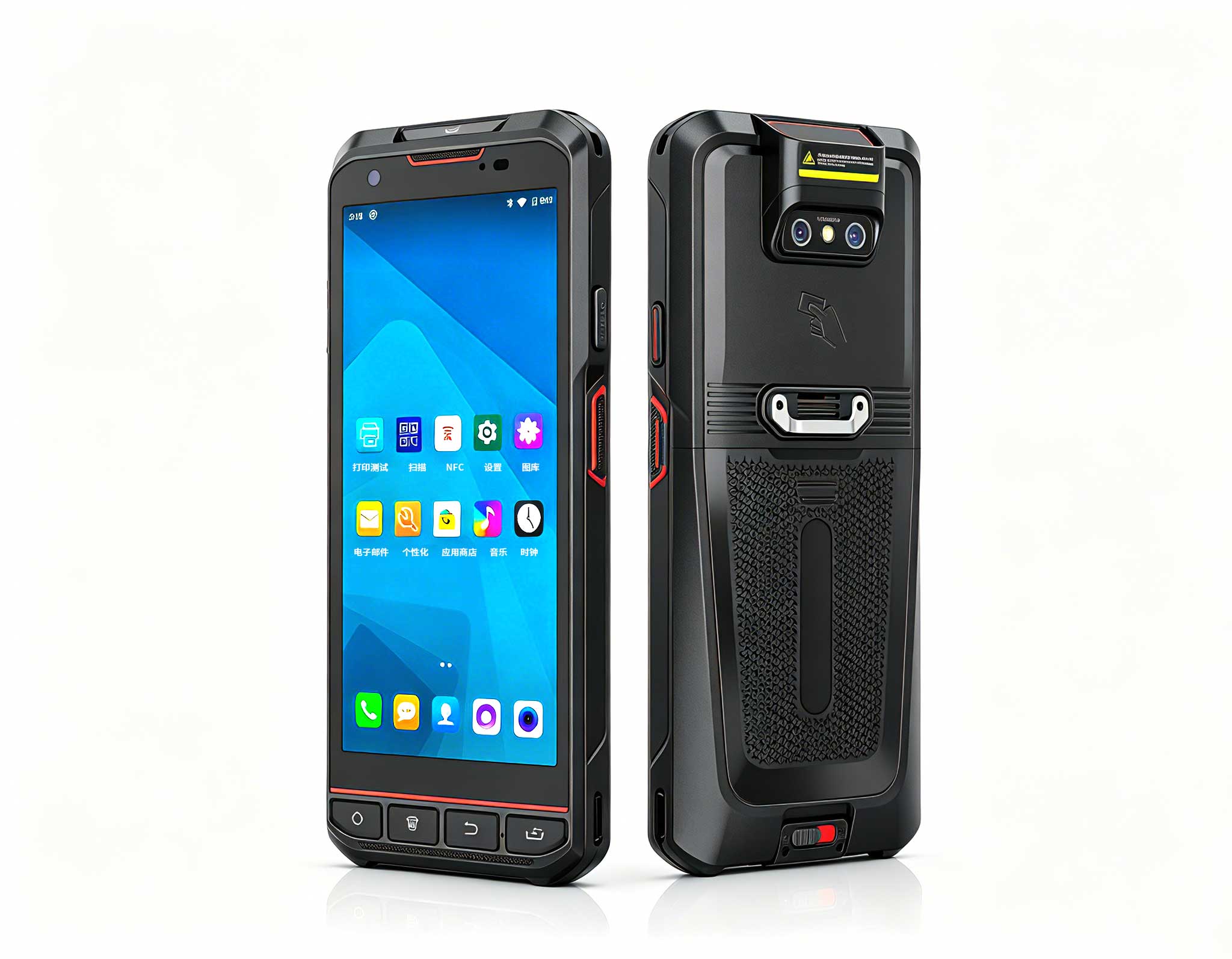
The N60 PDA is a cutting-edge device for inventory...
Full SpecificationsModel Hotus SH5‑WOperating ...
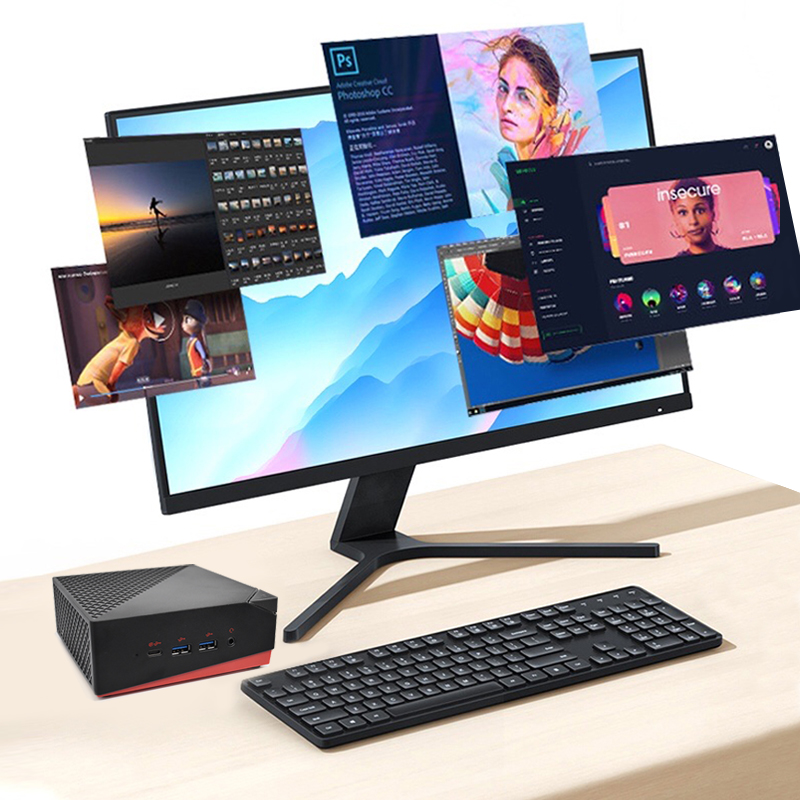
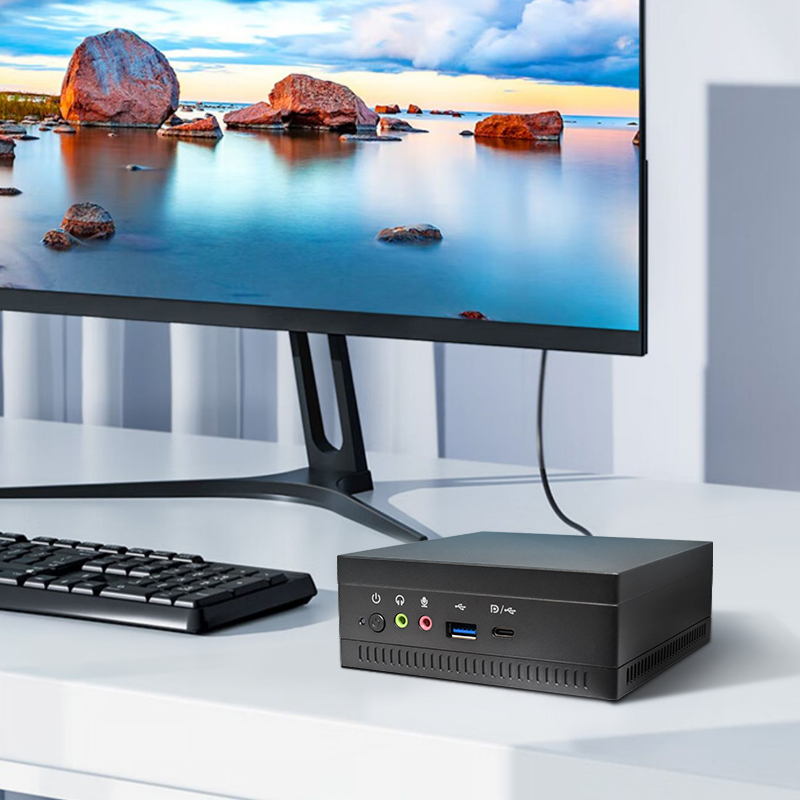
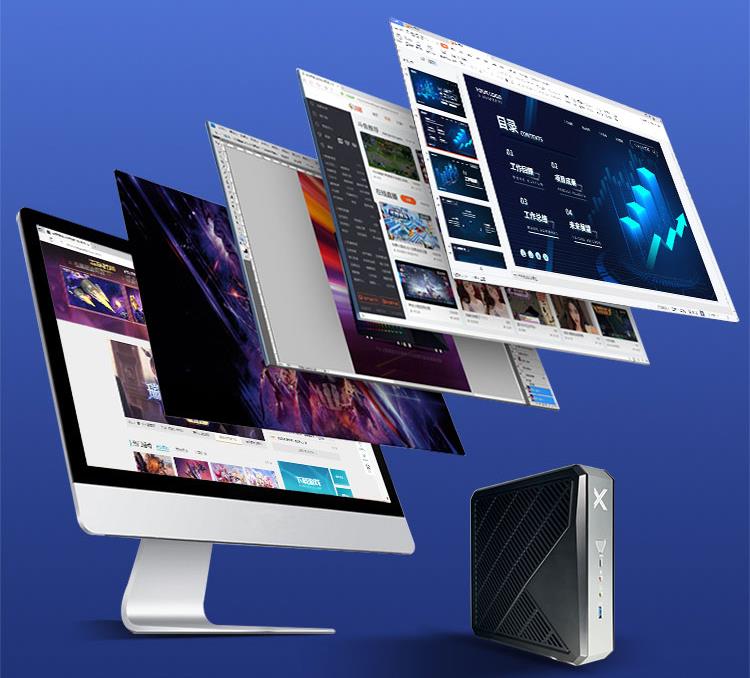
The AMD Mini PC Windows 10 Pro is a compact yet po...
The X501 Handheld PDA combines advanced barcode sc...
This ultra-compact mini PC offers powerful perform...
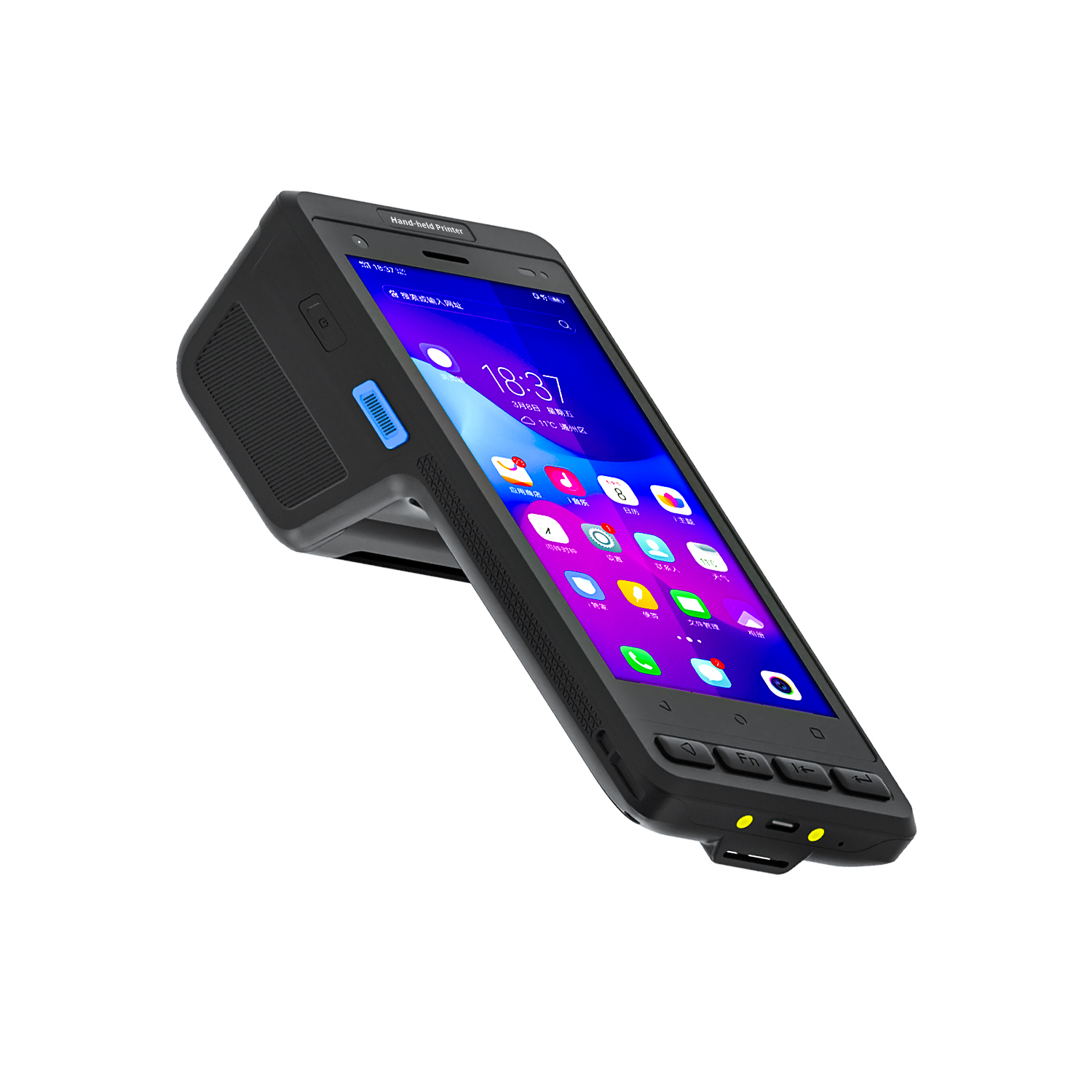
R860-S 5.5-inch Industrial PDA with Thermal Printe...
RT81 4G Rugged Tablet | 10.1" FHD 400nit | Qu...
A field service job is a loop, not a screen. Dispatch pushes the morning route to a technician's pocket; the van arrives and the diagnosis happens one-handed on a ladder or inside a cabinet; the replacement part gets scanned into the ticket; and the customer signs on whatever surface is closest before the van moves to stop two. Every rugged vendor claims to cover this loop, but most sell a single device and let the workflow bend around it. Zebra's answer is the ET45, an enterprise Android tablet built for delivery fleets and increasingly quoted into service tenders. Durabook's answer is the R11, an 11.6-inch fully rugged Windows tablet that spec sheets rank among the most complete in its class. This piece builds the loop from three smaller Hotus units instead — the ST9-M as the one-hand diagnostic slate, the SH5-W as the pocket dispatcher, and the HTNJ10B as the van-mounted work-order board — and asks which shape actually survives a ten-stop day.
Start with the honest table, because Durabook's engineering deserves it. The R11 is the strongest single device in this comparison by most measures: a 12th-generation Intel i5 or i7 with vPro, an 11.6-inch full-HD panel that can be optioned to 1000 nits of sunlight-readable brightness, MIL-STD-810H and MIL-STD-461F certification on top of IP66, a magnesium chassis weighing just 1.2 kilograms, and a choice of an 8.5-hour main battery or a 15-hour long-life pack. The ET45 counters with fleet-grade logistics — a 6,100 mAh battery that swaps hot, Wi-Fi 6 and 5G, and Android 11 upgradeable to 14 inside Zebra's device-management umbrella. The three Hotus units split those roles across smaller, cheaper devices that each stay out of the technician's way.
| Item | ST9-M | SH5-W | HTNJ10B | Zebra ET45 | Durabook R11 |
|---|---|---|---|---|---|
| Screen | 8" 1200×1920, 400 nits | 5.5" 1080×1920 | 10" 1200×1920, 560 nits | 8" 1280×800, 500 nits | 11.6" FHD, up to 1000 nits |
| Platform | Windows, i5-8200Y | Windows, Z8350 | Windows, N6000 | Android 11→14 | Windows, 12th-gen i5/i7 |
| Weight | one-hand 8" | 350 g | van-mountable | 485 g (8") | 1.2 kg |
| Ruggedness | industrial sealed | IP65, 1.2 m | IP67, 1.22 m | IP65, MIL-810H | IP66, MIL-810H+461F |
| Battery | shift-class | shift-class | mains at the dock | 6,100 mAh hot-swap | 8.5 h, 15 h option |
Two admissions keep this honest. Durabook's hardware story is stronger than anything on the Hotus side of the table: the R11's 12th-generation vPro processor outruns the ST9-M's dual-core i5 several times over, its optional 1000-nit DynaVue panel stays readable in direct sun where 400 nits squints, and the certification stack — including an optional Class I Division 2 rating for hazardous sites — opens doors the Hotus units cannot enter. The three-year accidental-damage warranty that ships with the R11 is also a genuinely better ownership story than anything in this price bracket. Zebra's advantage is different in kind: if the employer already runs a Zebra shop, the ET45 inherits the same mobile-device-management tree, the same spare-battery logistics and the same support contract as the scanners the warehouse already carries, and that integration is worth real money. A service team choosing one device to do everything, especially outdoors at highway speed, should buy the R11 and stop reading.
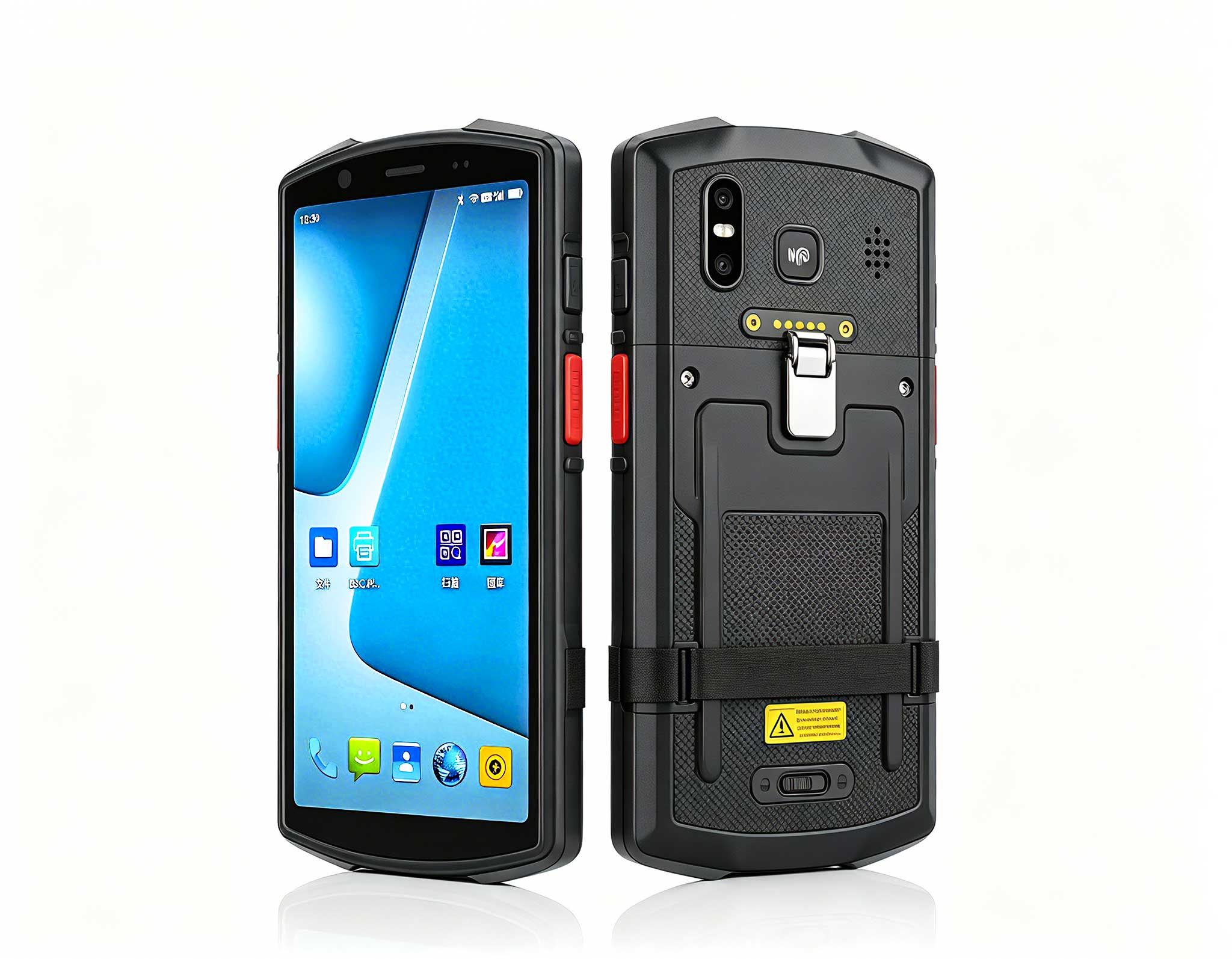
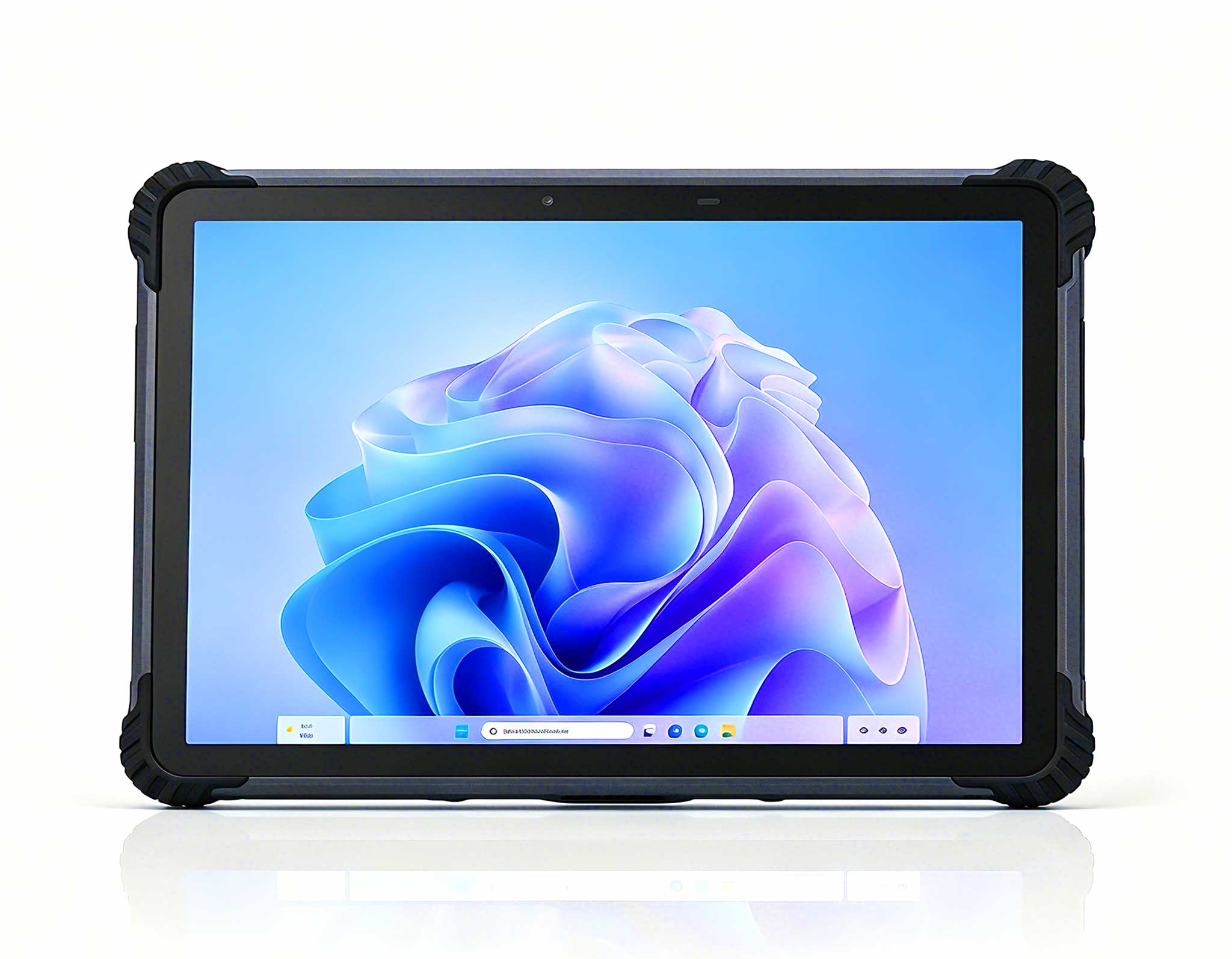
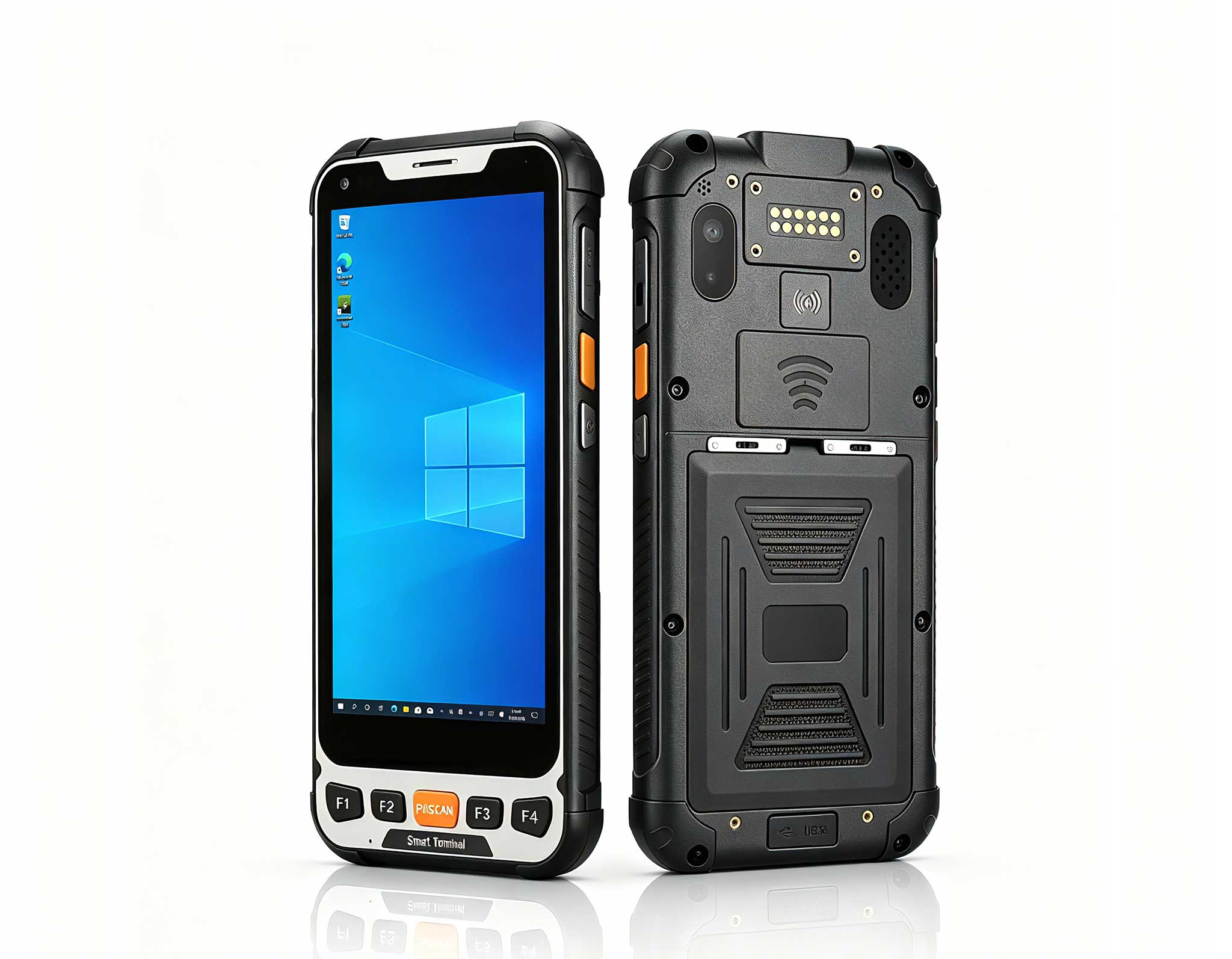
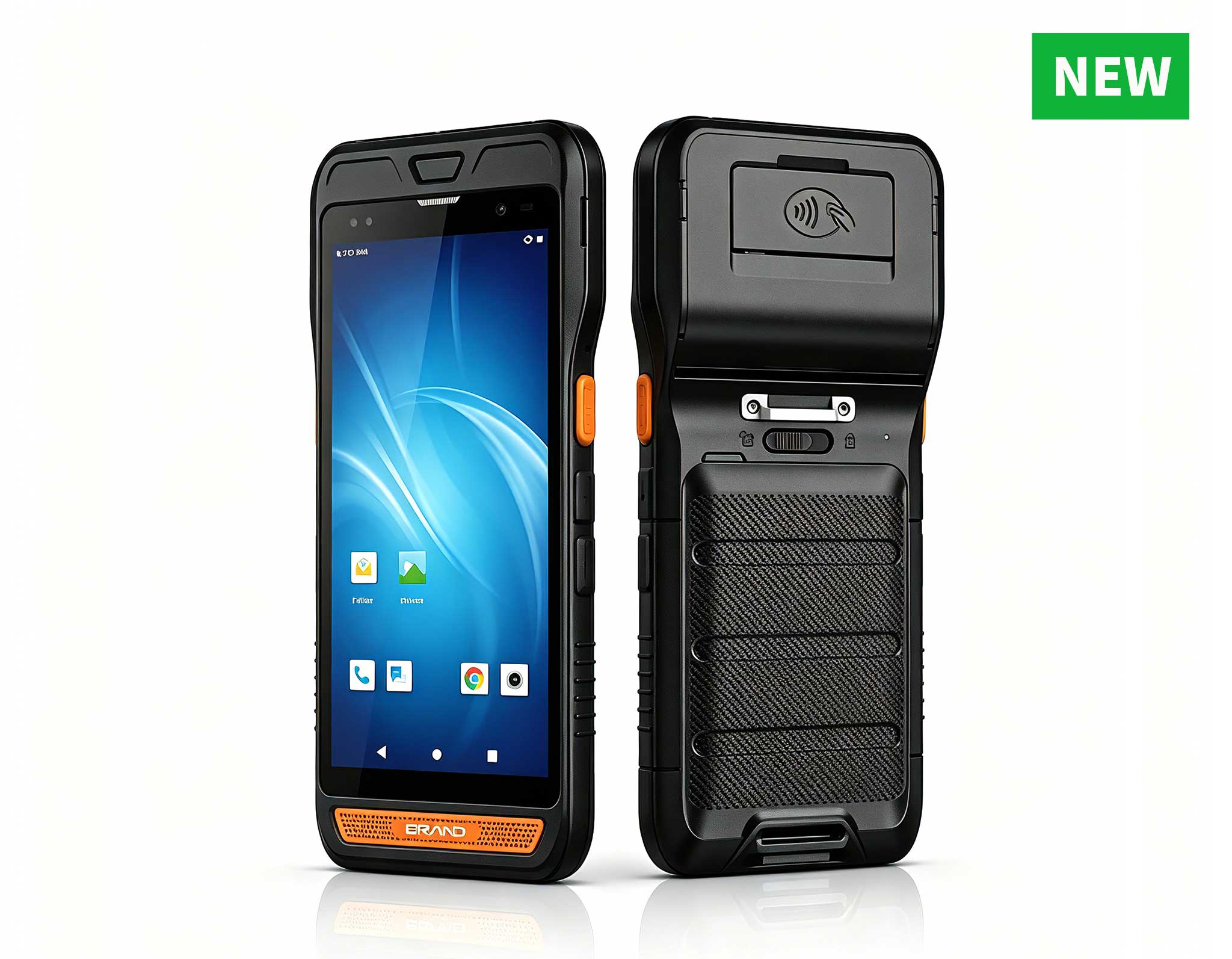
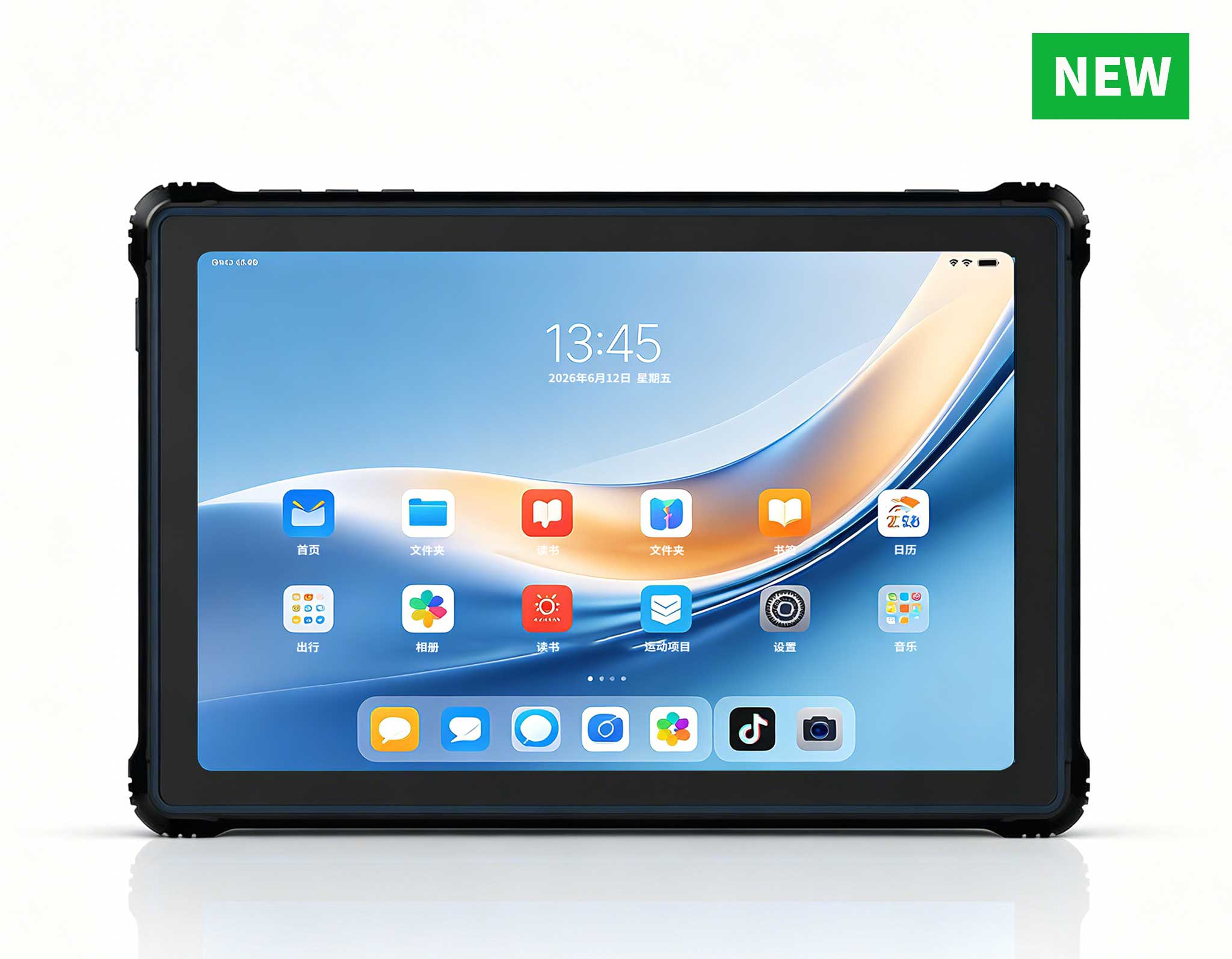
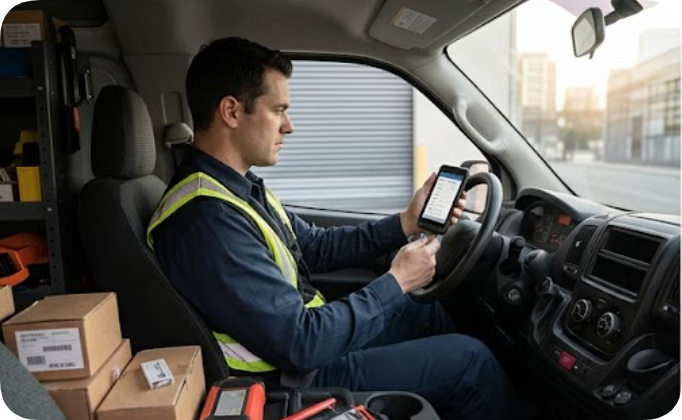
The case for splitting the loop begins with the ladder. An 11.6-inch, 1.2-kilogram tablet is a fine object on a workbench and an awkward one in one hand at the top of an extension ladder, which is where HVAC and elevator diagnostics actually happen; the ST9-M's 8-inch Windows slate takes the same desktop FSM client, the same legacy diagnostic agent and the same remote-desktop session into that hand, with a touch layer that accepts wet gloves and a stylus for the customer's signature. The SH5-W covers the segment between stops: a 350-gram, 5.5-inch Windows handset with 4G LTE and NFC that renders the dispatch app, scans the replacement part's barcode into the ticket and doubles as a terminal for remote desktop when the diagnosis outruns the tablet. Neither role needs an 11.6-inch panel; both need to survive a drop onto concrete, and both do.
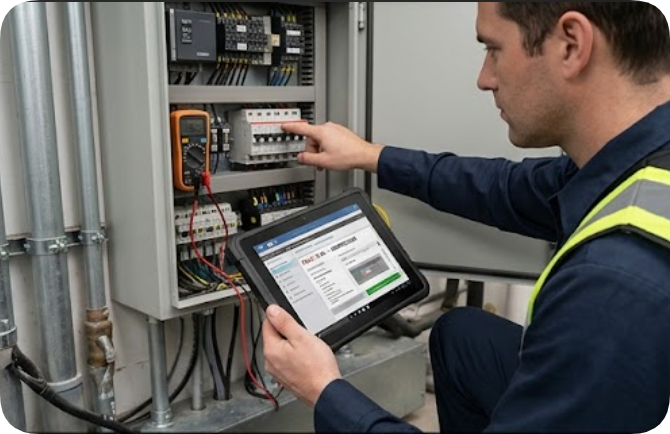
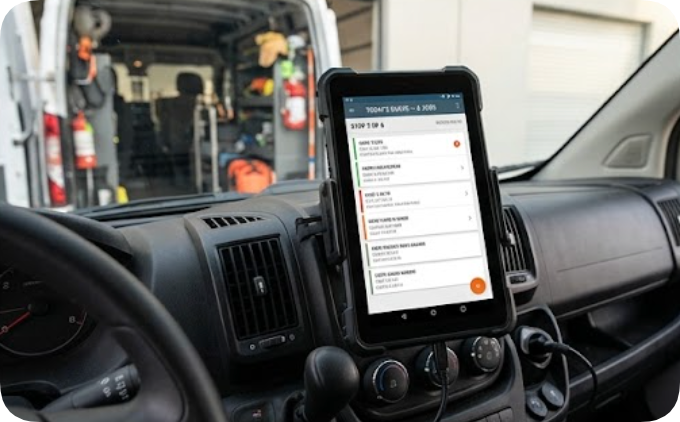
The loop's least glamorous node is where the ET45 and R11 both go silent: the vehicle. A work-order board bolted where the passenger seat used to be needs mains power from the van's electrical system, a portrait screen that mirrors the dispatch queue, and sealing against the dust that every van interior breeds — the HTNJ10B's IP67-rated 10-inch portrait panel exists for exactly this, its N6000 idling quietly through a full shift of queue duty, and the same unit moves indoors to a workshop wall when the day is done. Zebra answers with Workstation Connect, which turns a docked ET45 into a makeshift terminal but still runs Android APKs where the depot's parts database may demand a Win32 client; Durabook sells a desktop dock that turns the R11 into a small desktop, at the price of carrying the one device that must also climb ladders. Neither rival ships a device meant to live in the van, because neither vendor's single-device story has a slot for it.
The honest recommendation is shaped like the fleet. A one-van operation that wants maximum capability per device should buy the R11 and a good case. A team already managed inside Zebra's ecosystem should stay with the ET45. But a multi-van crew equipping three roles at once — pocket, hand and dashboard — finds that the three Hotus units cover the loop for roughly the price of one flagship rival, with no single point of failure that takes the whole day down. The rugged tablet series page lays out the full line, the enterprise collaboration hub explains how the units share sessions and screens, and the comparison archive keeps every cross-brand matchup on the record.