Hydrogen Electrolyzer Membrane Pinholes Are Leaking Green H2 – Your Leak Detector Needs An ATEX‑Rated Windows PDA
By HOTUS Technology | Deep-Dive Industry Report | Published May 2026
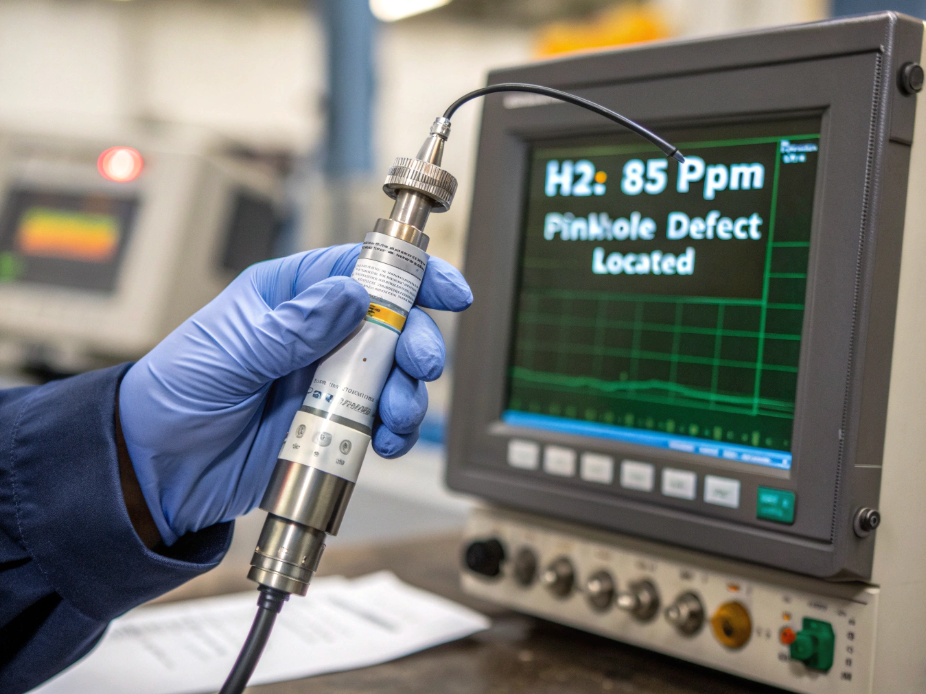
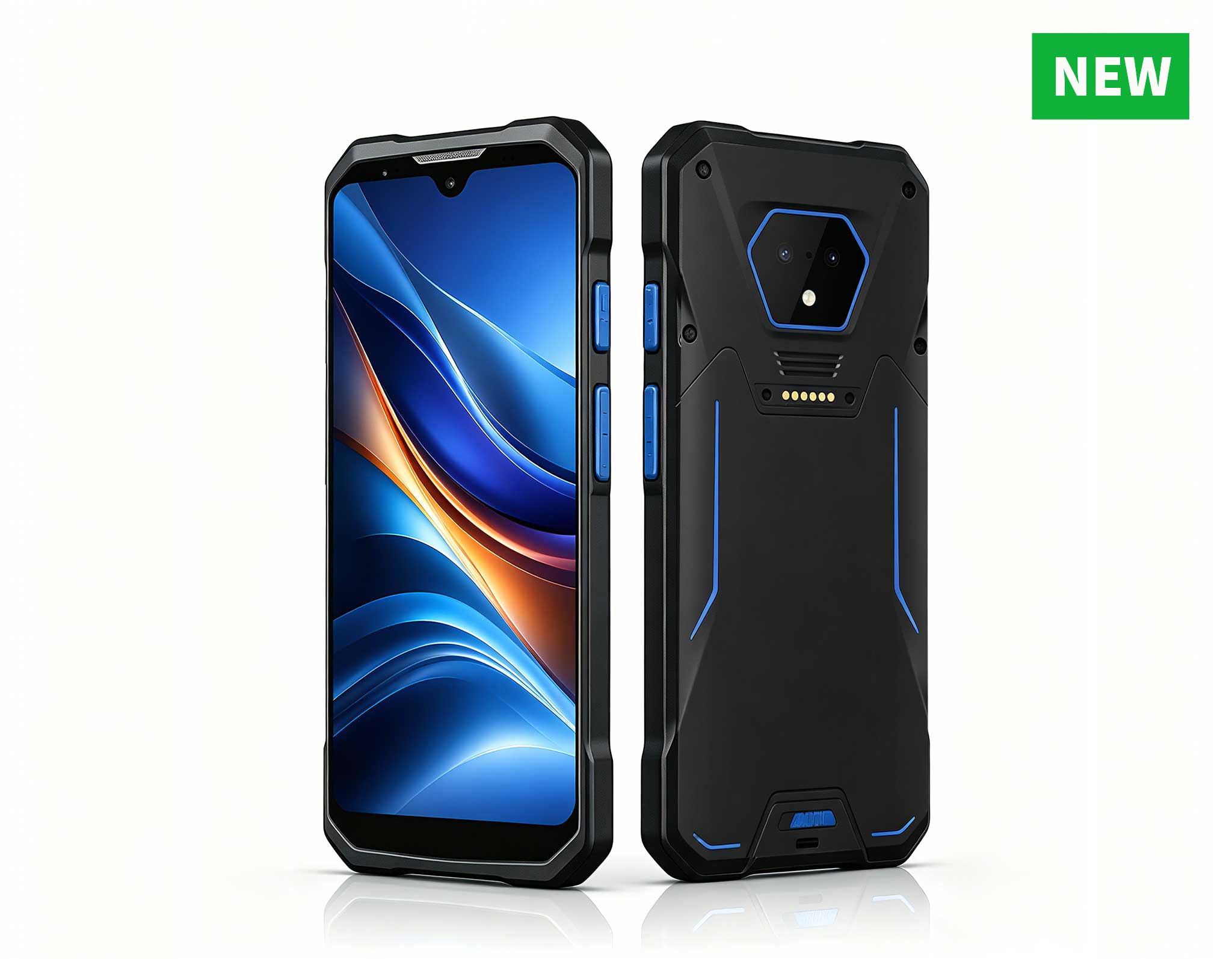
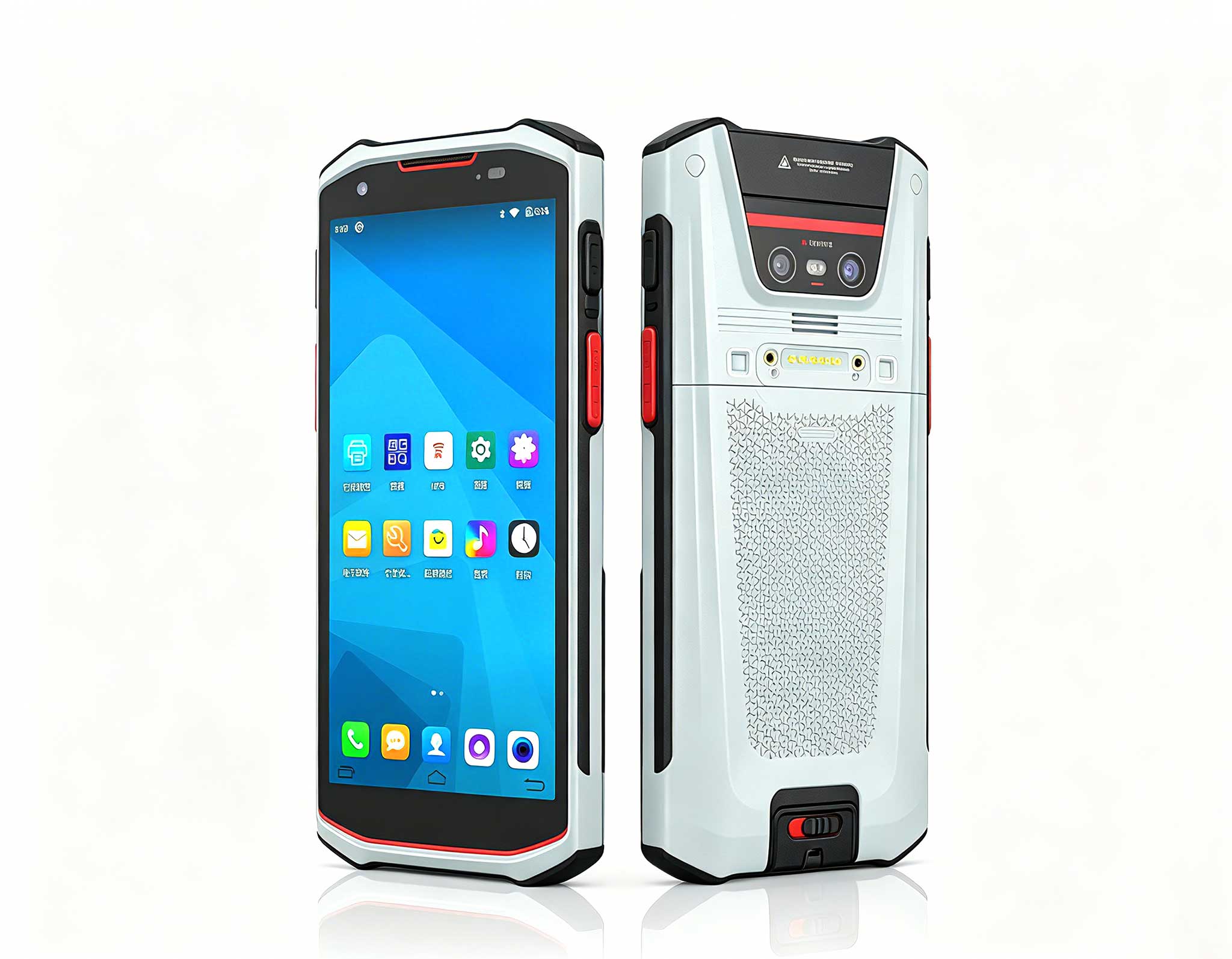
A field technician uses an ATEX‑rated HOTUS PDA with a hydrogen sniffer to locate pinhole leaks in a PEM electrolyzer stack.
"I’ve seen electrolyzer warranties voided because of undetected membrane pinholes that cause hydrogen cross‑over. The standard check is a pressure decay test and a paper log. That tells you there‘s a leak, not where. You need an ATEX‑rated Windows PDA connected to a hydrogen sniffer that can map ppm concentrations across each cell. A pinhole that costs $50 to repair can degrade a $10,000 stack. In green hydrogen, your leak detector is not a tool – it’s your profit protector."
The global transition toward deep decarbonization has turned green hydrogen production into an industrial race. As manufacturing facilities scale up to meet a projected installed capacity exceeding 50 GW by 2028, quality control frameworks are facing unprecedented pressure. At the center of this transition lies Proton Exchange Membrane (PEM) electrolysis. The entire chemical process depends on a micro-thin polymer membrane designed to conduct protons while maintaining an absolute physical barrier between highly volatile hydrogen and oxygen streams.
When manufacturing anomalies, mechanical stresses, or thermal fluctuations introduce a microscopic pinhole into this membrane, the consequences are immediate and compounding. A single micro-puncture allows gas cross-over to occur. Oxygen introduces contamination into the hydrogen output, or worse, hydrogen bleeds into the oxygen stream. This cross-over rapidly degrades overall stack efficiency, increases energy consumption, and creates localized hot spots that accelerate thermal degradation. Left undetected, a minor defect expands under operational pressures, forcing an unscheduled shutdown and requiring a full stack replacement that wipes out operational margins.
The Limits of Standard Factory Acceptance Testing
Traditional quality assurance relies heavily on standard pressure decay testing during factory acceptance. Technicians pressurize the assembled electrolyzer stack with inert gas and track pressure drops over a specific duration. While this mathematical approach confirms whether a leak path exists within the structural integrity of the system, it operates completely blind to geography. It proves that a leak is present, but fails to isolate which specific cell sheet contains the failure.
Consequently, field service teams and factory operators are forced into an inefficient cycle of trial-and-error. Technicians make unguided guesses, open the heavy structural stack housing, replace a random selection of cell segments, reassemble the hardware, and run the time-consuming decay test again. This manual approach is historically documented via handwritten paper logs, which record nothing more than a binary pass or fail. In large-scale industrial configurations containing hundreds of concentric cells, this primitive diagnostic loop can drain several days of valuable engineering time, stalling production lines and driving up labor costs.
Deploying ATEX-Certified Hardware for Point-of-Care Diagnostics
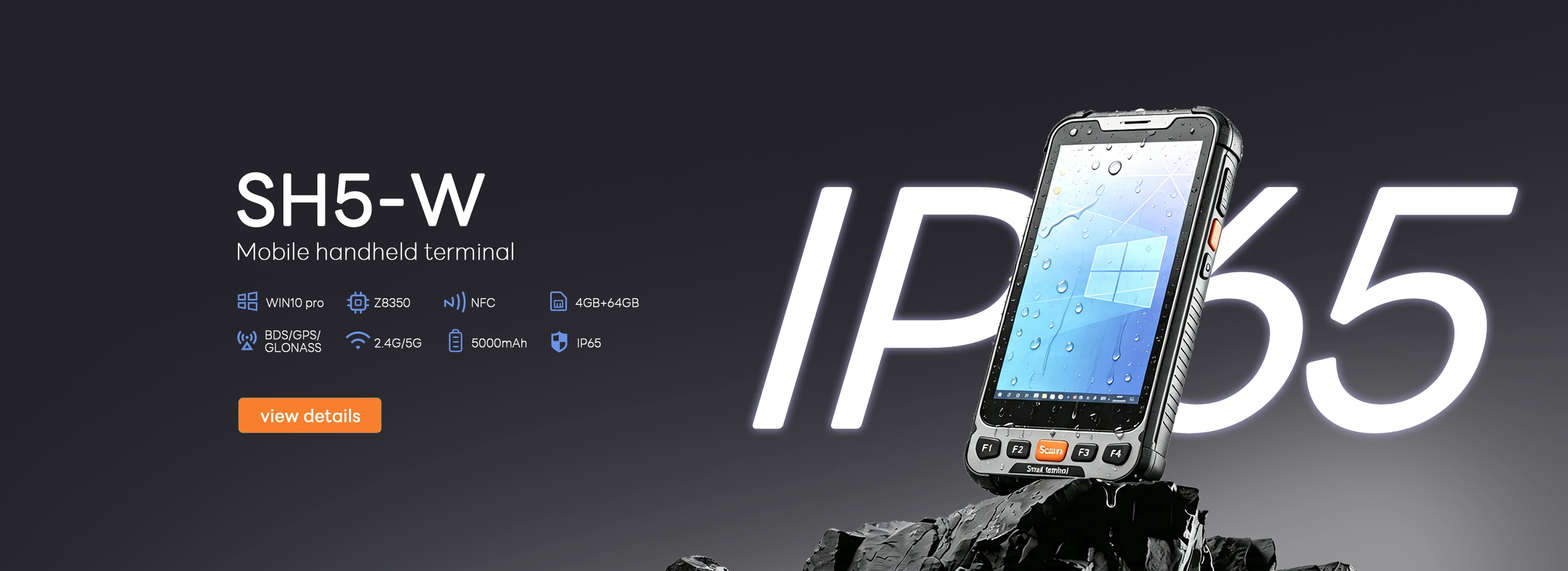
Eliminating diagnostic downtime requires bringing precise, digital measurement tools directly to the testing floor. Operators are deploying specialized Rugged Tablets and handheld terminals equipped for hazardous environments. The Hotus SH5‑W Windows rugged handheld features intrinsic safety engineering with an ATEX Zone 2 certification, allowing technicians to safely use the computing device in close proximity to potential gas release points.
By interfacing the SH5-W with a high-sensitivity hydrogen sniffer probe via a secure industrial connection, the inspection process becomes targeted and data-driven. Technicians isolate individual gas discharge ports while the internal channels are pressurized with a trace or carrier gas. As the sniffer tip passes each individual seal border and outlet port, the terminal records real-time concentration metrics.
Real-Time Data Capture Capabilities:
-
Dynamic Concentration Mapping: Generates a continuous spatial profile of parts-per-million (ppm) values directly across the physical stack architecture.
-
Automated Threshold Detection: Triggers instant software alerts the moment a localized reading breaches a strict 10 ppm limit, isolating structural defects early.
-
Coordinate-Specific Data Entry: Locks the exact geometric cell location and position data into the digital record, removing tracking errors.
-
Automated Inspection Reports: Compiles standardized, color-coded diagnostic documentation instantly for quality control review.
Transitioning from unguided diagnostic procedures to data-driven inspections condenses a complex troubleshooting cycle from 48 hours down to a rapid, two-hour scan for a standard 100-cell stack array. This digital framework provides manufacturers with verifiable, tamper-proof quality validation files, shielding them from unjust warranty claims by documenting exactly which components met engineering specs before shipment.
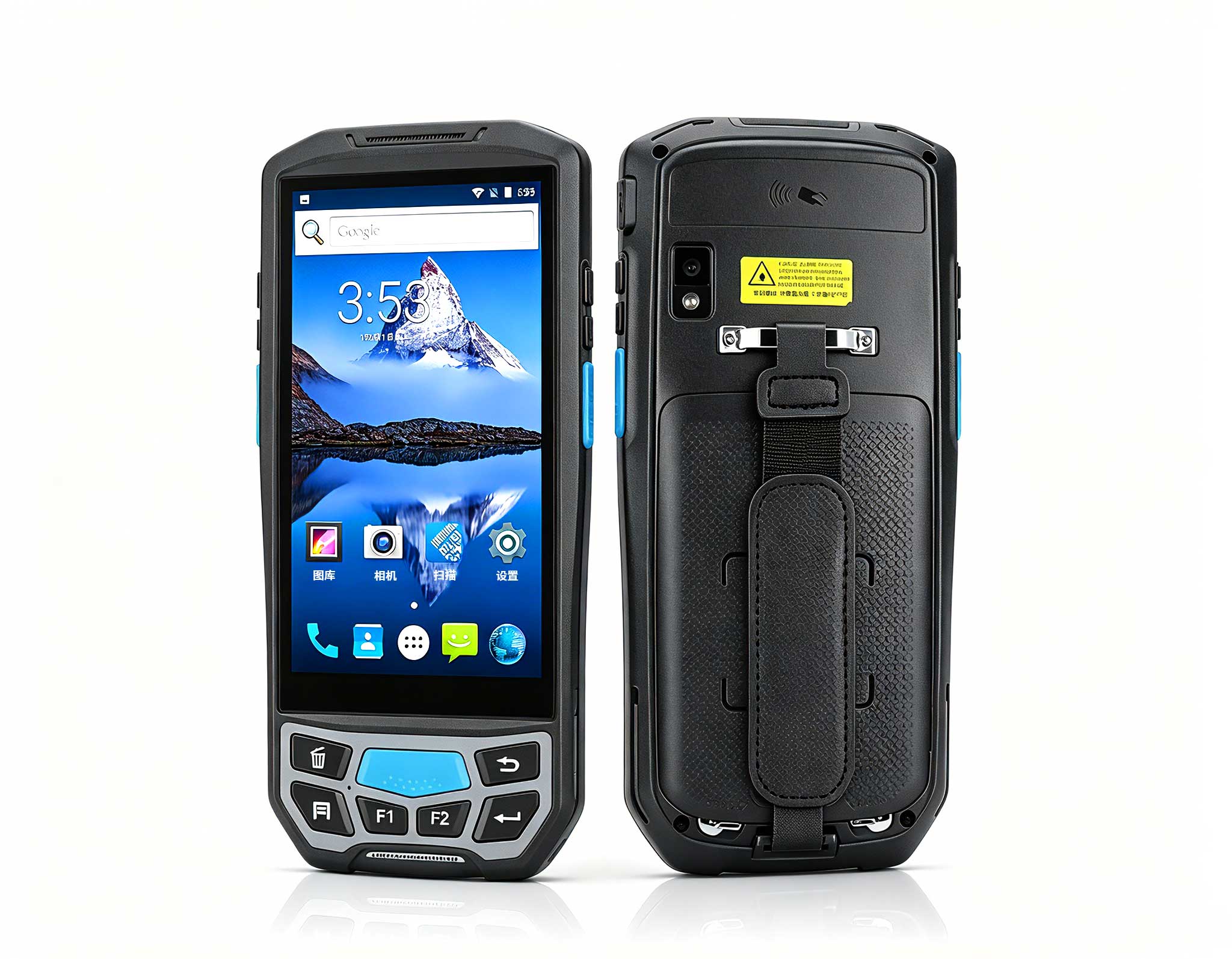
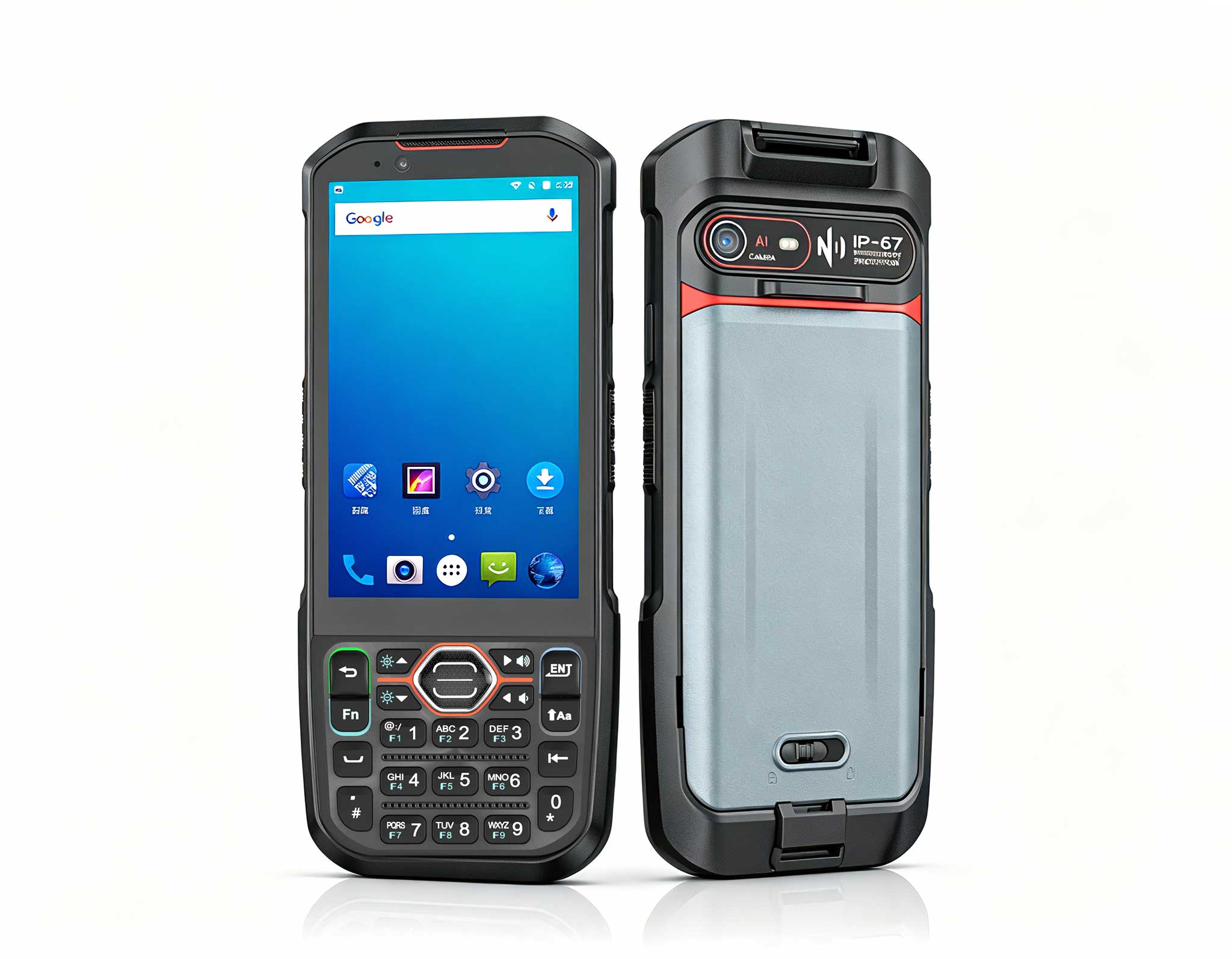
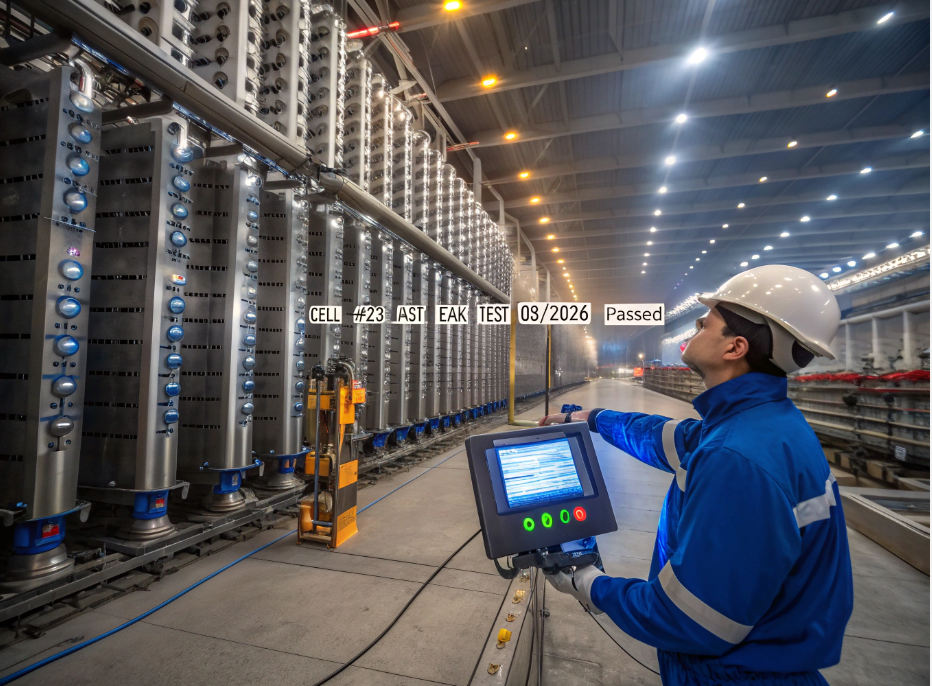
The U9000 PDA scans the RFID tag on a membrane cell, pulling up its leak history and repair record.
End-to-End Traceability and Asset Lifecycle Integration
Locating a leak path solves the immediate mechanical issue, but preventing future field failures requires comprehensive lifecycle traceability. By utilizing the data collection capabilities of the Hotus U9000 Handheld PDA, production teams can link digital leak maps directly to physical hardware components. This handheld asset terminal uses integrated high-frequency RFID and barcode tracking components to instantly scan embedded markers placed on individual cell frames.
This automated link matches every diagnostic data point with the exact manufacturing batch record, material thickness, roll number, and installation date of the corresponding polymer layer. When field hardware performance shifts or suffers unexpected degradation out in the field, engineering teams can instantly query the cloud registry to isolate recurring historical anomalies across specific production lots. This shifts quality control from a reactive repair routine to proactive risk management.
Measurable Industrial Performance and Bottom-Line Savings
The operational value of transitioning away from manual record-keeping is demonstrated by a prominent 5 GW per year electrolyzer gigafactory. To optimize their end-of-line quality verification, the facility deployed an integrated inspection fleet consisting of 30 SH5-W diagnostic kits along with 40 U9000 traceability units to manage their cell-stack assembly tracking.
Over the initial six months of operation, the facility reduced its average stack diagnostic and testing cycle times by 60%. More importantly, the system identified an underlying batch defect in raw membrane material, showing a high concentration of pinhole failures isolated to a specific supplier lot. Capturing this defect before final system integration allowed the operations team to execute an immediate material hold, preventing defective hardware from shipping to field sites. This single quality intervention saved the enterprise an estimated $4 million in avoided field repairs, warranty claims, and onsite logistics costs.
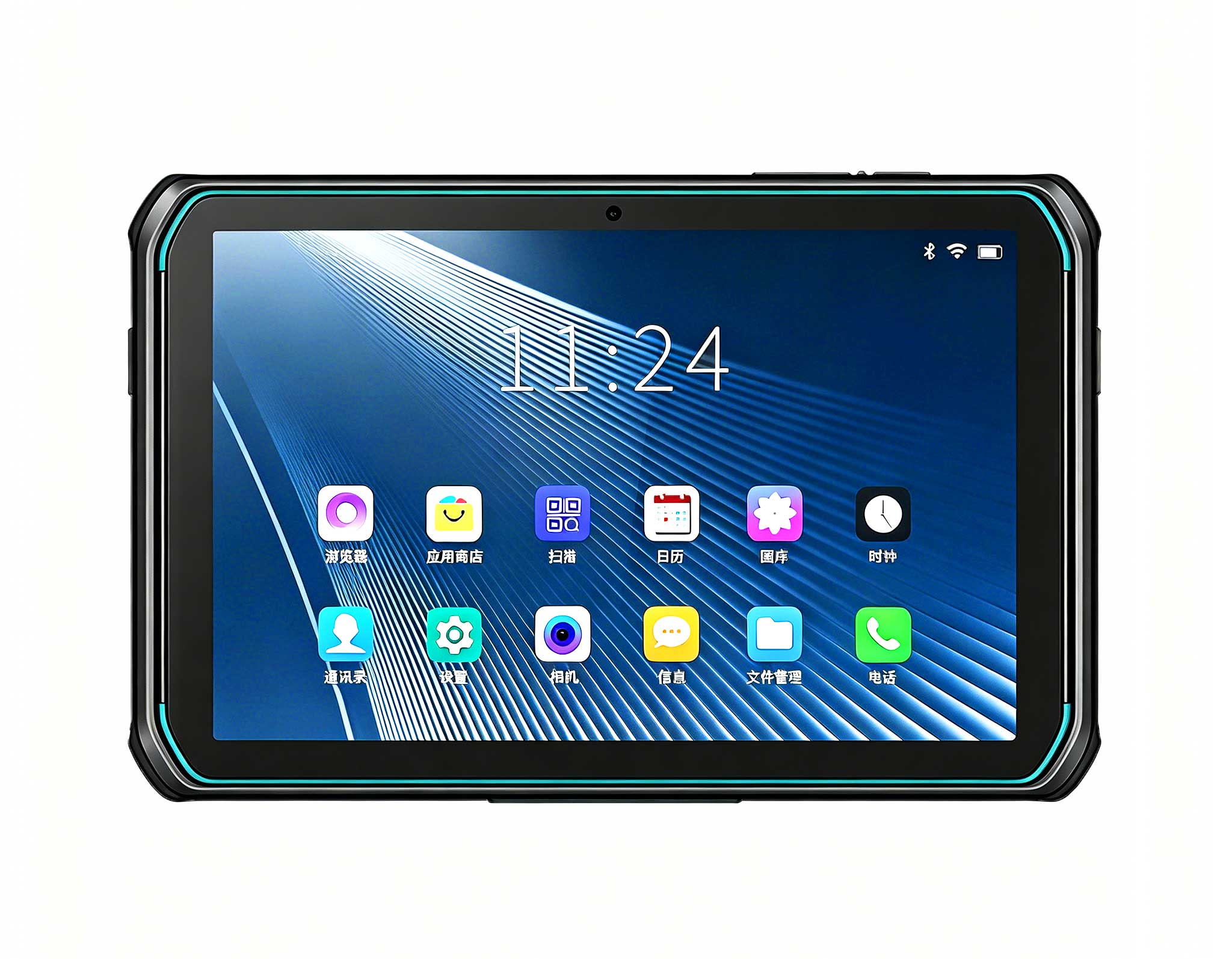
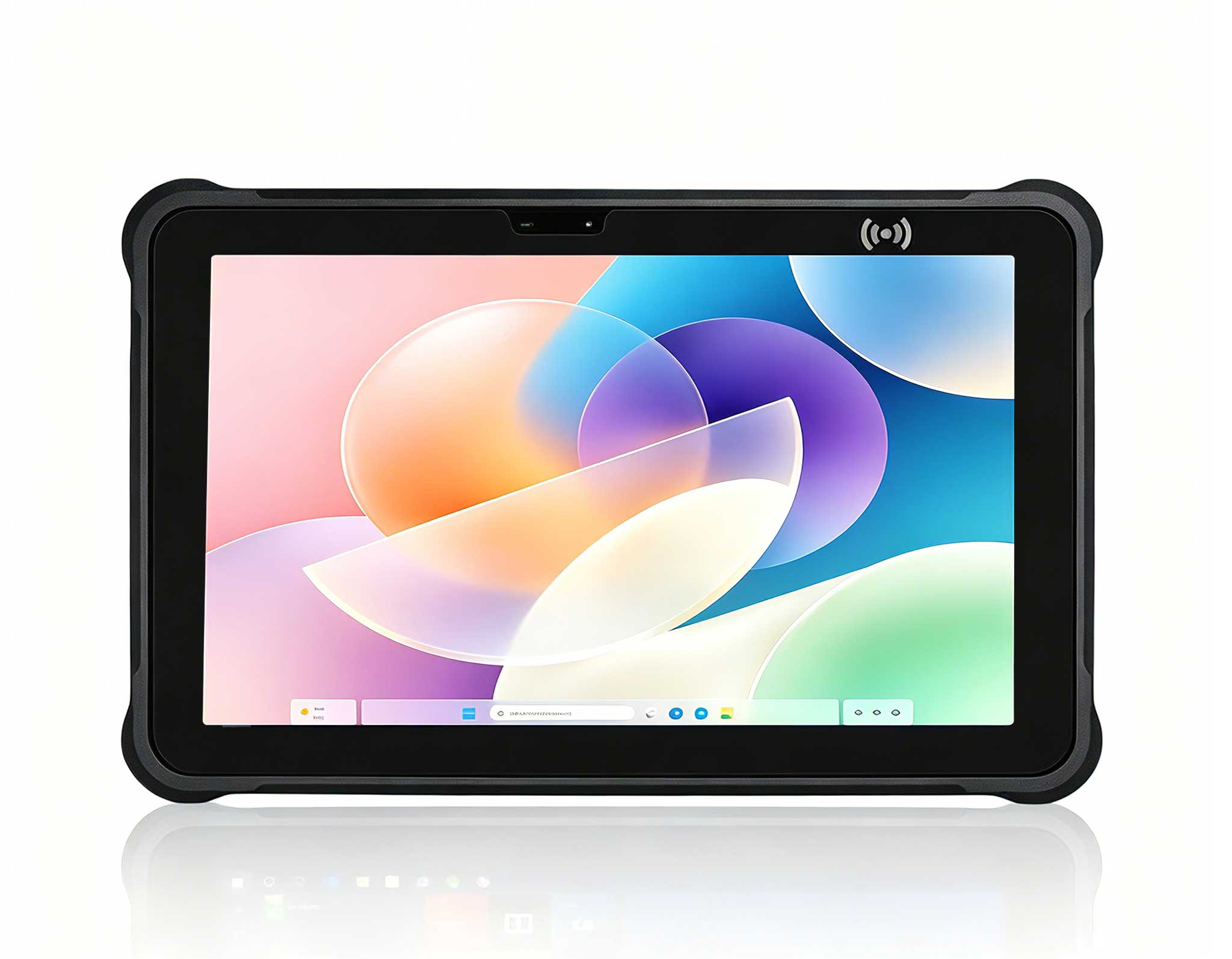
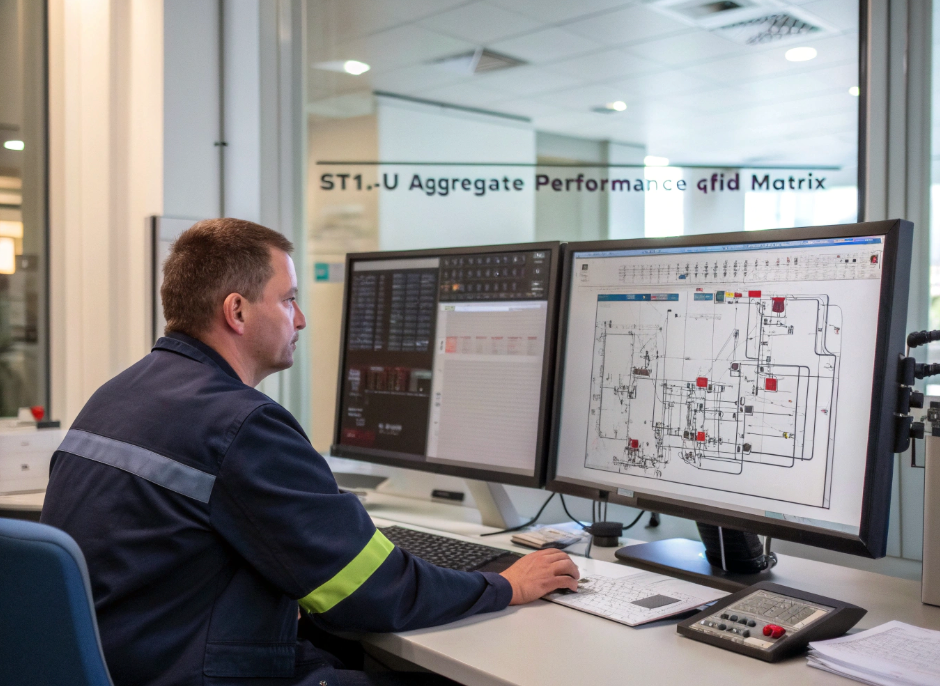
The ST11‑U dashboard displays a color‑coded heatmap of hydrogen concentration across the stack – one cell highlighted in red for immediate repair.
While a legacy pressure decay check confirms whether a system is compromised, it leaves field engineers searching for answers in a complex assembly. Merging high-sensitivity sniffing technology with rugged, ATEX-compliant mobile terminals removes the guesswork, transforming raw data into clear, actionable visual insights. Deploying industrial platforms like the SH5-W and U9000 gives hydrogen manufacturers the precise, cell-level traceability required to protect their capital investments and verify equipment performance.
Upgrade Your Electrolyzer Quality Control Stack
Don’t let hidden membrane micro-leaks undermine your production yields or field reliability. Reach out to our technical team today to request system documentation, arrange hardware evaluation units, or explore seamless integration strategies for your custom QA software.
Contact HOTUS Technology Experts