Offshore Wind Blade Lightning Strike Damage Is Under‑Reported – Your NDT Log Needs A High‑Resolution Windows Tablet
By HOTUS Technology | Technical Industry Whitepaper | Published May 2026
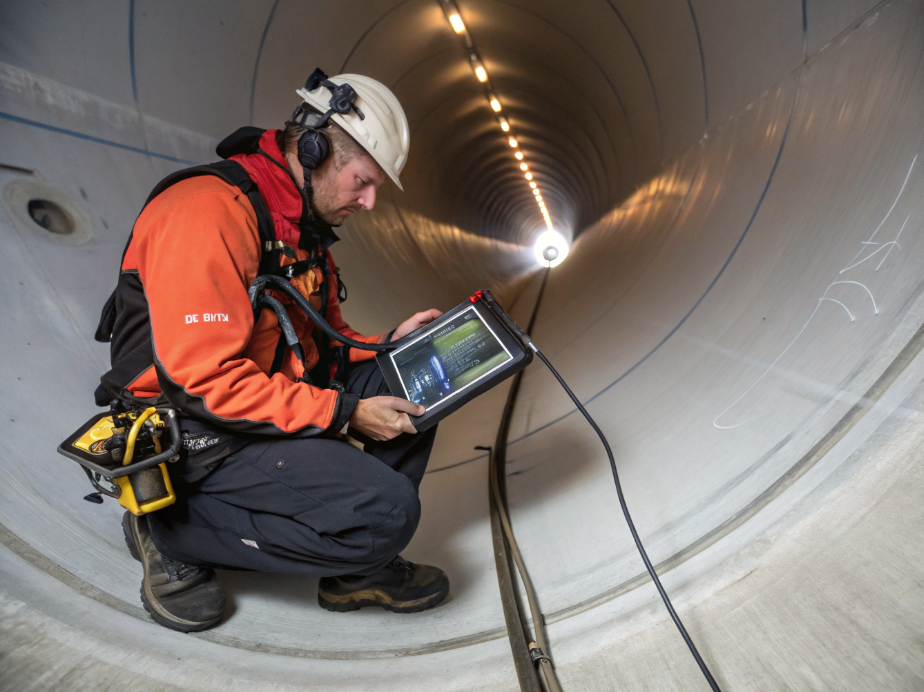
An NDT technician uses a HOTUS high‑resolution tablet with a borescope to inspect lightning strike damage inside a wind turbine blade.
"Every offshore wind farm gets lightning strikes, but most blade damage goes unrecorded beyond a paper note. A small crack from a strike can grow into a blade failure costing $500,000. The industry’s solution is a visual inspection and a paper log. You need a high‑resolution Windows tablet with a borescope camera, recording delamination length and location, and trending damage growth over time. In offshore wind, a lightning strike isn‘t bad luck – it’s a maintenance signal. Your tablet is the interpreter."
Offshore wind infrastructure operates in some of the most punishing environments on Earth. As project developers deploy massive megawatt-class platforms further out to sea, these towering structures become prime targets for repeated high-voltage atmospheric discharges. When lightning strikes a rotating aerodynamic surface, the built-in protection pathways are designed to safely ground the electrical surge. However, the extreme thermal expansion and shockwaves generated by these strikes frequently cause serious internal structural damage.
This impact shows up as subsurface delamination of composite glass-reinforced plastic layers, micro-cracking along the high-tensile carbon fiber spar caps, or localized burning of structural adhesive channels. Because these composite materials are flexible, a microscopic blemish might not show up on the outer shell right away. Left unaddressed under intense operational loads, these sub-surface anomalies expand with every rotation. A single unmapped micro-fracture can eventually lead to catastrophic component failure, resulting in massive repair expenses, specialized vessel charter costs, and weeks of lost power generation.
The Limits of Traditional Visual and Paper Inspections
Current operations and maintenance routines often rely on subjective field assessments. After an automated system flags a lightning event, rope access technicians or blade inspection crews climb up into the tight internal root structures or rappel down the exterior shell. Armed with standard flashlights, they perform a basic visual check, writing down vague summaries like "no visible defects" on traditional paper field forms.
This approach fails to capture complex component degradation. Fine internal layer separations and hairline fatigue fractures remain completely invisible to the naked eye under basic site lighting. Furthermore, isolated paper logs are rarely cross-referenced across successive service cycles. Without a centralized, digital history, field supervisors cannot track subtle changes over time. By the time a crack finally breaks through the outer protective gelcoat, the underlying composite structure is already severely compromised.
Transforming Non-Destructive Testing with Advanced Mobility
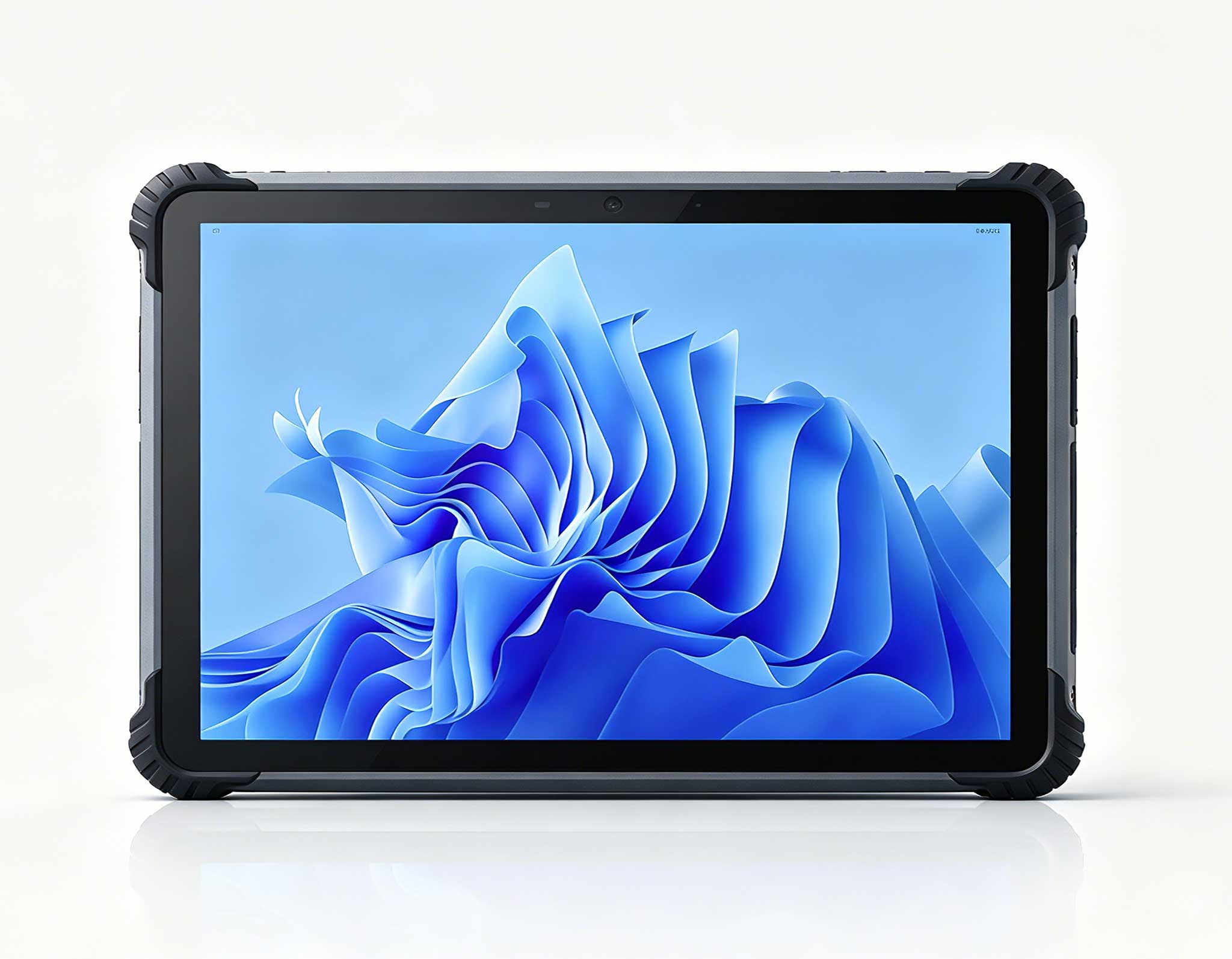
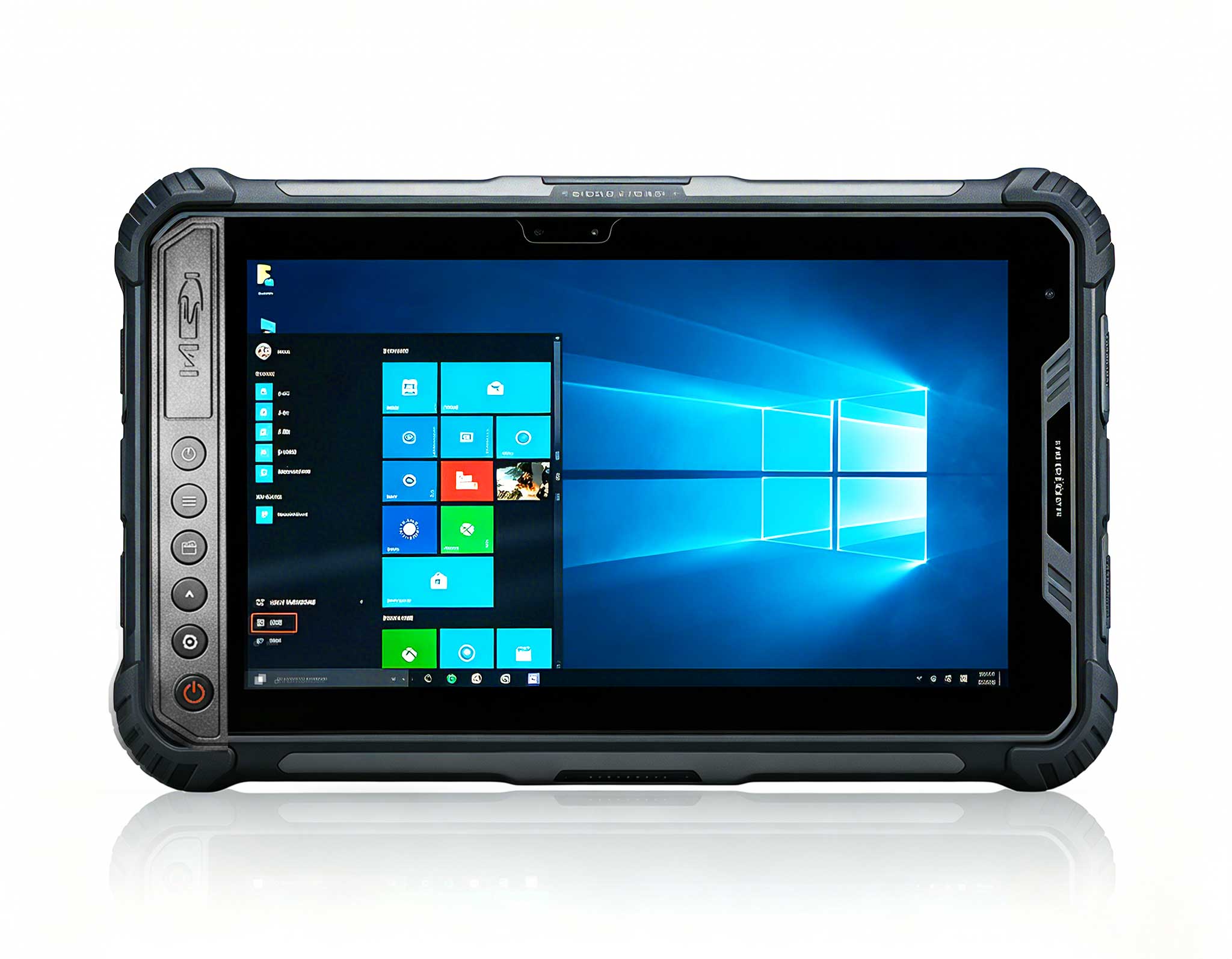
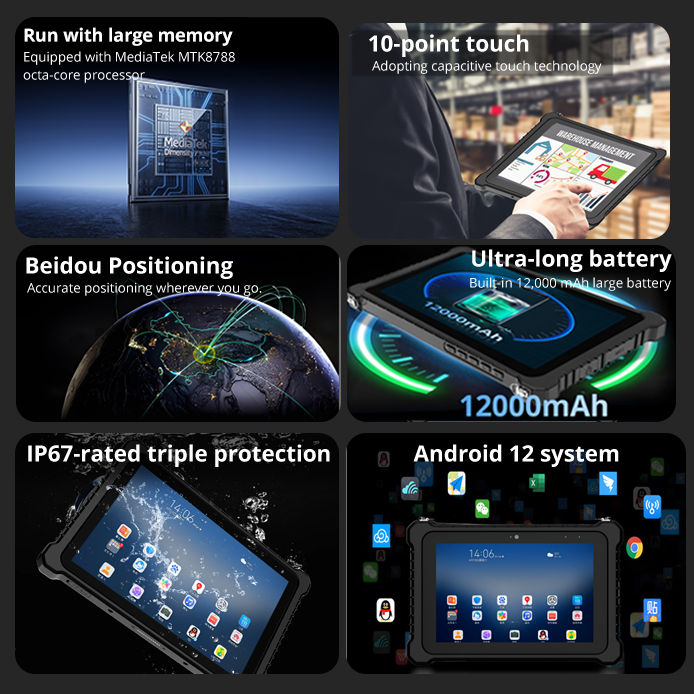
To protect these high-value marine assets, asset managers are replacing paper checklists with high-performance Rugged Tablets built for challenging field conditions. The Hotus ST11‑J 10.1″ Windows rugged tablet is engineered specifically for these demanding environments. Featuring a 1000-nit high-bright screen, it ensures clear visibility whether working on an open, sunlit nacelle platform or inside the dark, confined interior channels of a hollow composite blade.
By connecting specialized, high-resolution digital borescope probes directly to the ST11-J, service technicians can perform detailed internal inspections of critical components. The handheld terminal processes high-definition video feeds, allowing operators to spot structural issues that traditional methods miss.
Integrated Field Inspection Toolkit:
-
High-Definition Visual Capture: Records crisp video and high-resolution still images of deep internal cavity walls for accurate analysis.
-
Precision Software Calipers: Allows on-screen measurement of internal defects to track exact millimeter dimensions.
-
Geospatial and Component Tagging: Auto-logs location details, mapping data to the precise tower number, blade position, and centimeter mark.
-
Cloud-Connected Asset Logs: Uploads timestamped inspection files directly to an offshore database for immediate engineering review.
During subsequent inspection intervals, technicians can pull up past structural logs directly on the device, overlaying new imagery to check for micro-crack expansion. If software calculations show a delamination zone has expanded by more than 20% over a 12-month period, the system flags it automatically. This allows maintenance teams to schedule targeted structural reinforcement during routine weather windows, avoiding emergency repairs during peak wind production months.
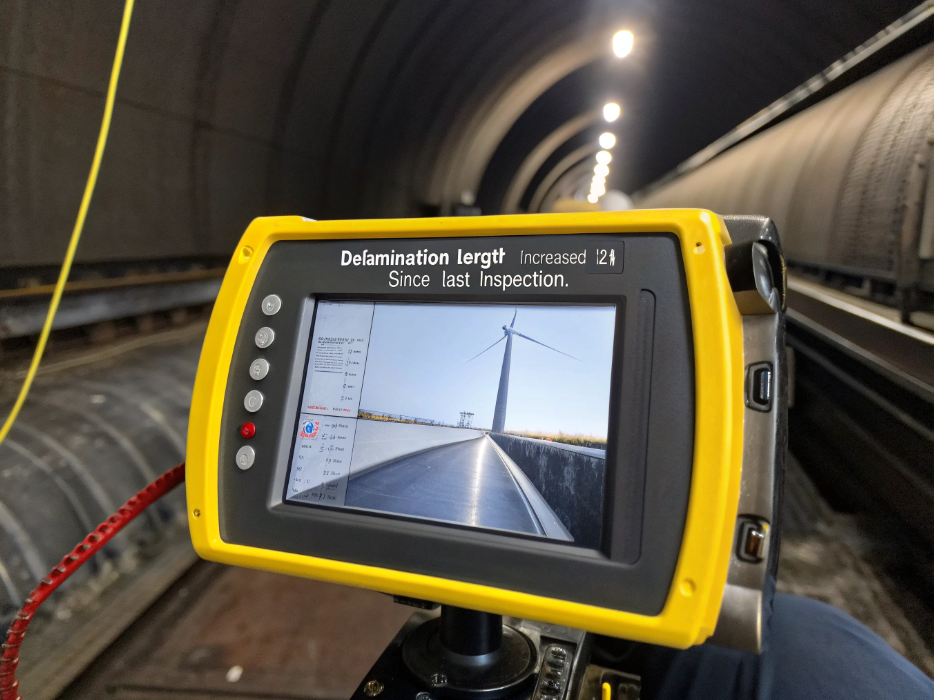
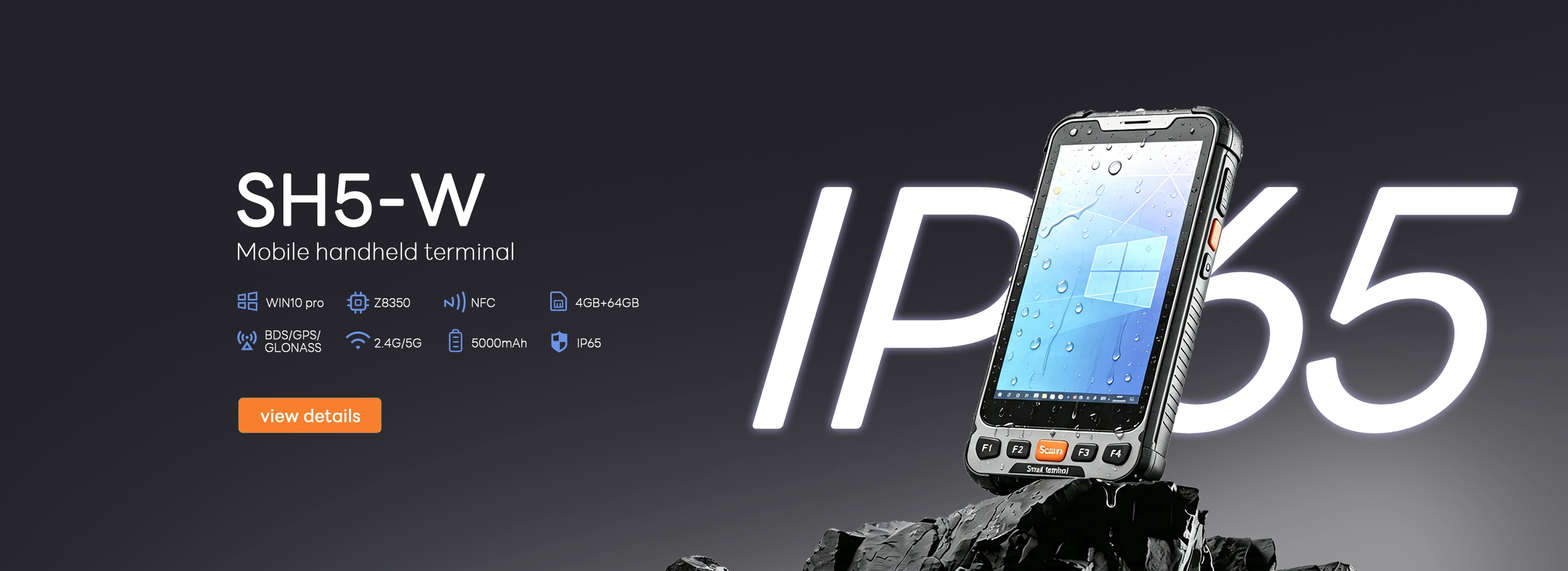
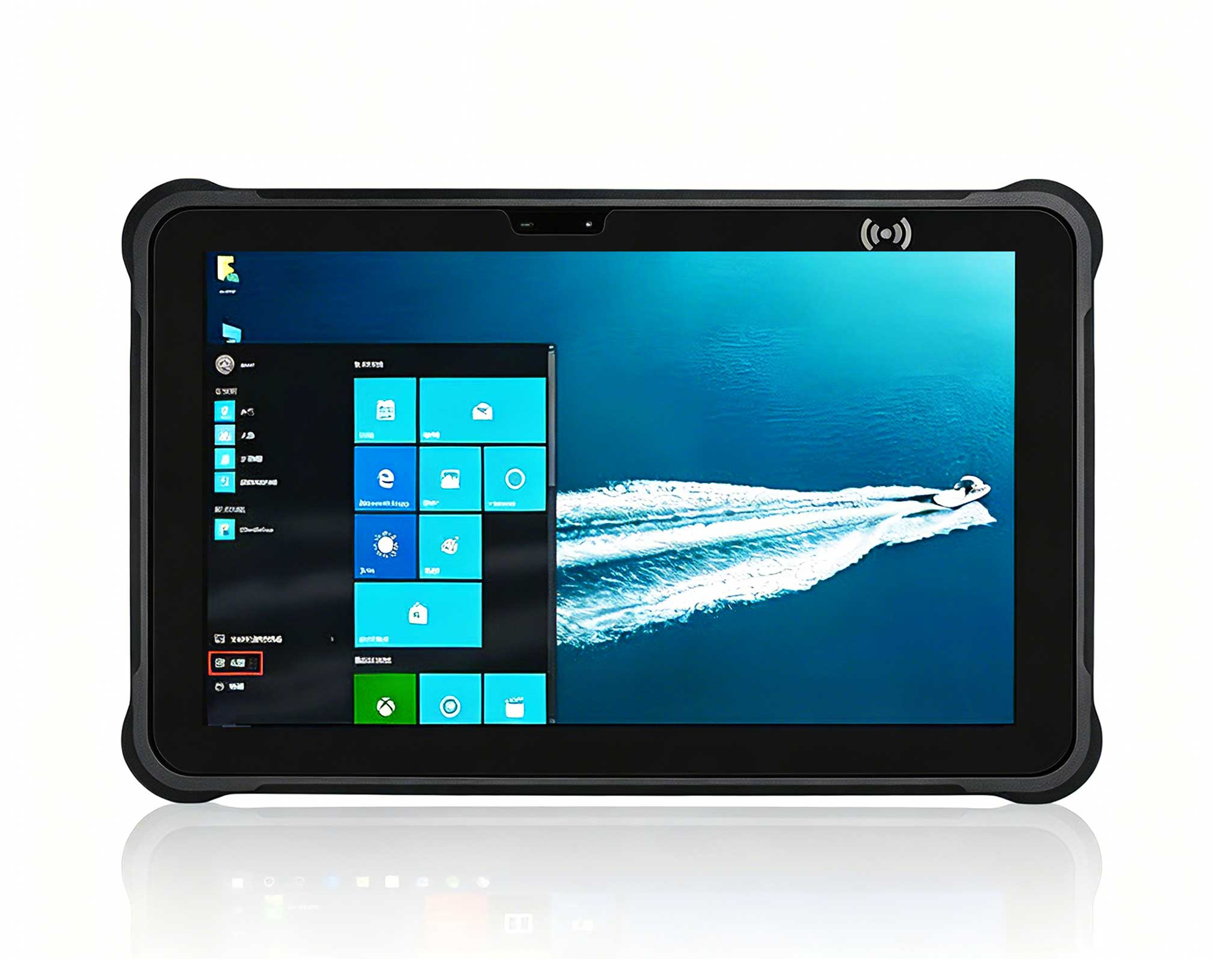
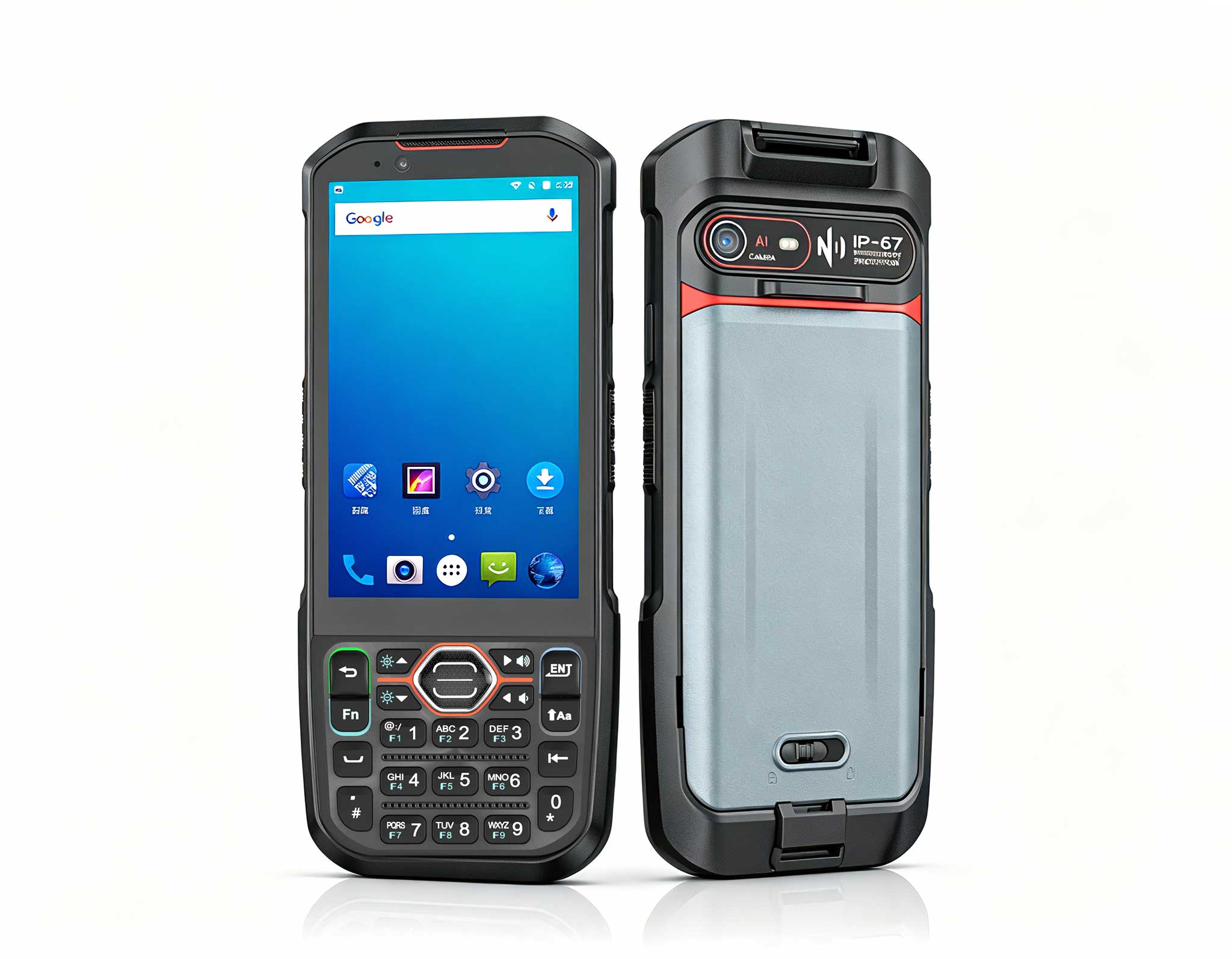
The SH5‑W tablet displays a borescope image with a red line measuring a 15‑cm delamination – flagged for repair.
Fleet-Wide Fleet Visibility and Operations Engineering
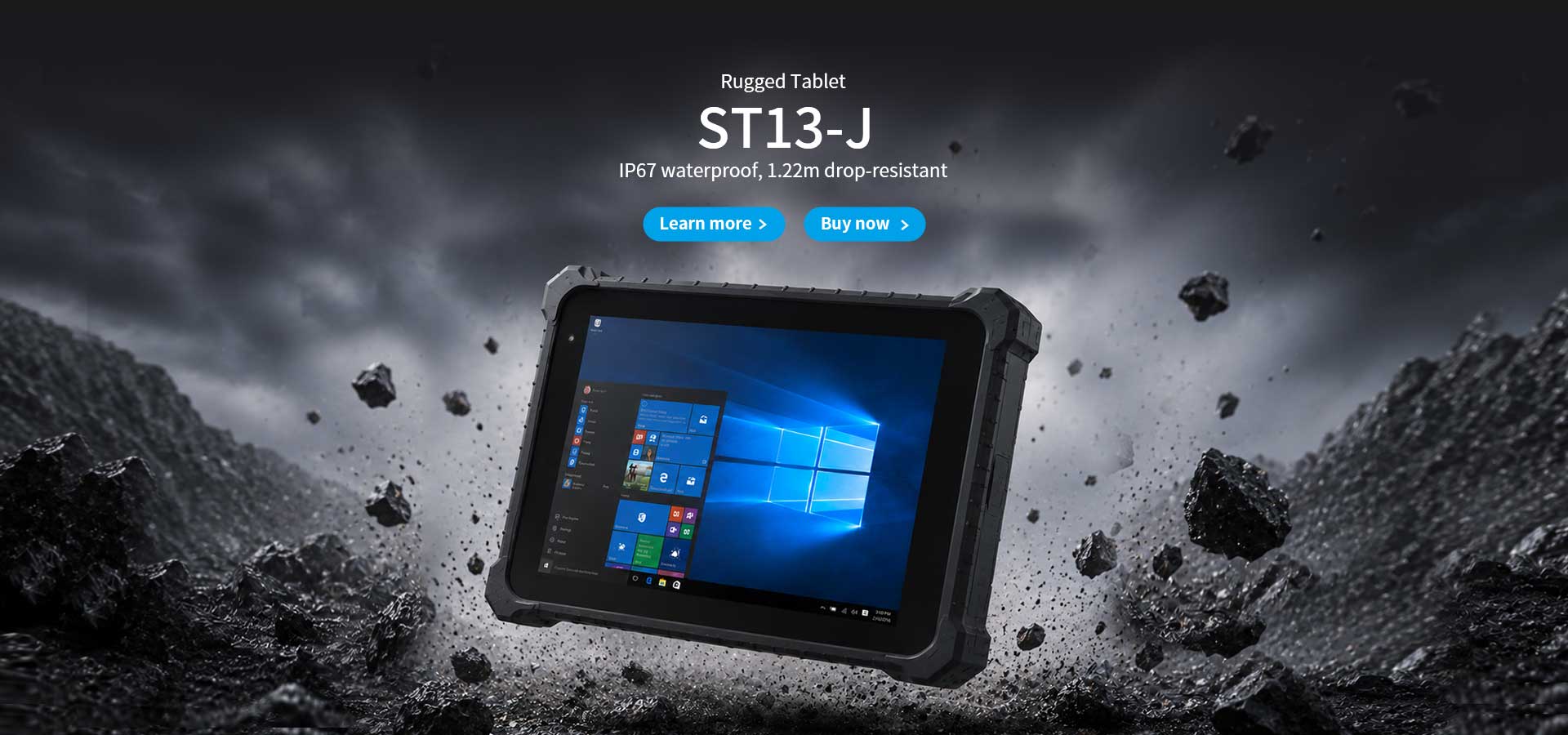
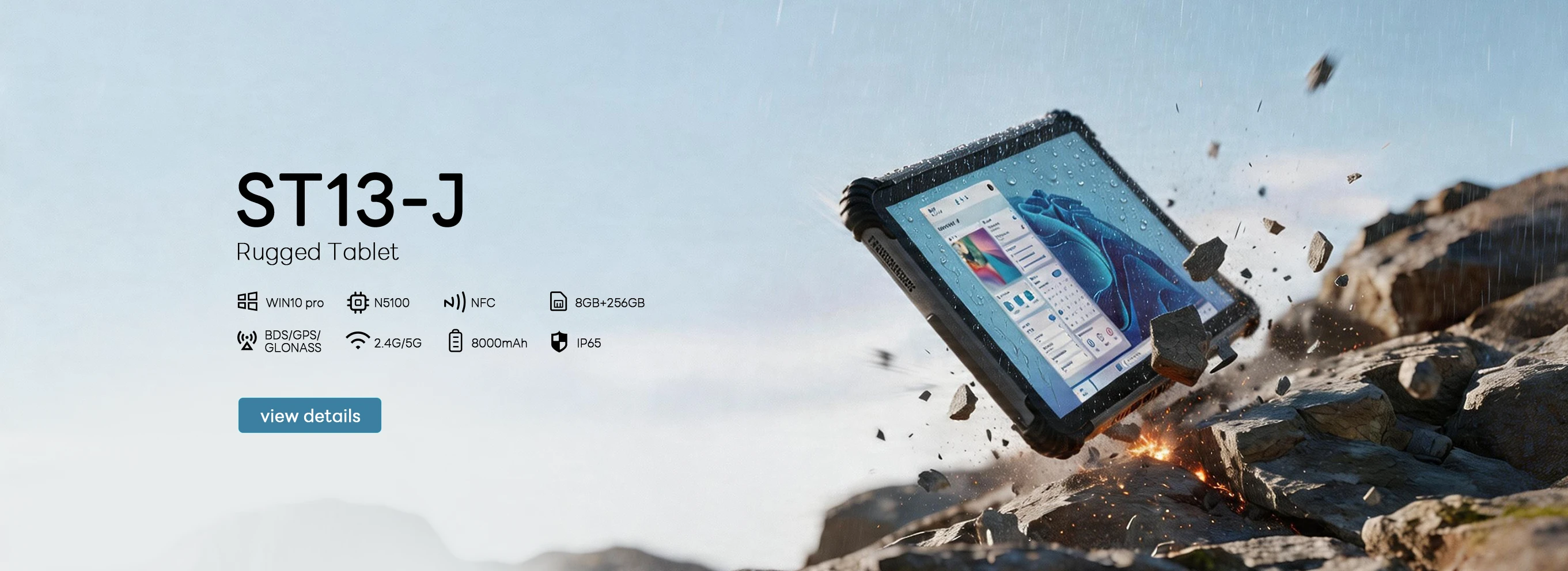
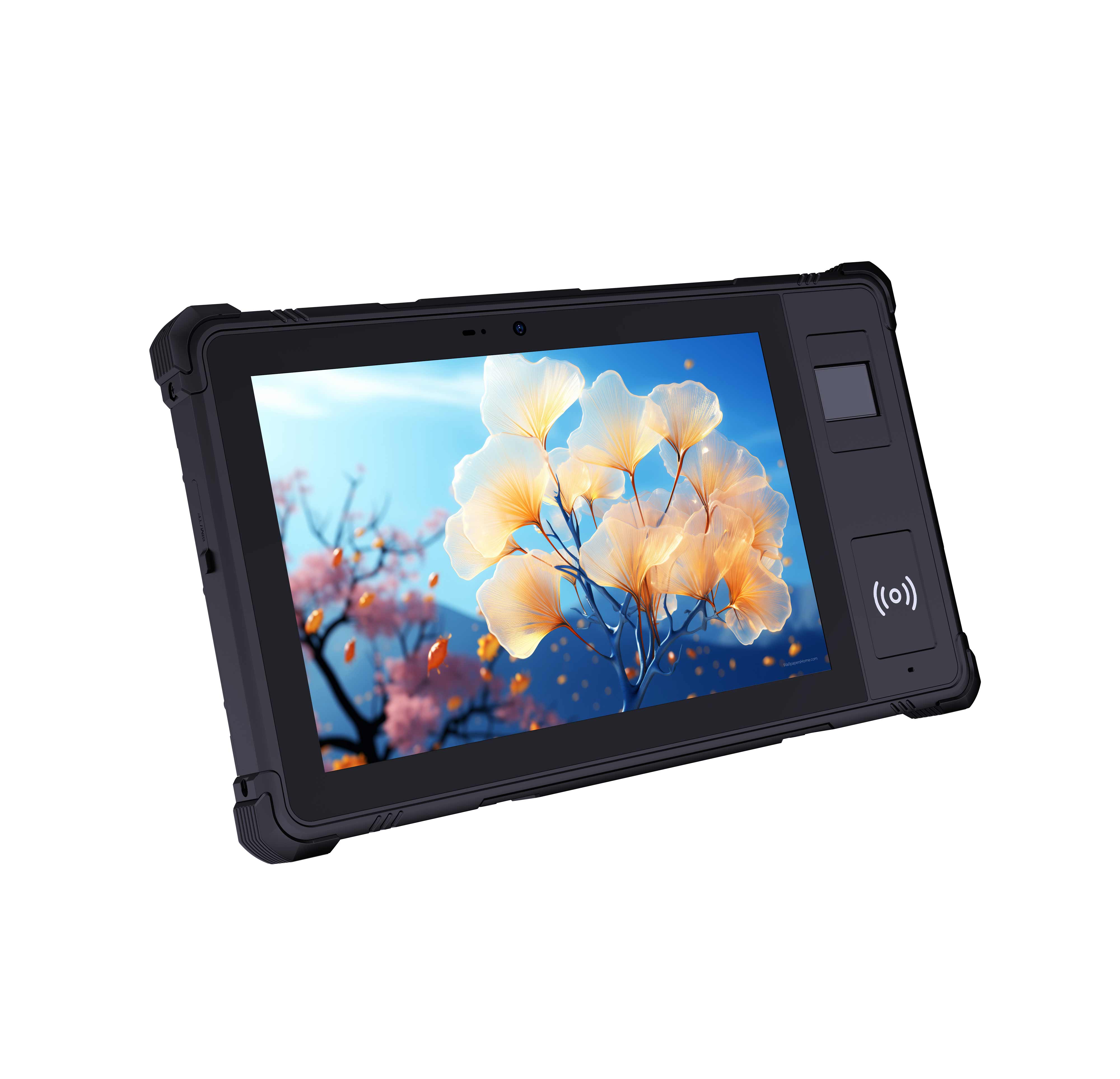
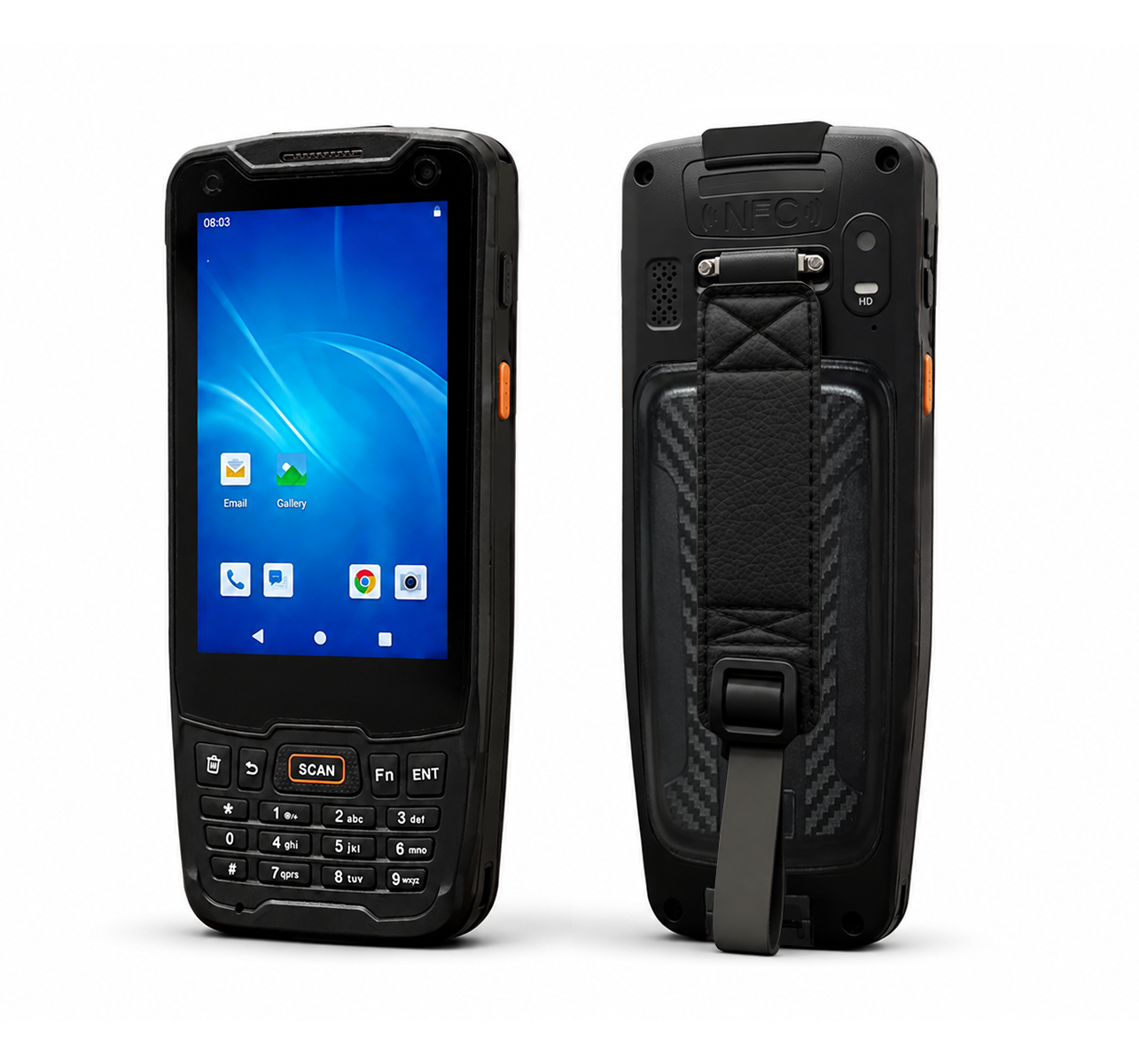
When scaling these inspections across entire wind farms, data needs to move quickly from the field to the engineering office. While technicians use the ST11-J or the compact Hotus SH5‑W Windows rugged handheld inside the turbines, onshore engineering teams utilize larger visualization platforms. The Hotus ST13‑J 13.3″ Windows rugged tablet serves as an interactive terminal for fleet managers.
The ST13-J runs central asset management software that maps the entire offshore installation. Turbines are color-coded based on real-time component health and structural changes over time. If a specific blade shows accelerating crack growth, the system highlights it for priority service, ensuring maintenance vessels are sent where they are needed most.
Proven Marine Performance and Financial Validation
The economic benefit of switching to digital inspection logs is highlighted by an offshore wind farm operator managing a 50-turbine array. To improve their preventative maintenance program, the company equipped their service teams with 25 ST11-J borescope kits, 20 SH5-W data terminals, and 15 ST13-J engineering tablets.
During the initial 12 months of deployment, the automated tracking ecosystem identified 12 individual blades with internal delamination caused by undocumented lightning strikes. Catching these defects early allowed the operator to plan minor structural repairs during routine maintenance visits, preventing a major structural failure that would have cost over $2 million in emergency parts, specialized crane vessels, and downtime. Additionally, the clear, timestamped digital logs provided the legal proof needed to successfully secure warranty compensation from the component manufacturer.
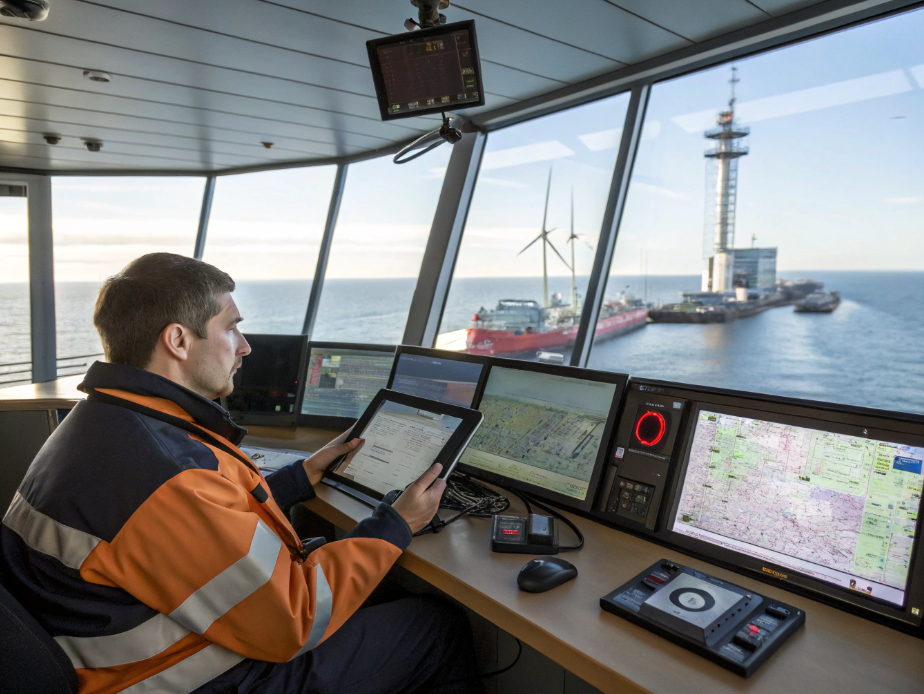
The ST13‑J dashboard displays a wind turbine map with blade damage status – a red marker on blade 2 of turbine 7.
Lightning strikes are an unavoidable reality for offshore wind installations, but expensive blade failures don't have to be. Traditional paper records simply cannot track the subtle, sub-surface composite separation that precedes structural degradation. Combining precision borescopes with high-resolution Windows tablets transforms field data into clear, actionable maintenance insights. Utilizing advanced industrial platforms like the ST11-J, SH5-W, and ST13-J gives operators the predictive tools needed to catch flaws early, extend asset lifespans, and safeguard renewable energy investments.
Optimize Your Wind Asset Maintenance Strategy
Protect your offshore fleet from hidden composite fatigue and structural degradation. Contact our application engineering team today to review technical requirements, request ST11-J evaluation hardware, or integrate advanced damage tracking software with your existing O&M platform.
Contact HOTUS Technical Specialists