Tidal Turbine Blade Cavitation Erosion Is Accelerating – Your Sonar Log Needs A Subsea‑Rated Windows Tablet
By HOTUS Technology | Marine Renewable Energy Technical Assessment | Published May 2026
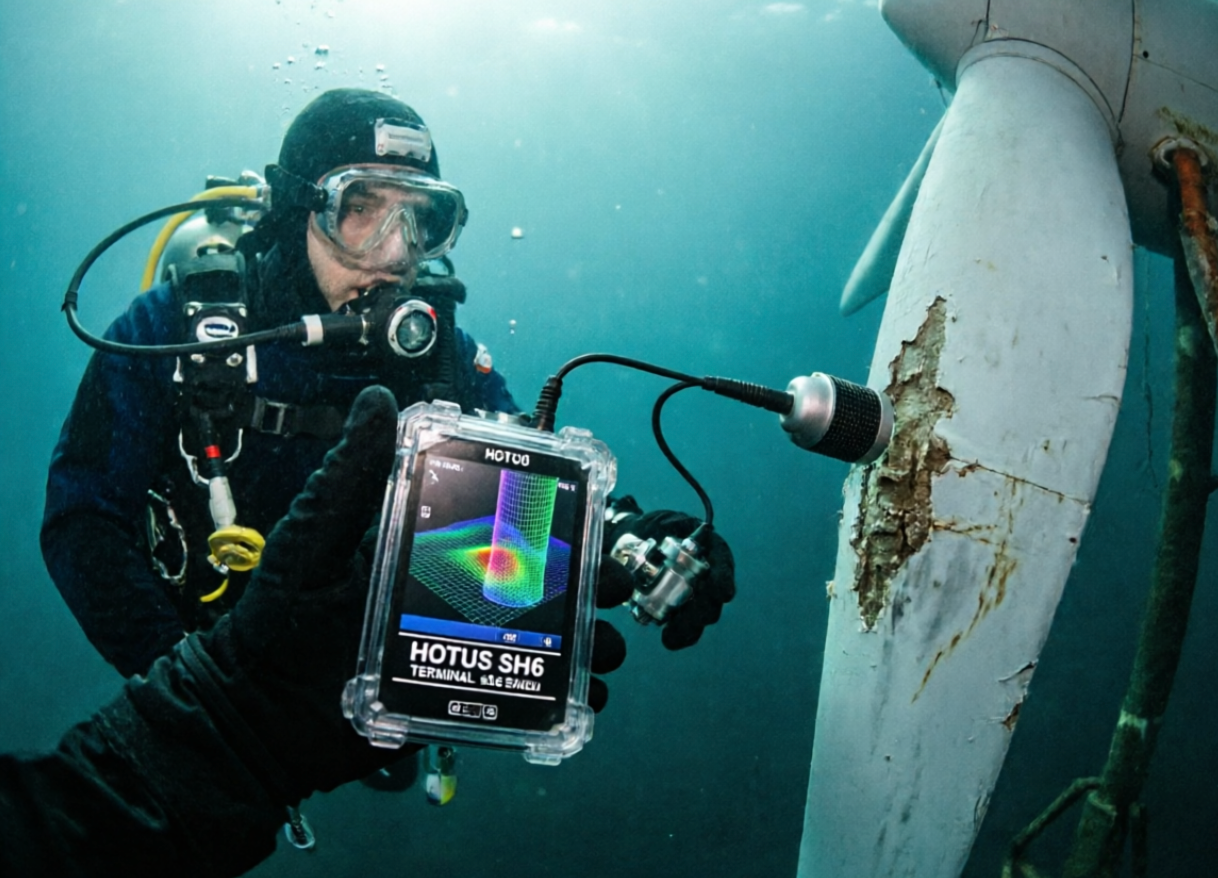
A diver uses a subsea‑rated HOTUS tablet connected to an acoustic camera to inspect a tidal turbine blade for cavitation damage.
"Tidal turbines are underwater workhorses, but cavitation erosion eats blade edges faster than expected. The industry‘s inspection is a visual check by a diver with a grease pencil. You need a subsea‑rated Windows tablet connected to an acoustic camera, mapping erosion depth and location, and comparing to baseline. A blade with 10% erosion loss can drop power output by 15%. In tidal energy, cavitation isn‘t wear – it’s a revenue leak. Your tablet is the patch."
The blue economy is scaling rapidly as commercial multi-megawatt tidal stream arrays expand across high-velocity marine channels in Scotland, France, and Canada. Unlike solar or wind assets, underwater tidal generation units must withstand constant, highly dense hydrokinetic forces. While these deep-water installations provide a predictable source of clean electricity, they face severe physical degradation from sub-surface hydrodynamic cavitation.
Cavitation occurs when localized water velocities jump sharply, causing static pressure to drop below the fluid's vapor pressure limit. This forms small vapor bubbles that travel along the composite or metallic structures. The moment these bubbles enter higher-pressure zones near the blade surface, they implode violently. These micro-explosions deliver targeted shockwaves that tear away protective outer coatings and cause deep pitting along the leading edges. When a hydrofoil loses just 10% of its native edge thickness, the altered shape disrupts fluid flow, causing a 15% drop in power output and unbalancing the entire drivetrain.
The Failure Rates of Traditional Diver Slate Logs
Standard asset maintenance programs often rely on subjective subsea surveys. Following a scheduled inspection window or an unexpected drop in generation efficiency, commercial divers drop down to the submerged turbine hubs. Working in dark, high-current environments, they visually examine the leading edge profiles, marking problematic areas with a simple grease pencil on waterproof plastic slates.
This method leaves operators vulnerable to hidden damage. Visual observations cannot measure pitting depth or trace internal layer degradation in structural composites. Furthermore, handwritten slates cannot generate accurate coordinates or map erosion boundaries over time. Without detailed historical data, fleet managers cannot determine if material loss is accelerating or approaching structural failure limits, leaving them blind to upcoming blade breaks until the unit stops producing power.
Deploying Subsea-Ready Windows Terminals for Active Diagnosis
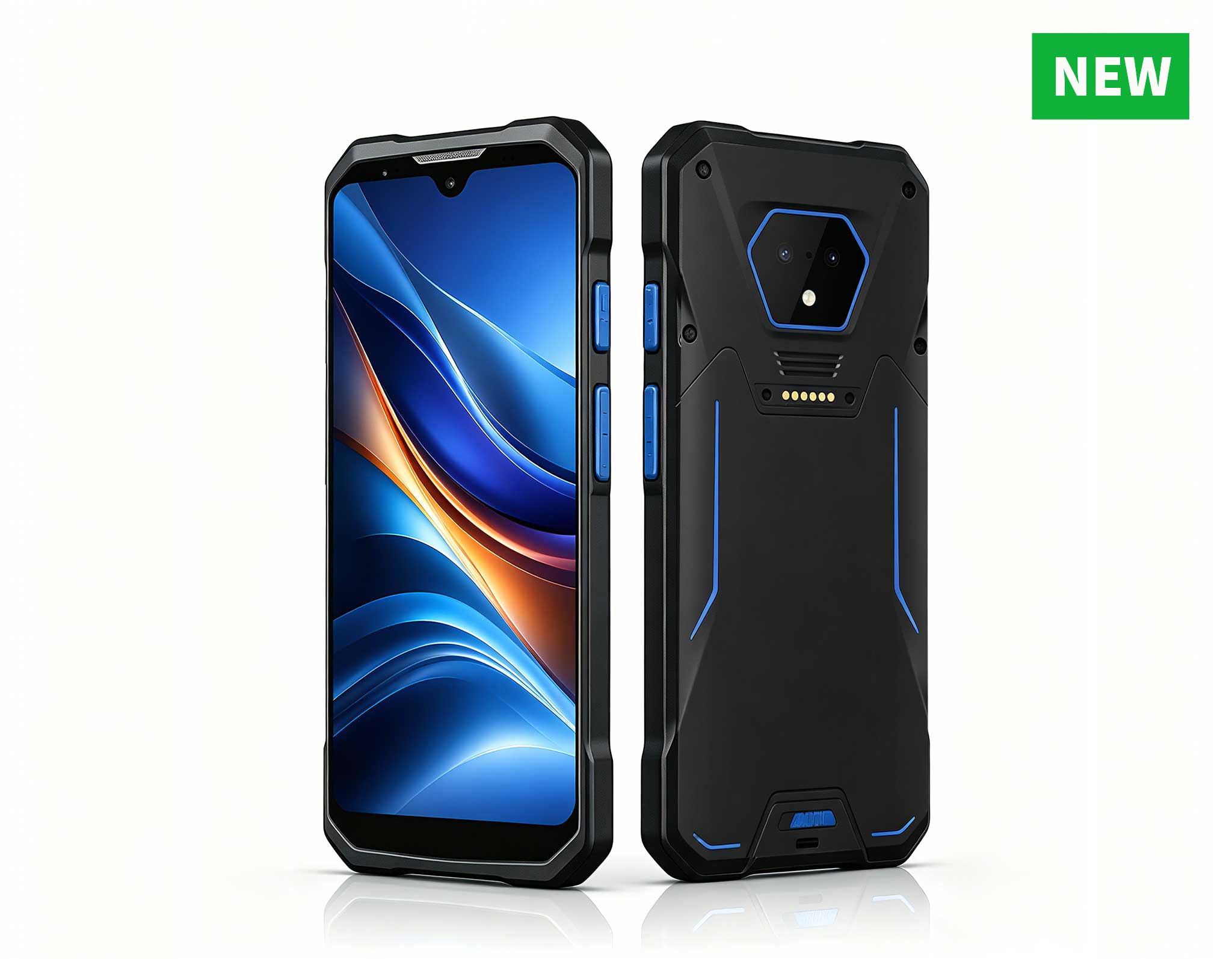
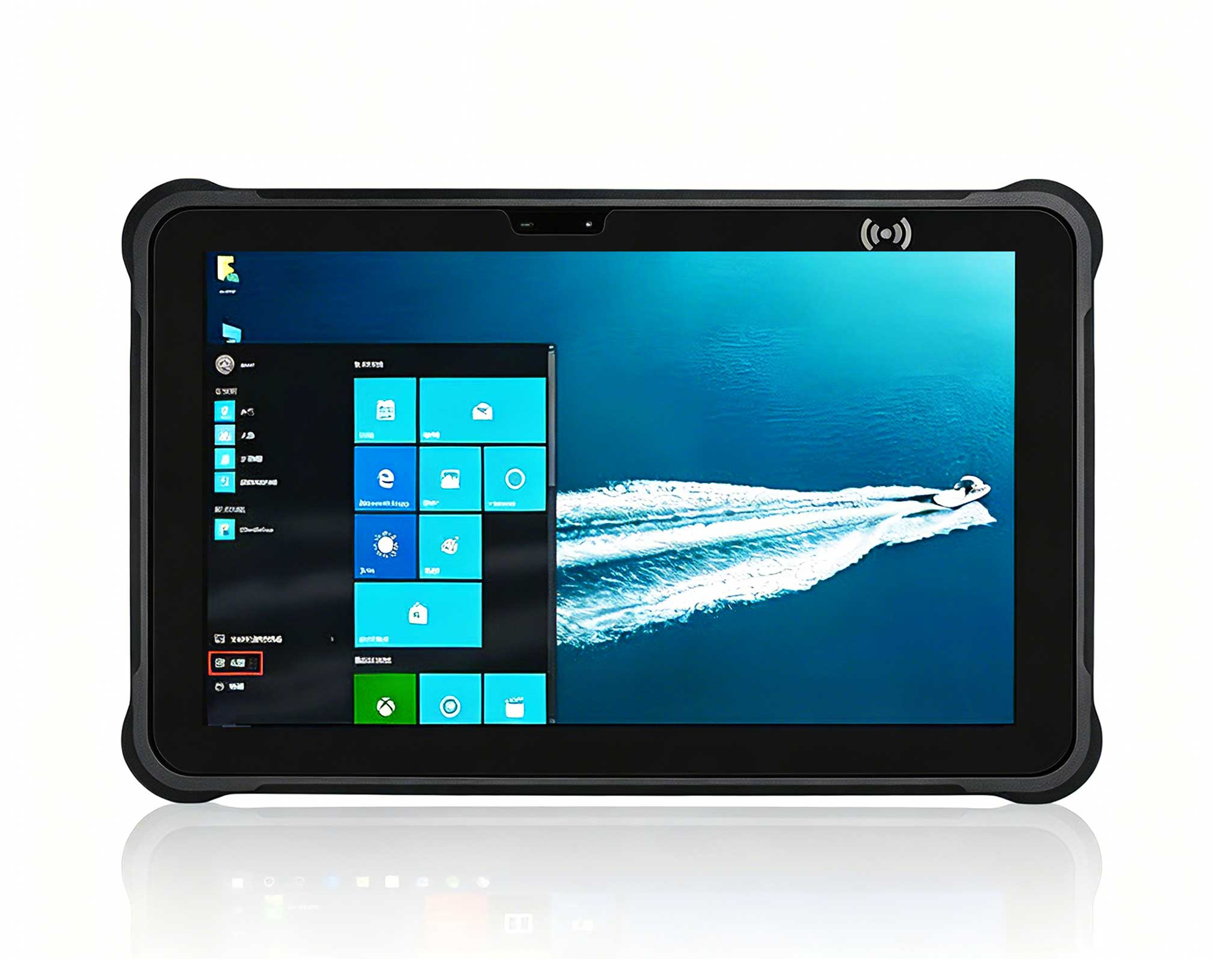
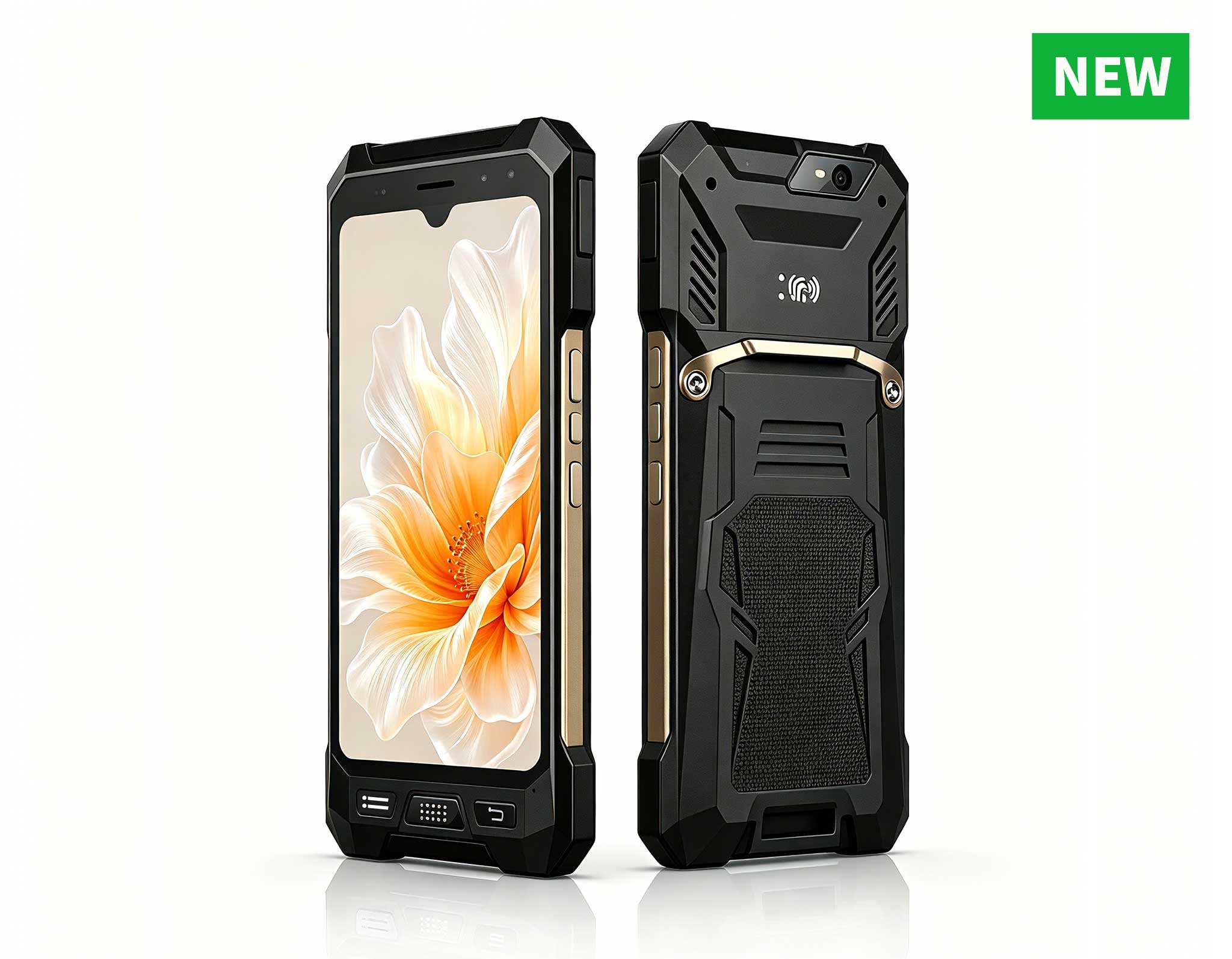
Eliminating high-risk operational blind spots requires migrating to advanced digital testing networks that operate directly on the ocean floor. Offshore maintenance teams are deploying specialized Rugged Tablets built for marine environments. The Hotus SH6 6.5″ Windows rugged handheld can be paired with a specialized waterproof housing to operate reliably in high-pressure subsea environments.
By connecting the SH6 to a compact, high-frequency acoustic sonar camera via a pressure-sealed data cable, divers can capture detailed 3D maps of the blade faces despite murky water conditions. The compact terminal processes live acoustic returns, providing real-time measurements of the submerged structures.
Active Sonar Mapping Capabilities:
- 3D Structural Mesh Generation: Converts high-frequency sound waves into detailed geometric models of the hydrofoil surface.
- Automated Pitting Depth Calculation: Measures surface erosion down to exact millimeter values to spot material loss early.
- Color-Coded Wear Mapping: Displays live, visual overlays identifying high-wear zones that breach nominal engineering thresholds.
- Baseline Scan Comparison: Compares current subsea data directly with original manufacturing files to check for ongoing material wear.
Using this digital framework, diving teams can instantly determine if leading-edge erosion has breached the asset's strict 5% material thickness wear limit. The SH6 logs every 3D sonar scan with automated timestamps and turbine position markers, creating an unalterable history. This allows management teams to schedule targeted surface repair coatings during scheduled maintenance windows, long before a blade requires an expensive full replacement.
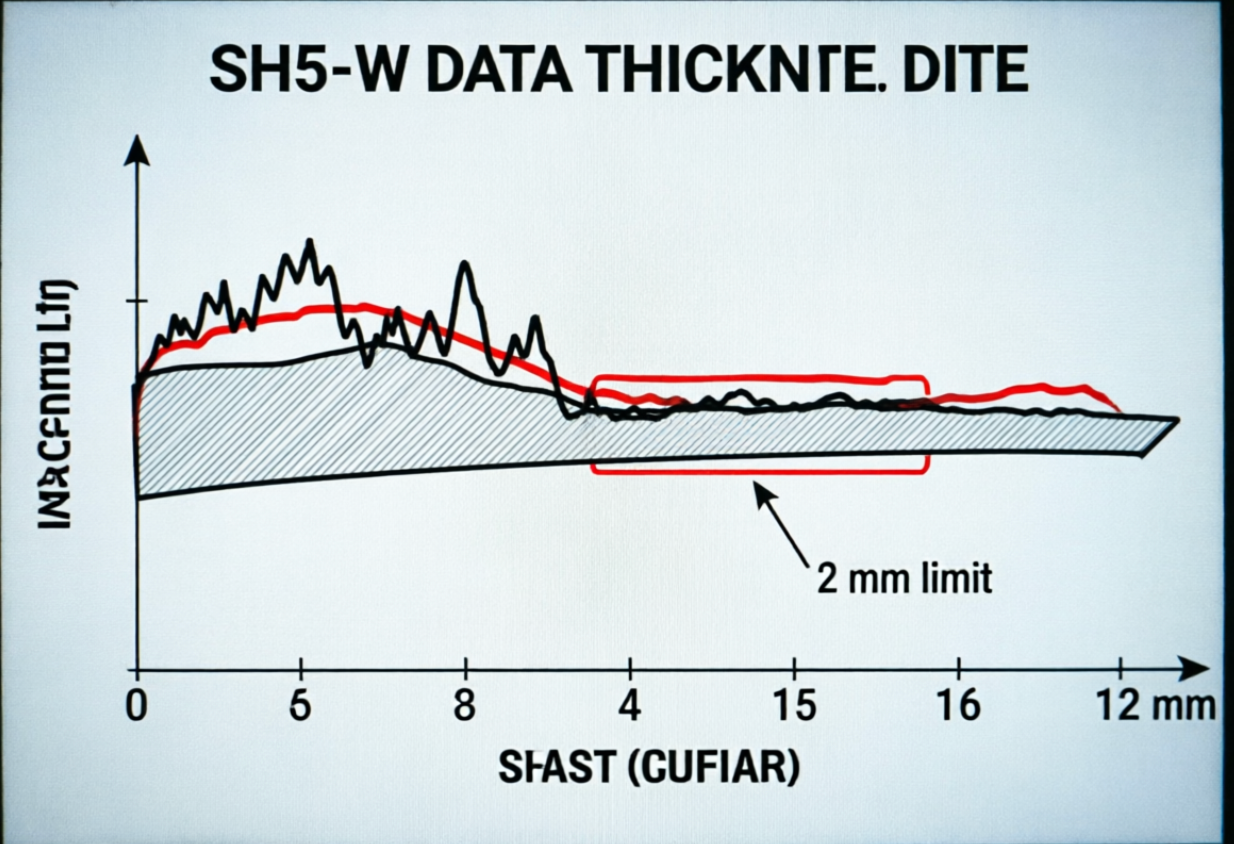
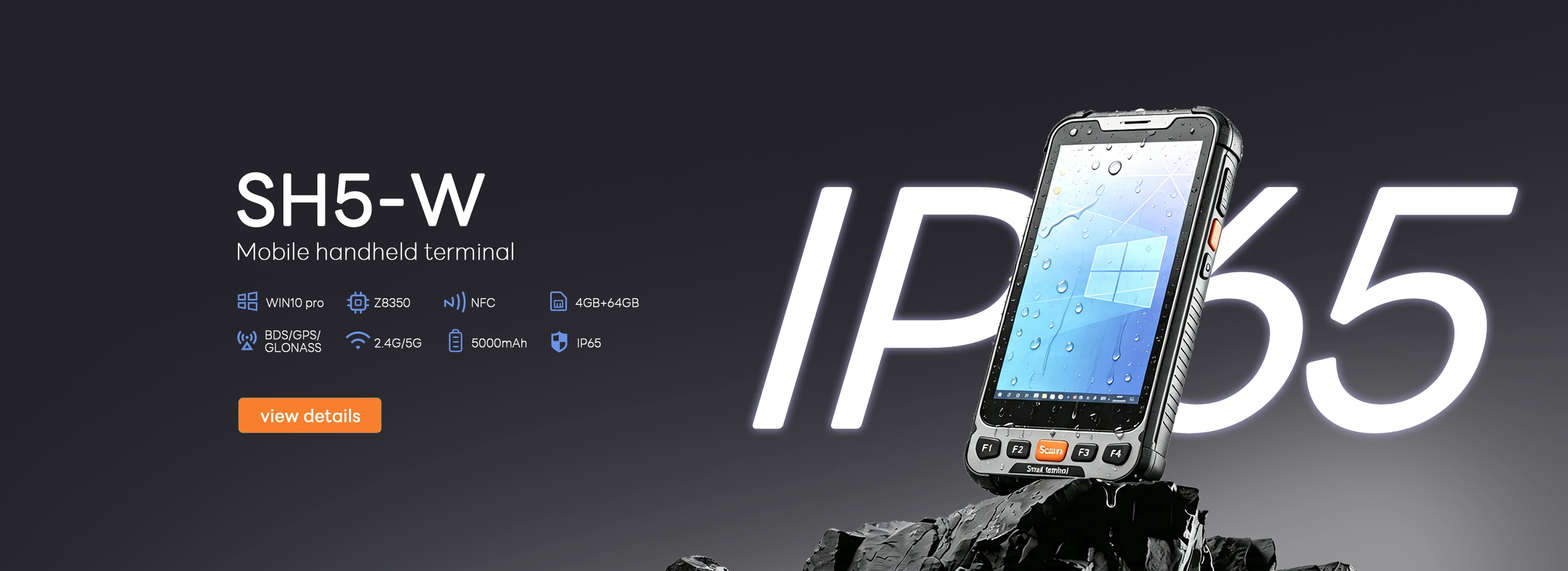
The SH5‑W tablet displays a 3D erosion depth map of a turbine blade – red areas indicate >8% thickness loss, flagged for repair.
Fleet-Wide Optimization and Marine Asset Life Synchronization
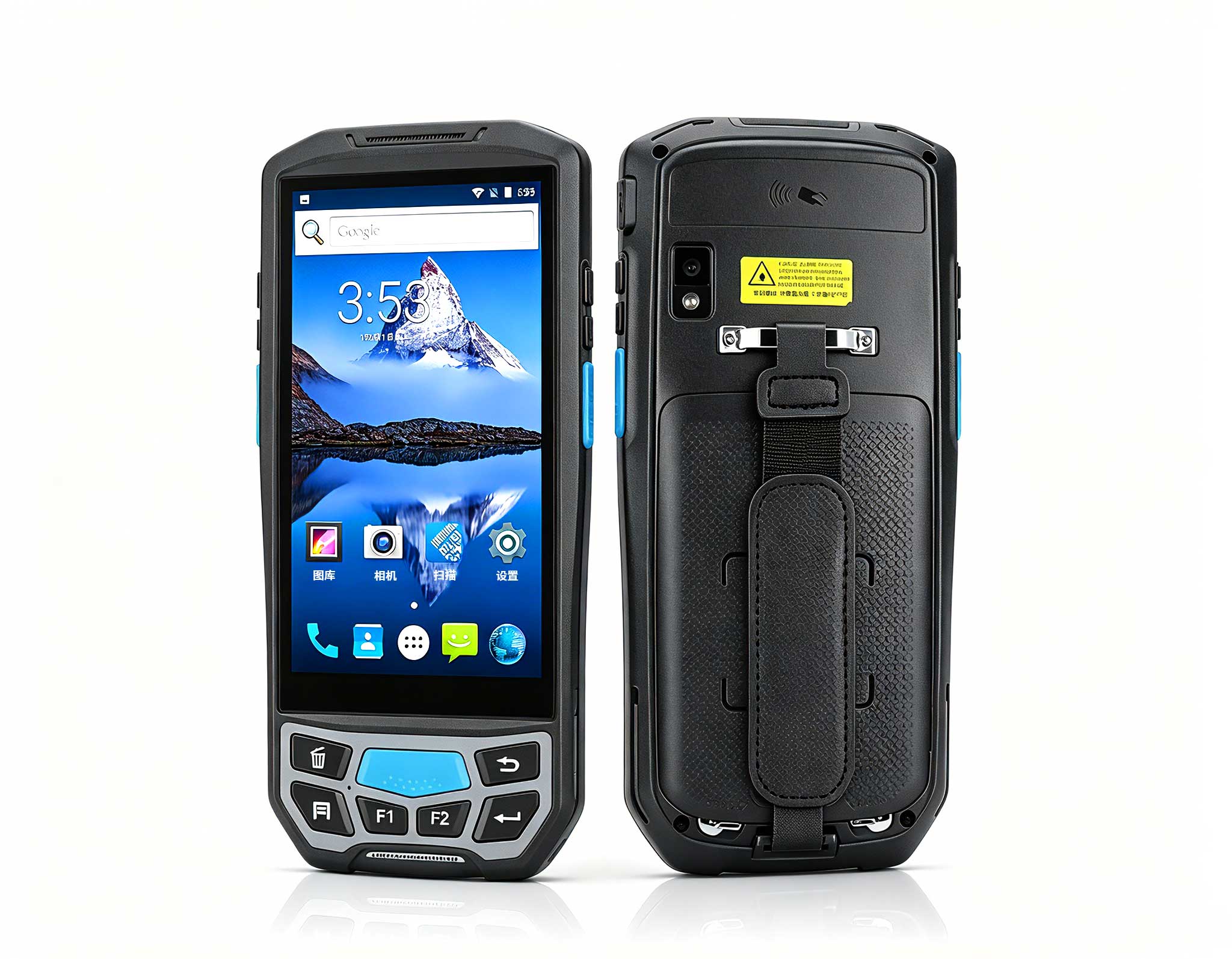
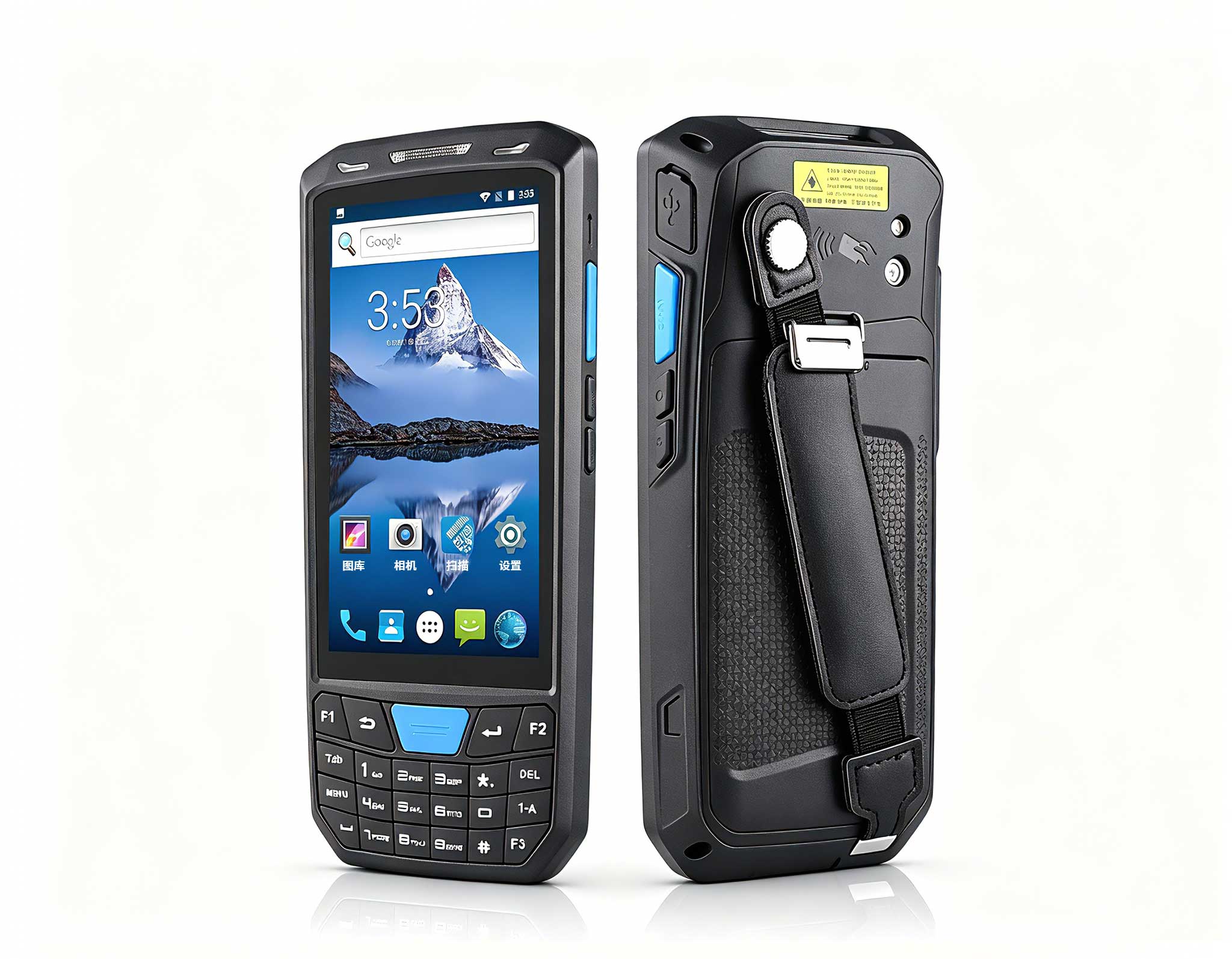
Tracking localized erosion protects individual generation units, but managing an entire offshore tidal project requires linking subsea data with surface support vessels. Field engineers on support boats use the Hotus SH5‑W Windows rugged handheld to review data uploads as soon as diving teams return to the surface.
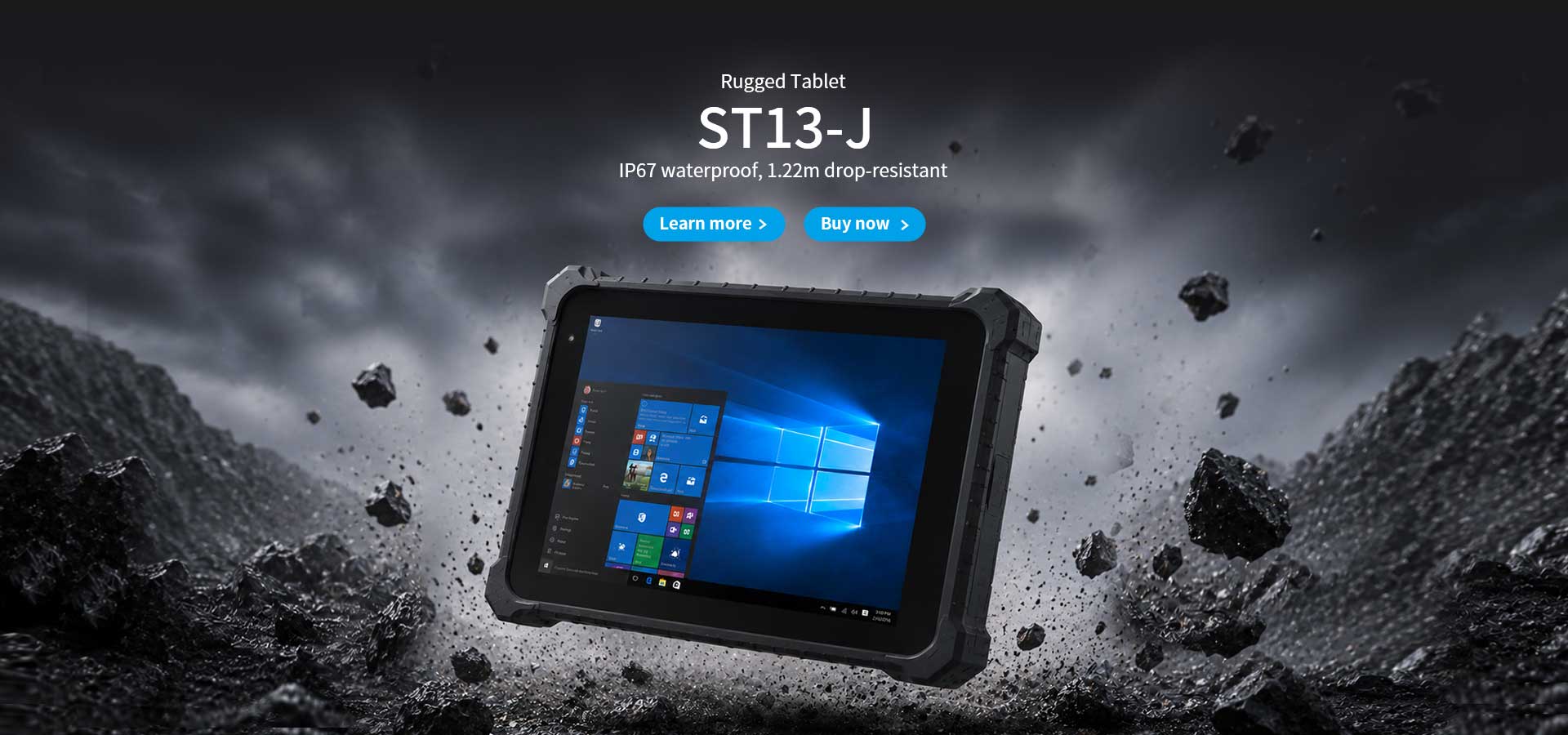
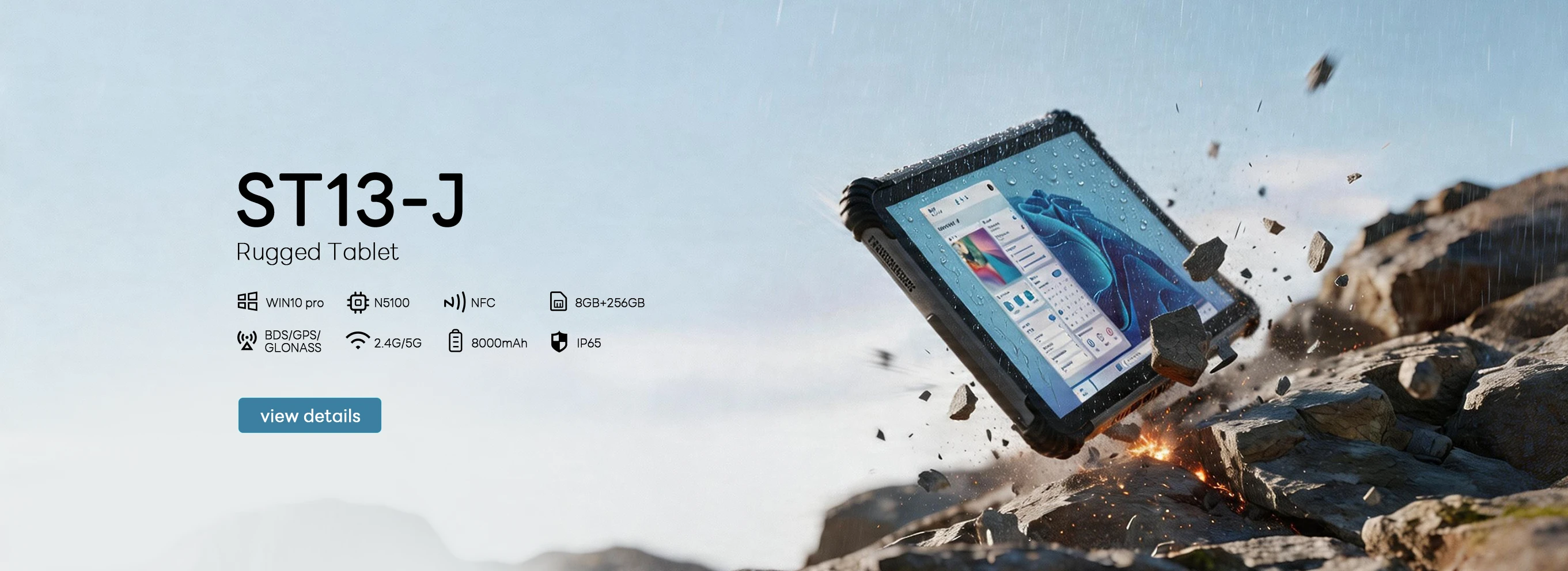
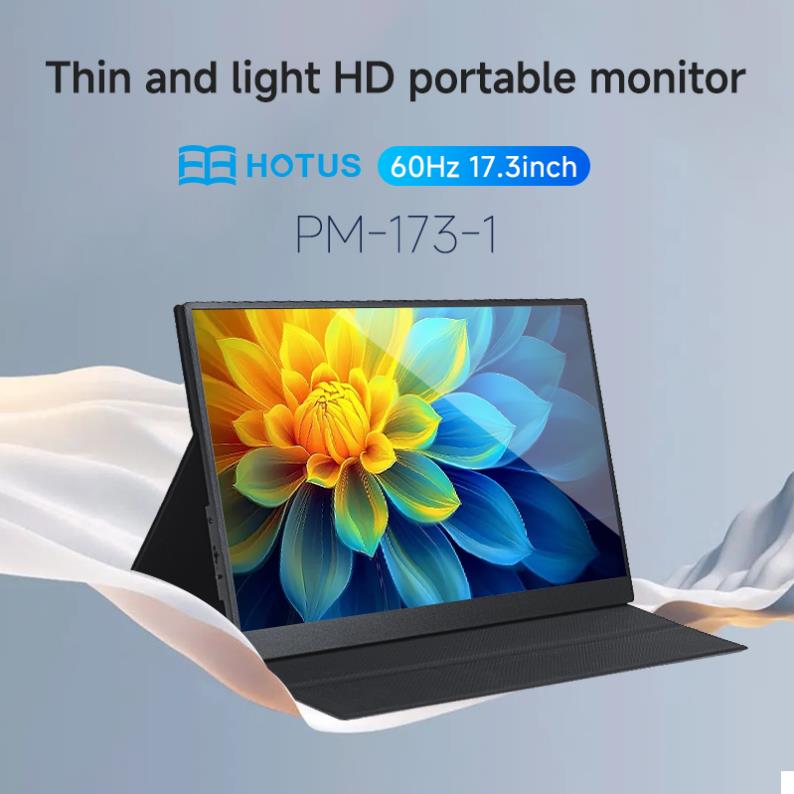
To coordinate these insights across large tidal arrays, asset managers rely on larger, more powerful visualization platforms. The Hotus ST13‑J 13.3″ Windows rugged tablet serves as the primary engineering dashboard. The ST13-J tracks component degradation trends across all operational turbines simultaneously, allowing engineers to identify high-wear units and plan service schedules around predictable slack tide periods.
Proven Subsea Performance and Financial Validation
The practical financial benefit of switching to an integrated digital logging network is demonstrated by a marine energy operator managing a 10-turbine tidal stream array. To optimize their underwater preventative maintenance program, the company equipped their teams with 12 SH6 subsea acoustic diagnostic kits, 10 SH5-W data terminals, and 8 ST13-J engineering dashboards.
During the initial 12 months of deployment, this digital tracking network successfully identified two blades where leading-edge cavitation had eroded more than 10% of the material thickness, breaching original design limits. Catching this early allowed the operator to replace the compromised blades during routine maintenance windows, restoring full power generation. By avoiding ongoing capacity loss, the company saved an estimated $600,000 annually. Furthermore, the detailed digital logs provided the engineering data needed to work with the manufacturer on developing more durable surface coatings.
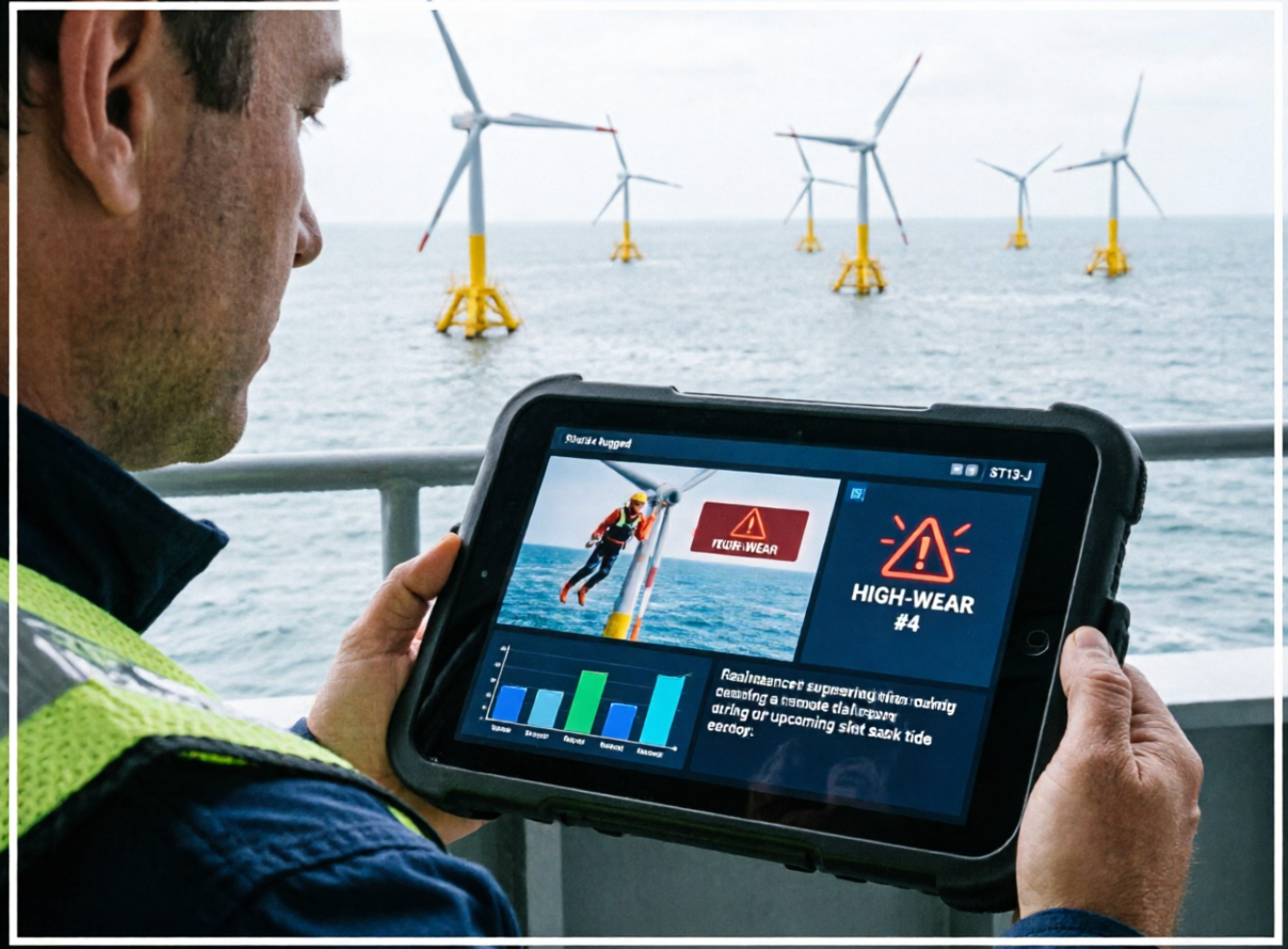
The ST13‑J dashboard shows a map of the tidal array with blades color‑coded by erosion severity – one red blade highlighted for replacement.
Subsea cavitation erosion is an ongoing challenge for tidal installations, but unexpected efficiency drops don't have to be. Traditional grease pencils and plastic slates cannot track the subtle material loss that happens before a hydrofoil is compromised. Combining portable acoustic sensors with water-resistant Windows tablets gives marine maintenance teams clear visibility into component wear. Utilizing specialized industrial hardware like the SH6, SH5-W, and ST13-J provides the precise data tracking necessary to catch flaws early, extend component lifespans, and protect large-scale marine energy investments.
Protect Your Tidal Generation Efficiency
Eliminate underwater monitoring blind spots and safeguard your marine generation assets. Contact our marine application engineering team today to review detailed hardware specifications, request specialized SH6 pilot units, or discuss integrating custom sonar analysis software with your surface support network.
Contact HOTUS Marine Technology Experts