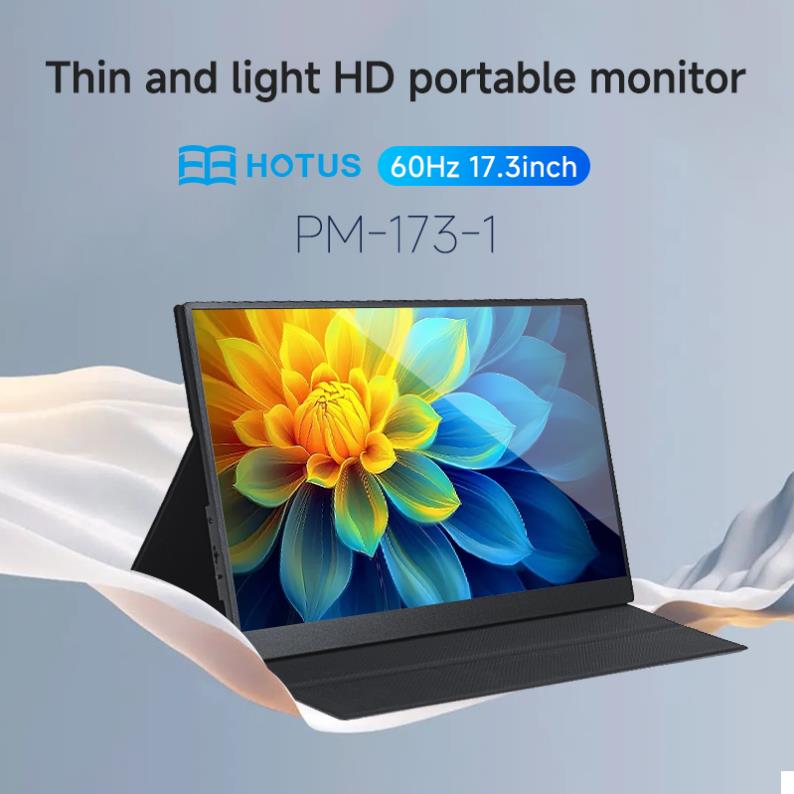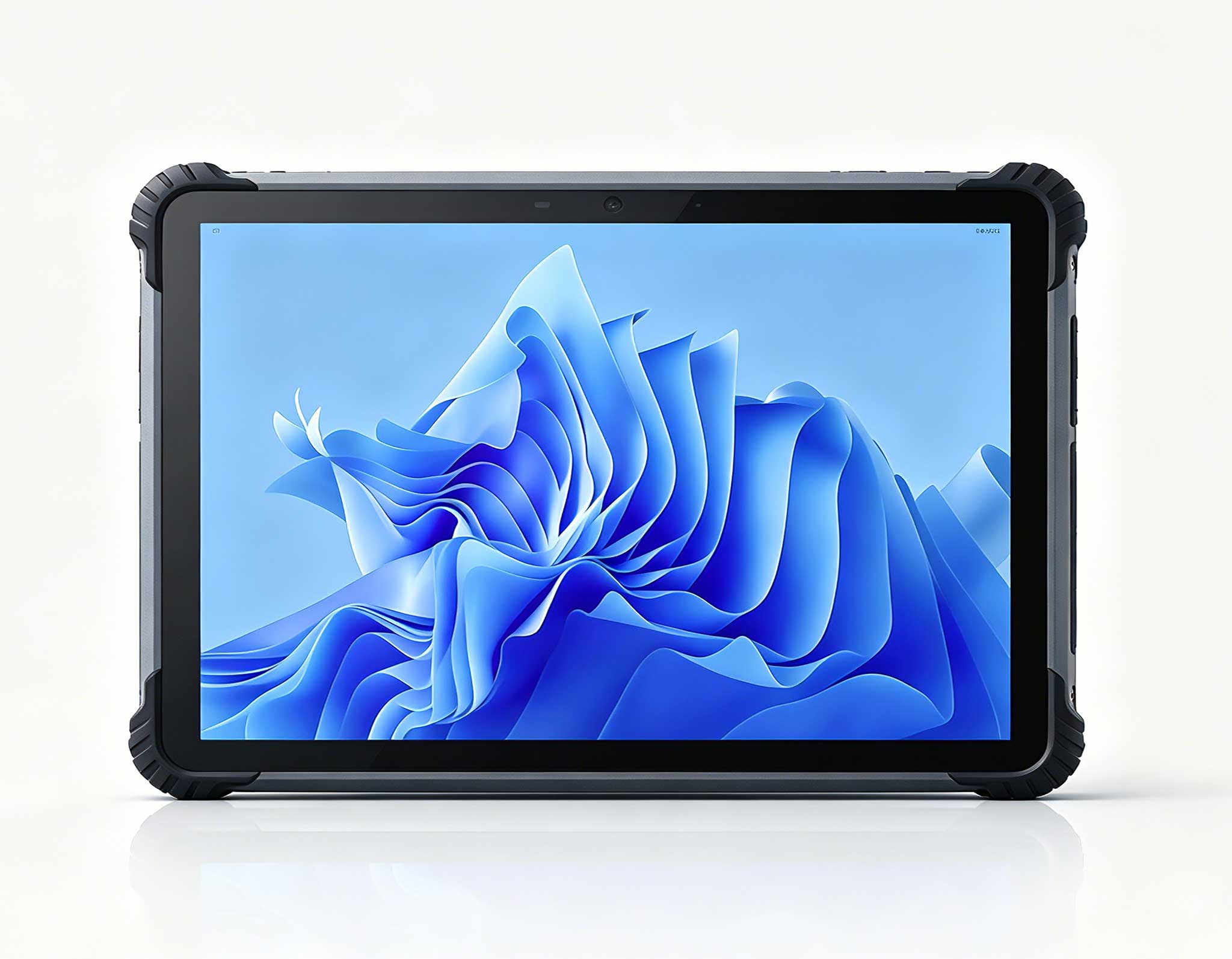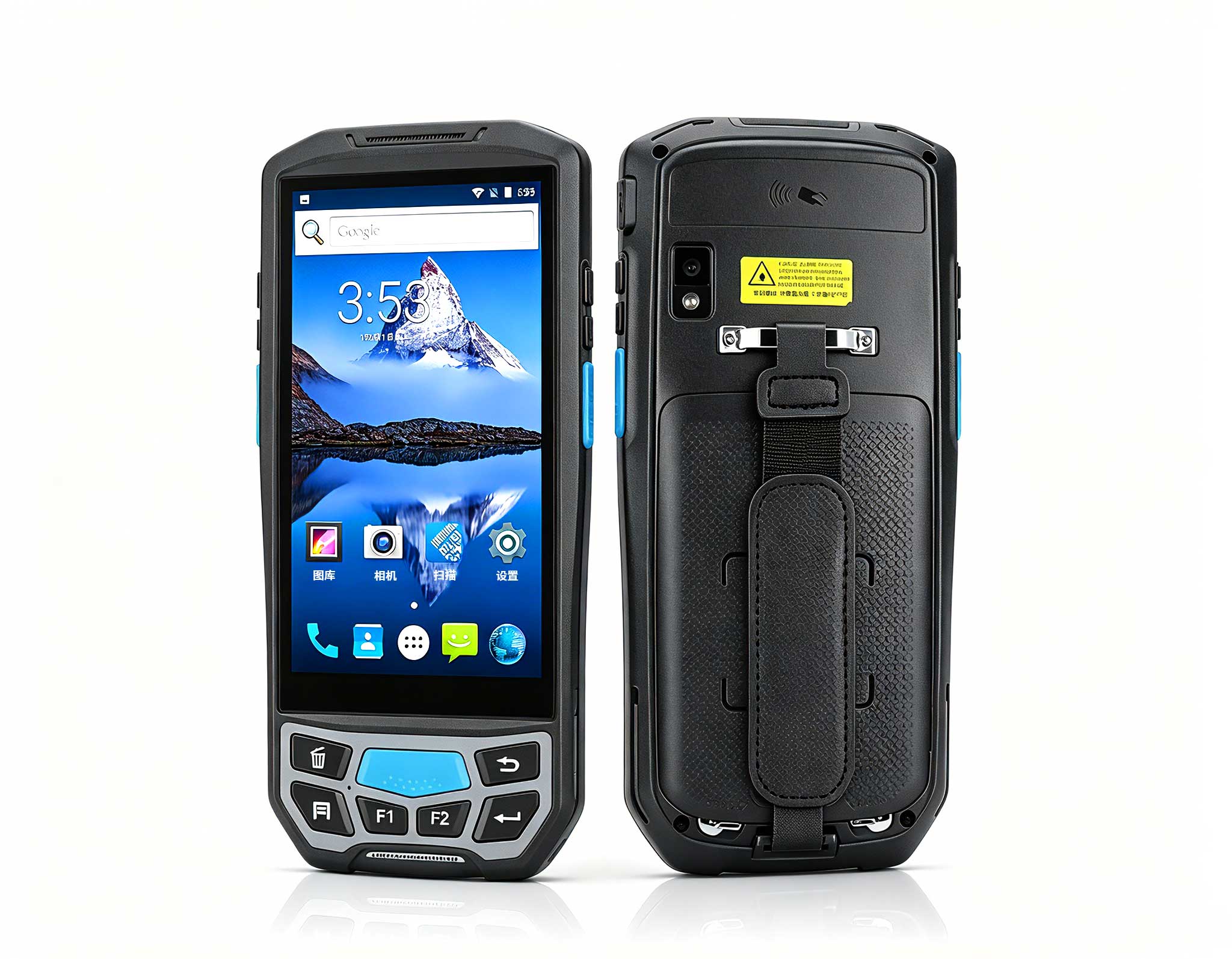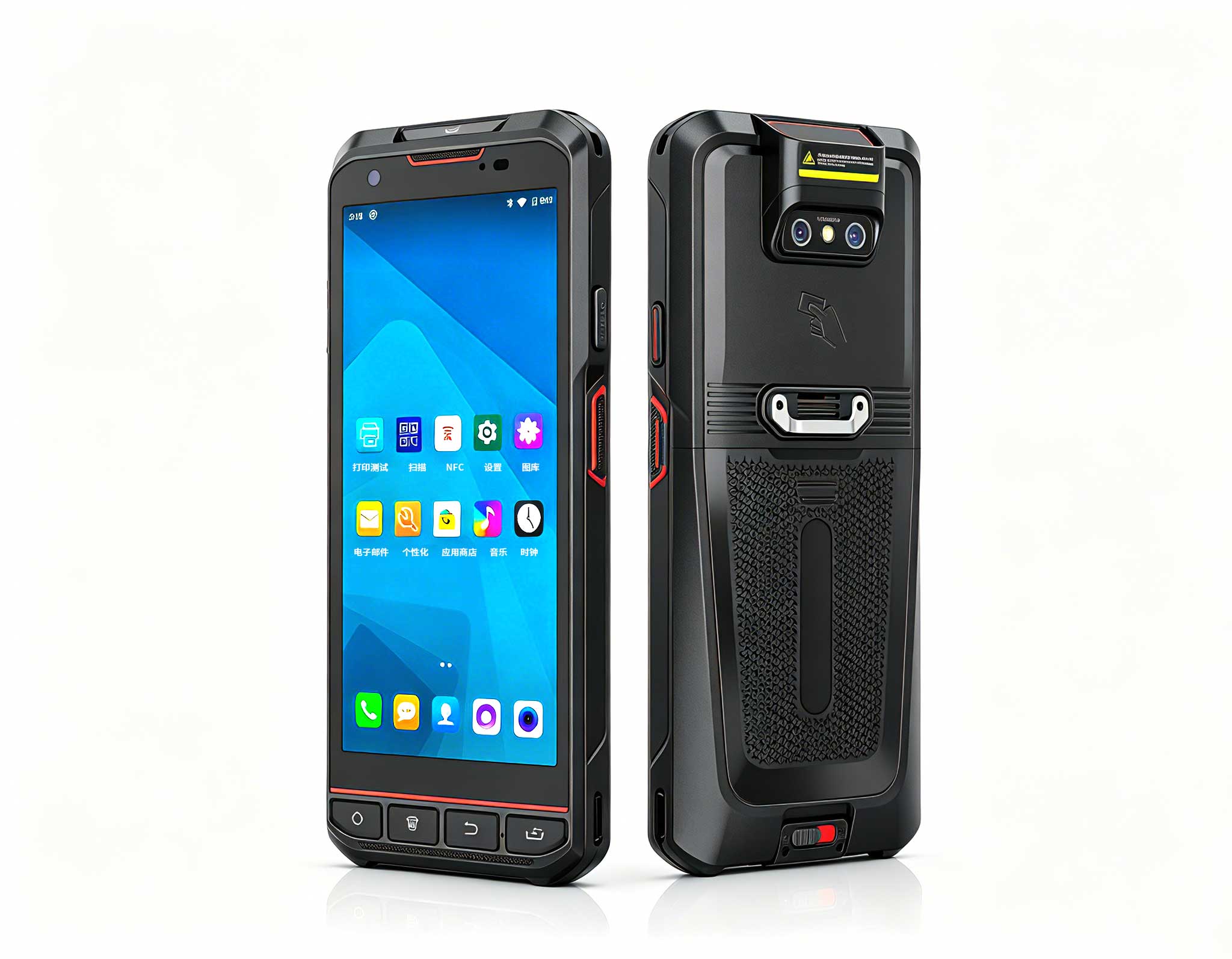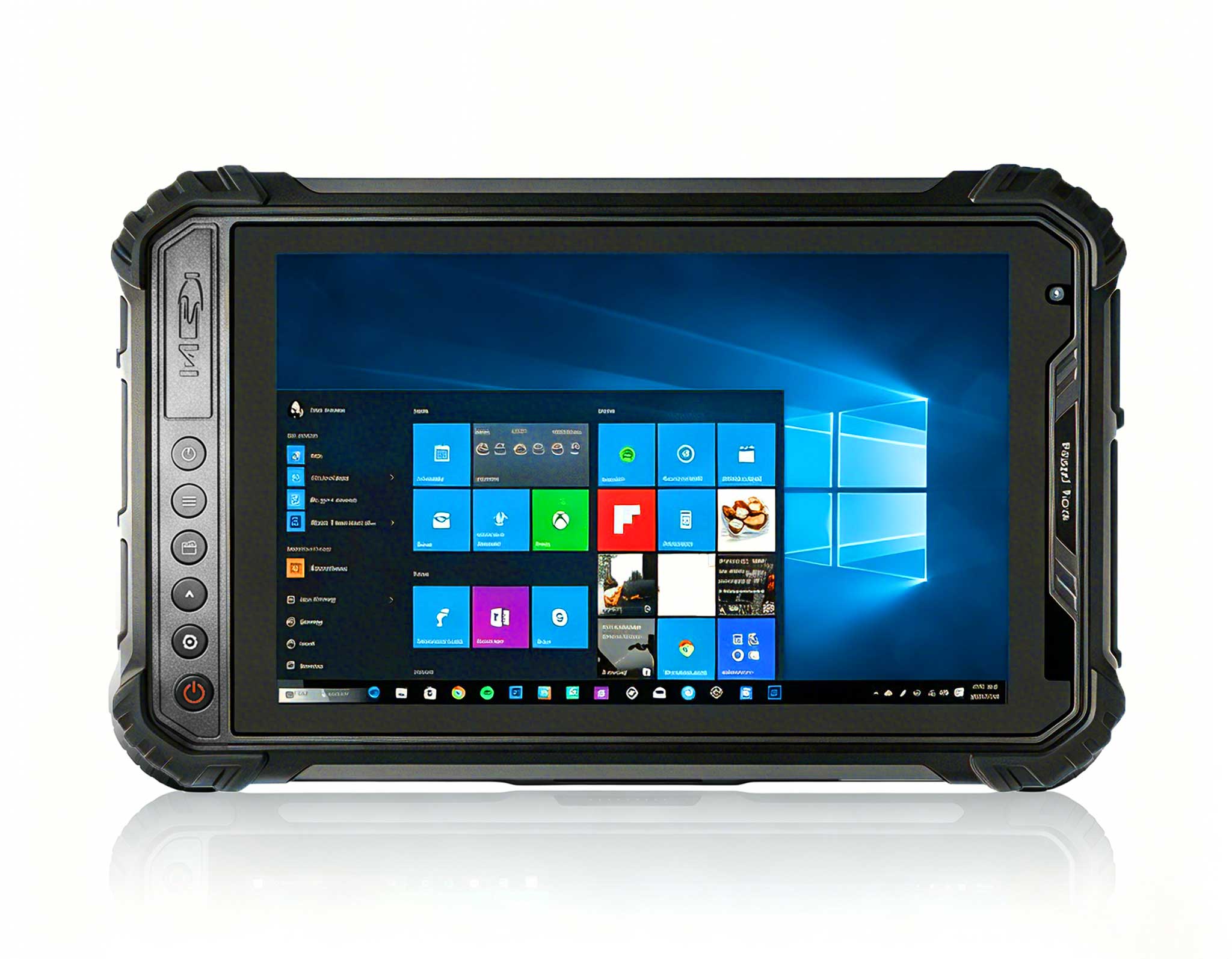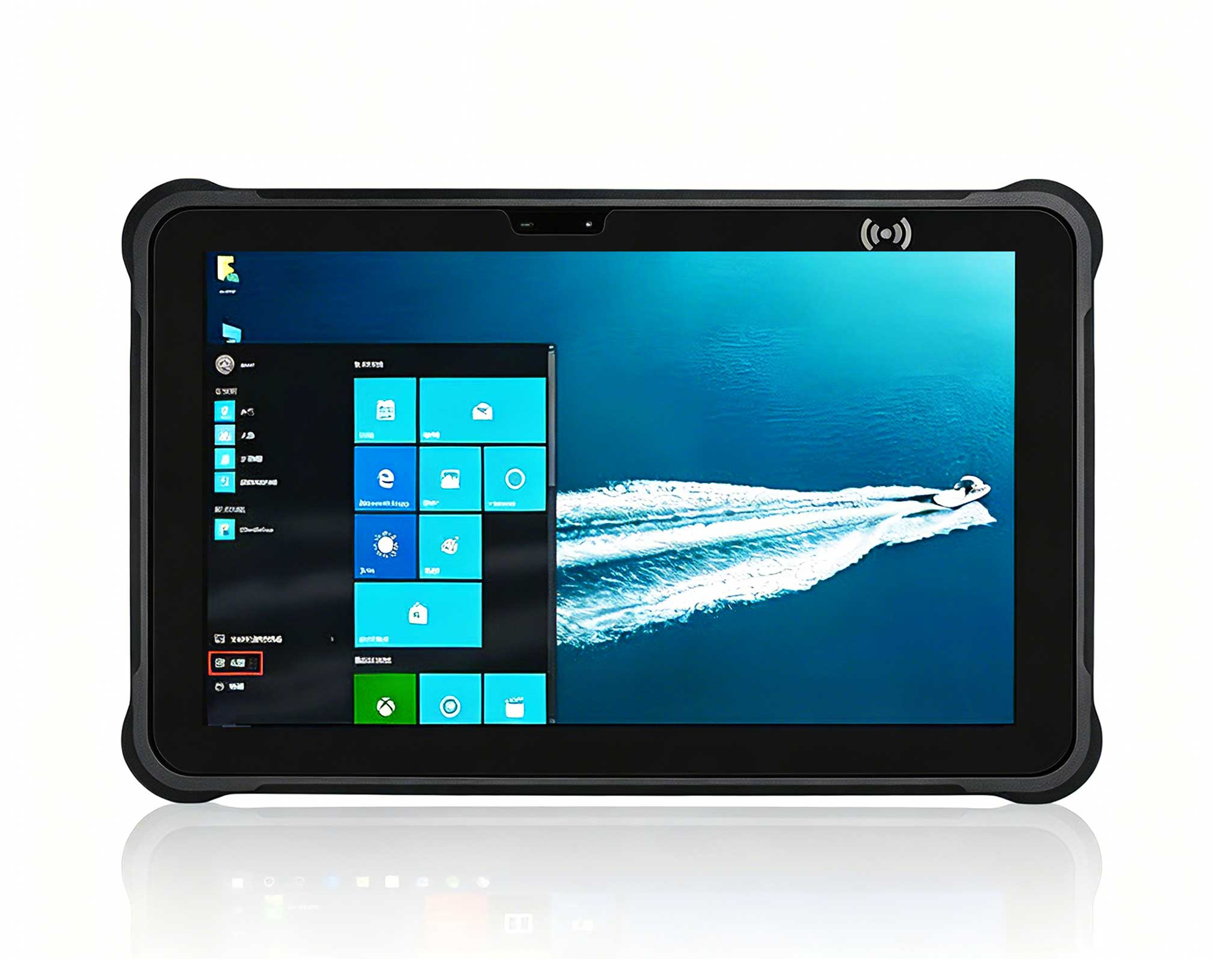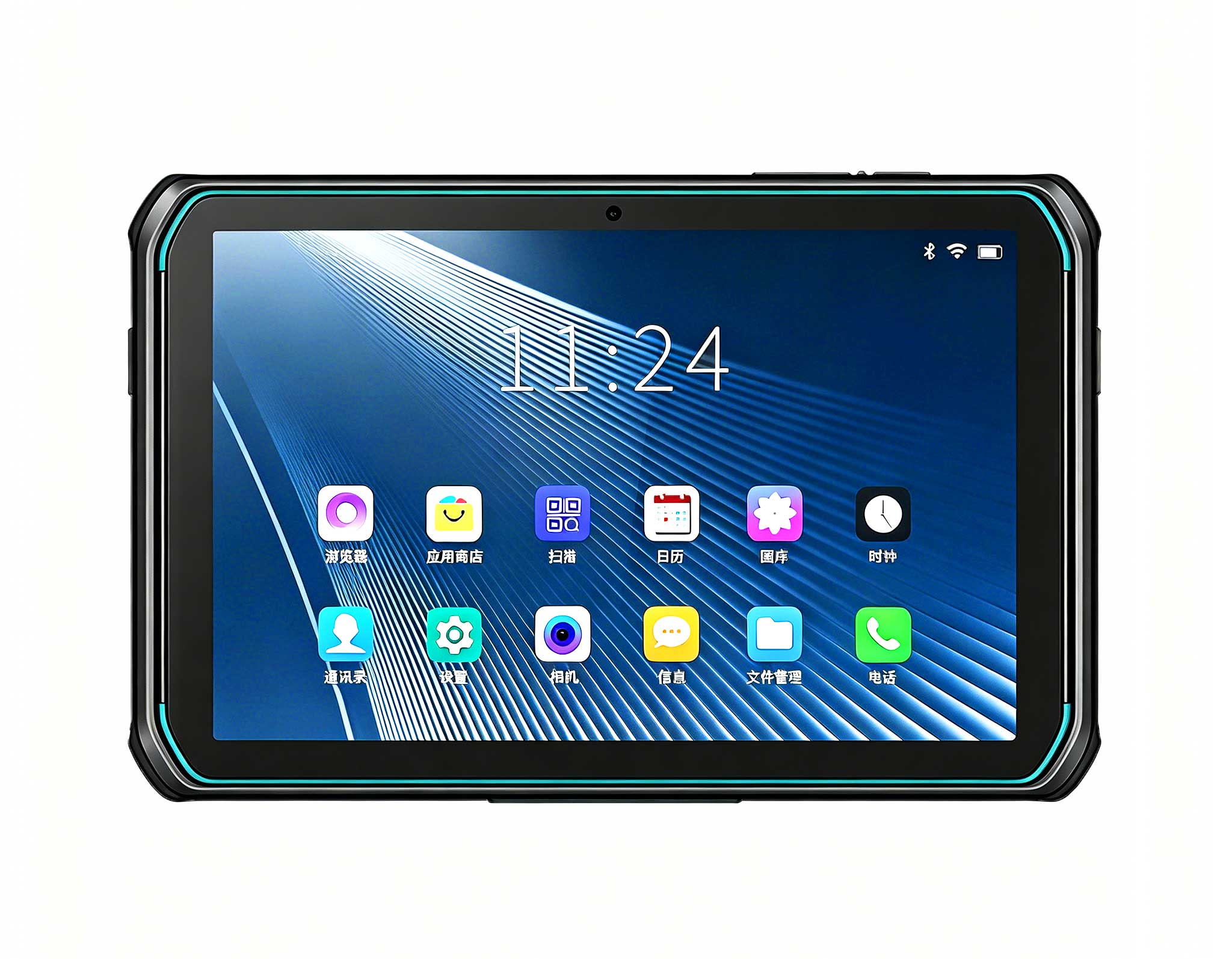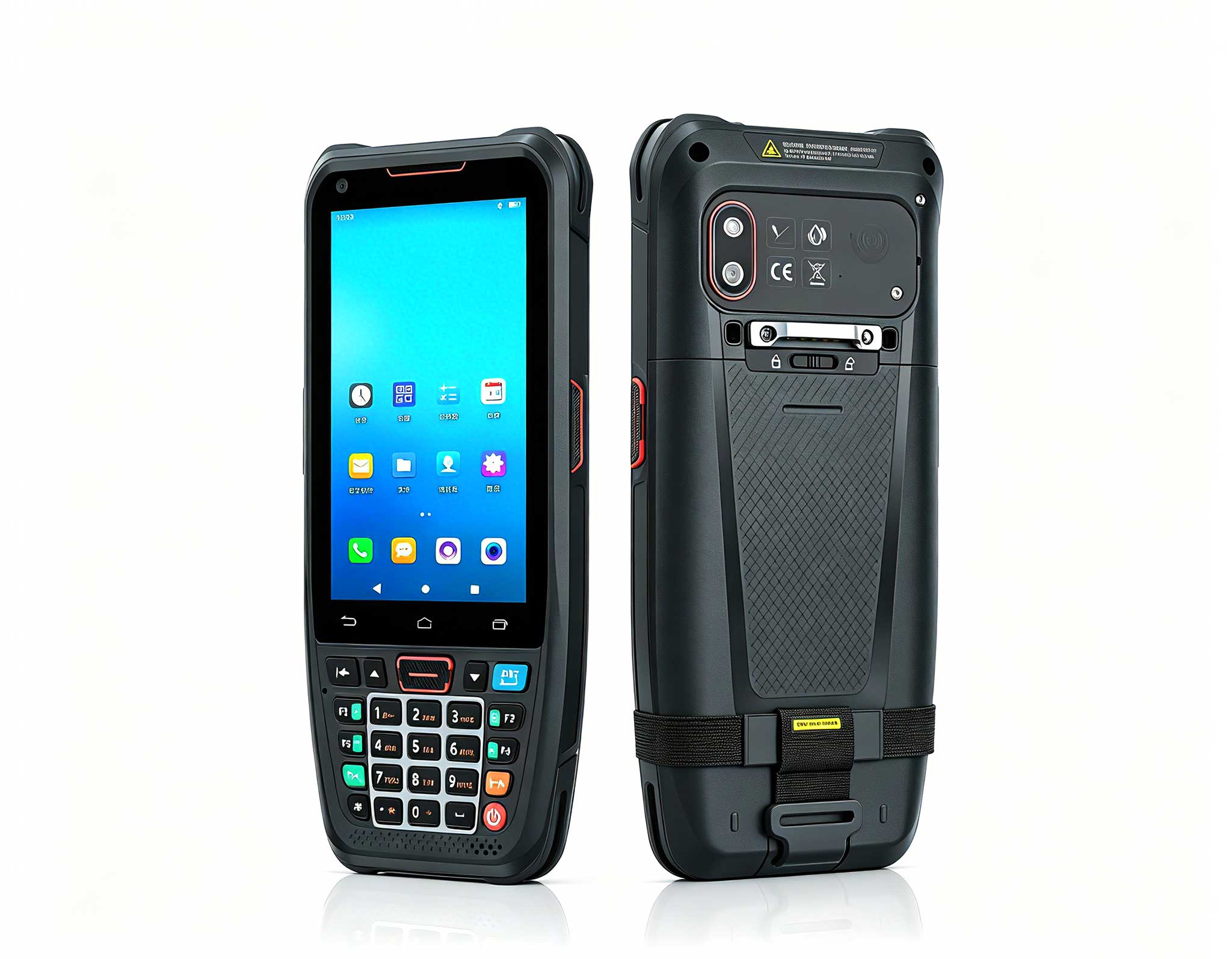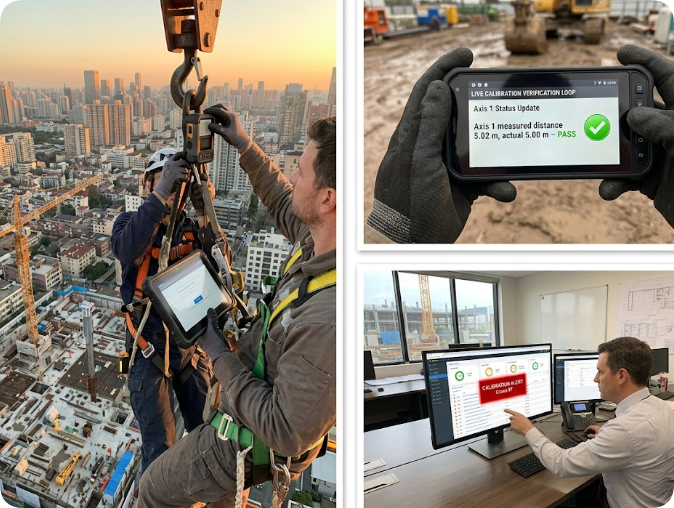
Figure 1: High-precision field testing along a midstream corridor. A pipeline inspector uses a HOTUS SH6 marine‑grade rugged tablet linked with an ultrasonic thickness gauge to detect stress corrosion cracking on a supercritical CO2 line.
"A critical supercritical CO2 transport line located along the US Gulf Coast suffered a major structural breach last year. Investigations revealed that stress corrosion cracking had been propagating silently through the pipeline walls for more than 36 months completely undetected. The operational inspection logs consisted entirely of hand-checked paper sheets—lacking calculated wall-thickness degradation trends, predictive asset degradation curves, or baseline comparisons. Today, the carbon capture industry faces an estimated $2 billion structural replacement liability. Field teams need a marine-grade Windows tablet configured with digital ultrasonic thickness gauges to map asset health, run delta comparisons against historical baselines, and flag micro-degradation faster than 0.2 mm per year. In carbon capture and storage (CCS) engineering, a hidden structural micro-crack isn't just an asset maintenance issue—it is a catastrophic public safety hazard. Your mobile computer is the definitive early warning asset."
CCS Pipeline Stress Corrosion Cracking Risks: Preventing Brittle Fractures via High-Performance Rugged Tablets
Insights by HOTUS Technology Infrastructure Integrity Group | Technical Asset Management | June 2026
The industrial global buildout of carbon capture and storage (CCS) infrastructure is moving at an exponential pace, with more than 50 industrial-scale projects transitioning into active operations or structural assembly worldwide. To support this growth, expansive networks of high-pressure pipelines now span thousands of kilometers across complex geographical terrains to move dense-phase supercritical carbon dioxide ($s\text{CO}_2$) from heavy industrial source plants to deep geological storage formations.
However, transporting $s\text{CO}_2$ introduces distinct material integrity risks that diverge sharply from traditional hydrocarbons. When dense-phase carbon dioxide mixes with even trace amounts of free water, it yields highly reactive carbonic acid ($\text{H}_2\text{CO}_3$). This chemical interaction accelerates internal pitting and forms a highly corrosive environment.
The greatest threat to long-term pipeline survival is Stress Corrosion Cracking (SCC). This degradation mechanism occurs when micro-cracks form under combined tensile stress and a corrosive environment. SCC propagates cleanly through high-strength carbon steels without producing noticeable volumetric metal loss, meaning a pipeline segment can experience severe structural failure while looking entirely intact from the outside.
The Technical Pitfalls of Oil and Gas Inspection Legacy Protocols
While traditional energy operators possess extensive experience managing hydrocarbon pipelines, the physical behavior of supercritical $s\text{CO}_2$ shifts the safety profile significantly. The susceptibility of line pipe steels to SCC escalates dramatically at lower operating temperatures and elevated operating pressures. Consequently, a newly commissioned pipeline may show clean external surfaces, while micro-fissures have already penetrated 50% or more of the original nominal wall thickness internally.
Standard non-destructive testing (NDT) field practices often rely on manual ultrasonic thickness (UT) inspection steps. Inspectors capture localized wall readings, scribble the numbers onto paper compliance sheets, and continue down the right-of-way.
This disconnected workflow fails to generate dynamic degradation trends. A micro-crack growing at an annual rate of 0.3 mm is impossible to isolate during a single disconnected inspection window. Yet, that steady degradation will compromise a heavy-wall 12 mm pipeline long before it reaches its expected asset lifecycle. Relying on disconnected documentation makes it impossible to distinguish between standard material tolerances and active crack propagation.
Deploying the HOTUS SH6 6.5″ Rugged Handheld for High-Accuracy Ultrasonic Telemetry
To eliminate paper-based tracking errors along remote utility corridors, the Hotus SH6 6.5″ Windows rugged handheld integrates directly with field NDT devices. Engineered to operate reliably in harsh right-of-way environments, the SH6 features an IP69K-rated sealed enclosure that keeps out fine dust, heavy rain, and mud. Its sunlight-readable, 1000+ nit display enables technicians to review data graphics in high-ambient-glare environments.
When paired via low-latency Bluetooth with a certified digital ultrasonic thickness gauge, the SH6 turns raw field measurements into actionable pipeline analytics. Field inspection workflows follow a structured digital process:
- Geospatial Identification: The device locks onto internal GPS coordinates at pre-marked inspection stations along the pipeline path to ensure spatial logging accuracy.
- Circumferential Multi-Point Profiling: Inspectors collect a dense series of wall thickness values around the full pipe circumference to map local anomalies.
- Automated Baseline Delta Processing: The Windows-based processor compares new thickness numbers directly against original installation data stored on the device.
- Real-Time Corrosion Velocity Calculations: The device automatically computes localized crack growth and wall loss velocity on-site.
If localized wall loss exceeds the safety threshold of 0.2 mm per year, the SH6 generates an immediate on-screen warning. This automated flag alerts the field technician to schedule advanced phased array ultrasonic testing (PAUT) or coordinate localized repairs before structural integrity degrades further.
Additionally, the SH6 enforces strict quality control by checking the NDT gauge's calibration window. If an ultrasonic instrument misses its required calibration interval, the asset management software locks out data entry until a valid calibration check is completed and signed off.
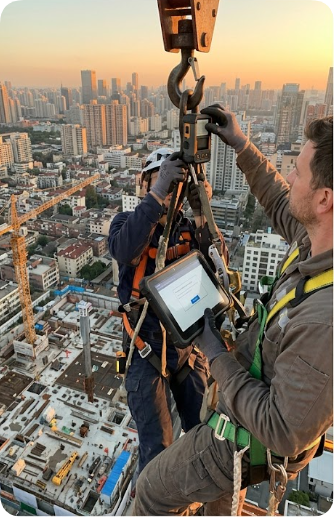
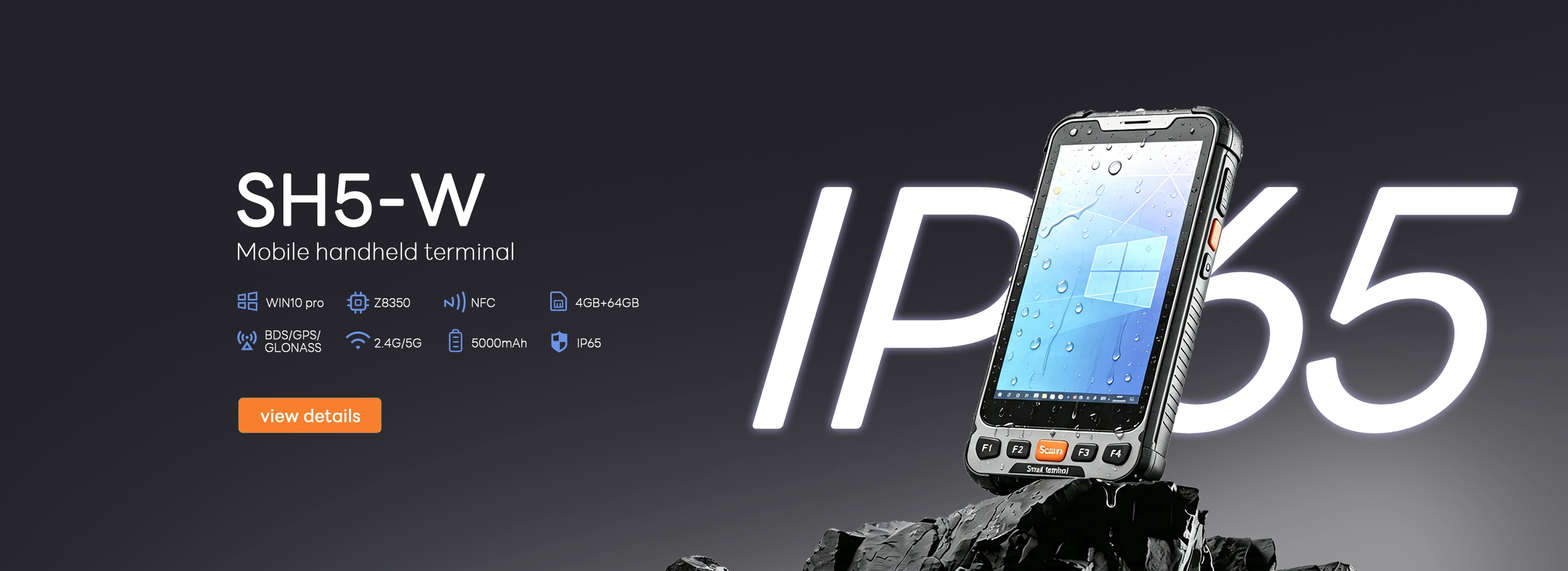
Figure 2: Real-time degradation trending. The HOTUS SH5-W handheld shows localized wall loss metrics across a critical pipeline girth weld, alerting field engineering teams as values approach the safe limit.
Figure 4 depicts a typical river-crossing inspection point where an environmental failure would cause massive disruption. Armed with the HOTUS SH6 handheld platform connected directly to the pipeline wall, the technician can quickly verify nominal remaining wall thickness, confirming that internal $s\text{CO}_2$ pressures are safely contained.
Systemic Asset Oversight via the HOTUS ST11-U 10.1″ and ST13-J Rugged Tablets
Managing long-term pipeline safety requires connecting individual field checks into a unified view for engineering teams. The larger Hotus ST11-U 10.1″ Windows rugged tablet serves as an ideal interface for pipeline integrity engineers. The ST11-U aggregates field logs into an interactive asset-health map, tracking individual test stations along the entire right-of-way.
As illustrated in Figure 5, the software on the SH5-W platform displays historical scatter plots across specific line segments. A clear downward trend line provides immediate insight, identifying locations where internal corrosion velocity threatens structural limits well ahead of scheduled regulatory inspections.
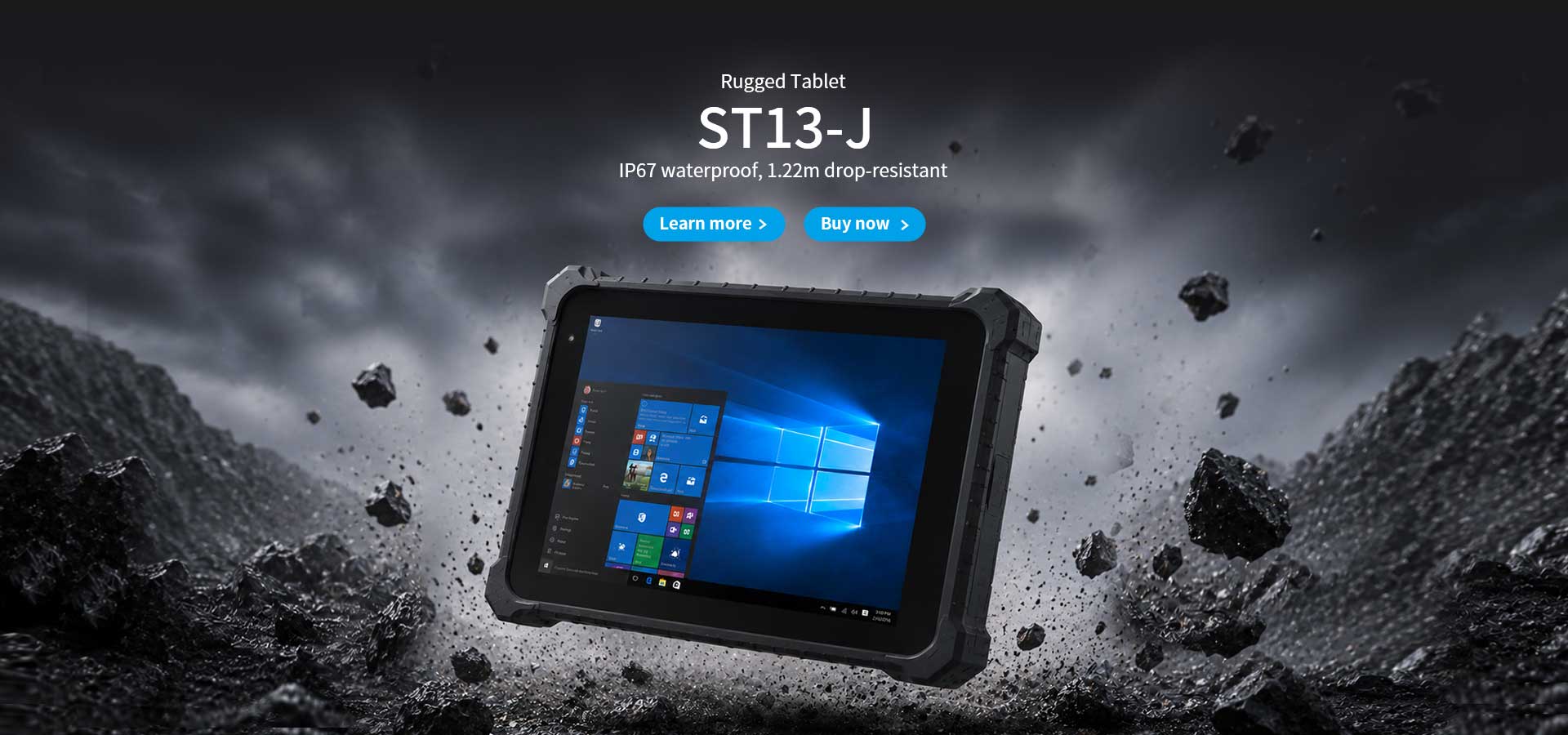
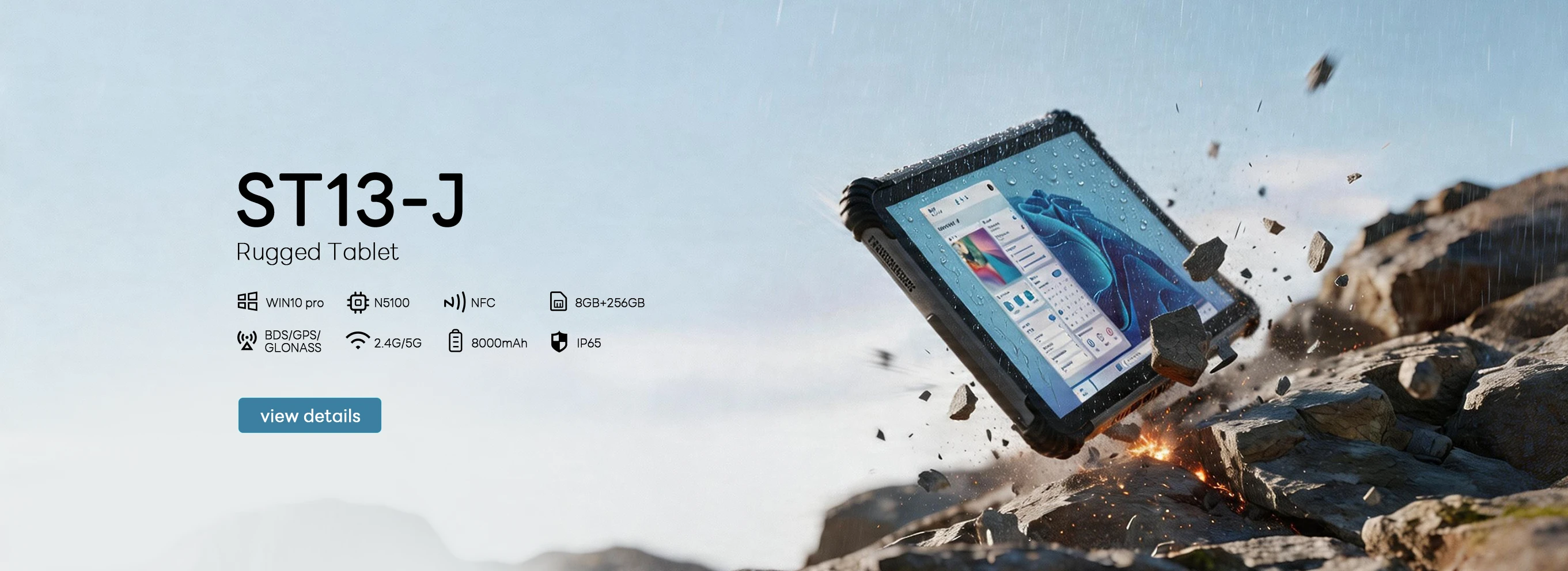
At the operational command level, the Hotus ST13-J 13.3″ Windows rugged tablet functions as a centralized management dashboard. The platform uses predictive algorithms to model remaining asset lifespan based on real-time field data. This predictive insight allows asset managers to schedule inline inspection (ILI) tool runs, plan proactive sleeve reinforcements, or coordinate pipeline replacements before structural failures occur.
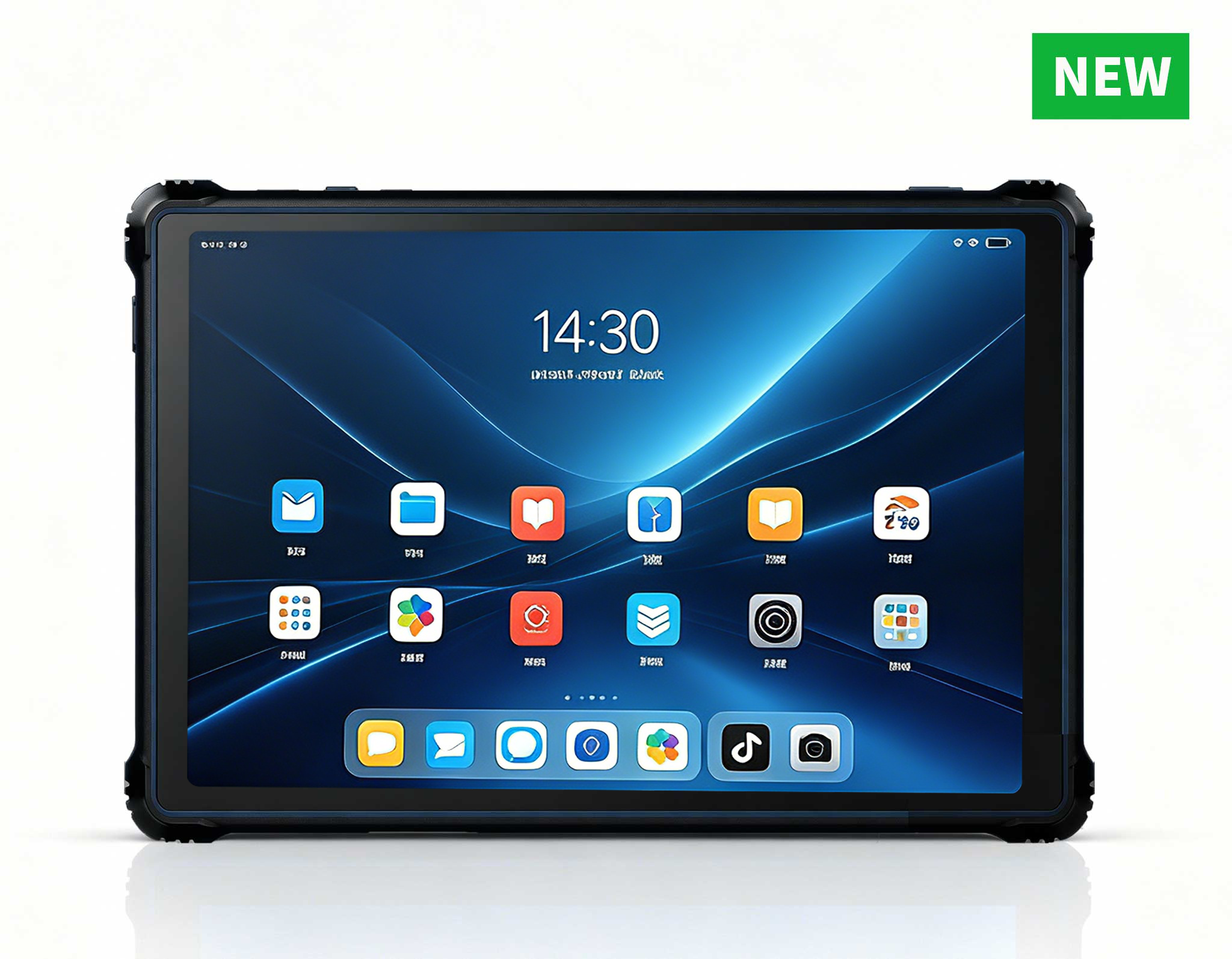
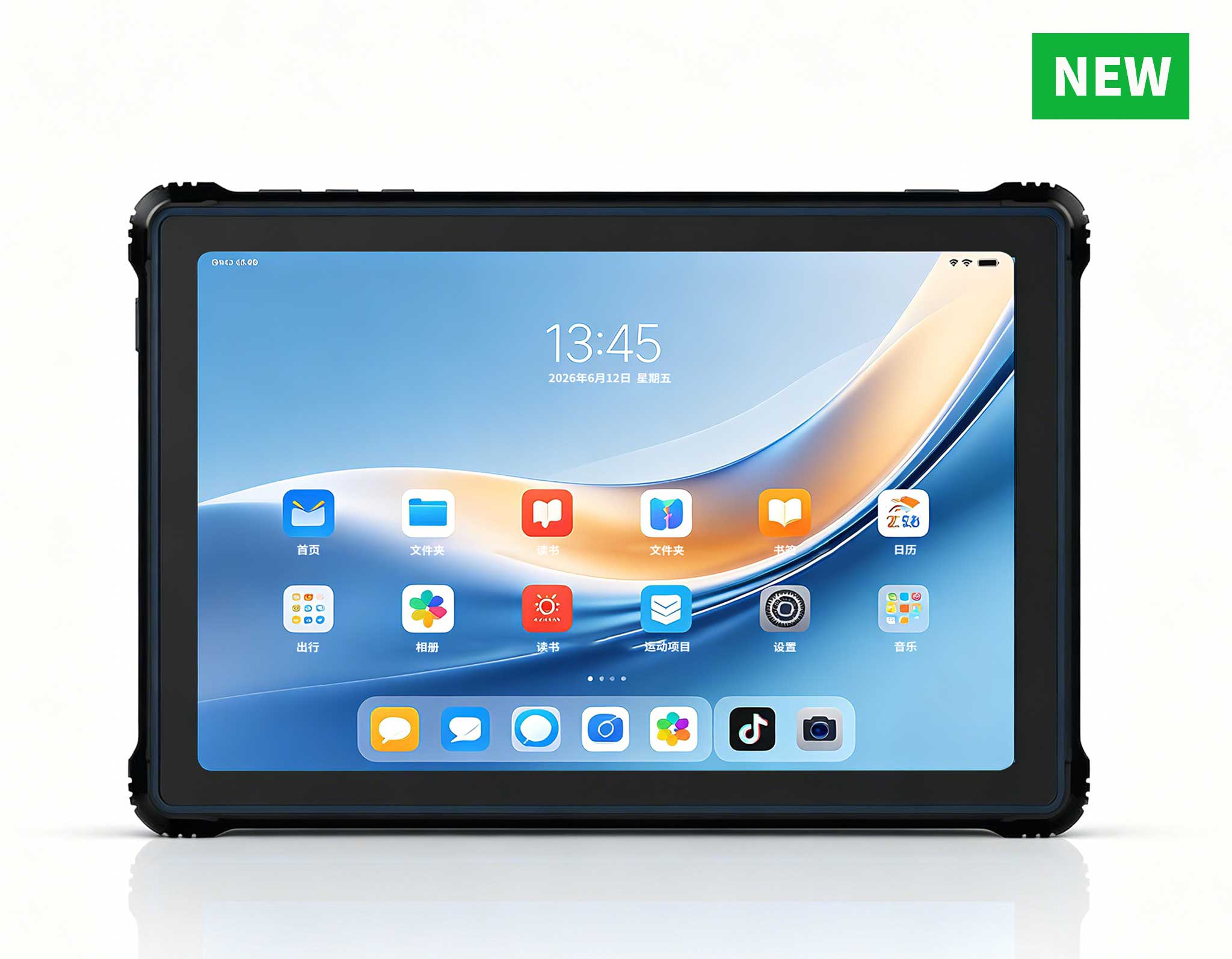
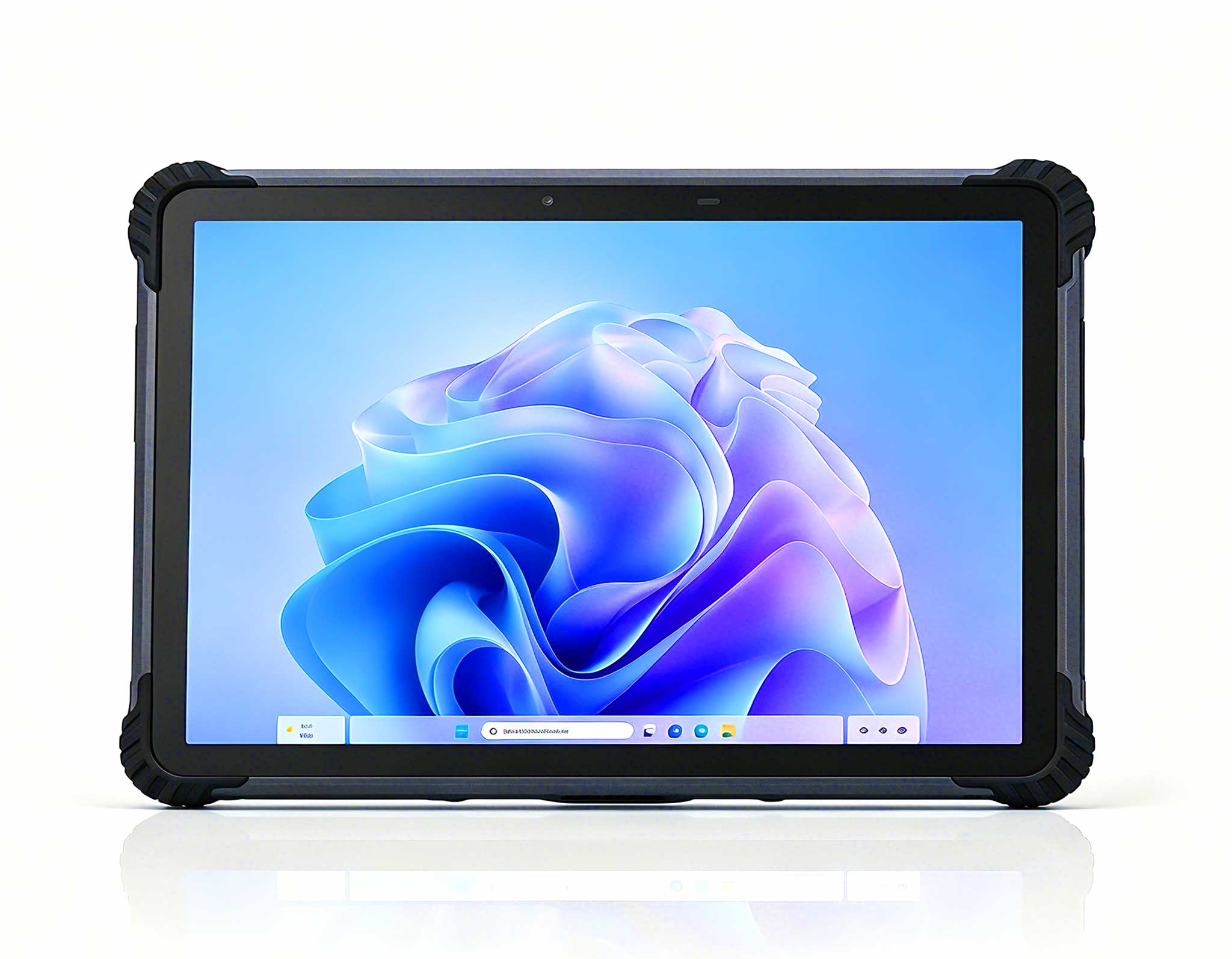
Figure 3: Long-range infrastructure health maps. The ST13-J rugged dashboard tablet gives operations managers clear visual status tracking across extensive carbon capture networks.
Mitigating Risk in Carbon Capture and Storage Infrastructure
A midstream CCS operator managing a 300 km $s\text{CO}_2$ transmission network recently replaced their paper logging system with 25 HOTUS SH6 UT inspection setups, 30 SH5-W handheld units, and 15 ST13-J dashboard systems.
Within the first nine months of field use, the integrated system identified an anomalous degradation pattern along a 2-kilometer segment located near an extraction station. The local wall thickness was dropping at an annual rate of 0.35 mm per year—nearly double the design allowance. While standard analog methods would have missed this small, incremental change, the trend analysis software immediately flagged the sector for review.
An engineering team ordered an advanced phased array inspection, which located shallow stress corrosion cracks branching out from a minor manufacturing defect on an internal longitudinal weld line. The operator isolated and repaired the segment during a planned maintenance window. By identifying the flaw early, the operator avoided an unplanned pipeline shutdown, preventing an estimated $6 million in localized repairs, safety fines, and emergency cleanup costs.
As shown in Figure 6, when the ST13-J dashboard identifies an infrastructure risk, engineers can drill down into the localized anomaly with a single tap. The screen displays corrosion velocity, historic pressure changes, and device data instantly, allowing managers to verify alerts and issue digital maintenance work orders directly to field technicians.
Transitioning to Advanced Digital Pipeline Safeguards
Stress corrosion cracking remains an invisible threat to expanding carbon capture networks. Paper logs and manual entries cannot track micro-degradation trends over time, leaving operations exposed to sudden material failures. Using specialized marine-grade Windows tablets equipped with direct sensor integration, GPS logging, and automated degradation modeling provides the visibility needed to keep high-pressure infrastructure safe, durable, and fully compliant with safety standards.
Want to safeguard your carbon transport pipelines against stress corrosion cracking liabilities and audit failures?
Contact HOTUS Technology Today
to consult with our field infrastructure specialists, request evaluation units for the SH6 handheld system, or review custom network asset monitoring integrations with our ST11-U and ST13-J tablet lines.