


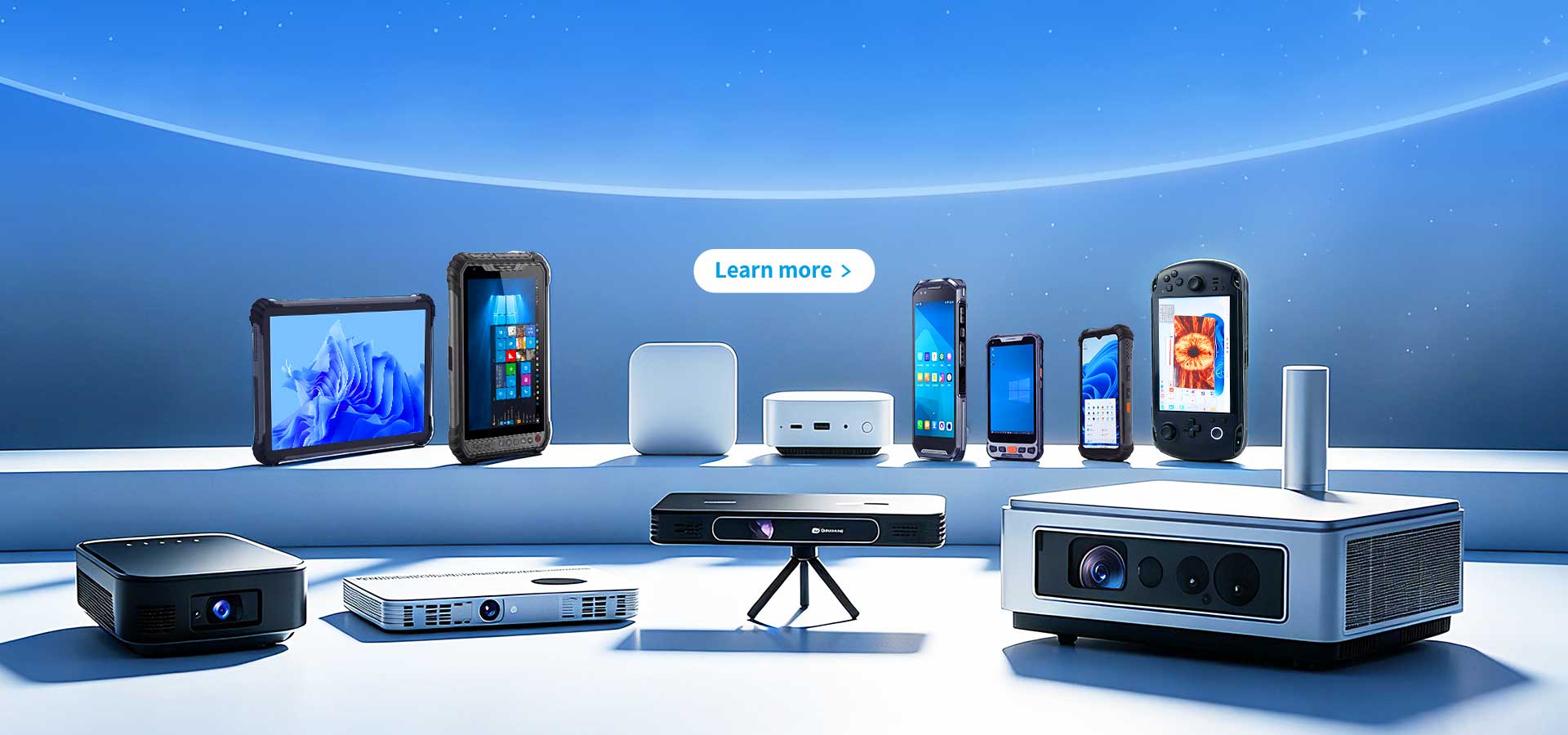

My take: The biggest mistake I see in industrial digitization projects is buying hardware in silos. Teams pick a tablet for inspections, a PDA for scanning, and a separate server for data processing, only to realize these devices don't communicate. The real ROI comes when you treat them as three nodes of a single closed-loop system. Below, I'll show you exactly how a professional mini pcs edge gateway, a rugged tablet, and a handheld PDA can form a seamless data pipeline from the shop floor to the cloud.
Industry 4.0 and smart manufacturing initiatives are pushing data processing closer to the source. But most factories still struggle with fragmented data flows: field operators use barcode scanners, supervisors carry tablets for dashboards, and the server room runs analytics. The gap? A unified hardware ecosystem that connects these dots. That's where the Palm-sized miniPC, HTQ10A Rugged Tablet, and F505 Handheld PDA come in — not as standalone gadgets, but as three interoperable nodes designed for real-time edge computing and field data collection.
Let's break down why this trio works better together than any single device could.
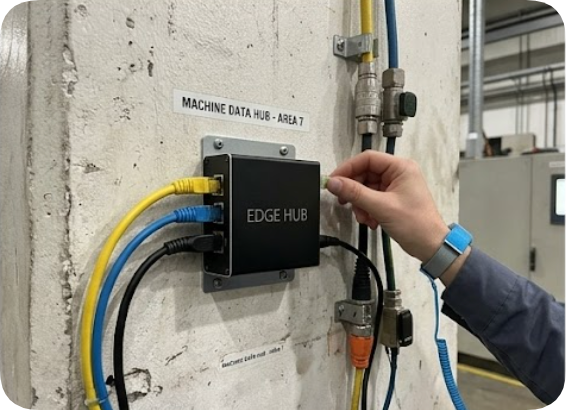
The Edge Brain: Palm-sized miniPC as Local Decision Hub
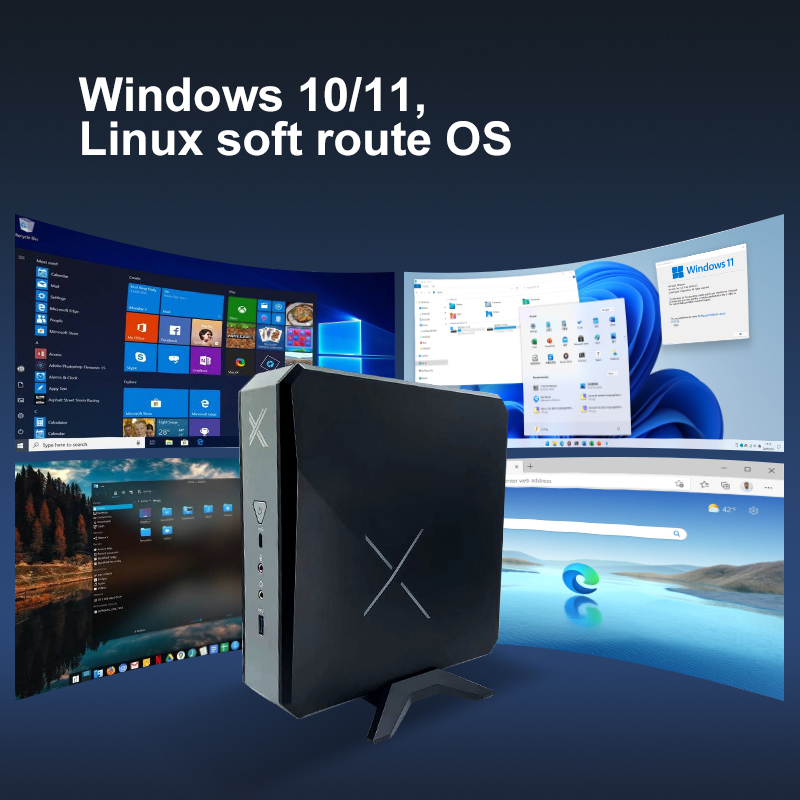
At the core of any industrial edge setup is a device that can ingest, filter, and act on data locally. The Palm-sized miniPC fits this role perfectly. Despite its compact footprint (smaller than a typical router), it packs enough processing power to run lightweight AI inference models, aggregate sensor data from PLCs, and serve as a local MES terminal. Its fanless design means zero dust intake — critical for factory floors with particulate matter. Plus, VESA mounting allows it to sit behind HMI panels or under conveyor belts, out of the way but always connected.
In a typical deployment, this miniPC ingests data from multiple sources: barcode scans from handheld PDAs, temperature readings from IoT sensors, and production counts from PLCs. It processes the data locally, sends only summarized insights to the cloud, and triggers real-time alerts — all without relying on a distant server.
Field Visualization: HTQ10A Rugged Tablet for Real-Time Interaction
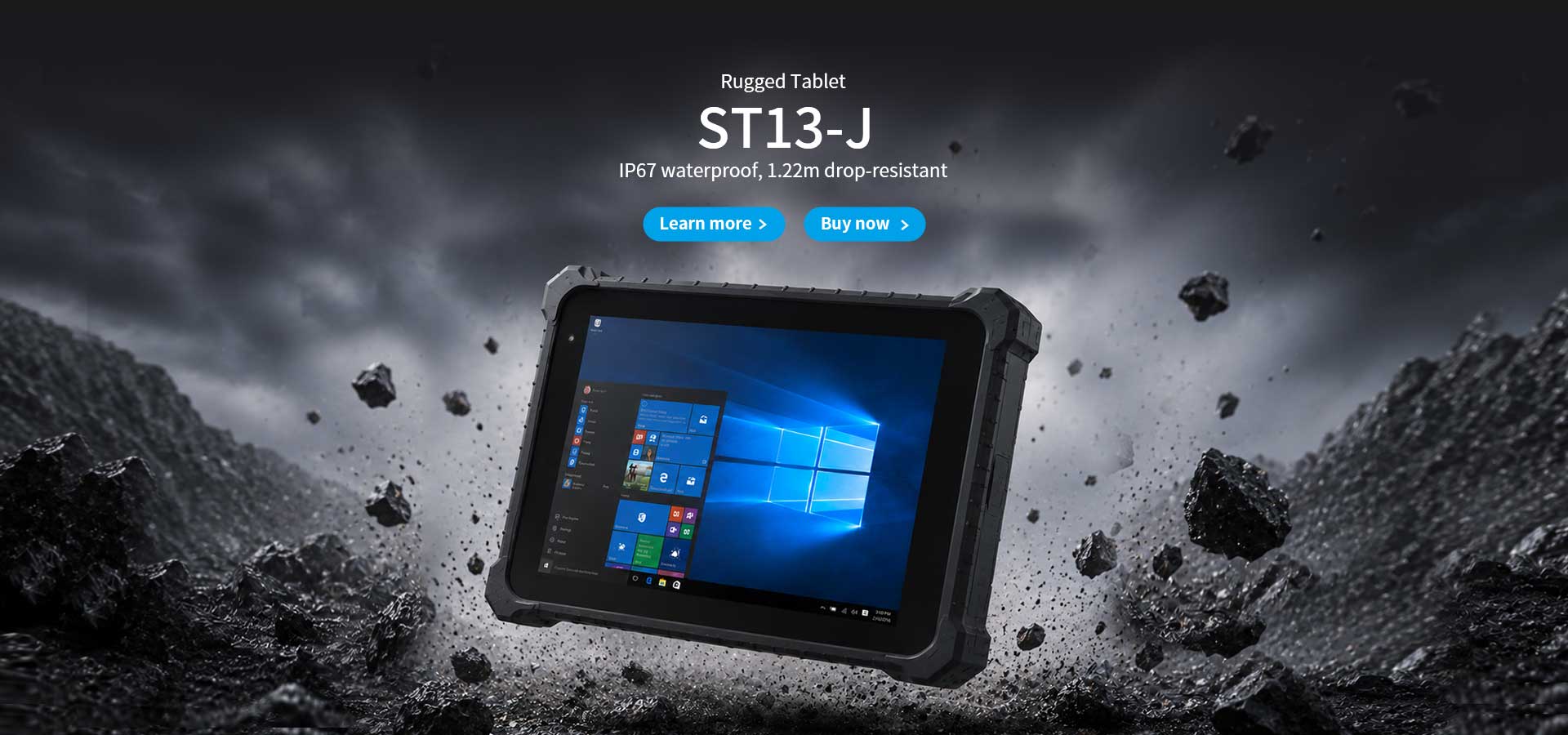
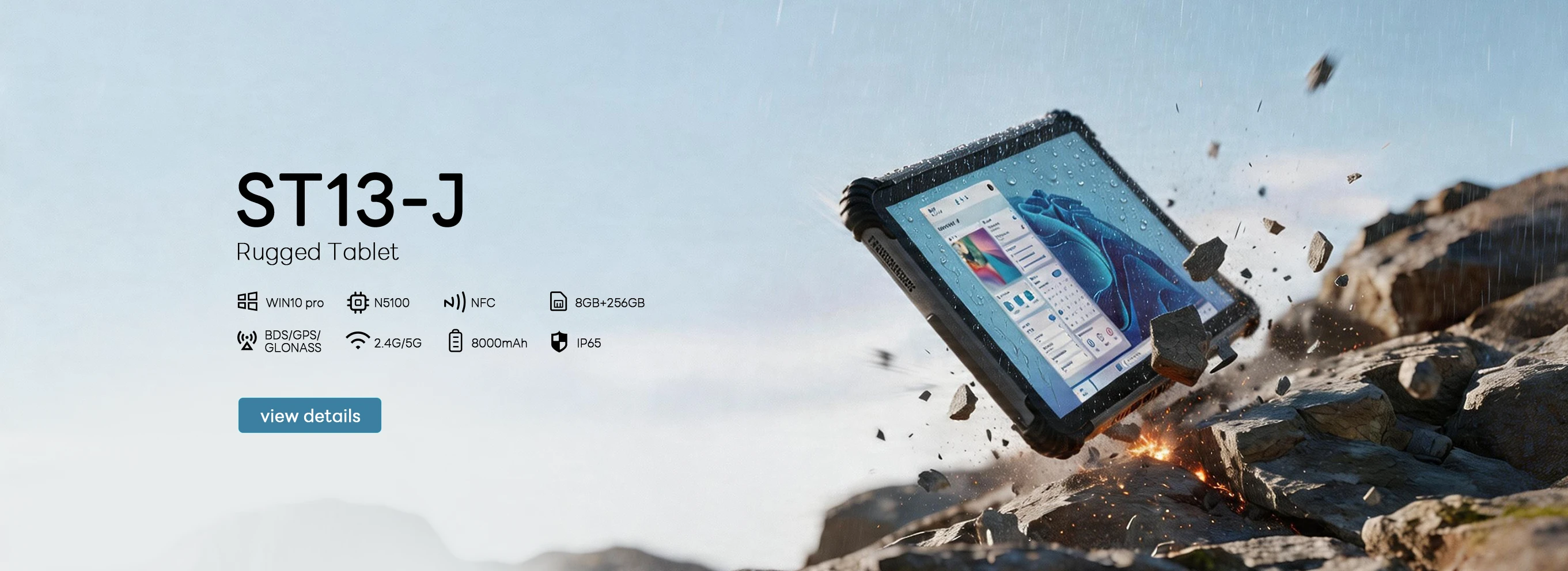
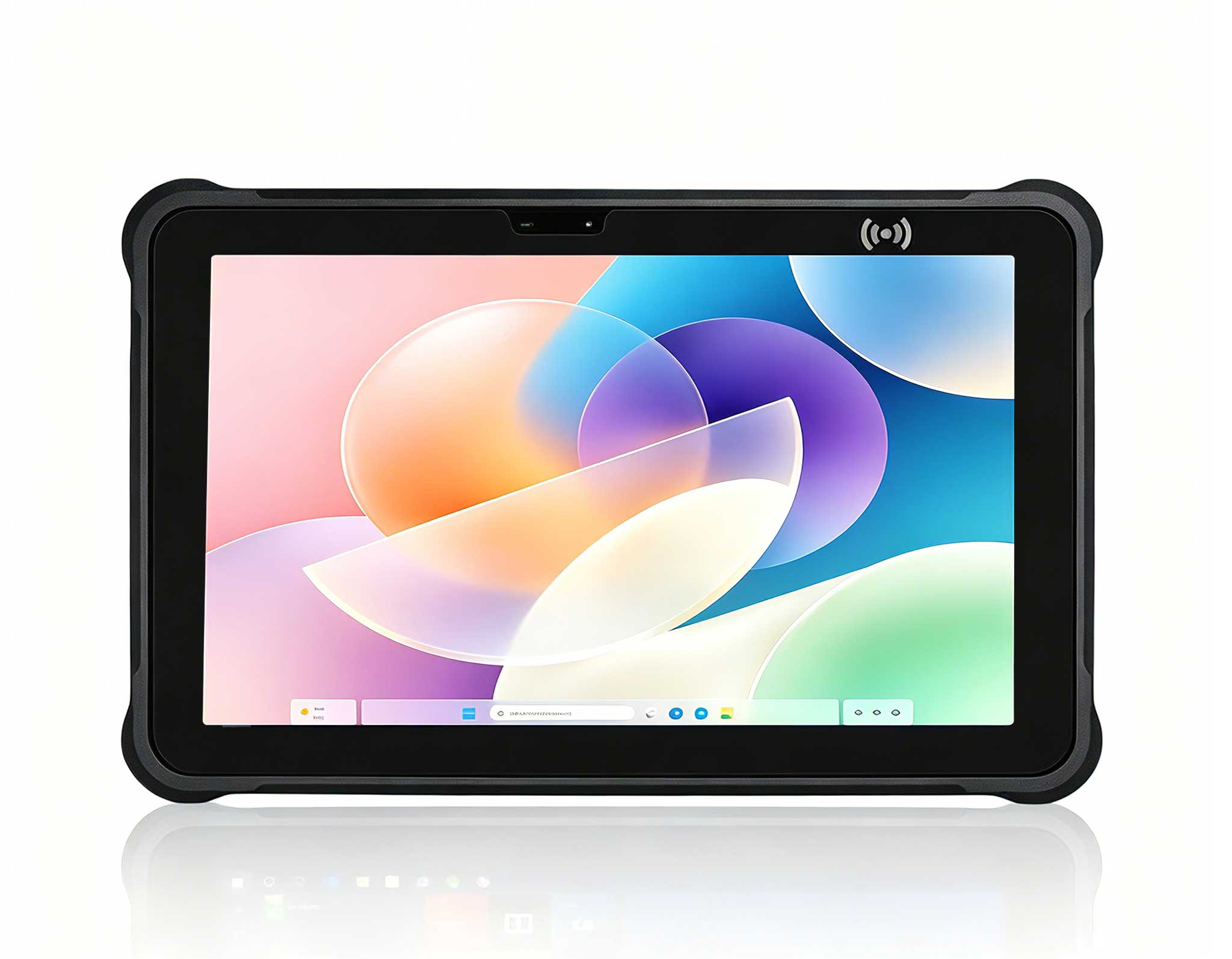
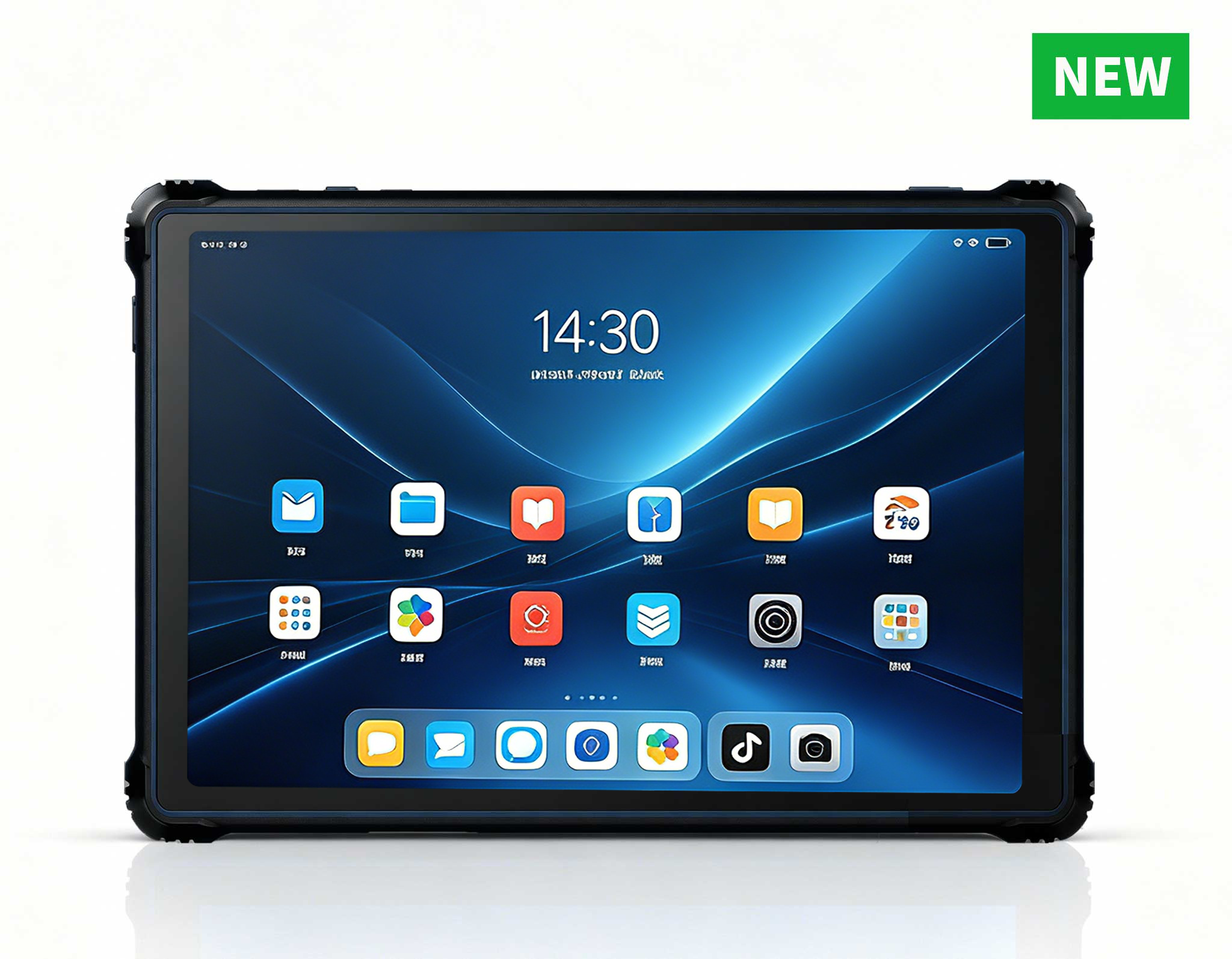
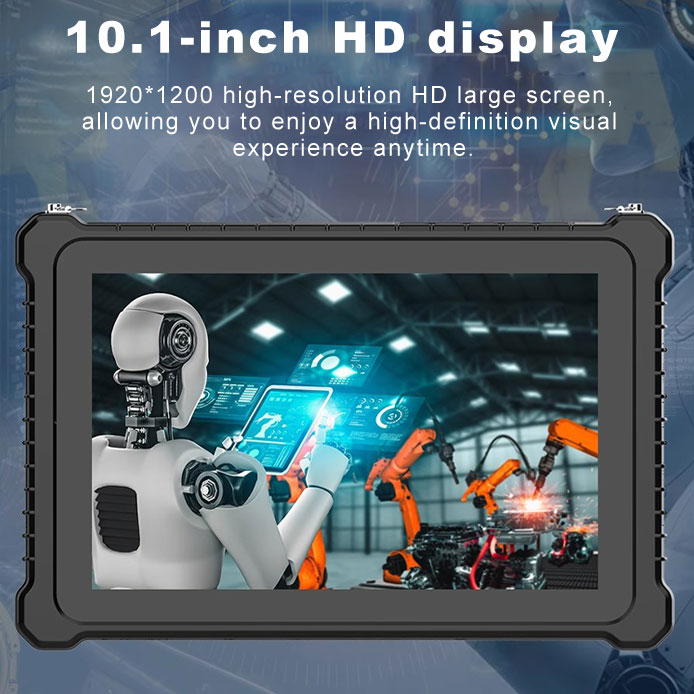
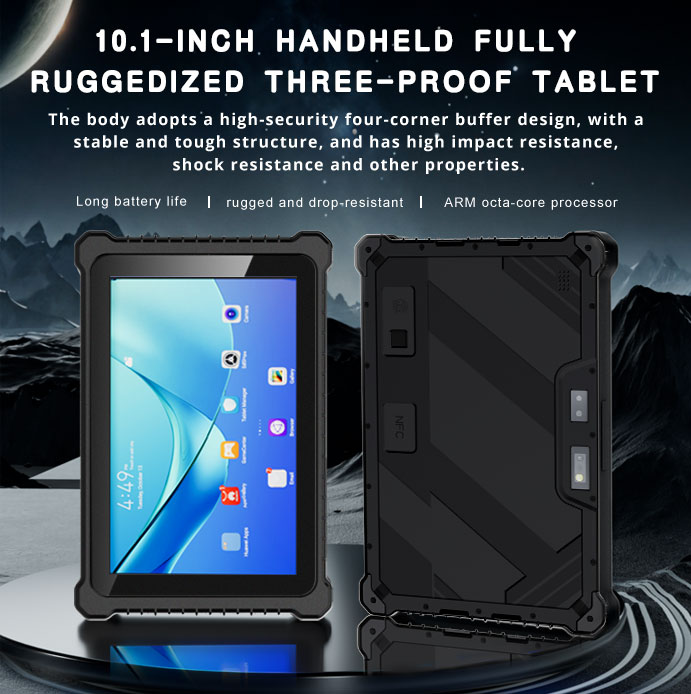
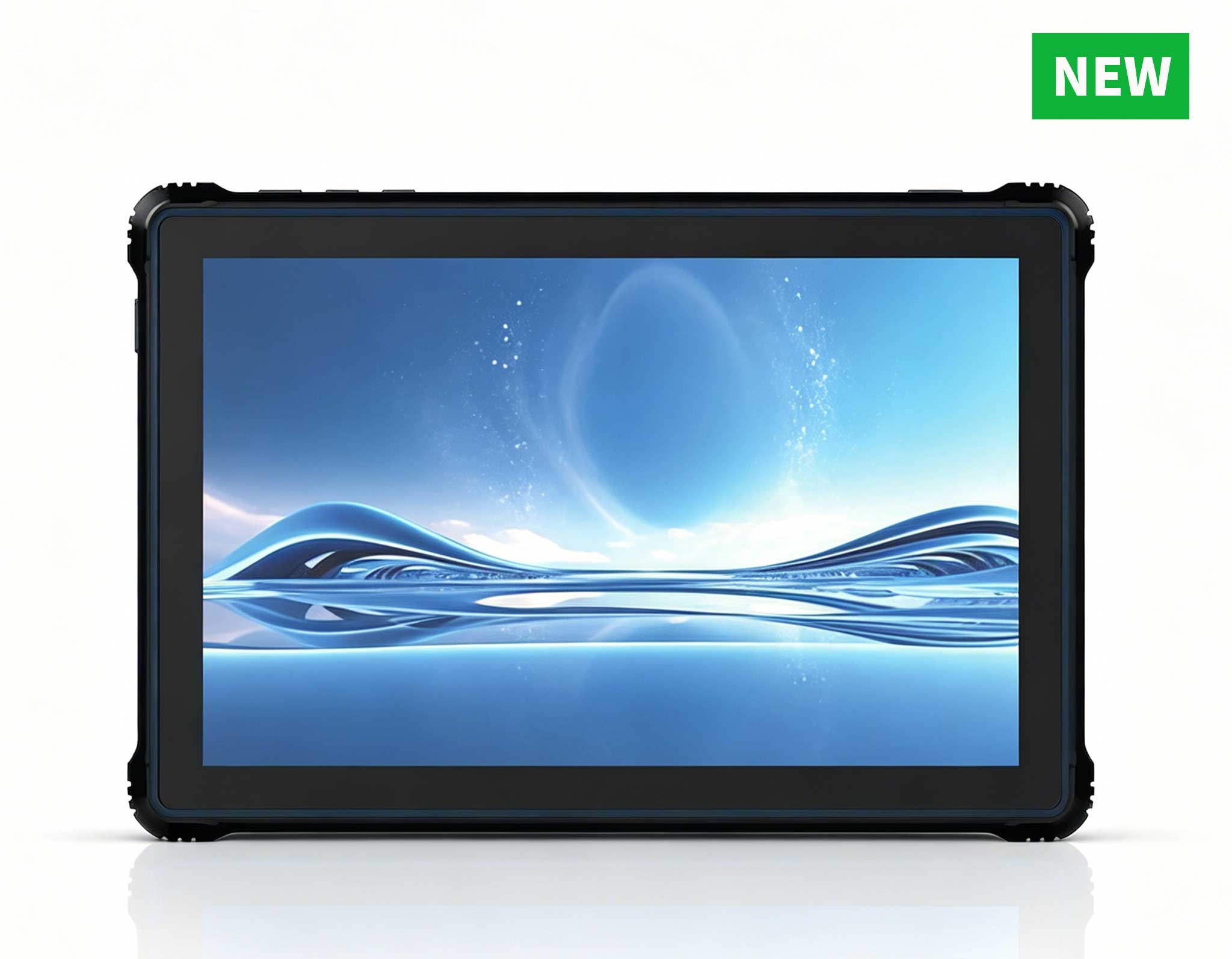
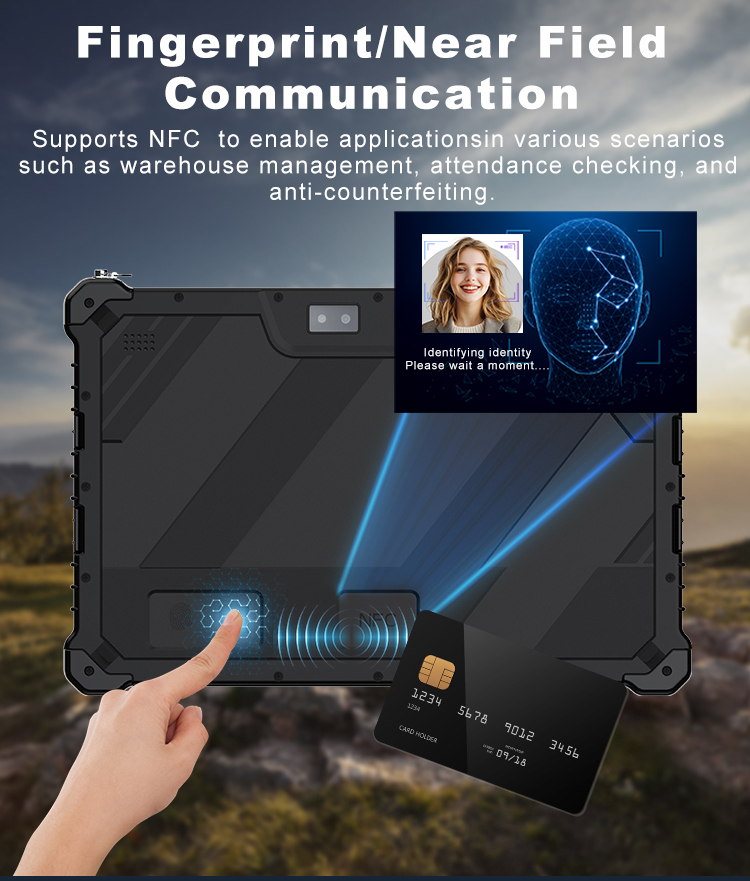
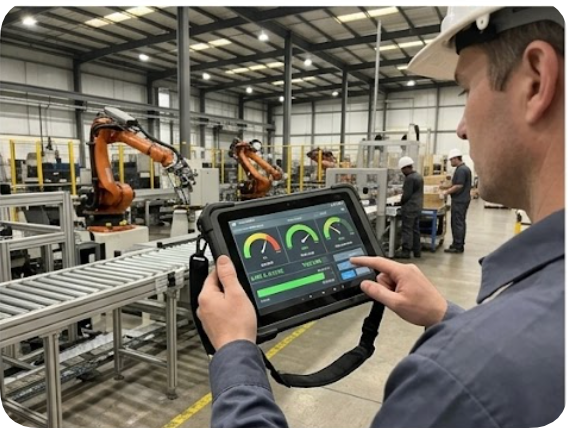
Data processed at the edge is useless if operators can't see it. The HTQ10A Android Rugged Tablet bridges this gap. With a 10.1-inch high-brightness display (readable even under direct sunlight) and IP65-rated dust/water resistance, it's built for the roughest environments — think automotive assembly lines, outdoor pipeline inspections, or construction sites. The long battery life (8-10 hours under continuous use) means it lasts an entire shift without recharging.
What sets the HTQ10A apart is how it connects to the miniPC. Using a local Wi-Fi or 4G link, the tablet pulls live dashboards from the edge gateway. Supervisors can view OEE metrics, quality alerts, or machine status in real time. They can also input notes or photos directly into the system, which the miniPC logs and syncs. This creates a closed feedback loop: the tablet is not just a screen — it's an interactive node that feeds data back into the edge decision engine.
Front-End Data Capture: F505 Handheld PDA for High-Speed Scanning
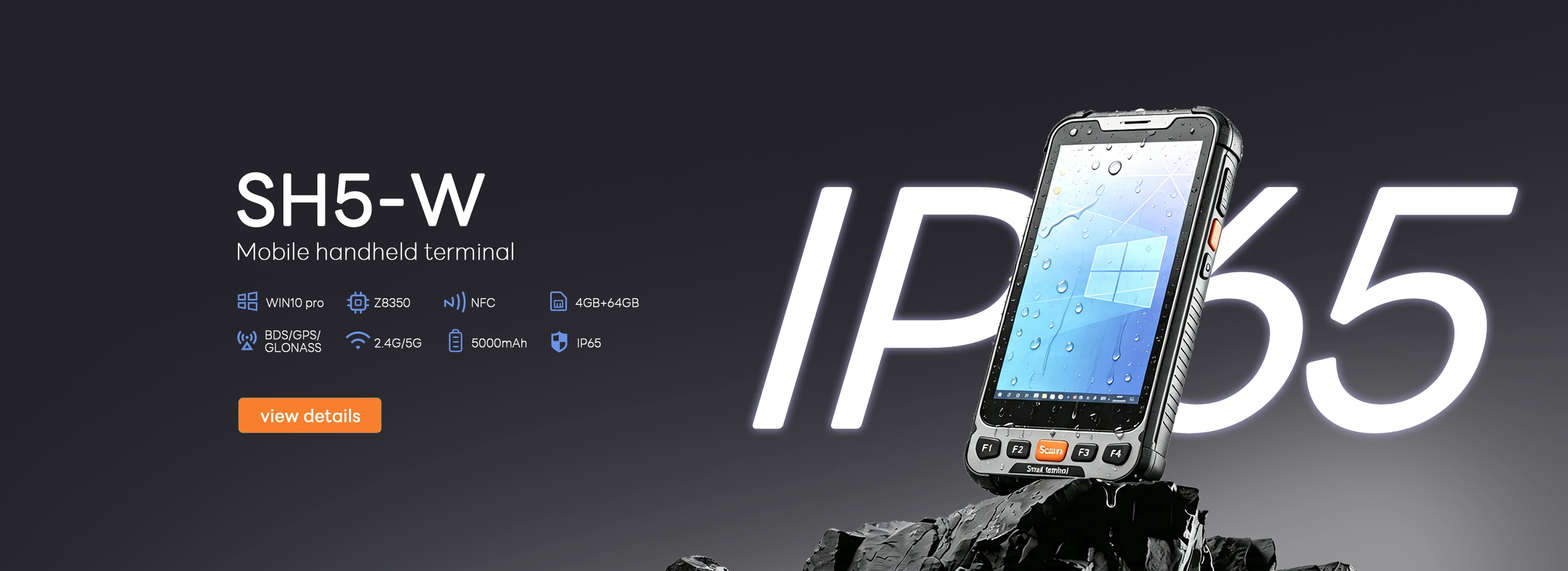
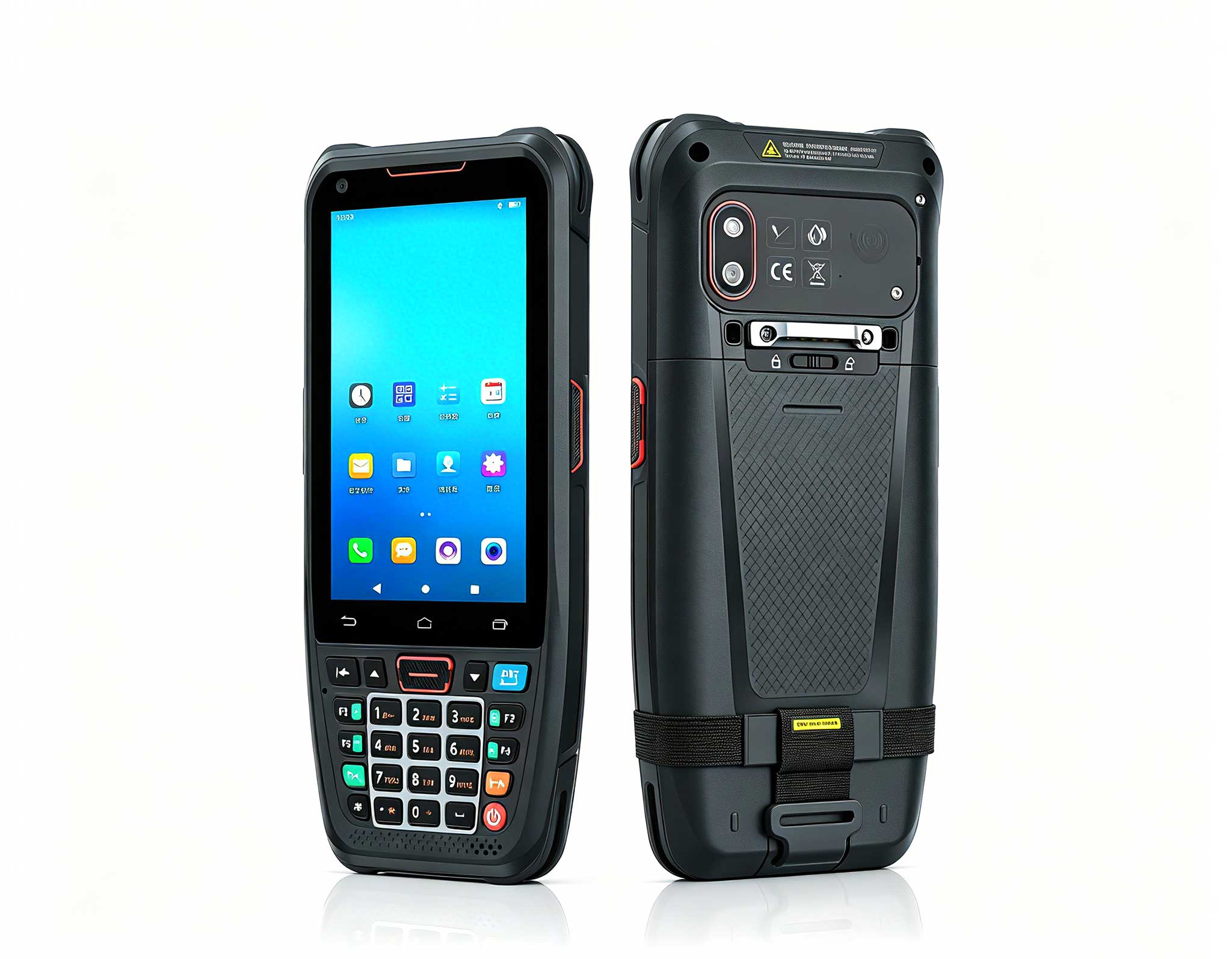
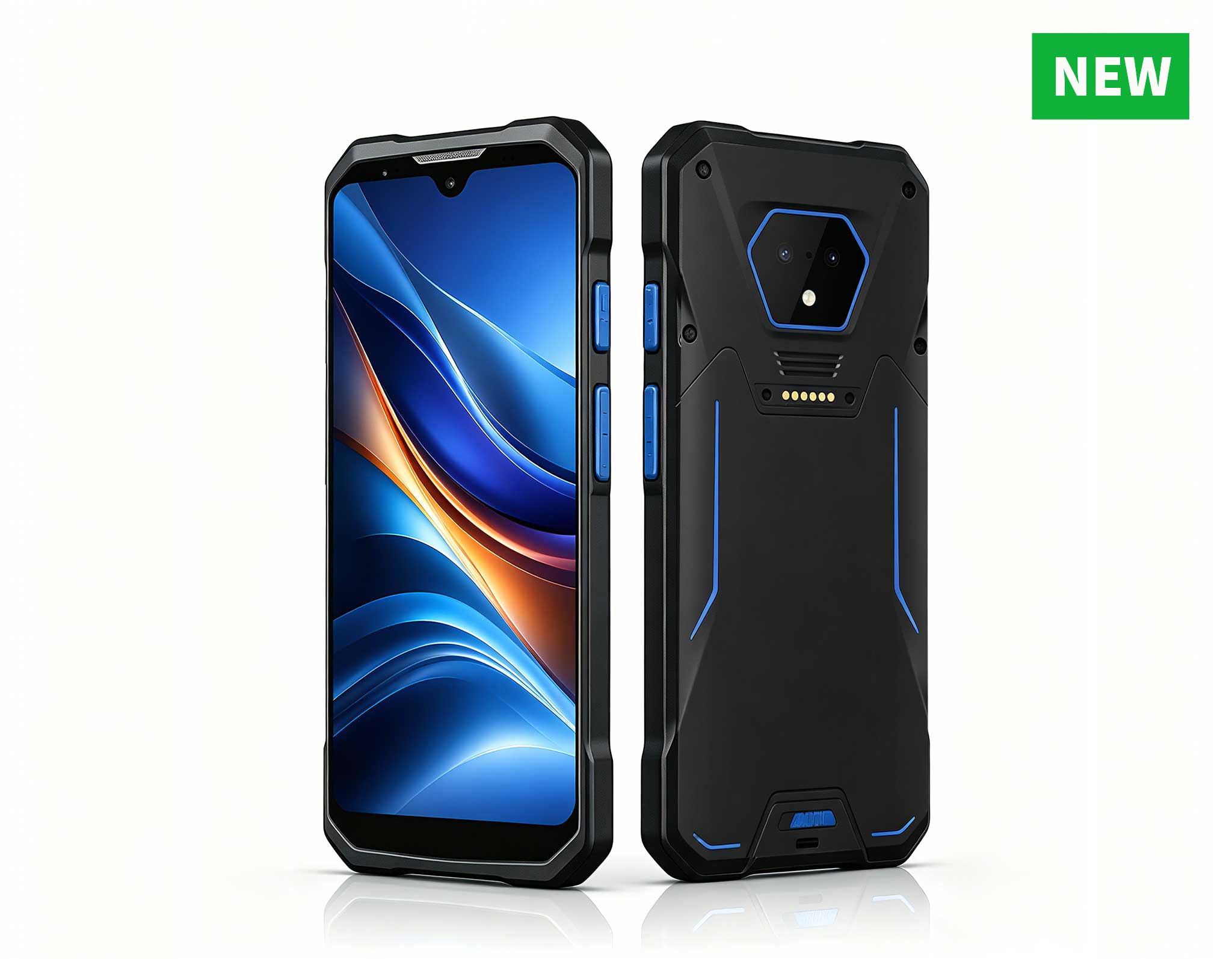
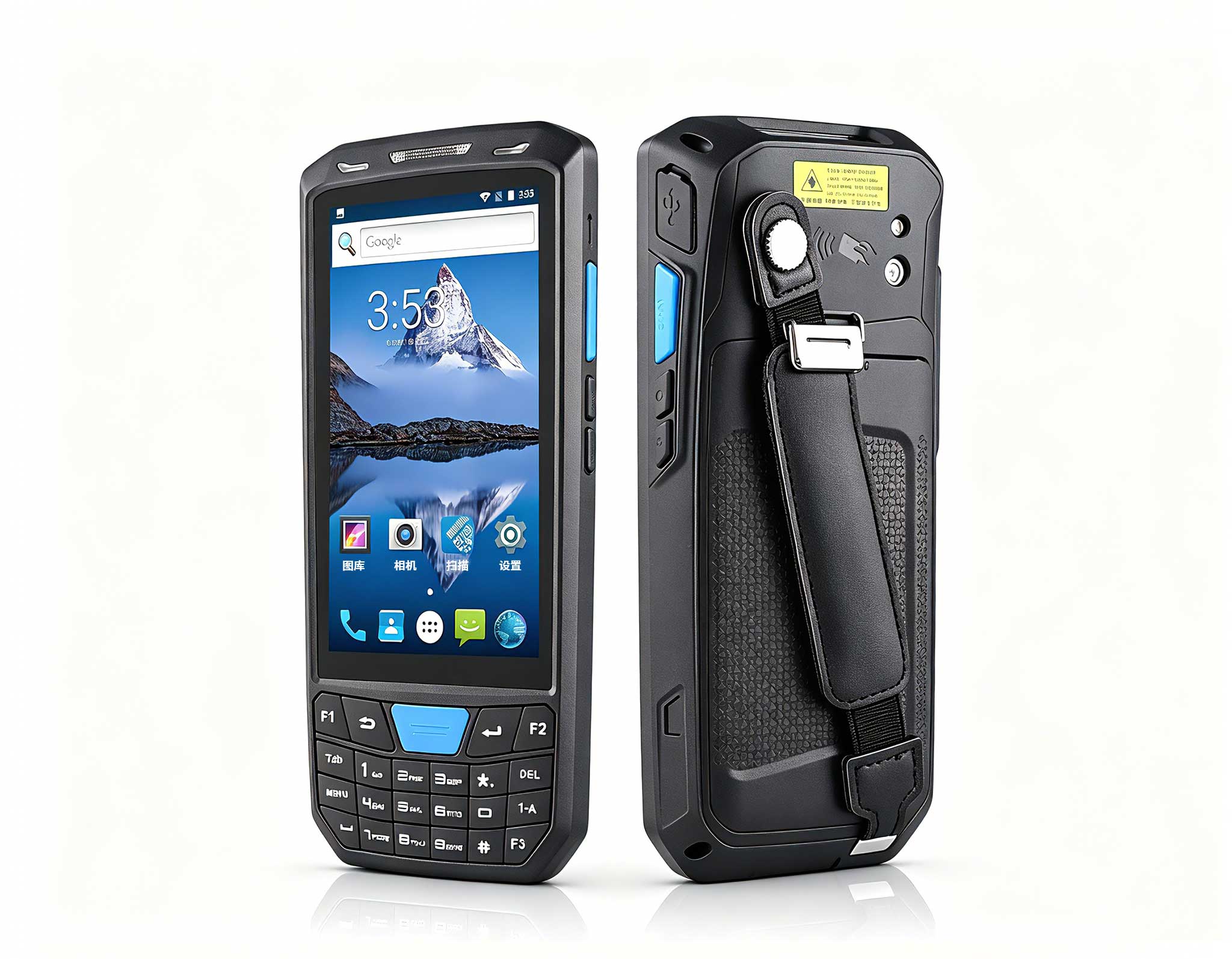
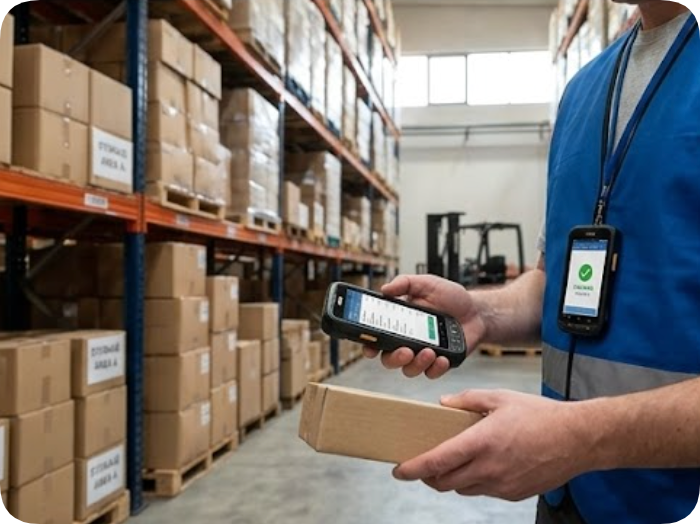
Every digital loop starts with data entry. The Handheld PDA F505 is the frontline worker's tool for capturing barcodes, RFID tags, and inventory counts. Running Android 13 with a full-screen touch interface and integrated scan engine, it replaces legacy batch scanners with real-time connectivity. The 4G/WiFi dual mode ensures it stays online even in remote warehouse corners or outdoor yards.
In the three-node system, the F505 sends scan data directly to the Palm-sized miniPC via MQTT or HTTP. The miniPC validates the data against production orders, updates inventory levels, and pushes confirmation back to the PDA — all in under a second. This eliminates the latency of cloud-dependent systems and keeps operations running even if the internet goes down.
How These Three Devices Form a Complete Industrial Digital Loop
Let's map the data flow: The F505 PDA captures a barcode from an incoming raw material. That scan is sent over Wi-Fi to the Palm-sized miniPC mounted near the receiving dock. The miniPC checks the material against the ERP order, updates the local inventory database, and triggers a quality inspection request. The inspector receives the request on the HTQ10A Rugged Tablet, completes the check, and uploads photos and pass/fail status. The miniPC logs everything, updates the production schedule, and sends a summary to the cloud ERP at the end of the shift.
This closed-loop approach offers three key advantages over siloed tools:
- Latency reduction: Local processing cuts response time from seconds to milliseconds.
- Offline resilience: The miniPC stores and queues data when cloud connectivity drops.
- Unified data model: All three devices share the same schema, eliminating data reconciliation headaches.
Comparing the Trio: When to Use Which Device
Choosing between the HTQ10A Rugged Tablet and the F505 PDA often comes down to task type. For tasks requiring heavy data visualization — like reviewing machine diagnostics or digital work instructions — the tablet's larger screen is indispensable. For high-volume scanning in tight spaces (think warehouse aisles or pallet scanning), the PDA's ergonomic grip and dedicated scan button win. The miniPC, meanwhile, is the silent workhorse that doesn't need a screen at all — it just processes.
In many deployments, a single operator carries both: the PDA for scanning and the tablet for navigation. Both devices sync to the same miniPC, so data never gets lost. This combination is especially effective in pharmaceutical manufacturing (where batch tracking requires both scanning and visual verification) and cold chain logistics (where temperature data from sensors must be matched with scanned shipment IDs).
Real-World Application Scenarios
Here are five concrete scenarios where this three-node system delivers measurable ROI:
- Automotive assembly line: The miniPC runs defect detection AI on camera feeds. When a defect is flagged, the HTQ10A tablet alerts the line supervisor, who uses the F505 PDA to scan the vehicle VIN and log the repair action.
- Warehouse inventory cycle count: Workers use the F505 PDA to scan pallets. The miniPC reconciles counts against the WMS in real time. Discrepancies appear instantly on the HTQ10A tablet held by the floor manager.
- Oil & gas pipeline inspection: Inspectors carry the HTQ10A tablet to view digital maps and sensor data. They use the F505 PDA to scan asset tags and log inspection results. The miniPC at the field office aggregates all data for daily reports.
- Food processing batch tracking: Raw materials are scanned with the F505 PDA at intake. The miniPC assigns batch numbers and tracks cooking times. The HTQ10A tablet at the quality station displays real-time temperature logs for approval.
- Construction site material management: The miniPC runs a local inventory database. Workers scan incoming materials with the F505 PDA, and project managers use the HTQ10A tablet to view stock levels and reorder alerts.
Why This Approach Matters for Industry 4.0
The global edge computing market in manufacturing is projected to grow at over 30% CAGR through 2030. But the technology alone isn't enough — the hardware must be rugged, interoperable, and purpose-built for industrial conditions. Hotus Technology's trio addresses exactly that: the Palm-sized miniPC brings server-grade processing to the edge, the HTQ10A tablet withstands drops and dust, and the F505 PDA delivers fast, accurate scanning. Together, they form a stack that aligns with smart manufacturing principles: decentralized control, real-time visibility, and data-driven decision making.
For companies already running MES or WMS systems, integrating these devices is straightforward. The miniPC supports standard protocols (Modbus, OPC-UA, MQTT), while the tablet and PDA run Android with customizable apps. Hotus also offers OEM/ODM customization for specific branding or software preloads.
Call to Action: Build Your Industrial Edge System Today
If you're tired of patching together incompatible devices and want a proven three-node system that actually works together out of the box, it's time to evaluate the Palm-sized miniPC, HTQ10A Rugged Tablet, and F505 Handheld PDA. Free samples are available for evaluation, and volume pricing applies for bulk orders. All devices ship worldwide with a 1-year warranty and technical support. Contact Hotus Technology to request a demo or discuss your specific use case.
Note: OEM/ODM customization and private labeling are available for qualified partners.
Enterprise Infrastructure Sourcing Optimization
Deploying synchronized computing nodes on a global scale requires stringent hardware longevity and modular customizability. To guarantee low total cost of ownership (TCO) across complex supply networks, your selection must support open-architecture deployments and continuous field endurance.
- Robust Structural Engineering: MIL-STD-810G compliant design guarantees that screens and data scanning modules withstand sudden impacts on concrete floor surfaces.
- Unified Industrial Communication Protocols: Native compatibility with MQTT, Modbus, and OPC-UA standards means our hardware connects instantly with pre-existing SCADA and cloud legacy architectures.
- Continuous Component Lifecycle Support: We offer a minimum 5-year hardware availability lifecycle roadmap to eliminate premature product obsolescence in high-investment digitization plans.
Don't compromise your operational efficiency with fragile, disjointed consumer-tier devices. Explore our comprehensive array of elite enterprise mini pcs to secure structural data continuity, explore configuration accessories, or speak directly with our engineering advisory squad to scale your automation deployment.