- Select Language
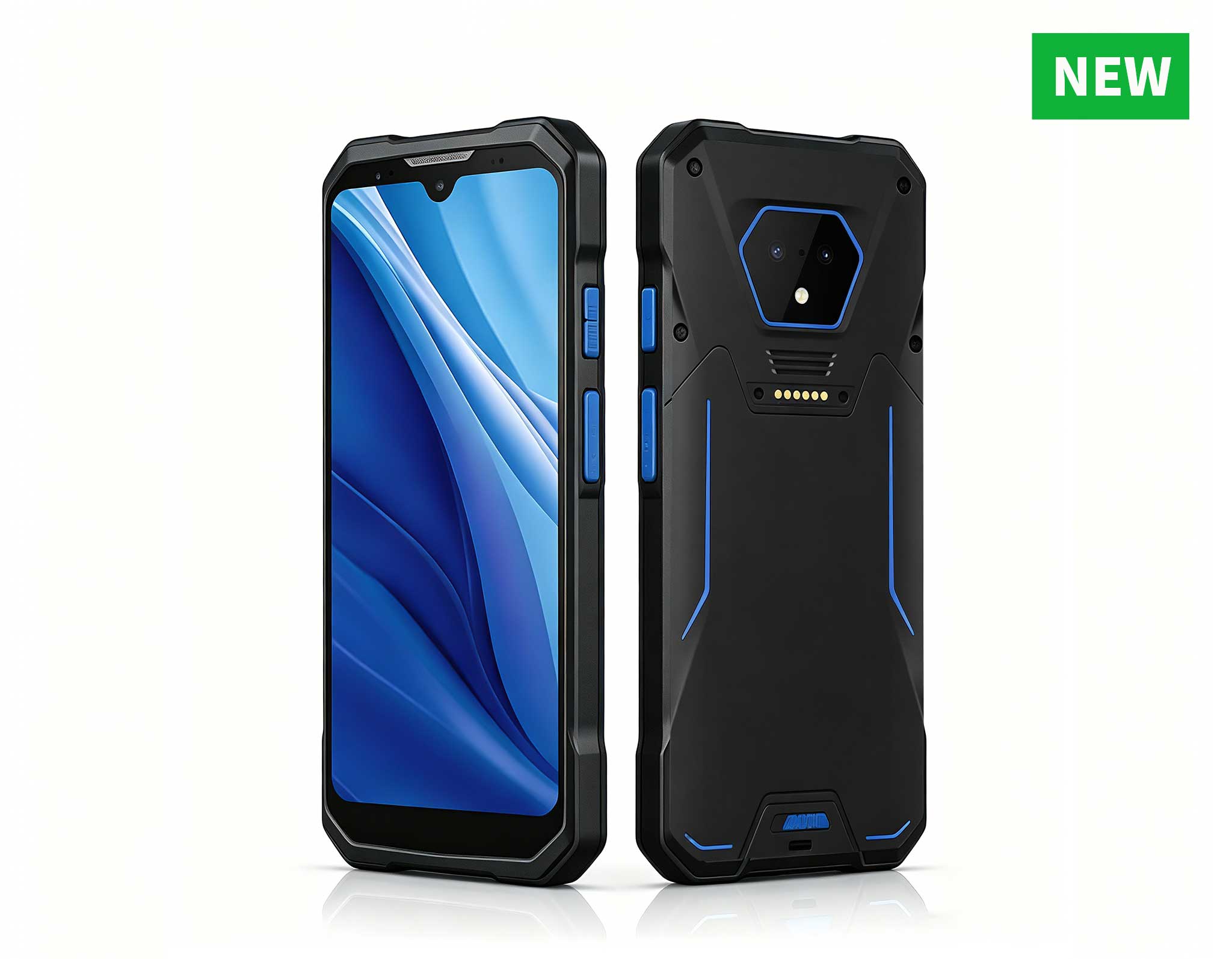
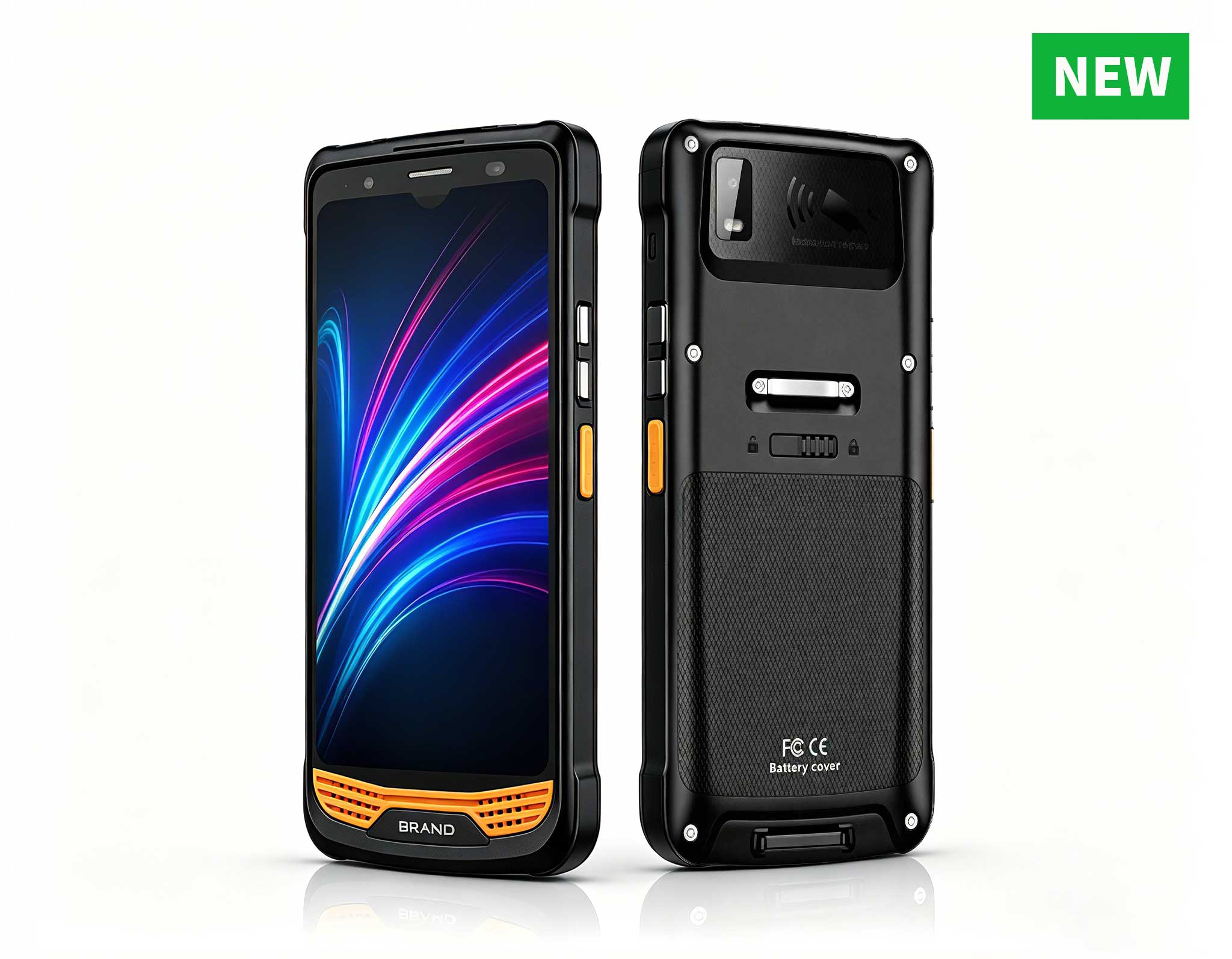
RS50 5G Rugged Handheld Terminal | 6.3" FHD+ ...
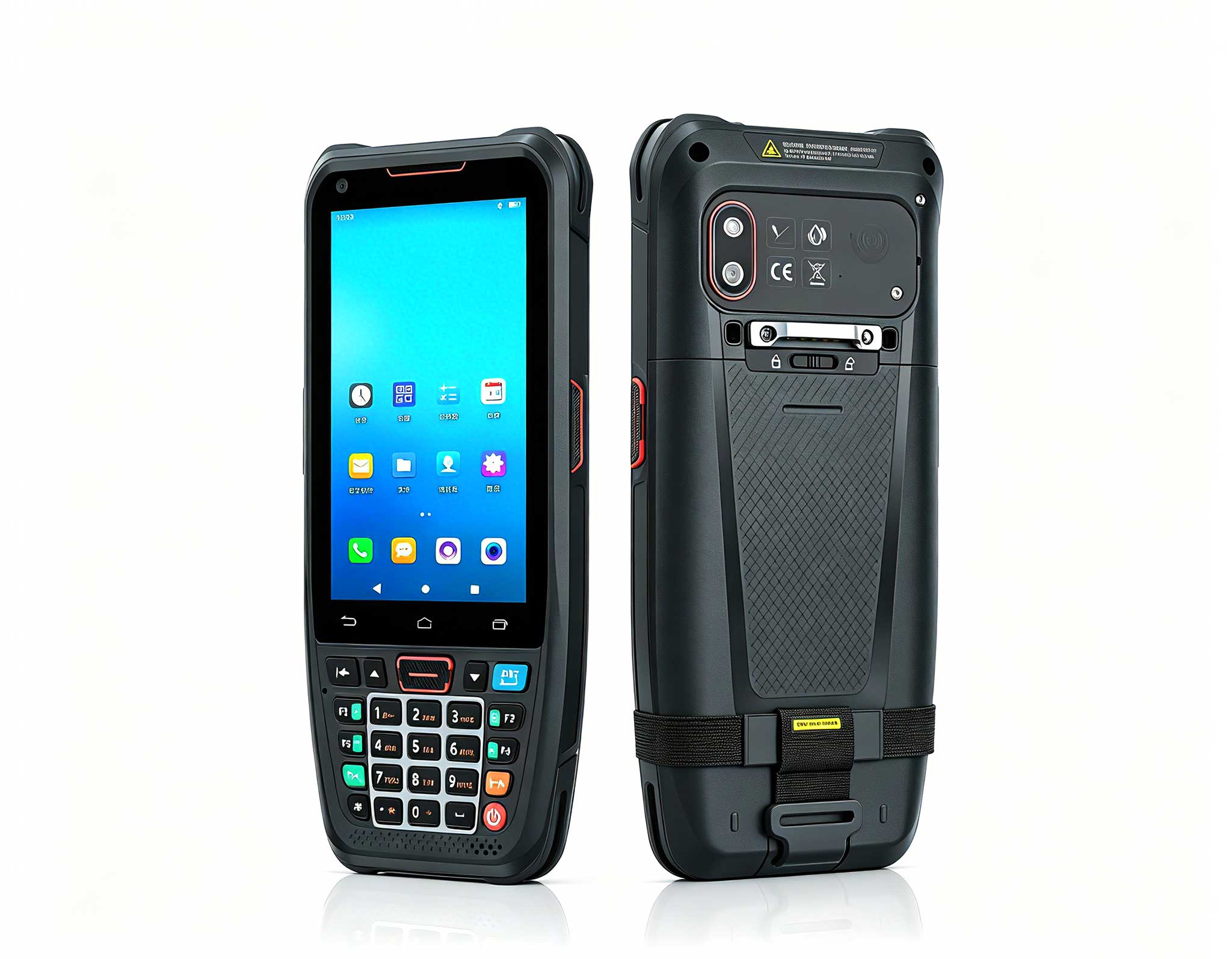
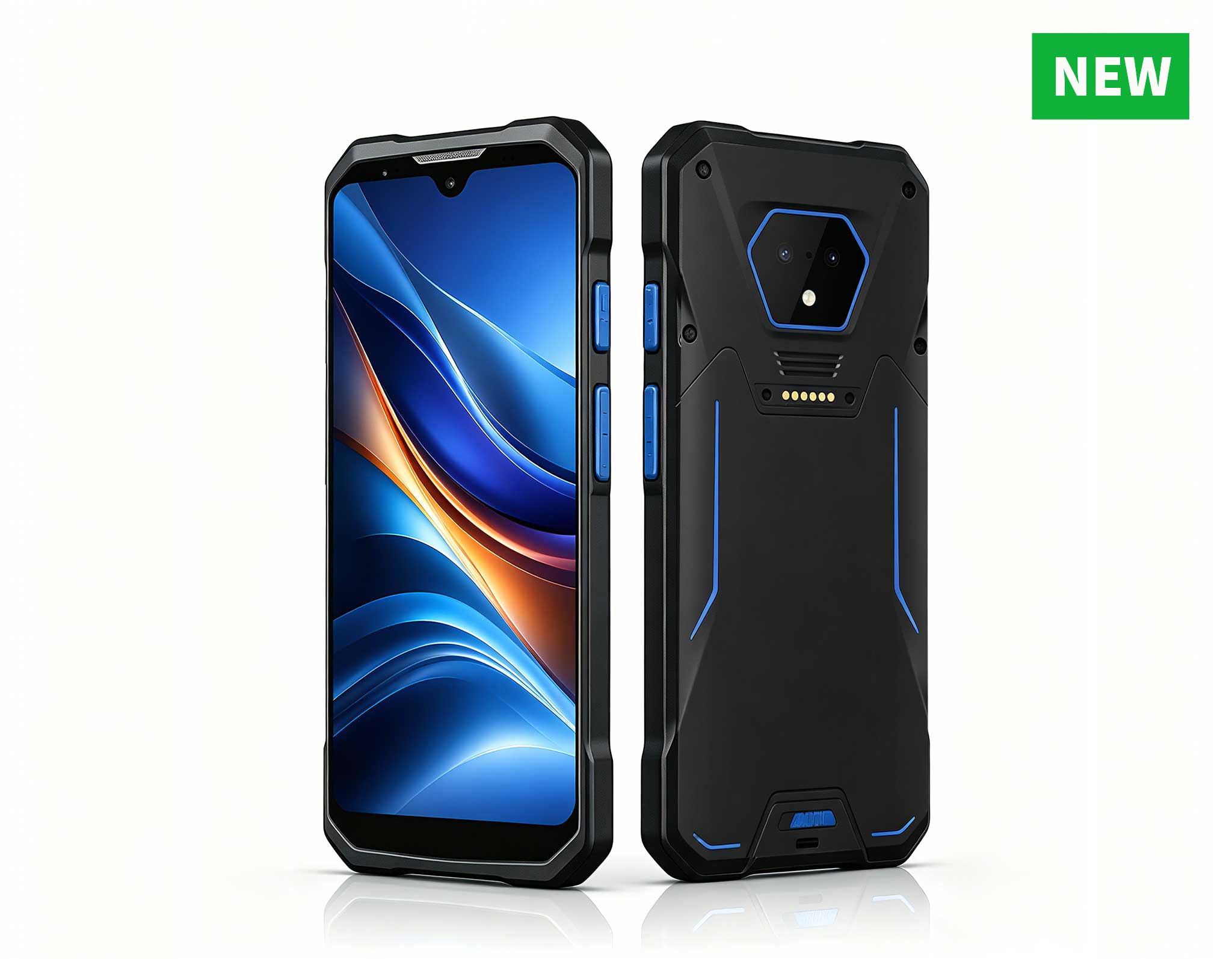
The N40 Android smart PDA features a Cortex-A53 qu...
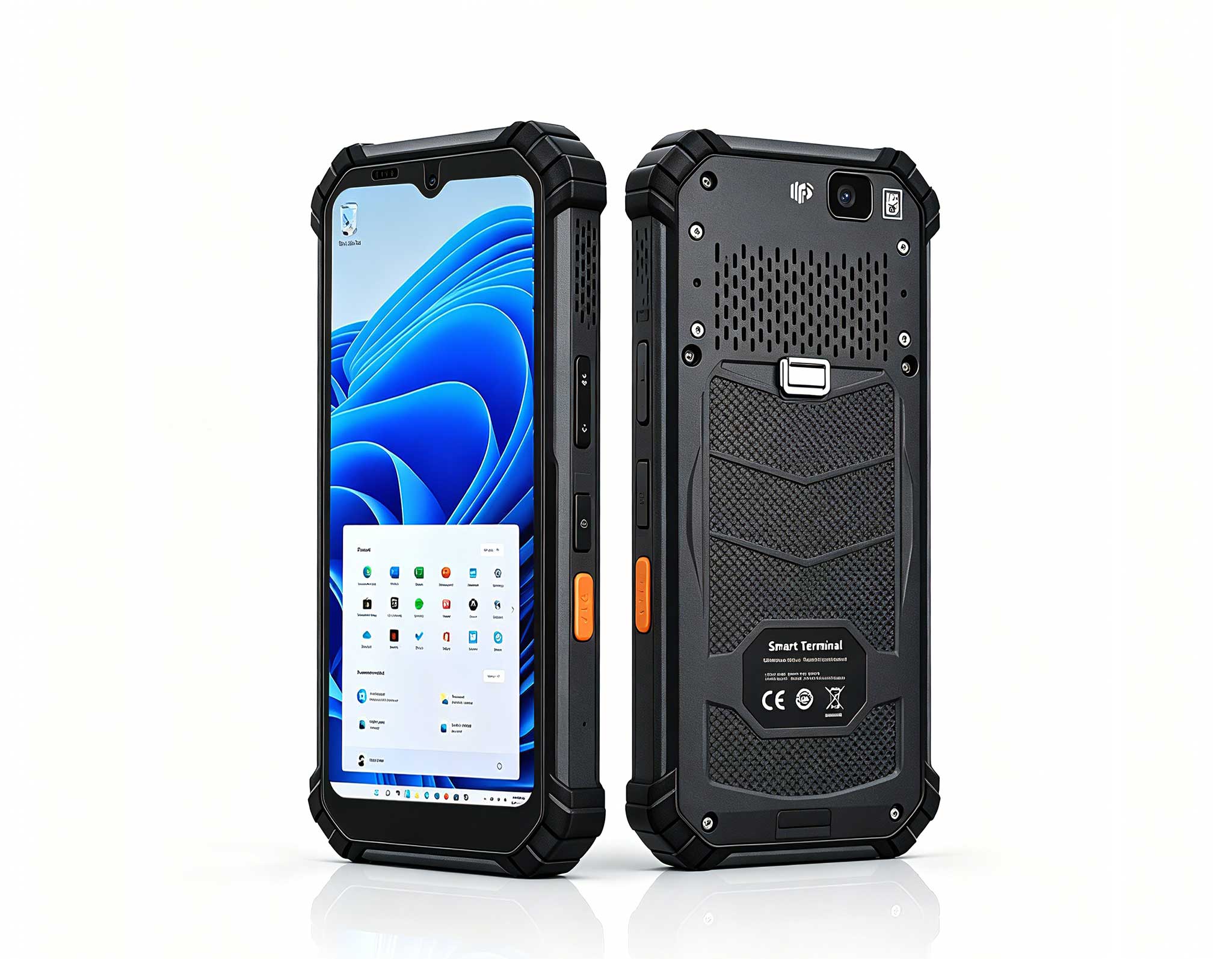
R366-S 5.5-inch Industrial PDA | Qualcomm Octa-cor...
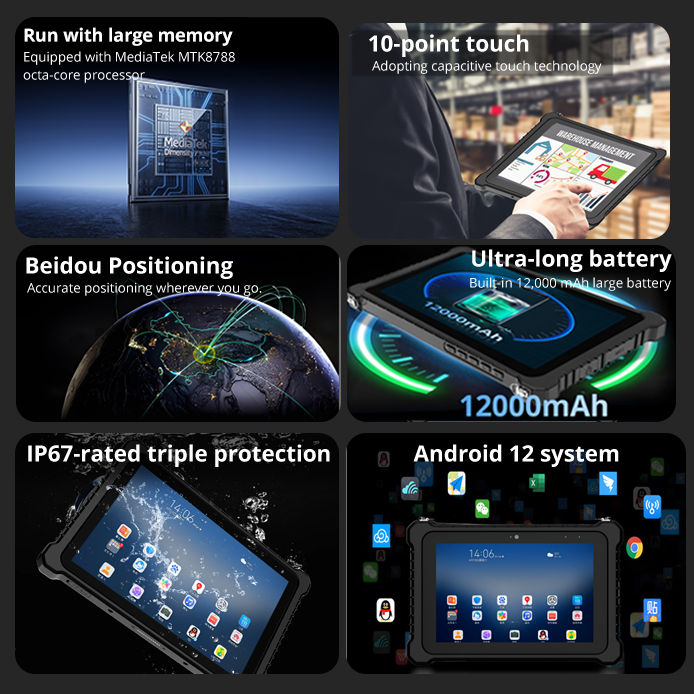
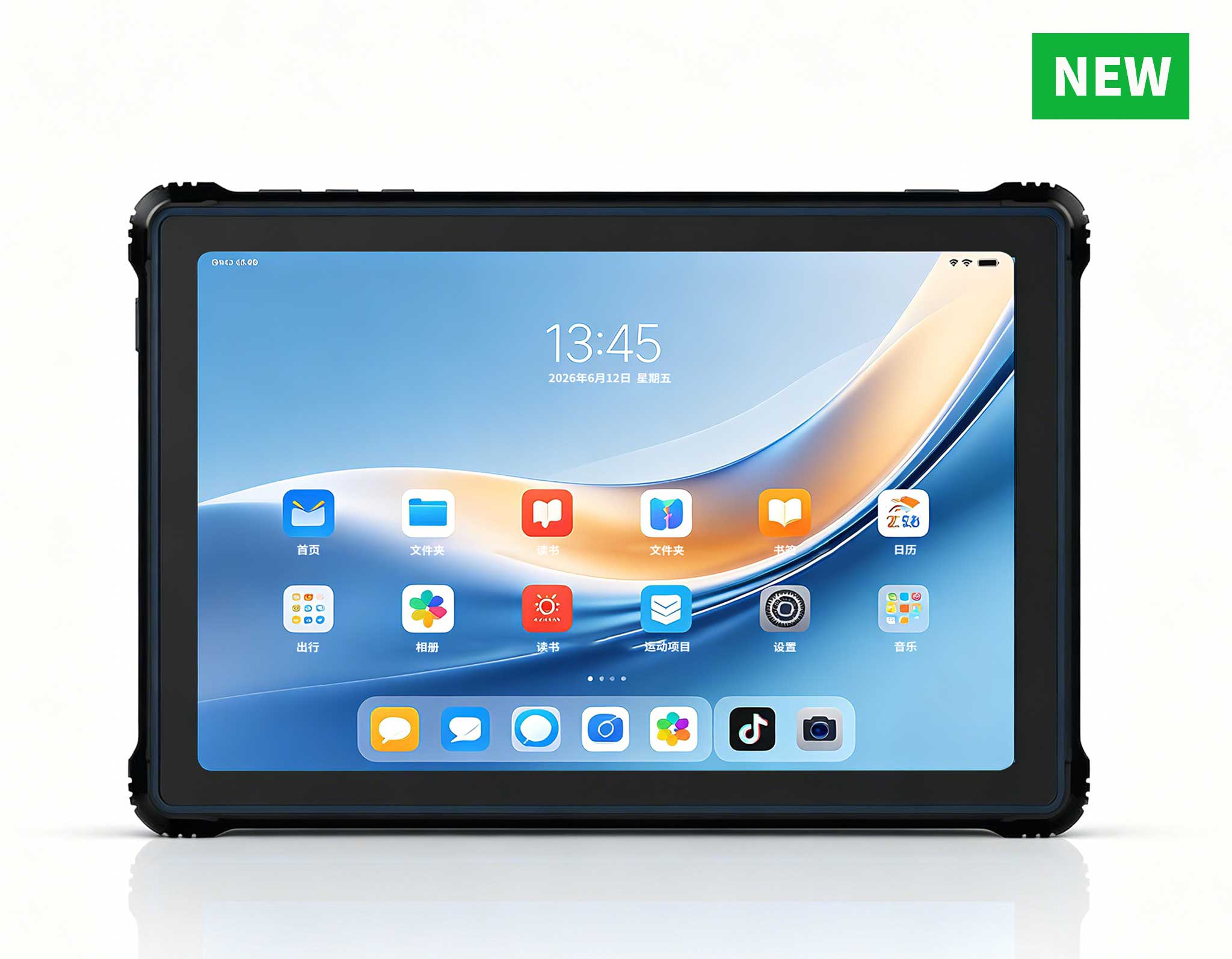
RT81 4G Rugged Tablet | 10.1" FHD 400nit | Qu...
RS51 4G Rugged Handheld Terminal | 6.3" FHD+ ...
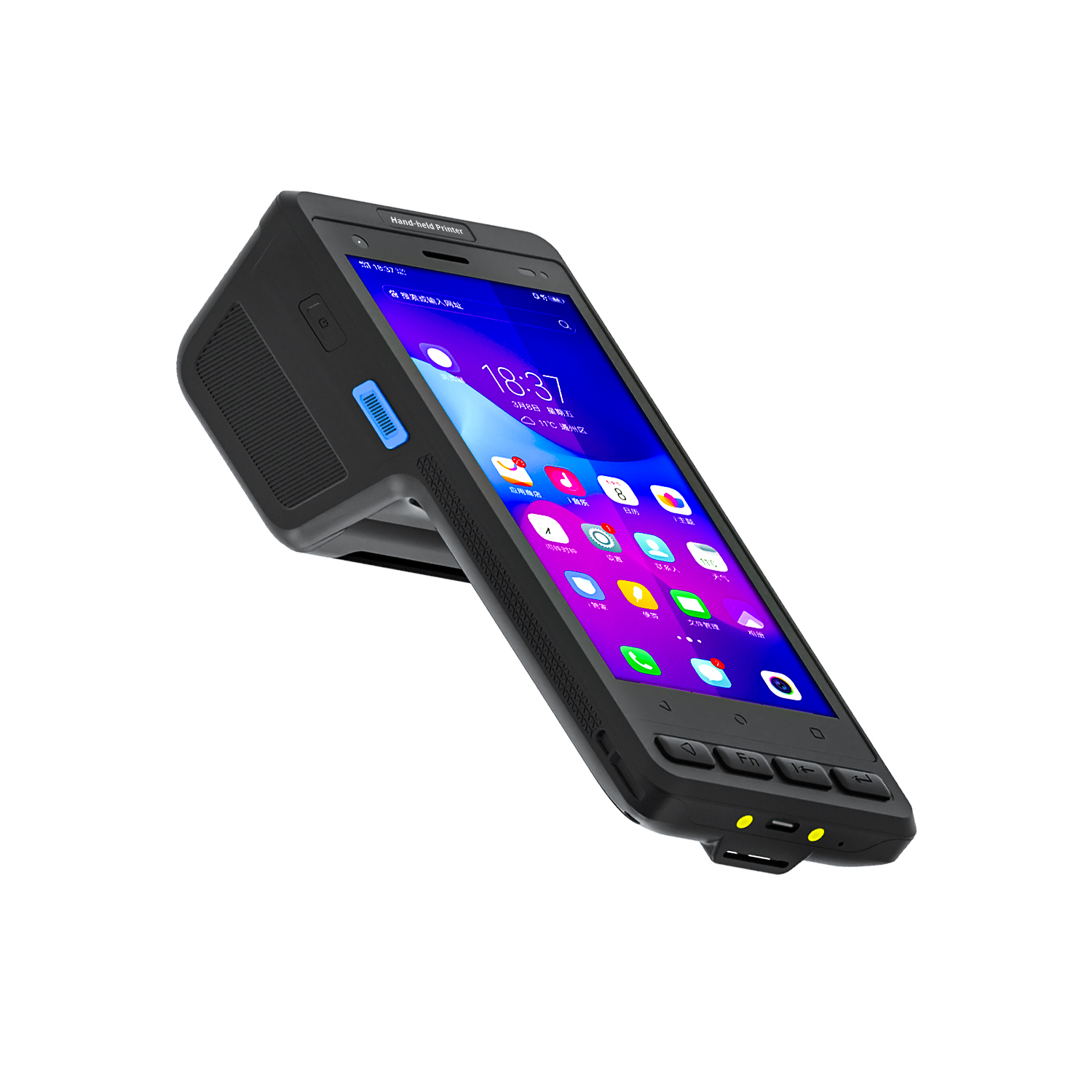
️ X8 Series Handheld Label & Thermal Printing ...
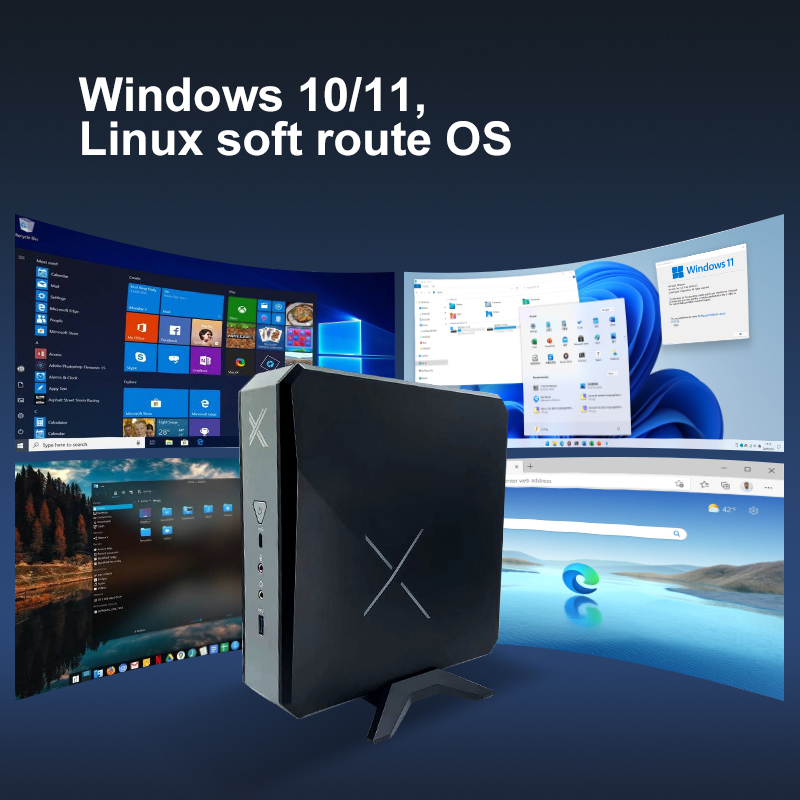
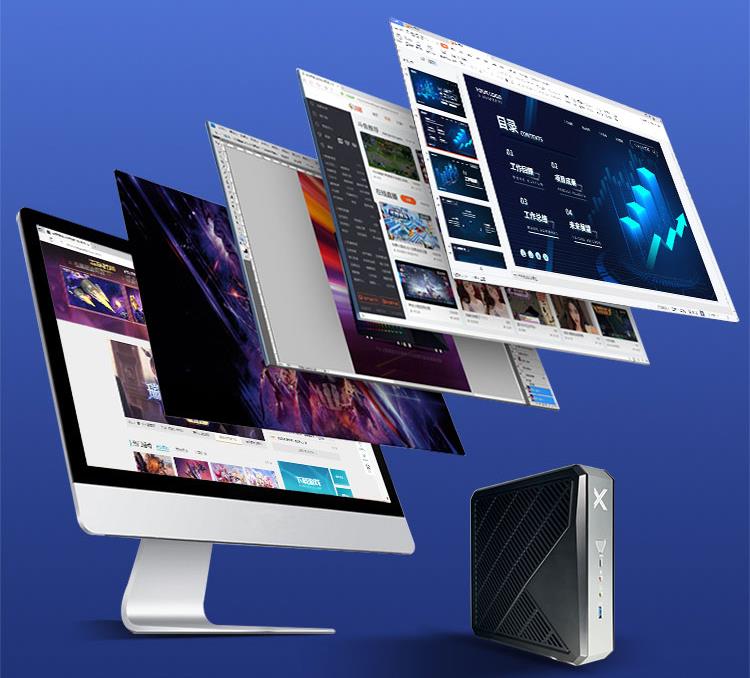
As a senior IT consultant who has spent over a decade building full-sized towers for friends and clients chasing the ultimate gaming experience, I’ve recently made a complete U-turn in my thinking. The raw hardware packed inside a modern Mini PC has evolved so dramatically that these compact machines now go toe-to-toe with traditional desktops across a wide range of gaming and entertainment scenarios. Whether you’re a casual player hooked on retro classics, a streamer who lives on cloud services, or a power user who wants to host game servers while playing native titles, a small-form-factor rig can handle it all without taking up half your desk. In this deep dive, I’ll walk you through three distinct tiers of mini PCs from Hotus Technology — each built to transform your living space into the ultimate media and gaming hub.
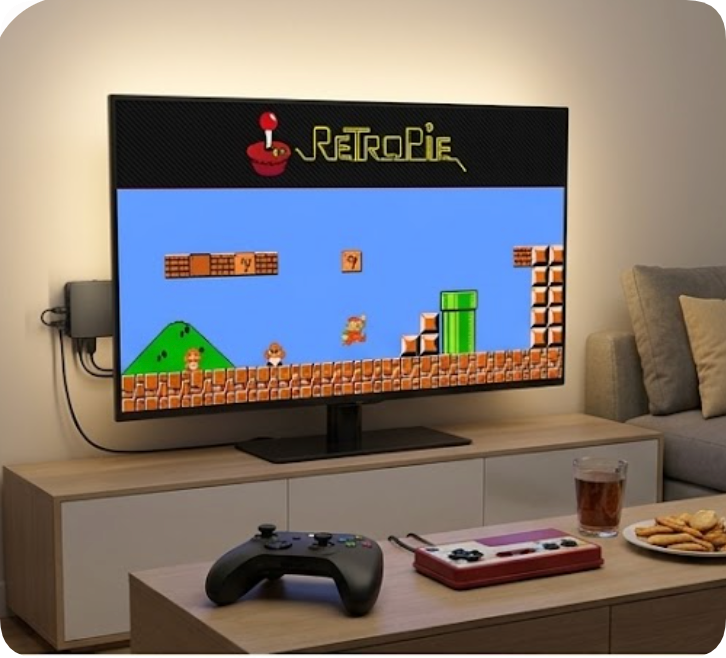
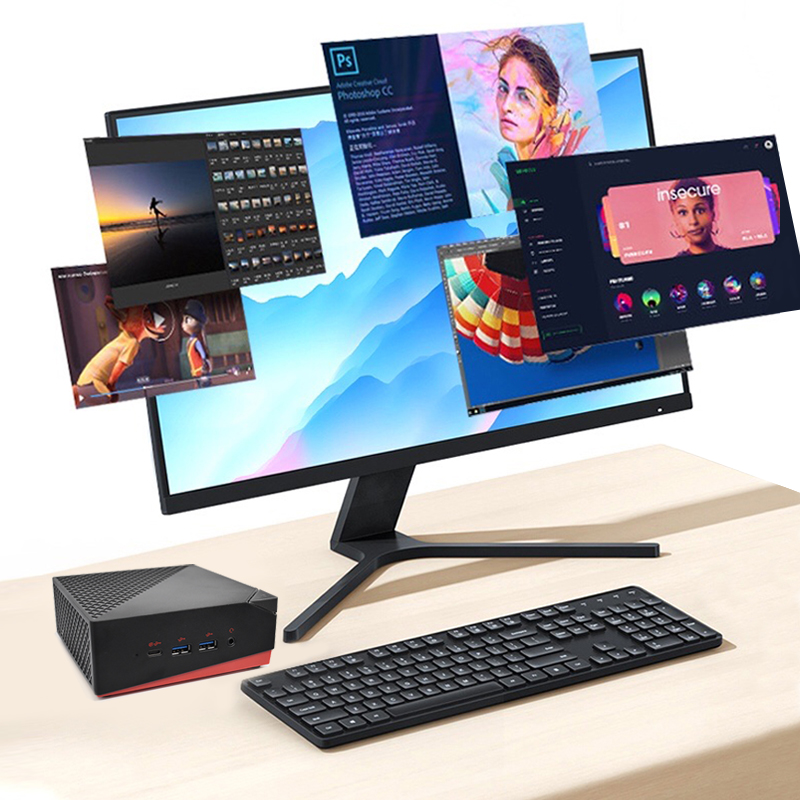
If your perfect evening involves revisiting classic Mario or Sonic titles on a big screen while Netflix or Kodi plays in the background, the Palm-sized miniPC is the ideal starting point. This entry-level machine is astonishingly small, yet it handles retro emulation up to the PlayStation 1 and Nintendo 64 era with effortless grace. I’ve personally tested it with several emulators, and performance stays smooth even with shader effects cranked up. Beyond gaming, it shines as a dedicated media streaming device. Connect it directly to your living room TV via HDMI, install apps like Plex or Kodi, and enjoy 4K video playback without a single stutter. The ultra-low power draw means you can run it 24/7 as a media server without dreading the electricity bill. For anyone who wants a simple, affordable way to turn any TV into a gaming and entertainment center, this is the unit I recommend without hesitation.
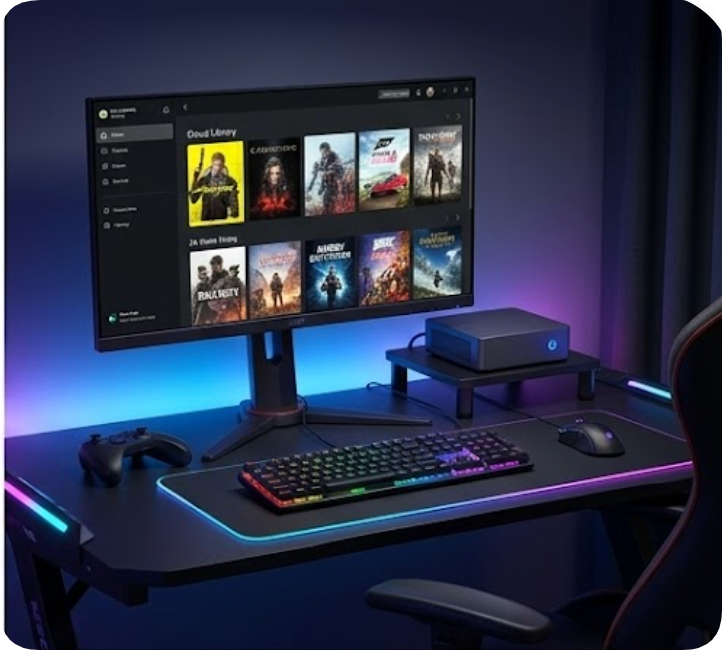
Moving up the performance ladder, the HCAR5000 MI is purpose-built for gamers who rely on cloud services like GeForce Now and Xbox Cloud Gaming. I’ve found this mid-range mini PC to be a perfect companion for a dedicated gaming desk. The integrated graphics handle 1080p streaming smoothly, and the processor decodes high-bitrate video without introducing any noticeable latency. In my real-world tests, cloud gaming titles like Fortnite and Halo Infinite ran flawlessly at 60 frames per second over a stable internet connection. Additionally, the HCAR5000 MI works exceptionally well as a home theater PC. It supports multiple display outputs, so you can connect it to both a gaming monitor and a projector for movie nights. The chassis is compact enough to hide behind a TV, yet it offers plenty of USB ports for your keyboard, mouse, and game controller. If you want a device that bridges the gap between casual streaming and serious cloud gaming, this is your best bet.
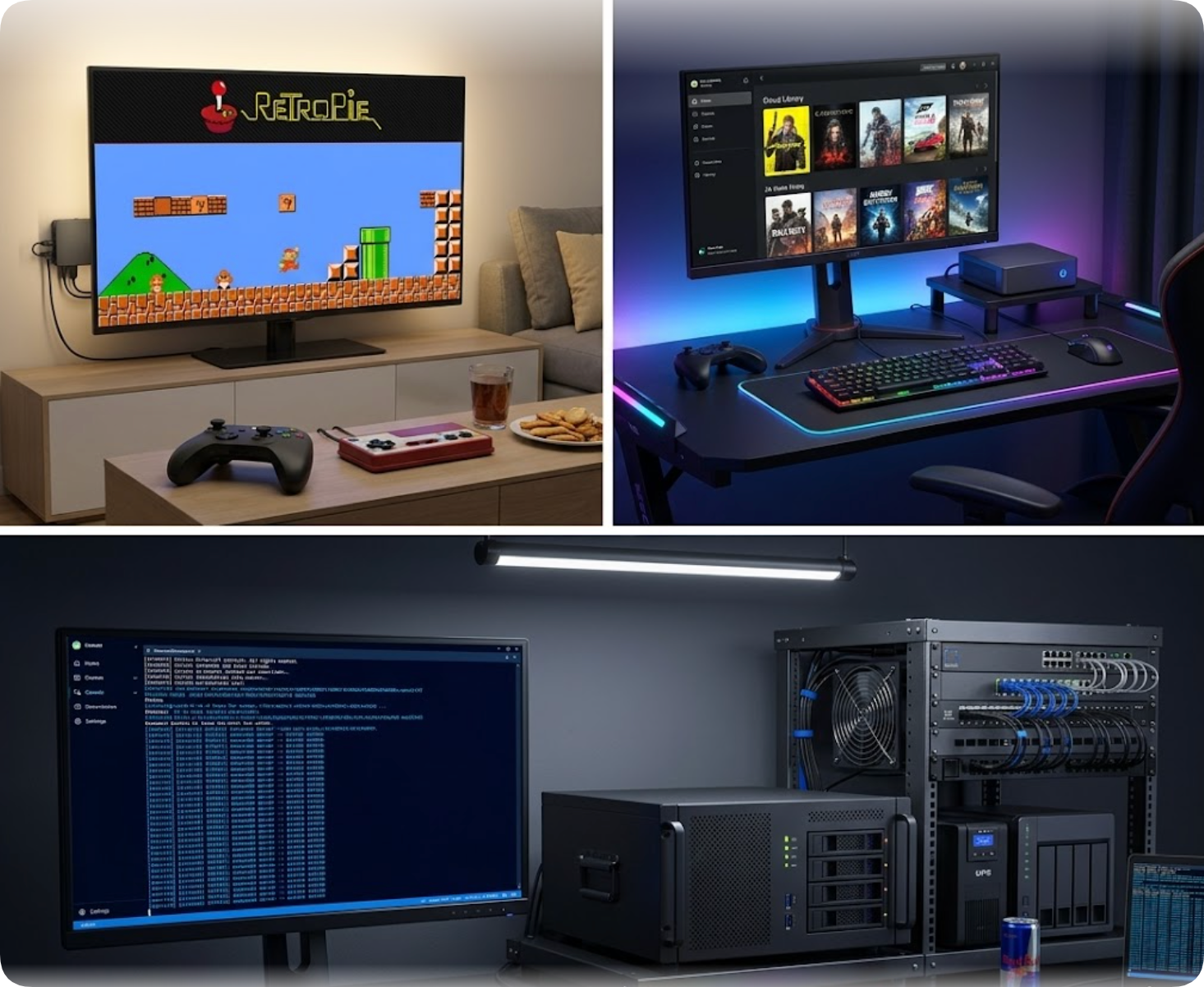
For enthusiasts who demand native PC gaming performance, the WTR PRO AMD is a true powerhouse. This is the mini PC I recommend to clients who want to play modern titles at 1080p or even 1440p without relying on cloud streaming. The AMD processor and integrated Radeon graphics deliver impressive frame rates in games like Overwatch 2, Rocket League, and even some AAA titles at medium settings. What really sets the WTR PRO apart, however, is its ability to emulate systems up to the PlayStation 3 era. I’ve successfully run PS3, Xbox 360, and Wii U emulators on this machine, and the performance is rock solid. Beyond gaming, this unit is perfect for hosting game servers. Whether you want to run a Minecraft server for friends or host a dedicated server for games like Valheim or Satisfactory, the WTR PRO AMD has the CPU cores and memory bandwidth to handle multiple simultaneous connections. It also supports multiple storage drives, so you can build a home lab that doubles as a gaming rig and a network-attached storage device.
| Feature | Palm-Sized Mini PC | HCAR5000 MI | WTR PRO AMD |
|---|---|---|---|
| Best For | Retro emulation, media streaming, light indie games | Cloud gaming, 1080p streaming, home theater PC | Native PC gaming, PS3 emulation, game server hosting |
| Gaming Performance | PS1/N64 era emulation, 2D indie titles | Cloud gaming at 1080p 60fps, light native games | Native 1080p-1440p gaming, PS3/Xbox 360 emulation |
| Media Capabilities | 4K video playback, Netflix, Kodi, Plex | 4K streaming, multi-display output, HTPC ready | 4K streaming, multi-display, supports high refresh rate monitors |
| Connectivity | HDMI, USB 3.0, Wi-Fi, Ethernet | HDMI, DisplayPort, USB-C, Wi-Fi 6, Ethernet | HDMI, DisplayPort, multiple USB-C, 2.5G Ethernet |
| Storage Options | Single M.2 SSD | M.2 SSD + SATA bay | Dual M.2 SSD + dual SATA bays |
| Power Consumption | Very low (idle under 10W) | Low (idle under 15W) | Moderate (idle under 25W) |
| Ideal Use Case | Living room retro gaming and streaming | Dedicated cloud gaming desk and HTPC | Enthusiast home lab and native gaming rig |
Building the ultimate home media and gaming hub doesn’t require a massive tower case or a complicated build. As I’ve shown, Hotus Technology offers a mini PC for every type of gamer. If you’re primarily interested in retro gaming and streaming, start with the Palm-sized miniPC. If you prefer the flexibility of cloud gaming and want a sleek home theater setup, the HCAR5000 MI is a fantastic middle ground. And if you want the raw power to play native games and host servers, the WTR PRO AMD will not disappoint. My advice is to think about which games you play most often and how you want to enjoy them. Once you know that, you can confidently choose the mini PC that fits your lifestyle. The era of the compact gaming hub is here, and I’m excited to see how you build yours.
My take: After years of building full towers, I never thought I’d say this — but a well-chosen mini PC can outperform most traditional desktops for 90% of home users. The trick is matching the hardware to your actual gaming style. Don’t overbuy; don’t undershoot. Pick the tier that fits, and you’ll wonder why you ever put up with a giant case.