- Select Language
P11 Series Next-Gen Enterprise Rugged Industrial ...
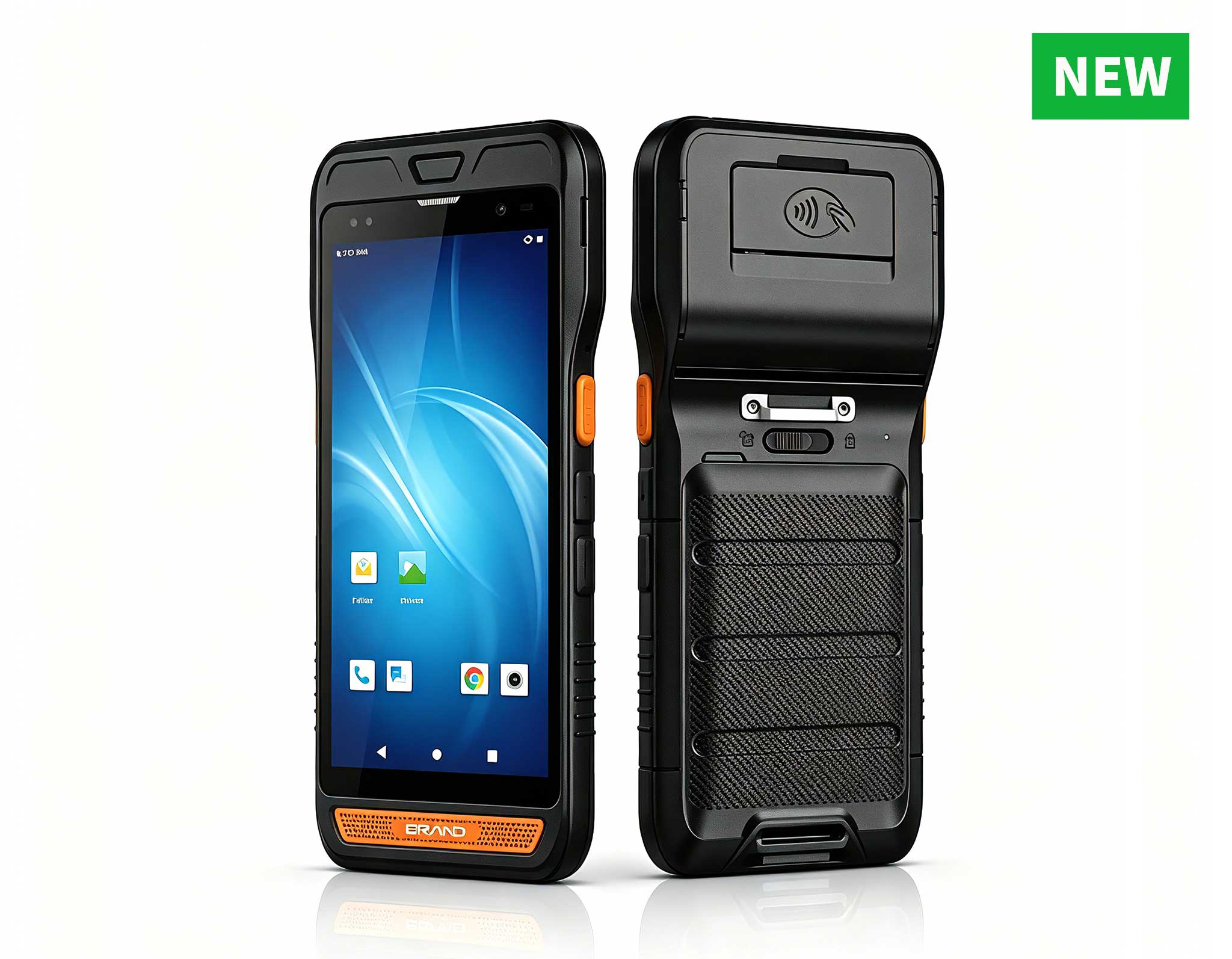
R860-S 5.5-inch Industrial PDA with Thermal Printe...
Technical SpecificationsModel: Palm-sized miniPCTy...
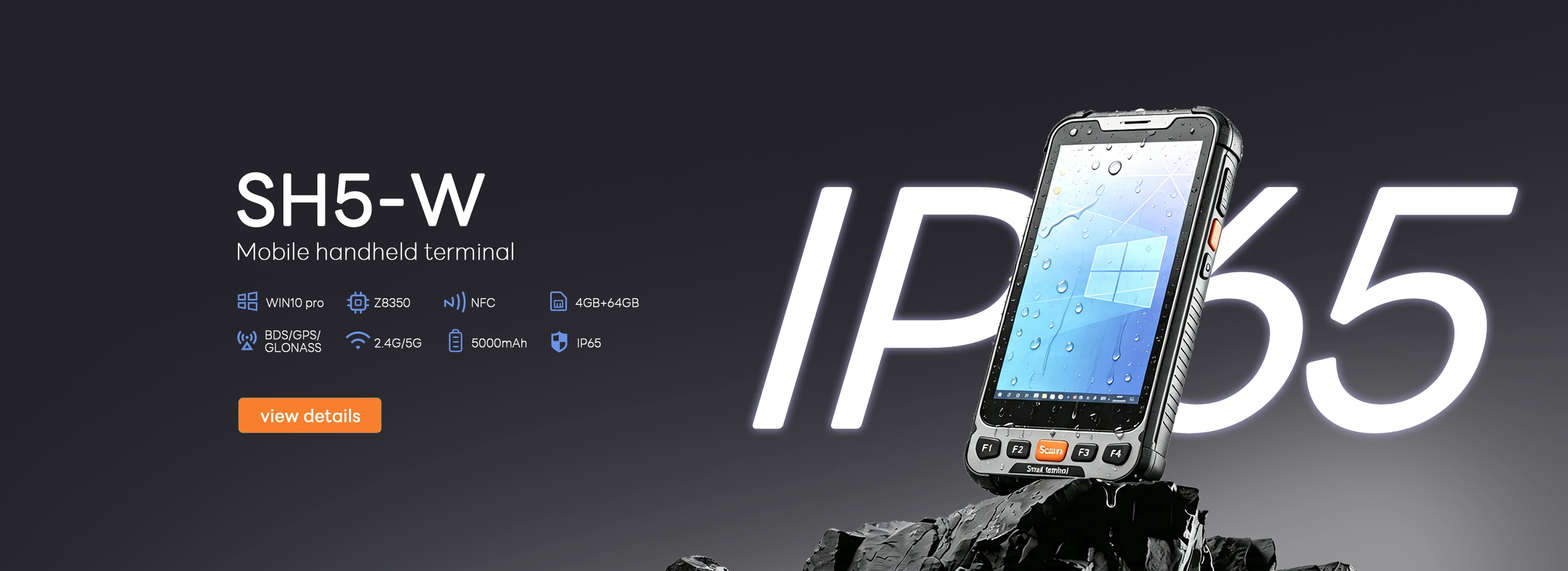
Full SpecificationsModel Hotus SH5‑WOperating ...
The T80 handheld PDA combines advanced barcode sca...
R366-S Thin 5.5-inch Industrial PDA | Qualcomm Oct...
This ultra-compact mini PC offers powerful perform...
Full SpecificationsModelHotus ST11‑MOSWindows 10/1...
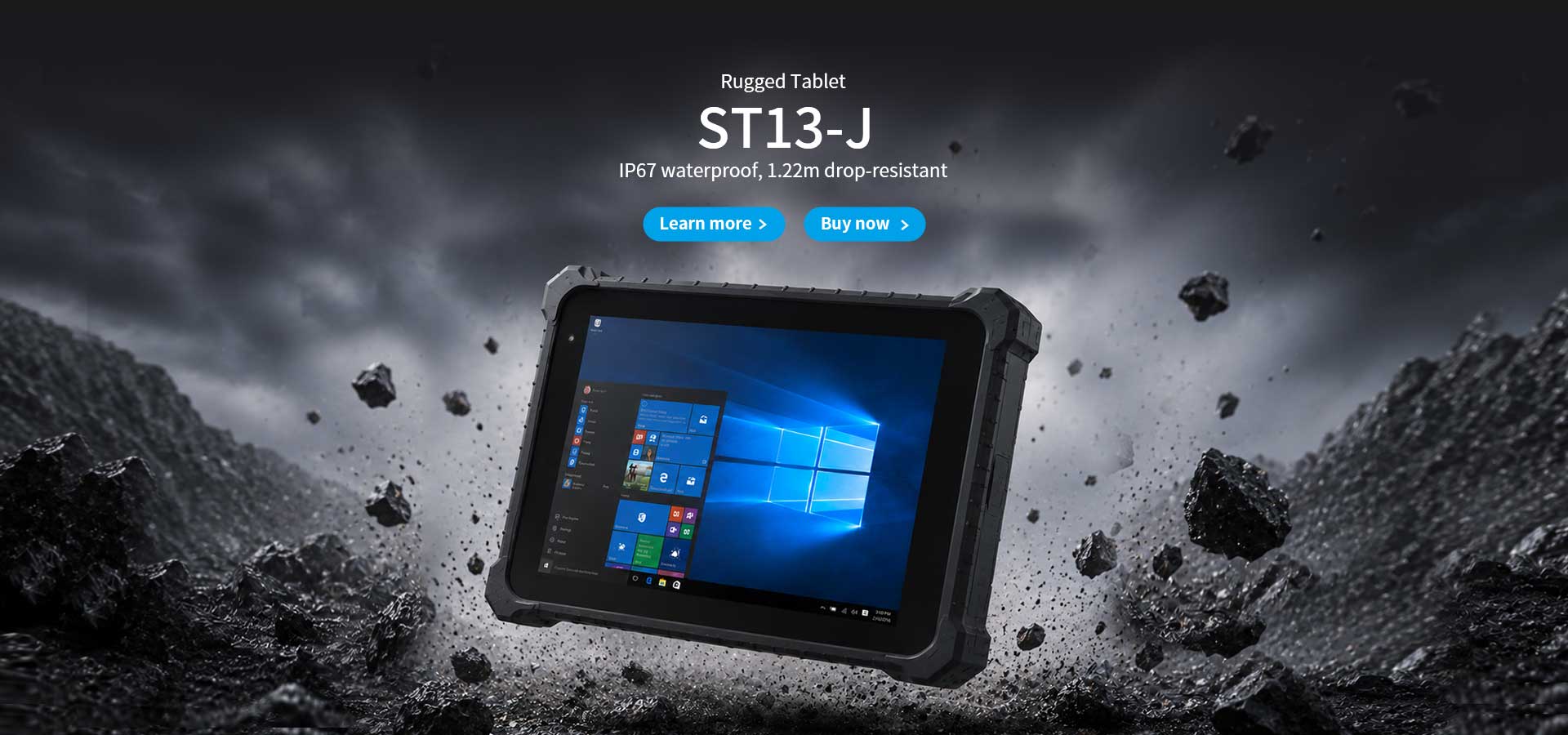
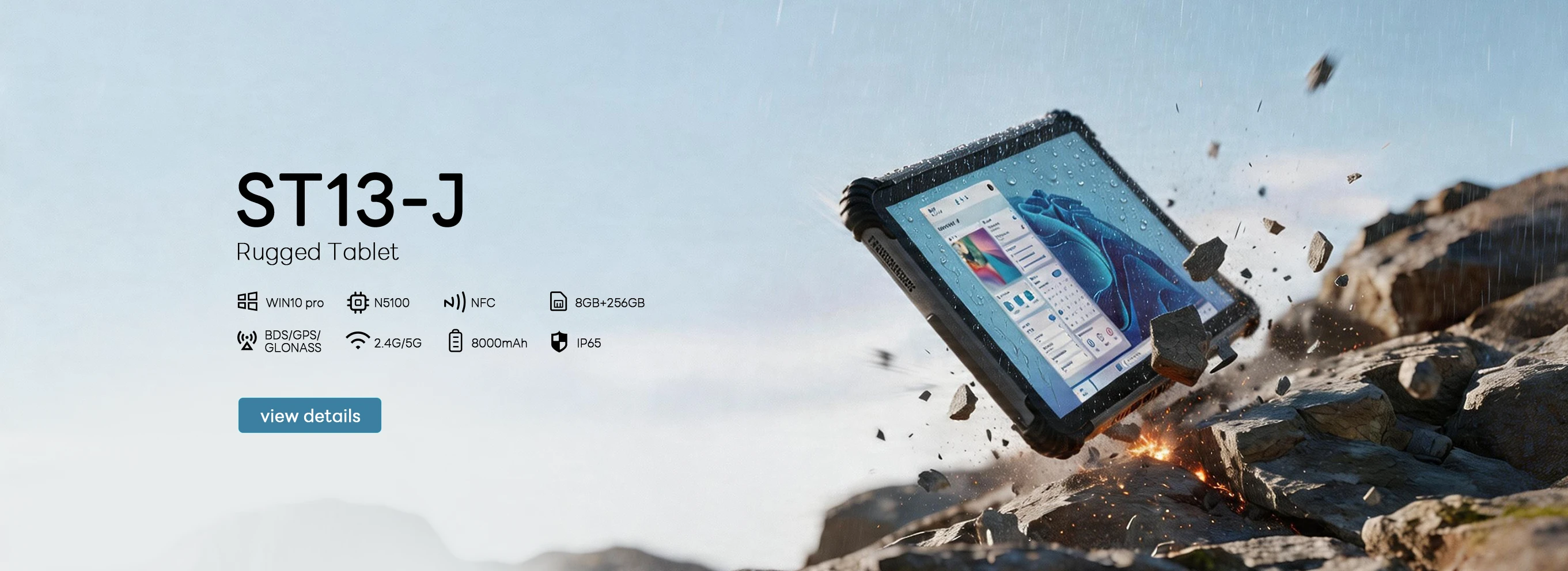
Full SpecificationsModelHotus ST13‑JOSWindows 10 P...
Over the past decade working as an IT consultant alongside factory automation teams, I have witnessed a fundamental shift in how we deploy computing resources on the plant floor. Traditional tower PCs are simply too bulky for tight spaces near machinery, and consumer-grade desktops fail within weeks when exposed to heat, vibration, and airborne dust. Cloud-only architectures introduce latency that breaks real-time control loops and machine vision applications. This is where edge computing steps in, and it demands hardware that is compact, rugged, and purpose-built for industrial workloads. I have found that a reliable Mini PC from Hotus Technology bridges this gap perfectly, offering scalable solutions from basic data collection to heavy-duty AI inference. In this guide, I break down three distinct tiers of hardware that can transform your factory automation and IoT deployments.
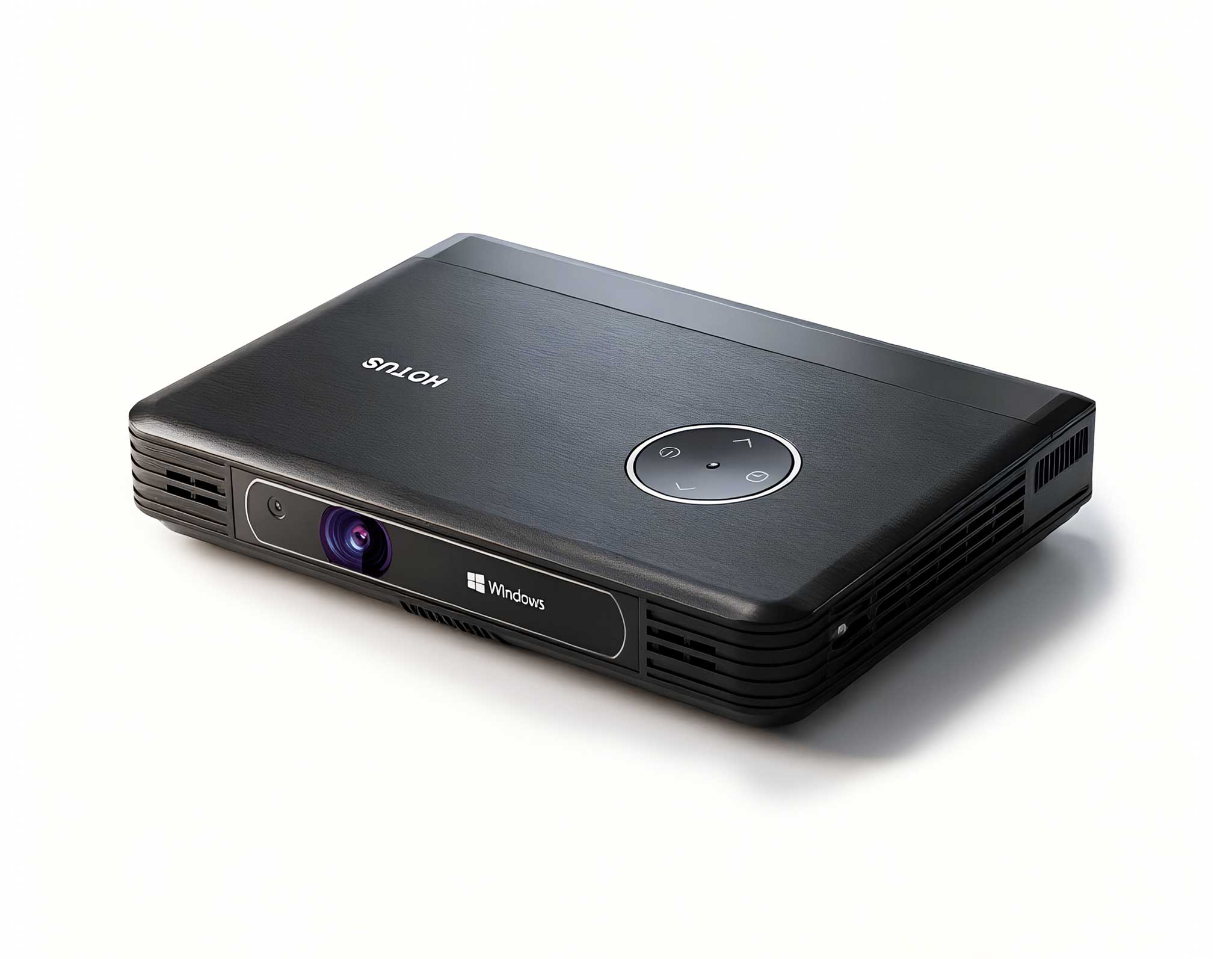
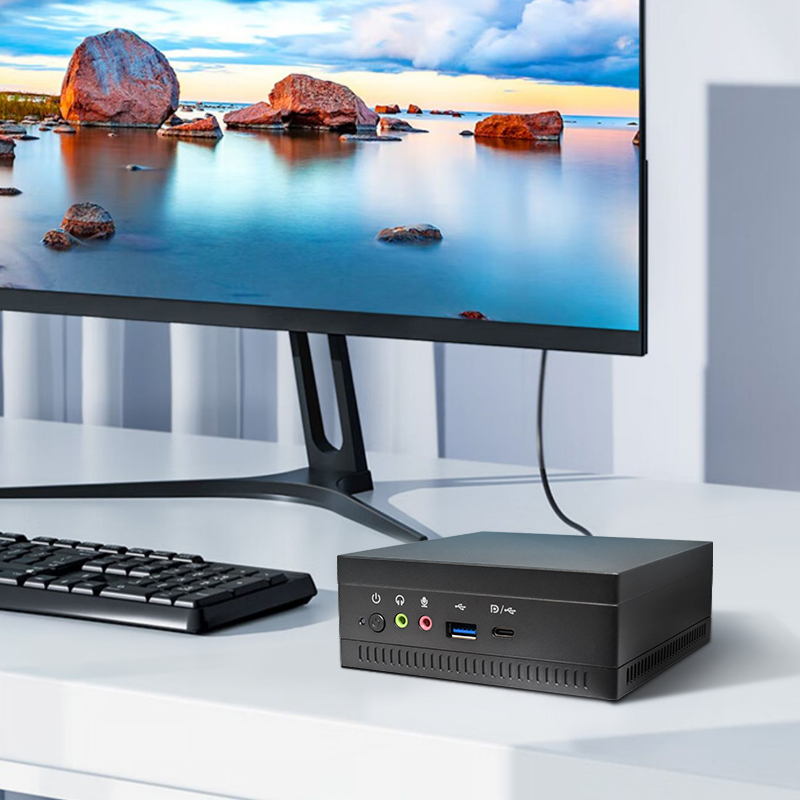
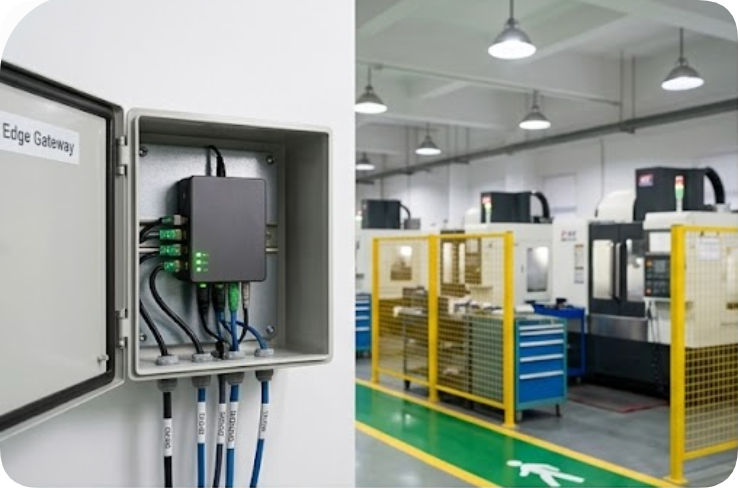
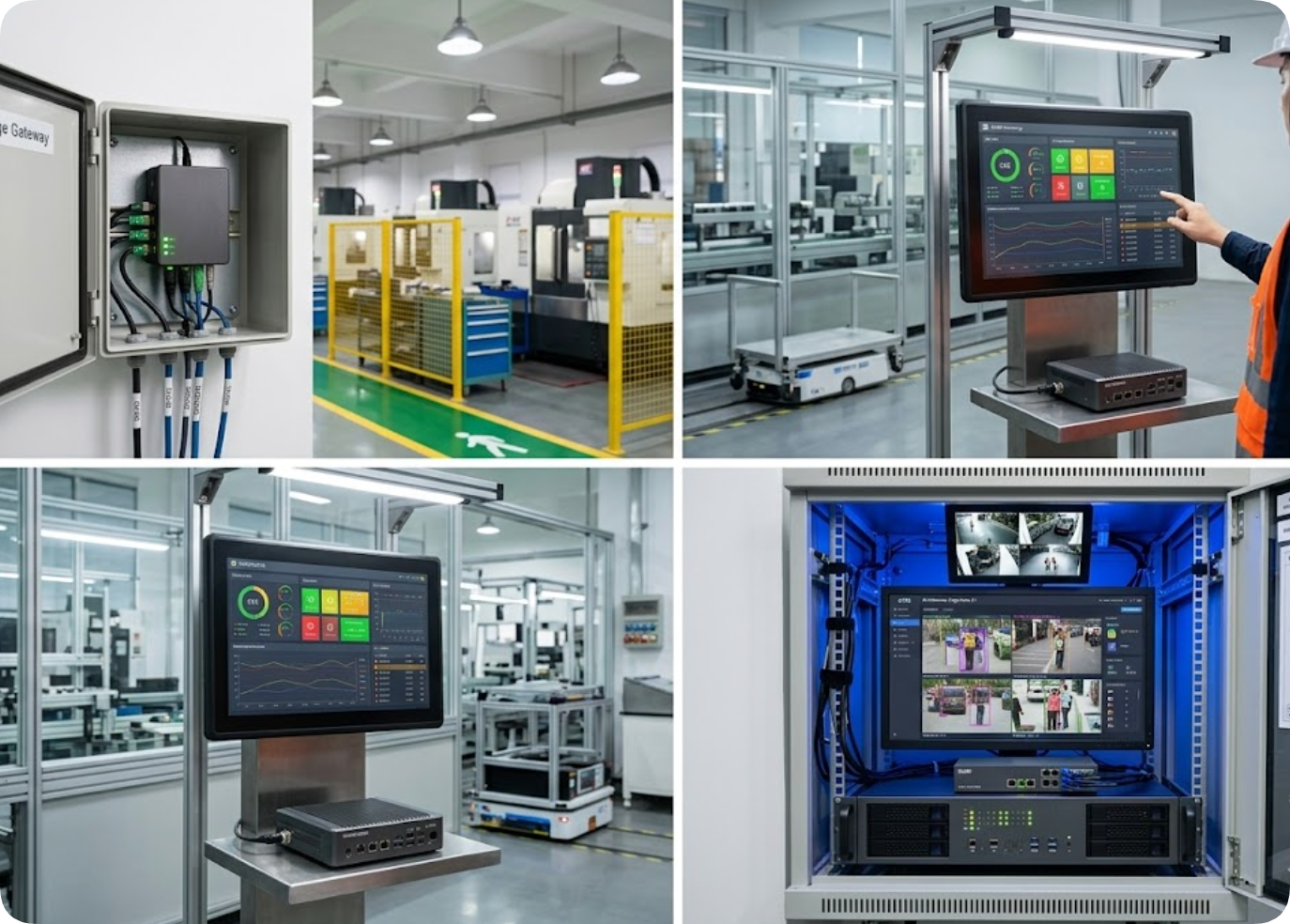
For basic sensor data aggregation and lightweight edge processing, the Palm-sized miniPC is my go-to recommendation. This unit is small enough to mount inside a weatherproof enclosure on the wall, yet it delivers enough processing power to handle Modbus, OPC-UA, and MQTT protocols without breaking a sweat. In a recent deployment, I used this device to collect temperature, pressure, and vibration data from a dozen PLCs on a packaging line. The device consumed under 15 watts, ran fanless for silent operation, and required zero maintenance over six months.
The real advantage here is the compact form factor. Measuring roughly the size of a smartphone, it fits into tight spaces where traditional PCs cannot go. With dual Gigabit Ethernet ports and multiple USB 3.0 interfaces, it connects directly to sensors, barcode scanners, and older serial devices via adapters. For factories just starting their IoT journey, this is the most cost-effective way to bring legacy equipment online without a complete overhaul.
When you need a local workstation for human-machine interfaces (HMI) or SCADA dashboards, the HCAR5000 MI offers the perfect balance of performance and reliability. This unit is built around a robust Intel processor with integrated graphics capable of driving a 24-inch touchscreen monitor without stuttering. In a production line monitoring setup, I connected this mini PC to a SCADA server running Ignition, and it displayed real-time production charts with sub-second refresh rates.
What sets the HCAR5000 MI apart is its industrial-grade I/O. It includes dual COM ports for connecting to older CNC machines, a wide voltage input range (12V to 24V DC) to handle unstable power supplies, and a rugged metal chassis rated for 0 to 50 degrees Celsius operation. The device also supports VESA mounting, so it can be bolted directly behind a monitor or inside a control cabinet. For maintenance teams that need to view live OEE data or adjust machine parameters on the floor, this mini PC delivers a seamless experience without the bulk of a traditional tower.
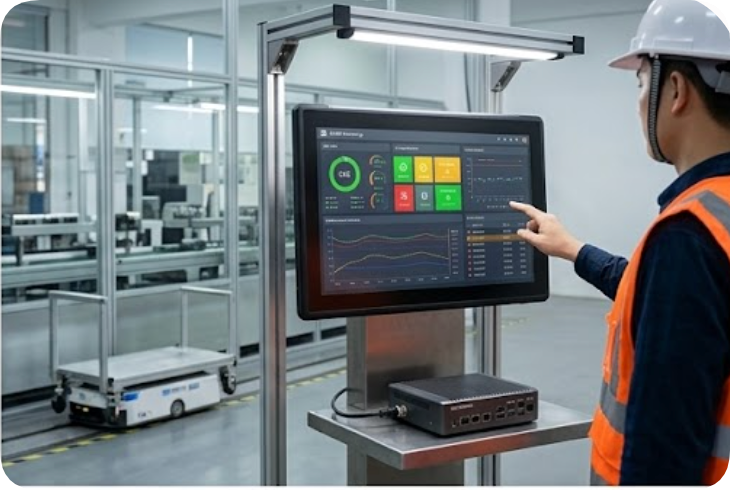
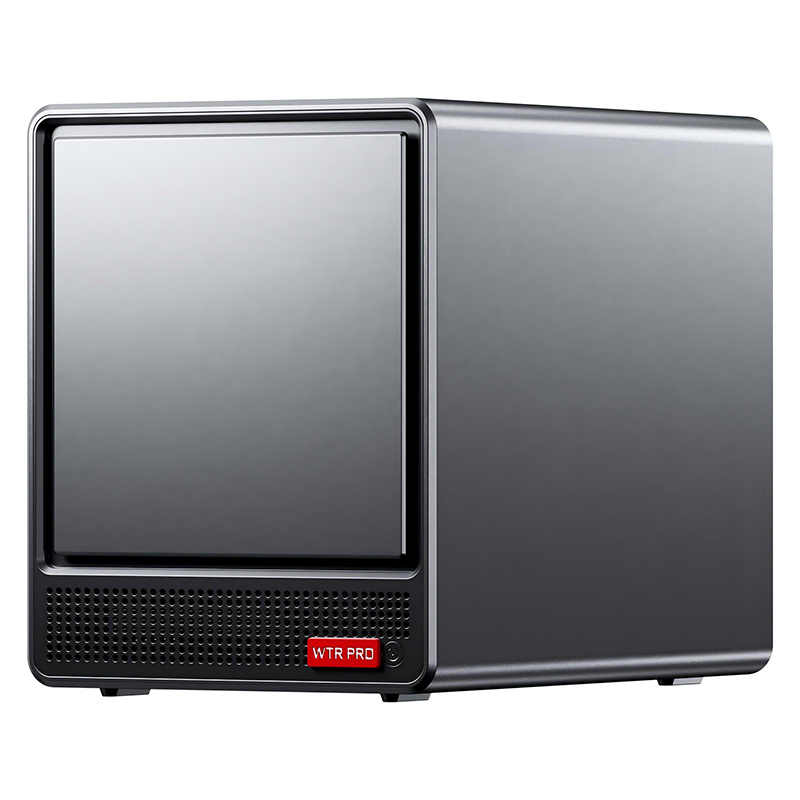
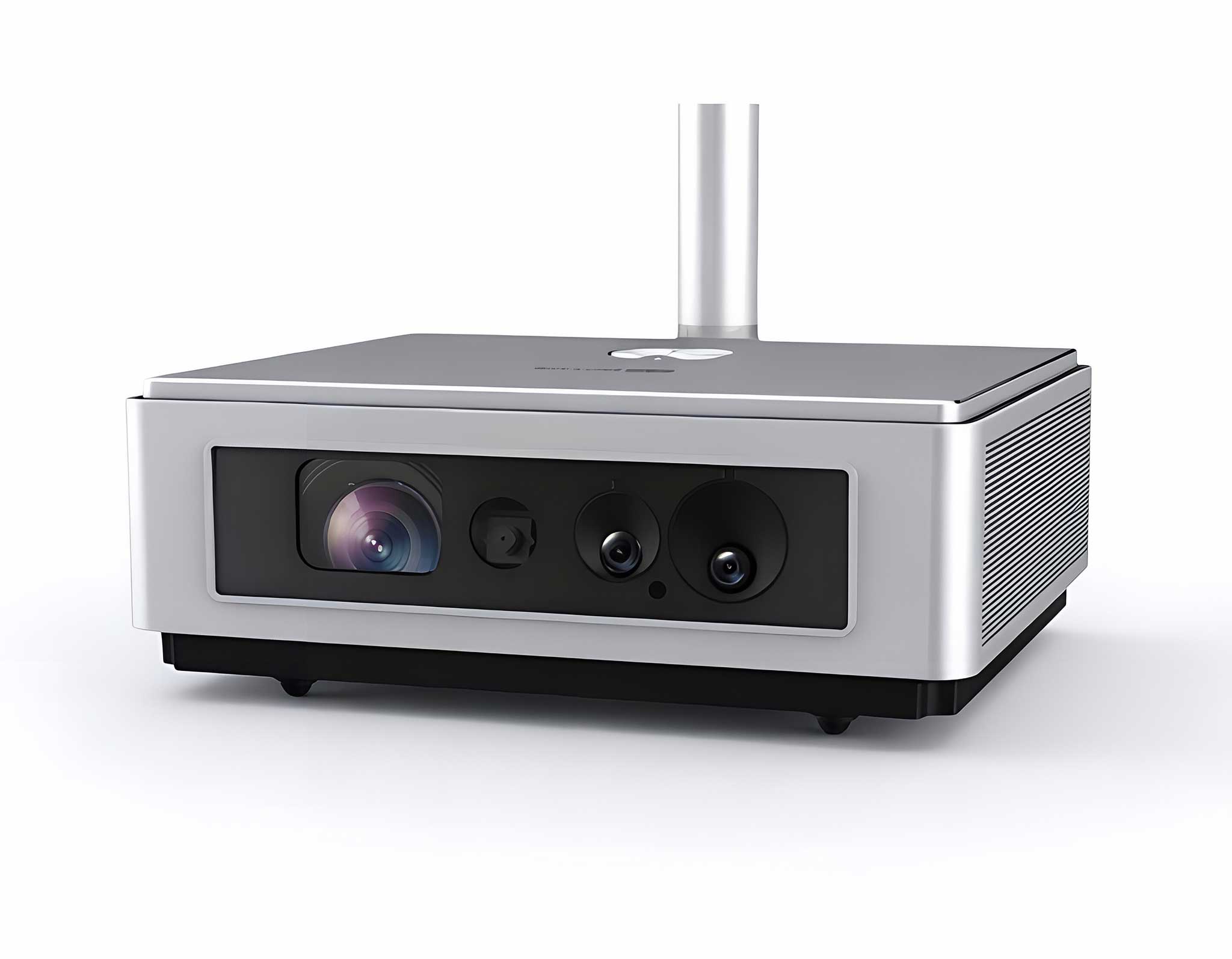
For the most demanding edge computing tasks, such as real-time video analytics and AI inference, the WTR PRO AMD is the solution I trust. Powered by AMD Ryzen processors with integrated Radeon graphics, this mini PC can run TensorFlow Lite, OpenVINO, or PyTorch models directly at the edge. In a recent quality inspection project, I used this device to process four 1080p camera feeds simultaneously, detecting surface defects on a conveyor belt with 98% accuracy at 30 frames per second.
The WTR PRO AMD supports up to 64GB of RAM and multiple NVMe SSDs, allowing it to store weeks of video footage locally while performing inference. Its dual 2.5G Ethernet ports ensure low-latency communication with higher-level servers, while the USB 3.2 Gen 2 ports connect to industrial cameras and sensors. The device also features a metal chassis with active cooling, ensuring stable performance even when mounted inside a warm server rack or industrial cabinet. For factories moving toward AI-driven predictive maintenance and automated visual inspection, this mini PC provides the compute power needed without the complexity of a full server.
| Feature | Palm-Sized MiniPC | HCAR5000 MI | WTR PRO AMD |
|---|---|---|---|
| Primary Use Case | IoT gateway, sensor data collection | HMI, SCADA, production monitoring | AI inference, video analytics |
| CPU Architecture | Low-power Intel Celeron / Atom | Mid-range Intel Core i5/i7 | High-performance AMD Ryzen |
| Max RAM | 8GB | 32GB | 64GB |
| Storage | eMMC / SATA SSD | M.2 SATA + 2.5-inch SATA | Dual M.2 NVMe |
| Ethernet | 2x Gigabit | 2x Gigabit | 2x 2.5 Gigabit |
| Serial Ports | None (USB to serial adapter) | 2x COM (RS232/422/485) | 1x COM (RS232) |
| Operating Temperature | 0C to 50C | 0C to 50C | 0C to 50C |
| Power Input | 12V DC | 12V to 24V DC | 12V to 24V DC |
| Cooling | Fanless | Fanless | Active fan |
| Mounting | VESA / Wall mount | VESA / DIN rail | VESA / Rack mount |
When selecting a mini PC for industrial edge computing, start by defining your workload requirements. For simple data logging and protocol conversion, the Palm-sized miniPC offers unbeatable value and a tiny footprint. If you need a local operator interface or SCADA terminal with reliable connectivity to legacy machinery, the HCAR5000 MI provides the necessary I/O and ruggedness. And for AI-driven applications like defect detection or predictive maintenance, the WTR PRO AMD delivers the computational muscle to run models locally without cloud dependency.
Remember that edge computing is not just about hardware specifications; it is about reliability in harsh environments. All three devices from Hotus Technology are built with industrial-grade components, wide temperature tolerance, and long-term availability. I recommend testing a unit in your specific environment before scaling. With the right mini PC, you can reduce latency, improve uptime, and unlock new levels of automation efficiency in your factory.