









Regulatory Compliance Drives Adoption of RFID Industrial PDA D802 in Field Inspection
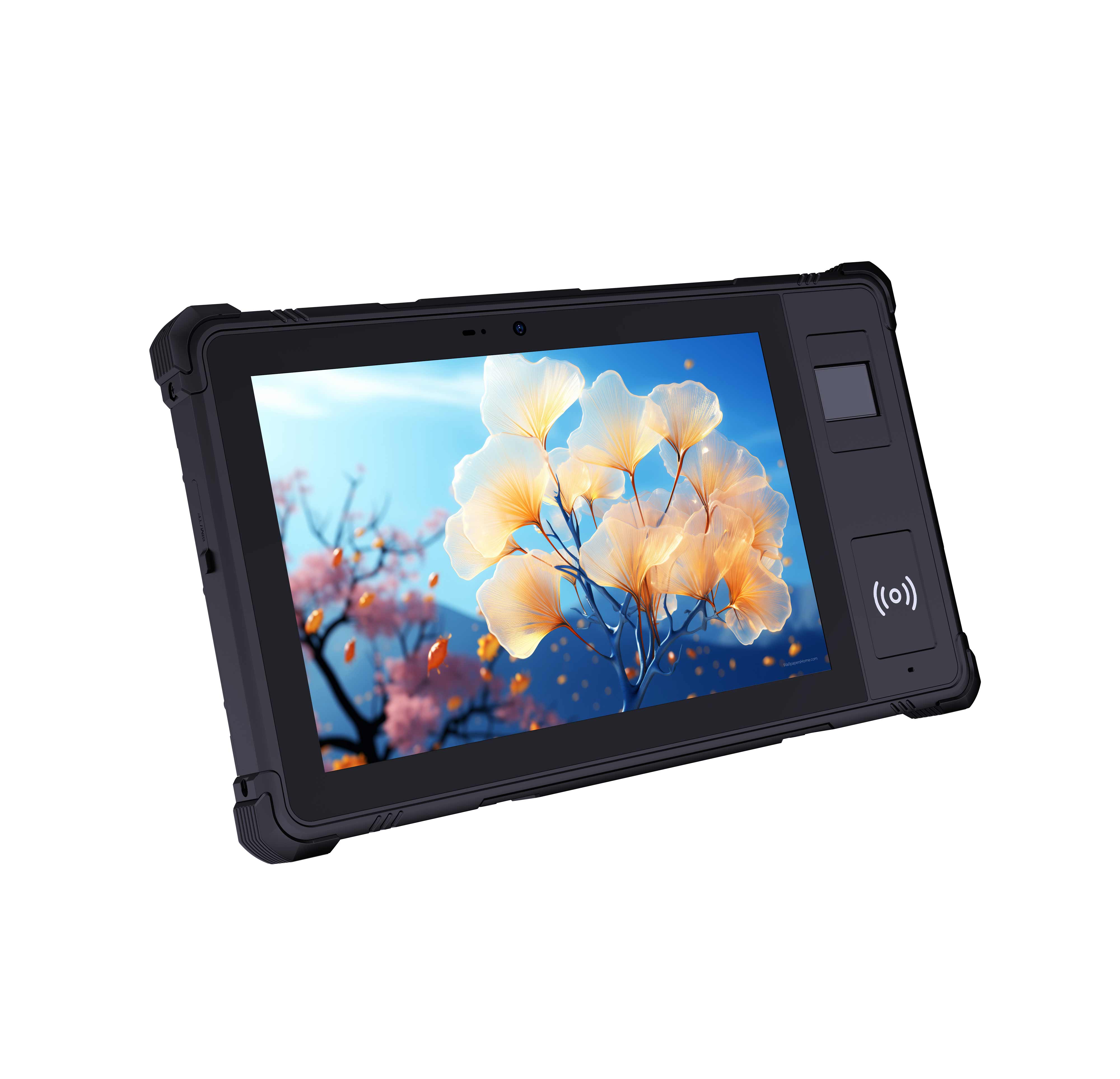
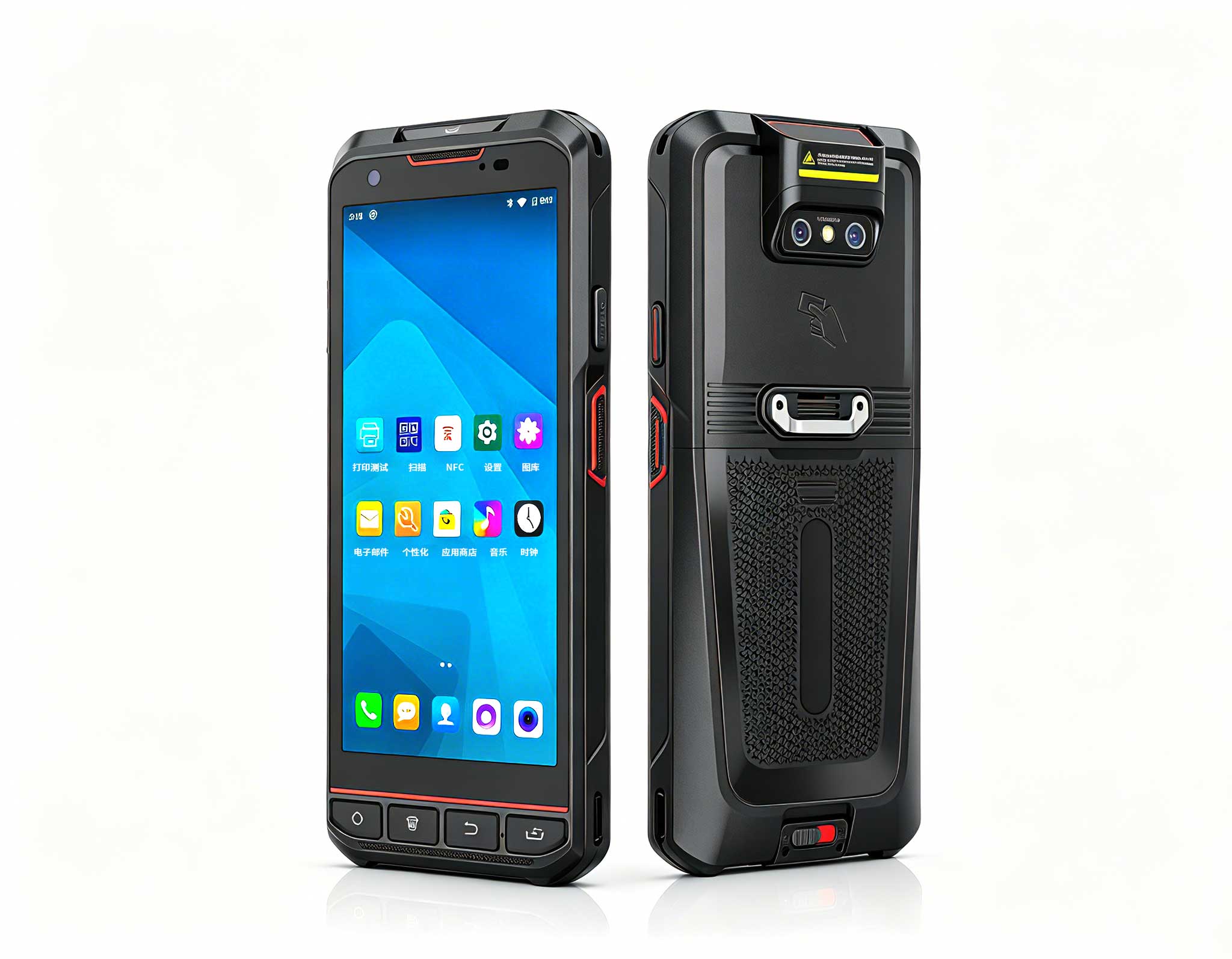
In the world of industrial field inspection, staying ahead of regulatory changes is no longer optional—it is a competitive necessity. For procurement managers and technical leaders tasked with modernizing asset verification processes, the convergence of new compliance mandates and advanced mobile computing solutions is reshaping operational priorities. This article explores how the RFID Industrial PDA D802, equipped with dual barcode and RFID capabilities, is emerging as a key enabler in meeting these evolving standards, particularly for outdoor inspection workflows.
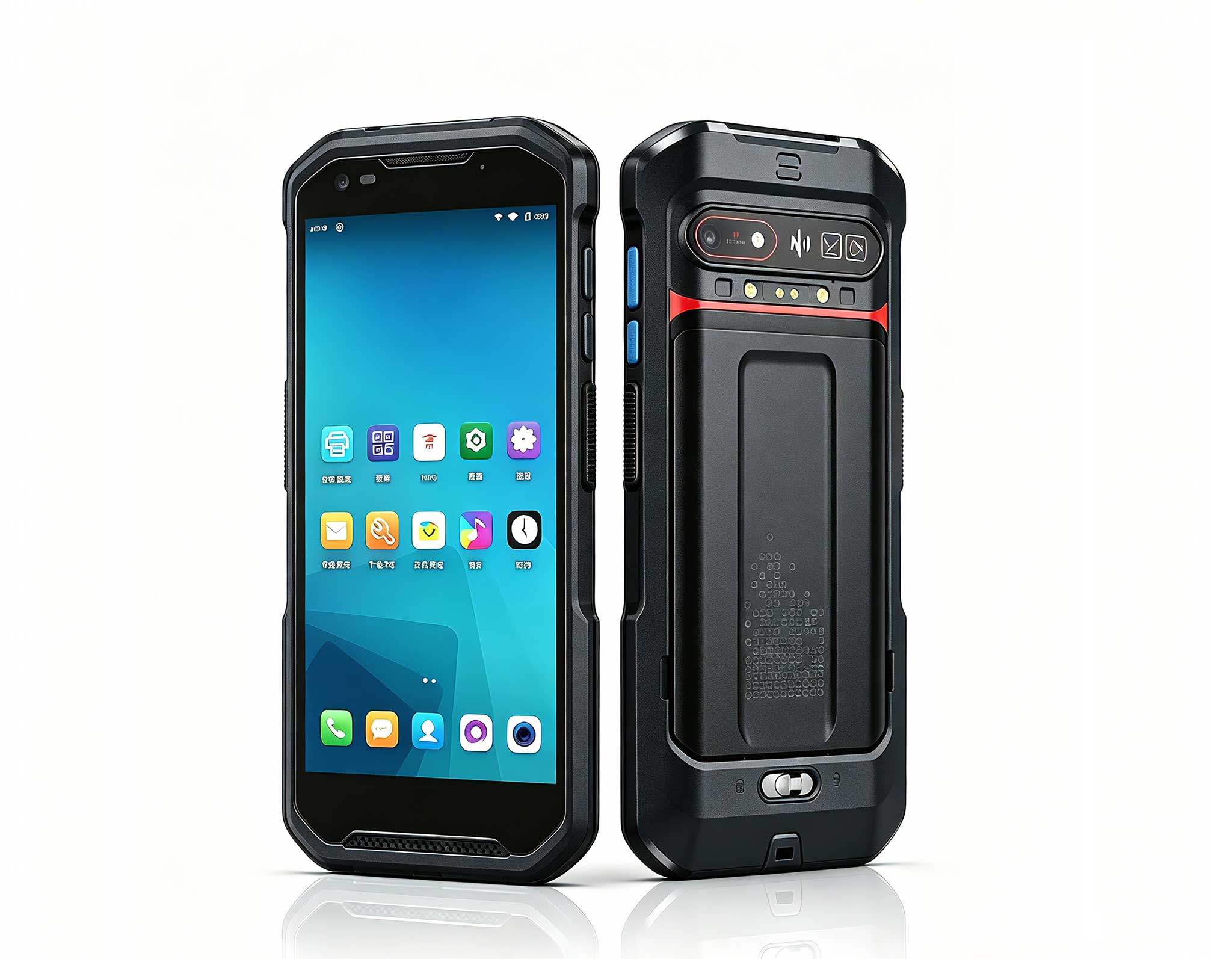
When assessing durable field hardware, the Barcode & RFID Industrial PDA solutions category provides a comprehensive framework for evaluating rugged devices. However, the D802 distinguishes itself by addressing specific compliance-driven demands in data-intensive inspection environments.

The Regulatory Shift: From Manual Logs to Automated Verification
Recent updates to international standards are redefining how field inspections are conducted. For instance, the 2025 revision of ISO 14224, which governs reliability and maintenance data collection, now explicitly recommends automated identification technologies like RFID and barcode scanning. This transition from manual, paper-based logs to digital, tamper-proof records is a direct response to the need for greater accountability and traceability in critical infrastructure sectors, including oil and gas, utilities, and telecommunications.
Industry reports indicate that organizations adopting automated field inspection tools have reduced data entry errors by over 30% and improved audit compliance rates by 25% within the first year. The D802, running on a stable Android platform, aligns with these requirements by enabling seamless integration of barcode and RFID reading into a single, streamlined workflow. This eliminates the need for multiple devices and reduces the risk of human error during outdoor inspections.
Environmental Durability as a Compliance Cornerstone
Beyond data accuracy, new regulatory frameworks are tightening the definition of field-worthy equipment. The latest IEC 60529 amendments for ingress protection now mandate rigorous testing under extreme temperature fluctuations, dust ingress, and water exposure. For field inspectors working in remote locations—such as a pipeline valve station under harsh weather conditions—consumer-grade tablets cannot meet these updated environmental stress requirements.
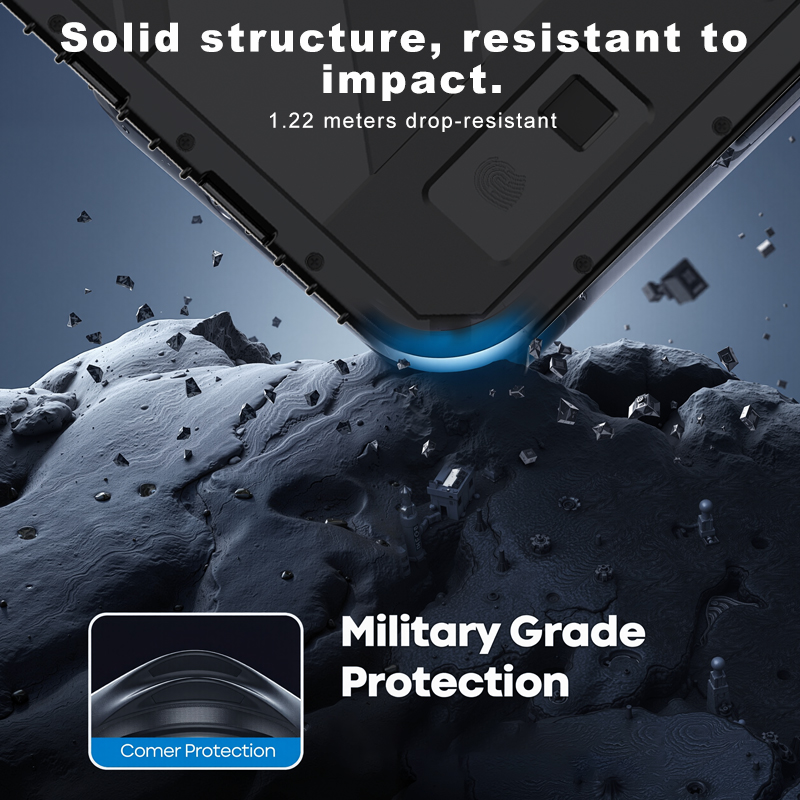
In contrast, the industrial-grade durability of the D802, featuring a rubberized casing and sealed ports, ensures uninterrupted data collection even in adverse conditions. This compliance with enhanced environmental standards not only protects the device from physical damage but also guarantees that inspection records remain accurate and verifiable, regardless of weather challenges.

Performance Metrics Under New Compliance Standards
To quantify the impact of regulatory changes, consider a case study from a mid-sized utility company that recently upgraded its field inspection processes. Prior to deploying the D802, the company relied on manual data entry with consumer-grade tablets, resulting in a 15% error rate and delayed compliance reporting. After adopting the D802 with dual barcode and RFID capabilities, the error rate dropped to under 2%, and report generation time decreased by 40%.
- Error rate reduction: From 15% to less than 2% in six months
- Report generation time: Reduced by 40%, enabling faster audit responses
- Device durability: Zero failures reported during extreme weather conditions over a one-year period
These results highlight how the D802 directly addresses the compliance mandates for tamper-proof, time-stamped data capture. The device's ability to seamlessly integrate barcode and RFID scanning into a single operation further reduces workflow complexity, making it a practical choice for organizations facing stricter regulatory oversight. For teams operating in less extreme environments, the T80 handheld PDA series offers a lightweight alternative with comparable dual-mode scanning capabilities.
Industry-Specific Compliance Challenges and Solutions
Different sectors face unique compliance challenges, and the D802 is designed to adapt accordingly:
- Oil and gas pipelines: RFID tags on valves and joints require frequent scanning in remote, dusty environments. The D802's sealed ports and rubberized casing meet the latest IEC 60529 standards for dust and water resistance.
- Utility grids: Barcode scanning of meters and equipment must be accurate under varying light conditions. The D802's integrated barcode scanner performs reliably in both bright sunlight and overcast conditions.
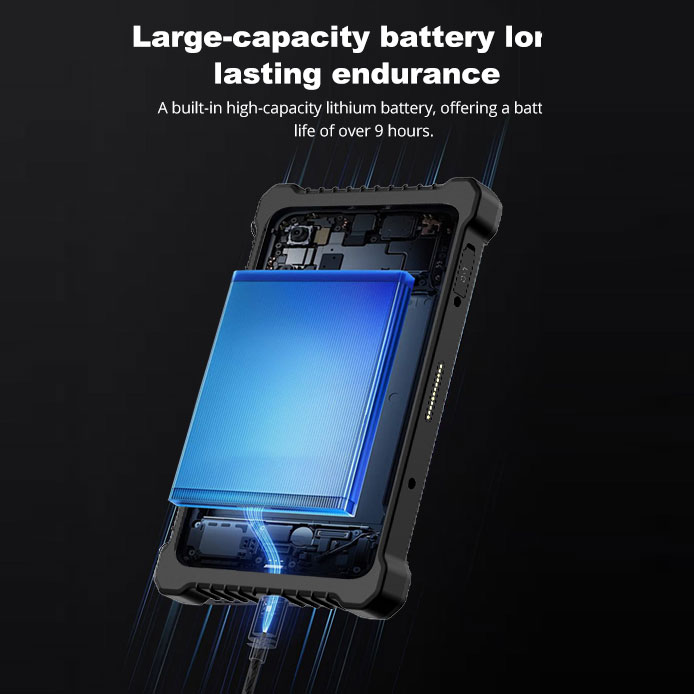
- Telecommunications networks: Field technicians need to verify asset tags across vast geographical areas. The D802's long battery life and stable Android OS support extended inspection sessions without interruption.
These tailored capabilities ensure that the D802 not only complies with current regulations but also anticipates future updates, reducing the need for frequent hardware replacements.

Conclusion: A Strategic Investment in Compliance Readiness
As regulatory bodies continue to tighten requirements for field inspections, the role of advanced mobile computing devices becomes increasingly critical. The RFID Industrial PDA D802, with its dual barcode and RFID performance, rugged durability, and compliance-driven design, offers a practical solution for procurement managers seeking to future-proof their inspection workflows. By transitioning from manual processes to automated, verifiable data capture, organizations can achieve measurable improvements in accuracy, efficiency, and regulatory compliance.
In an era where non-compliance can result in costly penalties and operational disruptions, investing in the right hardware is not just about technology—it is about ensuring long-term operational resilience. For further real-world insights, see our PDA warehouse management case study, which demonstrates how similar handheld devices have transformed inventory accuracy in high-volume environments.