- Select Language
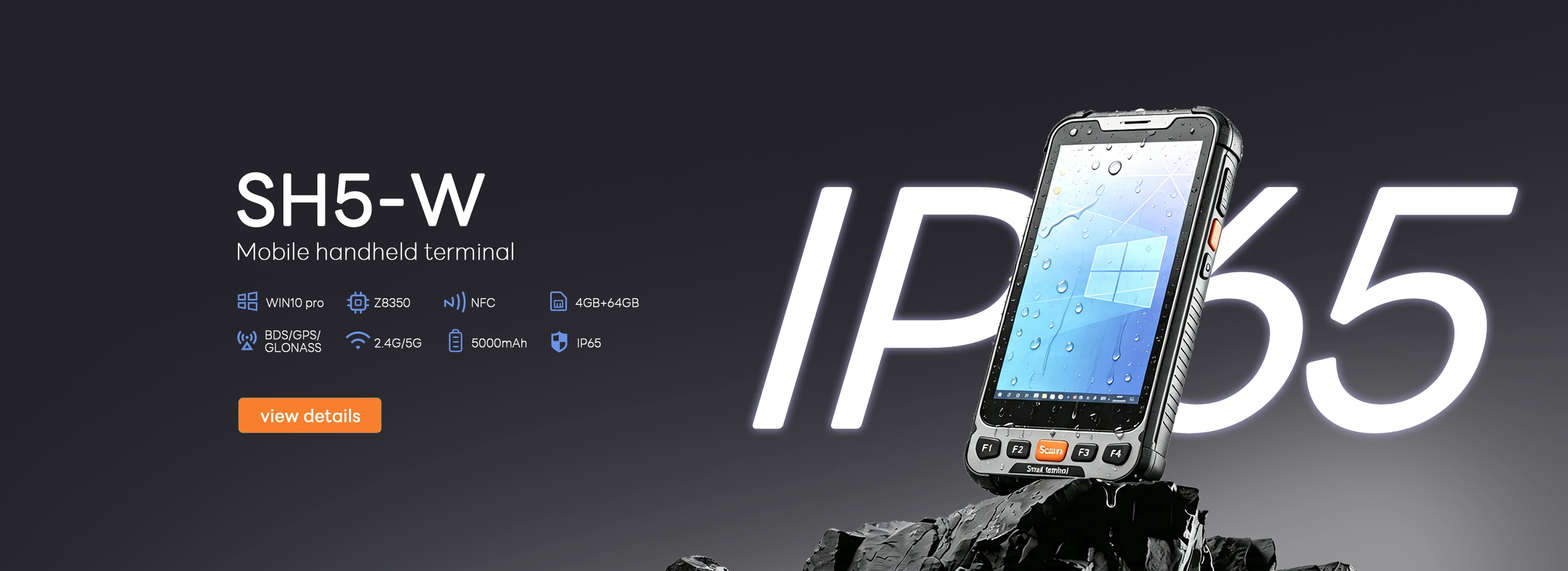
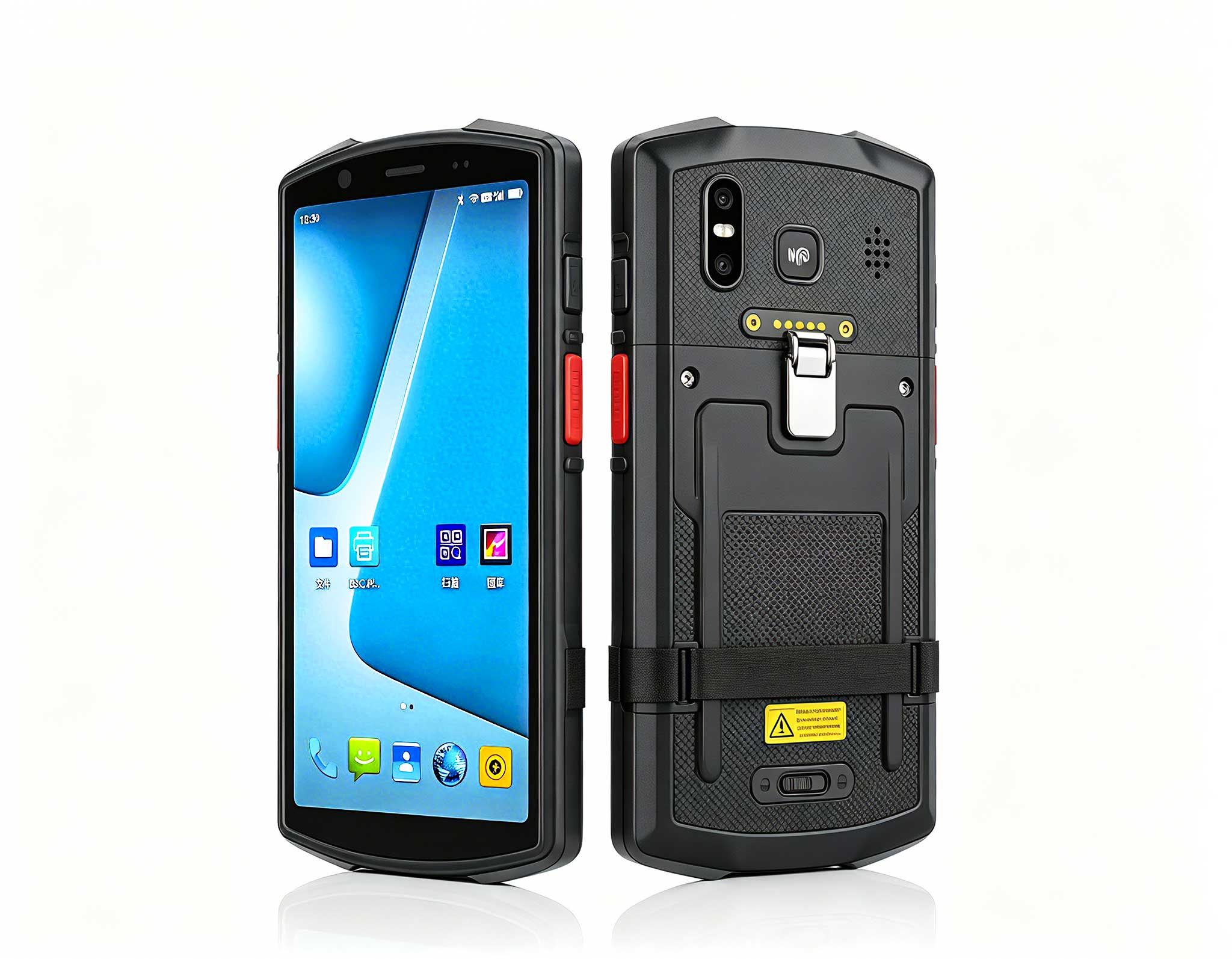
Full SpecificationsModel Hotus SH5‑WOperating ...
The N60 PDA is a cutting-edge device for inventory...
The R501 PDA combines a powerful MT6762 Octa-Core ...
R860-S 5.5-inch Industrial PDA with Thermal Printe...
This 10-inch Android rugged tablet is designed for...
RS50 5G Rugged Handheld Terminal | 6.3" FHD+ ...
RT82 5G Rugged Tablet | 10.1" FHD 400nit | Qu...
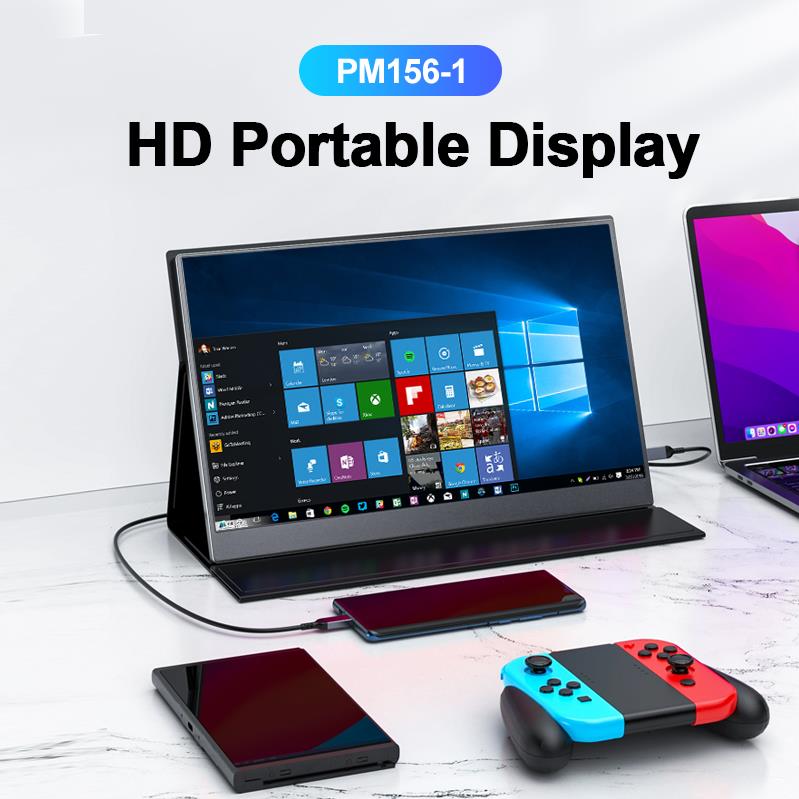
The PM156-1 is a 15.6-inch portable PC monitor fea...
P11 Series Next-Gen Enterprise Rugged Industrial ...
In modern logistics, every second counts. A picking error that leads to a return can cost up to 20% of the order value, while a slow pick rate eats into labor efficiency. The hardware you deploy on the warehouse floor—whether a large-screen rugged tablet like the HTNJ10C Rugged Tablet or a compact handheld like the RFID Industrial PDA D802—shapes both accuracy and throughput. While both devices are ruggedized for industrial use, they optimize for different parts of the picking process. This analysis focuses on how each device impacts return on investment (ROI), from initial deployment to daily operations.

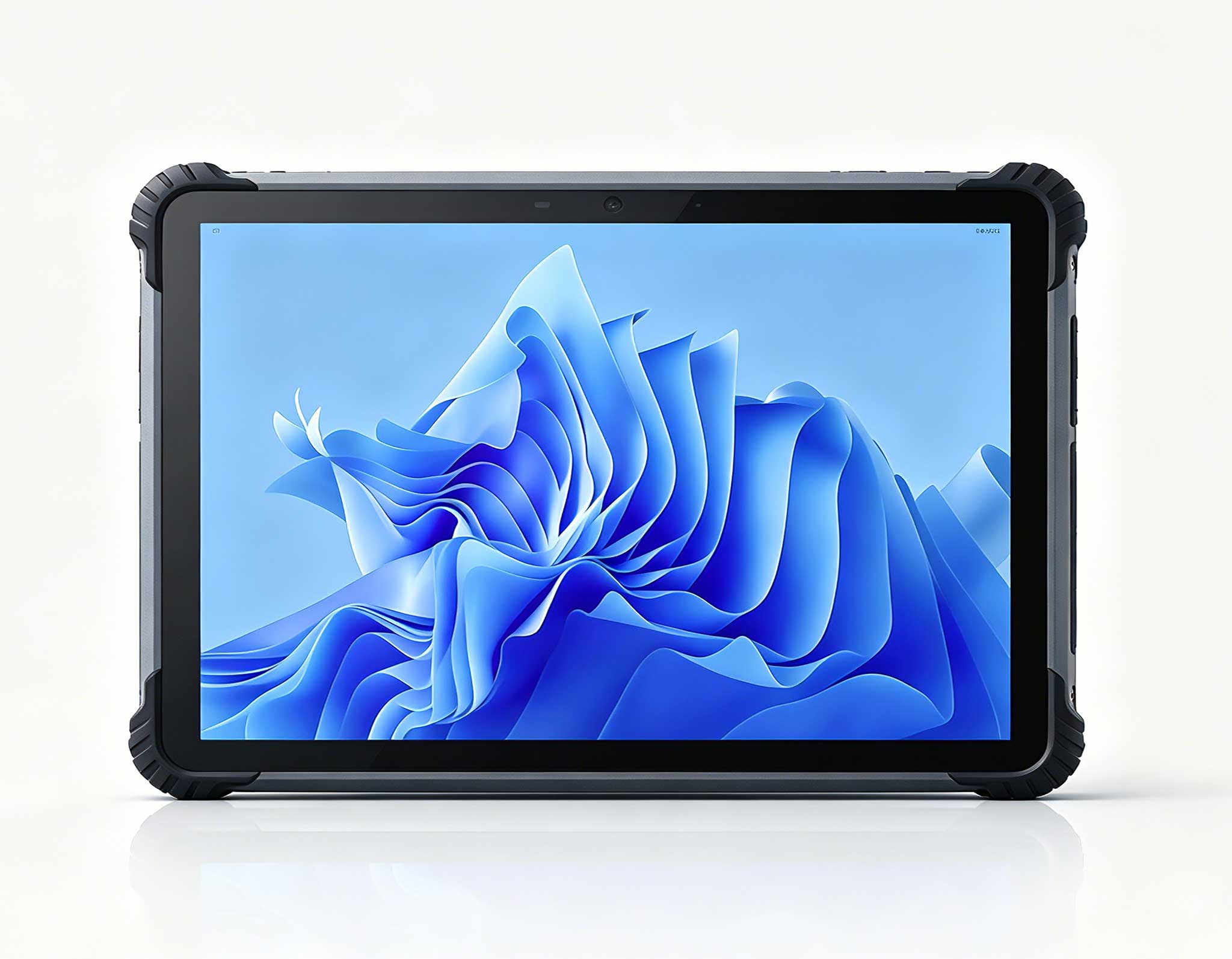
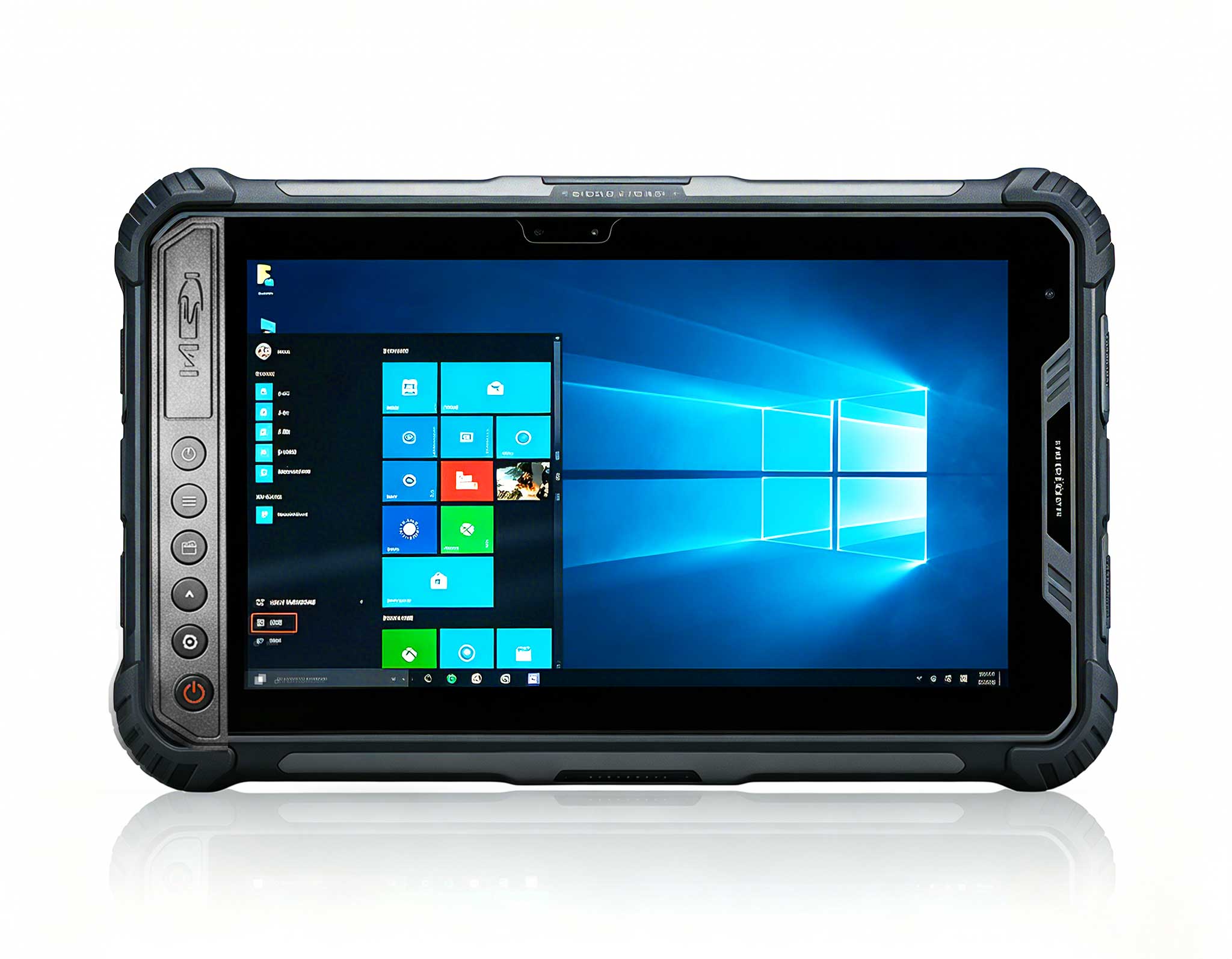
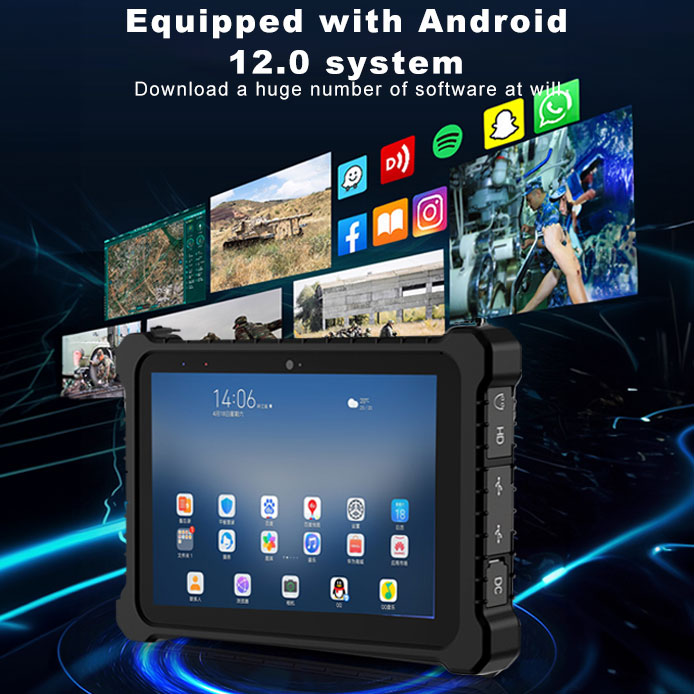
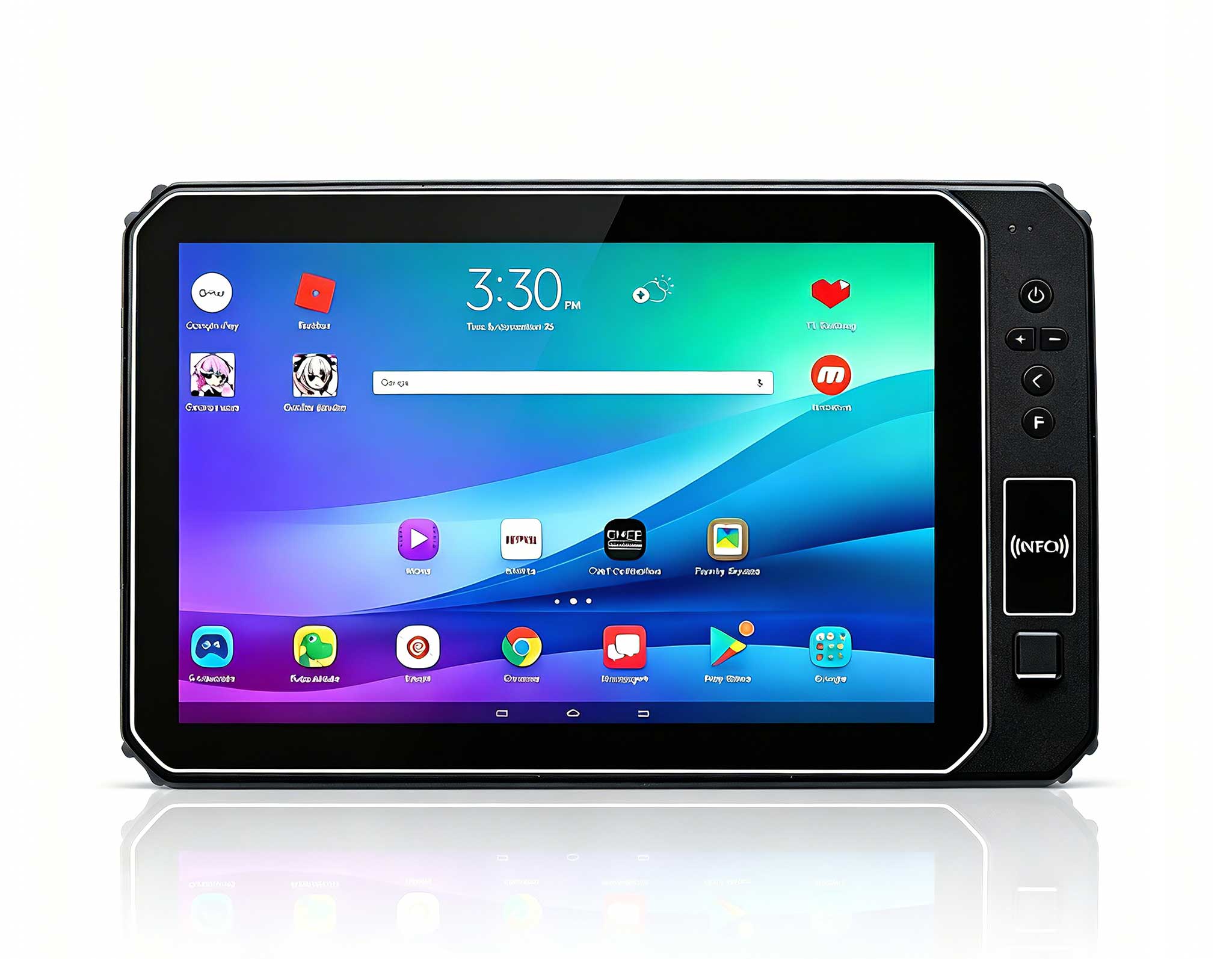
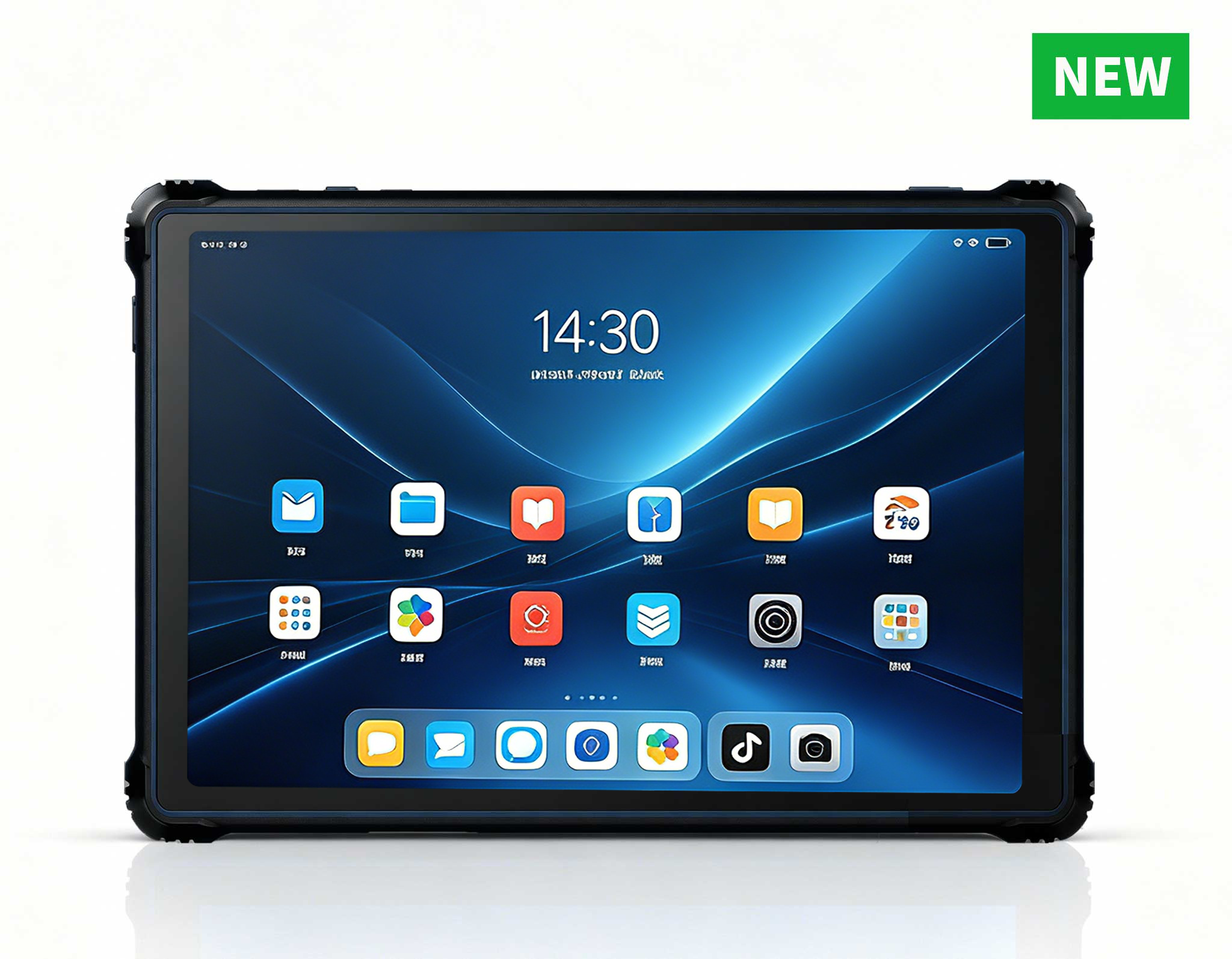
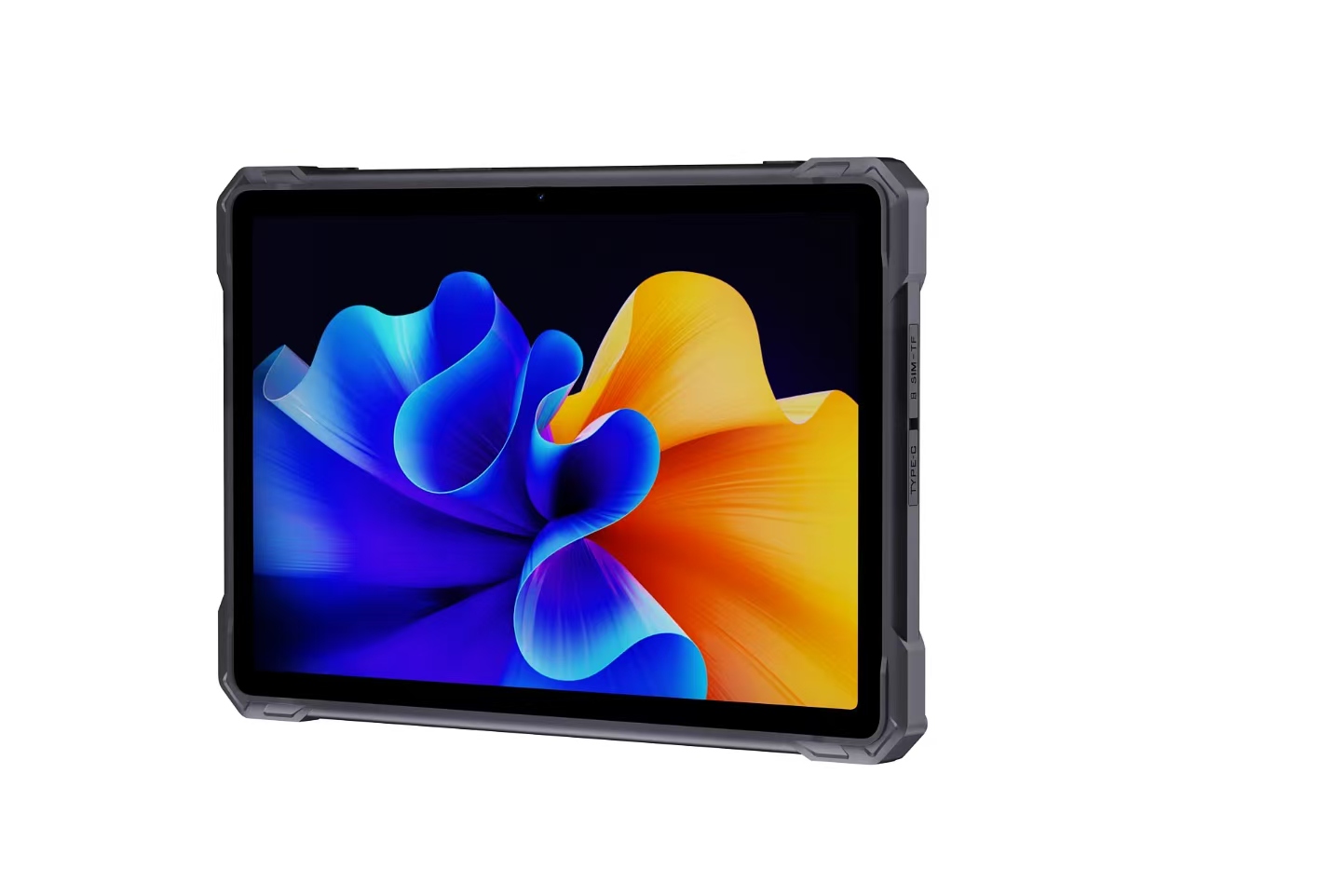
The HTNJ10C rugged tablet is built for data-rich tasks. Its 10-inch screen (1280x800 resolution) allows workers to view multi-zone picking maps, real-time inventory levels, and exception handling logs without switching apps. In a scenario where a picker must verify batch numbers, check lot codes, and update stock counts across 50 locations per hour, the tablet’s interface reduces cognitive load. A supervisor using the HTNJ10C can also run analytics on the same device, bridging the gap between floor operations and office management.
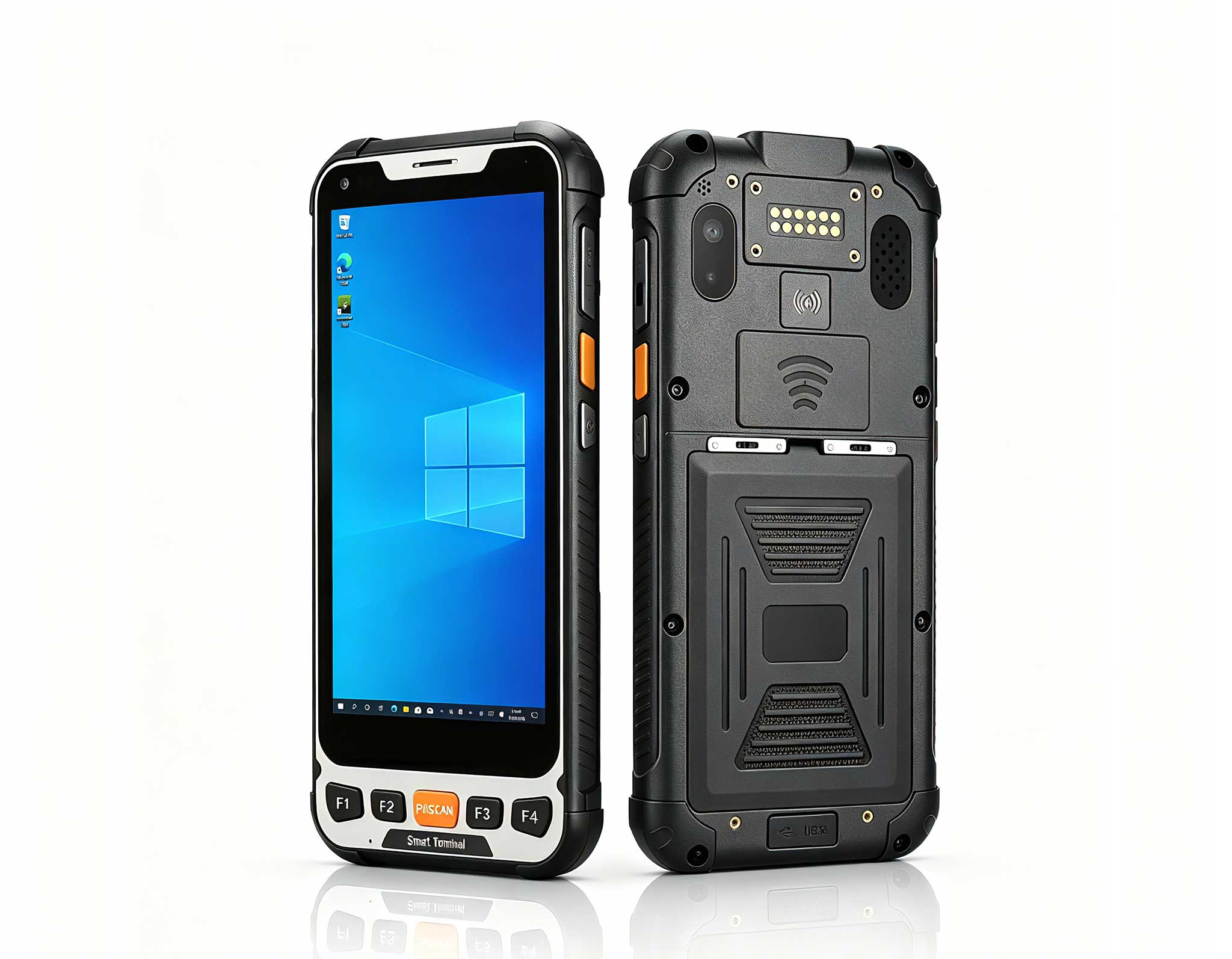
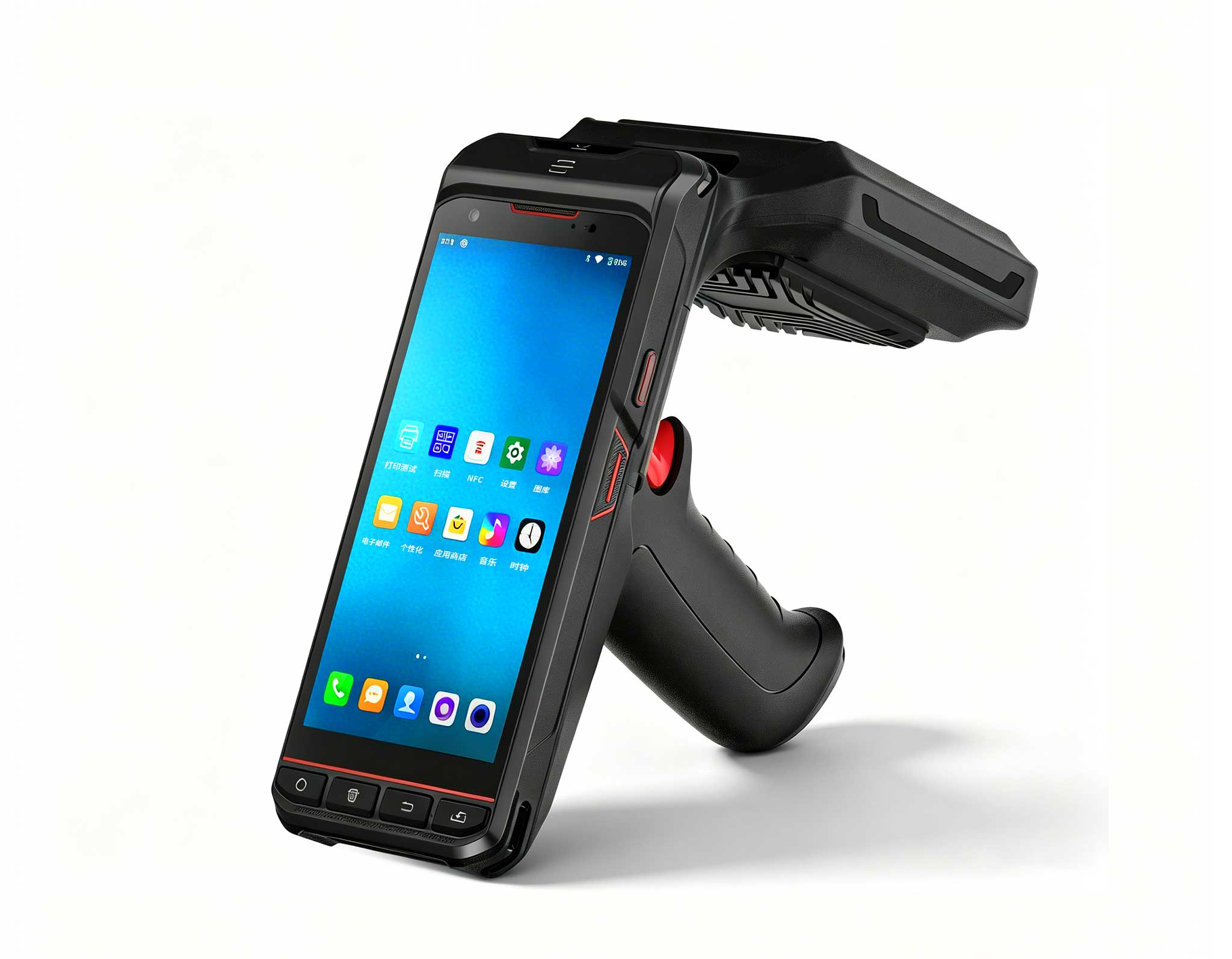
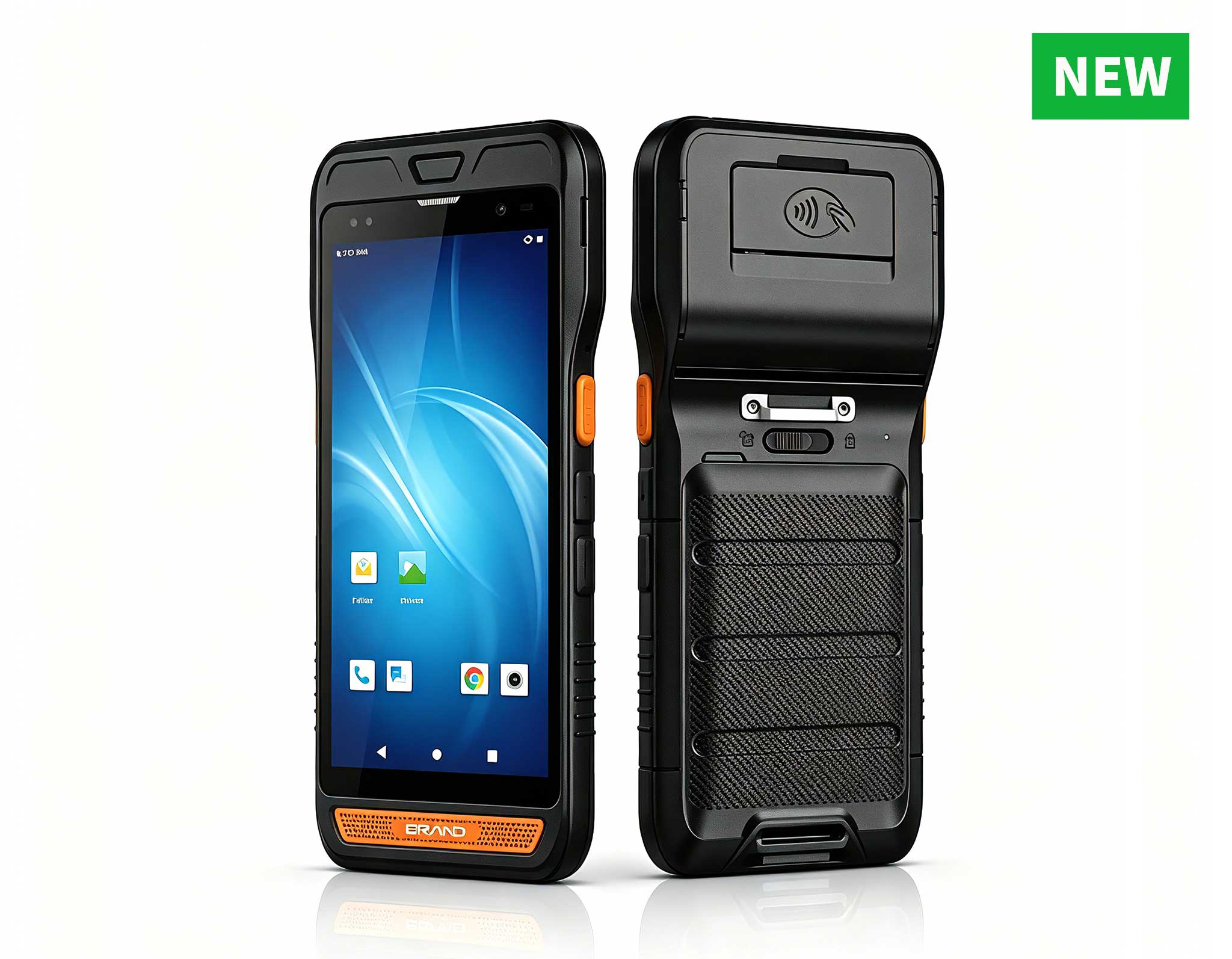
The D802 handheld PDA, by contrast, is engineered for rapid, repetitive scanning. With a dedicated 1D/2D imager and integrated UHF RFID reader, it can process 200+ picks per hour in a wave-picking environment. The device’s lightweight design (under 300 grams) and ergonomic grip let workers scan, confirm, and move in under 2 seconds—ideal for high-volume, low-complexity tasks like case picking or carton retrieval.
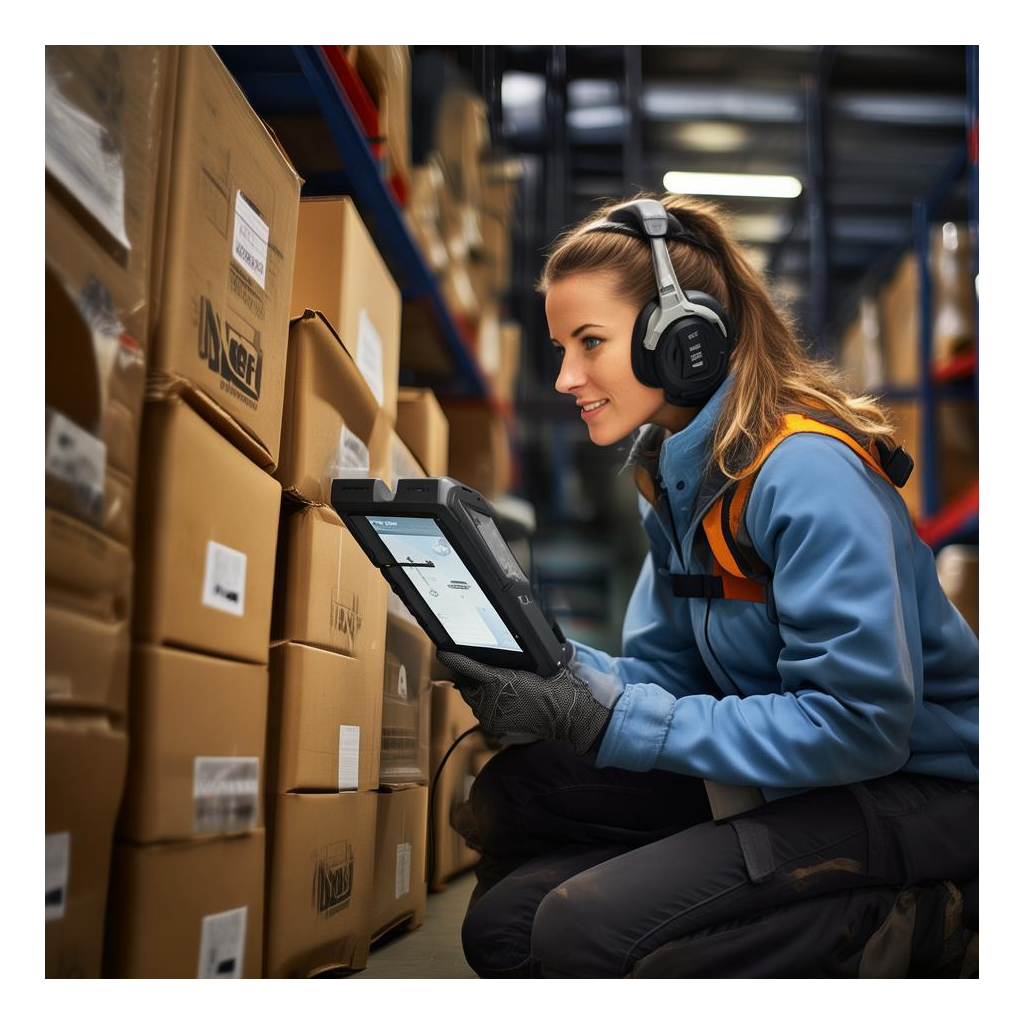
ROI Insight: For operations with high SKU density and variable task types, the HTNJ10C’s versatility can reduce training time by 30%. For pure speed-focused picking lines, the D802’s throughput can lower labor costs by 15-20%.
Both devices withstand drops, dust, and moisture, but their form factors suit different environments. The HTNJ10C, with an IP65 rating and 1.2-meter drop resistance, is ideal for temperature-controlled zones or areas with frequent spills, like cold storage or produce sections. Its large screen also holds up in bright warehouse lighting, with an optional sunlight-readable mode.
The D802, while also IP65-rated, excels in tight spaces—think narrow aisles, mezzanine levels, or truck loading docks. Its compact size reduces the risk of snagging on rack edges, and the pistol-grip variant allows for one-handed scanning even when wearing heavy gloves. In a freezer environment, the D802’s battery life (up to 12 hours) outlasts many tablets, minimizing downtime.
Case Example: A 3PL warehouse handling automotive parts switched from tablets to D802s for their picking team, citing a 40% reduction in device-related accidents (drops and collisions). However, their inventory auditing team kept the HTNJ10C for bulk zone checks.
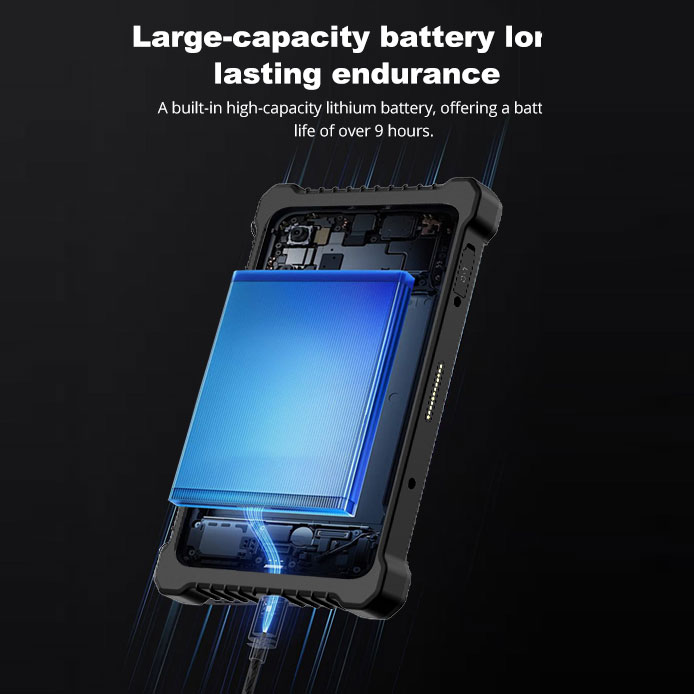
HTNJ10C: Higher upfront cost (due to larger screen and processing power) but lower per-user software licensing fees if using Android-native apps. Battery life averages 8-10 hours, with hot-swappable options. Replacement costs for damaged screens are moderate, but the device’s modular design allows for field repairs.
D802: Lower initial investment per unit, but higher accessory costs for holsters, charging cradles, and spare batteries. In high-use scenarios (3+ shifts), battery degradation can occur within 18 months, requiring replacements. However, the device’s rugged build reduces breakage rates—some users report 3+ years of service without major repairs.
Key Trade-off: The HTNJ10C offers lower operational risk for complex tasks (fewer errors), while the D802 delivers lower per-pick cost for high-volume operations.
Consider the HTNJ10C if:
Your picking process involves multi-step verification (e.g., lot tracking, serial number capture).
Workers need to reference maps, diagrams, or real-time stock levels during shifts.
You want a single device that doubles as a training tool or floor management console.
Consider the D802 if:
Picking is primarily scan-and-go with minimal data entry.
Your warehouse has narrow aisles or high shelving where a large tablet is cumbersome.
You prioritize raw picking speed over task flexibility.
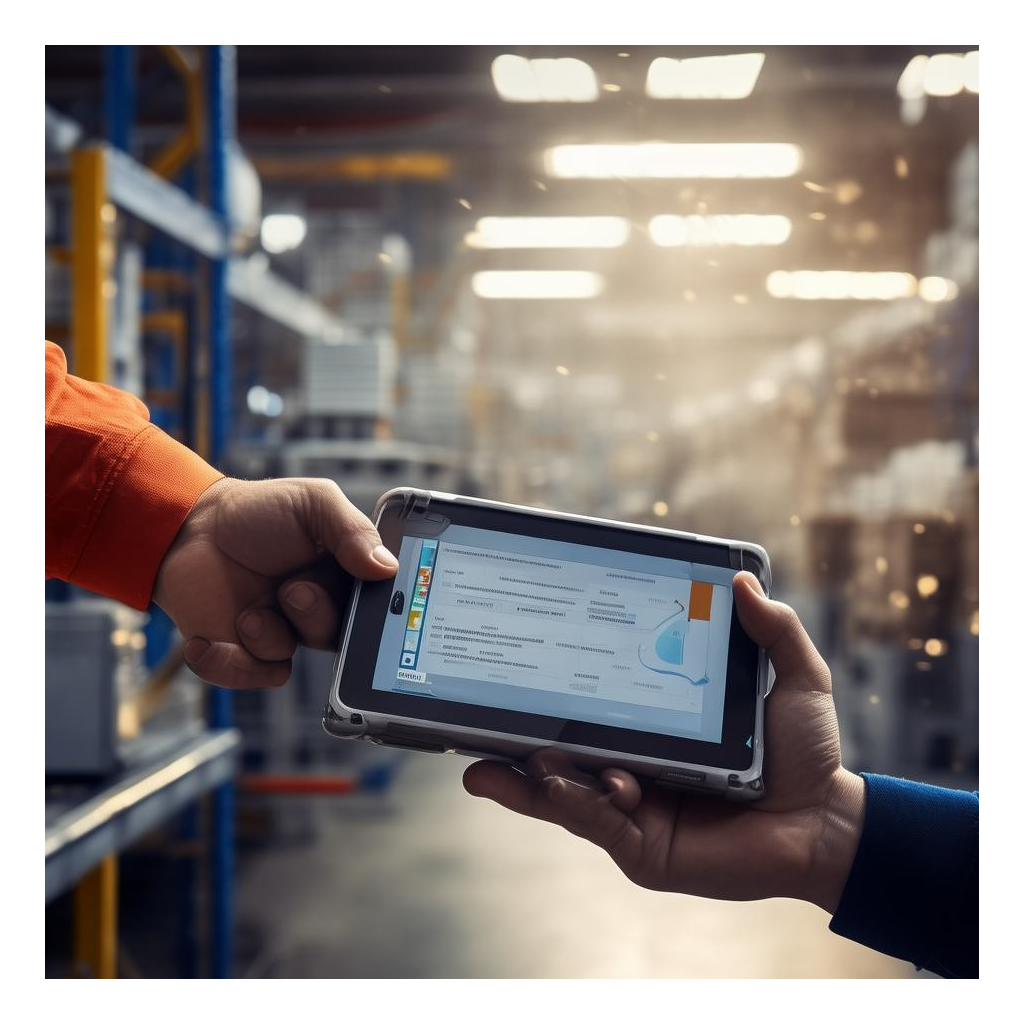
Ultimately, the best choice depends on your picking profile. A mixed deployment—using HTNJ10Cs for supervisors and D802s for floor pickers—often yields the highest overall ROI. Both devices outperform general-purpose smartphones in durability and scanning accuracy, making them essential for any real-world warehouse deployment aiming to hit 99.9% accuracy targets.