- Select Language
Enterprise Flagship SeriesEngineered for mission-c...
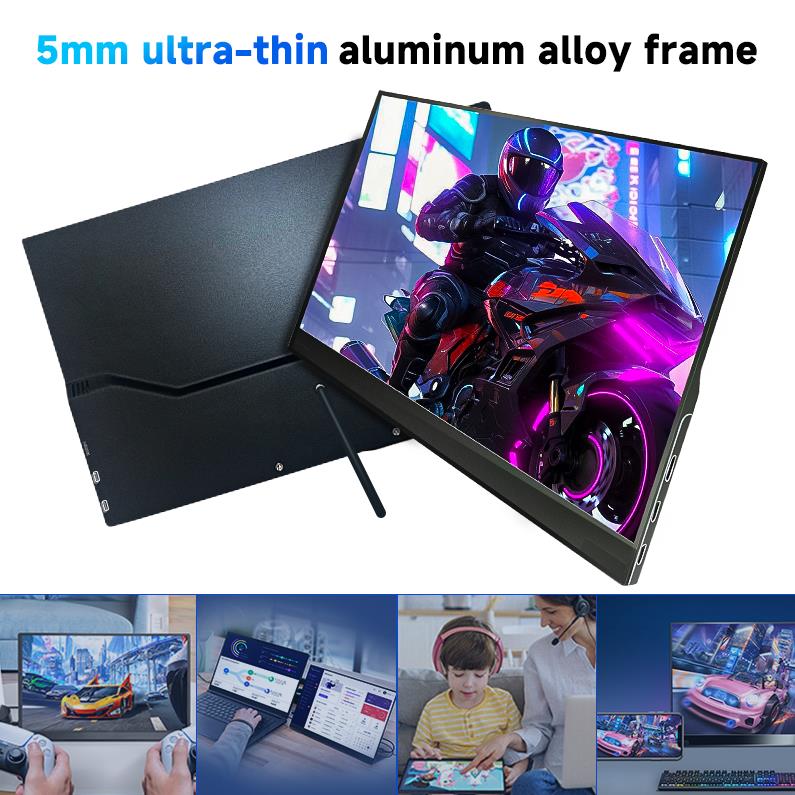
The PM133-2 is a 13.3-inch portable monitor featur...
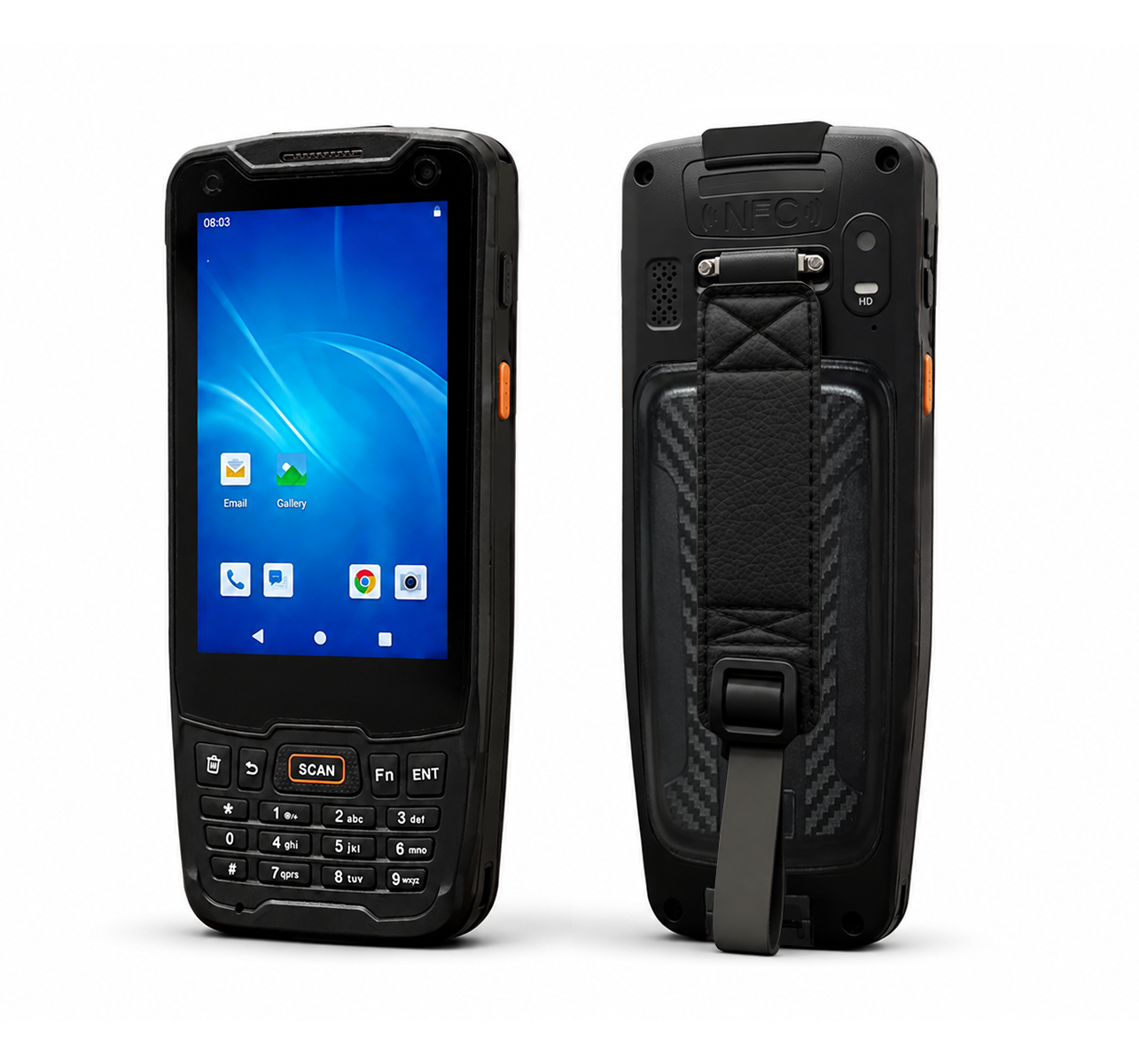
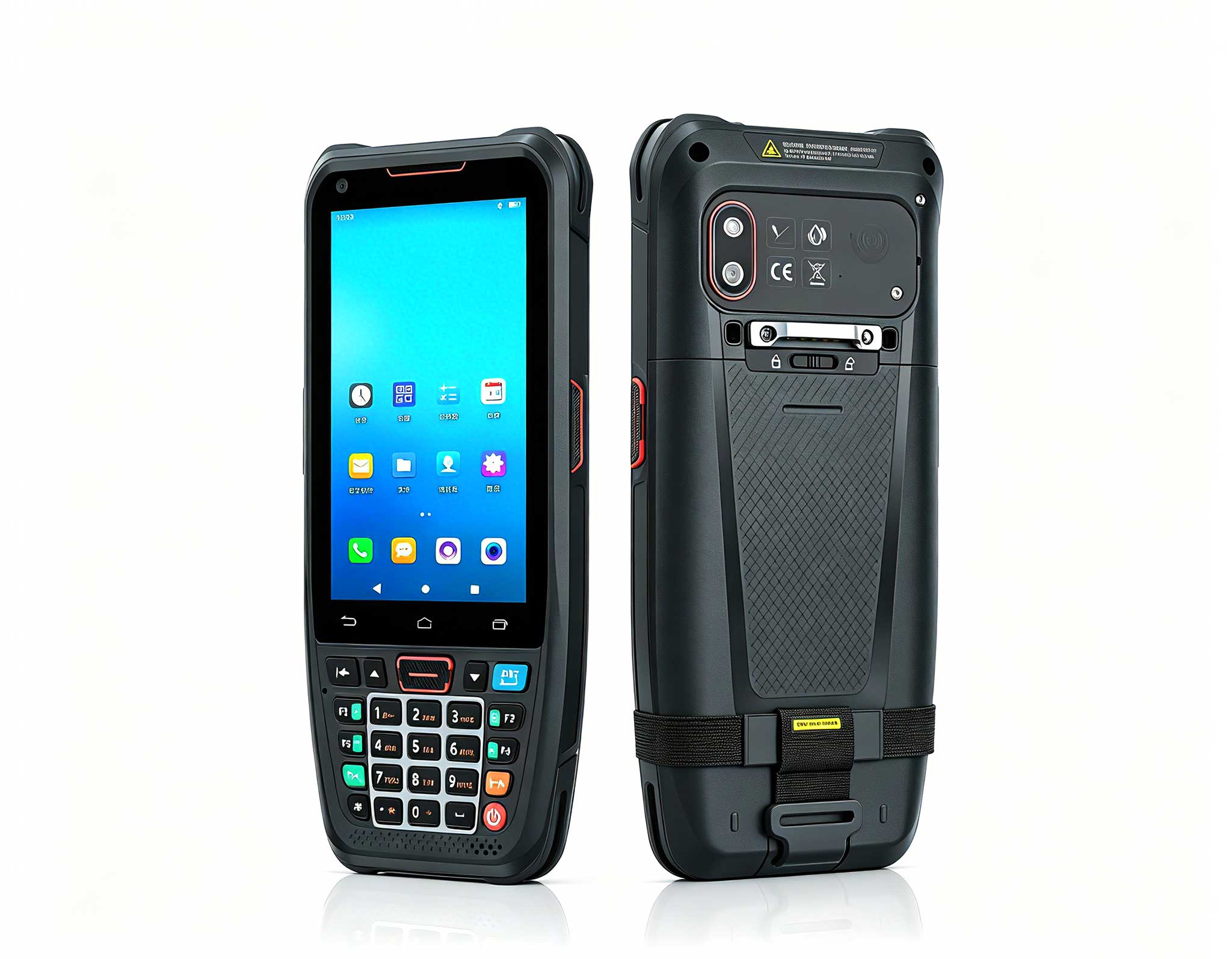
R350C 4-inch Industrial Handheld PDA | Qualcom...
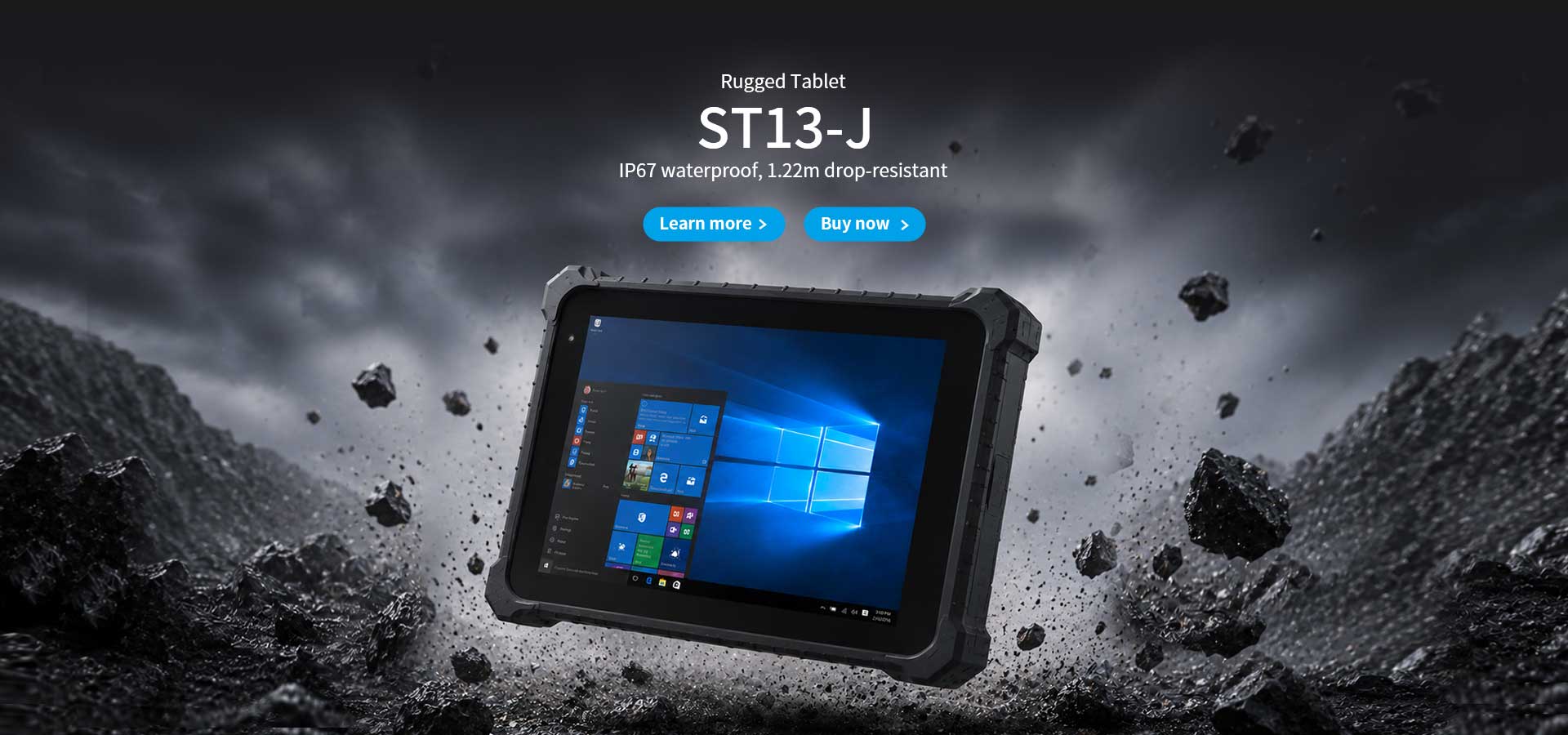
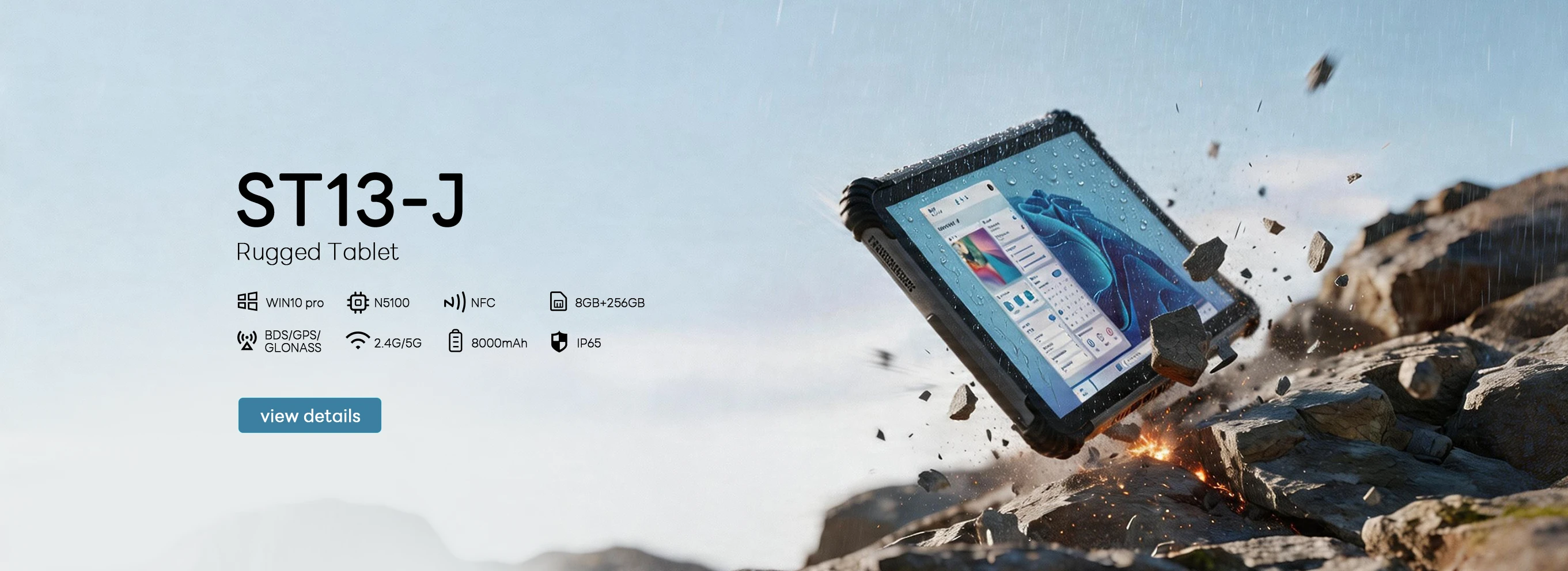
Full SpecificationsModelHotus ST13‑JOSWindows 10 P...
The X501 Handheld PDA combines advanced barcode sc...
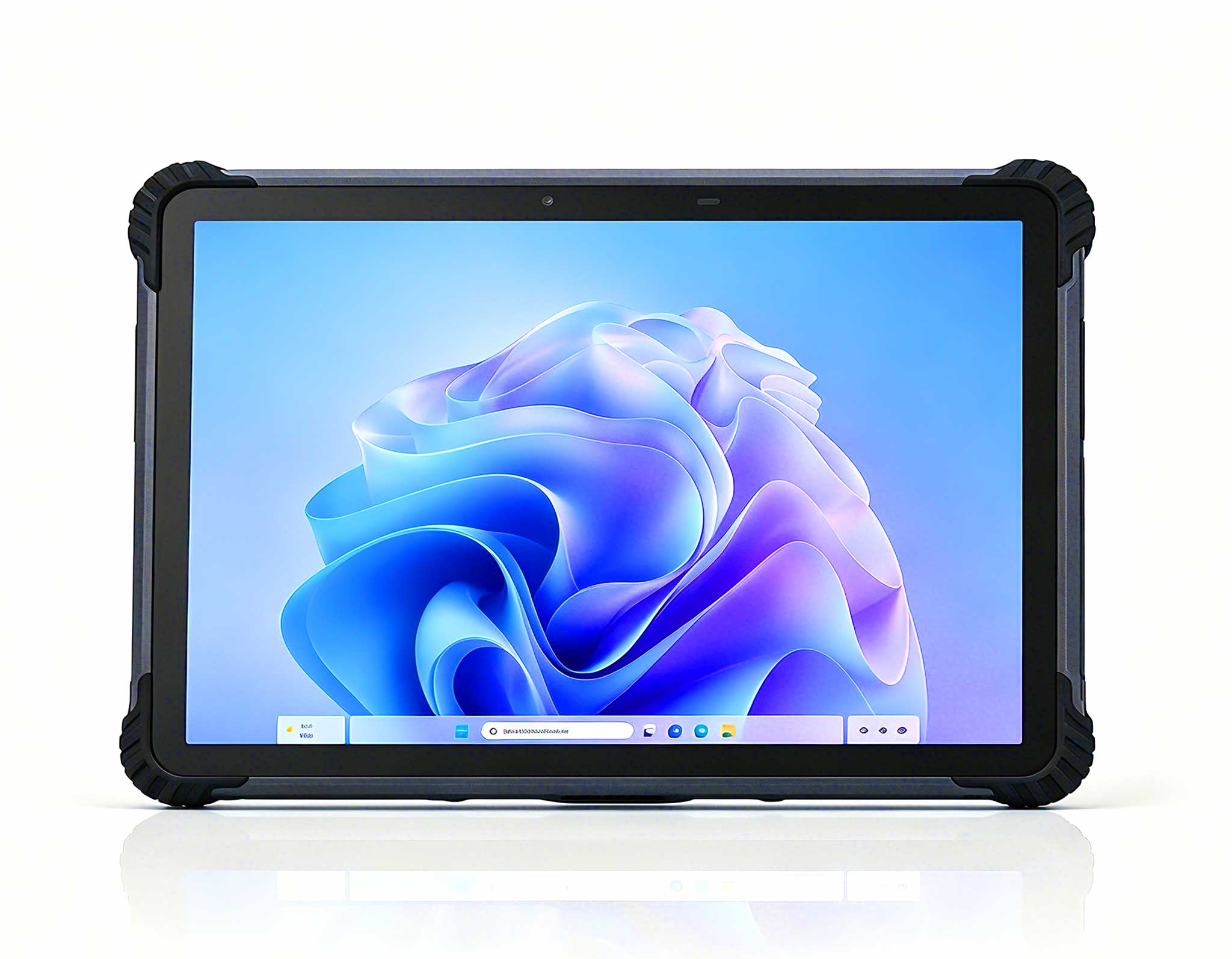
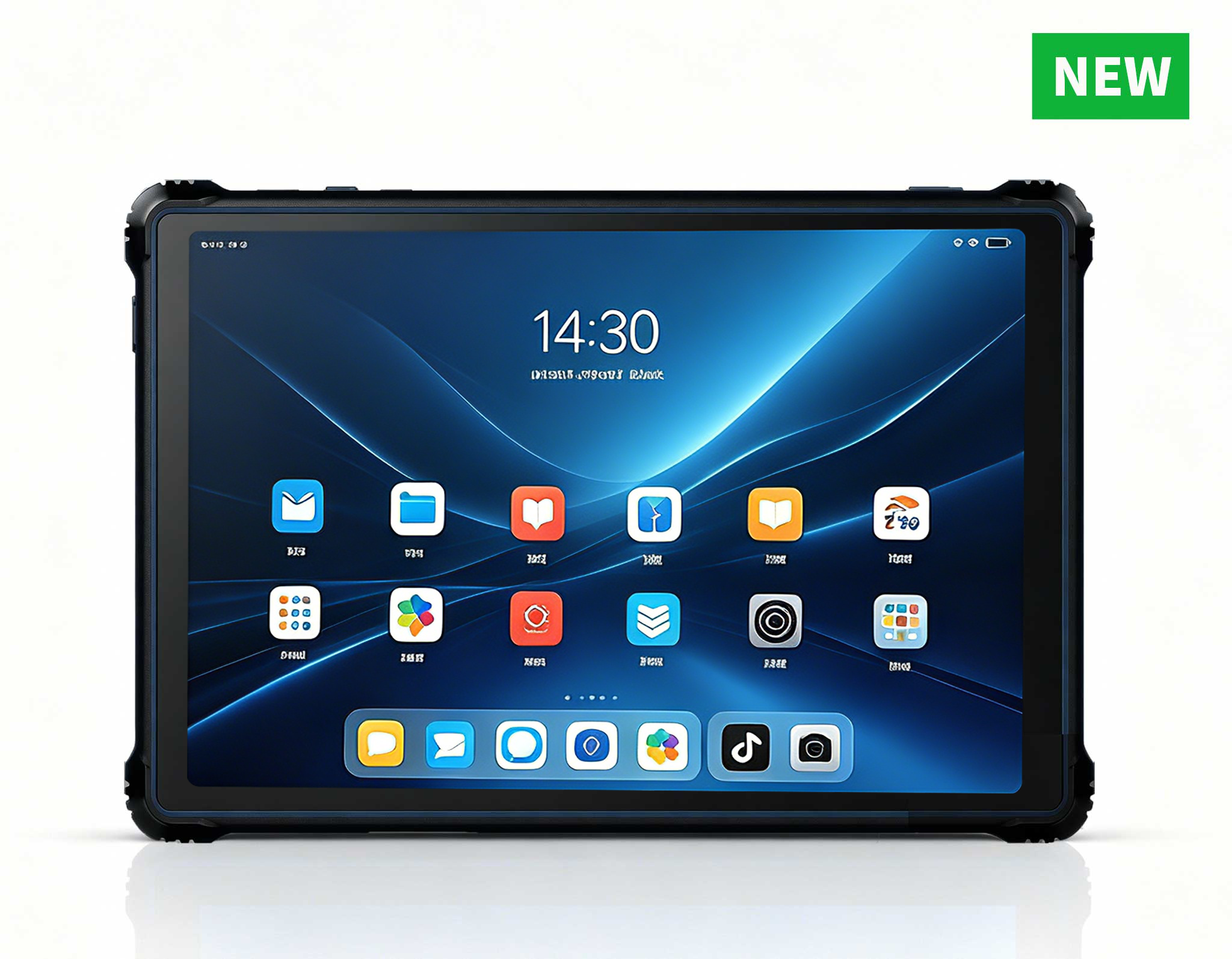
RT82 5G Rugged Tablet | 10.1" FHD 400nit | Qu...
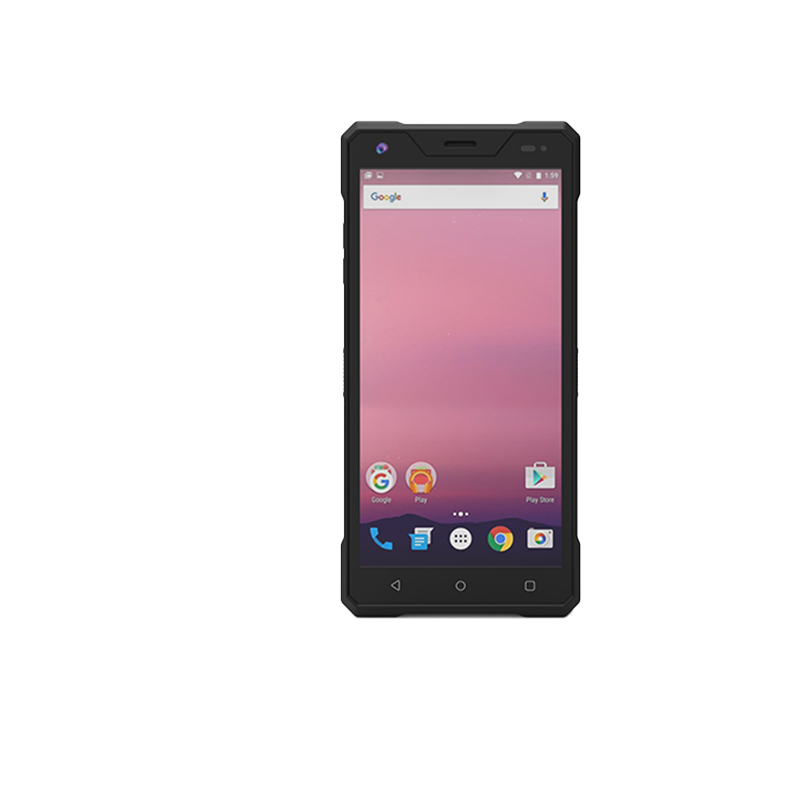
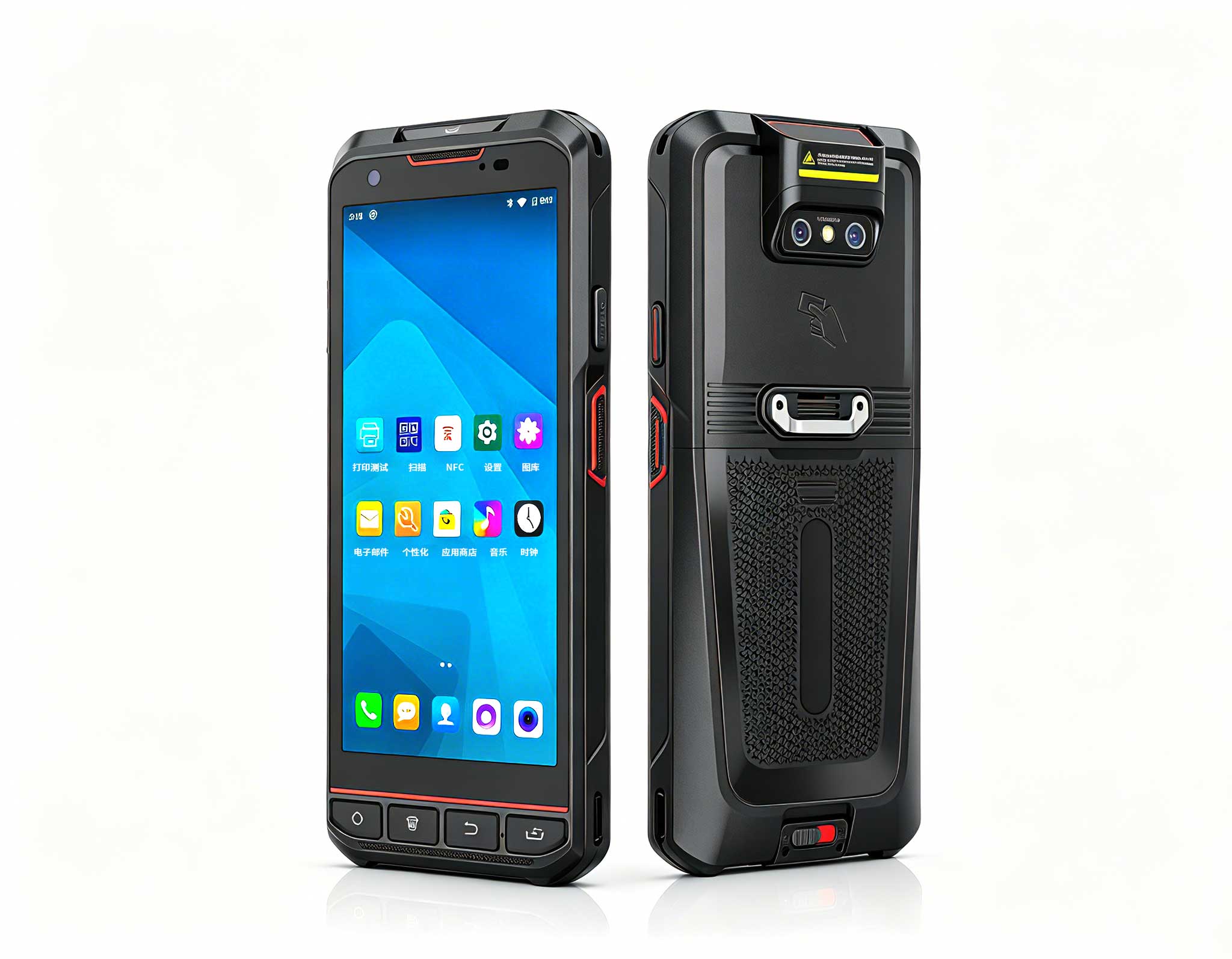
The N40 Android smart PDA features a Cortex-A53 qu...
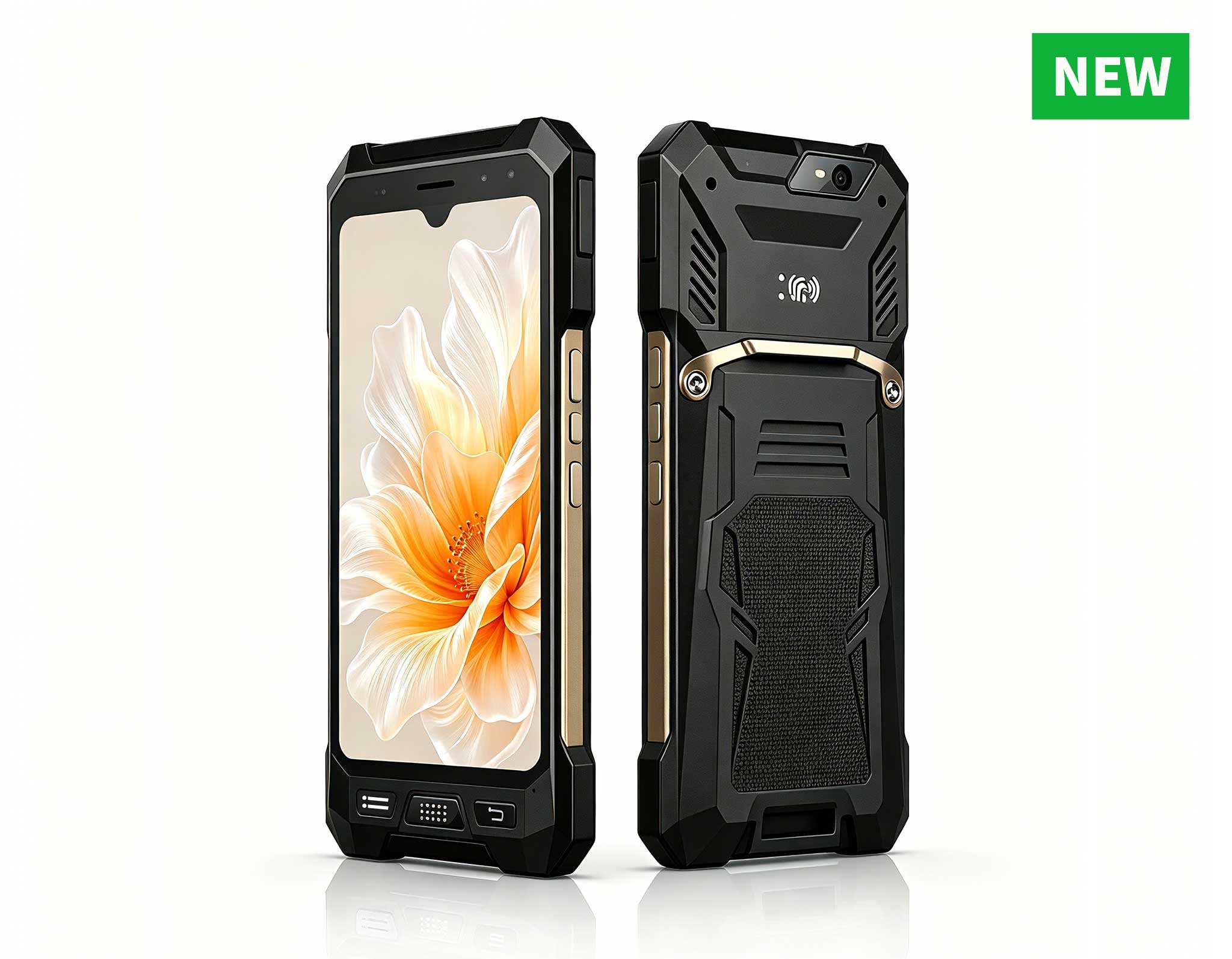
R530C 6.0-inch Industrial PDA | Qualcomm Octa-core...
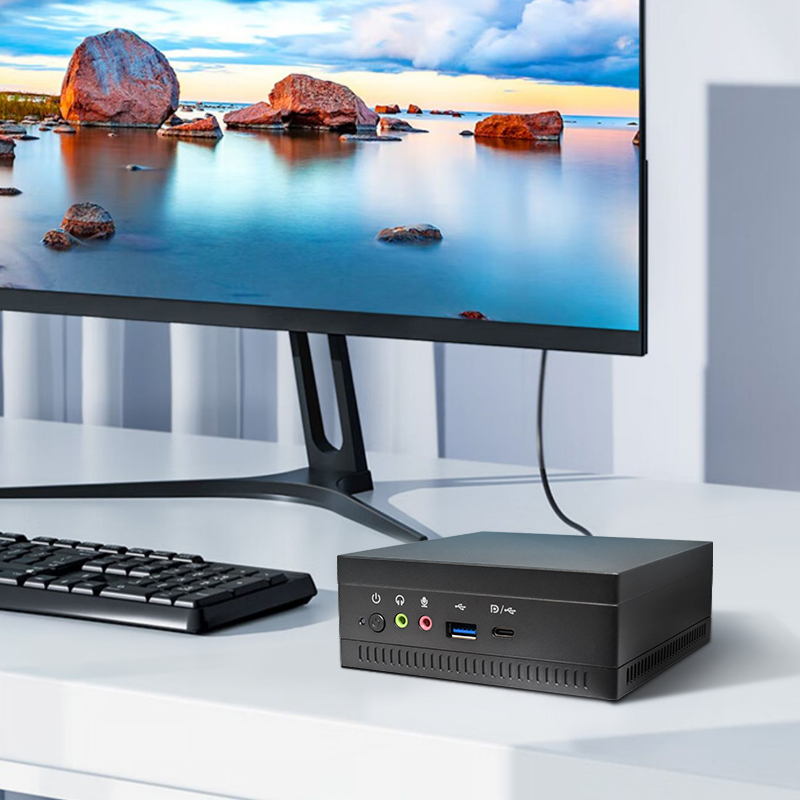
This ultra-compact mini PC offers powerful perform...
Recent regulatory changes are fundamentally altering how logistics, warehousing, and field service operations evaluate mobile computing investments. Over the past 18 months, mandates around supply chain visibility, electronic record integrity, and audit trail completeness have shifted the focus from raw hardware specs to compliance-ready functionality. The Smart PDA N40—an Android-powered intelligent terminal with integrated barcode scanning, RFID capture, and enterprise data logging—emerges as a strategic asset in this evolving landscape. For decision-makers weighing a Rugged Tablet or handheld upgrade, understanding the intersection of policy compliance and return on investment (ROI) is now critical. This analysis examines current regulatory pressures and demonstrates how the N40 turns compliance into a measurable financial advantage.
The compliance framework for enterprise mobile devices has tightened significantly in the last two years. Key policies driving change include:
FDA 21 CFR Part 11 – mandates electronic record authenticity, timestamping, and user identification for pharmaceutical and medical device supply chains.
GDPR accountability rules – require full traceability of data processing actions, including collection, storage, and transmission.
GS1 global traceability standards – push for standardized, auditable data capture across the supply chain.
ISO 9001:2025 (draft) – emphasizes real-time data-driven quality management, reducing reliance on batch updates.
These policies collectively demand that every digital record—from inventory receipt to field service completion—be accurately timestamped, tamper-evident, and instantly retrievable. For IT and operations managers, this translates into specific technical prerequisites: devices must support auditable logging, multi-modal capture (barcode, RFID, touch), and open operating systems for seamless ERP and WMS integration.
.png)
Older handheld terminals running proprietary operating systems or limited connectivity options now pose compliance risks. Without native automatic timestamping, user authentication at the firmware level, or robust audit trails, these devices can trigger audit failures, regulatory fines, and reputational damage. Manual data entry reliance further exposes organizations to human error, contradicting the ISO 9001:2025 push for real-time accuracy. The cost of non-compliance often exceeds the upfront savings of using outdated equipment, making device selection a core component of risk management.
The Smart PDA N40 addresses these challenges directly. Its native Android environment simplifies integration with existing ERP and warehouse management systems, while the integrated barcode scanning and RFID engine reduce keystrokes and human error. Key compliance-enabling features include:
Auditable digital logs with automatic timestamping and user identification embedded in firmware.
Multi-modal data capture (barcode, RFID, touch input) to support diverse workflows.
Open Android OS for easy customization and system integration.
Rugged design suitable for warehouse, field, and logistics environments.
These capabilities allow organizations to meet regulatory demands without sacrificing operational efficiency. The N40 turns compliance from a burden into a competitive advantage by streamlining data capture and reducing audit preparation time.
.png)
ROI calculations for mobile devices now factor in compliance costs and penalties. Deploying the N40 reduces risk of non-compliance fines, which can range from thousands to millions depending on the regulation. Additionally, the device’s multi-modal capture cuts data entry time by up to 40% compared to manual methods, directly lowering labor costs. The Android platform also supports over-the-air updates, ensuring the device stays aligned with evolving policy requirements without hardware replacement. Real-world deployments in logistics and field service show average payback periods of 12–18 months when accounting for compliance savings alone.
When evaluating handheld terminals or Rugged Tablet upgrades, consider these policy-driven criteria:
Audit readiness – ensure devices support automatic timestamping and user identification at the OS level.
Data capture diversity – choose models with barcode, RFID, and touch input to minimize manual entries.
Platform openness – Android-based devices offer easier integration with modern ERP and WMS systems.
Future-proofing – prioritize devices with over-the-air update capabilities to adapt to new regulations.
.png)
The Smart PDA N40 meets all these criteria while delivering measurable ROI through reduced compliance risk, lower labor costs, and longer device lifecycle. In a compliance-first environment, it’s not just a tool—it’s a strategic investment.