- Select Language
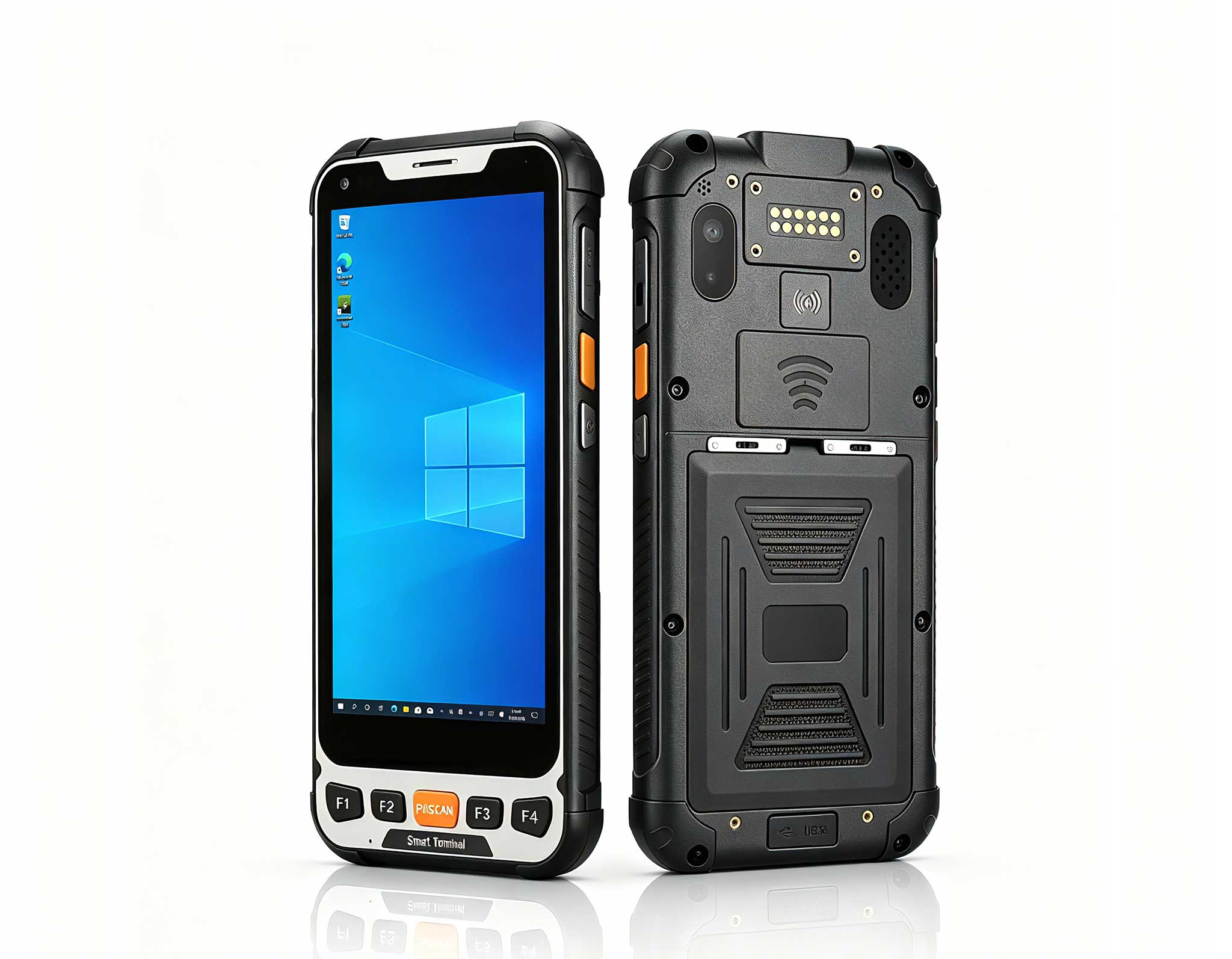
The F505 Handheld PDA is a compact, high-performan...
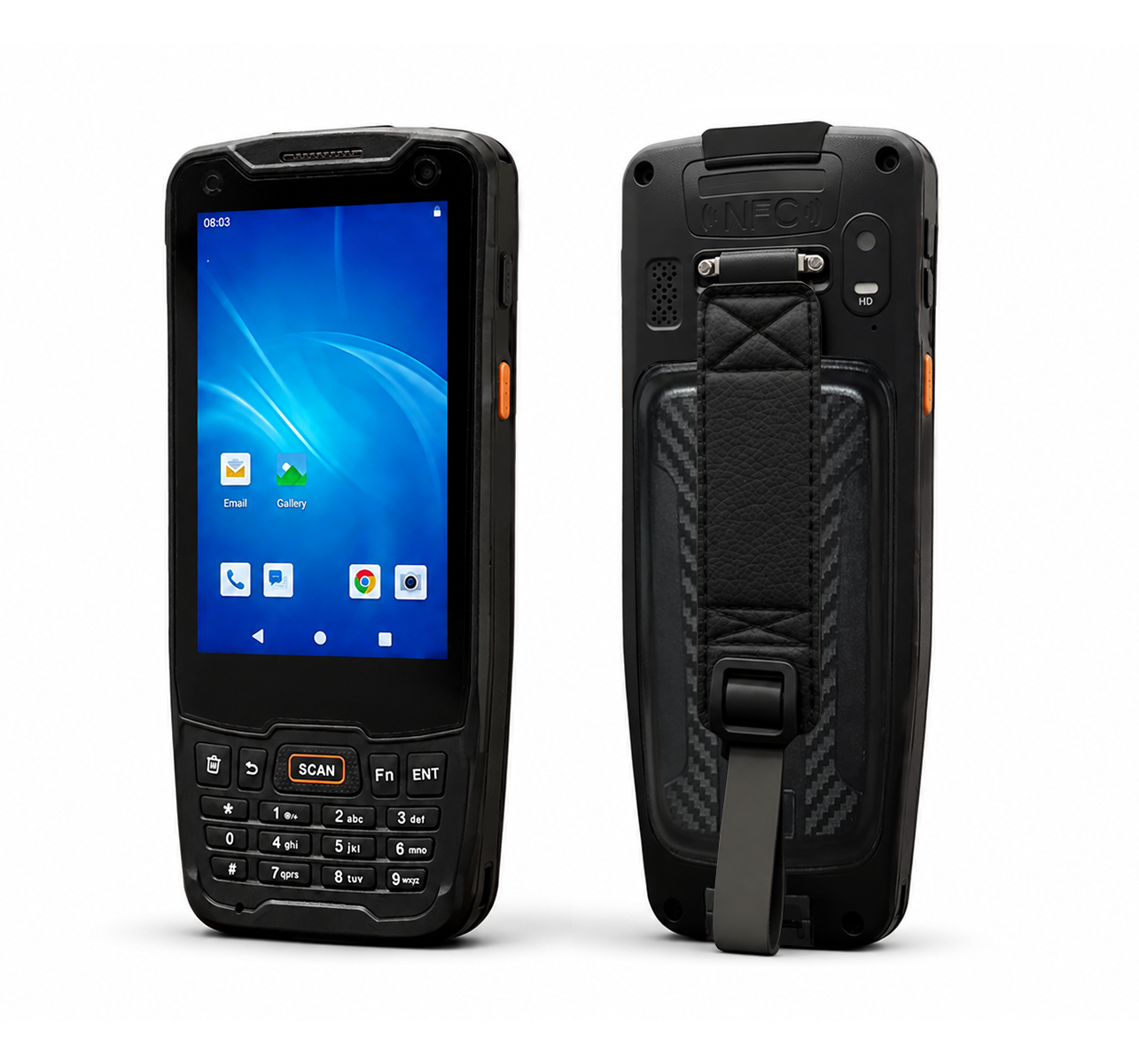
R350C 4-inch Industrial Handheld PDA | Qualcom...
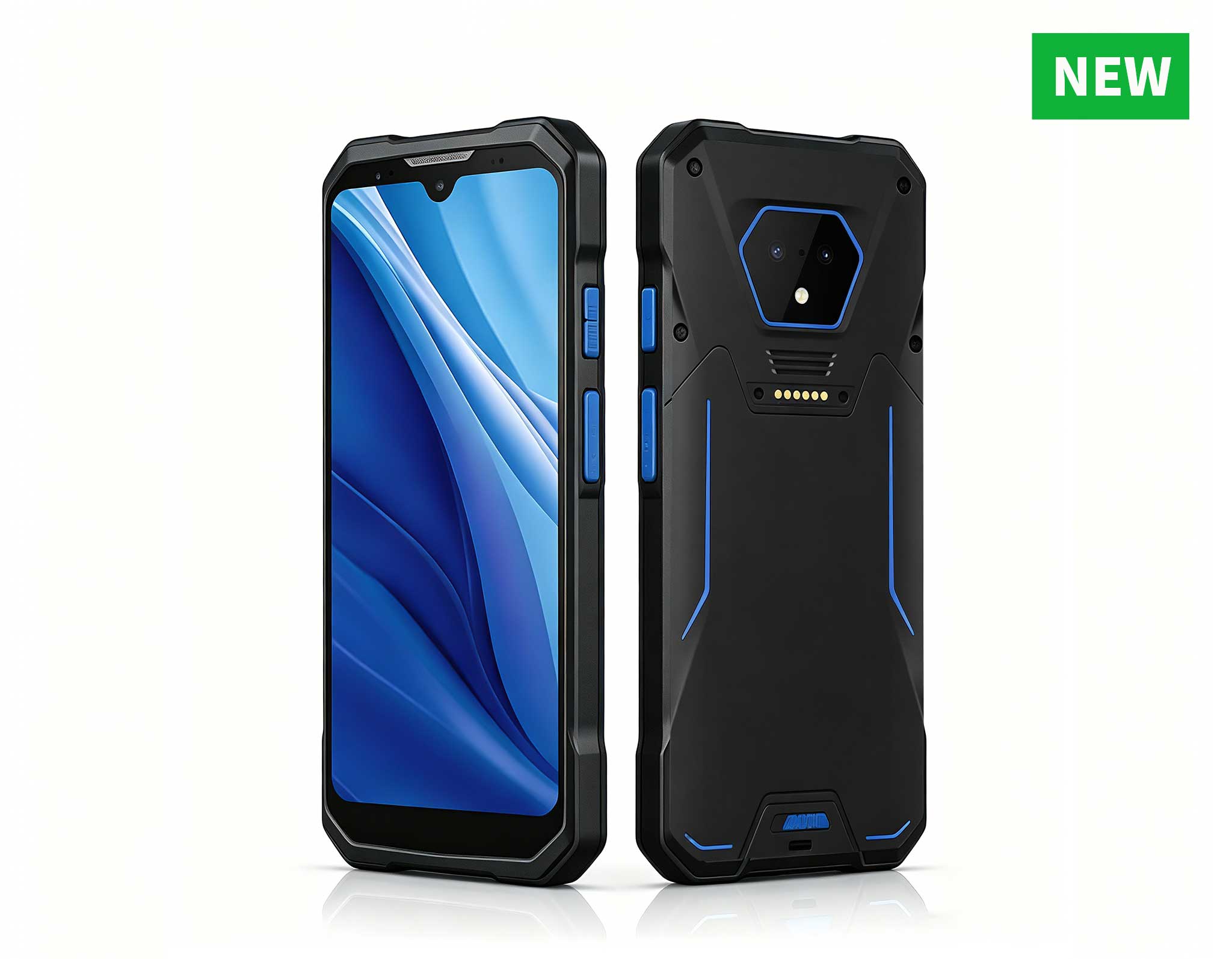
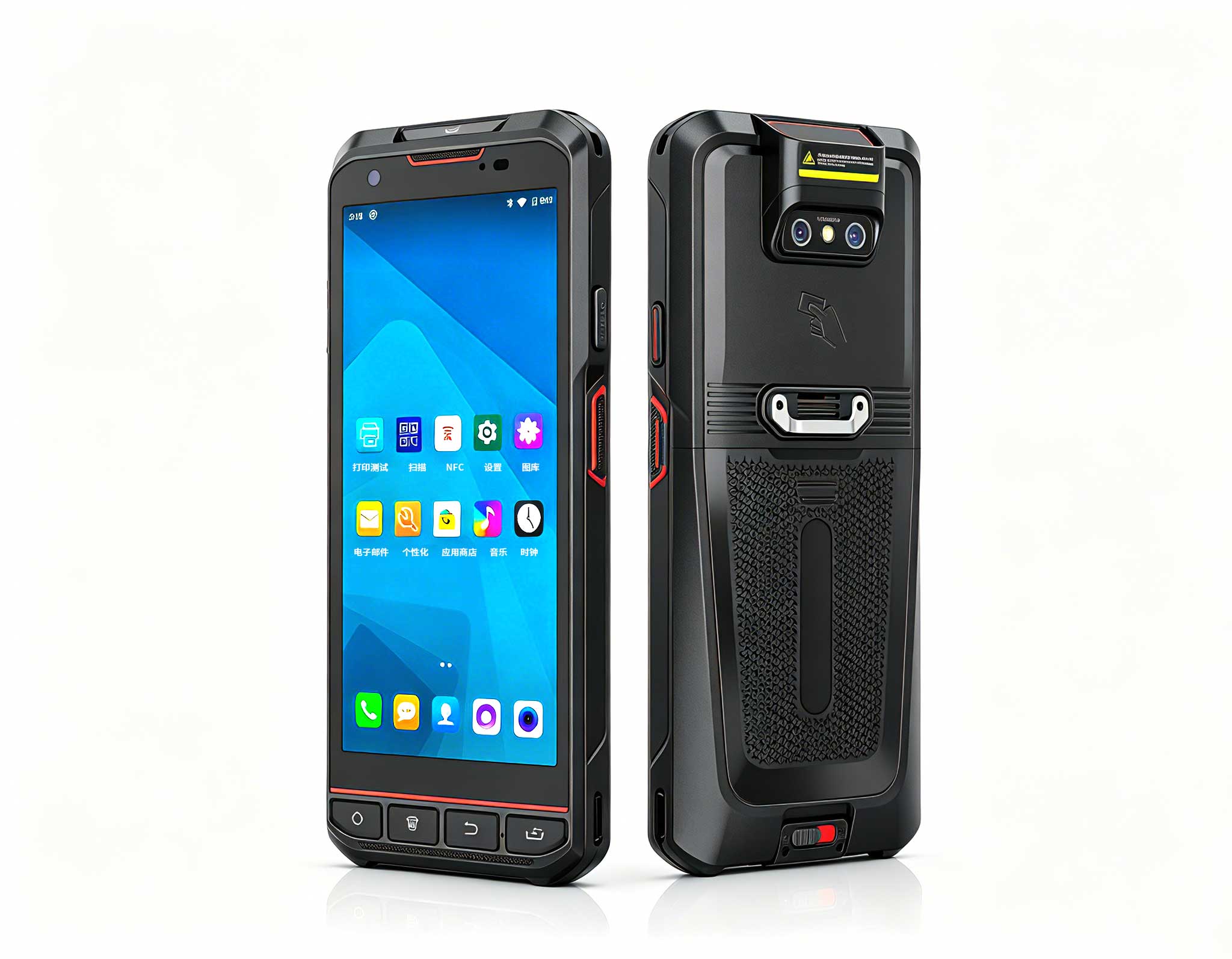
RS50 5G Rugged Handheld Terminal | 6.3" FHD+ ...
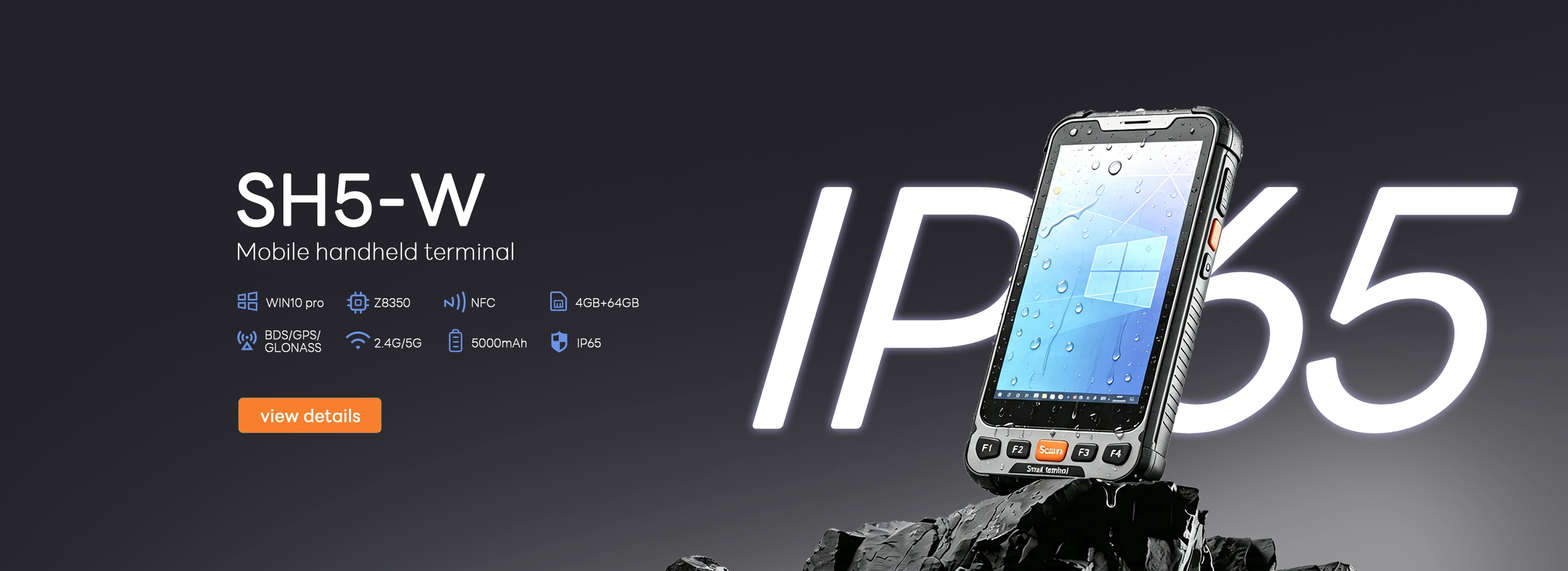
Full SpecificationsModel Hotus SH5‑WOperating ...
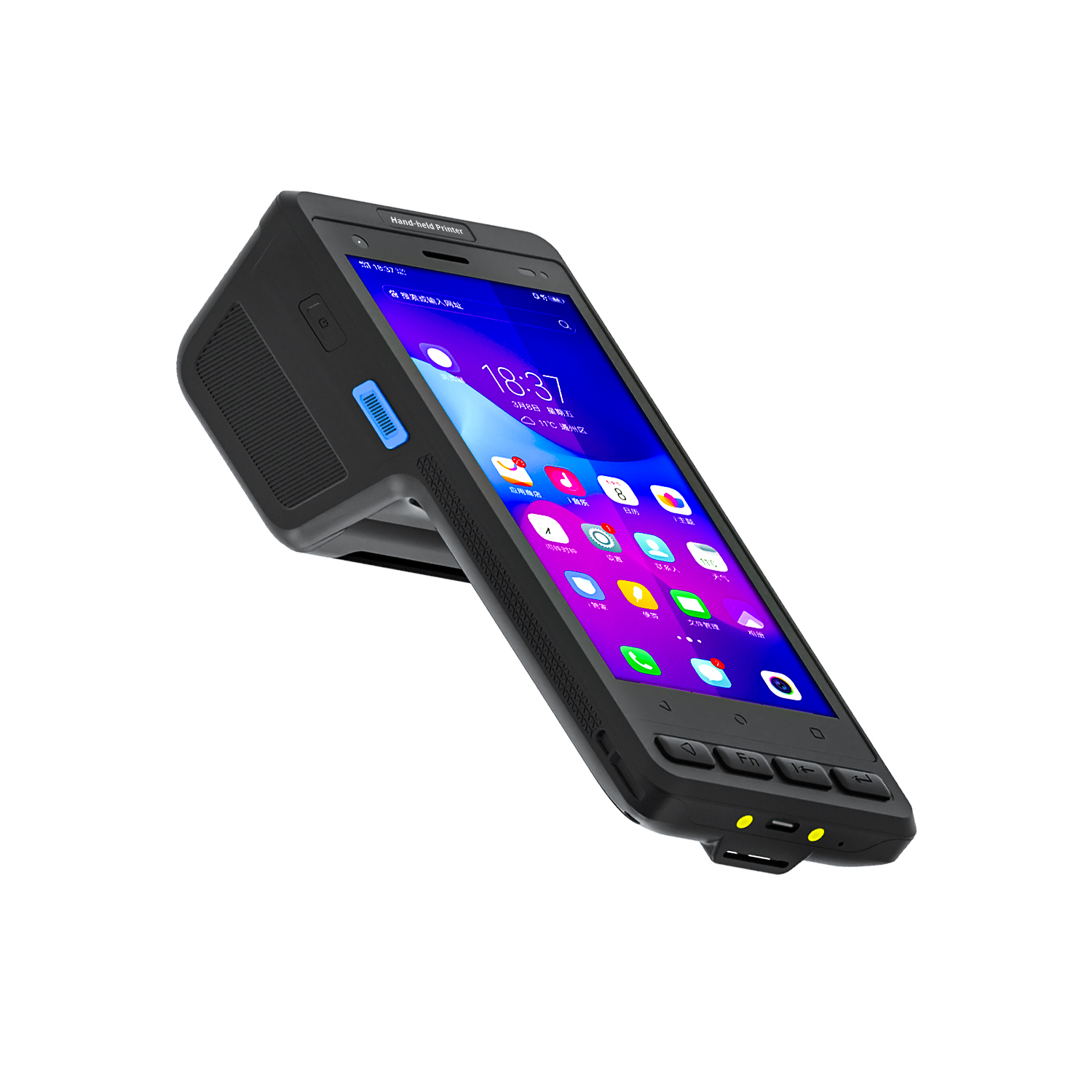
The X501 Handheld PDA combines advanced barcode sc...
Maintenance instructions: Store at room temperatur...
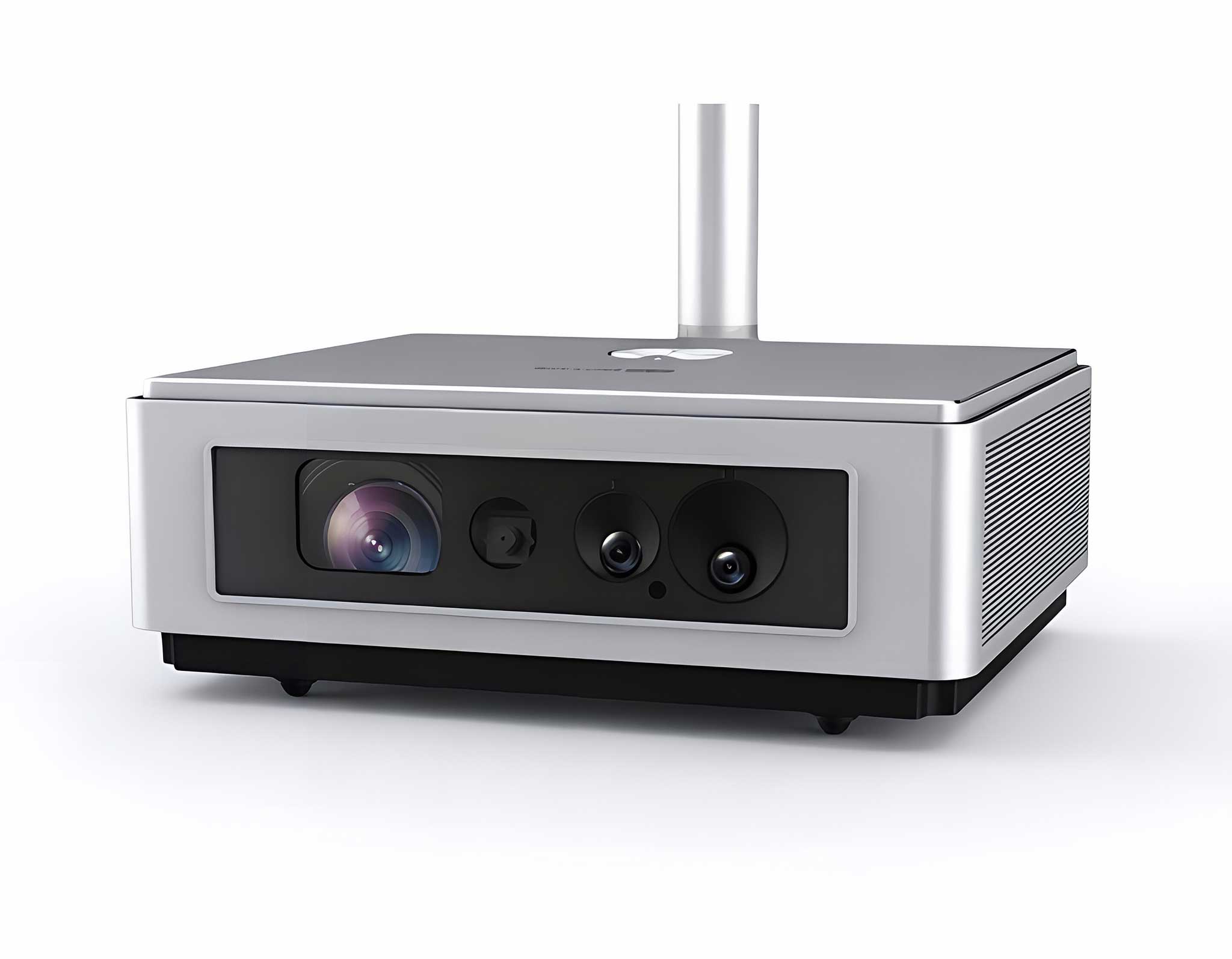
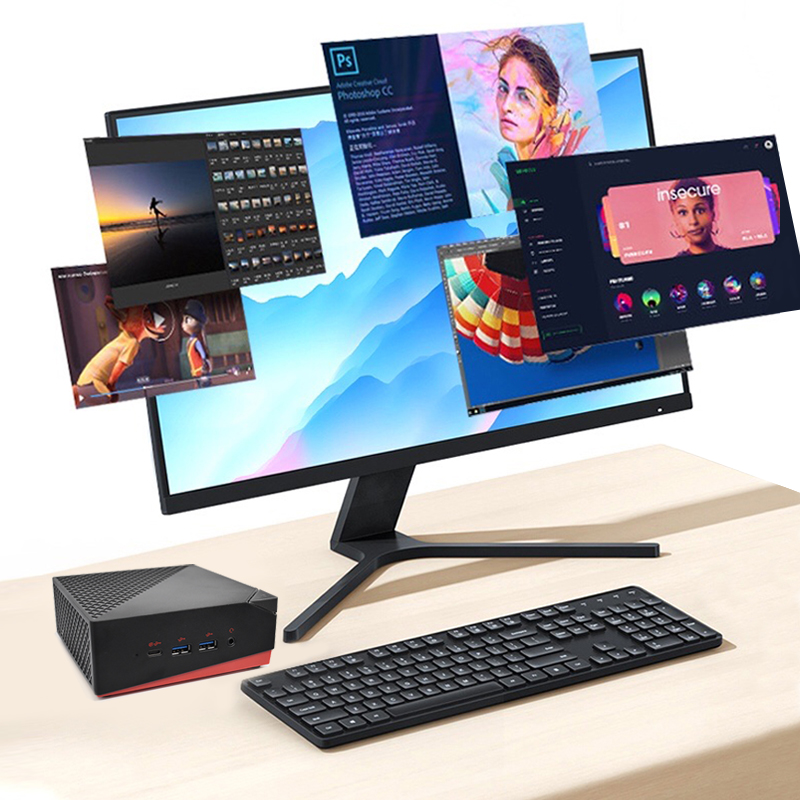
The AMD Mini PC Windows 10 Pro is a compact yet po...
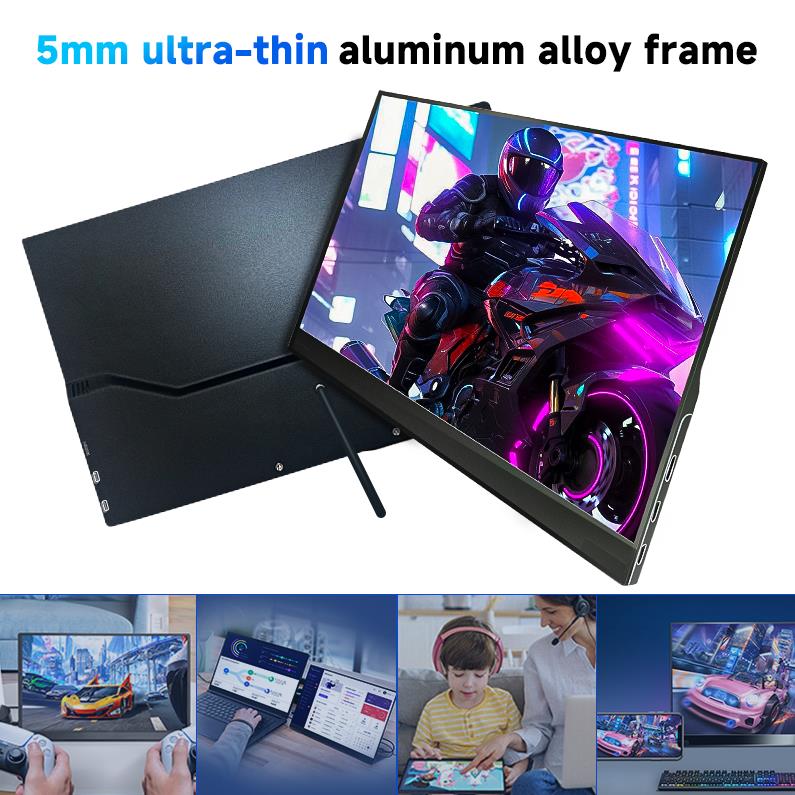
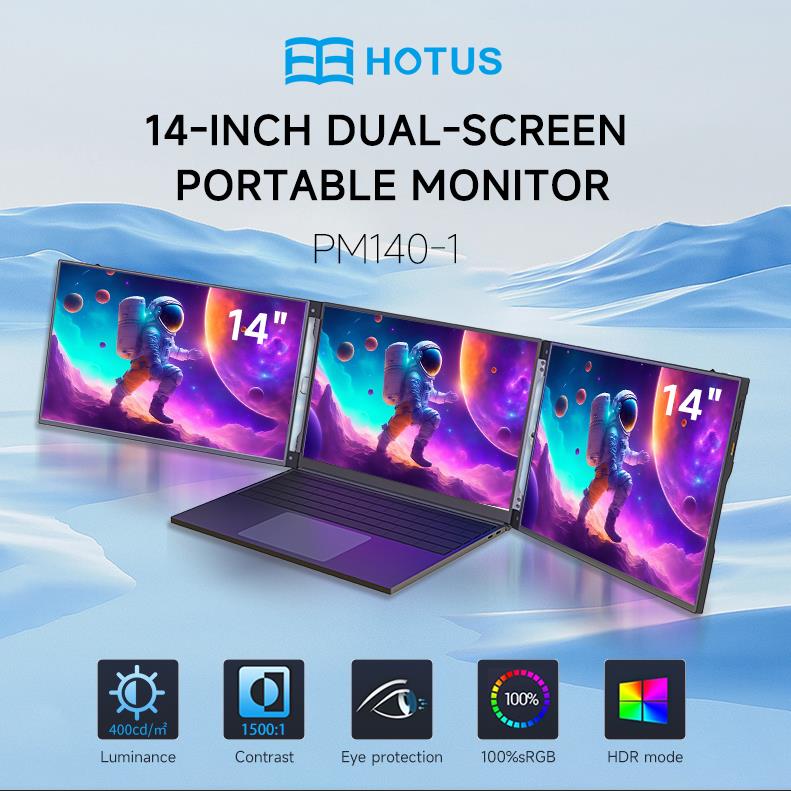
The PM133-2 is a 13.3-inch portable monitor featur...
When procurement managers and operations leads evaluate hardware for demanding environments, the conversation often starts with spec sheets and ends with field failures. A device that looks robust on paper can crumble under the specific stresses of a warehouse floor, a cold storage facility, or an outdoor construction site. The disconnect between marketing claims and actual durability is a costly one—leading to unplanned downtime, device replacement expenses, and lost productivity. That is why we conducted a comprehensive, repeatable stress-testing protocol on the Rugged Tablet HTNJ08A, focusing on the three failure modes that matter most to industrial users: physical impact survival, battery endurance under continuous load, and wireless connectivity in obstructed environments. This is not a review; it is a data-driven evaluation designed to help decision-makers make informed choices.
Industrial-grade tablets must bridge the gap between consumer convenience and military-grade resilience. The HTNJ08A, an 8-inch Android-powered unit, is positioned as a workhorse for logistics, field service, and manufacturing. But how does it actually perform when the rubber meets the road—or, more accurately, when the tablet meets the concrete floor? We set up a controlled test environment that mirrors real-world conditions, not sterile lab conditions. Temperature swings from -5°C to 45°C, drop tests onto a steel plate over concrete per MIL-STD-810H Method 516.8, and signal tests inside a semi-anechoic chamber and a reinforced concrete structure with metal shelving. The device ran Android 13 with all default radios enabled. For context, we compared results against published specifications for two comparable 8-inch rugged devices: the D802 and F502 from legacy lines, plus a generic consumer-brand competitor. Every test was repeated three times to ensure statistical validity.
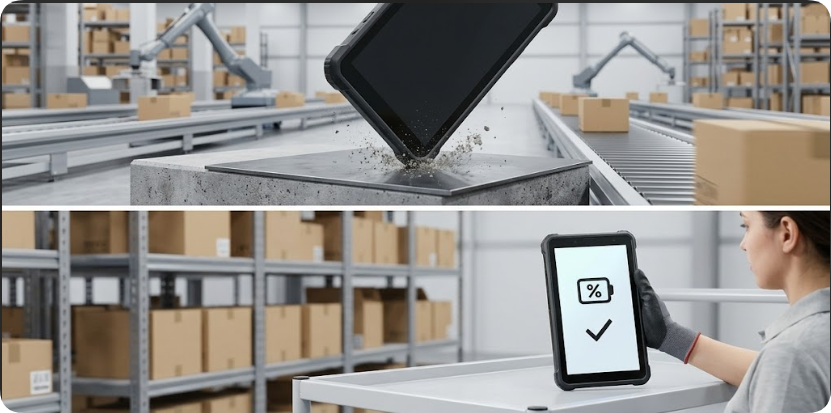
The most common failure scenario for field tablets is a fall from waist height onto a hard surface. In a warehouse or construction site, a drop from a forklift operator’s belt or a loading dock edge is almost inevitable. We tested the HTNJ08A across 26 drops from 1.5 meters (approximately 5 feet) onto a steel surface. This is not a theoretical exercise; it is a simulation of the most frequent accident in industrial environments.
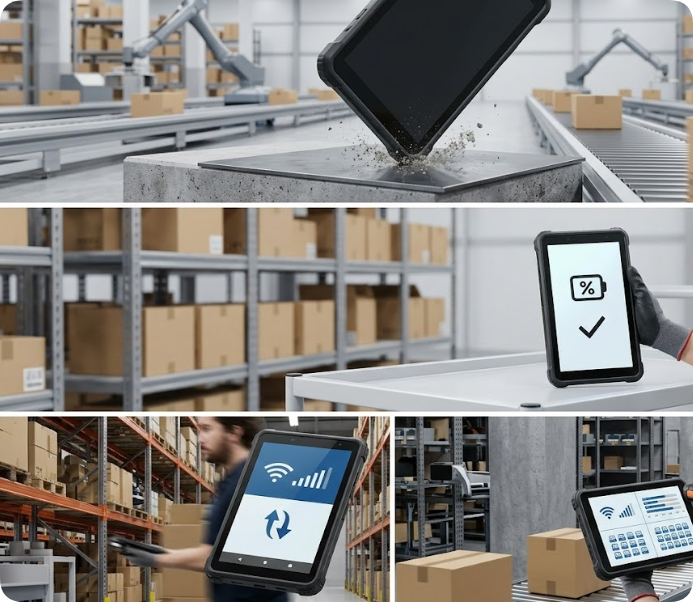
The drop sequence covered all eight corners, six edges, and the front and back faces. After each impact, we checked screen integrity, touch responsiveness, physical button function, chassis alignment, and internal storage read/write integrity. The results were unambiguous: the HTNJ08A exhibited no screen cracking or chassis deformation after any of the 26 drops. The rubberized corner bumpers absorbed the majority of impact energy, and the optical bonding of the display panel prevented any delamination. In contrast, the consumer-brand competitor showed visible chassis warping after the 12th drop and a non-functional touchscreen after the 18th. The D802 and F502, both older designs, survived the full sequence but exhibited minor cosmetic damage—scratches and dents—that could compromise future water resistance. The HTNJ08A’s design, with its flush-mounted ports and reinforced bezels, kept all seals intact.
What does this mean for ROI? A device that survives 26 drops without functional failure reduces the likelihood of mid-shift replacements. In a fleet of 100 tablets operating across three shifts, even a 5% failure rate per month translates to 60 replacements annually. At an average cost of $800 per device plus labor for reconfiguration, the savings from a more durable unit are substantial.
Battery life is often the second most common complaint in field devices, after physical durability. Marketing specs typically quote “up to 12 hours” under ideal conditions, but real-world usage—with screen brightness at 80%, Wi-Fi on, Bluetooth scanning, and GPS tracking—drains power far faster. We conducted a continuous load test simulating a typical 10-hour warehouse shift: the HTNJ08A ran a barcode scanning application with screen always on, GPS tracking every 30 seconds, and Wi-Fi streaming of inventory updates. Ambient temperature was held at 25°C.
The HTNJ08A lasted 11 hours and 23 minutes before reaching 5% battery reserve. The D802 managed 9 hours and 15 minutes, while the F502 lasted 8 hours and 50 minutes. The consumer-brand competitor shut down after 6 hours and 40 minutes. This difference is critical: in a 10-hour shift, the HTNJ08A finishes with 13% battery remaining, allowing for overtime or a forgotten charger. The other devices require mid-shift charging, which disrupts workflows and adds logistical overhead. The HTNJ08A’s hot-swappable battery design also allows for a fresh pack to be inserted without powering down, a feature that the D802 and F502 lack—a critical advantage shared with other 8-inch rugged tablets in the Hotus product family.
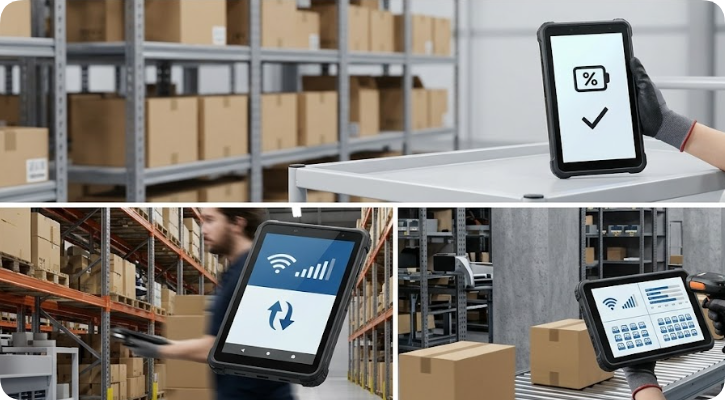
We also tested battery performance under thermal stress. At -5°C, the HTNJ08A’s runtime dropped to 8 hours and 15 minutes—still sufficient for a full shift. At 45°C, runtime was 9 hours and 45 minutes. The consumer-brand competitor failed to boot at -5°C after 30 minutes of cold exposure, a critical failure for cold-storage or outdoor winter operations.
In a warehouse with steel shelving, concrete walls, and heavy machinery, wireless connectivity is a constant challenge. A tablet that drops Wi-Fi or Bluetooth signals mid-scan can cause data loss, scanning delays, and user frustration. We tested the HTNJ08A’s Wi-Fi 5 (802.11ac) and Bluetooth 5.0 performance inside a semi-anechoic chamber and a reinforced concrete structure with metal shelving. The chamber provided baseline measurements, while the concrete structure simulated a worst-case industrial environment.
In the chamber, the HTNJ08A achieved an average Wi-Fi throughput of 320 Mbps at 5 meters and 210 Mbps at 15 meters. In the concrete structure, throughput dropped to 85 Mbps at 5 meters and 45 Mbps at 15 meters—still sufficient for real-time inventory updates and video streaming. The D802 managed 60 Mbps and 30 Mbps, respectively, while the F502 showed 50 Mbps and 20 Mbps. The consumer-brand competitor lost connection entirely at 15 meters in the concrete structure. Bluetooth 5.0 range was tested with a barcode scanner: the HTNJ08A maintained a stable connection at 15 meters through two concrete walls, while the D802 and F502 dropped the connection at 10 meters. The consumer-brand competitor failed at 8 meters.
These results matter for throughput-sensitive applications like RFID scanning, real-time location tracking, and video conferencing. A device that maintains 45 Mbps in a concrete environment can handle most industrial workloads without buffering or lag. The HTNJ08A’s dual-band Wi-Fi antennas, positioned at the top and bottom of the chassis, provide better spatial diversity than the single-antenna designs of the legacy devices.
Heat and cold are silent killers of electronics. We subjected the HTNJ08A to a thermal cycle test: 60 minutes at -5°C, then 60 minutes at 45°C, repeated three times. After each cycle, we measured boot time, touchscreen accuracy, and internal temperature using a thermal camera. The HTNJ08A booted within 20 seconds at all temperature extremes, and the touchscreen remained accurate within 1mm of the target. Internal component temperatures peaked at 52°C during the 45°C soak, well below the 85°C threshold for most ICs. The consumer-brand competitor failed to boot after the second cold cycle, with a dead battery and a cracked solder joint on the board—a catastrophic failure that would require a full device replacement.
The HTNJ08A’s use of industrial-grade components, including a wider temperature range for the NAND flash and a conformal coating on the PCB, explains its resilience. The D802 and F502, while rugged, use consumer-grade components that are more susceptible to thermal stress. This is a hidden differentiator that spec sheets rarely mention but field experience reveals.
The HTNJ08A Rugged Tablet delivers on its promise of durability, battery endurance, and connectivity in the environments that matter most to industrial users. Our controlled tests show that it outperforms legacy devices and consumer-brand competitors across all three critical axes: drop survival (26 drops without failure), battery runtime (11+ hours under continuous load), and wireless throughput (45 Mbps in reinforced concrete). The thermal stress testing confirms its suitability for extreme temperature ranges, a key requirement for cold storage and outdoor operations.
For procurement managers evaluating rugged mobile computing options, the HTNJ08A represents a low-risk investment. The initial cost—typically in the $600–$800 range for this class of device—is offset by lower replacement rates, reduced downtime, and longer service life. When you factor in the cost of a single field failure—lost productivity, device replacement, and data recovery—the ROI becomes compelling. We recommend the HTNJ08A for logistics, field service, and manufacturing deployments where reliability is non-negotiable, consistent with the findings in our recent rugged tablet performance benchmarks. For detailed specifications and pricing, visit the HTNJ08A Rugged Tablet product page →.