- Select Language
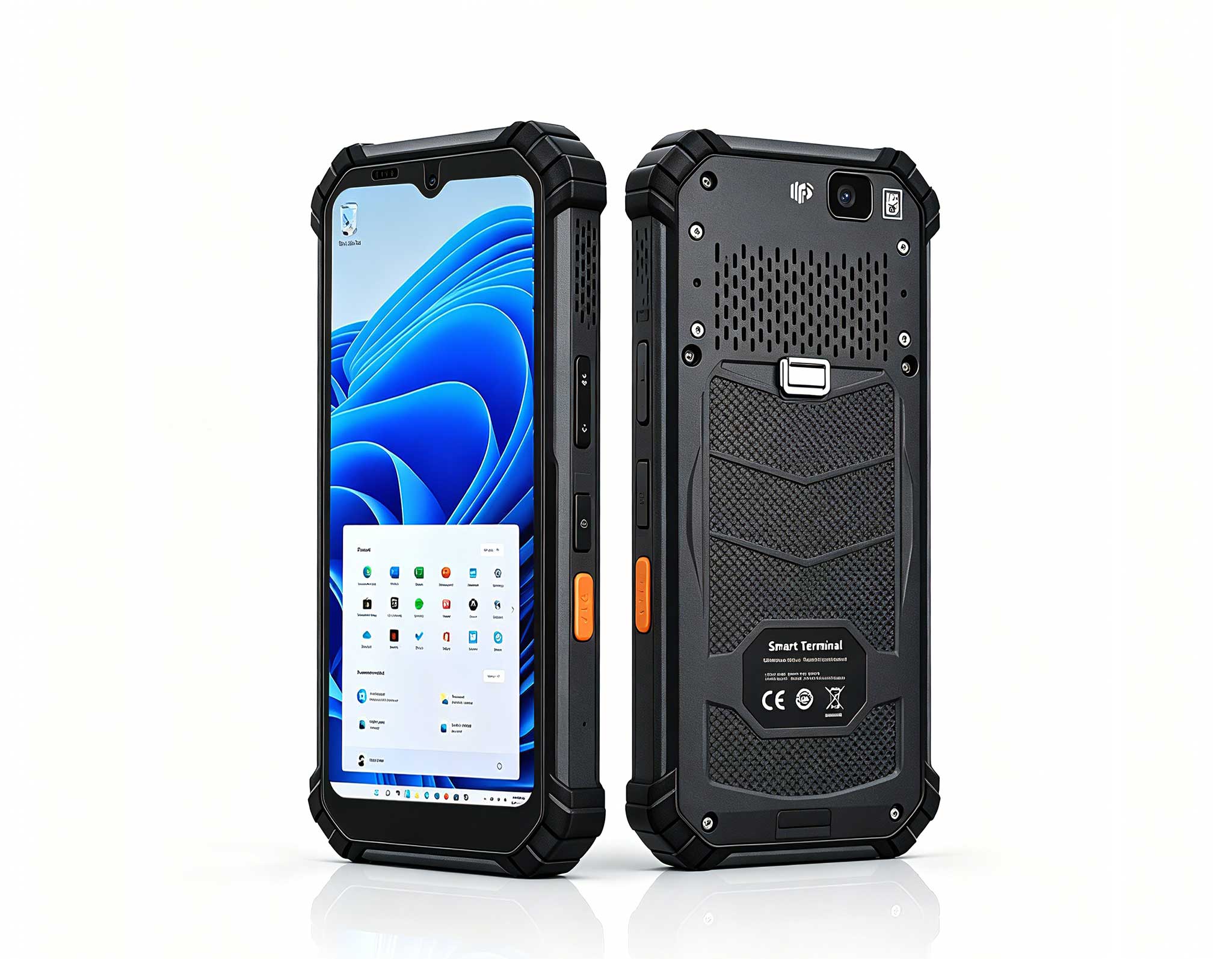
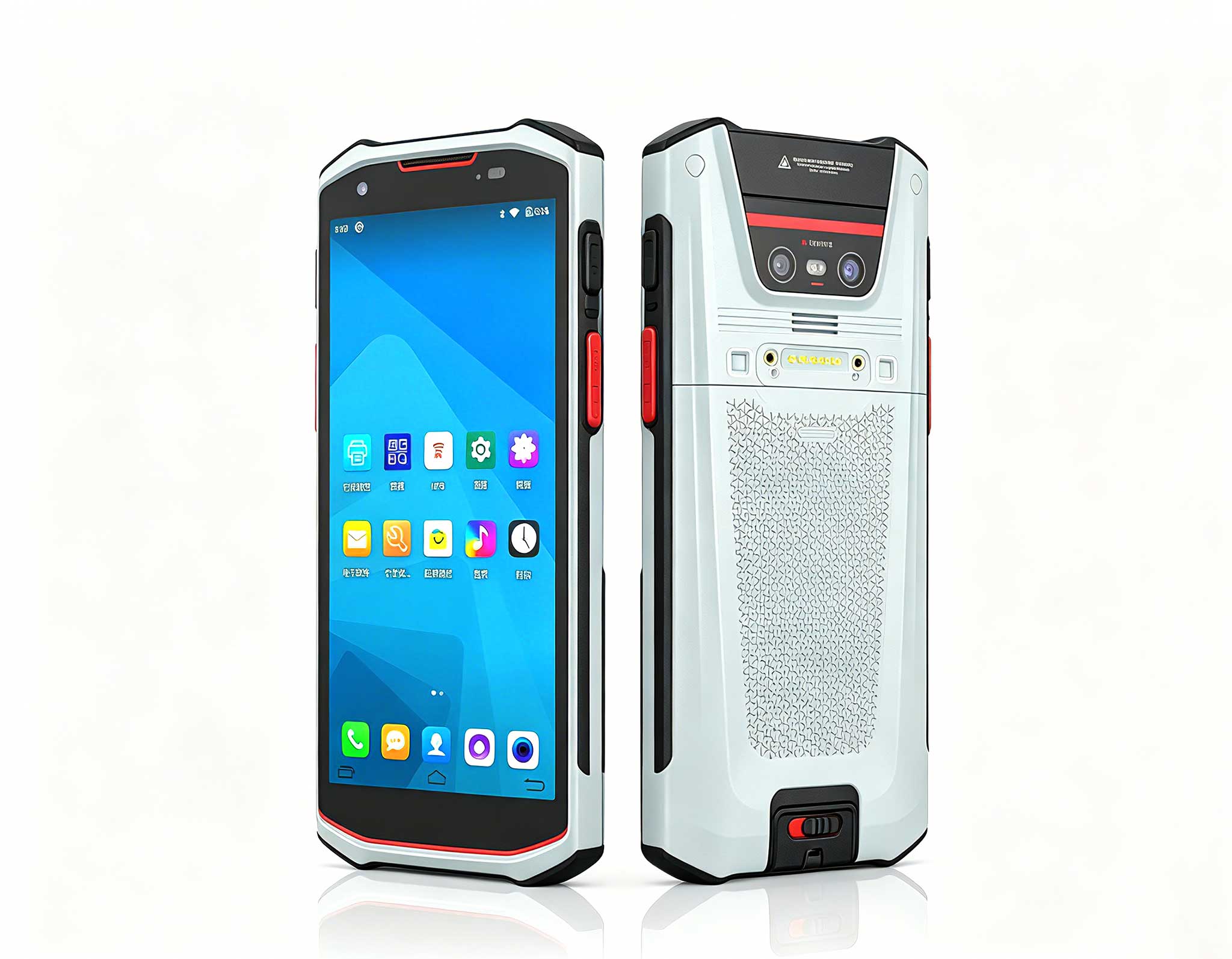
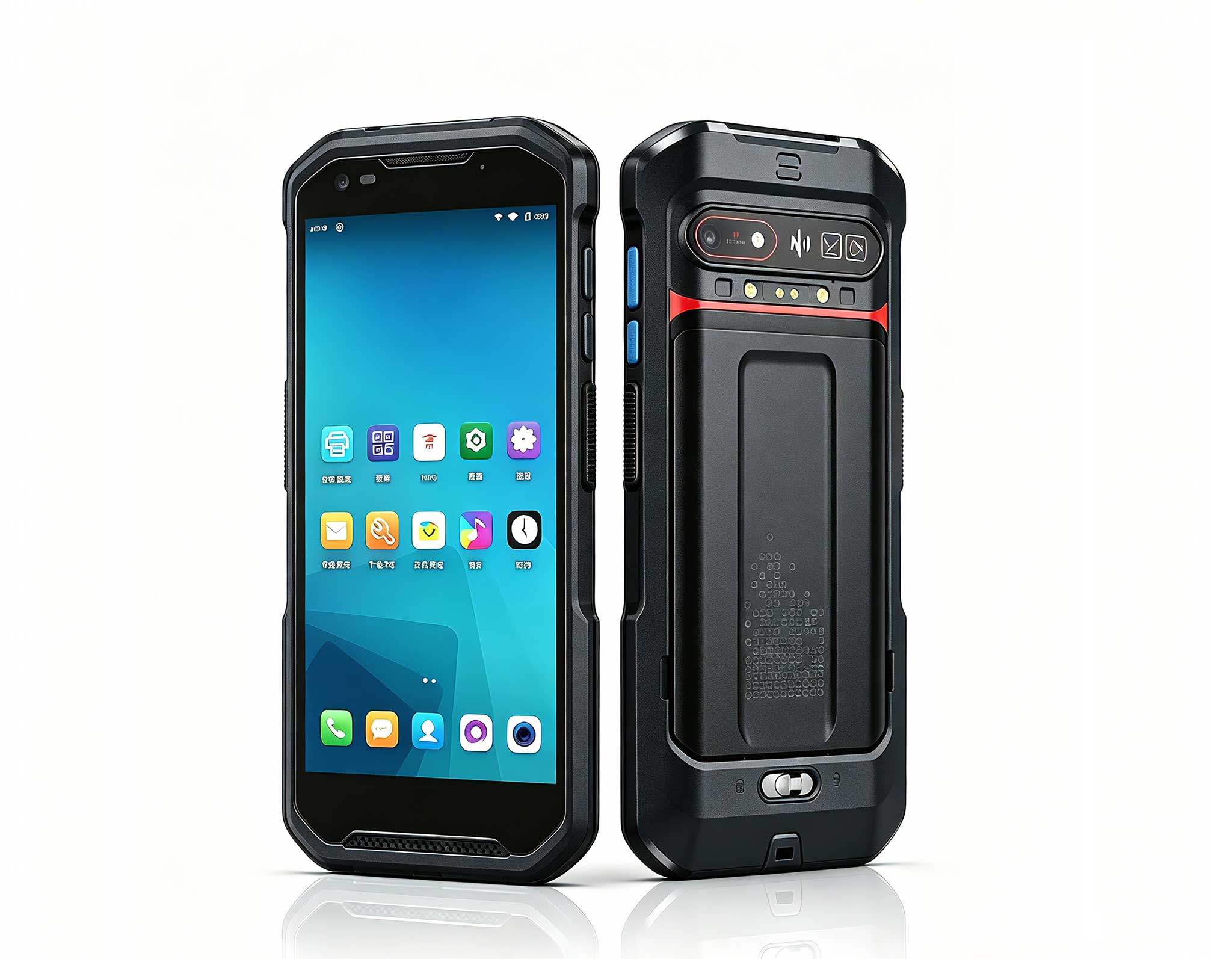
The R501 PDA combines a powerful MT6762 Octa-Core ...
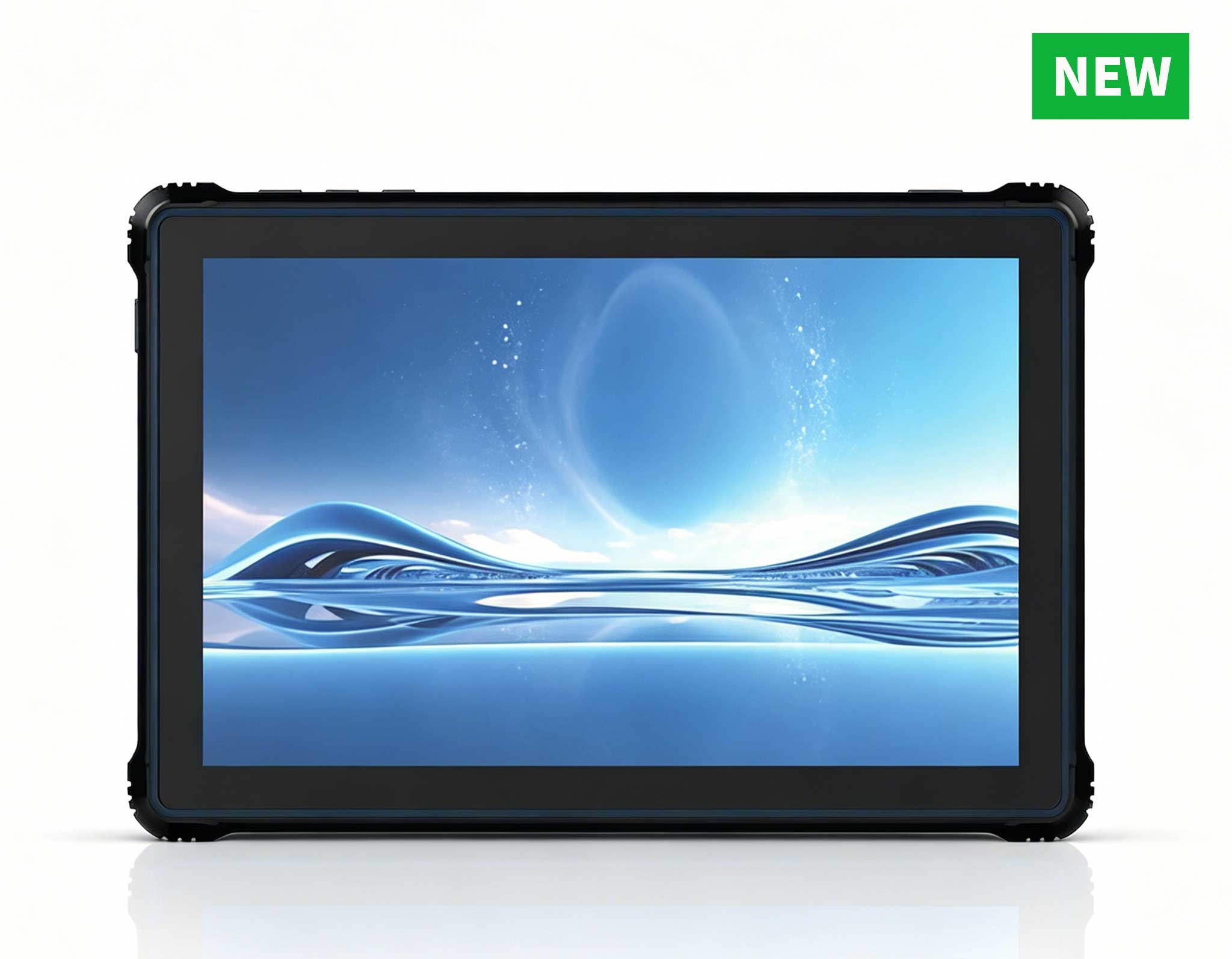
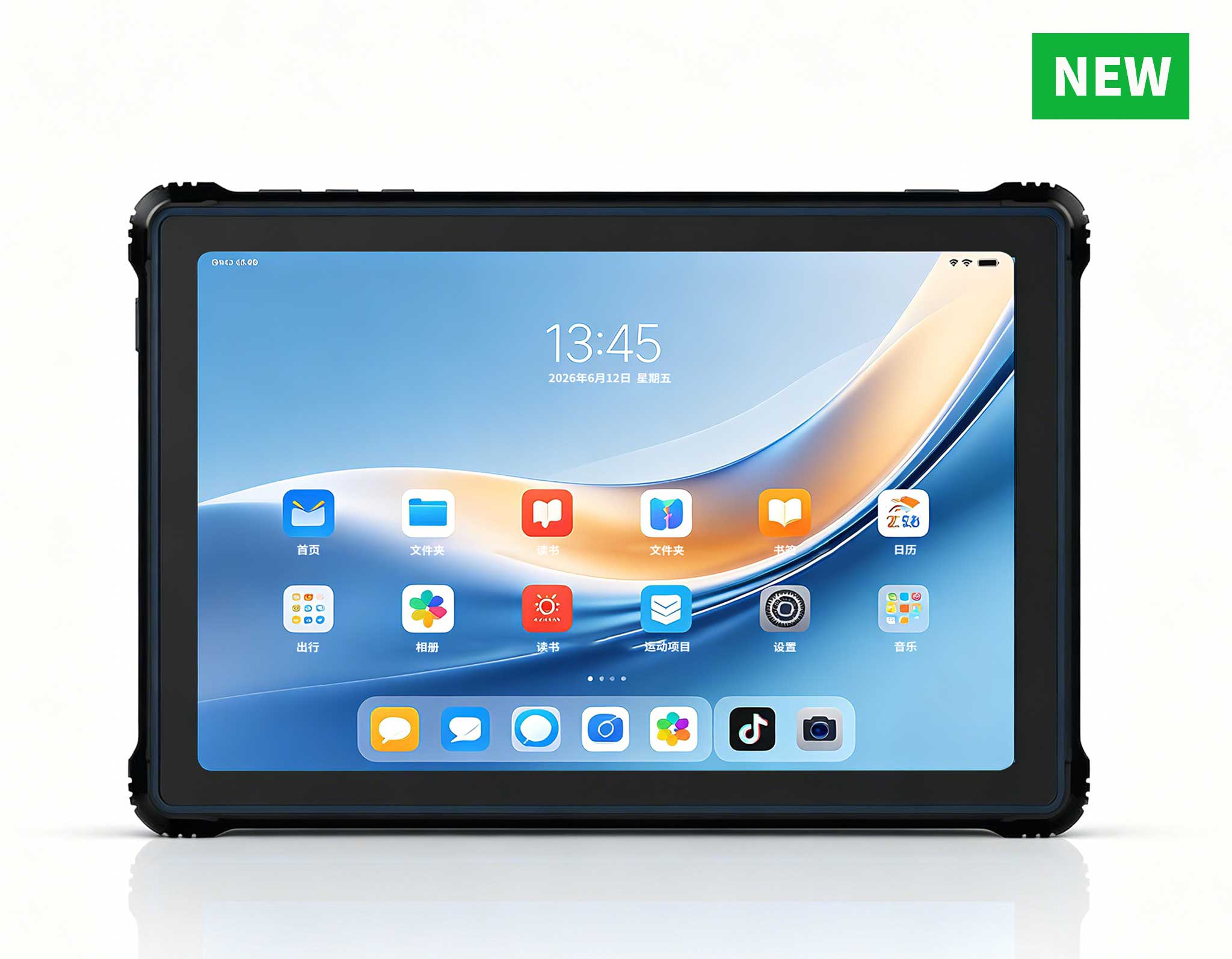
RT80 5G Rugged Tablet | 10.1" FHD 400nit | Un...
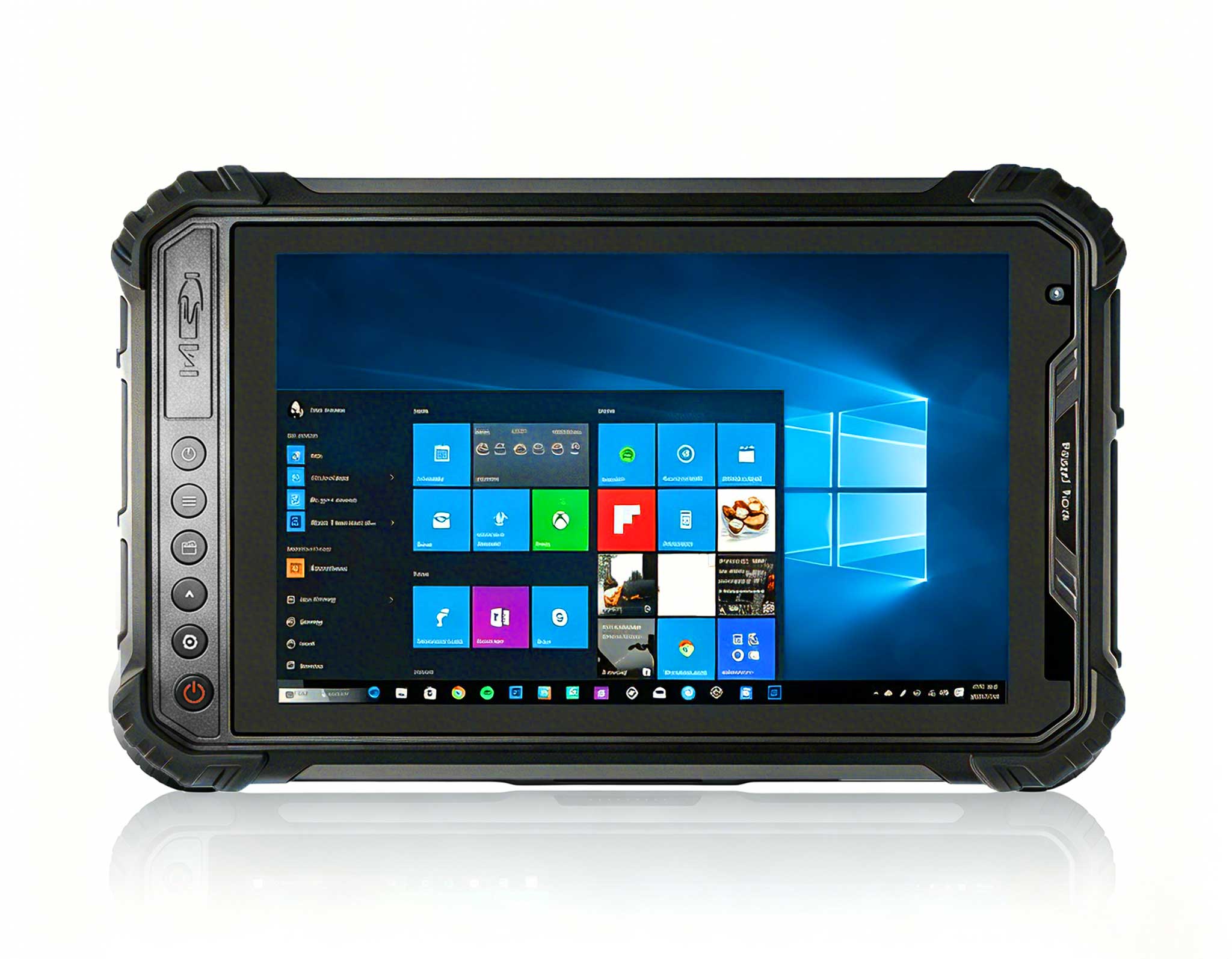
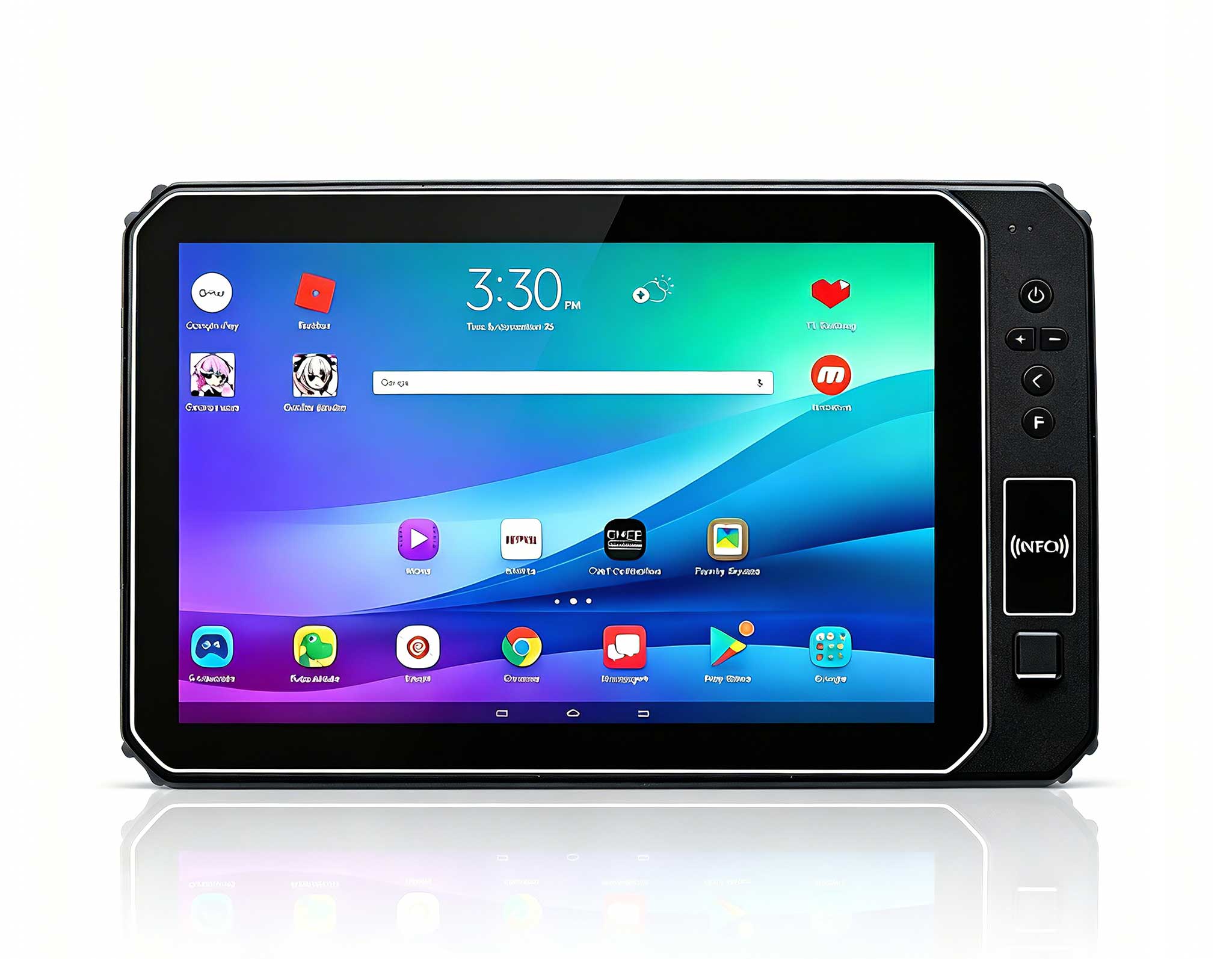
This 10-inch Android rugged tablet is designed for...
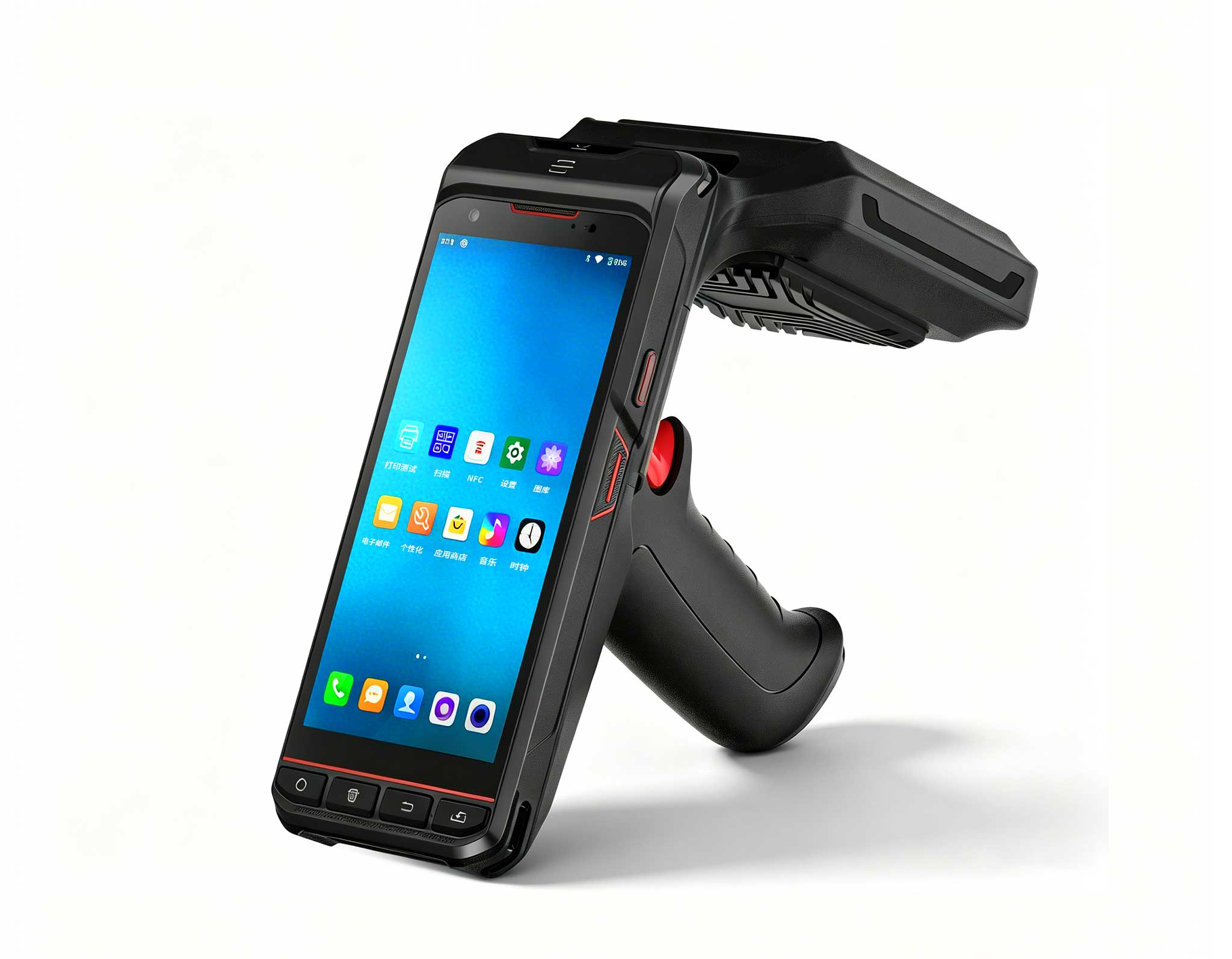
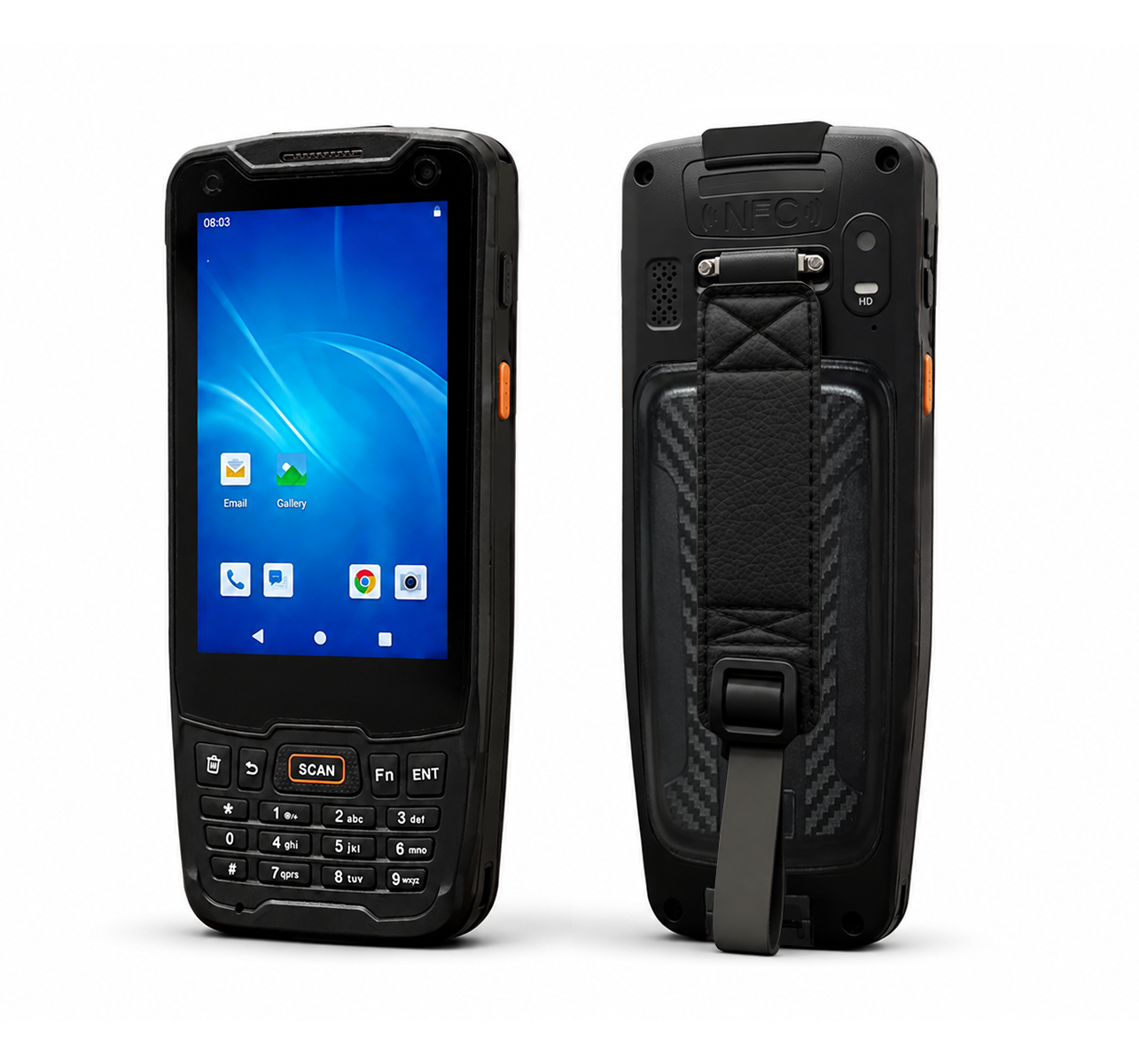
R350C 4-inch Industrial Handheld PDA | Qualcom...
The F505 Handheld PDA is a compact, high-performan...
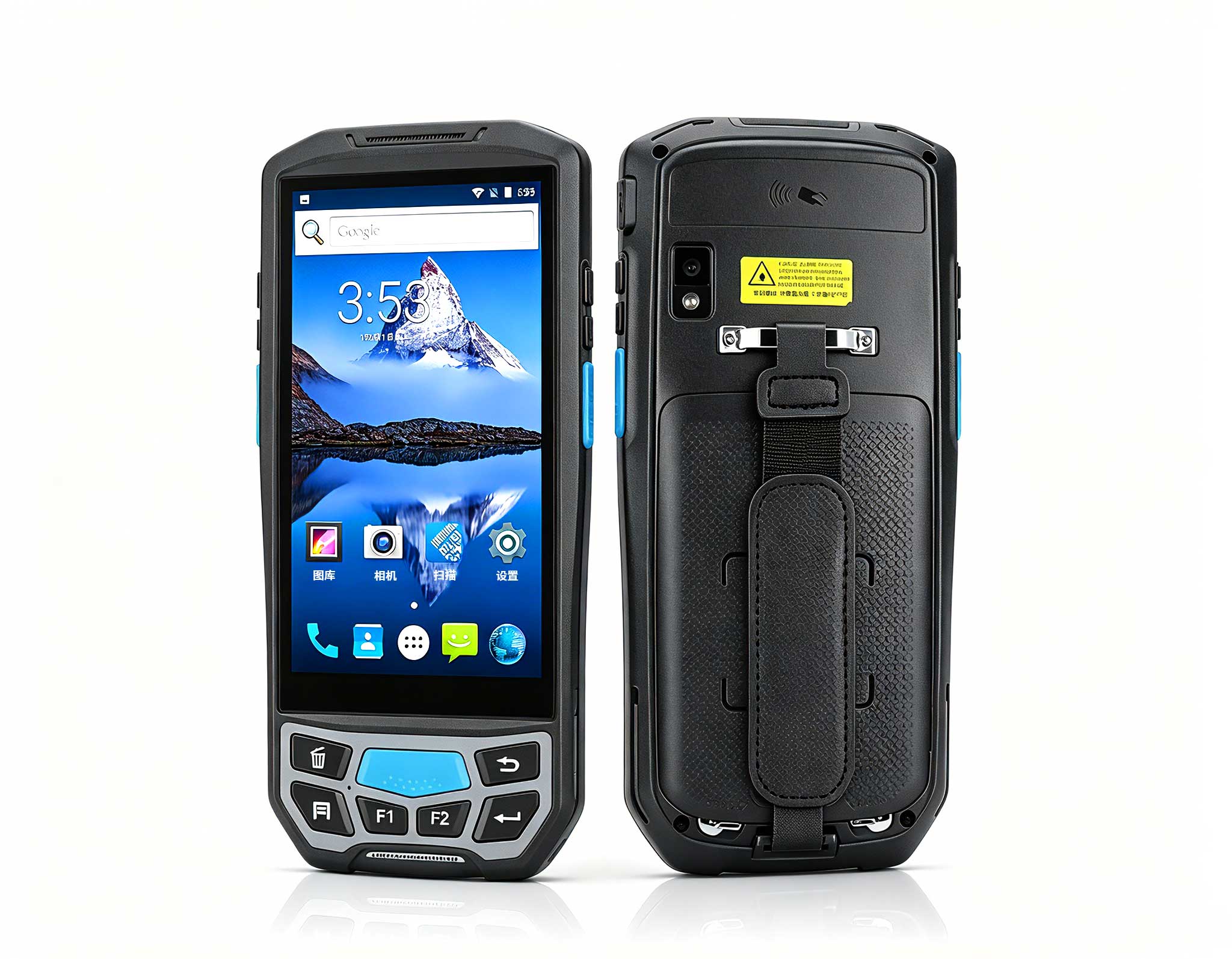
The U9000 handheld PDA combines advanced barcode s...
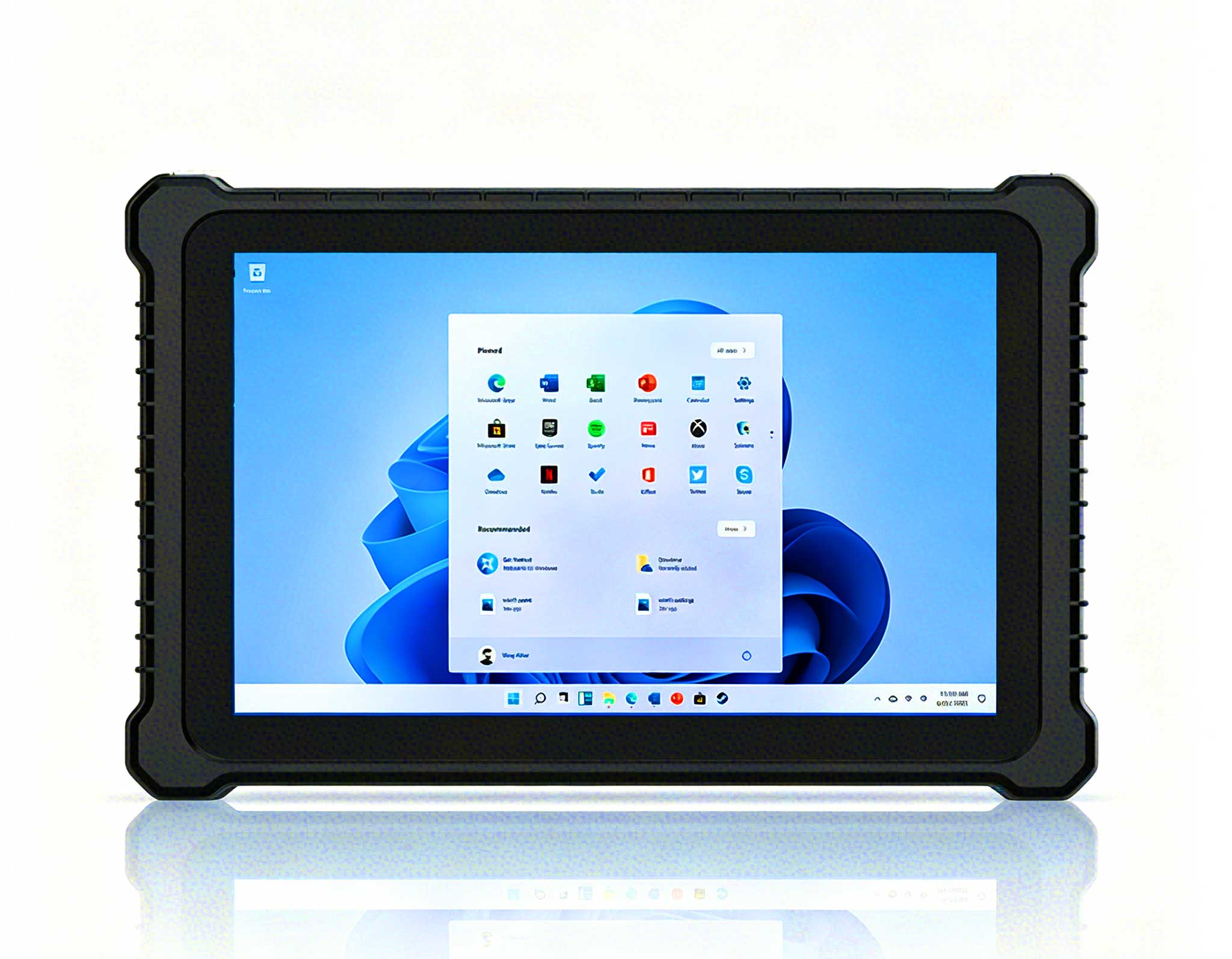
RT81 4G Rugged Tablet | 10.1" FHD 400nit | Qu...
Over the past decade of consulting on enterprise IT infrastructure, I have watched the ground shift beneath our feet. The old desktop tower — that bulky, noisy, power-hungry box under the desk — is finally fading out. Today’s workforce demands real flexibility, airtight security, and centralized control. That is exactly where the virtual desktop cloud terminal scenario becomes mission-critical. You do not just need a client device; you need a secure, silent, and ruthlessly efficient gateway to powerful virtualized resources. The hardware must be robust enough to handle demanding protocols like PCoIP or HDX, yet compact enough to vanish into any workspace. This is precisely why the evolution of the Mini PC — specifically the Palm-sized miniPC — has become the cornerstone of modern VDI deployments. It is no longer about local compute power; it is about seamless, secure access to the cloud.
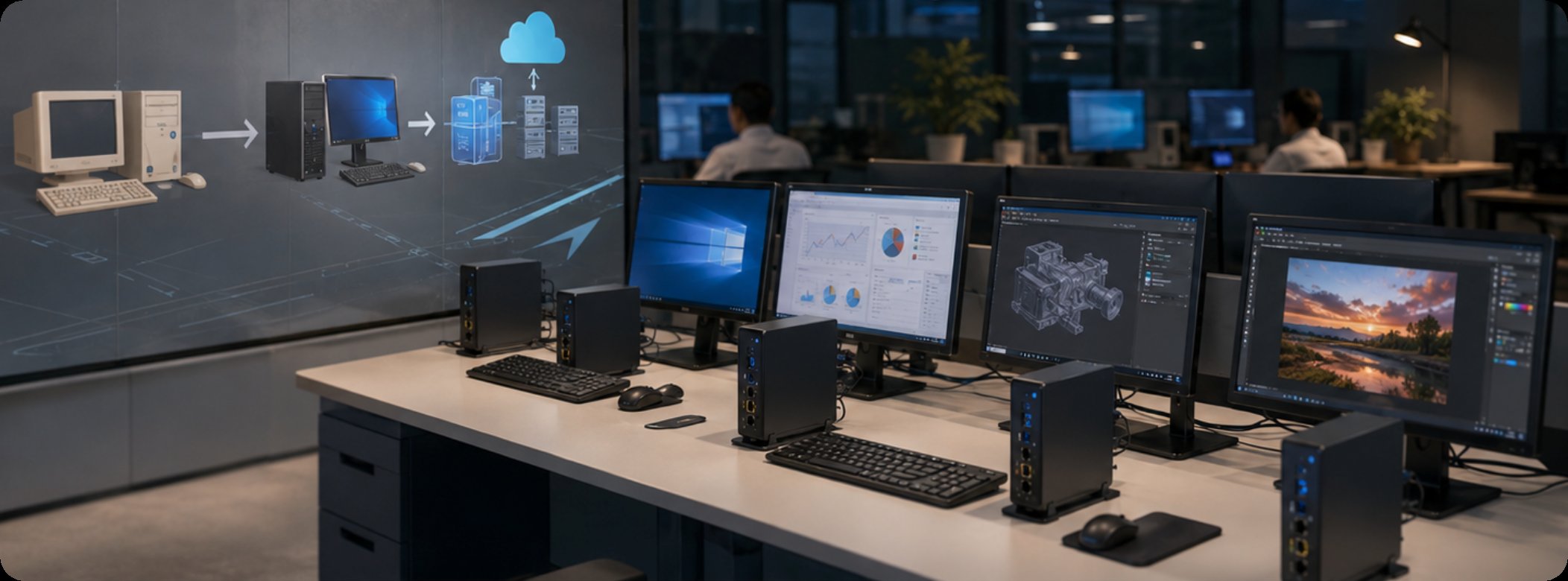
The technological leap from a traditional PC to a cloud terminal is far more than a form factor change. Traditional PCs are expensive to maintain, notoriously difficult to secure, and create data residency risks that keep IT leaders awake at night. The Palm-sized miniPC addresses these pain points head-on. It is purpose-built as a dedicated thin client vdi solution, stripping away unnecessary components to focus purely on connectivity and display performance. This device redefines the "zero client" philosophy by offering a perfect balance of low power consumption and high-resolution output, supporting up to 4K displays without breaking a sweat. Its palm-sized form factor means it can be mounted behind a monitor, on a wall, or even slipped into a laptop bag for hot-desking environments. The core value proposition is brutally simple: eliminate the desktop tower, reduce IT overhead, and deliver a consistent user experience from any location, on any desk.
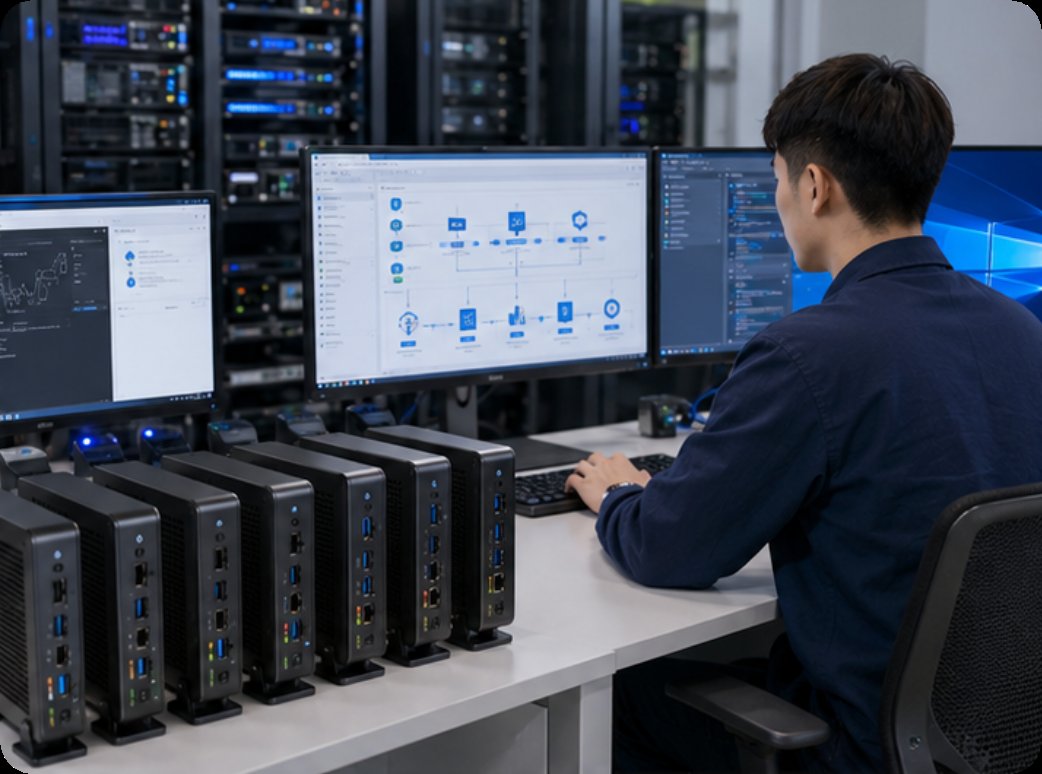
Specifically, the Palm-sized miniPC is engineered for this exact purpose. It features a low-power, fanless processor that ensures absolutely silent operation in open-plan offices — no more whirring fans during conference calls. With dedicated video decoding hardware, it can handle demanding graphical workloads streamed from a virtual desktop, making it suitable for everything from call centers to CAD designers using remote workstations. The device supports Wake-on-LAN and PXE boot, allowing for centralized firmware management across thousands of units. This level of granular control is simply impossible to achieve with traditional PCs, marking a true evolution in endpoint management.
.png)
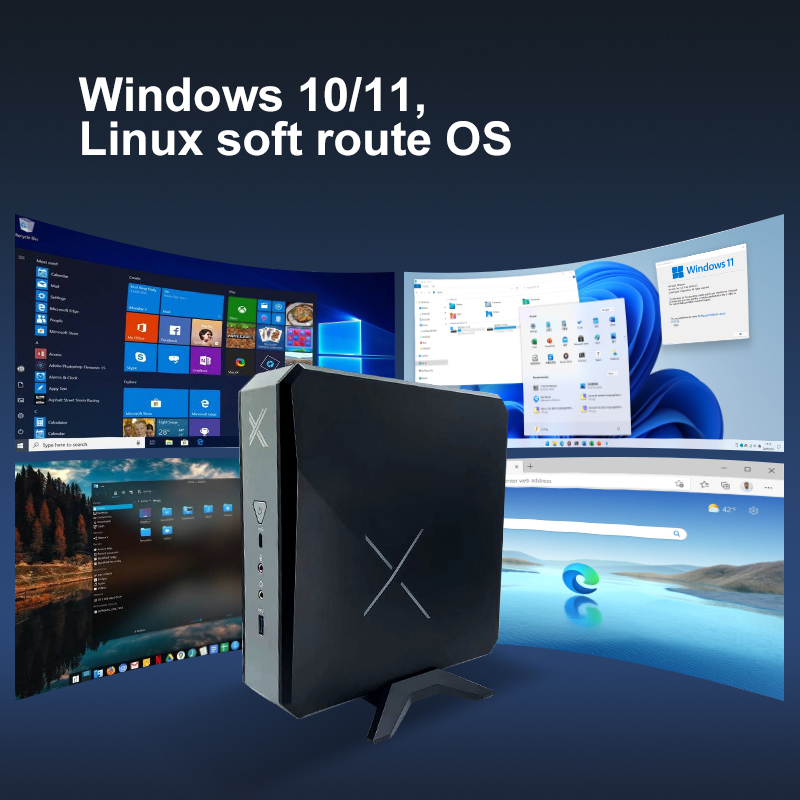
To understand why this device is the ideal cloud terminal, we need to look under the hood — and it is surprisingly sophisticated. The Palm-sized miniPC is not a standard mini PC; it is a specialized appliance. It typically utilizes an ARM or low-power x86 architecture (like Intel N-series or AMD Ryzen Embedded) that provides sufficient performance for decoding video streams and running a local browser, but does not waste energy on unused local processing power. The memory is usually soldered LPDDR4x or LPDDR5 for reliability and shock resistance — absolutely crucial for industrial or educational environments where vibration and temperature swings are common. Storage is often eMMC or a small NVMe SSD, just enough for the operating system (like Windows 10/11 IoT or a custom Linux build) and the VDI client software. No spinning disks, no moving parts, no failure points.
When comparing this to older thin clients, the evolution is stark. Previous generations were often limited to 1080p output and struggled with modern video conferencing tools. The current Palm-sized miniPC series supports dual 4K displays at 60Hz, has built-in Bluetooth 5.2 for peripherals, and includes Wi-Fi 6 for high-bandwidth wireless connectivity. This makes it genuinely future-proof for the next generation of virtual desktop infrastructure. The physical security is also a key evolution; the fanless, ventless design means no dust ingress, and the metal chassis provides excellent heat dissipation without moving parts, ensuring a lifespan that can exceed five years in continuous operation — even in harsh environments.
The table below highlights the critical differences between the Palm-sized miniPC and legacy desktop PCs in a VDI context. These are not just specs on paper — they translate directly to real-world TCO and user experience.
| Feature | Palm-sized miniPC (Cloud Terminal) | Traditional Desktop PC |
|---|---|---|
| Processor | Low-power x86/ARM (e.g., Intel N100, RK3588) | High-power x86 (e.g., Intel i5/i7, AMD Ryzen 5/7) |
| Memory | 4GB - 8GB LPDDR4x/LPDDR5 (Soldered) | 8GB - 32GB DDR4/DDR5 (Socketed) |
| Storage | 32GB - 128GB eMMC or NVMe | 256GB - 1TB NVMe SSD + HDD |
| Power Consumption | 6W - 15W (Fanless) | 65W - 150W (Active Cooling) |
| Form Factor | Palm-sized (120x75x30mm) | Full Tower (400x200x400mm) |
| Management | Centralized (Cloud-managed, PXE, WoL) | Local (SCCM, manual updates) |
| Security (Physical) | No local data storage, Kensington lock | Data on local disk, theft risk |
| Dust/Ingress Protection | IP40+ (Fanless, sealed ports) | IP20 (Fans pull in dust) |
| Best Use Case | VDI, Call Centers, Education, Healthcare | High-end gaming, video editing, local CAD |
| Lifespan in Enterprise | 5-7 years (no moving parts) | 3-5 years (fan failure, dust) |
| Cost per Seat (3yr TCO) | Low (Hardware + Power + Management) | High (Hardware + Power + IT labor) |
Selecting the correct endpoint for your virtual desktop environment depends on three key factors: user profile, security requirements, and physical environment. For task workers in a call center or data entry role, the Palm-sized miniPC is the perfect choice. Its low cost, silent operation, and zero local data storage make it ideal for compliance-heavy industries like finance and healthcare. The lack of a fan prevents dust accumulation in warehouse or factory floor settings — a common failure point for traditional PCs that often goes unnoticed until a critical failure.
For power users who run heavy local applications alongside their virtual desktop, you might consider a hybrid model. But for 90% of standard office work, the Palm-sized miniPC is more than sufficient. When evaluating, look for support for the latest display protocols (like DisplayPort 1.4 for 4K) and network redundancy (dual Ethernet ports are a huge plus). Always choose a model with a robust mounting bracket to ensure it stays secure, especially in high-traffic areas. If you are managing a fleet of devices, the ability to flash firmware remotely is non-negotiable. The evolution of the thin client is about simplicity and security; do not overcomplicate the selection by demanding local horsepower you simply do not need.
Personal take: I have personally overseen deployments where we replaced 300 traditional desktops with Palm-sized miniPCs in a regional bank. The IT team went from spending 40% of their time on hardware issues to less than 5%. The silence in the open-plan office was the first thing people noticed — the second was the electricity bill, which dropped by nearly 70%. This is not just a hardware swap; it is a strategic shift in how we think about the endpoint.
The evolution of the virtual desktop cloud terminal is unmistakable: smaller, cooler, and infinitely more manageable. The Palm-sized miniPC represents the pinnacle of this engineering philosophy. It is a device built for the cloud-first world, where the endpoint is merely a window to a powerful data center. By adopting this technology, businesses can drastically reduce their carbon footprint, slash IT support tickets, and enhance data security across the board. I have seen organizations cut their desktop management costs by over 60% by switching to this model. It