- Select Language
R860-S 5.5-inch Industrial PDA with Thermal Printe...
P8 Series 8-Inch Rugged Industrial Tablet PC Mobi...
RS51 4G Rugged Handheld Terminal | 6.3" FHD+ ...
One Device, Dual Functions – A Projector and a Com...
The PM133-2 is a 13.3-inch portable monitor featur...
When a shipment of 500 pallets hits the receiving dock at 7:00 AM, the pressure is immediate. Every second of delay ripples through the rest of the shift—putaway gets backed up, inventory counts lag, and order fulfillment slips. The team on the floor isn't just scanning labels; they're making decisions about accuracy, speed, and ergonomics that directly affect throughput. Choosing the right hardware for warehouse inbound scanning isn't a checkbox exercise. It's about matching a device's real-world capabilities—scan engine performance, durability, screen real estate, and data capture flexibility—to the specific demands of your receiving operation.
Hotus builds three distinct tools for this job: the U9000 Handheld PDA, the K401 Handheld PDA, and the HTXUK10A-55 10" Rugged Tablet. Each targets a different slice of the inbound workflow, and each has trade-offs that matter. This warehouse barcode scanner selection guide breaks down the differences across scanning capability, operating system, RFID support, durability, and total cost of ownership. By the end, you'll have a clear answer to the classic debate of rugged PDA vs tablet for warehouse operations—and know exactly which device fits your specific inbound profile. For teams that already rely on a Rugged Tablet for dock management, the comparison will also highlight where a dedicated PDA might fill a gap.
Before diving into the weeds, here's a quick snapshot of each device's core identity and what it's built to do:
Each device addresses a different operational pain point—from the Barcode & RFID Industrial PDA lineup for handheld scanning to the Rugged Tablet series for dock management. The challenge is identifying which pain point is most urgent in your warehouse today—and which one will matter most next year as your volume grows.
The U9000 is Hotus's entry-level industrial PDA, but "entry-level" here refers to cost, not capability. Running on Android 11, it delivers consistent scanning performance for barcode-heavy workflows. Its 2D imager reads both 1D and 2D codes, including damaged or poorly printed labels, which is a common issue in high-volume inbound environments. The device is IP65-rated against dust and water, and it survives drops from 1.5 meters onto concrete. For operators who spend eight hours scanning labels on pallets, the U9000's ergonomic grip reduces wrist fatigue, and its 4000mAh battery supports a full shift.
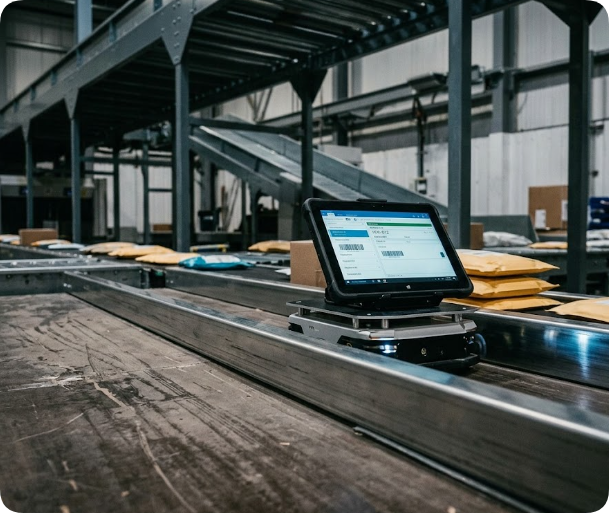
However, the U9000 lacks native RFID support. If your inbound process requires reading UHF tags on individual items or pallets, you'll need to add an external sled, which increases cost and complexity. This device excels in environments where barcodes are the standard—think food distribution, apparel, or general merchandise receiving. For teams that prioritize low upfront cost and reliable barcode scanning, the U9000 Handheld PDA is a solid choice.
The K401 steps up the game with Android 13 and integrated UHF RFID, eliminating the need for external accessories. It reads RFID tags at distances up to 8 meters, allowing operators to scan entire pallets in seconds rather than scanning each barcode individually. This is a game-changer for inbound receiving of mixed-SKU pallets, where RFID can reduce processing time by 60% or more compared to manual barcode scanning. The device also features a high-performance barcode scanner for situations where RFID isn't applicable—such as scanning serial numbers or labels on non-RFID-tagged items.
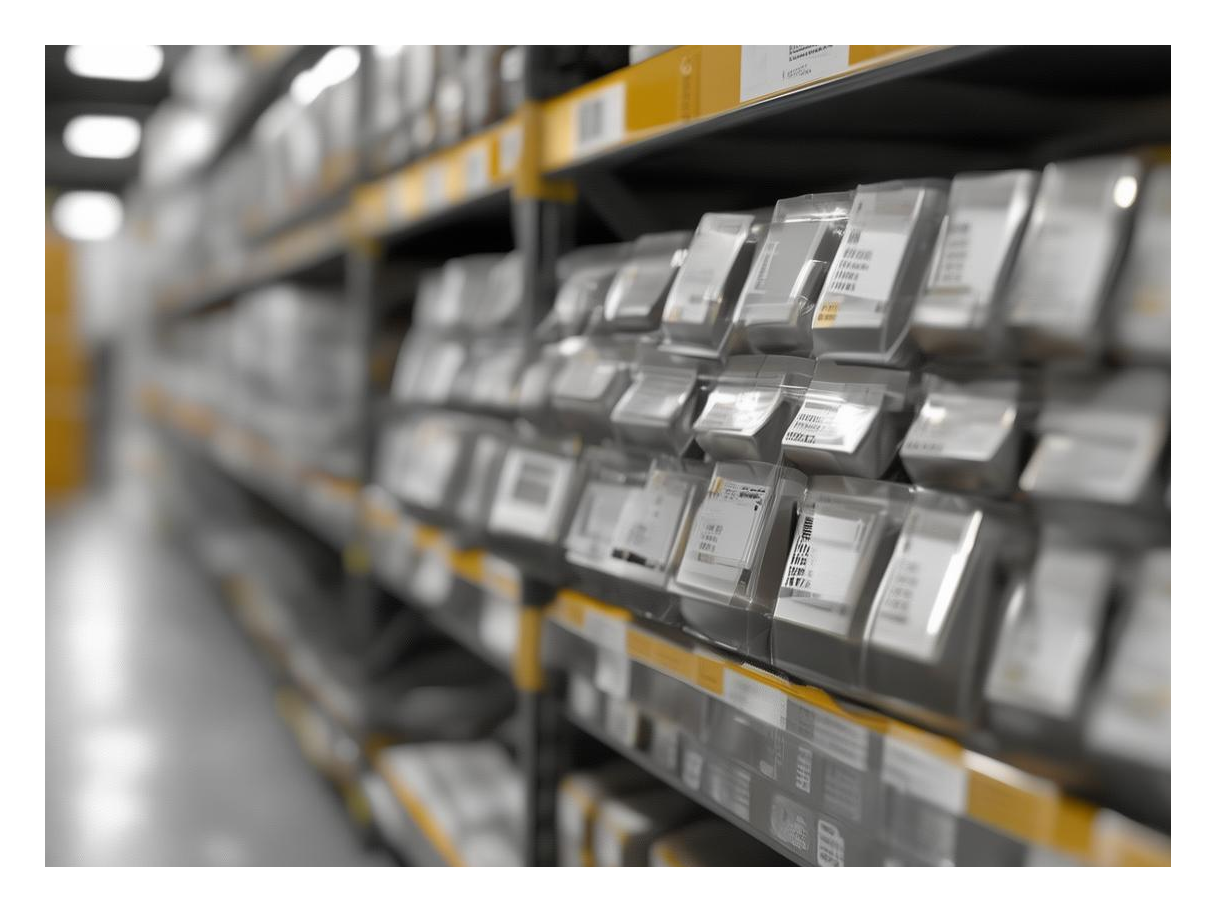
The K401 is IP67-rated and drops from 2 meters, making it suitable for harsher environments. Its 5000mAh battery supports extended shifts with RFID scanning, which draws more power than barcode-only operations. The trade-off is cost: the K401 is approximately 30-40% more expensive than the U9000. But for warehouses already investing in RFID infrastructure or planning to do so, the ROI from faster receiving and reduced labor costs justifies the premium. For operations that need both barcode and RFID capabilities in a single device, the K401 Handheld PDA is the answer.
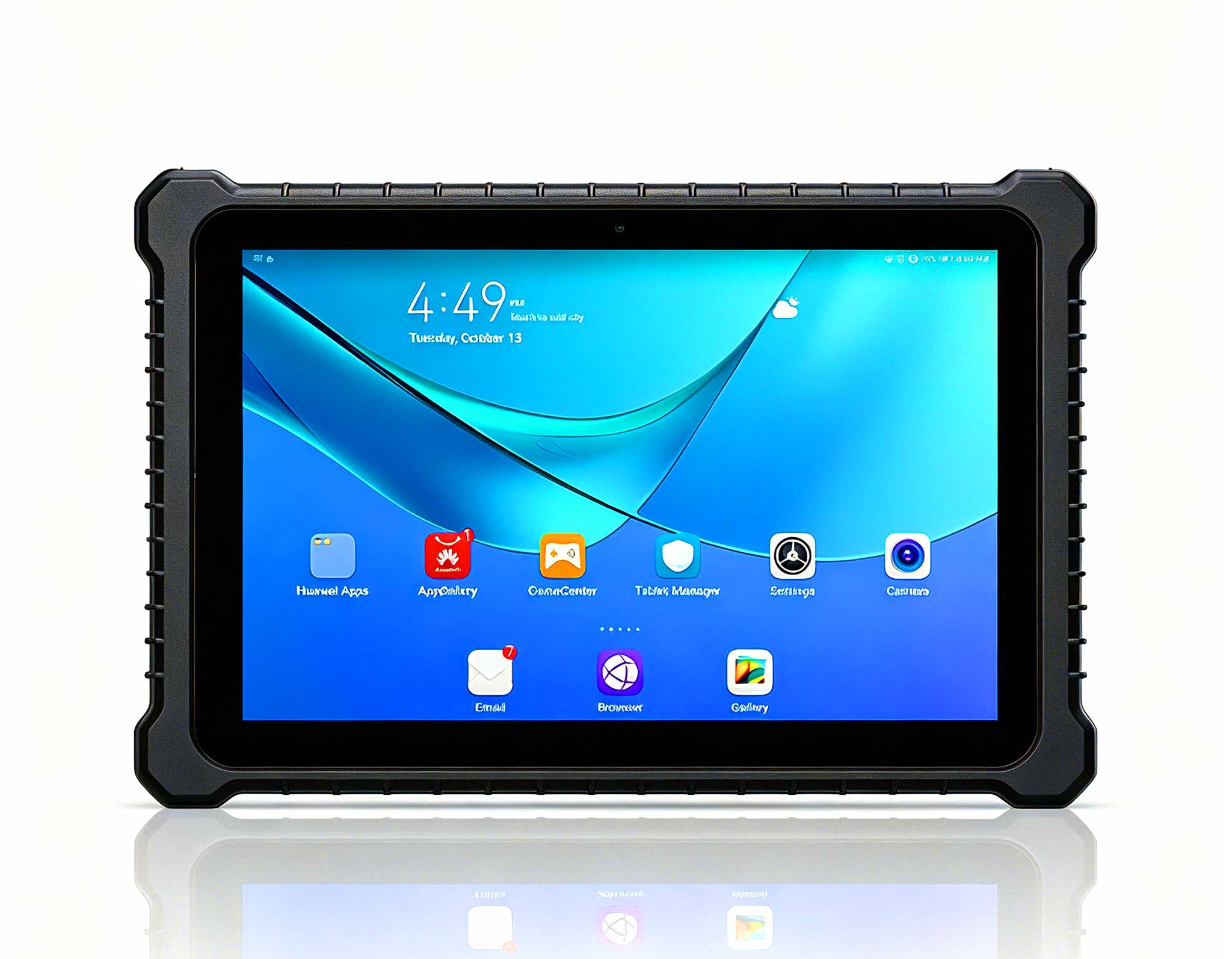
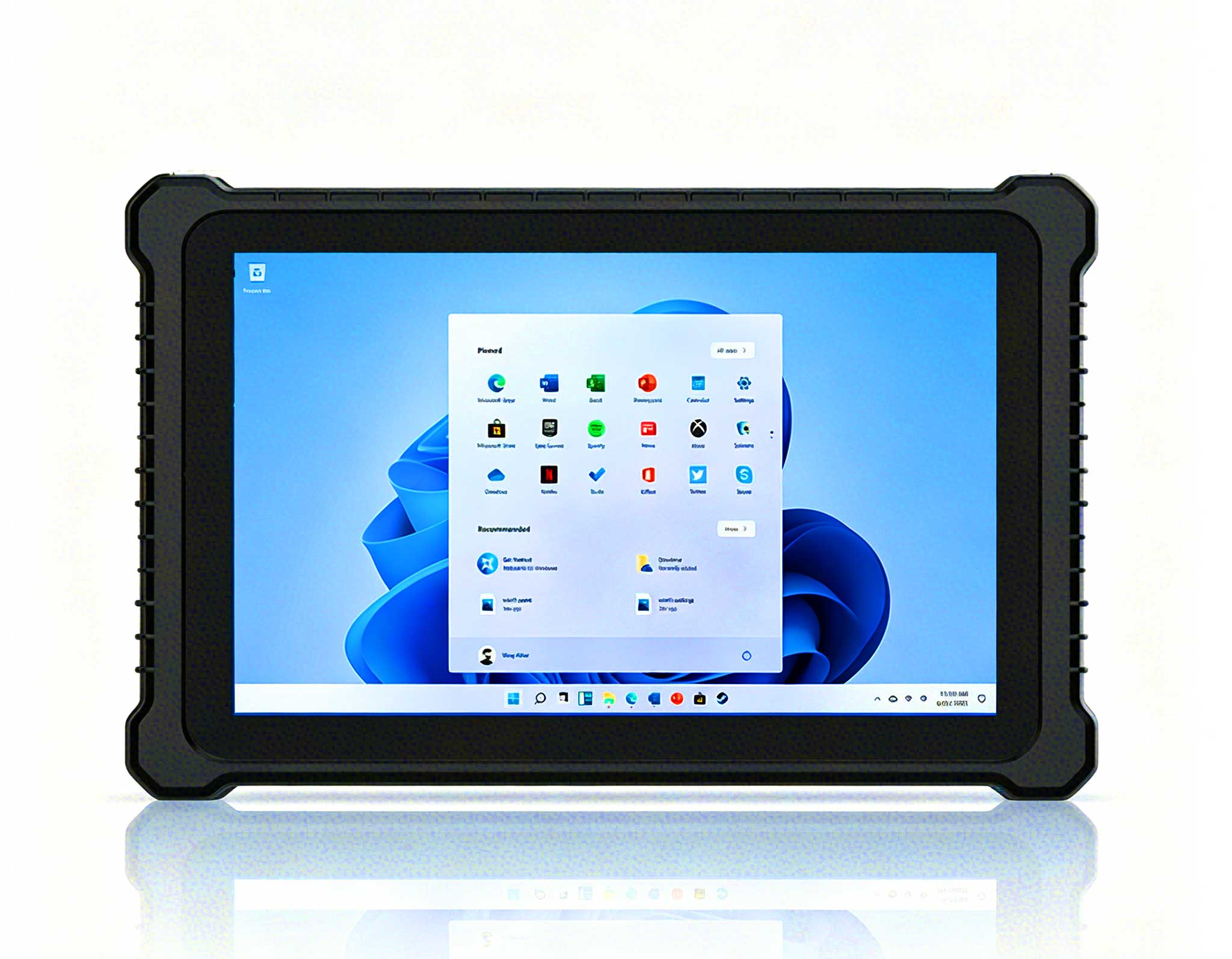
The HTXUK10A-55 takes a different approach: it's not a handheld scanner but a full-fledged tablet designed for dock management. With a 10-inch display, operators can view detailed inbound manifests, cross-reference purchase orders, and run split-screen inventory apps simultaneously. It supports optional barcode and RFID peripherals via USB or Bluetooth, but it's not optimized for continuous scanning. Instead, it excels in scenarios where operators need to review data, sign for receipts, or manage multiple tasks at the dock.
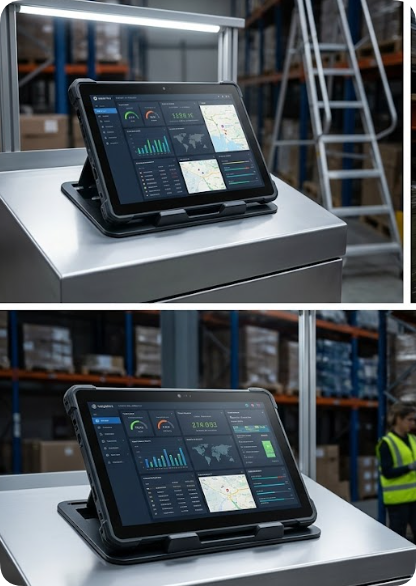
The tablet is MIL-STD-810G certified for drops, vibration, and extreme temperatures. Its 10000mAh battery lasts two full shifts, and the glove-compatible touchscreen works even in cold warehouses. However, it's heavier and less portable than a PDA. For dock supervisors who need a mobile command center, the HTXUK10A-55 10" Rugged Tablet is ideal. But for line-level scanning, a dedicated PDA like the U9000 or K401 is more practical.
The U9000 and K401 both use high-speed 2D imagers, but the K401's scanner is optimized for mixed environments where barcodes and RFID tags coexist. The HTXUK10A-55 relies on peripherals for scanning, which adds latency. For pure barcode scanning, the U9000 is the most cost-effective. For hybrid scanning, the K401 wins hands down.
All three devices run Android, but the K401 has Android 13, while the U9000 runs Android 11. The HTXUK10A-55 also runs Android 11 but supports future upgrades. Android 13 offers better security, longer support lifecycle, and improved performance for multi-tasking. If software longevity matters, the K401 is the clear choice.
Only the K401 has integrated UHF RFID. The U9000 requires an external sled, and the HTXUK10A-55 needs a peripherals. For warehouses adopting RFID for bulk receiving, the K401 eliminates the need for additional hardware and reduces training time.
The K401 is the most rugged (IP67, 2m drops), followed by the U9000 (IP65, 1.5m drops). The HTXUK10A-55 is MIL-STD-810G but heavier. For operators who spend all day scanning, the U9000's lighter weight (270g vs 350g for the K401) reduces fatigue. For extreme environments, the K401's higher rating matters.
The U9000 has the lowest upfront cost, but if you need RFID, adding an external sled brings the total closer to the K401. The K401's higher price is offset by faster receiving times. The HTXUK10A-55 is the most expensive, but it replaces multiple tools (tablet, scanner, RFID reader) for dock managers.
Case 1: High-Volume Barcode Receiving
A distribution center receives 10,000 cartons daily, all with barcodes. They choose the U9000 for its low cost and reliable scanning. Operators scan 2,500 items per shift without fatigue. The U9000's IP65 rating handles dust from cardboard debris. Total investment: 50 units at $600 each = $30,000.
Case 2: Mixed-Mode RFID and Barcode Receiving
A retailer adopts RFID tags on individual items. They deploy the K401 to scan barcodes on outer cartons and read RFID tags on items inside simultaneously. Processing time drops from 30 minutes per pallet to 10 minutes. The K401's integrated RFID eliminates the need for external readers, saving $200 per unit.
Case 3: Dock Management with Data Review
A warehouse manager needs to view inbound manifests, cross-reference orders, and sign for receipts. They use the HTXUK10A-55 at the dock, paired with a Bluetooth scanner for occasional barcode reads. The 10-inch screen allows split-screen operation, reducing errors by 15%.
To choose between these devices, ask these three questions:
In many warehouses, the best solution is a combination: deploy U9000 or K401 PDAs on the floor for scanning, and equip dock managers with an HTXUK10A-55 for oversight. This layered approach maximizes efficiency while keeping costs under control.
The debate of rugged PDA vs tablet for warehouse operations doesn't have a one-size-fits-all answer. The U9000 is the affordable barcode specialist. The K401 is the hybrid powerhouse for RFID adoption. The HTXUK10A-55 is the dock command center for data-heavy workflows. By aligning your device choice with your inbound process, you can reduce processing time, minimize errors, and improve operator comfort.
For most modern warehouses, the K401 offers the best balance of future-proofing and performance. Its integrated RFID and Android 13 support the transition to automated receiving. But if your operation is purely barcode-based, the U9000 delivers unmatched value. And for dock managers who need a mobile workstation, the HTXUK10A-55 is the clear winner.
Evaluate your current scan volume, RFID plans, and data review needs. For a deeper look at how these devices perform in real-world deployments, see our PDA warehouse management case study. Then choose the device—or combination—that turns the morning rush from a bottleneck into a smooth, efficient process.