- Select Language
R366-S Thin 5.5-inch Industrial PDA | Qualcomm Oct...
R530C 6.0-inch Industrial PDA | Qualcomm Octa-core...
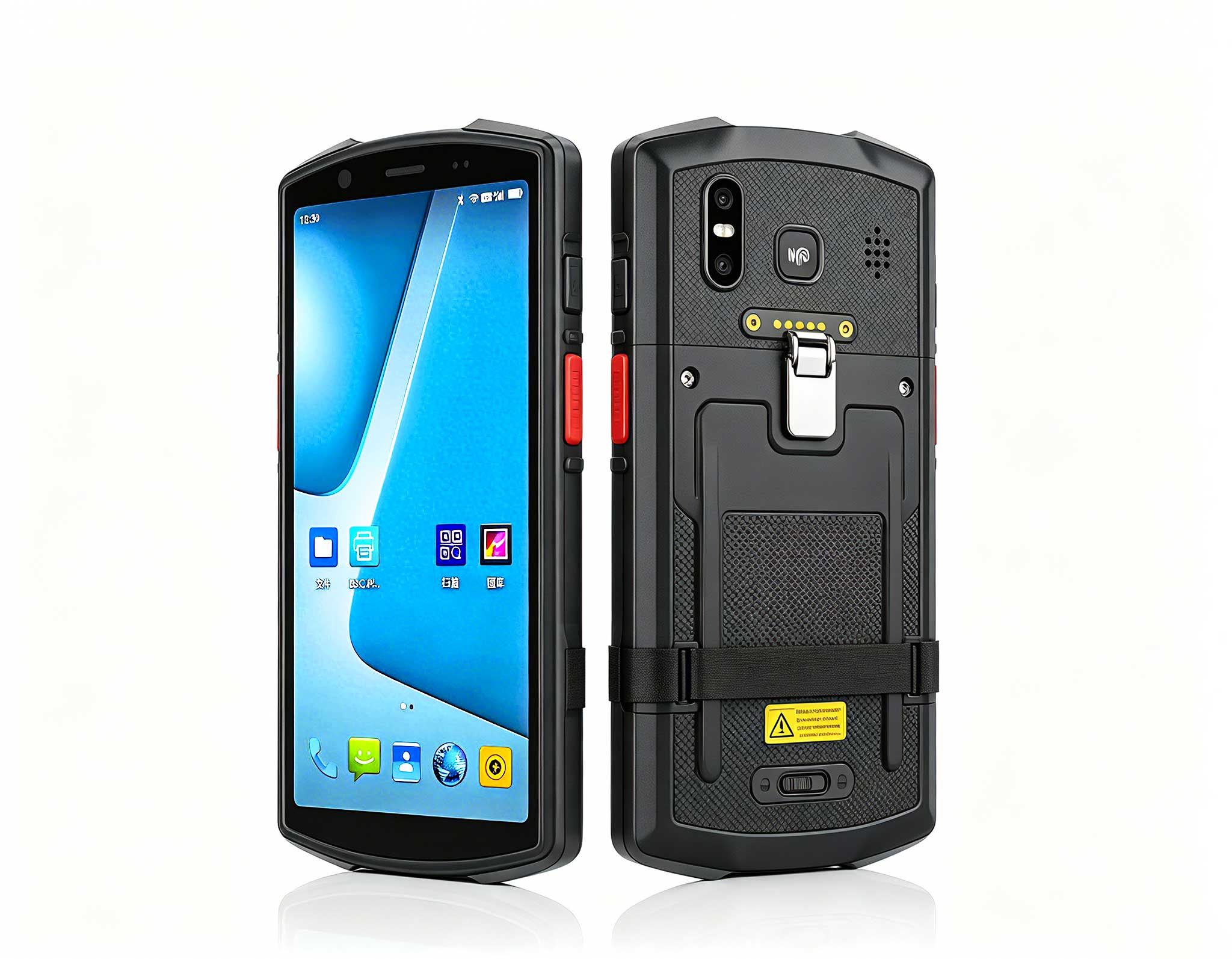
R860-S 5.5-inch Industrial PDA with Thermal Printe...
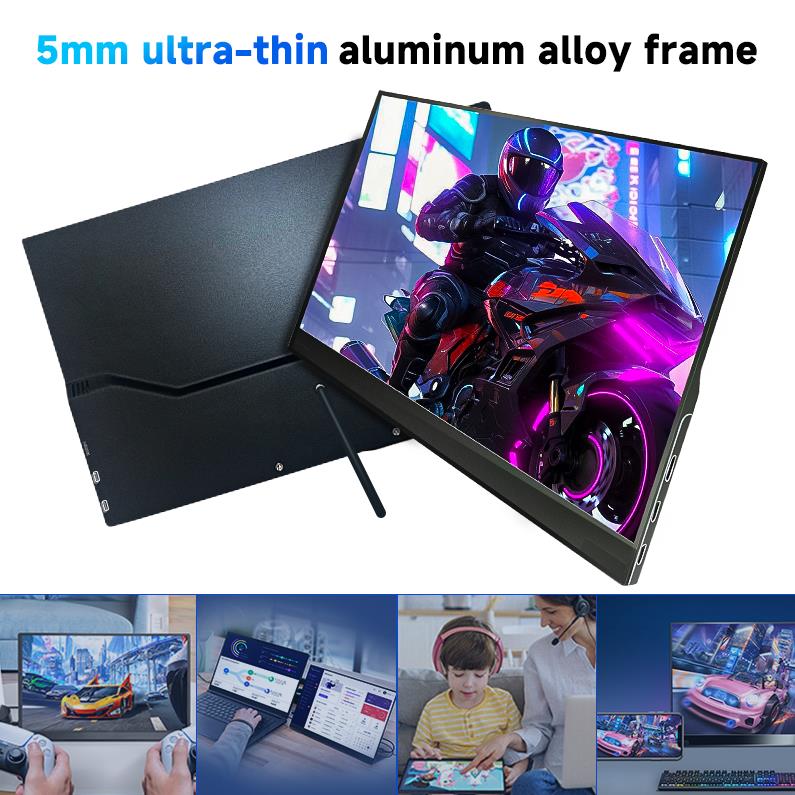
The PM133-2 is a 13.3-inch portable monitor featur...
Technical SpecificationsModel: Palm-sized miniPCTy...
The N60 PDA is a cutting-edge device for inventory...
Full SpecificationsModelHotus ST11‑UOSWindows 10 P...
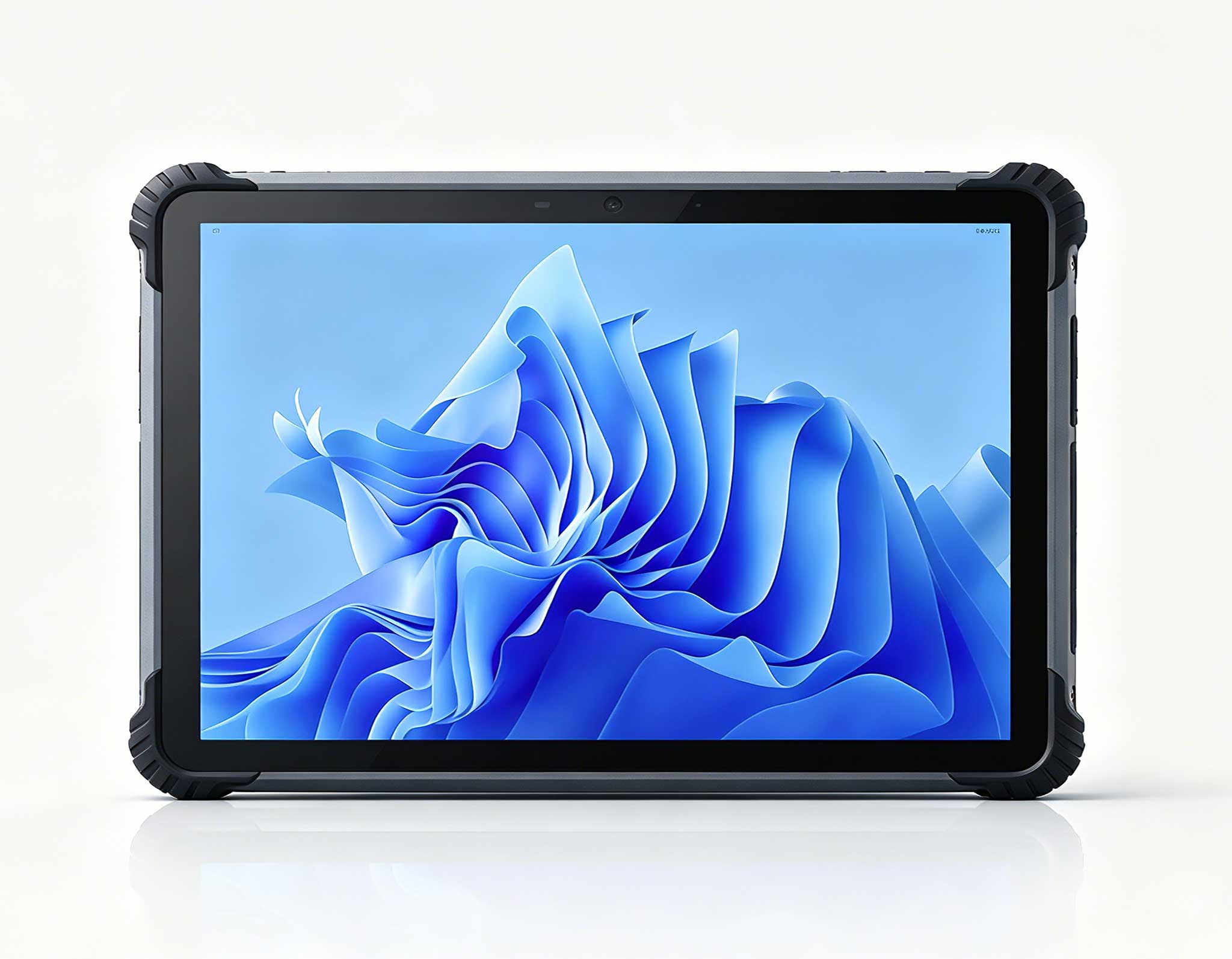
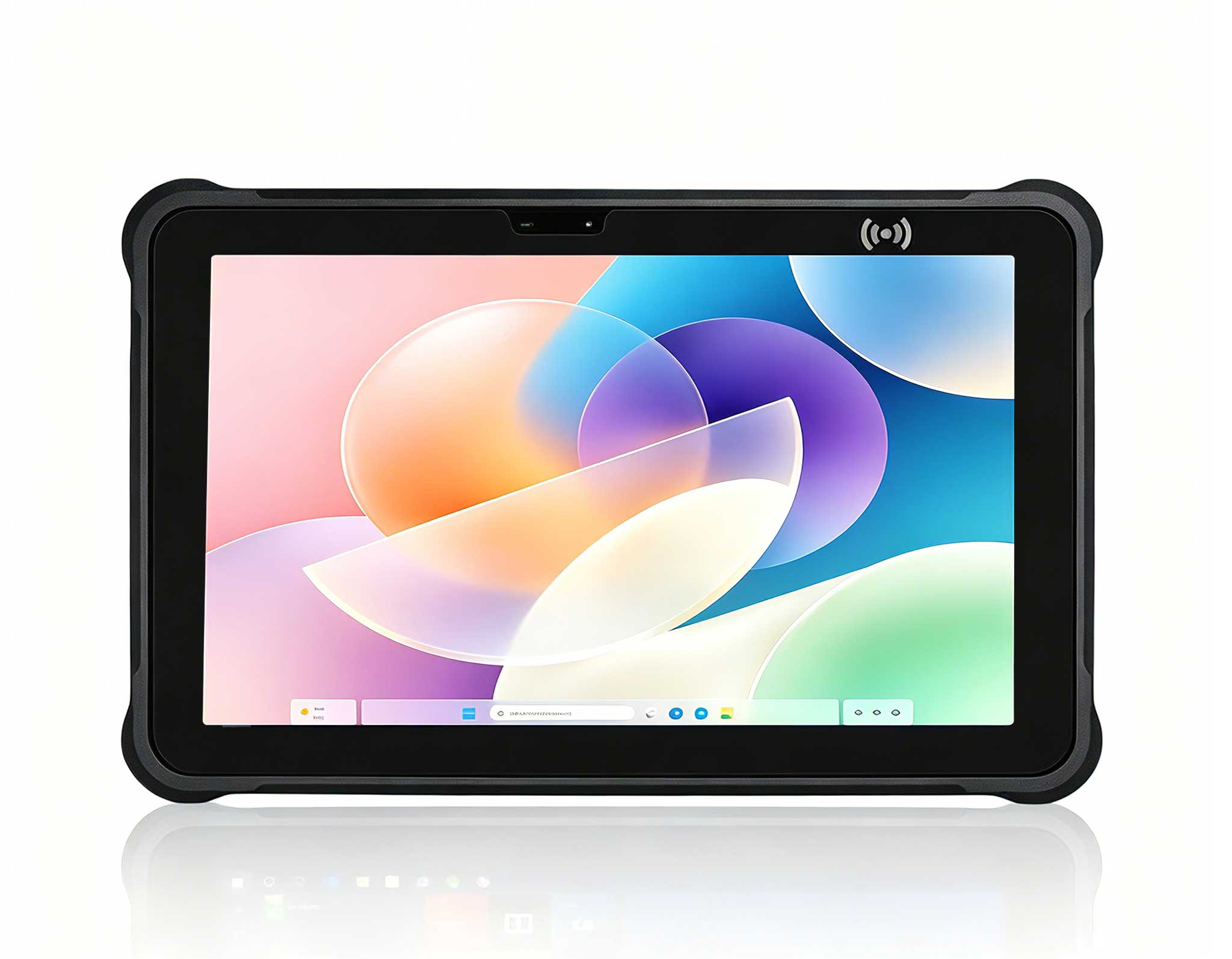
RT81 4G Rugged Tablet | 10.1" FHD 400nit | Qu...
Over the past decade, I’ve consulted with dozens of logistics operators, and one pattern keeps surfacing: a state-of-the-art server room paired with a fragile, underpowered setup on the warehouse floor. The reality is harsh—constant dust, vibration, temperature swings, and non-stop motion. Standard office PCs rarely survive more than a few months in that environment. What the industry really needs is a device that brings desktop-grade computing power directly to the point of action without eating into valuable shelf space. This isn’t just about hardware specs; it’s about uptime. For a recent client managing a 50,000-square-meter distribution center, the shift to compact, ruggedized computing was a game-changer. They needed a system capable of handling real-time inventory management and heavy data processing right next to the conveyor belts. That’s exactly why we turned to our dedicated warehouse logistics solutions to address their specific pain points.
When you’re running a high-throughput warehouse, every second of downtime costs money. The traditional approach—running long cables back to a central server room—introduces latency and single points of failure. A better strategy is to distribute computing power across the floor using a Mini PC that’s built for the job. These devices are small enough to mount behind a monitor or under a conveyor, yet powerful enough to run full Windows-based WMS clients, database queries, and real-time analytics without breaking a sweat. The key is choosing the right model for the right task.
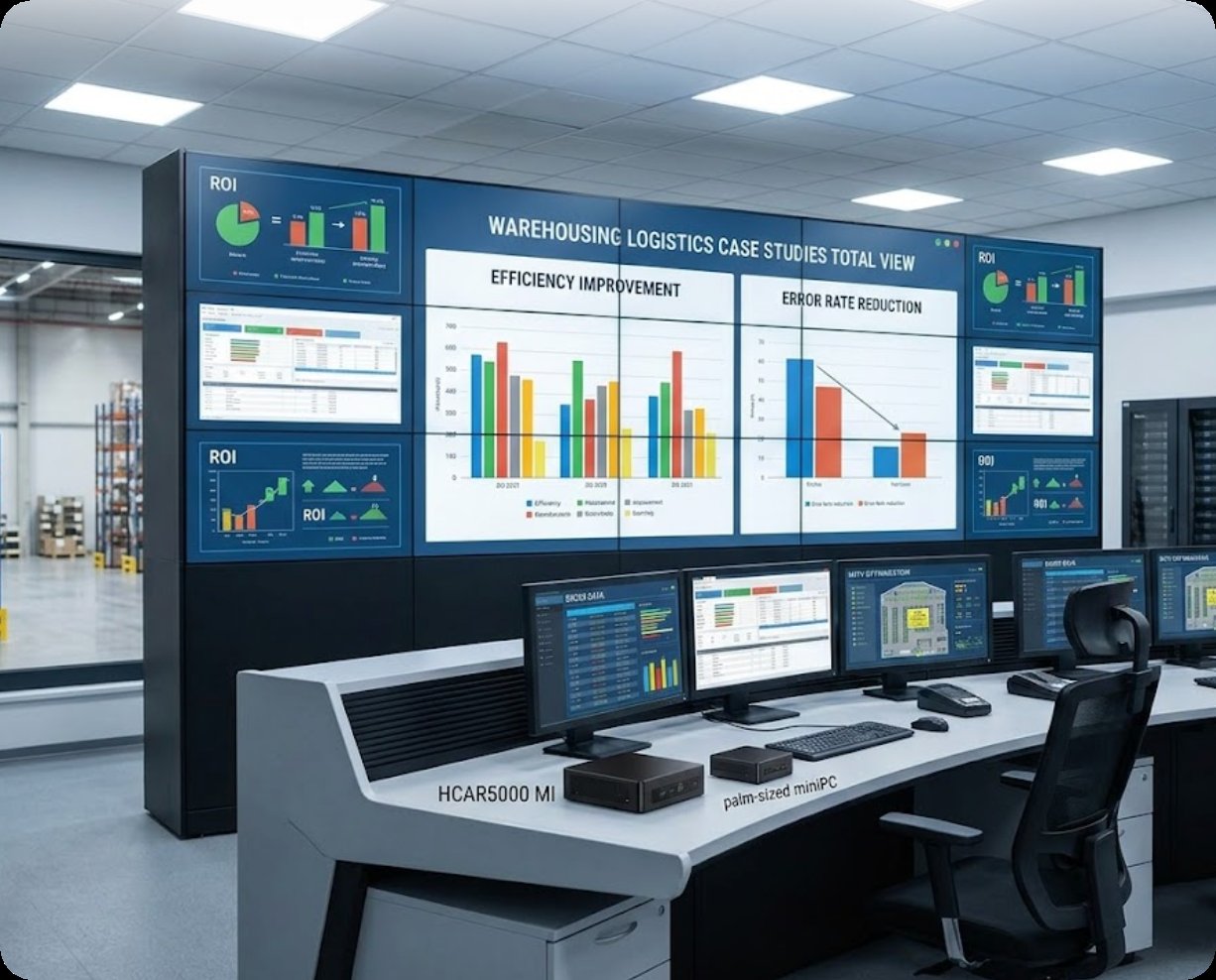
For the client’s main sorting line—where data from dozens of scanners, scales, and cameras converges—we deployed the HCAR5000 MI. This unit serves as the central brain for heavy-duty tasks. Its core advantage lies in the AMD Ryzen 5000H Series processor, which delivers laptop-class performance in a chassis smaller than a standard router. The client was able to run their entire Warehouse Management System (WMS) client alongside multiple monitoring dashboards without any lag. The best scenario for this model is a fixed station near a sorting chute or a packing bench where the environment is dusty but space is at a premium. With active fan cooling and robust I/O options—including dual GbE LAN and multiple USB 3.2 ports—it handles high-bandwidth data streams effortlessly.
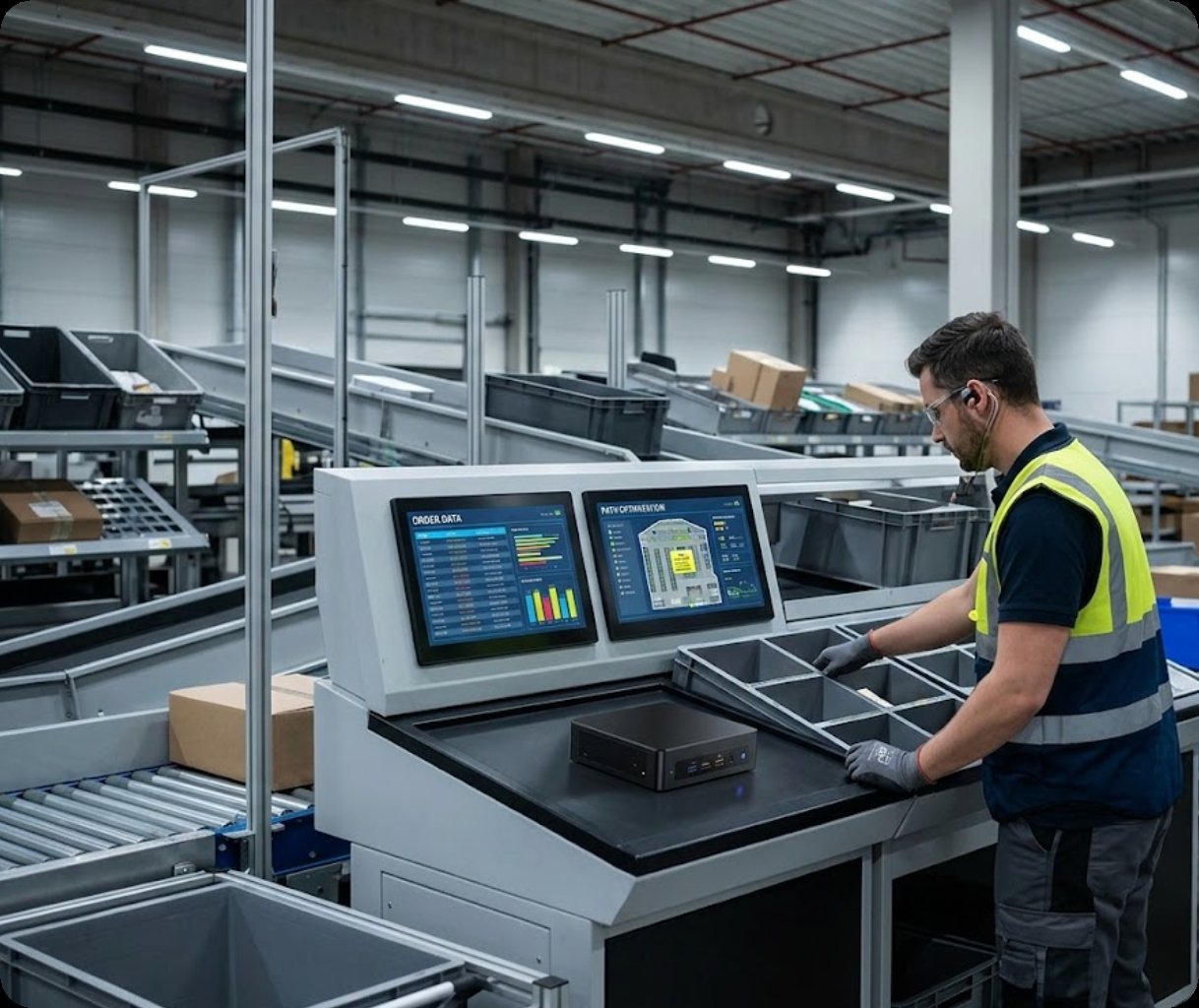
For the client’s mobile operations—specifically the forklift-mounted terminals—we chose the Palm-sized miniPC. The name is literal; it fits in the palm of your hand. The key specification here is its low power consumption and fanless design. In a warehouse, dust is the enemy of fans. This unit’s passive cooling system means zero moving parts to fail, which dramatically increases reliability in dirty environments. The client mounted these units directly onto the forklift dashboards, connecting them to ruggedized tablets. The result was a seamless, real-time inventory update system that traveled with the vehicle. This product is ideal for any mobile logistic unit where vibration and limited mounting space are primary concerns. Its DIN rail and VESA mounting options make installation straightforward, even in tight spaces.
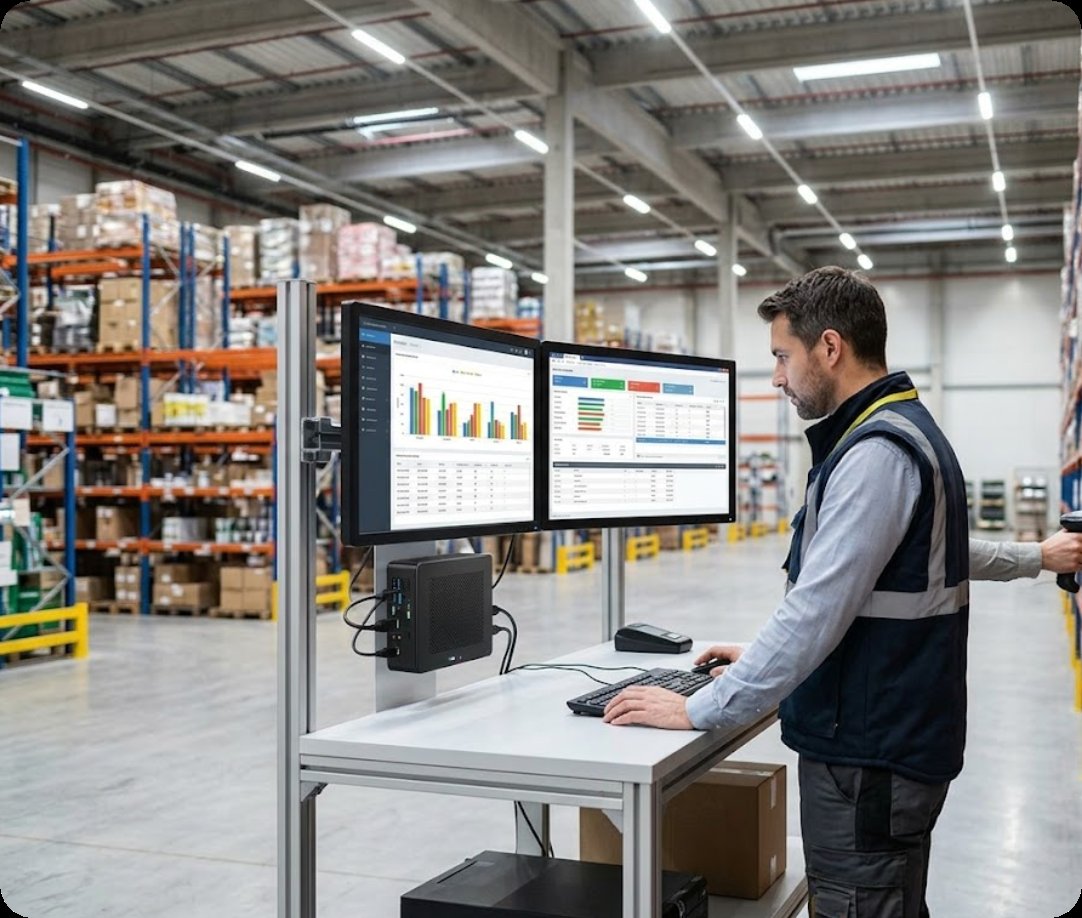
To help you decide which unit fits your specific workflow, here is a direct comparison of the critical technical specs that matter in a logistics environment. These aren’t just numbers on a datasheet—they directly impact your daily operations, from data throughput to maintenance intervals.
| Feature | HCAR5000 MI | Palm-sized miniPC |
|---|---|---|
| Processor | AMD Ryzen 5000H Series (High-Performance) | Intel N100 / N95 (Efficient) |
| Memory (RAM) | Up to 64GB DDR4 | Up to 16GB DDR4 |
| Cooling Method | Active Fan Cooling | Passive Fanless (Zero Dust Intake) |
| I/O Ports | 2x GbE LAN, 4x USB 3.2, HDMI+DP | 1x GbE LAN, 2x USB 3.0, HDMI |
| Mounting | VESA Mount (Behind Monitor) | DIN Rail / VESA Mount |
| Best Scenario | Fixed high-compute stations | Mobile vibration-prone vehicles |
Your decision should hinge on two factors: physical location and processing load. If your device will be mounted on a forklift or a mobile cart that moves constantly, the Palm-sized miniPC is the obvious choice. Its fanless design eliminates the risk of dust inhalation, and its low power draw makes it safe for battery-powered systems. Conversely, if you need a central station to process heavy data streams from multiple cameras or scanners at a fixed packing desk, the HCAR5000 MI series offers the necessary CPU and RAM headroom. For a mixed environment, like our client’s facility, using both creates a balanced ecosystem where mobile units feed data to fixed high-performance hubs. For further insights on optimizing your setup, explore our mini PC solutions for more technical breakdowns.
My take: I’ve seen too many warehouses invest in expensive servers only to bottleneck at the edge. The real efficiency gains come from putting the right computing power exactly where it’s needed. A Mini PC isn’t just a smaller computer—it’s a strategic tool for reducing latency, improving data accuracy, and cutting maintenance costs. Don’t underestimate the impact of a fanless design in a dusty environment; it can double your hardware lifespan.
Every warehouse has unique challenges, but the need for reliable, space-saving computing is universal. Whether you need the raw power of the HCAR5000 MI for your sorting lines or the rugged mobility of the Palm-sized miniPC for your fleet, Hotus Technology has the hardware to keep your operations running smoothly. Contact our team today to discuss a pilot deployment and see how these devices can reduce downtime in your facility. We’ll help you map out a deployment strategy that matches your workflow, budget, and growth plans.