- Select Language
Explore an innovative Personal Digital Assistant f...
Full SpecificationsModelHotus ST13‑UOSWindows 10 P...
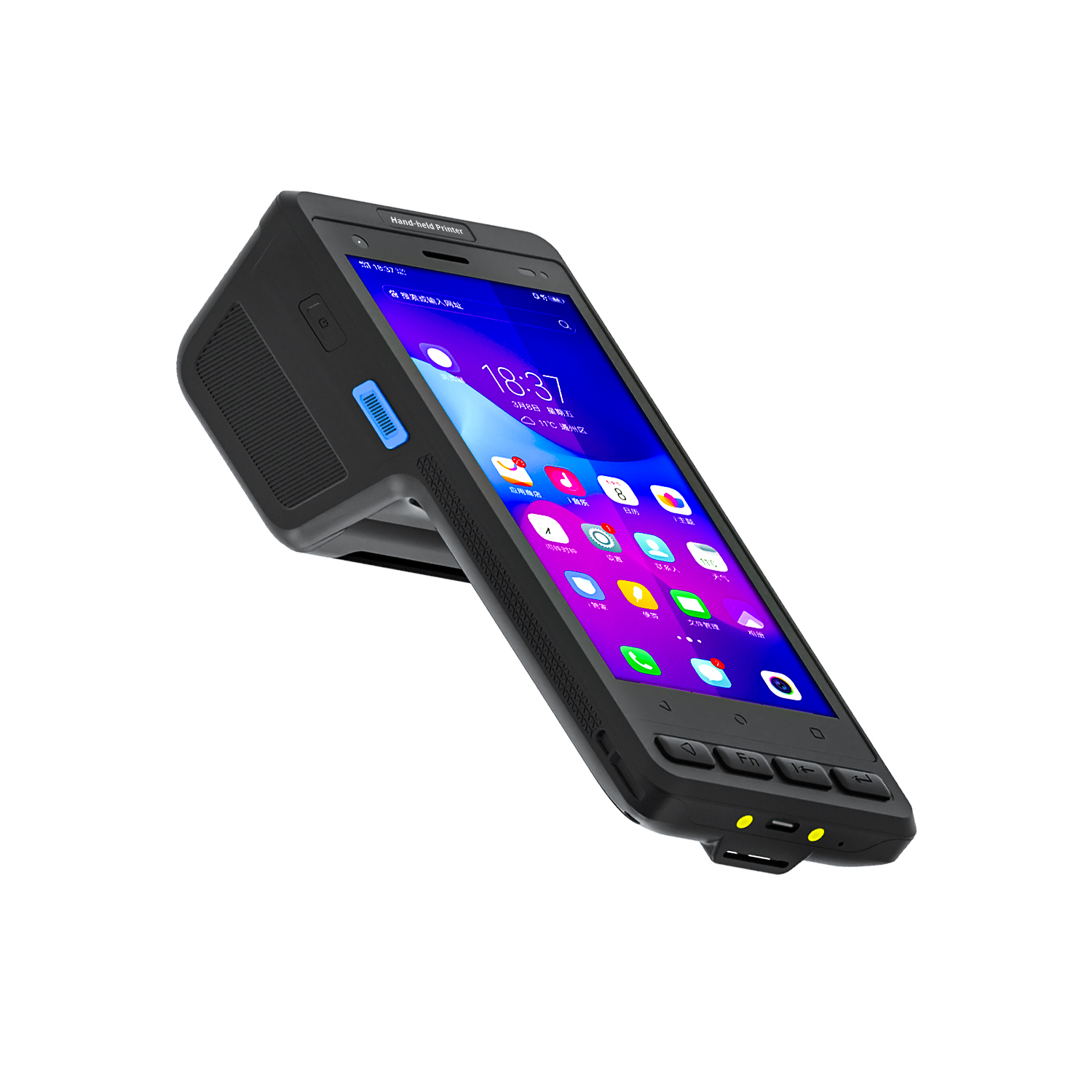
️ X8 Series Handheld Label & Thermal Printing ...
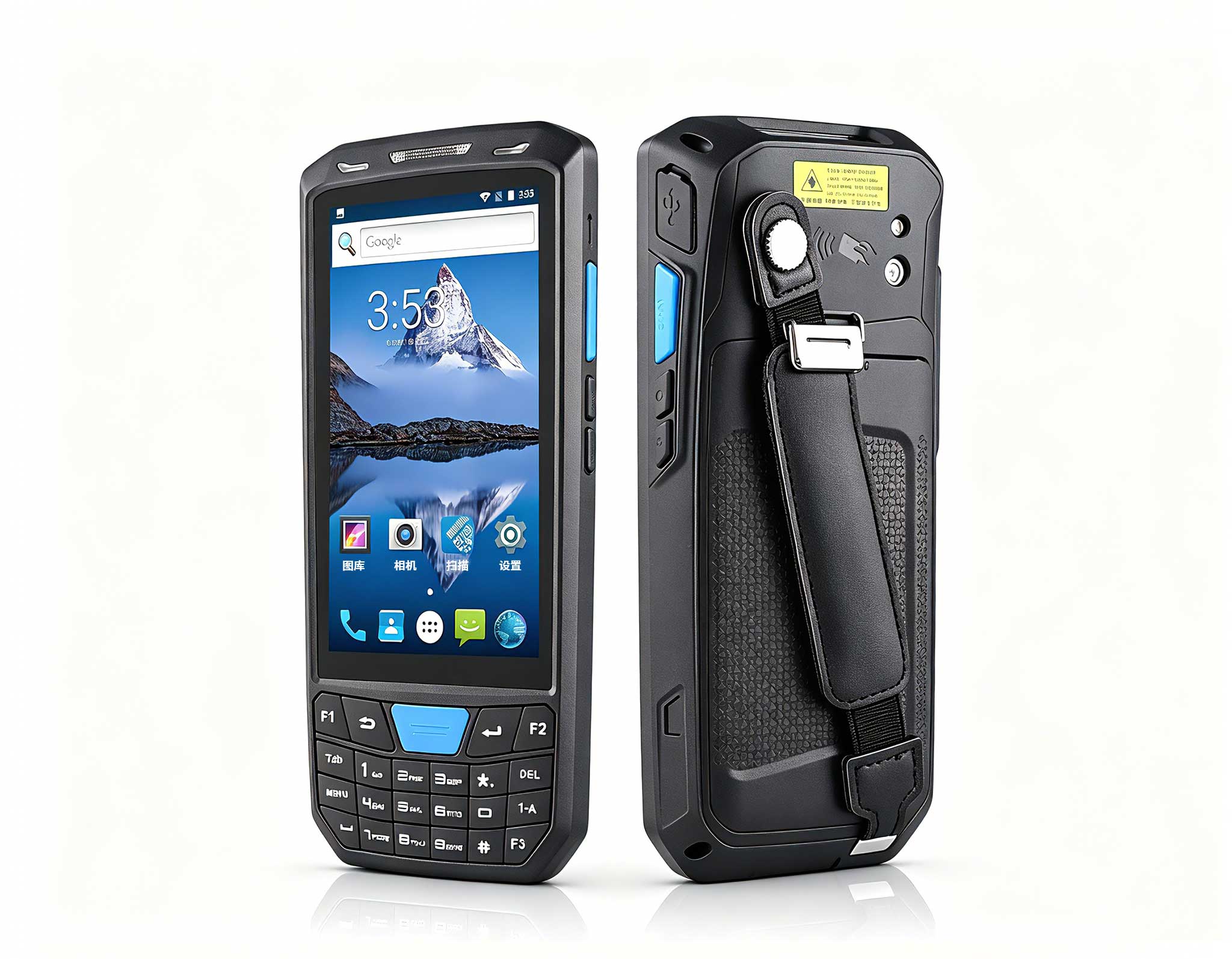
The T80 handheld PDA combines advanced barcode sca...
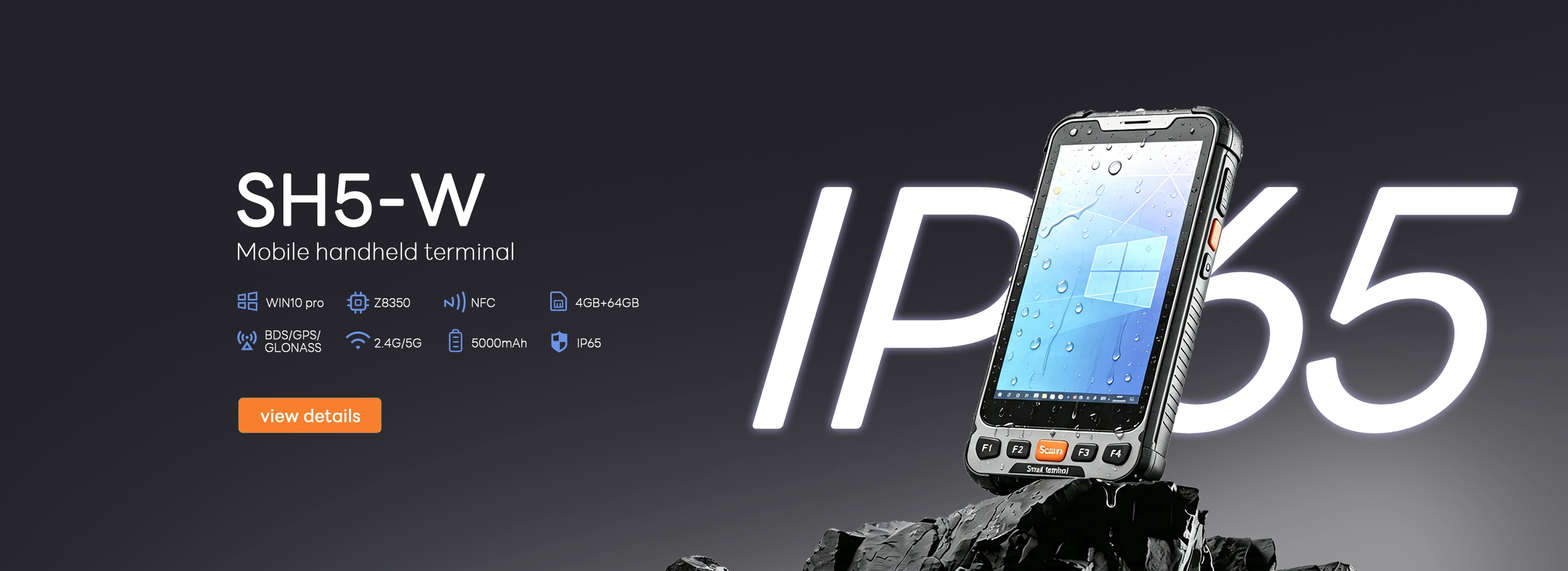
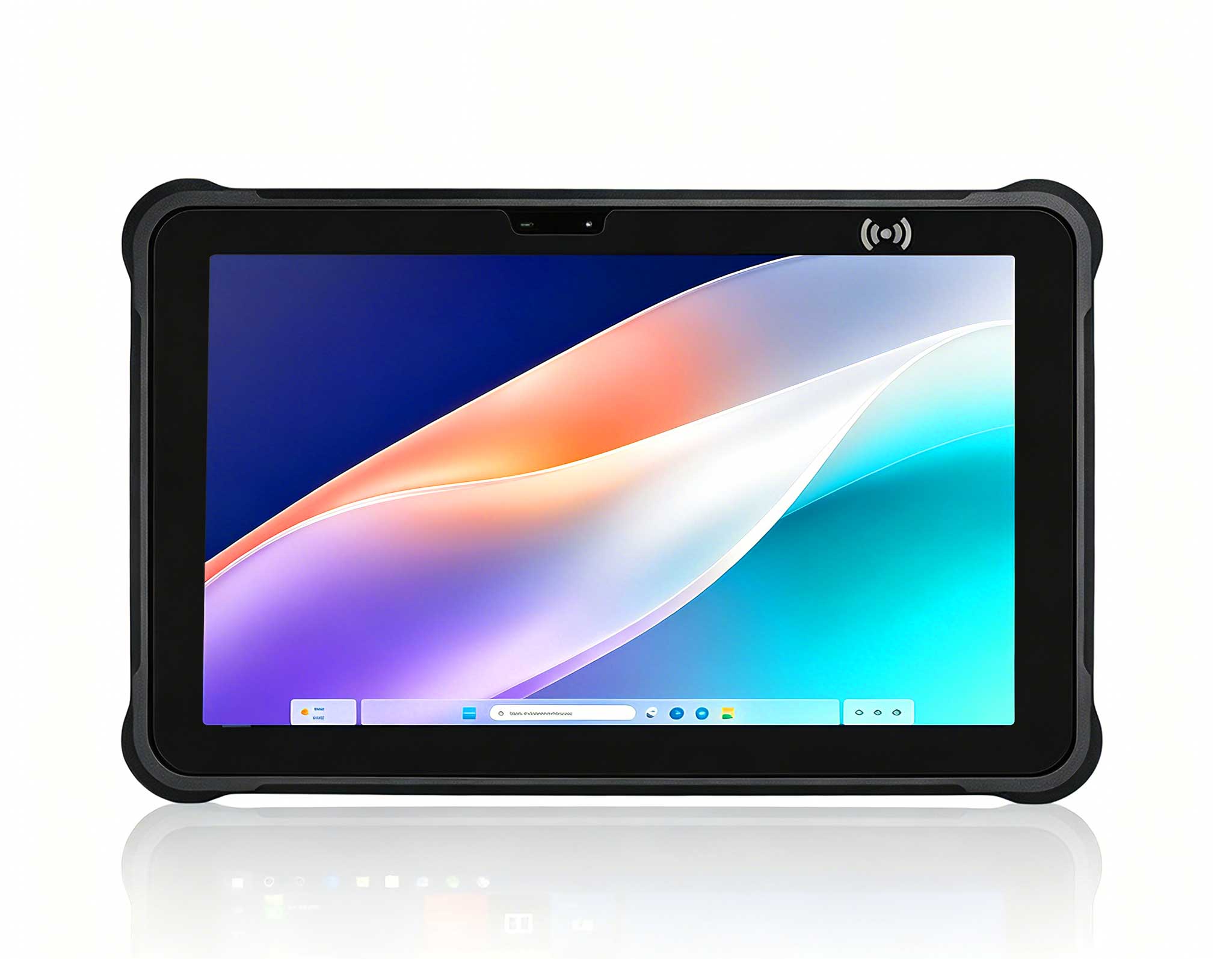
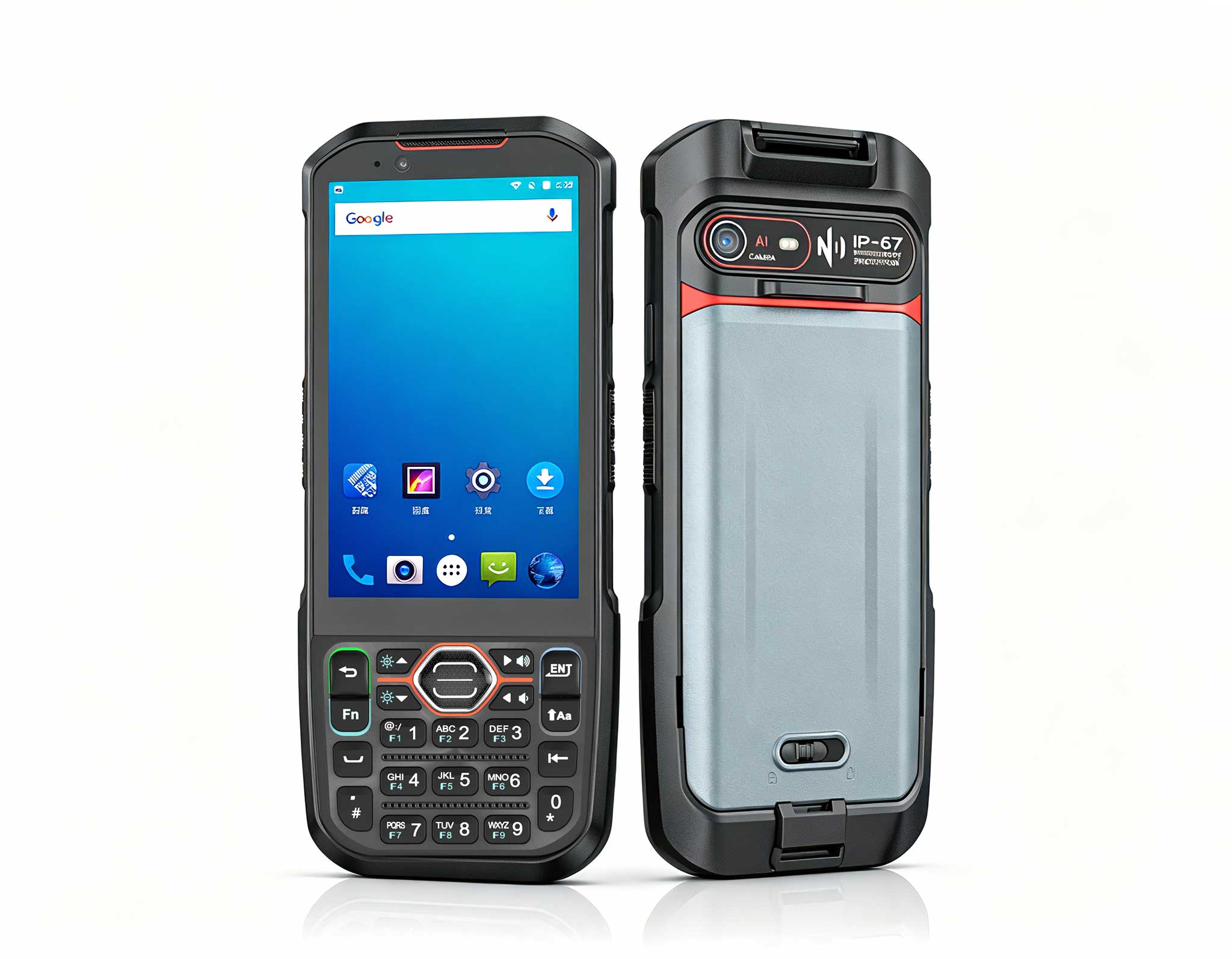
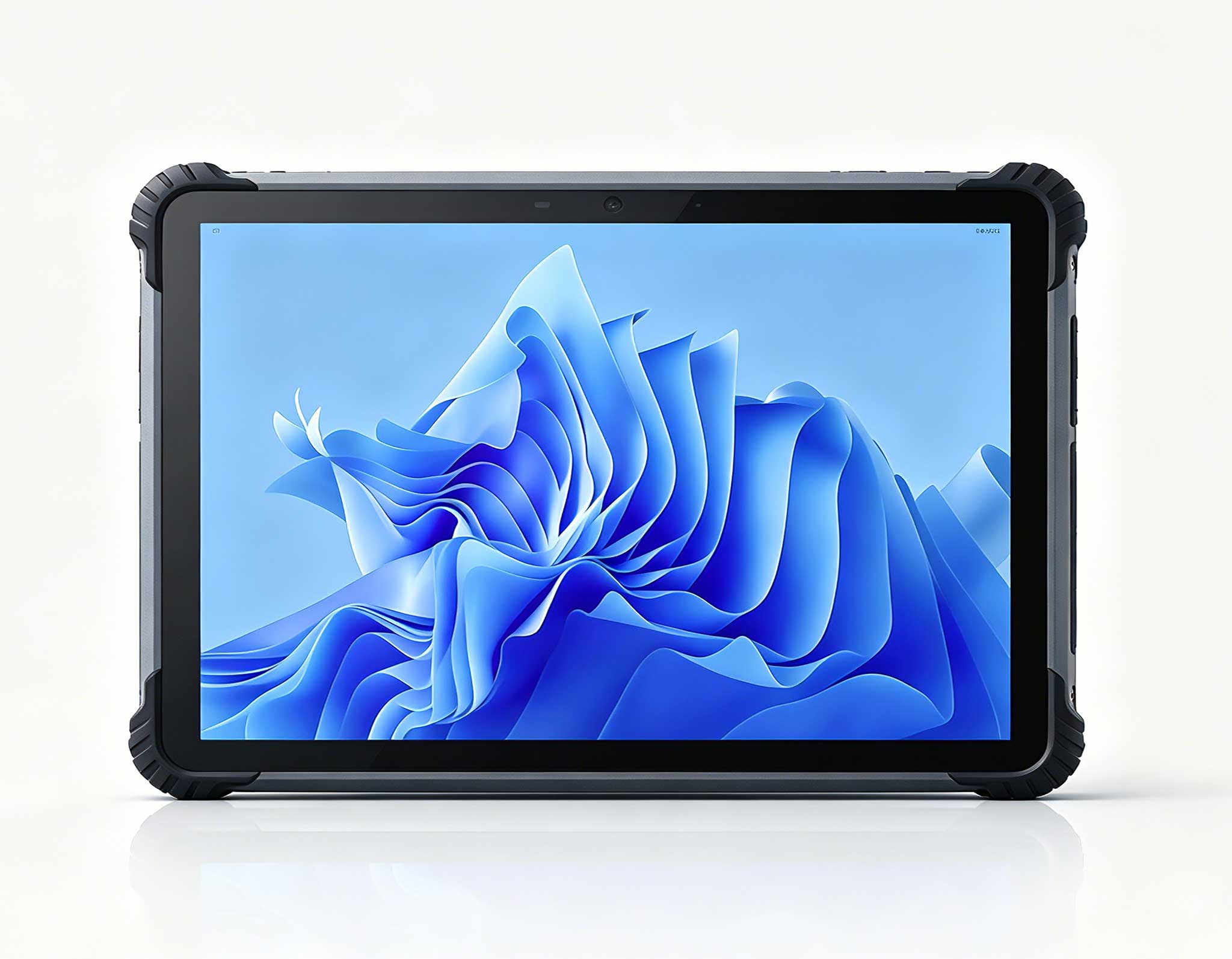
Organizations transitioning to Virtual Desktop Infrastructure (VDI) face a critical hardware decision that directly impacts their total cost of ownership. The selection of thin client endpoints determines not only upfront capital expenditure but also ongoing operational costs related to maintenance, support, and user productivity. The Hotus SH5-W, ST11-U, and ST13-J rugged tablets present a compelling alternative to traditional thin clients, offering superior durability and flexibility that fundamentally changes the ROI equation for VDI deployments. When evaluating a Rugged Tablet for enterprise VDI, these three models stand out as purpose-built solutions that address the real-world challenges of modern distributed workforces.
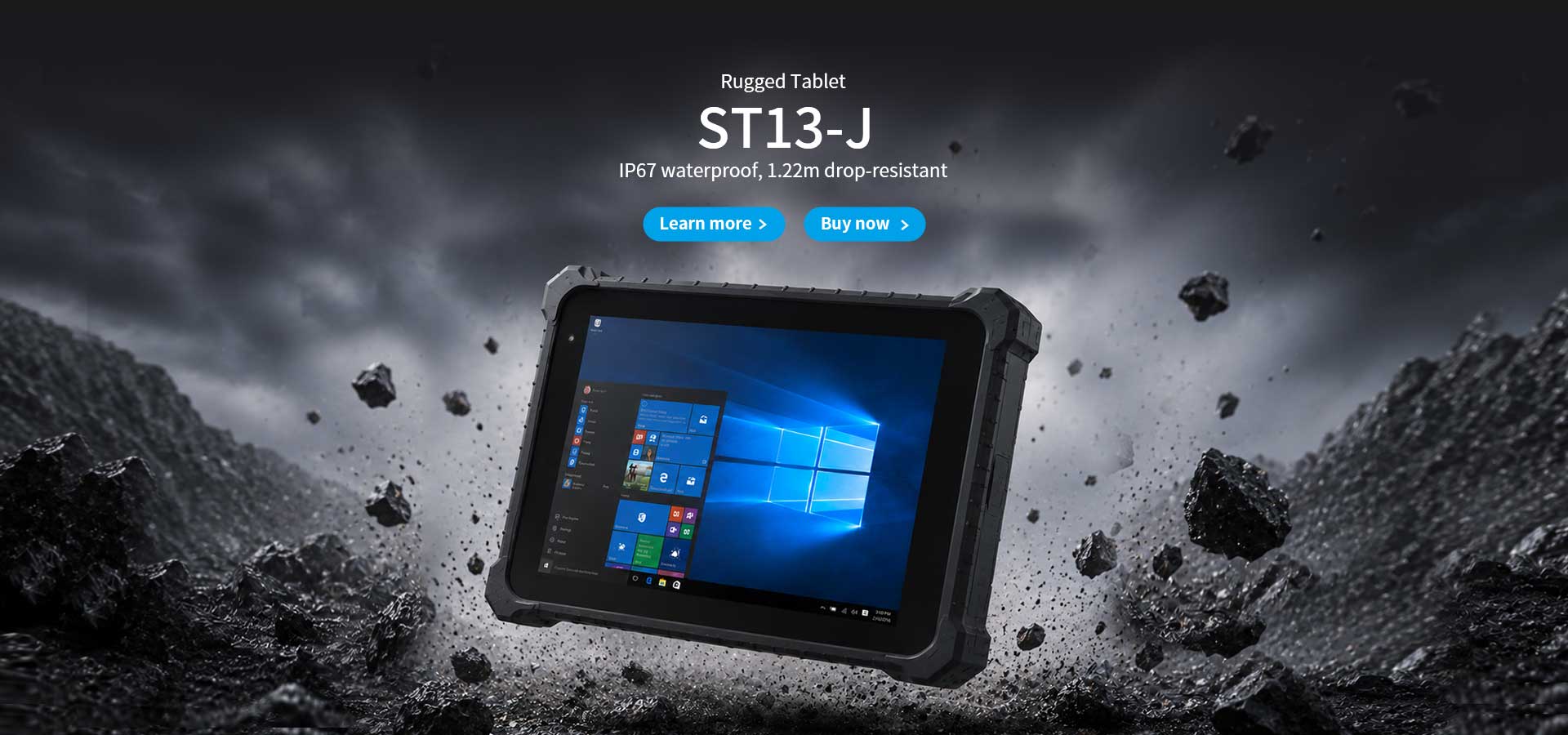
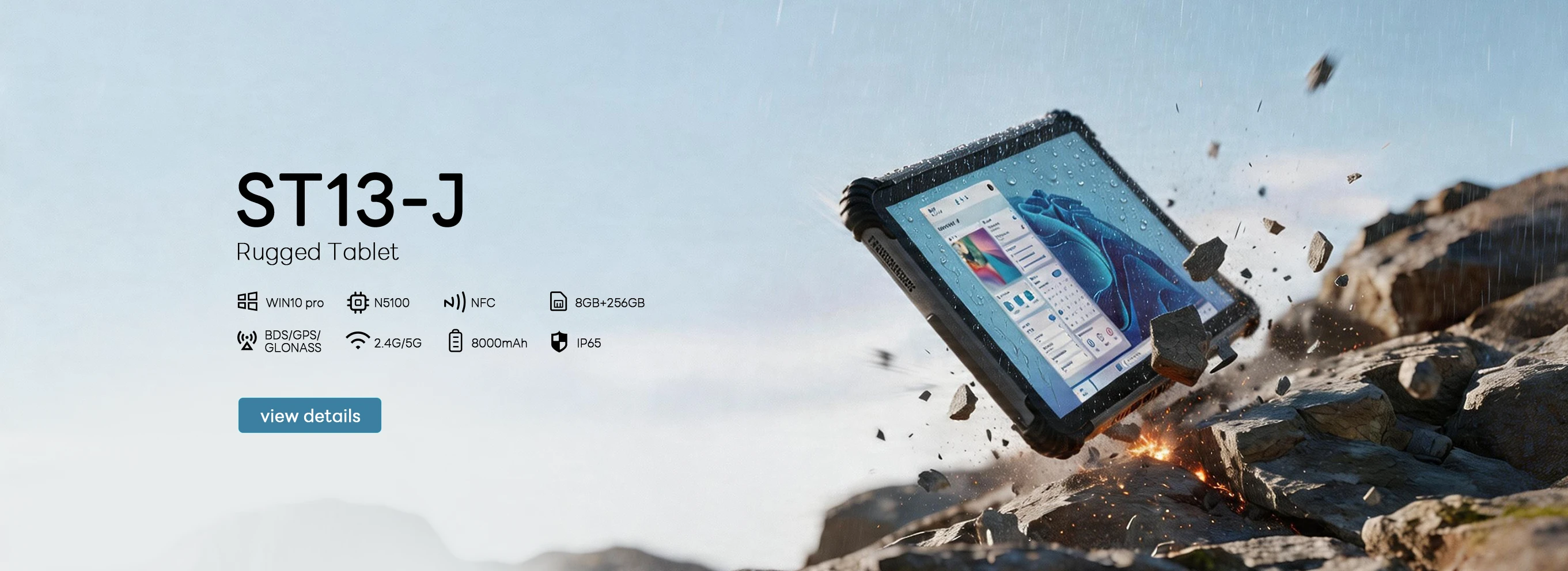
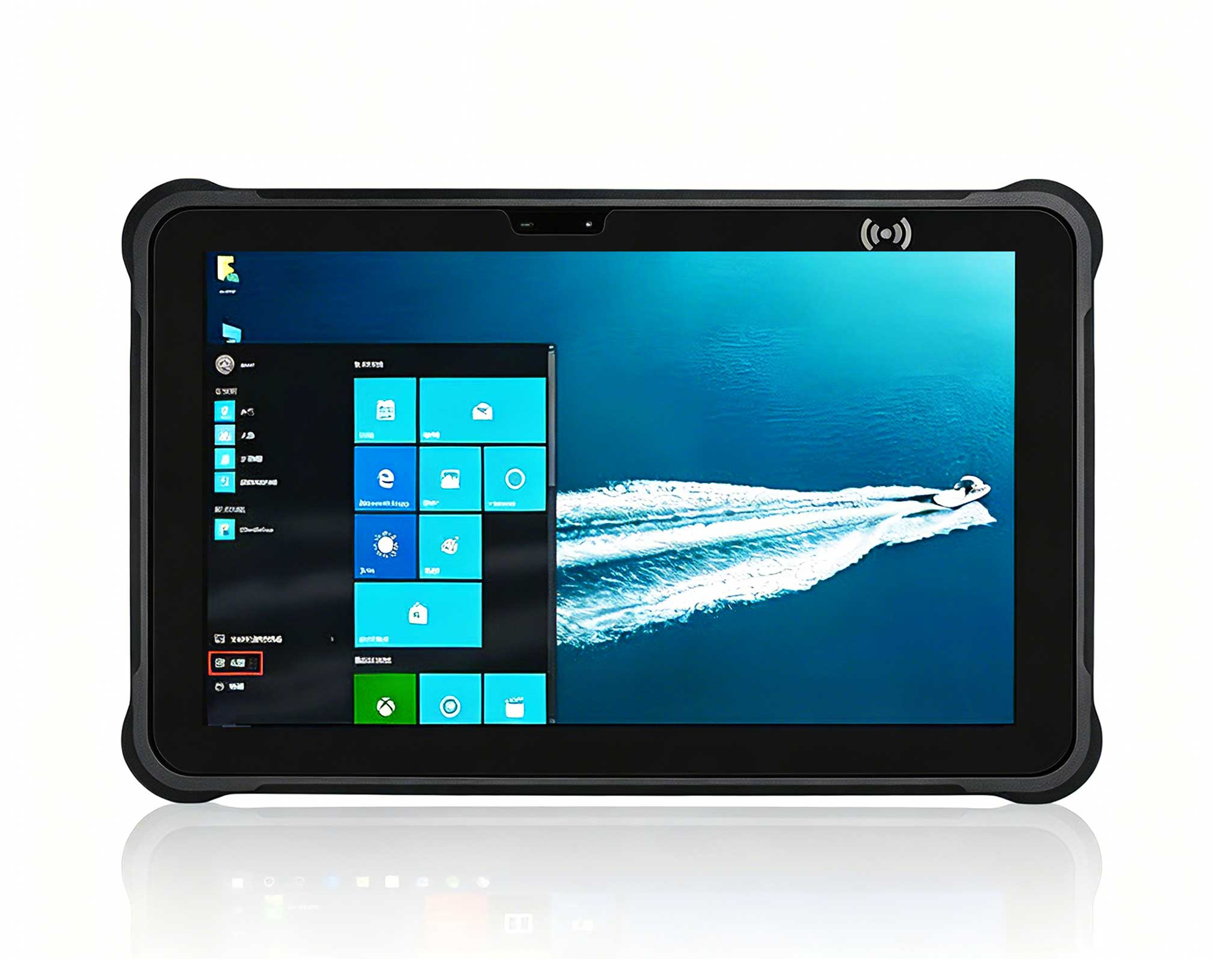
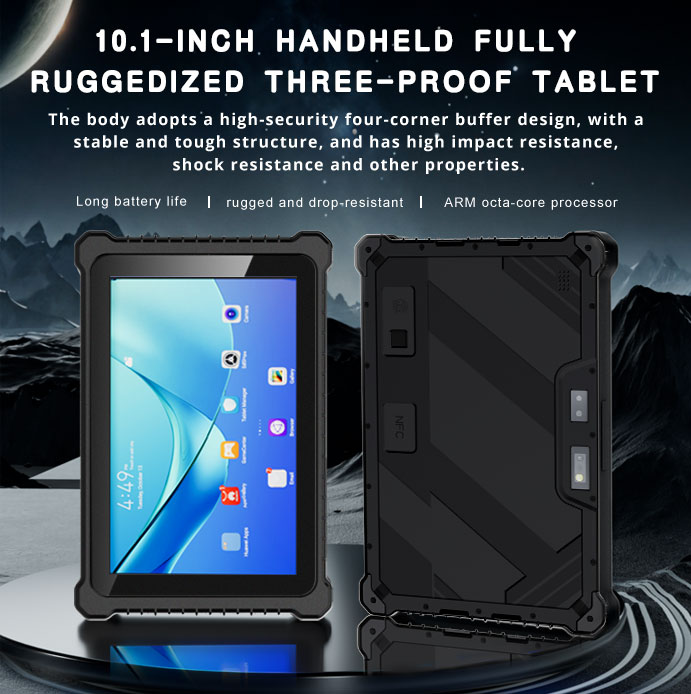
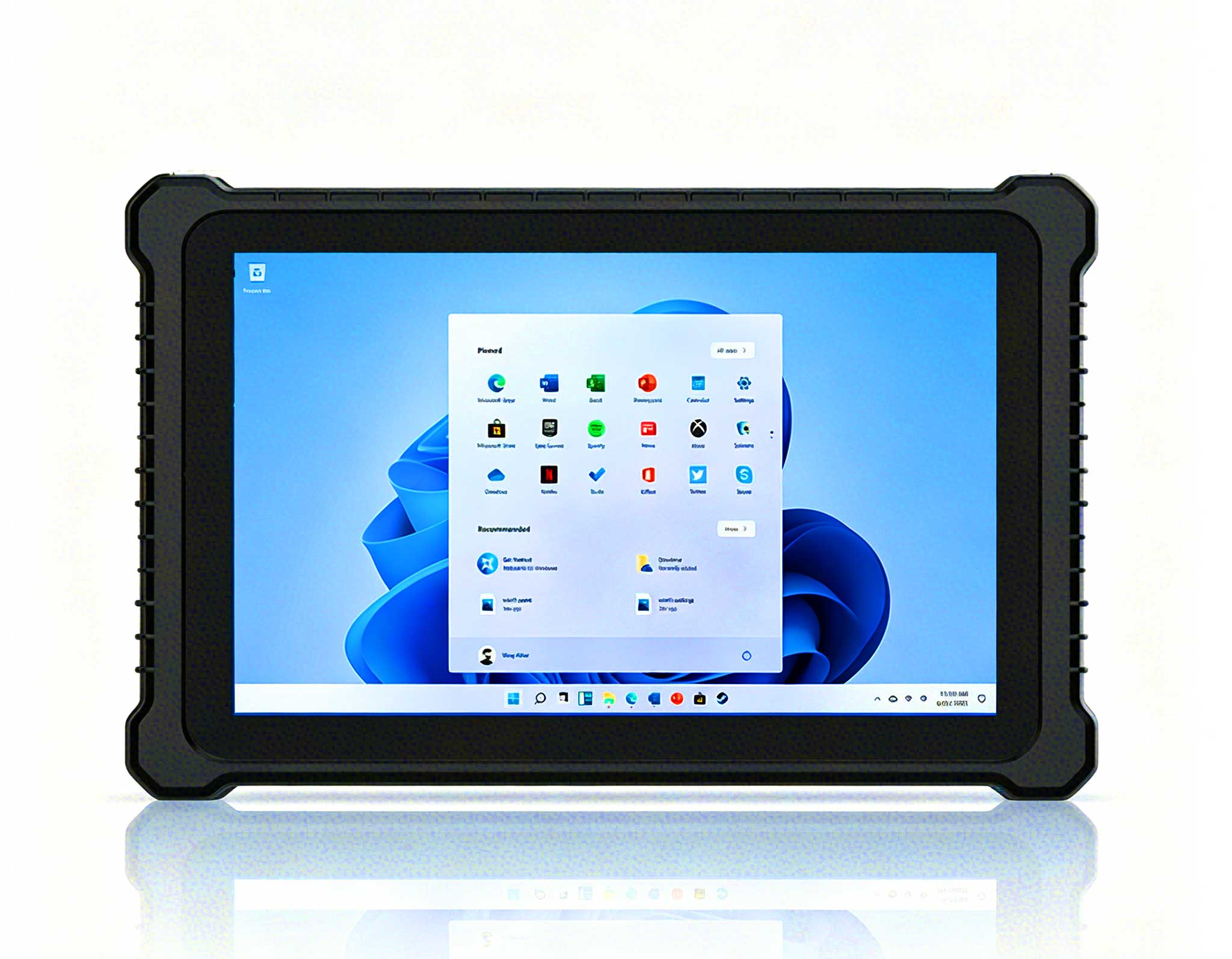
Traditional thin clients are often fixed-function devices that lack mobility and resilience. In contrast, the ST11-U provides a balanced screen size for deskless workers in warehouses or retail environments, while the <a href="https://www.hotusprojector.com/products/rugget-tablet/887.html" title="Hotus ST13-J 13.3" Rugged Industrial Tablet">ST13-J delivers a full laptop-like experience for power users who require maximum screen real estate. This three-tier approach allows organizations to match hardware investment precisely to user requirements, avoiding over-provisioning while ensuring every employee has the right tool for VDI access.
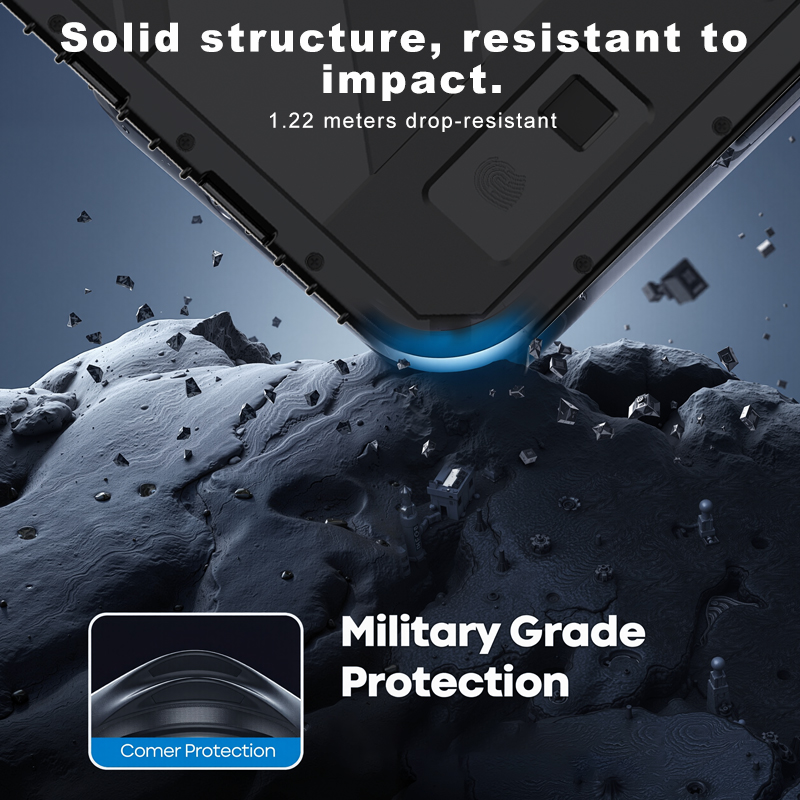
Deploying SH5-W, ST11-U and ST13-J in Thin Client Vdi delivers measurable improvements across multiple dimensions. The rugged construction of these devices eliminates the fragility that plagues consumer-grade tablets and laptops used as thin clients. Drop damage, screen breakage, and port failure account for a significant percentage of hardware replacement costs in typical enterprise environments. With IP ratings and military-grade drop specifications, these Hotus devices withstand the physical demands of industrial, healthcare, and logistics settings where VDI is increasingly deployed.
Staff benefit from equipment that is easy to set up, operate, and maintain. The devices boot directly into a VDI client, requiring no local application management or OS patching. Centralized IT management can push updates, enforce security policies, and monitor device health remotely. Management gains visibility into usage patterns through analytics that reveal which applications are accessed most frequently and where connectivity issues occur. The combined result is a more professional, efficient, and enjoyable Thin Client Vdi operation that reduces help desk tickets and improves end-user satisfaction scores significantly.
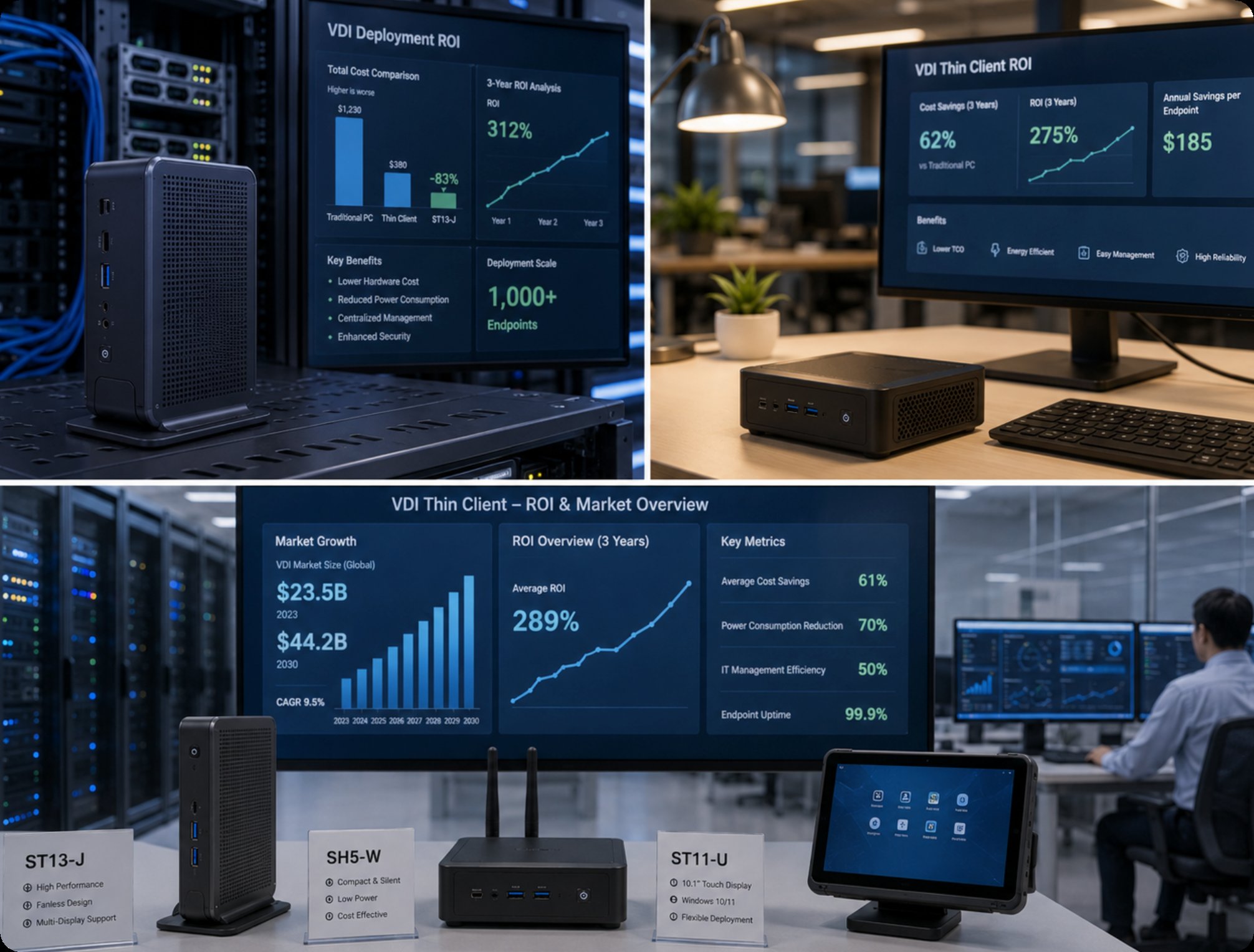
When calculating the ROI of SH5-W, ST11-U and ST13-J for Thin Client Vdi, consider the hidden costs of maintaining older equipment. Traditional thin clients and repurposed PCs require frequent component replacements, cable management, and troubleshooting time. The intangible cost of negative user experiences caused by device failures or poor performance often goes unmeasured but directly impacts productivity. Modern rugged systems eliminate virtually all of these recurring expenses through their durable design and streamlined VDI integration.
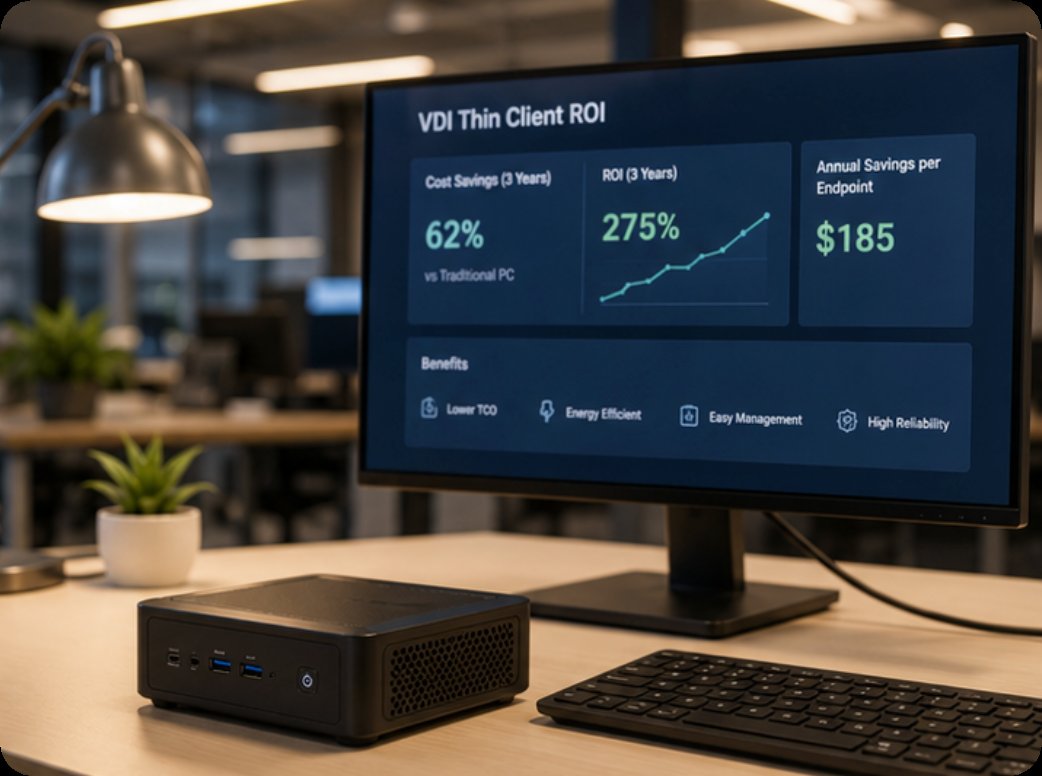
A three-year total cost of ownership model reveals compelling savings. The SH5-W at approximately $800 per unit, the ST11-U at $1,200, and the ST13-J at $1,500 represent higher initial investments than basic thin clients. However, when factoring in reduced breakage rates (typically 2-3% per year versus 15-20% for consumer devices), lower support requirements, and longer useful life cycles, the rugged tablets achieve break-even within 12-18 months. Organizations deploying 100+ units typically see annual savings of $30,000-$50,000 in reduced hardware replacement and support costs alone.
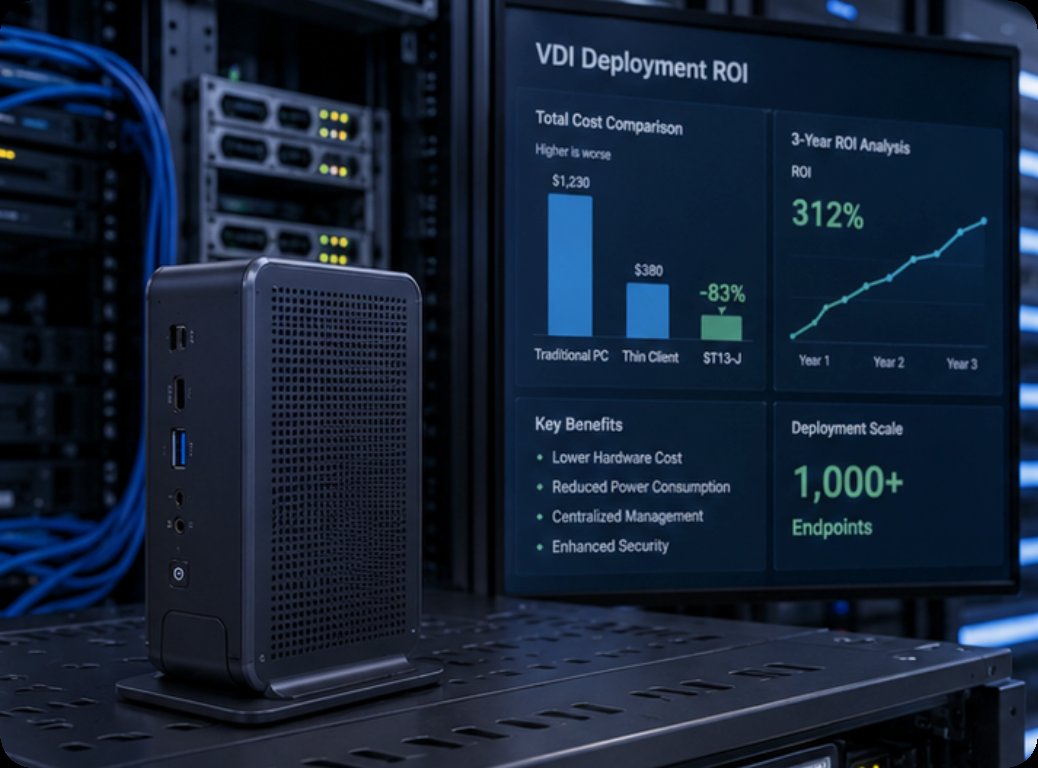
A notable development in the Thin Client Vdi sector this year is the growing emphasis on endpoint analytics and security. Modern VDI deployments now capture anonymous usage patterns that help IT managers optimize virtual machine allocation, bandwidth provisioning, and application delivery. The Hotus devices support these initiatives by providing consistent hardware profiles that simplify image management and security compliance. Turning a simple thin client into a strategic operations tool, these rugged tablets enable organizations to gather data on device utilization, battery performance, and connectivity quality across their entire VDI fleet.
Another trend reshaping the VDI landscape is the shift toward hybrid work models that require devices capable of operating both on-premises and remotely. The SH5-W, ST11-U, and ST13-J support this flexibility with integrated Wi-Fi 6, Bluetooth 5.0, and optional 4G/5G connectivity. Users can seamlessly transition between office docking stations and field locations without losing connection to their virtual desktop. This capability reduces the need for separate home and office devices, further improving the ROI case for rugged tablets as VDI endpoints in the modern distributed enterprise.
| Model | Screen Size | Position | Weight | Ideal Use Case |
|---|---|---|---|---|
| SH5-W | 5.5 inch | Handheld / Mobile | 0.8 lbs | Field service, inventory scanning, mobile point-of-care |
| ST11-U | 10.1 inch | Mid-range / Portable | 2.2 lbs | Warehouse management, retail floor, clinical rounds |
| ST13-J | 13.3 inch | High-performance / Stationary | 3.5 lbs | Engineering workstations, data analysis, administrative tasks |
Selecting the right hardware mix for your VDI deployment requires careful analysis of user roles, work environments, and connectivity requirements. The three Hotus models provide a comprehensive solution set that covers virtually every thin client scenario. Organizations can standardize on a single vendor for all VDI endpoints, simplifying procurement, training, and support while maximizing the ROI benefits outlined in this analysis. By choosing rugged tablets designed for the demands of enterprise VDI, businesses position themselves for lower total costs and higher user satisfaction over the full device lifecycle.