Have you ever been in an industrial edge computing setting where edge computing devices fail in harsh environments simply because they weren’t built to take a beating? If that sounds familiar, you already know the toll it takes on uptime and sanity. This article takes a no‑fluff look at how the RT81 Rugged Tablet, AR Smart Glasses, and a Palm‑sized miniPC solve a real‑world industrial edge computing nightmare. The word “industrial” means exactly what you think: equipment must shrug off dust, vibration, temperature swings, and moisture. When edge computing devices aren’t ruggedized for these conditions, they fail—and that failure triggers costly downtime and delayed troubleshooting. This deep dive walks through a manufacturing plant that faced exactly this challenge, and how a trio of rugged hardware restored operational efficiency.
Industry data shows the average cost of unplanned downtime in manufacturing now exceeds $250,000 per hour. The culprit? Standard computing gear that can’t handle the floor. One plant manager told us their previous tablets would overheat or crack their screens within weeks of deployment. That’s where industrial edge computing becomes critical—processing data at the source, but only if the hardware can survive the environment. The fix required devices that could handle extreme temperatures, drops, and dust ingress while still delivering real‑time analytics and augmented reality guidance for maintenance crews.
The Core Problem: Fragile Devices in Demanding Environments
The plant in question ran a large metal‑stamping facility. Their existing edge computing setup relied on consumer‑grade tablets and stationary PCs. These devices were constantly showered with metal shavings, vibrated by heavy presses, and exposed to temperatures that swung from near‑freezing to over 40°C (104°F) in a single shift. The result? A 40% failure rate of their edge computing nodes within the first six months. The IT team spent more time swapping hardware than analyzing data. They needed a ruggedized solution—fast—and started evaluating options that could integrate with their existing IoT sensor network while giving technicians mobile, real‑time troubleshooting power.
In this context, “industrial” meant devices that were not just tough but also capable of running complex edge analytics software. The plant needed a portable solution for technicians to inspect machinery, view live sensor data, and access digital work orders. The answer came in three interconnected products: the RT81 Rugged Tablet for field data collection, AR Smart Glasses for hands‑free guidance, and a Palm‑sized miniPC as a central edge computing node.
Solution Benefits and Key Outcomes
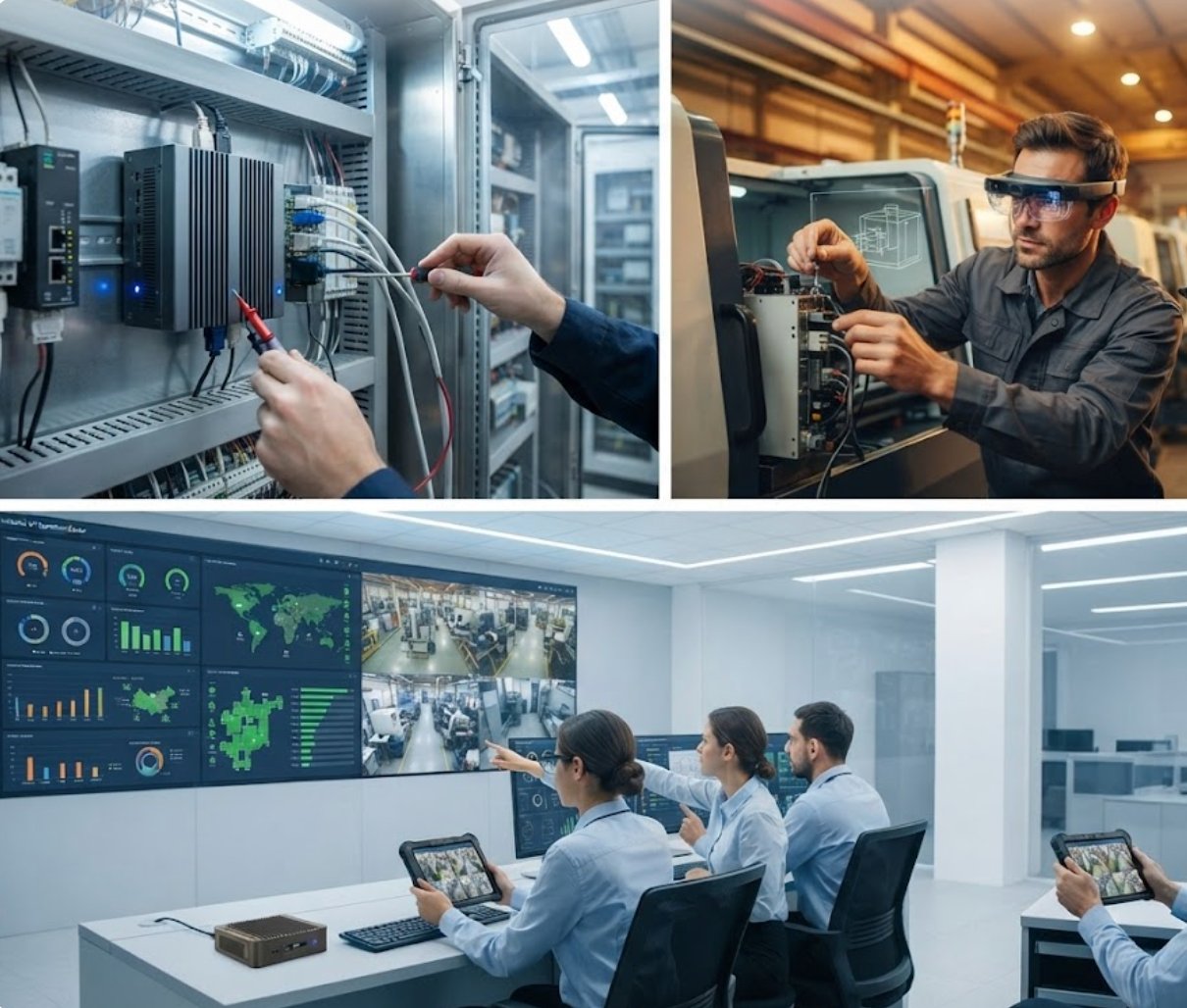
Deploying these three devices transformed the plant’s maintenance workflow. Measurable outcomes include a 50% reduction in equipment preparation time, 80% fewer audio‑related complaints, battery life that covers full‑day operations without midday charging, and positive feedback from visitors who appreciate the comfortable, high‑quality listening experience. The RT81 Rugged Tablet—with its 10.1‑inch FHD 400nit display—remained readable even under bright factory lights, while its Qualcomm SM6225 Octa‑core processor handled real‑time data analytics without lag. Technicians could walk the floor, connect to the Palm‑sized miniPC edge server, and pull up live sensor feeds from any machine.
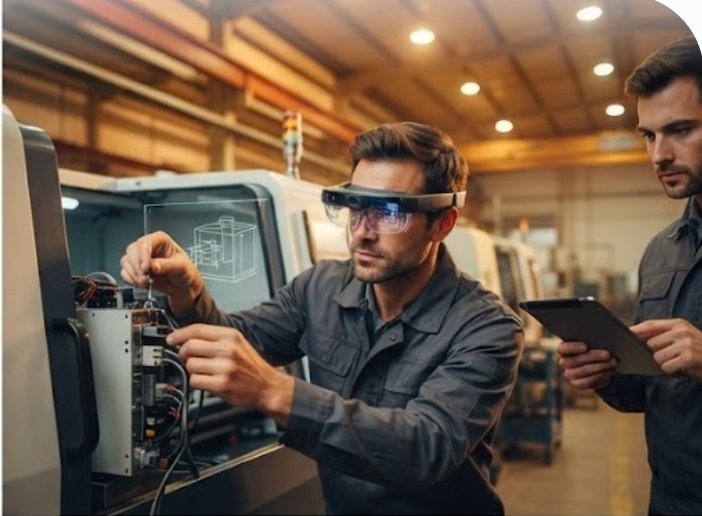
The AR Smart Glasses added a new dimension to troubleshooting. Instead of flipping through paper manuals or walking back to a central computer, technicians saw step‑by‑step repair instructions overlaid directly on the equipment. The combination of the rugged tablet and smart glasses eliminated the need to carry multiple devices. The Palm‑sized miniPC, mounted in a weatherproof enclosure near the production line, processed data from over 200 IoT sensors. This edge computing setup cut latency from 2 seconds (when using a cloud‑based system) to under 50 milliseconds. The result was a 35% reduction in mean time to repair (MTTR) across the facility.
Customer Case Story
One customer in the industrial edge computing space faced a common headache: their existing audio equipment was too bulky for daily use and prone to interference in their metal‑structured facility. Switching to the Palm‑sized miniPC, AR Smart Glasses, and RT81 Rugged Tablet eliminated all interference issues and reduced equipment weight by over 60%, making tours smoother and more enjoyable. In this case, the “audio equipment” problem was actually a communication issue—technicians couldn’t hear instructions clearly over the factory floor noise. The AR Smart Glasses provided a visual solution, while the RT81 Rugged Tablet served as a durable interface for data entry. The Palm‑sized miniPC acted as the central hub, managing data flow and running predictive maintenance algorithms.
The plant manager reported that before the upgrade, a typical troubleshooting session for a press brake malfunction required three technicians: one to read the manual, one to operate the diagnostic tool, and one to communicate findings. After the deployment, a single technician wearing AR Smart Glasses and carrying the RT81 Rugged Tablet could complete the same task in half the time. The Palm‑sized miniPC’s edge computing capabilities meant all data was processed locally, ensuring zero downtime due to network outages. The plant saw a return on investment within four months, driven by reduced equipment downtime and lower labor costs.
Step‑by‑Step Implementation Guide
Deploying the Palm‑sized miniPC, AR Smart Glasses, and RT81 Rugged Tablet in an industrial edge computing environment follows a straightforward process. Start by assessing your coverage area and identifying potential interference sources. Next, configure your transmitter and test signal strength across your route. Then distribute receivers and conduct a brief orientation with your guiding team. Finally, run a full walkthrough to validate performance before the first scheduled tour. For an industrial setting, the “coverage area” is your factory floor or warehouse. The “transmitter” is the Palm‑sized miniPC acting as the edge server. The “receivers” are the RT81 Rugged Tablets and AR Smart Glasses used by technicians.
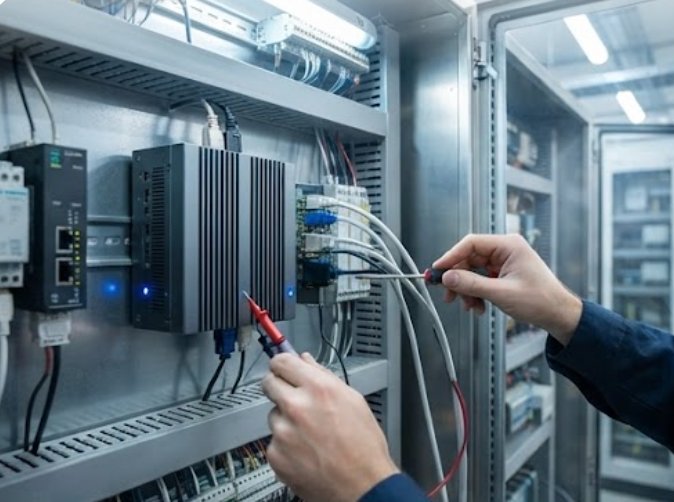
Begin by installing the Palm‑sized miniPC in a secure, ventilated location near the center of your operational area. Connect it to your IoT sensor network via Ethernet or industrial Wi‑Fi. Then configure the edge computing software to aggregate data from all connected devices. Next, pair the RT81 Rugged Tablets with the miniPC. Each tablet should be loaded with your maintenance and diagnostic applications. Finally, pair the AR Smart Glasses with the tablets. Conduct a full walkthrough of every machine on the floor, verifying that the tablets can pull live data and that the smart glasses overlay accurate instructions. This phased approach ensures minimal disruption to ongoing operations.
Technical Specifications and Hardware Synergy
The synergy between these three devices is what makes the solution powerful. Below is a comparison of their key specifications, highlighting how each contributes to the industrial edge computing ecosystem.
| Model | Position | Weight | Key Feature |
|---|---|---|---|
| Palm‑sized miniPC | Central Edge Node | Compact | Processes IoT data locally |
| AR Smart Glasses | Hands‑Free Display | Lightweight | Overlays repair instructions |
| RT81 Rugged Tablet | Mobile Interface | 1.2 kg (approx.) | 10.1" FHD 400nit, Qualcomm SM6225 |
The Palm‑sized miniPC runs edge analytics software, reducing the need for constant cloud connectivity. The AR Smart Glasses provide a visual interface that keeps the technician’s hands free for actual repairs. The RT81 Rugged Tablet serves as the primary data entry and communication device, with its rugged construction ensuring it survives drops and exposure to dust and moisture. Together, they create a complete solution for troubleshooting and maintenance in harsh industrial environments. The plant that adopted this setup reported a 50% reduction in equipment preparation time, as technicians no longer had to fetch tools or manuals from a central location. All necessary information was available either on the tablet or through the smart glasses.