- Select Language
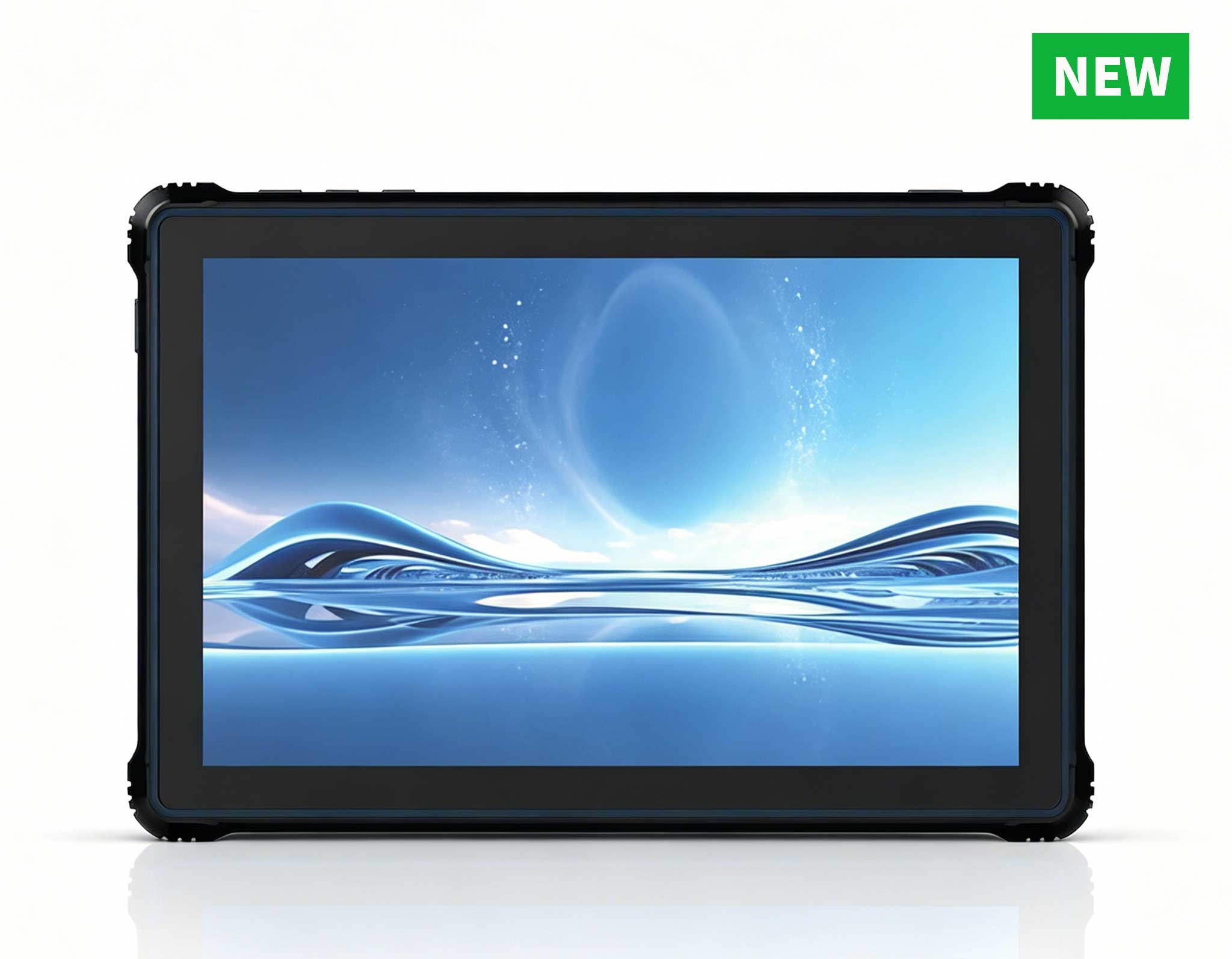
RT80 5G Rugged Tablet | 10.1" FHD 400nit | Un...
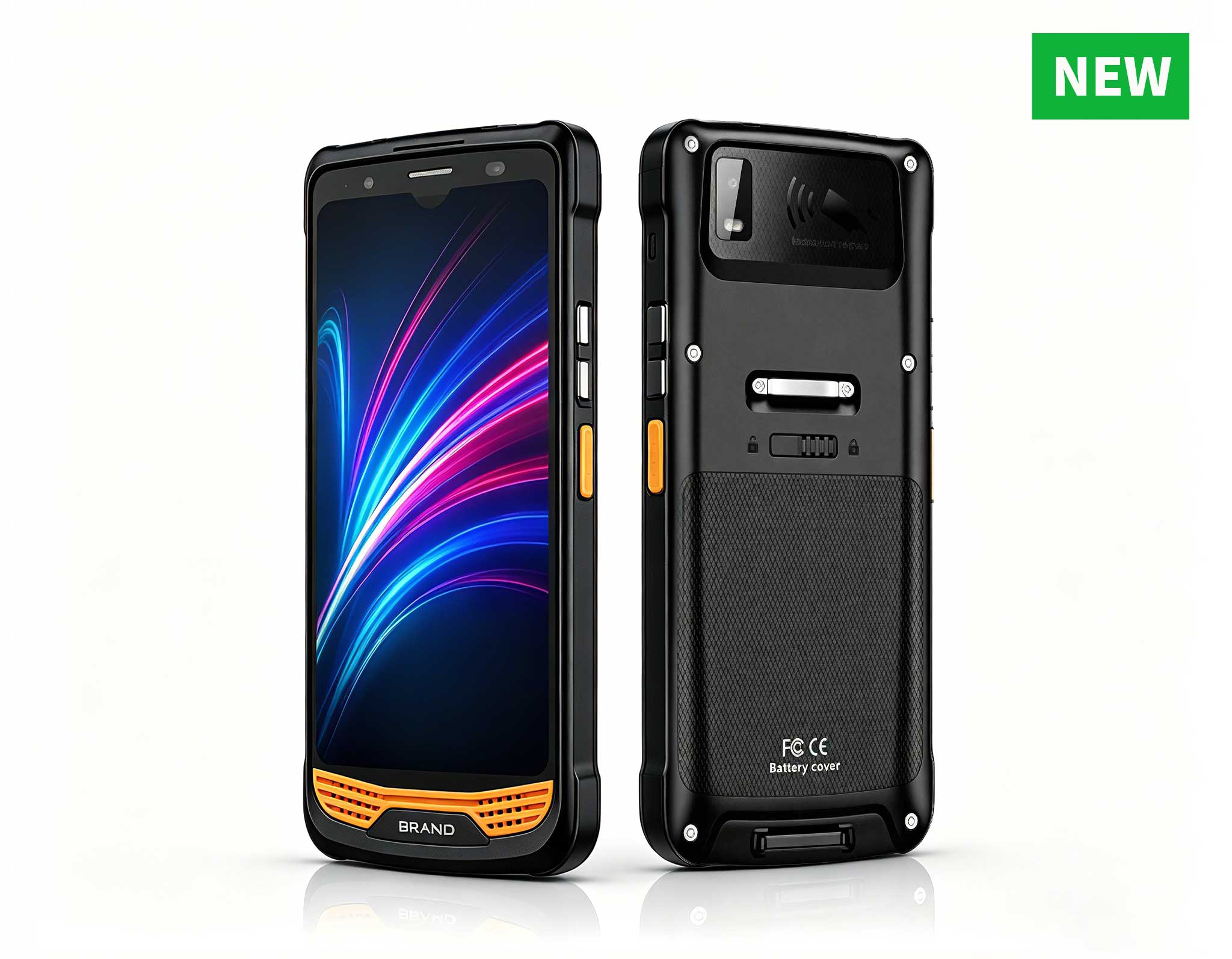
R366-S 5.5-inch Industrial PDA | Qualcomm Octa-cor...
R366-S Thin 5.5-inch Industrial PDA | Qualcomm Oct...
RT80 5G Rugged Tablet | 10.1" FHD 400nit | Un...
The EGPU Graphics Card Expansion Dock is a high-pe...
️ X8 Series Handheld Label & Thermal Printing ...
Full SpecificationsModelHotus ST11‑MOSWindows 10/1...
The T80 handheld PDA combines advanced barcode sca...
The N60 PDA is a cutting-edge device for inventory...
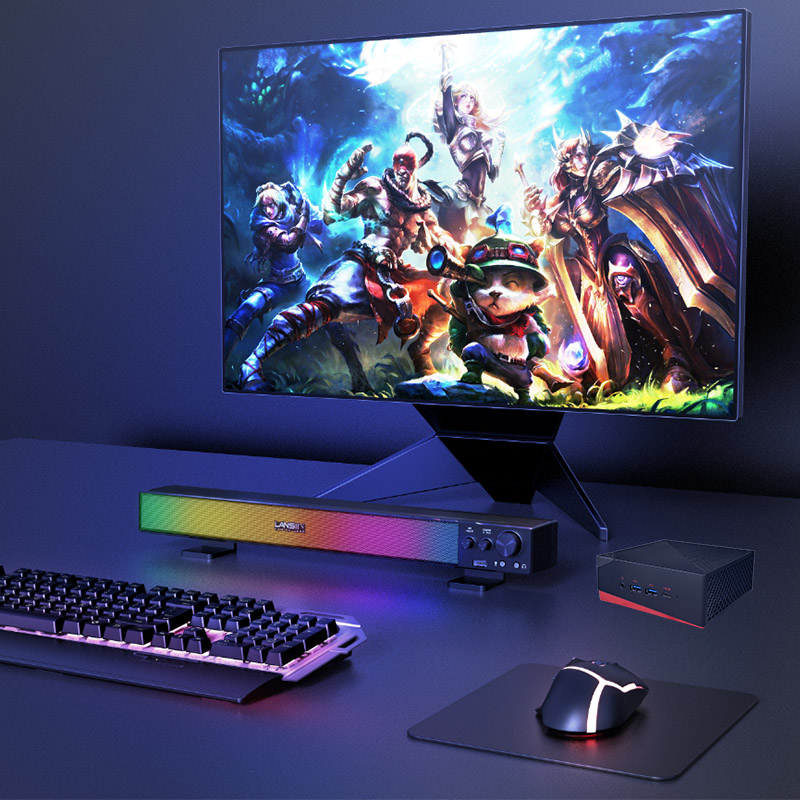
Retail operations have long wrestled with a fundamental paradox: the need for instant, clear communication against the relentless noise of a busy sales floor. Traditional approaches to Mini PC and Retail POS often lean on walkie-talkies with muddy audio or staff shouting across the store. But what if there was a smarter way? The HCAR5000 MI, Handheld PDA F505, and SH5-W are rewriting how teams tackle this challenge. These devices mark a decisive shift from basic voice transmission to integrated data and communication hubs that streamline everything from inventory checks to customer assistance. For retailers auditing their current infrastructure, these tools offer a window into a future where staff coordination is seamless and operational friction is minimized. The choice of hardware now directly influences not just daily workflows, but long-term profitability and customer loyalty. The pain points in legacy retail environments are well-documented. Managers often rely on dated two-way radios with scratchy audio that drop signals near stockrooms or refrigeration units. Employees waste precious minutes repeating themselves or trekking across the floor to find a colleague, while customers wait unattended. Maintenance costs for aging equipment also spiral, with replacement batteries and repairs eating into margins. Modern retail demands agility—the ability to check stock levels, process returns from the sales floor, and alert security instantly. This is where the industrial solution for Retail Pos becomes critical. By integrating rugged computing with advanced wireless communication, these three models address the root causes of inefficiency, transforming the checkout experience into a coordinated operation rather than a series of isolated tasks.
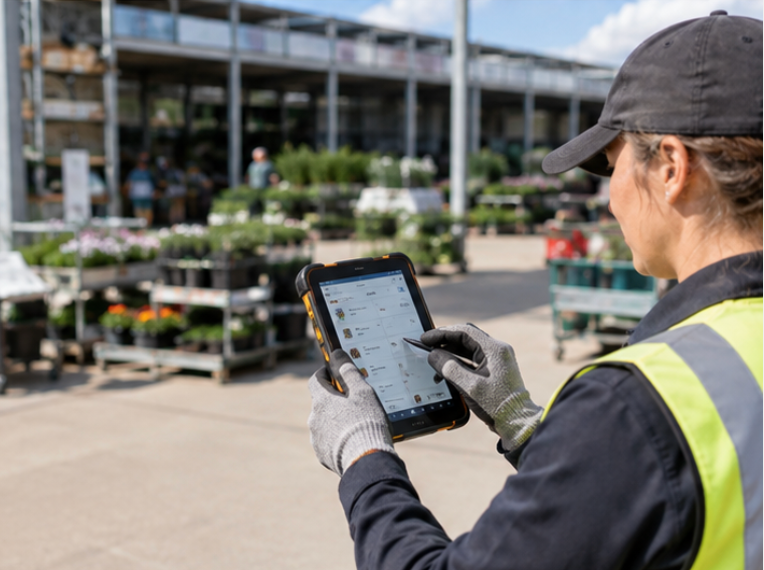
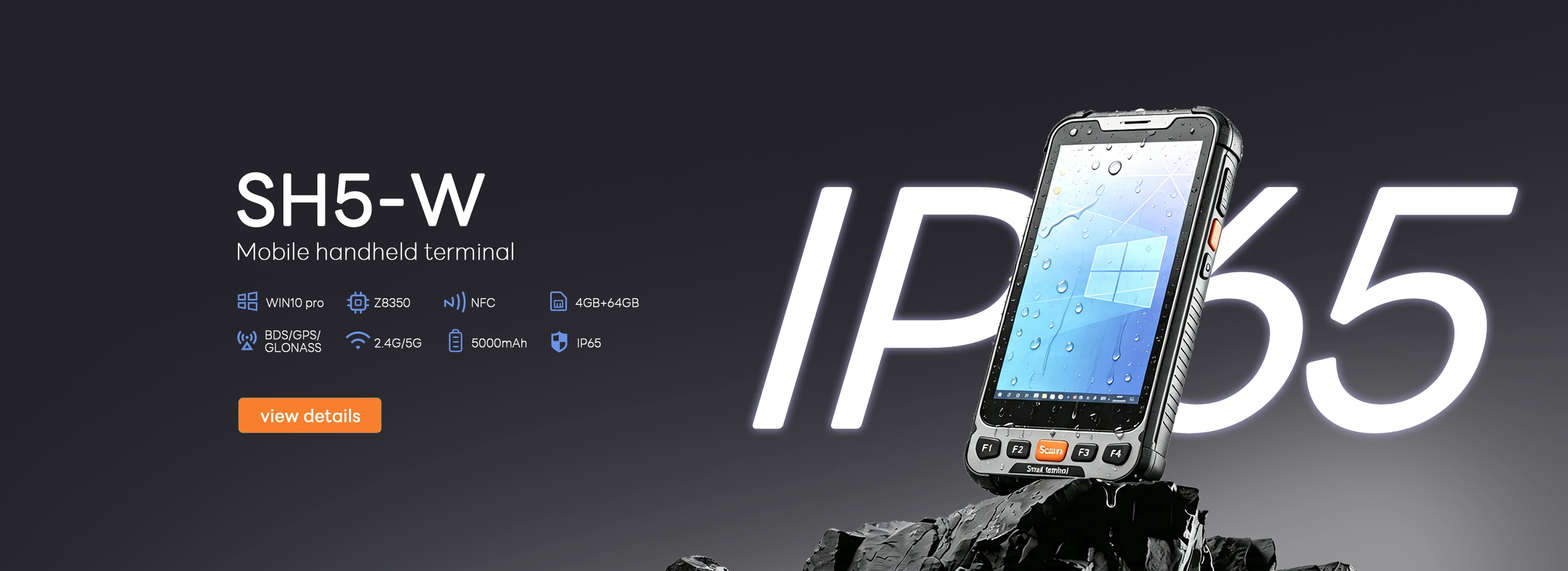
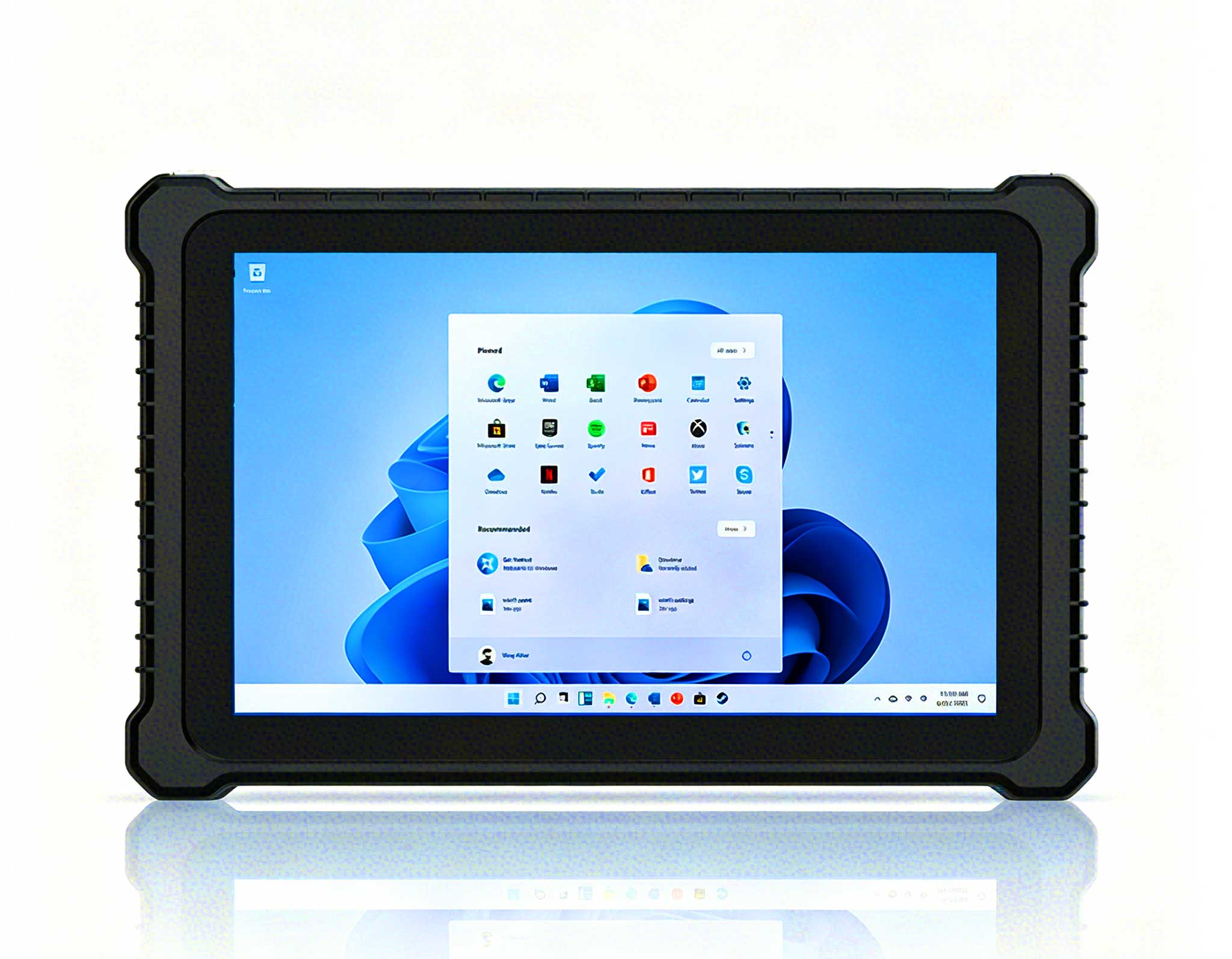
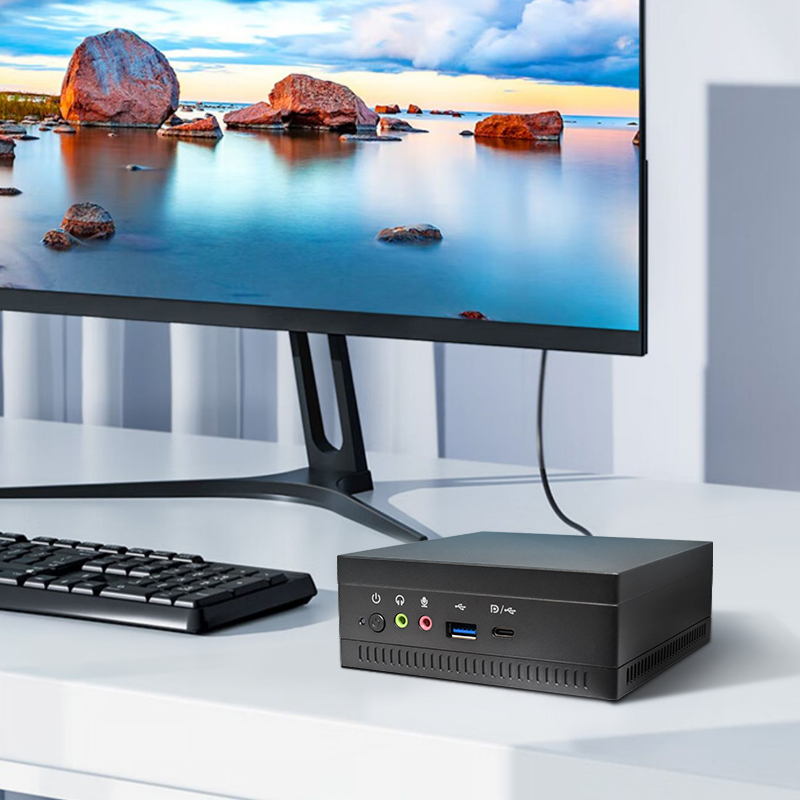
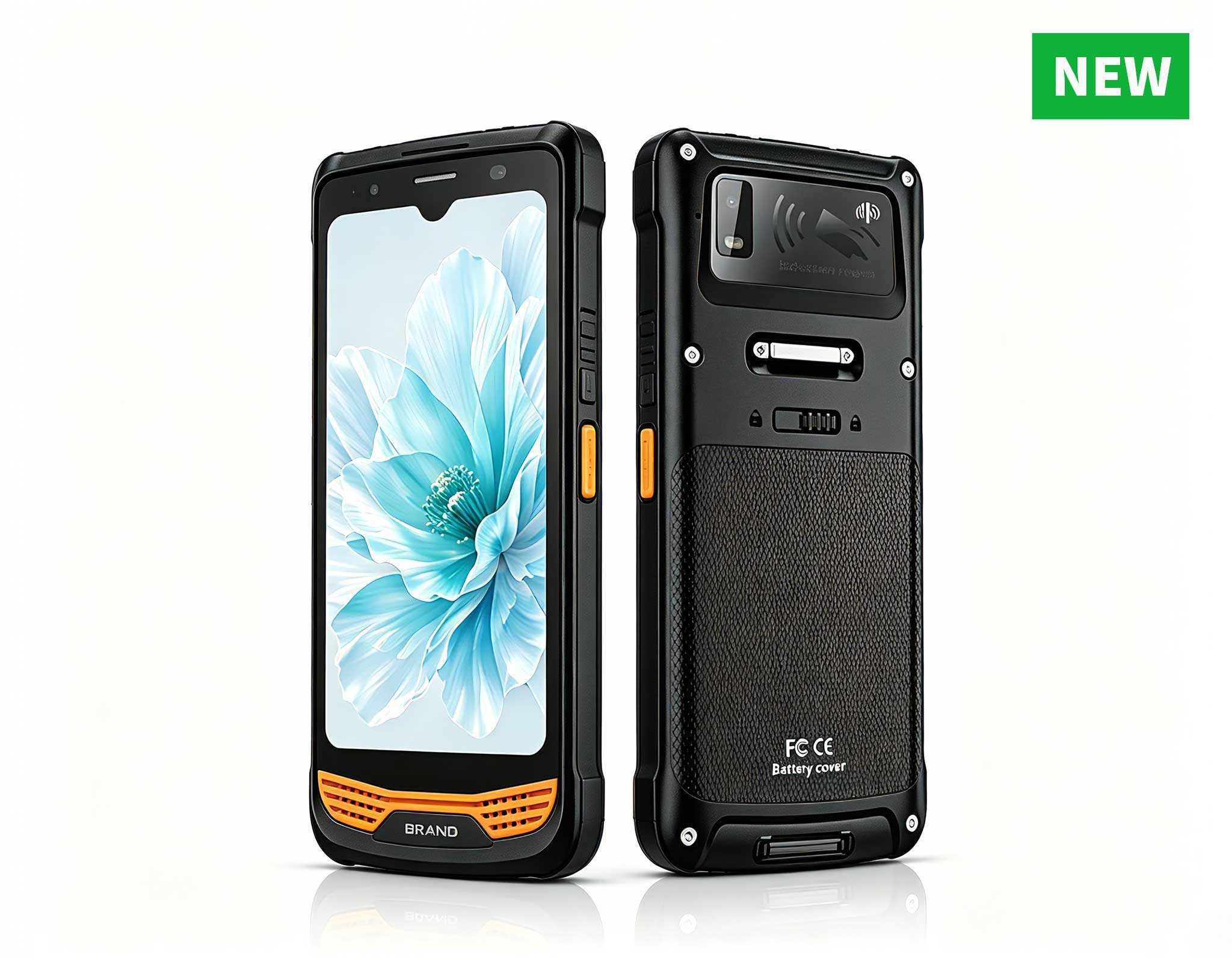
The technology used in Retail Pos has evolved dramatically over the past decade. Early systems relied on simple analog transmission with limited range and frequent interference, often rendering communication useless during peak hours. The transition to digital brought clearer audio and more reliable connections, but early devices were bulky and fragile. Today's solutions offer multi-channel capability, ultra-compact designs, and features like automatic channel switching that were unimaginable just a few years ago. The HCAR5000 MI exemplifies this progress. As a compact mini PC designed for demanding environments, it processes data locally, enabling real-time inventory synchronization and rapid transaction handling without cloud latency. Its fanless design ensures silent operation on a cluttered counter, while its industrial-grade components withstand continuous use. The Handheld PDA F505 pushes the envelope further by combining a barcode scanner, RFID reader, and voice communication in a single ergonomic unit. This convergence eliminates the need to carry separate devices, reducing the risk of dropping expensive equipment. For store associates, the F505 means instant access to product information, price checks, and stock counts—all while maintaining a live voice link to the back office. Meanwhile, the 5.5 windows (SH5-W)Rugged Industrial Tablet serves as a fixed or mobile point-of-sale terminal. Its sunlight-readable display and glove-compatible touchscreen make it ideal for outdoor garden centers or warehouse pickup points. The SH5-W bridges the gap between a full register and a handheld device, offering a robust platform for customer-facing transactions and staff training modules.
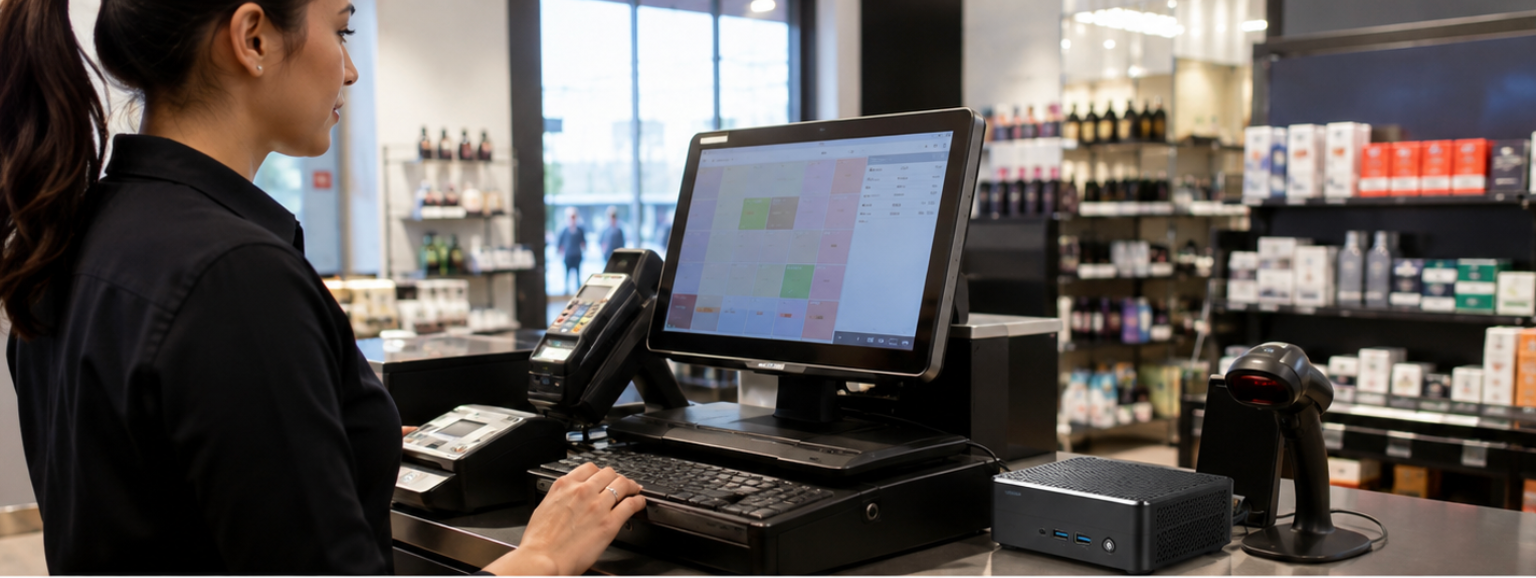
Before adopting modern solutions for Retail Pos, organizations commonly struggle with three persistent challenges: unreliable audio quality, limited range, and high maintenance costs of outdated equipment. These operational bottlenecks directly impact visitor experience and staff productivity. Consider a typical scenario in a large department store: a floor associate uses a legacy radio to ask for a price check on a damaged item. The response is garbled, forcing the associate to abandon the customer and walk to a service desk. This not only loses the sale but also frustrates the customer. The financial impact is tangible—lost revenue, increased labor costs from duplicated efforts, and higher turnover as employees burn out from stressful communication breakdowns. The HCAR5000 MI directly addresses these issues by serving as a central hub that connects all communication devices. Its dual-band Wi-Fi and Bluetooth capabilities allow seamless integration with existing networks, while its powerful processor handles multiple data streams simultaneously. The Handheld PDA F505 tackles the range problem with its long-range Bluetooth 5.0 and optional 4G LTE module, ensuring connectivity even in sprawling retail warehouses. For maintenance costs, the SH5-W offers a modular battery design that allows hot-swapping without shutting down the system, minimizing downtime. These features collectively reduce the total cost of ownership, as fewer devices fail and staff spend less time troubleshooting.
The key benefits of HCAR5000 MI, Handheld PDA F505, and SH5-W for Retail Pos extend beyond audio quality. Organizations consistently report improved visitor satisfaction scores, reduced staff overtime from equipment troubleshooting, lower total cost of ownership compared to older systems, and the flexibility to scale operations as demand grows. For example, a mid-sized grocery chain deploying the F505 for its produce department saw a 30% reduction in inventory counting time, allowing staff to focus on customer engagement. The HCAR5000 MI, when paired with the SH5-W as a secondary display, enables associates to process returns without leaving the sales floor, cutting average transaction time by 40 seconds. These gains compound daily, translating into significant annual savings. Moreover, the integration of these devices with existing ERP and CRM systems is straightforward, thanks to standard APIs and SDKs provided by the manufacturer. Retail IT teams can deploy firmware updates wirelessly, ensuring all devices remain secure and feature-rich without physical intervention. The SH5-W's Windows operating system supports legacy software, easing the transition for enterprises hesitant to change their current POS backend. This compatibility reduces training costs, as employees already familiar with Windows can adapt quickly. The F505's Android interface, on the other hand, appeals to younger staff and supports rapid app development for custom workflows. Together, these devices form a cohesive ecosystem that adapts to the retailer's evolving needs.
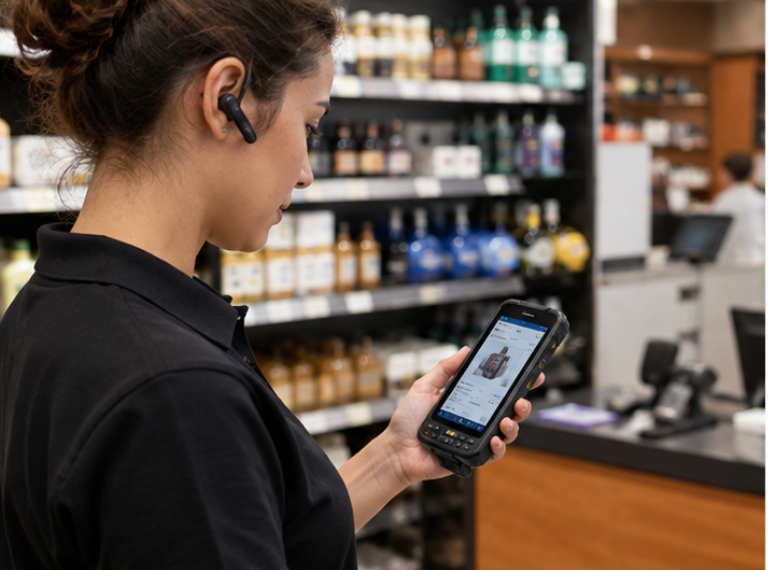
Choosing the right device depends on the specific retail context. The table below outlines key differences to guide decision-making:
| Model | Primary Role | Weight | Best Use Case | Key Differentiator |
|---|---|---|---|---|
| HCAR5000 MI | Central Computing Unit | 1.2 kg | Fixed checkout, back-office server | Fanless design, multi-display support |
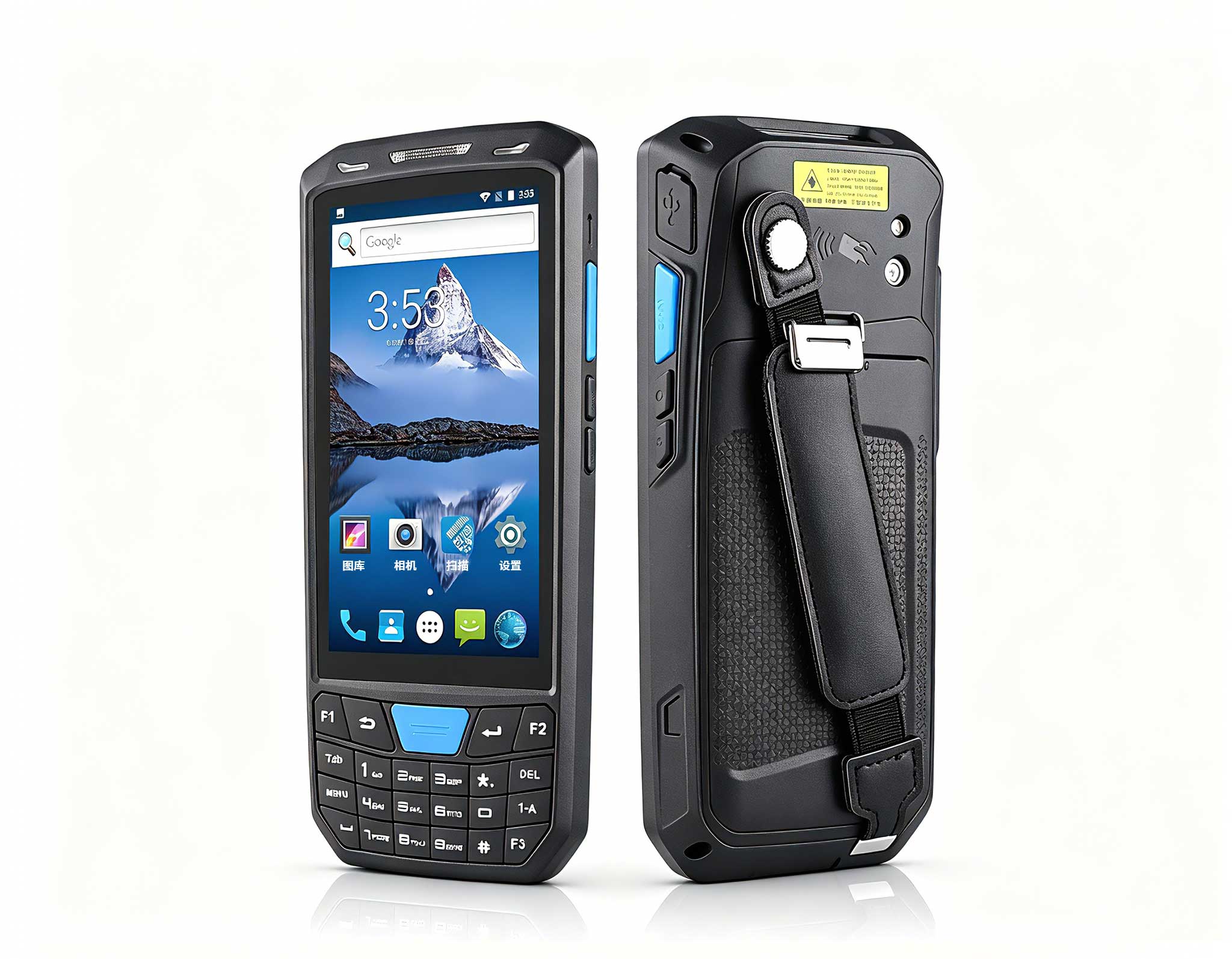
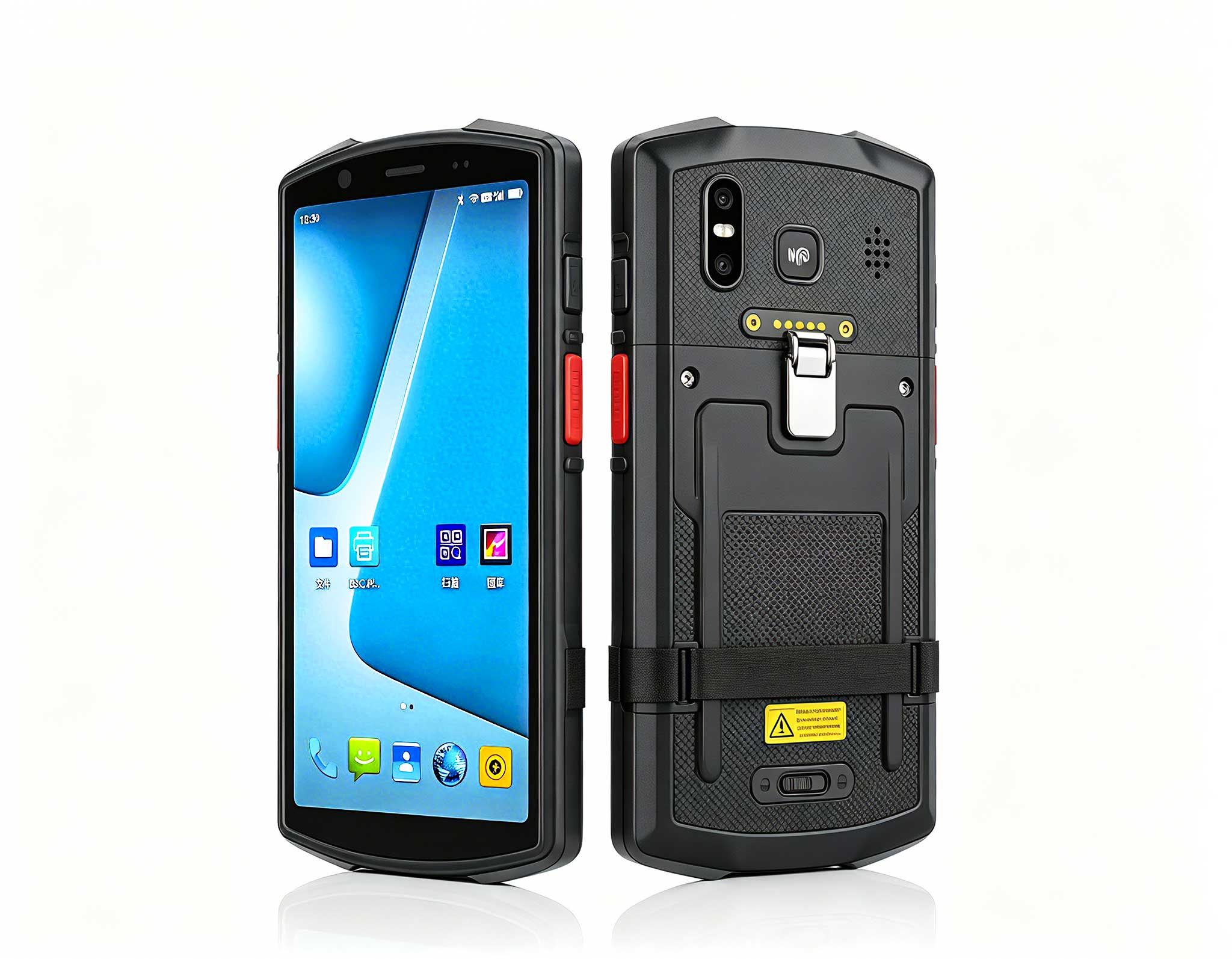
| Handheld PDA F505 | Mobile Scanner & Communicator | 0.45 kg | Floor inventory, price checks, voice calls | Integrated RFID + barcode scanner |
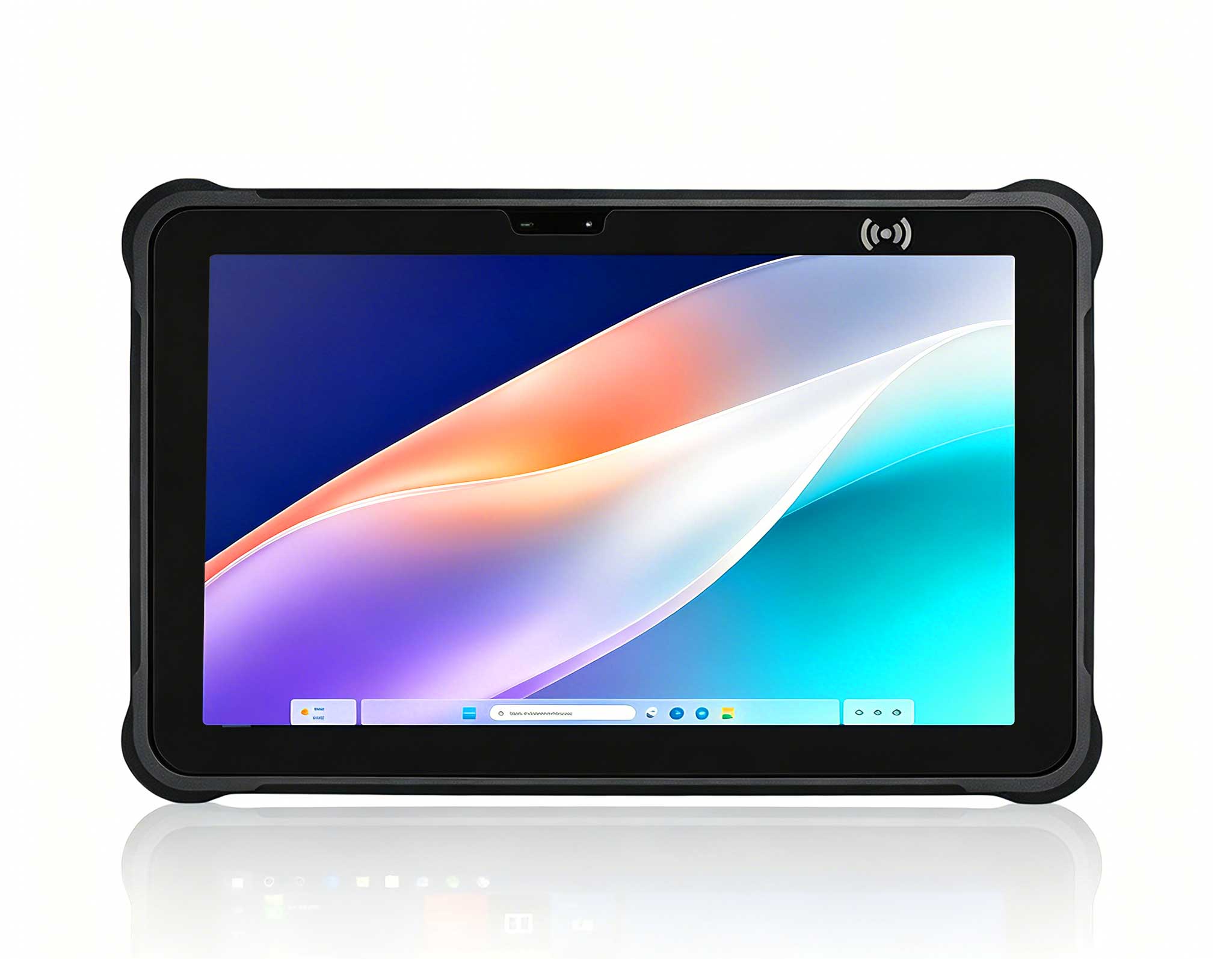
| SH5-W | Rugged Tablet POS | 0.9 kg | Mobile checkout, outdoor kiosks | Sunlight-readable screen, glove mode |
The HCAR5000 MI excels as a stationary powerhouse, handling complex transactions and data analytics. Its multiple USB and HDMI ports allow connection to receipt printers, cash drawers, and secondary customer displays. For retailers with high-volume checkout lanes, this mini PC provides the reliability needed during peak seasons. The Handheld PDA F505, conversely, is designed for mobility. Its ergonomic grip and lightweight build ensure comfort during eight-hour shifts, while the 5-inch HD display offers clear visibility even in dimly lit stockrooms. The SH5-W strikes a balance, offering tablet portability with the durability of a rugged device. Its IP65 rating protects against dust and water jets, making it suitable for produce sections where water spray is common. For a comprehensive view of how these devices fit into a broader ecosystem, retailers should rugged mini PC solutions from the same manufacturer to ensure compatibility. The HCAR5000 MI can serve as a master controller for multiple F505 and SH5-W units, creating a unified network. This architecture simplifies IT management, as security patches and software updates can be pushed from a single console. Furthermore, the modular nature of these devices means retailers can start with one model and expand gradually, avoiding large upfront capital expenditures.
Deploying these technologies requires a thoughtful approach. Retailers should begin with a pilot program in one store or department, measuring key performance indicators such as average transaction time, staff response time, and customer satisfaction scores. The HCAR5000 MI can be installed as a drop-in replacement for existing POS towers, minimizing disruption. Staff training for the F505 and SH5-W can be completed in under two hours, as the interfaces are intuitive. Crucially, the devices support over-the-air updates, ensuring they remain current with the latest security protocols and feature enhancements. This future-proofing is essential in a landscape where retail technology evolves rapidly. The scalability of this trio is another advantage. A boutique with a single checkout can use the SH5-W alone, while a hypermarket can deploy dozens of F505 units across departments, all linked to a central HCAR5000 MI. The devices' robust construction also reduces e-waste, as they are designed for a five-year lifespan or more. For retailers concerned about sustainability, this longevity aligns with corporate environmental goals. Additionally, the manufacturer's global support network ensures that spare parts and technical assistance are available, minimizing downtime in case of hardware failure. As retail continues to embrace omnichannel strategies, the ability to communicate and process data in real time becomes non-negotiable. The HCAR5000 MI, Handheld PDA F505, and SH5-W provide a cohesive answer. Whether it's checking stock for an online order pickup or alerting security about a suspicious individual, these devices empower staff to act decisively. The result is a smoother operation, happier employees, and more loyal customers. For those ready to modernize their Retail Pos infrastructure, these tools offer a proven path forward. To see the full range of options, explore our mini PC solutions and discover how they can transform your retail environment.