- Select Language
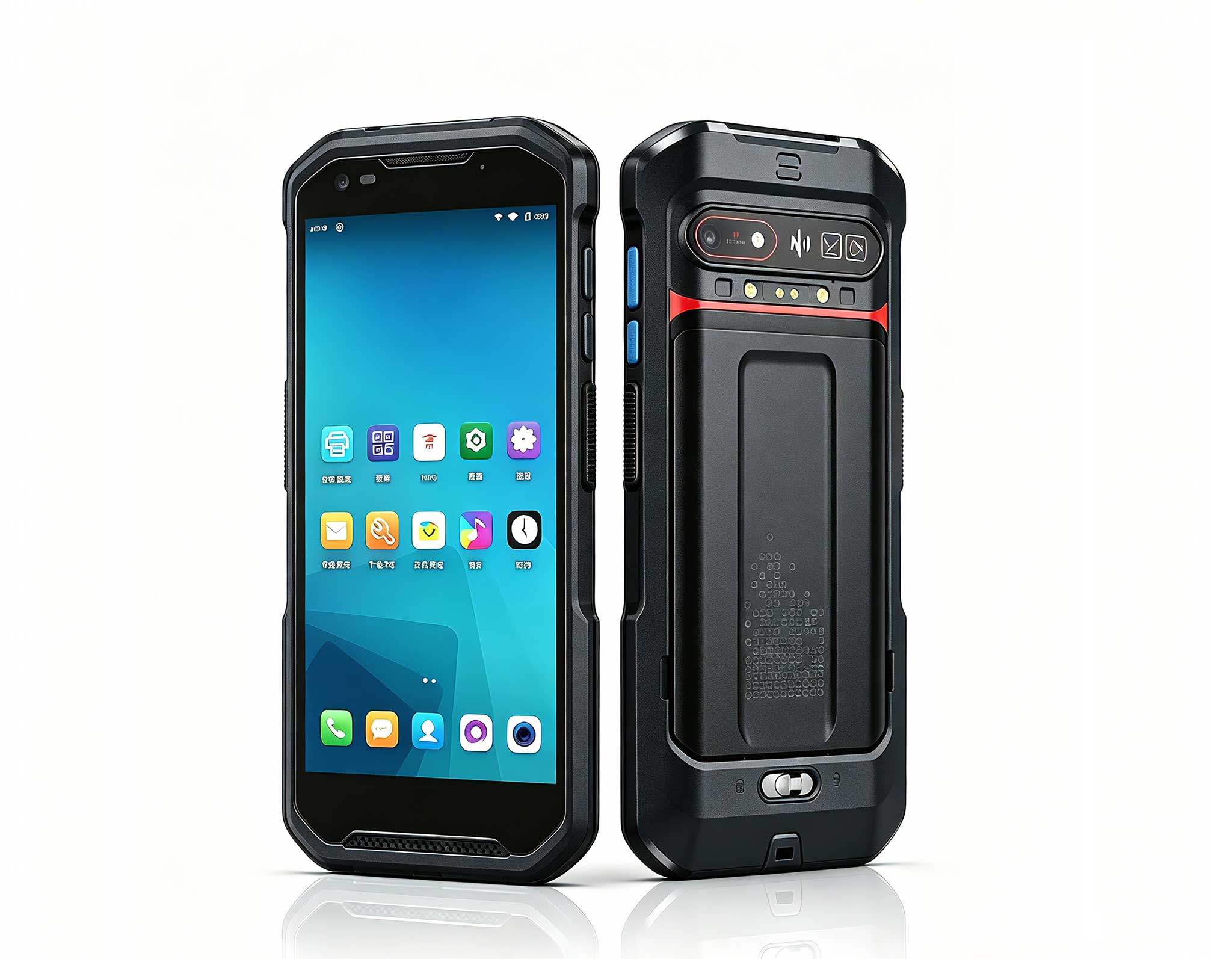
RS50 5G Rugged Handheld Terminal | 6.3" FHD+ ...
P11 Series Next-Gen Enterprise Rugged Industrial ...
The AMD Mini PC Windows 10 Pro is a compact yet po...
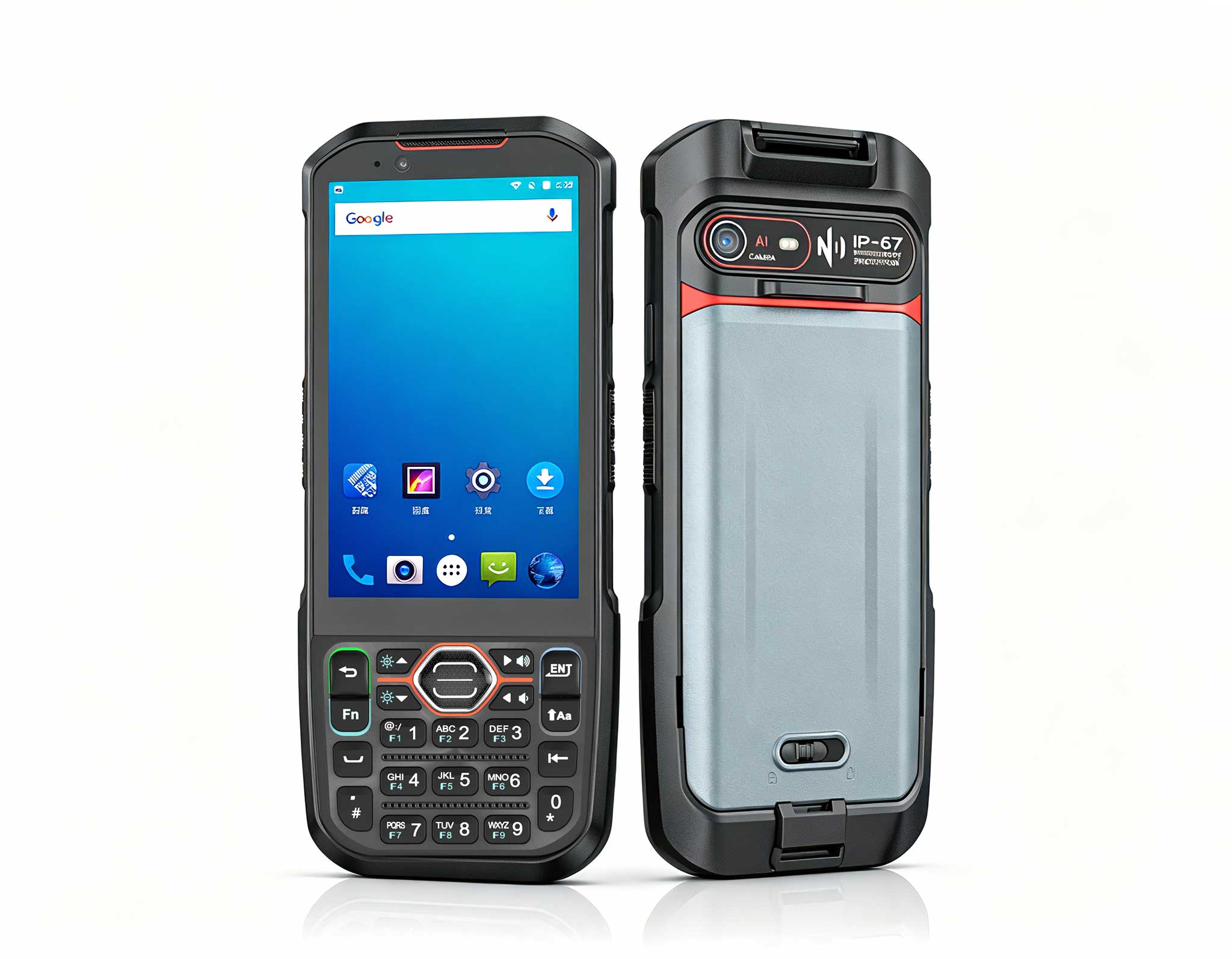
The F505 Handheld PDA is a compact, high-performan...
Full SpecificationsModelHotus ST11‑UOSWindows 10 P...
Explore an innovative Personal Digital Assistant f...
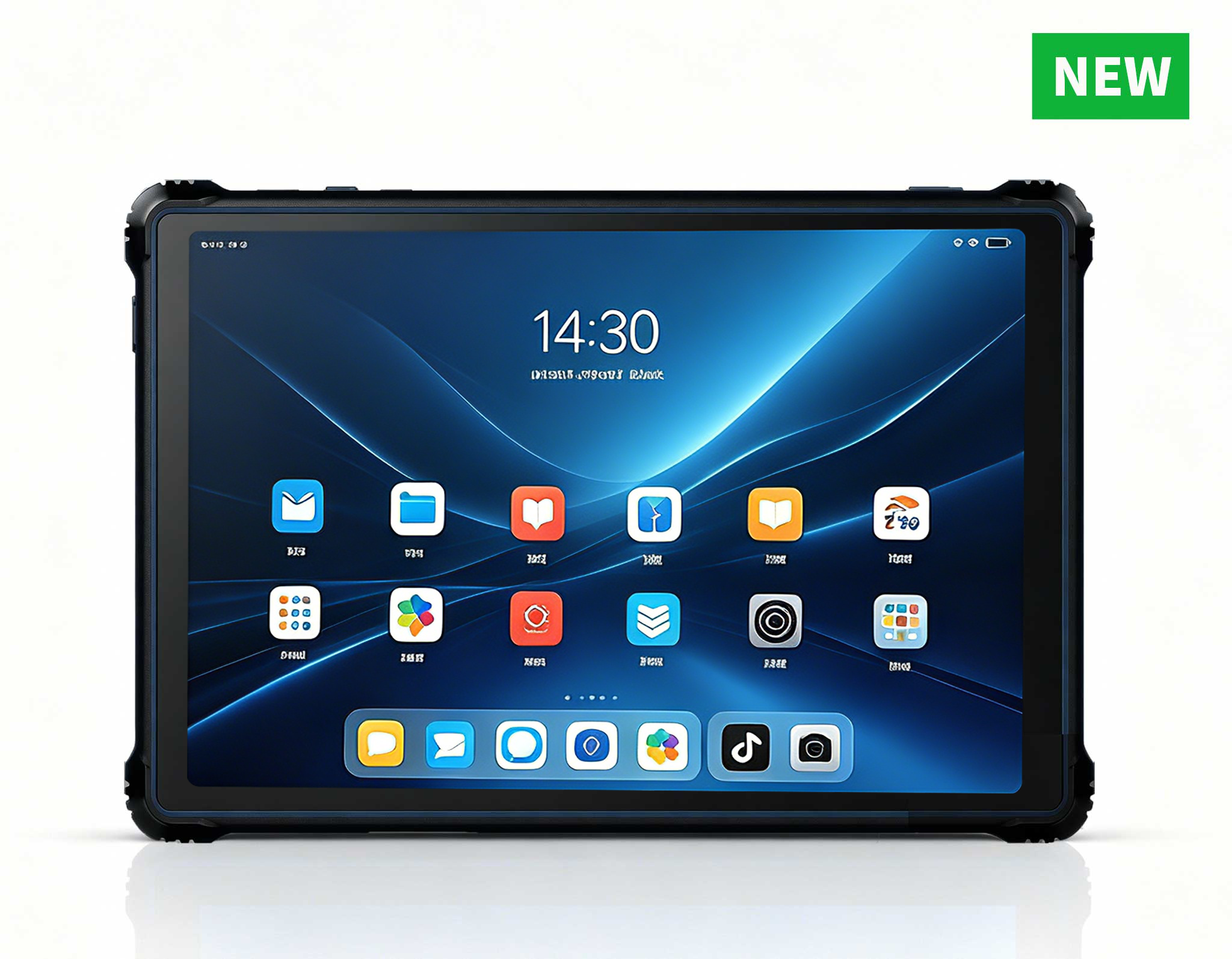
RT82 5G Rugged Tablet | 10.1" FHD 400nit | Qu...
The X501 Handheld PDA combines advanced barcode sc...
Digital Signage Kiosk environments impose demands that off-the-shelf displays were never designed to withstand. Continuous operation, exposure to temperature fluctuations, and constant physical interaction quickly expose the weaknesses of standard commercial screens. Burn-in artifacts, performance degradation under sustained load, and structural failures are common occurrences when equipment is pushed beyond its intended duty cycle. A darkened kiosk in a high-traffic area is more than an aesthetic flaw—it represents lost transactions and diminished brand credibility. Maintenance teams find themselves trapped in a cycle of repeated repairs and replacements, draining resources that could be allocated elsewhere.
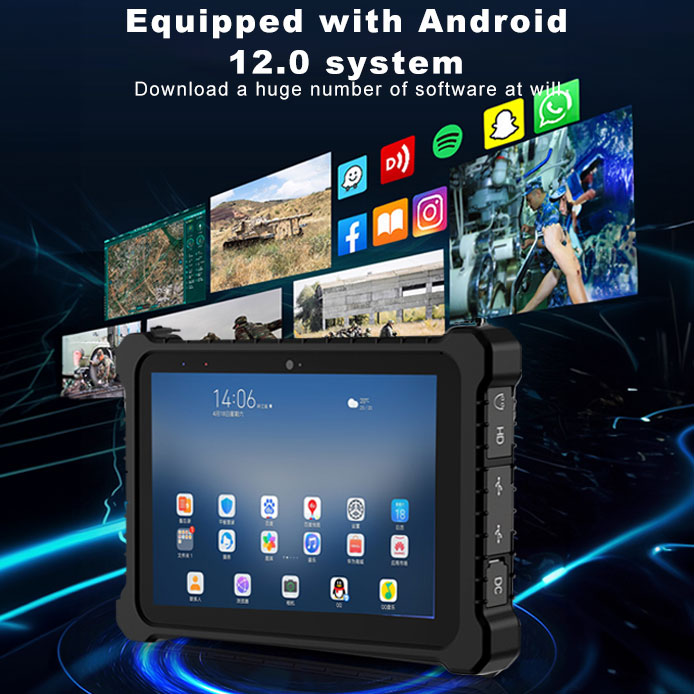
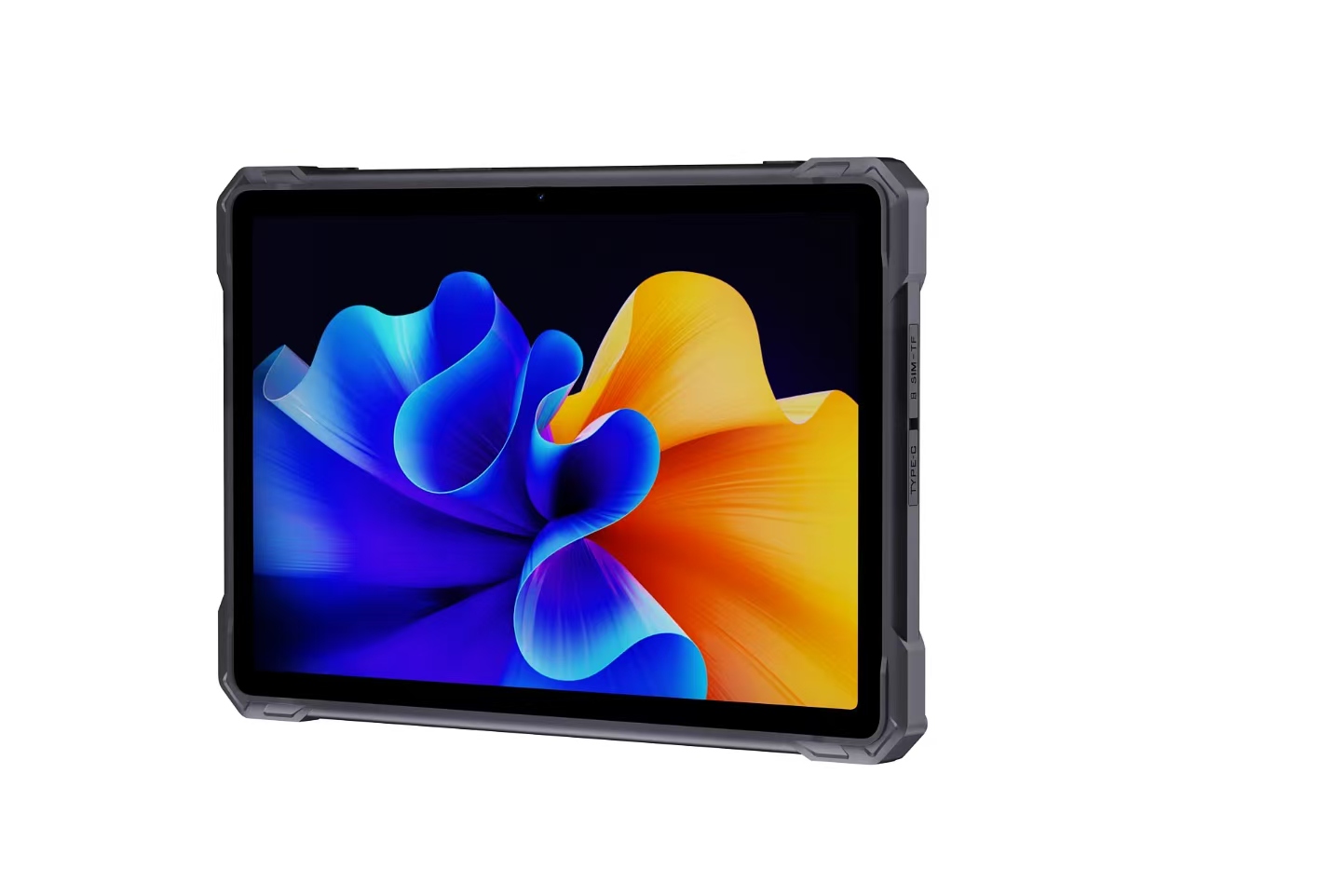
Fortunately, a new category of purpose-engineered hardware has emerged to address these systemic issues. The HTQ10A Android Rugged Tablet, together with the HTXUK10A-55 Rugged Tablet and SH5-W, offers a fundamentally different approach to public-facing computing. Rather than relying on tempered glass and lightweight chassis, these units incorporate heavy-duty casings, MIL-spec connectors, and advanced panel technology that mitigates image retention. For organizations seeking a dependable industrial solution for Digital Signage Kiosk, abandoning repurposed consumer electronics in favor of dedicated hardware represents the most effective strategy for maximizing uptime and minimizing long-term expenses.
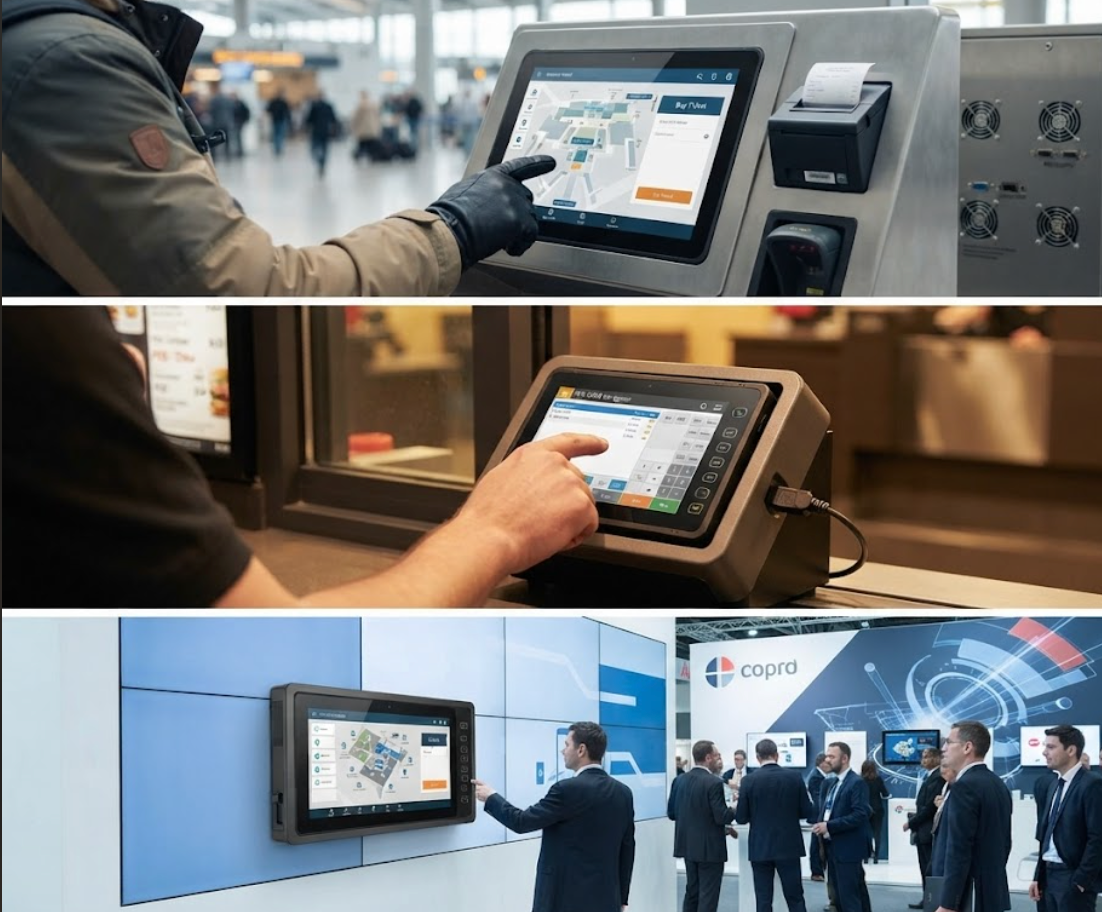
When evaluating hardware for Digital Signage Kiosk applications, the differentiating factors extend far beyond processor clock speeds or memory capacity. Critical considerations include thermal management, wireless connectivity in dense RF environments, and the simplicity of integration into existing infrastructure. The table below outlines the attributes that should drive your decision-making process. Although consumer devices may appear superior in certain marketing specifications, they frequently lack the extended temperature tolerance and sunlight-readable displays required for installations exposed to environmental stress.
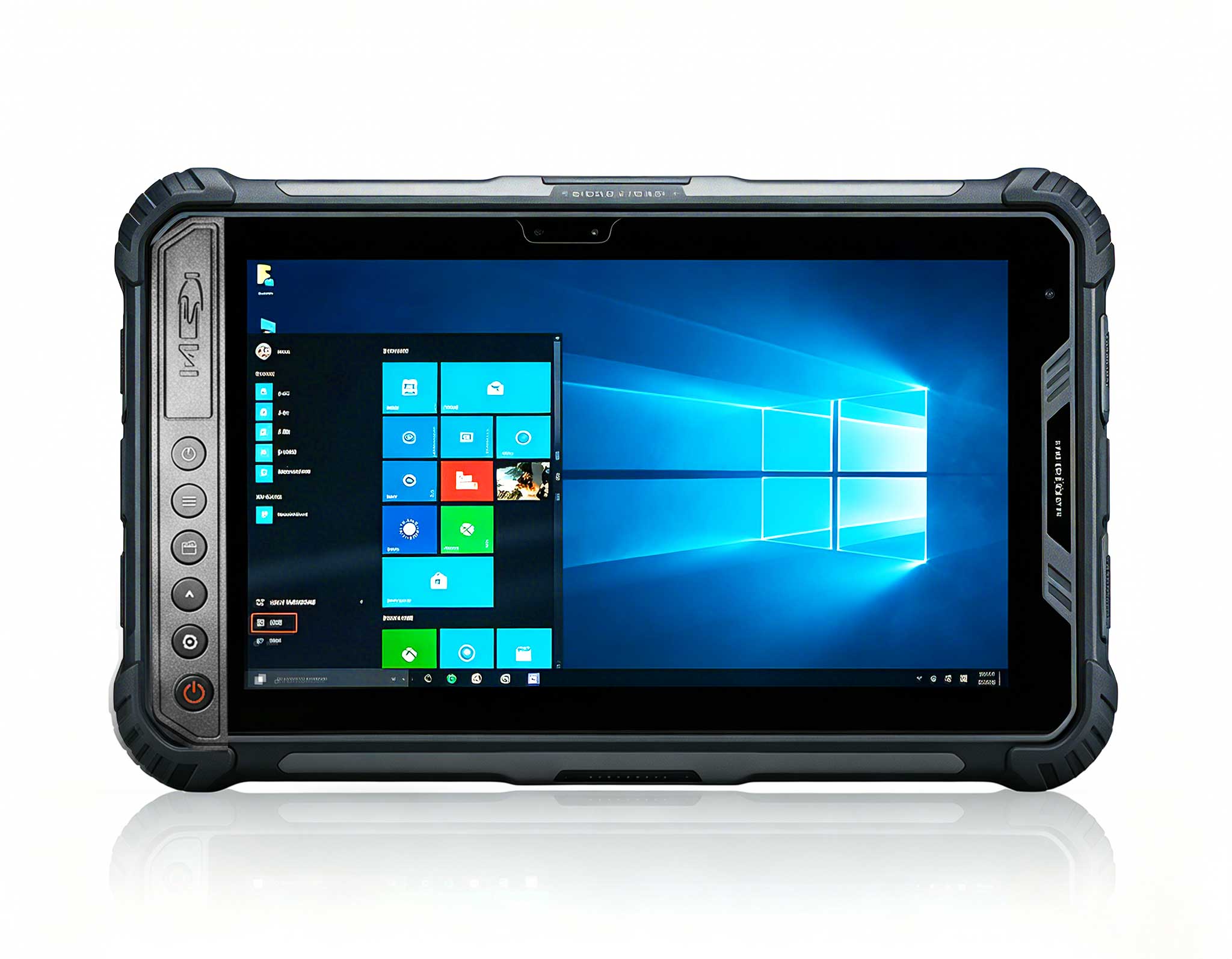
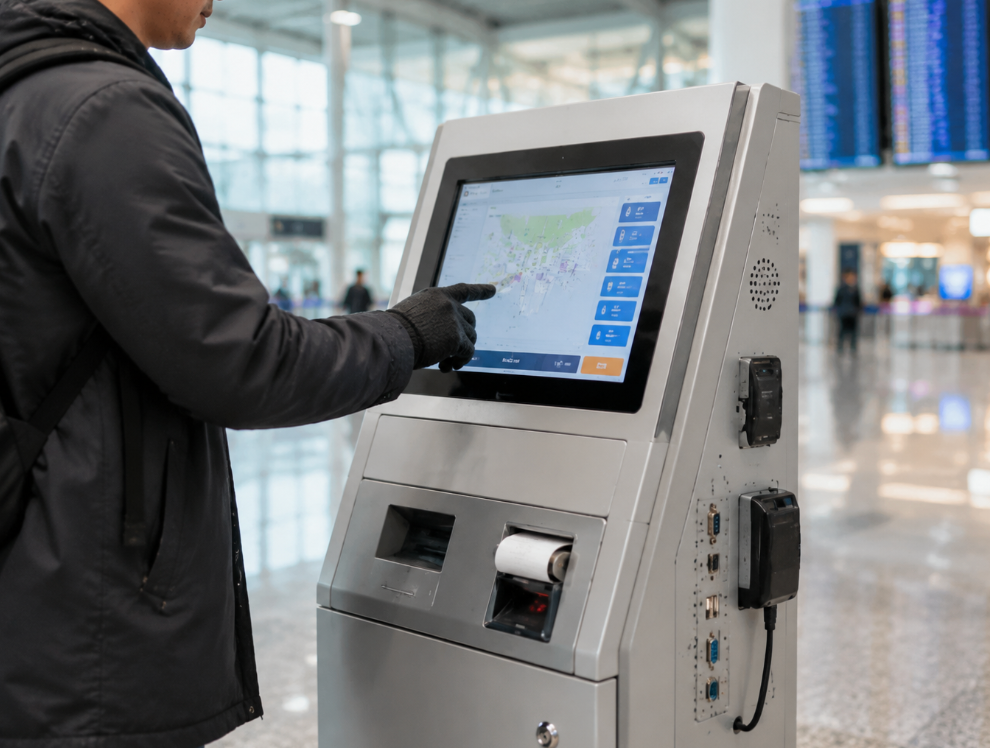
The HTXUK10A-55 Rugged Tablet stands out with its 10.1-inch panel, tuned for optimal viewing distances and featuring a projected capacitive touchscreen responsive to gloved hands. Native RS232 and GPIO interfaces enable direct communication with peripheral hardware such as ticket dispensers and label printers—features conspicuously absent from mainstream slates, which typically require additional adapters. This integration capability positions it perfectly for interactive mapping and automated ticketing systems where hardware dependability translates directly into user satisfaction.
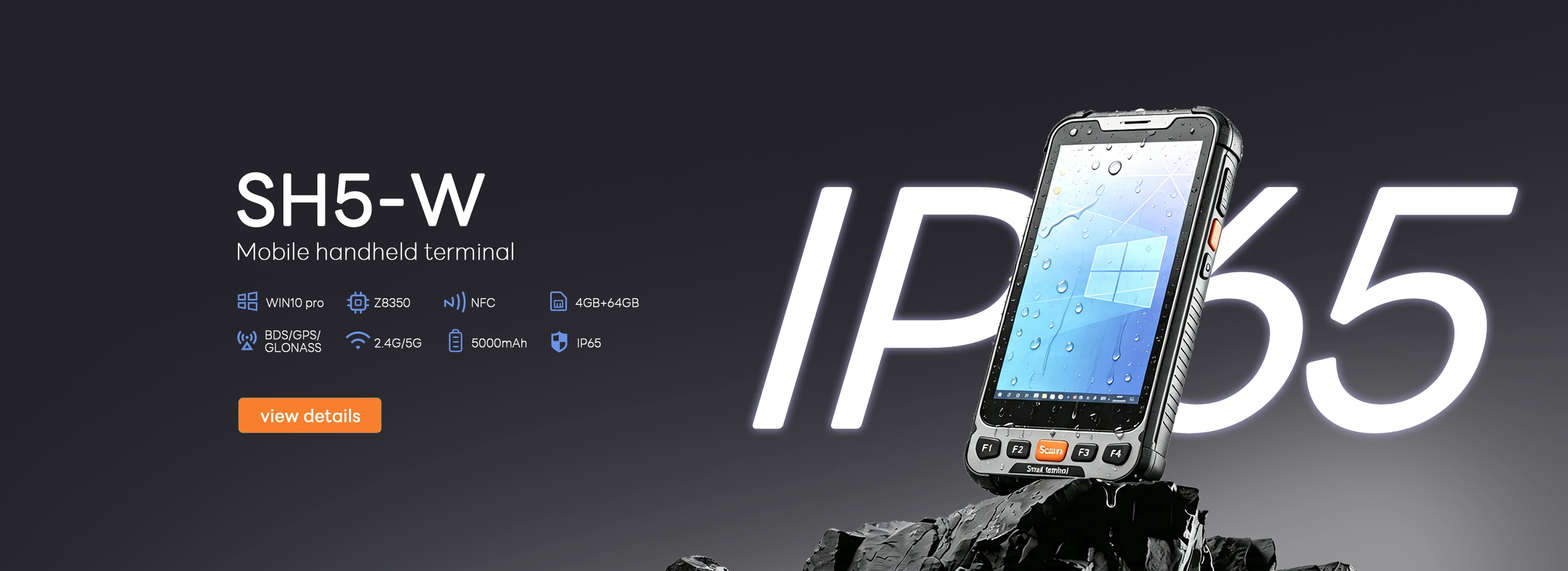
For installations where counter space is scarce, the SH5-W presents an unmatched proposition. This 5.5-inch Windows-driven rugged tablet delivers full desktop-class performance within a chassis that occupies minimal real estate. Despite its diminutive dimensions, it runs complete Windows applications effortlessly, making it indispensable for appointment scheduling, patient registration, and quick-service restaurant ordering. A wide-input power supply ensures consistent operation even where electrical service is less than stable.
Integration teams will appreciate the 5.5 windows (SH5-W)Rugged Industrial Tablet for its IP65-rated bezel, which resists dust ingress and water spray, simplifying sanitation protocols with standard cleaning agents—an essential requirement in medical and culinary settings. Additionally, assignable function keys streamline workflows by triggering specific software commands, minimizing screen navigation and accelerating service completion.
Challenges in Digital Signage Kiosk implementations typically cluster around hardware endurance, interface responsiveness during high-volume periods, and network synchronization failures. Interactive installations further contend with touch sensor drift and heat accumulation within sealed cabinets. The HTQ10A Android Rugged Tablet tackles these problems head-on through its passive cooling architecture and a broad -20°C to 60°C operational envelope, guaranteeing stable functionality even within poorly ventilated enclosures.
Equally important, the Android environment of the HTQ10A offers developers a versatile framework for crafting bespoke kiosk applications. With provisions for multi-display configurations and hardware-based watchdog circuits, the system autonomously reboots following software anomalies, eliminating manual resets. This HTQ10A Android Rugged Tablet additionally accommodates Power-over-Ethernet through an add-on module, reducing wiring complexity and lowering installation expenditures. By mitigating the primary sources of failure—thermal stress, mechanical vibration, and electrical noise—these rugged platforms dramatically cut the frequency of emergency maintenance visits.
Integrating HTQ10A Android Rugged Tablet, HTXUK10A-55 Rugged Tablet, and SH5-W into Digital Signage Kiosk operations yields substantial improvements across all stakeholder groups. Customers experience quicker, more dependable self-service transactions and a cohesive brand interaction. Operational personnel benefit from straightforward installation and reduced troubleshooting. Management obtains actionable insights through comprehensive usage tracking. The cumulative effect is a more streamlined, professional, and user-centric kiosk ecosystem.
Financially, the investment justification becomes evident within twelve months. Decreased hardware turnover, coupled with the energy efficiency of modern processors, offsets the premium acquisition cost. Furthermore, robust remote management capabilities—via Android Enterprise or Windows IoT management suites—enable IT departments to deploy patches and monitor device diagnostics from centralized locations, obviating expensive site visits. For enterprises expanding from a pilot unit to a distributed network, these rugged mini PC solutions deliver the consistency and dependability essential for predictable scaling.
Determining the most suitable model among the three hinges on your unique operational context. For interactive directories and self-payment stations requiring a generous display surface, the HTXUK10A-55 emerges as the preferred option. Its 10.1-inch screen accommodates sizable touch zones for diverse user demographics, while versatile mounting hardware supports both vertical and horizontal configurations. For installations focused primarily on content presentation—such as menu boards or promotional displays—the HTQ10A's Android ecosystem offers the most straightforward content management pathway.
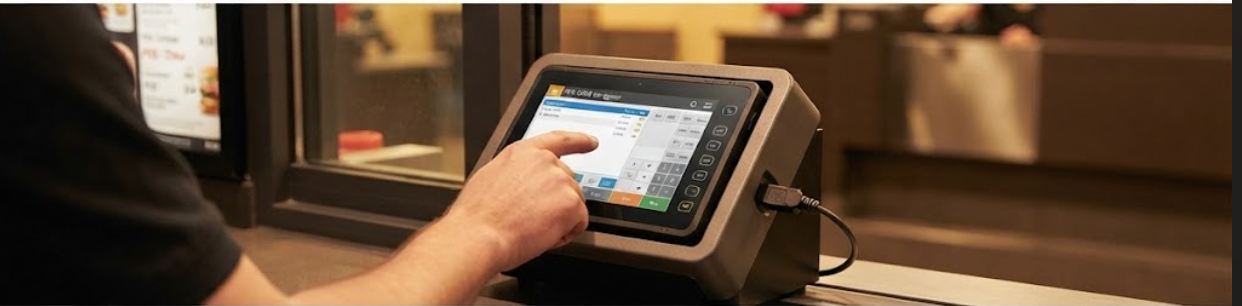
Alternatively, when the kiosk occupies a confined countertop or serves a drive-through lane, the SH5-W's space-efficient design and Windows architecture make it the sole viable alternative. Its capacity to execute existing Windows-based point-of-sale applications without modification represents a substantial benefit for organizations with established software portfolios. Whichever model you choose, all three share a commitment to durability, sustained component availability, and vendor accountability that conventional devices cannot replicate. To review the complete catalog and specifications, we encourage you to explore our mini PC solutions, which also feature supplementary industrial computing platforms for kiosk backend operations.
| Feature | HTQ10A Android Rugged Tablet | HTXUK10A-55 Rugged Tablet | SH5-W |
|---|---|---|---|
| Operating System | Android (Latest Version) | Windows 10/11 IoT | Windows 10/11 IoT |
| Display Size | 10.1-inch | 10.1-inch | 5.5-inch |
| Touchscreen | Capacitive Multi-Touch | Capacitive Multi-Touch | Capacitive Multi-Touch |
| Operating Temp | -20°C to 60°C | -20°C to 60°C | -20°C to 55°C |
| Protection Rating | IP65 (Front) | IP65 (Front) | IP65 (Front) |
| I/O Ports | USB, RS232, GPIO, PoE (Optional) | USB 3.0, RS232, GPIO, LAN | USB, RS232, LAN |
| Power Input | 12V DC / PoE | 12V DC | 9-36V Wide Range DC |
| Best Use Case | Interactive Wayfinding, Content Delivery | Self-Service Kiosks, Ticketing | Queue Management, Drive-Thru, Compact Kiosks |
In summary, the progression of digital signage kiosk technology has firmly shifted toward specialized, resilient computing platforms. The era of adapting consumer electronics for commercial purposes is giving way to a fresh benchmark of dependability and extended service life. Whether your priority lies with the Android versatility of the HTQ10A, the Windows interoperability of the HTXUK10A-55, or the space-efficient adaptability of the SH5-W, each option signifies a notable advancement in ensuring your kiosk network operates seamlessly day and night. Opting for these rugged solutions constitutes more than a hardware upgrade; it represents a deliberate commitment to operational superiority and elevated customer engagement.