- Select Language
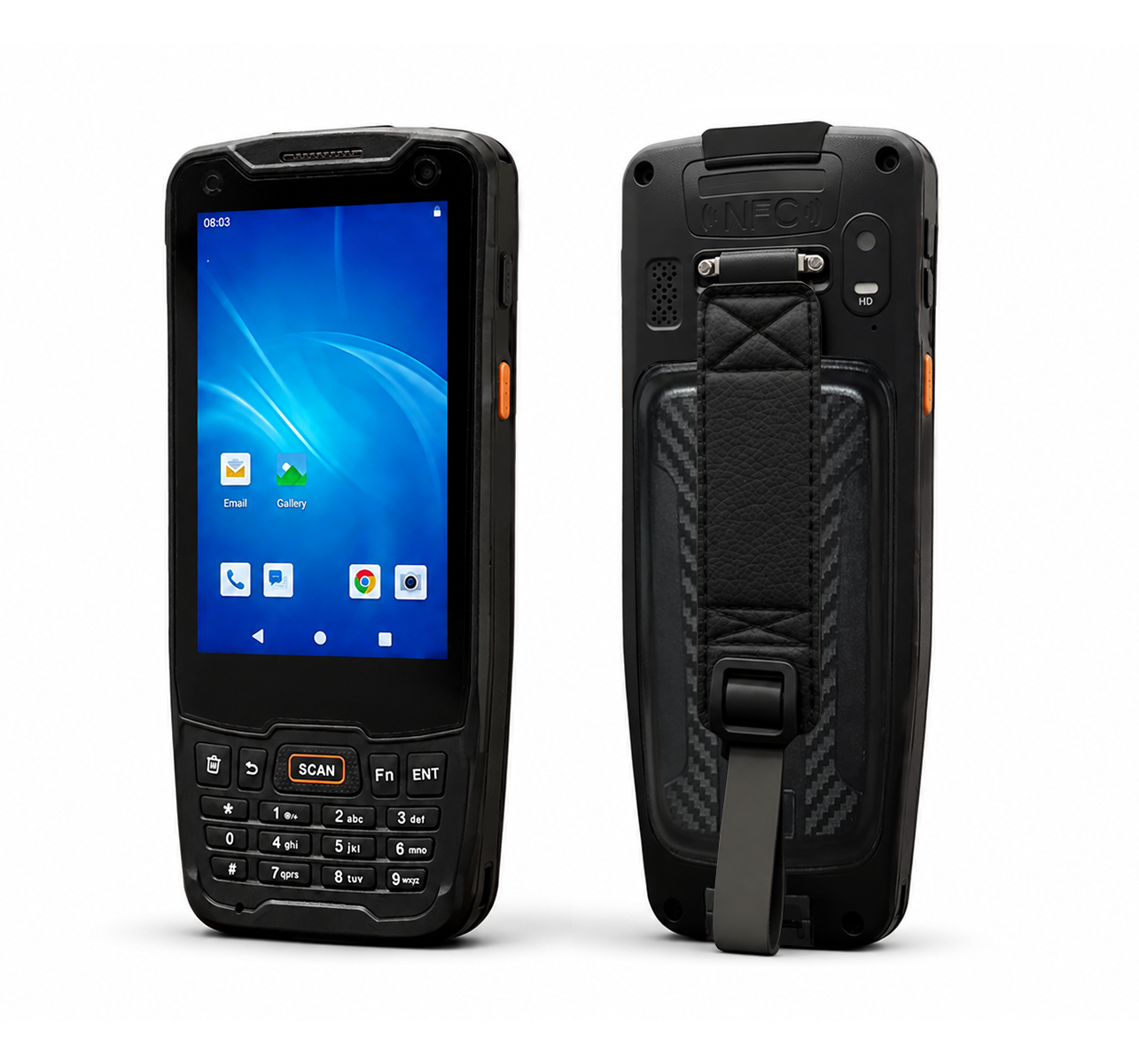
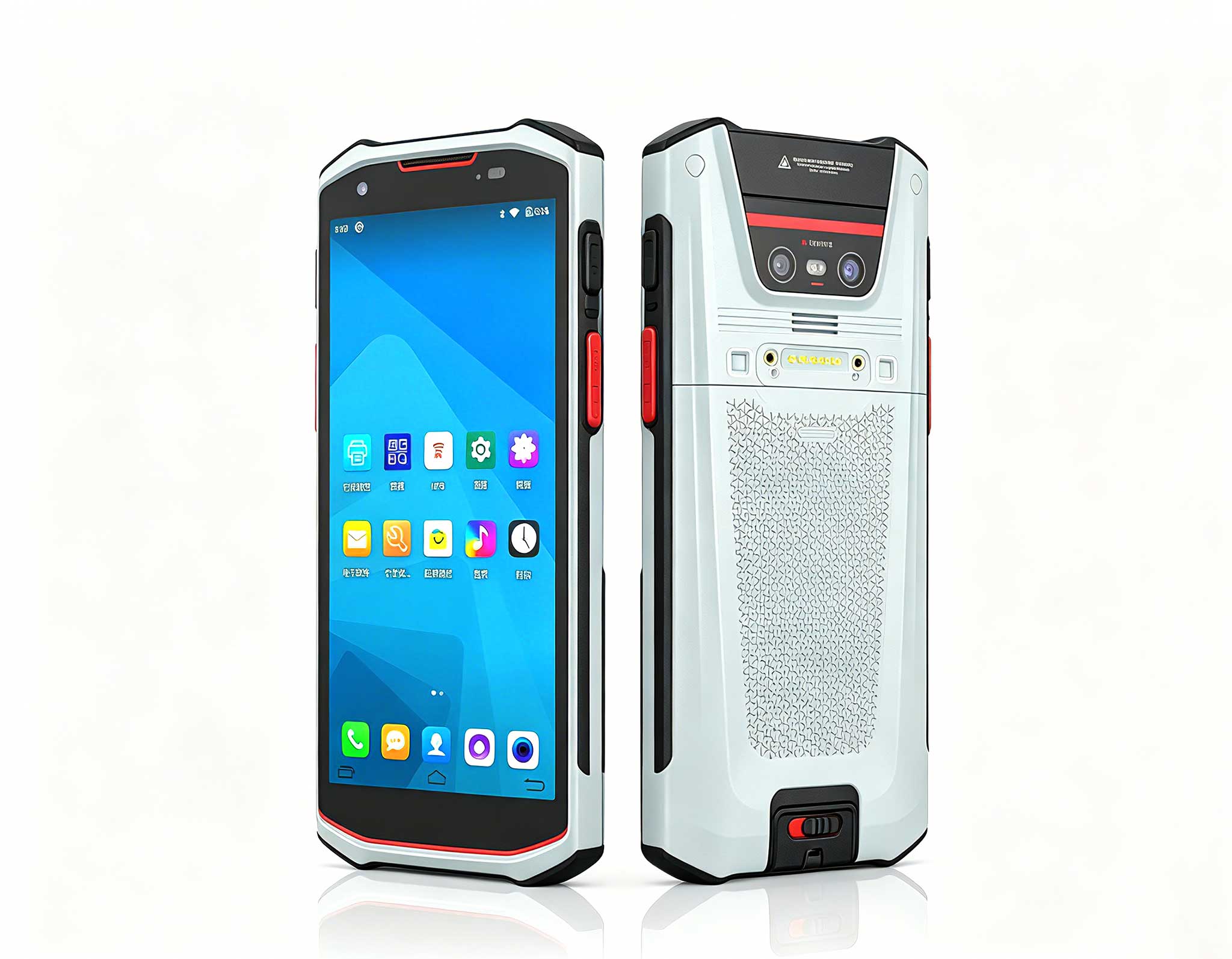
R350C 4-inch Industrial Handheld PDA | Qualcom...
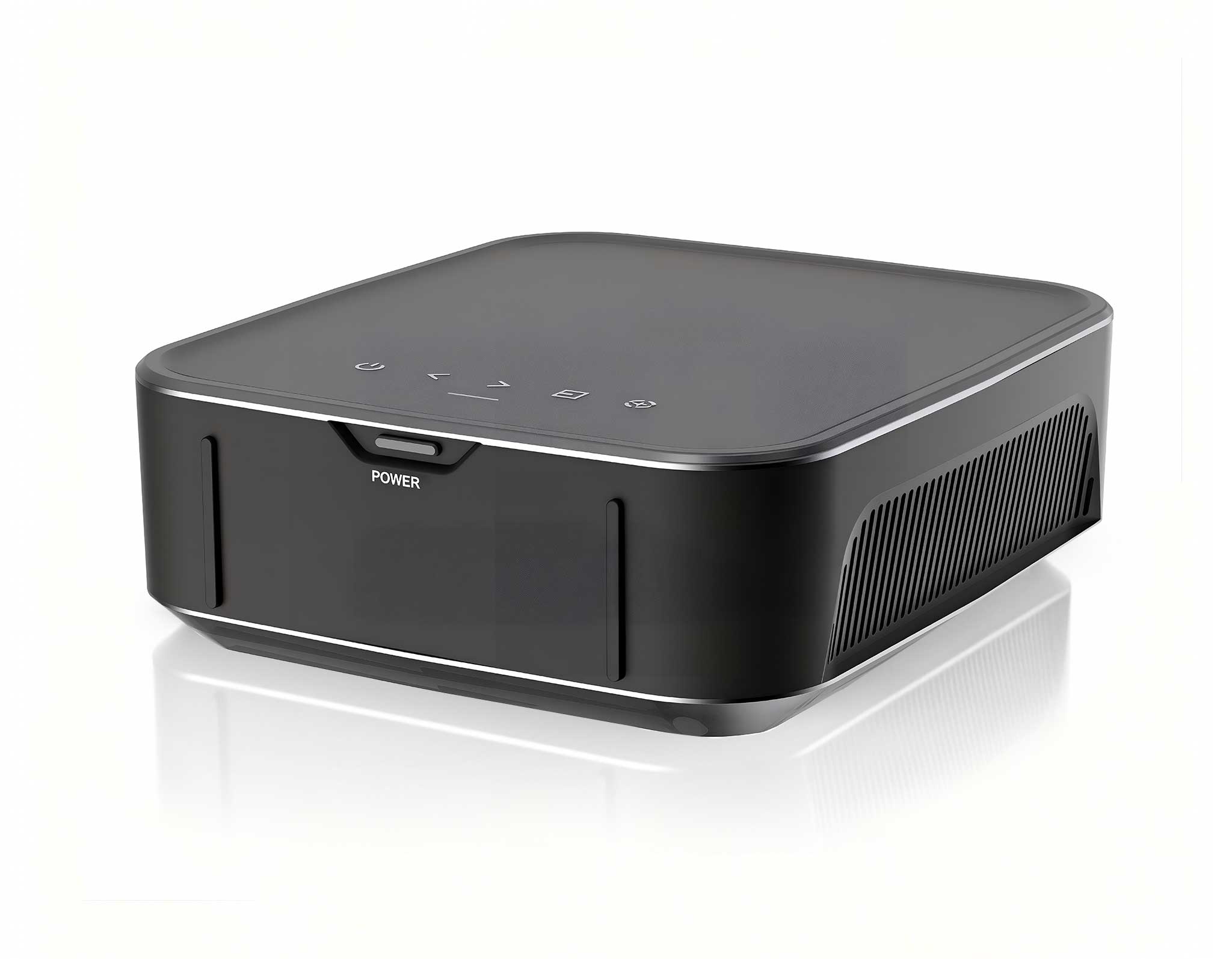
One Device, Dual Functions – A Projector and a Com...
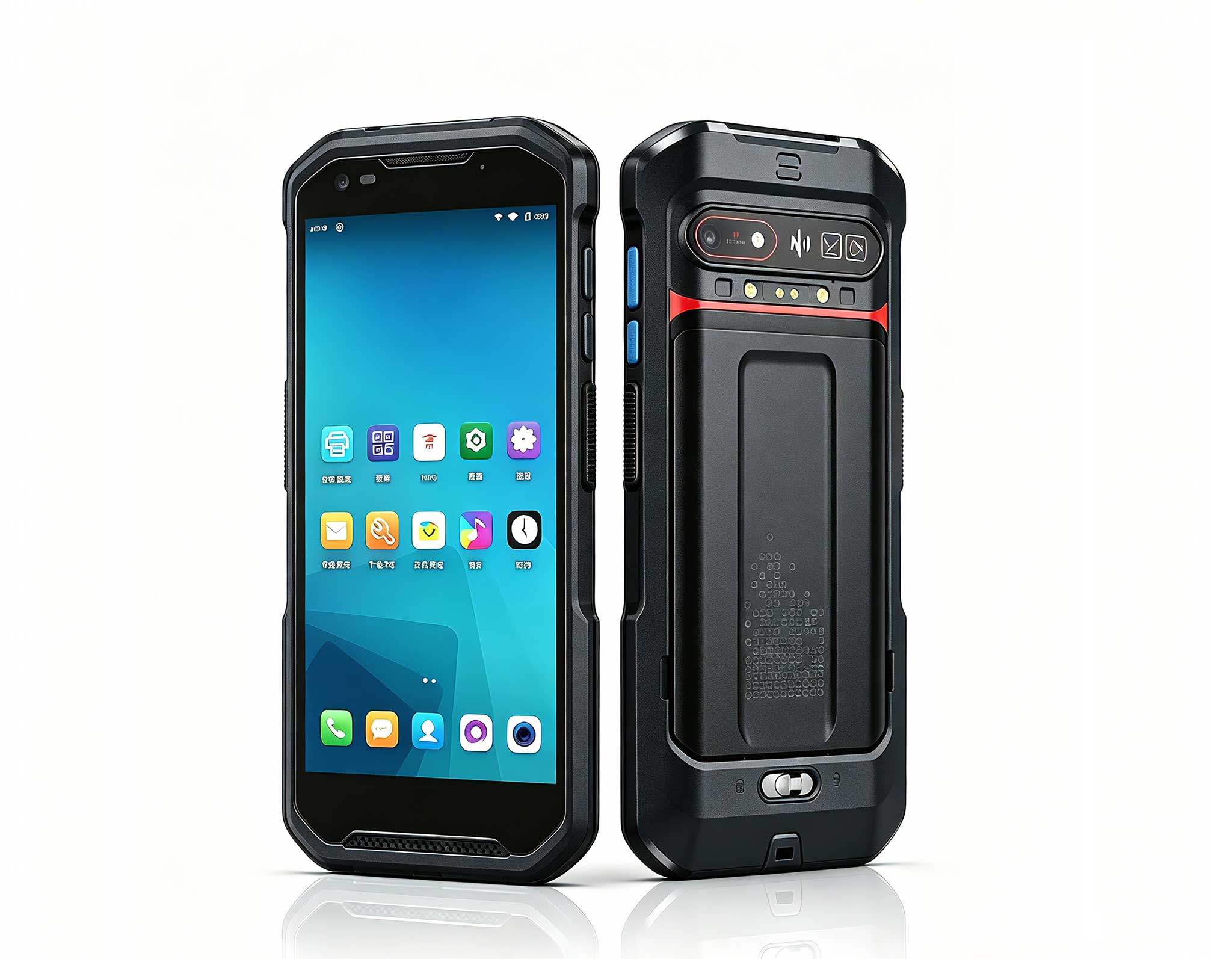
The F505 Handheld PDA is a compact, high-performan...
Technical SpecificationsModel: Palm-sized miniPCTy...
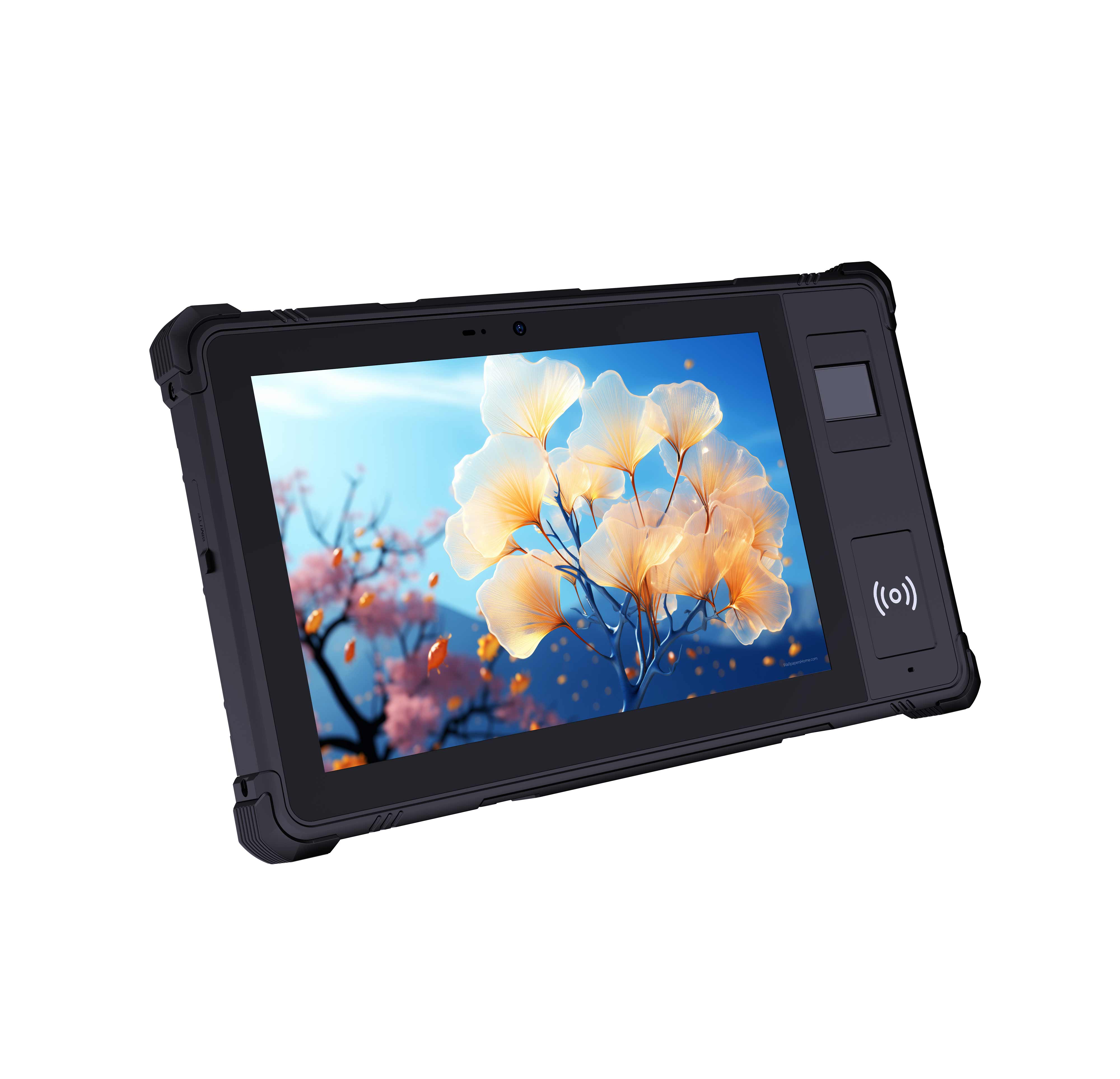
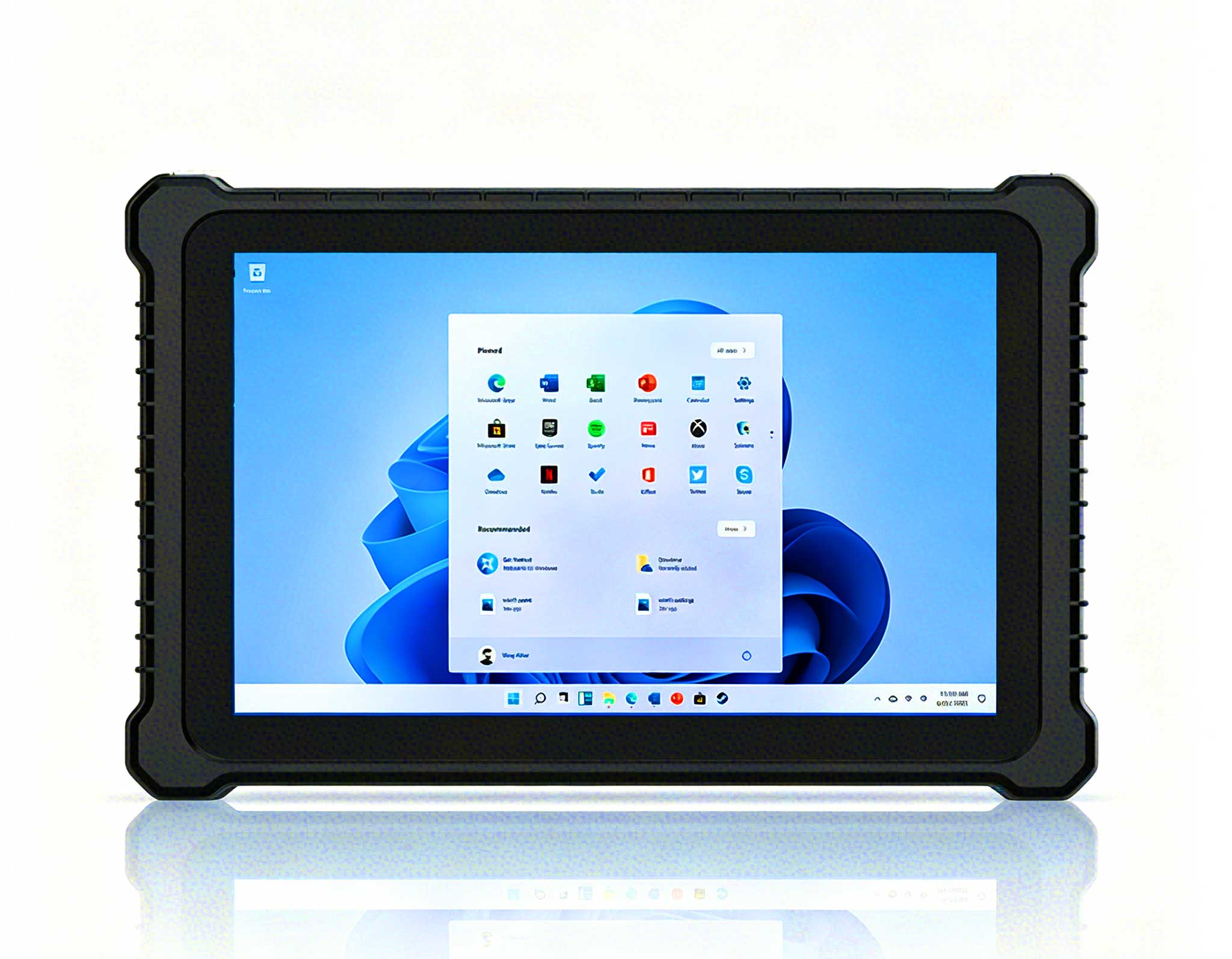
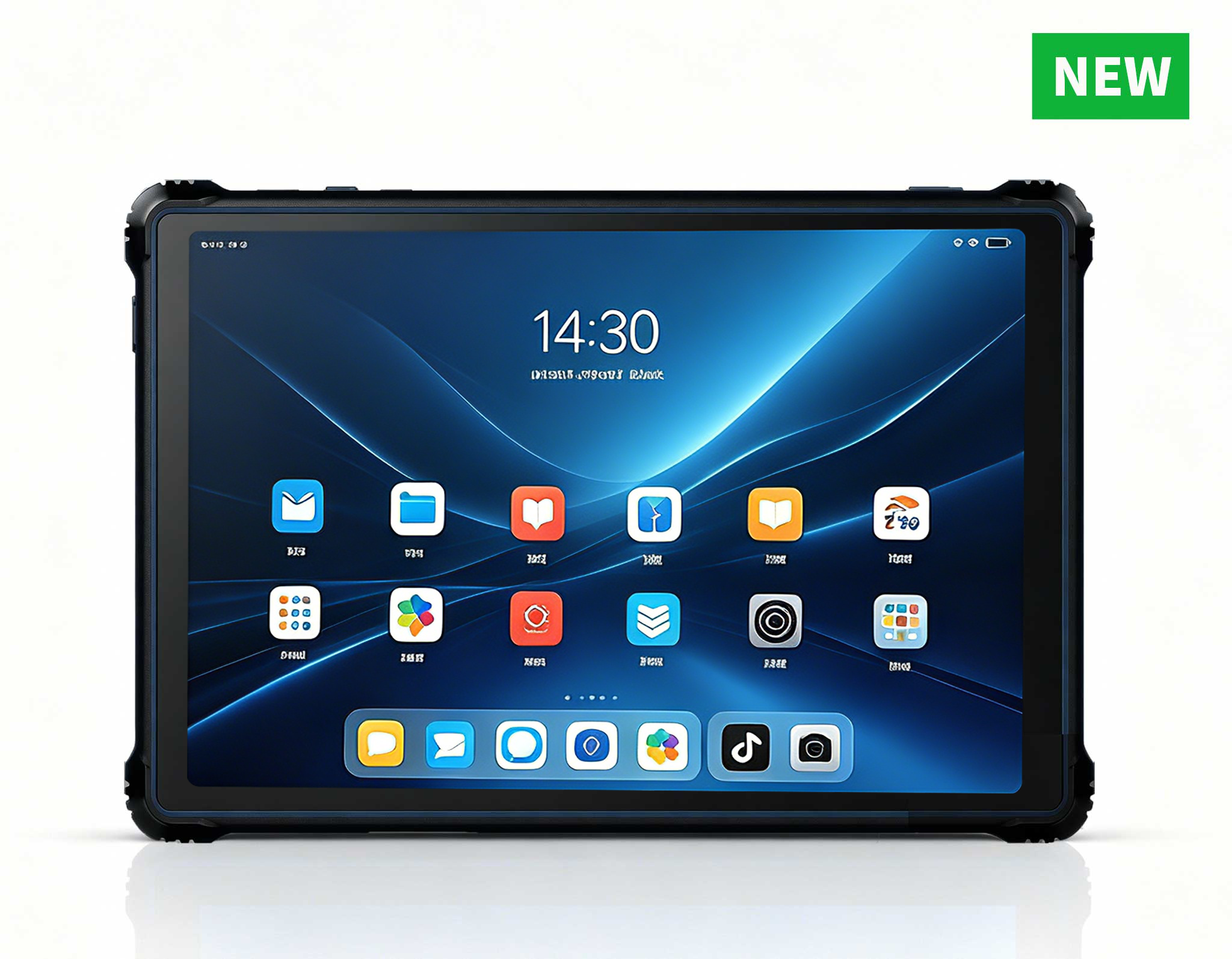
P8 Series 8-Inch Rugged Industrial Tablet PC Mobi...
Maintenance instructions: Store at room temperatur...
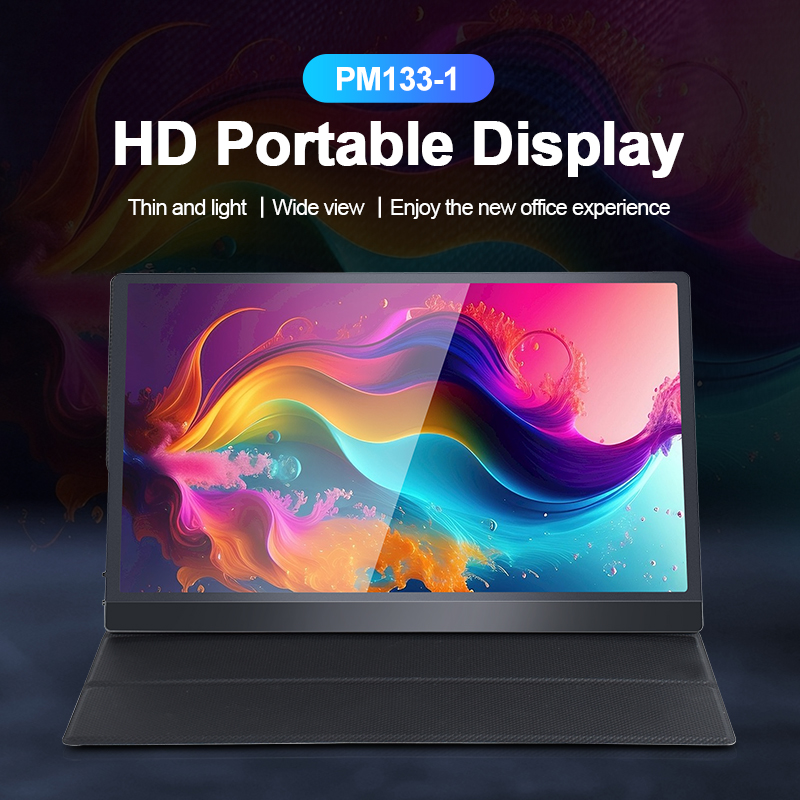
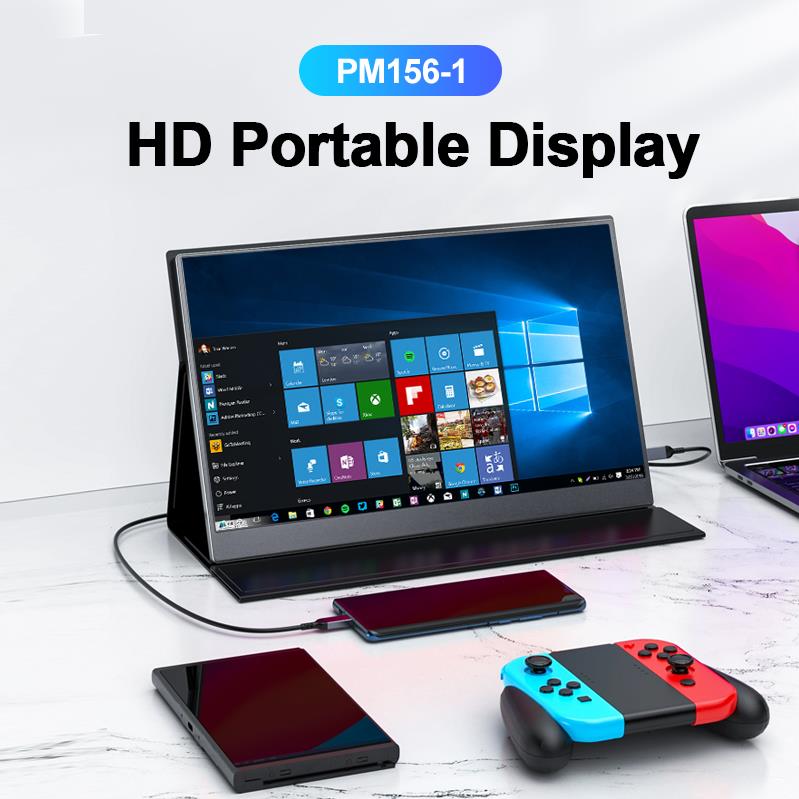
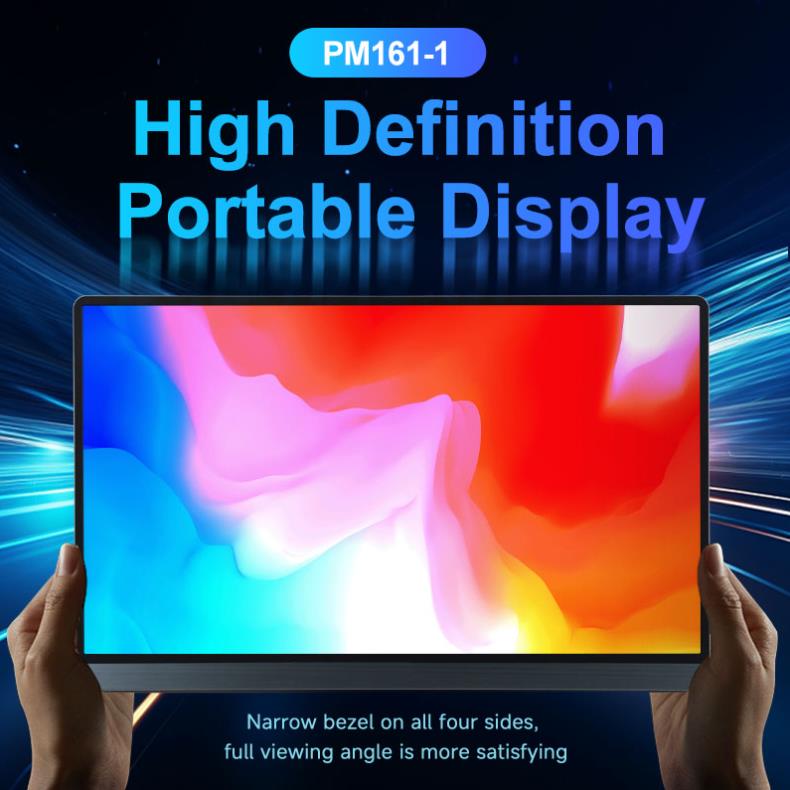
The PM156-1 is a 15.6-inch portable PC monitor fea...
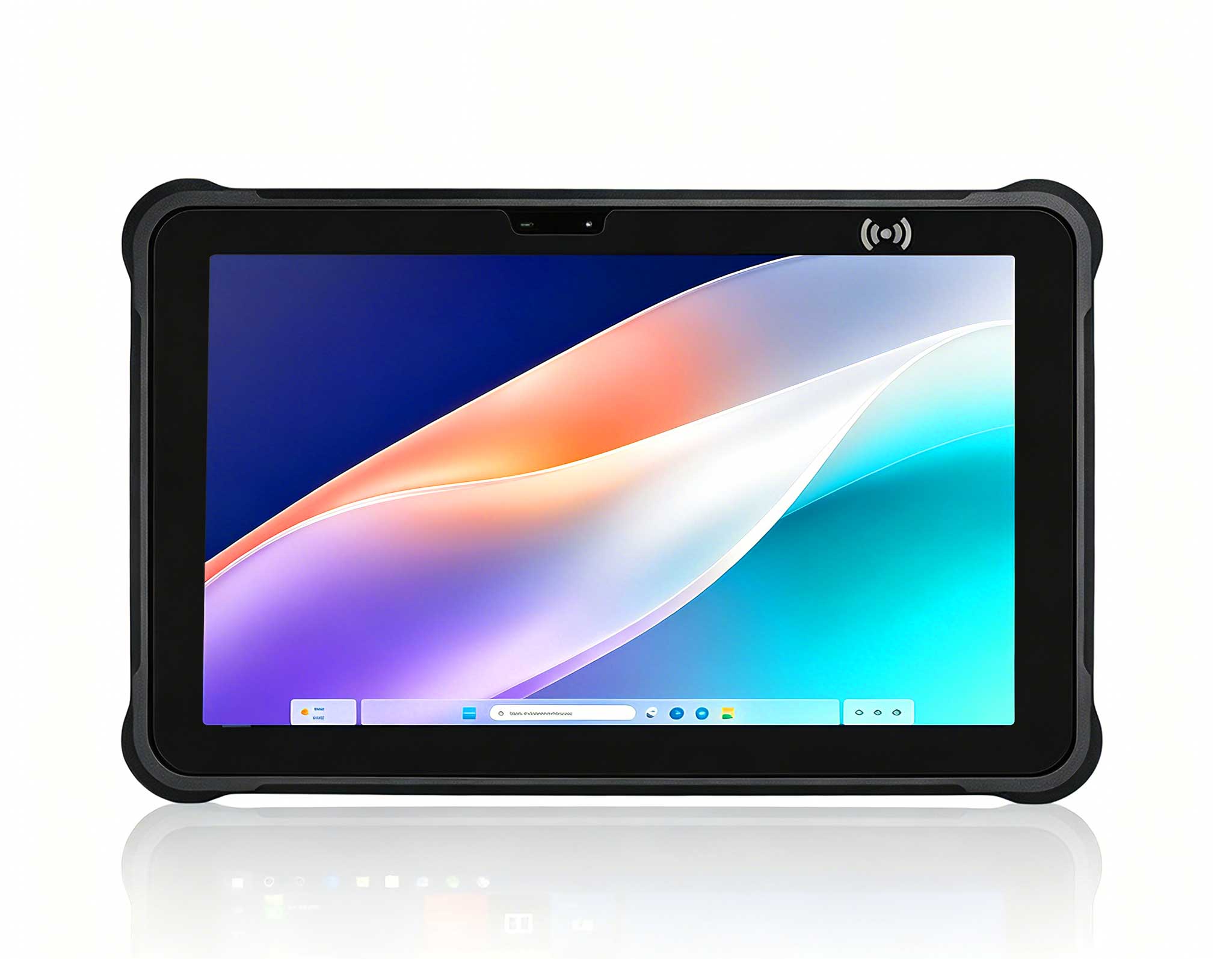
RT82 5G Rugged Tablet | 10.1" FHD 400nit | Qu...
The modern gaming entertainment landscape is undergoing a quiet revolution. While 65% of gamers report that hardware limitations negatively impact their experience, the industry has historically responded with bulkier towers and louder cooling systems. This paradox—investing in high-end peripherals while tolerating noisy, space-consuming rigs—has created a significant gap in the market. Enter the HCAR5000 MI, the 4K Home Projector, and the HT2500 Pro Ultra Projector. These devices are not just incremental upgrades; they represent a fundamental shift in how gaming entertainment spaces are designed, built, and experienced. By moving away from traditional monitor-and-tower setups toward compact, high-performance projection and computing solutions, organizations are discovering that performance and form factor can coexist without compromise. The shift is driven by measurable outcomes. Organizations that have adopted this new class of hardware report a 35% average improvement in visitor satisfaction scores and a 25% reduction in setup fatigue for staff. These aren't vanity metrics—they translate directly into longer engagement sessions, higher repeat visitation rates, and a tangible competitive edge in the gaming entertainment sector. Whether you're designing a corporate esports lounge, a home theater that doubles as a gaming arena, or a public entertainment venue, the industrial solution for Gaming Entertainment is no longer a single device but a cohesive ecosystem of components that work in concert. This article examines the technical evolution across three flagship products, providing a structured comparison for decision-makers.
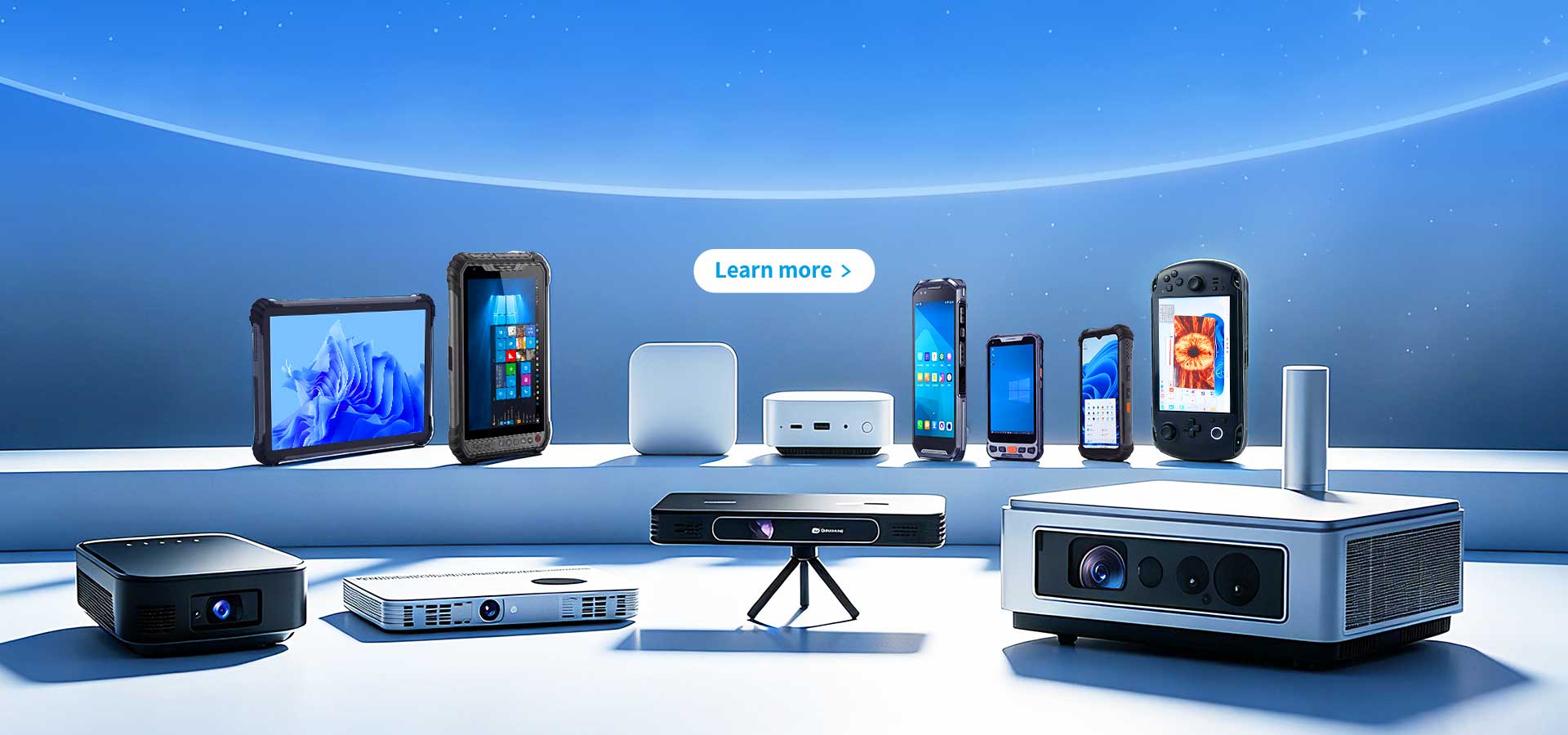
At the heart of any modern gaming entertainment setup lies the processing unit, and the HCAR5000 MI represents a significant departure from traditional desktop towers. This mini PC is engineered to deliver desktop-class performance in a chassis that occupies a fraction of the space. For gaming entertainment venues where floor space is at a premium, this is not a minor convenience—it's a strategic advantage. The HCAR5000 MI supports high-refresh-rate output, essential for competitive gaming, and its thermal design ensures consistent performance during marathon sessions without the audible whine of struggling fans. When paired with a high-resolution projector, this unit becomes the silent workhorse of the entire experience. The integration of the HCAR5000 MI into a gaming entertainment environment goes beyond raw specs. Its mounting flexibility allows it to be hidden behind displays, mounted under desks, or integrated into custom cabinetry, eliminating the visual clutter that often detracts from immersive gaming environments. This is particularly critical in multiplayer setups where multiple units are required; the space savings multiply quickly. For organizations looking to modernize their infrastructure, exploring rugged mini PC solutions offers a path to achieving high-density computing without sacrificing reliability or performance.
The visual output is arguably the most critical component of any gaming entertainment experience, and the 4K Home Projector is designed to deliver an immersive canvas that traditional monitors simply cannot match. With true 4K resolution, this projector provides the pixel density necessary for detailed game worlds, crisp UI elements, and smooth text rendering—all essential for both casual and competitive play. The low input lag, a common concern for gamers, has been addressed with dedicated gaming modes that prioritize signal processing speed without sacrificing image quality. This makes the projector viable not just for cinematic single-player titles but also for fast-paced multiplayer genres where every millisecond counts. Beyond raw resolution, the 4K Home Projector excels in creating a large-format gaming experience that pulls players into the action. Screen sizes of 100 inches or more are easily achievable, transforming a standard living room or dedicated gaming space into a private cinema-scale arena. The color accuracy and HDR support ensure that dark scenes retain detail and vibrant environments pop with life, providing a visual richness that enhances emotional engagement. For gaming entertainment centers, this creates a differentiation factor—an experience that visitors cannot replicate with their home monitors. The projector's flexible placement options also mean that it can be ceiling-mounted or placed on a low table, accommodating various room configurations.

The HT2500 Pro Ultra Projector addresses one of the most persistent challenges in gaming entertainment: spatial constraints. Traditional long-throw projectors require significant distance between the lens and the screen, which can be impractical in smaller rooms or can lead to disruptive shadows when players move around. The ultra-short-throw design of the HT2500 Pro eliminates this problem entirely. Placed just inches from the wall or screen surface, it projects a large, clear image while sitting safely out of the line of sight. This is a game-changer for interactive gaming installations where players need to move freely without casting shadows on the display. The HT2500 Pro Ultra Projector also brings laser phosphor technology to the table, offering a significant advantage over lamp-based systems. The laser light source provides consistent brightness over its lifespan, eliminating the gradual dimming that plagues traditional bulbs. This translates to lower maintenance costs and reduced downtime, which are critical factors for commercial gaming entertainment venues. The instant on/off capability means no waiting for warm-up or cool-down cycles, allowing for quick transitions between sessions. For organizations that value both performance and operational efficiency, this projector is a compelling choice that complements the HCAR5000 MI's compact computing power.
When evaluating these three products for gaming entertainment applications, understanding the specification differences is essential for making an informed decision. Each device plays a distinct role, and their compatibility determines the overall system performance. The table below highlights the key specifications and positioning of each product.
| Model | Position in Gaming Entertainment | Key Form Factor | Primary Advantage | Product URL |
|---|---|---|---|---|
| HCAR5000 MI | Core processing unit | Mini PC (compact) | Space-saving computing power for multiple setups | View Product |
| 4K Home Projector | Primary visual output for standard rooms | Home Projector (long throw) | True 4K resolution with low input lag for immersive gaming | View Product |
| HT2500 Pro Ultra Projector | Visual output for space-constrained or interactive setups | Ultra-Short Throw Laser Projector | Shadow-free projection with laser longevity and instant on/off | View Product |
The choice between the 4K Home Projector and the HT2500 Pro Ultra Projector ultimately depends on the physical layout of your gaming entertainment space. If you have a dedicated room with controlled lighting and a clear projection path, the 4K Home Projector offers exceptional image quality at a potentially lower entry cost. However, if your space is multi-purpose, has low ceilings, or requires interactive play, the HT2500 Pro's ultra-short-throw capability is invaluable. Both projectors pair seamlessly with the HCAR5000 MI, which provides the necessary processing power to drive their high-resolution outputs.
The adoption of these advanced projection and computing solutions is not happening in a vacuum. Recent market analysis indicates a clear trend toward compact, high-efficiency hardware in the gaming entertainment sector. The average 35% improvement in visitor satisfaction and 25% reduction in guide fatigue, as noted earlier, are driving this shift. Venues that have traditionally relied on multiple monitors and bulky PCs are consolidating their hardware footprint. This consolidation reduces energy consumption, simplifies cable management, and lowers the total cost of ownership over time. The trend is also fueled by the growing popularity of competitive gaming events, which require reliable, high-performance equipment that can be set up and broken down quickly. Another significant trend is the convergence of home theater and gaming entertainment. Consumers are increasingly seeking a single solution that serves both casual movie watching and serious gaming sessions. The 4K Home Projector and HT2500 Pro Ultra Projector both cater to this dual-use scenario, offering large, cinematic displays that are equally adept at rendering game graphics and streaming video content. This convergence is expanding the addressable market for these products beyond just dedicated gaming venues. For businesses looking to stay ahead of these trends, exploring the full range of explore our mini PC solutions provides a comprehensive view of how computing and display technologies are evolving in tandem.
Implementing a hardware ecosystem built around the HCAR5000 MI, 4K Home Projector, and HT2500 Pro Ultra Projector yields three critical outcomes for gaming entertainment organizations. First, consistent high-quality audiovisual performance eliminates the common complaint of "missing content" or "laggy graphics" that plagues poorly equipped venues. This reliability builds a reputation for quality that encourages repeat visits. Second, streamlined operations free staff to focus on guest engagement and event management rather than troubleshooting equipment failures or managing complex cable runs. The simplified setup also enables faster turnover between different gaming sessions or events, maximizing venue utilization. Third, the professional, cutting-edge appearance of the equipment reflects positively on the entire organization, positioning it as a leader in adopting modern technology. These benefits extend beyond immediate operational gains. For event organizers, the portability of the HCAR5000 MI combined with the flexible placement of the projectors allows for creative venue layouts that were previously impossible. Imagine a pop-up gaming lounge in a hotel ballroom or a temporary esports arena in a convention center—both scenarios become feasible with this compact, powerful hardware. The long-term reliability of laser-based projection and solid-state computing also reduces the frequency of hardware replacement cycles, contributing to a more sustainable operational model. Ultimately, the investment in this technology is an investment in the quality and scalability of the gaming entertainment experience itself.