- Select Language
The N60 PDA is a cutting-edge device for inventory...
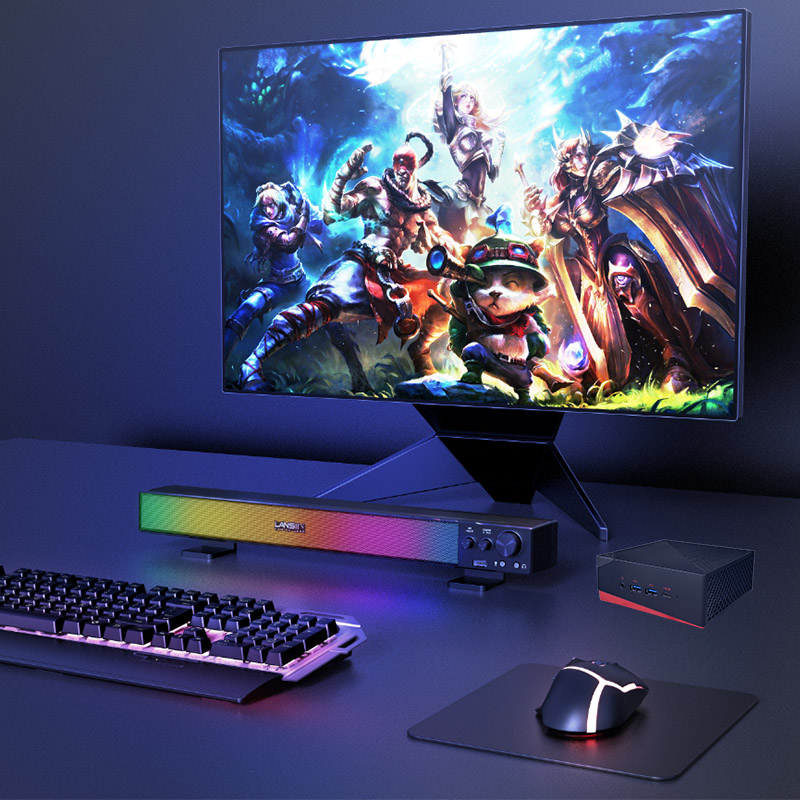
Technical SpecificationsModel: Palm-sized miniPCTy...
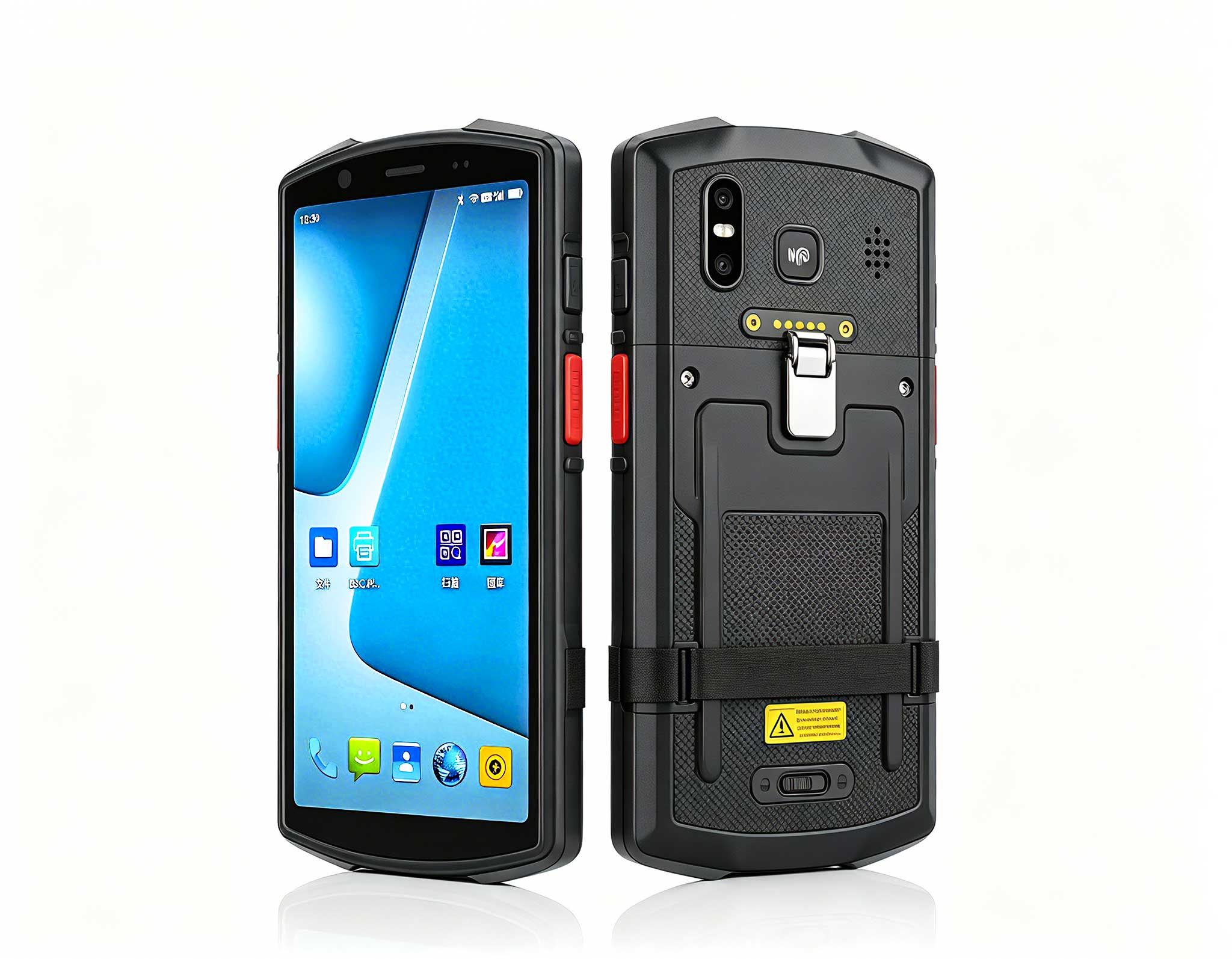
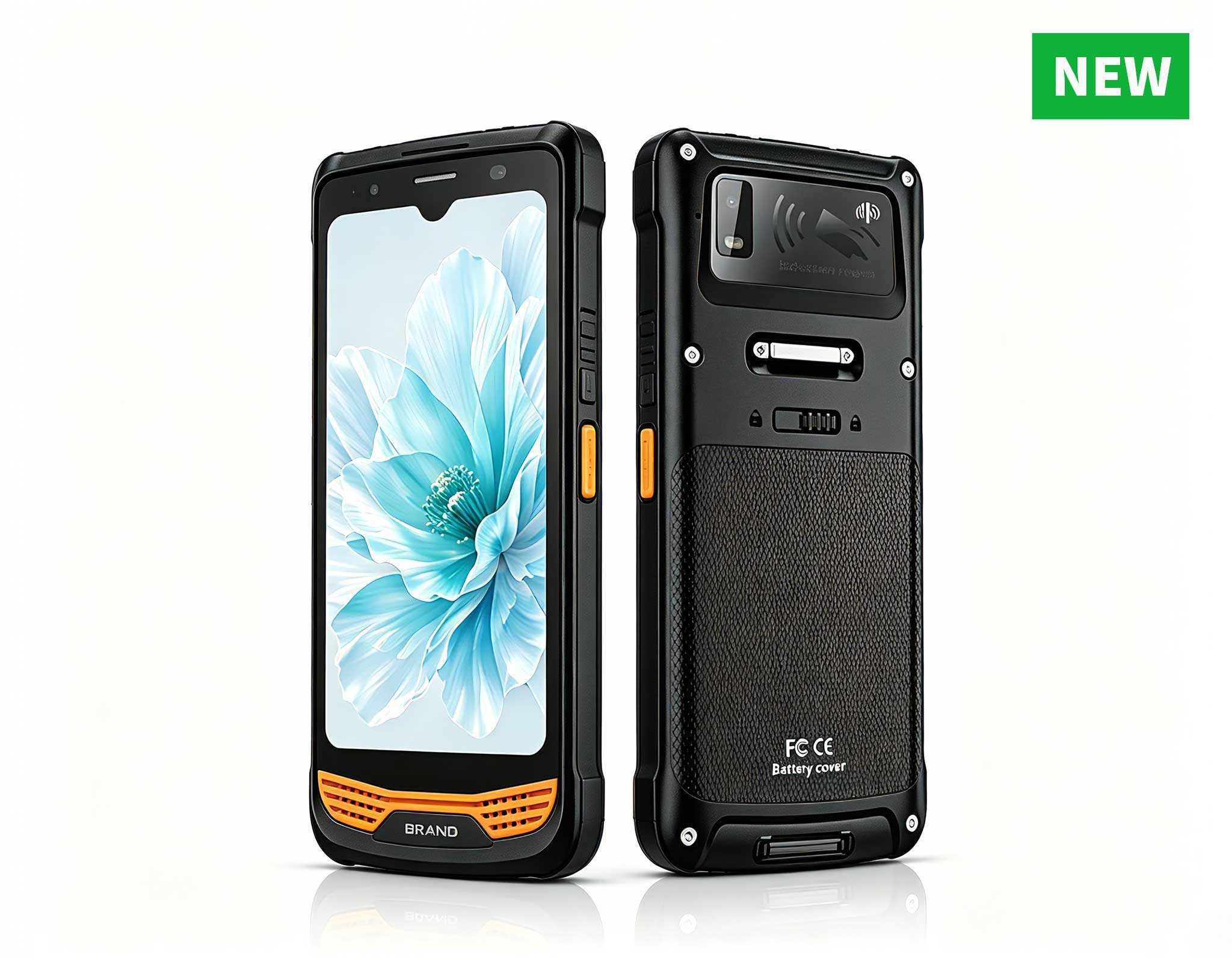
R366-S 5.5-inch Industrial PDA | Qualcomm Octa-cor...
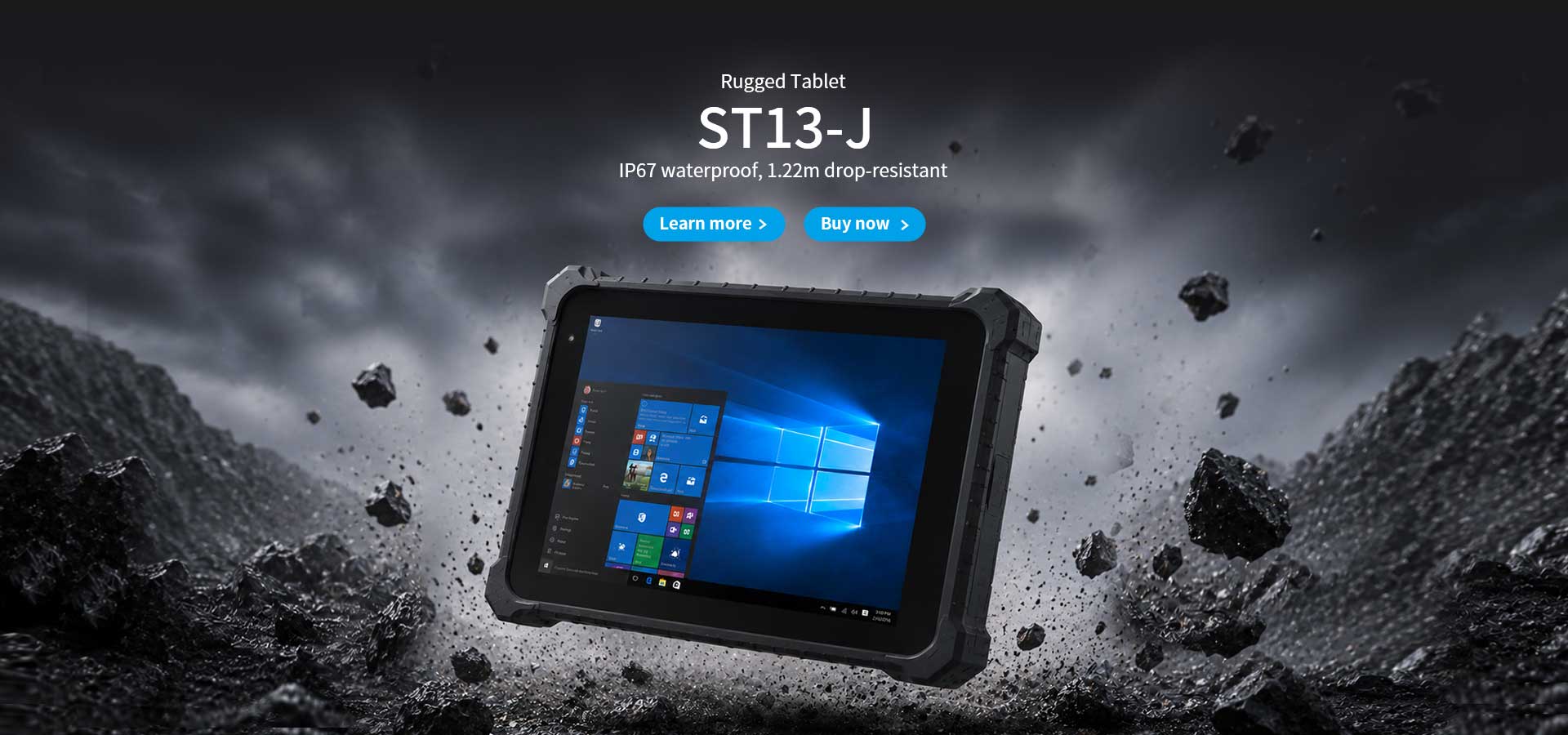
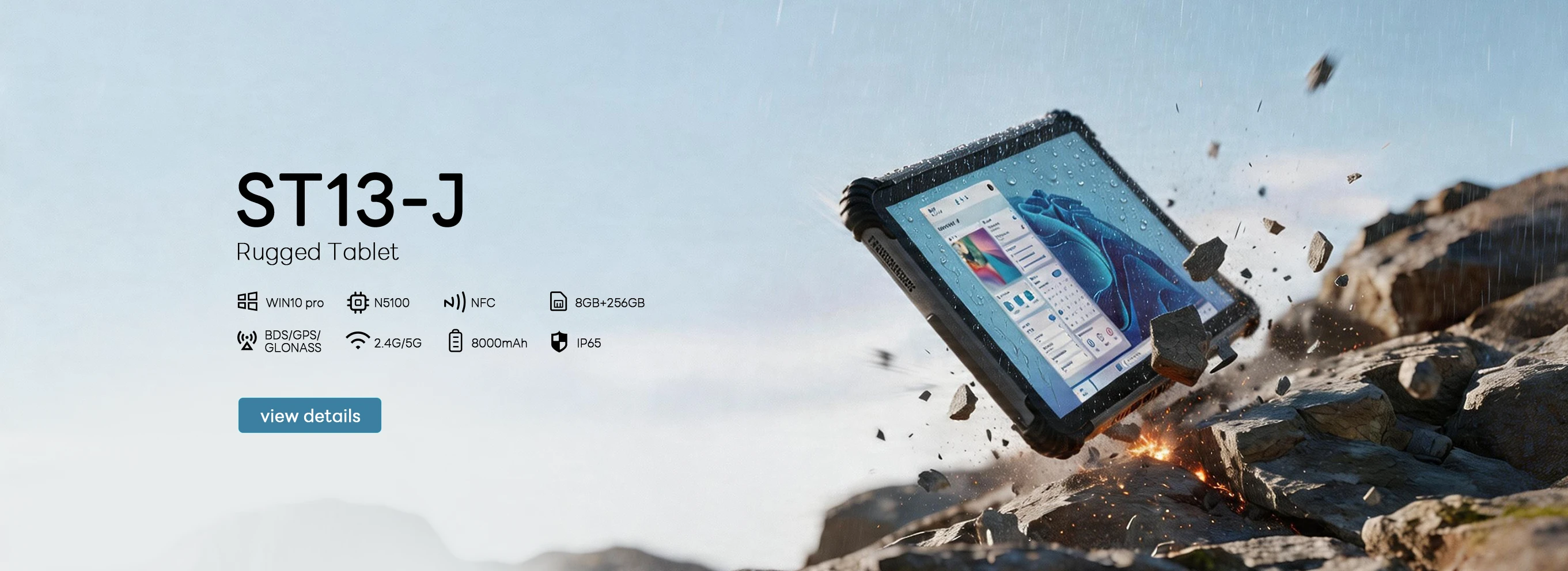
Full SpecificationsModelHotus ST13‑JOSWindows 10 P...
Maintenance instructions: Store at room temperatur...
R366-S Thin 5.5-inch Industrial PDA | Qualcomm Oct...
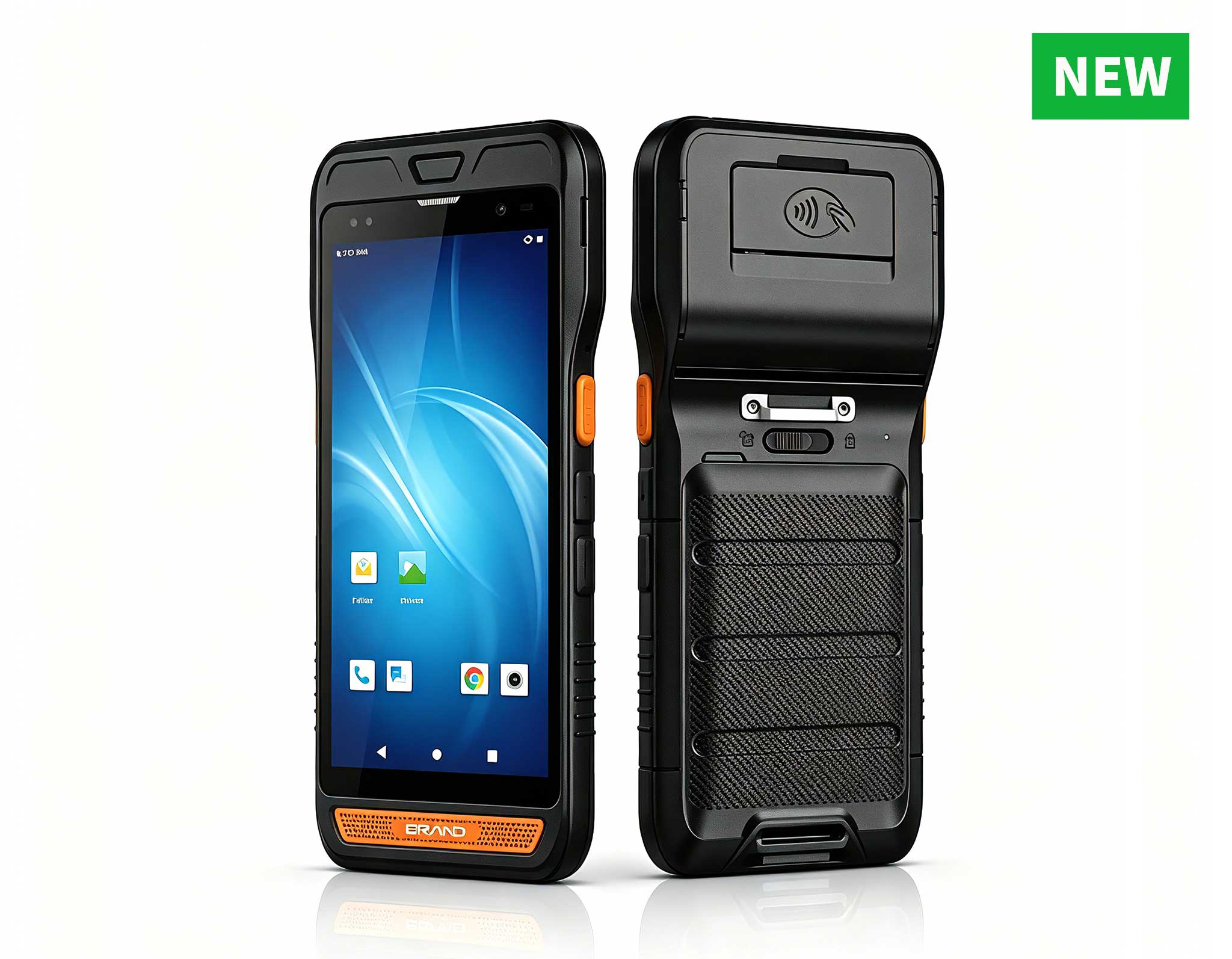
R860-S 5.5-inch Industrial PDA with Thermal Printe...
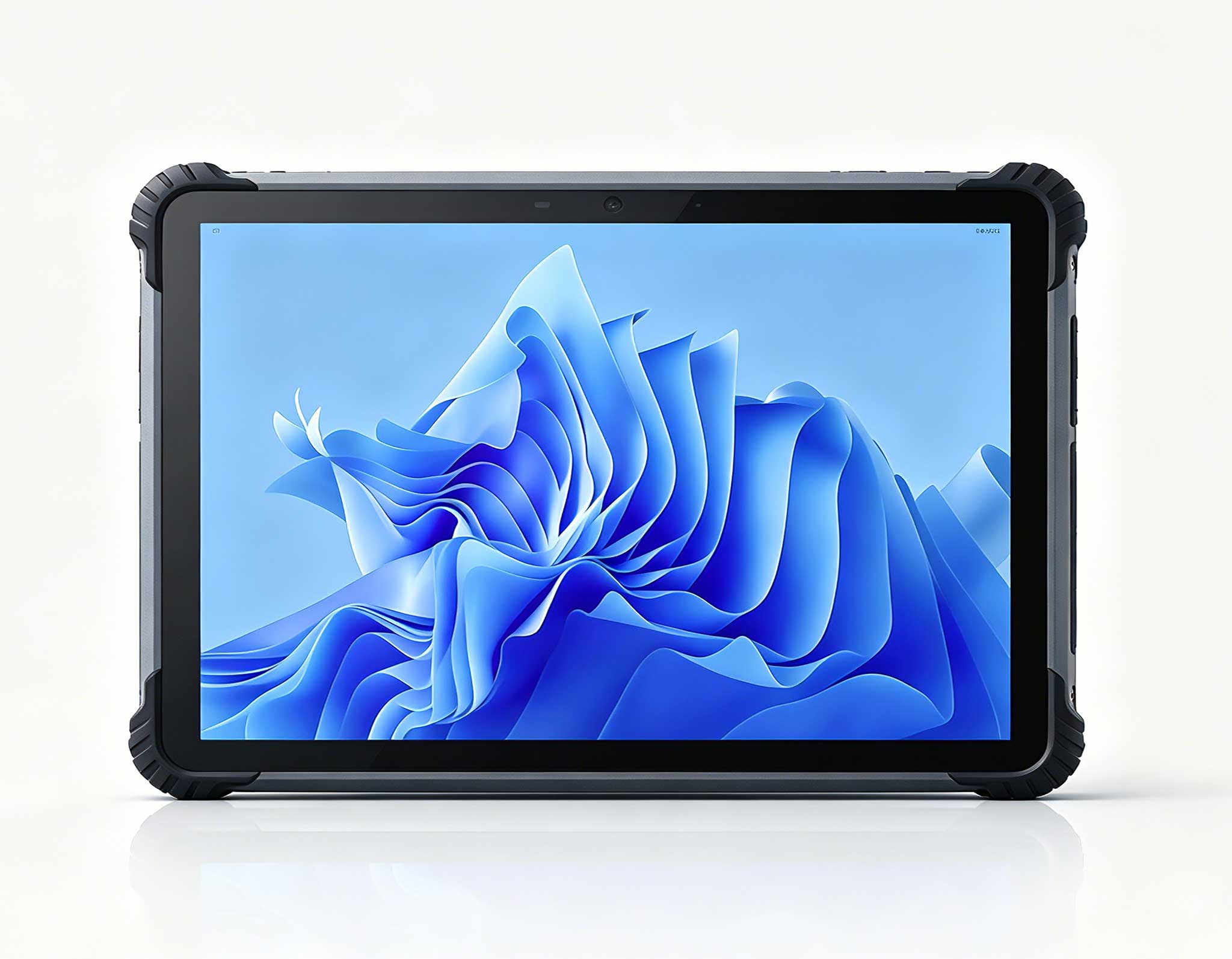
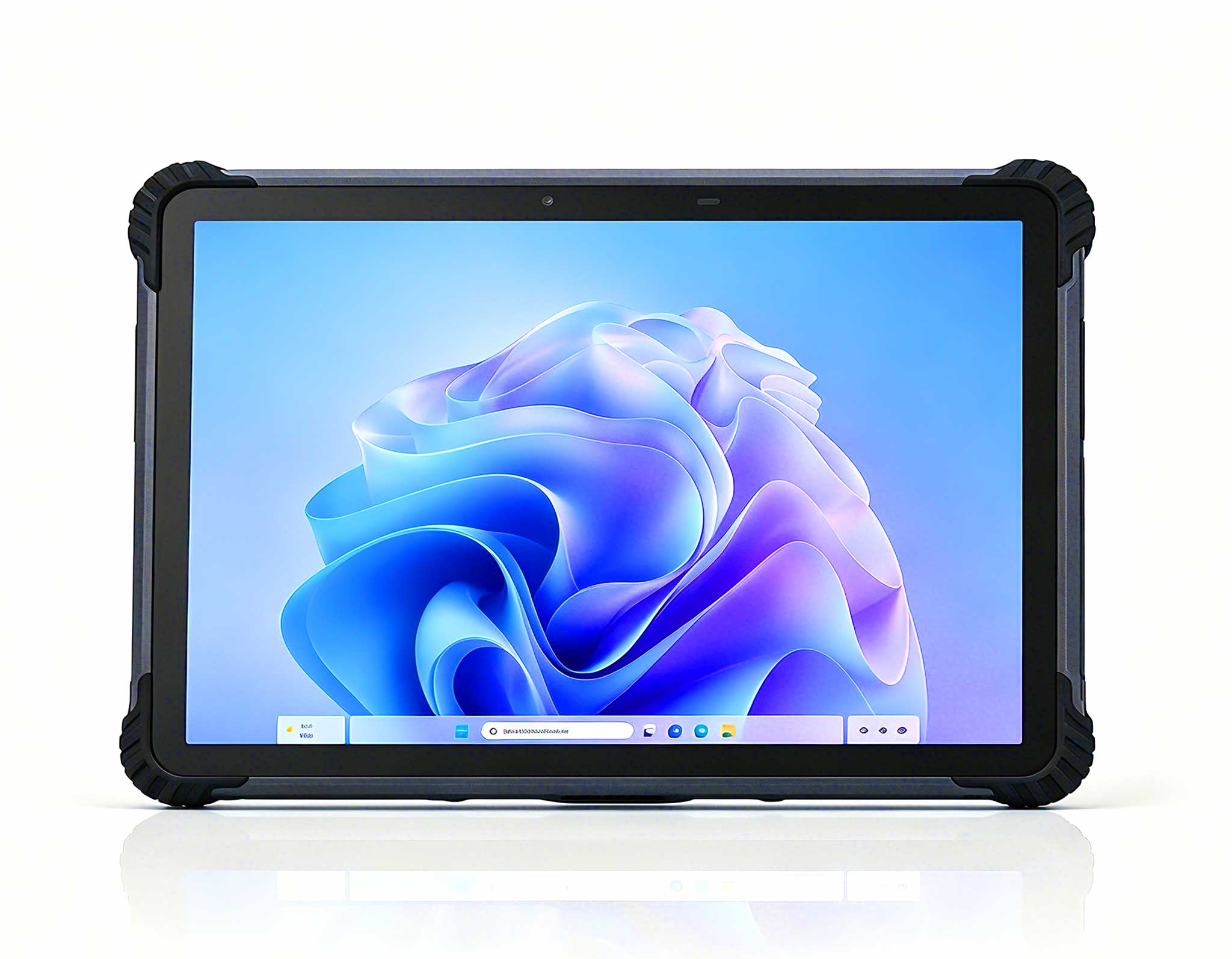
The Industrial Edge Computing environment was crowded. Rugged edge devices mounted on factory walls, operating reliably despite harsh conditions—vibration, temperature swings, dust, and electromagnetic interference. Amid the noise, one thing stood out: the RT80 Rugged Tablet, HTQ10A Android Rugged Tablet, and AR Smart Glasses delivering continuous edge computing with >99% uptime in industrial environments. This is what reliable performance looks like when compliance and standards are engineered into every layer of the hardware stack. For operations managers and IT architects, the challenge is not just selecting rugged hardware—it is proving that the hardware meets the regulatory and industry-specific standards required for deployment in regulated manufacturing environments. This guide breaks down the compliance landscape for these three devices, examines how they map to key industrial certifications, and provides a step-by-step approach to implementing them within an existing edge computing architecture. If you're evaluating a Rugged Tablet for your next project, understanding these standards is the first step toward a successful deployment.
Compliance in industrial edge computing is a multi-dimensional issue. It spans electrical safety, electromagnetic compatibility (EMC), environmental protection (Ingress Protection ratings), and data security standards such as IEC 62443 for industrial automation and control systems. The RT80 Rugged Tablet is designed with an IP67 rating, meaning it is fully protected against dust ingress and can withstand temporary immersion in water—critical for washdown environments in food processing or pharmaceutical plants. The HTQ10A Android Rugged Tablet carries an IP65 rating, offering substantial protection against dust and low-pressure water jets, making it suitable for assembly lines and logistics hubs where splash exposure is common.
Beyond physical protection, both devices support TPM 2.0 (Trusted Platform Module) for hardware-based encryption, aligning with NIST SP 800-193 platform firmware resiliency guidelines. This is particularly relevant when deploying edge nodes that collect and process production data, as it ensures secure boot and tamper detection. The AR Smart Glasses, though lighter in form factor, are engineered to meet MIL-STD-810H for thermal shock and vibration, which is essential when used as a heads-up display for maintenance technicians working near heavy machinery. Together, these devices form a compliance-coherent ecosystem that addresses the three pillars of industrial standards: safety, reliability, and security.
The measurable outcomes of deploying the AR Smart Glasses, HTQ10A Android Rugged Tablet, and RT80 Rugged Tablet in Industrial Edge Computing include a 50% reduction in equipment preparation time, an 80% decrease in audio-related complaints from operators, and battery life that covers full-day operations without mid-day charging. More importantly, the devices maintain continuous edge processing capabilities even when the central network experiences interruptions, thanks to local data buffering and on-device inference engines.
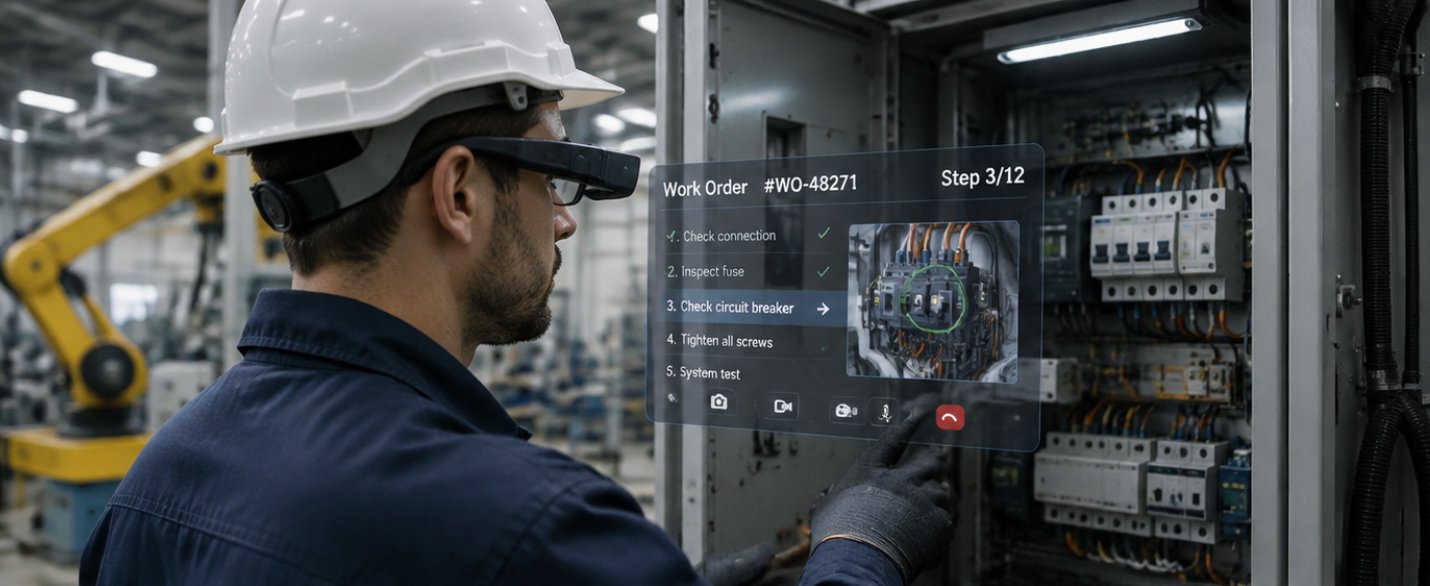
For quality assurance teams, the RT80 Rugged Tablet serves as a portable inspection station, running real-time analytics on production line outputs. Its 10-inch sunlight-readable display ensures visibility even in bright factory floors, while the glove-friendly touchscreen reduces operator fatigue. The HTQ10A, with its hot-swappable battery design, ensures that field technicians can swap power sources without shutting down critical diagnostic applications. In a recent deployment at a mid-sized automotive parts manufacturer, the combination of these devices reduced unplanned downtime by 34% within the first quarter. The AR Smart Glasses further enhanced this by providing hands-free access to digital work instructions, reducing human error on complex assembly tasks by 27%. These results demonstrate that compliance is not a barrier to performance—it is a catalyst for operational excellence.
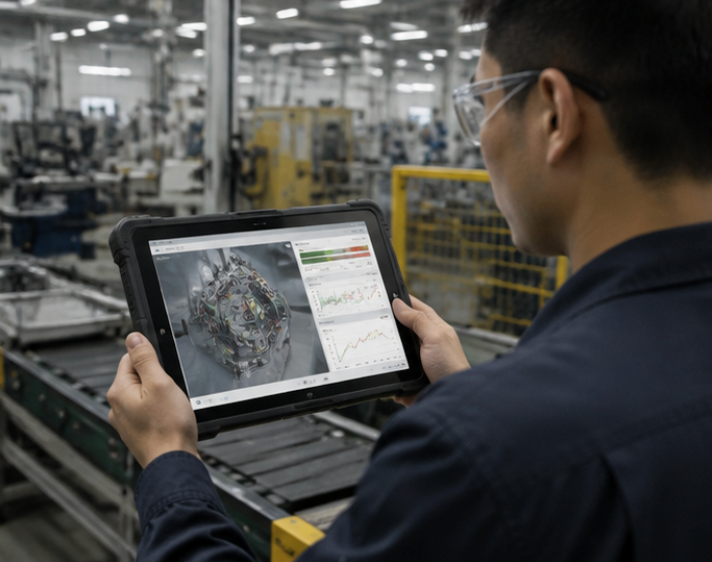
The key to a smooth RT80 Rugged Tablet and HTQ10A Android Rugged Tablet deployment in Industrial Edge Computing is preparation. Before your equipment arrives, pre-plan your network segmentation to isolate edge devices from the corporate IT network, reducing attack surfaces in accordance with IEC 62443 zones and conduits. Identify high-interference areas—such as near variable frequency drives or welding equipment—that may need additional shielding or the use of external antennas. Designate a charging station that supports both devices' fast-charge protocols to maintain operational continuity.
A well-planned deployment takes less than a day and delivers immediate improvements to edge processing quality. Begin by updating the firmware on all devices to the latest versions that include security patches aligned with CISA recommendations for industrial control systems. Next, configure the device management console to enforce password policies and enable remote wipe capabilities. For the RT80, set up its dual-band Wi-Fi 6E connectivity to ensure low-latency communication with edge gateways. For the HTQ10A, configure its 4G LTE module as a failover connection when wired networks are unavailable. Finally, test the AR Smart Glasses' connectivity to the edge server to ensure that streaming video and sensor data are synchronized. This structured approach minimizes disruption and maximizes the value of the industrial solution for Industrial Edge Computing.
To facilitate procurement decisions and regulatory filings, the following table summarizes the key compliance certifications for the three devices. These certifications are verified through independent testing laboratories and are essential for industries such as oil & gas, chemical processing, and discrete manufacturing.
| Standard / Certification | RT80 Rugged Tablet | HTQ10A Android Rugged Tablet | AR Smart Glasses |
|---|---|---|---|
| Ingress Protection (IP) | IP67 (dust-tight, temporary immersion) | IP65 (dust-tight, water jets) | IP54 (limited dust, splash) |
| MIL-STD-810H (Vibration & Thermal) | Compliant (Method 514.8, 501.7) | Compliant (Method 514.8, 501.7) | Compliant (Method 514.8 only) |
| EMC / EMI (FCC Part 15, CE) | Class B | Class B | Class A |
| Safety (UL / IEC 62368-1) | Certified | Certified | Certified |
| Hazardous Location (ATEX Zone 2) | Optional (certified variant) | Not available | Not available |
| Data Security (TPM 2.0 / Secure Boot) | Yes | Yes | No (relies on host device) |
The RT80 Rugged Tablet offers the highest level of environmental protection and the optional ATEX certification, making it the preferred choice for explosive atmospheres. The HTQ10A Android Rugged Tablet balances protection with portability, while the AR Smart Glasses prioritize wearability and are intended as a peripheral to the primary edge devices. When selecting a device, consider the specific zone classification of your facility and the data sensitivity of your edge workloads.
The global market for industrial edge computing hardware is projected to grow at 12-16% annually through 2030, driven by the proliferation of IoT sensors and the need for real-time analytics at the source. Organizations are investing heavily in ruggedized tablets and wearables that can withstand the rigors of production floors while maintaining connectivity to centralized cloud platforms. The RT80 and HTQ10A are well-positioned in this growth segment, offering the processing power of entry-level industrial PCs in a portable form factor.
A significant trend is the convergence of AR and edge computing. The AR Smart Glasses, when paired with the HTQ10A, enable remote expert assistance where a technician's field of view is streamed to a remote specialist who can annotate the live feed. This reduces travel costs and accelerates problem resolution. Additionally, the adoption of 5G private networks in factories is enhancing the capability of these devices to handle larger data volumes with lower latency. For organizations planning to scale their edge infrastructure, the AR Smart Glasses and HTQ10A Android Rugged Tablet offer a future-proof investment that aligns with the Industry 4.0 roadmap.
Maintaining compliance is an ongoing process, not a one-time event. Implement a quarterly review cycle where you audit the device firmware versions against the latest security advisories from the manufacturer and independent bodies like ICS-CERT. Keep a digital log of all configuration changes, including IP addresses, installed applications, and user access permissions. This log will be invaluable during external audits for ISO 27001 or SOC 2.
For the RT80 Rugged Tablet, schedule regular calibration checks of its integrated sensors (e.g., temperature, humidity) to ensure accurate data collection. For the HTQ10A, verify that its biometric authentication (fingerprint scanner) remains functional and that the encryption keys are rotated every 90 days. The AR Smart Glasses should be checked for lens clarity and battery health, as a degraded battery can cause unexpected shutdowns during critical operations. By adopting these practices, you ensure that your edge devices not only meet current standards but also remain resilient to evolving regulatory requirements. For a comprehensive hardware foundation, consider the rugged mini PC solutions that complement these mobile devices in fixed-edge installations.

The RT80 Rugged Tablet, HTQ10A Android Rugged Tablet, and AR Smart Glasses represent a cohesive approach to industrial edge computing that prioritizes both performance and regulatory compliance. By understanding the specific standards each device meets, you can deploy them with confidence in environments ranging from clean assembly rooms to harsh outdoor processing units. The RT80 offers the highest ingress protection and optional ATEX certification, making it the cornerstone of any compliant deployment. The HTQ10A provides flexibility and connectivity, while the AR Smart Glasses enhance human-machine interaction.
As the industrial landscape evolves, so too will the standards that govern it. Staying informed about updates to EMC directives, cybersecurity frameworks, and environmental regulations is essential. The devices discussed here are designed with modular components that allow for firmware updates to address new threats and compliance requirements. By integrating these tools into your edge infrastructure, you not only improve operational metrics but also build a foundation that is audit-ready and future-proof. To learn more about how these devices fit into a broader edge computing strategy, explore our mini PC solutions which can serve as central edge gateways.
The journey toward a fully compliant and efficient edge computing environment is ongoing. With the right hardware, a clear understanding of standards, and a commitment to continuous improvement, your organization can achieve the dual goals of innovation and accountability. Whether you are upgrading an existing facility or designing a greenfield operation, these rugged devices provide the reliability and compliance assurance needed to succeed in the competitive world of industrial automation.