- Select Language
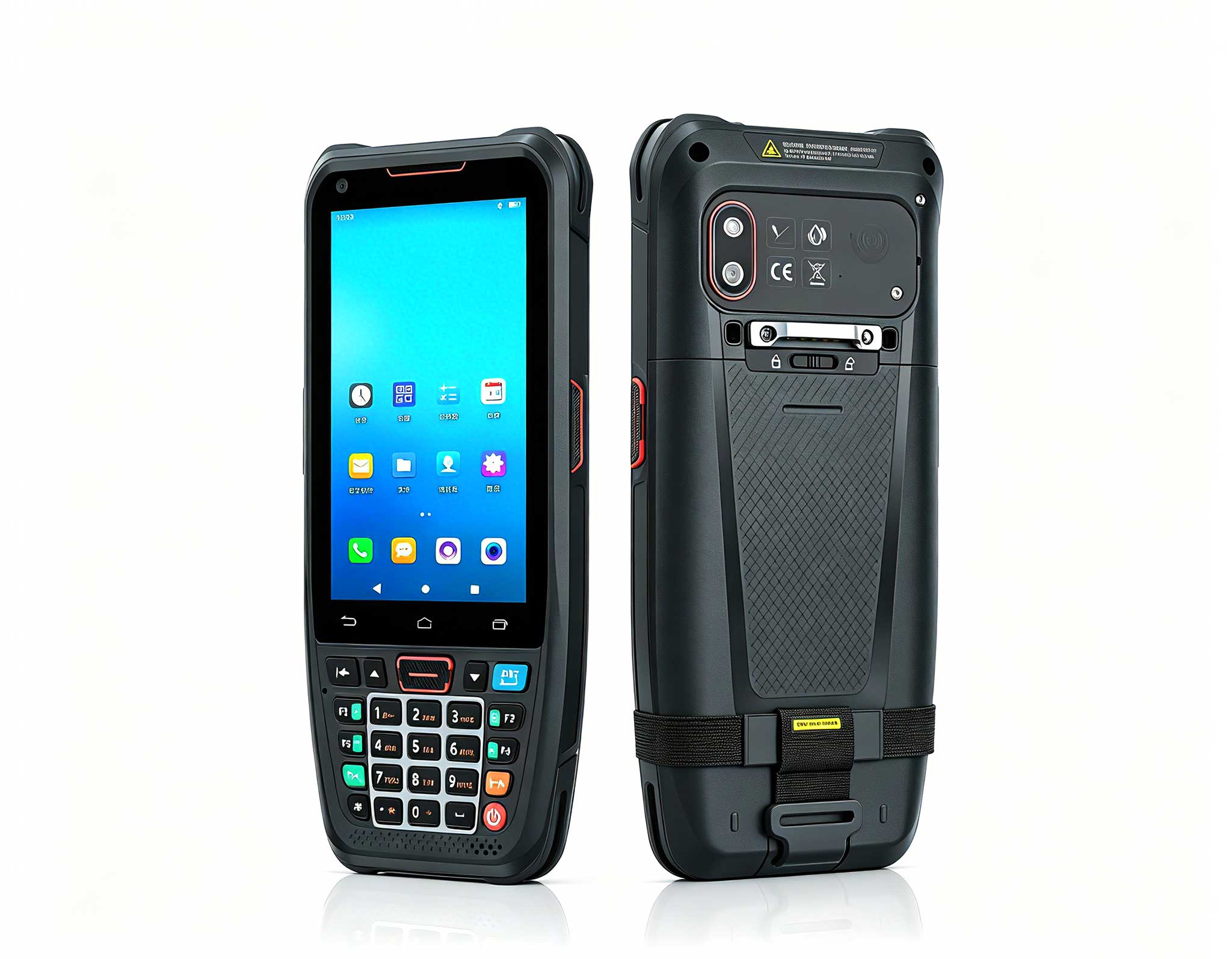
The N40 Android smart PDA features a Cortex-A53 qu...
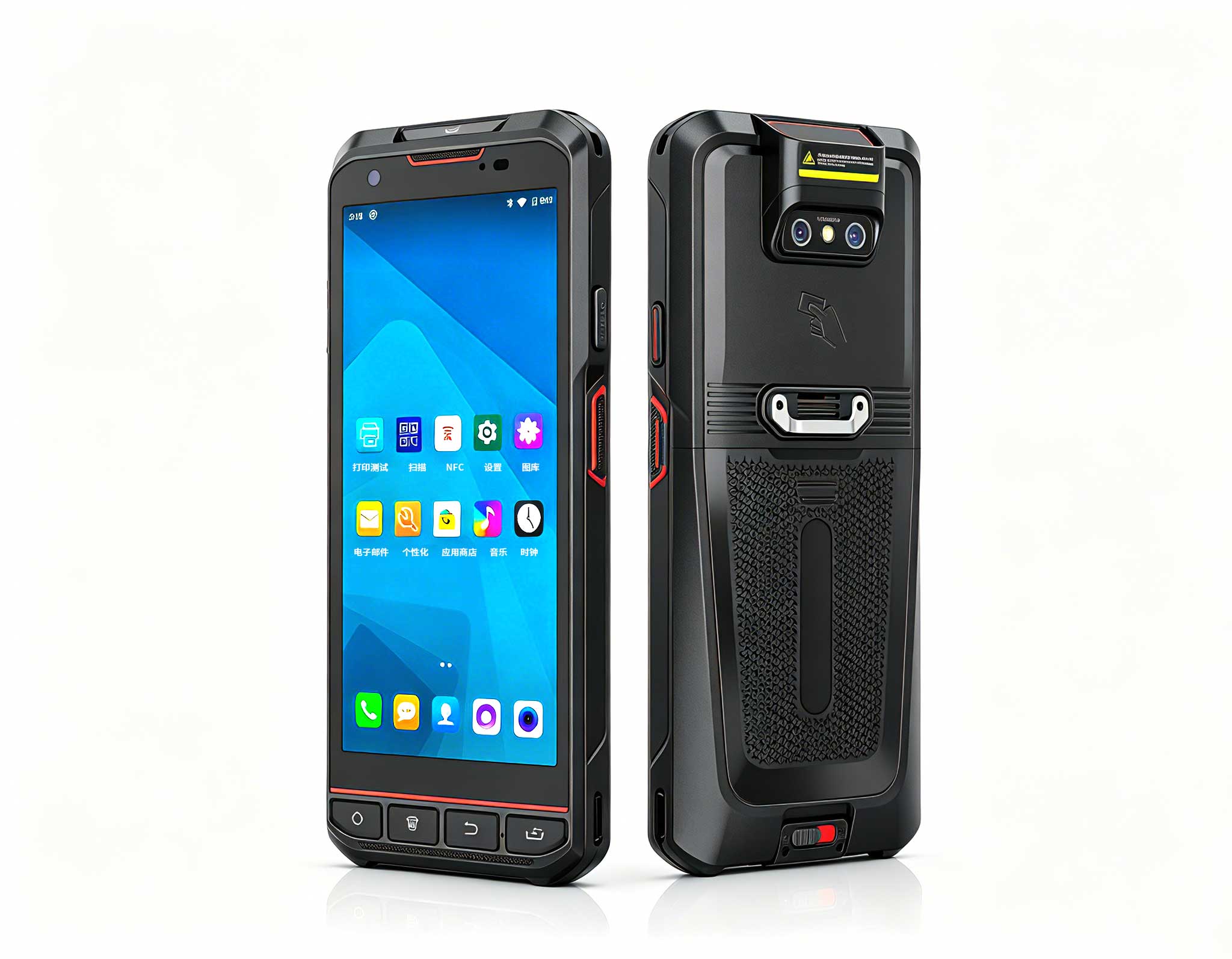
R530C 6.0-inch Industrial PDA | Qualcomm Octa-core...
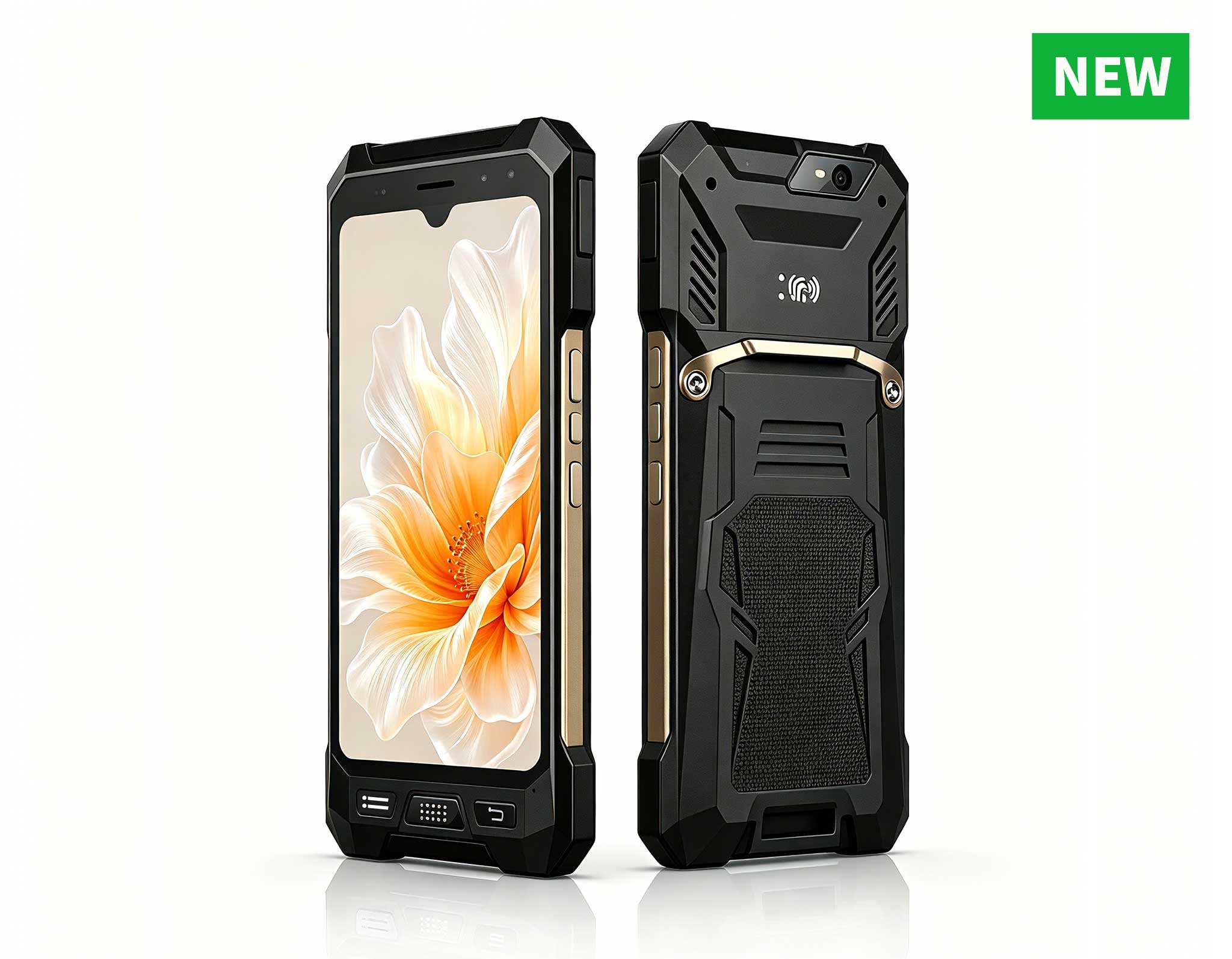
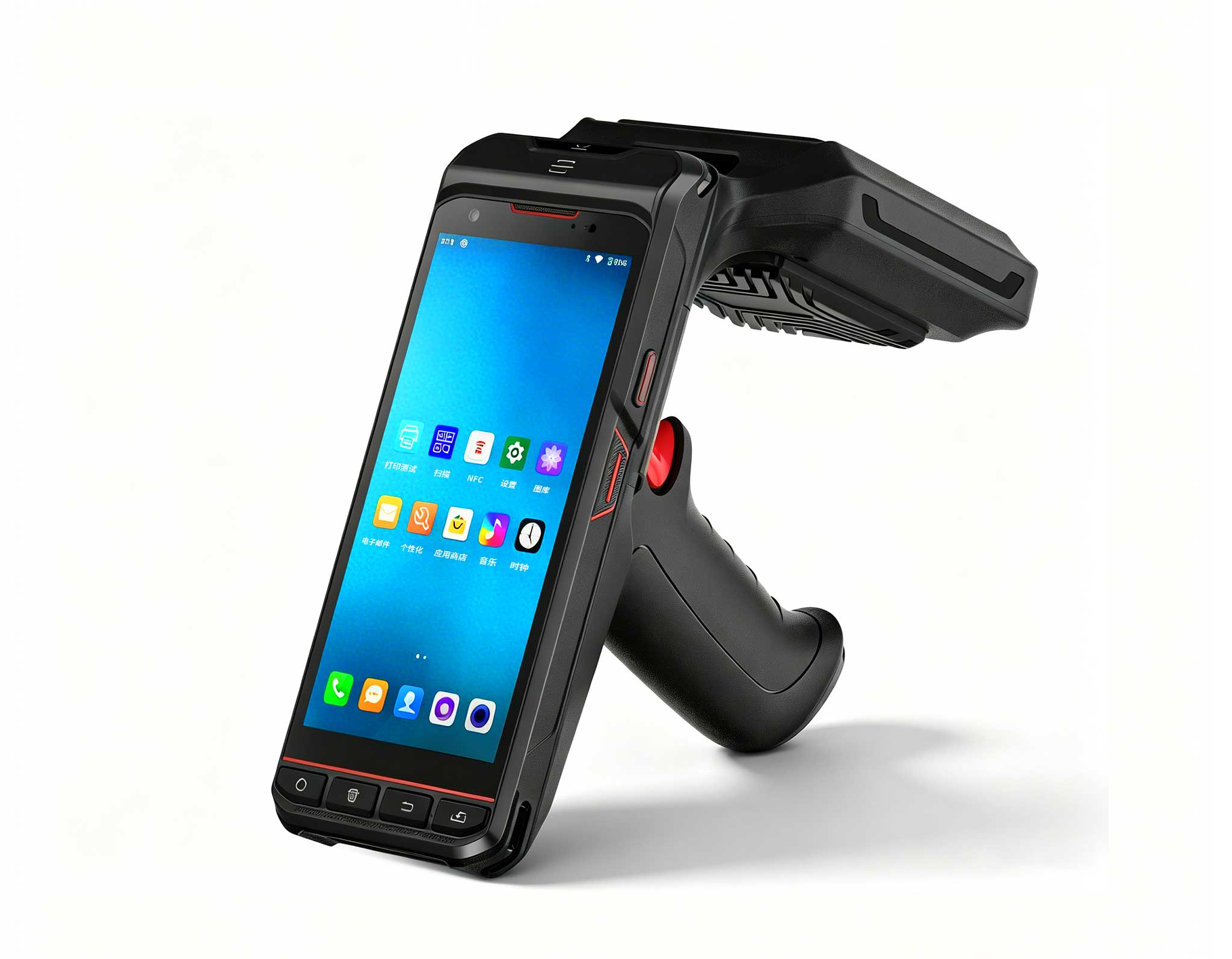
The X501 Handheld PDA combines advanced barcode sc...
R366-S Thin 5.5-inch Industrial PDA | Qualcomm Oct...
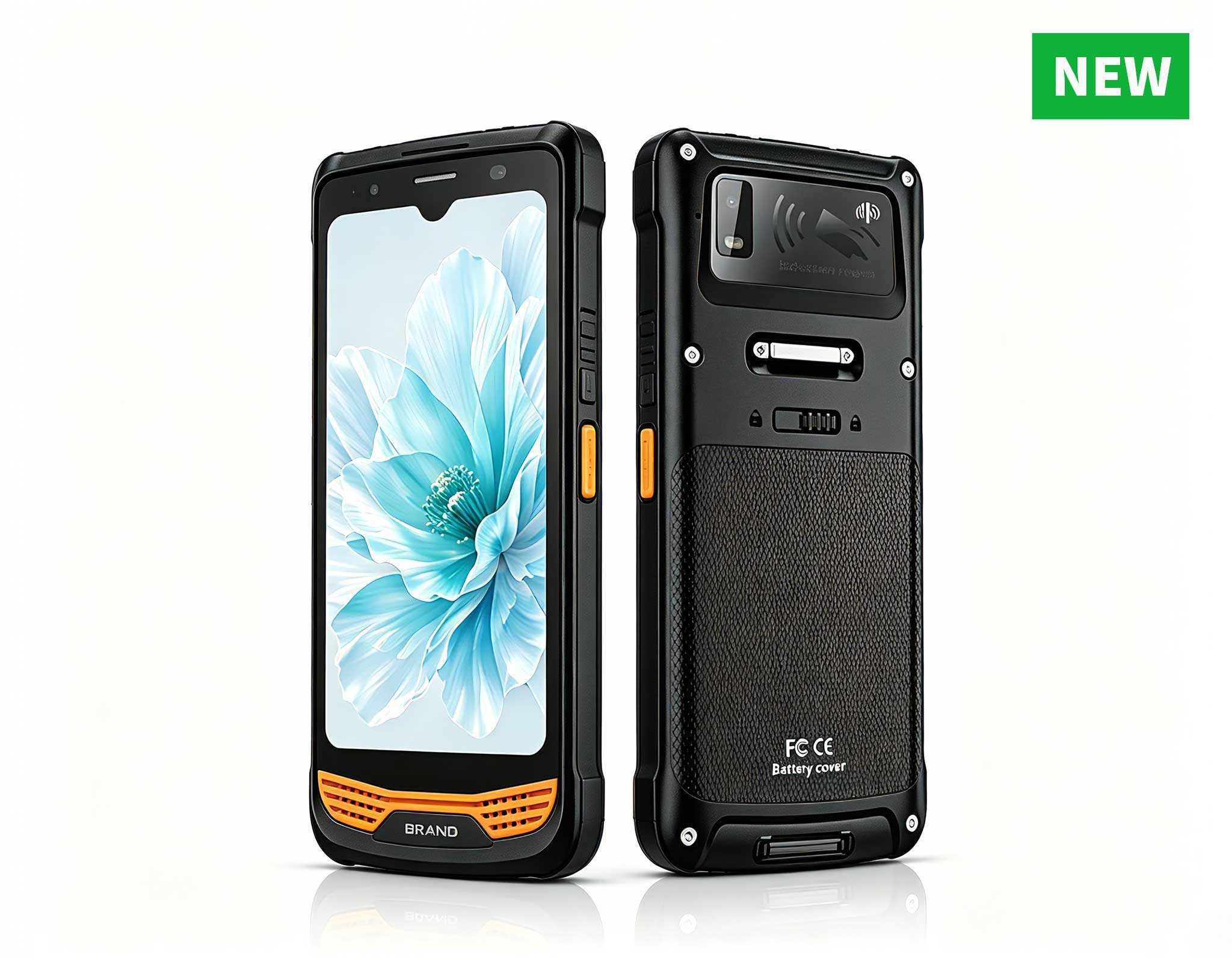
The T80 handheld PDA combines advanced barcode sca...
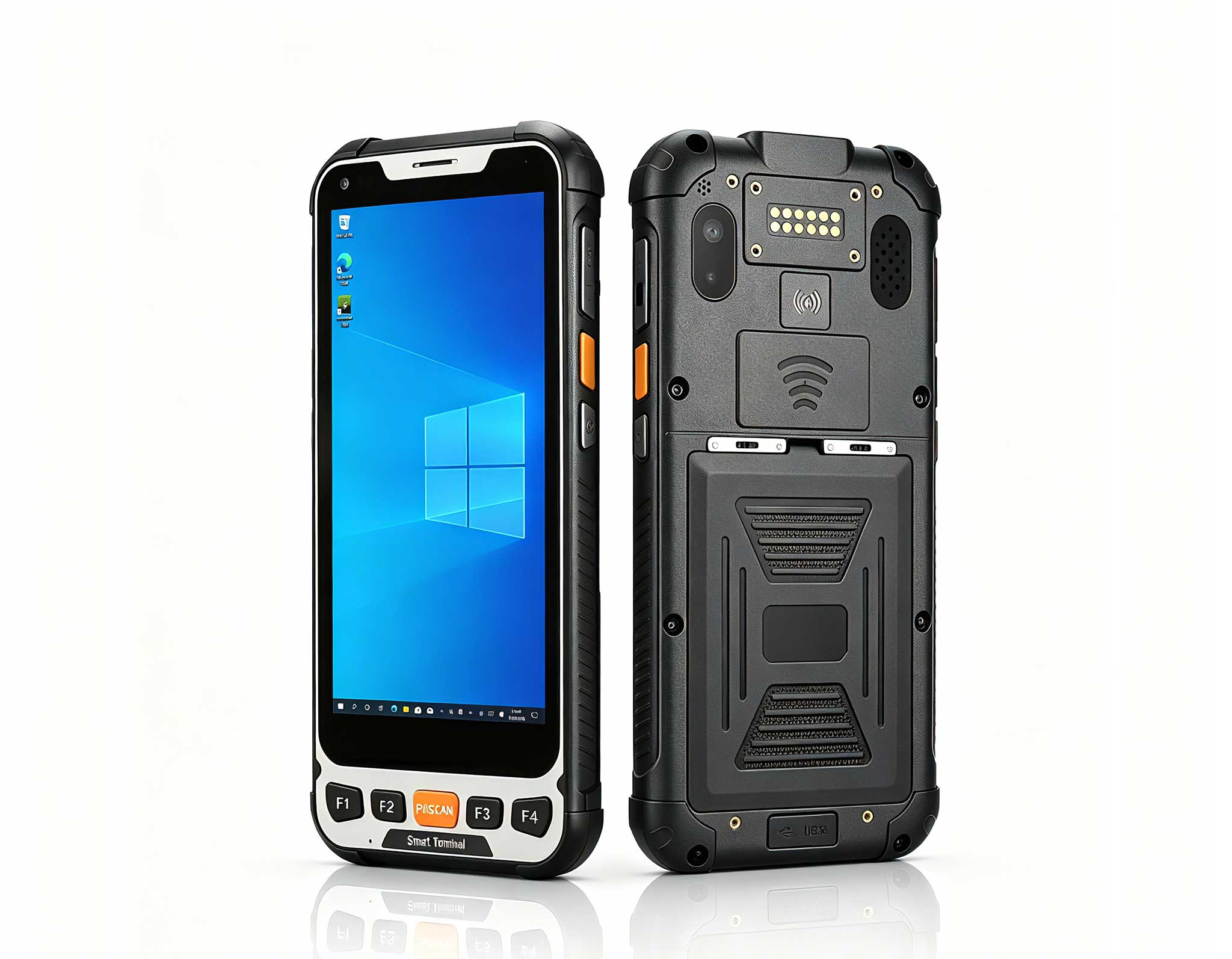
Full SpecificationsModelHotus ST11‑JOSWindows 10 P...
Full SpecificationsModel Hotus SH5‑WOperating ...
The R501 PDA combines a powerful MT6762 Octa-Core ...
R366-S Thin 5.5-inch Industrial PDA | Qualcomm Oct...
P11 Series Next-Gen Enterprise Rugged Industrial ...
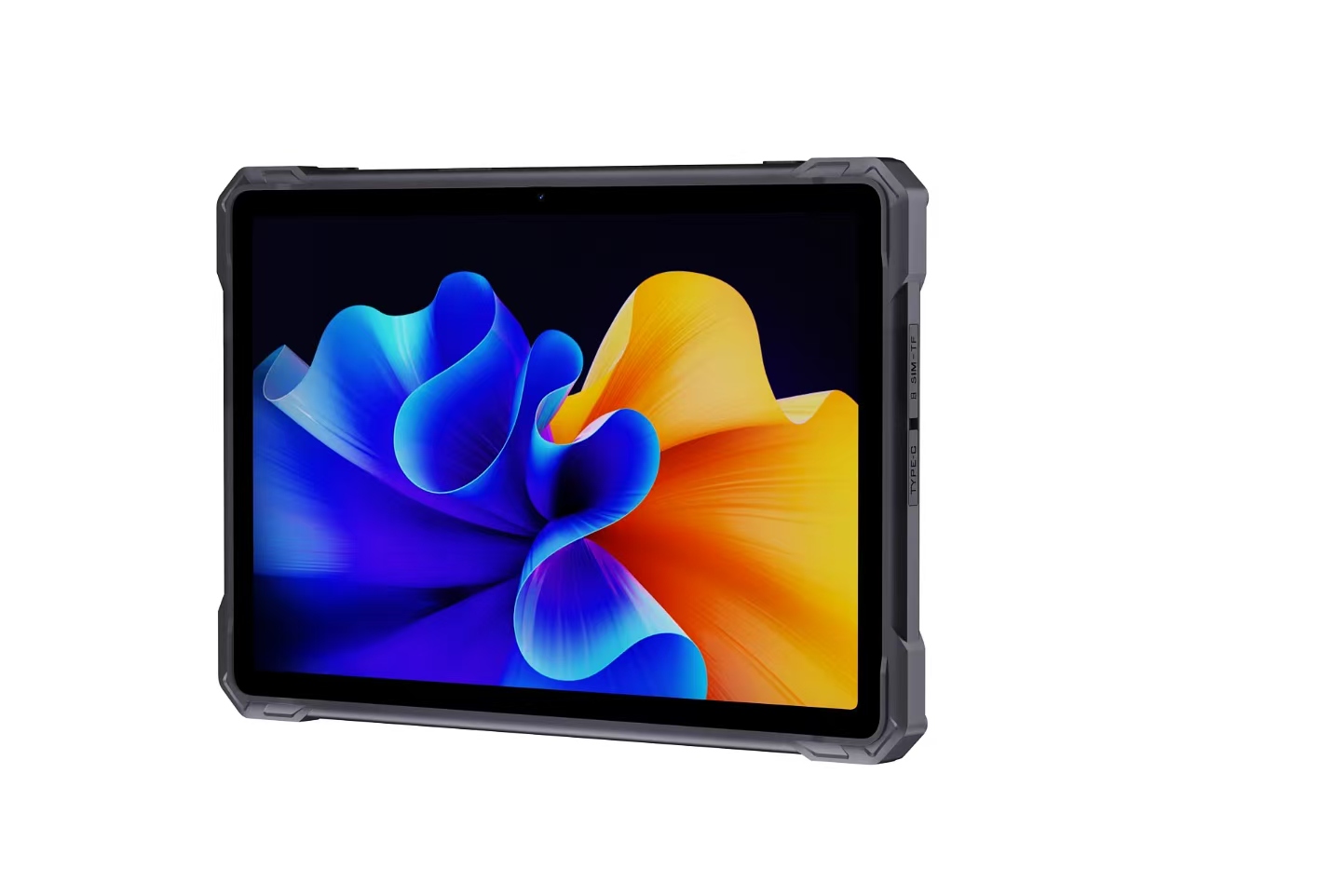
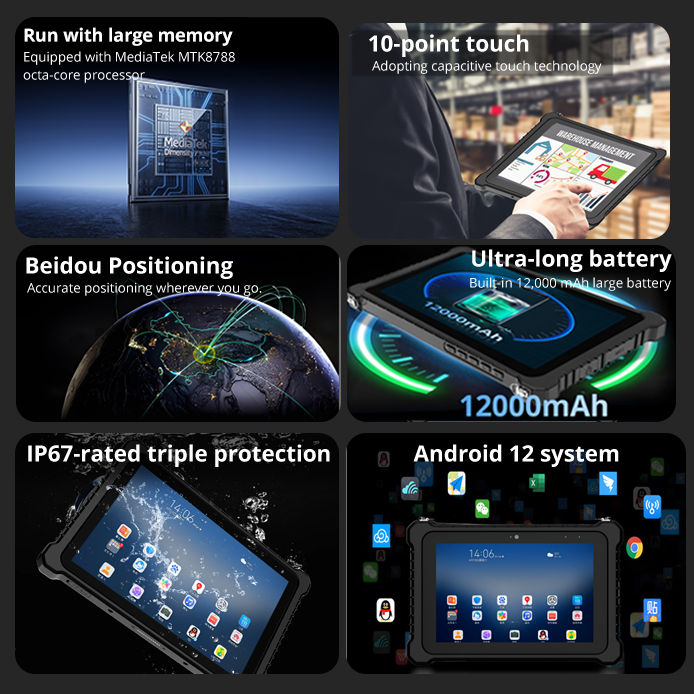
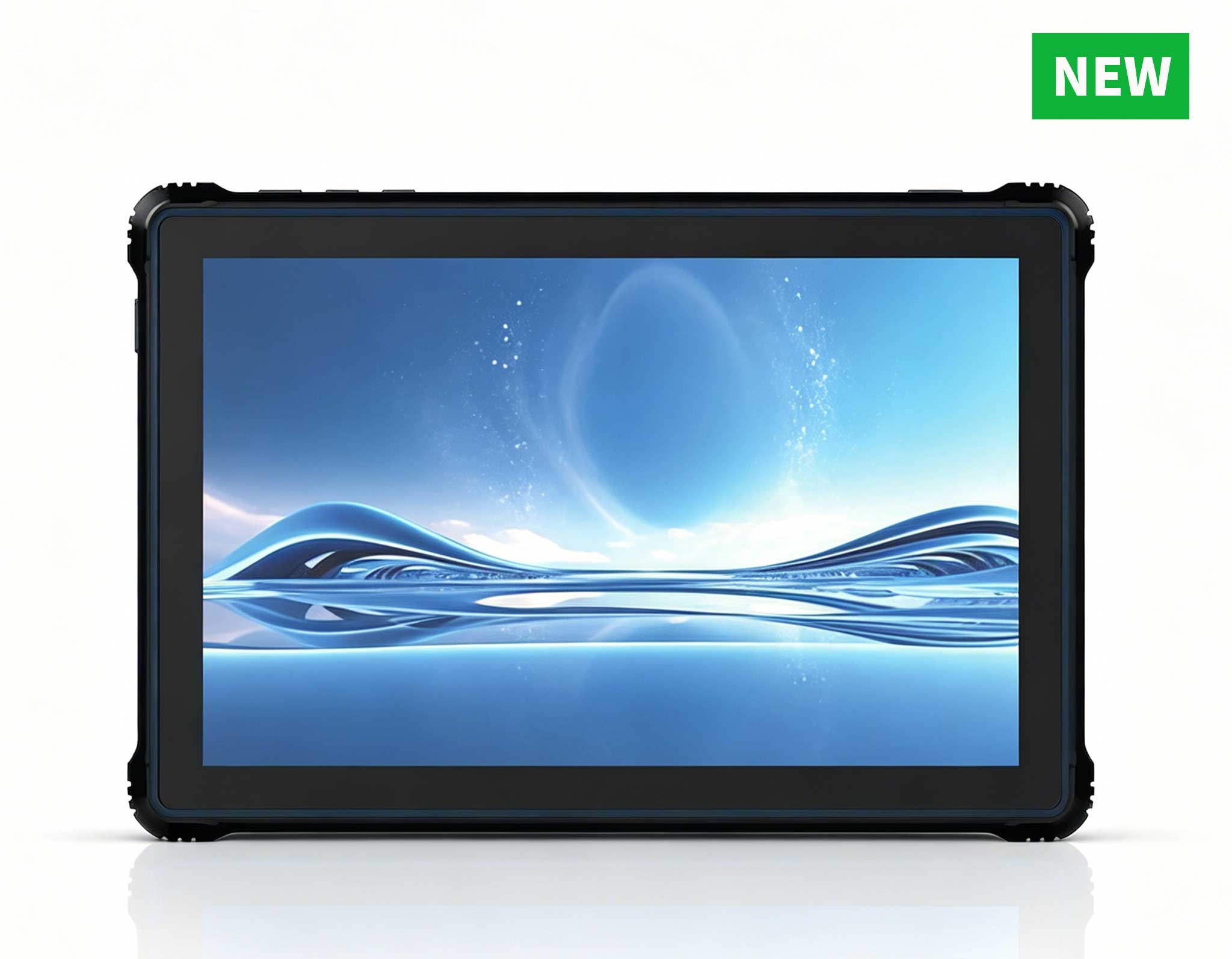
RT80 5G Rugged Tablet | 10.1" FHD 400nit | Un...
Running a warehouse on paper pick lists, clipboard checklists, and public-address announcements has never been a smooth experience. Sheets go missing mid-shift, handwritten counts get misread, and a verbal correction is lost the moment it leaves the dispatcher's mouth. Yet for decades, that was the standard across most of the industry. Today, three devices from Hotus, the Palm-sized miniPC, the R530C PDA, and the T80 Handheld PDA, are replacing those fragile workflows with digital capture that works the first time, every time. This guide breaks down exactly where each device earns its place on a modern warehouse floor.
Warehouse floors are fast, noisy, and unforgiving. Every second spent hunting for a pen, re-reading a smudged label, or repeating an order number into a radio is a second that no longer contributes to throughput. Teams that rely on paper tickets and verbal handoffs lose small amounts of time on every single transaction, and those seconds compound into lost capacity by the end of a shift. Scanning hardware solves the problem at the source by digitizing the moment a pallet is received, a bin is stocked, or an order is picked. When the data is captured at the point of action, the rest of the operation, inventory counts, putaway, and shipping, stays accurate without extra effort.
The evolution of warehouse technology can be summarized in three generations. The analog generation relied on paper and voice; it was functional but limited, and errors surfaced only during end-of-month counts. The early digital generation improved accuracy with dedicated terminals, but those devices were bulky, slow to learn, and frustrating to operate. The modern generation, built on intelligent handheld computers and compact fixed workstations, delivers professional quality with effortless operation. The Palm-sized miniPC, the T80 Handheld PDA, and the R530C PDA belong firmly in the third generation, bringing capabilities that earlier hardware simply could not offer. For teams that want to modernize without replacing their entire workflow, the industrial solution for Warehouse Logistics built around them keeps integration cost low while removing daily friction for operators.
Organizations that deploy these devices consistently report three critical outcomes. First, consistently accurate data capture that eliminates costly inventory errors and tedious reconciliations. Second, streamlined operations that free staff to focus on moving goods rather than managing equipment. Third, a professional impression that reflects positively on the entire organization, from the receiving dock all the way to the customer's doorstep.
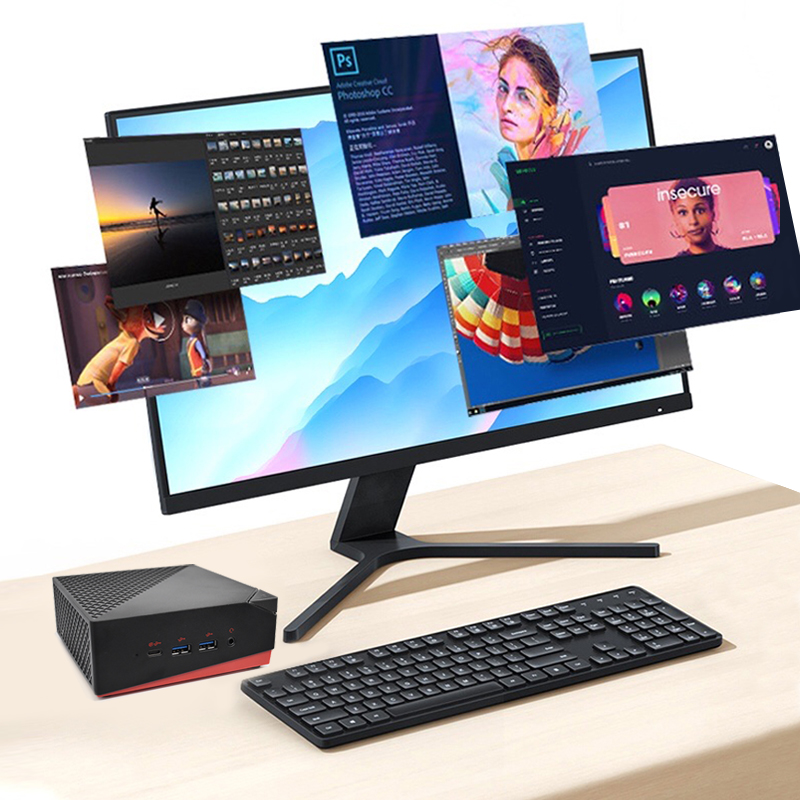
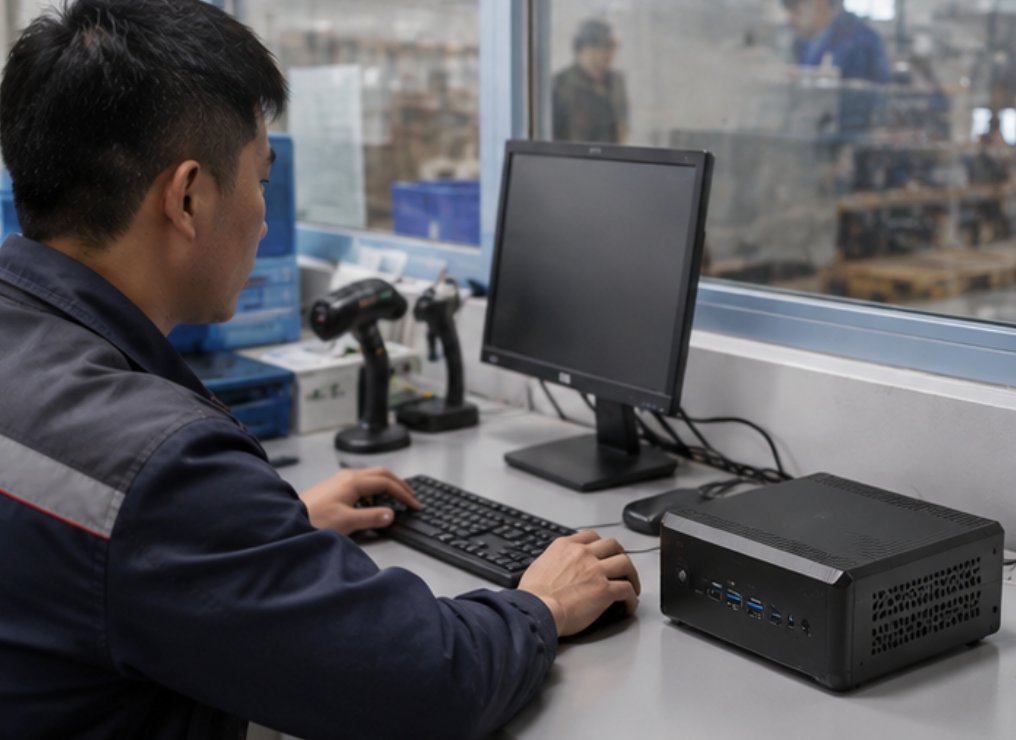
Not every scanning task happens in the aisle. Receiving docks, packing stations, and inventory control offices need a dependable computer that can run warehouse management software without consuming valuable desk space. The Palm-sized miniPC packs a full desktop experience into a footprint barely larger than a smartphone, which makes it a natural fit for fixed stations across a logistics facility. It runs the same browser-based and client-server applications that traditional desktops run, so there is no learning curve and no software rewrite required.
Operators can mount it behind a monitor, connect it to barcode scanners and label printers, and keep the workstation clean and uncluttered. Compared with a traditional tower, the miniPC draws less power, generates less heat, and tolerates the dusty air of an active warehouse far better than conventional enclosures. It is not designed to walk the aisles, but it excels wherever work happens in place, at a weigh station, a returns desk, or a supervisor's office. When a facility wants to pair a fixed station with a portable scanning layer, the Palm-sized miniPC anchors that setup at a low cost per seat, making full-facility digitization affordable even for operations that are still growing.
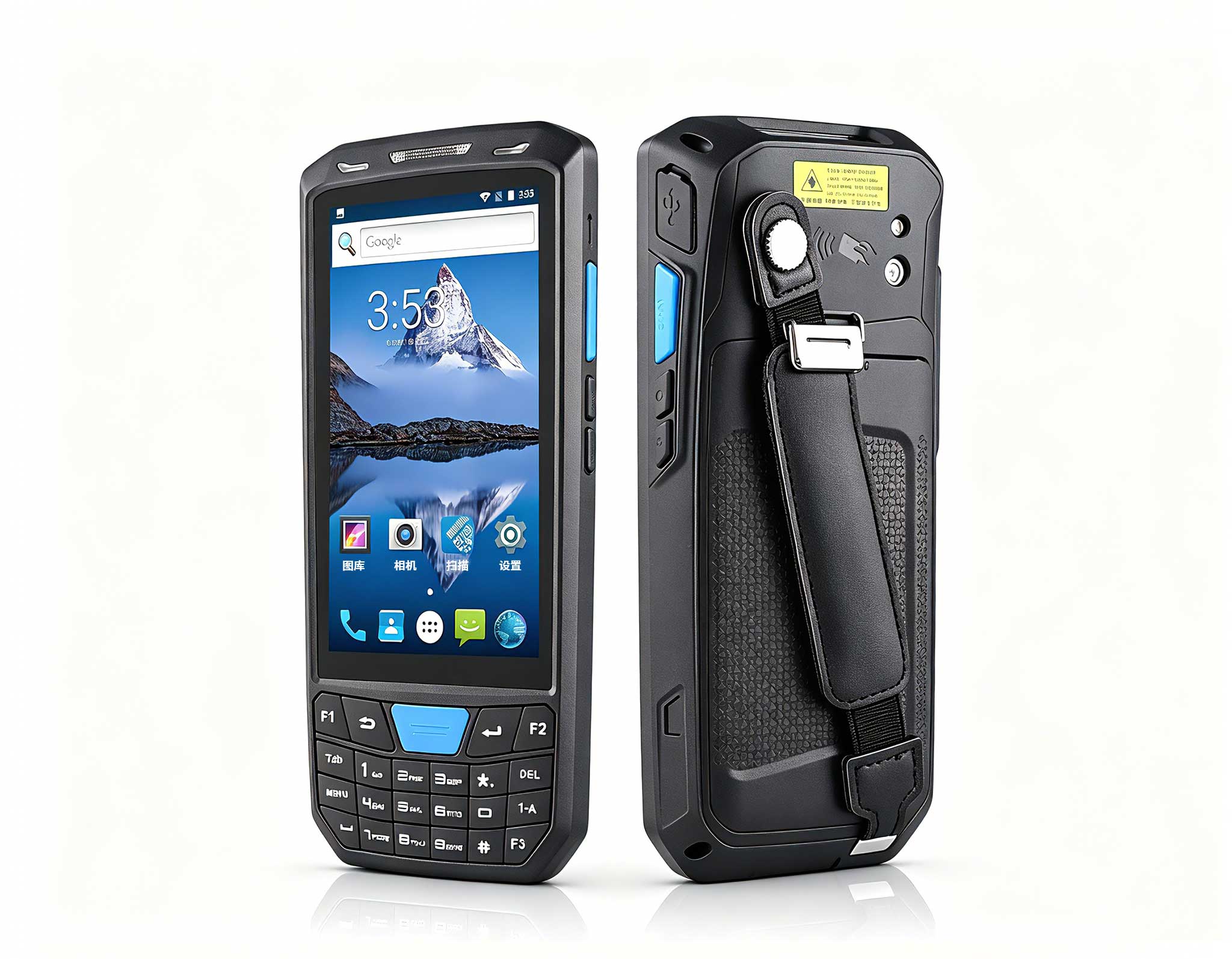
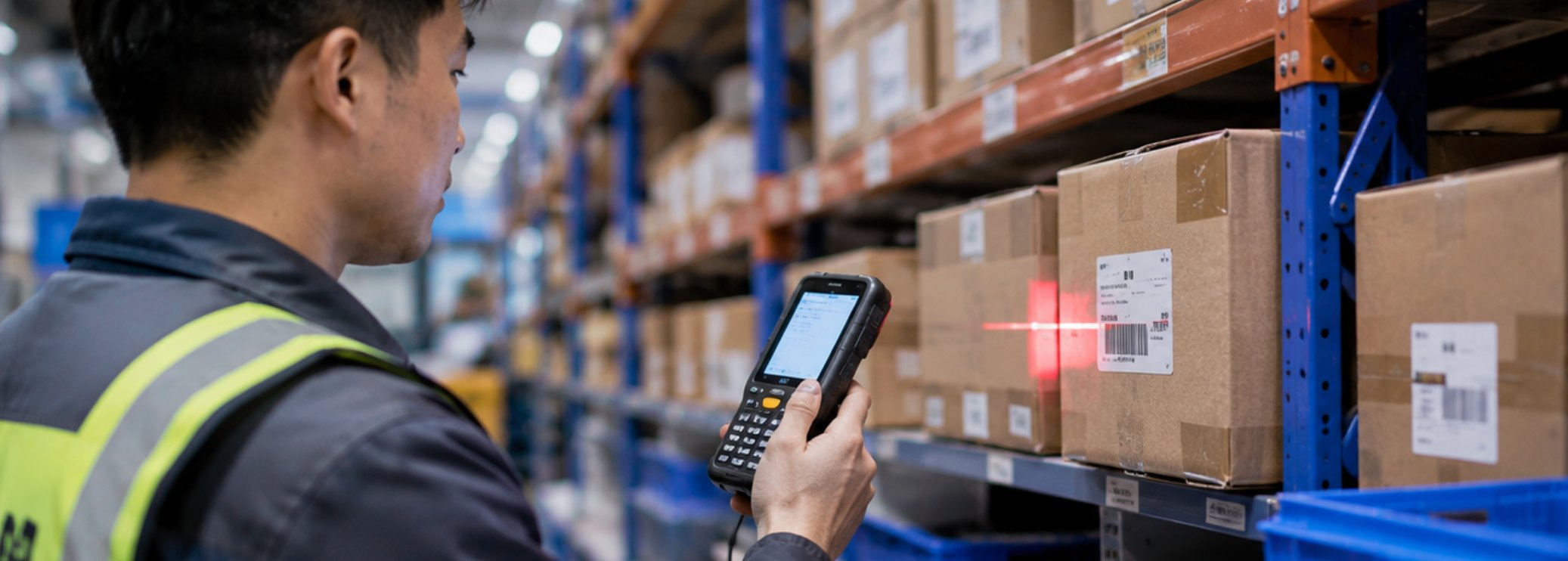
The T80 Handheld PDA is built for operators who live on the floor. An ergonomic grip, a bright display that stays readable under warehouse lighting, and a responsive scan engine turn picking and putaway into a one-hand operation. Workers scan a location, scan the item, and move on without juggling separate devices or reaching for a worn-out sheet of paper. The flow stays continuous, and so does the throughput.
This is where the T80 Handheld PDA separates itself from consumer smartphones and from bulky legacy terminals. Its scan engine reads barcodes quickly, even on wrinkled or damaged labels that trip up ordinary camera-based scanning, and the device keeps running through a full shift on a single charge. For operations that measure throughput by the hour, that speed translates directly into more lines picked and fewer bottlenecks at the dock. Teams upgrading from early digital terminals consistently report shorter training times and fewer user errors, because the interface follows the natural rhythm of the job instead of demanding constant menu navigation.
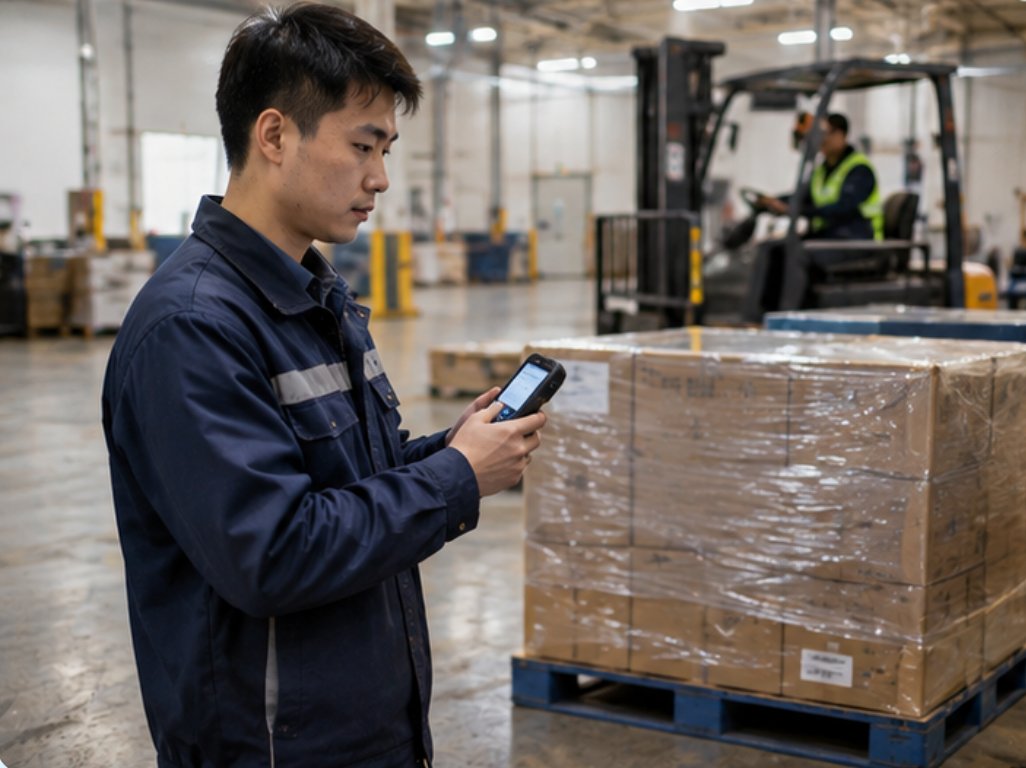
Not every warehouse is a clean, climate-controlled distribution center. Cold storage facilities, building material yards, and third-party logistics hubs punish equipment with drops, dust, moisture, and temperature swings. The R530C PDA is hardened for exactly these conditions, with a reinforced body and a touchscreen engineered to survive everyday abuse. It keeps scanning when conditions turn hostile, which is precisely when other devices start to fail.
Durability is where the R530C PDA stands apart from consumer-grade alternatives. A dropped device in a busy operation is not an inconvenience; it is lost time and repair cost. The R530C PDA's rugged construction means fewer failures, fewer replacement units, and a lower total cost of ownership over the device's life. Supervisors who have watched cheaper hardware fail on the job tend to reach the same conclusion: the reliability argument usually wins the budget debate, because the true cost of a fragile device is paid in downtime, not in the purchase price.
Choosing between a fixed miniPC and a handheld PDA comes down to where the work happens. A packing station needs a screen, a keyboard, and stable power, while an aisle needs a scanner, a battery, and a tough shell. The table below summarizes the practical differences between the three options, so teams can match hardware to roles instead of forcing a single device to do everything.
| Attribute | Palm-sized miniPC | T80 Handheld PDA | R530C PDA |
|---|---|---|---|
| Primary position | Fixed stations, docks, and offices | Aisle-level picking and scanning | Harsh and demanding environments |
| Form factor | Compact desktop computer | Handheld terminal with scan engine | Handheld terminal with reinforced shell |
| Durability profile | Continuous indoor operation | Drop-resistant for daily floor work | Rugged against dust, moisture, and shock |
| Battery strategy | Always connected to power | Full shift on a single charge | Extended endurance for long shifts |
| Cost position | Lowest cost per fixed seat | Balanced value for throughput gains | Higher upfront cost, fewer repairs |
| Best for | Running warehouse software | High-volume scanning tasks | Long-term reliability in rough use |
The Warehouse Logistics technology landscape is shifting rapidly. Traditional wired systems are being phased out in favor of digital wireless devices, and early adopters report ROI payback periods of under 12 months, driven primarily by reduced labor costs and increased picking capacity. Facilities that standardize on a mix of fixed miniPCs and rugged handhelds get the best of both worlds: a stable computing core at the dock and fast, reliable scanning in the aisle. Warehouses looking for dependable computing at their stations will find that rugged mini PC solutions from Hotus cover the receiving and packing areas well, while the handheld models handle everything in between.
There is no single device that fits every warehouse role, and that is exactly why the comparison matters. Start with the T80 Handheld PDA if your bottleneck is picking speed. Choose the R530C PDA when your floor punishes equipment and you are tired of replacing broken units. Add the Palm-sized miniPC wherever you need a full workstation without the bulk of a tower. Most facilities find that a combination of the three covers every station on the floor, and the overlap between roles is what makes a mixed deployment so forgiving.
The Warehouse Logistics landscape rewards operators who adopt the third generation of scanning technology, and teams still fighting paper and legacy terminals are falling behind. Whether you are upgrading a single dock or rolling out a full facility deployment, the combination of a fixed miniPC and a rugged handheld gives you accuracy, speed, and durability in one system. To see which compact computing options fit your floor alongside the handheld models, explore our mini PC solutions and start planning the upgrade today.