- Select Language
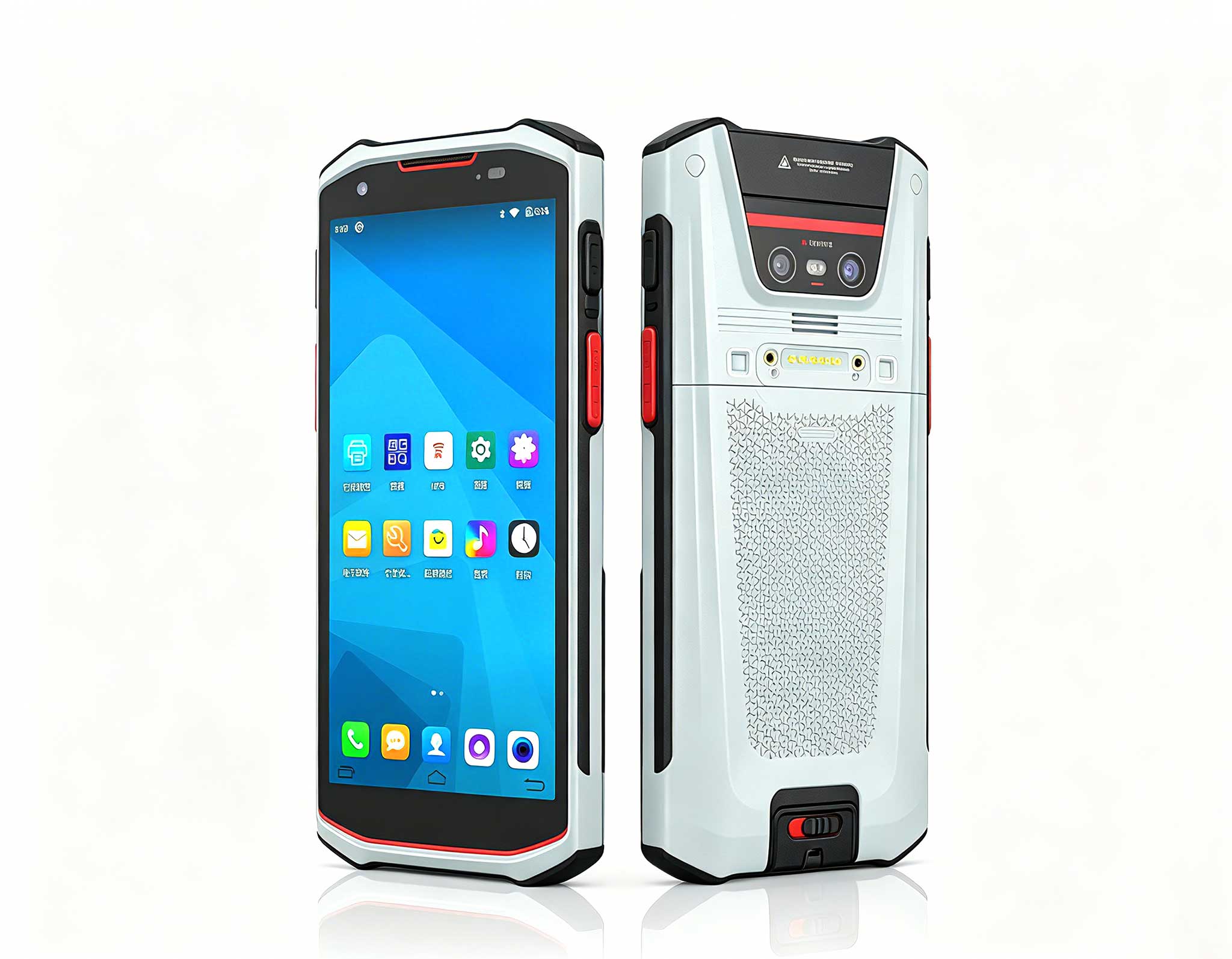
The R501 PDA combines a powerful MT6762 Octa-Core ...
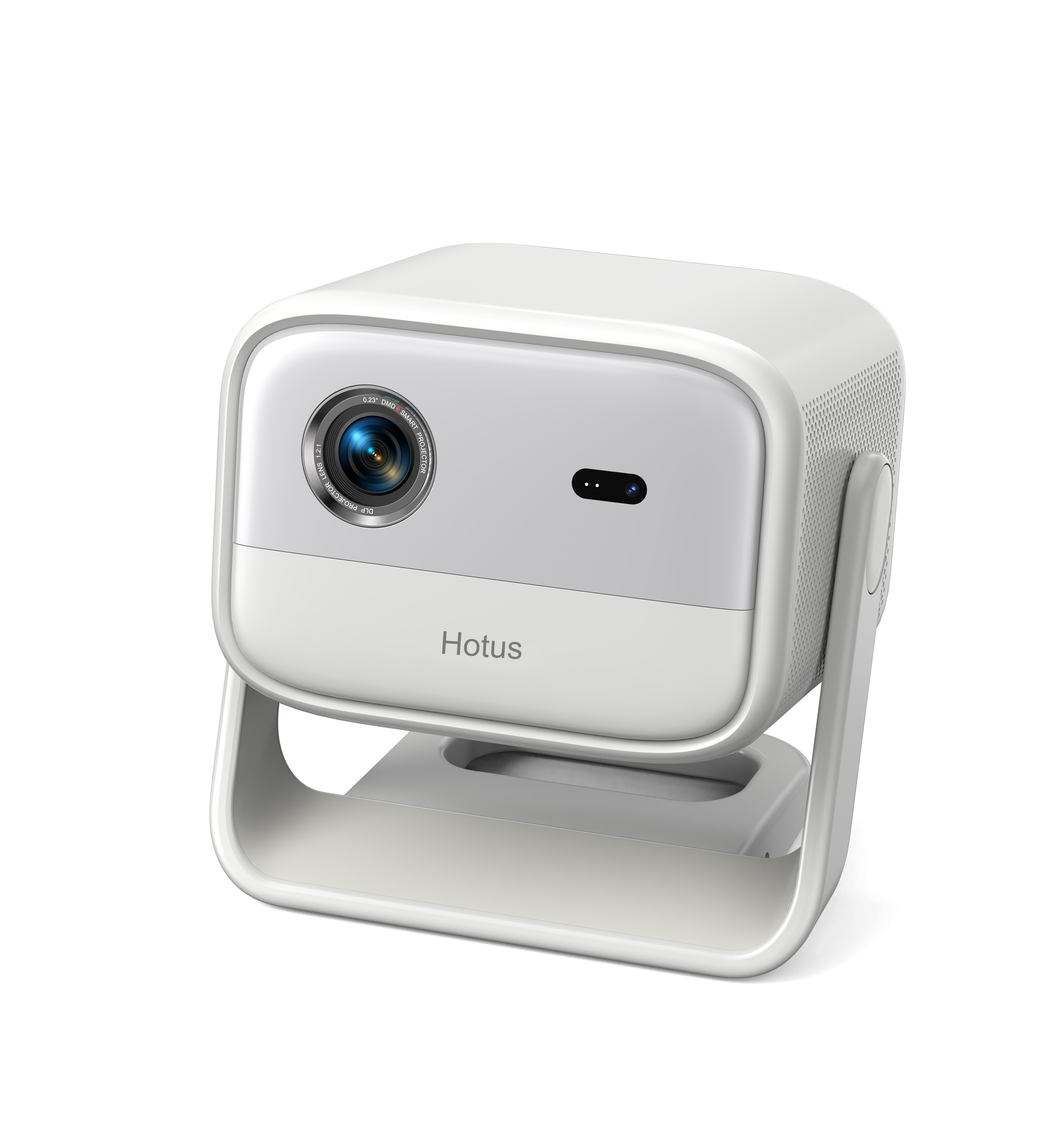
One Device, Dual Functions – A Projector and a Com...
Technical SpecificationsModel: Palm-sized miniPCTy...
Explore our customized PDA designed for versatile ...
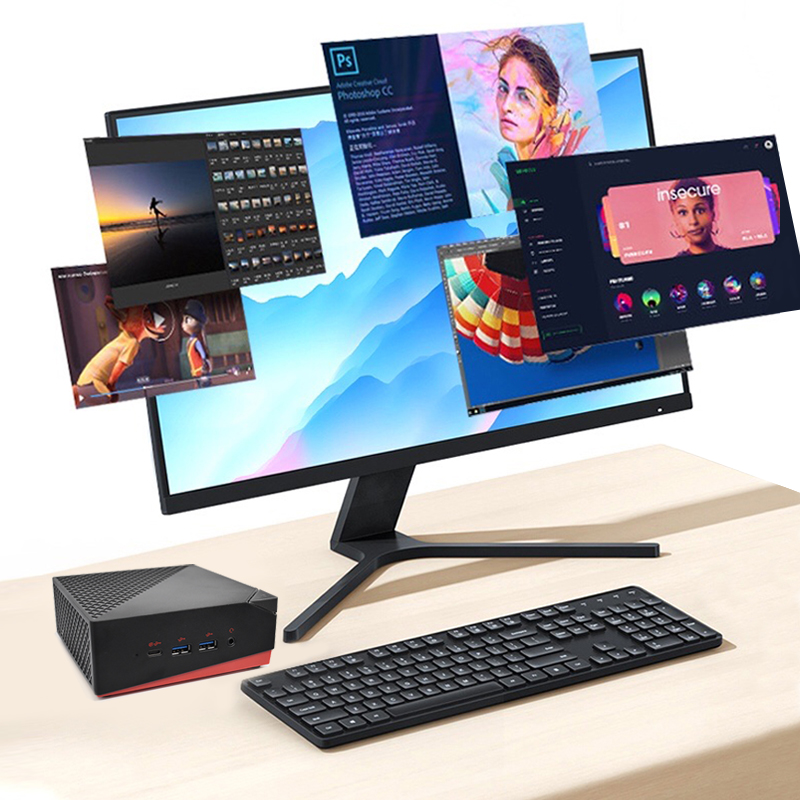
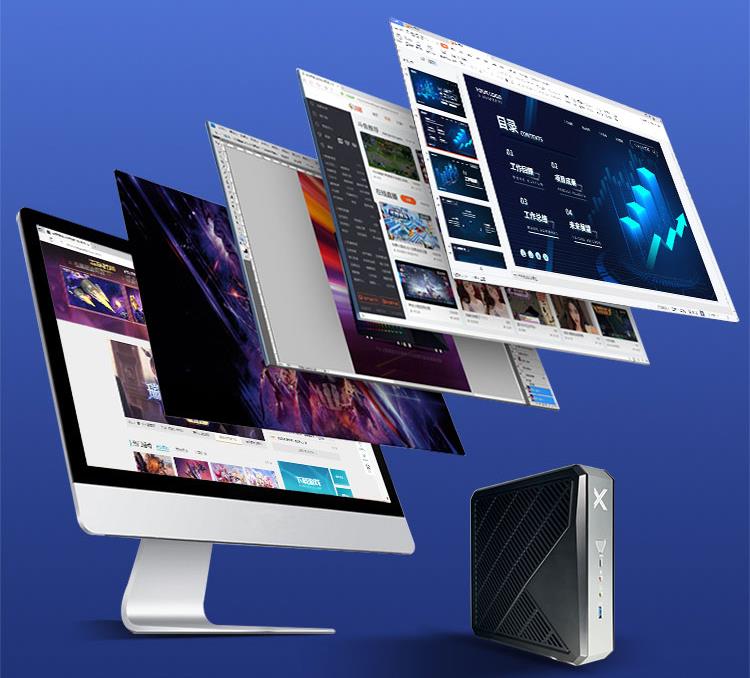
The AMD Mini PC Windows 10 Pro is a compact yet po...
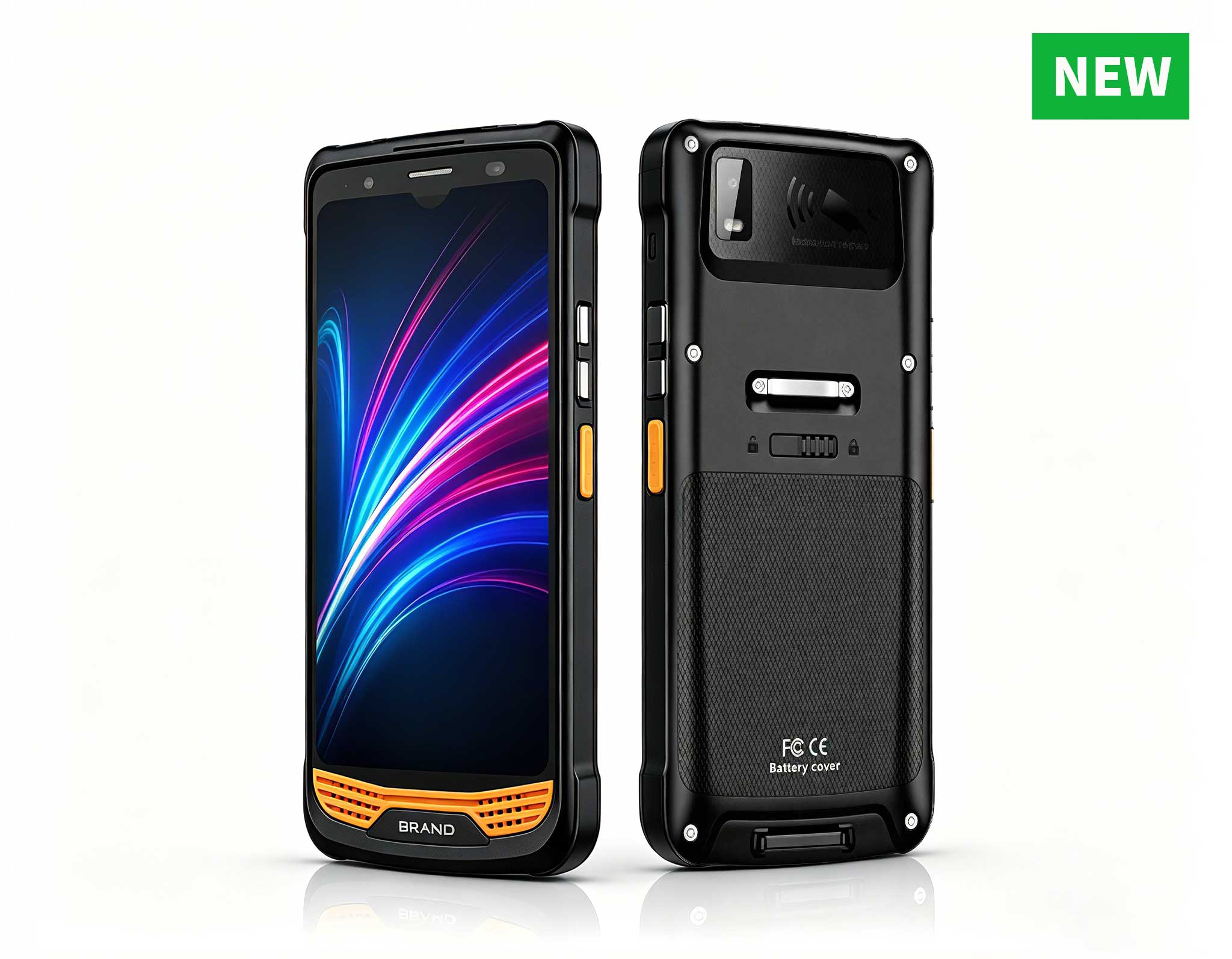
R366-S 5.5-inch Industrial PDA | Qualcomm Octa-cor...
One Device, Dual Functions – A Projector and a Com...
A city enforcement branch does not buy three rugged tablets. It buys one enforcement software package, puts it on whatever hardware passes the tender, and then discovers that the same installation behaves differently depending on which machine it lands on. The operating system edition decides whether the package installs cleanly or needs a workaround. The identity method decides whether an officer signs a notice with a badge or with a PIN. Both of those live on one line of the purchase paperwork, and on this particular tender that line is answered three different ways by three machines.
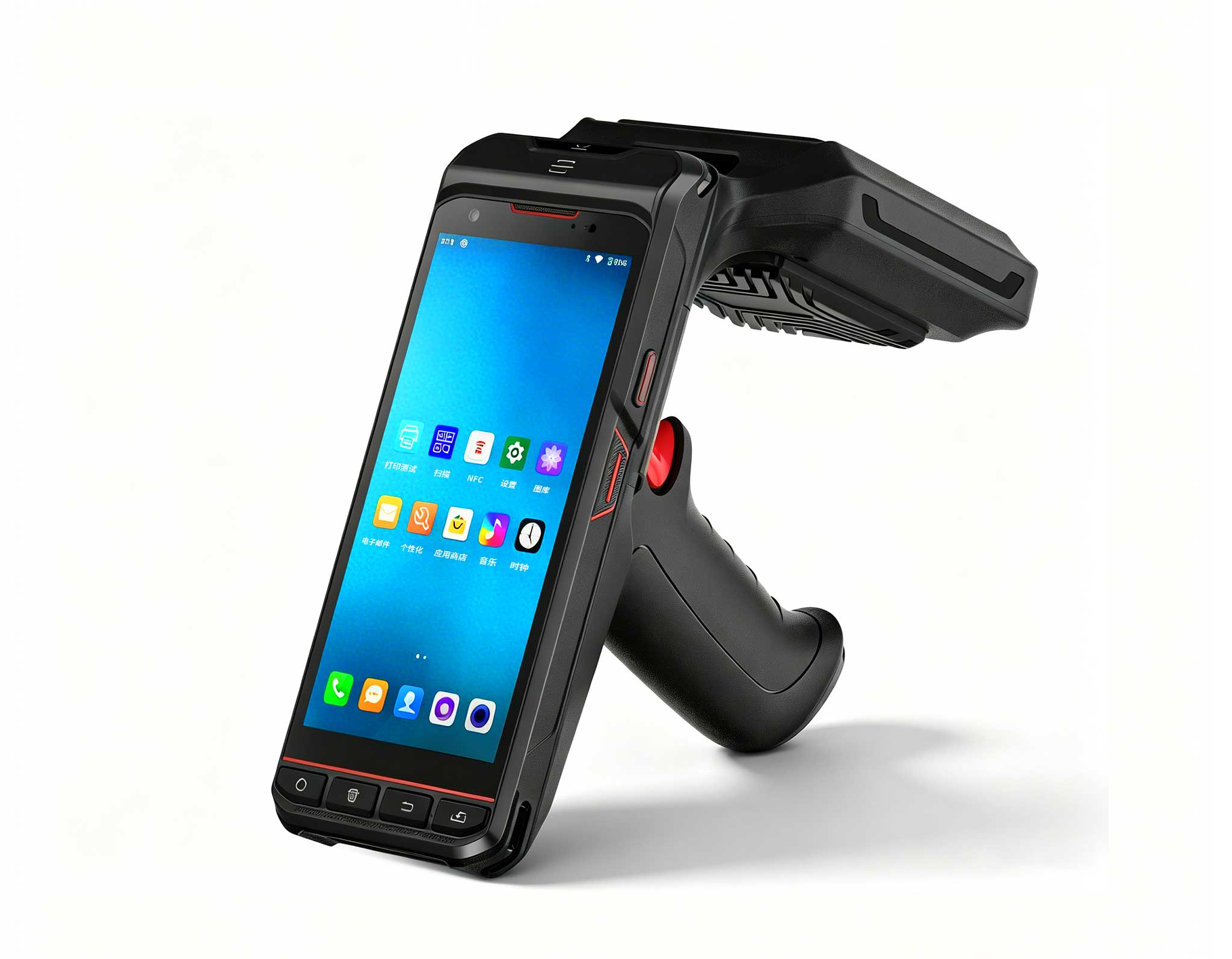
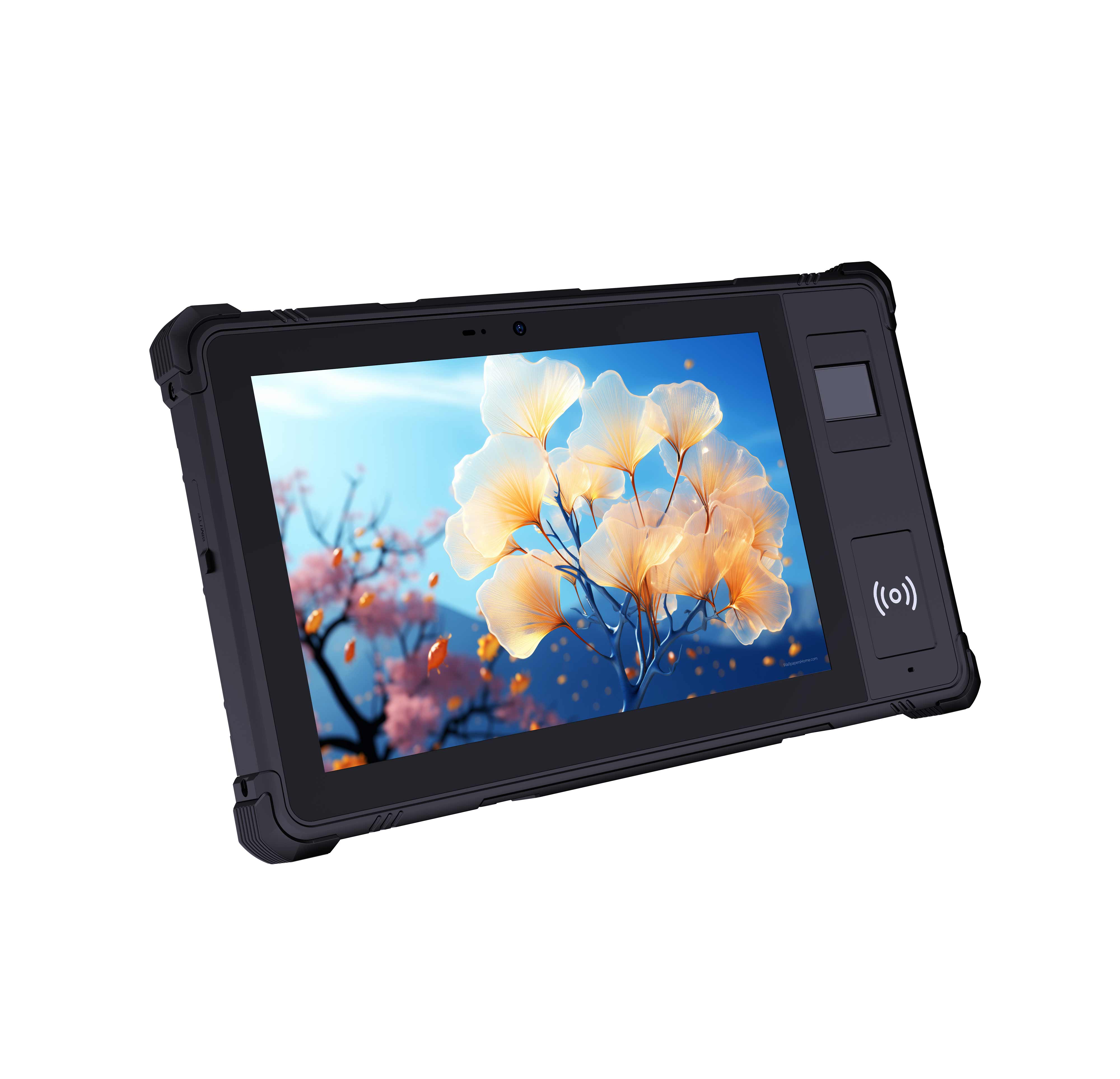
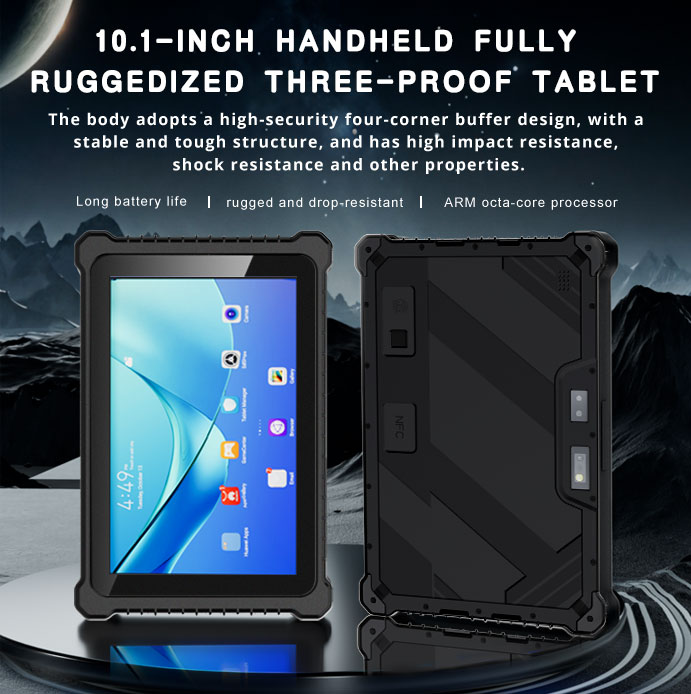
The three units compared here are the HTYJ08A 8-inch rugged tablet, the Hotus SH6 6.5-inch rugged handheld, and the Hotus ST11-M 10.1-inch rugged industrial tablet. All three are sold as Windows machines, all three are sold for outdoor work, and all three appear in procurement shortlists for enforcement. What follows is an examination of the two rows that quietly decide whether one software package can be deployed across a mixed fleet.
Most tender documents for this kind of purchase treat the operating system as a checkbox. If the vendor says Windows, the row is closed. That habit produces a fleet that is technically uniform on paper and practically split in the field, because "Windows" on a product page can mean a full Pro installation with local administrator rights, a Home edition with no domain join, an IoT edition with a stripped shell, or an optional Linux build that arrives only if someone remembers to order it.
The consequence is not visible on delivery day. It shows up in the week after, when the enforcement package refuses to install on one machine, installs on another but cannot reach the internal case server on the third, and the IT contact starts asking which of the three units each officer actually received. At that point the purchase order has already been paid, and the fix is not a replacement unit. It is a re-image project with a procurement signature attached.
Read the three specification tables side by side and the differences are plain once they are lined up against each other rather than read separately.
| Item | HTYJ08A | SH6 | ST11-M |
|---|---|---|---|
| Operating system as published | Windows (no edition stated) | Windows 11 Pro; Home / IoT optional | Windows 10 Pro; Home / IoT / 11 Pro / Ubuntu Kylin 20.04 optional |
| Processor | Intel Core 10th Gen i5-10210Y / i7-10510Y | Intel N100 quad core | Intel i5-8200Y dual core, 1.30 GHz, turbo to 3.90 GHz |
| Memory / storage as published | Not stated on the specification line | 8GB / 256GB; 16GB / 512GB optional | 8GB with 128GB eMMC; 16GB optional; 256GB, 512GB / 1TB optional |
| Display | 8-inch LCD, 1200 x 1920, 560 nit | 6.5-inch HD+, 380 nit | 10.1-inch IPS, 1200 x 1920, 430 nit typical, 450 nit max, 1000 nit optional |
| Wireless | WiFi 6 + BT 5 | WiFi 6, BT 5.2, 4G LTE global bands | 802.11 a/b/g/n/ac + BT 4.2, 4G LTE (SLM770A; EC25-AUX in North America) |
| Positioning | Optional 4G / GPS module | GPS, BDS, GLONASS | BDS, GPS, GLONASS |
| NFC / biometric | Optional NFC and fingerprint module | NFC 13.56 MHz, ISO14443 A; no biometric line | NFC 13.56 MHz, 1-3 cm, ISO14443 Type A; fingerprint optional |
| Security module | Not stated | Not stated | TPM 2.0 |
| Protection | IP67, 1.22 m drop | IP65, 1.2 m drop | IP65 |
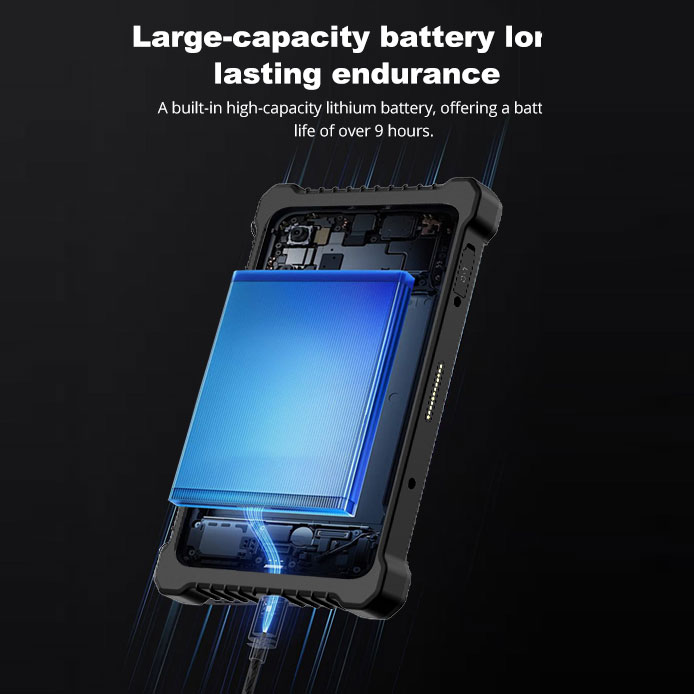
| Battery | 7.6 V / 3500 mAh | 5000 mAh / 7.6 V, up to 4.5 hours | 6000 mAh / 7.6 V; about 4 h charge, 7 h 30 min use, about 4 days standby |
| Body size | 23.8 x 16 x 2.5 cm | 178.3 x 83 x 23 mm | Not published |
| Weight | 1.8 kg gross with box | 460 g plus or minus 20 g | Not published |
| Ports | Audio, Mini HDMI, Type-A, Type-C, DC in, RJ45, TF, SIM, 12-pin POGOPIN | Not enumerated; 1D / 2D scanner and docking station offered as options | HDMI, SIM, TF, earphone, DC, USB 3.0 x2, RJ45, RS232; bottom and back POGOPIN (USB 2.0 / charging / RS232) |
| Operating temperature | Not published | Operating -20 to 55 degrees C; storage -40 to 60 degrees C | Not published |
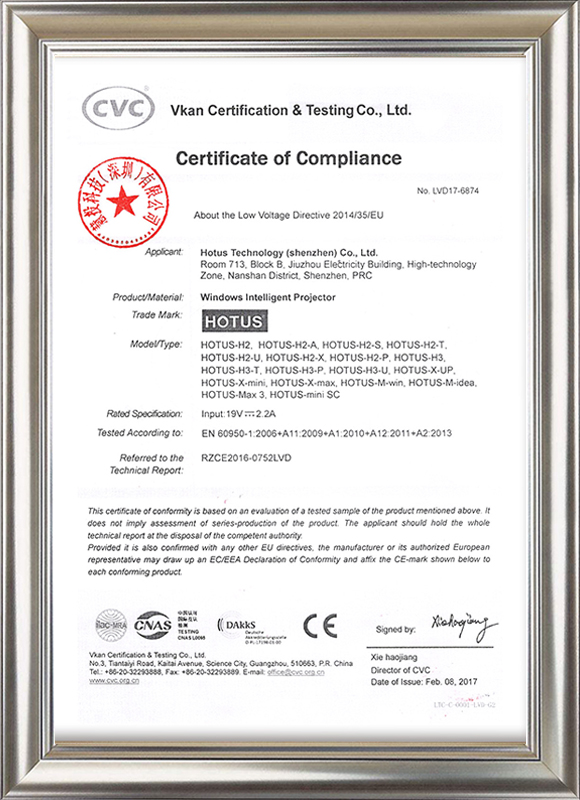
| Certification | Not published | CE, FCC, 3C | Not published |
Two rows in that table carry almost the entire argument, and both of them are easy to skim past because neither is a headline figure.
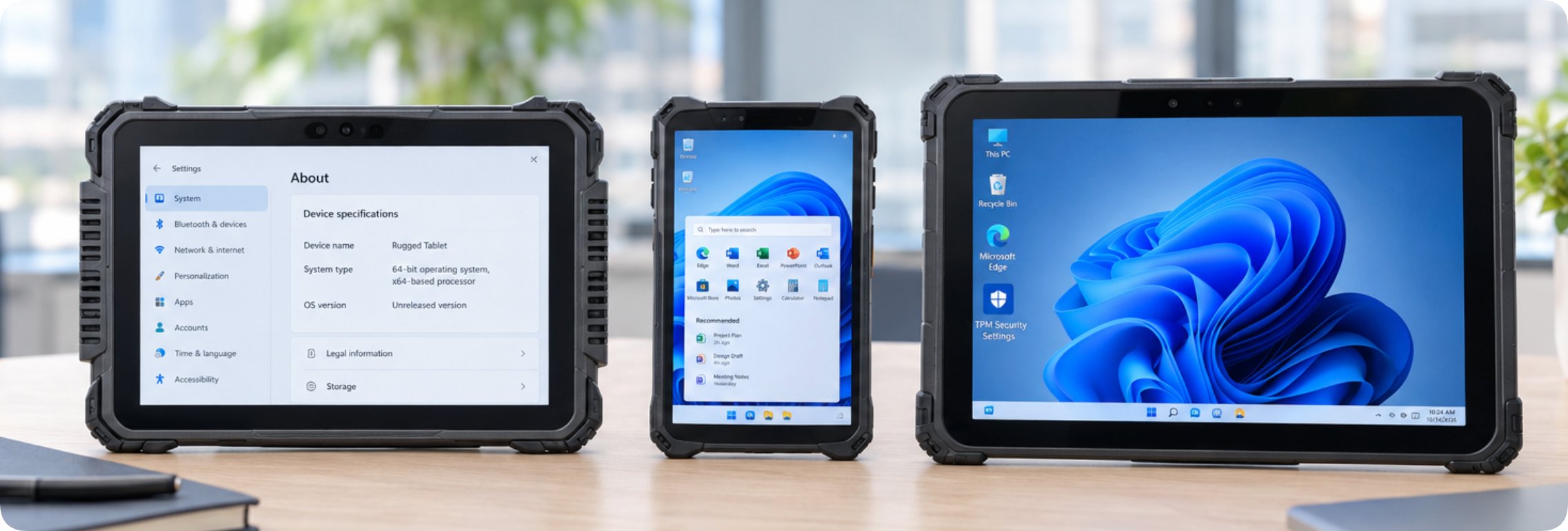
The SH6 is the only one of the three whose published specification names Windows 11 Pro as the standard system, with Home and IoT offered as alternatives. That is a genuinely useful line on a tender, because it means the default unit an officer receives is the edition most likely to join a domain, run the enforcement package as a standard user account, and be managed by whatever device management the city already runs. The "optional" wording still matters: an order that specifies the handheld and leaves the edition blank can still arrive as Home.
The ST11-M publishes Windows 10 Pro as the standard, with four alternatives including Windows 11 Pro and Ubuntu Kylin 20.04. Four choices on one row sounds like flexibility and is in practice a decision the buyer has to make and record, because each one changes the deployment. Windows 11 Pro on this unit is not the same deployment as the Linux build, and neither is the same as staying on the published Windows 10 Pro image. The Kylin option matters specifically for fleets where the enforcement package has already been ported to it, but that decision belongs to the software team, not to the hardware requisition.
The HTYJ08A is the one that creates real work. Its specification line states Windows and stops there. No edition, no Home or IoT caveat, no Linux option, and no statement that a Pro image ships on the unit. For a branch that intends to run the same package across all three machines, this is the row that has to be resolved in writing before the order, because it is the row where nothing is promised. The likely outcome is a conversation with the vendor about what actually sits on the flash, and that conversation is easier to have before a purchase order than after a delivery note.
There is a second-order effect that procurement rarely writes down. Windows 10 Pro and Windows 11 Pro have different support horizons, and a fleet that ends up split across both needs patching on two schedules for the whole life of the deployment. Choosing the SH6 for its published Pro edition moves that question later; choosing the ST11-M on its Windows 10 default keeps it earlier. Neither is a mistake, but the two are not equivalent and should not be treated as two rows that happen to say similar words.
💡 A practical rule falls out of this. Where the tender asks for "Windows", write the edition into the order line rather than accepting the vendor's default, and ask for the image to be confirmed in writing on the delivery documentation. That single line of the purchase order is cheaper than a re-image project, and it is the only place where a mixed-fleet problem can be prevented rather than repaired. Branches that expect to repeat the order at more sites later can also settle the image question once, at the programme level, through an OEM and ODM hardware programme, rather than rediscovering it in every individual tender.
Enforcement paperwork usually needs to be attributable to a named officer. How that attribution happens is decided by what the machine offers, not by what the software prefers, and the three products answer differently. Branches assembling a mixed fleet usually start from the wider public safety and security hardware range and work backwards to a shortlist, which is exactly the order in which these two rows get skipped.
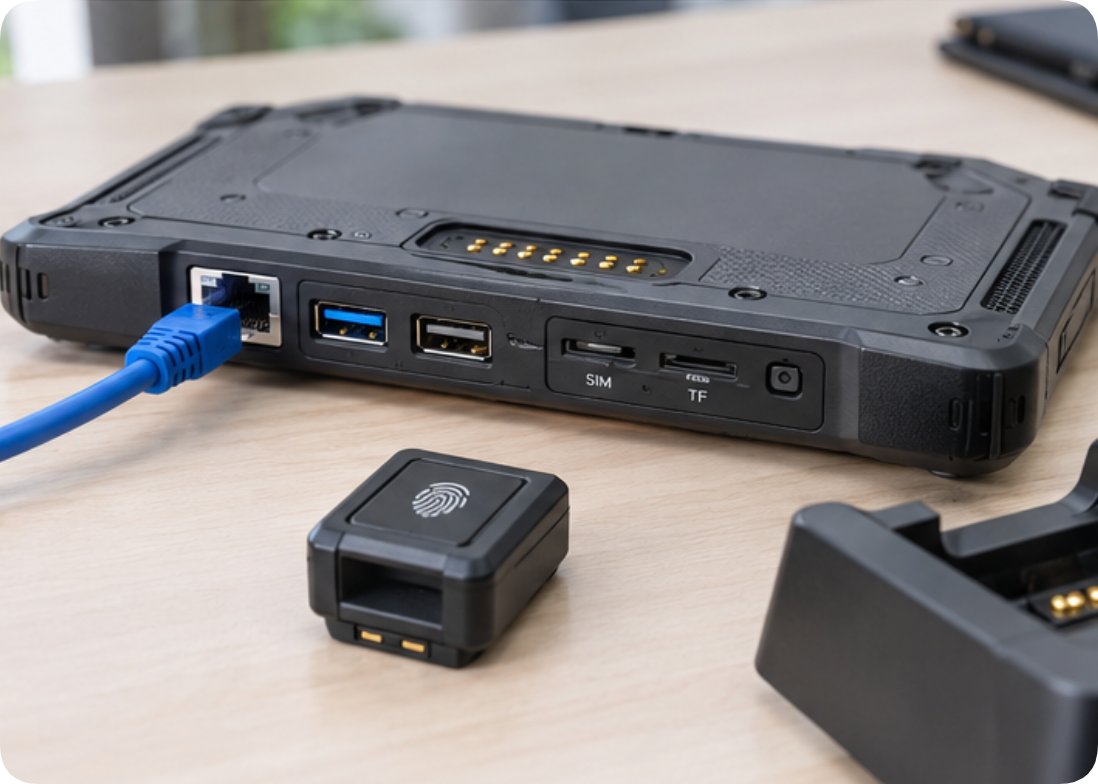
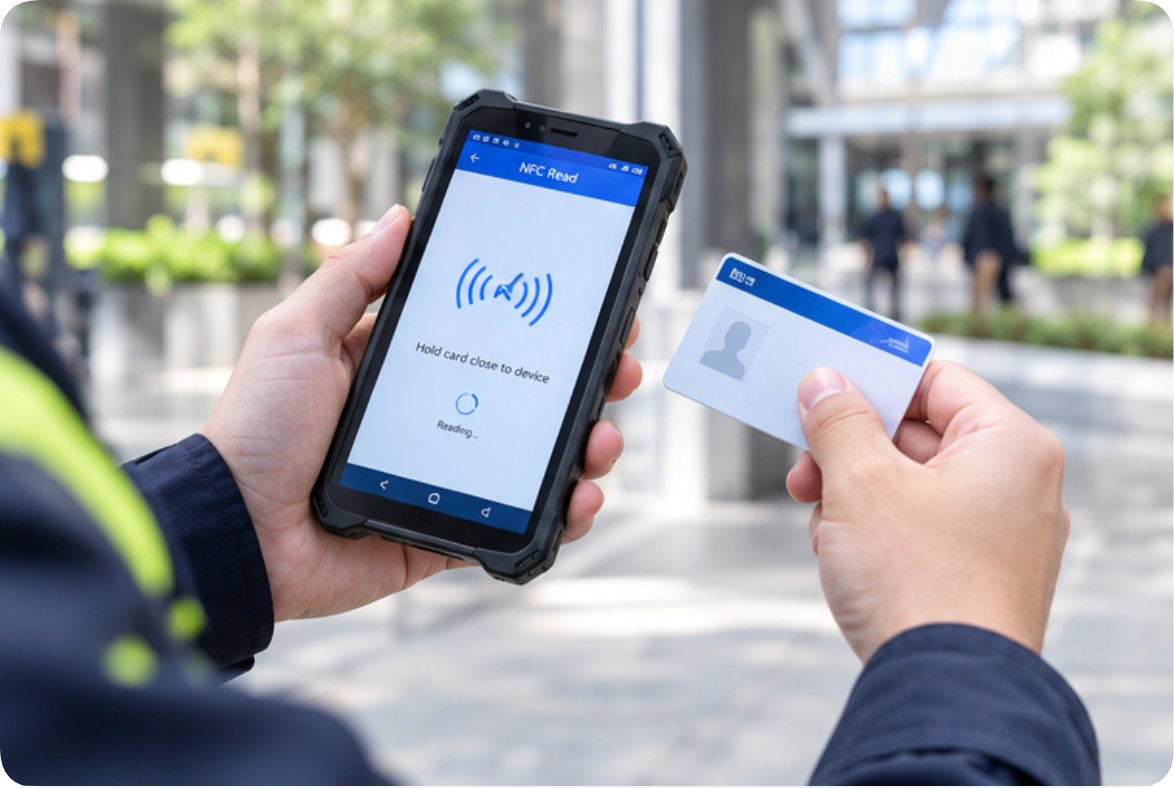
The SH6 publishes NFC at 13.56 MHz with ISO14443 A support and lists no biometric option at all. The ST11-M publishes the same NFC frequency, adds a stated 1-3 cm reading distance, and lists a fingerprint reader among its optional modules alongside barcode, UHF RFID and high-precision GPS. The HTYJ08A lists NFC and fingerprint together under an optional-functions line that also carries 4G, scanning and a charging dock. In other words, two of the three can be configured to read a physical credential at the point of enforcement, and one of the two publishes that option without a cost implication attached to it, while the third publishes nothing at all on that row.
That difference changes the workflow rather than the specification. If the city's policy is a PIN plus badge visual check, the SH6 covers it out of the box. If the policy is a fingerprint-confirmed signature on the device, the SH6 cannot cover it without a different peripheral, and the procurement line for that peripheral is a separate piece of paperwork that nobody wrote. If the policy is a badge tap against an in-vehicle reader, the NFC specification matters in a way the other two rows never reach.
🔴 The row worth arguing about is the one on the ST11-M that reads TPM 2.0 support. TPM 2.0 is a hardware root of trust, and it is what makes Windows Hello for Business and BitLocker-based disk encryption available. The other two products do not publish a security module at all. Absence of a published module is not proof of absence in the hardware, but it is proof that a procurement file cannot cite one, and a fleet that is meant to hold identifiable case data will eventually be asked which machines can support credential-based disk encryption. Only one of the three currently answers from its own specification page.
Weight, body size and operating temperature are the three rows most often requested in a tender and least often comparable across this kind of shortlist.
The HTYJ08A gives its size as 23.8 by 16 by 2.5 centimetres and its weight as 1.8 kg gross with box. The SH6 gives 178.3 by 83 by 23 millimetres and 460 grams plus or minus 20. The ST11-M publishes neither figure on its specification table. Comparing 1.8 kg against 460 g is a category error: one includes the shipping carton, the other is a bare unit. Since the size row is stated for two of three and the weight row is stated on two incompatible bases, both were left out of the comparison rather than filled with a converted figure.
Operating temperature is the same story. Only the SH6 publishes a range, -20 to 55 degrees C operating and -40 to 60 degrees C storage. Neither of the other two states one. For an enforcement branch working outdoors, this is a row where the safest procurement language is not "all three are rated for outdoor use" but "operating temperature is published for one unit only, and the other two require a written confirmation from the vendor before the order is placed".
Ports are a fourth row that deserves the same treatment, and here the difference is genuinely structural rather than a missing figure. The ST11-M enumerates its full port set, including two USB 3.0 ports, an RJ45, an RS232 and a POGOPIN that carries USB 2.0, charging and RS232. The HTYJ08A enumerates a set that includes an RJ45 and a 12-pin POGOPIN but no RS232. The SH6 does not enumerate ports at all, offering a 1D / 2D scanner and a docking station as options instead. A branch that plans to mount equipment in a vehicle, connect a card reader over serial, or use a wired network inside a building is looking at three different levels of answer here, and the row has to be read as published rather than assumed from the photographs.
None of the questions below are unusual. They are unusual in the sense that they are almost never written into the purchase order, and almost always turn up later in the deployment. Asking them at the quotation stage costs nothing.
For the SH6, ask which edition ships as the standard configuration and confirm that it is Pro rather than Home, since the page names Pro and lists the others as optional. Ask what the optional 1D / 2D scanner and docking station interfaces are physically, because the port line is not enumerated on the page. Ask whether the unit supports disk encryption through a hardware root of trust, since no security module is published.
For the ST11-M, ask which of the four published operating systems will be imaged and recorded on the delivery documentation, and whether that choice affects the warranty or the fingerprint option. Ask whether the fingerprint reader is a factory-installed module or a service-kit addition, since it sits in the same optional list as barcode, UHF RFID and high-precision GPS and those three have very different installation implications. Ask for the unit's body size and weight in writing, because they are absent from the specification table.
For the HTYJ08A, ask which Windows edition is installed on the flash as shipped, in writing, because "Windows" with no edition is the only thing the page states. Ask whether the 3500 mAh battery is the shipping configuration, since the capacity is published without a runtime figure and the SH6 and ST11-M both publish runtime. Ask for the operating temperature range and the bare-unit weight, because the 1.8 kg figure is gross with the box and cannot be placed next to the SH6's 460 g.
Across all three, the useful request is the same. Ask for one delivery note that states, per model, the operating system and edition actually imaged, the NFC and biometric configuration actually fitted, and the bare-unit weight. A procurement file built from three product pages will always be an approximation; a procurement file built from one written confirmation attached to the delivery note is not.
None of the three machines is wrong for outdoor enforcement work. Each of them carries a published specification table that answers the operating system and identity questions in its own way, and each of those ways is defensible on its own terms. The problem is not the machines. The problem is a purchase order that treats two rows as single words when they are really three different sentences, one per unit.
Once that order is written with the editions named, the fingerprint and NFC configurations recorded, and the missing weight and temperature figures either supplied in writing or marked as unavailable, the choice between these three becomes an ordinary hardware decision about screen size, battery runtime and sealed-body rating. Until it is written that way, the choice is being made by whichever product page the reader happened to open last, and the discovery arrives with the delivery note. Buyers comparing these units against the wider rugged tablet range should treat the operating system row and the identity row as the two lines that need the most attention, because those are the two where three defensible specifications produce three different deployments of one piece of software.