- Select Language
R350C 4-inch Industrial Handheld PDA | Qualcom...
The R501 PDA combines a powerful MT6762 Octa-Core ...
The R501 PDA combines a powerful MT6762 Octa-Core ...
Full SpecificationsModelHotus ST11‑MOSWindows 10/1...
The EGPU Graphics Card Expansion Dock is a high-pe...
P11 Series Next-Gen Enterprise Rugged Industrial ...
A fruit block does not forgive a late plan. Disease pressure in an orchard moves with the weather, not with the calendar, and by the time a scout can see a problem from the headland, the spray window that would have contained it is already half gone. So the season gets planned while the trees are still dormant: which blocks get walked, how often, what counts as a record, and which device each person carries. Those four decisions are written down in February and then lived with until harvest.
What makes orchard scouting different from most field inspection work is that the record is mostly photographic and positional, the hands are usually wet, and the closest reliable power and network are back at the truck or the packhouse. Any rugged tablet that joins the walk has to work inside those three constraints, and the three machines compared here answer them in very different ways. Every figure below comes from the specification each manufacturer publishes on its own product page; where a page contradicts itself, the contradiction is named rather than smoothed over. The three-proof field application these units were built for covers the general case; an orchard stresses two corners of it especially hard.
Planning happens when nothing can be observed yet. The grower or agronomist sits down with last year's records and decides block by block what this year's walk will look like: how many trees per row get a look, whether the scout records every canopy or only the flagged ones, and how the findings reach the spray operator. A device chosen for that walk is chosen against the plan, not against a feature list. If the plan says every finding is a photo with a row and tree number attached, the camera and the position source decide the purchase. If the plan says readings come from a handheld penetrometer or a leaf sensor with a cable, the port selection decides it instead.
There is also the arithmetic nobody enjoys: a scouting round across, say, forty hectares of rows is somewhere between eight and twelve kilometres of walking on grass, in boots, with gloves on and rain never more than an hour away. The device that cannot survive that distance is the one that gets left in the cab by week three, and the season sheet quietly reverts to paper. Weight and ingress rating are therefore not comfort figures here; they are the difference between the plan that was written and the plan that actually ran.
The single most valuable output of a scouting walk is a photograph that can still be trusted in November, at the advisory meeting, when nobody remembers which block it came from. A photo attached to a block, row and tree number is evidence; a gallery of similar-looking leaves is decoration. That is why the camera specification and the position source carry more weight in this scenario than screen brightness or speaker volume.
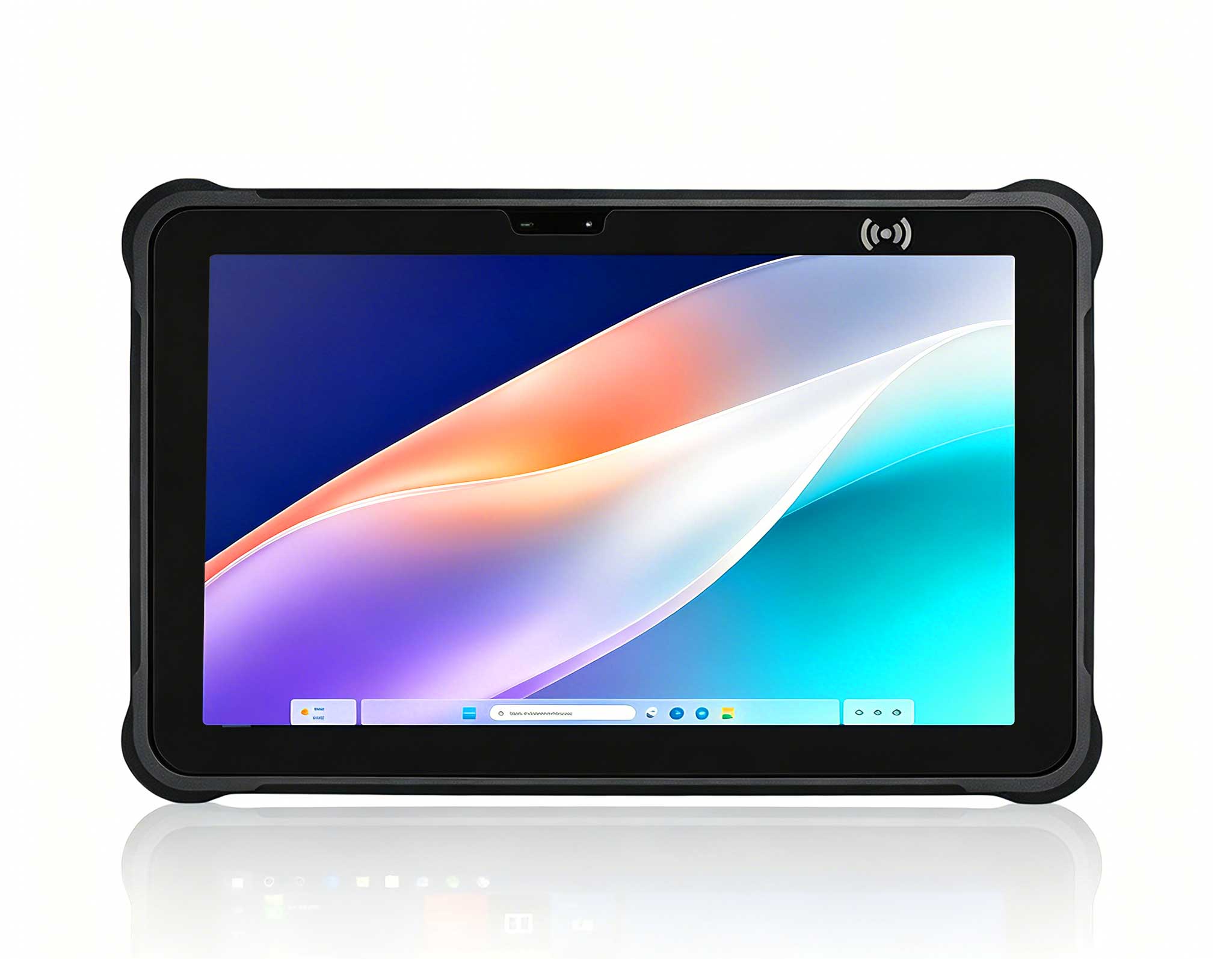
The RT80 5G rugged tablet is specified with a front 8-megapixel camera and a rear 48-megapixel autofocus unit with LED flash, with an 8-megapixel macro camera optional. It also lists GNSS with independent BeiDou RTK positioning, which is the difference between knowing the photo was taken somewhere in the block and knowing it was taken at a specific point along a specific row. The two Windows tablets list more modest cameras: 5-megapixel front with 13-megapixel rear on the ST11-M, and 5-megapixel front with 8-megapixel rear on the ST11-U. Neither Windows unit publishes an RTK option on its page. For a plan built on evidence-grade photography, that gap is the whole decision, and no amount of brightness compensates for it.
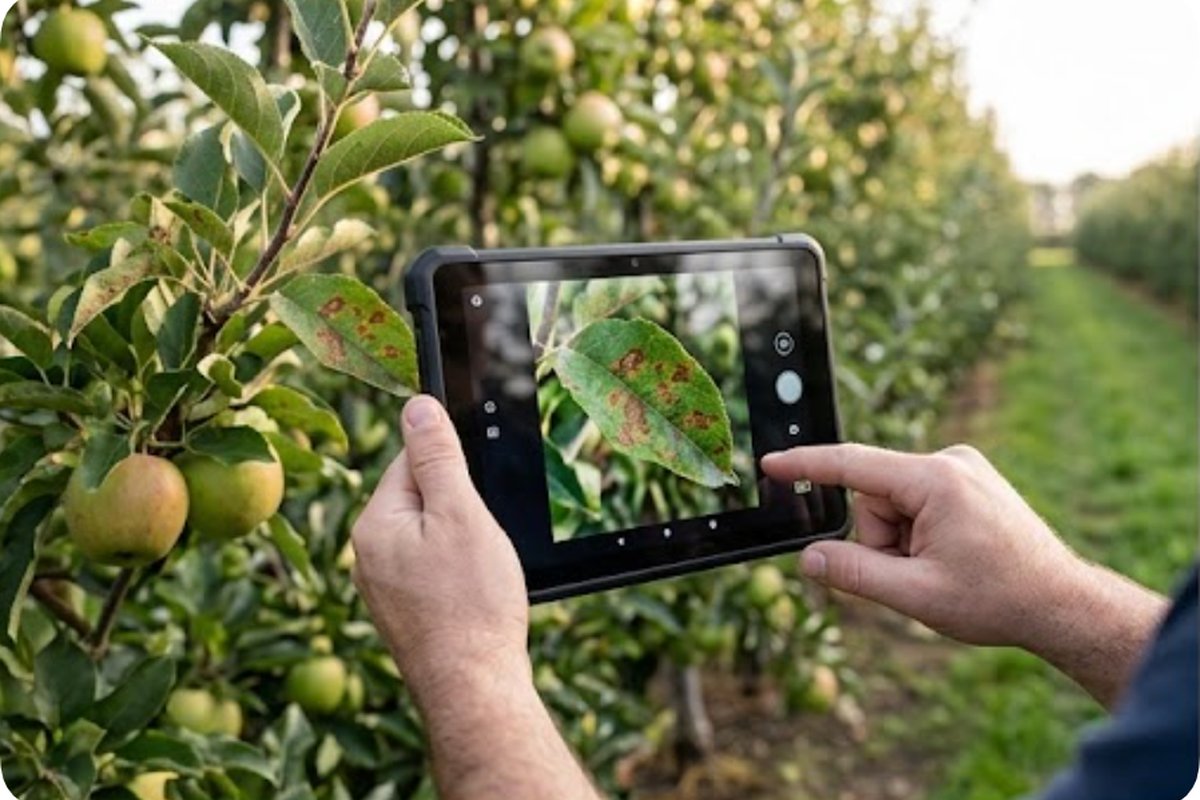
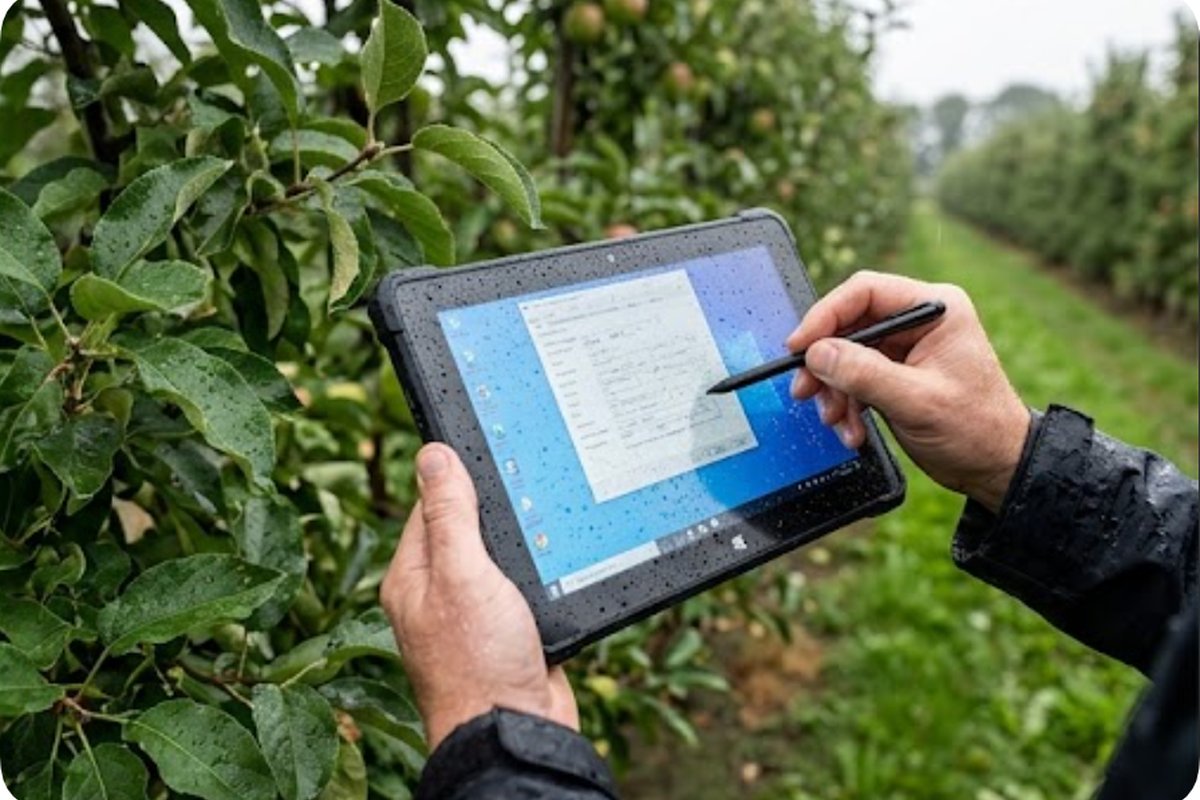
An orchard walk starts in dew and usually meets rain before it ends. Gloves come off for photography and go back on for typing, and fingers are damp through most of the middle of the morning. Capacitive screens handle this badly unless they are built for it, which is why the touch specification deserves a line of its own rather than being folded into the display paragraph.
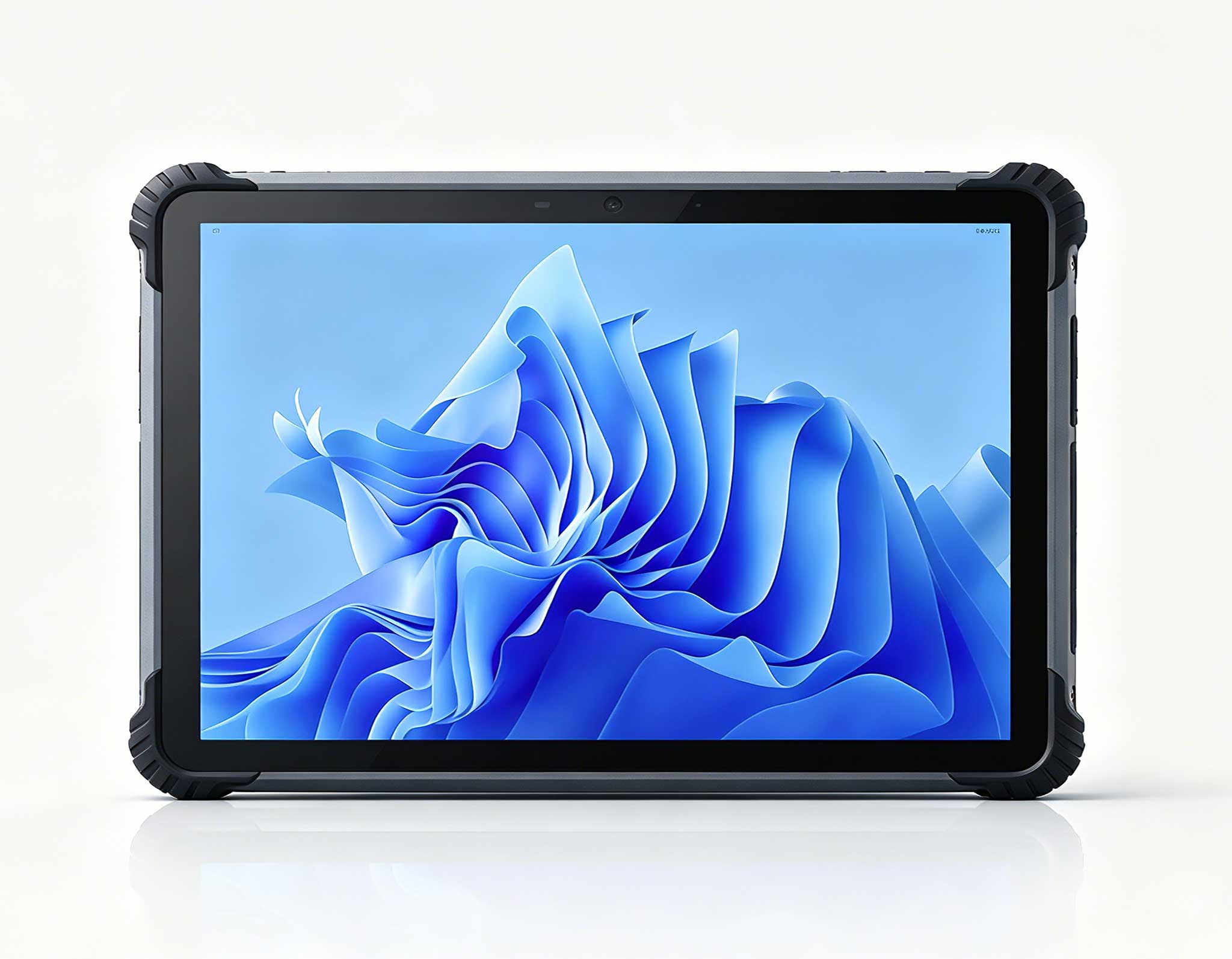
The ST11-U 10.1-inch rugged tablet specifies a 10-point touch screen with stylus support and wet-hand touch support explicitly. The RT80 specifies a 10-point G+G capacitive touch panel, with no wet-hand statement either way on its page. The ST11-M page also lists stylus support and wet-hand touch support in its touch row. A scout who has tried to dismiss a raindrop artefact with a wet thumb knows exactly what this line buys; a purchasing officer who has never done the walk tends to read it as marketing. It is one of the few specifications in this comparison that costs the manufacturer real money to implement, and the plan should treat it accordingly.
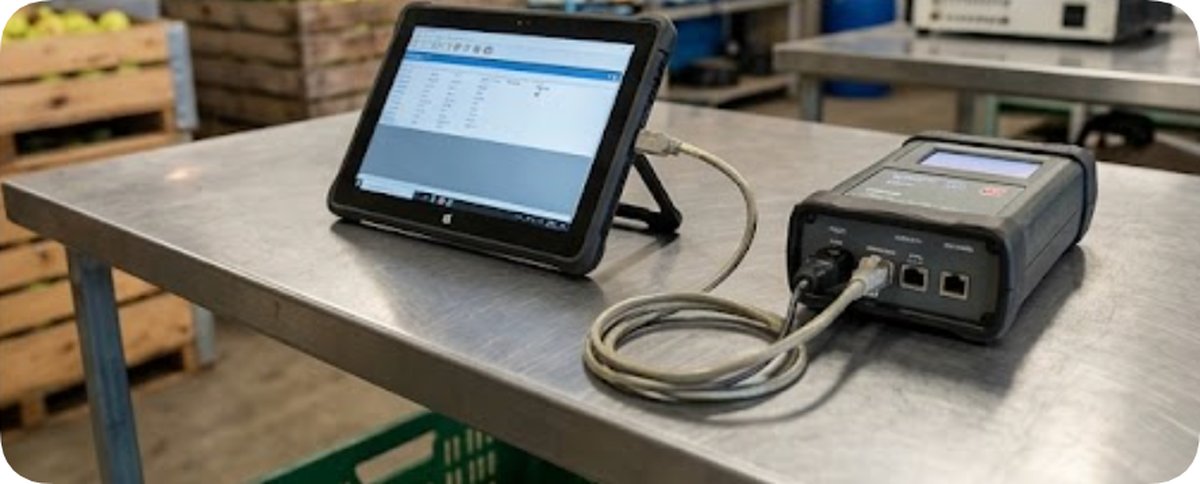
Not every orchard record comes off the screen. Packhouses and field stations run bench instruments, weather stations and older sensors that speak serial, and the season plan usually includes a stop at the packhouse where collected data gets reconciled. A tablet that can plug directly into that chain, without a consumer-grade adapter hanging off its only port, changes how much of the loop stays digital.
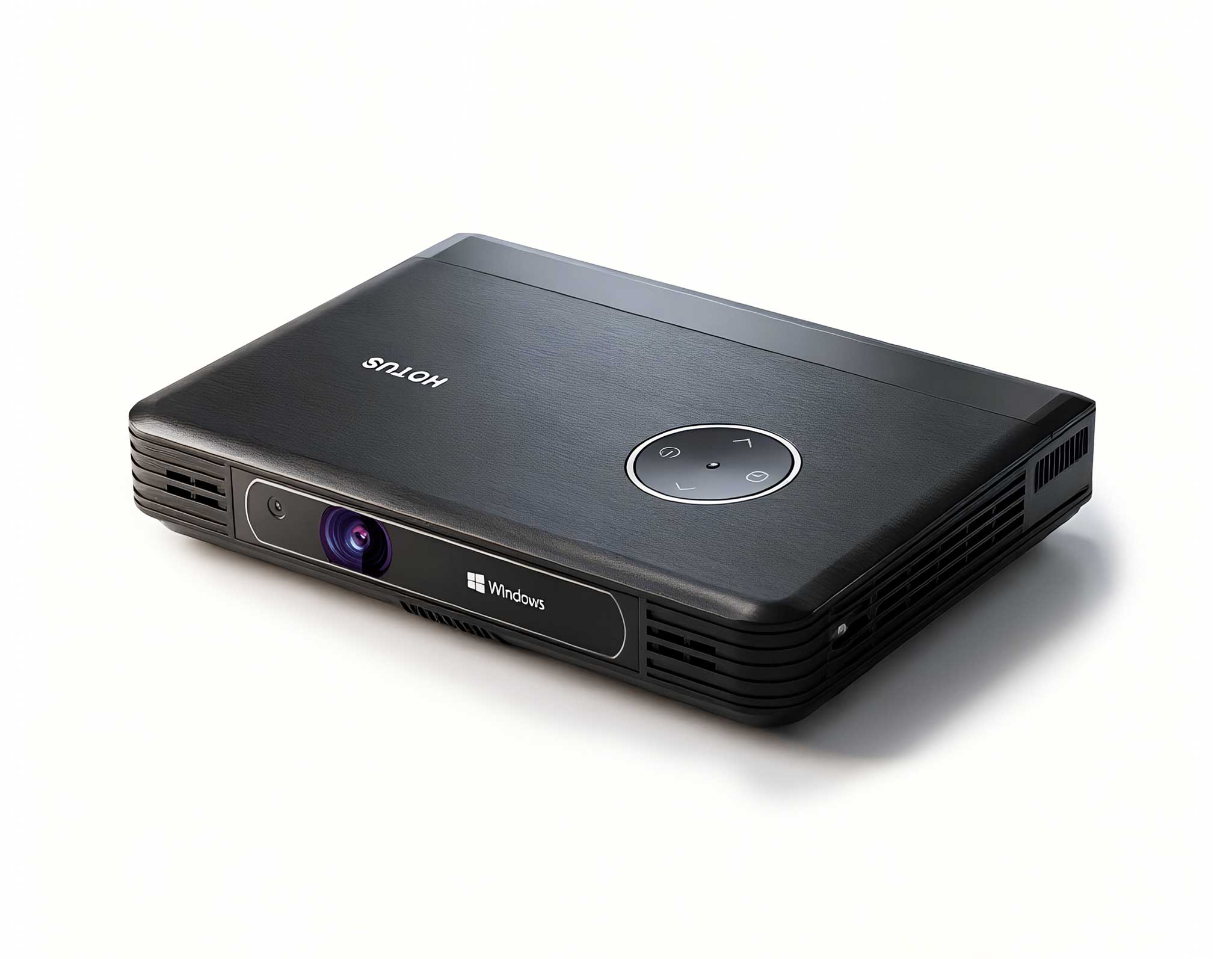
The ST11-M 10.1-inch rugged tablet is the only unit of the three that lists a full expansion set on its page: HDMI, SIM, TF, earphone, DC, two USB 3.0 ports, RJ45 and RS232, plus bottom and back pogo-pin connectors carrying USB 2.0, charging and RS232. It further lists optional modules for barcode scanning, UHF RFID, fingerprint and high-precision GPS. Neither the ST11-U page nor the RT80 page lists a serial port. For a plan that ends at a bench instrument, this is the section that decides, and it is also why the older processor in this machine is not automatically disqualifying, which the next section takes up.
The ST11-M and ST11-U are the same family at the same screen size, which makes them the hardest to choose between and the easiest to compare dishonestly. The honest comparison is generational. The ST11-M runs an Intel i5-8200Y, a dual-core part specified at 1.30GHz with a turbo to 3.90GHz, with Intel UHD Graphics 615 and TPM 2.0 support. The ST11-U runs an Intel i5-1235U or i7-1255U, twelfth-generation parts with more cores than the older chip has threads. Memory configurations differ too: 8GB or 16GB with 256GB of storage on the ST11-M, against 8GB-plus-128GB up to 64GB-plus-512GB on the ST11-U.
Season planning is the right lens for this choice, and it is the same lens a previous road maintenance survey season plan applied to a similar question: what does the season actually run on the device, and for how many seasons will it run? A scouting app, a photo library and a forms tool do not need a twelfth-generation processor; five years of Windows updates and a growing photo archive do. The ST11-U's generational headroom is a lifespan argument, not a performance boast, and the ST11-M's serial ports are a compatibility argument. Buying the wrong one of the two is a mistake that shows up in year three, not at the demo.
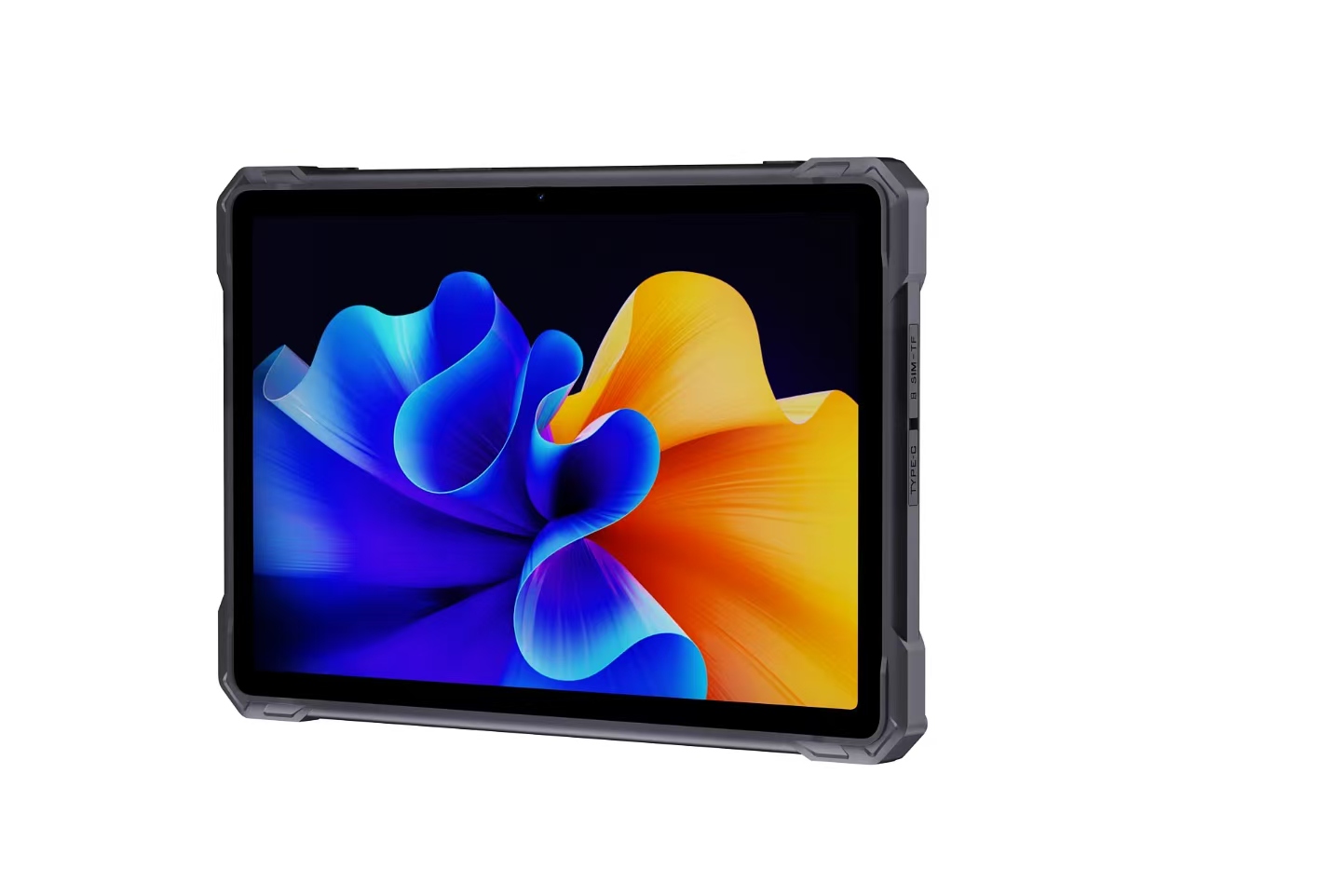
The division of labour in a mixed fleet is decided by where the day's data goes. The RT80, on Android 16 with an optional Harmony OS build, an octa-core 2.7GHz Unisoc UIS7885 with an 8-terabyte-operations NPU, 8GB of RAM and 128GB expandable storage, is the natural capture device: camera, position, scanner, done in the row. The two Windows units are the processing devices: a scout can attach findings to a spray plan, open the desktop agronomy package the co-op requires, and hand a file to the office without a conversion step in between.
Connectivity marks the same split. The RT80 lists 5G SA and NSA across eight band groups plus full 4G fallback, dual-band Wi-Fi and Bluetooth 5.0, with a 2D barcode scanner and NFC both optional. The ST11-U lists 4G LTE, Wi-Fi 5 and Bluetooth 5.2; the ST11-M lists 4G LTE on an SLM770A module with an EC25-AUX variant for North America, Wi-Fi 5 and Bluetooth 4.2. A plan that uploads from the row leans on the RT80's radios; a plan that syncs at the packhouse works on any of the three. Neither is wrong, but the season sheet should say which one it assumes before the first walk, because retrofitting the assumption is what actually costs the season.
| Specification | ST11-M | ST11-U | RT80 |
|---|---|---|---|
| OS | Windows 10 Pro (11 Pro optional) | Windows 11 Pro | Android 16 (Harmony OS optional) |
| CPU | Intel i5-8200Y dual core, 1.30GHz / 3.90GHz turbo | Intel i5-1235U / i7-1255U | Unisoc UIS7885 octa core 2.7GHz, 8T NPU |
| Memory / storage | 8GB or 16GB, 256GB (512GB / 1TB optional) | 8+128GB / 16+256GB / 64+512GB | 8+128GB, TF expandable to 512GB |
| Display | 10.1" IPS 1200x1920, 430 / 450 nits, 1000 optional | 10.1" IPS 1200x1920, 450 nits | 10.1" IPS FHD 1200x1920, 400 nits, G+G |
| Touch | 10-point, stylus, wet hand | 10-point, stylus, wet hand | 10-point G+G capacitive |
| Camera | 5MP front, 13MP rear | 5MP front, 8MP rear | 8MP front, 48MP rear AF with flash, 8MP macro optional |
| Battery | 6000mAh / 7.6V | 6000mAh / 7.6V | 10000mAh / 3.8V, non-removable |
| Cellular | 4G LTE (SLM770A) | 4G LTE | 5G SA/NSA + 4G LTE |
| Ingress / drop | IP65 (intro text only) | IP54, 1.2m drop | IP67 |
| Dimensions / weight | Not published | 268.9 x 176.8 x 18mm, 1190 +/- 50g | 252 x 170 x 14.6mm, under 650g |
| Operating temperature | Not published | -20 to 55 degrees C | -10 to 50 degrees C |
| Field extras | RS232, RJ45, HDMI, TPM 2.0, UHF RFID / barcode / RTK GPS optional | NFC 13.56MHz, stylus and wet hand | BeiDou RTK GNSS, 2D scanner and NFC optional |
Two self-contradictions on the published pages belong in the open. The ST11-U page headlines an IP65 fully rugged design while its own specification table states IP54 with 1.2-metre drop resistance; the table value is used here, and a buyer who needs the higher figure should get it in writing. The RT80 page states a 10000mAh battery in its specification block and 9600mAh in a marketing bullet further down the same page; the specification block value is used here. Neither contradiction changes the shape of the comparison, but both are exactly the kind of thing a purchase order should settle before delivery rather than after.
A season plan is a document that gets rewritten once a year and consulted every day in between. The three machines in this comparison slot into it differently: the RT80 is the capture end, built around a 48-megapixel camera, BeiDou RTK positioning and an IP67 shell under 650 grams; the ST11-U is the longevity end, a twelfth-generation Windows tablet with wet-hand touch and a published operating range down to minus twenty; the ST11-M is the compatibility end, the only one that speaks RS232 and RJ45 natively and the only one with TPM 2.0 called out for managed fleets. The full Hotus product catalogue sits around these three, and the practical advice is the same as ever: choose against the season sheet, not the spec sheet, and write down which constraint the choice was actually made on.
The quiet advantage of doing this in the dormant months is that mistakes are still free. A walk can be rehearsed in February with the device that will run the season, and the failure that shows up in a rehearsal is an equipment note, while the same failure in June is a block that went unsprayed. Whatever the sheet locks, it should lock it on purpose.