- Select Language
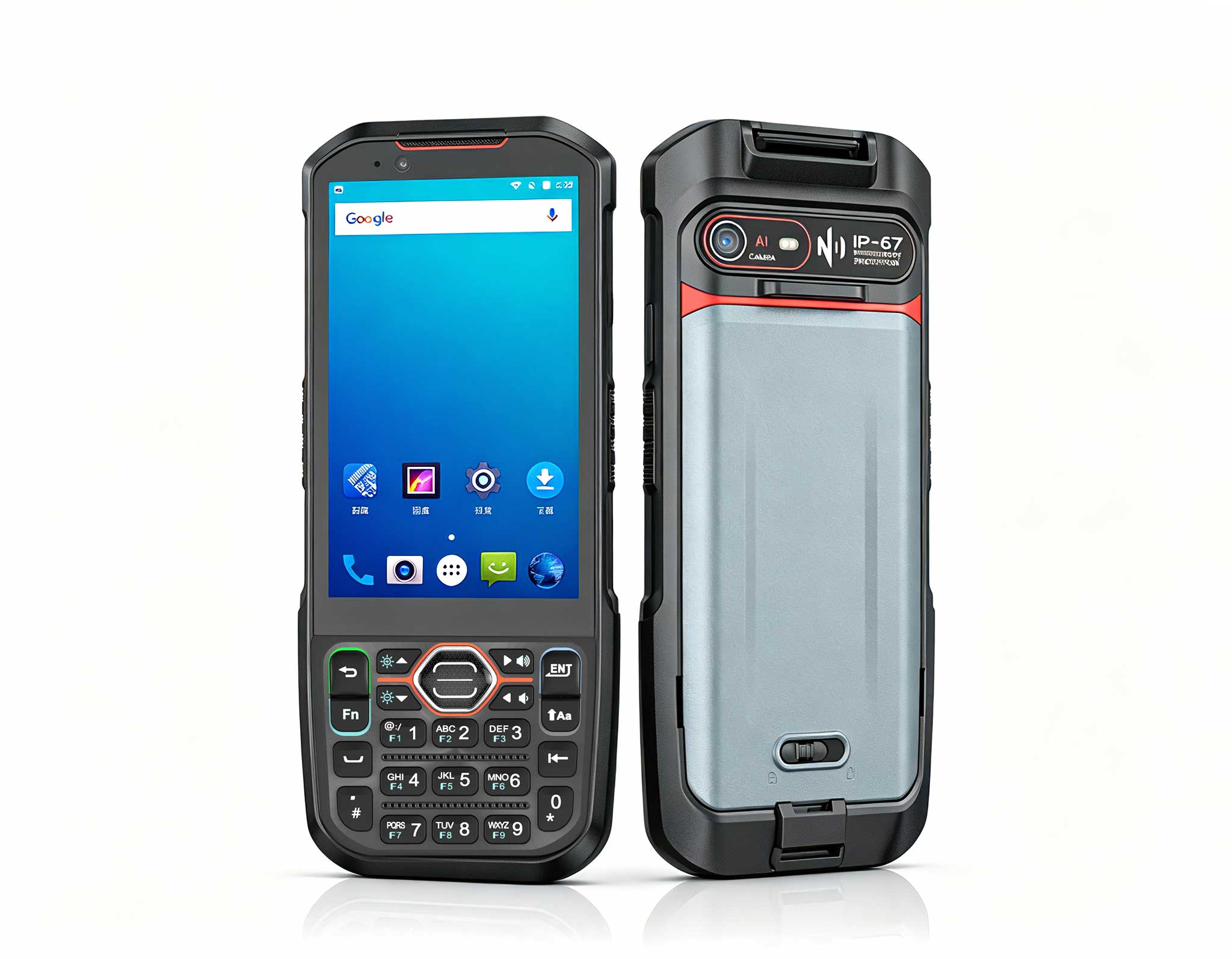
The N60 PDA is a cutting-edge device for inventory...
Explore an innovative Personal Digital Assistant f...
Full SpecificationsModelHotus ST13‑JOSWindows 10 P...
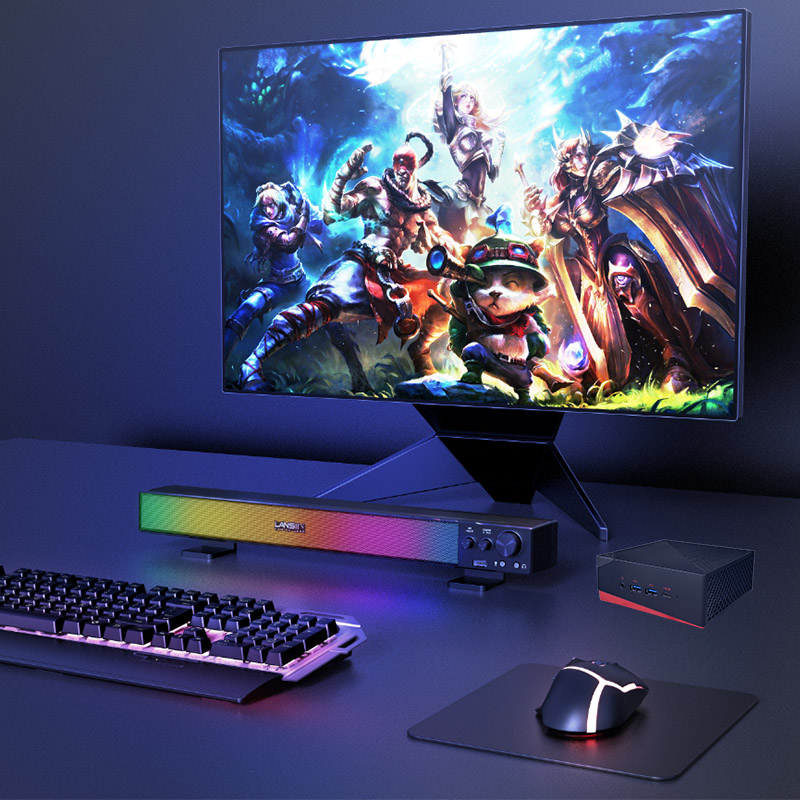
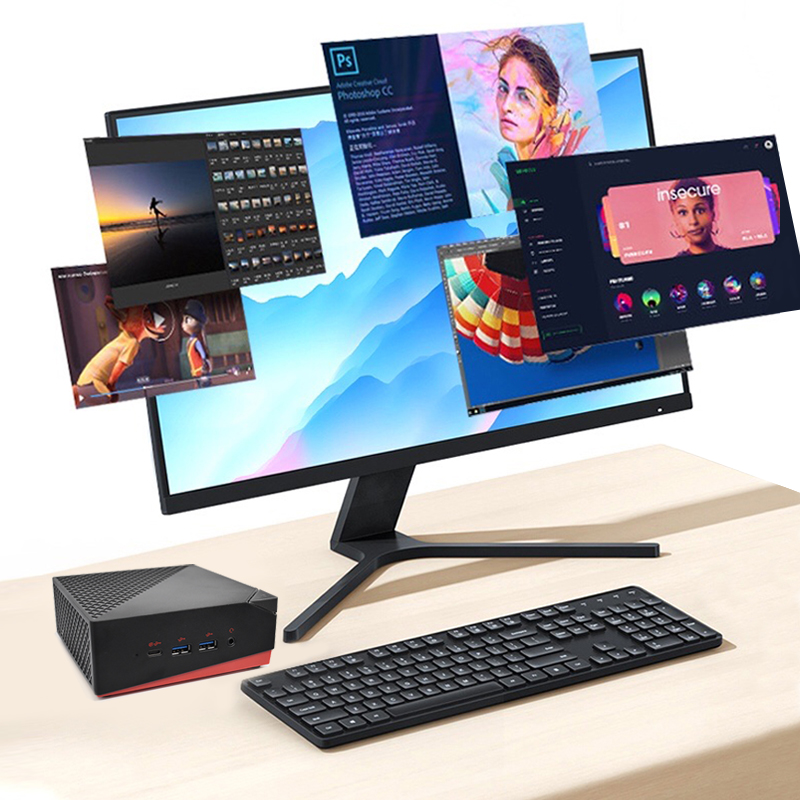
The AMD Mini PC Windows 10 Pro is a compact yet po...
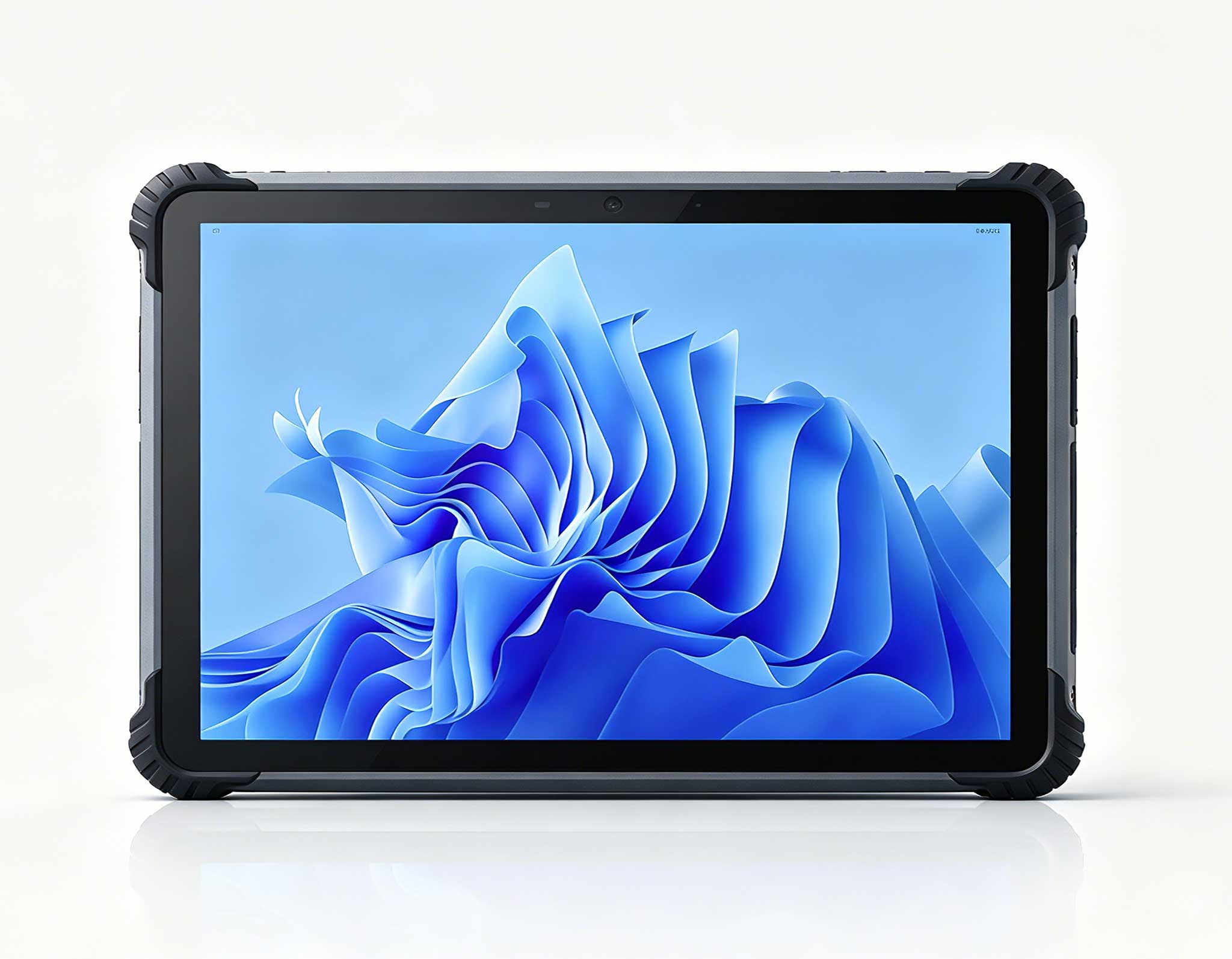
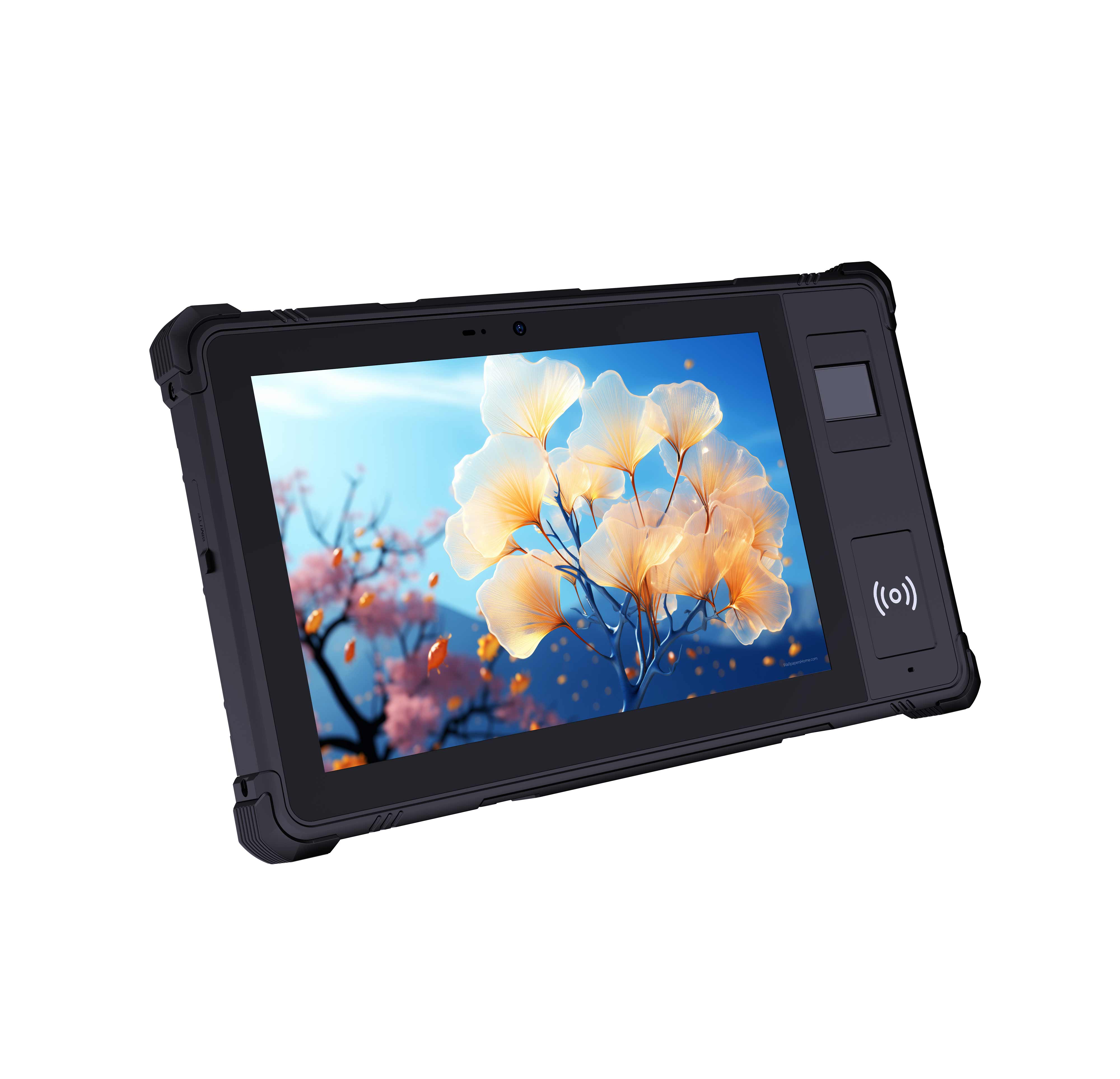
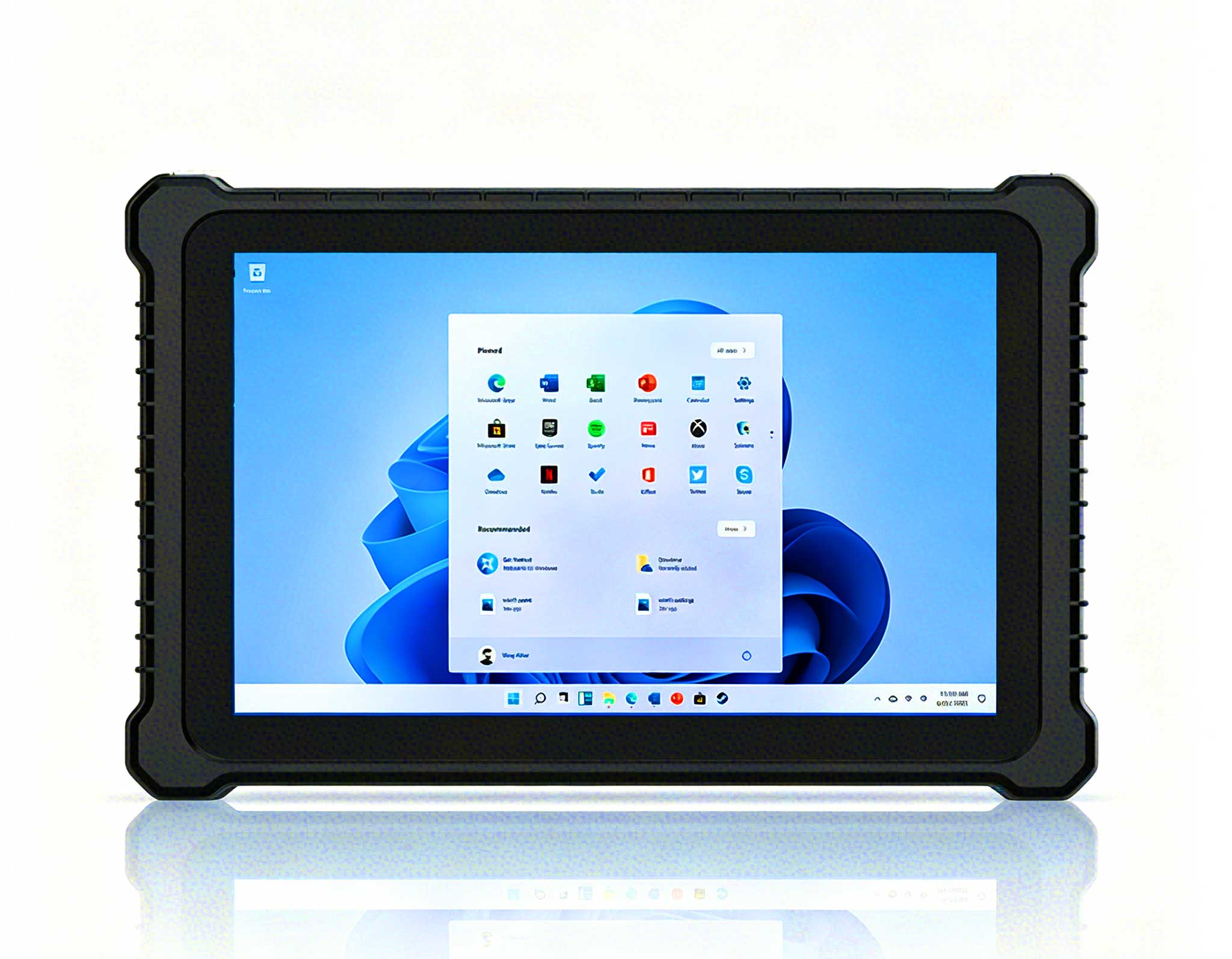
P8 Series 8-Inch Rugged Industrial Tablet PC Mobi...
Technical SpecificationsModel: Palm-sized miniPCTy...
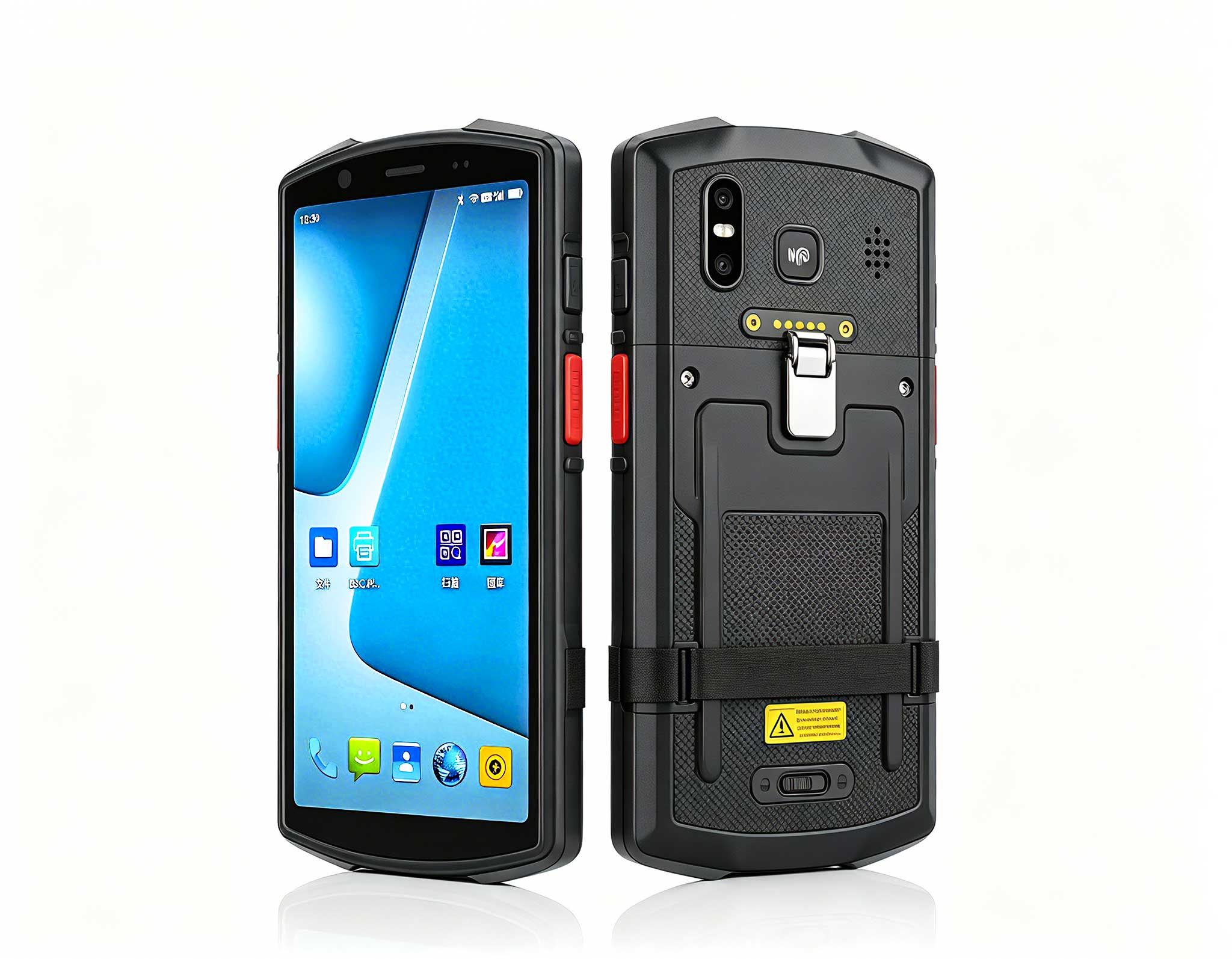
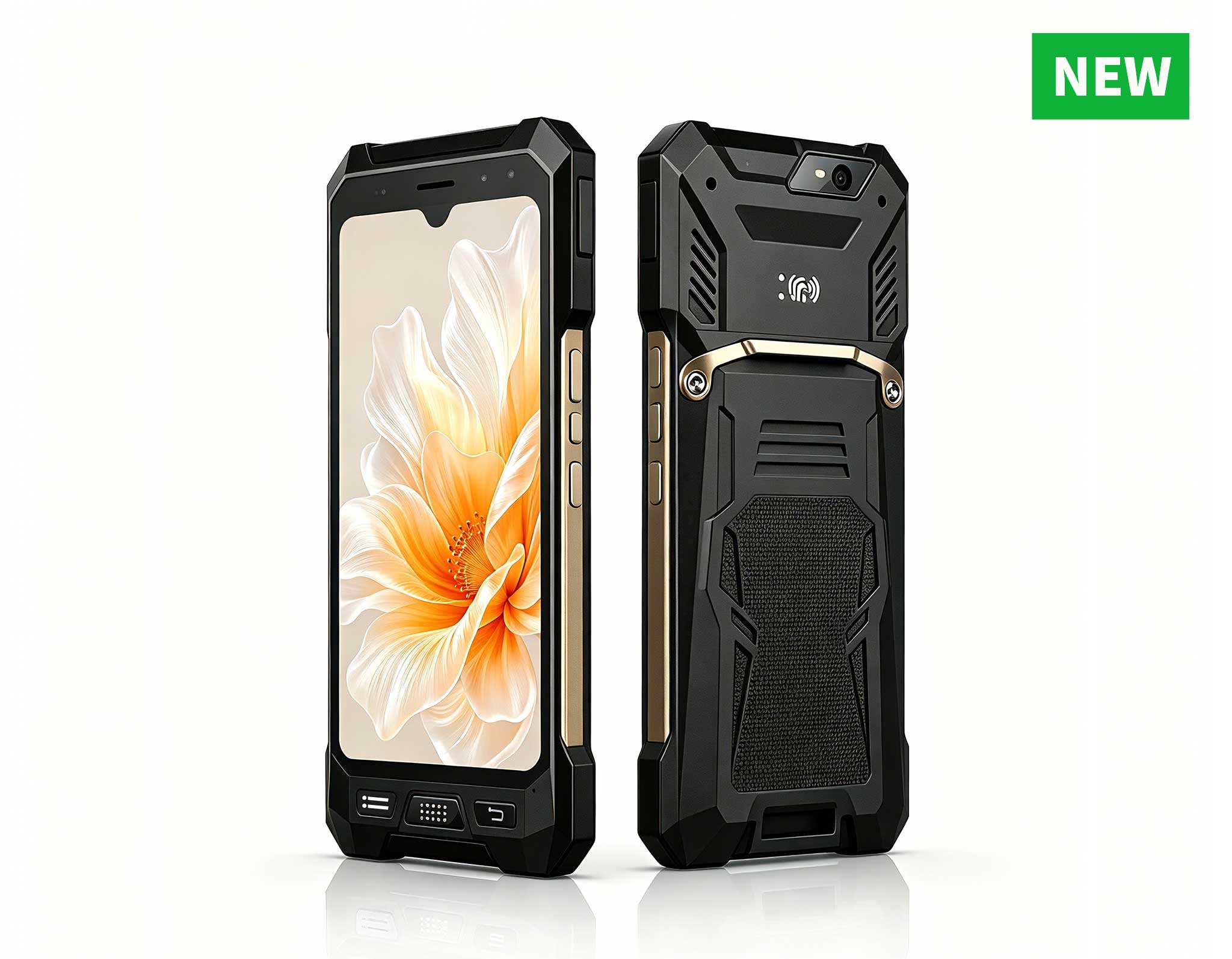
R530C 6.0-inch Industrial PDA | Qualcomm Octa-core...
Why niche innovations like foldable phones and projector‑PC hybrids are not luxuries — but glimpses into the future of work and entertainment.
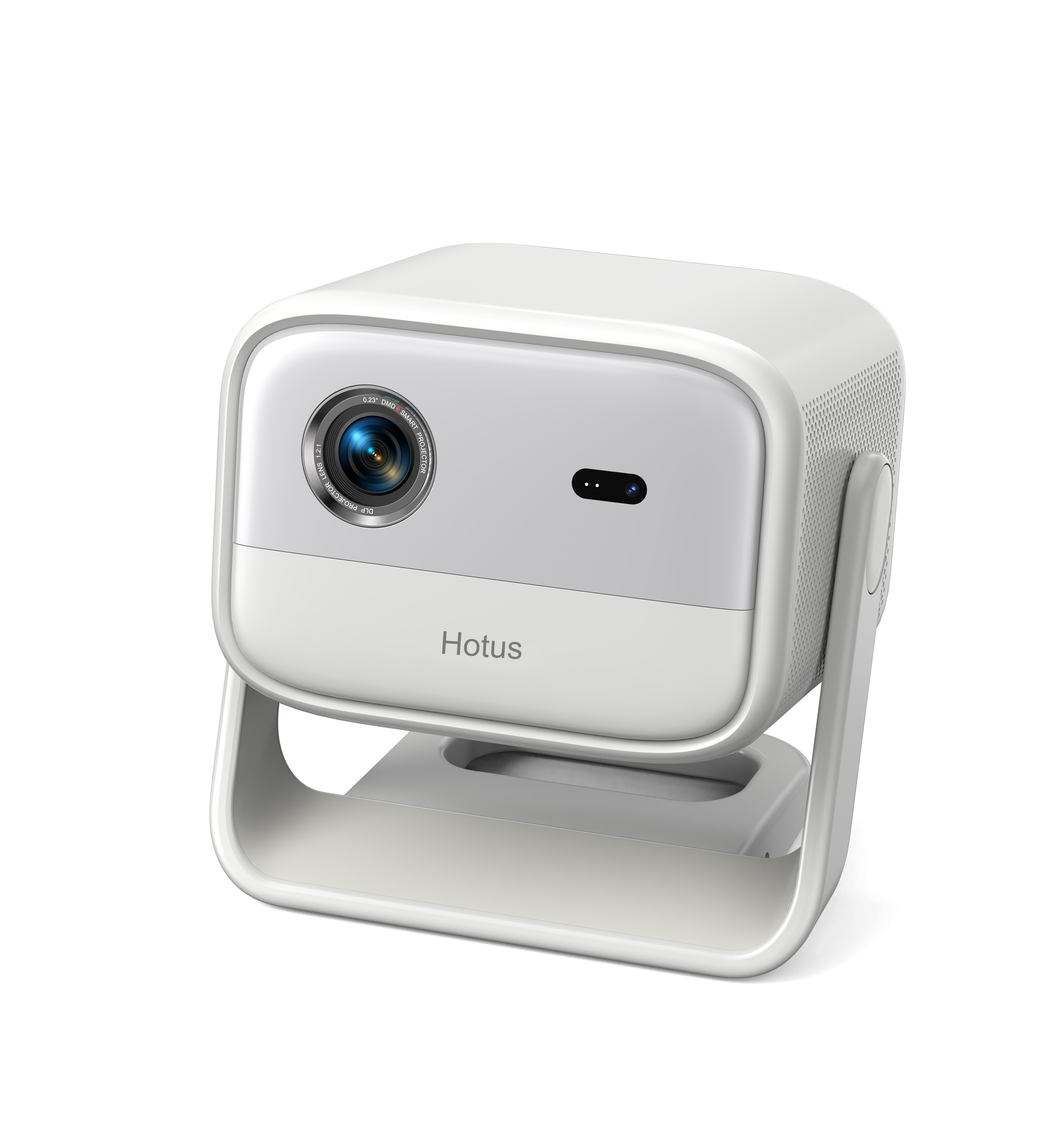
Yesterday, Huawei launched a tri‑fold screen smartphone, sparking widespread discussion. Many called it “luxurious” — some even joked it looked like an ancient emperor’s tool for reviewing memorials. But from a different perspective, the tri‑fold phone represents a bold step forward in technological innovation, addressing the needs of specific user segments. Similarly, our Windows projector — the world’s first to integrate a full Windows computer and a projector into a single device — is a direct response to market demands for portability and all‑in‑one functionality.
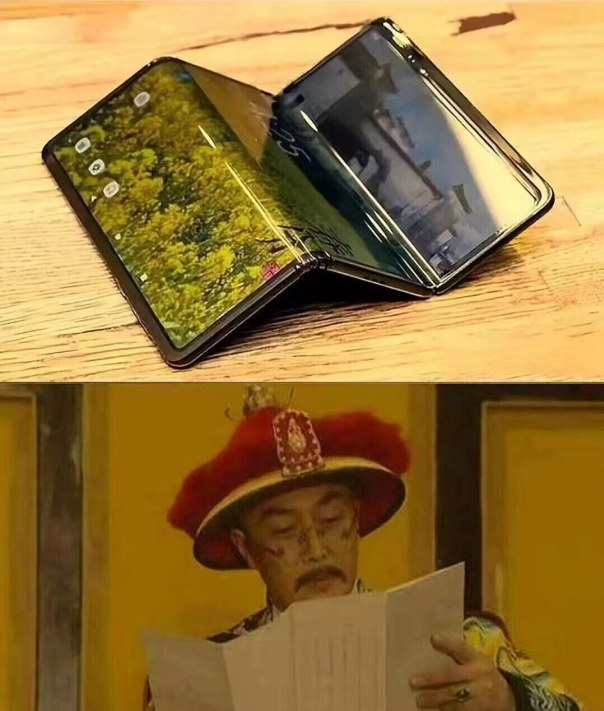
Huawei’s tri‑fold screen phone isn’t designed for everyone — and that’s precisely the point. It serves professionals and tech enthusiasts who need more screen real estate and flexible multitasking in a pocketable form. Likewise, our Windows projector is tailored for users who require portable office capabilities and the ability to display content anytime, anywhere. By combining a computer and a projector into one compact device, it eliminates the need to carry a separate laptop and projector — streamlining workflows for traveling salespeople, remote educators, and field engineers.
Critics often question the practicality of such innovations. “Who really needs a tri‑fold phone?” or “Why would anyone want a Windows projector?” But history shows that groundbreaking products often start as niche solutions before becoming mainstream. The tri‑fold phone hints at the future of mobile devices — where screens expand on demand and form factors adapt to tasks. Our Windows projector does the same for office equipment: it merges computing and projection, enabling truly mobile presentations, digital signage, and even outdoor cinema without extra baggage.
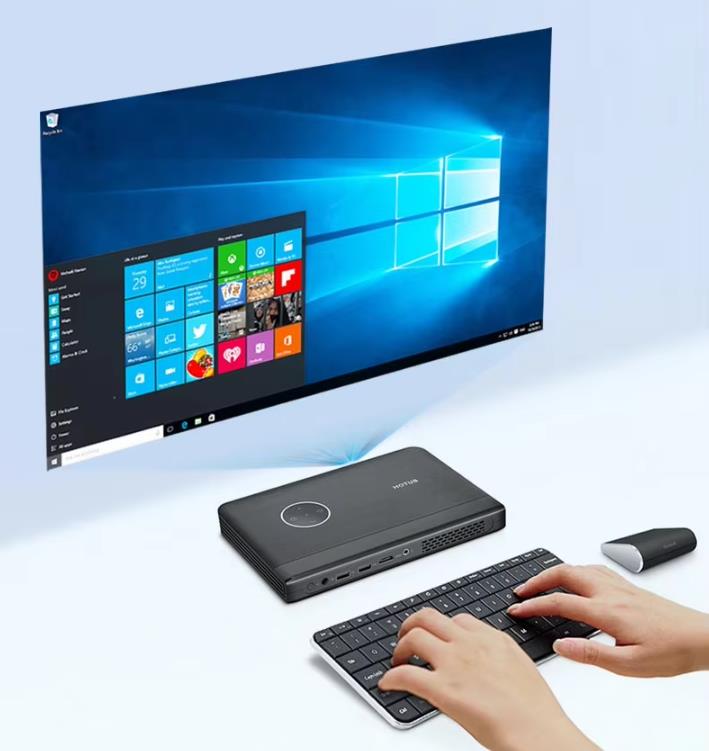
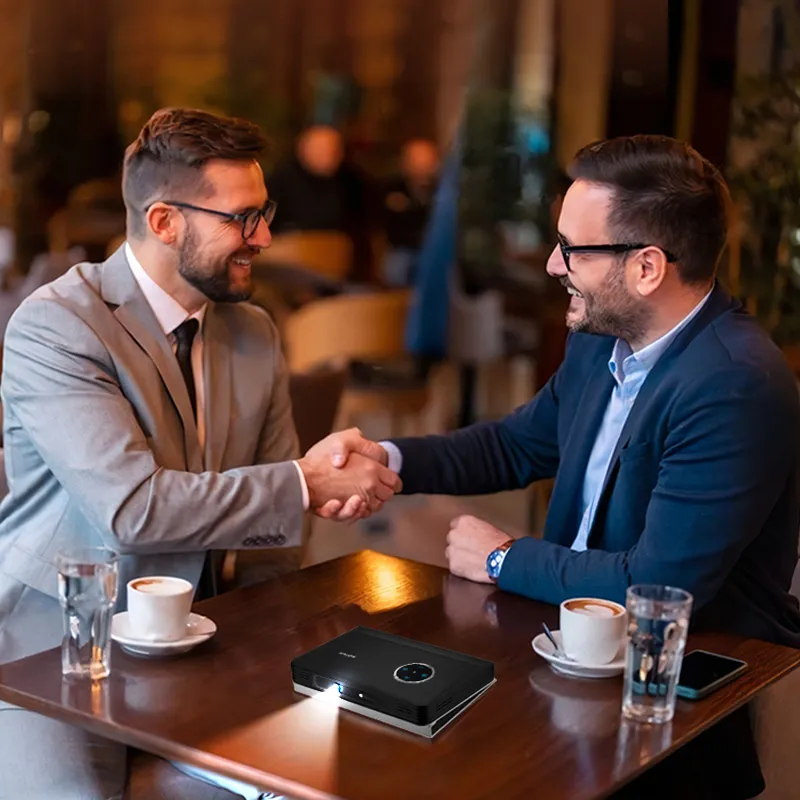
Both Huawei’s tri‑fold phone and the Windows projector dramatically expand what users can do. For a traveling consultant, a Windows projector means turning any hotel wall into a private office with full PC functionality. For a family, it’s a portable movie theater that also runs educational software. These innovations are not mere technology stacks — they are thoughtful responses to real user needs, making experiences smarter, more flexible, and more efficient.
Conclusion: Future‑Ready Products for Early Adopters
Huawei’s tri‑fold screen phone and the Windows projector are both future‑oriented products. They represent technology’s precise response to specific user needs. Although they may seem “luxurious” or niche today, as use cases continue to expand, such products will become essential tools in daily life and work for many. The key is to recognize that innovation doesn’t always aim for mass adoption overnight — sometimes it lights the path forward.