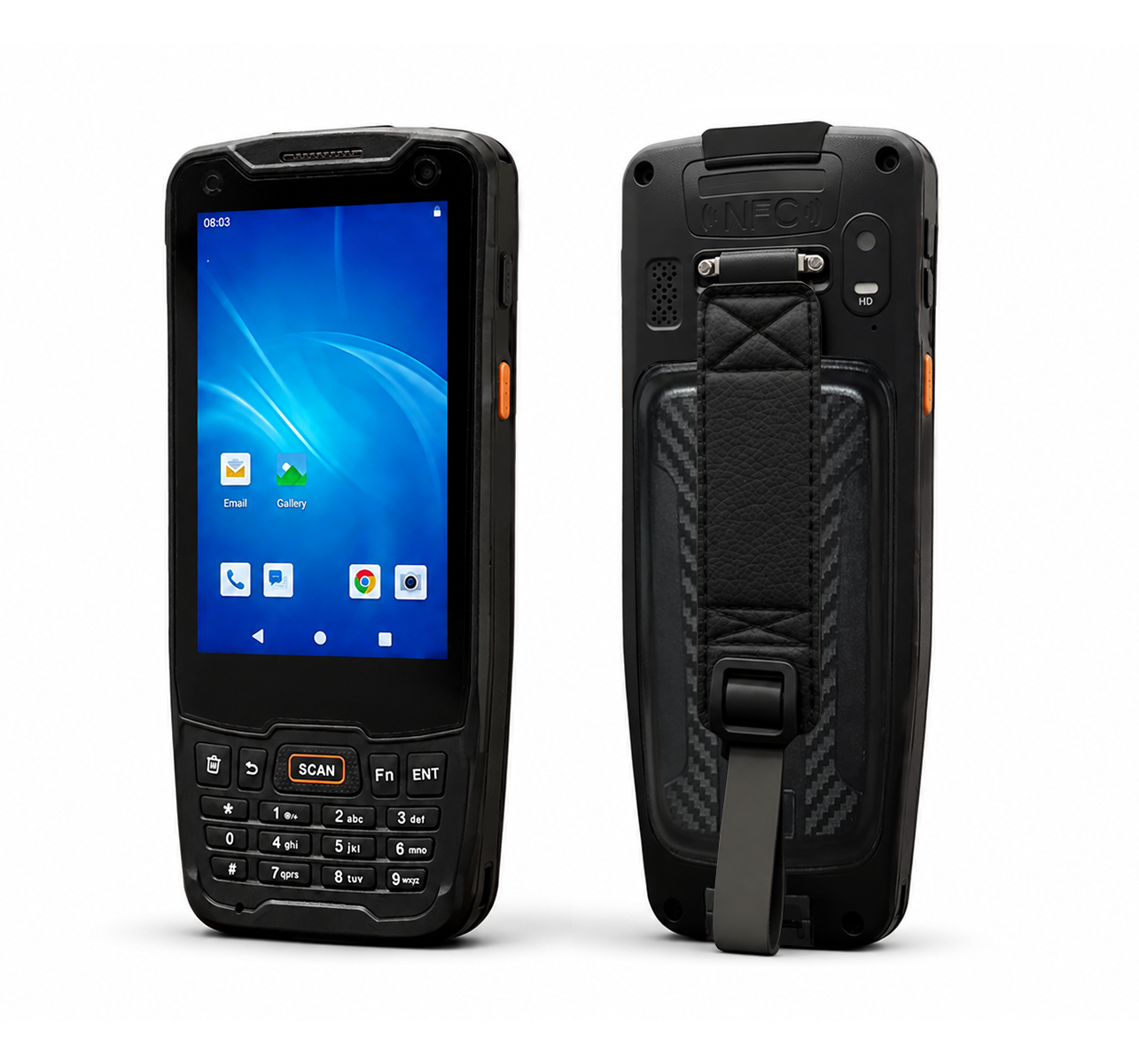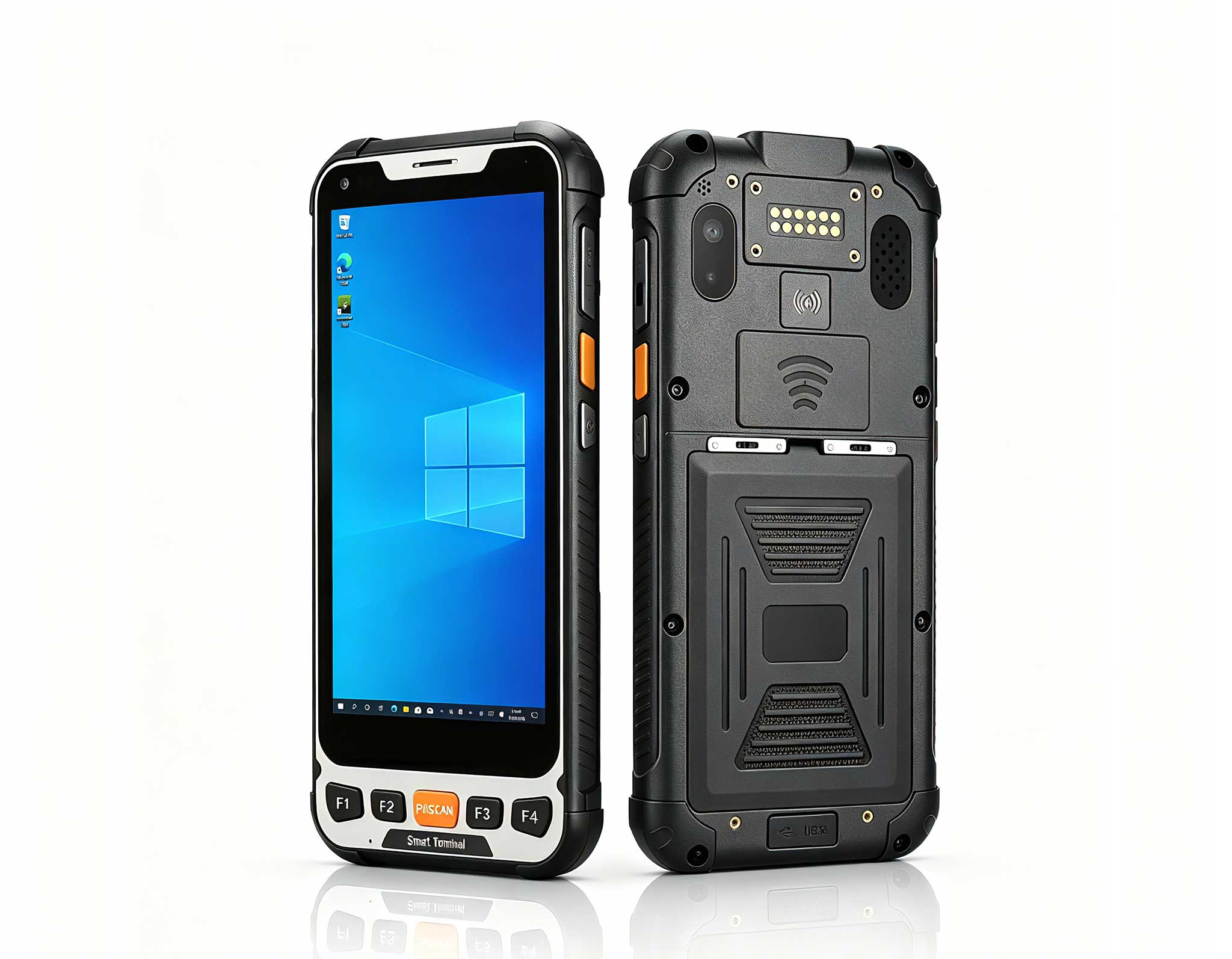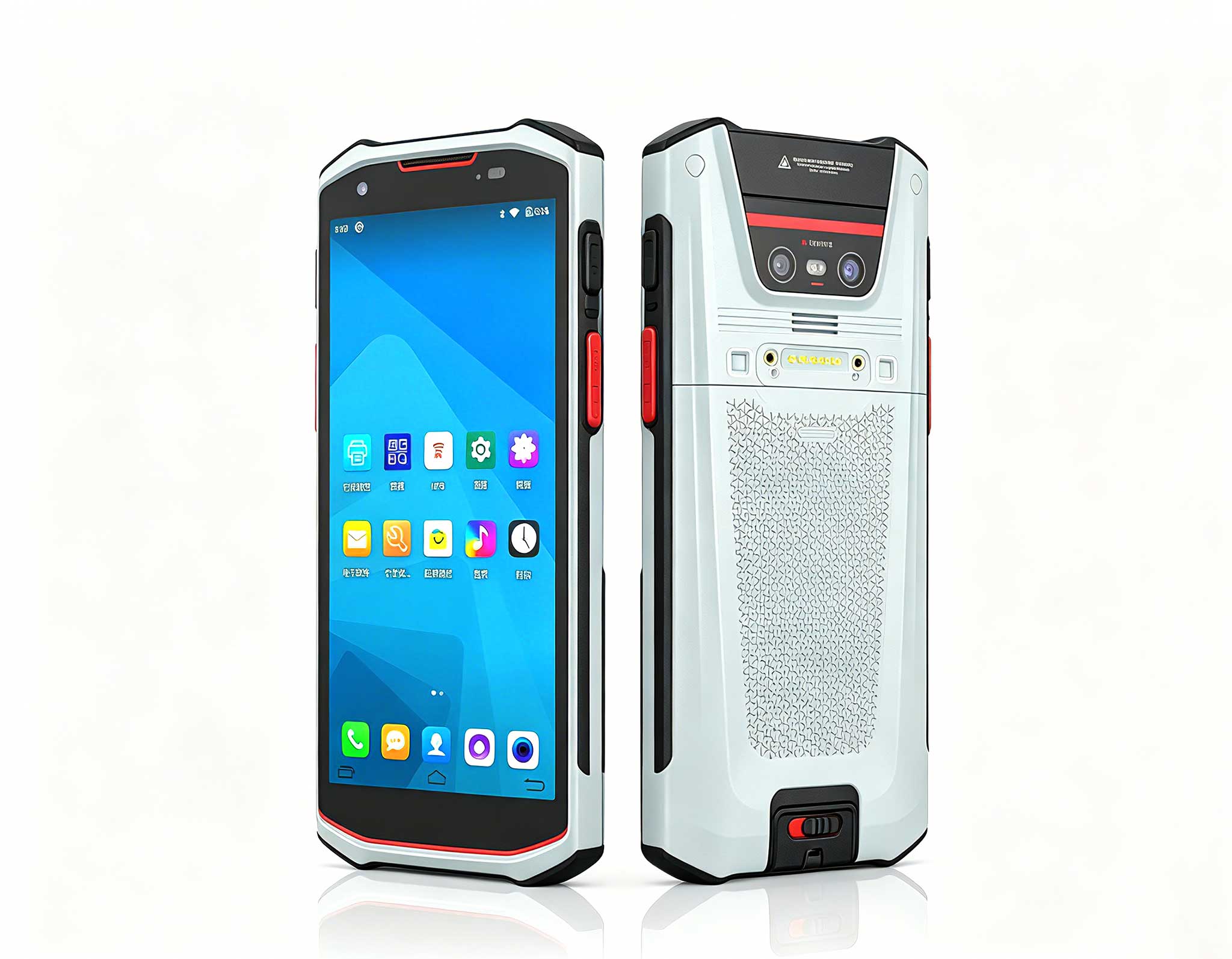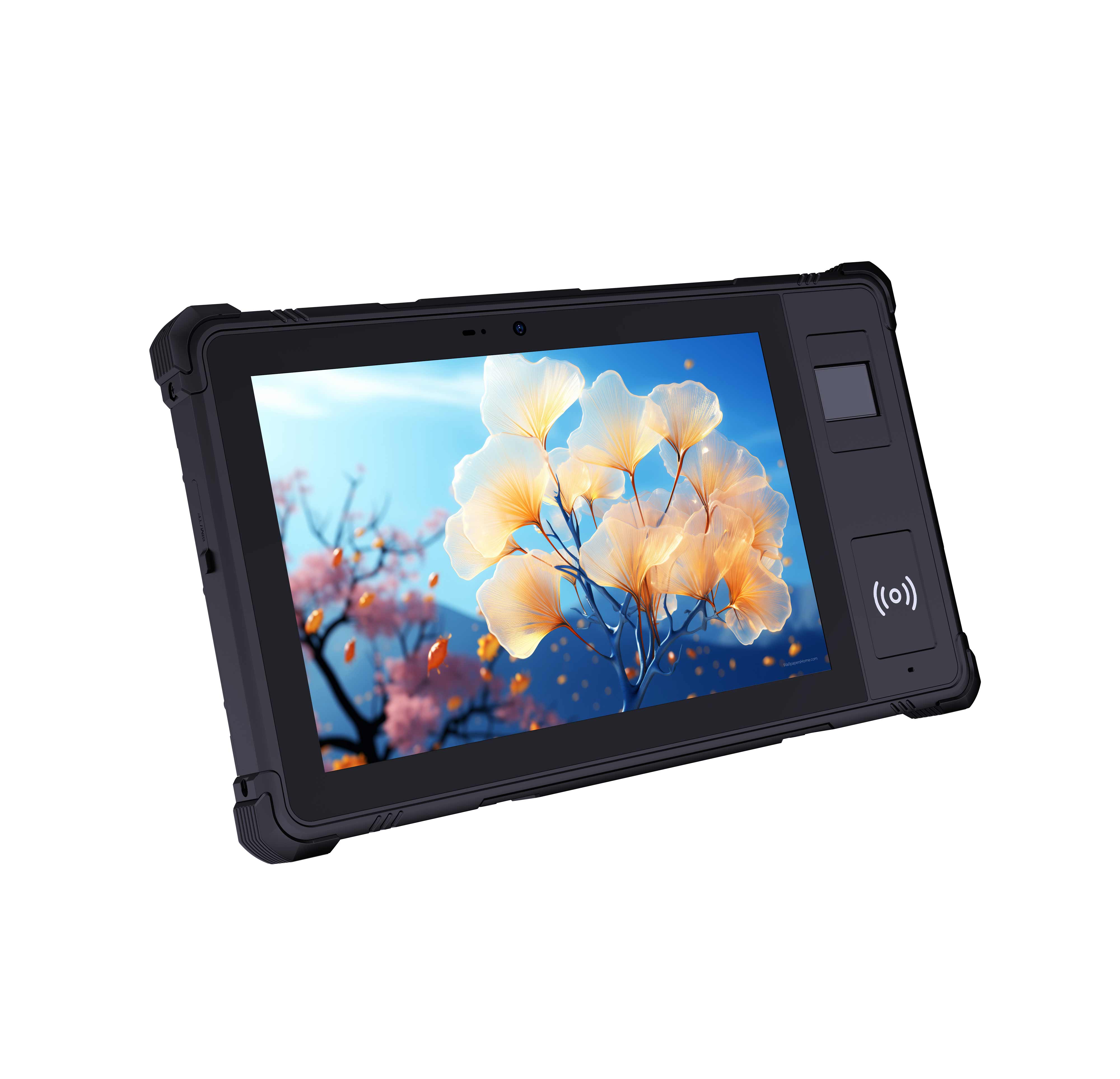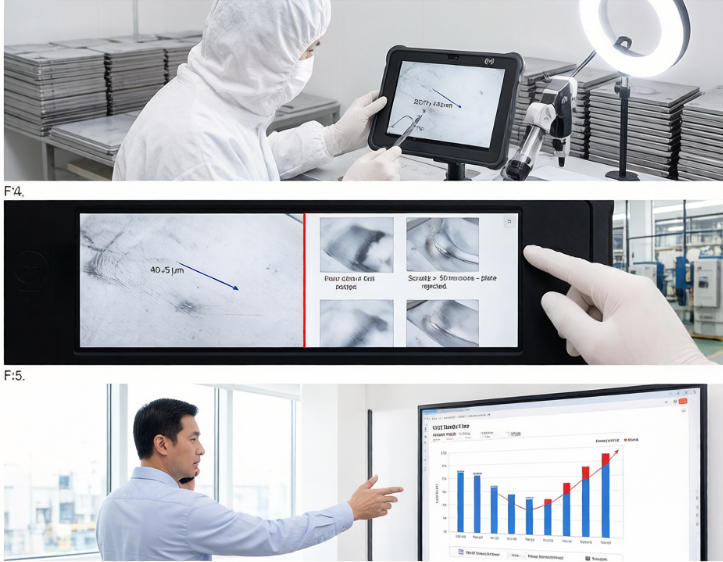
Precision Surface Diagnostics: Using the HOTUS high-resolution PDA to detect sub-micron irregularities on a hydrogen electrolyzer bipolar plate.
Micro-Defects, Macro-Disasters: The Financial Reality of Electrolyzer QA
In the high-stakes world of Green Hydrogen, a 50-micron scratch is more than a blemish—it is a structural failure in waiting. As global manufacturing scales toward the 2028 target of 100 GW, the industry faces a silent profit-killer: the inability to detect microscopic surface compromises during high-speed production. Traditional inspection methods are failing, but the integration of Windows-based rugged PDAs and laser-precision microscopy is setting a new gold standard for Gigafactory Quality Assurance.
The Invisible Threat: Why "Naked Eye" Inspection is Costing You Millions
The Proton Exchange Membrane (PEM) electrolyzer relies on the absolute integrity of the bipolar plate. These plates, often thinner than a millimeter, must manage gas distribution, electrical conductivity, and thermal regulation simultaneously. However, the stamping and coating processes are prone to creating "invisible" defects.
A scratch only 30 microns deep—roughly half the thickness of a human hair—can compromise the protective coating of a plate. Under the high-pressure, corrosive environment of water electrolysis, this scratch acts as a stress concentrator. Within 1,000 to 2,000 hours of operation, the defect propagates, leading to hydrogen crossover. This doesn't just lower efficiency; it creates a safety risk and triggers catastrophic warranty claims that can bankrupt a burgeoning manufacturer.
The Failure of Legacy Documentation
Relying on paper logs and handheld magnifying glasses provides zero traceability. If a hydrogen plant fails in the field three years from now, a paper "tick sheet" cannot prove the state of the plate at the time of assembly. Digital Batch Records (DBR) are no longer optional—they are a prerequisite for project financing and insurance.
Next-Gen Surface QA: The HOTUS Ecosystem
To solve this, HOTUS Technology has engineered a tiered hardware solution specifically for the cleanroom and heavy-industrial requirements of hydrogen technology manufacturing.
1. The Field Operator: ST11‑U
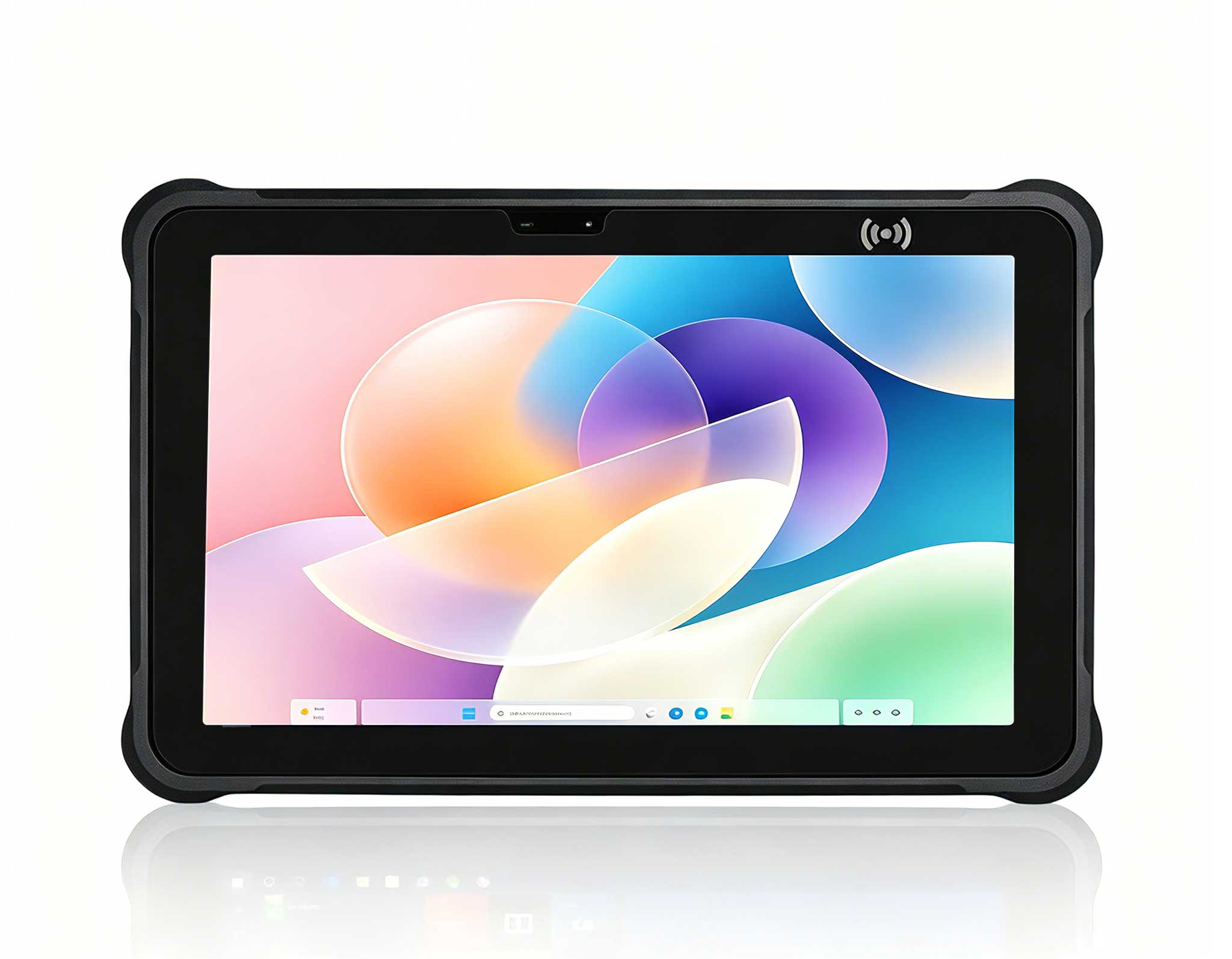
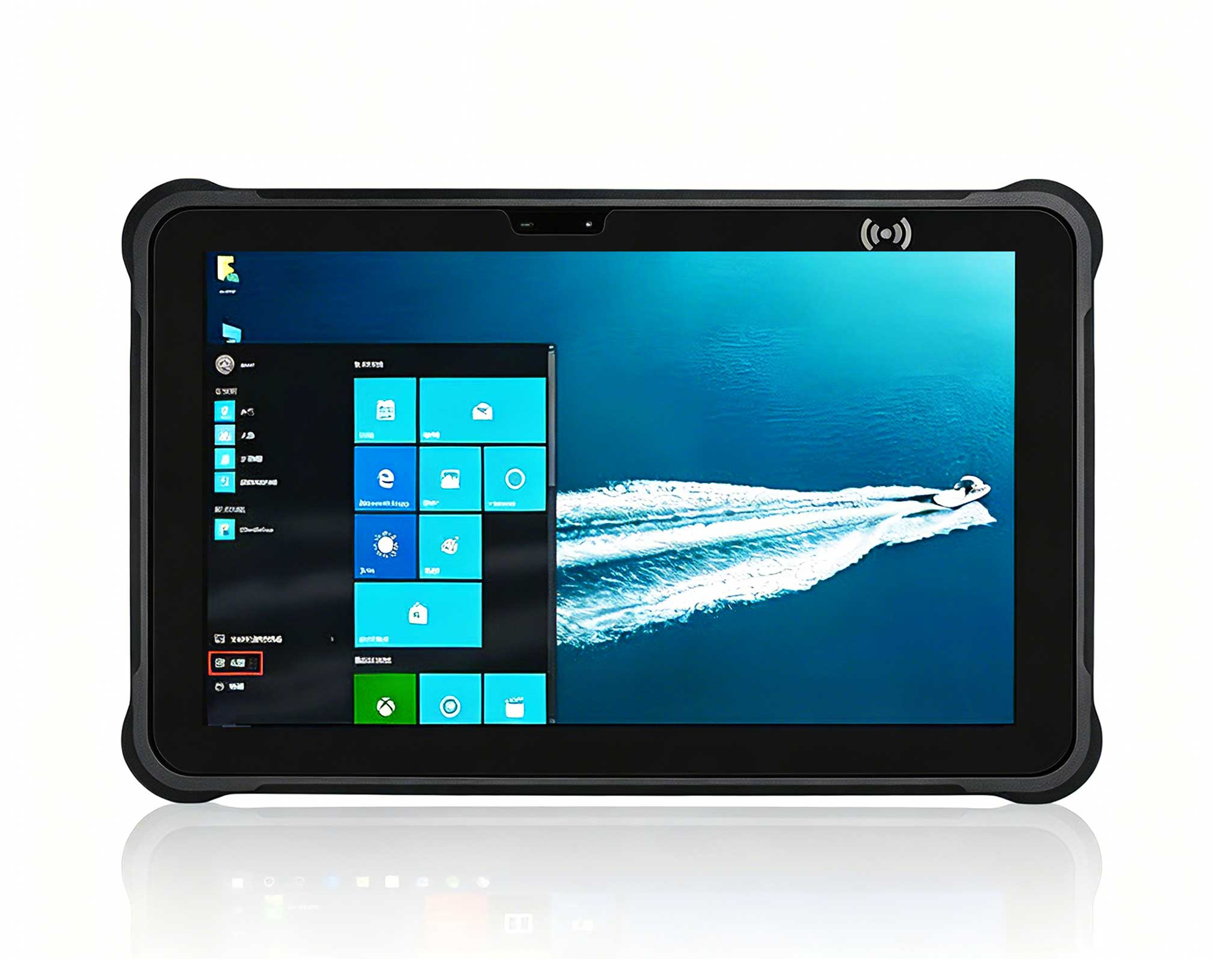
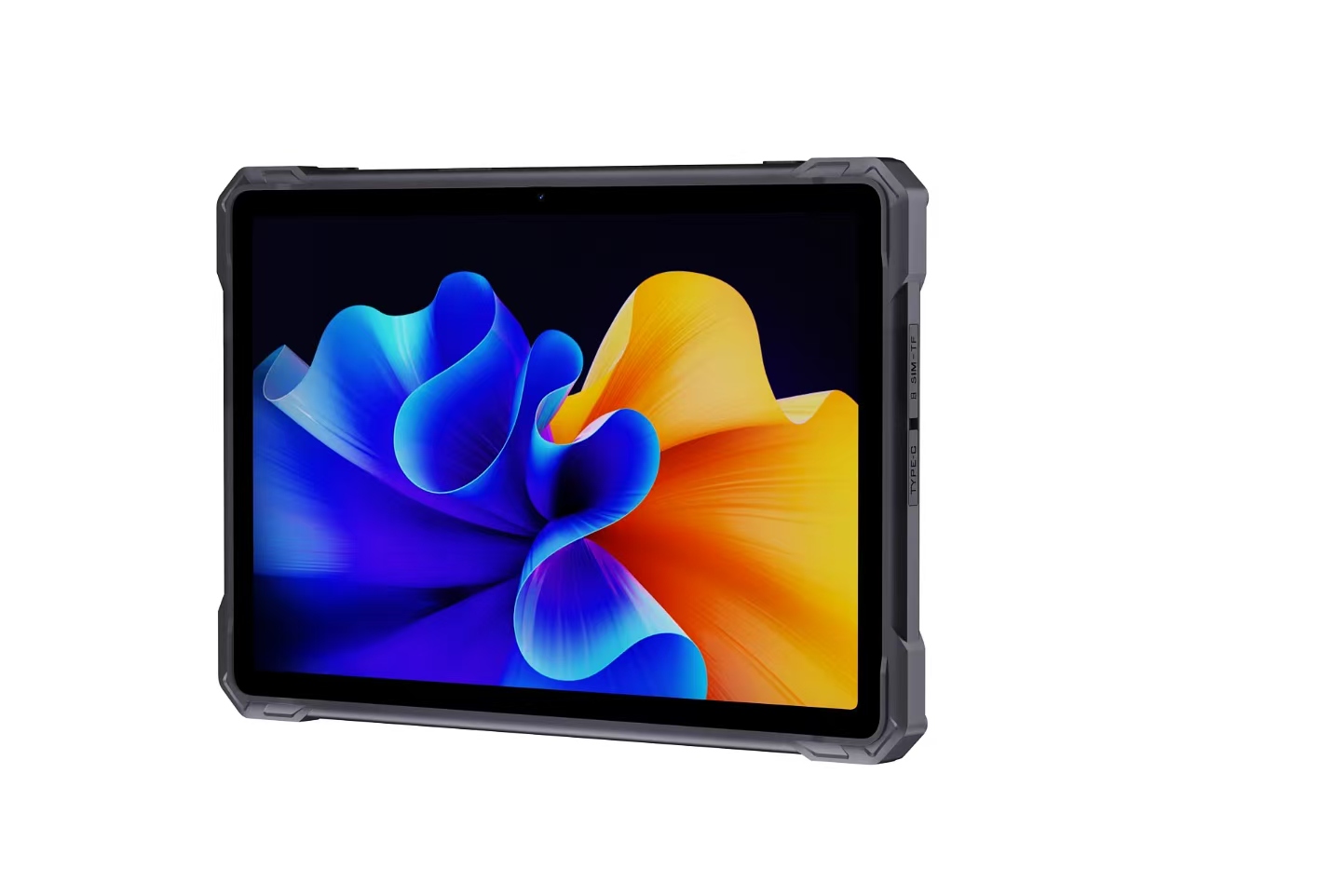
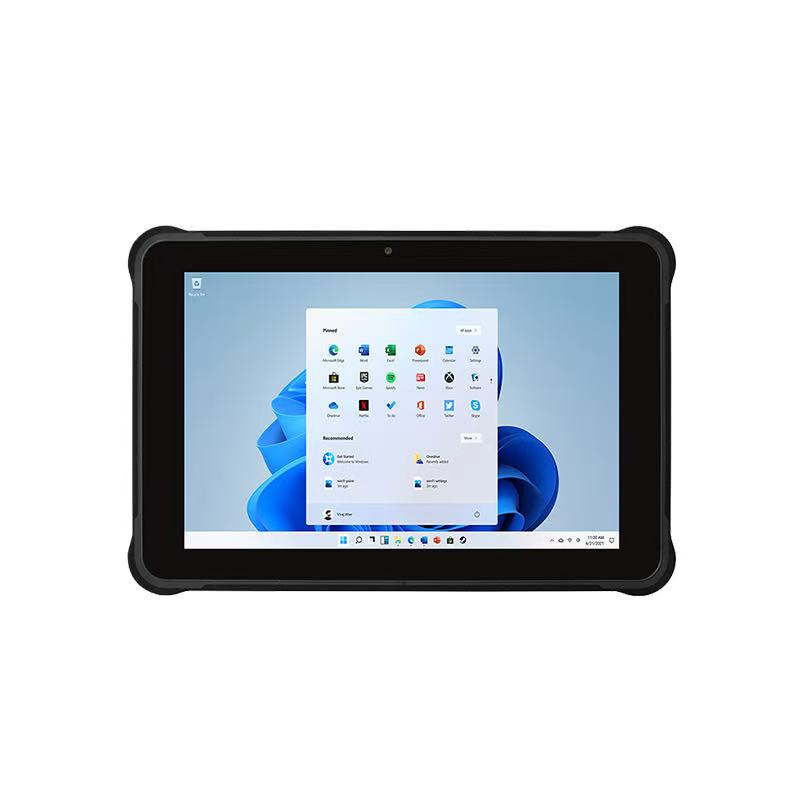
The Hotus ST11‑U 10.1″ Rugged Tablet acts as the primary interface for line-side inspection. With USB-C microscope integration, it captures 200x magnified images, allowing operators to visualize and measure scratch depth against a calibrated digital scale in real-time.
2. The Logistics Master: U9000
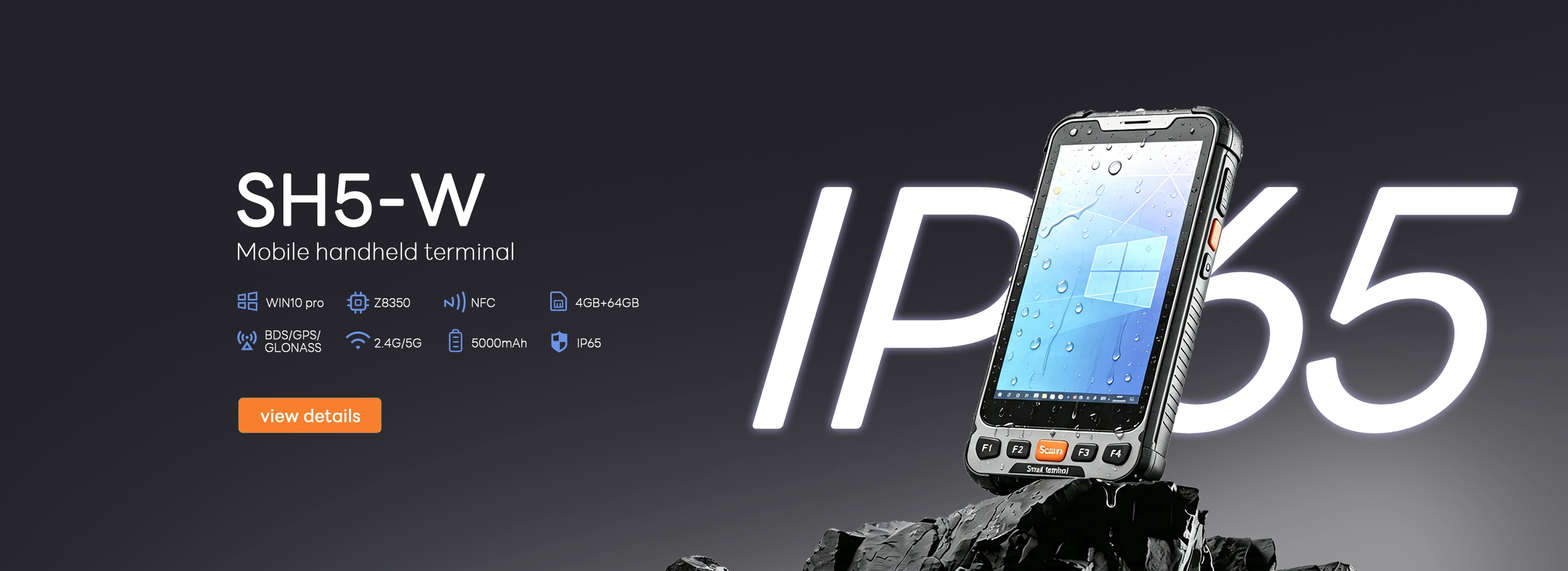
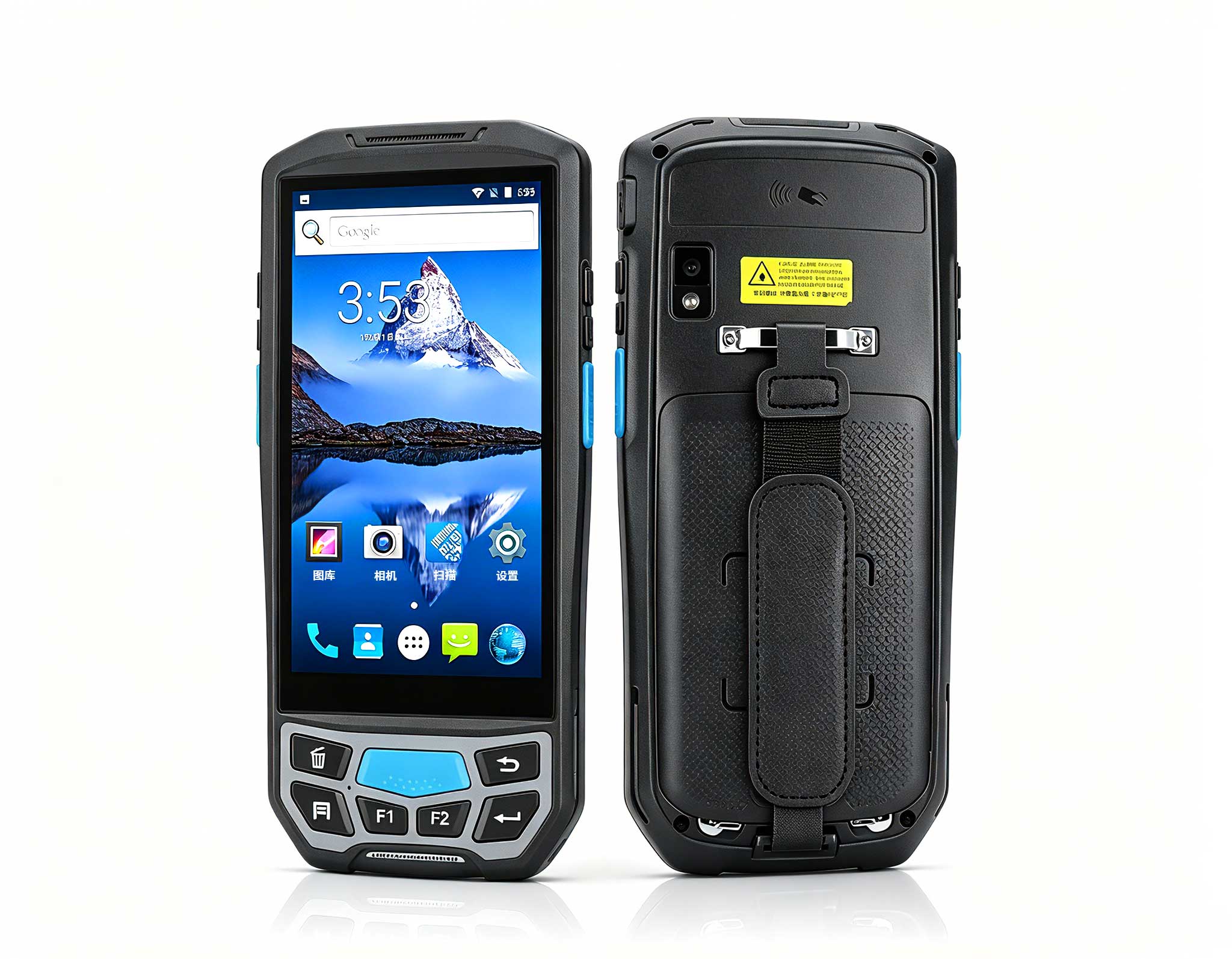
The U9000 PDA handles the high-frequency scanning of RFID tags embedded in the bipolar plate carriers. It ensures that every single plate's unique ID is linked to its specific inspection imagery, creating an unbreakable chain of custody from the stamping press to the stack assembly.
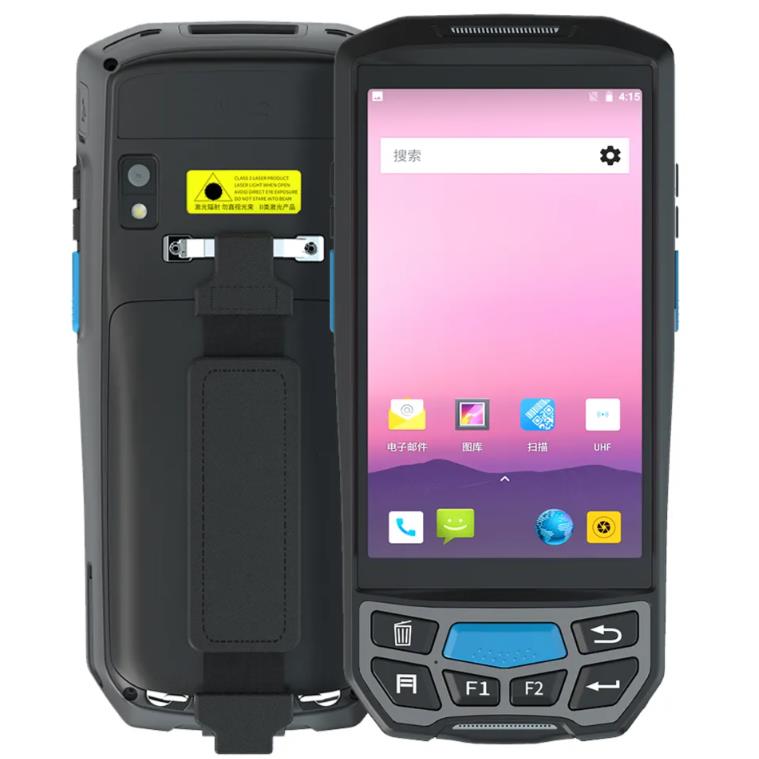
Data Integrity: The U9000 PDA instant-syncs RFID data to the central ERP, eliminating manual entry errors.
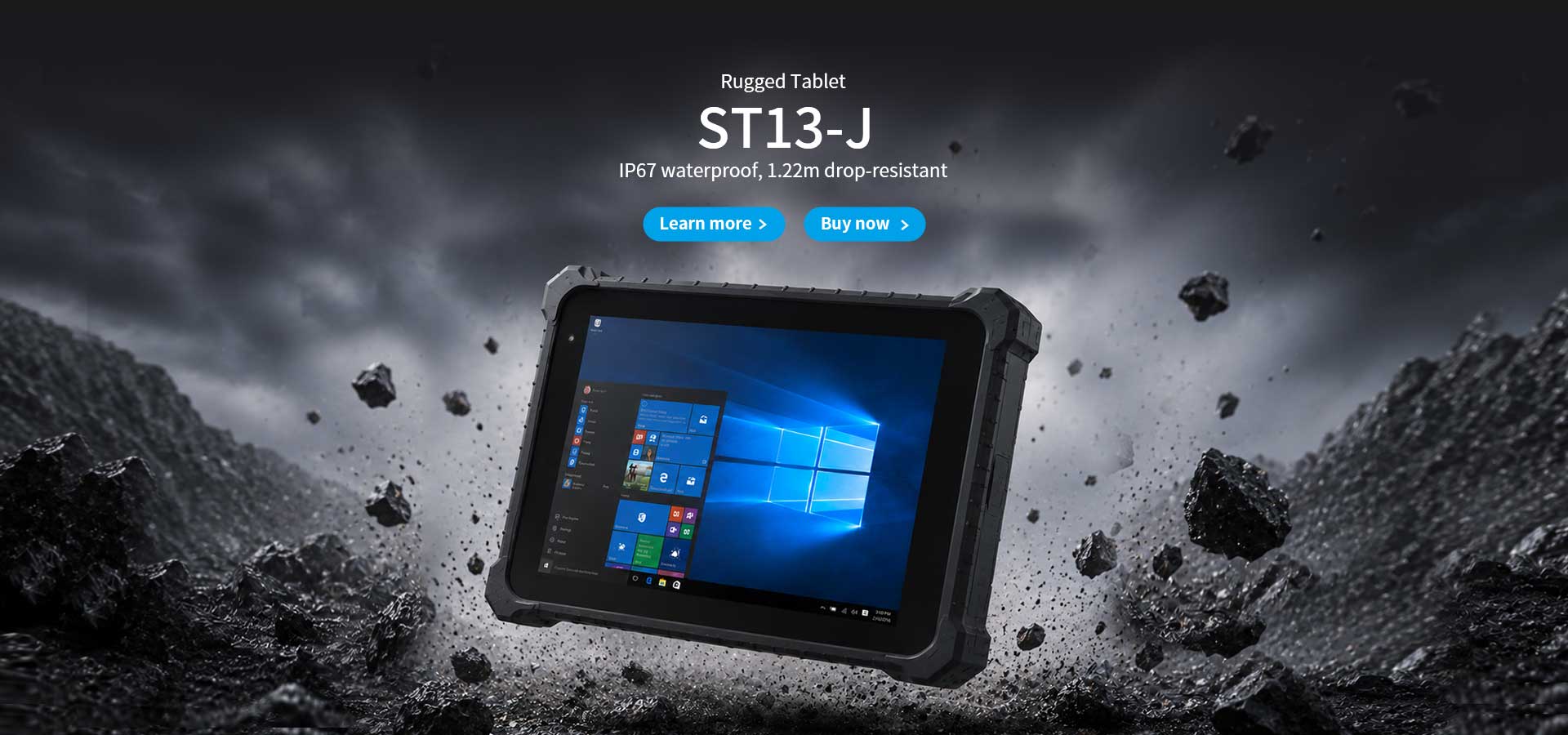
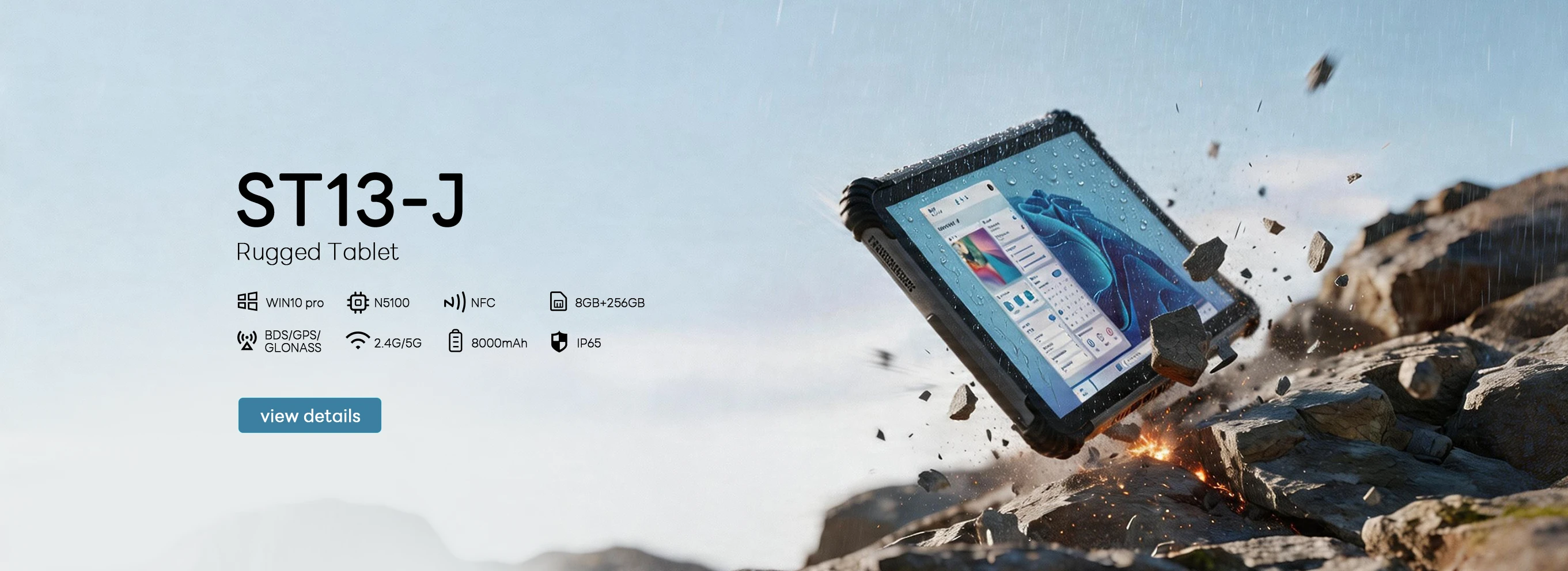
From Inspection to Intelligence: The Role of the ST13‑J
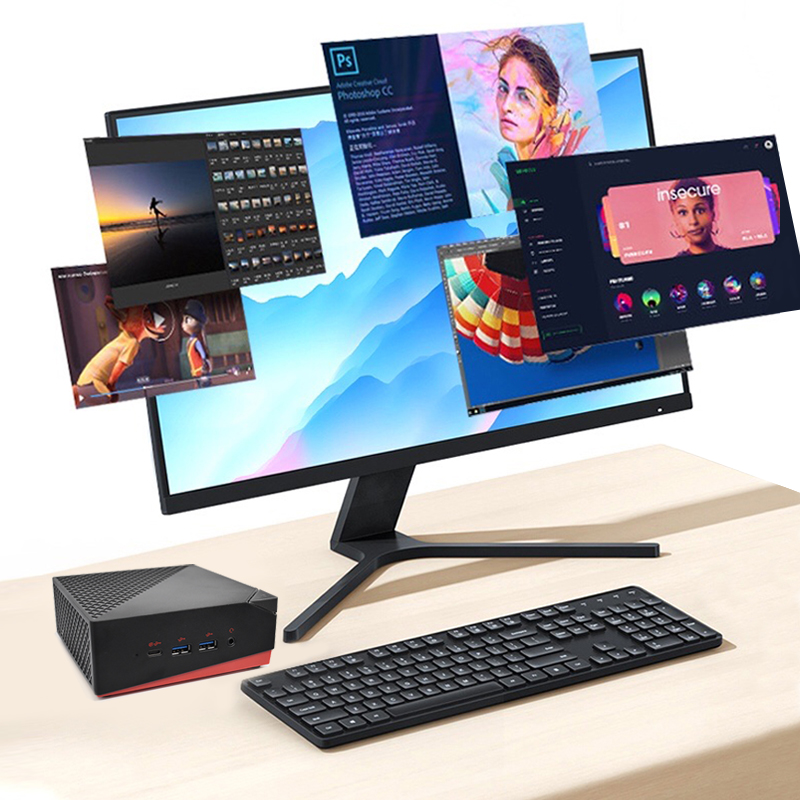
Quality Assurance is not just about catching bad parts; it's about optimizing the process to prevent them. This is where the Hotus ST13‑J 13.3″ Windows Rugged Tablet becomes the Quality Manager's most powerful tool.
- Supplier Benchmarking: Instantly compare defect rates across different metal coil suppliers.
- Predictive Maintenance: Identify subtle increases in scratch patterns that signal a stamping die is beginning to wear, allowing for scheduled maintenance before a "scrap event" occurs.
- Root Cause Analysis: In the event of a test bench failure, pull up the 200x magnified images of every plate in that stack to identify the exact origin of the leak.
The ST13-J management console: Turning raw inspection data into actionable manufacturing insights.
Real-World ROI: The $2 Million Recovery
A leading Tier-1 electrolyzer manufacturer recently replaced their manual inspection process with a fleet of 90 HOTUS devices (a mix of ST11-U, U9000, and ST13-J).
| Metric | Before (Manual) | After (HOTUS Digital) |
|---|
| Defect Detection Rate | 62% (Estimated) | 99.4% |
| Inspection Time per Plate | 45 Seconds | 18 Seconds (Synced) |
| Annual Warranty Reserve | $3.5 Million | $1.5 Million |
By eliminating the "human factor" and digitizing the measurement of every pit and scratch, the facility not only saved millions in potential claims but also secured a 10-year supply contract with a major European utility—a contract that required 100% digital traceability.
Protect Your Production Integrity Today
Don't let a microscopic scratch jeopardize your reputation in the hydrogen economy. Deploy the industry-leading Windows PDA and Tablet ecosystem for electrolyzer QA.
Contact HOTUS Technology Experts
Ask about our Pilot Program for the ST11-U and U9000 PDAs in Cleanroom Environments.