- Select Language
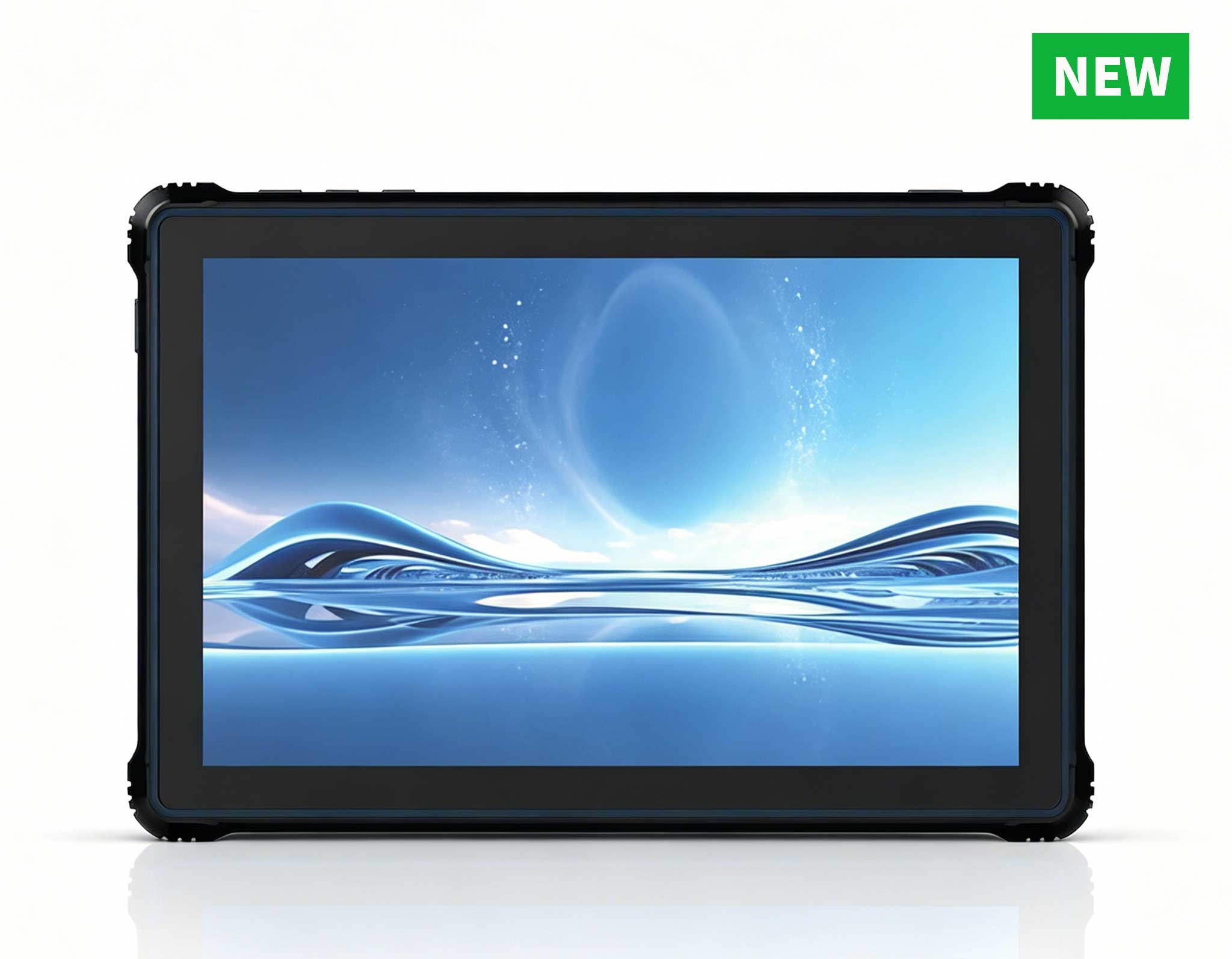
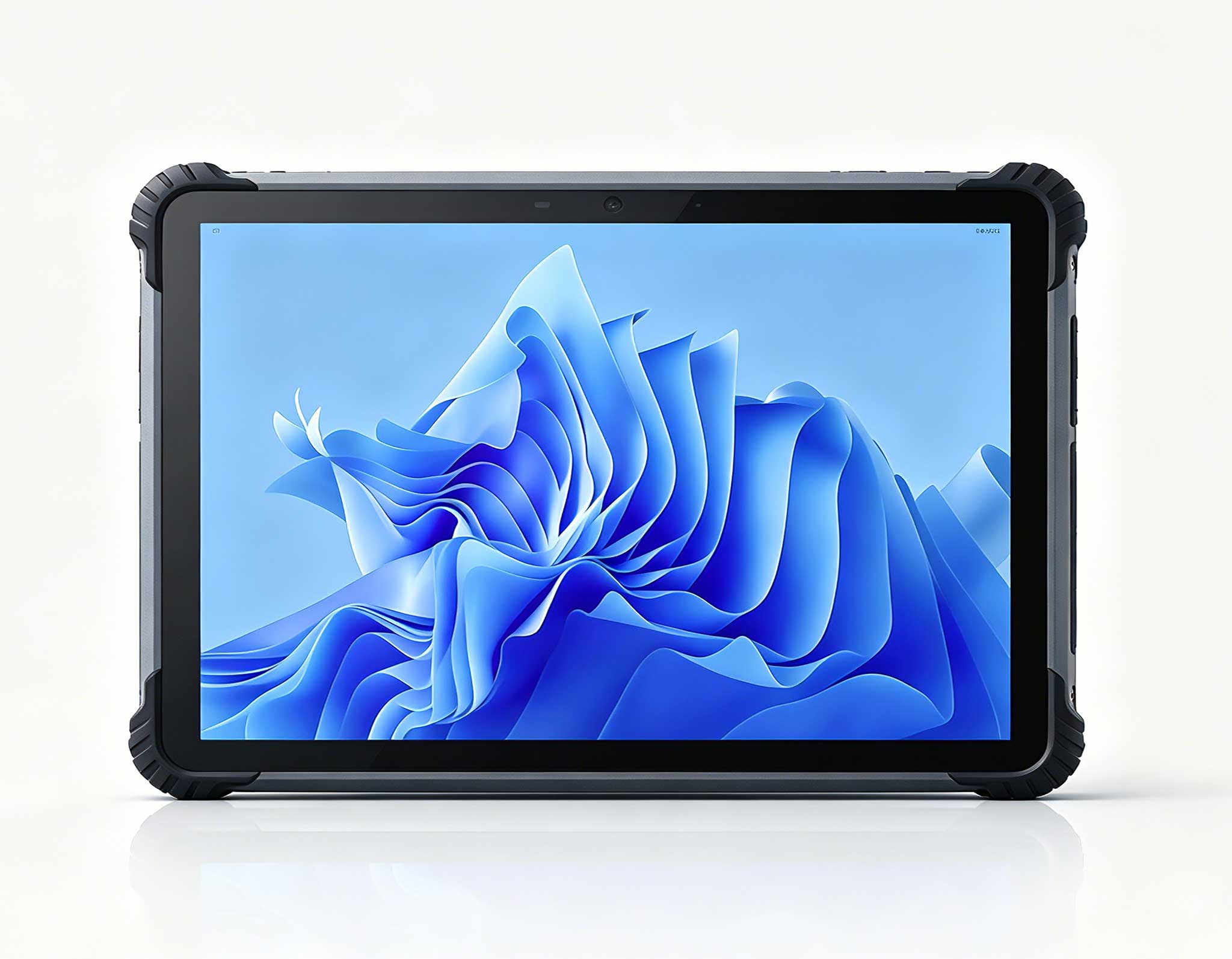
RT80 5G Rugged Tablet | 10.1" FHD 400nit | Un...
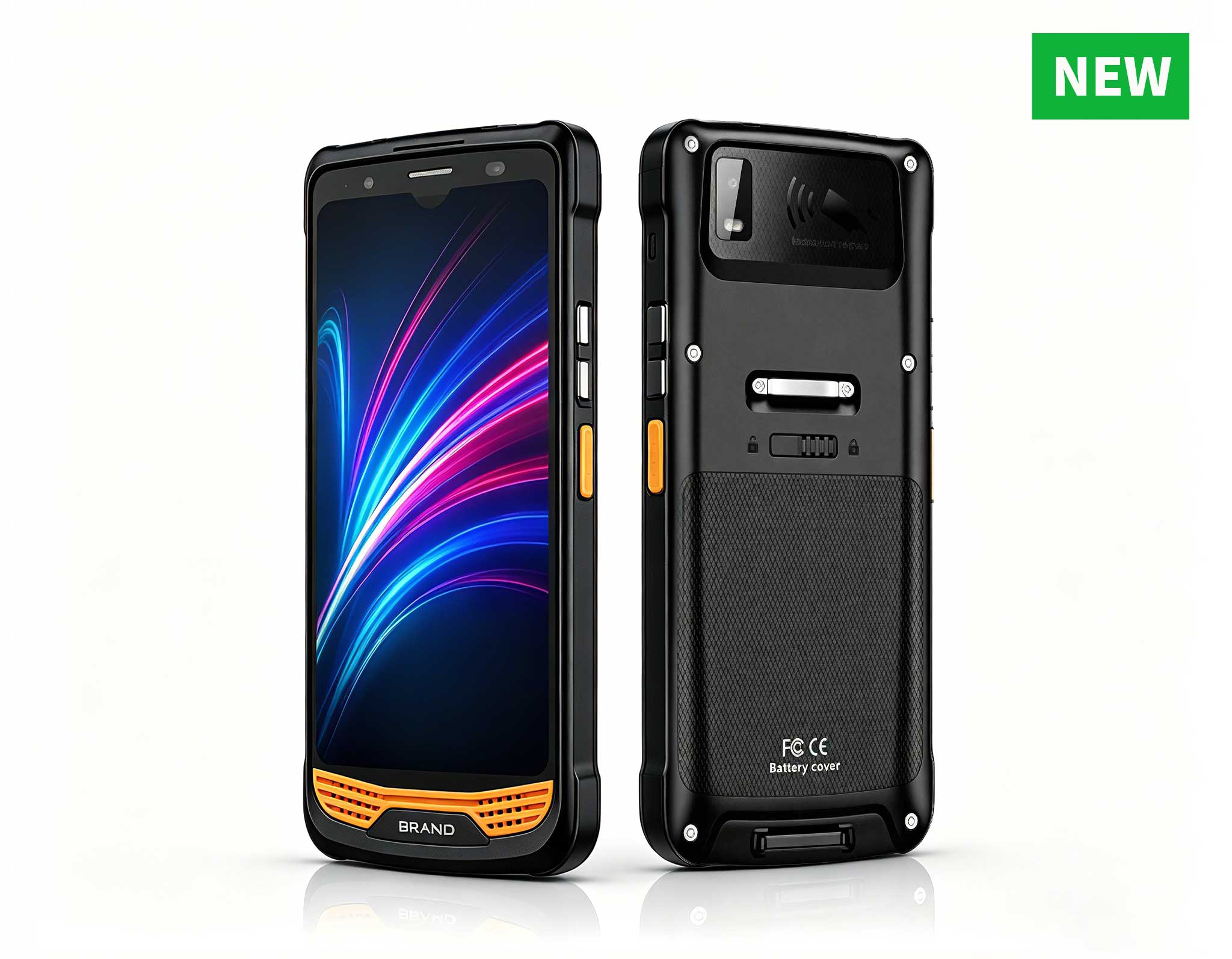
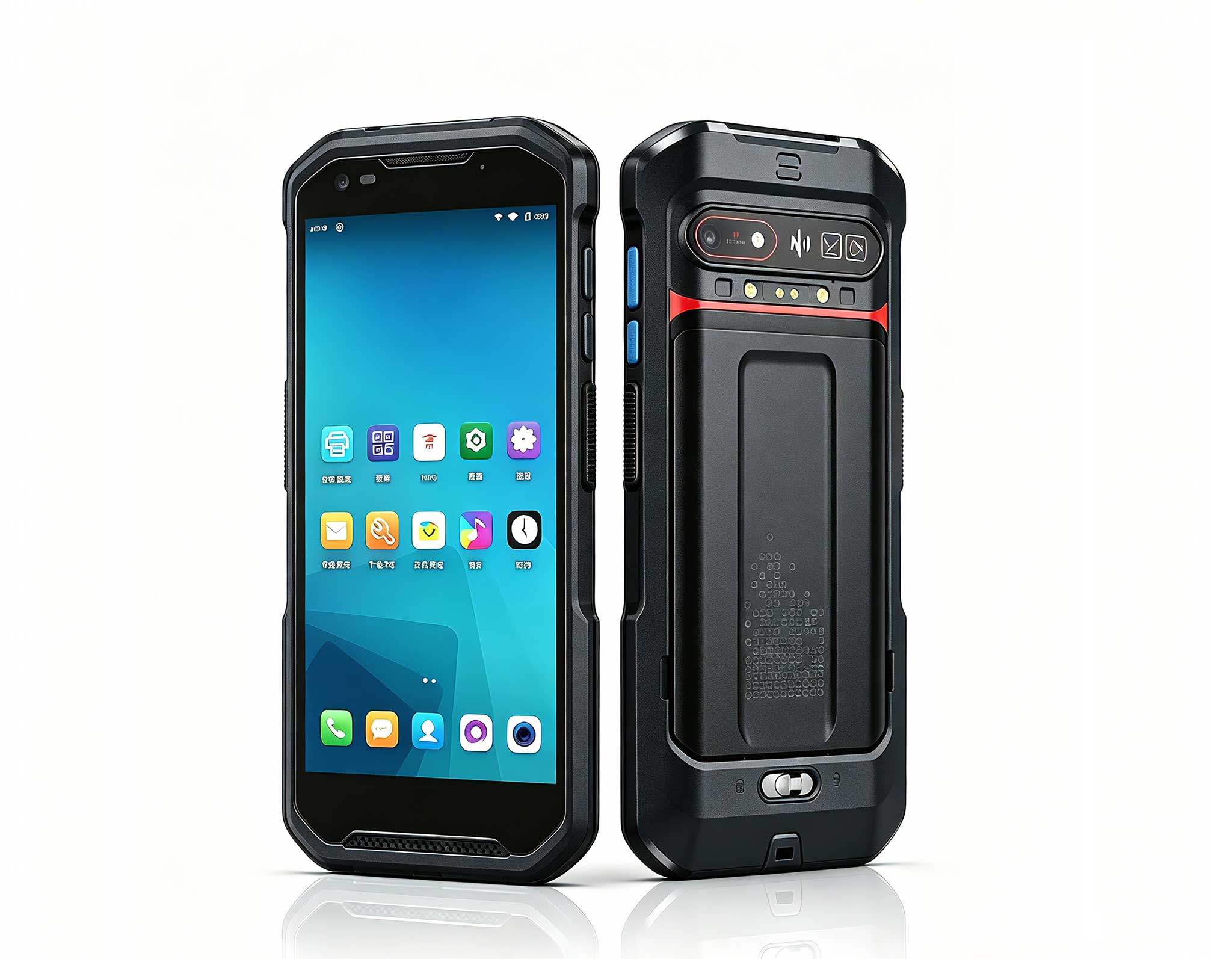
R366-S 5.5-inch Industrial PDA | Qualcomm Octa-cor...
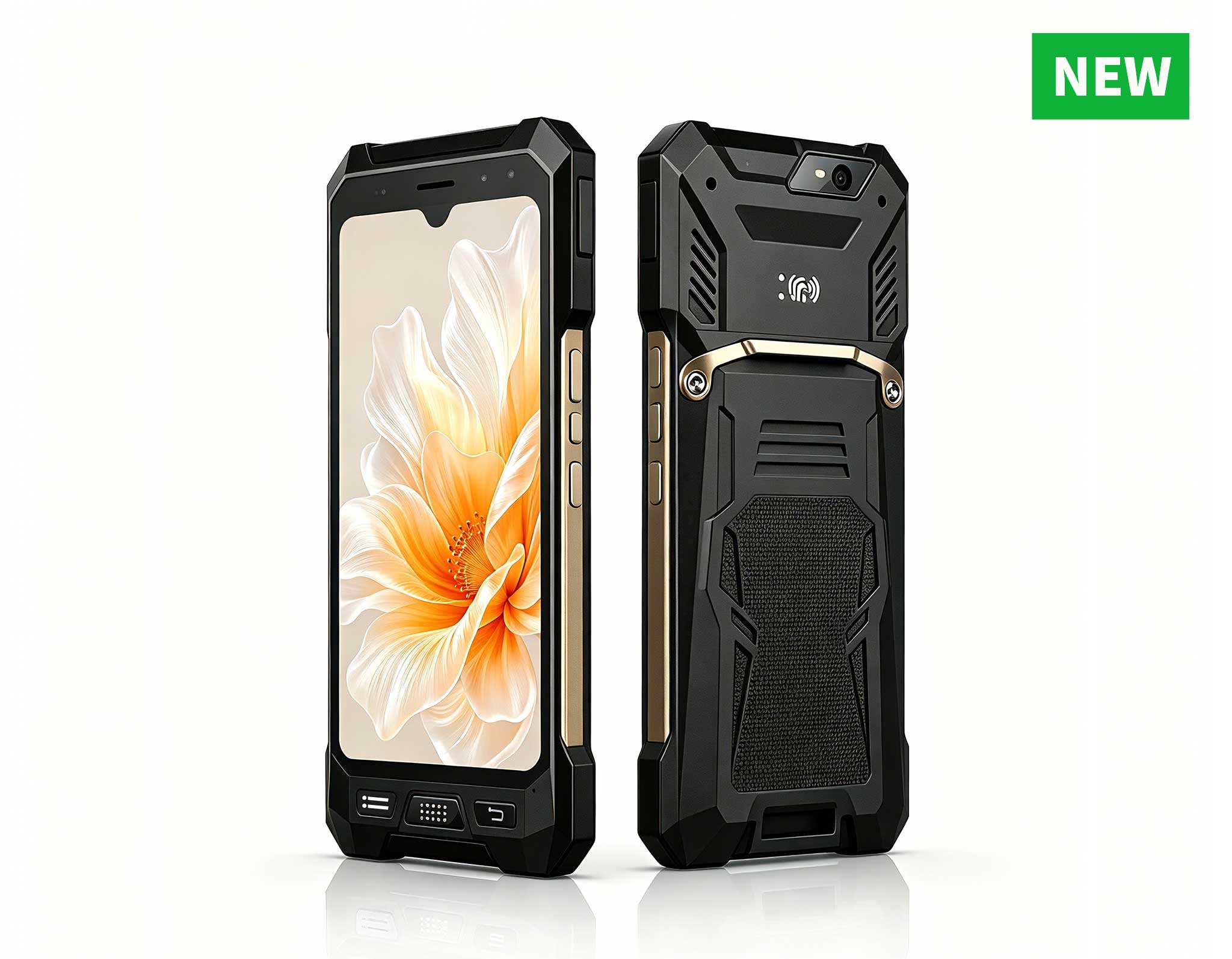
R530C 6.0-inch Industrial PDA | Qualcomm Octa-core...
The F505 Handheld PDA is a compact, high-performan...
Explore an innovative Personal Digital Assistant f...
The F505 Handheld PDA is a compact, high-performan...
Full SpecificationsModelHotus ST13‑UOSWindows 10 P...
The X501 Handheld PDA combines advanced barcode sc...
Technical SpecificationsModel: Palm-sized miniPCTy...
The N60 PDA is a cutting-edge device for inventory...
RS51 4G Rugged Handheld Terminal | 6.3" FHD+ ...
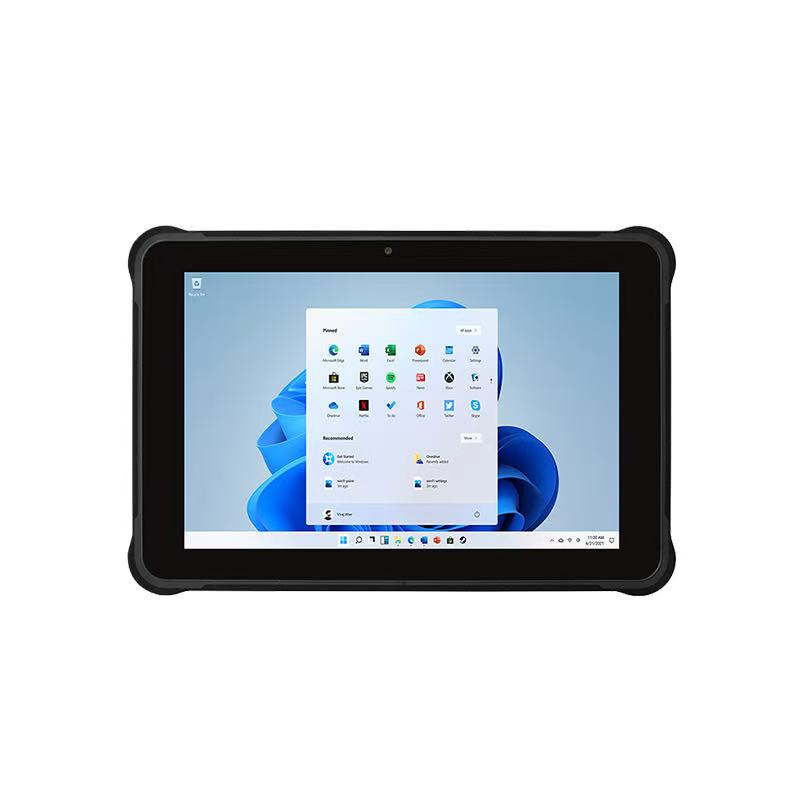
Hotus ST11‑U — edge‑AI powered Windows tablet for physical intelligence at scale
By HOTUS Technology | April 2026
The conversation around AI has fundamentally shifted in 2026. This is no longer just about copilots, chatbots, or even humanoid robotics. It is about something much bigger: AI moving into the physical world at scale. From excavators and surgical systems to robotaxis, autonomous forklifts, rail inspection systems, and precision agriculture equipment, intelligence is now being embedded directly into the machines that move industries forward[reference:0]. The global edge AI hardware market — valued at $27.9 billion in 2025 — is projected to reach $122.8 billion by 2035, growing at a remarkable 17.9% CAGR. According to Frost & Sullivan, edge AI markets are growing at over 30% CAGR as organizations confront downtime, labor shortages, and operational volatility[reference:1][reference:2].
At the heart of this physical AI revolution is the need for robust edge computing infrastructure — devices that can process AI workloads locally, withstand harsh industrial environments, and maintain persistent connectivity for fleet coordination and telemetry. Hotus palm‑sized Mini PCs and ST series rugged Windows tablets are purpose‑built for this new era of physical intelligence.
For years, the focus has been on the compute layer: more powerful edge processors, better vision models, improved sensor fusion, motion planning, and real‑time decisions. The machine‘s intelligence now lives directly on‑device, enabling real‑time autonomy where the work actually happens. But production systems introduce a second reality. No machine operates alone. Every autonomous system still depends on persistent connectivity for fleet coordination, telemetry, safety heartbeats, teleoperation, and over‑the‑air model updates[reference:3].
According to IoT Analytics‘ Industrial Digital Technology Outlook 2026, AI-related technologies dominate the industrial technology radar, with edge AI, generative AI, agentic AI, and physical AI identified as the most impactful areas[reference:4]. Autonomous industrial AI deployments are delivering 5–10× ROI within three years as systems evolve from rule‑based automation to self‑learning operations[reference:5]. In smart factory deployments, edge computing adoption is at 21%, enabling real‑time control through local data processing to reduce latency, with AI vision reaching 41% implementation for high‑speed defect detection[reference:6].
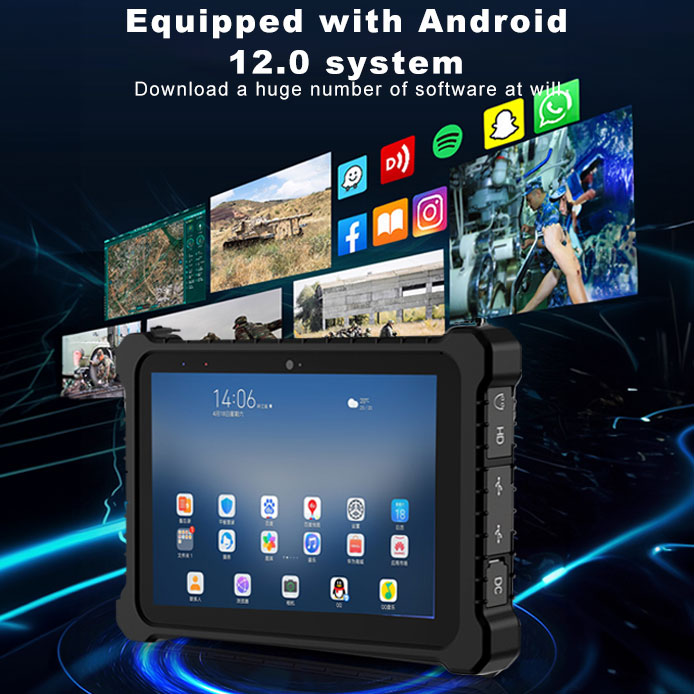
Hotus Palm‑sized Mini PC — Edge AI Gateway
The Hotus Mini PC serves as the ideal edge gateway for physical AI deployments:
Hotus ST11‑U 10.1″ Windows Rugged Tablet — Edge Visualization Console
For operators and technicians interacting with physical AI systems:
A Tier 1 automotive parts manufacturer deployed 50 Hotus Mini PC edge gateways and 100 ST11‑U rugged tablets across five production lines for real‑time quality inspection and predictive maintenance. Results after 12 months:

Hotus Palm‑sized Mini PC — edge AI gateway for physical intelligence deployments
Contact HOTUS Technology to discuss your physical AI and edge computing needs, request pilot units, or explore custom Mini PC and rugged tablet solutions for Industry 4.0.